

Amid the events of this past week, we felt the need to dedicate an episode of our podcast to the BLACK LIVES MATTER movement and specifically how it relates to musical theatre... Read More
From the show: A Musical Theatre Podcast
Guests
Featured Shows

About
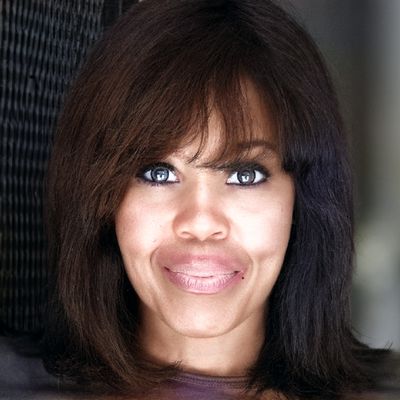
Amid the events of this past week, we felt the need to dedicate an episode of our podcast to the BLACK LIVES MATTER movement and specifically how it relates to musical theatre. Theatre/film/television actress Sharon Catherine Brown joins us for a conversation about her career that has broken through racial boundaries on Broadway and the toll it takes on the black artists willing to do it. After listening to the episode, reach out to us. How can we celebrate black lives in this art form? Who are some of your favorite black artists in musical theatre? Record a voice memo and/or email us at amusicalpodcast@gmail.com.
Follow Sharon on Twitter @SharonCatBrown and Instagram @sharoncatherinebrown
Take one moment to follow "A Musical Theatre Podcast" wherever you may be listening and share us with your friends!
Join us on Instagram, TikTok and X for more great content. For bonus episodes, subscribe to PATREON! for only $1 a month. And don't forget about our TeePublic Store, our proceeds from which we donate to Broadway Cares/Equity Fights AIDS.
Above all, thank you for being part of this wonderful podcasting community.
Transcript
This transcript was automatically generated and might contain errors.
[0:01] Sharon Catherine Brown: You know, I have thought so much about my life as a Black woman, as a Black actress. In the past, I think I've thought more about my life in the past 72 hours than ever in my life. I think just who I've been and what I want to be. And it doesn't have anything to do with show business, but it has affected how I've been in show business. Because I'm aware of the fact of how many times I've made myself palatable for the white people I work with. That I've shushed myself. I love people to my heart. I always have and I always will. But there are certain, and I have a really, you know, goofy sense of humor naturally. But there's another part of me that has become the comic relief in certain instances so that I will not be threatening.
So that I can have a good working environment. It's actually, this is the first time I've actually put it like that. And so that's emotional for me. It's interesting. Because it's something that I have only talked to my friends that are Black about. Because we don't feel that anybody gets it. But we get it without saying the full sentences. We've each taken on the character that doesn't threaten the white people around us. So that we can work. And now I don't feel like being that person ever again in my life. Because I realize that it's been a chipping away of my humanity and of me as a person. And it has been so subtle of my own doing. It's been so subtle. I haven't realized it until this moment how much I've censored myself.
[2:27] Jeffrey Scott Parsons: Welcome everybody to a musical theater podcast where we discuss the cultural and emotional impact of some of our favorite musicals in theater history. My name is Jeffrey Scott Parsons. You can call me Jeff. Today we're doing something a little bit different. I wanted to, you know, I had something planned for this weekend that based on what was going on just felt totally tone deaf. Just wrong. So instead I contacted my dear friend Miss Sharon Catherine Brown to see if she would be willing to have a conversation with me about Black Lives Matter. And she graciously accepted. So Sharon, welcome, welcome.
[3:05] Sharon Catherine Brown: Thank you, thank you. Welcome to the podcast.
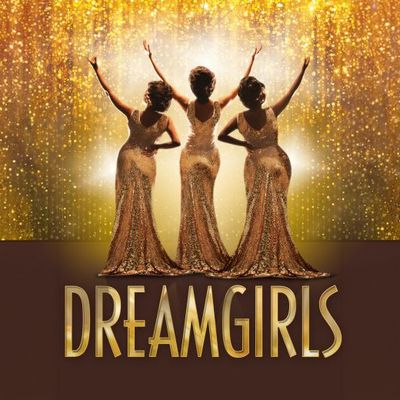
[3:07] Jeffrey Scott Parsons: Thank you. I'm so honored. Thank you so much. I don't mean to make you sit and listen to your resume while I spout out all of your credits. But for those who may not know, Sharon is a legend in musical theater. And I'm sure we'll talk about some of these things throughout our conversation. But she was on Broadway in Dreamgirls as Effie, as well as Joseph, right?
[3:34] Sharon Catherine Brown: Joseph, yeah, the narrator.
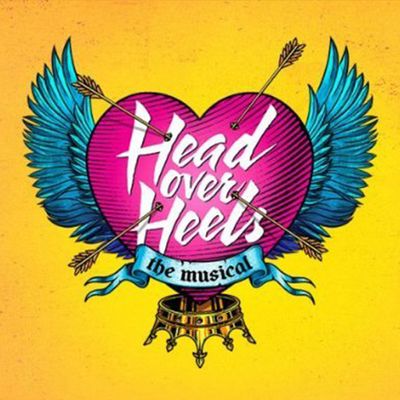
[3:37] Jeffrey Scott Parsons: And as well as recently in Head Over Heels, which was the, is that the Go-Go's?
[3:42] Sharon Catherine Brown: That's the music of the Go-Go's, yep.
[3:45] Jeffrey Scott Parsons: Yeah, that was the Go-Go's musical, yeah. As well as just like, how many times have you been around the country? Because I feel like you're kind of a touring queen as well.
[3:51] Sharon Catherine Brown: There was a time where I considered myself a tour warrior.
[3:58] Jeffrey Scott Parsons: Yes, I love that.
[3:59] Sharon Catherine Brown: Because at one point in my life, yeah, at one point in my life, it was like nine years, eight, like eight and a half years straight of just touring. I was just on the road, on the road. And when I'm doing a show, I'm a hermit crab. Like, you just have to go straight home and talking and all this stuff. So that was like eight and a half years of like, everybody's complaining about this isolation. I'll show you isolation. I'll show you a lockdown. But yeah, I toured a lot.
[4:30] Jeffrey Scott Parsons: That's fantastic. It's an amazing career that keeps going. You just don't stop. And we're so grateful to have you here.
[4:37] Sharon Catherine Brown: Thank you.
[4:39] Jeffrey Scott Parsons: You know, I, as I've been thinking about talking to you for, you know, the past couple days, the main thought that came to mind for me is that loving the USA is kind of like loving musical theater, in that I'm so grateful for everything that it has given me and afforded me. Like truly grateful, grateful, grateful. And you have to contend with all of the ugliness that existed at its formation. And within the case of musical theater, you know, you have minstrelsy and burlesque and vaudeville, all of which exploited black lives and essentially the black experience for the raucous entertainment of white people, ultimately giving birth to blackface and so many of these horrible traditions. And so how do you contend with that? How do you make peace with your gratitude and all the ugly? And I know that that's a crazy huge question, but how have you done it in your life? How do you do it in your life? And do you have any suggestions?
[5:50] Sharon Catherine Brown: Well, I think to be honest, things have changed, not my gratitude. But I think some of the reasons that I've always been grateful is what is disturbing to me, not the fact that I'm grateful. I was raised to always be grateful and to walk in gratitude and to never get bigger than our craft so that it doesn't become about me. And as I'm growing up, you know, I've stumbled. I've never been like perfect at doing that. It took maturity for me to really understand what my parents were teaching me with that. What you have to realize, Jeffrey, is that anytime you speak up and in my career, most of my career, I've been the only black person on a gig or the first black woman to play this role in my little corner of this industry.
Because so many of those jobs that I've had, I was breaking color barriers. And that was always so much a part of my excitement for getting the role, you know, for going. There hasn't been a black person before and I know I can do it. And I wonder and you're always made to feel like it's such a big deal to cast you because of your color. Not because of your talent. When I was cast as Lucy in Jekyll and Hyde, such a huge deal to not be cast 10 years down the line. You know what I mean? Like I got cast by the team. Frank Wildhorn, David Warren, Jerry Mitchell. Jerry Mitchell was the choreographer. You know, like it was a big deal.
[7:34] Jeffrey Scott Parsons: By the way, I saw you in Salt Lake City, Utah.
[7:38] Sharon Catherine Brown: No way. Did you really?
[7:40] Jeffrey Scott Parsons: Yes, I remember I was in the balcony and I'm like, who is this woman belting her guts out to the back of the theater? Because I don't know if anybody I will post it this week because I know you shared the footage of you singing a new life. I have never heard anybody sing a new life like you did.
[7:58] Sharon Catherine Brown: Really? Oh, my God. That's amazing. Thank you. Thank you. Oh, my God. That's true, though. It's true. It's crazy.
[8:06] Jeffrey Scott Parsons: Well, I am trying to remember. I always tell people and maybe you can help me with this. There's a hotel that we were staying at. It was the coolest thing I've ever experienced in a hotel where they give you a goldfish to keep you company for your whole stay. And I can't remember that. And I can't find any of my papers. I don't know where my papers, because I always keep like a brochure, things I want to remember. My jaw's in the ground. I've never heard of this.
[8:35] Sharon Catherine Brown: Jeffrey, when you come in and you're like, there's a goldfish in here. And then they're like, this is, you know, to keep you company. Nobody should be alone. Don't feed it. We'll take care of it. You know, because they're like, yeah, yeah, we don't need your help. Thank you. And clean it all. This is just and I literally because I'm the wrong person to do that, too. I got so attached to my goldfish. I was like, I don't want I was like, I love him. I don't I don't want anybody else to have my goldfish. Now, I feel like I have a mission to track down what if you because it's brilliant. Because to me, it should be even if the because it was so long ago, even if the hotel's not there anymore, I would think that it would have made like been famous enough for that for something.
[9:24] Jeffrey Scott Parsons: Oh, you're talking about. And the other thing is the decor was harlequin. It was really weird.
[9:29] Sharon Catherine Brown: Oh, it almost couldn't sleep.
[9:32] Jeffrey Scott Parsons: Yeah. No, it's very bright. You try to go to sleep. So that's great. Okay. All my any my Utah people listen in. Let's let's find this place because I am intrigued. It was the best thing that I've ever experienced in a hotel. I thought it was the coolest thing ever.
[9:49] Sharon Catherine Brown: That is the sweetest thing ever.
[9:54] Jeffrey Scott Parsons: I'm sorry. No, you didn't. But you didn't. But that was that was a big deal because I knew that that was going to be theater history. You know, that that kind of thing. I knew that the general public was expecting me to not know my genre. To not be a skilled to get up and do Lucy and sing a whole bunch of runs. I'm a classically trained actress. I sing gospel. I sing rock. I'm a rocker chick. But I knew that there was so many people that did not expect me to be able to play a role that had been created by a white woman and know what that particular genre was, that particular music. Even though Frank Wildhorn himself writes R&B and big biggest hit was the one he wrote for Whitney. This is not this is not that it's different.
[10:55] Sharon Catherine Brown: Yeah. Well, traditional Broadway, big ballads hit him out of the park. But there was always that weight eight shows a week of that. It was always that on top of the weight of just doing eight shows a week. And, you know, anyway, of defying expectations of recognizing the expectation.
[11:14] Sharon Catherine Brown: Yeah, that's the that is the tragedy of being the only one is because you have to represent the group. White people don't have to represent the group. Because they have given themselves the power to be to be all things. And so a white person doesn't go into any situation going, if I mess up, this is going to make white people look bad. That's not your concern. But, you know, this is an entire race that you're you're anything you do.
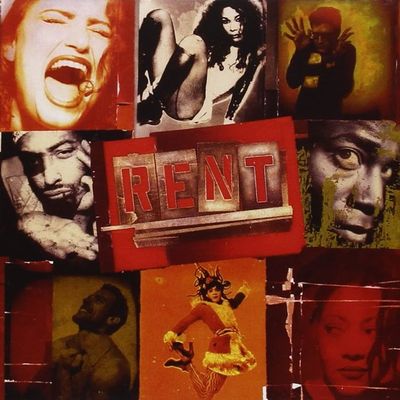
[11:48] Sharon Catherine Brown: On that, you know, it's very heavy stuff. When I was in Rent, I was the Seasons of Love soloist of the Benny Company. So Rent is the one that started the naming of companies in alphabetical order of the characters, I'm happy to say. Yeah. So when Hamilton is like, it's the Angelica Company. It's like we started at Rent started. So there's the Angel Company and I was in the Benny Company, which is those those are the first two after they opened up Broadway. And as soon as you say Rent, you know, it's a multicultural cast from the V. I mean, you already know what you're getting. And those of us who again, we did the show a long time ago and we have remained close. We're a family. And what I like about the Rent family is that you if you're in one of the other companies, you're instantly like we're instantly family.
So there are people that I've never worked with, but that we're instantly something happens and we're instantly there for the Rent family. I love that. So that has always been the vibe. And everybody by now basically knows how the second act opens with Seasons of Love, and I was the Seasons of Love soloist. And so, you know, the curtain is down. We're all in a line and, you know, goofing off the way we always do, telling stories, whatever, whatever we did on a eight show a week basis before the curtain came up. That's what we were doing. And the lead in the show, which was who was always right next to me, he was telling a story. And in telling the story, he was like, so me and my friend, we were doing this and then we nigger knocked you.
And that. And I did that, like basically what? Because he was just going on with the story. And I looked at my my friend who's to the right of me, who's playing Angel, because I wanted to go. Did maybe I heard. Did I make that up? Because I heard obviously I was like, I'm pretty sure that was nigger before the word knock. Now, I don't know. I did not know what that phrase meant. It means to knock on the door and run away before someone can catch you. And, you know, I ring the bell. And there's which there are so many other ways to describe that action. Well, I can think of three right now. So imagine that that came right before the phone. But so the curtain is going up. So he says that. And and I'm like this curtain is going up and I'm like five hundred twenty five.
And the whole time and I copied the song. I mean, you know, we did our job, but the whole time I'm like, I don't understand, like like as if he was talking about cereal. I went off on him when our number was over and when we got in the wings, I was like, are you crazy? I was like, this is red like that. Like and the and the excuse that was given to me is that he was born and raised in New Mexico. I was like, well, first of all, no. And second of all, no. You were in a huge movie with Whoopi Goldberg and you have lived in Los Angeles as a super famous television person and all over the universe. Unfortunately, everybody knows what the N word is and that that you don't put that in any in any word compound word.
No, not by itself, not with another word. And I didn't have one person in the cast stick up for me because of systemic racism. It was icky. It was icky. And he didn't know I was made to feel like I had. I made too much of it. And I was uncomfortable for the rest of the time we worked together around that person. I had a great time. It's not like it ruined my work experience, but it was uncomfortable because everybody was looking at me like you're the angry black woman, even the even the stage managers. These are people I loved. It was just too uncomfortable. This is a multicultural cast, but they came to me privately. And that's that is the layer of racism that we're dealing with. But they came to me privately and went this.
That was you're right. You're right. And I was like, but but you need to say it in front of in front of this person. Yeah. Now, fast forward a million years. And and when I'm doing head over heels on Broadway year before last, that person came backstage and went, I've thought about that moment all these years. And I want to apologize to you. And what I said was, well, you know, I would have handled that differently. I'm a mom now. We're all older now. I would have handled it. It's all. But I realized that in that moment, I, too, was trying to make him comfortable because I was so uncomfortable being known as the angry black woman after that. And I went home angry at myself. I was like, I shouldn't have apologized.
I should have just accepted his apology. Thank you for your apology. I'm learning about myself that I'm so used to, you know, dumbing myself down and making sure I have no sharp edges and that I have no feeling because you might be. Offended or scared or. Oh, I'm so sorry. There's so many conversations going on everywhere. And all of my black friends are being called by all of their white friends to say talk to me. And that I think is so important because we have so much to say. You know, I I love the fact that one of my dear, dear friends, my dear friends, she said, I am just been aware of something that I need to check in myself. And I'm like, that's what we're asking for. Yeah. And so thank you for that, because because this is human beings we're supposed to check ourselves.
You know, I just I mean, there's self-improvement. So that, you know, so when it comes to racial issues, nobody wants to do that. And I don't understand that. It's the deepest, darkest, biggest issue we have in this country. And we won't talk about it and we won't deal with it. And nobody wants to feel bad. And I'm like, you're going to feel bad for a while. It's not going to kill you. It's going to make you feel bad. It's not going to kill you. But if you don't deal with it, it is killing us. That's the difference. Dang. I think one of the the things that we don't like to admit is that empathy doesn't feel good. That caring for somebody and having charity and honestly, all of the spiritual high road that I think many of us want to live by doesn't actually come with the warm, fuzzy feelings that you think it should.
It actually feels real scary and sometimes very, very sad. It's like being a parent. It's like the moment you become a parent, you have that best thing ever. Worst thing ever feeling. But that doesn't stop most people from having kids. Exactly. Exactly. We don't even think twice about it, right? Right. Because that is something we've convinced ourselves is worth it. Absolutely. Talking about racism. We haven't convinced ourselves it's worth it. Because the other thing that people are fooling themselves into thinking is that you're only a racist if you're wearing a white sheet. That systemic racism isn't just as damaging. I liken it to the Ghostbusters movie where there's the river of slime that's under the city and we didn't know it until.
This has been our river of slime. Even though I personally would have given anything not to go through this administration. But this is not something that we would have been able to uncover in this way had Hillary been elected. Because if Hillary would have been elected, there would have been a lot of things she probably would have nipped in the bud. But that river of slime is just getting stronger. It's literally like the Ghostbusters movie. Just getting stronger and stronger. I'm saying it going. It can't be exposed the way it is when you have an actual dictator in office. Yeah. A compassionate leader is going to be able to calm the waters, so to speak. Right. And I am a Christian first. And what people have been doing in the past 15 years in the name of Christianity, there has to be the Christians that call out the Christians.
Those are layers of life that have nothing to do with anything other than how we are perceived because of the color of our skin. It's psychological. It's been marketed for centuries. It's branding. Racism is branding. I will say that from now until the end of days. It's no different than being miles away from a McDonald's. But you can see those yellow arches and know that it's McDonald's. You've seen it all your life, whether you eat it or not. You've seen it all your life. And and subconsciously, you know, the taste, you know, the comfort level, you know, all of the expectations and sometimes just knowing that is enough to feel at home there. Right. Yes. I love that you said to feel at home there because that is a comfort zone for many white Americans.
But it has also become a comfort zone for many people of color who are not African-Americans, our own industry. Like, I kind of thought there was a ring of ignorance and hate outside of show people, creatives. I didn't know that the little worm of hate got in there. And some people were like, oh, OK, now I know. The first thing that comes to mind is when you talk about things in terms of business, you have to talk about money. And if there's anything to me that is synonymous with money in this country, that scarcity where we don't think there's enough. And if we don't take it, then someone else is going to have it. And in many ways, if we look at empathy or love with that same paradigm, then you understand why people are terrified of the Black Lives Matter movement, because all of a sudden you're like, well, if I give them love, then there's not enough love for me.
And what I believe and I think that you do as well is that love is infinite and that by tapping into those reserves doesn't mean that anybody gets any less. But that's hard to teach if you haven't been taught. Oh, this is so layered. But, you know, like when you take your children to Klan meetings, that's all they know. You know what I mean? Well, I mean, I didn't even know it came in a little size. You have to make that for your child. You have to make a little Klan suit for them. We don't come into the world like that. You have to be carefully taught. OK, there's a musical theater reference, but it's true. The KKK predates Al-Qaeda, by the way.
[23:35] Sharon Catherine Brown: How are they not a terrorist group? How are they not? This is not like a maybe, we're assuming. Or, you know, I heard a rumor they kill people. This is an organization that willfully and gleefully committed murder, lynched people, and posed with the burning bodies. Now, that's some sickness, that's some evil stuff right there. This is not a maybe. Pose with them so that this could be a message to any other black person that just in case you think you'll ever be free, we run this. How are they not terrorists? They're a terrorist group. And you think if you put the word homegrown in front of people that commit terrorism in this country that it makes it better. Homegrown terrorism, like it's a plant.
Like, you know, it's a little shop of horrors. What is that? It's organic. It's an organic and GMO-free and gluten-free terrorist. So there you go. I have been like weary and really heartbroken with all of this that's gone on because I'm in New York where the pandemic was so huge and our lockdown has been so long and people just want to get back to their normal. But we don't want to get back to that. And they don't want any more of this sadness. And I'm like, this is not an option for us. You turn it off if you want to, but it's not an option for black people to get past this. It's not an option because while we're having this conversation, people are losing their lives. And that's a fact. That's the hideous fact.
The names that everybody is plastering on their social media are the names in our lifetime. Keep that in mind. It's just the names in our lifetime. I think that I agree with Sheldon Epps, the director who used to be the artistic director of the Pasadena Playhouse, gave an incredible interview today. And because he directs so much television, he directed Girlfriends and he directs Raven's Home and just so much television. He said in one respect, he feels that television has evolved more than theater. And I agree with him because you see more natural diversity. He didn't say perfect, and I'm not saying perfect. I'm not saying ideal. But we're still seeing theater with the one or two ensemble members who are of color.
When I say of color, I mean not white. I'm still seeing an ensemble. And every time you mention one thing, somebody goes, what about Hamilton? Stop. You know that we're not talking about Hamilton. We all know. That is its own universe and planet, and specifically, everything was different. I'm talking about all the other shows. I was thinking about this yesterday. I started my career in like 2007. Yeah, 2007. And it's mainly consisted of regional work around the United States. So that's like five to six musical productions a year. So how, oh my gosh, now I want to do math, but like, that's, that's a, you know, that's, yeah. I have never worked with a black director. Wow. Not once. And I realized it's not because I do shows that don't have diversity.
It's because I do shows that aren't exclusively black. Yeah, if it's Ain't Misbehavin', if it's Once on this Island, if it's Color Purple, then you get the ones. Yeah, yeah. But to bring a black perspective on a TAP musical, what would that look like? I would love to do that production of White Christmas. Like, truly. Seeing as TAP is culturally our... Exactly! It doesn't have to be bringing the noise in order to have the black vision on there. Oh my gosh, you're so right. Let me ask you a question. This is your show, but I want to know, because what have you done in the past? And if it's nothing, just please, I just, it's like the honest answer that I want. Have you ever been in a situation where you're just surrounded by all other white people and there's been racism? What was your reaction? Did you do anything? And just honestly, or was it just too awkward for you to deal with?
[29:00] Jeffrey Scott Parsons: No. I actually shared this on the South Pacific episode that we did earlier this year, but there was a moment in my household when we were, the whole, you know, the whole family, the big extended family, was at the dinner table and somebody said, it was when Martin Luther King Jr. Day was established as a national holiday, and it was expressed at the table that they didn't understand why we needed it. And I, as a teenager, was really kind of offended by that and stood up and told my elders why I thought they were wrong. And I got a handed to, well, I mean, thank you, but. Because when you're a teenager, you know, to feel that it takes a while to find your voice as you're growing up. So when you're a teenager and you're able to speak up, I think, you know, that's. Well, and I have to hand it to, you know, I have to hand it to those who raised me as well, though, because they nourished that voice, right?
They, they allowed me to, to find who I was. And then I also have to hand it to those elders who I, you know, talked back to, essentially, because they said, well, that's why your generation will be better than ours. Wow. And I, I recognize that that is like a, that's a pretty little story that has a bow on it, but I, I really do think that sometimes those conversations around the dinner table are what changed the world.
[30:15] Sharon Catherine Brown: And I agree with you. I just think it hasn't happened enough. I mean, No, it hasn't. It absolutely hasn't. There has to be the one person that stops, that stops you. I mean, that's the reason why I don't like Arizona. Arizona hasn't done anything to me personally. But I was like, how can we be the United States and we have this national holiday? Why did you I just thought, Oh, did they not? Did they not do it? To this day? And I was like, how do you not do that? I wanted to know. I was like, why would you not if there's one other? No, maybe it's just Arizona. I thought there was one other state that I remember going. That's really something I'm I don't ever want to live there because I'm questioning why you would vote against something so important is especially like people are quoting him every two seconds. You know what I mean?
[31:08] Jeffrey Scott Parsons: But of course. See, we know your history. We know everybody's history. And we also have to know ours, but we have to seek ours out because your history is is shoved down our throats. But you obliterate our history and not just ours. This country was founded on so much bullying and lies and everything other than love that it's hard to get to the love part. The segregation that we have is working against us. It's not only working against us from race to race to race, but within the races. It's like, if you tell me I'm from name a place that I don't really know a lot about. Just say Idaho. Just say I'm from Idaho. What street do you live on? Oh, I live on Booker T. Washington. I automatically know that you live in the hood of Idaho. Why would I know that?
[32:04] Sharon Catherine Brown: Interesting.
[32:05] Jeffrey Scott Parsons: It's great if you have neighborhoods that are neighborhoods of color where you've named it. But why can't Martin Luther King Jr. have a street named after him in a white neighborhood? He fought for everybody's rights. This is the fabric that needs to be rewoven.
[32:25] Sharon Catherine Brown: Yeah.
[32:26] Jeffrey Scott Parsons: Frederick Douglass Boulevard. We know where that is and we know where it isn't. But he was a great man. Um, my man is from Fresno. And for some reason, Fresno has this amazing talent juice in their water or something. So like all of these crazy talented people have come from Fresno, including Audra McDonald. And she, uh, yeah, and she just recently got a street named after her. And so maybe, maybe I'm gonna see what that street looks like.
[32:57] Sharon Catherine Brown: Is it in Fresno? She got a street named after in Fresno?
[33:01] Jeffrey Scott Parsons: I think it's like Audra McDonald Way or something.
[33:03] Sharon Catherine Brown: Are you kidding? Did she come to the actual like, did they have a ceremony?
[33:07] Jeffrey Scott Parsons: I mean, I think so.
[33:08] Sharon Catherine Brown: That's awesome.
[33:09] Jeffrey Scott Parsons: I mean, I hope so.
[33:10] Sharon Catherine Brown: That's huge.
[33:11] Jeffrey Scott Parsons: Yeah. Yeah.
[33:12] Sharon Catherine Brown: That's so awesome. I just worked with her.
[33:15] Jeffrey Scott Parsons: Did you really?
[33:16] Sharon Catherine Brown: I did the good fight.
[33:18] Jeffrey Scott Parsons: Oh, okay.
[33:18] Sharon Catherine Brown: We were the last good fight before the pandemic.
[33:22] Jeffrey Scott Parsons: Before the pandemic? Oh, no way.
[33:24] Sharon Catherine Brown: Oh, that is the best crew I've ever worked with. They are, I love them. Like they, this is on the CBS All Access, right?
[33:32] Jeffrey Scott Parsons: Yes.
[33:32] Sharon Catherine Brown: Christine Baranski. I mean, it's just like good New York actors.
[33:36] Jeffrey Scott Parsons: So good. And they're all theater. Because Mark Sax is the, is the casting person who used to be in LA and he always, he always goes theater first.
[33:48] Sharon Catherine Brown: That's great.
[33:49] Jeffrey Scott Parsons: And they're just so, oh my goodness. But yeah, yeah. I, uh, I played a really crazy character. When is it? Do you know when it might be coming out?
[33:59] Sharon Catherine Brown: No, it's still on. It's, it's, we, we aired it already. But that's, it's, yeah, it's, it's episode four.
[34:06] Jeffrey Scott Parsons: Okay. Awesome.
[34:07] Sharon Catherine Brown: So yeah, so it's episode four and I'm not going to say anything about it because it's, you'll, you'll then see it. It's so weird. They were, they were really incredible people to work with.
[34:17] Jeffrey Scott Parsons: Well, I want to make sure to take time to celebrate some of your favorite Black artists for audiences to know if they don't. And, um, if it's in the realm of musical theater, all the better.
[34:30] Sharon Catherine Brown: One of my favorite musical, I mean, is that what you're asking me? Like one of my favorite musicals, favorite performances? I have to say that Dreamgirls will always be one of my all-time favorites because that musical had a pace that I have not seen a lot of that in musical theater before or since.
[34:52] Jeffrey Scott Parsons: Hmm.
[34:53] Sharon Catherine Brown: The pace was brilliant. I mean,
[34:56] Jeffrey Scott Parsons: It's cinematic really, right?
[34:58] Sharon Catherine Brown: It was cinematic. It was something that I always felt. I always, I knew I was, I knew it was a miracle that I got the role of Effie because no one thought I could do it. So I, I knew that was like miracle time, but I always knew that it was such a great thing to be a part of. I always knew how blessed I
[35:22] Sharon Catherine Brown: I love Norm Lewis, like I said, he's famous and everybody knows him, but I just know he's extraordinary.
[35:44] Jeffrey Scott Parsons: We have said on this show, Norm Lewis is our leading man.
[35:49] Sharon Catherine Brown: Oh, he's so everything, isn't he? He is. And I also really, really, speaking of Audra, I love Brian Stokes Mitchell. He's a friend of mine, him and his wife, Alison, we go so far back together. They're so wonderful to me. But I just feel like he's one of the best that ever did it. I really do. I think he's phenomenal. And there's just so many people that did stuff in the past. Diane Carroll was... Oh, Diane Carroll. Oh my gosh, yes. She was underrated in theater and she broke so much ground, it's ridiculous.
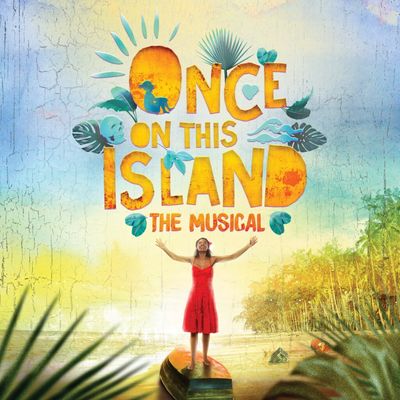
[36:36] Sharon Catherine Brown: That's insane. And she's an old friend, was an old friend of my mother's. Those are the people that I was exposed to because my dad was Sammy Davis Jr.'s protege. So I have so many different people I got to watch while I was growing up. And my mom and Diane Carroll grew up together, same neighborhood, they grew up together, they were friends. And so there are certain people that I knew, they set the bar so high. Gosh, there's really so many people that I could mention that I've worked with, but I don't want to mention one because then if I forget somebody, they'll be like, how come you haven't mentioned it? But I did Once on This Island, I played Papa Gay last summer on Cincinnati Playhouse in the Park. And I just have to say, the cast, I just could not handle their talent. They were brilliant. Every single one of them.
[37:37] Sharon Catherine Brown: You know, I like to do shows where you look over your shoulder, and you know, that person can kick your butt. It's that camaraderie. It's that professional camaraderie that you have that's like, follow that. Okay, I just left it on fire. Where you just feel like everybody around you is going, okay, I just dropped that mic. Let's see if you could pick it up. That's how I felt. I was just surrounded by, I mean, I will mention my friend, they're all my friends, but the lady that played Yurli, I'm sorry, Mama Yurli, Raeom Crenshaw, she's like a Broadway diva. And she sings that ballad. The T-Moon ballad. Yes, that they sing to T-Moon before they send her off. And we never leave the stage. And it took every actor's studio thing I ever learned, all my acting, and it still wasn't working.
I was like, Papa Gaye, I can slide demon to death. I can't be up here crying and snotting. I couldn't handle that. I mean, I really feel like she's the best that ever did that role. She's in my, she's my favorite. Her voice is like some kind of like, if you took the thickest of Belgian chocolate, dark chocolate, and just really thick and just went, okay, now I'm gonna turn this into a voice. That's her.
[39:14] Jeffrey Scott Parsons: That's amazing. Obviously, we've been sitting here talking about some of our favorites. And I know that one of mine is Carolina Change. Oh, my gosh, why didn't I mention that? See, you can never think of it like that. Of course, of course. But when I first, I discovered that show in like my early 20s, as like, you know, a white farm boy. And I remember really, it sparked something in me that wanted to understand it, because I didn't understand it immediately. And I'm like, why is she underwater? Why? Why is she constantly saying this phrase? And, and I learned something about the black experience, I think from the show that I wouldn't have been able to get otherwise. And I love that about art.
But that, that phrase has been coming to mind this past week, as I've seen people holding up signs saying I can't breathe. I'm like, they're Caroline. They're underwater. You know, the profound nature of that show, I will always be grateful for. I will say this about that show and about Dreamgirls. I, one of the other shows I did was The Wiz, which is the black version of The Wizard of Oz. And I was the youngest person to ever do the role of Dorothy, because I was 13 at the time. And so it was Oz onstage and Oz offstage for me. And Andre De Shields, who is one of my all-time favorites, speaking of favorites, was my Wiz. But the music was done by a black man. And I will say the one thing that I am missing is I'm missing a black musical written by black people in their own voice.
Because Henry Krieger and Janine Tesori are... Right. I still do think of musical theater as very white. I'm tired of that. And I think that's what Sheldon Epps was saying is that where's the musical that just reflects life and is not so much about, okay, well, we'll put two in the ensemble and we got to have... The conversation isn't being had. And if it is being had, sometimes it's just being had amongst white people. And you can't have a conversation about black people or Hispanics or Asians or East Indians or Native Americans and not have any of those people in the room, because then you're just talking to each other. So you're always going to be lacking information.
[41:53] Sharon Catherine Brown: Right. You're just sharing opinions. You're not actually going to be able to solve anything or have anything grow. We've got to be in the room. I got to give a shout out to Isaac Jackson, who was in a production of Crazy for You that I did. Was it last year? Oh my gosh, time. I don't remember anything anymore.
[42:10] Jeffrey Scott Parsons: Yeah, you did Crazy for You last year.
[42:15] Sharon Catherine Brown: I thought it was a year before last. Wait. Yep. Last year was 2019. Did you do 2019? Oh, yeah. So yeah, it was like January 2019. And Crazy for You tends to not be a very diverse place at all. But there was a guy in our production named Isaac. And Isaac was or is a lawyer. Like he was in the ensemble and he's like a full-time lawyer with like a regular job. And but he auditioned for Crazy for You and brought diversity to our cast. And I'm so grateful for him. Because what a sacrifice to be working a full-time job and then come to the theater, you know, at night. As a lawyer, they have so much paperwork.
[43:02] Jeffrey Scott Parsons: Right, exactly. But to bless us with that and also audiences. I recognize that it's specifically in local theaters, it takes people who are willing to give up themselves in that way, in order for representation to be had. And I shout out to him.
[43:13] Sharon Catherine Brown: That's awesome. I would just tell everybody, all of your listeners, to open your minds to not going back to what is your normal. And to not only talk to someone other than your own group, but be willing to listen without getting offended. That without feeling threatened that someone else's truth and someone else's pain is offending you in some way or stepping in. Listen, listen, genuinely listen. And, and also know that it's not offensive for you to ask questions, as long as you're not like trying to be malicious. You need to discuss it to not have the river, the Ghostbusters river just get stronger and stronger. You need, we need to talk about it.
[44:05] Jeffrey Scott Parsons: Sharon, thank you so much for having this conversation with me.
[44:12] Sharon Catherine Brown: I gotta believe that I'm honored that you asked me.
[44:18] Jeffrey Scott Parsons: Well, no, but like, truly, like, I have to believe that this art form that has given me so much in terms of my understanding of the world and of myself, has to be a tool for what we're going through right now. And at least with this conversation, it has been because it's because of musical theater that I know you and that you've been able to share.
[44:36] Sharon Catherine Brown: We did a heavy show together. We did Hallelujah Baby. That was, that was a really heavy show. I really loved that. I couldn't believe how something that was that old was that good.
[44:49] Jeffrey Scott Parsons: It is, it's so good. And never gets produced. So I was so grateful that we had that experience together.
[44:57] Sharon Catherine Brown: Yeah, I was really grateful for that. But yeah, I mean, I think I thank you for this opportunity, because I first of all, I think you're so wonderful. And I haven't we haven't seen each other. It's so great that we get to see you know, but well, it's got to be the first step. And I want to turn it over to our listeners who, you know, now the ball's in your court, just like in your production of Once on This Island, we just dropped the mic. And I want to hear from you. So whether it's whether it's on Instagram, or Twitter, or if you can please make a voice memo, and send it in to send it in to us, I would love to hear from everybody. And let me know your thoughts on what's going on about musical theater about how we can help the Black Lives Matter movement, how we can show in our art form that black lives do matter.
I want to continue the conversation. And who knows if we have enough, maybe I'll make another little mini episode based on the submissions we get. Now, if you want to send those in via social media, on Instagram and Twitter, we are at a musical podcast. And if you want to do your voice memo and send it in to me via email, email, musicalpodcast at gmail.com. But let's celebrate our black artists and this wonderful platform that we have through the art form to shout out at the top of our lungs that black lives matter. I always feel like we should lead people into seeing the world the way we have most of the time seen it most of the time, not saying it's all the time. Or at least try to, you know, to include people to that big theater family of ours, to make that a reality, you know.
[46:43] Sharon Catherine Brown: Jeffrey, we love you. I thank you.
[46:48] Jeffrey Scott Parsons: Thank you. I love you too. Thank you.
[47:05] Sharon Catherine Brown: Thank you.
© Broadway Podcast Network, All Rights Reserved