

This week we're spending another winter in a summer town as we cover the terrific 2006 musical GREY GARDENS. Here to not only have his cake but chew it and masticate it is the great Drew Droege (MESSY WHITE GAYS, TITANIQUE)... Read More
From the show: A Musical Theatre Podcast
Featured Shows
About
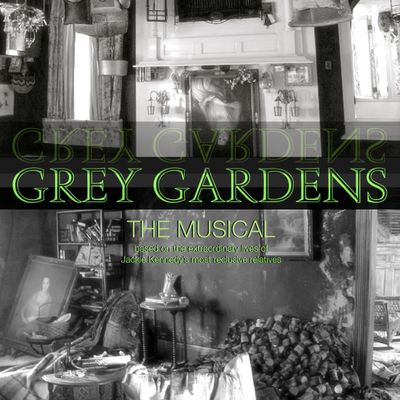
This week we're spending another winter in a summer town as we cover the terrific 2006 musical GREY GARDENS.
Here to not only have his cake but chew it and masticate it is the great Drew Droege (MESSY WHITE GAYS, TITANIQUE). Drew takes us through lesser-known accounts and perspectives on the Beale women, all while raising up the non-conformist ladies whose voices and humor give us life!
Follow Drew on Instagram at @drewdroege and buy tickets to his new play at messywhitegays.com.
If you enjoyed this episode...wait for next week's. It's a companion piece!
Join us at PATREON! for bonus episodes and an upcoming Christmas gift! Be sure to follow and share our content on Instagram and TikTok and subscribe to the show wherever you listen to podcasts! Looking to give back? We have designs at our TeePublic Store, and the profits we receive are donated to Broadway Cares/Equity Fights AIDS.
Above all, thank you for being part of this wonderful podcasting community.
Transcript
This transcript was automatically generated and might contain errors.
[0:00] Jeffrey Scott Parsons: I remember sitting in that theater and not being able to get out of my, I mean, it's what people are like left to their feet. I was so sat in my chair in such a way of like, I just experienced art like I did not know could happen to me.
[0:15] Welcome, everybody, to A Musical Theatre Podcast where we discuss the cultural and emotional impact of some of our favorite musicals in theatre history. My name is Jeffrey Scott Parsons. You can call me Jeff. Today, we are discussing the musical Grey Gardens, which was a listener request from Michael. Michael wrote in saying, quote, I would be super interested in hearing you talk about Grey Gardens. To me, the characters are complex and the score is gorgeous. Christine Ebersole deserves so much praise for this role. I only wish it was produced more at the regional level. I truly consider the show a hidden gem in recent-ish musical theater years. Unquote. Michael, I agree. I really like the show and I'm excited to dive in.
And what a pleasure that I get to do so with a very special guest. Drew Droege is an actor, comedian, writer, multi-hyphenate, et cetera, who has been going viral since before we called it that. Let's be honest. He is known for his incredible Chloe Sevigny videos, but he has also been in many TV shows and films. I don't even know which ones to call out. Were you in Queer?
[1:36] Drew Droege: I was in Queer.
[1:38] Jeffrey Scott Parsons: Amazing. Luca, come on. Call it out. We'll be talking a lot about movies. He was featured in the hilarious Titanic and is now represented on 42nd Street with Messy White Gaze, which I can't even say the title of your play without laughing. His new play in which he also stars. Everyone, please welcome Drew Droege.
[1:58] Drew Droege: Yay. Hi, Jeff. I'm so sorry that you can't see me. I blame my ancient laptop. I mean, we didn't talk about this before, but I really do. I wanted to be like, I don't know what's happening, but even in the security settings, I was like, I think it's my dying old dame of a laptop, but I'm happy to be here. Thanks for having me.
[2:18] Jeffrey Scott Parsons: I'm happy you're here and you still sound iconic even without the visual.
[2:22] Drew Droege: Oh, thank you.
[2:23] Jeffrey Scott Parsons: I want to know how you are feeling because tell me all the things that you did with this show.
[2:29] Drew Droege: You wrote it.
[2:30] Drew Droege: With Messy White Gaze. Yes, I wrote it. Theater takes so long to make happen. The gestation period is intense. I started this idea at the end of the pandemic and I've been working on it off and on. I've done a ton of readings of it in New York and LA. This is the first production that's happening right now in New York. We're so excited that it's happening. We're having so much fun. It's just a pitch-black comedy. 80 minutes of the worst gay men you've ever seen in your life. We're all horrible and it's so fun to just be nasty for this long. I'm with this incredible cast. It's the first play that I've written with multiple actors in it. It's so nice to be in something with other people that I get to share the experience with every night. It's a blast. We're having a really, really good time. It's basically about a throuple in Hell's Kitchen who murder their or two that murder their third. There's a dead body. There's so much talking.
[3:43] Jeffrey Scott Parsons: How do you do it? How does anyone do that?
[3:45] Drew Droege: I don't know how someone is in a couple, let alone a throuple.
[3:48] Drew Droege: A throuple. The endless talking that you throuples have to go through.
[3:53] Drew Droege: And the talking behind backs that must happen. Here's the thing. I certainly do not judge. I don't feel the way about throuples that my play feels. I truly don't. I think if that makes you happy, that's wonderful, truly. Godspeed. But I know how I am. I know that if I was in a throuple, I would spend the entire time pulling one of them aside to talk shit about the other one. Can you believe what just happened? I know, because I'm like, well, you understand. Can I just vent to you? Because I love them, but blah, blah, blah, blah, blah. Thank you. I just need to vent. And then I would do that. And I know that the two of them would just be like, can we talk about Drew? It's a nightmare. So it's like, I just feel like it would be a constant two against one. That's just my speculation about how I think that would go down.
[4:38] Jeffrey Scott Parsons: Well, that equals comedy. So I'm glad that this is kind of the basis. This opens with a dead body. So I'm not spoiling anything. You see the two around their third. And then they forget that they've invited people over for brunch, so they have to hide the body. So the body's in the room while people come over for brunch. So we have a good time.
[4:55] Drew Droege: Well, look, I just wanted to laugh. That's all I want right now.
[5:00] Drew Droege: That's very much what... I wanted also to sort of comment a little bit on, or a lot rather, in the play about how many gay parties I go to. And it's all white gay men there. So I was like, how can I make that funny? And I'm like, we just make the white people even more awful than we are and just kind of point out what's wrong about us and messy about us. And I'll tell you right now, here's a big spoiler. I have no answers. I don't provide any answers to that. And I don't think we should. So I think it's a matter of just like, recognize it, laugh at it, and try to be less like these people.
[5:36] Jeffrey Scott Parsons: And try to be less awful.
[5:37] Drew Droege: Yeah, exactly.
[5:38] Jeffrey Scott Parsons: That's a great goal.
[5:39] Drew Droege: That's my sort of intent of the show. And I'm happy that people are enjoying it, as much as we are doing it.
[5:46] Jeffrey Scott Parsons: That's wonderful. Congratulations, truly.
[5:48] Drew Droege: Thank you. Thank you. I see you as like a thought leader, a pioneer even, in terms of queer entertainment and bringing it to the masses. And I am really grateful that you're here because in the same way, I feel like in an accidental way, Grey Gardens was that. And now I'm talking about the documentary. This musical, just so everyone were on the same page, this musical is based on the very famous documentary from 1975 by the Maisels, though there were a lot of co-directors, which follows the later years of this woman and her daughter, the woman Edith Bouvier Beale, who was a socialite in the Hamptons. Everything served on a silver platter sort of thing. And then her daughter, who is known as Little Edie, and by the end of their lives, they were living in this home known as Grey Gardens that had been completely ransacked, crumbling, filled with cats and the cat's feces, like a hellscape. And this documentary went into the home and captured in a really vulnerable and some might even say, what's the right word?
[7:03] Drew Droege: Exploitative.
[7:04] Jeffrey Scott Parsons: Exploitative. Yes, yes. Exploitative manner. But the fascinating kind of quirky broads that these ladies were. And the documentary comes out in the 70s and has since been completely embraced by the queer community. I think a whole new generation now know about these characters through Jinkx Monsoon winning Snatch Game with Drag Race. So when did you first come into the knowledge of this movie?
[7:31] Drew Droege: I definitely had. I was in my 20s. I'm trying to remember if I saw this in college or if I was just in my 20s out in LA. No, I was in LA, I remember, because I had a queer elder show it to me, which is something I love showing people now. I'm like, oh, I try not to be documental and be like, oh, let me show you Showgirls or Female Trouble or something like that. It's one of my favorite things about being gay is educating each other and being like, you need to see this. This is ridiculous. You must see it.
[8:05] Yes. And so I was in Silver Lake and I saw it. And I feel like my first time seeing it, it was this total camp fest. And I remember laughing to the whole thing and being like, this is amazing. I can't believe this is real. And then I remember showing it to another friend and it was like, this is the bleakest, the saddest. I'm one bad day away from being these people. And I've seen the documentary many, many, many times. And I have a wildly different take on it every time I see it, which is I think the sign of great art. It's almost like the mental state that you're in before you go into the movie. It's going to just explode that for you because it does expose so much of them. But I do think it's probably the most famous documentary of all time. I mean, I can't think of a documentary that is more widely known when people just think-
[8:57] Jeffrey Scott Parsons: As a film.
[8:58] Drew Droege: As a film. Right. Exactly. It's like Criterion Collection. Thank you. Exactly. And it doesn't really have a point in terms of educating the world or serving injustice or anything like that, like Blackfish or some of these other bigger documentaries. I think it very much like they just were smart to just plant the camera and let these women exist in front of it. It's also, I find so beautiful that Little Edie gets the spotlight that she craved her whole life.
[9:30] Jeffrey Scott Parsons: And boy, does she eat it up, too.
[9:34] Drew Droege: Became an icon. She's so good in the spotlight.
[9:36] Jeffrey Scott Parsons: She's so good. And then was able to, after this got famous, was able to go to New York and have a cabaret career, which is the real tragedy of this story and really devastating in the musical, where it does not give her that. It's really nice that she got to do that and experience that, because that's one of those dreams that a lot of people don't get to have. And so, yeah, I find it-
[10:03] Drew Droege: And like you said, it's because of the film, right?
[10:05] Jeffrey Scott Parsons: Yes, absolutely.
[10:06] Drew Droege: I don't think that would have happened for her without it. And it's something that, whereas I do feel like the gay community can be pretty horrible to each other, and everything I think I write about is how gay men don't really support each other in a way that I wish we did, we are really good to generalize. For the most part, we're good to these women and women that we identify with and we lift up and we say, oh my God, I love her. She's an icon. I relate. She's funny. It's that thing when it's very hard to explain, what is camp and what is respect? And it's a little bit of both. It's like you look at these real-life tragic people. It's why so many of us love The Housewives. I mean, I can't really speak, I don't really watch The Housewives shows, but I think it's the same thing. It's like people watch that and they love them in this way that they can't quite comprehend.
[11:03] Drew Droege: I've been thinking about this all this week, this idea of why do we love these complex women and why do we somehow feel a connection to them? And I have to think that at the forefront is nonconformity. That women have such a time of it in this world and have been told for so long that this is how you look and this is what you do. And when women come along who are hilarious or break out of that mold in any sort of way, I feel like gay men who in many ways have dealt with similar feelings of nonconformity immediately raise those figures up as yes, sister, go.
[11:50] Drew Droege: Oh, 100%. And I think that, yes, it's true. It's got to be crazy to be objectified your whole life and be ogled by disgusting men and whistled at and sort of told like, your wedding will be the most important day of your life and all the bullshit that's fed to.
[12:09] Drew Droege: Young women, and then they hit a point in their lives and they're invisible, and that no one will pay attention to them. And that must make you psychotic. I mean, how are you not like screaming in the streets? Like, I'm neither of these. I don't want you to stare at me. I don't exist for your pleasure. Or now I'm, I've reached a certain point that I'm not or whatever. And they are threatening if they're too smart, if they're too funny, you know, and gay men, gay men know that women are funnier than men are. And so thank you. And so we understand that. And straight men are so threatened by a funny woman or a different woman or a woman that doesn't need their validation. And so they don't know how to process that. And so I think we, yeah, we fully, we fully get that. And we go, oh, this person, this is my girl, you know, girl, exactly.
[13:00] Drew Droege: I remember, okay, so when I moved to Los Angeles, this was in the heyday of mail-in Netflix and Blockbuster. And I feel like I had both of them because I really felt this deep need to become a cinephile because I was living in Los Angeles now. Yeah. And so I looked up all-time best documentaries because I didn't, my documentary game was pretty shabby. And it said Grey Gardens. And so I watched Grey Gardens. And my first reaction to the documentary was a little bit of sadness, then judgment, I think, because it was like, what, what is going on? Why are you living in this filth? Right? Almost like an episode of Hoarders might be, right, right. And then like you said, with repeated viewings, you get different perspectives on these ladies and their lives and their hopes and their dreams and their dynamic and their relationship.
And it becomes a whole new thing. And then even better, because they have these incredible line deliveries. It's, it's a really fun film to then talk about with other people. Yeah, you're trying to get the accent. And you're like, remember when they said this sort of thing. So even maybe more than watching the film, it's then talking about it and reliving it with your friends.
[14:18] Drew Droege: Absolutely. I mean, that's the thing. And also, I think that you need in good camp is that those recognizable lines, like in a great John Waters movie, or in, you know, Mommy Dearest, or in these campy movies, it's like, you watch them because you're like, get ready for it. Here it comes. And these, and in this one, these women are being authentic. It just rolls off their tongue off the top of their heads. And then, you know, and then there was a follow-up. What was the follow-up documentary called?
[14:49] Drew Droege: It was called That Summer. That Summer. Right. There's just more, there's just so much of them that is just, you know, that you're just like, gosh, you just want to go and live in that squalor. And just to sort of catch something and sort of be stuck with them, or like, how, how grateful we would be to be stuck with them. For real to witness it. I'm grateful that the documentary was made because I do think that while there are probably many people who laugh at them, I think that it was empowering to these nonconformist women in a way that I don't think we can easily grasp by lifting up their voices, lifting up who they were, because in many ways, the way that they got into that squalor is because they were so loud and nonconforming.
[15:41] Drew Droege: Well, and they, you know, they, they threatened, you know, a very powerful family that sort of pushed them away as the quote unquote, crazy aunt and cousin. So do you know, we can, I mean, we get, you may be getting into this. Have you read The Marble Faun of Grey Gardens? And do you know about this?
[15:58] Drew Droege: Okay. So there's an incredible book by Tony Maetta called The Marble Faun of Grey Gardens, and it's about Jerry. Oh, Jerry, by the way, who was in the documentary, this kind of helper, right? Yes. He was a 16-year-old boy who, in the documentary, he's bringing them groceries and he's sort of like, yeah, he's helping these women out. What you find out in this book about him, and I know this very well, I've been on a producing team to try to get this made into a series, a movie or something. And I've become friendly with Jerry.
[16:36] Drew Droege: So Jerry's still alive. He is a fascinating icon in himself. Really? Yes. Things you don't know in the documentary, he is gay. He was working for another very wealthy family in the neighborhood nearby and was a runaway from Brooklyn. He was severely abused, you know, and so he ran away and just got this job as a groundskeeper for this other very, very wealthy family and was just curious, had a gay kid's curiosity of like, I'm just going to go look at houses. I'm going to go explore. I'm in my own world. Also, his boss at his place, he was not allowed to be seen. So he was this very private person and found this house. And the way he tells it is that he walked up on this house and all these well-manicured, gorgeous homes in East Hampton.
And then he finds this one that was just look like it was about to be torn down. It was this weeds everywhere. It was disgusting. It was insane. So he was like sort of snooping around and said he saw this woman coming down the staircase and she opened the door and he said that she had like a chef's hat on around her head and she had this, you know, very specific way of dressing. And she said, oh, for goodness sakes, the Marble Faun is here.
[18:10] Drew Droege: And he said, I don't know who that is, but do you need help? She called him Marble Faun based on the Nathaniel Hawthorne book, this tragic, but beautiful man. There's a story in this book. And so anyway, and just off the top of her head, she called him that she, according to him, it was like, and he said that that was how she just was always like that was just always kind of like, oh, you're this. And he started stealing food from the house that he was working on to give to these women. And he basically saved them and they saved him because they were his, they were his family, basically. So it was this beautiful story. He talks about Mrs. Beals so fondly, like she was his mother and had a very complicated relationship with little Edie because she loved him, but was also very competitive for mother's attention and affection.
[20:04] Drew Droege: And so he did that. Here's the really crazy thing. The reason the documentary exists is because of Jerry, because they were going to tear the place down. They were going to tear the whole thing down. And one day he saw fire trucks. He saw the things rushing toward the house. He ran over there. They are, they have hoses out. They're spraying the place down. And the 16-year-old boy convinces the health department to give them 10 days to clean the place up, to make it livable, because they said this is unlivable. So in 10 days time, he also, this is another crazy thing. And I'll always bring back John Waters anytime I can. He was friends with Divine and this was also, yes. So, and I feel like this maybe happened after, but they all knew each other, which is so crazy. But he basically was like, in 10 days time, this kid cleaned the place up. So the Grey Gardens that you see in the documentary is a cleaned-up version of what he went into first.
[20:41] Drew Droege: So he talks about in his book that you couldn't wear shorts in the house because fleas would immediately attack your legs. He talks about going into, there was one room that was filled with cobwebs and it was so dense with cobwebs. It's like, that's all you would see in the room. And he went in the room and he said, he just felt this presence. He felt something in the room. So he just started pulling cobwebs apart in this room. And there was a fully decorated Christmas tree. I mean, it tells these vivid stories about what the place was before he went in and fixed it up. It's like a dreamscape.
[22:22] Drew Droege: Isn't it crazy? Yes. So the reason that, so it got leaked to the papers. So Jackie Kennedy was like-
[22:32] Drew Droege: Sorry, it got leaked to the papers that they had this amount of time to get it out. Yeah. It was leaked, I think, into the society papers that Jackie Bouvier Kennedy's aunt and cousin were about to be evicted from their home in the Rottingdam home. And it was this very embarrassing thing to the Bouviers. And so Jackie was like, I have to go and make an appearance and see what I can do, and just do something. And so the Maisels, who ended up making the documentary for Grey Gardens, were about to make a documentary about Lee Radziwill and Jackie Bouvier, the sisters. And they were like, can we come-
[23:10] Drew Droege: On that side of the family. So the Maisels, yes, exactly. She was obviously, had already been first lady and all this. This was obviously in the 70s, but yeah, this was her side of the family. So the Maisels came with Jackie to meet the Beals. And we're basically like, sorry, Jackie, but this is our documentary. This is the better film. So that's how they made a documentary.
[23:16] Drew Droege: And he said, oh, I'm in a documentary. And she's like, uh-huh, yeah, yeah. And he goes, have you heard of Grey Gardens? And she's like, what? You're Jerry. And he goes, oh, yeah, you know it. And it was just so... And she said, Albert Maisel has been trying to contact you, has been trying to find you. Please, please, please call him. He has been looking for you. And so he called him. They made a connection. And the next day, he took him to a staged reading of Grey Gardens, the musical.
[23:30] Drew Droege: Wow. So it was literally because of this 16-year-old boy, unbeknownst to him, it would all happen this way, but he was just trying to save these women. Oh my gosh. Then when the documentary came out, Jerry was very hurt by things that little Edie said about him. She accused him of stealing or threatening to steal things from her because she was very threatened and it mortified him. He wanted nothing to do with the fame. He wanted nothing to do. He did not want to be known as Jerry from Grey Gardens. He was embarrassed. He became Mr. Leather in the club baths in the leather scene in the 70s. He did take a job from Aristotle Onassis to go to Saudi Arabia to protect one of his castles and ride camels.
[24:12] Drew Droege: I'm sorry, what? Yes. Then he started dating a comedian named Waylon Flowers, who had a very famous puppet named Madam. So Waylon Flowers was-
[24:23] Drew Droege: Yes. You know Madam?
[24:24] Drew Droege: Yes. Was very gay. And he did this character named Madam, who was this puppet. So Jerry was dating Waylon Flowers and moved out to LA. He's had this multiple crazy lives. Then in the 80s, Jerry contracted HIV. He was in a very, very bad place in his life. He got sober. He got his life together and became a cab driver for many years in New York City, was a New York City cab driver. And nobody knew who he was. He wasn't out about who he was, anything. And the way the book opens, he was at some sort of screening. He picked up a woman who had a camera or something with her. And he was just talking to her. And he was like, oh, do you make movies? And the woman was dismissive. I'm not talking to this cab driver who's trying to get in the movies. And she goes, oh, no, no, don't worry. I make documentaries.
[25:17] Drew Droege: Definitely check out the book. It's a fascinating read. There's so much in the book, and this man has had this Dickensian life that is unbelievable because, oh, now I'm doing this, and now I'm over here, and now I'm... Next chapter, I'm a cab driver. Yeah. Wow. I really don't know what else to say. That's incredible. And he does tell a story about seeing... He's pretty positive he saw Edie in New York, and that he did see her, and was too nervous to go up and talk to her or anything. That's fascinating. We need to all check out this book because we've all seen the documentary. So now... I know. And I think that's something about the material that, just like the documentary, is so fascinating about it. And because you watch it, just the documentary alone, like we talked about, you have different takes on it. Then there was a follow-up documentary with more footage. Then there was this musical that was, what, 30 years later? Right?
[26:14] Jeffrey Scott Parsons: Oh, yeah. I guess you're right. That thing happened... I guess I didn't realize how old this musical is, but yeah, you're right.
[26:20] Drew Droege: Yeah, because it's 2006, and the musical's almost 20 years old. Which is wild because I feel like I saw it yesterday. I feel like it was just yesterday. Yep. It's one of those shows that lives in my brain and will forever. It's one of the greatest theater experiences because when... You gave me a list of musicals to talk about, and I was like, oh, this one I can talk very... I'm so happy I get to share what I just did about it, about this other side thing. But I remember sitting in that theater and not being able to get out of my... I mean, it's literally left to their feet. I was so sat in my chair in such a way of like, I just experienced art like I did not know could happen to me.
[26:58] Jeffrey Scott Parsons: Okay. Let's talk about the musical then because there's so much to dive in here. I think we all agree that when you think of a musical version of this documentary, you're like, what? How? Huh?
[27:09] Drew Droege: Right. And to a certain degree, some of the creators would agree. They didn't know exactly how to make this happen. It begins though with Scott Frankel, the composer, who was walking down the sidewalk in New York City thinking about different people that could be musicalized. These two women, he realized that the relationship between the mother-daughter was really interesting and could absolutely be explored. But also when you think back on the documentary, it is so musical. Their lives are filled with singing and dancing. And if I remember correctly, one of the only pieces of criticism that Little Edie gave the documentary filmmakers was, I wish there had been more production numbers. So the idea that now this could be musicalized all of a sudden clicked for him.
He goes to his writing partner, Michael Corey, who started out as a composer and then realized he didn't like his own music. So he switched more to lyrics and libretto writing. Frankel pitches the idea to Corey. Corey agrees. So they start working on it. But Michael Corey in this particular case was I shouldn't write the script. We need to get somebody else on here to figure out how to structure this thing. Because I'm sure you can imagine structuring this musical could go a gajillion different ways. Is it just a musicalization of the documentary? Are there flashbacks? The structure could have gone and was ultimately explored in many different ways. They get Doug Wright to do the book. Doug Wright is famous for Quills.
I Am My Own Wife, which he won the Pulitzer for. And Doug Wright comes on and thinks it's a terrible idea. What are we doing? Are you serious? This is an iconic piece of film. Why would we mess with it? But the more that he thought about it and the more they talked about it, it seemed like an interesting challenge.
[29:12] Jeffrey Scott Parsons: Okay, so I'm going to skip ahead briefly. This musical first opens at Playwrights Horizons. And they made a cast album of it almost immediately before it even went to Broadway. That was the cast album that I bought. And here I have my little CD booklet, which has some interesting interviews in here. When did you see it? Did you see it on Broadway?
[29:34] Drew Droege: I saw it on Broadway.
[29:35] Jeffrey Scott Parsons: Okay. So off Broadway, it was quite different. And I'm not going to lie, when I first listened to this cast album, I was like, it's fine. It's a really interesting idea. But the changes that they made to it, specifically in Act One, really make the show compelling. So this is Doug Wright talking about the process of putting this all together. Doug Wright says, what we did in essence was start to ask ourselves what happened that possibly pointed the way towards this kind of ruin. Not exactly what caused it, but what pointed each woman down a particular path. We learned that little Edie was for a brief time engaged to Joe Kennedy, but the engagement was mysteriously called off. We learned that big Edith was more or less disowned by her father, the major. We learned that Edith's husband, Phelan, is that right how you say his name?
[30:27] Drew Droege: I think you're right.
[30:28] Jeffrey Scott Parsons: Phelan went to Mexico to get a divorce. All of these events seemed like they were somehow a part of the journey into their squalor. And so then we thought, well, why don't we take dramatic license and create an act in which all of those things happen on the same fateful afternoon? So the first act of Grey Gardens is like, what if all of these kind of terrible things that happened in their past all happened at the same time? This is something interesting that this writing team loves to explore. Taking real people, telling their story, but incorporating a lot of fiction in order to find the emotional truth and the vulnerability within their story. Spoiler alert, after this, we're exploring Warpaint. And they attempted to do so for those two women in the same way.
[31:18] Drew Droege: Have you seen Blue Moon?
[31:23] Jeffrey Scott Parsons: No, I want to. Is it good?
[31:25] Drew Droege: You have to. I mean, literally, it is a must-see. This is the Lorenz Hart, everybody.
[31:31] Jeffrey Scott Parsons: Lorenz Hart, and it does the same thing. The entire movie is the opening night party of Oklahoma. And the entire thing-
[31:38] Drew Droege: Oh gosh, just all the triggers.
[31:41] Jeffrey Scott Parsons: It is so brilliant. I love storytelling like that. One of my favorite movies, but also just the sequence, is in Boogie Nights, the New Year's Eve party from 1979 to 1980. Every character has something major, life-changing, terrible, wonderful. Everything is like, we're leaving the 70s, we're going into the 80s, and it does that way. I think that's such a smart way. And that's where you take creative license, because life never works that simply. But I love the simplicity of that. I think that's actually genius, because it also inspired the film of Grey Gardens with Drew Barrymore and Jessica Lange.
[32:20] Drew Droege: Jessica Lange, which is also great.
[32:21] Jeffrey Scott Parsons: Which is incredible, but I don't know that there would have been the film without the musical.
[32:27] Drew Droege: You're so right.
[32:28] Jeffrey Scott Parsons: And without the musical exploring what happened before what we see in the documentary, which is what the film also did.
[32:34] Drew Droege: You're absolutely right. The first act begins in Grey Gardens as we know it in the documentary. I gotta also shout out, what Doug Wright did in writing the libretto is incredible, because he uses, I'd say of all of the dialogue in the script, about 50% of it are actual words that we hear the Beals say at some point in the movie. But then he repurposes, sometimes they say in one context in act one, and then repeated it in a different context in act two, which is devastating. It's really, really smart writing that is truly just using the words from their mouths. But the show begins in the Grey Gardens that we know. Big Edie is reliving her glory days, because one of the ways in which she was a nonconformist, she was obsessed with singing.
She was constantly taking voice lessons in this huge 28-room mansion, which they didn't need. Their family was not that big. She had a live-in accompanist named Gould. Together, they were creating music. At the beginning of the show, she's listening to this old record, and it's a pretend old-timey tune called The Girl Who Has Everything. It's an interesting show to talk about in chronological order, because right off the bat, these psychological questions come up for me. Which is, Big Edie throughout, even when she's living amidst cat poop, says that her life is perfect. The delusion of it, that she had the perfect marriage, that she was the best singer ever. All of these really superlative-type statements about her own life, all the while a cat is peeing on her portrait. Is that a protection? Do you think she actually believes that? Of course, we're guessing and surmising.
[34:31] Drew Droege: Yeah. I think she does really believe that. I think it's also such a reality that things can change so quickly for people. I feel like the optimist in me wants to believe that she's believing that, and that she's not really lying in herself. You kind of be like, welcome to her world, welcome to her head. It's what a musical can do beautifully, is to sort of say- This is the inner world.
[34:59] Jeffrey Scott Parsons: Right. Fantine and Les Mis, I think, really is remembering that summer when things were great. That thing where you're kind of going, it was all really great for me, as opposed to, I'm crazy, or I'm lying. Or there's no reason to live.
[35:15] Drew Droege: Right, exactly. What would we prefer? Her to just lay down and go away?
[35:21] Jeffrey Scott Parsons: Exactly. She is finding some sort of power in music and art, and it just so happens to be from when her life was a little bit more clean, if nothing else.
[35:33] Drew Droege: Right. Well, and I think, too, to have wealth like that and to want to get into a world of music was seen as trashy. It's like, you don't have to do that. You can just marry well, go to lunch, be on boards.
[35:49] Jeffrey Scott Parsons: And that is true. This is old money, so we're talking about a belief system that to entertain is to essentially be a prostitute.
[35:58] Drew Droege: Yes, exactly. Totally. And so it was like, you really don't have to do that. That's a really sad, lonely life, and why would you want that? And so she had those dreams, and then she made the choices that she made, and then she passed them on to her daughter. And then the tragedy was that she squandered her daughter and her dreams.
[36:17] Drew Droege: Gypsy, which is one of my all-time favorite musicals, really looks at the mother-daughter dynamic, and it feels like one of the first musicals that says that's enough.
[36:27] Drew Droege: In terms of stakes, you know, to explore for a musical, a mother-daughter dynamic, and the love and dysfunction that can be found in there, that's enough to fuel an 11 o'clock number. But Grey Gardens really takes this, like, co-dependence and competition of these two women to a place that I think you can talk about for hours and hours and hours. The responsibility of the mother making sure that the daughter couldn't leave the house. The responsibility of the daughter taking care of the mother and not standing up for herself and leaving the house. Those stakes are enough. The tragedy, I think, too, of artists, and I certainly have it in me as well, is that, like, it's exhausting, it's hard, it's terrifying to create.
It's the most satisfying thing you can do. It is something that I am very proud of what I can create, have created. But on my dark days, I don't want to make anything, and I want to make excuses why things haven't happened for me. You know, I have to go, oh, I would be blah, blah, blah. Well, fill in the blank. And so, especially for little Edie, it's like, she's comfortable where she is. And part of her is terrified to leave. She knows that all they have, you know, each other is all they have. But I think she also knows that, like, oh, to go out there and to risk and to fail is too scary. And I think it's like, you know, as long as mother's alive, this is what she has to do, you know? But there's this frustrated performer in her, and it's just this really complicated thing that I think I relate to as an artist.
And I can certainly go, well, it's just easier for me to sort of repeat the same patterns. And I have to sort of get out of those. I always feel like writing is like cleaning your room. It's like, I hate it. I hate getting started. I'm always like, oh, my God, I don't want to. And then, when I just spend an hour writing and I finish, I feel so good. I did something. My room is clean. Oh, I'm so happy. I feel so like I got something out of me that I needed to get out of me. But to get started and to do it, you know, and I live in L.A. I'm with so many frustrated dreamers who all have these ideas and, oh, but I can't because this and, well, the industry doesn't want this right now. And they don't want that.
They're not buying. Exactly right. And we'll come up with a reason. Oh, the strike. Oh, whatever. And then you're in a world that doesn't really understand you. And in the business of it all, what they're buying, what people are interested in is garbage. And you have to kind of go, OK, cool. I'm happy when I get to be a part of some of those things and I get paid. That's nice. That's, of course, keeps me alive. It's part of it. But I feel like, you know, you look at someone like Little Edie and you're like, what? You know, she's such an original, but it's like in a way she didn't have a choice. But to be that. But she also kind of like. But also she had a choice. And the thing is, is like accountability is terrible and we hate it.
Yeah, I know that's the I know that I said I kept saying responsibility, but I think it's more accountability. Yes. And feeling allergic to that and wanting to be a little bit like you said, a little more comfortable in. And when you when you get comfortable in your eccentricity, it's a wonderful feeling, but it is isolating, you know, because you're just kind of like, I'm weird. I accept it. I'm, you know, and I definitely relate to that. And I think about that in times. It's like, well, you've got to let people and you've got to let give people some way to connect with you. And so, you know, I feel grateful that I'm connected and have, you know, and I feel lucky that I have people in my life. But I can imagine if you're just like in this sort of situation and you come from money, like that's got to be so complicated. It's not like you never had anything.
[40:23] Jeffrey Scott Parsons: Well, exactly. So let's go now back in time, because once the show, you know, the show starts in documentary times and then we travel back to when Grey Gardens was and how I never got to see it on Broadway. Did they actually transform the stage? Were we in one?
[40:38] Drew Droege: Oh, my God. It was the first act. I mean, yes, it does start with the sort of prequel of we're in 1975, Grey Gardens. And then it opens in this gorgeous ballroom of their home, like the living room of their home with the piano. And it is the most opulent. I just remember how white and shiny and beautiful this stage is. Other genius casting was that they had Christine Ebersole play Big Edie in act one, and then she was Little Edie, she played her daughter in act two. And it just showed it was just a beautiful, great way of casting. I mean, like, they are kind of the same person. They both seek the spotlight. And act one is so much about Big Edie. And she's basically like, humiliating her daughter and singing way too many songs at her daughter's party.
And it's just so yes, the first act all centers around this kind of engagement, I say in quotes, party for the daughter, but it's all about mom. It's all about mom. Mom's got her accompanist. They're trying out this song and that song. And daughter is humiliated, right?
[41:50] Jeffrey Scott Parsons: Yes. And she does a song that's like, racially problematic.
[41:54] Drew Droege: Harmony Grits. Oh my gosh, beyond problematic. She does sing a song. And it's so funny and cringy at the same time, because it's like, this is a woman who really just is not trying to be offensive. She just really thinks that she can sing anything. It shows that she feels ownership over everything creatively, of all music. And that's what is so funny about it, is that this woman is singing something so inappropriate. But in her mind...
[42:19] Jeffrey Scott Parsons: From her first person, privileged.
[42:21] Drew Droege: Yes, exactly. And as the person who wrote a play called Messy White Gays, I love laughing at white privileged people who think they understand the plight of people who aren't white or privileged. And they can claim their art and their culture, 100%. And the set, yes, the set at the end of Act One starts growing vines. And you see it starting to fall apart and decay and turn into the Grey Gardens of Act Two that you know from the documentary. And so you literally are seeing it sort of crumble in front of your eyes. And then I remember at the top of Act Two, in the opening number, they had all these projections of cats. There were just cats crawling, and raccoons, and wildlife crawling all over the set. It was alive with new guests.
[43:24] Jeffrey Scott Parsons: Can we talk about the Ebersole overall? Because I don't honestly know how she came into the project, and once again, didn't see the performance in person. But I feel very confident in saying this is one of the all-time great musical theater performances.
[43:39] Drew Droege: Yes, absolutely. It's wild that it is obviously based on a real person, because it feels tailor-made for Christine Ebersole. It's like Ellen Gray in Little Shop or Tim Curry in Rocky Horror. It's like there's certain, these roles that you're like, you just can't do that role without a nod. Man, those are great examples, Drew. Well done.
[44:01] Drew Droege: She was, those are my two that I'm always like, there's no way you can watch either of those shows without somehow acknowledging those artists behind them. And I think that it's wild that Christine Ebersole played a real person, and I would put her in the same category when you're watching. Also, it was such an alive performance. It was so, just as if everything was off the cuff, it felt, it honored her. It never felt like winky. And I also, I think that Jinkx Monsoon is equally talented, and I think why Jinkx is so great is that as a drag queen, there's this really gifted actor in Jinkx that's like, don't make fun of the person, just be that person. You are responsible for this person, so love them.
[44:56] Jeffrey Scott Parsons: Right. And I think that, yeah. But I feel like it could have easily gone into, I hate to say camp as a bad thing, because I love camp and I respect it greatly. But it's like, if you're winking at it too hard, then it's like, it does become a parody of Grey Gardens. And it's not. It was really devastating. I mean, I remember at the end when she's about to leave and making plans and going to New York and finally leave. And then she just hears her mom call to her from inside the house. And you just see her turn upstage and go back inside and close the door. I was a blubbering mess. It's that feeling of like, oh, this is the story. This is the thing that we understand. This is going back to your old patterns.
This is like, what's familiar? What's easier? What feels like responsibility? But also like you're saying, what is accountability? What do you, is it like I have to take care of mom? Or is it like, at what point do you lose yourself and have to take care of yourself?
[46:02] Drew Droege: Their money originally, because like you said, Christina Ebersole plays the mom. She already came from money herself. Her dad was a wealthy lawyer. Am I remembering that right?
[46:12] Jeffrey Scott Parsons: I believe so.
[46:13] Drew Droege: Well, he was a major. So he was also a military guy.
[46:17] Jeffrey Scott Parsons: Uh-huh.
[46:18] Drew Droege: Yeah. Anyway, he was very displeased with her. She was always the problem child. She was always, like we said earlier, kind of embarrassing the family with all of her artistic endeavors. Why are you making so much noise? Just be quiet. You found this, this Beale dude, Phelan, who is wealthy. You got the house, like, just shut up about it. Right?
[46:38] Jeffrey Scott Parsons: Right.
[46:38] Drew Droege: But she can't. It's just not who she is. And in doing so, I don't want to say she pushes other people away, but other people put her into a certain corner. What ends up happening by the end of the first act is that her father cuts her off from her trust. And this happened in real life. Of the money that she was supposed to inherit, she only inherited like $65,000, which can keep you afloat for a year or two, question mark.
[47:11] Jeffrey Scott Parsons: Maybe.
[47:11] Drew Droege: Maybe.
[47:12] Jeffrey Scott Parsons: Not when you have a 28-room mansion, that's for sure. And then the husband, who never makes an appearance, the brilliant opening number when they're in the past is called the 515, in which everyone's just waiting for this man to show up. And the gag is that he never does in the first act. He never shows up. All they do receive is a telegram in which he's moved to Mexico and has requested a divorce. And that is the truth. He requested a divorce, not in person, not with an actual conversation, but he moved to Mexico and said, we're done. So between those two devastations, you would think that was enough. But in the musical, they make the choice of having the mother then share with little Edie, the daughter's fiance, that she's kind of a promiscuous girl.
I don't know if that's the right word. I don't know if promiscuous, but maybe just sexual at all. And the fact that the mom is already kind of torpedoing the future possibilities for this girl who has, just like her mom, been taught that you marry well and that's it. There's literally a song called Marry Well. It then scares off the fiance. And so we're left with the crumbling inner world and out.
[49:05] Jeffrey Scott Parsons: It's an amazing documentary about her, and I love that someone made a documentary about Mary Louise Wilson. They're a hero, and they're invited on the show at any point. My kind of queen did that. I highly recommend checking that out. She was in a one-woman show called Full Gallop about Diana Vreeland. Full Gallop, yes. Fashion. That I never got to see, but I literally have seen it, still talk about it. But I love her. I saw her in The Women. I saw her in Cabaret. I saw her in Grey Gardens. I feel like a fourth thing. I feel like I've seen her on stage four times, and she always blows you away. She's amazing. So both of these women won Tony Awards. Ebersol, of course, winning her second Best Actress Tony.
She won the first one for 42nd Street a few years before that, like go figure. Well-deserved. And then Mary Louise Wilson for Best Supporting Actress. The show itself doesn't win anything for Best Musical or Best Score or Best Book. Those are all swept up by Spring Awakening, which in and of itself is kind of interesting that the young'uns came in and swept everything. But the show, I think, is really well-crafted. There are a few, and I would love to hear your take. There are a few strange choices, like the ensemble voicing the world of the cats in the second act. Do you remember that?
[50:29] Drew Droege: I do remember. I mean, I remember the visual more than I do that there was actually a chorus behind it. I don't know if I remember it being live, or in my mind it was pre-recorded cats. I don't know that I remember it was a chorus doing that.
[50:44] Jeffrey Scott Parsons: It isn't like cats, like Andrew Lloyd Webber cats. But the ensemble is representing the life that is in the mansion. Yeah, I mean, it's interesting. It's bonkers, but it's interesting. They play characters in the first act, and if they are like ghosts and they sort of live in there as these creatures, it tracks. I can understand, dramaturgically, why they're like, oh yeah, let's keep them here. Let's use them.
[51:13] Drew Droege: I like the idea of the ghosts, right? You can't pretend.
[51:15] Jeffrey Scott Parsons: Yeah, and they're constantly talking about all these characters. I mean, throughout the documentary, they're talking about all these people as if they were just there. And so it does make sense that they would sort of still exist in the form of these animals that they take care of, probably better than they would have other people. Now, you mentioned earlier how Ebersol didn't ever fall into the trap of camp, maybe because we, I like you, think that camp is wonderful, but it can be a trap, especially if that's not your intention, right?
[51:47] Drew Droege: Right.
[51:48] Jeffrey Scott Parsons: And she did a wonderful job, but I got to say the writers did an incredible job as well incorporating some of these all-time great quotes into material that is hilarious and totally indicative of these quirky legends that they are, and also feels honest and earnest.
[52:08] Drew Droege: Yes, and I think that's what's so smart is they knew, like people are coming to hear those lines, but also you always go back to, it's just like with anything, go back to the source, as opposed to trying to write what you think they would say, just share what they did say, and then tie that in and then make a world around that. And that's still writing. I think sometimes people are kind of like, whoa, is that? And I'm like, no, that's absolutely writing. It's sort of honoring the truth. And the incredible thing about those women is that underneath all of their really interesting turns of phrases is a lot of emotional truth.
[52:46] Jeffrey Scott Parsons: Little Edie is saying things like S-T-A-U-N-C-H because of the real frustration that she feels living in the Hamptons with all of these conservative rich people.
[52:59] Drew Droege: Exactly. They'll get you for wearing red shoes on a Thursday.
[53:03] Jeffrey Scott Parsons: Exactly. The way that her brain expresses what's going on inside is just fascinating.
[53:12] Drew Droege: I know. And you're like, oh, I would have hated that too. I would have been really trapped.
[53:15] Jeffrey Scott Parsons: Exactly. We connect to it. We connect with these outsiders. That would have been prison for me as well.
[53:21] Drew Droege: Amen. Amen. Well, you've talked about this ending in which Jerry does make an appearance, shout out Jerry. Jerry becomes a bit of a chess piece that these two women are using. Like you said, Little Edie has harsh feelings towards him because he gets so much of Big Edie's attention. She then becomes very competitive for that affection.
[53:45] Jeffrey Scott Parsons: Yes. And when Jerry's receiving it, that becomes one of the main conflicts in Act Two. And there's that wonderful song Around the World in which Little Edie is bouncing between, and I'm not even sure who she's talking to. She's sticking up for her mother and then also yearning to travel. If you say anything about my mother, I will tear your GD head off sort of thing. And then immediately go into this other world of around the world. Once again, showing all of the different nuances of this person. It doesn't feel crazy and schizophrenic as much as it feels nuanced. That then leads her to want to leave Grey Gardens, but she can't, and sings this devastating song called Another Winter in a Summer Town.
[54:36] Drew Droege: Another Winter in a Summer Town. God, what a title. What a lyric. It's just so devastating. I mean, that is so, God. I mean, yeah, it's just, yeah.
[54:46] Jeffrey Scott Parsons: It's also the one place where the two women sing in counterpoint. It's one of the times in the show where Ebersol sings like full chest voice. It's like one big note and it feels almost like the apex of the entire character. And it's so satisfying.
[55:05] Drew Droege: I did not know that, but it also just, wow, it gives you chills to think about.
[55:09] Jeffrey Scott Parsons: She's finally on her chest. She's finally.
[55:12] Drew Droege: It's just absolutely thrilling. And just also like how that is a symbol for her life as well. That she is this vibrant person. It's a summer town, but it's winter time. There's just no satisfaction there for her. And at the end of the show, she stays and agrees to warm some soup for her mother, whose hands are too brittle to open up the can of soup for her. It's devastating and somehow full of love, and you certainly can't blame anybody for their choices.
[55:44] Jeffrey Scott Parsons: That's what's just the whole thing. It just is so bittersweet. It's great. It's a wonderful show. Michael, who wrote in and requested said, I wish that regional theaters would do it. It took forever for LA to get a production of it, and it ended up being Rachel York and Betty Buckley for crying out loud.
[56:04] Drew Droege: I know. I remember when it was on, I don't know what I was doing. If I was in one of my little basement shows and was never able to go out and see it, but I did not get to see it in LA. I did see, I'm trying to think of who was in it. I saw a one night sort of staged reading of it in LA a few years ago.
[56:22] Jeffrey Scott Parsons: Oh, it was a musical theater guild? MTG?
[56:24] Drew Droege: Yes, yes.
[56:25] Jeffrey Scott Parsons: I'm a member of that organization. It's probably Eileen Barnett and-
[56:28] Drew Droege: Yes, yes, yes. They were great. I saw that. But yeah, I would imagine that you really have to have somebody who you know can do it. You don't have-
[56:40] Jeffrey Scott Parsons: No, that's true. That powerhouse. And I think it's one of those shows, I thought the same, talking about Doug Wright, I saw Sean Hayes in Goodnight Oscar that Doug Wright wrote. And that was another play that I was like, I'm so, it was truly one of the greatest performance I've ever seen. I mean, Sean was so amazing. But it's like the skill level and the specific needs of that role, to be able to act that and to be able to play piano that well and all those things.
[57:09] Drew Droege: That's a great point.
[57:10] Jeffrey Scott Parsons: It's going to mean very few productions of that show, because who else could do that? And I think that's what makes it special. And it's not done everywhere. And it's great that, I love that there's certain musicals that I love that get done a lot. But I think that's one that I think it's just, and a reason why we're having a hard time, I think, getting our story out is that we get everyone loves the pitch, loves the story, and they go, and it's kind of niche.
[57:34] Drew Droege: It's very niche. And it's like the struggles that Little Edie had. And that I certainly understand. And a lot of us, it's like, yeah, everything that we think is, well, it's because it's good. And so it takes bravery. And I think it takes someone who's not afraid, because it's not going to, it's not a feel good musical. It's a feel terrible musical at the end.
[57:54] Jeffrey Scott Parsons: But God, it's an exorcism.
[57:56] Drew Droege: But it's thrilling. Yeah.
[57:57] Jeffrey Scott Parsons: But it's why I go to the theater. I want to go to the theater to vomit and to gush and to cry and to feel. I don't want to just go there and be like, well, that was cute. What's for dinner?
[58:08] Drew Droege: You know, I also wonder, can you enjoy the show without knowing about the documentary?
[58:14] Jeffrey Scott Parsons: I would say yes.
[58:16] Drew Droege: But I would say yes, as well. But I feel like-
[58:19] Jeffrey Scott Parsons: But I don't think it gets you in the theater unless you do.
[58:23] Drew Droege: Yeah, exactly.
[58:24] Jeffrey Scott Parsons: What an interesting show. Drew, I'm so grateful that you came to chat about it. Thank you for all of these great stories and context. I had no idea about Jerry. Holy cow.
[58:33] Drew Droege: I'm so happy to share that. I'm so glad we talked about this. And thank you for having me on the show. I loved and I also you taught me so much about the show, too. I didn't there was so much that I didn't know, as well. So thank you.
[58:43] Jeffrey Scott Parsons: Thank you.
[58:45] Jeffrey Scott Parsons: As always, if you have recommendations for shows you'd like us to cover on a musical theater podcast, just like our friend Michael, you can always email me at amusicalpodcast@gmail.com. We'd love for you to join us at Patreon! where for only a couple dollars a month you get access to bonus episodes, essays, polls, contests. We have a very special Christmas gift coming for our members of Patreon! So join us at patreon.com/amusicalpodcast. We also are on social media. So share that content so our episodes can reach as many people as possible. More than anything, I'm just grateful you're here. And so the more people are here, the more gratitude I feel. Thank you for being a part of this wonderful podcasting community. If you want to give back, we have our Tee Public store full of great designs. The profits we receive from those designs, we give to Broadway Cares Equity Fights AIDS.
[59:40] Jeffrey Scott Parsons: Hey, Drew, thank you again so much for being here. Please can you share how we follow you and plug your show? We all want to see it.
[59:47] Drew Droege: Oh, great. I'm on Instagram at drew underscore drogy. And yes, if you're in New York, anytime between now and January 11, please come see Messy White Gays at the Duke on 42nd Street. And you can get tickets at messywhitegays.com.
[1:00:04] Jeffrey Scott Parsons: It's such a great title. Thank you again, Drew. Everyone out there, thank you for listening. And remember, harmony and grits. That's probably not the best tag, but you know what? I love it.
[1:00:20] Drew Droege: You know what? I love it too. Jerry likes my corn.
[1:00:22] Jeffrey Scott Parsons: Jerry likes my corn. Thank you.
© Broadway Podcast Network, All Rights Reserved