

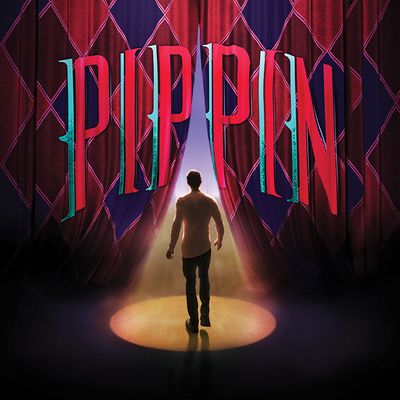
PIPPIN. It's a musical with a lot to discuss which is probably why so many of you have requested it! This week, we welcome two wonderful guests with "magic to do" that will help make it happen... Read More
From the show: A Musical Theatre Podcast
Guests

Featured Shows
About
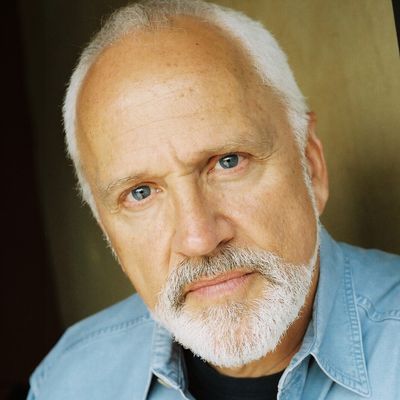
PIPPIN. It's a musical with a lot to discuss which is probably why so many of you have requested it! This week, we welcome two wonderful guests with "magic to do" that will help make it happen. Podcaster and author Chris Adams (Out for Blood) joins us from the UK to talk about the hills & valleys and eagles & rivers that went into making a musical as fascinating as it is entertaining. Then, Tony-winner John Rubinstein (Children of a Lesser God, Ragtime, and the original "Pippin" himself) brings context (and first hand accounts) to the original production, including what it was like to be in a rehearsal room with Bob Fosse. Spoiler alert: he never yelled.
Order Chris' new book Out for Blood: A Cultural History of Carrie the Musical. Follow the podcast on Instagram at @outforbloodpodcast or listen to it from the beginning on Broadway Podcast Network.
See John in his latest play Eisenhower: This Piece of Ground, playing Off-Broadway in New York during the month of October. Visit eisenhowertheplay.com for more information.
Be sure to follow us on Instagram, TikTok, and X for more great content. If you'd like to support the show, the best way to do so is by giving us a nice rating and review wherever you listen! You can also subscribe to PATREON! where for only $1 a month you'll receive bonus episodes made exclusively for you. Don't forget about our TeePublic Store where profits we receive will be donated to Broadway Cares/Equity Fights AIDS.
More than anything, know how grateful we are you're part of this podcasting community and remember you can "pull a Catherine" whenever you like!
Transcript
This transcript was automatically generated and might contain errors.
[0:01] Jeffrey Scott Parsons: Hey, listeners, just a heads up that this week's episode all about the musical PIPPIN includes a discussion about self-harm and suicide. Please take care of yourself, but also know that the ultimate message about this musical is one of hope. Enjoy!
[0:17] Jeffrey Scott Parsons: If you don't mind, I would like to take us through the PIPPIN Serenity Prayer, which is something that I created especially for this episode. So, Chris, if you wouldn't mind bowing your head, please.
[0:29] Chris Adams: Of course, of course.
[0:31] Jeffrey Scott Parsons: God grant us the serenity to accept when we've written a PIPPIN, the courage to be generous like its melodies and humble like its script, and the wisdom to know when we should trust those darker and hornier than we are. For as it is written, take the W, because life is always going to have an L in it. Amen.
[1:07] Jeffrey Scott Parsons: Welcome, everybody, to a musical theater podcast where we discuss the cultural and emotional impact of some of our favorite musicals in theater history. My name is Jeffrey Scott Parsons. You can call me Jeff. Today, we are discussing the musical PIPPIN, which was a listener request from all of you. So many listeners have requested PIPPIN. Nicholas, Sarah. I have to read this one from listener Jenny, who wrote, quote, "It would make me so happy if you would review PIPPIN. When I was in high school, we performed this show, and it really was my first exposure to musical theater. I promptly bought the cast album and loved Ben Vereen's leading player so much. One of my happiest memories was when my daughter had the opportunity to play Catherine in her high school production, played at the same high school I had attended 20 years previously.
It was incredible to see her in the same show, in the same auditorium where I had first discovered musical theater," end quote. How cute is that? Obsessed. Well, it took a long time, but our PIPPIN episode is here, and thank you all for requesting it. By the way, to any of you who have written in and think like, it's never going to happen. We're never going to do your episode. Don't lose hope. It'll happen. It just takes a lot of time to organize everything. So here to discuss this unique and incredibly hummable show is someone who is pretty much on the other side of the world for me right now. He's one of the creators and hosts of the very popular podcast OUT4BLOOD, which was all about the musical Carrie.
We even mentioned it in our Carrie episode because it's a great lesson. But now he's the author of a new book based on that podcast called OUT4BLOOD, a cultural history of Carrie the musical. Everyone, please welcome Chris Adams.
[2:59] Chris Adams: Thank you. Wow. What a welcome. Thank you for having me.
[3:06] Jeffrey Scott Parsons: I'm so happy you're here. Tell me where you are exactly.
[3:11] Chris Adams: I'm in South London here in the good old United Kingdom where it is pouring with rain. So hopefully the noise of that crazy storm is not bleeding through to you. But yeah, very far away.
[3:18] Jeffrey Scott Parsons: If it is, it'll just be moody. Now, when we first discussed you coming on a musical theater podcast, I thought for sure we were going to talk about Footloose because Carrie and Footloose share a lyricist in Dean Pitchford. But then you came back to me with PIPPIN and I was like, huh, tell me why.
[3:35] Chris Adams: So many reasons. Well, Footloose is a great show. And obviously, as you mentioned, Dean Pitchford, who's the lyricist on Carrie, wrote both. But there are so many connections between Carrie and PIPPIN that I thought it was just a natural thing to talk about. It's kind of this show which had this turbulent creation. There was this war between the people who were creating it. You know, the writer and the director did not get along. It was this sort of embittered process. But there are also loads of people connections. Dean himself was a standby for PIPPIN. He was in the show for a while.
[4:05] Chris Adams: He was actually on a tour. He used to be an actor before he became a writer. And he was on a tour of Godspell, which Stephen Schwartz had also written. When PIPPIN was... Yeah, exactly. So PIPPIN was premiering in Washington, D.C., just as Godspell kind of came into town. So Dean and Stephen spent a lot of time together when Stephen was in the darkest days of creating the show. I can imagine the conversations that were being had. Betty Buckley, who was in Carrie, was in PIPPIN for three years. She was the replacement for Catherine. All sorts of stories there. Debbie Allen, who choreographed Carrie, auditioned to be in PIPPIN. And of course, the whole ending of the stories are similar to, you know, both shows had a kind of second life and they were reinvented and changed and made kind of new for a contemporary audience.
But there's also the brilliant, I think the best connection between the two is that Bob Fosse, who directed the original production of PIPPIN, was actually in the running to direct the original production of Carrie, which would have been absolutely wild.
[5:11] Jeffrey Scott Parsons: I can't imagine bonkers. Yeah. Can you even imagine? I mean, gone would have been the white staircase. Gone.
[5:16] Chris Adams: Definitely. Definitely gone. An empty space. Lots of jazz hands. It would have been a very different show, a very different show. So who knows? Carrie could have been this huge, enormous success at the hands of Bob Fosse. Who knows? Speaking of jazz hands, and I'm just going to put this out there right away. I'm not saying that jazz hands didn't exist before PIPPIN. Yeah. But it certainly seems like, and revisiting I before this, I revisited the Canadian film diversion with Ben Green as the leading player and everything. It certainly seems like the stereotype of what we now know as musical theatre jazz hands has a very, very strong connection to PIPPIN and its original staging.
[5:59] Chris Adams: Definitely. I mean, that you can even if you know nothing about musical theatre, you can look at that style and recognize it as, you know, this Fosse movement style. And it's absolutely hypnotizing. And I think that's one of the reasons why I love the show so much. It's just absolutely in, you know, it's like looking inside his brain in a way at that time, you know, he was a very terrifying, which is, which is why it's a little unsettling, for sure. The original production of PIPPIN was so I don't want to say Brechtian because that term gets overused. But it was so just like so accessible to the audience and that like people were talking directly to them. The space was very open. People were breaking in and out of character.
So yeah, I guess it is Brechtian that is the best word to come up with. But then within that is this movement that is almost moving horizontally, very proscenium like, you know, the performers are almost like paper dolls with their jazz hands moving side to side rather than exploring the space in a more three dimensional way. Anyway, so like, it's just full of contradictions like that, that are make it incredibly interesting.
[7:24] Jeffrey Scott Parsons: Before we go into all of those details, I want to first do a deep dive on Stephen Schwartz.
[7:30] Chris Adams: Sure.
[7:31] Jeffrey Scott Parsons: I realized that we've never done the full deep dive on Mr. Schwartz. We covered The Prince of Egypt a few years back, and it was a wonderful episode. I'm so grateful we got to talk to people from the West End. But I think I probably reserved talking about his earlier life for some of these earlier projects. So Stephen Schwartz, he's born in New York in 1948 to a Jewish family. He goes to college at Carnegie Mellon University, and there he's a drama major. And as a drama major, he becomes really involved with this student-run theater group called Scotch and Soda. And it is working in this group that he ends up writing his first musicals, because he was always into composing, but he didn't go to college for composing. He went there to study drama as a much bigger thing. And what were the shows that he wrote while he was in college? Godspell, and a show called PIPPIN.
[8:32] Chris Adams: PIPPIN.
[8:33] Jeffrey Scott Parsons: So by the time he had graduated college, he had already written his two big hits. Now, he says that the original look at the PIPPIN story, as it was back then, not a word, not a note, is what he says, made it into the final production. But these early versions really catapulted him into a composing career, so that when he started working, he had like, you know, guns loaded, as it were. Godspell was the thing that hits first. It is a big hit off-Broadway. He becomes kind of this new savior, if you, for lack of a better term, of musical theater and pop rock music. And that gives him almost like a blank check type opportunity to create a Broadway show. PIPPIN seems like a great option, since once again, he had been working on it in college. And it is based on one of the sons of Charlemagne, who was the ruler, the emperor of the Roman Empire in the mid-ages.
[9:33] Chris Adams: In England, are you guys learning more about this stuff than I am? Because I couldn't care less.
[9:48] Jeffrey Scott Parsons: Not really. I mean, we go back a bit, but this goes way back, you know.
[9:58] Chris Adams: Insane. Like even more so than Man of La Mancha did, you know, when we're talking about Don Quixote. Like this is early, early, early history.
[10:04] Jeffrey Scott Parsons: Yeah, short of like biblical type musicals, this is about as early as it gets.
[10:10] Chris Adams: Fair enough, absolutely. But Charlemagne was this emperor who united, I say that in quotes, Europe for kind of the first time. And he was the emperor, and then he would have put kings in charge of different areas all around the continent. And of course, at that time, it was very customary for your offspring to be the kings, and possibly the emperors. And Charlemagne had his oldest son named Pepin, it was P-E-P-I-N. And unfortunately for all of us, he wasn't, as the musical would want us to believe, a really good looking guy with great hair who sings folk music. But historically, he's known as being a hunchback, right?
[10:46] Chris Adams: Yeah, and there's a joke early in the show where, you know, they say something like, some people say he was bald, some people say he had, you know, a hunchback, and they kind of play on that. But that, you know, the rest of the show has very little connection to, you know, the historical characters.
[11:13] Jeffrey Scott Parsons: Which kind of is why it's sort of so relatable, I guess, because nobody knows who this guy is supposed to be. So they can kind of say anything they like about him.
[11:23] Chris Adams: Yeah, exactly. Absolutely. He becomes the everyman. The historical context is really just a launching point to tell the story of anybody who's growing up. Now, let's talk a little bit about this time period in which the musical is written, because it seems very zeitgeisty at this point, to be taking medieval or even just older stories and putting an interesting 70s twist on them. The 70s was also the decade of the Zeffirelli, Romeo and Juliet. That whole aesthetic of, like, 1970s color palette meets Commedia dell'arte, Renaissance, medieval times, is really something that's very popular.
[12:08] Chris Adams: Yeah, it's kind of a time, I guess, when Broadway's slowly becoming a bit more adventurous. But it's before the 80s when all those massive mega musicals start to appear. But, you know, composers and writers are starting to explore these new genres and new sounds that they're putting kind of contemporary takes on old stories, as you say. You know, we get into very experimental and intelligent shows by Sondheim and the likes and more diverse stories about different types of people as well. You know, you get shows like The Wiz come along and lots of stories about soul searching and trying to figure out who we are as individuals and who we are as part of, like, a bigger society. So, yeah, all of that kind of sets the scene for PIPPIN.
The year before this, Two Gentlemen of Verona was a big hit on Broadway, famously won the Tony Award over Follies, which is crazy. But still, like, that was a big hit. The same season as PIPPIN was A Little Night Music, which to your point about Sondheim being experimental, and even that show has kind of a contemporary take on an older way of life. It's much sexier than what we consider people to have been with their corsets and ruffles and things. Also in that season was Don't Bother Me, I Can't Cope, which to your point about musicals representing people's...
[13:32] Chris Adams: Who hadn't always been seen on Broadway, right?
[13:36] John Rubinstein: Yeah, exactly.
[13:41] Chris Adams: Yeah, very, very cool stuff in the 70s and Pippin, deservingly so, is maybe right at the front of the pack.
[13:45] John Rubinstein: I'm not exactly sure how Bob Fosse comes into this situation.
[13:54] Chris Adams: I think basically, you know, Fosse was kind of riding high at the time on Broadway. He directed and choreographed Sweet Charity. I think he was either just finishing or he'd finished the movie of Cabaret.
[14:06] John Rubinstein: So he was kind of just wrapped it.
[14:10] Chris Adams: Yeah, so he's kind of this hot shot director, you know, and somehow I think he'd really liked Godspell. I think he'd seen Godspell, enjoyed it, and kind of the next show that Schwartz wrote he kind of was interested in seeing it.
[14:22] John Rubinstein: But you know, he didn't see the potential at first as far as I know. He saw it as this kind of twee show, this quite overly sentimental college kind of show.
[14:34] Chris Adams: But somewhere in that, I guess he saw something about this everyman character who's on this search for fulfillment, and perhaps he saw something in that that was reflected in his own personality, and he saw something that he could sort of inject his own characteristic style and his own kind of dark energy into it.
[14:49] John Rubinstein: And he does that by sort of taking that sweet sentimental kind of material and sending it up slightly and adding this very dark sort of steely edge to it, stripping all of that emotion out of it. It's really interesting what he does to it.
[15:07] Chris Adams: We have to remember that Stephen Schwartz was incredibly young when he had his Godspell success, right?
[15:22] John Rubinstein: Yeah, 22, something crazy like that.
[15:29] Chris Adams: Yeah, really young. And then right after that comes Pippin, and then right after Pippin, which by the way, spoiler alert, becomes a huge hit, the musical Magic Show comes out and is a long-running hit as well.
[15:40] John Rubinstein: So by the time Stephen Schwartz is 26, he has three musicals, three hit musicals running in New York.
[15:51] Chris Adams: Yeah, crazy amazing. Overachiever.
[15:52] John Rubinstein: Definitely. Now, even with all of those achievements, I also think it is fair to say that Bob Fosse himself was never as young as Stephen Schwartz was.
[16:04] Chris Adams: Like Bob Fosse, even when he was nine years old working in a burlesque house, was never young as Stephen Schwartz with three hit musicals in New York.
[16:16] John Rubinstein: That's just the big difference in terms of these two individuals' outlook on life and their approach to the art form. Now, that's not to say that Stephen Schwartz is simplistic because I've listened to a lot of interviews with that man, and he speaks eloquently and has a beautiful vocabulary and makes me feel like a garbage person because he just is able to, with a lot of intentionality, to say exactly what he's thinking, and it really brings out some great lyrics.
[16:45] Chris Adams: Yeah, sure. But him being that young and Bob Fosse being that old and already being Bob Fosse was just oil and water.
[16:54] John Rubinstein: And so this whole story of them working together and Stephen Schwartz having spent, what, six or seven years kind of thinking about this material, writing it, rewriting it, and going into his first big Broadway show with a certain set of expectations only to have them completely changed by the most famous director of the time reminds me a lot of The Shining.
[17:22] Chris Adams: Speaking of Stephen King.
[17:25] John Rubinstein: Yes, yes, you're right. So for those who may not know, Stephen King wrote The Shining, right? All about the Overlook Hotel, and then Stanley Kubrick, who was this incredible filmmaker and director, he had done, you know, 2001: A Space Odyssey and Clockwork Orange, decided to make a film version of it.
[17:43] Chris Adams: And it once again, it really just kind of became a launching point for him to create the movie that he wanted to.
[17:56] John Rubinstein: Yeah, it really doesn't have a whole lot to do with the book other than the characters and the premise. The themes, everything that he wanted to explore was what he wanted to do.
[18:08] Chris Adams: Now, the thing is, is that when you look back on it, the reason it became a sensation was because of what Kubrick did to it.
[18:15] John Rubinstein: So you both understand the artist who had created, you know, either the book in the case of The Shining or the musical in the case of Pippin, but then it's really hard to pull it away from what made it what it was, which was what the directors brought to those individual projects.
[18:35] Chris Adams: Yeah, and when he reads interviews with Stephen Schwartz now, he acknowledges, you know, that even though it was a tempestuous time and after the show had opened there were legal battles over it and all sorts of things, but he acknowledges now that, you know, the show needed Fosse's vision to survive on Broadway at the time.
[18:55] John Rubinstein: It was that kind of particular production that launched the show into the success that it became. And you know, when he speaks about some of those changes that Fosse made to it, he's quite protective of them now.
[19:08] Chris Adams: I think he kind of sees himself as the protector of some of the work that Fosse did around the show. So I think you're right, you know, it sometimes takes someone with a very unique vision or something to make it successful and to kind of make it work in a particular time period.
[19:26] John Rubinstein: And that was a very experimental and unusual time for Broadway and art in the wider world, you know, so someone with a vision like Fosse's really made the show stand out.
[19:38] Chris Adams: Without Fosse, I think Pippin is an off-Broadway musical at this point.
[19:43] John Rubinstein: And that's what I also love about what you just said in terms of it has stood the test of time of being able to be interpreted in so many ways.
[19:53] Chris Adams: Yes, the Fosse staging is iconic, but it was also proof that you could take a really strong concept and put it on this show and it could handle it.
[20:04] John Rubinstein: Yeah, in the same way that maybe Cabaret's that way as well, you know?
[20:10] Chris Adams: Yeah, true.
[20:13] John Rubinstein: Have you seen any other productions of Pippin that have done really kind of interesting weird concepts or takes on it?
[20:19] Chris Adams: It's quite unusual. It's strange because this show just isn't very well known in the UK.
[20:25] John Rubinstein: Really?
[20:30] Chris Adams: Yeah, I mean it's become more well-known, I think, since the Broadway revival, but the original Broadway production transferred to the West End, I think the year after it opened in New York, but it kind of crashed and burned.
[20:36] John Rubinstein: And then even, you know, recently the Broadway revival, which did so well on New York, never made it here, which is quite rare for a show that, you know, is so successful on Broadway, especially a Stephen Schwartz musical.
[20:49] Chris Adams: Exactly.
[20:54] John Rubinstein: And I mean, you know, musical theater fans obviously knew about the show and were aware of it, but you know, I think a lot of people misunderstood it or didn't give it the time it deserved.
[21:05] Chris Adams: And I think I was kind of one of those people until, you know, I kind of dismissed it a bit as this sort of magical kind of hippie-ish medieval tale that just didn't really interest me, you know?
[21:15] John Rubinstein: Which it is, it is, but you know, I was interested in musicals that have this like dark edge and lots of death and dark humor, and I didn't think this was that show.
[21:23] Chris Adams: And you know how wrong I was. So it's only recently that, you know, I've maybe the last 10 years or so that I've really kind of gone to see every show I could.
[21:32] John Rubinstein: It was the first I directed a production of it, an amateur production of it myself in 2018, and then it was the first show I saw coming out of lockdown.
[21:40] Chris Adams: I saw this incredible production of it outdoors with six people in the cast, and you know, it was just as those restrictions were kind of ending and they couldn't touch each other.
[21:45] John Rubinstein: It was crazy.
[21:52] Chris Adams: But it was such a kind of relief to be sitting in an audience watching something that everyone was just there for it and cheering it on, and that was kind of set in the 60s.
[22:01] John Rubinstein: It was this kind of, you know, almost like Hair kind of style.
[22:05] Chris Adams: There was a lot of really great small productions here, but so far no huge kind of West End big production, which is a real shame, I think.
[22:15] John Rubinstein: But we have, and we had a monarchy, maybe that affected, you know, how people do this story.
[22:22] Chris Adams: I didn't even think about that.
[22:28] John Rubinstein: Yeah, very American of us to be like down with...
[22:36] Chris Adams: Exactly.
[22:36] John Rubinstein: Yeah, I mean it's just functional as, yeah, just about as dysfunctional as Pippin's family too. But you know, maybe that played a role in it.
[22:42] Chris Adams: So yes, I guess I'll just say it opens on Broadway in what, '72? It's a huge hit.
[22:45] John Rubinstein: It's Fosse's longest-running show, at least that he directed and choreographed, even longer than the first Chicago, Sweet Charity.
[22:51] Chris Adams: It wins five Tony Awards.
[22:54] John Rubinstein: It loses Best Musical to A Little Night Music and also score and book, but Ben Vereen famously wins Lead Actor.
[23:02] Chris Adams: They also win the directing and choreography awards for Fosse himself, which means that in this year, in this one year, he wins the Triple Crown, which is he wins the director Oscar for Cabaret, he wins the director Tony for Pippin, and then wins a director Emmy for Liza with a Z, which is the TV special that he did with Liza Minnelli.
[23:29] John Rubinstein: So it was a big tumultuous, very crazy year for Bob Fosse that ended up sending him into health problems right before Chicago.
[23:38] Chris Adams: Yeah, he was a complicated character, I guess.
[23:42] John Rubinstein: All right, so let's dive right into the show because there are so many things and so many themes worth discussing.
[23:48] Chris Adams: The show opens with "Magic to Do," maybe one of the most famous musical numbers, opening musical numbers in theater history.
[23:58] John Rubinstein: The number is led by this leading player, an MC who's overseeing it all and introduces the audience to a troupe.
[24:06] Chris Adams: Like all of the actors, all of the players are in this number, even if they're not playing their part in the musical. They are featured in this ensemble of players, and they're telling the audience over and over, right?
[24:13] John Rubinstein: We've got magic to do just for you, and it feels very upbeat.
[24:28] Chris Adams: Yeah, it's kind of they're trying to lead you in. It's very kind of, you know, forget your troubles, we'll take care of you, relax, we'll take you on this journey, but they kind of set up this idea that, you know, this is not the first time they've done this.
[24:41] John Rubinstein: There's a slightly ominous kind of undercurrent, I guess.
[24:47] Chris Adams: There's a sense that this is, you know, something they do a lot. They tell the audience, you know, strap in, get ready, we're gonna take on this journey.
[24:57] John Rubinstein: So right from the get-go, the greatest magic trick that is performed during Pippin is established right here, which is they're saying we're gonna perform some magic, but the gag is, the twist is that the magic trick is that they are actually evil and horrible and trying to destroy you.
[25:17] Chris Adams: Yeah, basically, I mean, right?
[25:19] John Rubinstein: Yeah, essentially. I mean, people interpret it in so many ways. Who are these people? Are they real? Are they just figments of someone's imagination, of your demons? Are they dark thoughts?
[25:30] Chris Adams: Exactly. Who knows? And you know, I think that's part of the amazing charm of the show is that everybody can interpret that in different ways.
[25:37] John Rubinstein: And when you see a production of this, you come out at the end and people are like, wait a minute, you know, were they not real people? You know, what are they supposed to be?
[25:47] Chris Adams: And yeah, it's, it's God bless you if you listen to this show and fall in love with the score and then see the show and go, wait, that's what's going on.
[25:55] John Rubinstein: Yeah, it's like it's a cult. Essentially what you're watching is it's a cult.
[26:00] Chris Adams: You're watching a cult leader and his or her followers, and they're trying to kind of get you members.
[26:07] John Rubinstein: Theater.
[26:07] Chris Adams: Exactly, exactly. But this is particularly cultish.
[26:11] John Rubinstein: Now, it's really funny to listen to interviews with Ben Vereen, who was the leading player in the original Broadway cast, because my gosh, was he phenomenal.
[26:22] Chris Adams: The amount of energy and the way that he slinks around the stage and his stage presence and his dancing, it's just, it makes it like I scream out loud sometimes when I see him move. It's just so gorgeous.
[26:37] John Rubinstein: Yeah, when he signed on to do the show and they sat down to like read through the script, he got really worried because in the script it would say, you know, Pippin enters, Fastrada enters, Charlemagne enters.
[26:52] Chris Adams: There's nothing in the script really about the leading player, and he's thinking, what on earth did I do? My agents told me not to do this. I should have believed them.
[27:04] Chris Adams: Across the room like don't worry bro. I got you like we're gonna I have some things in store and the truth is that like he becomes this central character that ties us that takes the audience through this journey even more so than Pippin himself.
[27:23] Yeah, I think in Schwartz's very early drafts, there was this kind of old man narrator figure, you know a bit like Into the Woods who just pops in and kind of once upon a time.
[27:33] Yeah, exactly kind of updates you on the story. And I think because Fosse had worked with Ben Vereen before, he knew his incredible dancing skills and his kind of charming acting and his voice. He shaped, he kind of reshaped the show around this guy and I think one of the things that Schwartz didn't like about his production was that Fosse kind of pushed the character of Pippin further back actually and really made the show about the leading player. The leading player is this driving force of the show, you know, he or she is the character that moves forward everything that happens. But you know, Fosse, it also, you know, talk about Cabaret, Fosse you'd come off that with a similar character in the MC, you know, this dark sinister presence who's shaping the story almost, so it's obviously a device that he loved and you know, it's very much present in the original production of Pippin.
[28:27] 100%. Even though the leading player is the one guiding us through this story in this opening number, we also meet Pippin himself, right, the namesake, the title character and right off the bat, he sings maybe one of the most famous songs of the show, "Corner of the Sky," which is just this perfect little melody of a song. It's a classic, you know, these always they always come in two or three shows in, it's kind of probably one of the definitive ones. He literally stands in front of the audience, he tells them what he wants from life, which is to kind of find something fulfilling. But the great thing about, you know, I've seen a lot of productions where the actor playing Pippin is pulled out of the audience or he's, you know, he's not part of that initial kind of troop of players. He's a new person.
[29:16] Yeah, yeah, and there's a sense that, you know, they've picked him to do the show. I think there's a line even early on where the leading player says it's his first time playing the role and oh, you're right, kind of sense that every time they do it, they pick on a new person. So yeah, he's this kind of, he's suddenly thrust into this crazy place and he just tells the audience exactly what he wants, you know, he doesn't feel like he fits in anywhere. He wants his life to be something more than long.
[29:42] How does he make his mark on the world?
[29:45] Yeah, exactly and the players, you know, like dark thoughts, they're here to kind of take him and show him some things that he could try and see how they work out and he goes on this journey with them. Now when you're talking Pippin, it sure doesn't hurt to talk to Pippin and that's what we're about to do. John Rubinstein is a Tony winner from Children of a Lesser God. He's also been seen on Broadway in Ragtime and of course as the original Pippin. He will be playing another title character in a four-week off-Broadway return engagement of Eisenhower: This Piece of Ground running October 2nd through 27th. Everyone, please welcome John Rubinstein.
[30:35] John Rubinstein: So grateful you're here. Thank you. Nice to talk to you.
[30:40] Chris Adams: My pleasure. Now I'm excited you're bringing this performance back because I got really interested in Eisenhower after watching Oppenheimer this summer.
[30:47] John Rubinstein: Yeah, we do talk a lot about the atomic bomb in the Eisenhower play because it was so much in conversation. Interestingly enough, it still is.
[30:59] Chris Adams: Seriously, right. Tell me what are you looking forward to with this return to the show? I mean, obviously you've done it before, it started out in LA.
[31:08] John Rubinstein: Yeah, we did it here in two different theaters last fall, literally a year ago and then the second engagement out here was in January and February and then we worked on the play and then brought it to New York off-Broadway at the theater at St. Clements on 46th Street back in June and we opened it there and ran it for almost three months and it was, you know, got great reviews and then the audience, it's a very special thing that happens with this play and I've been in a bunch of plays and musicals all over the world and you know, yeah, sometimes you're in something that is just great. I don't know, Pippin was one of them.
[31:47] But then there was also Ragtime and Children of a Lesser God was a play people didn't know what they were getting in for. That's usually the key, but then they walk out two and a half hours later having had some portion of their lives changed and they're challenged and they're informed about stuff they never thought about in their lives, plus they've been moved and they've been sort of stimulated in a way that they really didn't expect to and I think it happens with this play. People come, I'm sure at least half of them are dragged there by their spouse or friend saying, "No, please, a one-man show about Dwight Eisenhower. Oh my gosh, don't make me sit through that."
[32:29] And they rise to their feet at the end screaming Bravo and not, it's not about me, it's about what the play does and says and what Eisenhower did and said. So that's a great thing to get to do and we have this next month of October, we're going to be doing it again at St. Clements and I urge anybody listening to this, even if you don't live in New York, come there and see the play, it's great.
[33:01] Chris Adams: Gorgeous, man, that's inspiring. So let's talk about another title character. You played Mr. Pippin, you were the original Pippin wearing just the cutest crocheted tank top and your curly, curly hair and we hear a lot about Fosse, Bob Fosse as a choreographer, but I'm wondering if you can let us in on any memories you have working with him as a director because obviously you had this huge dramatic character arc throughout the piece. What was it like sculpting that with Fosse or did you not get any help at all?
[34:00] John Rubinstein: I got a lot of help and you know, to be brutally honest, some of that help, although it did help and sort of gave me the strength to carry on, were things that I had to, some of them I had to sort of alter and shed as the months went by. Some directors have a very personal way of directing in terms of they sort of show you how they feel about the character and Bob Fosse happened to be a man who was very smart and very outgoing, very friendly, not at all the way he was represented in that rather nasty Fosse-Verdon TV series about Fosse and Verdon.
[34:23] And so he was very pigeon-toed, he would have his sort of feet turned in and he was sort of hunched and his shoulders sort of leaned forward, which you can see a lot in his choreography. He always has his dancers turned in, but it gave him this sort of very vulnerable physical appearance persona and a cigarette dangling out of his lips. And so he would talk to me about Pippin and he would hunch his shoulders and he would turn in his feet and he'd sort of minimize himself. He was pretty small anyway, and I sort of through osmosis adopted that physical kind of being and it sort of bled into my spiritual being so that my Pippin in the beginning was a very, very sort of vulnerable, slightly, I don't know how to characterize him, just a little bit too mushy maybe, slight still saying my songs and I jumped around and I did all the stuff that I had to do and I was full of energy because I have always been a sort of energetic guy.
[35:32] But the center of that piece is Pippin has to be or it makes no sense and we had, you know, Ben Vereen doing his Tony Award-winning performance as the leading player. We had Irene Ryan fresh from the Beverly Hillbillies, you know, stopping the show cold with her number about just no time at all. We had the amazing Jill Klayberg acting the ingenue, you know, opposite me in the second half of the play. We had Eric Berry, a great British actor playing the king. We had Leland Palmer who was sort of doing the Gwen Verdon role and killing with her dance number. I mean, we were chock-full of amazing people and amazing numbers that Bob choreographed one after the other and somewhere in there, Pippin, played by me, being sort of a little bit too vulnerable and a little bit too earnest and a little bit boring, if I might dare say that, didn't quite fill the required bill.
[36:38] And over the months, I got rid of that and I became sort of more of a me kind of Pippin, still looking for his corner of the sky and being very innocent and naive and sort of full of hope and aspiration, but I wasn't quite so meek and I sort of took over and the audience were able to say, "Okay, we love all these big production numbers and all these amazing actors and singers and dancers that we're watching, but we can identify with that guy because that's how we are, that's how we feel." And by the boy, I don't know how many months, but it wasn't a couple of weeks, it was some months, I finally felt that I got that guy Pippin and played him the best I possibly could and people would actually come, strangers that I've never seen trying to pay me a compliment and I would meet them in the street after the show and they'd say, "Oh gosh, I was told that the only reason to see Pippin was to see, you know, all of Fosse's work and Ben Vereen who was amazing, but you were really good too."
[37:46] Chris Adams: Wow, the generosity.
[37:53] John Rubinstein: That's fantastic. Now, I mean, there is, it's no secret, right, that there were creative differences in the rehearsal process of Pippin and how much of that were you aware of between Mr. Schwartz and Mr. Fosse?
[38:11] Well, I wasn't in on the meetings about the script, about writing it. I was only in rehearsal and but in rehearsal, you know, yeah, we did have our bad moments. There was this kind of, I don't know, on Broadway, writers have a sort of a, I don't know if it's legal, but it's certainly in all of the Union, you know, rules, they have the final say. A writer can say, "No, you can't cut that scene, that goes in as is," and the director can't say, "I don't care what you say, we're getting rid of that song or that character." Very different than film, very different than film, but there is also a sort of a matter of a weird little word called clout and that's not written about in any contract or any?
But on a play like Pippin, Bob Fosse had the clout. He was the guy and Stephen Schwartz had Godspell, but he was still 25 years old and Bob Fosse, you know, was Bob Fosse and he was nearing the later part of his career and he had done all of his big stuff by then except for Pippin and Chicago.
[39:34] And so there I remember there was this one particular time in rehearsal, I've told this story before where Bob was working on a dance number and John Berkman was our rehearsal pianist and he also put together dance music based on Stephen's stuff that he had written and they were working on a particular part of a ballet, their little dance, and Fosse said something like, "Hey John, give me 16 more bars of that because I want them to turn around and do this and do another version of that." And Stephen got up and said, "No, no, no, Bob. I don't want another 16 bars. What we've done already is plenty." And Bob said something like, "Come on, I just want to try something with the dancers. Yeah, I want 16 more bars. Okay, here we go, five, six," and Stephen said, "Nope, no, I'm the writer and it stops here." And Bob said, "Well, no, Stephen, I'm sort of in charge of this production and I'm gonna go on."
[40:37] John Rubinstein: Start the sixteen there, John. And Stephen said, Bob, and this is in front of all of us. I happen to be standing center stage at the time, but everybody was in the room. And Stephen said something like, Bob, I just have to remind you, I'm the one who has the hit single of "Day by Day." Oh, no. True. The original cast album of "Godspell" and its song "Day by Day" was a big hit. It was on the pop charts and it was number one. I don't know for how long, but it was up there and everybody knew it. And Bob took a pause with his very humorous face. There were no raised voices ever. And Bob said, get out very softly. And we never saw Stephen again in any rehearsal. That was the end. Wow. Whatever other disagreements they had, I was not privy to.
[41:37] John Rubinstein: Not privy to. Well, that's fascinating. Thank you for sharing. That's just facts. And that's also the creative process. Question for you. You are very special because not only did you play Pippin in the original Broadway cast, but you also then returned to Pippin in the Broadway revival playing Charlemagne, the father. Right. Insane. Like talk about a character arc. My goodness. Talk to me a little bit about that and specifically how audiences changed or didn't change between, what, 30, 35 years? Well, the show that Bob Fosse put on with Tony Walton designing the sets, which were amazing, stuff went on there that hadn't ever been seen before. Jules Fisher doing the lighting, which was incredible.
Pat Ziprot doing the costumes, which were crazy. And with people, as I've mentioned them, like Ben Berene and Irene Ryan and Jill Klaper. It took a while. We didn't get great reviews when we opened and it was sort of mediocre stuff. And then Bob and Stuart Ostro, the producer, came up with this idea for the television filmed commercial. And now we see commercials for virtually everything on Broadway and everywhere else. It was the first of its kind, right? Yeah. It had never been done. And he didn't do a big sort of promotion. You got to come see this with stuff. He just showed Ben with Pamela Sousa and Candy Brown, two of the dancers in the ensemble behind him doing a little tiny portion of one of the numbers.
That was a great little number. And they did their little dance and the little music played. And there was nothing other said or written until the very end. And this deep voiced announcer came on and said, you have just seen 60 seconds of the new musical Pippin. If you want to see the rest of the show, come to the Imperial Theater. And suddenly we were a hit and we were selling out every single performance. And the show ran for five years. It was never revived. And it was done in every high school and every college and every amateur theater group and every regional thing. Pippin, Pippin, Pippin, Pippin. But it always intrigued me. Why doesn't somebody bring Pippin back to Broadway? It was a huge hit.
And everybody now loves the play. And suddenly I figured out it had to be simply because Bob Fosse had done such an amazing job. Everybody probably said, great directors and great choreographers. I don't know what I'm going to do that's going to sort of improve on or be different enough from what Bob did. So I'm just going to let it sit there until Diane Paulus showed up and said, hey, what if we did circus? What if we did crazy acrobatic stuff? The audiences, in answer to your question 20 minutes ago, loved it. They loved it. Everywhere we went, we went to Japan, we went to Europe, we went all around the United States, and the audiences were nuts for it. And it was great to be a part of it again.
[45:06] John Rubinstein: That's beautiful. And it speaks to the everyman nature of the show. Sure. That yes, it probably does need a big, strong concept to really tap into that entertainment value of the show. But underneath those themes, universal and timeless.
[45:24] John Rubinstein: That's right. And even though it can be dismissed as a little bit silly, I didn't have a lot of confidence in it when we started. I thought, oh, it's cute. And some of the numbers are really bouncy and nice. But really? He wants his cornerless guy and he's, oh gosh, and the politics are hard. I don't know. And Bob Fosse had me over to his house the night before rehearsals began. And he had me over, I think, just to be friendly because he was a very sweet, wonderful, generous soul. And we sat there and I was a little, I don't know, awkward because I had all kinds of opinions about, well, geez, why this? Why so much about falconry? Who cares? And I waited for him to say something and I was plotting out how to be diplomatic.
And the first thing he said was he poured me a drink and I didn't drink, but I was holding the drink. And he said, well, John, we've got to figure a way how to do something with this shit. And I said, ah, thank goodness we're on the same page. Not that he thought it was.
[46:43] John Rubinstein: No, absolutely. For mental, because otherwise he wouldn't have done it. He was going to direct and choreograph it on Broadway. That meant he thought it was pretty darn good.
[46:54] Jeffrey Scott Parsons: That's beautiful. John, thank you so much for talking with us. My gosh, you've added so much context and great storytelling to this episode. So incredibly grateful. And to everyone out there, please do not miss any more of his storytelling, which he's so generously offering us by bringing Eisenhower. Oh gosh, I forgot the whole name. What is it?
[47:14] John Rubinstein: Eisenhower, This Piece of Ground.
[47:17] Jeffrey Scott Parsons: Beautiful. And it's one day in the life of Dwight Eisenhower after he's been president for two terms. Running October 2nd through 27th at San...
[47:27] John Rubinstein: The Theater at St. Clements.
[47:30] Jeffrey Scott Parsons: Beautiful. Everybody, let's go see Mr. Rubinstein, shall we? John, Godspeed. Thank you, my friend.
[47:37] John Rubinstein: Thank you very much.
[47:41] Chris Adams: The first little chapter, the first adventure that he goes on is diving into war, right? Because maybe what he wants is power. And stereotypically speaking, how does one get power? By conquering, right? Land, property, people. Charlemagne the king seems to be allergic to vulnerability and connecting with his boy. Instead, they dive into this song called "War is a Science." One of my favorite pieces of Fosse staging, all of them like seated, kind of a cool profile position, and they have that flexed heel and tap their knees and the head moves and everything like that. Fantastic. What do you like about this section? What speaks to you about this section?
[48:31] Chris Adams: You know, the thing that interested me a lot about Carrie was what was going on at the time that influenced the show. And I think if you think about what was going on at the time of Pippin, the Vietnam War is just raging at the time. You know, it's just, it just feels like it's never going to end. And there is very obviously, you know, common commentary about that here and the pointlessness of war and how some people can kind of dance through it and observe it without being affected by it. It starts off as a very kind of silly and humorous kind of number. There's all of this kind of these kind of jokes about Pippin trying to keep up with the choreography and stuff. But you know, it gets very dark very quickly.
And what I think Fosse does so well throughout this show is that he's always putting up the darkness with something entertaining. And sometimes that's comedy. Sometimes that's magic. Sometimes it's something nostalgic, like people around a microphone going doo-doo-doo-doo, you know, sort of thing. Whatever it is, it's really showing, I think, a mirror to in a way that only he would do to how we turn an eye to atrocities. And it's because on some level, we find it entertaining.
[49:49] John Rubinstein: True. Yeah, you kind of, it's like that kind of car crash thing where you have to keep watching and, you know, they soon they end up dancing through this battlefield where there's literally, you know, limbs scattered around and you can't kind of take your eyes off it because they're doing this incredible choreography. And, you know, I think, as you say, he employs that kind of device across all sorts, you know, it happens in Chicago, it happened in Cabaret, this idea of kind of entertainment while in the background, there are these kind of horrible things happening, particularly in Cabaret. So yeah, it's a really clever device. And, you know, it's still trying to win Pippin over and it still doesn't quite work.
[50:29] Chris Adams: Even to the point of the leading player singing this incredible song "Glory," sounding amazing on it, bringing two dancers in with them having sort of a menage a trois, they called it the Manson Trio, this section of dance, which is really interesting, because it was both like dangerous and sexy and once again, timely with what you were saying.
[50:49] John Rubinstein: Yeah, exactly. And sort of cult related, you know, that the Manson cult was a cult of people who were convinced to murder people. And that's sort of what's going on here, right? You know, it has to be a very, very obvious reference. I love the Manson Trio. It's, you know, I think it's brilliant that it seems to get retained. It was still in the Broadway revival. You see it in production still now. It's just this iconic and amazing piece of dance. It's just hypnotizing. It's yeah, if you get a chance to watch it, go on YouTube and search for it because it is just the most extraordinary piece of Fosse choreography. Pippin, like you said, tries the war thing, it doesn't really hold, doesn't really catch his attention. So then if you don't make war, then what do you make? Love! And the players then bring him to kind of their next seduction, which is sexy times.
[51:45] Chris Adams: Yeah, once again, the score itself, really an interesting counterpoint to what's actually happening this beautiful song "With You." I mean, if you were just to listen to the song "With You," would you think that there was that it was a comedy number? No, I think that's the cleverness of it, isn't it? You know, when you see it happening, when you listen to it, it sounds like this beautiful love song "With You." I think Stephen Schwartz sang it at his wedding before it was even in the show, you know, so you can imagine how angry he was when Fosse takes it and turns it basically into this orgy on stage, you know, where Pippin kind of makes his way through all of these different girls and still comes out the other end feeling unfulfilled, you know, feeling even worse than he did to start with. And you can see why that wound up the writer.
[52:37] John Rubinstein: For sure, for sure. Pippin ends up having a lot of sex, like you said, he feels empty in all ways and decides he needs to do something different. And who does he blame? He blames his father.
[52:52] Chris Adams: Yeah, so you kind of come towards, I mean, along the way, you also meet his grandmother who tries to impart some wisdom. Yes. Oh my gosh, I completely forgot about grandma. Holy cow. Jeffrey, that's not cool. When does Bertha come into it? Is she before sexy times?
[53:09] John Rubinstein: Yeah, she's just before sexy times because she kind of encourages him, as all good grandmas do, to kind of go off and find himself a good girlfriend. And, you know, she tries to give him the wisdom that she's gathered over the years, which is, you know, don't grow old and become a boring old person. Go out and live your life and party and find yourself a partner and, you know, have a good time. And it's this kind of jolly number in the middle of all of this darkness.
[53:39] Chris Adams: I wonder how long it had been since there was a sing-along on Broadway, you know, like in the teens, 20s, even 30s, at the end of the show, they'd have a sing-along with the audience. But here in Pippin, and it's so funny, because instead of like follow the bouncing ball, it's follow the bouncing spot-op. Yeah, so then post-grandma, post all the girlfriends, which by the way, I forgot to mention this, homophobia, you know,
[54:09] John Rubinstein: It exists. And even with someone like Fosse, who was incredibly sexual, he would often complain about boys coming into his auditions and being a little too swishy.
[54:24] Chris Adams: Oh, really? Wow.
[54:25] John Rubinstein: But because it was old-fashioned musical comedy, and it's how to succeed in business, and you're supposed to look at the secretary and be like, you know, that sort of thing. But in PIPPIN, he talked about how it was one of the first times that he really wanted to embrace the individual sexuality of all of the ensemble. And so you start seeing a little bit more queer performances in the show than probably I think you've seen on Broadway before this point. Now, that being said, it's a really hetero show. PIPPIN only has sexy times with women. But in terms of the leading players in Fosse's original staging, being seductive and trying to explore PIPPIN's self-exploration by exuding their own sexual exploration. Very queer. Which I think is interesting.
[55:24] Chris Adams: Yeah, changing times.
[55:26] John Rubinstein: After all of that, he decides to take out his frustrations on his father, because he's obviously not finding what he's looking for. War didn't do it. Love didn't do it. And so it must be, it must be society, like there must be something broken. And if something's broken, then you kill the king.
[55:48] Chris Adams: Yeah, exactly. Yeah. He thinks, you know, he's basically a kind of, he sees him as a bit of a dictator at this point. And he thinks he has to put a stop to it. So he does. He has this confrontation. And it's actually one of the more extensive book scenes in the whole show is this back and forth between Charlemagne and PIPPIN. PIPPIN trying to give him every opportunity to, you know, have a change of heart, to look at society in a new way. And he doesn't. And Charlemagne says, well, if you're so unhappy, then go ahead and kill me. And PIPPIN does. Much to his surprise. I don't think maybe he thought that his son had it in him.
[56:28] John Rubinstein: There's also this kind of, this sort of, he's been led to do this in a way, because he sort of overhears FASTRATA, who is his stepmother, married to his father.
[56:37] Chris Adams: I forgot FASTRATA too!
[56:39] John Rubinstein: You missed FASTRATA!
[56:41] Chris Adams: Oh my gosh.
[56:41] John Rubinstein: Oh no. FASTRATA does this sort of deliberate speaking loudly so he can hear that his father is going to be in this religious festival, I think. And sort of suggests that if his father was dead, then the next person to inherit the crown, obviously, would be one of the boys. So, you know, she's kind of hatching this evil stepmother kind of plot at the same time. And it's all tied into PIPPIN's emotions. And off he goes and, yeah, kills his father.
[57:10] Chris Adams: Okay, where do we go next? I'm going to let you take me because I'm...
[57:14] John Rubinstein: No, we've made it to the end of the first act, which didn't exist in the original production. There was no intermission. This thing was two hours and 15 minutes and one act. You better go to the bathroom beforehand.
[57:27] Chris Adams: Yeah, exactly. Don't drink too much before you sit down. And I think there's a joke in the new version where they say, you know, modern attention spans aren't quite what they used to be. So they kind of introduced this intermission now so people can go and get a drink. But we end the act with Morning Glow, which is this kind of amazing song where PIPPIN, yeah, just this incredible music, you know, this hopeful number where PIPPIN finally thinks things are going to change, that he can kind of, he can change the world by being the ruler, that there's this brighter tomorrow and he's crowned at the end. And the whole chorus comes out and sings this melody. And it's, yeah, you're kind of left with this note, this, you know, is that the thing he's been looking for?
Will he finally find fulfillment in being the king? And if I'm being completely honest, I'm going to say it also leaves me with a question mark. Because once again, this, and I sound like a broken record, but you hear this song, it does not sound like the song of someone who just killed their father.
[58:33] John Rubinstein: No, that's true. That's true. It's very ceremonial. And yeah, yeah. And it's like, like hope without anything else. It's just beautiful. Yeah. I don't know, maybe I'm wrong, but that's what I feel when I hear this song. That's, by the way, fantastic.
[58:47] John Rubinstein: Now, after intermission, we're back with PIPPIN, who is now King PIPPIN. And in the space of five minutes, he goes through many versions of his reign, which includes PIPPIN the Great, PIPPIN the Humble, PIPPIN the Tyrant. I mean, like really he, every decision that he makes based on somebody coming in and telling him a problem with the kingdom leads to severe consequences, not only for his empire, but condemnations on his character.
[59:26] Chris Adams: Yeah, again, he's kind of sampling different personality types, I guess, and none of them are working for him. You know, he sort of realizes, I guess, why his father was like he was, you know, he realized...
[59:39] John Rubinstein: Maybe this job is harder than I thought.
[59:39] Chris Adams: Yeah, exactly. Every action leads to, you know, the downfall of something else. So it's not easy being king. Which leads him to kind of making a wish that he could resurrect his father and give him back his job. Cue the leading player who comes out and says, is that what you really want? And PIPPIN says, yes, absolutely. And he says, cool, then here you go. And King Charlemagne comes back to life. PIPPIN gives back the crown and says, my bad, you keep doing you, boo.
[1:00:10] John Rubinstein: Yeah, he's back. As easy as that. Magic. They got magic to do. They can make war come and go. They can find him somebody to sleep with. They can bring grandma along and make her appear to give him encouragement. So this was just yet another thing to be like, all right, cool. You're not done with that. Let's move on to the next thing.
[1:00:36] Chris Adams: Yeah, exactly. It's an easy way to get out of a complicated plot corner as well, because he can't be king for the rest of the show.
[1:00:40] John Rubinstein: Yeah. Now comes this kind of third act of him going to the country and meeting a woman by the name of Catherine. Catherine was mentioned by Jenny, our listener. And how would you describe Catherine, both as a character within the show and the actress playing her?
[1:00:59] Chris Adams: This is the part of the show that I just love so much, because it's when the show kind of starts going wrong. It's the first hint that something is not quite right with that repeated production that they're doing. Catherine is this in as part of the troupe of players. She is kind of suggested that she's been doing this for a long time and she's maybe a bit too old now to be playing the kind of young love interest for PIPPIN. And which is fine because Catherine is a widow and has a child. So I mean, it works for me. But yes, she is. She is older than PIPPIN.
[1:01:36] John Rubinstein: Yeah. And they kind of use this against her because it's for the first time the leading player starts talking to one of the other players out of character, if that makes sense. She's addressed, you know, as an actor and the leading player kind of taunts her and says, you know, she comes on late and she gets told off. She's you know, she gets literally told that, you know, if she doesn't up her act, she won't be doing this for much longer. She's a bit too old anyway. So this could be, you know, her last performance if she's not careful, which is brilliant. You know, it kind of sets up this conceit that these players have been doing this over and over again for years and years and years or hundreds of years or millenniums.
You know, it's it's a really fascinating idea. But in the play that they're doing, she's this kind of widow who lives on a big farm and she's sort of there to show PIPPIN what normal life could be because he's been through all of these challenges. He's been to all of these quests and maybe just living a normal life with a wife and a child is what he will find fulfillment with. So she kind of plays that role. She's the kind of domestic partner, I suppose, and she tries to kind of woo him into staying on this farm with her and doing normal things.
[1:02:47] Chris Adams: Yeah, normal everyday sort of woman, kind of woman. She has that great song to introduce herself. But because of what we find out about who Catherine is in terms of the actress playing Catherine, I think what goes unspoken is that she is anything but normal. In fact, Catherine is an incredible character and presence in the show because like you said, she is allowing for the cracks to be seen. That if we are just putting on a show, then can't the show be rewritten?
[1:03:23] John Rubinstein: Yeah, really interesting. She's the only one empowered enough to be like, cool, well then if we're doing a show, what if I want to say this line? What if I want to change this lyric? What if I mess up my line? Like, sorry, I messed up, I messed up, I can't remember. Someone help me out. What is this line?
[1:03:40] Chris Adams: Yeah, and that creates this strange kind of danger, this kind of dangerous feeling on stage because the players see what she's doing. She's trying to almost destroy the cycle of the play, but they can't do anything about it because there's an audience there.
[1:03:56] John Rubinstein: Because there's an audience there, it's live, they have to keep going.
[1:04:00] Chris Adams: Yeah, I love it when you see in a production when this is happening, the players are kind of slightly unarmed. You see them kind of at the back of the stage wondering what she's doing when she starts adding lines. And eventually, she adds a whole song that isn't supposed to be there.
[1:04:17] John Rubinstein: Catherine's also interesting because she's really into feet.
[1:04:20] Chris Adams: That's why she brings PIPPIN in, is because he has this beautiful arch. PIPPIN, however, is incredibly depressed and stays in bed for a full week. After everything that's happened, after he's killed his father, after he's brought his father back to life, he just feels more lost than ever. And how is she able to access him? She tries to kind of get him to go outside and go and deal with the farming stuff. She kind of tries to get him to clean out the barn and tend to the pigs and all that kind of stuff. But she also has this son, Theo, this young son, and she tries to get PIPPIN to kind of engage with him because Theo's also feeling quite down. He has this pet duck who is quite poorly. He's quite ill.
Catherine sees this as an opportunity for PIPPIN to bond with Theo and teach him about life and death and kind of be a father figure to this kid. At first, PIPPIN's not interested, but eventually he's kind of won over by Theo and he's like, OK, I'll talk to him about the dying duck and I'll teach him how life works. He sort of gets into this father-like position and he sort of ends up in this domestic situation that he never thought he would end up in, that he never wanted. He always saw something better for himself, better in quotation marks, than living in this quiet, homely life. But suddenly he finds himself occupied and busy and kind of enjoying it for a while at least.
[1:05:54] John Rubinstein: Throughout all of this, throughout the show, he keeps coming back to rivers belong where they can ramble, eagles belong where they can fly, right? I want to be where my spirit can run free. To your point, this is one of those moments where he's like, no, I can't be tied down to a family, to a child. That's not what rivers do. That's not how eagles fly. That's not who I am. But the leading player comes out and says something to the point of, as often happens in these stories, in musical comedies, these two end up falling in love.
[1:06:29] Chris Adams: Yeah, exactly. He sort of starts off by singing this song called Extraordinary, Extraordinary. Oh my gosh, of course.
[1:06:37] John Rubinstein: It's this kind of plea from him. He's sort of saying, this isn't the life for me. But as you say, he falls in love with Catherine and they literally sing a love song called Love Song, which is this kind of pastiche of a musical theatre love song. And it's actually one of the most honest moments in the show. They're both genuinely falling in love with each other. There's no pretense. Everything is stripped back. There's hardly any lyrics in the song. They just sing la la la la most of it. And it's this very honest kind of moment where everything else in the show has been deceptive and trickery. It's quite a kind of nice, calm moment where they are real kind of people falling in love with each other.
And yeah, also, it's still pastiche. It almost feels like this is the moment. I don't know if this is true or not. But it almost feels like this is the moment where Stephen Schwartz was like, OK, we're going to write, this is my big satire love song where we just say, I am singing a love song. This is a love song. La la la la la.
[1:07:41] Chris Adams: It was like, perfect, now we're going to play this one for real. Just sit down on the ground, stare into each other's eyes, and sing the song. At every moment, there's this juxtaposition. It's so interesting. You're right, he doesn't feel fulfilled by this, and Pippin ends up leaving Catherine heartbroken. This leads to her singing the song that was not supposed to be in the show. I guess I'll miss the man. The leading player comes out and says to her, what are you doing? You don't have a song here. Why are you breaking the show? She becomes quite adamant. She says, yes, I do. The thing I love about this song is that a lot of productions don't put this song in the program. People don't know it's coming.
It genuinely feels like she's interrupting the show with this brilliant moment. It starts acapella. It's very low-key. She says, actually, this guy was a good person. We've done this a lot of times. This Pippin, in particular, was a really nice guy. She could have made it work. He wasn't perfect, and she's not perfect, but that's life. They could have found happiness together, but again, it hasn't worked out. She has to do this whole thing again. She's over it. That's what she says. She literally stops the show and sings this song. Which now leads to the big finale. When I have watched this show, the last 10 minutes of it make it all make sense for me. If I'm being honest, all of these questions of the juxtapositions and the dichotomies and the contradictions leave me feeling a little confused until this moment when I go, oh my gosh, that's what they've been doing this whole time?
This is freaking brilliant. The finale happens in which Pippin, bless his heart, still singing about eagles flying and rivers flowing, and the leading player comes out and says, well, guess what? We still got the big finale. The perfect act. This is, like you said, this is what all of the Pippins do. They're really selling this big magic trick that they're going to be doing live in front of this audience. The trick is suicide. The great trick is for Pippin to give up and to kill himself. And this is when things turn super dark in the show. And I want to give it a lot of weight because this is such a scary subject that I think a lot of people go through and some people don't come out of. So empathically, what do you think is going through Pippin's mind at this point?
If you read the players as being like the dark thoughts, the demons of a person who is really struggling with their mental health in the sense that they just can't see a place for themselves in the world anymore, this is kind of the end point. And it's the battle against those demons to keep going, I guess, is one common interpretation of what's about to happen. Because they're physically pulling him and pushing him and trying to get him to do this thing. And he's confused. And they're trying to say, you know, if you're someone who's been spending all of this time saying that you want to feel you've made your mark on the world and that you want to be remembered and you want to kind of be extraordinary, then this is the only way you can do it. This is the only way to be remembered, you know, to take yourself out of the world, to take yourself out of the lives of all these people.
[1:12:00] John Rubinstein: And do it in such a big way.
[1:12:01] Chris Adams: Yes. To do it with so much flair and magic. And to provide this satisfaction as well. Because there's a sense that they're saying, if you do this, everyone here will be happy about it. Everybody on stage that you've been with.
[1:12:11] John Rubinstein: Exactly, will be happy.
[1:12:12] Chris Adams: Yeah. Because you're going to see this amazing ending. And, you know, all of the players, this is all they want to see. This is all they've been driving at. And it's horribly hurtful because they're his family by this point. You know, they've been acting as his father and his grandma and his lover. And all of a sudden...
[1:12:24] John Rubinstein: They've been singing magic to do.
[1:12:26] Chris Adams: Exactly. And he's been told that they will be happier than ever if he's gone, basically, if he does this final trick. And that's horrible, isn't it? That's horrifying.
[1:12:39] John Rubinstein: Yeah.
[1:12:39] Chris Adams: So, yeah. So he's kind of led. He's pushed and pulled to this final moment. It's so sad and scary and unsettling as an audience member to see this happening in front of you. And I just want to say out there to any listeners, if you've ever been in this situation, my heart goes out to you. And I hope that you know that that's not what the show tells you to do. And that you can look to this show for inspiration of what happens next. And it's probably my favorite moment in the script. He says something to the point of, you know, I've been singing this song about eagles flying and rivers flowing, but I'm not an eagle and I'm not a river.
[1:13:28] John Rubinstein: Yeah.
[1:13:28] Chris Adams: To finally realize that he's just like a man. And like, that's okay.
[1:13:34] John Rubinstein: Yeah. He doesn't have to do what he's been told to do.
[1:13:39] Chris Adams: He can change in the same way that Catherine added a song or changed the play. He can write his story to be whatever it is. And it'll be beautiful and it will be his. And it doesn't have to be perfect. And it doesn't have to be extraordinary because it will be his.
[1:13:57] John Rubinstein: Yeah.
[1:13:57] Chris Adams: And so what he decides to do is to be with Catherine. And he knows that they're not perfect together. And I think on some level, he's not even sure if he feels like a good father to Theo. But that's his choice. And boy, oh boy, does it piss off the leading player.
[1:14:19] John Rubinstein: Oh, yeah. This has never happened before. Or, you know, he or she is completely thrown by this and says, no, you're disappointing everyone. This whole audience is here to see you do this. This is everything we've been building up to. And you're a coward.
[1:14:36] Chris Adams: They chant at him and they shout at him and they kind of provoke him. And he says, no, I don't need it. I don't have to do that. I will give this a go. And the show just falls to pieces. The kind of facade that they've put up around him just falls down. And the leading player shouts at the players and tells them to take down the set and turn the lights off.
[1:14:59] John Rubinstein: Yep. Fine. Lights on.
[1:15:00] Chris Adams: That's it. Show's over. Fly out the scenery, take off their costumes.
[1:15:04] John Rubinstein: Yeah. Literally pulls their wigs off. It makes the audience gasp. It's this meta-theatrical coup where they strip everything away. In the Paulus production, they rip down that big top. You see the workings of the theater behind what's happening.
[1:15:24] John Rubinstein: The back walls.
[1:15:24] Chris Adams: Yeah. In the Bridewell, when we did the show, there was literally a door in the back wall that just opens to the outside world. And we sent our Pippin and Catherine, they just opened the door and the kind of daylight just flooded in and they walked out into the world. It was amazing. They had to walk past this bar next door with all of these people drinking their drinks in their underwear. But that's the kind of trick you can pull.
[1:15:50] John Rubinstein: And they're like, uh, London.
[1:15:52] Chris Adams: London. Stranger stuff happens. But that's the kind of theatricality of the show means you can do that. You can reveal that this was all a trick all along. This was just a play. These people were actors. It's magical. It's so clever. And yeah, off they go. And that's what I mean. Everybody has a choice. And if all the world's a stage, then just turn on the lights. Because you can stop the production as it is whenever you want.
[1:16:28] John Rubinstein: Back in the real world, this caused all sorts of chaos between Schwartz and Fosse because the original ending of the show has Pippin and Catherine standing there in their underwear with all of the lights on. And I think Catherine says, how do you feel? And Pippin says, trapped. And the audience all laugh. And then he says, but happy. And that's as much as you can ask for at the end of a musical comedy. And everyone laughs. And it's a kind of funny ending to the show. And Fosse hated it. And he made John Rubinstein, who was playing Pippin, take out the happy part and just end it with, you know, trapped. You know, this really dark ending. So even the audience are like, oh, my God, you know, this is like, why did we do this? Yeah, there isn't even a happy ending. But you know, the show now, as we talked about earlier, has a slightly different ending, which is even more ominous.
[1:17:27] Chris Adams: I love the Theo ending.
[1:17:28] John Rubinstein: Yeah, it's great. You know, and let's talk about it. But it really drives home the everyman of it all. The cycle. What we have witnessed to be the cycle of one Pippin is the cycle of us all. So after Catherine and Pippin, after this family has been formed, let's say, they go to exit. And Theo stays and sings a portion of Corner of the Sky, right? Now all of a sudden, he has picked up this messaging of rivers belong where they can ramble. And as he's singing it, I just got the chills thinking of it on Creep, the leading player on all of the players to start this all over again.
[1:18:07] Chris Adams: Yeah. And say, now we've got somebody new.
[1:18:15] John Rubinstein: Yeah, a new victim. And you know, it's, it's, that's life, right? You know, the problems that are passed down from generation to generation over the years, he is an everyman, we all worry about who we are in the world and our place in the world. And that's what's going to happen to Theo. And he's going to have to go on this journey too of trying to find out where he fits in, and learning all the same lessons. And everybody has to do it.
[1:18:45] Chris Adams: Yeah, nobody is safe from not having to explore this journey. It's a horribly creepy ending. But it's so effective, you kind of effective, the lights go down, and they might be starting the story again behind that curtain for a whole new audience. So yeah, amazing. Like, this is a story that just goes on and on and on and on forever. Chris, thank you so much for doing this with me.
[1:19:08] John Rubinstein: Thank you. It's been a pleasure.
[1:19:09] Chris Adams: What a roller coaster, right? That's a roller coaster of a show, man. And so much to discuss. And so thank you for helping me and to bring in your amazing perspectives. As always, if you have recommendations for shows you'd like us to cover on a musical theater podcast, just like Jenny, just like Nicholas, just like Sarah, please email me at amusicalpodcast@gmail.com. Don't forget to follow us on social media. We've got accounts on Instagram, on X, on TikTok, all with great content about the shows that we cover and so much more. We have Patreon! For only $1 a month, you receive bonus exclusive episodes made especially for you. We also have our TeePublic store, the profits we receive from those purchases all go to Broadway Cares, Equity Fights AIDS.
More than anything, thank you so much for being a part of this podcasting community. And if you want to support us, leave a nice review and rating wherever you're listening to us. Chris, how do we follow you? How do we buy your book? Tell us everything.
[1:20:11] Chris Adams: The book is out now you can order it from all your favorite bookstores. It's called Out for Blood: A Cultural History of Carrie the Musical. And you can follow Out for Blood the podcast on all the usual places just search for it. We've kind of wrapped the podcast now but there's a whole archive of hilarious photos and all sorts of crazy stuff from Carrie the Musical. So yeah, come and join us. Come and join the madness. Join us, join us.
[1:20:38] John Rubinstein: Thank you everybody for listening. Really appreciate you all and remember you're on the right track. You're on the right track. Keep on going. We didn't talk about that.
[1:20:48] Chris Adams: We didn't talk about that song. Patina Miller sounds.
[1:20:51] John Rubinstein: Yeah, it's a brilliant song.
[1:20:52] Chris Adams: Yeah, I love that song.
© Broadway Podcast Network, All Rights Reserved