

This week we wrap our three-episode series on recent entries into musical theatre history with one of today's biggest Broadway hits! THE OUTSIDERS became standard reading for young people in the United States following its novel debut in the 1960s, and now the story has become essential viewing for all musical theatre fans... Read More
From the show: A Musical Theatre Podcast
Guests
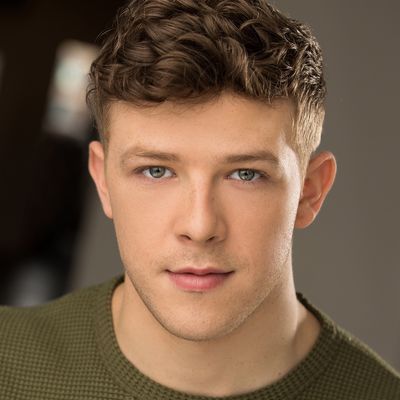
Featured Shows
About
This week we wrap our three-episode series on recent entries into musical theatre history with one of today's biggest Broadway hits!
THE OUTSIDERS became standard reading for young people in the United States following its novel debut in the 1960s, and now the story has become essential viewing for all musical theatre fans. Joining us to discuss how and why this show became a certified blockbuster is an expert in "musical gangs" and one of the stars of the hit revival of GYPSY, Kevin Csolak!
Broadway audiences have watched Kevin grow up onstage, and his vast experience in the worlds of WEST SIDE STORY and THE OUTSIDERS makes him the perfect guest for this episode.
Follow Kevin on Instagram at @kevincsolak
If you enjoyed this episode, try our GYPSY episode with Alison Fraser or our WEST SIDE STORY episode with Hector Guerrero.
Have you heard it's only $1 a month to join the ever-growing community on PATREON!? You won't want to miss everything in store for our loyal subscribers from new tiers to trivia competitions and bonus episode series!
Don't forget to like and share our episodes on Instagram, TikTok, and X. We have great playlists on Spotify. And be sure to check out our TeePublic Store where our profits from the designs are donated to Broadway Cares/Equity Fights AIDS.
Most importantly, thank you for being part of this wonderful podcasting community!
Transcript
This transcript was automatically generated and might contain errors.
[0:01] Jeffrey Scott Parsons: So, yes, I think that's why these stories, I think that's why THE OUTSIDERS has been so successful right now, because I think we are in a time where people are definitely trying to focus on the differences, push people away and make class division more of a contrast.
[0:18] Jeffrey Scott Parsons: Welcome, everybody, to A Musical Theatre Podcast where we discuss the cultural and emotional impact of some of our favorite musicals in theatre history. My name is Jeffrey Scott Parsons. You can call me Jeff. Today, we are completing our little series we began at the beginning of the year, looking at some of the more recent musicals in our theatre history. We began with one of the bigger flops, not a bad word, of 2024, Lempicka, followed by Water for Elephants, which is the first big title of last season to receive licensing. And now, drumroll please, we turn to one of the biggest current hits of 2024 and the winner of last year's Tony for Best Musical, THE OUTSIDERS. Now, this musical was actually a listener request from Abraham, and it gave me the idea for these three episodes.
He wrote in and said, quote, I would love to hear an episode about a more recent show. Believe me, I love the classics as much as the next guy, but it's fun to talk about the new stuff. So how about an episode on THE OUTSIDERS? It's a phenomenal show that deserved every Tony they got with a cast full of future stars. I agree with you, Abraham. I also need to remember that, like, Hairspray is not a new show. You know what I mean? Like, I'm still, I'm from the generation where I'm like, ooh, if I'm covering Wicked, I'm staying current. But like, that is now, I'm 20 years old. So I'm happy to be covering some of the new stuff. Especially, like you said, in a show that is just packed full of great stuff. One of which is our special guest today, Kevin Solak. I'm saying that right, correct?
[2:12] Kevin Solak: Yes, of course, yeah. Thanks for checking.
[2:15] Jeffrey Scott Parsons: Yeah, I probably should have checked before, but here we are. Kevin Solak has been performing on Broadway since he was a child. Starting out with How the Grinch Stole Christmas, then as a teen in Mean Girls and West Side Story. Last year, he appeared in THE OUTSIDERS and is now bringing down the house every night as Tulsa in the starry Audra McDonald revival of Gypsy. Everyone, please welcome the incredibly talented Kevin Solak.
[2:42] Kevin Solak: Crowd boos.
[2:45] Kevin Solak: Never.
[2:48] Kevin Solak: We don't even know who's here.
[2:50] Kevin Solak: No, thank you for having me. I'm really excited to chat all things Broadway and Outsiders and Gypsy.
[2:57] Jeffrey Scott Parsons: Well, look, I'm so happy you're here because I feel like you have a really interesting connection to all of this stuff. I haven't even dropped one of the really cool things about your career yet, and we're going to talk about it a little bit. First, however, let's discuss Gypsy because it's one of the most talked about shows. How are you feeling? Are you healthy? I know it was quite a battle.
[3:19] Kevin Solak: I somehow kept it at bay, but it ran through the cast. But funny enough, when we came back, one of the only guys who understudies me, he had it. At one point, we were back, but I was the one thread that if I went, the show would have been canceled again. But no, we're doing good. We're back and we're doing shows and we're hitting the ground running. I'm just pinching myself every day being able to share a stage with Audra and Danny and the rest of the cast, Leslie and Joy and Jordan. It's remarkable.
[3:57] Jeffrey Scott Parsons: That's incredible. It's one of my top three favorite shows of all time. By that, I mean, I think it's just one of the top, the best of the best shows. I'm also curious because I don't know the answer to this question. Tulsa, of course, has the amazing number, All I Need is the Girl. Traditionally, it's always been OG Jerry Robbins choreography. What are you doing in this one?
[4:22] Kevin Solak: Our version is the first time the estate has relinquished the choreography to Camille A. Brown. We were able to create our own version of what it was. Camille came in with, I remember the audition was a grueling audition process, six or seven auditions. The choreography, even just for that, for the final callback for Tulsa, it was a lot. In that moment, I was like, okay, we're definitely taking what Jerry did and we are upgrading in a beautiful way. It felt so much like what Camille does, but then kind of also honoring it. Yeah, honoring what Jerry did. Then when we got in the studio and I got the role, she very much was like, I want to cater this to you and to your body. It was a very amazing process because I thought it was very much going to be like, this is what it is and get there, which I'd be down for. She was very much customizing it to my body, which was remarkable again.
[5:28] Jeffrey Scott Parsons: Okay, so cool. Now, dance feels to me like one of your main languages. Is that fair? Was it your in into theater? I want to hear how this all happened because it ain't easy growing up on stage.
[5:44] Kevin Solak: No, it ain't, but I was familiar to it from a young age. My mom owns a performing arts studio center in New Jersey. It was my daycare center. I grew up just thinking it was like a way of life. Both of my brothers danced and acted in classes and stuff. I just kind of was like, oh, this is just what people do in the world.
[6:05] Kevin Solak: Yeah, this is the family business. And it wasn't until I went to school that I was like, oh, kids are making fun of me for this. Oh, I see that this is different. From the age of four or five, I wanted to do the dance competitions that the studio was going to. So dance was definitely where I kind of latched onto the stage initially. It wasn't until I was around nine or ten and my older brother, Kurt, who's actually in The Great Gatsby on Broadway.
[6:31] Jeffrey Scott Parsons: Wasn't he one of the, I mean, he's crazy tapper, right? He was one of the funny girl tappers.
[6:36] Kevin Solak: Yes, yes, he was a funny girl and he is insane with the feet. Yeah, he's like, he hangs out and taps with some of the best tap dancers in the world and in New York. What he can do with his feet, I don't understand. I can't comprehend it. Smoke appears. But he wanted to get into auditioning and kind of being on TV and doing shows professionally. I kind of went along for the ride to the management office.
[7:04] Jeffrey Scott Parsons: Oh, wow.
[7:05] Kevin Solak: And they kind of looked at me when they went to sign him and they were like, what about him? And I was kind of like, oh, sure. Like if this is just like another thing that my brother's doing that I want to do, let's go for it.
[7:14] Jeffrey Scott Parsons: Oh my gosh, that's adorable.
[7:16] Kevin Solak: Yeah, so long story short, just started auditioning. But actually before I booked my first dance job or anything, I actually booked my first acting job on As the World Turns, which is a soap opera.
[7:27] Jeffrey Scott Parsons: Yes, of course.
[7:28] Kevin Solak: As I don't know, some people might know, some people might not. They have since died away, unfortunately. But yeah, I had a few roles, I had a recurring role on As the World Turns. And then shortly after Grinch came my way. And I think Grinch was the first experience where I really felt the community of theater and Broadway. I think that's like one of the main things that I think we love. We love making art with other people. I think that's what like Broadway is such a big factor of it is. You know, you only have like a month to like kind of this pressure cooker to get to this end goal. You get close very, very quickly. And it has to be a group effort. You know, there has to be that respect and trust to your neighbors.
So I think that was the thing that I think I latched on the most. But yeah, no, I think initially with theater, at least with Grinch, and then actually after Grinch, I did what was trying to be a Broadway show, but the Broadway League wasn't allowing them to be, was Cirque du Soleil. I did a show at Cirque du Soleil at Madison Square Garden.
[8:30] Jeffrey Scott Parsons: Which one was that?
[8:32] Kevin Solak: It was called Wintuck.
[8:33] Jeffrey Scott Parsons: Okay, what was the theme?
[8:36] Kevin Solak: This one was like a winter snow, it's like a snow journey of a show. So it was all about this boy who it's like Christmas and it's winter and there's no snow. And he goes on a journey to like kind of like the Arctic to find the snow to bring it back to the city.
[8:51] Jeffrey Scott Parsons: Like a new nutcracker almost.
[8:54] Kevin Solak: Kind of in a way, yeah. And Cirque was trying to buy one of the Broadway houses to like have a stake here in the city. And they were like, no, you're not doing that. So they went to Madison Square Garden. So from there, I was hired as a singer actually for that. And I split the role with actually Noah Galvin and another boy.
[9:12] Jeffrey Scott Parsons: Yeah.
[9:13] Kevin Solak: So I know me and Noah go back from when we were like 11 years old. But yeah, but then from there, all the Broadway shows that I haven't kind of done were, I was more dance roles, you know. But then at the same time, I was auditioning for TV and film and doing acting stuff. So within the Broadway community, I definitely was seen as more of a dancer first, but I kind of loved it all. And I wasn't really driving at an early age at any specific jobs. I just kind of was like whatever was in front of me, I was like, let's go for it. Let's have some fun and let's learn on that journey.
[9:42] Jeffrey Scott Parsons: Absolutely. It's interesting that one of the first elements of the Broadway theater community was community. Because so many of the projects that I see you being a part of are about community in their own way.
[9:56] Kevin Solak: Yeah.
[9:57] Jeffrey Scott Parsons: Right?
[9:58] Kevin Solak: Yeah, yeah, yeah.
[9:59] Jeffrey Scott Parsons: So you did the revival of West Side Story, the controversial West Side Story revival. But then you also did the Steven Spielberg film.
[10:06] Kevin Solak: Yeah.
[10:11] Jeffrey Scott Parsons: This is the bomb that I want to drop. I had no idea that I had seen you in this film, but you played Diesel, one of the Jets. Like what a freaking experience.
[10:21] Kevin Solak: Yeah, I mean, yeah, it's a bomb to drop even for me. It just feels like a complete dream that even happened or I was allowed to be a part of that.
[10:30] Jeffrey Scott Parsons: So how long was that experience?
[10:32] Kevin Solak: The film, they had allocated three months of rehearsal, three months of filming. And because they hired a bunch of Broadway performers, we were ready in like a month and a half to start filming. So what was really great is that second month and a half was just fine tuning with Justin Peck. And Steven Spielberg would come into our rehearsals and just practice camera angles on us. And we really developed that community, I think, in that last month and a half and that confidence to then walk on to a multi-million dollar set and be like, okay, yeah, this is nothing. We got this. Because for a lot of the artists, it was their first time on a set ever. And luckily, I had some experience on set. So I kind of was like, but, you know, you walk on set and see, like, you could just tell it was a Steven Spielberg set.
Like the scale of everything was crazy. We shot the whole prologue in this massive parking lot in New Jersey that they built a city in. They built broken down buildings. So it looked like the demolished Lincoln Center, but it was really just maybe like a six by six block square that the set design team came in and just built. It was absolutely out of this world.
[11:54] Kevin Solak: You can tell when you watch the film. There are movies where you see it and you're like, it took $100 million to make that thing? West Side Story looks like a million bucks.
[12:04] Jeffrey Scott Parsons: Yeah, man.
[12:05] Kevin Solak: And they were blocking off like 125th Street and main streets and avenues and we had everything blocked off. But yeah, that was an experience that I will never forget. And people always think that we filmed that after the West Side Broadway run, but we actually filmed it beforehand.
[12:23] Jeffrey Scott Parsons: Did you really?
[12:24] Kevin Solak: That absolutely surprises me as well.
[12:27] Jeffrey Scott Parsons: So you had worked with Steven Spielberg. And then you went and did the Broadway one.
[12:31] Kevin Solak: How long was the Broadway West Side?
[12:37] Kevin Solak: All in all?
[12:38] Kevin Solak: All in all, actually when I was auditioning for the film, we were doing a workshop. We did like a four week workshop, a dance workshop, which was funny kind of doing both of those at the same time. And then kind of typical like a Broadway show, we rehearsed for like four or five weeks, went into tech. And then we ended up doing what was supposed to be two months of previews. We ended up doing three months because of injuries in the cast.
[13:04] Jeffrey Scott Parsons: Sure.
[13:05] Kevin Solak: Yeah, but so three months of previews, I think to any performer, or if you don't know, that's a lot. And you're waking up and going to 10am rehearsals, and then you have the show at night. And then we opened and three weeks later, the pandemic hit the city and we stopped.
[13:22] Jeffrey Scott Parsons: That's crazy.
[13:27] Kevin Solak: Okay, so let's go into The Outsiders then, because it feels to me impossible to talk about The Outsiders without invoking West Side Story, right? One of the most famous musicals of all time that also has to do with rivaling gangs. And yet it is absolutely its own thing. So talk to me first about how you got involved with the project, because I know that you did like workshops and things before it even got to Broadway, right?
[13:55] Kevin Solak: Yes, yes, yes, yes. So I had actually a few close friends in the production when it was out in La Jolla. So I had known about it.
[14:04] Kevin Solak: San Diego?
[14:05] Kevin Solak: Yeah, in San Diego. And I didn't get a chance to go see it, but I had just seen pictures and clips and my friends were just raving about the experience and being a part of it. And then when the time came, I was like, okay, I'm going to do it.
[14:18] Kevin Csolak: The idea came around that they were going to be holding auditions for this workshop. It was kind of a movement workshop, which a lot of musicals do. They'll sometimes break up prior to coming to Broadway when the creative team wants to work on the show. They'll do like a dance workshop or a movement workshop where they work on the movement of the material. And then they'll do like a reading workshop where they work on the songs and the script. So this was just for the movement. And my friends were just kind of immediately, I think, talking to the creative team about me. And they were talking to me and kind of trying to convince me to go to the audition, which I was like, I haven't gotten the audition yet, but I would love to.
I think because they just knew the movement and, you know, having been a part of two different versions of West Side and other things I've done, and knowing the movement that Jeff and Rick Cooperman do within the show, they knew that I would be a good asset, I think, to the show to kind of, you know, bring my artistry to the table. So I went to the audition and immediately, like the first eight count or two that they had taught, I was like, oh, yeah, this, you know, this feels right. This just feels good. Because, you know, I think any performer can, you know, you know, you go into an audition sometimes and sometimes something just clicks and you're like, oh, this just feels like I can live in this and I can really add something to this.
And other times you're like, whew, you know, you're really just trying to like jump. You're trying to keep up. Trying to keep up. Exactly. You're trying to keep up. But this felt right. And, you know, very luckily I got asked to be a part of the workshop and that was in the fall of 2023.
[15:44] Kevin Csolak: Yeah. Fall of 2023 now. Wow. Oh, my God. Yeah. So I did that workshop and I had a blast from there. They were actually, if I'm being frank, they were looking for people in the ensemble for the show and they had offered me an ensemble contract. At that time, when it, because where I was talking about earlier, where I was kind of very much a dancer in the Broadway community for the last year, I've been really trying to push being a principal on Broadway. I kind of took stock and I was like, you know, I really, I love being in the ensemble, but I think I really, I am feeling this draw to do more material and be able to sing and do all those things. So I declined the offer for the ensemble role from The Outsiders and I, I, I felt, I felt so, I felt so it was such a hard decision to make, but I was like, and all my friends who were in the show who were about to Broadway, they were like, we respect it, but I don't know if we agree, man.
And I was like, I was like, I know, I know, I know. I was like, I just, I really, you know, you know, when you, when you sign a Broadway contract, you're signing on for a year, you know? And some people, you know, I just, I have been in the past and I totally respect that people are like, I want to do that for a year. And I just kind of was like, you know what? I think within a year I can really hopefully push for a principal or be doing maybe something more of a forefront character on TV and film.
[16:30] Kevin Csolak: So I had a conversation with Dania, the director, cause I didn't want it to be this like agent calling them, telling them, I was like, no, let me go right to the source and talk to the creative team. Wow. So long story short, I talked to Dania and them and I was like, listen, and they were so understanding. They were like, no worries. They're like, if anything happens or, you know, if something, you know, opens up, we'd love to have you come in for one of the principals, but no worries. Cut to, I kind of like put that to bed and then cut to, it was March, middle of March I heard that one of my, one of my best friends in the show got injured doing the show in previews and literally it was like three or four days later, I got a call from Dania and she was like, Hey, I know you didn't want to be on an ensemble contract for too long, but we have a situation where, you know, one of your good friends is injured and you're the first person we thought of, it would be maybe like a three, it would be three or four months and it's kind of bittersweet, but we, you know, we would love for you to come in.
And then the choreographers called me and they all were like, take your time, but like we would love for you to come, please come see the show and just like, see what you think. And I, and I kind of had this thing in my stomach where I was like, right. I thought back to that audition and the kind of home that I felt it with the movement and kind of within in the workshop with the creative team like that, the whole experience was beautiful.
[17:21] Kevin Csolak: So I kind of was like, you know what? This just feels right. And I think I talked to my friend who got injured and he was like, kind of, we both kind of agreed that I was like, if anyone's going to come in and just take over your role for a little bit and someone who's not going to get too comfy and like, try to stay longer. I was like, I think that might be me. And he was, he was like, I'd be so happy if you like, you know, honored that, that the material and the role that he did. So it was a beautiful thing.
[17:44] Kevin Csolak: That's beautiful. And I jumped in, man. Yeah. So I jumped in. I saw the show about a week before they opened. I was there opening night, they got me a ticket for opening night, so I was able to celebrate with them. And it was the night that I kind of like, had agreed or the day before I agreed that I would join. So I started telling the cast who I already knew, so everyone was excited. And then I was in rehearsals two days later, and then two weeks later, I was in the show.
[18:09] Jeffrey Scott Parsons: Oh my gosh. A journey.
[18:10] Kevin Csolak: Seriously, though. What's really cool, though, is that it feels kind of perfect because you got to do the show, albeit not for a year, which then allowed you to be available for, what, a principal role in Gypsy.
[18:27] Kevin Csolak: Yeah. Like, yeah, it's the best of all worlds. No, I really can't understand how that all happened, you know. And even the stage door going into the Jacobs for The Outsiders is the exact same stage door alleyway that you go to get to the Majestic. So I was, during the audition process, and when I got the initial email, I was passing like literally the door to walk into the Jacobs stage door is maybe four feet to the Majestic.
[19:05] Jeffrey Scott Parsons: That gives me butterflies a little bit.
[19:07] Kevin Csolak: Yeah, it just, you know, I think a lot of the times, you know, you're like, this feels like a movie. I feel like I'm like living in a film. And you know, when those things work out, you know, the little inner kid in you starts to kind of flutter.
[19:13] Jeffrey Scott Parsons: Yeah, and the butterflies come up.
[19:15] Kevin Csolak: So it's crazy that it all, it's all worked out.
[19:18] Jeffrey Scott Parsons: Yeah. Ah, congratulations.
[19:20] Kevin Csolak: Yeah. Speaking of being a kid, let's talk about the novel, The Outsiders. Did you?
[19:25] Jeffrey Scott Parsons: Yeah. Did you read this growing up at all?
[19:28] Kevin Csolak: I sure did. Yes.
[19:30] Jeffrey Scott Parsons: Okay, me too. And as I've been researching and getting ready for this conversation, it's been emotional. I haven't like returned to this material in a very long time. And I couldn't believe how much I remembered how emotionally connected to it. I was and still am. It just felt like an awakening in many ways, a remembrance for me. So when did you when did you read it? And what was your experience?
[19:54] Kevin Csolak: Um, I read it. I read it in high school. You know, the whole kind of thing had a whole class about it, and writing essays and all the things. And watching and know, you know, the typical, like, wield the cart at the end, we got rewarded by wielding the TV and on the cart.
[20:07] Jeffrey Scott Parsons: Watch the movie version.
[20:09] Kevin Csolak: And we got to watch the movie version. No, I think when I initially read it, I think I, I think just like, that's what's so great that the musical does so much outreach with schools and bring so many schools in who have read the book, because I think it's a perfect time to read said book and to learn about like the class division, and the family and the found family and the violence, the loss of innocence, like all of that, and the preserving your your kind of your childhood. And the and you know, everyone wants to hurry up and grow up quick. And but like, I think I really connected to the book, you know, but I think I don't think I brought it into my craft in any way. I think I kind of it was more for my heart that I kind of was like, Oh, I feel seen.
I love that book. I love the movie. Cool. But I think I was too young to really zoom out, right. And I think it wasn't until honestly doing the West Side productions and then coming into doing this that it's just like, wow, here's all these different perspectives of kind of a similar heart, a beating heart of storytelling.
[22:10] Jeffrey Scott Parsons: That's so beautiful. And so important. I think right now.
[22:12] Kevin Csolak: I completely agree. And I would even add and say, there are so many things that are easy for children to connect to and understand and feel relatable in a strange way, even if it's just like, the Hershey bar and the switchblade given to Johnny. Those things feel so integrated into my memory and reading the book. But as is the case with all great works, you grow up and then, you know, kind of destroys you on a whole different level when you have all of the wisdom experience of adulthood.
[22:48] Jeffrey Scott Parsons: I read The Outsiders in third grade.
[22:50] Kevin Csolak: It was the first book I ever read.
[22:53] Jeffrey Scott Parsons: So my teacher, Mr. Yates, shout out, would wheel himself out onto a little stool in the middle of the room and read like a few pages or a chapter to us every day. And I was so into it that I couldn't wait for him to finish it. So I went to the library and checked out the book and then took it home and read it ahead of the class because I couldn't wait to see how it was going. Never watched the movie, to be honest, until I got older.
[23:26] Kevin Csolak: I mean, it's really fun to watch, especially speaking of a cast full of future stars, I mean, it's insane that Francis Ford Coppola can really pick them.
[23:38] Jeffrey Scott Parsons: But now going back to it as an adult, I'm in awe, number one, that it was written by a 16-year-old.
[23:45] Kevin Csolak: And I don't know if people know this, but The Outsiders was written by Essie Hinton. Her actual name is Susie Eloise. She started writing the book at 16. It was published when she was 18. And she was smart enough to know that, unfortunately, at this point in time, that if everybody knew that a girl had written a book about rivaling boys, they wouldn't take it seriously. So she went by Essie Hinton. It turned into this enormous hit and I should say, maybe even more importantly, began young adult fiction.
[24:30] Jeffrey Scott Parsons: The genre of young adult literature began because of The Outsiders.
[24:36] Kevin Csolak: I think that's important as well, because YA novels sometimes can get a bad rap as being bad writing. And yet it began with a book that I think everybody, in general, believes is a terrific novel.
[24:43] Jeffrey Scott Parsons: Yes.
[24:44] Kevin Csolak: No. And also coming out kind of in, was it 67? Right in that same time period, written about that time period. And I'm sure also in a place where a lot of people needed some perspective, I'm sure, in these small towns all over the country and the world, I'm sure.
[25:05] Jeffrey Scott Parsons: And she got to be there. She was there opening night and she's very close to a lot of people in the cast.
[25:09] Kevin Csolak: Well, that's what's so cool, is that the book came out in 67, but because she was 16, I mean, she's still, she's going strong. No, I think there's this, I'm blanking on the photographer, but someone got a photo of Curtain Call and the entire cast looking out to Essie, to Susie. And she's like, sure, hands up, like reaching towards the cast. And it is like, it gives me chills even just talking about the photograph. But yeah, it's just moments like that, that you see those things and you're like, wow, one person, you know, really can be so impactful, you know.
[25:42] Kevin Csolak: And at 16, you know, I think it goes to show like, when, if anyone out there is wanting to write this thing or create that song or like, you just, you know, you never know, just go for it, trust your gut, trust your heart, because it might change the world.
[25:57] Jeffrey Scott Parsons: Yeah. The musical is definitely its own thing, but I'd love to go through it with you a little bit because there's no slam tutorial out there.
[26:04] Kevin Csolak: The producers of The Outsiders, and more power to them, have really cracked down on any bootlegs of this thing. So if you want to see it, you got to go to Broadway to see it, baby.
[26:23] Jeffrey Scott Parsons: That being said, you have an amazing cast album out there that you can listen through and of course, read the story because it follows it, you know, pretty darn closely. It takes place, however, in Tulsa, Oklahoma, in 1967.
[26:38] Kevin Csolak: I can't think of another musical that takes place in Oklahoma, I'm just kidding.
[26:42] Jeffrey Scott Parsons: Specifically in Tulsa in 1967, this is an interesting time period because we're not in the days of Oklahoma exclamation point. This is post-discovering that there's oil in Oklahoma. This is now at a time when oil seems to be maybe winding down. There's a little bit of anxiety about whether or not that industry is going to continue. Not only in Oklahoma, but in West Texas, I know similar things were happening. That kind of booming industry and also that kind of uncertainty about industry led to divisions in cities, right? Add on top of that, 1967, 1968, 1969 are incredibly historic years, violent years all over the country. It brings about the hair revolution, right? Social revolutions. But you go to a forgotten place. You get out of San Francisco, you go to a forgotten place like Tulsa and I love seeing how this time is taking a toll on these people.
[27:54] Kevin Csolak: Our narrator of the story is Ponyboy Curtis. He has experienced in his short time on Earth quite a bit of loss. His parents were killed and so he lives with his two brothers. He's the youngest. His oldest brother, Daryl, is that right?
[28:08] Jeffrey Scott Parsons: Yeah, Daryl.
[28:10] Kevin Csolak: He was a football star in high school and everybody, I'm now basically quoting the opening number, but everybody said that he had to take it out of there, right? Because he was this football star. He of course had to give up all of those dreams in order to stay and take care of his two younger brothers. Soda Pop was always my favorite character. I mean, he's like kind of the romantic of the three.
[28:37] Kevin Csolak: He's always falling in love with girls and then being broken up about it. And then Ponyboy. Now, within their kind of blue-collar, less-than-ideal, I say, economic circumstances, their side of the town is populated by a gang that are known as the Greasers. Yeah? Here's where I want to get your take on things. Because granted, in Hinton's novel, everybody was white, and it was just about economic class. Now, The Outsiders Broadway musical posited a world which is actually much more realistic in saying there were people of all racial backgrounds in Oklahoma, specifically Oklahoma. I mean, it's known for having a large Native American population. So, it's much more racially diverse on the Greasers' side.
You, in the musical, played one of the Socs, which would be like the gossip girl group. Right. Yes, exactly. The gang of the more rich, elite kids on the other side of town. What similarities do you see between, say, the Jets and the Greasers, and the Jets and the Socs? Because you've kind of been in all of those worlds, and I feel like there are similarities and differences.
[30:02] Kevin Csolak: Yeah, I mean, it's so true. And I think also having been a part of two productions of West Side, one being taken place in the traditional 1957, but then also one that was set in like 2018, I think it brings class division, and yes, and people's economic state into also then the privilege of the time and what race that they are. Even if someone is, at the time, economically not as well off, you can still have maybe some of the privileges if you maybe were a certain race, depending on where you were, which I think that's what you see in the Jets. I think you see these kids who don't have a lot, they have such similarities to the Sharks that both of their homes are getting demolished. But then you have the Jets who are, even though they're kind of poor, and actually the Sharks, I would say, even though they're also a gang, their community is actually starting to thrive.
I think because of that thriving, then you see them trying to use their privilege and they're kind of holding their territory to kind of suppress them. And I think that's what you see with the Socs. I think you see the Socs feeling this kind of privilege that this is their town, and that they don't care about this kind of division. They don't see the reason why there's division, that they just see that these people are occupying our space and making us uncomfortable, and not looking into that uncomfortability, right? And kind of just going, you know, we're kids and we're not going to think about history or what it is. We just know that you're different, and we see ourselves as better, but not as a privilege. It's kind of an assumption of assimilation, right? That however I am is how you should probably be.
[32:07] Kevin Csolak: Yes, yes, totally. And I mean, you see that kind of get cracked open in The Outsiders with the Cherry character and Ponyboy, you know? They have a whole moment where there's a comment that always got a laugh every night, where Ponyboy is talking about the Great Expectations novel, and Cherry goes, oh, I didn't think you knew how to read or that you would ever even read books, you know? And once you say it out loud, you're like, wait, why would I think that, right? Yeah, yeah. And Ponyboy comes back at her with that of like, well, actually, yeah, I'm a pretty, you know, artistic person. And it's just funny because, you know, Brody Grant has been singing his face off. And he's like, yeah, you know, like, I'm actually pretty artistic, which I think I love moments like that in musicals, because I think it's aware of itself, it poses that.
But yeah, I think the Socs and the Jets, which I don't think the Jets are usually seen as this, but I think they have that kind of privilege, whether they know it or not, to kind of throw violence a certain way, and maybe not get too many repercussions. You know, I think with the Jets, I think with all of these gangs and communities, there's this feeling of invincibility, which I think comes from innocence and being a kid. And I think it's in both of the stories when there's the rumble and something clashes and someone dies. It's that kind of shock of perspective and a moment of pause to look at the reasons why these things happen. And to realize that, oh, we're not just kids playing around in a little playground, like this is life, this is real life.
And that's a person whose life just got taken, which you don't get to see, I think, too much with West Side, at least with the gangs perspective, you don't really get to see like, did some of them not change? Did they learn their lesson? Did they not learn their lesson? Whereas with The Outsiders, I think you get to kind of, at least with the Ponyboy, Soda Pop and Daryl character, you get to see this evolution of what happens post all the violence. And with the entire gang, I think of the Greasers that the show kind of hones in on. I really love that Donya didn't just make it kind of this black and white, so to speak, division of races. I think I'm so glad that it leans more on the class division, because I think that brings us more to today's perspective.
[34:25] Kevin Csolak: And it allows, I think, the audience member to watch something and go, okay, wow, this is not something that just happened before that happened in the 60s. Because I think what that does to the audience members that allows them to feel safe within their viewpoints and what they think, whereas bringing it more to today, which I think was the West Side, Evo's problematic West Side, I think that also did a good job of being like, oh, okay, where it makes the onlooker go, okay, where am I in this story? And I think that's the reason why we do this is to be able to give people perspective so that you're not looking at someone else and seeing someone else and seeing their differences, but seeing the similarities.
Or if you see the differences, be able to pose the question to yourself, why? And why do I feel this way about this person that I don't know, and I've never met, and I don't know their history in there? And what has brought them to this moment, like in The Moment of The Outsiders, another Cherry references, she doesn't realize that Ponyboy, his parents are the ones that got killed in that terrible train accident. And that's why Daryl didn't go to college, and they're kind of living in this situation and just trying to get by. And then Cherry's whole mind opens up, and she's smart enough to go, oh, my God, she gets it in that moment. She understands the Greaser's perspective.
[36:41] Kevin Csolak: I totally agree. As I was researching, I found this study guide that the Broadway show has created for schools that are bringing the students to see it. And it has so many great interviews and information in it, specifically with this dude named Dr. Michael Ralph. He's an anthropologist, and he was brought in to the creative team to help understand the people of Tulsa in 1967. And when he talks about just like what is a gang, he says, consider the fact that what might be called a gang is just a group of people who don't really fit in anywhere sticking together. So, it's easy for us to see why the Greasers, and particularly why the Curtis boys would feel that way. Their family structure is non-traditional at best.
In many ways, they're holding on to each other in a white-knuckling sort of way. But then you have to then ask yourselves, well, why are the Socs a gang? If their lives are so perfect and everything's fine, then why have they created a gang as well? On some level, there has to be an undercurrent of anxiety of what I have could be taken away, and it could be taken away by someone who isn't like me. I love that The Outsiders is creating this for us. None of these people feel at home, and they have created these communities in the way that all of us crazy artists do it in theater, because we need a place to belong that helps us feel okay about everything we are and everything we experience.
[37:32] Kevin Csolak: So, within the Greasers, you don't just have the Curtis boys. You also have Dallas, who I think is probably one of the most well-known guys. He has had trouble with the law before.
[37:46] Kevin Csolak: Was he in prison? Yes, he was in county prison for I'm not sure how long. I don't think it's specified. You also have Johnny. Would you think of him as like a Baby John?
[37:58] Kevin Csolak: Yes, exactly like a Baby John. And very similarly, at the top of the show, Johnny has just come out from getting beat almost to a pulp by the Socs. So, I think they both represent that innocence. Let's see. There are other great characters as well.
[38:15] Kevin Csolak: Yeah, you got Two-Bit, Steve, and Tilly's character in the musical. Tilly, if you're listening, I'm so sorry.
[38:24] Kevin Csolak: Ace?
[38:25] Kevin Csolak: Steve. Ace.
[38:28] Kevin Csolak: Yeah, Ace. The most important.
[38:33] Kevin Csolak: All right, on the Soc side, which are the roles that you covered, right?
[38:38] Kevin Csolak: Yes, yeah, yeah. I was Trip, but I also covered Paul and Bob, the two main Socs.
[38:45] Kevin Csolak: Talk about 1967 white guy names, Bob.
[38:50] Kevin Csolak: Paul, Bob.
[38:50] Kevin Csolak: Paul. Are there any specific characteristics that we want to talk about with these guys? Bob, who is the leader of the Socs, seems to have a big time drinking problem, which is a huge red flag.
[39:02] Kevin Csolak: Yeah, I think where the Greasers lack kind of parental control, but they have their chosen families held so tight, and each other's hearts kind of held so tight, close to each other. I think you have the exact opposite with the Socs. I think you have people with very controlling parents, or people with parents who-
[39:25] Kevin Csolak: Are disasters.
[39:26] Kevin Csolak: Are disasters through dealing with alcoholism or violence. And then that is trickled down to the Socs, who, even though they are a gang, I think they don't really have their hearts in each other's hands. I think they're all just dealing with the repercussions of what they're getting at home. And then all that tension, that pressure cooker of energy and lack of release is all thrown at the Greasers, because they feel like they can actually get a hold of their lives. They have autonomy over the Greasers. So, I think you kind of have a beautiful opposition of the two there.
[40:01] Kevin Csolak: When we meet our narrator, Ponyboy, he's remembering, as so many, as I've said before, as so many musicals in 2024, there are all these memory pieces.
[40:12] Kevin Csolak: Memory plays, yeah.
[40:13] Kevin Csolak: But he's remembering coming out of the movie theater. And it's a striking first couple of lines in that book, and in the musical, and in the movie. He comes out of the darkness of the movie theater into the sun, and he has two thoughts. One is Paul Newman, the other, a ride home. Just couldn't be more perfect for a child to be thinking about those things. But it also is a great introduction to the character, because he really doesn't have violence on his mind. He would much rather disappear into a story, whether it's in the movie shows, in the pictures, or in his books. You mentioned that he reads Dickens and feels a kinship to Pip, in Great Expectations. This is a guy who has chosen his family, not because he's violent.
[41:07] Kevin Csolak: So, why do you think Ponyboy wants to be a Greaser?
[41:12] Kevin Csolak: I think it's because it's the closest thing that he sees of a family, I think. Because at this point, he's not clicking with older brother very much.
[41:15] Kevin Csolak: No, because I think he has their... Similarly to when I was a kid, and I was like... Granted, Ponyboy's older. But when I was like eight, and I have two older brothers, my oldest, when he was 18, 19, and I was eight or nine, we butted heads every day, because I'm in that phase of the dreamer, the life, wanting to have fun, whereas he was like, I'm becoming a man and serious, and he's realizing life. I think that's exactly what's happening with Daryl and Ponyboy at the top, where you see, I think, from the death of their parents, I think they didn't have any time to grieve. I think Daryl just jumped right into being the man of the house and going to work every day, all day long. There's no time for mourning at that point.
[42:00] Kevin Csolak: There's no time. I think Ponyboy dove, like you said, into film, and sneaking into the movie house to watch movies and reading. And Soda Pop in the middle, trying to be this beautiful heart of the story, balancing, trying balancing the two, but not maybe doing the best job. So I think because of that break in family and Ponyboy, he's probably now getting to be 15, 16. He's growing up a little bit. He's trying to figure that out, that innocence is bubbling up at the same time of what he wants to do.
[42:34] Kevin Csolak: What his place in the world is.
[42:34] Kevin Csolak: Yeah, exactly. And I think looking at the Greasers, I think he feels that warmth of heart and that warmth of survival just with them. So I think that's really what he's doing in the beginning. I think he leans into them because that's the closest thing to family that he knows, and that's tangible for him.
[42:55] Kevin Csolak: One of the first really powerful moments in the show is "Great Expectations." There's a song called "Great Expectations." And Brody Grant, who I think is... Is he still playing? Yes, yeah. He's still there. Good for him. A uniquely incredible talent on that kid. Anyway, sings his face off. And when you listen to that song, it feels incredibly emotional. I was wondering, because there isn't really any footage of it, how is the staging complementing that huge sound? That's not only coming from him, but it sounds like he has a choir.
[43:35] Kevin Csolak: Yeah, it's actually... Funny enough, it's actually like a very... It's more of a dark stage, actually.
[43:40] Jeffrey Scott Parsons: Is it really?
[43:43] Kevin Csolak: Yeah, he just comes out of a scene with Soda Pop that's brilliantly kind of Pony Boy giving a little bit of a crack into how he's been thinking about his parents a lot. And he kind of asked Soda Pop, have you been thinking about them? They almost get into the conversation and Soda Pop is like, I'm tired, I want to go to sleep. And then Pony Boy kind of starts to lean out into the audience and starts to kind of sing. And it really is actually a dark stage. Soda Pop turns off the light and it's a dark stage, and it's just on Pony Boy. And as he's singing, and as the song progresses and grows, you then start to see the other members of the Greasers kind of pop up and different all around the stage, but all of them kind of in a low, similar light, like they're all kind of at home in their beds, or maybe not even beds or sitting on a tire outside or, you know, keeping warm in whatever way they can.
So you kind of see all of those members of the story, all looking out into the kind of the night sky, dreaming of what tomorrow will be, what the rest of their lives will be. And it's so, it's so powerful, because I think, you know, just hats off to Justin Levine and Jamestown Revival, and just Donya and the lighting design team, which, you know, in the sound, I think it really is this, I think this show, what it does so well is all the elements come together in such a perfect way. I mean, that's why people definitely need to run. And if you can spend the money to see this, because I think all the sound, the lighting, the choreography, the direction, everything, Donya did such a good job at connecting everyone's hands in this, in the making of this.
Because I think a lot of times, you know, you see a show and you're like, Oh, well, this was really great about it. And it's really good. You know, it's a puzzle piece. And sometimes certain things don't fit really, but they make it work. And this one, it just feels like everything, it didn't feel like people were in their corners creating, it felt like everyone was kind of together, which I heard that Donya created a safe space for choreographers to talk to the sound design and to help them with some of the ideas that they had for sound.
[45:01] Jeffrey Scott Parsons: Which is very rare.
[45:03] Kevin Csolak: That doesn't happen, everybody. It's rare, you know, it doesn't because, you know, that takes such an amount of trust. Because at the end of the day, it's your name on the sound design team, it's your name on the lighting, it's not the choreographers and yours, you know, you're taking responsibility. But "Great Expectations," I think is one of the first, you're right, is one of the first beautiful moments that there's this simplicity to it, but the emotion flies.
[46:12] Kevin Csolak: I love that you've brought up the collaboration, because I do want to shout out now Tony winner, Miss Donya Taymor, for the way that she led this collaboration. It can't be easy. You have three people writing the score, Jamestown Revival, and then Justin Levine, who has so much experience just in terms of orchestrating and musically directing, and then kind of now allowing his voice to be heard not only in the score, but in the book as well. And then Adam Rapp, who, if I'm not mistaken, as I was researching, was kind of the one who brought Donya Taymor in. Because he, who is a well-known playwright, his play "The Sound Inside," is that right, was nominated for Best Play in like 2020. But he's also a young adult novel writer, like, how perfect is that?
So he, this has been one of his, you know, great projects with the dudes who are writing the score. He brought Donya Taymor in after seeing her piece, "Passover," that she directed, which was about, in many ways, boys being passed over, if you will, in society. And he felt like she would just be a perfect match for the show. So to see her being brought into a production that had already had its outing in La Jolla and out of town, to see her be able to inspire that kind of collaboration in such a seamless way, that feels pretty miraculous to me.
[47:49] Jeffrey Scott Parsons: Yeah, no, I think especially, too, it being her first musical.
[47:53] Kevin Csolak: Great point. Like, I think it definitely, because it adds a whole other element when you're working, I think, like, even just working in "Gypsy" with George C. Wolfe, there were so many times where he was like, I keep forgetting I'm working on a musical, you know, and you guys start to sing. And you're like, George C. Wolfe, you have directed many musicals. Yeah, you know what you're doing, right? But it definitely adds so much more of an element, because everything's different, the transitions, like, there's so much more of an extra element, which I think Danya was excited about. There were certain things that she did, and I don't want to give away her magic, but there were certain things that she did every day to unify the entire space before every rehearsal, which in this, you know, when you only have a month or so to put something up, time is money, underline that, bold it, put it, blast it on the wall every day.
And she would always take about a half hour to do kind of morning exercises that Jamestown Revival, if they were there, would join in, or the choreographers would sit there as a member of the cast, or Justin Levine would, so you would be doing these exercises or different meditations, or just things that Danya would just come up with, and she would be leading the group and kind of unifying us every day with the workshop. And I saw with the Broadway run when they were in rehearsals as well, that I think really paid off. I think it really made everyone feel like they were eye to eye creating something, which to anyone out there who's listening, who's put on a show, especially a Broadway show, even though you're kind of creating a community, usually it is like, okay, the director is behind their chair, and the choreographers are behind that table, and I'm over here, I'm in the ensemble, I'm dancing, I'm the principal, and I have to just know my lines, do my thing, and it's hard to cross those lines, but it felt like such a warm room because of what Danya did.
[57:07] Jeffrey Scott Parsons: Wow, good for her. Going back to the story, so Ponyboy and Cherry, who is the girlfriend of Bob, Bob the Drinker, they connect at the drive-in movies, and she, of course, like you said, learns that he can read, and they have this lovely little moment of, you know, we could probably talk to each other all night. Very much upsets Bob. And a little bit later on in the story, Ponyboy and Johnny are walking home through a park, and they get jumped by the Socs. Ponyboy is nearly drowned in a fountain, and then Johnny, who has a switchblade that he's been given by Dally, sticks Bob in the back and kills him. Now, this is probably where we can talk about something else, which is the violence of this story.
I mentioned that these years, 1967 through 1969, were incredibly violent during the United States' history, but Oklahoma, because of the Black Massacre, it's also known for, and of course, the killing of Native Americans, it's known for having a history of violence. I believe, and correct me if I'm wrong, that this Broadway production wanted to show violence in its ugly form.
[57:07] Jeffrey Scott Parsons: Totally. All right, Ponyboy and Johnny, they leave town. Thanks to Dali.
[57:44] Kevin Csolak: Despite all of his sacrifices in order to keep this family alive and together, has really grown so distant to Ponyboy. Dally ultimately goes to visit Johnny and Ponyboy at the church. While he's there, a fire starts in the church and they hear children who are there, I don't know, just like on an outing or playing or for whatever reason. I can't remember exactly why they're there, but Johnny and Ponyboy risk their lives and run back into the flames and rescue the children. While they're rescuing them, a beam falls onto Johnny and kind of takes out his legs, so he has to immediately go to the hospital. But in doing so, it's a weird, and the song says it perfectly, hoods into heroes, right? It becomes this moment where they pivot and become now heroes for rescuing these children.
That doesn't solve the anger of the Socs, however, and so there is a big final rumble that is going to happen between the two gangs. Can you talk a little bit about the creation of this? Because, man, what a climax to this show.
[57:49] Kevin Csolak: Yeah, I think some things were actually more intense in La Jolla and when it came to Broadway. Really? I think they wanted, I don't think, I say more intense, I don't think it was too grand, and it still shows a very real, I think this is one of, as far as musicals go, it feels very real, and I think that's a hats off to the choreography team and Donya, and the use of blood, like it's definitely, all that to say is I think they balanced it well, keeping it very real and real to the moment, not shying away from anything, but also keeping in consideration that there might be some younger folks who come to see the show. Sure. You know, I saw some people at the stage door, and there was one beautiful moment with a little girl who seemed shy, and her mom was like, she didn't really love the blood, she got scared, and I was like, oh, well, I was like, it tastes like barbecue sauce, and this little girl, she lit up, her eyes lit up, she goes, what?
I was like, yeah, it's like a soy sauce with a little bit something else, so it kind of tastes like barbecue sauce, and they're in these little packets, and I had to explain it to her. That's so sweet. But yeah, no, I think people are always shocked when they came and saw the show, and they saw what the real violence kind of felt like, because it's reality of what was going on, and I think it's, can't shy over it. During your time with the show, did you have like student matinees, did you have any of those experiences?
[57:49] Kevin Csolak: Okay, sweet. Yes, many student matinees. This is kind of my next question, because I don't know, I haven't seen the show, but I have seen the incredible Tony Awards clip, which we're going to talk about, but I don't necessarily know how choreography plays into the show. Every time I've done "West Side Story," and I said this in our "West Side Story" episode, like clockwork, if you're performing for young people, it goes, da, da, da, da, da, da, da, da, da, snap, snap, snap, snap, da, da, da, da, kids start laughing. That, it's almost on cue, like the conductor probably could turn around and cue the audience, and the children would go, ah, they're dancing, right? Because it's just this, like boys doing ballet and looking tough is, I would say controversial.
It's contrasting, it's contrasting, yeah. It is, and it's hard sometimes, and it makes girls feel vulnerable in certain ways, and boys feel vulnerable in certain ways, and anyway, was there giggling on Broadway with these student matinees, whether it was discomfort or not really understanding dance vocabularies? I'm interested.
[57:49] Kevin Csolak: Yeah, I mean, I would say the dancing with "Outsiders," I don't think ever, at least how it's introduced initially, I don't think it ever had any giggles. I think it was more, I think, from thinking of like when the kids were really responsive, honestly, it was actually right before the most violent moments, I think, in the show, interesting enough, which I think poses, there's something kind of really beautiful about that, I think, because what that does to me is when we were in those moments, I was like, oh, we got them, you know? It's the moment when Ponyboy spits on Bob's face, you know, where like, right before that, the drowning scene, we all come in as the Socs, and we're clearly drunk, and there's that tension, right?
And that pressure, and that kind of like, I think, Danya, you created such a beautiful space in that scene, because I think where in those moments, when you encounter someone who's drunk, or there's a violence, there's a certain air and space that isn't being filled, I think that's where the anxiety, and the pressure, and the what's going to happen next comes. That's the, there's something wrong here. But then, like, in those moments where Ponyboy spits in his face, or then Bob grabs him, and like, he takes his hand in the head, and like, you know, choreographically, safely, like slams his head down, and almost knocks him out unconscious for a second. It's those moments where the audience, those kids would be the most responsive.
And sometimes it would be laughing, or like, you know, someone would go like, oh, damn, and like, the whole audience starts laughing, because it's a bunch of kids, and someone just made a comment. But I think it's those moments where I'm like, oh, we have them, they're on the edge of their seats. They're so with us. But yeah, with the dancing, how the dancing is introduced, I think, you know, a lot of the times a musical is like, and here we go, five, six, seven, eight, and it's that, you know, and I think to a kid who doesn't know "West Side," you don't know how iconic that is, it could be kind of funny, because you're coming out of these guys running and being tough with each other. But with "The Outsiders," the Cooperman Brothers, hats off to them, they really did a really great job of creating a style that feels kind of organic and rugged for the greasers, and in a similar way, very grounded and stylized for the socials.
But it isn't, it doesn't oversaturate the story in any number, I think it very much so we ease into the choreography, and ease out of it very quickly. There's a lot of pedestrian movement within what they created. And also hats off to the cast, who I think, even within that, find a very smooth, affected texture that I think is really character driven versus dancer driven. So I think what movement should always be is elevate the story. I think that the Cooperman Brothers did a really great job with this production doing that. Because I don't, I can't recall any moments where I think the movement had brought laughter and giggles. But it was, yeah, the most response was always, I think in those funny moments between Cherry and Ponyboy, where she's kind of coming from a naivete and realizing things about him is ignorance.
And those moments right before violence when like, someone would say something and the audience would go, oh, or you know, you hear the kids reacting. Those student matinees were kind of the most fun. They're my favorite. Are you kidding me?
[57:49] Kevin Csolak: Yeah, because as a performer, when you're on a Broadway stage, like you want the responsive audience. Because sometimes you're kind of like knocking at the front of the stage being like, are you there? Which there is something kind of beautiful about that. I take that as like, okay, they're really focused and they're really with us. But sometimes the responses really, you know, bubble you up as a performer.
[59:00] Kevin Csolak: Yeah. No, this is, I think, talking about all the elements coming together. I think the rumble is, I think, one of the peaks of the creative juices that we're stirring up during the process. Mostly, I would say the helm of that would be Donya, but then the Cooperman brothers, the two choreographers. And the creation of that, when I came into it, they had already created such an incredible, beautiful thing in La Jolla. And if I'm correct, the Cooperman brothers have a background in fighting. I'm not sure what style of fighting, but they are certified. I'm not sure what level of belt, but yeah, but they grew up as well as dancing, training in combat. So, I think that's where the meld of those two things came together really well. Because I think sometimes when you have fighting in a musical theater, Broadway show, it very much is dance fighting, whereas this was felt like actual, real stage combat fighting.
[59:55] Kevin Csolak: It feels dangerous, which can't make producers feel very excited for you all. Or is it as safe as it looks dangerous?
[1:00:06] Kevin Csolak: No, it really is safe. I think there's always a level of risk, but in any show, even with dance and stuff, doing crazy formations. But no, they took the time to teach everyone kind of the safety net of how to do everything. It's not just like, okay, and then you just punch them. It's not that at all. It's like, okay, you take your hand here, and here's the line that you're going across. You're aiming for the outside of their shoulder so that when you go across, you know how to sell it and everything. I think they really created something piece by piece. The Tony Awards performance was a truncated version. In the show, it's obviously very more longer and expanded, but the general pace of it is, yeah, the reign of it all.
But the general pace of it is kind of like initial mayhem that looks like mayhem, looks like violence, and not really choreography. It looks just like boys fighting in silence. That actually is all very choreographed to a T. There's certain markers that you know when you're with the one person that you're fighting that you get to this point, and then you hold and you kind of idle on that point until you see something visual, and that clicks everyone into the next part. Or there's one moment where Two-Bit, played by Daryl Topha, he has to yell greasers, and then that initiates a light cue for the lightning. And then once the lightning hits, then everyone initiates the next stage.
[1:01:27] Kevin Csolak: Wow. So it's very, very particular. And then after that first stage of mayhem, it goes to a little bit more of a choreographed fight that everyone does with a partner that's choreographed the same, a little more dancey. And then the very end, everyone kind of comes to the front, as you saw in the Tony performance, and kind of almost performs like the audience is the one fighting the cast, which I think is such a creative genius. And the team, I don't know if that was someone's initial idea, or who thought of it, or if it was everyone. I'll just tip my hat to everyone on the creative team for that one. But I think just that arc of the fight, and what the lighting does, and there's a... No, I can't give that away because you have to see the show.
There's a moment where there's just really cool, creative things that happen because it initially starts out as everyone, and then you kind of go into the psychology and the trauma of Ponyboy for a second. It is always safe. Things happen. People get... Things slip. It's raining. There's so many elements. But overall, it's been a very safe thing. And we always say 60% before we went out on stage because you never want to kind of go for 100% and go too full out because it is raining, and there's so many elements. So, you always just do 60% of your commitment, and that always tells the story.
[1:02:44] Matt Stauffer: That's so great.
[1:02:54] Kevin Csolak: To what you said about not giving away certain things, there's something plot-wise that they have changed for the show, which is the way in which Dally dies. It's very much almost a callback to the death of Ponyboy's parents, which is an interesting choice. Suffice it to say, though, by the end of the show, what are we left with? The Greasers win, but they don't really win because Johnny unfortunately passes away, Dally passes away, and yet we're still in Tulsa 1967. So, where do we leave this story? What do you think?
[1:03:30] Ezra Klein: I think where we leave it is the shock of perspective for both groups. And I think as much as the story and the youth feel like they can point the finger at the other to blame, I think they really have a moment of, okay, if we really want things to change, it's on us. I think that's where we kind of leave it. I think initially what the perspective is there. And I think a lot of the characters sometimes turn the finger on themselves for blame, but really I think you get this sharper perspective of, okay, what do I have in front of me? What do I love? And it's this chosen family.
[1:04:15] Matt Stauffer: One of the things that really popped out to me this time as an adult is the whole, do it for Johnny, right? That's an iconic line throughout The Outsiders, do it for Johnny. But when I heard it as an adult, it suddenly occurred to me, when does the quote unquote justice stop? Because do it for Johnny leads us to think Johnny died because he was in a church, because he got jumped in the park and then had to kill Bob, because Bob saw Cherry with Ponyboy, because all of the injustices keep piling up so much that eventually somebody just has to make the choice, I'm not going to react to this anymore. That's the only way it stops. Because otherwise it just piles up like a train wreck. How's that for poetry? Anyway, that's where I'm left with The Outsiders, is that on some level, all of these kids feel like they're on the outside, and yet they have to reconcile that their choices are the only ones that can make a difference in their lives.
[1:05:26] Justin Jackson: Yeah, because their environment hasn't changed. There's still going to be the division. There's still going to be them and us. But I think it's reconciling with the learned behaviors from the generation before you, and your nature versus nurture of it all. But I think that's where the famous quotes that is in the final song, I Stay Gold, which I think initially—
[1:05:56] Matt Stauffer: Oh gosh, we didn't even talk about that. My heavens, there's so much to talk about with this show.
[1:06:00] Justin Jackson: There's so much. I think I'm so glad they have the full quote in the show, because I think initially the Stay Gold number, when everyone's saying Stay Gold, Staying Out, I think the surface level of it, you're kind of like, okay, yeah, Stay Gold. But I think when really you sit back and you think of the whole story and everything, I think it's really, I think exactly what you talk about. It's Stay Gold, meaning you need to work on yourself first. You need to not be in that reactive state, and you need to really keep that perspective of heart reaching out versus holding it close and protecting, which is a level of trust, a level of trust. And yeah, I think it's so simple, but powerful.
[1:06:44] Matt Stauffer: You're exactly right. It's not about what changes or what doesn't, because change will happen and you have really basically no say in it. But you do have say in what does Johnny say in the song, finding something in the fold. What's that lyric?
[1:06:58] Tim Larkin: Oh, finding beauty in the fold.
[1:07:00] Matt Stauffer: Finding beauty in the fold. Yep.
[1:07:01] Tim Larkin: Yeah, finding beauty in the fold. It's the only way to keep from getting old.
[1:07:06] Matt Stauffer: Yeah.
[1:07:06] Tim Larkin: Which, you know, yeah, yeah. It's, oh no, yeah. The way, Sky Dakota Lynch knows how to sing a song, ladies and gentlemen. I really hope everyone gets to catch them soon, you know? And I think there's going to be a tour coming out for The Outsiders as well, so hopefully we'll get to catch In a City Near You.
[1:07:28] Matt Stauffer: Yes. Well, not only do I hope that everybody gets to see The Outsiders, but I hope they get to see you and Gypsy. Do you know how long y'all are running? What are you contracted for, can you say?
[1:07:39] Tim Larkin: Hopefully a long time. No, we're contracted kind of indefinitely.
[1:07:43] Matt Stauffer: Okay, great. Because I wasn't sure if it was this limited thing, because Audra only has so much time before she does another show on CBS.
[1:07:52] Tim Larkin: Right, yeah, I know. As far as I'm concerned, as far as I've heard, we're in it for the long haul, and, you know, fingers crossed, and knocking all the wood. But, you know, I think it's a show that everyone should really kind of run to to see Audra. You know, it's kind of, people say it's kind of like the women of musical theaters, King Lear, you know? In a way, I think Audra really is doing something that's absolutely breathtaking, and you'll really regret not seeing it, I think. I watch it every night, I'm not used to it yet, in the best way. But yeah, no, it's a show. And also, besides Audra, you have Danny, you have Joy Woods, Jordan Tyson, Miss Leslie Margarita.
[1:08:32] Matt Stauffer: Leslie Margarita, baby.
[1:08:33] Tim Larkin: Feels like a classic Broadway show, but for today's audience, breathtaking, I would say. I'm not biased at all.
[1:08:42] Matt Stauffer: Not at all! It's not like you're living in the theater or anything like that. That's amazing. Congratulations, truly. I'm so excited to, well, I was going to say, I'm so excited to go and try and find old episodes of As the World Turns. But truly, I'm really excited that you're getting a chance to shine in this way. So, congrats on that.
[1:09:04] Tim Larkin: I really appreciate that. Thank you.
[1:09:07] Matt Stauffer: As always, if you have recommendations for shows you'd like us to cover on A Musical Theater podcast, I read them all. They all go on the list. It's just a matter of time as to when I can plan the show and make sure to get the right guests, etc. Please email me at amusicalpodcast at gmail.com. Have you subscribed to Patreon! You should, because boy, oh boy, do we have some amazing stuff planned for 2025, including our new musical theater trivia round, which just came out a few weeks ago. We're getting ready for the big tournament of champions, so please tune in for that. Among other things, be sure to like and follow and share all of your favorite episodes on our social media accounts. We're on Instagram probably the most, as well as TikTok and X. More than anything, I'm just so grateful you're here.
That's why we also have our Tee Public Store, where you can purchase many great designs, put them on all sorts of items. The profits we receive from that, we give to Broadway Cares Equity Fights Aids. I mean, come on. It's a great community. It's our little gang. What should we be called? I don't know. Let me know. Hey, Kevin, once again, thank you so much for being here. Can you let us know how to follow you or what you're up to? Do you have music that you want us to listen to? I don't know. I feel like everybody's got something to plug.
[1:10:27] Kevin Csolak: Oh my, well, thank you. No, I don't have any music yet, hopefully in the near future. But yeah, just keep in touch on Instagram and keep in touch with the show. I think I have some little creative ideas and collaborations with the Gypsy show that I'm going to be coming out with, hopefully in the coming months. Just little side things, a peek behind the curtain, if you will. So yeah, I hope people just can kind of take a peek at that. And if you come into the city to see The Outsiders, come to see Gypsy too. They're right next to each other. You can do two in one.
[1:11:02] Kevin Csolak: That's right. That's right. Four feet away, those stage doors. Yeah. And I'll catch you at the stage door and say hi. That's amazing. Thank you so much for doing this. Everybody out there, thank you for listening. And remember, stay gold.
© Broadway Podcast Network, All Rights Reserved