

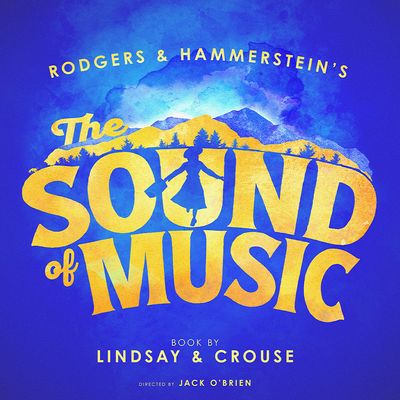
Happy New Year, listeners! We're starting off 2026 with one of the most famous musicals of all time, but while everyone has at least heard of THE SOUND OF MUSIC, most don't know its profound place in musical theatre history... Read More
From the show: A Musical Theatre Podcast
Featured Shows
About
Happy New Year, listeners! We're starting off 2026 with one of the most famous musicals of all time, but while everyone has at least heard of THE SOUND OF MUSIC, most don't know its profound place in musical theatre history.
Join guest Tyler Joseph Ellis (SHUCKED) as we discuss nuns, Nazis, and of course, the sound of music. Everyone showed up to this episode wearing Rodgers & Hammerstein swag, so rest assured, this beloved classic was in good hands.
If you liked this episode, check out THE KING AND I with Mark Eden Horowitz & Joan Almedilla.
Join us at PATREON! for contests, essays, and bonus episodes! Be sure to follow and share our content on Instagram and TikTok and subscribe to the show wherever you listen to podcasts! Looking to give back? We have designs at our TeePublic Store, and the profits we receive are donated to Broadway Cares/Equity Fights AIDS.
Above all, thank you for being part of this wonderful podcasting community.
Transcript
This transcript was automatically generated and might contain errors.
[0:01] Jeffrey Scott Parsons: Like, everything was just so great in the 1960s that you didn't need to think of your favorite things?
[0:08] Tyler Joseph Ellis: Yeah, what?
[0:09] Jeffrey Scott Parsons: Like, life is tough, people!
[0:11] Tyler Joseph Ellis: It's like, well, it reminds me of Peter Pan. It's like, think happy thoughts.
[0:14] Jeffrey Scott Parsons: Yes! And, um, all this did was, like, maybe they wrote down some of the frickin' happy thoughts, so Mary Martin can finally sing about them.
[0:21] Tyler Joseph Ellis: Thank you! And closure.
[0:24] Jeffrey Scott Parsons: Welcome, everybody, to A Musical Theatre Podcast where we discuss the cultural and emotional impact of some of our favorite musicals in theater history.
[0:43] Jeffrey Scott Parsons: My name is Jeffrey Scott Parsons. You can call me Jeff.
[0:47] Jeffrey Scott Parsons: Today, we are discussing the musical THE SOUND OF MUSIC, a listener request from Bethany who wrote me an amazing email that included the following, quote, "It's my favorite show! I saw an actor muso version of it at a regional theater in Scotland last year, Nuns Playing Tuba, and it re-sparked my love," unquote.
[1:07] Tyler Joseph Ellis: Really sad I missed that.
[1:09] Jeffrey Scott Parsons: I also know quite a few of you out there on social media are obsessed. I'm talking about you, Lars.
[1:14] Jeffrey Scott Parsons: So, I'm thrilled to be covering this show and doing so with a very special guest.
[1:19] Jeffrey Scott Parsons: Tyler Joseph Ellis is an actor and social media star. He was recently featured in the national tour of the corn-filled musical Schucht, but he might be best known for triggering all of us with his hilarious reenactments of mean theater kids on TikTok.
[1:34] Jeffrey Scott Parsons: Everyone, please welcome the wonderful Tyler Joseph Ellis!
[1:38] Tyler Joseph Ellis: Hi, Jeff! I'm so thrilled to be here. I love this show so much.
[1:42] Jeffrey Scott Parsons: I'm so glad you're here. It's great to see you again.
[1:45] Tyler Joseph Ellis: Yes, we have met!
[1:47] Jeffrey Scott Parsons: I met you in New York less than two weeks ago, after you had already agreed to be on the show, by the way.
[1:52] Tyler Joseph Ellis: Oh yeah, for months.
[1:53] Jeffrey Scott Parsons: God bless Amanda. My friend Amanda has been overseeing my calendar for the podcast because my schedule has gotten a little crazy, and had gotten you to generously, you know, agree to come on.
[2:04] Tyler Joseph Ellis: And then I go see Maybe Happy Ending, which I saw for the first time, and was absolutely destroyed.
[2:10] Jeffrey Scott Parsons: Of course.
[2:11] Tyler Joseph Ellis: And you just happened to be at the same matinee, backstage, seeing a mutual friend, shout out Daniel May.
[2:17] Jeffrey Scott Parsons: Hi, Daniel May.
[2:18] Tyler Joseph Ellis: And I don't know how the world could get any smaller than that.
[2:21] Jeffrey Scott Parsons: That was really bonkers. You're like, you're coming on my podcast!
[2:24] Tyler Joseph Ellis: I'm like, oh my god, hi! It was so fun, and nothing comes from nothing.
[2:29] Jeffrey Scott Parsons: Nothing ever would.
[2:30] Tyler Joseph Ellis: I mean, come on, or could. I mean, let's go. So it's very fun to see you again.
[2:35] Jeffrey Scott Parsons: Tell me about your relationship with THE SOUND OF MUSIC, because I'm seeing behind you in the camera a vintage SOUND OF MUSIC poster.
[2:42] Tyler Joseph Ellis: You got your carousel hat on. I myself have my Oscar Hammerstein shirt. We're full R&H.
[2:48] Jeffrey Scott Parsons: We're R&H today. THE SOUND OF MUSIC is, I often attribute to the reason I do theater, it was my gateway drug to this thing.
[2:57] Tyler Joseph Ellis: Very briefly, I'm a middle child, and thus...
[3:00] Jeffrey Scott Parsons: Me too!
[3:01] Tyler Joseph Ellis: Oh, fantastic. I mean, here we are.
[3:03] Tyler Joseph Ellis: And so I yearned for attention, especially solo attention, which I so rarely got being a middle child.
[3:09] Tyler Joseph Ellis: So my grandparents lived just a few minutes away, and I would then spend a lot of my Friday nights at my grandparents' house, just me, so I could feel a little bit like an only child for a second, and we would just watch THE SOUND OF MUSIC over and over.
[3:23] Tyler Joseph Ellis: They had the two VHS ones, where there was an intermission in the VHS.
[3:27] Tyler Joseph Ellis: So people don't realize how easy we theater kids are to babysit.
[3:31] Jeffrey Scott Parsons: Oh, no, the easiest.
[3:32] Tyler Joseph Ellis: Because we're used to long run times. Put both VHS tapes on.
[3:36] Tyler Joseph Ellis: Honey, I'm in. I'll watch the entire thing over and over again.
[3:40] Tyler Joseph Ellis: So it was really, and then we would grow and watch more musicals and fell in love with more, but THE SOUND OF MUSIC in particular, I think it was just by virtue of seeing a bunch of young kids on screen, and so I think that's where the yearning began of like, God, I want to be a Von Trapp kid so bad.
[3:59] Tyler Joseph Ellis: And so the movie was the gateway drug, and then I would seek out stage productions of the show later on in my childhood, and I still do.
[4:09] Tyler Joseph Ellis: I will always see a production of THE SOUND OF MUSIC. I think it is so precious.
[4:14] Tyler Joseph Ellis: I love it. I love it. And the score. I mean, it's so indelible in all of our brains, and I can't wait to talk about it.
[4:22] Jeffrey Scott Parsons: Talk about a cultural footprint.
[4:24] Tyler Joseph Ellis: And by the way, if any of you have logged in, pushed play, thinking that we're going to trash talk this musical and call it THE SOUND OF MUCUS, which is what was told to me growing up.
[4:32] Jeffrey Scott Parsons: THE SOUND OF MUCUS?
[4:36] Tyler Joseph Ellis: Yes, they would say, oh, THE SOUND OF MUCUS. Roll your eyes. Here comes another production at the community theater every five years, you know, whatever.
[4:42] Jeffrey Scott Parsons: But like, get over yourself.
[4:44] Tyler Joseph Ellis: Get over yourself. There's a reason. I think, you know, trashing the classics just to trash them? Lazy take.
[4:52] Jeffrey Scott Parsons: Lazy take. It's not even lukewarm, you guys.
[4:55] Tyler Joseph Ellis: Yeah, come on.
[4:56] Jeffrey Scott Parsons: I completely agree. So we loved THE SOUND OF MUSIC growing up.
[5:01] Tyler Joseph Ellis: In many ways, like, I think my parents would have loved us to be the Trapp family singers, and that's what we did at Christmas.
[5:10] Tyler Joseph Ellis: We would go to the widows around the neighborhood, and my brother would play the guitar, and we'd sing Christmas carols to them and then bring them cookies.
[5:19] Tyler Joseph Ellis: So like, there was definitely some sort of Parsons family singers, you know, deeply rooted in my childhood.
[5:28] Jeffrey Scott Parsons: And I mean, that also comes from the Osmonds. I mean, we're just like Utah family through and through, right?
[5:33] Tyler Joseph Ellis: Yeah.
[5:34] Tyler Joseph Ellis: So to make matters even better, very early on, I think my family realized that if they wanted to spend time with me, they needed to do community theater.
[5:44] Tyler Joseph Ellis: I love that. How can we spend time with our beautiful child?
[5:50] Tyler Joseph Ellis: Well, I guess we have to do the show as well. But there was a church production of THE SOUND OF MUSIC.
[5:56] Tyler Joseph Ellis: So the LDS church is very organized, and we got like wards, and then a bunch of wards make up a stake.
[6:02] Tyler Joseph Ellis: And there was a stake production of THE SOUND OF MUSIC that all of us auditioned for.
[6:07] Tyler Joseph Ellis: I ended up playing Friedrich, my dad was Captain Von Trapp, my mom played the piano, and my oldest sister played like second keys.
[6:17] Jeffrey Scott Parsons: That is incredible.
[6:18] Tyler Joseph Ellis: And it's like core memory, like inside out.
[6:23] Tyler Joseph Ellis: Like this memory of doing THE SOUND OF MUSIC with my family and my dad's Captain Von Trapp and like trying to remember his lines the best he could.
[6:35] Jeffrey Scott Parsons: I'm so grateful.
[6:37] Tyler Joseph Ellis: That is so special. I can't imagine a more special thing. Your dad playing your dad, and singing THE HILLS ARE ALIVE to his face.
[6:48] Jeffrey Scott Parsons: That's the most precious. I couldn't ask for a more precious story from you. That is so special.
[6:54] Tyler Joseph Ellis: It's so special. And like, spoiler alert, my dad did pass away very early on. And so like to have those memories ingrained in not only like my childhood, but then like my theater memories.
[7:06] Jeffrey Scott Parsons: Oh, Jeff, thank you for sharing that. That is just so special.
[7:10] Tyler Joseph Ellis: Wow. I can't think, my dad would so not do that.
[7:16] Jeffrey Scott Parsons: I'm just like thinking about, I'm trying to put him in a place where it's like, oh, what if he had done that for me?
[7:24] Tyler Joseph Ellis: I think he would have, we would have created a monster.
[7:26] Jeffrey Scott Parsons: He would have been like, am I a star? And then he would have quit his career in business.
[7:33] Tyler Joseph Ellis: Yeah. But that is amazing, Jeff. I love that. So THE SOUND OF MUSIC, very inherently important to both of us.
[7:39] Tyler Joseph Ellis: And I think also to just culture in general.
[7:42] Jeffrey Scott Parsons: You're right that the movie has so much to do with it. Like that's in like a WEST SIDE STORY sort of way.
[7:49] Tyler Joseph Ellis: It was, of course, it was director.
[7:51] Jeffrey Scott Parsons: Yeah. Hello. Hello. It was well known on Broadway and definitely was even a bigger hit than maybe WEST SIDE STORY was originally.
[7:59] Tyler Joseph Ellis: But then once the film came out, then it became this phenomenon.
[8:02] Jeffrey Scott Parsons: Of course, we're going to be talking mainly about the OG production because the story of how it came to be is emotional and fascinating.
[8:11] Tyler Joseph Ellis: And I can't wait to dive in.
[8:15] Jeffrey Scott Parsons: Yeah. So let's do it.
[8:18] Tyler Joseph Ellis: It all starts with Miss Mary Martin.
[8:23] Jeffrey Scott Parsons: Yes. Who was the original Maria in THE SOUND OF MUSIC.
[8:27] Tyler Joseph Ellis: But I mean, at this point, she has she's a big old star.
[8:30] Tyler Joseph Ellis: Big star. Peter Pan had obviously already happened.
[8:36] Jeffrey Scott Parsons: Everyone. And then there's SOUTH PACIFIC, of course.
[8:39] Tyler Joseph Ellis: SOUTH PACIFIC, which changed musical theater. Naturally.
[8:43] Tyler Joseph Ellis: You're right. Like that definition of like a bona fide star is almost hard to comprehend because everyone knew Mary Martin.
[8:52] Jeffrey Scott Parsons: That she then had a lot of like kind of producing power in turn because she had a really great control over her own career at this point.
[9:00] Tyler Joseph Ellis: So her and her husband were a big part of why THE SOUND OF MUSIC came to be, which which thank God.
[9:07] Jeffrey Scott Parsons: Thank you, Mary Martin. I appreciate you.
[9:10] Tyler Joseph Ellis: Absolutely.
[9:10] Tyler Joseph Ellis: Now, her husband was an interesting fellow by the name of Richard Halliday.
[9:13] Jeffrey Scott Parsons: And the Hallidays, like you said, had wielded so much power in terms of producing.
[9:19] Tyler Joseph Ellis: She had kind of taken over ANNIE GET YOUR GUN from Ethel Merman as well.
[9:22] Jeffrey Scott Parsons: Like she she was now the touring Annie Oakley all around the country.
[9:27] Tyler Joseph Ellis: And around that time, this property comes to them via Paramount, I think, which is the story of the Von Trapps.
[9:37] Tyler Joseph Ellis: This this real life story. And to be clear, there were things that were changed, but it's pretty close.
[9:43] Jeffrey Scott Parsons: There are some things, yeah, like the names of the kids and the ages of the kids changed.
[9:47] Tyler Joseph Ellis: Like Liesel, like it was more of an older brother figure that they changed to Liesel.
[9:51] Tyler Joseph Ellis: They changed like her maiden name to something like Rainer, which is less that didn't hit your ear as hard as her actual maiden name, which I'm not sure I could.
[9:59] Jeffrey Scott Parsons: I'm not. I couldn't either. And and ultimately, like she wasn't actually really in love with, you know, the captain necessarily.
[10:07] Tyler Joseph Ellis: Like she had to convince her.
[10:11] Jeffrey Scott Parsons: Yeah, it was sort of a convincing situation.
[10:11] Tyler Joseph Ellis: But she loved the kids so much and would actually go on.
[10:14] Tyler Joseph Ellis: She had three more kids with him. So it was ten kids total.
[10:19] Jeffrey Scott Parsons: But no, but you're right. And also something that I think is also very important that I remember only later in life learning and was, you know, admittedly a little bit like disappointed was that they escaped like Austria just by train.
[10:34] Tyler Joseph Ellis: Train. They went to Italy.
[10:39] Jeffrey Scott Parsons: They went to Italy. They didn't climb the mountains of like.
[10:43] Tyler Joseph Ellis: So I think there was something like growing up. I was like, wow. And then, you know what they did on their feet.
[10:43] Tyler Joseph Ellis: But I'm so glad that the family got out and eventually, of course, came here, which is so fun to think about them in America touring, touring.
[10:54] Jeffrey Scott Parsons: But let's not get ahead of ourselves.
[10:56] Tyler Joseph Ellis: But that's what's so also interesting is that this was originally a German film called DIE TRAPPFAMILIE.
[11:02] Jeffrey Scott Parsons: And it was a huge, huge hit and starred like the biggest female star in German film at the time.
[11:11] Tyler Joseph Ellis: And then there was even a sequel called THE TRAPP FAMILY IN AMERICA.
[11:18] Jeffrey Scott Parsons: In America, which I'm dying to watch. I need to. I can't believe I've never seen the German films.
[11:24] Tyler Joseph Ellis: I'm like, but I'm dying to see. I'm like, what is the tales of the family of the family in America?
[11:31] Jeffrey Scott Parsons: But told from a German perspective, I'm very curious.
[11:35] Tyler Joseph Ellis: Yes, because they did like they did settle in Vermont, right?
[11:39] Jeffrey Scott Parsons: And didn't they open a ski lodge, a ski lodge, a ski lodge, darling?
[11:44] Tyler Joseph Ellis: Can you believe I'm like, yeah, that's the story I want to I want to hear when I'm going to write a musical about the ski lodge.
[11:50] Jeffrey Scott Parsons: Let's put on a show.
[11:53] Tyler Joseph Ellis: But yes, and I believe that's where she's buried, where Maria is buried, as well as I think five of her stepkids.
[12:00] Jeffrey Scott Parsons: So, yeah, I will also say that Rodgers and Hammerstein were, you know, pretty savvy businessmen.
[12:08] Tyler Joseph Ellis: And so they weren't always super generous with their percentage points for royalties.
[12:14] Jeffrey Scott Parsons: But the actual Maria was given like three quarters of a percentage of all royalties.
[12:21] Tyler Joseph Ellis: So like they did.
[12:23] Tyler Joseph Ellis: They did pretty well.
[12:25] Jeffrey Scott Parsons: And one of the reasons why they didn't have to do that was because she had sold her story to the film company.
[12:32] Tyler Joseph Ellis: To the German production company, which is sort of strange.
[12:37] Jeffrey Scott Parsons: But then the fact that they still gave her the I was like, OK, even later.
[12:42] Tyler Joseph Ellis: I mean, this is famously their last collaboration.
[12:45] Jeffrey Scott Parsons: They've had they were such successes at this point.
[12:48] Tyler Joseph Ellis: And they could have been they could have acted with a lot of greed.
[12:52] Jeffrey Scott Parsons: But I'm glad that they ended up giving giving, you know, the woman that's responsible, you know, for because it was her book that literally, you know, everything.
[13:01] Tyler Joseph Ellis: So I'm grateful that her signing her life rights away didn't end up biting her in the butt later because these two men were like, you know, let's give them let's let's give her.
[13:11] Jeffrey Scott Parsons: Yeah, which is great.
[13:16] Tyler Joseph Ellis: I will also say just because I find this interesting, the director of the German film had also created Nazi propaganda during the war.
[13:24] Tyler Joseph Ellis: He was a propaganda. Yeah, he was a war propaganda like filmmaker.
[13:34] Tyler Joseph Ellis: For people with, oh, it wasn't scoliosis. It was multiple sclerosis. I was like, that wasn't scoliosis. But it's wild to think. And then it is a little bit interesting. And I, but I think there was the call for German filmmakers to like, to make things about, like to make good and make things about. It is very interesting that he's behind the original film. I don't want to be cynical and say like, it was opportunistic, but I also, you know, I would like to think of it more as penitence, right? Like, yeah, of course. Trying to, trying to make something good out of it. So this, this whole story comes Mary Martin's way. It feels like a no brainer, a no brainer for Maria Rainer. And no, okay. And the holidays, they enlist Leland Howard, who was a famous producer at that point.
They bring on Lindsay and Krauss, who, I mean, are responsible for some of the most popular plays in Broadway history. Life with Father, which still might be the longest running. I think it is. I think it's the longest running non-musical play. It ran for like seven years. It was something bonkers. So yeah. And then of course they, I think they won the Pulitzer for State of the Union, right? Because back in those days, you could only win a Pulitzer if you did something satirical. Yeah. Political satire. Yeah, for sure. And then they had also done, I mean, in the musical world, they'd done Anything Goes, they had done Call Me Madam. Exactly. So these guys are really well known. Yes. They are going to use, almost like a jukebox musical, use the songs that the von Trapp family was known for, like their choral pieces that would be scattered throughout the show.
[15:01] Tyler Joseph Ellis: Yeah. But they felt like they needed a couple of extra songs. So then they approached Rodgers and Hammerstein about writing just two or three original numbers to go with all of the rest of them. Rodgers and Hammerstein hear the pitch specifically about this family and this story, and they are currently in the middle of Flower Drum Song. Yes. They're writing another show, which they're not one to write multiple shows at the same time. They focus on one show, get it done, and then move on to the next. There was going to be a waiting period, for sure, if they were going to agree to do this. Also, they would have to, I think, for Rodgers and Hammerstein, especially at this point in their careers, being like, okay, so we then have to compete with these classical musicians.
I'm sure Rodgers is like, yeah, maybe Mozart. Yeah, no, I think I'd rather write an entirely original score. Thank you very much. But yes. But what was so great was when they came back and said, hey, we're not down to write just a couple of songs. We'd love to write a whole score. Can you wait until Flower Drum Song is done? They said yes. They came back and said, we'll wait.
[16:28] Tyler Joseph Ellis: Which is very rare. I mean, because time is money, but they were able to trust that Rodgers and Hammerstein were the right people for this job. With Mary Martin's influence, she's like, of course, let's wait, because we know what happens when the two of them focus their energy on one show and one show only. That's the magic of R&H. Yeah, so I think we're all very grateful that they were willing to wait for them to be done with Flower Drum Song, because wow, I can't imagine if we didn't have The Sound of Music. Absolutely. Enter now an interesting character by the name of Sister Gregory.
[17:09] Tyler Joseph Ellis: Oh my god, I was hoping you were going to bring her up, because I think she's amazing. I'm like, oh, I want a biopic about Sister Gregory and the creation of The Sound of Music. It would be such a great streaming film. Oh my god, yeah, count me in. Put it on Tubi. Pluto TV, please! Sister Gregory, real life nun, also Broadway aficionado, loved, loved the musical theater, and saw Mary Martin originally in South Pacific, wrote her this really beautiful letter about how moved she was as a woman who's dedicated her life to God's love to see a show about racial tolerance and everything that South Pacific embodies. Mary Martin's touched, and they become close friends.
[18:01] Tyler Joseph Ellis: Yes, which is amazing. Pen pals. It's the sweetest thing. Pen pals with Sister Gregory. So when this IP, when this story comes Mary Martin's way, she's like, I know who to call.
[18:14] Jeffrey Scott Parsons: Ghostbusters!
[18:15] Tyler Joseph Ellis: Oh, Sister Gregory. Yes, and so from then on, Sister Gregory is constantly sending pages of notes about how she sees the character, about what she thinks of lyrics, her philosophies regarding why a woman who had wanted to become a nun would then marry a man. Because you could see how an approach to this would age horribly.
[18:46] Jeffrey Scott Parsons: Of course.
[18:47] Tyler Joseph Ellis: This could have gone so bad. It could have gone pretty south. And I appreciate it, Sister Gregory being, she was sort of the nun that gave permission to write nuns as people. And so that's sort of not what you would expect. You would think the nun would be like, oh no, we would never do that. But it's more like, please don't make the nuns giggle. We don't giggle.
[19:10] Jeffrey Scott Parsons: That was one of the notes, you're right.
[19:12] Tyler Joseph Ellis: Like we laugh, and it's stuff like that. And how they speak, some of her direct phrases have ended up in the musical. And that's pretty special. I think it gave the creative team and Mary Martin a lot of permission to flesh out a real person, not like a saintly figure, because that would be so uninteresting. But it's like how, and she explained how it's like, no, we're not frightened of sex. We actually think it's like the most, like, it's part of God's love, just like in us, like rejecting it, that like shows how much we love this thing. And I don't know, I think her candor was a big perspective to have in this show.
[19:57] Tyler Joseph Ellis: She really did present this kind of belief system that is seen throughout the show, which is as humans, we are endowed from on high with love. And then it is our great mission in life to figure out how we're going to give it or spend it. And according to her, nuns feel that the way that they are called to do that is by entering into this covenant, and thereby the convents. But that's not to say that it should be everybody's calling.
[20:31] Jeffrey Scott Parsons: Yes, which I think is probably a pretty big misconception about why nuns do what they do, which, and I don't know, I just, I really appreciate, and like some of my favorite moments of the show are kind of responsible for this sort of unofficial person on the creative team.
[20:48] Tyler Joseph Ellis: Yeah, which is like, very sweet.
[20:51] Jeffrey Scott Parsons: You're absolutely right. What you said also reminded me of the actual Maria, right, who was kind of an unorthodox nun. She really did whistle on the stairs. That's straight out of her life, and would kind of get in trouble every now and then. The one thing that Sister Gregory didn't love about the song Maria was underneath her whimper, she wears curlers in her hair.
[21:15] Tyler Joseph Ellis: Curlers in her hair.
[21:16] Jeffrey Scott Parsons: Because like, why would she wear curlers, right? That's vain. That is with the idea that she's going to be seen without it on, or something like that. And yeah, I kind of love it though, because...
[21:27] Tyler Joseph Ellis: I love it. She didn't win that battle.
[21:30] Jeffrey Scott Parsons: No, she didn't. And I think it's a battle worth fighting for, because it means that she just likes to do it because it's who she is, right? She doesn't care if anyone doesn't see it.
[21:40] Tyler Joseph Ellis: Of course, it's like, but that's why Maria's who she is. And it was nice to learn that the real Maria was like that, in terms of... She didn't have curlers in her hair. I think that was it.
[21:52] Jeffrey Scott Parsons: That's a fun Oscar one.
[21:55] Tyler Joseph Ellis: But I do love knowing that it's such a fun character, and I'm glad it is based in reality, because it makes me happy. I love the idea of a sort of rebel nun. So when Rodgers and Hammerstein start working on this, and if you all haven't listened to the Flower Drum Song episode, please go back and listen to it. It's one of my favorites.
[22:16] Jeffrey Scott Parsons: But Richard Rodgers, at that point, was struggling with addiction. During this production, however, he really has to kind of, I don't know, pull himself up by his bootstraps, because Oscar, at one point, goes to the doctor. Everything's fine. Checkup's great. And as he's leaving the doctor's office, he says, oh, by the way, I'm waking up in the middle of the night, super hungry. And so then I'll have a glass of milk and go back to bed, and then I'm satiated. And the doctor's like, huh, that's weird. Maybe you have an ulcer. Let's check for it.
[23:02] Tyler Joseph Ellis: And so they do. It turns out that it's not an ulcer. It's advanced stomach cancer.
[23:06] Jeffrey Scott Parsons: Stage four stomach cancer.
[23:09] Tyler Joseph Ellis: Devastating, honestly. He was not that old. What, he was in his 50s?
[23:12] Jeffrey Scott Parsons: Yeah, late 50s.
[23:13] Tyler Joseph Ellis: Late 50s? I mean, young. I mean, like young, especially by today's standards. So they had written a good portion of the show already. And then I think he was like, oh, this guy, he gave me an ulcer, like Richard Rodgers gave me an ulcer, which it makes me laugh. I'm like, of course, he has to have some sort of remark about Richard Rodgers.
[23:29] Jeffrey Scott Parsons: But yeah, so of course, then all of a sudden, it becomes very apparent, especially after he gets surgery, when Oscar gets surgery, he gets three quarters of his stomach removed. And then the doctor's like, you have six months to a year to live.
[23:43] Tyler Joseph Ellis: So it became very apparent that it was like, okay, we got to, this might be our last collaboration. So I think you're right. I think Richard Rodgers kind of stepped up to the plate a little bit, especially when they were out of town, because Oscar couldn't be there for the rehearsal process and for the first few performances. So I can only imagine.
[24:03] Jeffrey Scott Parsons: And oh, there's a story. I think we both are avid readers of Something Wonderful.
[24:08] Tyler Joseph Ellis: Oh my gosh, it's such a good book.
[24:09] Jeffrey Scott Parsons: It's the best. I've listened to it through maybe three or four times. I just think it's remarkable. It's an audiobook version. But the story about Dorothy, Dorothy as in Oscar's Dorothy.
[24:22] Tyler Joseph Ellis: Yes, not Richard's Dorothy.
[24:25] Jeffrey Scott Parsons: Not Richard's Dorothy. Recalled how it's like she so rarely saw him cry, like almost never. But when he finally was able to make it to Boston for the out of town, he was just weeping. And I can only, you know, think about how strange it must have been for him to be confronted with seeing his show for the first time for the last time. Like that's woven throughout, I think, this piece, this and I think, you know, as we'll get to, you know, the critical response of the show and like the end, the potential like saccharine-ness of, you know, the naysayers of The Sound of Music. I just think like there was so little room for irony in this piece because of what the two were dealing with.
[25:05] Tyler Joseph Ellis: And we'll get to how Edelweiss was written. I think for people that are like, oh, wow, like, this is like the most sweet thing in the world. This is like the too sweet even. I just I'm like, I don't know. I did and I never felt that way growing up. But even and then now knowing the history of what the, you know, composers were dealing with, as they were writing it, I'm like, that makes me love it even more. And that they decided to not turn cynical and in fact, turn the exact opposite and be like, what matters? What is love? The like simplicity of the lyric and the joy of childlike wonder, like it's all in this show. So I don't know. I think it was Richard Rogers who said something to the point of if you can't wax poetic about family, home and nature, like, who are we?
[25:53] Jeffrey Scott Parsons: Yeah, like, what's your like, you're completely ruined. What's the freaking point? You know, what's the point? You know?
[26:00] Tyler Joseph Ellis: So yeah, I'm right there with you. But yeah, so Oscar is sick while we're writing about Oscar sick. The show seems to come together pretty well. There's no like, throw out the entire second act, rewrite everything. There were a couple of things that were problems and had to be looked at, particularly when it comes to or when it came to the character of Captain Von Trapp. Because he, you know, in real life was not the cold, mean spirited person that he's kind of portrayed to be at the beginning of this story. Even in the German film, he was, you know, pretty rough. And the actual Maria, when talking to Rogers and Hammerstein said, you know, please, he was, this is my last chance to try and get him portrayed as something other than right the wrongs.
[27:04] Jeffrey Scott Parsons: Yeah. So they were looking at, you know, how do we soften this character? We know that he's going to go on a journey. We know that from A to Z, there's a there's an arc. But how do we plant that a little bit more securely towards the beginning of the story? And the answer was fast.
[27:08] Tyler Joseph Ellis: Now famous scene where he hears his children singing, you know. Come on. I might cry throughout this episode as well. And how it is music that breaks him open. I mean, it is just so perfect. And we didn't even talk about like the evolution that the show went on in terms of titles. That's what I was kind of, exactly. Yeah. This is a perfect little example of how they found the title, which is when you step back and look at this piece, everything comes back to the power of music and what it can do, whether it's, you know, my favorite things, helping you get over something you're scared of, or in the stage version, how the Lonely Goat Herd is singing so loud that you can't hear the thunder or being in the mountains, right? And she's singing The Sound of Music and getting lost in time and nature. Or this dad who rediscovers his children because of how the music touches his heart. It's really intentionally done.
[28:15] Jeff Parsons: It is. And even all the nuns' music, like the church music.
[28:18] Tyler Joseph Ellis: The nuns' music. Oh my gosh. And how important that is just in terms of the faith. It is all throughout. And how it doesn't begin with an overture, how they made it an acapella song with nuns. Like that was a pretty brave choice for them. They love their overture.
[28:32] Jeff Parsons: They love, and we love Rodgers' overture. You're so right. And instead of that overture, you get the nuns singing in Latin. And the verse that they chose is one of the Psalms. And when you look at the translation of it, it's something like, be at peace, the Lord will make thine enemies thy footstool. Which is kind of laying the groundwork for this whole show, which is to say faith will allow you to overcome your enemies. Climb every mountain. It'll feel insurmountable, but it's possible, right? Anyway, so the show opens. Audiences love it.
[29:18] Tyler Joseph Ellis: Mm-hmm.
[29:18] Jeff Parsons: It plays like gangbusters. They know it's going to be a hit. And they feel it in their bones so much that they rent out this big, gorgeous rooftop thing in order to read the reviews. And the reviews come in and they're fine.
[29:32] Tyler Joseph Ellis: Yeah, they're fine.
[29:34] Jeff Parsons: But there are a couple of specific voices in the theatrical community that really tear it to shreds, saying that it's cliché, that it's dipped into old school operetta, that it's saccharine. Infamously, somebody said, if you have diabetes, don't get close to this thing.
[29:56] Tyler Joseph Ellis: Yeah, I think that was... Or it's like someone said, it's a show for children of all ages. I'm like, ooh, that is just so brutal, such a brutal remark. So they were a little bit bummed at opening night. But it was the next night, they went back to the La Fontaine and was like, no, actually, because the audiences are loving it. So I think it was just one of those classic examples of like, they really didn't care. Reviews, shmoosh, shmoosh. And then it ran for three and a half years.
[30:31] Jeff Parsons: Enormous for that time.
[30:32] Tyler Joseph Ellis: Huge, huge. This is before Hello, Dolly. This is now 1960. So huge hit. The other thing that the whole reviews thing makes me aware of is when you're big, people love to see you fall. And I think at this point in the Rodgers and Hammerstein reviewers, or maybe even just gatekeepers of the art form in general, would like to have said that they were past their prime, and that this is not taking the art form anywhere new, and they're not innovating, and it's cliché.
[31:08] Jeff Parsons: I think it is interesting. I imagine that it was probably difficult for them to read someone say, like, oh, I think the revolutionary part of this art form in the 40s and 50s is no longer. Like, this feels like what you said. It's like, oh, they're going back to like an operetta sort of structure. That must have been so, I mean, because they're the ones that are responsible for revolutionizing the American musical. And then for reviewers to in turn be like, well, I guess not anymore. I imagine that probably stung. And I can't help but think of Sondheim, who I think was very hyper aware of this. I mean, he was there watching this entire thing go down. And I think it's interesting that his final shows later in life went so far in the other direction of like, I refuse.
I think he was probably, not to put words in his mouth, but hyper aware of like, people are going to want to call me like less revolutionary, that I'm like old hat, that kind of thing. And I just can't help but think of his works that he wrote in the 2000s were the weirdest ones he wrote. So I think I, not to bring it back to Sondheim, though, I can't help it, because that's my life. Everything comes back to Sondheim. And also, he was there. He was there, like, at the final, you know, the final moments with Oscar. He really was around at that time.
[32:32] Jeff Parsons: Yeah. Anyway, back to The Sound of Music.
[32:39] Tyler Joseph Ellis: No, no, but I'm happy to say that it didn't matter. But I also want to stand up and say like, to the people who were expecting these men at this point in their lives to write something that impressed the reviewers and not something that was earnestly representative of who they were as artists. Like, go eat a bowl of dicks. You know what I mean?
[33:00] Jeff Parsons: I think that was beautifully put. Thank you, Jeff. I think bowl of dicks is correct. And it makes me think, I'm sure you've seen the 2004, 2003, 2004 documentary about that, like, followed the season, like the Broadway season of that year in terms of original musicals, which included like Wicked and Current Line Interchange and Taboo. And it's all these reviewers sitting around talking about Wicked and saying kind of the exact same thing. Like, that it's unexciting, that it's trite, that it's like they're saying the same. And so it just every generation, we have to learn this lesson. It doesn't really matter if these kind of people that tout themselves as like tastemakers in this industry, they are tastemakers for themselves. They're not necessarily tastemakers for the general public. At the end of the day.
[33:43] Tyler Joseph Ellis: You know, it's like, Wicked's still running. Sorry. And like, Sound of Music remains one of the most highest grossing musicals of all time. So yeah, it is. It's an interesting thing because it does still happen all the time in terms of reviewers thinking that they know what the public wants. It's really interesting when the Tony Awards come around that year, because it is a packed season. It is so fun to look. I'm like, I can only imagine how it felt in the room that night during those Tonys. Like, what's going to happen? Because at this point, okay, this is how the best musical lineup it turns out. You got Sound of Music. You have Fiorello, which at this point had already won the Pulitzer Prize for Drama, one of the very few musicals to do so. You have Once Upon a Mattress. You have Gypsy. Like, one of the all-time greats. And then, like, Take Me Along, whatever. Sorry, Take Me Along, but you get it.
[34:37] Jeff Parsons: Which is fine. It's fine. It's not bad at all. This group, you're like, wow, what's going to happen for best musical? But then what's going to happen for best actress? Because you got Mary Martin as Maria. You got Ethel Merman as Mama Rose. You got Carol Burnett as Winifred. Like, are you serious? It is what a fierce year. And a year that I bet everyone was like, you know, I have no idea how this is going to shake out. How is it going to shake out? But, I mean, spoiler alert, Miss Mary Martin takes the trophy.
[35:08] Tyler Joseph Ellis: Mary Martin won. Eternally youthful Mary Martin. What is the famous Ethel Merman quote? What's it? You can't hack a nun? What is it? Oh, we know. How are you going to buck a nun? How are you going to buck a nun? So good. I'm like, oh, that is fantastic. Thank you, Ethel, for your quippy remarks. They stand the test of time. We can always count on Ethel to come up with one of those.
[35:30] Jeff Parsons: Always. Come on. In the best musical race, though, it's the only time that we have a tie for best musical.
[35:34] Tyler Joseph Ellis: In history. In history. It's The Sound of Music and Fiorello. Tie for best musical. Crazy. God, it's one of my favorite fun facts. I like a dinner. I'm like, what's the only tie? You tell me. You tell me, y'all. But it's a fun one. It's one that you can keep in your back pocket, theater nerds. This is an important one.
[35:57] Jeff Parsons: But the fact that Gypsy wasn't crowned, like, isn't that so fascinating?
[36:02] Tyler Joseph Ellis: No, Gypsy is one of my top three. And it kind of went home empty-handed. It went home a little bit, like, oh, sorry. Sorry, y'all. But yeah, The Sound of Music ended up taking the trophy, even though it was tied with Fiorello. Again, even though Fiorello won the Pulitzer Prize, what is really standing the test of time? It is fascinating. Nobody does Fiorello.
[36:24] Jeff Parsons: Nobody does Fiorello, you guys.
[36:29] Tyler Joseph Ellis: Yeah. A few years later is when the film comes out. Mary Martin was, of course, too old for the film version. She was probably too old for the Broadway version. But it makes sense. Like, it's her. And it was made for her. And the group decides on Julie Andrews almost immediately after seeing her in the dailies for Mary Poppins that she had been filming after infamously not getting My Fair Lady, the film version of My Fair Lady. It's really kind of funny to imagine anyone else than Julie Andrews playing this role. I mean, again, she's on my wall many times behind me. And yeah, she was 29 and did this role. And it was a career-defining part for her, which is so, I mean, come on.
[37:15] Jeff Parsons: And honestly, I don't think I realized she was 29.
[37:18] Tyler Joseph Ellis: Like, 29 years old.
[37:19] Jeff Parsons: She looks younger.
[37:21] Tyler Joseph Ellis: She does look younger. And then to think that she also still looks amazing. She has aged the finest of wines. She literally is royalty to me. If someone, I think I grew up thinking that she was maybe the Queen, just by virtue of Princess Diaries. I was like, is she the Queen of England? She might be.
[37:37] Jeff Parsons: Because to me, she kind of is the Queen of England as an idiot American. I'm like, sure. That's something that I would still love to believe, that the Queen is alive and the Queen is Julie Andrews. The film, I mean, is so phenomenal. I think it does improve a lot on the musical, personally. I love the song, Something Good. And now when I see it on stage, I really do want Something Good to be in place of what is that song.
[38:02] Tyler Joseph Ellis: And it usually is.
[38:04] Jeff Parsons: Yeah, they usually replace it. And then, you know, there's no way to stop it. And how can they survive?
[38:10] Tyler Joseph Ellis: We're going to get into that.
[38:11] Jeff Parsons: We're going to get there. Fantastic. I think you're right, though, about the film. It adds so much texture, first of all. It's filmed beautifully. It's shot so gorgeously from the opening shots with the mountains to going through Salzburg. And sorry, Austria, I know you probably are sick of being known as the place where The Sound of Music takes place, but they made your city look incredible.
[38:35] Tyler Joseph Ellis: I mean, come on. I mean, it's a pretty good showcase of where you live. It's breathtaking. I would love for something in film history to make Willard, Utah look as beautiful.
[38:47] Jeff Parsons: One day, Jeff, keep praying, keep hoping.
[38:49] Tyler Joseph Ellis: Cross your fingers.
[38:50] Jeff Parsons: Cross those fingers.
[38:52] Tyler Joseph Ellis: They'll really make our John Deere tractors pop, you know. It's a gorgeous film. It gets played on television. Is that how you... No, you had the double VHS.
[39:03] Jeff Parsons: It was the VHS for me.
[39:05] Tyler Joseph Ellis: Absolutely. And I wonder if kids can still watch it now because it is long.
[39:10] Jeff Parsons: It's longer than Moana. You know what I mean?
[39:13] Tyler Joseph Ellis: The Sound of Music is longer than Moana. Tattooed on my lower back. No, it's long. It's a long one to sit a kid down. I always appreciate when it's back in a movie theater. I'm like, because that's how, if when I have children, we will be seeing it in a movie theater. We will not be. Thank you.
[39:34] Jeff Parsons: You're welcome, Jeff.
[39:35] Tyler Joseph Ellis: No, no, no.
[39:36] Jeff Parsons: But yeah, I'm like, there needs to be as few, you know, distractions as humanly possible.
[39:42] Tyler Joseph Ellis: I love that.
[39:42] Jeff Parsons: Because you need to watch this movie.
[39:44] Tyler Joseph Ellis: Phones away.
[39:45] Jeff Parsons: Phones away.
[39:45] Tyler Joseph Ellis: We're watching The Sound of Music.
[39:46] Jeff Parsons: Or whatever we have when we're the age, when I'm the age of having children.
[39:50] Tyler Joseph Ellis: Chips off.
[39:52] Jeff Parsons: Chips off. Glasses off.
[39:55] Tyler Joseph Ellis: They're glasses. Glasses down.
[39:56] Jeff Parsons: Glasses down.
[39:58] Tyler Joseph Ellis: Chips off is so brutal, but yeah, that's probably true. Let's go through the show with our time left because there's just so much good stuff. Like we said, it starts with the not overture, the nuns singing, don't worry, your enemies are screwed. And that gives way to us meeting Mary Martin, aka Maria. I mean, think about 1960 and all of our preconceived notions of nuns and how we meet her is sitting in a tree, reclining, just like the most natural, relaxed, in-her-skin type of person you could wish for. And she sings this absolutely glorious song.
[40:41] Tyler Joseph Ellis: I don't even think I can talk about this song without crying. My heart will be blessed with the sound of music, and I'll sing once more. And then you think of Julie Andrews singing that, and she doesn't. And also, you think of Julie Andrews thinking of Barry Martin, and not to be this girl, but thinking about Oscar, and thinking about, and I'll sing once more. Like, I know he wrote this probably before his diagnosis. In fact, I know he did. But I think it reminds me of like a Jonathan Larson situation of like writing something that then posthumously becomes more poetic and almost haunting. Because there's a few moments in the show where lyrically, in particular, with his lyric, it is like, of course, this is your swan song, without you even realizing at the time that it was.
And then look what happens. It becomes arguably their most indelible work. I don't know. There's something in that as well, thinking about Oscar Hammerstein penning it, and it flowing out. Because I'm doing it by all accounts, it was kind of a pleasurable writing process. It wasn't always the case with them. But the four of those men loved the show, loved working on it. There was like little pushback.
[41:52] Jeffrey Scott Parsons: That's true. That's true.
[41:52] Tyler Joseph Ellis: Like, that is pretty rare. They collaborated really well. A really good collaboration between the four of them. In fact, the only one that was drama was Mary Martin's husband. It ain't that funny. So I don't know. I love knowing that this is their last. It wasn't one of the tumultuous ones. It wasn't one of the ones. I think it really did pour out of them, and how they ended up naming the show, The Sound of Music, because it was so... I just imagined them sitting and listening to the song that they've made and being like, yep, this is it. This is how we're going to introduce our protagonist.
[42:25] Jeffrey Scott Parsons: That's so sweet.
[42:27] Tyler Joseph Ellis: Oscar also really kept copious notes, and I do recommend everybody reading the Tadas Purnam book, Something Wonderful. It's remarkable, guys. It's remarkable. It is worth it. It's such good storytelling. But Oscar didn't always keep all of his notes, his working lyrics and everything, but he did for The Sound of Music. So you can literally chart how the songs started from just a list of, we need a happy song. We need a happy song. We need a happy song, then a sad song, then a song where they're teaching the kids how to sing. Those types of titles into then My Favorite Things, or something like, what was the original title for My Favorite Things?
[43:08] Jeffrey Scott Parsons: Oh God, it was My Favorite...
[43:09] Tyler Joseph Ellis: Things I Like.
[43:10] Jeffrey Scott Parsons: Things I Like. These are the things that I like, or my favorite. Yeah, it was a tough...
[43:15] Tyler Joseph Ellis: Which was a harder word to sing, so then they... Anyway. Because it was like bike and like, and then they changed it to tied up with strings, and then Favorite Things.
[43:24] Jeffrey Scott Parsons: Favorite Things.
[43:25] Tyler Joseph Ellis: Yes. So you can really chart the progress. I'm so grateful that he kept all of these notes, because you can see how he edited and would land on things. And then when you land on it, you're like, that's it. It also seemed like he would try out something lyrically, send it to Mr. Rogers. Then Richard would create a melody based on that lyric, and then he would adjust the lyric based on the meter that Richard would send him. Which inherently edits down some things. Some things have to be more concise and simple, and it is so pleasurable to be able to chart that. This is sort of a little bit of a tangent that you don't need to include, but when I was directing Cabaret in college, I went to Lincoln Center and like rented out the Fred Ebb papers, and you can watch the exact same thing.
They kept pretty good detailed notes of the lyric of maybe this time, and seeing how it evolved and things that were scratched out and written in that are now the lyrics of maybe this time. Watching a writer's process, and for a writer to have the forethought to keep your drafts, as opposed to throwing them out out of maybe embarrassment. Embarrassment. Are you kidding me? Even Rodgers and Hammerstein, they go through edits and drafts, which I think is important for any writer to remember, is that even folks like that, that have been doing it for so long and so successfully, still didn't land on the perfect thing the first time around. Writing is about rewriting.
[44:58] Jeffrey Scott Parsons: It's about rewriting, even when it comes to people that are at the very top of their game.
[45:04] Tyler Joseph Ellis: And have been doing it for decades.
[45:06] Jeffrey Scott Parsons: Decades.
[45:07] Tyler Joseph Ellis: I mean, remember Oscar Hammerstein started with, you know, Show Boat. I mean, he didn't start, he was even before then.
[45:13] Jeffrey Scott Parsons: Yeah, of course.
[45:14] Tyler Joseph Ellis: But like, his first groundbreaking thing was at this point, almost 50 years ago. Crazy. Okay, so Maria sings Sound of Music. We then go to the Abbey, and we see these nuns who, like Sister Gregory said, do not giggle. They do laugh. Maria makes her laugh. Sister Margarita. But it's like, you're either quiet, or you express something. There's no in-between.
[45:43] Jeffrey Scott Parsons: That's the nun life.
[45:45] Tyler Joseph Ellis: The nun life. But they are talking about this postulant named Maria, who is a bit different than all the other postulants, who are ready to enter in their covenants, right? And everyone at the convent just isn't quite sure about this one. She whistles on the stairs. So, kind of a happy accident is that the Mother Abbess gets word that a captain, who is a widower, needs help with his seven children. And Maria seems like the perfect person because she loves children. Now, Maria, a little unsure of herself, isn't sure that she wants to go to the von Trapps. Mother Abbess and her have this moment of what do you do when you're faced with something that's scary. In this case, you sing a song called My Favorite Things. So, in, of course, the stage version, this is where My Favorite Things goes, is actually a duet between Mother Abbess and Maria.
[46:45] Jeffrey Scott Parsons: This is one of the things that I do like about the film. I do love that My Favorite Things is with the children.
[46:51] Tyler Joseph Ellis: It becomes a lesson that, as a young person, I was taking. As opposed to, when you watch the musical, if I was a kid, just having seen the musical, it was like two adults, or even if Maria is a young adult, talking about what they do. But I think it being thunderous outside and being like, let's think about some things that make us happy. I do think the message just rings a little clearer, but I do... Are you familiar? Did you ever watch... I'm such a nerd. You know the 2015 tour? So, the two of them, there's a professional video of them singing and they're belting My Favorite Things. Belting it. They're belting it so high.
[47:33] Jeffrey Scott Parsons: It better be so bad!
[47:35] Tyler Joseph Ellis: Is how... And they're belting. Mother Abbess and Maria, I'm like, oh! So, that... I wish I could have seen that live because it is so astonishing to your ears because you're so not used to hearing it like that. But I was like, okay, you know what? Sure. I'm a sucker for a clean belt, but I'm going to send you the clip of them singing it because it is like...
[47:55] Jeffrey Scott Parsons: Please do.
[47:55] Tyler Joseph Ellis: Oh my god, it is so fun.
[47:56] Jeffrey Scott Parsons: It's almost comical.
[47:57] Tyler Joseph Ellis: Yeah, it is almost comical because it's like, what show are we in? But it's perfect. It's perfect. It's amazing. They do have part of the script where it says, like, sing it loud. You just have to sing this part loud, you know?
[48:10] Jeffrey Scott Parsons: Louder!
[48:10] Tyler Joseph Ellis: Yeah, uh-huh. So, hey.
[48:12] Jeffrey Scott Parsons: Oh, I'm obsessed. Wait, was that Laura Michelle Kelly?
[48:16] Tyler Joseph Ellis: Wait, is it original Mary Poppins?
[48:18] Jeffrey Scott Parsons: Yes.
[48:19] Tyler Joseph Ellis: Yes, it's her and Kristen Anderson. But yes, Mother Abbess and Maria singing about brown paper packages.
[48:26] Jeffrey Scott Parsons: Tied up with strings. Now, this song has been criticized as being, you know...
[48:31] Tyler Joseph Ellis: It's a list song.
[48:33] Jeffrey Scott Parsons: It's a list song. There's no poetry to it. There's no greater meaning to it. And once again, critics, you're wrong.
[48:41] Tyler Joseph Ellis: Incorrect.
[48:42] Jeffrey Scott Parsons: You're wrong. Why are you so upset? Who hurt you, baby?
[48:47] Tyler Joseph Ellis: Who hurt you? I think it's interesting. Talk about the evolution of the lyric, how I think initially it was just a bunch of images and then they added meaning to the images by being like, when the dog bites, when the bee stings, when I'm feeling sad, these are a few of my favorite things. So it's like, all of a sudden there's meaning.
[49:07] Jeffrey Scott Parsons: There's a purpose.
[49:07] Tyler Joseph Ellis: It's like, it's not just lists. It's lists as, like, a coping mechanism. So I'm like, I think that's actually an incredibly profound thing to put into a song. Everything was just so great in the 1960s that you didn't need to think of your favorite things. Like, life is tough, people.
[49:24] Jeffrey Scott Parsons: It's like, well, it reminds me of Peter Pan. It's like, think happy thoughts.
[49:27] Tyler Joseph Ellis: Yes.
[49:28] Jeffrey Scott Parsons: And all this did was like, maybe they wrote down some of the freaking happy thoughts, so Mary Martin can finally sing about them.
[49:34] Tyler Joseph Ellis: Thank you. And closure.
[49:37] Jeffrey Scott Parsons: And closure, finally. So she goes to the Von Trapps. Now, in the movie, and I know we're not talking about the movie, but in the movie, she sings, I Have Confidence. We should point out that Oscar Hammerstein at that point had passed away. So all of the new songs in the film are Richard Rodgers hoisting up a solo.
[49:56] Tyler Joseph Ellis: Yeah, yeah.
[49:57] Jeffrey Scott Parsons: And he did a terrific job.
[49:59] Tyler Joseph Ellis: I think Richard Rodgers did a great job. I mean, it was parodied in Book of Mormon. That song is like, that imagery of her skipping and doing bell kicks is super iconic. And it feels also indelible. And then also, we'll get to the second one that he wrote. But yeah, I think he did a pretty good job writing solo, because he had to.
[50:21] Jeffrey Scott Parsons: Maria meets the children. They have, in almost a Mary Poppins way, just, you know, been horrible to every...
[50:27] Tyler Joseph Ellis: Governess.
[50:28] Jeffrey Scott Parsons: Governess, thank you.
[50:29] Tyler Joseph Ellis: Governess that they've had. Can you name the children, top to bottom?
[50:35] Jeffrey Scott Parsons: Oh my god, top to... Liesel... Friedrich. And then... Oh, I'm going to get the order mixed up.
[50:41] Tyler Joseph Ellis: No, Luisa.
[50:43] Jeffrey Scott Parsons: It's Luisa, then Kurt? Or then it's Brigitte, then Kurt?
[50:47] Tyler Joseph Ellis: I think it's Brigitte, then Kurt.
[50:49] Jeffrey Scott Parsons: Brigitte, Kurt. And then... Oh my god. And then... I'm forgetting one.
[50:56] Tyler Joseph Ellis: I'm exactly like Maria.
[50:57] Jeffrey Scott Parsons: God bless Kurt.
[50:58] Tyler Joseph Ellis: But I remembered Kurt, because there's only two boys. Brigitte, Luisa, Marta, Liesel.
[51:04] Jeffrey Scott Parsons: This is now Friedrich, Gretel.
[51:07] Tyler Joseph Ellis: Yep, that's it. And is that seven? Okay, good. I was like going crazy.
[51:11] Jeffrey Scott Parsons: Well done.
[51:12] Tyler Joseph Ellis: Thank you so much. I could do better. I should be able to rattle them off like ABCs, but you know what? Maybe one day. It was so smart. Oh, Joe Layton choreographed it, but I can't remember who directed it. Whoever came up with the idea that the children had to be in a perfect line?
[51:27] Jeffrey Scott Parsons: They did it height.
[51:28] Tyler Joseph Ellis: Yes. Oh my gosh, it's perfection.
[51:29] Jeffrey Scott Parsons: It is so satisfying from a production photo standpoint.
[51:32] Tyler Joseph Ellis: It's really satisfying.
[51:33] Jeffrey Scott Parsons: Delicious.
[51:34] Tyler Joseph Ellis: Love the stage picture. They are kind of mean to Maria, but she, I mean, wrangles them and wins them over by what? The sound of music.
[51:43] Jeffrey Scott Parsons: Oh, God.
[51:43] Tyler Joseph Ellis: Do Re Mi. A simple, simple song that has taught everyone solfege in such a beautiful way. They obviously didn't think at the time of writing this that it would become what it would become, but I just, I can't think of a better legacy than actually teaching kids music. Like, it's teaching kids how to do scale. It's pretty remarkable.
[52:09] Jeffrey Scott Parsons: Kids know Do Re Mi, and they don't even know the sound of music.
[52:14] Tyler Joseph Ellis: I worked for the YMCA in Hawaii during the fires and everything, and even kids that had no musical theater backgrounds, no going to the theater, somehow still kind of knew, oh, I think I know this song. There's just an air of familiarity about it, no matter who you are, no matter where you are. It's very cool.
[52:36] Jeffrey Scott Parsons: It's very cool.
[52:38] Tyler Joseph Ellis: But let's talk about some of the other people at this mansion, because Captain Von Trapp is a wealthy friend, right? He's doing just fine. He has a couple of servants, Frau Schmidt and Franz, I think that's right?
[52:51] Jeffrey Scott Parsons: I think that sounds right.
[52:52] Tyler Joseph Ellis: And he is kind of engaged, or at least very seriously seeing a widow, someone who's also lost her husband, by the name of Baroness Schrader. Schrader?
[53:06] Jeffrey Scott Parsons: Baroness Schrader? I just known her as the Baroness.
[53:09] Tyler Joseph Ellis: The Baroness. And behind me, it says, it says, Eleanor Parker as the Baroness.
[53:14] Jeffrey Scott Parsons: There you go. She's stunning. This is when we can kind of get into, oh my gosh, and we've already been talking so long, I apologize.
[53:22] Tyler Joseph Ellis: No, I love this. It's my favorite thing.
[53:23] Jeffrey Scott Parsons: The movie really does take away all of her songs, bless her heart.
[53:27] Tyler Joseph Ellis: Correct. I'm kind of a stan. I love both of her songs in the stage version. So the first one that we get is between her and the gay uncle character who's named Max. He loves being around rich people. He oversees the big music festival in Salzburg. Everybody loves him, but he doesn't really do very much. And Elsa, Elsa, there we go. Elsa and Max are pontificating about how on earth she and the captain's relationship could survive when they're both well off. Usually, all of the great romances we talk about involve people who have problems, particularly financial ones. So how could love survive between these two?
[54:15] Jeffrey Scott Parsons: Welcome back to A Musical Theatre Podcast. Today, we’re diving into one of the most famous musicals of all time, THE SOUND OF MUSIC, with my guest, Tyler Joseph Ellis.
[54:45] Tyler Joseph Ellis: Thanks for having me, Jeff! I’m excited to talk about this classic.
[55:15] Jeffrey Scott Parsons: Absolutely! THE SOUND OF MUSIC has such a profound place in musical theatre history. What are your first thoughts when you think about this show?
[55:45] Tyler Joseph Ellis: I think about the incredible music and the story of resilience. It’s a beautiful blend of joy and struggle.
[56:15] Jeffrey Scott Parsons: Yes, and the characters are so memorable. Maria, the Captain, the children—each one brings something unique to the story.
[56:45] Tyler Joseph Ellis: Definitely! And the way they all come together is really touching. It’s a story about family and love.
[57:15] Jeffrey Scott Parsons: Speaking of love, the romance between Maria and the Captain is central to the plot. How do you feel about their relationship?
[57:45] Tyler Joseph Ellis: I think it’s beautifully developed. Their chemistry grows throughout the show, and it’s heartwarming to see them find each other amidst the chaos.
[58:15] Jeffrey Scott Parsons: And let’s not forget the backdrop of the Nazis. It adds a layer of tension that makes the story even more impactful.
[58:45] Tyler Joseph Ellis: Absolutely. It’s a reminder of the real struggles people faced during that time, which makes the triumphs in the story even more significant.
[59:15] Jeffrey Scott Parsons: Right! And the music plays such a crucial role in conveying those emotions. What are some of your favorite songs from the show?
[59:45] Tyler Joseph Ellis: I love "Edelweiss" and "My Favorite Things." They both capture such a sense of hope and nostalgia.
[1:00:15] Jeffrey Scott Parsons: Those are classics for sure! The way they’re woven into the narrative is just brilliant.
[1:00:45] Tyler Joseph Ellis: Yes, and the way they resonate with the audience is timeless. It’s hard not to sing along!
[1:01:15] Jeffrey Scott Parsons: Exactly! And the themes of love and family really shine through in those moments.
[1:01:45] Tyler Joseph Ellis: They do. It’s a show that reminds us of what’s truly important in life.
[1:02:15] Jeffrey Scott Parsons: Well said! Now, let’s talk about the production aspects. The staging and choreography are also iconic.
[1:02:45] Tyler Joseph Ellis: They really are! The way the performers move through the beautiful scenery adds to the overall magic of the show.
[1:03:15] Jeffrey Scott Parsons: And the costumes! They really help to set the time period and bring the characters to life.
[1:03:45] Tyler Joseph Ellis: Absolutely! Each costume tells a story of its own, reflecting the characters’ personalities and journeys.
[1:04:15] Jeffrey Scott Parsons: It’s all so well thought out. Now, let’s take a moment to appreciate the lyrics.
[1:04:46] Tyler Joseph Ellis: A bell is no bell till you ring it. A song is no song till you sing it.
[1:04:51] Jeffrey Scott Parsons: And love in your heart wasn't put there to stay.
[1:04:56] Tyler Joseph Ellis: Love isn't love till you give it away.
[1:05:15] Jeffrey Scott Parsons: Those lines are so poignant. They really encapsulate the essence of the show.
[1:05:45] Tyler Joseph Ellis: They do! It’s all about sharing love and joy with others.
[1:06:15] Jeffrey Scott Parsons: Well, Tyler, this has been such a delightful conversation about THE SOUND OF MUSIC.
[1:06:45] Tyler Joseph Ellis: Thank you, Jeff! I’ve loved discussing this timeless classic with you.
[1:07:15] Jeffrey Scott Parsons: And now, let’s wrap up with one more song from the show.
[1:07:45] ♪ Musical number: "Edelweiss" — performed by Tyler Joseph Ellis ♪
[1:07:49] Jeffrey Scott Parsons: Welcome back to A Musical Theatre Podcast! Today, we’re diving into one of the most famous musicals of all time, The Sound of Music.
[1:08:19] Tyler Joseph Ellis: I’m so excited to be here and talk about this classic!
[1:08:49] Jeffrey Scott Parsons: It’s such a beloved show, but I feel like a lot of people don’t know its profound place in musical theatre history.
[1:09:19] Tyler Joseph Ellis: Absolutely! It’s not just about the catchy songs; there’s so much depth to the story and its context.
[1:09:49] Jeffrey Scott Parsons: Right! And it’s fascinating to think about the creators behind it, Rodgers and Hammerstein, and how they crafted this narrative.
[1:10:19] Tyler Joseph Ellis: Their collaboration really changed the landscape of musical theatre. The way they integrated music and storytelling is still influential today.
[1:10:49] Jeffrey Scott Parsons: Let’s talk about the characters. Maria is such a complex figure, isn’t she?
[1:11:19] Tyler Joseph Ellis: Definitely! She embodies the struggle between duty and passion, which resonates with so many people.
[1:11:49] Jeffrey Scott Parsons: And then there’s the backdrop of the Nazis, which adds a layer of urgency and tension to the story.
[1:12:19] Tyler Joseph Ellis: Yes, it’s a stark contrast to the lightheartedness of the music, which makes the stakes feel even higher.
[1:12:49] Jeffrey Scott Parsons: It’s interesting how the show balances those elements. The joy of music against the harsh realities of the world.
[1:13:19] Tyler Joseph Ellis: Exactly! And the way the characters find solace in music is such a powerful message.
[1:13:49] Jeffrey Scott Parsons: Speaking of music, let’s discuss some of the iconic songs from the show.
[1:14:19] Tyler Joseph Ellis: Oh, there are so many! "Do-Re-Mi" is a classic, but I also love "Climb Ev'ry Mountain."
[1:14:49] Jeffrey Scott Parsons: "Climb Ev'ry Mountain" is such a beautiful anthem of hope and perseverance.
[1:15:19] Tyler Joseph Ellis: It really encapsulates the journey of the characters and their growth throughout the story.
[1:15:49] Jeffrey Scott Parsons: And the way it’s staged can be so impactful, especially in a live performance.
[1:16:19] Tyler Joseph Ellis: Absolutely! The visuals combined with the music create an unforgettable experience for the audience.
[1:16:49] Jeffrey Scott Parsons: Let’s not forget about the nuns! They bring such a unique energy to the show.
[1:17:19] Tyler Joseph Ellis: Yes! The nuns are a wonderful representation of community and support, which is essential to the story.
[1:17:49] Jeffrey Scott Parsons: It’s a reminder of the importance of finding your tribe, especially in difficult times.
[1:18:19] Tyler Joseph Ellis: Exactly! And their camaraderie adds a layer of warmth to the narrative.
[1:18:49] Jeffrey Scott Parsons: As we wrap up, what do you think is the lasting legacy of The Sound of Music?
[1:19:19] Tyler Joseph Ellis: I think it’s the way it continues to inspire and uplift people, no matter the generation.
[1:19:49] Jeffrey Scott Parsons: Well said! Thank you so much for joining me today, Tyler. This has been a fantastic discussion.
[1:20:19] Tyler Joseph Ellis: Thank you for having me! I loved diving into this musical with you.
[1:20:49] Jeffrey Scott Parsons: And thank you to our listeners for tuning in! Be sure to check out our next episode, and don’t forget to follow us on social media.
[1:21:02] Tyler Joseph Ellis: Happy New Year, everyone!
[1:21:19] Jeffrey Scott Parsons: Until next time!
© Broadway Podcast Network, All Rights Reserved