

Everyone's favorite, Rob McClure chats with Jack and Brendon about his incredible career starting at the Papermill Playhouse to now being one of Broadway's most memorable and notable performers. Oh yes, even Rob has a history with dance... Read More
From the show: Again From The Top
Guests

Featured Shows
About
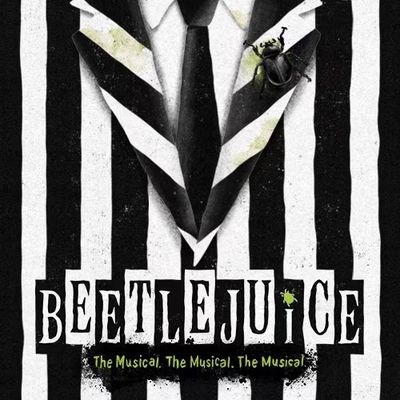
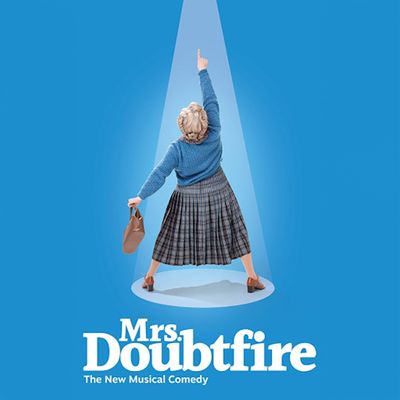
Everyone's favorite, Rob McClure chats with Jack and Brendon about his incredible career starting at the Papermill Playhouse to now being one of Broadway's most memorable and notable performers. Oh yes, even Rob has a history with dance. From starring in shows like Chaplin, Beetlejuice and Mrs. Doubtfire, Rob shares how he approaches and fully commits to each one of his iconic roles or what Rob would say, the “actually actually” behind every character. Listen in as Brendon and Jack “actually actually” take it Again From The Top with Rob McClure.
Part of the Broadway Podcast Network.
Transcript
This transcript was automatically generated and might contain errors.
[0:00] Brendon Stimson: Welcome back to Again From The Top! I’m Brendon.
[0:05] Jack Sippel: And I’m Jack. Today we have a very special guest with us.
[0:10] Brendon Stimson: Yes, we do! He’s one of Broadway’s most beloved performers, Rob McClure!
[0:15] Rob McClure: Hey, guys! Thanks for having me.
[0:20] Jack Sippel: We’re so excited to have you here. Your career has been incredible, starting at the Papermill Playhouse and now being a standout on Broadway.
[0:30] Rob McClure: It’s been a wild ride, for sure. I’ve loved every moment of it.
[0:35] Brendon Stimson: You’ve done so many amazing shows, from Chaplin to Beetlejuice and now Mrs. Doubtfire. How do you approach each character?
[0:45] Rob McClure: I think it’s all about fully committing to the role. I always try to find the “actually actually” behind each character, you know?
[0:55] Jack Sippel: That’s such a great way to put it. Can you tell us a bit more about what you mean by “actually actually”?
[1:05] Rob McClure: Sure! It’s about digging deep into the character’s motivations and really understanding who they are. It’s not just about the surface-level stuff.
[1:15] Brendon Stimson: That makes a lot of sense. You’ve had such a diverse range of roles. Is there one that stands out to you the most?
[1:25] Rob McClure: Each role has its own special place in my heart, but I think playing Chaplin was a huge turning point for me. It was such a challenging and rewarding experience.
[1:40] Jack Sippel: I can only imagine! And you’ve also had a history with dance, right?
[1:50] Rob McClure: Yes! I’ve always loved dancing, even if I’m not a dancer by trade. It’s such an important part of storytelling in musical theatre.
[2:00] Brendon Stimson: Absolutely! Dance adds so much to a performance. What was it like incorporating dance into your roles?
[2:10] Rob McClure: It’s always a fun challenge. I love working with choreographers to find ways to express the character through movement.
[2:20] Jack Sippel: That’s fantastic. And you’ve worked with some incredible choreographers throughout your career.
[2:30] Rob McClure: I really have! Each one brings something unique to the table, and I always learn so much from them.
[2:40] Brendon Stimson: Speaking of learning, what advice would you give to young performers trying to break into the industry?
[2:50] Rob McClure: I’d say to stay true to yourself and keep honing your craft. It’s a tough industry, but passion and perseverance go a long way.
[3:00] Jack Sippel: Wise words! And what’s next for you? Any upcoming projects we should know about?
[3:10] Rob McClure: I’m currently focused on Mrs. Doubtfire, but I’m always looking for new opportunities. You never know what’s around the corner!
[3:20] Brendon Stimson: We can’t wait to see what you do next!
[3:25] Jack Sippel: Thanks for joining us today, Rob. It’s been a pleasure!
[3:30] Rob McClure: Thank you for having me!
[3:35] Brendon Stimson: And to our listeners, we’ll be back next week with more stories and insights from the world of Broadway.
[3:45] Jack Sippel: Until then, keep dancing and take it again from the top!
[14:42] Rob McClure: So, Equity rules for encores to be able to pay you what encores pays you. You have to have the binder in your hand. So Alex Sanchez was like, well, what if we make Amy of Once In Love With Amy your binder? And you can dance with your binder. And you're like, yeah, but then it's got to be closed and I'm dancing with it. I can't be looking at words. So then why am I holding the binder at all? We're like, because Equity needs you to have the binder in your hand in case you need it. You're like, what a very, what a very specific answer. Thank you very much. Exactly. That's all. So let's dive into Chaplin for a second. First of all, like I for the past, however many years since that has been on Broadway, had one have been wanting to like make my own Tony Award for you.
I don't understand is what I'm saying. And it's truly like one of my favorite shows of all time. Like I just sat there in complete amazement from like top to bottom of everything going on. So first of all, amazing. But talk about the creation, obviously diving into someone like Chaplin is a different beast of its own, right? The silent aspect to it and just portraying your words through character and then leading that into movement, right? So where did you find the line of your character movement and dance? Like how did that kind of go hand in hand with each other? Because that was truly a performance. You weren't just like being a character like that is diving in from head to toe, understanding what this person's life is, how they moved, how they talk, you know, everything. It's just true. So how does that all go hand in hand from the choreography aspect, just like that walk?
[16:38] Rob McClure: Yeah. I mean, it's an amazing thing. You know, once I started researching, I was mad that it took me getting cast as Charlie Chaplin to watch all of Charlie Chaplin's movies, because as I'm watching them, I'm going, everyone should watch these. Like you realize the artistry and how 70 percent of the things you've seen since are derivative of it. When you watch it, you're like, oh my God, that bit in that movie I watched the other day is a variation on the doughnut bit from A Dog's Life. Like, like literally you go, whoa, he did all of this first. And but in terms of approaching the physicality, I was really, really lucky. Well, two things. One is that I started to adapt Chaplin's frame of mind for things I didn't know how to do, which is that Charlie Chaplin would agree to do things before he knew how to do them.
So he would like when he walked a tightrope in the movie The Circus, he had the idea for a film about the circus and a bit on a tightrope, told his crew on his film lot in California to start building a circus. And while they were building the set, he tied a rope between two trees on the lot and taught himself how to walk a tightrope. And that was not that's the type of guy he was. And what studying him made me realize is that the distance between being able to do something and not is the amount of work you're willing to do. No one is born knowing how to do any of those things. Like, it's just how hard do you want to be able to do it? If you want to be able to do it, go figure it out. And Chaplin, the man and studying him is the one who lit a fire under my ass to say, hey, um, if you're going to play Charlie Chaplin, that's the first thing you need to incorporate is that the mindset of like, bring it on.
You need me to run on a spinning table. I don't know how to do that. Give me a half an hour. And you go in the other room and you start running on a table and you fall 30 times like you just figure it out.
[18:40] Rob McClure: But in terms of the actual movement, I was so lucky that in La Jolla, they hired a clown named Dan Kamen, this really brilliant clown who had written six books on Chaplin. And the first day of rehearsal, we were, uh, starting a bit that ended up getting cut eventually, uh, from one of Chaplin's earliest bits called the inebriate, where he would sneak into the back of a vaudeville house and pretend to be a drunk audience member and then go up on stage and ruin the show. But like, but like athletically. So, so the audience was fooled into thinking that this was a drunk audience member. And by the end he would be doing something so extraordinary that they would realize they had, they had been duped and he is part of the show.
Um, and, uh, so Dan said to me, how are you going to play the drunk stuff? This is day one of La Jolla rehearsal. I had just been cast to play Charlie Chaplin and he goes, how are you going to play the drunk stuff? And that's a trick question for actors because playing drunk always, you want to have a smarty pants answer. So I gave my smarty pants answer, which is well, drunk people are trying not to be drunk. Sure. Sure. And then Dan went, no, I mean physically. And I'm like in the back of my mind, I'm going like, well, I can't say I'm going to stagger around, Dan. Like I, what, what, I didn't know what the, I didn't know what, what answer he wanted from me. Right. So Dan goes, okay, close your eyes and stand still.
I said, okay. And he held a pencil on top of my head, pointing up toward the sky, told me to close my eyes and stand perfectly still. I did. And he held a piece of paper against the pencil that I didn't know he was holding. Right. So I opened my eyes and he goes, look, you thought you were standing still, but you're the pencil was drawing all of these tiny little spirals on this piece of paper. Because when you're born gravity wants your body to be laying on the ground, the spinning planet wants to pull you so that you're laying against the ground and your body learns these microscopic muscular adjustments to keep you perpendicular to gravity. When you start to stand as a child, when you're drunk, those adjustments are delayed.
So what I would like you to do is close your eyes and stand still and let gravity win. And I would stand there and he would go, okay, let it win. Let it win. Let it win. And I would start to tilt one way and then he would go, okay, now fix it. And then I would fix it. And now he goes, well, now you're not, not drunk anymore. So that's that adjustment is going to send you the other way. So you're constantly, the adjustments are always a 10th of a second after that. So all of a sudden we were mathematically defining drunken behavior with the science. And I thought, if this is what this is going to be, I'm super excited and absolutely terrified.
[21:28] Rob McClure: Right. So then you get into things like the chaplain walk and he's going, yeah, that looks great. You're walking like a duck. Why, why are you walking like that? And I go like, um, I'm, I'm trying to imitate him and he said, that's what it looks like. He said, okay, well let's get the costume. Okay. You put on shoes that are six sizes too big. And the first thing you need to do to not step out of those shoes is turn out. Cause if you walk straight, you'll step right out of the shoes. If you turn, you turn your feet out, you can drag them along with you. Okay. Well then the pants are six sizes too big. So the fabric's going underneath your heel. So you kind of need to foof your legs to keep the fabric in front of you or else you're going to step on the fabric.
Then you're putting on a coat that's too tight. So you arch your back to get the button done. But then once you've done the button, your back needs to be arched or else you're going to pop the button. So all of a sudden you have this amazing posture and then they give you this hat that's kind of too small. So unless your head is straight up and down, it'll fall off your head. So there's no like room for craziness. So all of a sudden you're walking like the little tramp out of complete necessity, not because you're imitating Charlie Chaplin. But then he gets me at the end and this is the most long-winded answer ever. But he gets me at the end by saying to me, but why don't the clothes fit? And I said, well, it's a wonderful like comic silhouette for a clown.
And he goes, you're not understanding me. Why doesn't he have clothes that fit him properly? And eventually the next day I was sitting there, I was like, oh, because they're not his clothes. The little tramp is a homeless guy. He picked them out of a trash can and is like piecing together this outfit to try and make people walking by think he's someone important. And if he can tip his hat to make them think he's a doctor or someone more important than he is, he can get people to take him more seriously. And that's the underbelly of the comedy that made him the most famous man in the world in two years in 1916. Like that had never been done before. And I've taken that aspect to my comedy and my movement since that show. I've done everything differently than I would have had I not done that show. All from a clown.
[23:41] Rob McClure: Yeah. Mind-blowing. Yeah. I mean, I mean, cause you, you, you think, I mean, I know everyone's like, okay, clothes fit, right? That is it. I mean, that's a genius question to be posed. And what's so brilliant about it is that you start to realize. I remember I was doing the walk in, in a rehearsal and I was watching one of the movies and he did this little shoulder pop. It was a really cute little shoulder pop. And the next day in rehearsal, I incorporated it. And he said, what's with the shoulder pop? And I was like, oh, it's a really fun, like variation on that. He goes, that is not how this works. What is with the shoulder pop? And I said, I saw him do it in a movie, go back and see why he did it.
Find four other times that he does a shoulder pop and you'll start to understand what it means. So I went and watched it. And he's, uh, every time he was disappointed by either like a woman or an opportunity. And as he was walking away, he was brushing it off. And that shoulder would pop up like almost like a boxer who had just lost a round and it's going back to the corner. And he said, you are speaking a silent language. If you're making silent movies, the language you're speaking is body language. Nothing can be extraneous. When we put this movie in a box and we ship it to China with no words, you need to be speaking their language. And so every tick, every nuanced little thing had to be, had to have sentence structure. You know what I mean? Like it was all about silent communication and I, it's shaped how I approach performance since.
[25:09] Rob McClure: And I think getting back to your original question, Brendan, that's what informs my dance now. You know what I mean? That's how I approach dance is why am I moving like this? Why am I doing what I'm doing? We've always been, I mean, as far as like, I mean, in the, in the choreography land, we always want to know, okay, why, why is this, why is this ensemble dancing? Why is this character moving in a certain way? What are they doing to fuel the story that's trying to be told, right? Otherwise they're just doing steps. I mean, in, even in, in audition setting and I'll be, I'll be running an audition and then I'll teach the steps. Everyone kind of executes them properly in a Broadway audition. I mean, you're, you're in front of everyone.
Usually everyone in the room in a final callback, everyone could get the job very, very easily. But then if you find the people that have made a reason why they are doing the movement, if it hasn't been given to you in an audition, usually I'm like saying you're doing this because you're doing this because you're, this is the venue that you're at. I'll give you a moment before just to, for your brains.
[26:16] Rob McClure: Yeah. That so informs everyone's performance in an audition in a, in an actual performance. It just elevates to, to a new level that I think people nowadays need to understand to kind of transcend just the competition world or just steps, you know? And in the world of musical theater, you can have the best technique in the world, but if you're not telling a story, nobody cares. Yeah. I'm moving on to the next person. There's another world for you that's technique based, but it's not musical theater.
[26:42] Rob McClure: Um, and I remember people coming to see Chaplin and starting to say to me, you're dancing in that show. And in my mind I was going, am I dancing in that show? I mean, there were sections where I had to do like big waltzing and partnering and I had a blast learning how to do all that stuff, but I had really thought about it in terms of story. I didn't wrap my head around the fact that I was dancing quite a bit. Um, and then I got a, an Ester nomination for Chaplin. I was like, wait, isn't that for dancing? So it's just amazing what you can learn when you don't realize you're learning. But I feel like people wrap their heads around the fact of seeing you do such incredible movement and in their heads, they're telling them that's dancing because you understand your body so well and it shows that the detail in like you understand like why that shoulder is moving and how much it needs to move and to get the point across to its extent it needs to.
So I feel like that is a trick kind of in that show for people that, you know, says, Oh wow, he's an incredible dancer. Look at him dance up there. And really, you're like, no, I'm just moving and I understand what I'm doing.
[27:51] Rob McClure: Yeah. Yeah. And I have tried to give it a reason. And usually the reason is, is how I can for me, a lot of, a lot of the difficulty in dance comes from weight shifts. I find when I, when I get off on steps, when I cannot pick up a combination and in my head, I'm going like, why can I not get this in my body? It's usually because my weight is not where it's supposed to be to do the next thing. And it's, and it's having people like you guys in the room who I can go to the side and say, Hey, where is your weight leaning into this count of eight? Because I can't get onto that right foot on that one. And you say like, Oh, it's because when you, when you come out of that turn for whatever reason, you're stepping onto whatever, however you explain it to me.
But then I, it's my job to reverse engineer the reason why I'm planting on that foot on that moment to send my energy elsewhere. And I can't, I don't know what that means dance wise, but it's the only way I can get from one eight to another.
[28:59] Rob McClure: I call the, the, the connection of the train. Cause if you think about it, like any kind of combination, it's a train, right? You're starting at the caboose and then I'm moving to like, to the front car, but each eight, each eight of dance or each like full count of dance is a train car. And you want to have those connecting little transitions in between each train car. And that's the way you link it all together. Cause if you, if you have a moment to be like, Oh, I don't know what's next. Even like an audition setting, what have you, it's like, you got to link up the train or link up.
[30:55] Rob McClure: I want to show today, is this could be the life of my friends. This is my favorite dance audition story ever the great friend and an amazing guy he went in for Susan Stroman in Big Fish and he sang he went through the whole dance call cuts cuts cuts cuts makes it to the final they line them up and they're going down the line. Do you tumble? Do you tumble? Do you tumble? Do you tumble and he said he said no and and then it went away. He got cut and he goes home two weeks later. He gets a call that from his agent that says hey, they want you to go in for the ensemble track in Big Fish and he said that's strange. I just I just went through that whole thing. I don't know if it's a call back but they want you to go back in.
Okay, so goes back in he sings he does the dance call they make cuts. They make cuts. They make cuts. He gets in a line and Susan Stroman says do you tumble? Do you tumble? She gets to him and goes do you tumble? And he said I'm sorry. I was actually here two weeks ago and I told you I don't tumble and Susan Stroman said I know that was two weeks ago. In those two weeks. Have you just have you learned how to do that? Yeah, have you have you do you have a you know round off back handspring that you picked up in two weeks? Do you want this job or not?
[33:04] Jack Sippel: Oh intense.
[33:05] Rob McClure: No, I have not changed my mind. How about that? How about that? That is but then you also I mean you also have the people I mean because look dance is such a world where Rob as you've approached it as chaplain approached it. You kind of visualize this thing be like, all right. This is what's needed of me. I'm going to figure out how to do it. I'm going to say yes, and this is what it's going to be. There is that aspect and then you're in the room and I've seen people who who like maybe haven't tumbled in 10 years. And then it's just like, all right, you want to let's show a quick tumbling pass and like, yeah, I think I think I know how to do this and knew everyone just that collective like and you're like just don't yeah. Oh, you're right. Don't think just out just get out.
[34:35] Jack Sippel: Sure the proven.
[34:36] Rob McClure: No, I agree with the fear-based. No, when you don't know whether or not you're capable of it. I'm against I think you should always go for it. And by go for it. I don't mean do a tumbling pass when you don't know how to I mean learn because I in two weeks and exactly but the yeah, it's a knowing yourself and I remember I what's so funny is as I'm talking to you. We're talking about like and yeah, you just learn I'm thinking about the dozens of open dance calls I went to in my early 20s where where I was the Pete the guy in the audition who everyone was amused by for how hard he was trying and at least he's doing something with his face. No one wants to be that guy. I'm telling you now. I've been the guy who everyone's like, oh, what a good sport.
Look that guy doesn't asking it friends. That guy doesn't book it the guy who's like, oh, it's so sweet that he came to the dance call when he's not a dancer and he's using this as a free class. Like I I went in for like 25 paper mill shows to be in the ensemble and Andy Blankenbuehler kicked my ass several hold no prisoners. I I remember doing get me to the church on time dance breaks for their my fair lady in like 2002 or whatever and just talk about not getting weight shifts. I was like constantly I was walking in the wrong direction.
[34:50] Rob McClure: Yeah, there is such a fine line, right? There is like there is a very human line where you say yes to things but then you you start to really know what you are capable of and not capable of and you have to start to protect yourself and that's but but I think that the jackpot with the bullseye is figuring out when you're saying no because you're not pushing yourself and you're scared or when you're saying no because you've proven to yourself by attempting that it's going to hurt you and it's not worth it. And it's usually the fear-based know that I'm opposed to.
[36:04] Jack Sippel: Oh my God, Rob on that audition. No, take us through kind of like your mindset for audition. So obviously coming from a place of not being a dancer first. Yeah, and you're walking into these auditions and you obviously go through all the singing all the acting you read every side everything and then they say, okay now we have to give you movement. Yeah, right? So I guess talk us through kind of where your head's at for that. I know you said you look to the person in the room who you can go to be like, hey, what is this? Yeah, but for those people who also relate to your story and don't lead with dance and are like, hey, I'm actually, you know, whatever character who isn't supposed to move ever and then all of a sudden it's going to have to do a four eight count combination just to even get the job that doesn't move. So where do you place your mind for that and talk us through.
[37:03] Rob McClure: I think what's nice is that I have created the expectation now that I'll pick it up and I continue to promise that you know what I mean? Like and I'm very lucky that people tend to have seen me do things that make them think I'm capable of the thing. They're asking me to do like I now for better or worse have the reputation of like we need someone to stand on a circus ball and juggle chainsaws McClure will figure it out, which is a which is a great a great thing and a terrifying thing because it's the it's the expectation of like he's the guy who will figure it out. And I think that goes for dance as well. I think there are still choreographers who go. I know he's not trained. We know he's not trained.
We're not going to ask him to do a triple but I think he's capable of this tap break. I think he's capable of this partnering. I think he's capable of this thing that we want him to do. I think he's capable of the movement aspect of it. So I go into those rooms with the mission of showing them that with a week's rehearsal I can do the thing you're asking me to do potential. I might not have it by the end of this but that my speed of learning is fast enough that you can tell that by the first time you said it and by the last time I do it there's been accelerated learning. And you know, I kind of liken it to when I went in for puppet camp on Avenue Q. You have five days 10 to 6 where they teach you this puppetry and by the end of that week, they are not looking for you to know how to do Muppet puppetry, but they are looking for you to be a whole lot hell of a lot better whole lot hell of a lot better than you were five days ago.
And that that is the same exact process, but it's 20 minutes long in a dance moment where they're in 20 minutes. They can see like is this hopeless or is there or can we tell that he will eventually get this and it's about proving to them that I can learn it. Not that I just learned it but proving to them that I can learn it and that has to be real confidence. They're not going to invest in you if they don't and Stimson, I'm sure you see people all the time where you go like I can you guys can tell like within within four four counts eight counts. I mean as far as like who's there who's with us whether I mean, it's it's we're looking the potential is kind of is absolutely what we're looking. We're not looking for finished product in 20 minutes. Well, that is what rehearsals for that is what that whole process is meant to be.
[39:36] Jack Sippel: Yeah, and I think it depends. I'm not going to be called in for American in Paris because there are people who do that and usually when I'm being called in now, they know what I do and it's about we don't need a technique driven thing here. We'll get some technique out of you if because usually I work with great choreographers like Casey Nicholaw who are like by the end of this frickin song. You're going to be able to do this goddammit and you rise to the occasion. Yeah, but but people tend to other choice. Yeah, but but to your question Jack about like what do I do when I when I used to be in those rooms with people and I'm looking around a lot of it is I know this is silly but it's playing a character like there's a great quote that Winston Churchill called Chaplin the greatest ballet dancer of all time and and Chaplin never studied ballet, but he did tons of it in his movies because he's making you think he's a ballerina and there's a part of that in any dance call where I go like I'm not this person but I know how to play this person and and what is that what can I incorporate in my body that makes you think I'm the person capable of doing this even if it's not technically proficient at that moment and then the technical proficiency comes later with study and by later, I mean like you got 48 hours probably before they're like we're changing that but it is it's a complicated process, you know, and and you know, a good career is one where you've built faith in you for other people.
You've built a certain, you know what I mean you people know you'll get there and that is that's that's part of networking to me. You know what I mean and networking has nothing to do with schmoozing and everything to do with building faith and and every time a door cracks open and somebody says learn this 16 bars you learn it and you and over time part of your networking has been proving yourself over and over and over and over and over.
[41:48] Jack Sippel: Sure. It's like it's like believing in your own stock that it's going to rise if you will.
[41:49] Rob McClure: Absolutely. Absolutely. I think that will because I mean when you approach it in that kind of character way, like you say like well, I'm not a ballet dancer, but I know how to act this. I've seen enough. I've practiced enough. I've maybe not practiced like in a ballet class, but you can approach it in a character kind of sense. You can essentially chameleon yourself into this version, right? And I think as far as I was I was walking my dog today thinking of like of our era of kind of like Broadway performers in our generation right now. There's only like a few that strike me as like the true chameleons and I get I get two names and Rob you are one you are absolutely one and I think the other is like is like a Jefferson Mays type performer and I think there is such a world of this completely transformative experience in every single one of your characters.
You could literally watch every single one of your Broadway shows and be like, how is this the same person? And I think I mean, yeah, yes, because it's it is a deep dive and it is a hundred percent commitment. I mean, I've seen Broadway shows where he's like, oh, this is this person doing their take on this. You watch. I mean you watch Ron McClure do a role and it's I mean I don't want to say I'm not watching Ron McClure because then I'm watching I'm watching Jack Singer. I'm watching Nick bottom. I'm watching what have you it's it's just this such I don't know. I explained the deep dive to me because it's something that's always kind of escaped me as far as like the acting world if I'm moving I can get lost in it, but I think there's this thing of you get lost in this acting but such in a controlled way of I'm now this person.
[43:36] Rob McClure: There's I worked with a really great director named Aaron Posner and he used the term that I've adopted and I think it's it reflects what you're talking about and he used to use the term that he coined that is actually actually and he would say we were doing a murder mystery at Ken Ludwig murder mystery and it was a great great play, but it was one of those moments where the lights go out and they come back on and someone has a knife in their back on the dining room table, right? And everyone was like, you know freaking out.
[45:07] Rob McClure: The world that you're operating in and the things that happen to your character are larger than life. How you react to them has to be grounded or else the audience has nothing to latch on to. So if I'm at a point where I need to disguise myself as an elderly Scottish woman to be the nanny to my own children, I have to get to a place where I actually, actually am that desperate to see my kids. And I'm actually, actually trying to convince my wife who is six inches from my face that I'm an elderly Scottish woman. And I think it's things like that that make you, my first instinct is to do some crazy old lady voice. And then you get in that room and Jen Gambatese is six inches from your face and you go, if I do that, she will immediately know this is not real.
She will immediately call me on that and say you are my husband and this is bullshit. So whatever I do has to be so nuanced that it feels like a real person because if it's not, you're going to call me on it. You know what I mean? Like it has to be, it can't be silly. If it's, well, if it's silly, the audience doesn't buy it. And if they don't buy it, then my family is stupid. My family's stupid for not recognizing me. And if you're asking them to like willing suspension of disbelief, go like, well, it's a show. Of course they're not, of course they don't recognize him or we can go to the place of actually, actually until the audience would believe that they don't know it's me. And that's where great artists like Robin Williams were masters at that type of transformative stuff, you know?
[47:19] Rob McClure: And I love the whole like, I so appreciate that compliment about the chameleon thing because people often ask about like, is the character you? Because some actors are like, the greatest acting is just being yourself and like listening to your own instincts. And then some people say it's about transformation. And I actually think it's both. It's about, if I'm playing Sweeney Todd, if Rob McClure was born in turn of the century England to the parents of Benjamin Barker, and then he fell in love and his wife was taken away from him by a judge and then he was exiled to Australia and he jumped off a boat and he came back and was losing it, I would be Sweeney Todd. So it's just about putting myself through the life of that individual, but through my singular lens, through Rob McClure's singular lens that makes me arrive on my version of whoever.
So like Mrs. Doubtfire is mine because as much as Robin Williams will inadvertently influence me, because how could he not? He's a genius. I have to go through Daniel Hillard's roadmap through the lens of me. And then you arrive at my Mrs. Doubtfire, but it simultaneously Mrs. Doubtfire and me having gone through whatever the hell that person went through.
[48:47] Jack Sippel: Oh, that's wild. Oh my God, literally just Rob McClure and the journey. I mean, because when people would just say like, well, yeah, I bring myself into the character. You have such a specific way of like bringing that, like the zoom out of kind of seeing the entire picture as if I was like, you know, do you ever see like Minority Report?
[49:07] Rob McClure: Yes, oh yeah.
[49:08] Jack Sippel: Where he has like the gloves that you can just vroom, vroom, vroom, vroom, vroom and like change the screen and zoom in on this, take this out, blah, blah, blah. I feel like you can see that with like an entire character of like the entire journey, where I can be like, I want to bring this in. I want to experience this portion and then bring my life of this into here. It's just, I think, yeah, I'm sorry. I ramble right there.
[49:27] Rob McClure: No, no, no, no, I totally get what you mean. But that's how I feel. I mean, you both are prime examples of people who dance, but are always acting. And there's, you know, that like, Jack, I've seen you in four or five things now, I think. And every time I do, there is, you are never flipping to flip, ever. Ever. The dude is committed. You know what I mean? But there's always the state, like we were just talking about the acting, the stakes are high enough that I believe the celebratory nature that has gotten you to the place of doing that. It's never, because nothing drives me crazier than like curtain up and the ensemble is a bunch of dancers with briefcases, like walking, walking, walking. We're upwardly mobile. We're upwardly mobile. We go to work and we're upwardly, and one of them gets to zero and does a triple for no reason. And then walks off the other side of the stage. That's not musical theater to me. I don't understand.
[50:35] Jack Sippel: Yes, sir. Jack, do you wanna share our favorite segment of the show with Rob?
[50:41] Jack Sippel: Totally. Rob, we like to cap off every episode here with a segment we called Shoulda Shot It. And this is coming from the prom movie that we just worked on. And there was a time with Meryl Streep and she's doing the number, It's Not About Me, right? The one in the PTA room. Can we just talk about your lives for a second? Those are sentences that you say about your lives that are true. So Meryl Streep, I was with Meryl Streep when we were Meryl Streeping and let me just acknowledge, I just hope that you both let those sentences land on your hearts, that that is your life.
[51:15] Rob McClure: I do like the verb to like, I was Meryl Streeping.
[51:17] Jack Sippel: Yes.
[51:20] Rob McClure: Just like, oh my God, I gotta stop streaping.
[51:23] Jack Sippel: I know, you're Nicole Kidmaning me.
[51:29] Rob McClure: What else?
[51:30] Jack Sippel: Do another one.
[51:33] Jack Sippel: So Meryl Streep was streapening in the It's Not About Me.
[51:39] Rob McClure: Streapening is a new M. Night Shyamalan movie. You'll never believe the twist.
[51:44] Jack Sippel: You'll never believe it. So she was doing the number and it was a rehearsal, but she was trying to prove an idea and wanted to put an idea into this number. She does the whole number, all the lights, all the music, all the backgrounds there, everyone's doing their part. And she finishes the number on this big stage, this gold curtain drops behind her and it then ends in a blackout, right? And then everyone's completely silent because the background is doing their job and just like not saying a word and everyone is just, you know, in rehearsal. And then you hear her yell, "'Shoulda shot it!' from the stage." And we're in complete darkness. The dance team of Brendan, Beth, myself, and Patrick are just like applauding. We're like, yeah, that is correct. You should have shot it because that was amazing. We've been waiting for that take.
[52:31] Rob McClure: Oh, that's amazing. But anyway, so we'd like to bring this segment around being what is a moment in your life career that you have done yourself or you have witnessed that you wish should have been shot? Like what is it you wish could have been captured forever? Just to be captured. Like that moon reference you gave earlier. That's a great one. But what is something you wish everyone could see forever and ever?
[52:55] Rob McClure: Oh, I mean, yeah, that's a really good one. I should have shot it when she went through the moon, for sure. There was a really great moment in Chaplain in La Jolla where it was the first time we were doing a photo shoot. And they sent me for the first time to put everything on and do like the grayscale makeup. So that, because that whole show was black and white. So literally we were painting our skin gray and a whole thing. And it was the first time I was getting into the hat and the mustache and the flower in my lapel and the cane and the whole. So three weeks into rehearsal, I finally go into a room to put on the stuff, right? And I lean into the mirror and I put the mustache on for the first time.
And I leaned back and I was like, this is wild, right? So I get up and I'm walking to the photo shoot and I'm trying to do all of the stuff that Dan is talking about. I'm trying to like ground myself in this costume and I'm trying to like get the, because I know that whatever photos we're about to take are gonna haunt me for the next, however long we do the show in La Jolla. Like if I don't get the bend of the cane right, somebody's gonna pull up a clip of Chaplin and be like, um, it's actually supposed to be this angle. Like there are always diehard fans of things. Mrs. Doubtfire is similar, right? People are looking for the ways that you've failed them in the thing that they love. So you feel such a responsibility to get it right.
So I'm walking to this photo shoot, just trying to get it all in my body, getting ready for this thing. And all of a sudden I hear someone slam up against this huge glass walls of the rehearsal space where everyone is rehearsing. And someone has seen me for the first time in all of the stuff walking by as the little tramp. And they all, 55 people go running to the glass window and start crying. And I'm looking at them and they're looking at me in the stuff for the first time. And Jen Colella is like freaking out and runs outside and like hugs me and lifts me off of the ground. And they all were like freaking out at how uncanny it was when all the pieces were put together. And that's a moment that I will never forget.
And that, if we shot it, if we should have shot it, the thing we would cut to is then on the first Friday of the run, Chaplin's family came. And his kids and grandkids, his surviving kids and his grandkids came. And Kiera Chaplin, his granddaughter, wrote an email to the composer and said, hey, what is the clip that you guys have at the end of the show of the little tramp walking off into the sunset? Because I've been trying to find it all weekend and I can't find it. And it was a clip that we had filmed on a field in La Jolla the day that we're talking about. And they, because I was walking away from the camera, the family thought it was him and was asking like, yeah, so I got that email at like three o'clock in the morning and the composer forwarded, Chris Curtis forwarded it to me and said, just want you to know that for that moment, they thought it was their grandpa. And I, I just. I will, I will bawl right now. Usually shout out moments are emotional.
[56:15] Jack Sippel: Oh my God, this is a heavy, should have shot it. Every week, oh, that's beautiful.
[56:22] Rob McClure: Yeah, it was. That is wonderful. Wild, wild ride. And the compliment of all compliments. Truly, truly the compliment to end all compliments. That, that was a cool day out on that field with Warren Carlyle.
[56:34] Jack Sippel: Wow.
[56:39] Rob McClure: As we walk in fields of Chaplin.
[56:41] Jack Sippel: Yep.
[56:42] Rob McClure: I like it. I like it. That's a perfect way to wrap up.
[56:43] Jack Sippel: Oh man. Rob, this has been an absolute dream, my friend.
[56:46] Rob McClure: Are you kidding? I talked way too much like I normally do. This is a podcast.
[56:51] Jack Sippel: I think that's what we do in a podcast.
[56:54] Rob McClure: But now it's my turn.
[56:55] Jack Sippel: Okay, so Jack, when did you first?
[56:57] Rob McClure: Ah, ah, ah. I'm a fucking hour ago. I'm a bloody toddler. Better to do it now.
[57:04] Jack Sippel: Oh my gosh.
[57:05] Rob McClure: Thanks for listening to our pod.
[57:09] Jack Sippel: We're in a pod now.
[57:10] Rob McClure: It's been deemed pod by Rob. Nowadays, pod usually refers to like the people you're allowed to see during COVID.
[57:17] Jack Sippel: That's literally what I hear.
[57:18] Rob McClure: I know. I'm just like, well, no, my pod is very small. I'm very safe in my pod. I wish my pod included you two fools because I miss hugs and grabbing Midtown beers with you both.
[57:29] Jack Sippel: I wish.
[57:30] Rob McClure: I'm gonna take a last sip of my Midtown beer right here. Up in Inwood, all right? My Inwood beer.
[57:35] Jack Sippel: Well, you're the best, Rob. Thank you so much for taking the time to talk to us and you're a dad and busy with the family. So we are very appreciative of your time.
[57:48] Rob McClure: Are you kidding? This is the first time I've talked to other adults in the last three months. The pleasure is mine.
[57:58] Jack Sippel: Well, we're so glad to have you, Rob.
[57:59] Rob McClure: All right. Thanks, dad. Love you.
[58:07] Brendan Stimson: Hey, it's Brendan.
[58:08] Jack Sippel: Hey, it's Jack.
[58:09] Brendan Stimson: Thanks so much for tuning into our podcast. Be sure to hop on over to our Instagram at again underscore podcast and give us a follow. A like. A comment. A DM. Because we wanna hear from you. Let us know how we're doing.
[58:20] Jack Sippel: Sure.
[58:23] Brendan Stimson: And before you press next to play your next podcast. Hopefully it's us again. Go ahead and hit that subscribe button. And give us a rating if you love what you're hearing. Again, from the top is produced by Dory Berenstein and Alan Seals. Stay tuned for our next 5678.
© Broadway Podcast Network, All Rights Reserved