

Richard Riaz Yoder wasn’t going to take no for an answer growing up. From starting with basic level training while auditioning for theatre colleges to landing blockbuster Broadway shows like Shuffle Along, White Christmas, Hello, Dolly!.. Read More
From the show: Again From The Top
Featured Shows
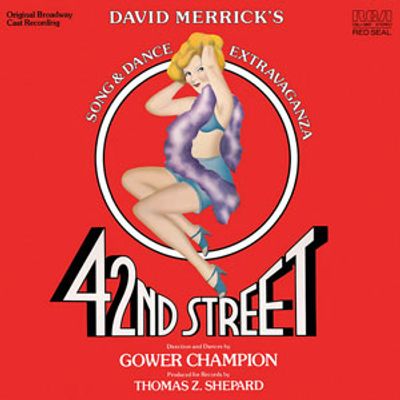


About
Richard Riaz Yoder wasn’t going to take no for an answer growing up. From starting with basic level training while auditioning for theatre colleges to landing blockbuster Broadway shows like Shuffle Along, White Christmas, Hello, Dolly! and more, Richard is a prime example that doing the work and following true passion can lead to your success. Not only is he a “one to watch” onstage, but a mentor and shining light offstage spreading his passion and expertise for tap with his students. He takes the love and knowledge that was shed on him and gives it right back to the next generation. True class that Richard Riaz Yoder.Let’s take it Again From The Top with Richard.
Part of the Broadway Podcast Network.
Transcript
This transcript was automatically generated and might contain errors.
[0:00] Brendon Stimson: What are you laughing about, Jack?
[0:04] Jack Sippel: I just, I feel like this episode needs to start with a scat. I don't know why. I just, I was in a really big mood to scat, but you don't want to hear that from me.
[0:13] Brendon Stimson: I was already scatting over it, man. I was in my own zone. You feel it?
[0:16] Jack Sippel: Yeah, I felt it.
[0:17] Brendon Stimson: It was like watching, me scatting right there was like watching Disney's Soul and kind of like understanding what the zone was. Do you get it?
[0:24] Jack Sippel: Oh, wow. Wow, that's deep.
[0:27] Brendon Stimson: Gotta be a similar feeling of when Richard Riaz Yoder taps. Gotta be.
[0:32] Jack Sippel: Totally. Totally. The rhythm, the drum. He is the drum. Like he says, he is the drum.
[0:39] Brendon Stimson: And is anyone, has, is anybody else like this? Whenever it says feel the rhythm? Is anyone saying feel the rhyme afterwards?
[0:48] Jack Sippel: They must.
[0:49] Brendon Stimson: Like, get on up. It's bobsled time.
[0:52] Brendon Stimson: Cool rhythm!
[0:56] Brendon Stimson: Everyone has probably stopped listening to this. Cool runnings right now.
[1:01] Brendon Stimson: Cool runnings. That's where it's at.
[1:03] Jack Sippel: Where it's at.
[1:04] Brendon Stimson: Okay. Brendan, I'm so excited today. We have Richard Riaz Yoder with us.
[1:09] Jack Sippel: Very true.
[1:10] Brendon Stimson: Incredible, incredible, incredible person who I know here from St. Louis, the Muny, but incredible journey, right? He grew up and, you know, had his kind of, I'll call it basic training, the most respectful way I say that. Basic training, went to school. He mentions how he's the beginner in every class at school, finds his way. He ends up, you know, touring the world. He's been all over the world performing on Broadway in about six or so Broadway shows. So he is, I think, a perfect example of someone who, you know, has that path of chugging through and making the best of it for himself. And truly, there's no right or wrong path. And I love that about his story.
[1:56] Jack Sippel: Literally, like, yeah, the determination and basic training, then cut to like learning, inspiring from and creating with Stéphane Glover. So it's just like, from like, just beginning to fruition. It's just it's so cool to watch and just could be nicer though, right? This guy could be nicer.
[2:13] Richard Riaz Yoder: Terrible. I mean,
[2:16] Jack Sippel: Oh my god, these humans. Where do we find them?
[2:21] Richard Riaz Yoder: It's no, it's no good, though. It's no good. We can't.
[2:24] Jack Sippel: Get ready for some laughs. Get ready for some just like joy, exhilaration, and just pure good human soul. So Jack, what do you say?
[2:32] Richard Riaz Yoder: 5, 6, 7, 8.
[2:38] Brendon Stimson: That's his fade out. So in case anyone's listening, be like, where did Brendan just go? That was his pretend fade out into our segment. And
[2:45] Jack Sippel: Play the music.
[2:48] Brendon Stimson: Well, hello, Richard.
[3:08] Jack Sippel: I mean, why not start with a cracked well and get right into it.
[3:14] Richard Riaz Yoder: Hi, Richard.
[3:17] Brendon Stimson: Hey, Richard.
[3:19] Richard Riaz Yoder: Hello. How are you guys?
[3:21] Brendon Stimson: So fantastic. You know, warmed up today. I feel like my body got loose, feeling good about it. I'm honestly a little sore from a rock climbing expedition I went on. But that's neither here nor there.
[3:34] Richard Riaz Yoder: Wait a minute, you went rock climbing when there's a snowstorm out?
[3:39] Brendon Stimson: So it was at the tail end of said snowstorm here in New York City. And there was like this like Central Park gym or Central Rock gym. So if you're listening Central Rock gym, I could use a discount. A little plug here. But it was it was fantastic. And it's muscles I've never used before. And surprise, surprise, respect for sports and athletes that oh, man, it was it was impeccable to watch. But it's kind of like it's one of those things like skiing, where you walk away from it. You're like, what just happened to my body?
[4:18] Richard Riaz Yoder: Truly, truly. Oh my god, I haven't been skiing in years.
[4:23] Brendon Stimson: Well, today, I think we're going to talk a lot about tap. We're going to talk a lot about just dance in general. But, Jack, give Richard the lowdown of how we like to start these.
[4:32] Jack Sippel: We start every podcast, we just want to hear about your first 5, 6, 7, 8. How did dance start for you? Where did Richard come into this journey of movement and dance and performance? And just kind of take us through your start. Come up to where you are now.
[4:49] Richard Riaz Yoder: Oh, so I think when I first started dancing, I was in show choir in high school. And we had like the whole purple sequence, we had all of this stuff. And so I that was like my first introduction to dance or whatever. And so then from there, I started wanting to do more dancing, like because there was some like dancers in the show choir. And so one day, a couple of them were doing a time step. And I was like, what is this sorcery that you are doing with your feet? I literally I had never I don't think I'd ever seen somebody tap dance in front of me. I'd seen it on like a movie like the Nicholas Brothers or Fred Astaire, Gene Kelly, and all of those people. But I had never seen somebody do it actually in front of me.
So I was like, Oh my god, you guys have to teach me. What is this? So then from Rick little 17 year old Richard, like trying to learn how to do not even how to do a flap or whatever, how to do a time step. So it's like a whole bunch of different steps altogether. So they tried to teach me and I got whatever I thought it was. And then from there, I just was obsessed. So I would be tap dancing down the halls, I would be tap dancing in grocery stores, I would be tap dancing everywhere, because I was like, this is the coolest thing I've ever done before. And I can make all this sound. It's great. So then my mom took me to a woman that was teaching that used to teach my sister's dance. And so I went to her, her studio, and she took me there to teach to teach me like jazz classes and things like that.
And so to help me kind of get up to speed, she started doing private lessons with me. And one day I was showing off, I was like, Oh, this is what I know how to do. I know how to do this time stuff. And it was kind of like, Oh, okay, well, why don't we try to refine it because it was terrible. I wish I had a video of it because it looked like I had two left feet. And so then she started so then she started working with me. And she'll never she always remembers this. She showed me a step and not thinking about it. I just did it, whatever the step was, I think it was like toe heel stamp and something else. And I did it right away. And she looked at my feet. And then she looked at me, she said, I can't believe you just did that.
And I was like, I just saw what you did. So then from there, that's kind of what got me on this journey. So then I went did I think it was the St. Louis tap festival. I went and took classes at the St. Louis tap festival. And I took a class from Omar Edwards. And he is amazing. He's one of the best tap dancers out there. But he didn't say anything about counts, or steps. It was like E-Bot, E-Bot, like that's all it was. And so I was like, what is happening right now? I was like, this dude is scatting at me. And I do not know what he's talking about. And he was like, especially with the feet, he would just go. And so I was like, there's this whole other world that opened up to me. So then from there, my mom was like, what do you want to do for college?
What do you want to do when you are done with high school? What's happening? What are what are we thinking? And I was like, I have no idea. And I was like, maybe I'll be a lawyer or something like that. They make lots of money, right? And she was like, yeah, this is kind of what it's like to be a lawyer. And so she started talking to me about like, these are the things that you need to do. This is like the kind of schooling that you would need. And this is how long you would have to go to school. And I was like, yeah, that's not for me. And then she was like, well, what else would you want to do? And I was like, uh, she said, what would you do if you didn't have to earn money? And I said, oh, I would dance.
I said, I would dance and I would perform. I was like, I don't know how to do that. But that's what I would do. So then from there, she took me, her and my dad, we went to 10 different schools. And I auditioned for all of them. And I got cut from all of them besides two. Yeah, I think it was Ohio. I think it was Ohio University. I can't remember. But then I ended up going to Oklahoma City University. And God bless them, because I couldn't do anything. I remember during the audition, oh my gosh, during the audition was hilarious, because they wanted everybody to do tombe pas bourree, pirouette land, you know, simply easy for people that have been dancing for like 10, 20 years. Great. Or 17 years, that would be easy for them.
So I didn't know what any of the steps were. So all I did was just mock, whatever, or not mock, but try to pick up whatever they were doing. And I would do it, but I didn't know how to pirouette. So I would just like stand in a releve kind of, sure, kind of maybe, and then land. And then they, I mean, it was the most horrifically embarrassing, like, I didn't, I didn't have emotions like that. When I was younger, I was like, I don't care, I'll do anything. But I like thinking about that now, that would have been mortifying. If I had to do something like that now, that I like, I didn't have the ability to do it. Like, there was no way I could suddenly become a ballet dancer in the five seconds that they taught this combination.
So you're having, I literally just like threw myself into it. And they said, one of the reasons why I got in, obviously wasn't because of my dancing technique, because it was terrible. I was awful. They said, because I didn't stop. Because there were people, there were some, there's some people that had been dancing since they were two, that sadly went to terrible studios. And so they didn't really have the ability to do anything, which was also very sad to see. But, but those people stopped. Like, there are a lot of people that left the college audition. And, and I think about that now. And I had no, I didn't even worry about it. I was like, no, I want to go to school for this. So I'm going to do it.
And, and I, when we were driving home, I knew I didn't get it. I was like, oh, there's no way I was going to get into that school, because I was so terrible. And they, and like, my parents tried to comfort me. And it was like an eight hour ride. And we barely said anything. So then, and then I got into the school. Like, what were the chances? What are the chances of that? So, so yeah, and I went to school. And then I went to Oklahoma City University. I was at the basic level of everything. They have like, each discipline has like eight levels. And so I was just like, at the base of everything, because I couldn't do anything. So that was my start. I know that was very long winded, but that was a start.
[11:29] Jack Sippel: No, but before you, before you continue, I want to, I want to comment on, so you have this thing of, you get shown a step, and you're just like, I've never seen it before, but I'm just gonna like, dive in, just do it. I mean, yeah, in our adult lives, I mean, we have this thing of just like, oh, I've never seen this before. I'm gonna like, just check back and get nervous, anxious, all this stuff, because like, real life and adult responsibilities hit us a little harder now. I think there's such beauty in the innocence of kind of just jumping in when you're younger, that I think I just want to like, just highlight for a moment and say that that's, I mean, I've always watched you as a dancer, Richard, and I think there's something so innocent.
I think there's so, I think that's, that's the word that I get with it. It is proficient, and it is clean, and it is downright perfect. But there's this joy of innocence that you see like, only in like, laughing children that I see in the Richard Riaz Yoder dancing.
[12:27] Richard Riaz Yoder: Well, thank you. It's funny that you say that, because it's like, I, the past couple years, I've been trying to get back to that. I've been trying to get back to that joy. I've been trying to get back to, well, especially during this pandemic, just getting back to the actual joy of why we started to do things. Because when I came to New York, I wasn't planning on doing musicals. I wasn't planning on doing Broadway or anything like that. What I wanted to do, I wanted to join a tap company. Like, that was the end all and be all. I didn't even really think about, I loved going to see Broadway shows, but I was never like, oh, I'm going to do that. That was never even a thought for me. I was just like, I want to be in a, I want to be in a tap show or a tap, a tap company, and I want to work, and I want to work with those people and do that thing.
And then, and the musical started to come my way. And so I was like, well, maybe this is something that I can do, because I was able to do that. I was able to tap in shows. So once I knew that I could tap dance and do musicals at the same time, or just dance and mainly do musicals at the same time, then I was like, oh, maybe I can do this. And then it was,
[13:45] Jack Sippel: It was getting to be at home in St. Louis doing 42nd Street that kind of sealed the deal for me when it came to musicals. I was like, oh, I can make enough money to survive. I can have so much fun on stage. And it kind of opens me up to do different things. So it was just magic.
[14:06] Brendon Stimson: And your resume so far has been tapping in almost every single show you do, which is incredible. I mean, you've done 42nd Street all around the world, like in every regional theater. It feels like you've just done it everywhere, which is amazing. And then even Broadway, I mean, Shuffle Along, crazy, unbelievable. I remember seeing you in that. And there's one moment that sticks out in my head. I couldn't tell you what part of the show this was, but I remember there was a line of people downstage, and you were on far stage left. And you knew I was at the show. And I don't know what was involved in this bit of choreography. I guess you could kind of make it your own for a moment. But it was almost like the button to a segment before it transitioned to something else.
And Richard gets on one foot on the tippy toe of his tap shoe, and claps his other leg above his head. And when I tell you I screamed in a Broadway theater. Oh, I love you. I mean, screamed. And then we talked about it afterwards. He's like, I heard you. And I was like, what do you mean? Trying to play it off all cool. I was like, no, I totally, I mean, it was amazing. But Shuffle Along on the 20th century. Dolly, no tapping in there. But I mean, another iconic show. And White Christmas and My Fair Lady, of course, White Christmas debut, correct?
[15:46] Richard Riaz Yoder: Yes, that was my debut. And I didn't get, it's funny, there's a funny story about that. So the first time that I auditioned for it, and because the original production, I believe it was in 2008, was the original White Christmas Broadway production. And so I auditioned for it, and I didn't get it. So I was so sad. Oh, so sad. So I worked that whole next year, I took all of Randy's classes, and took whatever singing thing I needed to do, whatever. I worked that combination so many dang times. And then the next time when I ended up auditioning again, that's when I got it. So for me, it was that ultimate, like, don't give up kind of moment, because I knew I was like, I'm gonna get that show. I was like, there's no way that anybody else is gonna get that show but me.
And then I ended up getting it the next year. And it was like, what a blessing that that was to be with all those nice people, to be doing a show. And it got gave me a taste of Broadway, because it was only like two months. So it was like, oh, this is kind of what like Broadway's like, I was like, I could get down with this. I get to be in the city. And I was living right around the corner. I was living on 40. I think I was living on 43rd and eighth or something like that, or ninth. And so I was like, I had a nice little five minute commute to work. Oh, life was a dream. So grand.
[17:10] Jack Sippel: So I just I just imagined because Richie said, like, nobody's gonna get that show but me. And then I immediately started picturing like the one man White Christmas. That is Richard Riaz Yoder. I want to see that at some point. I mean, I mean, the way I was dancing on that stage, it might as well because I was living my life. When I believe that I was so happy to flatball change in a circle. Oh, more than my entire life. I couldn't believe it. I was like, I didn't even know that. Because even after I got into New York, like, obviously, Broadway is a gigantic thing. But in my brain, it wasn't that thing that I'm like, I have to have this. And then, at one point in my career, I was just like, I wouldn't be on Broadway, like, this is my thing. But, but getting to do White Christmas was just such an eye opener. And I was like, Oh, this is, it was just wonderful.
[18:05] Brendon Stimson: I was gonna say, just for like, for listeners out there, if there if there's ever been a more like, you know, determined story, I mean, we there's so many instances, and I want to point out this one of someone who, okay, auditioned to 10 schools only got into two, and then worked and worked and worked. And then when when a huge Broadway audition came up, they're like, Oh, this is mine, this is mine, doesn't get it. What do they do? work on it for an entire year, and boom, got it. So I just want to point out the work. And I want to point out that it happens to everybody. So I just want to say, keep doing the work. And truly, to that same point, it's like, we love to show how varied everyone's path is, and in the different levels of training to still be able to become a Broadway performer.
So I love the fact that your story, you pointed out that in all of your college classes, in specifically the dance classes, you said, I was the beginner in every class. And I love hearing that, because I know there's so many people who have reached out or who asked the question about like, Oh, if I didn't start dancing in middle school, am I too late? Or, you know, questions like that they feel like they're just behind. So it's great to hear that someone like you who has had an incredible career, and obviously still moving forward in that has come from a place of you, like you just said, beginner in every single class in college. So that's really, really, I think, incredible to point out.
[19:41] Jack Sippel: And one thing, I love that you are here, because I don't know how much of the story Brendan knows, but Richard is truly the reason kind of like, why I'm in all of this is a huge factor. I know I say this to Richard every time too, but so I believe our first meeting was before my first ensemble season, right? Because you were there at the Muny, correct? Or was 2000, because 2011 wasn't your first year.
[20:08] Richard Riaz Yoder: Uh, the first time that I did the Muny was, was in 2009, because I did 42nd Street with Kelly Barkley, which is what helped me get White Christmas. I think that's, I think your first season at the Muny, when you did 42nd Street, that was kind of my first meeting with you, because I was the Muny teen behind you. So I like picked up your chair when before you said, like I was, you know, that's what I did. Yes. Oh my gosh. Yes. Oh, truly. Yeah. Um, but then in 2011, when I had my first ensemble season, and I was in two of the three shows that I did with you. And I remember that summer, you came up to me and was like, Hey, have you ever heard of Newsies? And I was like, I mean, I know the movie, of course.
And this is at the time when Newsies was at Paper Mill or just finishing up Paper Mill that summer. And he was like, Hey, have you heard of this? And I was like, yeah, I know the movie. He's like, well, they're doing it at Paper Mill. I know of the choreographer. I know he would just like eat you up. You should go in for this. And I was like, yeah, I'll keep an eye. Yeah, sure. I'll keep an eye out. Yeah, yeah, yeah. And of course you just kind of like put it over your shoulder for a second. Cause at the time I was 16 and just got my card and I was like, what's happening? I don't even know. I had to get through the summer. You know what I mean? I was like, got a long way to go.
[21:25] Richard Riaz Yoder: You're like, let me get to August and then we'll talk about it.
[21:30] Jack Sippel: Totally. And I was kind of like, where am I going to find, like, I didn't know anything yet. And then, um, the Macy's Parade happened where y'all performed, um, or the show did. And they announced the first time they're going to Broadway. And I was like, the light bulb went off on my head. I was like, Richard told me about this. And then it was like, go to the internet, Jack, and look up the audition. Cause they just said they're doing it. Cause Richard told you about this. Like, this is the thing, this is the thing. So went and auditioned. And then of course that journey, you know, was its own beast. But Richard's truly the reason why any of my processes, I feel like kind of where, where I am now.
Cause that, that show obviously was, um, one of the first times I was in the door for anything, anything big that obviously led to other, um, amazing experiences. But if I didn't hear about that, I would probably have a completely different path or I know I would. So thank you for that. And, um, well, Richard, 10% of your entire career.
[22:34] Richard Riaz Yoder: But yeah, the thing is about Jack, I just remember, uh, I just remember seeing him dance and that, um, that season and just like his demeanor and everything like that. And I was like, this kid is going to work like crazy. One, because he's so talented, but two, just because of how sweet and nice he is all the time. So, um, and the thing is, even if I, even if I hadn't said anything, you're such a star, like it, this, you would have been, your path might've been different, but it would have been just as soaring as it is right now. There's no way that it couldn't be because you were so fantastic.
[23:13] Jack Sippel: That's very nice. Thank you. But truly you've
[23:16] Richard Riaz Yoder: I still went 10% though.
[23:20] Jack Sippel: Of course. So Richard, speak to the fact, I mean, so, and I just want to, I'm going to, I'm going to segue this into, into effect. Like you're doing a show, you're doing Muni, you, you see, you see somebody like Jack and like, oh man, this guy is going to be so, so great. He's got like the, the right demeanor. He's got exactly what it needs. And I know you've been, you've been now teaching for a long period of time, right?
[23:39] Richard Riaz Yoder: Yeah. So what is it about, I mean, the, the teaching aspect and I assume just in, in shows and where you can see younger cast members speak to the fact of just like having this kind of, cause we talk a lot about a mentorship on the, on the show and about this. Like, have you had great mentors that have kind of guided you into a path of, ah, this is like, I now realize I'm seeing kind of the next generation and I want to help them along. Can you speak to kind of like that journey of how you got more into teaching too?
[24:09] Richard Riaz Yoder: Yeah. So I start, as soon as I got to the city, um, I tried to pick up any teaching gig that I could. So I started, I think my first one was teaching at Broadway Dance Center and like, I think 2011 maybe that or, um, or at steps around that time. But, um, so I've always just loved teaching so much. The fact that teaching has come back into my life, um, after, um, the pandemic, it's been, it's been such a blessing. The, the ability to create an income right now when it's very rare for anybody to be able to do that is, um, has just, is not lost on me. I'm just so thankful for it. Um, but, uh, one of the things that I always think about is, uh, I had a teacher, uh, Robert Reed. He was, he owned the St. Louis tap festival or started the St. Louis tap festival.
And he also was a teacher at OCU. And he is the reason why I tap the way that I do. He is the reason why I am the performer that I am right now, especially when it comes to tap dancing, because, uh, he completely took me under his wing. He did not have to do that, but he took me under his wing and he was like, I'm going to teach you every single thing that I can possibly teach you. And, uh, he was not easy on me. He was very hard. Like he was one of those teachers that would put the ballet bar up and then, um, would make you do over the tops with your head underneath it so that you don't like, so you don't come up too high because when you're doing over the tops, you're supposed to be down into the ground and everything like that.
And so that's kind of how he was. And he pushed me every single day in class and I'm, and, uh, he kind of just always looked out for me, which is something that I, uh, know helped me so much. Um, so yeah, that's the person that I would say that most influenced me, uh, at that particular time. And right now, Savion, he is honestly just such a well of information. And one thing that both of them had in common is that they really wanted to make sure that every time that you teach a step or every time that you're doing something that you're learning about where the steps came from, where's the history with it. And a lot of the history with, uh, tap dancing is so much in black culture that a lot of it gets lost, sadly, especially, um, in music theater.
A lot of the basis of tap dancing is with the black culture. And it's like, it just gets lost. And people are like, oh, Susan Stroman, uh, was the one that, uh, came up with the chorus line of women tap dancing, but that's not true because that was originally from, um, from Shuffle Along and, uh, the 1920s. So it's like being able to find out where that history is, is so special. And that's something that both of them instill, um, in people so much. And, uh, I think about it, it's because the reason why I like to, I haven't gotten to do that recently because I haven't been in, obviously nobody's been in shows, but mentoring people, it's like, even just a little encouragement or a little correction sometimes can make such a difference in somebody's life or just so, um, or just encouragement or, uh, looking out for.
[27:30] Richard Riaz Yoder: I think persistence is key. I mean, I remember auditioning for colleges and getting rejected from a lot of them. But I just kept going. I kept training, kept taking classes, and eventually, I found my way into the industry.
[28:00] Richard Riaz Yoder: It was tough, but I learned so much from those experiences. Each rejection was a lesson, and I used that to fuel my passion. I think that’s what really helped me land roles in shows like "Shuffle Along" and "Hello, Dolly!"
[28:30] Richard Riaz Yoder: I also had some incredible mentors along the way who believed in me. They pushed me to keep going, even when I doubted myself. That support was invaluable.
[29:00] Richard Riaz Yoder: And now, as a mentor myself, I try to give back to the next generation of dancers. I want them to know that it’s okay to face challenges and that persistence really does pay off.
[29:30] Richard Riaz Yoder: I always tell my students that every setback is just a setup for a comeback. It’s about how you respond to those challenges that defines your journey.
[29:40] Richard Riaz Yoder: I think the most important thing is to stay true to your passion. If you love what you do, it will shine through in your work.
[29:50] Richard Riaz Yoder: I’ve seen so many talented people give up because they faced a few obstacles. But the ones who stick it out, who keep pushing through, are the ones who ultimately succeed.
[30:00] Richard Riaz Yoder: It’s not just about talent; it’s about resilience and determination.
[30:10] Richard Riaz Yoder: I’ve had my fair share of challenges, but I’ve learned to embrace them. They’ve shaped me into the artist I am today.
[30:20] Richard Riaz Yoder: And I think that’s a message worth sharing with anyone pursuing a career in the arts.
[30:30] Richard Riaz Yoder: So, to anyone listening, don’t give up. Keep working hard, keep believing in yourself, and remember that persistence really does pay off.
[30:40] Richard Riaz Yoder: I’m living proof of that, and I hope to inspire others to follow their dreams as well.
[30:50] Richard Riaz Yoder: It’s all about the journey, and every step you take brings you closer to your goals.
[31:00] Richard Riaz Yoder: I’m grateful for every opportunity I’ve had, and I look forward to what’s next.
[31:10] Richard Riaz Yoder: I just want to keep dancing, keep teaching, and keep sharing my love for this art form.
[31:20] Richard Riaz Yoder: That’s what it’s all about for me.
[31:30] Richard Riaz Yoder: And I hope that everyone out there finds their own path and keeps pushing forward, no matter what.
[31:40] Richard Riaz Yoder: Because at the end of the day, it’s all about passion and persistence.
[31:50] Richard Riaz Yoder: Thank you for having me on the show.
[32:00] Richard Riaz Yoder: It’s been a pleasure to share my story and hopefully inspire others along the way.
[32:10] Richard Riaz Yoder: Let’s keep the conversation going and continue to uplift each other in this amazing community.
[32:20] Richard Riaz Yoder: I’m excited to see what the future holds for all of us.
[32:30] Richard Riaz Yoder: Thank you!
[32:40] Richard Riaz Yoder: And remember, keep dancing!
[32:50] Richard Riaz Yoder: It’s what we love, and it’s what brings us together.
[33:00] Richard Riaz Yoder: Let’s take it again from the top!
[33:10] Richard Riaz Yoder: I’m ready when you are!
[33:20] Richard Riaz Yoder: Let’s do this!
[33:30] Richard Riaz Yoder: I can’t wait to see where this journey takes us next.
[33:40] Richard Riaz Yoder: Thank you for listening!
[33:50] Richard Riaz Yoder: Until next time, keep pursuing your dreams!
[34:00] Richard Riaz Yoder: And remember, persistence pays off!
[34:10] Richard Riaz Yoder: Take care, everyone!
[34:20] Richard Riaz Yoder: Bye!
[34:30] Richard Riaz Yoder: See you soon!
[34:40] Richard Riaz Yoder: Keep dancing!
[34:50] Richard Riaz Yoder: And keep shining!
[35:00] Richard Riaz Yoder: Thank you!
[35:10] Richard Riaz Yoder: I appreciate you all!
[35:20] Richard Riaz Yoder: Let’s keep this energy going!
[35:30] Richard Riaz Yoder: I’m excited for what’s next!
[35:40] Richard Riaz Yoder: Let’s do it!
[35:50] Richard Riaz Yoder: I’m ready!
[36:00] Richard Riaz Yoder: Let’s make some magic!
[36:10] Richard Riaz Yoder: Thank you!
[36:20] Richard Riaz Yoder: Until next time!
[36:30] Richard Riaz Yoder: Bye!
[36:40] Richard Riaz Yoder: Keep dancing!
[36:50] Richard Riaz Yoder: And keep shining!
[37:00] Richard Riaz Yoder: Thank you!
[37:10] Richard Riaz Yoder: I appreciate you all!
[37:20] Richard Riaz Yoder: Let’s keep this energy going!
[37:30] Richard Riaz Yoder: I’m excited for what’s next!
[37:40] Richard Riaz Yoder: Let’s do it!
[37:50] Richard Riaz Yoder: I’m ready!
[38:00] Richard Riaz Yoder: Let’s make some magic!
[38:10] Richard Riaz Yoder: Thank you!
[38:18] Richard Riaz Yoder: Until next time!
[38:26] Richard Riaz Yoder: Bye!
[38:56] Richard Riaz Yoder: Keep dancing!
[39:26] Richard Riaz Yoder: And keep shining!
[39:56] Richard Riaz Yoder: Thank you!
[40:26] Richard Riaz Yoder: I appreciate you all!
[40:36] Richard Riaz Yoder: Let’s keep this energy going!
[40:46] Richard Riaz Yoder: I’m excited for what’s next!
[40:56] Richard Riaz Yoder: Let’s do it!
[41:06] Richard Riaz Yoder: I’m ready!
[41:15] Richard Riaz Yoder: Yeah, because you've got to imagine that the body is an instrument, as we say, in every kind of dance. And I think it's a genius way to think of, yes, tap is rhythm, bass, and all that stuff, but I don't think I've ever heard a tap dancer say they are also the drummer. I think that's awesome. Yeah, I got that from Savion, and I got that from Dormisha Sunbury-Edwards. She's one of the best tap dancers out there. And Jason Samuels, Chloe Arnold, all of them will tell you that they are drummers, that that is the main thing that they do. They are drummers that just so happen to be dancing as well, especially Savion. Savion is always, where are you in the pocket? Where is the one? What's your metronome?
So a lot of times when people are tap dancing, I will always have them use their mouth as a metronome. So counting one, two, three, four, and then tap dancing with it. So that way they always hear how it fits with the music, because that's the main thing that we have to do. We have to stay with the music the whole time.
[42:23] Jack Sippel: Right. Totally. And I feel like adding or keeping that rhythm, as you said, kind of helps that performance aspect a little bit, and helps you, I would say, kind of relax and feel it more, rather than being like, I'm tap dancing all the time.
[42:35] Richard Riaz Yoder: Yeah, that tension just builds. And I feel like if you can feel that rhythm, and like you said, incorporate that sense of you are the drummer to it all, it just kind of will flow and become more of a natural feeling for yourself.
[42:46] Jack Sippel: Yeah, yeah. Because if you're worried about the steps, and if you're worried about the rhythm the whole time, you're not going to be able to flow. You're not going to be able to be in flow and be in the moment of a particular thing. You're just going to be worried the whole time. And that's something I still work with. I think as a tap dancing artist, everybody should be reaching for that ease as much as you can, even no matter what step you're doing. We still need to be able to find some kind of grounding zen within our tap dancing, within any dancing, really.
[43:30] Jack Sippel: Totally, totally. Richard, we have two questions for you that we had some folks write in on our social media, at again, underscore podcast. Our first question is from Isabel. Isabel says, what motivates you to keep improving?
[43:44] Richard Riaz Yoder: I think what motivates me is that I don't want to be left behind. If I'm going to be completely honest, once everything starts coming back, I don't want to be like, oh, I should have worked a little harder. And then I'm going to start falling back behind. Maybe I shouldn't be doing this anymore. No, as soon as we start letting all of that go, then it becomes harder and harder and harder to get back. So that's one of the main things. The other thing is, is that I'm still trying to figure out who I am as a dancer and a human and a person. And one of the things that makes me feel closest to, I mean, it sounds so cheesy, but one thing that makes me feel closest to who my ethereal being is or who I am as a person is dancing and tap dancing and finding nuanced ways of performing or different ways of doing things.
Yeah, I think that would be probably one of the things because it just, it kind of like, I'm starting to find new stuff inside myself when we're still working on things, especially like, like you would go to acting class or vocally working on new songs. It's just like to keep you sharp and yeah, and I just love it.
[45:06] Jack Sippel: That's awesome. Our next question is from Camille and she says, she just basically says, how to have confidence? And I know this is a, this is a question that we get all the time on here, just about the topic of confidence. And what I guess to kind of formulate that more of a question for you is what kind of leads you into letting go? Because I feel like you are a person when you get into the room, you just do it and it's going to happen or it's not going to happen. You're going to try your best and just make the best of the situation. So what goes through your head either in an audition or just in a situation that is not familiar to yourself? How do you push forward with your best foot?
[45:43] Richard Riaz Yoder: In moments like that, I really just try to think about the work, whatever kind of work that we're doing. I just try to focus on that because if I start getting into my psyche about like, well, this could happen or this or whatever like that, for me, it's just like, let me just focus in on what's right in front of me and not worry about those other things because that's literally all that I can do. And that kind of gives me confidence because then it gets me out of my head. Because if I'm in my head too much, I'm not able to pick up the choreography. I might be off rhythm. I might be clunky with my feet or I might be timid when I'm performing. But if I just focus in on like, I'm just trying to get this work and do this thing, then it kind of lets all the other things go for me.
[46:31] Jack Sippel: I think that's also a testament to like, when you're in the room specifically, you only have control over so much, right? I think people think that...
[46:42] Richard Riaz Yoder: You don't have control over anything.
[46:45] Jack Sippel: Yeah, it's like, there's so much happening.
[46:49] Richard Riaz Yoder: Totally. Yeah. So like, don't try to put someone else's puzzle piece together. So I think it's important for people to kind of go into a situation and be like, okay, what is actually for me? What do I control in this moment? And kind of hone in on that rather than getting overwhelmed with the scope of the environment or the situation.
[47:05] Richard Riaz Yoder: Yeah. Because I think one of the other things is that nobody's worried about you. Nobody's worried about you.
[47:11] Jack Sippel: Yeah.
[47:12] Richard Riaz Yoder: Everybody, the choreographer has to worry about a director that they have to work together with. They have producers that they have to work with. They have dance captains, associates. They have so much going on. And your other ensemble people or the people that you're dancing with, they have, who knows what kind of home life they have. They might have kids, they might... There's so many things going on in everybody's heads that if you think that everybody is looking at what you're doing or waiting for you to make a mistake the whole time, ain't nobody thinking about that.
[47:45] Jack Sippel: Nope.
[47:46] Richard Riaz Yoder: Everybody's just trying to get their paycheck and go home. So it's like, as long as you think like, I'm just going to go in there and I'm just going to do my thing and not worry about anything else because nobody's worried about you. Because the thing is, people are wanting you to do well. Nobody comes into a rehearsal being like, oh, that person is going to be terrible. I really don't think that that's happening because they're already putting a gamble on you. They're already gambling on you to be great by giving you the paycheck. That's what the producer does every single time that they hire somebody. They're betting that you are going to come in and do your job and be great. So I think that's the main thing. If you just stay focused on whatever the work is, then you're going to be fine. And stuff happens.
[48:26] Jack Sippel: Always, always. I love that. I think there's something about knowing that everyone should be, I mean, they are in fact cheering for your success rather than hoping for your failure, which I think we always get into this weird spiral of, if one thing goes wrong in any kind of audition or rehearsal, you're like, oh God, I'm terrible. And everyone knows I'm terrible. Everyone's looking at me now. No, everybody's moved on and everyone's just like, all right, they didn't get this time. They're going to get it next time. That thought process rather than, oh, well, I'm not going to watch that person anymore.
[49:00] Richard Riaz Yoder: I love your sentiment of nobody's worried about you.
[49:04] Richard Riaz Yoder: Nobody's worried about you. There's so many things happening. And the reason why I say that is because that's what always used to go through my head when I used to be in rehearsal and when I used to be younger, I would always just think like, oh my gosh, every single person in the entire room is looking at me and thinking that I suck. And I'm like, nobody's thinking about that. Everybody else is going over their choreography, their notes, all of these other things. No, nobody care.
[49:31] Jack Sippel: What we do care about is this next segment that we like to call, Shoulda Shot It.
[49:38] Richard Riaz Yoder: Shoulda Shot It. All right.
[49:40] Jack Sippel: So we want to know, essentially, if there's a moment in your life, whether it's like rehearsal or something you've witnessed or something in your own life, like that has not been captured, of what is like that moment that has always stuck with you? That you wish somebody had captured?
[49:59] Richard Riaz Yoder: Sure. Yes. Or that you witness of somebody else, they're like, ah, someone should have shot that.
[50:10] Richard Riaz Yoder: Oh, I think, and I think somebody actually did get a video of this. So, Billy Porter, he was, oh, this is so good. So he was, we were in tech. We were in tech and, you know, especially with the people in that show, there was so, I mean, there's just so much talent in that show. So one time during tech, he was just talking about his life. And so we were talking about stories and things like that. And he was talking about when he was a kid, and about how he auditioned for Oliver, like when he was in, when he was like a young, young kid. And I guess he didn't get Oliver, but he got, oh, what's the character's name? That comes in like halfway through.
[50:56] Jack Sippel: Markel Dodger?
[50:57] Richard Riaz Yoder: Or the Fagin?
[50:59] Richard Riaz Yoder: Yes. Yes. So he got that and said, and he's like this 10 year old kid, and he goes up to the director of the show. And it's like, what is this? Why didn't I get Oliver? And he was like, and the teacher was like, it's okay. This is a really, really good role. And he's like, no, it's not. Blah, blah, blah. So then he ended up doing it. And then he got entrance applause. And he said, that's when I learned what entrance applause was. Or no, that's, he said, that's what I learned. That's how I learned what a star entrance was. That's what it was. But it was, it was brilliant. It was just him talking. And it was like, and I think after that, like some, somebody in the orchestra started playing some Earth, Wind and Fire, just to like, check out some keys.
And then the entire cast, the entire cast just started singing. And so then they were mic checking, everybody singing Earth, Wind and Fire. And it was just like, Stokes and Billy Porter, and Audra McDonald, and Brooks, and all of these people singing this. And you're just like, what am I getting to witness? This is this brilliance. And so yeah, I think that that would have been one of those things. And I'm like, oh, man, I wish I wish somebody had that. Oh, that. And when Savion, one of the women in the cast was like, this step is too hard to do in heels. And so Savion was like, somebody go get me some heels. So somebody went to, and he has big old feet. So somebody went to Capizio, or LaDuke, I can't remember which one.
But they went and got him some shoes, brought him back. And he did the whole thing that they said in heels. And he's like, I could do it. And they said, well, try to stand up while you do it too, rather than just being like down like this. And everybody started cracking up. So those are probably some of those moments that I was like, brilliant.
[52:52] Jack Sippel: Yeah, so good. That's I would like I would love to see the drag tap off of Savion Glover. I want to see that.
[53:05] Richard Riaz Yoder: Oh my gosh, yes. I am. I just bought some heel character shoes today, too. I got myself some LaDuke. I'm like, I need to I love being in some heels. So why don't I tap in them? Ready?
[53:17] Jack Sippel: Hell yeah. And we'll be here for that social media content too. So I trust the second I get them, you all will be seeing a video.
[53:24] Richard Riaz Yoder: Oh my god. What is the character? The character?
[53:34] Jack Sippel: Marcellus.
[53:35] Richard Riaz Yoder: Oh my good Marcellus. It is so good to see you all. I know you guys are so happy to have me on your podcast.
[53:40] Jack Sippel: There she is. Well, we expect to tap video from her very, very soon.
[53:45] Richard Riaz Yoder: Oh my goodness, I could never but maybe.
[53:48] Jack Sippel: And we will have her on her own episode.
[53:51] Richard Riaz Yoder: Okay.
[53:52] Jack Sippel: Oh my goodness. I would love that. You are so sweet to me.
[53:55] Richard Riaz Yoder: Oh, that is incredible. Richard, you are just the greatest. Thank you so much for being here for this hour. So, so inspiring. And thank you for just opening up and sharing your story and advice and everything. You're the best.
[54:08] Brendan Stimson: Hey, it's Brendan.
[54:09] Jack Sippel: Hey, it's Jack. Thanks so much for tuning into our podcast. Be sure to hop on over to our Instagram at again, underscore podcast and give us a follow, a like, a comment, a DM because we want to hear from you. Let us know how we're doing.
[54:25] Brendan Stimson: Sure, sure, sure. And before you press next to play your next podcast, hopefully it says again, go ahead and hit that subscribe button and give us a rating if you love what you're hearing.
[54:39] Brendan Stimson: Again, from the top is produced by Dory Berenstein and Alan Seals. Stay tuned for our next 5678.
© Broadway Podcast Network, All Rights Reserved