

Joe Iconis boldly asked the internet, "What does music mean to you?" and got a beautifully sentimental response from a Long Island high school student that inspired the vulnerability expressed in It's All Good... Read More
From the show: ALBUM PODCAST with Joe Iconis and Jennifer Ashley Tepper
Guests
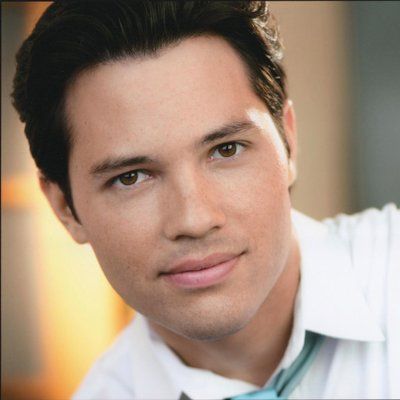
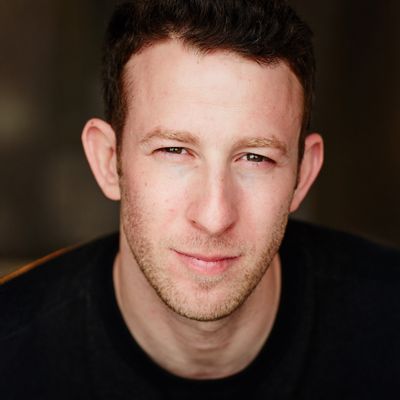
About
Joe Iconis boldly asked the internet, "What does music mean to you?" and got a beautifully sentimental response from a Long Island high school student that inspired the vulnerability expressed in It's All Good. Another track from the musical, The Black Suits, on Album it is performed by the original cast of the SPF workshop: Jason Tam, Nick Blaemire, Lance Rubin, and Jason SweetTooth Williams.
http://BPN.fm/Album to get the music.
Transcript
This transcript was automatically generated and might contain errors.
[0:00] Joe Iconis: Hi, I'm Joe Iconis.
[0:03] Jennifer Ashley Tepper: And I'm Jennifer Ashley Tepper, and you are listening to The Album Podcast on the Broadway Podcast Network.
[0:19] Joe Iconis: On today's episode, we're going to be talking about It's All Good, which is performed on album by the original cast of The Black Suits. And you'll hear about the history of the song and a whole bunch about The Black Suits, the musical, why it was written, how it was written, when it was written, and even more. In this episode, we also go into some, you know, dreams and ideas of how The Black Suits might translate to other media, including a very thrilling description of what this song would look like in the movie. I loved it. Great episode. We highly recommend. Click play.
[0:57] Joe Iconis: So this next song we're going to talk about in this episode is super special on the album because it is performed by original cast members of the musical that it's from. This song, of course, is It's All Good, which features the original SPF cast of The Black Suits, Jason Tam, Nick Blaemire, Lance Rubin, and Jason SweetTooth Williams.
[1:16] Joe Iconis: Yeah. I wrote, I wrote It's All Good when I was in grad school at NYU. And it was, it was one of the songs, it was one of the earliest songs I wrote for The Black Suits. It was before, it was before I sort of started writing The Black Suits for real. You know, like, I wrote a few songs as I was, like, gearing up to begin work on The Black Suits, as The Black Suits was the first book musical I ever wrote. And with just sort of, like, I wrote these songs with, like, vague ideas of where they might fall in the musical. And It's All Good, I used to think, was the second-to-last song in the musical. But I knew I wanted to write a song that was about, like, what music meant to these characters. And I, and this was the, so this was truly in the days of Instant Messenger.
And I put up an away message on my Instant Messenger. And I said, for, you know, for anyone out there, what does music mean to you? I literally, I literally did that. Something that I would, like, never in 10 million years do today. But I did that. And a few people wrote back to me. But the person that I remember was this guy whose name was Chris Molito. And Chris Molito was, I met when I, when I music-directed my brother's production of The Wiz at the Garden City High School. I was a senior in undergrad, and my brother was a senior in high school, and he was directing The Wiz. And so I came back and music-directed it. And that is where I kind of, like, got the idea to write The Black Suits in the first place.
Sort of being around, like, high school band kids when I was, like, four years removed from high school myself. And Chris Molito played, he played the lion in The Wiz. And so he was a high school kid. And I wrote, when I wrote the song Rock and Roll Band, which is the opening number of The Black Suits, I did it in my senior recital of undergrad at NYU. And I asked Chris Molito, an actual high school kid, to come in and sing it. So he sang that song. And so I put this away message up, and Chris Molito responded. And his response was, I don't, I don't remember the specifics, but it was in the world of, you know, music is life. Music is everything to me. Music makes everything okay. And I was so shocked at how, at how sentimental his response was, how willing he was to be, like, vulnerable and, and, and, and, and emotional with his, his, you know, use of words.
And this was, like, a kid who, I mean, Chris Molito, he was a great kid. But he, he was definitely, like, he wasn't really a theater kid. You know, like, him doing The Wiz was like, oh, man, like, did you hear, like, Chris Molito's in The Wiz? And so he was like, like a regular, like, Long Island high school kid. And it was just like, oh, my God, like, this, this music means so much to this, like, this kid who I don't perceive as being, like, a particularly, like, you know, theater-y or artsy, artsy individual. And, and it was that that made me be like, oh, I can really, I can get as sentimental as I'd care to with the song. And at the time, I was, I was kind of allergic to, to that sort of sentiment in my writing.
And I was really kind of afraid of it. You know, I was, I wasn't yet, like, as, as open-wound of a writer as I, as I turned into and continue to be. And so, you know, expressing the things that I expressed in It's All Good, which felt really personal to me, it wasn't, it wasn't easy, and was kind of like one of the first times I was writing in that way. But it really came about because an actual high school kid was very honest with his, with his feelings about music.
[6:02] Jennifer Ashley Tepper: What led to your idea that the original guys from The Black Suits would sing this track on the album? Were you looking for a moment to kind of bring some original cast, you know, original cast from your shows to the album? Or did the song come first, and then you thought, oh, this would be a great time to, like, kind of bring people back together from the SPF production?
[6:25] Joe Iconis: It was sort of, it was sort of hand-in-hand. You know, I've, I've wanted to do a cast recording of The Black Suits for years and years and years and years, and everything costs so much money. And so it will, you know, hopefully happen one day, or maybe it won't. But at a certain, you know, my, my dream, my real dream would have been for The Black Suits, you know, 2008 cast, which is Nick Blaemire, Jason Tam, Jason SweetTooth Williams, and Lance Rubin, to premiere in a, you know, in a, in a actual production off-Broadway, and then go to Broadway. That would have been the dream. And then that, that dream, you know, didn't happen. And so then it became like, oh man, it would be so amazing to just do this show at a theater with these, with these guys.
Because the SPF production was just like a workshop. You know, SPF was a festival that, that was like nymph or something. And so we only, you know, we only got like seven shows. And so I, you know, I wanted it so badly. And then came a time when it's, you know, because of the age of the characters, at a certain point, it was just kind of like, these guys can no longer play these teenage characters. And, and that's, you know, that's like a really, that's a really hard thing, I think, for, for any artist to be like, oh, these, these actors who you've developed this show with, no longer fit. But for, for me, it is like, it's like excruciating. For me, it's debilitating. For me, I am a writer who gets so connected to the actors playing the roles in my shows that the thought of like a show moving on without an actor who is who is, you know, played, played the part is it's just devastating to me.
And in many cases, I've really like, you know, stopped movement on a show because an actor, you know, was no longer able to do it for one reason or another. And so, and so sort of, you know, coming to terms with this idea of like, oh, you know, these four guys, who, in addition to being brilliant in The Black Suits are also like, some of my best friends, and also, you know, artists who I love, in general, knowing like, okay, they're never going to play those parts for real again, or ever, they're never going to get a chance to actually do a production of this musical. It's, it has always been kind of heartbreaking. And, and I've always thought, even if we do a recording of The Black Suits, these are, these guys are clearly not teenagers, you know, it's like some, there are some actors or, you know, people who have a youthfulness to their to their voice.
And, you know, think about it, like, you know, we've spoken about some of them, you know, Annie Golden, or Harrison Chad, there's some actors who just like, you know, no matter how much the age number ticks up, they're just, they always feel young. And I think that those four men feel like men, you know, like, they feel like men, they've grown. And so I, I feel like even if we did an album, they wouldn't be singing on it. And so when, when we started putting together songs for this album, it just was kind of like a no brainer to ask the four of them to record the song because it, it felt like both the reunion and like the only time they'll probably ever get to sing this material on record.
[10:00] Jennifer Ashley Tepper: Yeah, and I think you can like feel all that in the track. Definitely. It's also, you know, it's like a beautiful thing about the album and about concert life is that like, you know, it's, it's, as you said, like, overall, a lot of the original cast wouldn't be performing the material anymore. But because it's in the world of a concert, like, you know, obviously, Nick Blaemire is also singing Social Worker on the album, and he's done it in concert. And I think probably the other one is like Jason Tam sung The Answer more recently than, you know, the show happened. Like there's, there's instances where you can get it in, but it is, it's such a heartbreaking thing about all shows, but especially about shows where you're writing about young people, because, you know, with shows that are about adult characters, there's more leeway and how long someone can play those for. So it's like a particular kind of heartbreak with The Black Suits.
[10:53] Joe Iconis: So, you talked about, like, originally thinking this was the second-to-last song. Like, how did the end of The Black Suits evolve? You know, was this song always in The Black Suits? Were there songs that were, like, you know, cut from the final moments? Like, how does that fit into the story? Yeah, so, you know, The Black Suits, it has always been using the framework of this, you know, high school garage band on Long Island over the course of one summer preparing to enter the St. Anne's Battle of the Bands. And the whole show is kind of building up to their performance at the Battle of the Bands, and they lose. And that was always the idea that they were gonna, you know, that they were gonna lose.
And so, you know, they lose the Battle of the Bands, and then there's the scene that happens as they're kind of, like, walking the streets afterwards, and they're talking about their future plans, and it becomes very clear that, like, everyone is sort of going their own way, you know. One of them is a senior, one of them graduated last year. They're all kind of leaving for the summer, and it's, and it sort of, you know, dawns on them and us in the audience that there's kind of no escaping the inevitability of this family that they've created for themselves splitting up, because that's just the way life works. And so they sing It's All Good in that moment as kind of like a, you know, it's this thing they've realized, but they're also kind of, you know, literally telling each other that they love each other for the first time. They're just using their own language to do that. And so that was always the idea of this moment.
[13:08] Joe Iconis: In many early drafts of the show, up through SPF, I had the scene after that where, you know, they basically had said, you know, in the show, they talked about it before It's All Good, but that we had set up this idea that everyone's going away, and this is, like, kind of the last time that they'll be together. However, tomorrow, there's a block party on Roosevelt Street, which is the street where I grew up, and they had already agreed to play this performance at the Roosevelt Street block party. And they're kind of like, ah, it's probably stupid to do now because we lost the Battle of the Bands, and we're all going to go away anyway. And then John is like, no, let's do it. Like, why not? Let's, like, do the block party gig.
And then that kind of leads into It's All Good. And so then after It's All Good, we get this one, you know, further moment where the Black Suits are performing in all their glory at a suburban block party, and it's, like, the final public performance of the Black Suits. And I always felt like the show should end on, like, a celebratory note like that, and I always felt like the show should end with a public performance. I also, at the time, was really hot on this idea of, like, the Black Suits will join, you know, and be part of the pantheon of musicals that are about performing groups. And I specifically was like, it's like, in its own way, it's like Dreamgirls. And so I loved the idea that, right, so the song they did at the block party was a reprise of Rock and Roll Band, which is the first song in the show.
And right before the final chord, I had Chris saying, thank you and good night, which is what, I guess, Dina says at the end of Dreamgirls, like, right before their final note. And to me, it was like this, you know, great nod to Dreamgirls for some reason at the end of the Black Suits. And I really loved that idea, in theory.
[15:27] Joe Iconis: And then, as soon as I got hooked up with John Simpkins directing it, John Simpkins was really like, you know, the end of this show is, it's all good. Like, it's, that's just what, that's just what it is. That's what, you know, that's the end of the story, and it's such a moving song and a moving moment. I think that we should end it there. And at SPF, I was so, like, I was so hung up on this idea of it ending in a, in a more like, you know, rock and roll way that I just couldn't, I just couldn't let that be. And so at SPF, I compromised and allowed the rock and roll band, Reprise, to also function as the bows. And what I, what I wrote was, the character of Megan, I think, got on a microphone and introduced everyone.
So when people came out for their bows, they got their, their, you know, their name said, however, the character names was said. Because I loved this idea of, like, the, you know, there was, there was no line between, like, the human being and the character. And so you were actually, like, you know, applauding, like, not for Nick Blaemire, but it was like, and Chris Thurzer, and John Amoroso. And so we had that in the show there. And then by the time we got to Barrington stage, I had, I had agreed to see what happens if we just ended the show with, with It's All Good, which was John Simpkins idea. And you know, he was right. He was totally right. And it's like, it ends the show on like a very sort of sweet way.
And I think it's definitely the right move for what the show is. Although I will say that I've always, I've always wanted to do a show where the characters names are announced, as opposed to the actors names at the end of the show. And then fucking N Juliet did it. And so now I can't now I can't do that anymore. But it was mine for 13 years. And has now been stolen by N Juliet, who the creators of which absolutely have never seen or heard of the Black Suits. So it was not a steal. It was not a literal steal. It was just like, the idea was just there waiting to be taken. And I unfortunately, never had the opportunity to use it in a high profile way.
[18:05] Jennifer Ashley Tepper: I am so glad that you shared all of that. I never knew that Dreamgirls, you know, reference that almost made it into The Black Suits. So yeah, what a fun discovery for all of us.
[18:16] Joe Iconis: Yeah, the other thing I forgot if we talked about this, but I also was obsessed with blue hair, being like the new, I'm gonna wash that man right out of my hair, and having like the hook of it be like, she actually dyes her hair blue on stage every night. Literally thought that without realizing what dyeing your hair entailed. Like I literally like, as I was thinking about it, thought it was like the same as like washing your hair. It's like, Oh, yeah, I don't know, you put some of that shit in your hair, and then it's like turns blue.
[18:50] Jennifer Ashley Tepper: Yes, that would have been a very unfortunate requirement for whoever was playing that role whose hair would have inevitably, you know, suffered from it. You were so young when you were writing The Black Suits. So who knows anything about, you know, so many things hair dye included.
[19:06] Joe Iconis: I was a child. I didn't know things about women and hair and dye and all of that. I just knew, you know, I just knew classic musical theater. That's it.
[19:17] Jennifer Ashley Tepper: In the eventual someday, you know, screen adaptation of The Black Suits, I feel like we could literally see her dying and we could also see that the way you described the like block party, you know, final moment feels very cinematic. You know, I think that the way The Black Suits ends on stage now is perfect and shout out to director John Simpkins, but it feels like potentially like the ending you originally conceived would be the film ending.
[19:38] Joe Iconis: I think so. Yeah, I mean, it feels like it feels like what plays underneath the closing credits, you know, it's like, that's what the that's what the idea is. Although I will say like, when I've thought about It's All Good on in the movie version, they would be singing It's All Good. And the camera would like, would would, you know, like rise up. And we'd see this like aerial shot of them and the camera would keep rising. And then we would just see all of these groups of like four teenagers like all over the place, like in every every town and then it would just keep going. And we'd see these groups like on the on the earth, you know, like the earth would just be, you know, nothing but speckles of like four groups of teenagers all over the place.
[20:36] Jennifer Ashley Tepper: That's beautiful. I love that finding each other through music. And that makes total sense.
[20:40] Joe Iconis: Yeah, it's all good.
[20:50] Joe Iconis: Hey, thanks so much for listening or watching to my podcast. Do me a favor and go to wherever you just listen to or watch this thing and subscribe or like or give us a great rating or review and then head to bpn.fm slash album to find out even more information about this podcast. More ways to watch more ways to listen and check out my album Album. Thanks so much for hanging out.
[21:09] Joe Iconis: Album podcast is executive produced by Liz Armstrong, produced by Dori Berenstain, Alan Seals, Kim Garris and the rest of the team at the Broadway Podcast Network. Be sure to visit bpn.fm slash album for both audio and video versions of this podcast and to listen to Album.
© Broadway Podcast Network, All Rights Reserved