
This week’s episode is truly a special one. My dear friend Alexandria joined us to chat about the advantages of being an artist on LinkedIn and why the Entertainment Industry should be part of this platform... Read More
From the show: Backstage Talk
Featured Shows
About
This week’s episode is truly a special one. My dear friend Alexandria joined us to chat about the advantages of being an artist on LinkedIn and why the Entertainment Industry should be part of this platform.
Alexandria has worked as a Career Development Expert and Counselor and she walked us through her perspective of the Arts on a so-called corporate networking platform. Remember to follow #TheCreativeLife if you’re on this platform!
Want to know more about Alex and her work? Click here: https://www.linkedin.com/in/alexandriabellivan
Leave a comment and a rate in Apple Podcasts! I’ll appreciate it!
Big shout-out and thanks to Juan Hernández and Andrea Martínez for our wonderful intro and outro music!
Transcript
This transcript was automatically generated and might contain errors.
[0:00] Martín Acuña: Hi, everyone. I am Martín Acuña, and you are listening to Backstage Talk.
[0:20] Martín Acuña: I am thrilled to have here one of the most special guests I've had the chance to interview. Um, here with me, it's Alexandria Bellivan. So, hey, Alex, how are you?
[0:36] Alexandria Bellivan: Hi, I'm so good and excited to be here with you.
[0:40] Martín Acuña: I am absolutely thrilled about this. Um, I'll let you introduce yourself.
[0:48] Alexandria Bellivan: Oh, yeah, sure. Hi, everyone. My name is Alexandria Bellivan, and I am a career development specialist specifically for entertainment professionals and performing artists. I have degrees in sociology and nonprofit management, and I've been working in advocacy for most of my career. It's only been the last five years that I've actually started working with the entertainment community. The first five years of my career was working with underprivileged youth in areas of Brooklyn, such as Bed-Stuy and Bushwick. And yeah, I've been working with underrepresented populations ever since I graduated college. And the work that I've been doing for the past five years with entertainment professionals, though, has been the most rewarding.
[1:45] Martín Acuña: All right, so I got to you thanks to LinkedIn. And that was back in August. That was a couple months ago. Um, and I remember seeing a lot of your posts, and I got to a moment of when I said I need to connect with this lady because she what she posts and what she writes about the entertainment community is something I am aligned with. You've always been linked to theater, right? The entertainment industry.
[2:14] Alexandria Bellivan: Yeah, yeah. Actually, growing up, I would always go to the theater. My parents would always bring me to Broadway shows. I did a lot of theater in college. I did some theater after college. I definitely just dove into the full time nine to five, though, after after college. But when I was working with the youth, I did create partnerships with certain organizations that would offer free or very low cost tickets to Broadway shows. And I would take the kids to their first Broadway shows. So I've always been connected to the theater. And when I was ready to make a change after working with the youth for about five years, I decided that I wanted to try and do something new and work with a new population.
And funny enough, when I was networking, one of my mentors did have a connection at the Actors Fund, and it was just a really great, really great timing because they had an employment specialist position at the time. So because I was always working in workforce development, I made so much sense because literally the role was specifically to help entertainment professionals find this balance between pursuing their creative endeavors and also needing to make money on the side if they weren't making enough off of their creative work. So, yes, I have always been connected to the theater. And that's why this has been so special for me working at the Actors Fund the last couple of years.
[4:00] Martín Acuña: That's amazing. I love that you've been such an advocate for LinkedIn as a professional platform to open the doors for the entertainment community. And I've loved that you constantly ask LinkedIn to keep opening those opportunities on the profile settings, on the platform settings, to add entertainment professionals. And my main question for you is, why should artists be on LinkedIn?
[4:32] Alexandria Bellivan: Oh, yeah, this is the one that I get all the time. You know, I think it's really important to remember that, you know, not every social media platform is for everyone, as you know, because you do a lot of social media management. But the point is that it is a great platform, especially right now for networking. And it's just a different space. I think that's the one thing that it has an advantage to, right? We're all so used to using Facebook and Instagram. I mean, I'm not anymore. I don't use those platforms anymore. But I think that it's a really nice change for entertainment professionals right now because a lot and I understand why a lot of people don't use it because they believe that it's not for the arts and that there isn't a creative community on it.
And historically speaking, that was very true. But within the most recent years, that's changed a lot. And especially within the last five months, that's changed a lot. So I think that it's really important for listeners to know that there is now a creative community on there that we've built together that you're a part of, too. And you can just go on there and follow hashtag the creative life. And you can see all of these posts by really intelligent and really, really experienced entertainment professionals that have worked on amazing projects, amazing shows. And they're writing on the LinkedIn news feed in a different way than they would write on any other platform because it is a professional network.
So we have to keep our content professional. But the advantage to that is I'm seeing now a lot of artists are actually writing advice about being in the arts. So I actually think that it's starting to turn into a really great place for young artists to go on to if they want to find more experienced artists and learn from them. And the other thing, too, is, you know, it's a great way to start bridging this gap between the non-entertainment industry and the entertainment industry. We're learning this new way of communicating with each other. I've always said that the entertainment industry is treated as if it's in a completely different universe versus all the other industries that exist, like sales, marketing, nonprofit, whatever, right?
It's always treated like it's in this completely different universe as if you're not allowed to transfer your skills from entertainment over to the non-entertainment industry. And I just always thought that was ridiculous because everybody always comes to me, all my artists always come to me and say, how do I close this gap? Because I was working on a show all of these years. So how do I close that? It's like, well, if that's what you were doing, then that's what we have, right? So there's this other issue in terms of the training that most performing artists and entertainment professionals receive when they are going through education. They're not really encouraged or taught to create a civilian resume out of their entertainment resume.
They're not taught how to show their impact, right? They're just taught this is what you do, right? This is your job and these are the duties of your job. But it's always been this real issue of being able to share with non-entertainment industry professionals what it is that you actually do. So because it's been such a problem for so long, we're just all starting to learn, OK, how do we communicate with each other? How do we make ourselves legible to non-entertainment industry folks? So that's something that's also, I think, a benefit to it. If that's something that you're passionate about, I would say that you should jump on the platform and start writing with the rest of us.
[8:43] Alexandria Bellivan: And I love it because as a performing artist myself, I had my second bachelor and I learned to communicate and use other type of skills to communicate my artistic profile. But I've had a lot of friends that they're either actors or dancers and they just do that. And they have a lot of conflict with themselves when they have to write their resume, they have to write an artist statement, they have to write an essay because they're not used to writing constantly and having that challenge like on a daily basis. And that is something I really enjoyed about the challenge you've been doing for, I don't know how much time, it's been years, right?
[9:37] Alexandria Bellivan: Yeah, I've been doing, I have this challenge that I do on LinkedIn. I have been facilitating a LinkedIn challenge where my clients come together in a group, I give them daily activities and they also have to post content every day. And so I've been doing it for a couple, about two years now. And I obviously needed to modify it due to the pandemic because it used to be that people would check in in person with me. They would come back to the office and we'd check in and we'd see how everybody was doing. And I mean, in hindsight, now that I'm thinking about it, that was just so silly too, because it is all virtual. So I think even after this is all over and things are safe again, it's just going to stay the way that it is and be completely virtual.
And because it's been virtual, I actually think it's been easier for people to engage because it's just all from home. And so it's been really rewarding the last five months since I've modified the program. We've had about 150 artists go through the program and that's why I say, if you use hashtag the creative life, you'll see all those people on there because we do use that hashtag together. And it's great because this way it's just easy to share with newbies. Cause that's also another problem is that when people start using LinkedIn, they just don't know where to start. They're like, where, what do I even do on this platform other than just tweak my profile and search for positions, right?
Because there is this whole networking aspect to it. And I think that that's another thing that a lot of people forget is that LinkedIn is one great, big networking mixer that never ends with a database attached to it, you know? So that's the other thing that's a benefit to it. It's so many people are trying to pivot right now. So many people are trying to understand where else their skill sets could be valuable. And you might have other industries that interest you and you can easily find those people on the platform and say, Hey, I'd just like to have some advice from you. So that's another thing that I think.
[11:44] Alexandria Bellivan: What is really special about the challenge is encouraging people to put themselves out there a little bit more, and they also get this perspective from a career coach myself that has, you know, my finger on the pulse in terms of what the recruitment world looks like. So they also have me during the challenge that kind of asks these questions because it is different. The non-entertainment industry recruitment world works very differently than the entertainment industry recruitment world. When I did the challenge in September, yeah, it was September, I was amazed because being abroad from the States and being so far away from the industry I want to be part of, meeting a lot of people that have been inside the industry, it was mind-blowing.
Starting to share my own journey and my own experience as a Latin American artist with people in the States, it just opened up my eyes and my mind to a lot of new things. I think that is one of the best advantages of not only the challenge but the platform that it lets you connect and really engage with a lot of people, and that doesn't usually happen in other social media platforms. I actively do it; I actively reach out to people and try to engage with them on Facebook or on LinkedIn or on Instagram, but LinkedIn is way easier because everyone knows that we will have like this professional interaction and this professional engagement that you will end up connecting and trying to impulse the other person's profile, the other person's experience, and the other person's skills.
[14:00] Martín Acuña: Tell me more about the underground community that you've created with the hashtag Creative Life.
[14:07] Alexandria Bellivan: Yes, I was so excited. I actually did an informational interview with this lovely young woman that isn't in the entertainment industry at all. She's just an advocate for it. She works in the corporate world, and she described it as the underground community. For those that aren't familiar, LinkedIn works the same way as Twitter does in some aspects. If you're following someone and that person is engaging with someone else's content that you don't know, you're still going to see it on your feed. You don't only see the content of those that you're following or the content of your first-degree connections. You're also seeing what your first-degree connections and what the connections that you're following are also engaging with.
That's the first thing, is that you are exposed to more than just the people that you're connected with on LinkedIn. Because of that, it creates this snowball effect in terms of every time we have a new challenge, we have a new set of 30 people that are going through it. We have a new set of 30 people that are writing content consistently every day for 15 days. The other great thing about it is that when the challenge is over, most of my clients don't just disappear. They actually stay on the platform because they've been conditioned for 15 days to use it. A lot of them actually prefer it over the other platforms. They end up preferring it over their other platforms that they use. Between the first time that we offered the challenge and now, obviously, there's a huge difference.
The first group, they were the pioneers of this. They were the guinea pigs. They were all by themselves. We were only engaging with each other. Of course, I was helping because I was boosting their posts because I have so many followers. But now that we're five cycles into this, it's just turned into this huge community.
[16:17] Alexandria Bellivan: The one thing that's really special about it is that I am very clear about the fact that you have to be open to new connections. Every group that I facilitate is taught the same thing. I think that's the other thing, too, is that the challenge is very tough. You know, you're nodding your head. It's tough. Because you've all gone through this rigorous 15-day process, and you see, oh, they went through Alex's challenge. I have to say hello, right? It's like you have something in common, even though you've never met in person before, which has been the most beautiful thing, is just giving people something to do that they all have in common and then being able to collaborate with each other. That's the other thing.
Because people are collaborating and they're meeting each other through the challenge and the creative life, because they've been encouraged by me to remember it's okay for you to reach out to people that you don't know. Also, if a former challenger reaches out to you, you should be open to them, right? So it kind of created this expectation of this is an open community. We're all honest with each other. Please feel free to kind of touch base or open a conversation up because that's okay to do that, right? The other thing that I also think has been amazing is, you know, naturally, if you are working on things together, if you end up working on things together, you're going to post about it and you're going to tag each other, right?
And so other people see that. So, for example, I've had so many clients that have helped each other so far with certain opportunities. I mean, for example, you were able to get a connection with Theatre Art Life to write an article, right? Because of one of my former challengers who volunteers for Theatre Art Life, right? So if you go off and you post about that and you tag Shelly in that post, right, other people are seeing, oh, wow, this community is more than just a LinkedIn feed community. They're actually helping each other connect to opportunities. So it's all very encouraging. And I think that it just also helps that I do have to do a lot of pushing in the beginning with each challenger group and say, it's OK for you to put yourself out there.
It's OK for you to share more than what you would normally share, because otherwise, how are people going to feel connected to you? How are people going to resonate with you? So I think that's the other thing. People are actually quite apprehensive in the beginning to share. They usually ask, how am I good enough to share content? And so all of my challengers, if you think about it, 150 people have pushed past that barrier. And that just turns into a whole wealth of information and content and connections. So yeah, it's interesting. When you find us, it's fun. I think that's the last thing that I'll say about this is that when you do find it, and it's easy to find, again, just to search for the creative life, it's so fun.
I mean, you see every single post has comments on it. And it's not just like silly comments. It's not just like, thanks for sharing comments. It's really thoughtful comments. And you're seeing relationships being built. And then you just kind of have this whole new colorful news feed that's really, really interesting. So yeah, that's the other thing. It's just fun, too.
[19:59] Martín Acuña: Now that you mention it, shout out to Shelly Cohen. Thank you for getting me a gig with Theatre Art Life. And thank you, Alex, for helping me meet this amazing community, because it's been so helpful for me to reorganize and strategize how I am going to get where I want to get. You mentioned that one of the first things you tell challengers is to share a little bit more than you usually do. That is something that's been on my mind constantly and throughout my challenge and this cohort. And it's vulnerability and LinkedIn. It's something that can go so deep, but we restrict ourselves because we think LinkedIn has to be this professional network and I have to show myself strong every single time. What are your thoughts about vulnerability and LinkedIn?
[21:08] Alexandria Bellivan: Yeah, it's an interesting question because you're right. The assumption is that you're not allowed to be vulnerable on LinkedIn. You're not allowed to share personal information on LinkedIn. And it's actually quite the opposite. A lot of people, especially now, a lot of people do tend to be public about what's going on in their lives. You do see people sharing information about deaths in their family that they've experienced or hardships of any kind that they've experienced. Especially now, you're seeing people that are posting about their layoffs, right? And how else are you supposed to communicate with the world that you need help other than being transparent about it, right? If you're always coming off as there's nothing that I need and everything is fine, then no one is going to come to bat for you, right?
So, of course, though, there's a way of doing it. There's a way of writing your vulnerabilities on LinkedIn. You have to remember that there are always employers that are watching. You're on an employment site, so you do have to be mindful of how you're sharing this information. You want to make sure that you're being clear about what your intentions are. I'm sharing this information because I would like some advice in specific areas. Or I'm sharing this information to just make my following aware that I'm going to be off of the platform for a little bit, right? Or I'm sharing this information because I would like to be introduced to specific people. And in fact, one of my current challengers, she wrote two posts.
And one was about her frustrations with the job search. That was one. And then the great thing about that was a couple days later, she wrote another post saying that after she wrote that first post, she received a couple messages from connections saying, I'd like to help with what's going on, right? So, no one is going to judge you for sharing personal, vulnerable information. Just remember to keep the information that you're sharing clean and professional in some respects, because it's a different type of content creating versus.
[23:28] Alexandria Bellivan: Instagram and Facebook, right? Instagram and Facebook, it's really more about just informing your community that you've built on there. Like, this is what's going on in my life. But on LinkedIn, there's like this expectation that there needs to be some type of takeaway, there needs to be some type of initiative behind each post, even if it's just, even if the takeaway is just, I'd like to get some advice, right? So yeah, vulnerability is totally fair on LinkedIn. You just want to remember that there's always a potential employer or a potential client that is going to want to hire you in the future. So you just want to be mindful of how you share that information, but totally safe. I've done it before.
It's all good. And what I've found is that LinkedIn is a really nice space and free space for you to write whatever the hell you want, keeping it with a margin of professionality. And if you have your things clear, you can write about whatever you want. I mean, a couple of weeks ago, you wrote about the use you do with tarot. So it's just amazing. I've wrote a post about my love for Harry Potter. I mean, it's just a space for you to explore and write whatever you want. Yeah. And the other thing too is, is that who knows, you might find a connection that also loves Harry Potter. Or I was actually quite surprised by that tarot post. I have so many people that commented on that tarot post. And again, and I call this code switching.
The way that I would post a tarot post on Instagram is far different than the way that I would post a tarot post on LinkedIn. And on LinkedIn, I did make it career specific. This is how I use my tarot for my career. And I kind of also turned it into a coaching moment because I was like, maybe there are people on LinkedIn that do read tarot cards. It's like, of course there are, there's 700 million people on the platform. Of course, there's like about to be a couple thousand that read tarot cards or at least own them. Right. And so I did turn it into a coaching moment and talked about how I use them, how I frame my questions and the amount of people that commented and were so grateful for my perspective on how I use my tarot was actually amazing.
I was very happy that I was able to provide that to them. So again, you know, just like you're saying, just sharing some personal things, but with some type of takeaway, like, what are you trying to share? What do you want people to take away from this post? Do you want to turn it into a learning moment? So yeah, that's, that's absolutely the other thing. So that's the thing is sharing your personal stories only helps with the networking process because it sparks joy in other people. And that's how you make those new connections because people are always wondering, you know, how, how do I network? How do I, how do I convince somebody to talk to me? And people forget that it's like, well, networking is like making professional friends.
Right. Cause the point behind networking is what, so that you can be referred to other opportunities or refer to other people. The thing is people are only going to refer you to other people or to opportunities if they like you. Right. And the way that that likeability starts is by having those things in common. Totally. Let's dive a bit into content creation because we're moving on into that scenario. What is your creative process?
[27:22] Alexandria Bellivan: Oh, you know, it's so funny. Um, I am a Sagittarius. So happy, happy season, by the way. I'm so happy. That's why I feel so excited. Right. Cause my season just started. Um, but I am so like my sun sign in terms of, you know, needing to create when the spirit moves me or when I feel that excitement, however, I am consistent every day. You know, there has to be some type of consistency. If you are looking to use the platform to kind of experience any type of outcome, whether it be getting more podcast interviews or finding or getting yourself some job interviews or whatever, you do have to be consistent about your content and your engagement. So my creative process is definitely that I spend at least an hour each day reflecting.
I mean, in that hour, we're back. We'll vary. I've been a little bit more consistent lately. In terms of, I choose the same hour each day, which is usually early in the morning or late at night. The kind of my environment needs to be still. And that usually only happens early in the morning or late at night. So I need my environment to be still. I do need to give myself an hour to reflect on what do I want to post today and kind of spend about an hour writing in my notes app or word or something. That's the other thing. I definitely encourage people to not write in the app, their first draft, because I, for me, at least that adds another layer of pressure because I feel like it's so final if I'm on the app itself and I don't feel like, and also I'm just like deathly afraid of posting, like publishing it before I'm ready.
I don't know why it's just like, so it's just like takes off that added pressure, but then there's other people that are totally different. There are other people like that post really great content and they will literally create all of their posts all in one day. Like I have a, I have a colleague on LinkedIn. His name is Max Chan and he's really, really great on LinkedIn. Highly recommend following him for job search tips. And I saw him write a post the other day and he was saying he literally comes up with all of his, all of his posts in one day for the week. And then he just is able to post easily all week. I can't work that way. It's just not the way that I can do so. So, I mean, like that, that brings up a really good point that everyone is different.
Some people use fancier apps. Like a lot of my challengers like to use notion as a way to keep track of all of their ideas or Trello. You know, I'm not like that. I'm just more like, I just need my phone and my notes app and I just need to write. And which is another thing is you're not always going to be in the position to write when you come up with a really good idea. Right. I mean, I'm a, I'm a big believer and advocate for the chaos theory, which I definitely encourage people to read about, but it's kind of like, you know, following your life with uncertainty, being open to uncertainty. And the thing about me and trying to write things too far in advance is because something can happen, happen tomorrow that could totally, totally interfere with the plans that I had about writing.
So I tend to, I make the intention to write every single day, but in terms of what I write about, it definitely depends. But again, everybody is a little different and I encourage people to explore their own style, which is the other thing. I definitely am very, very rigid about formatting, as you know. I like, you know, that's the other reason why it takes so long is because look, if you're going to put the time into writing something, you might as well, you make sure that it looks beautiful. I mean, look at it. Is it something that you would read? And I'm kind of amazed at the amount of people that write really large blocks of text without any spaces in between, which without any color in terms of like emojis, which by the way, yes, emojis are fine on LinkedIn.
Everyone uses them. I mean, like the top career influencers use them, but you know, so we all use them to add some color to our posts, right? But that's the thing. It's not just about what you're writing. You also have to make it readable to your audience. So that's another thing as well as playing around with your formatting is another thing too, which I've spent, I've been using, I've been on this platform for years, right? I mean, using it for years. So it's taken me about, you know, almost five years to get to the point where I'm at in terms of comfort and my process. So it takes a while to get there. I'm not going to say it's going to take you five years, but you know, practice. Yeah. If you're consistent enough for, for six months at least, you'll get there and you'll, you'll see results for sure.
[33:08] Alexandria Bellivan: Three tips for that kind of formatting, because I know them use emojis is the first one. Yeah. Proofreading because that is my pet peeve. I see a typo and it basically kills me. And one last one. Oh yeah. You know, my favorite one is that if you're using a list, if you're listing anything, because a lot of people do that, they'll do like tip lists. Please list your text from shortest text to longest text. I know you knew that I was going to say that is it drives me crazy because it's so hard to read. And then you have words everywhere. I scroll right past it because it's just, it's just a headache. They're not, they're totally unreadable. So that's my main thing is that it's, there's a design aspect to it, right? You have to, you have to make it a fun experience for people. So that's my main tip is that if you're going to use emojis and you're going to use a list, make sure that it's from shortest to longest text.
[34:22] Alexandria Bellivan: You've had clients from, this is, this is a supposition. You've had clients from every type of industry, right?
[34:31] Alexandria Bellivan: Yeah. In the entertainment industry, all different disciplines. Yes. And outside the entertainment industry. Oh yeah. Yes. I've also, I also do private work as well. I mean, I just had a client in the political realm. I have a lot of clients in the nonprofit realm. So yeah, I work with all different types of industries. It's not just the entertainment industry. I am, I am a career coach for anyone that needs it. But I, but my main focus nine to five and even beyond that has been the entertainment industry.
[35:12] Alexandria Bellivan: And where do you want to go next? Do you want to stay in the entertainment industry, or would you like to pivot and transfer to another realm?
[35:42] Alexandria Bellivan: I'm speaking for their alumni and doing kind of like something similar to what I do at the Actors Fund. I'm going to be providing them with a seminar about how to pivot during this time, or how to stay creative during this time, or how to stay busy during this time. And so I'm very excited about that. So yeah, no, I am very excited about staying in the entertainment industry and just kind of continuing to cultivate that, this, you know, this experience.
[36:13] Martín Acuña: Can you tell us more about Juilliard and the gig you got? Or it's like top secret for at the moment?
[36:21] Alexandria Bellivan: No, it's okay. I mean, you know, it's, I have, this is why networking is so important again, right? Because the more you put yourself out there and the more you remind your world about what it is that you do and what you want, people will look out for you. So I have a colleague that is an alumni of Juilliard and she's been staying in contact with them and she's been doing a couple projects for them. And they had mentioned to her that they wanted to do kind of some type of series, speaker series for their alumni to kind of help them cope and manage during this time. And she thought of me, so she made the connection. And so, yeah, I am scheduled to do a gig with them in January. I'm very excited about them.
It's not the first time I've done a couple of Juilliard gigs before, and it's always so rewarding. Those performers are amazing. I mean, even the energy and the power that you feel with those performers when they come into the room is amazing. It's truly, truly a treat. I would love to do more of those. Yeah, I would love to see myself do more speaking gigs for higher education, for sure.
[37:37] Alexandria Bellivan: I mean, because that's where I feel like most of the issues that a lot of entertainment industry professionals experience start with. And not that it's anyone's fault. It's just the way that the industry has always been. However, as we continue, as the years go on, we have become so much more connected to career in terms of identity. So it's really interesting because we're seeing more and more that performers don't really want to work in a restaurant or babysit. Or not that there's anything wrong with those traditional jobs that performers normally take. There's nothing wrong with them because I have some clients that I have a client who loves being a barista. I mean, he would say to me, if I don't make it into acting, I want to be a barista or own my own coffee shop.
So it really depends on the person. But the point is that they want more options. They want more options. They want to feel more connected to the way that they're making money. And there's nothing wrong with that. And so I do believe that there needs to be more effort in higher education in these performing arts programs in terms of learning or being informed about. You know, you're going to have to balance your time because that's the main challenge that I have always have been coaching my clients through is how do I split my energy between a creative career and a sideline career? Should I be pulling focus away from my creative career to have a more fulfilling sideline career? What does that say about me, about being an artist?
Am I not taking it seriously enough? Will my colleagues in the industry not take it seriously enough? And I think that that's another thing is that people care far too much about what others think. And it's just there are some people that will have no there's nothing that affects them about working as a waiter and auditioning at the same time doesn't affect them at all. And then there's other people that it does affect them. And it's like, look, if it affects you that you're waiting tables and that's pulling your focus away because you're so miserable, then it's time to do something else. Right.
[40:27] Alexandria Bellivan: So I think that's another thing that's really important. I mean, I would probably if I taught a class in higher ed and performing arts, that's the first thing I would say. I would say, don't worry about what others think. That's the first thing that I would say. But yeah, that's so I'm very excited to be doing this with Juilliard at such a large scale. And I hope to I hope to do more of it in the future for sure.
[40:54] Martín Acuña: Let's connect with a lot of people in higher ed so you can land some other gigs.
[41:02] Alexandria Bellivan: Yes.
[41:03] Martín Acuña: Alex, thank you so much. The last question I have for you is top five favorite musical theater shows. Go.
[41:15] Alexandria Bellivan: Oh, my gosh. Top five. No. OK. It was so good. I was obsessed, obsessed with The Band's Visit. Love, love, love that show. Also, how to succeed in business without really trying. That was so good, especially because I saw it with Daniel Radcliffe.
[41:36] Martín Acuña: I was thinking that. Please tell us, because I already know that. But please tell us the crazy thing you did with Daniel.
[41:45] Alexandria Bellivan: This is actually what I saw him in Cripple of an Inishman. And I love that show, too. I didn't get to see him. I didn't get to meet him after how to succeed in business because such a big show. But Cripple of an Inishman was a smaller show, smaller theater. So I was able to get to the stage door. But there was like there was like a crowd, a small crowd of people in front of me. And I was like, I have to see Daniel. There's no way that I can't say hi to this man. I love him. And so I sacrificed my phone and I literally threw it at him. I cannot believe that I'm admitting this. Up until now, Daniel just probably thinks that I really dropped my phone because I pretended I dropped my phone. And so he let me through so that I could get my phone.
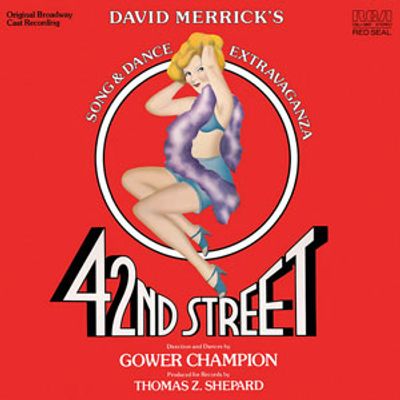
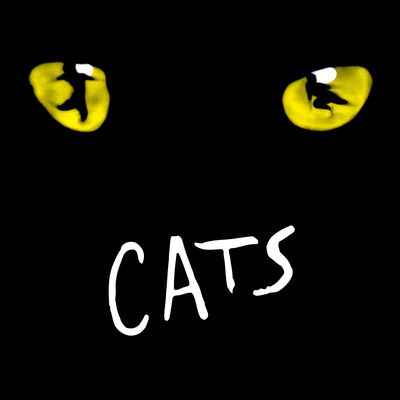
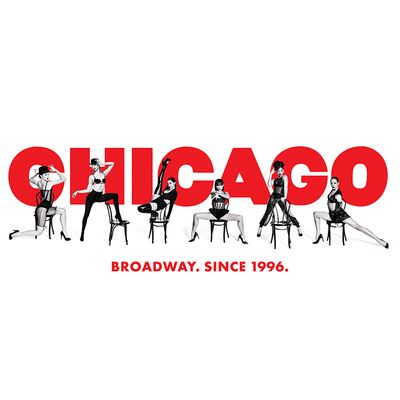
And it was the best because I got to touch him. I got to like say like said hello to me. I was just I mean, I know I sound so nerdy, but I love I love him. I've seen him in so many shows. And the only one that I did not see him in was Equus. And I still regret that to this day that I did not push my mother hard enough to take me. But yeah, that was so great. So that's those are my definitely top two. 42nd Street was also a third one. That was one of the shows that I saw when I was really young. Also, Cats was my number one show. I would say it's my favorite, but I will say that it deserves to be in the top five because it because it was the very first show that my parents ever took me to. And the last show I would definitely say is Chicago.
I mean, I know that's a little cliche, but I love the show. I love the movie. I really, really enjoyed the show when I went to go see it. So and who can't? I mean, it's one of the longest running shows on Broadway.
[43:40] Alexandria Bellivan: So I actually saw I read an article about this one dancer that, you know, he said he was just cast in Chicago and he felt so set for life and which that's how you feel when you get a gig in a show like Chicago. Right. And then the pandemic hits and, you know, now he's in this situation where he never thought that he would be in. And I know that sounds like such a dark note to end on. And I apologize for that. But, you know, it's it's really important for us all. Remember that there is a lot going on right now. And we really don't know what we don't really don't know where the end is in terms of when the industry is going to recover. So we all have to kind of just do what's best for ourselves, what's safe for ourselves.
And that's kind of a message that I really, really wanted to put out there that if you are creative right now and you're in the situation that you didn't think that you would be in, just like so many other thousands, millions of people, you know, reach out, connect with each other, support each other and do what you need to do, whether that means getting yourself a customer service gig role for now, if you need to pay the bills. Right. Or I've seen a lot of artists needing to move back home and things like that. And so it's just important to stay safe. There's nothing wrong with making those decisions right now. And you can keep on being creative on your own. I have so many friends that are still being creative.
So many colleagues. I have one client. So sweet. Him and his wife have been doing like duets together on YouTube, like ever since the pandemic started. I have a friend that wrote a murder mystery on Zoom. And none of these people are getting paid for any of this, but at least they're still being creative during this time. So you can still be creative, but also be responsible and kind of pursue what you think is best for you right now.
[45:41] Martín Acuña: This has been one of my favorite interviews. Thank you so much, Alex, for this, for your insights, your knowledge. Everyone that will listen to this episode, you need to go to LinkedIn and do two things. One, follow the hashtag The Creative Life. And two, connect with Alex. Her posts and everything she does on the platform is top notch content. So thank you so much, Alex. I know we'll keep in touch and keep seeing each other a lot. So thank you for being here.
[46:23] Alexandria Bellivan: Thank you. This is so exciting. I hope that everybody and your listeners really get a lot out of it. Thank you so much, Martin. I appreciate it.
[46:32] Martín Acuña: See you.
[46:34] Alexandria Bellivan: Bye.
[46:41] Martín Acuña: Thanks, everyone, for listening to this new episode of Backstage Talk. Remember to follow us on Facebook and Instagram at Backstage Talk Podcast.
© Broadway Podcast Network, All Rights Reserved