

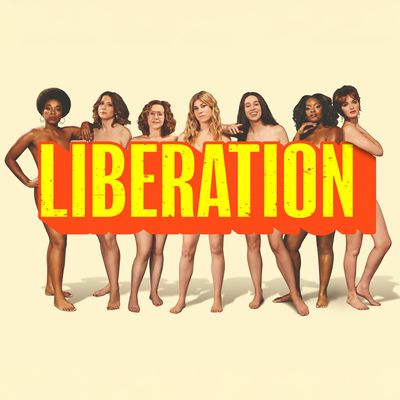
Actress Irene Sofia Lucio joins Behind the Awards to talk about playing Isidora in Bess Wohl’s Liberation. Irene discusses auditioning for the role backstage at Slave Play on The West End. She also shares how this play feels like a love letter to her mother and her unique perspective as a new mother... Read More
From the show: Behind the Awards with Eila Mell & Bruce Gotlieb
Guests

Featured Shows
About
Actress Irene Sofia Lucio joins Behind the Awards to talk about playing Isidora in Bess Wohl’s Liberation. Irene discusses auditioning for the role backstage at Slave Play on The West End. She also shares how this play feels like a love letter to her mother and her unique perspective as a new mother. Irene of course uncovers what performing nude on a Broadway stage feels like and how it has impacted her on a deeper level.
Also in this episode - Jodie Comer’s Olivier win for Prima Facie. The Documentary If You Tell Anyone.
Irene Sofia Lucio is an actress, writer and producer. Lucio is known for her role as Patricia in the Broadway production of Slave Play, in which she also appeared off Broadway. She also appeared in Liberation's Off-Broadway world premiere, winning Drama Desk and New York Drama Critic's Circle Awards for Outstanding Ensemble alongside her fellow cast members.
Other stage credits included Wit on Broadway and Off-Broadway productions such as Love & Information at New York Theatre Workshop, King Liz at Second Stage Theater, and Romeo y Julieta at The Public Theater. She has appeared on TV shows like The Americans, Bartlett, Madam Secretary, Gossip Girl, and Casi Casi, and she co-created the web series BUTS, which won an NBCU Short Film Festival Award and earned an Imagen Award nomination.
She is in pre-production of an animated series and developing several TV shows. A member of the Actor’s Center, she graduated from Princeton University and the Yale School of Drama. She is originally from San Juan, PR.
Make sure to check out Eila's book, "The Tony Awards", and all her other amazing books: https://amzn.to/43WMu5Y.
Connect with Eila and Bruce:
- Instagram @behind_the_awards
- Eila @eilamell
- Bruce @cominghomewithbruce
Transcript
This transcript was automatically generated and might contain errors.
[0:00] Irene Sofia Lucio: Hi, this is Irene Sofia Lucio and you're listening to Behind The Awards.
[0:05] Irene Sofia Lucio: Another thing I would like to say is to any kids who haven't been to drama school, who can't afford to go to drama school, who've been rejected from drama school, don't let anybody tell you that it isn't possible. You know, it might take the stars to align and for you to be met with such generous and kind and patient and nurturing people, but it is possible.
[0:30] Eila Mell: I'm Eila, as always, I am here with Bruce. How are we doing this morning? We're good.
[0:46] Bruce Gotlieb: Always good when I'm talking to you. Of course, in theatre that we love, you know, so. So much.
[0:53] Eila Mell: So that was Jodie Comer accepting an Olivier. As one does.
[1:03] Bruce Gotlieb: So that was for Prima Facie, is that how you say it?
[1:10] Eila Mell: That's how I say it. Whether it's right or wrong, I mean, listen, I welcome the playwright to please let us know. It's a legal term.
[1:19] Bruce Gotlieb: That's right. So I didn't see that. I missed that one. Did you get to see it?
[1:24] Eila Mell: I didn't see it either. I heard from people, friends of mine that did that she was just extraordinary. Yeah. Which I guess you would expect from her, her resume and from what she's done.
[1:38] Bruce Gotlieb: So I have trouble with a one-person show, no matter who the person is. I don't know. I like a variety of people. But, you know, that's not to say that I didn't enjoy Sarah Snook in Picture of Dorian Gray.
[1:49] Eila Mell: Well, you did get a variety of people.
[1:54] Bruce Gotlieb: You did. Well, of characters. Yes, that's true. But and I'm looking forward to Cynthia Erivo as Dracula and whoever else she's playing in that.
[2:05] Eila Mell: Right. Right. So we'll see. You're going to hop a plane to London for that?
[2:10] Bruce Gotlieb: I will not. But I expect it will come here. Yeah.
[2:15] Eila Mell: Yeah. I think with Cynthia Erivo, I think there's a really good chance it's going to come.
[2:20] Bruce Gotlieb: Probably. Yes. And our friend Kip Williams is directing. So. Yes.
[2:27] Eila Mell: So, Bruce, I saw this documentary last night. It's called If You Tell Anyone. And wow, it's powerful. It is about this man, Nathan Spattery. He's from Australia. He's an actor and he was raped at age eight in like a public bathroom. And the abuse went on for five years. And he didn't tell anyone because his abuser threatened him. If you tell anyone, it's him. And then there are experts on abuse talking about it. So it's his story is the example. But, you know, it relates to anyone who's been through a similar situation and how you heal from that. And, you know, it took him a lifetime to heal from it. I mean, he's still relatively young. He's not a child anymore, obviously.
[3:07] Bruce Gotlieb: No, but, you know, trauma like that. Yeah. Takes, you know, a lot of help to get through and a lot of time to heal. And it shaped his life in a negative way. I mean, he had a lot of issues in his life because of that, that he wouldn't have had. And, you know, what's so striking is that he didn't tell his parents. He never told his parents who are supposed to be the people that protect you. But he was so afraid because this man threatened his family that he would tell his family if he told anyone. And, you know, kids believe that. And it's just it's so sad to me.
[3:46] Eila Mell: Yeah. Yeah. So anyway, I hope people check out this documentary, especially if, you know, if you've been through something like this or, you know, someone who's been through something like this, because it really gives you the steps for recovery and healing. So where is it streaming? Let's see. It's on YouTube. You can actually watch it on YouTube.
[4:01] Bruce Gotlieb: Oh, OK. So we can all see it. And, you know, I wonder if and it's not even an hour long, so it's not a big commitment. And I wonder if it's going to be talked about during awards season.
[4:14] Eila Mell: It certainly could. Yeah, it could be for sure. So, yeah. Oh, well, speaking of things that are going to be up for awards, I am so sure that Liberation is going to be up for best play. I mean, we both loved it.
[4:27] Bruce Gotlieb: Loved it. So right now, at this point in the season, it's my number one.
[4:33] Eila Mell: OK, fair enough. Plays and musicals. I just think it's one of the best things running on Broadway right now.
[4:38] Bruce Gotlieb: Yeah. I mean, you and I were talking about this the other day that I love the ebb and flow when you go from season to season. And last season, the musicals were all the rage. And this year, the plays are just leading the charge. And it's nice to have a little bit of variety. It's thrilling to have these dramatic plays, you know, plays that have really clever and written with such heart, you know?
[5:02] Eila Mell: Yeah. And this one. Wow. I mean, it's a great ensemble cast.
[5:15] Bruce Gotlieb: It is. And led by Bess Wohl as the playwright.
[5:19] Eila Mell: Bess Wohl. Yeah. I mean, I think this is the first show of Bess Wohl's I've ever seen. And what an introduction to her work. Wow. I saw her piece Grand Horizons when it was at the Hayes, and I loved it so much. It was so good.
[5:31] Bruce Gotlieb: Now, did it have the same feel as this or was it completely different?
[5:36] Eila Mell: It was different because it was more surrounded by a family dynamic.
[5:40] Bruce Gotlieb: OK. But it definitely has her style to it. Yeah. You know, it's really grounded in just real storytelling, you know, and. I think she's a special, special playwright that I think this piece, Liberation, you know, she could just be showered with all kinds of accolades, and I hope she is. If she wins the Pulitzer, it would not be a surprise for this show. This is like her moment.
[6:10] Eila Mell: Oh, yeah. You know, hopefully one of many huge moments, and she's had huge moments before, but I think this is her biggest moment.
[6:14] Bruce Gotlieb: So absolutely. And we have one of the one of the women, one of the stars, Irene Sofia Lucio. I'm so excited. I loved her in this. Everybody loves her in this. She plays Dora.
[6:27] Eila Mell: Yes. An Italian woman. Everyone I speak to thinks that that's her real accent, but it's not.
[6:33] Bruce Gotlieb: It's not. It's not. And we had such a lovely conversation with her.
[6:39] Eila Mell: Yes. So let's not put it off any longer and bring her out. Absolutely.
[6:47] Bruce Gotlieb: I mean, I don't even want to waste time building up to this because I'm so excited to welcome Irene Sofia Lucio to Behind the Awards.
[7:00] Irene Sofia Lucio: Hi. I'm so happy to be here. Thank you so much for joining us. We are so thrilled to have you. As we were talking about just right before we came on, Eila and I both saw the show separately. And my God, what an amazing piece of theater.
[7:12] Irene Sofia Lucio: Thank you. I also agree because I just I'm a fan of everybody that's a part of the show. So I feel like I'm excited that I get to be a part of it. But a lot of times I'm just watching people and going, whoa, I get to do things with you too. That's awesome.
[7:28] Eila Mell: Well, Liberation was on our radar because Bruce and I were at an event and we ran into Celia Keenan-Bolger and she said, you have to see Liberation. It is such a special show. It's like it's better than most shows. You've got to see this. And so, you know, we missed it off Broadway. We were so upset. And so when we heard it was coming to Broadway, we were thrilled and we were not going to miss it again.
[7:48] Irene Sofia Lucio: I also think that it's even better now.
[7:58] Eila Mell: Has it changed?
[8:04] Irene Sofia Lucio: Yes. In some ways it has changed. But for the most part, I would say it's pretty much the same show. The script has some minor tweaks, but overall it's the same show. I think that we just deepened the work in the process of like five months between closing at Roundabout and opening on Broadway. We are all nerds. So I think a lot of us did like a lot of research in that process. And then we had like a very intense two-week rehearsal process where you could tell that everyone had reached a new level of depth in their characters. And then Whitney, I think, was honing in on like the rhythm of the piece, the transitions of the piece. So the transitions are all new. But overall, I think the show is better because it's almost like we got it even more in focus on the camera because we had more time to think about it.
And there's more detail work. And I think it shows from the people that have seen it again, they consistently hear that it's better. I also think, and I would never have thought this, that the piece works better in a larger space. It's almost like there's this like Greek level of like feeling of like pathos and hubris in some of these characters. And I feel like a theater that fills it. And acoustically, it's a wonderful theater. I feel like everyone has a good seat. It's a great space and it's comfortable. So everyone comes in already at ease. They're not like, you know, out of sorts.
[9:43] Eila Mell: Yes. So they're ready to receive your message.
[9:49] Irene Sofia Lucio: Yes. It just feels, the audiences have consistently been so receptive and so attentive and enthusiastic. And I do think that the yonder pouches like for the phone help with the focus. Yeah. But also, I think that they've been consistently just ready to receive it. And it's been that's been the best, the best surprise of all.
[10:10] Eila Mell: How did the project come to you? How did this whole journey start with Liberation and you?
[10:15] Irene Sofia Lucio: OK, well, I got an audition from my agents and I was doing Slave Play at the West End. With my four-month-old child, I'm oh, my God, family, I just had a baby and I read the script in one of those sleepless nights with, you know, my probably nursing my child or whatever. So it's it's all very my point in saying this is that it's very attuned with the play because the play has a lot of motherhood in it. Yeah. Yeah. And the play immediately spoke to me. I was thrilled about it. I immediately did research on Bess. I had seen Small Mouth Sounds, but that's pretty much it. And I saw that Bess had directed a movie that she wrote about motherhood as well with Kit Harington, who was leading Slave Play at the West End.
I really told Kit. I was like, Kit, I'm so sorry. You got to put in a good word for me. This is what it is. And he like right there while we were warming up, because at the West End, you have to warm up together at the beginning. He texted Bess and I put myself on tape at my dressing room, got a callback and the callback because of the time difference. The callback was at like 10 p.m. London time. So I was filming it with Shalia, like a colleague of mine, a Slave Play on Zoom with Bess and Whitney on the other, you know, on the other side of the laptop. And there was like a loud speaker of like the door person being like, you know, you have to leave the theater. You have to leave the theater and being like, just just hold off, hold off.
I'm doing a callback. Just please like just give me like 10 more minutes. It was I was certain that I didn't get it because it was a bit of a disaster. Yeah. That said, they believed in me. Thank God. And thank God I'm here. I love playing this part. So.
[12:18] Eila Mell: Oh, how can you not? All right. So I want to backtrack a little bit. The show is Liberation and it's set primarily in the 1970s. Obviously, you're too young to have lived through the 70s. And, you know, so how did you get because the show is so authentically that period. So how did you get a feel for that time?
[12:37] Irene Sofia Lucio: Oh, it's so many things. Like I said, I'm one of many nerds in this show. I watched a lot of documentaries, so many documentaries. There's these like great Ken Burns documentaries about the 70s and the 60s. And I saw a lot of documentaries about women's liberation, a lot of documentaries about the music of the time. The fashion was fierce. There's so much of it now, actually, that's coming back. And then I had really interesting conversations with my mother because I think I had broad strokes ideas of who my mom was in the 70s. But then getting really, really specific about like what music did you listen to? Give me snapshots of things that you remember. Tell me what you wore, what you like to wear, why you didn't like it, why you liked this, why you didn't like that.
You know, tell me what you remember about the Kennedy assassination. What do you remember about like these huge moments in time? She was she was pretty young. The 70s for her sort of covered from age 10 to 20. So like pretty, pretty formative years. But getting to hear her perspective on this was super wonderful. And I feel like I got like a new level of appreciation for her on many levels with this play. I mean, I feel like this play is a love letter to our mothers. Yeah. So you sort of you went on the same journey that Lizzie goes on. I think we all did on some in some way. This play invites you to go on that journey, whether your mom is present or not, or invites you to think about it and ask certain questions about it. And and it.
[14:19] Irene Sofia Lucio: Humanizes them about, you know, who were they before they were moms?
[14:23] Eila Mell: Right. Right. One of the lines that I even now that you're talking about it, I'm like recalling it is, you know, when Betsy's character toward the end of the play says, I'm paraphrasing obviously, but you only knew the part of your mother that you needed to know.
[14:42] Irene Sofia Lucio: Yes, and it's so true because as an adult, you need your mother in a different way than you did as a child.
[14:49] Eila Mell: Yes, and you see them differently than you did as a child.
[14:54] Irene Sofia Lucio: So, and even then they might still be curating what you're seeing.
[14:58] Eila Mell: For sure, then you're still parenting you.
[15:01] Irene Sofia Lucio: Yes, because I'm learning this like at a whole new level now with a child that I'm like, oh, he will only—there are certain parts of me that I don't want him to see. He might see them despite myself, but he will probably never get the full picture of it.
[15:16] Eila Mell: I don't think he can just because he wasn't there to experience so much of it. You know, we don't stay stuck in the past. So we keep evolving as people.
[15:24] Irene Sofia Lucio: Yeah, exactly, exactly. But also, it's like said, it's such a great gift when your parent shows you who they are and who they were.
[15:31] Eila Mell: Yeah, yeah, I kind of fell in love with my mom all over again, you know, and that's been really cool. She was my opening night guest.
[15:40] Irene Sofia Lucio: So it was really ah, and I sort of dedicated this whole character to her. There's a lot of parallels between Isadora and my mom. There are a lot of things that aren't the same, but they have that similar thing of being a survivor and being really funny to navigate the world.
[15:58] Eila Mell: Well, sort of.
[15:58] Irene Sofia Lucio: Navigate the world with that humor.
[16:06] Eila Mell: Then your mom must be the coolest person because I just want to spend all my time with Isadora.
[16:08] Irene Sofia Lucio: She is so cool.
[16:10] Eila Mell: Yeah, I love her so much. And you're not the only person that's told me that, like that they want to go have a drink with her.
[16:17] Irene Sofia Lucio: Yeah, she's a role model. She's kind of an icon. I mean, I also think that it could go badly. Like it could either go great or terribly.
[16:29] Eila Mell: Yeah, but well, 'cause she's a loose cannon.
[16:34] Irene Sofia Lucio: She's a loose cannon, but she also doesn't strike me as somebody that's gonna hold a lot of bitterness about it. She can be like, okay, and then that's done. You want an ice cream?
[16:43] Eila Mell: No, she's super like a light switch. She's also the girl that you call when you're like, I need a ride-or-die and nobody can know about it.
[16:50] Irene Sofia Lucio: Oh, yeah. Tell us all, even your costume. She wears leather like that's her armor, guys.
[17:01] Irene Sofia Lucio: So Queen Jean is an activist in real life, and I think that brings another layer of authenticity to these costumes that are so brilliant in this show.
[17:12] Eila Mell: 100%. Queen Jean is also an immigrant. She knows this person. She knows this, but there's a lot of parallels between like Isadora's activism and Queen's activism of like, what are we going to do? We need to do something. These are great words, but we need to do something. All right, I think Queen really lives by that creed.
[17:36] Irene Sofia Lucio: Totally. Costumes change at all from—
[17:39] Eila Mell: They did. They got a little fancier, and I had a little moment where I was like, you know, Queen, I think I need a rock. Like I think I need like a big ring because Isadora is in a green card marriage, and I think she married well and is like, okay, regardless of what the dynamic is and what the dynamic is with money inside the relationship, she gets to use that credit card to go shopping.
[18:05] Irene Sofia Lucio: Yeah, and sort of I think it got a little more luxe. She got a little more—she got kind of a glow-up.
[18:14] Eila Mell: Like that leather ensemble that she wears, it's like one of my favorites. That's totally new.
[18:19] Irene Sofia Lucio: Yeah, some of them are the same. Some of them are the same. I mean, like the essence of the piece and of the characters is the same.
[18:27] Eila Mell: So your character is Adora.
[18:29] Irene Sofia Lucio: She is the most revelatory to me because, you know, obviously we know all these things that were true in the 70s, but through your character, we actually got to see what it was like for a woman who couldn't get a divorce if she wanted one.
[18:43] Irene Sofia Lucio: Yeah, I mean, wow. Also, I mean, it's dark, but it's true. There was no such thing as marital rape.
[18:49] Eila Mell: And also that she was so scared of getting pregnant because—
[18:52] Irene Sofia Lucio: She didn't have options, exactly.
[18:57] Eila Mell: So she can't get divorced, and if she gets pregnant—
[19:01] Irene Sofia Lucio: Right. She feels even more stuck in this situation that she—and also it was illegal to have a right back then. So, you know, she finds the Janes.
[19:17] Irene Sofia Lucio: It was like the underground reliable abortion referral service, but not everybody did, you know, and it was terrifying and it was scary, you know, and you could die. You could die, and many, many women did. So the stakes are so incredibly high for all of the women, but I can speak for Isadora. I'm constantly, consistently amazed by how she's able to stay buoyant and funny because a lot of people would have caved under, you know, turned to drugs or turned to all kinds of other things like self-destructive things. She turns to activism.
[19:59] Eila Mell: That's right. Yeah, something healthy helps her. It helps her sort of metabolite. Like I sort of think of her as like a phoenix. Like there's so much like fire underneath her, but she just wants to rise.
[20:11] Irene Sofia Lucio: Yeah, she wants to rise even with all of this pressure and difficulty. I think she's fabulous.
[20:18] Eila Mell: With that, you know, with the state of politics today, you know, I find myself often saying, well, we're back to where we were, and in some cases we are, but seeing this play, we really aren't. We really have come so far, and I think that's important and actually hopeful, and that made me feel good.
[20:37] Irene Sofia Lucio: I agree. I feel the same way. Um, it gives you perspective, I think, to be like we have—we're not in the same place, but we have been in similar places before as a country, as a society in terms of our relationships to power and abuse of power, in terms of our relationships to taking to the streets, to the danger of taking to the streets, of the National Guard being mobilized, of like all of these things have happened before, and we have survived them as a country and as a people.
[21:11] Eila Mell: Yeah, and also we wouldn't be where we are today if people hadn't taken to the streets and if our mothers hadn't fought for what we now sort of take for granted and is now—we can't take for granted, right?
[21:24] Irene Sofia Lucio: But no, it's because you're under threat again.
[21:26] Eila Mell: So right, that could—and also knowing that you're under threat again, so right, that could—and also knowing that they had even less to work with, so what's your excuse a little bit?
[21:41] Irene Sofia Lucio: Uh, right, right, right. It's like we have so much at our disposal to get people together, right? So there's social media, there's cell phones, there's all of these things that in the play—
[21:53] Eila Mell: Exactly, you guys had a gymnasium and oak tag, and you know—
[21:55] Irene Sofia Lucio: We can have a credit card and we can purchase things on our—like we—there are so many new rights that we still take for granted that they didn't have. We have more of a voice now, maybe still not an equal voice, but much more of a voice, right?
[22:11] Eila Mell: Exactly. The wage gap hasn't been closed, but it's closer. It's not—again, it's like we're not done.
[22:17] Irene Sofia Lucio: Yeah, but we're not there either, right? And that's amazing to me that we're still not there. We haven't gotten there yet.
[22:24] Eila Mell: I know. One of the things—and I wonder if she shared—we had Daryl Roth on our show.
[22:29] Irene Sofia Lucio: Always back. It's wonderful.
[22:31] Eila Mell: Wonderful. Yeah, and she, you know, she spoke to how she picks pieces. So Isla and I were having a conversation. I said to her, I said, there's no other person that would be the right producer for this show.
[22:44] Irene Sofia Lucio: I agree. It's got her fabric all in it.
[22:48] Eila Mell: I agree. Did she bring any of her, um, I guess her history, her, you know, as a woman of that time, what her experiences were to the piece, you know?
[22:58] Irene Sofia Lucio: I'm not aware of the—if what conversations she had with Whitney and with Bess, and because we had such a short, like, truncated rehearsal period, I'm not sure what specific input she has. But she has been very vocal about the fact that she lived through this and that this piece is something—she was of this generation and that, yeah, you feel in how she champions the play, how she advocates for us, how she takes care of us.
[23:22] Eila Mell: So it's very—I’ve always felt very taken care of and very championed by Daryl Roth.
[23:28] Irene Sofia Lucio: I love that. Yeah, it's incredible, but I am super curious actually of like what are the conversations that are happening? I mean, there are four powerhouse producers that are independent, and they paired up historically to do this play, and they all are so different generationally, culturally, I mean, in every regard, and they're doing this together. And there's a part of me that's like, oh my god, this is a show—that's a TV show, those four lady producers. I'm just—I wish I was a fly on the wall to like hear them speak, like talk. What are they about the things that they have in common and the things that they don't and how this piece speaks to all of them, you know?
[24:09] Eila Mell: It's also a testament to the piece and how it isn't just one voice, you know? It's about a movement, a lot of very different people.
[24:18] Irene Sofia Lucio: Um, and I think this show encapsulates that pretty well.
[24:21] Eila Mell: It doesn't—I think the audience is also drawn to it because the night that I was there, it is like there—it isn't like a specific demographic that's attending this show, you know?
[24:32] Irene Sofia Lucio: It is a cross-section of so many different people and so many different people are probably coming from it from different perspectives also.
[24:40] Eila Mell: Yes, just like you guys are, just like the creative team is, and it's good to know that too, right? For now, like when we have a movement, any kind of political movement, any kind of thing, any kind of thing where we want to move the needle, that we don't all have to be exactly on the exact same page. We have to agree on certain things, but we don't all have to be the same kind of person.
[25:02] Irene Sofia Lucio: Right, useful to a movement.
[25:05] Eila Mell: Yeah, yeah, it's better because, you know, you can understand different kinds of people, obviously.
[25:12] Irene Sofia Lucio: Yeah, you know, I felt watching this show, I wish I had that community of women, you know, that'd be part of the art group.
[25:18] Eila Mell: I know, I know. Let's start one.
[25:21] Irene Sofia Lucio: Yes, okay.
[25:21] Eila Mell: I would—let's just do artists supporting each other.
[25:24] Irene Sofia Lucio: Seriously, seriously. I mean, because, yeah, I mean, I feel like, you know, obviously we both work and, you know, we love what we do, but how much more fun would it be if we had a community to share it with? And, you know, we do in certain ways, but not in the ways that these women had because they were in the trenches together, do you know what I mean?
[25:44] Eila Mell: Yes, and a lot of the things that, um, a lot of the issues that we're facing now have a lot to do with the fact that we're all isolated, even though we're connected. We're also more isolated.
[25:52] Irene Sofia Lucio: We're pseudo-connected though.
[25:55] Eila Mell: Yeah, it's not—it's synthetic in a way.
[25:59] Irene Sofia Lucio: Yeah, so it's kind of—it's always so humanizing when you hear about another person's experiences because you realize that it's not just you, and there are also systems at play that are predicating our existence. Like a lot of the things that we're living through are not just because of me and my personality and my DNA and my family. It's like there's a whole world that's like living through very similar situations because of systems.
[26:27] Eila Mell: Right.
[26:31] Irene Sofia Lucio: This is Montego Glover, and Behind the Awards, we'll be right back.
[26:37] Eila Mell: All right, now we have to talk about this because it is a big talking point about the show. But at what point did you know there was going to be a nude scene?
[26:41] Irene Sofia Lucio: From the audition, they were very, very clear, um, beginning that that was part of the play and that if you were auditioning for it, you had to be okay with that. And when, you know, when you read the breakdown, it says like there will be a whole entire nude scene, and I was like, I just had a baby.
[27:03] Eila Mell: Exactly, that's what I was thinking.
[27:03] Irene Sofia Lucio: And then, um, but then I read it and realized that it was the only time I'd ever read a nude scene that was not sexualized, that was all about the body as flesh. Like the way that I'm like, I don't like this fat roll, this—I don't like this thing, and I realized how powerful that is.
[27:31] Eila Mell: Even though it's like such—it can be such a common thing sometimes with like you and a friend or whatever.
[27:36] Irene Sofia Lucio: I'm never getting together naked with my friend, like—
[27:39] Eila Mell: 70s, like I'm—I talk about my body to my friends like, oh, you know, blah, blah, but we're never really like facing our bodies and talking about them and looking at them without trying to objectify it or think about another—an external gaze. We're trying to just—
[28:01] Irene Sofia Lucio: We're up. We're—the other women in the scene aren't chiming in to give an opinion about the other person's body. Everyone is talking specifically about their body, and everybody else is just bearing witness.
[28:10] Eila Mell: Yeah, right.
[28:12] Irene Sofia Lucio: And not only are they saying what they don't like, but they're saying what they like, what they love.
[28:17] Eila Mell: Right, which is great.
[28:19] Irene Sofia Lucio: I think it's the greatest, you know? It's incredible, and that you get to sort of invite the audience to think about themselves in that way. What do you—exactly. It doesn't matter whether you know what anybody else thinks about it. What do you like about it?
[28:34] Eila Mell: Yeah, when you were rehearsing those scenes, are they written?
[28:39] Irene Sofia Lucio: Is it Dora likes what she likes about her body and doesn't care whether you like what you like about your body or so is it Dora's relationship to her body is completely different than mine. I mean, you were nursing too. I was nursing and I, in fact, I mean before having a child I didn't even have much boobs to even speak of, so like I don't, I never really thought—let's just put it this way—I never thought. So is it Dora just like talks a lot about her breasts in this scene and like I've never really given much thought to them besides like wanting to hide them because they were small. And so playing a character that has the opposite relationship to that part of their body and also at a moment in time historically where my body has actually changed in that regard was a really cool provocation for me.
I think my relationship to like prudishness and nudity and like what the body does and appreciation for what the body does changed drastically with motherhood. It made me respect my body on a whole new level that I hadn't before. That said, like, I still don't feel the way Isidora feels about her body where she just loves being naked and is, you know, so natural in it, but I feel like that's super exciting for an actor to play when there's like a huge gap between yourself and the character. And, yeah, we had intimacy coordinators that sort of helped us with different exercises for the group but also for each individual character. So that sort of helped me bridge the gap and then also because she has a different relationship to her body it almost made me feel like my body was a flesh suit.
You gotta love them. And, is it liberating in a way to live naked on stage? Yeah, I can only imagine, and I think that's probably part of, you know, part of the title. It's that scene. Yeah, and it's funny because I know now, like, obviously before doing this play like I would be like wow that's so brave, you're going, you're burying your body like that's very brave, but now that I have to do it regularly, when somebody's like that's so brave, there's part of me that's like, wait, what, what do you see? What do you see? What's like, because it's become normal, we've normalized for ourselves.
[31:44] Eila Mell: You know, like, the play becomes about that scene becomes so about something else about the conversation that we're having, and so it sort of starts to fade away in the coolest way.
[31:56] Irene Sofia Lucio: Yeah, no I totally get that, you know, so from an audience point of view I can tell you that. Number one, it was wonderful to not to have a nude scene that didn't think about men. So, that's really important. And to everybody up there looked perfect to me.
[32:09] Eila Mell: Oh, I love that. You know, everybody. Thank you for lighting us so perfectly.
[32:23] Irene Sofia Lucio: But really, I mean, no but I know what you mean in that like, yes looks like they're very, they're totally, they're all different bodies, and they look like, right, like everybody looks beautiful.
[32:34] Eila Mell: Oh, and I feel so anyway about when I see, you know, I don't necessarily do that myself but it doesn't matter because I see them and I'm like, this is fabulous.
[32:44] Irene Sofia Lucio: I know. That's the thing it's so important for people to see, because, you know, like, we worry about the slightest imperfection and it really isn't an imperfection at all if we just saw other people's bodies like real bodies, not movie bodies and magazine bodies because those are, you know, many of them are surgically enhanced and retouched and you know all the things that people do. But, you know, if we could see real bodies like that it would be so helpful, especially to young girls so I hope young girls are coming to the biggest thing I'm like, my teenage self would have loved to watch that and yeah I would have felt less freakish.
[33:27] Eila Mell: Right, when you're little you just think you're freakish for no reason, you're just magazines or whatever and or and and going well I don't look like that.
[33:36] Irene Sofia Lucio: And the models don't look like that but we don't know that.
[33:39] Eila Mell: We don't know that, we don't see what you're seeing and then, you know, it's such a manipulated image.
[33:45] Irene Sofia Lucio: Yeah, but also what I thought was amazing and it was a revelation to me. I never see small boobs.
[33:52] Eila Mell: Yeah, exactly things like that.
[33:54] Irene Sofia Lucio: Never.
[33:55] Eila Mell: Absolutely.
[33:56] Irene Sofia Lucio: You only ever see boobs of a certain size.
[33:59] Eila Mell: Yes.
[34:00] Irene Sofia Lucio: In the media.
[34:01] Eila Mell: Yes.
[34:02] Irene Sofia Lucio: And this was really great to see all different sizes.
[34:03] Eila Mell: All different sizes, absolutely.
[34:05] Irene Sofia Lucio: Absolutely. And normalize that because so many people have, you know, there's not just one size. And bodies of different ages like how can we just like shout out to Betsy Atom like.
[34:16] Eila Mell: Oh my god, yeah.
[34:17] Irene Sofia Lucio: I mean, not to be crass but she's got some great boobs. In general, it's very funny when we're when we're all talking, you know, outside and she's like, well, you know, ladies later gravity will take its hold. And I'm like, Betsy, we see you naked every day.
[34:31] Eila Mell: Yeah, right.
[34:32] Irene Sofia Lucio: She's so lifted. We're cool with it. If I get to be like you, I'm freaking, I mean, I'm great. But I don't see gravity's effects on her. I mean, she's still.
[34:43] Eila Mell: You look wonderful.
[34:45] Irene Sofia Lucio: And it's very real. You're seeing a real body. Let's say that.
[34:48] Eila Mell: Exactly.
[34:49] Irene Sofia Lucio: There's like negative talk about age and what it does. And even the way the character that Betsy's playing is talking about her body.
[34:58] Eila Mell: Yeah, right.
[34:59] Irene Sofia Lucio: Feels unkind. And then you're seeing the actual body and going, I don't agree with that.
[35:05] Eila Mell: Right.
[35:06] Irene Sofia Lucio: And she looks as beautiful as everyone else.
[35:07] Eila Mell: Absolutely.
[35:08] Irene Sofia Lucio: Absolutely. So it's a really important scene, but not for the reasons people might think.
[35:13] Eila Mell: Exactly.
[35:14] Irene Sofia Lucio: Exactly. I really, it's so weird to be like, everyone should come see us.
[35:19] Eila Mell: Kind of.
[35:23] Irene Sofia Lucio: Yeah. Well, yeah. Just because it might spark a new conversation that you haven't had about your own body.
[35:30] Eila Mell: Regardless of what gender you identify as.
[35:33] Irene Sofia Lucio: Right. Exactly. And we need to see those bodies too. Because, you know, they all need to be normal. But I have to tell you that, you know, fashion is something that I do a lot of work in. And you are now an icon to me. Can you tell everyone what you wore to the premiere?
[35:46] Irene Sofia Lucio: I too love fashion. As you might now have gathered. Yeah. Okay. So I am friends with Misha Japanwala, who is this Pakistani feminist visual artist. She started as a fashion designer in Prat, but then sort of is now in a, kind of like in an overlap of fashion with sculpture. And she makes these cast moldings of your actual body. She has a gallery right now. So please look her up, Misha Japanwala. She will take a cast molding of your body as it is, different parts of the body. And then it becomes this almost metallic armor-like plate that she then paints. And so I wore a cast molding of my actual breasts. And then she painted it gold. And then I wore that with a skirt. I mean, I wasn't the first to do it. Lupita wore it to the Tonys and looked insane.
[36:50] Eila Mell: Okay.
[36:52] Irene Sofia Lucio: I will one day do that. I just remember seeing that and going, I will one day do that. And then when I heard that we were going to Broadway, I knew that I wanted to do that for opening. For many reasons, because I also get, like, the character loves her boobs. And then I also get to, like, commemorate this, like, you know, post-maternity body that, like, you know, and this moment in time. And then you just hang it up on your wall.
[37:18] Eila Mell: Amazing.
[37:19] Irene Sofia Lucio: And it so speaks to the play. I know. And just celebrating it and seeing it as it is. Because even when it came out, I was like, oh, my God. You can see, like, what has gone down. But then you're also like, and it's also pretty fabulous.
[37:34] Eila Mell: Right.
[37:35] Irene Sofia Lucio: And it feels like armor. I felt like a Marvel superhero. I'm not going to lie. Because it's hard on your body, it doesn't feel like you're wearing armor. It doesn't feel like you're wearing. It doesn't feel like you were just painted on.
[37:49] Eila Mell: So you wear it just with nothing underneath it?
[37:52] Irene Sofia Lucio: Yeah.
[37:53] Eila Mell: Wow.
[37:54] Irene Sofia Lucio: And then they, like, tie it in the back.
[37:56] Eila Mell: That's crazy.
[37:57] Irene Sofia Lucio: Almost like a corset.
[37:58] Eila Mell: Yeah. So what was the reaction when you stepped out?
[38:02] Irene Sofia Lucio: I mean, everybody was a little gagged in the mess.
[38:05] Eila Mell: Exactly.
[38:06] Irene Sofia Lucio: In the way they wanted them to be. In the way that I was like, uh-huh. It was amazing.
[38:10] Eila Mell: All right. Well, I mean, I know you don't want to hear this, but there's a good chance you might be going to the Tony Awards.
[38:15] Irene Sofia Lucio: Oh, dear.
[38:16] Eila Mell: So start thinking now about what you're going to wear.
[38:18] Irene Sofia Lucio: That's right. Because now there's high expectations.
[38:21] Eila Mell: I can't bring it again, Kenya.
[38:24] Irene Sofia Lucio: That's like a one-trick pony.
[38:26] Eila Mell: It can't be that one-trick pony.
[38:27] Irene Sofia Lucio: Yeah. But, you know, there's a wide open world.
[38:31] Eila Mell: Right.
[38:32] Irene Sofia Lucio: You could call your friend up and say, let's level it out.
[38:37] Eila Mell: Where can we go next?
[38:38] Irene Sofia Lucio: I know. Right. Exactly. That's a dangerous provocation.
[38:42] Eila Mell: Really?
[38:44] Irene Sofia Lucio: No, but I'm so thrilled that you liked that look.
[38:47] Eila Mell: I did. I'm glad that it's like speaking to the play.
[38:51] Irene Sofia Lucio: Because that was what the goal was. That it would be like a cool artist collaboration about the themes.
[38:56] Eila Mell: Yeah. I mean, if media were democratic, that would be like headlines everywhere. But we know that, you know, just certain people get the headlines.
[39:05] Irene Sofia Lucio: But that outfit was amazing.
[39:07] Eila Mell: Thank you.
[39:08] Irene Sofia Lucio: Thank you. Thank you.
[39:11] Eila Mell: So, what have you learned about yourself from doing this play?
[39:14] Irene Sofia Lucio: Yeah. I've learned to appreciate my mother as a mother, but also as a woman. I think on a whole new level. Again, it's like the lens got a little clearer. I think I've also learned that we are too isolated. And that that can be politically a scary thing to do. And I think they use that against us politically, too.
[39:40] Eila Mell: Sure.
[39:41] Irene Sofia Lucio: Yes. And that's scary. I'm now understanding why that's a scary thing. And that, like, the biggest thing I think I'm learning is I have to join more groups.
[39:53] Eila Mell: Yeah.
[39:54] Irene Sofia Lucio: And that the price of joining groups can be irritation and bristling and fighting with people and arguing with people. But that that's, like, part of being a part of a community. And that that is part of we are social beings and we have to endure all of that in order to get to the good stuff. And that that's all part of it. I think that, like, I got too comfortable with my own comfort.
[40:19] Eila Mell: Well, we all do. It's like, did you ever see the movie WALL-E?
[40:22] Irene Sofia Lucio: Yes.
[40:23] Eila Mell: So, it's like the people in WALL-E, what they become. They just don't even get out of chairs. I mean, you know, that's a cautionary tale.
[40:30] Irene Sofia Lucio: Yes.
[40:32] Eila Mell: So, I guess, like, the biggest thing that I'm learning, I guess, is that I have to work against this default setting that I have of wanting to go home and lie down and watch Netflix.
[40:45] Irene Sofia Lucio: Right.
[40:46] Eila Mell: And how much I default to it. It's a little sad to me that I've become so attached to that and that I have to fight against it a little bit and go to the party or the gathering to create those groups. If there is, you know, an activist community to join that community, there is a soup kitchen right by my house. Like, why aren't I volunteering? So, like, leaving the house and helping, I think, is something we all have to do now. But I personally can only speak to myself. I have to do this now.
[41:20] Irene Sofia Lucio: Yeah. Yeah, I think the pandemic changed.
[41:27] Eila Mell: I agree.
[41:28] Irene Sofia Lucio: You know, just what everyone, you had, we had to modify ourselves in that time.
[41:34] Eila Mell: I agree.
[41:35] Irene Sofia Lucio: And modify ourselves in a way that made us feel safe and made us feel like we could make it through this unknown that now that then became the new normal. So now we almost have to relearn what, where we left ourselves before. It's crazy because I think we're all processing a trauma that we've never really articulated what it did to us. And, like, now we're like, I think we all didn't depart of ourselves in order to get through this. And now we have to, like, relearn, you know, this new limb or something. And it's kind of scary sometimes when we're like, oh, we haven't really talked about what we did to ourselves and what we did as a society just to survive it, you know?
[42:15] Eila Mell: Right.
[42:16] Irene Sofia Lucio: And one of the things your play does is, in that vein, like, I think people are scared to talk about it now because there are people, people felt an array on a spectrum of feelings.
[42:26] Eila Mell: Yeah.
[42:27] Irene Sofia Lucio: And I think some people still do. And there's maybe some embarrassment or shame or whatever, you know, feeling with how they felt.
[43:28] Irene Sofia Lucio: You weren't the only one to wipe down your groceries.
[43:54] Bruce Gotlieb: Switching gears, I want to tell you that every single person who has seen the show that I've spoken to after, I have to tell them that you're not actually Italian. They all think your accent is real.
[44:04] Irene Sofia Lucio: So just a little caveat. I was born and raised in Puerto Rico. My first language is Spanish. Spanish and Italian are crazy similar. And I love accents. So that's like a big thing. And because I look so white, I often don't get to play Latinas. I'll play in Italian. I'll play Jewish or Italian, maybe Greek. Those are the things I get to play. White with an asterisk.
[44:40] I love that I got to play in Italian in this because there's a lot of things about my personhood, being a Latina, coming from an immigrant background on both of my sides that I get to show through this Italian woman and that I can't I don't always get to do sounding like this, you know, and I it's just a treat. It's a treat. And like, I really do enjoy accents a lot. The musicality of the Italian accent is really fun. And the consonants are really fun. But the phonemes are basically the same as this. Uh huh.
[45:19] Bruce Gotlieb: Do you find it hard to turn it off? Like after you've done the show, like you're because you've been doing it now for so long, you fall into it. Is it hard? Like, all right, now I'm going home. Let me turn off the accent.
[45:25] Irene Sofia Lucio: No, not really. Because I think by I consider myself a bilingual, but also bicultural person at this rate. And I think people who identify or feel that they are bicultural are doing that all day. Like I'm speaking to you right now. And then I'll call my Puerto Rican husband, I'll be speaking in Spanish, and I'm a totally different person. So it's like you're constantly playing multiple people that are all you but they do sort of a I mean, they've done some studies of how different languages bring out different sides of your personality.
[46:07] Bruce Gotlieb: Oh, that's interesting.
[46:12] Irene Sofia Lucio: Bilingual people tend to use even more of their brain because that whatever permutation of that like side of the brain is, you know, in this language and this other permutation is in this other language. And I feel that way all the time. And I think a lot of people from all kinds of different cultures are already feeling like they're playing multiple people. I sometimes feel like I'm a spy. I sound American. And I'm like, yeah, but it's like, you know, you guys don't know what I just said. We have no idea in Spanish. And you wouldn't know exactly what I'm saying. So I think that it's just an extension of who I am that I get to just turn things on and off. But I also have a ritual going into Isadora and leaving Isadora behind because she is while fabulous, she has a lot of pain that I don't want to bring home.
Right. So I do little like initiating rituals and exiting rituals that the intimacy coordinator helps me articulate. And I'm very excited to leave her in the theater and go home and see my kid and see my husband and be just be this other person.
[47:24] Bruce Gotlieb: She's got a very specific hairdo. Did you have any input on that hair?
[47:30] Irene Sofia Lucio: None at all. None at all. And I love it so much because I didn't know that the wig is kind of like a clown nose where like or a mask where like you put it on and you have to act. You have to match the wig.
[47:47] Bruce Gotlieb: Yeah, right. You have to reach the way you have to reach the clown nose like, you know, like you have to let it lead and it leads a duck. Nakia has done so much work for me. I can't even tell you. I've told her this many times. We're like you've done so much for Isadora that you're not even aware of that. All I have to do is just match the attitude of this very bold hairdo.
[48:11] Irene Sofia Lucio: Yeah.
[48:18] Bruce Gotlieb: Do you think because Nakia Mathis is an actor also, she gets it on a different level?
[48:22] Irene Sofia Lucio: I do. I really do. I really do. I don't know this for sure, but it looks like Joan Jett might may have been an inspiration for the hair the same way. So like when when I first because the hair has changed a little bit from getting around about to now and it's gotten more Joan Jett. And then it made me be like, oh, she listens to this kind of music. Sure. And then that helped me.
[48:38] Bruce Gotlieb: Yeah.
[48:44] Irene Sofia Lucio: To be like, what kind of music does she listen to? She's got this punky thing. That's a little that's a little bit rebellious. It's giving me this like radical like, yeah, you know, that's I don't know. It makes it so fun to play.
[48:55] Bruce Gotlieb: Oh, my gosh, to play it. I love when actors address those questions about things you never see on stage, but it just makes it a full person.
[49:04] Irene Sofia Lucio: Oh, my God. It's so important for the character, especially I think different plays require different things to be like in the foreground and in the background. Right. Yeah. Like just like the genre, the time, the million things. But in this play, like the more fleshed out the characters are, the more they are like full people, the more the play like packs a punch. Right.
[49:25] Bruce Gotlieb: Yes. In a farce, it wouldn't be as big an issue.
[49:30] Irene Sofia Lucio: Exactly. But yeah, the more you're like, I know, I know, I see. I know who that is. I know what that person is. Even when they're like disappointing you, you're like, I know. I know that person. I have that person in my family or that's my friend, you know, and that it helps humanize also things like how my character, you know, politically affiliates and things that without giving too much away, like helps humanize certain issues.
[49:54] Bruce Gotlieb: Yeah.
[50:03] Irene Sofia Lucio: Well, she does explain why. And, you know, we get it. Isn't it like so crazy similar to right now?
[50:10] Bruce Gotlieb: Yes. There's so many parallels to right now, which I'm sure is the point. But it is it's still important to see.
[50:15] Irene Sofia Lucio: Right. Even though we might think we know.
[50:22] Bruce Gotlieb: Yeah. You know, it's important to go on this journey with these characters.
[50:25] Irene Sofia Lucio: Yeah.
[50:29] Bruce Gotlieb: Yeah. And Best Wall has created this world and even like some of the things that have happened since you guys have opened that she's written about. It's like as far as I know, she doesn't have a crystal ball, although she would have a lot of numbers, but she also started writing this play long before this moment.
[50:39] Irene Sofia Lucio: Well, that's the thing, right?
[50:45] Bruce Gotlieb: Yeah. Take a long time to develop it. So it's so you know, when you're looking at it from that perspective of like, how did you know that this was going to be so relevant now? I mean, she's a brilliant playwright. I've seen other things she's done that have just been top notch.
[50:55] Irene Sofia Lucio: And this is, you know, she's at the peak of her powers, I think.
[51:00] Bruce Gotlieb: I think so, too. Getting a playwright at the peak of her powers. And that's so exciting to get to be a part of. And I think this is her best work yet. And hopefully she has even better work coming because I mean, she's unstoppable. But it's it's so exciting, like seeing an artist sort of like when the prism just like, you know, and it's extraordinary. And you get to be part of.
[51:25] Irene Sofia Lucio: I know it's so special. It's not an embarrassment of riches. And I being a part of an ensemble like this is also an embarrassment of riches.
[51:31] Bruce Gotlieb: Oh, my gosh. Having an ensemble match the caliber of the play, like all of these things that are you can't control and you just have lightning in a bottle and it's terrifying because you want to take care of it. It's also so such a privilege, such a privilege.
[51:49] Irene Sofia Lucio: Every cast member is not only good, great, but excellent, really excellent. Susanna Flood is such a brilliant surrogate for Best Wall. I keep getting asked if she's the writer.
[52:02] Bruce Gotlieb: Really? Wow.
[52:08] Irene Sofia Lucio: Yeah, that's a huge compliment. You forget that you looked at a program that had a different name.
[52:13] Bruce Gotlieb: That's right.
[52:18] Irene Sofia Lucio: The minute she walks out on stage, you forget all about.
[52:25] Bruce Gotlieb: That's right. I mean, is she the only hair like even they I know wild blonde hair, you know, with waves in it.
[52:32] Irene Sofia Lucio: Yeah, she's extraordinary. It's extraordinary to watch her and also thrill because she and I did Love and Information by Carol Churchill at the Minetta Lake and like in 2014, something like that. And like, yeah, getting to see her lead a Broadway show, you know, and for me to get to be part of that with her again, you know, when we're both moms, we're just in a totally different moment in our lives.
[52:51] Bruce Gotlieb: Yeah, it has been very, very it's been a treat.
[52:59] Irene Sofia Lucio: And I want people to realize that this play is so funny. It's not it tackles serious stuff, but it's so much fun, so much fun. And I feel like Isadora helps with that quite a bit. I love her.
[53:10] Bruce Gotlieb: Oh, yes, she does. Absolutely.
[53:15] Irene Sofia Lucio: So, you know, I don't I don't want to end this without talking about slave play, because that was another another like another embarrassment of riches of like, right, I mean, killer ensemble match.
[53:22] Bruce Gotlieb: Oh, my gosh.
[53:27] Irene Sofia Lucio: In a moment in the zeitgeist when it was incredibly like, I feel it's scary sometimes to have two plays like that, where this has happened, because I know it's rare. And so I'm scared.
[53:35] Bruce Gotlieb: And two playwrights like that, too, who have such strong voices.
[53:40] Irene Sofia Lucio: That's right. And you know, they're very different plays. But still, there is a similarity.
[53:44] Bruce Gotlieb: Yes, yes.
[53:52] Irene Sofia Lucio: In terms of the time, like it matching the times that we're living in and having very, very important conversations that need to be had as a society. And then having ensembles that are incredibly strong, but also all have like a little almost like a little aria where you get to see like a little window into why they're in the play.
[54:11] Bruce Gotlieb: Right.
[54:16] Irene Sofia Lucio: Yeah, I loved being a part of slave. I think slave play made me a better actor.
[54:22] Bruce Gotlieb: Wow.
[54:28] Irene Sofia Lucio: I like Yeah, I got I got a lot of my chops from that. So I feel ready for this play. Thanks to slave play. You know, that's pretty great.
[54:36] Bruce Gotlieb: Yeah. I loved being a part of that. Is there anything you have coming up that you can talk about? I mean, you're very busy now. So if there isn't anything and we get kind of wild right now.
[54:45] Irene Sofia Lucio: So I don't I don't at the moment.
[54:52] Bruce Gotlieb: Okay. Would you come back when you do? Sorry, because we love we love having you here.
[54:58] Irene Sofia Lucio: And then I and then in the pandemic, I did start writing quite a bit. So there's always projects that I'm like trying to get developed, trying to get me trying to like, myself. So I'm writing, writing like plays?
[55:03] Irene Sofia Lucio: No screenplays, mostly. I mean, that's great.
[55:11] Bruce Gotlieb: Yeah. But well, you know, here we are in development buffers. We'll see.
[55:20] Irene Sofia Lucio: Yeah. But I will, I'd be very happy to talk to you about it, if and when those things happen.
[55:26] Bruce Gotlieb: Once you're here, your family.
[55:31] Irene Sofia Lucio: That's right. So you just know, whenever you want to come back, we are ready for you.
[55:37] Bruce Gotlieb: Like, we think you're an incredible actress, for sure. We know that. But now we know that you're an amazing person.
[55:42] Irene Sofia Lucio: Thank you so much. It's been such a treat to talk to you guys. And I love your podcast. It's beautiful.
[55:49] Bruce Gotlieb: Thank you. And thank you for coming to the show. And like your questions are also in like, incisive and amazing. So just it's been a real pleasure.
[55:56] Irene Sofia Lucio: Well, you're now our favorite guest. Tell that to everybody.
[56:05] Bruce Gotlieb: Well, we just think everybody within the sound of our voices should be, if you haven't seen Liberation, you need to go see it. If you have seen it, bring somebody who you love to see it with you that also will love it. Bring a mom, bring a mom, bring a mother figure, bring a, you know, but husbands will like it too.
[56:22] Irene Sofia Lucio: Absolutely. Absolutely. Bring everyone. And you know, if you're someone who likes to handicap the Tonys, you might want to see this show because you know, I think that it's going to be nominated for many things.
[56:32] Bruce Gotlieb: No pressure, no pressure.
[56:41] Irene Sofia Lucio: I'll just start every day and try to match everybody's fabulosity. Honestly, that's all and it doesn't matter awards, you know, they matter and they don't matter. And you know, it's really about doing it. We're just so lucky to do it. And your name is going to be in that script that every kid from now on will open up and say.
[56:58] Bruce Gotlieb: So that's amazing.
[57:03] Irene Sofia Lucio: Thank you for saying that. That is amazing. It's nice to be out. Thank you so much. And we'll see everyone next time on Behind the Awards.
[57:09] Bruce Gotlieb: Thank you so much. Our pleasure. Bye-bye.
© Broadway Podcast Network, All Rights Reserved