

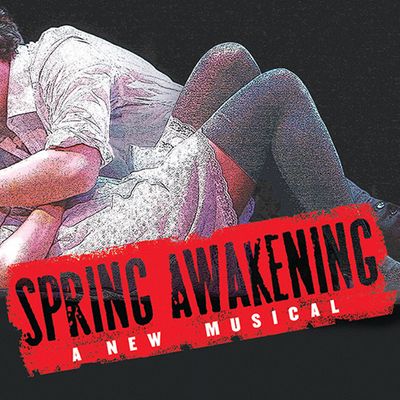
Spring Awakening and American Psycho composer and rock star Duncan Sheik recounts how it feels to win two Tony Awards in one night. Ducan give us the scoop on all things Spring Awakening including some advise from Liev Schreiber and the healing effect of the reunion concert... Read More
From the show: Behind the Awards with Eila Mell & Bruce Gotlieb
Guests

Featured Shows
About
Spring Awakening and American Psycho composer and rock star Duncan Sheik recounts how it feels to win two Tony Awards in one night. Ducan give us the scoop on all things Spring Awakening including some advise from Liev Schreiber and the healing effect of the reunion concert. Duncan describes what it’s like to embody American Psycho’s Patrick Bateman while composing the score and future projects.
Also in this episode - John Travola introduces the world to Adele Dazeem…Idina Menzel as we all know her. Eila & Bruce play Casting Director and Dream Cast Jesus Christ Superstar.
Duncan Sheik is an American singer-songwriter, composer and actor. Sheik is known for his 1996 debut single "Barely Breathing", which earned him a Grammy Award nomination for Best Male Pop Vocal Performance. He has composed music for motion pictures and Broadway musicals, winning the 2007 Tony Awards for Best Original Score and Best Orchestrations for his work on the musical Spring Awakening.
Make sure to check out Eila's book, "The Tony Awards", and all her other amazing books: https://amzn.to/43WMu5Y.
Connect with Eila and Bruce:
- Instagram @behind_the_awards
- Eila @eilamell
- Bruce @cominghomewithbruce
Transcript
This transcript was automatically generated and might contain errors.
[0:00] Duncan Sheik: Hey, it's Duncan Sheik, and you're listening to Behind the Awards.
[0:05] Eila Mell: There will always be a special place in my heart for the movie musical and for the songs that create their most memorable moments.
[0:13] Bruce Gotlieb: Here to perform the Oscar-nominated, gorgeously empowering song "Let It Go" from the Oscar-winning animated movie Frozen. Please welcome the wickedly talented one and only Adele Dazeem.
[0:38] Eila Mell: What happened to him?
[0:40] Bruce Gotlieb: What was that moment about?
[0:42] Eila Mell: So that was John Travola.
[0:44] Bruce Gotlieb: Introducing Idina Menzel.
[0:46] Eila Mell: Everyone knows this.
[0:47] Bruce Gotlieb: This is iconic already at the Oscars.
[0:49] Eila Mell: Yes.
[0:49] Bruce Gotlieb: Calling her Adele Dazeem.
[0:50] Eila Mell: By the way, hello, and welcome to Behind the Awards.
[0:52] Bruce Gotlieb: Hi Eila.
[0:53] Eila Mell: Hi, Bruce.
[0:54] Bruce Gotlieb: So, but what happened?
[0:56] Eila Mell: I don't even know what he's saying half of the time.
[0:59] Bruce Gotlieb: No, I mean, if he, if somebody, I mean, if somebody wrote it for him.
[1:04] Eila Mell: If.
[1:04] Bruce Gotlieb: Well, they had to have.
[1:06] Eila Mell: I don't know that he's reading what they actually wrote.
[1:08] Bruce Gotlieb: Right, but I'm thinking there are so many flourishes, and they're so like trying to build up this moment for her to...
[1:16] Eila Mell: Right.
[1:17] Bruce Gotlieb: This was a huge song.
[1:18] Eila Mell: Oscar winning.
[1:18] Bruce Gotlieb: But what was he saying?
[1:19] Eila Mell: Gorge?
[1:20] Bruce Gotlieb: Wow.
[1:20] Eila Mell: I don't even know what he's saying.
[1:22] Bruce Gotlieb: Like, what are these words?
[1:23] Eila Mell: I'm not sure.
[1:24] Bruce Gotlieb: Yeah, it didn't make sense.
[1:25] Eila Mell: And wickedly, like the way he...
[1:25] Bruce Gotlieb: I know.
[1:28] Eila Mell: It's like he was stalling saying her name somehow.
[1:30] Bruce Gotlieb: There was a moment there like, you know, we need to win it.
[1:33] Eila Mell: But in subsequent clips that I've seen, she was standing backstage listening to this unfold.
[1:39] Bruce Gotlieb: Could you imagine?
[1:40] Eila Mell: I know I'm very used to people getting my name wrong.
[1:43] Bruce Gotlieb: You don't want that to happen at the Oscars.
[1:45] Eila Mell: No, and it is something that has lived with her.
[1:48] Bruce Gotlieb: Yeah.
[1:49] Eila Mell: Forever.
[1:49] Bruce Gotlieb: And I'm sure him too, but more her.
[1:51] Eila Mell: More her.
[1:52] Bruce Gotlieb: Yeah.
[1:52] Eila Mell: More her.
[1:53] Bruce Gotlieb: Now that's her alter ego, Adele Dazeem.
[1:55] Eila Mell: It is because when I was looking up the clip, when we decided, like, you know, this is a good moment when you put in Adele Dazeem.
[2:07] Bruce Gotlieb: Idina Menzel's videos come up and all of her information.
[2:11] Eila Mell: So Google's caught on.
[2:12] Bruce Gotlieb: Everyone's on board.
[2:13] Eila Mell: Yeah.
[2:14] Bruce Gotlieb: It is a good drag name, though.
[2:16] Eila Mell: It works.
[2:17] Bruce Gotlieb: If it's not out there, it should be.
[2:19] Eila Mell: It should be.
[2:20] Bruce Gotlieb: I'm sure someone's taken it.
[2:21] Eila Mell: At least one person.
[2:22] Bruce Gotlieb: At least.
[2:23] Eila Mell: By now.
[2:23] Bruce Gotlieb: What year was that? Do we know?
[2:25] Eila Mell: Um, that was whatever year Frozen was.
[2:29] Bruce Gotlieb: Whatever year Frozen was, yes.
[2:31] Eila Mell: It's a while already.
[2:32] Bruce Gotlieb: It is.
[2:33] Eila Mell: I'm trying to Google it.
[2:36] Bruce Gotlieb: I'm gonna have... uh, 2004?
[2:39] Eila Mell: Uh, 14.
[2:39] Bruce Gotlieb: 14.
[2:40] Eila Mell: 14.
[2:40] Bruce Gotlieb: Okay.
[2:41] Eila Mell: I was gonna say four seems so long ago.
[2:43] Bruce Gotlieb: Yeah, 2014, it looks like.
[2:45] Eila Mell: Wow.
[2:46] Bruce Gotlieb: So Bruce, I know something about you.
[2:49] Eila Mell: Uh oh.
[2:51] Bruce Gotlieb: I know that you love these Instagram accounts that are like these dream casting.
[2:56] Eila Mell: I do.
[2:57] Bruce Gotlieb: I know.
[2:58] Eila Mell: I do, and it's something that I feel like everybody, especially I guess theater people, right? When they see a show.
[3:04] Bruce Gotlieb: Well, because there's so many options. Now they're like, oh, let's cast such and such and such and such.
[3:09] Eila Mell: Right.
[3:10] Bruce Gotlieb: And I remember when the movie Rent was coming out.
[3:13] Eila Mell: Okay.
[3:14] Bruce Gotlieb: That there were all of these like talks of who's gonna, you know, who are they gonna cast.
[3:18] Eila Mell: Really?
[3:19] Bruce Gotlieb: Were they using the original? And then of course everybody had their, I think this person should play and this person should play. So I think it's still something that's prevalent.
[3:28] Eila Mell: Movies, TV, but I think especially theater.
[3:31] Bruce Gotlieb: Right.
[3:32] Eila Mell: Yes, it's so much fun.
[3:33] Bruce Gotlieb: So I thought we could play a game and do some dream casting today.
[3:37] Eila Mell: Okay.
[3:38] Bruce Gotlieb: Alright.
[3:38] Eila Mell: So what show do you want to do?
[3:40] Bruce Gotlieb: How about, uh, let's keep in tow with our guest for today.
[3:46] Eila Mell: Oh, we have a rock star on today.
[3:48] Bruce Gotlieb: So how about Jesus Christ Superstar?
[3:50] Eila Mell: Oh, that's good.
[3:51] Bruce Gotlieb: Okay. Um, and I think we need to do both Jesus and Judas.
[3:54] Eila Mell: Okay, yeah.
[3:55] Bruce Gotlieb: Just to give it a little bell yin and yang if you will.
[3:58] Eila Mell: You can't have one without the other.
[3:59] Bruce Gotlieb: Correct.
[4:01] Eila Mell: Alright. Well, hmm. So should we start? You want to start good or bad?
[4:06] Bruce Gotlieb: Oh, let's start. Well, let's start good because the bad is more fun.
[4:10] Eila Mell: Okay.
[4:10] Bruce Gotlieb: Alright. So do you want to go first or should I?
[4:12] Eila Mell: Go ahead.
[4:13] Bruce Gotlieb: Alright. So let's see. Okay. Alright, I have one. So I'm gonna go with Ben Platt for Jesus.
[4:20] Eila Mell: Okay.
[4:21] Bruce Gotlieb: That voice. I mean, it's just amazing.
[4:24] Eila Mell: I can see that.
[4:26] Bruce Gotlieb: I can see that.
[4:27] Eila Mell: I didn't, I'm just a little caught off. I didn't expect you.
[4:30] Bruce Gotlieb: I don't know. I just, I don't know why I didn't expect it, but I just didn't.
[4:34] Eila Mell: Okay. Well, Jesus was a Jew.
[4:36] Bruce Gotlieb: He certainly was.
[4:38] Eila Mell: So that'll work.
[4:39] Bruce Gotlieb: I'm going a little bit older, not older in cast. They'd be older now, but because we've established some ground rules. When we play this off the air, we play this off the air that they just have to have, they at some point would have had to have been the appropriate age, and that they couldn't have done the show before.
[4:58] Eila Mell: Professionally.
[4:59] Bruce Gotlieb: Professionally that we know of anyway, right? We can't track everyone's. We're not digging into everyone's life.
[5:05] Eila Mell: Um, right. So they'll automatically be whatever age they need to be to suit the part.
[5:06] Bruce Gotlieb: Okay. Alright, so I'm going with a throwback a little bit. Sean Cassidy.
[5:15] Eila Mell: Oh my gosh, wow.
[5:17] Bruce Gotlieb: What are your thoughts?
[5:18] Eila Mell: Did Do Run?
[5:20] Bruce Gotlieb: Why not?
[5:21] Eila Mell: Can he sing it?
[5:22] Bruce Gotlieb: I guess he can. I mean, I feel like he can. Maybe I'm wrong.
[5:25] Eila Mell: No, I don't know. I, I, wow, Sean Cassidy.
[5:29] Bruce Gotlieb: That's hilarious. I haven't thought about Sean Cassidy.
[5:32] Eila Mell: I mean, he's done. No, he did Blood Brothers.
[5:35] Bruce Gotlieb: Yep.
[5:36] Eila Mell: But I didn't see it.
[5:37] Bruce Gotlieb: Neither did I.
[5:38] Eila Mell: Is he on a recording?
[5:39] Bruce Gotlieb: Not that I know of. Possibly. Didn't he also do, um, Joseph?
[5:44] Eila Mell: Maybe. Donnie Osmond kind of commandeered that show.
[5:47] Bruce Gotlieb: That's true.
[5:48] Eila Mell: That's true.
[5:49] Bruce Gotlieb: Remember the soap star, Michael Damien was Joseph.
[5:51] Eila Mell: That's right.
[5:52] Bruce Gotlieb: That's right.
[5:53] Eila Mell: But I still like the original recording of Joseph.
[5:56] Bruce Gotlieb: I, of course, did not see that production.
[5:58] Eila Mell: Of course not.
[5:58] Bruce Gotlieb: But I love that recording with Lori Beachman.
[6:01] Eila Mell: Yes.
[6:01] Bruce Gotlieb: Yes.
[6:02] Eila Mell: Alright, so Judas.
[6:04] Bruce Gotlieb: So I'm keeping in a similar time.
[6:06] Eila Mell: Wait, are you gonna be as wacky as Sean Cassidy?
[6:09] Bruce Gotlieb: Maybe a little wacky.
[6:11] Eila Mell: Alright, so maybe I should go first then.
[6:12] Bruce Gotlieb: Mine are more straightforward. We'll save yours. Yours is probably better.
[6:15] Eila Mell: But I am going with Brian Stokes Mitchell.
[6:19] Bruce Gotlieb: Ooh.
[6:19] Eila Mell: Okay. Love him. I think he's incredible.
[6:22] Bruce Gotlieb: And he normally doesn't play the bad guy.
[6:25] Eila Mell: No.
[6:26] Bruce Gotlieb: So I could totally, that'd be very interesting.
[6:28] Eila Mell: It's good, right?
[6:29] Bruce Gotlieb: I do. I like that one.
[6:30] Eila Mell: Alright, now who's yours?
[6:31] Bruce Gotlieb: So I'm keeping in a similar time frame. I'm going with Meatloaf.
[6:35] Eila Mell: Oh, that's interesting.
[6:38] Bruce Gotlieb: I just feel like, I don't know, a little rock, a little angst.
[6:42] Eila Mell: Yeah.
[6:43] Bruce Gotlieb: Hmm.
[6:45] Eila Mell: Not sure that your choices line up with an actual production that could happen, but maybe.
[6:52] Bruce Gotlieb: Would you buy a ticket though?
[6:54] Eila Mell: Oh god, I don't know. It depends.
[6:57] Bruce Gotlieb: I might. I mean, you've said to me, I'll see anything.
[7:00] Eila Mell: Well, that's true. I do like to see, well, not anything, anything.
[7:05] Bruce Gotlieb: There's some standards.
[7:07] Eila Mell: But no, there's nothing wrong with Sean Cassidy and Meatloaf. That's great. I love Bat Out of Hell.
[7:11] Bruce Gotlieb: I know. That's why I was like in my head, and then he popped in my head and he wouldn't leave. So I figured I just had to go with it.
[7:19] Eila Mell: Yeah. No, I think Meatloaf could be good. I just wonder vocally, could he handle it?
[7:24] Bruce Gotlieb: I think he has handled it. I think maybe years ago he could have handled it.
[7:29] Eila Mell: Okay. Well, I like that. I like that outside the box thinking.
[7:34] Bruce Gotlieb: You know, I'll next time we play this game, I'll, I can't promise to traditionalize it more for you.
[7:39] Eila Mell: No, don't, because it's much more fun this way.
[7:42] Bruce Gotlieb: I'm gonna think of wackier answers if we play this again on the show.
[7:45] Eila Mell: Okay.
[7:46] Bruce Gotlieb: We like to speculate this in real life.
[7:48] Eila Mell: Of course, of course.
[7:48] Bruce Gotlieb: And we should include it in Instagram, throw them out there and let people tell us what they think.
[7:54] Eila Mell: Oh, that's a good idea. And if you want to suggest who, what show we should do, what characters, that would be fun.
[7:59] Bruce Gotlieb: Absolutely.
[8:00] Eila Mell: Okay. Alright, let's bring out our guests.
[8:03] Bruce Gotlieb: I'm so excited. We have a rocker.
[8:06] Eila Mell: A rocker, now a Broadway legend, because he wrote the music to Spring Awakening.
[8:12] Bruce Gotlieb: Yes. One of those cult musicals that everyone loves.
[8:16] Eila Mell: I mean, it's so many people's favorite show, which is a special thing.
[8:20] Bruce Gotlieb: Absolutely.
[8:21] Eila Mell: Yeah, so I'm really excited to talk to him.
[8:24] Bruce Gotlieb: Duncan Sheik is up next.
[8:28] Eila Mell: We are so excited to welcome Duncan Sheik to our show.
[8:32] Duncan Sheik: How are you?
[8:33] Eila Mell: I'm very well. How are you today?
[8:36] Duncan Sheik: I'm good. It's very exciting to have a genuine rock star on our show, I have to tell you.
[8:41] Duncan Sheik: That's right. I don't know if I would put myself in that category, but I'll roll with it for now.
[8:49] Bruce Gotlieb: Yeah, we do.
[8:50] Duncan Sheik: So we are recording on the day of the eclipse.
[8:53] Eila Mell: I saw nothing. How about you? Did you see anything where you are?
[8:56] Duncan Sheik: Yeah, I got to, I got a picture of it. Well, you can't see it very well, but see some color change.
[9:03] Eila Mell: Yeah, I got a picture of it.
[9:05] Duncan Sheik: So, and I tried, um, I tried very hard not to, you know, not to be Donald Trump and just like stare directly at it.
[9:15] Eila Mell: Um, I was also unsuccessful in that too because I was like, well, I just can't really see it with the glasses. Anyway, it doesn't matter. I know I never thought about an eclipse before and now today it's everything I'm thinking about. The news made it sound like it was going to be a much more exciting event from where I am and I, it wasn't so are you, are you an upstate New York or are you downstate? You're downstate.
[9:41] Duncan Sheik: Okay. Yeah. So I mean where we, where I am like I'm in Manhattan it's pretty, it was sort of a, I don't want to say a non-event definitely some stuff was happening. But I think if you're like in Albany or wherever like you could, it's probably pretty dramatic up there.
[9:58] Eila Mell: Yeah, exactly. We're by you so for us it got a little bit gray like maybe it would rain that was that it's sort yeah it's just sort of like a dreary New York spring day.
[10:11] Bruce Gotlieb: Alright so we are on Behind the Awards. You have two Tonys, you have a Grammy, you have a Drama Desk or two maybe I've just one I think just one if I'm looking here but the I'll tell you a funny story about the Tonys if I may.
[10:31] Duncan Sheik: Of course.
[10:32] Bruce Gotlieb: Alright. So you know who Liev Schreiber is, right?
[10:35] Duncan Sheik: Of course we do.
[10:36] Bruce Gotlieb: Of course. Uh, and he's, uh, he, I, you know, I wouldn't call him like a close friend, but we had a bunch of mutual friends over the span of the past 20 years. I was out with him, uh, with a bunch of people, and he was there, and he was sort of like, oh, like what are you up to? You know, like are you working on, are you making another record or blah blah blah? And I, I was like, well, I'm, I sort of working on this, um, like a, like a musical about, uh, of the place Spring Awakening, like do you know what that is, right? And Liev said to me, said that is like the worst idea I've ever heard in my life. Like he was like sort of, he was quite offended, I think in a way.
[11:20] Duncan Sheik: Yeah.
[11:24] Bruce Gotlieb: And I said, I said, Lev, I don't, I look, I don't know, yeah, it may be terrible. I don't know. Like I'm just like trying to do this thing, right?
[11:31] Duncan Sheik: Yeah.
[11:32] Bruce Gotlieb: And cut to, you know, whatever it was seven or eight years later. And obviously Spring Awakening did fairly well, and you know, we won a bunch of Tonys and crap. And then Liev was at the after party for this, you know, for Spring Awakening that night. And I, you know, you know, when you get the awards, it's sort of a silly thing because you have to like carry them around. You know, it's like where do you put like in a backpack? You know, it's like what do I do? Like I'm at a after party, there's a lot of people here, like, what do I do with this metal, right?
[12:04] Duncan Sheik: Yeah, it's your accessory for the night.
[12:05] Bruce Gotlieb: We might need to spearhead a campaign for a travel case or something.
[12:10] Duncan Sheik: I think I, you know, it would, it would have been nice if they given me like a tote bag, like I don't know. Anyway, it doesn't matter. So, so but then so I'm like at the after party, like my mom is there, and like, you know, whatever. There's just, you know, the bunch of people, and Lev comes up to me and he said something to the effect of, you know, hey man, congrats, you know, it's really amazing. Uh, the show is great. Like, I'm was really impressed. And he's like, I'm sorry, I was like disparaging of it, you know, all those years ago, right? You know, Liev has one Tony Award.
[12:47] Duncan Sheik: That's right.
[12:48] Bruce Gotlieb: That's right. Right? And that night I had two.
[12:52] Duncan Sheik: Yeah.
[12:52] Bruce Gotlieb: And I was in a particularly, you know, obnoxious mood. So I, I said, I said, well, and then I, so I took, you know, I had the two, they were like sitting on a table, and I had the two Tonys. I took them. And I said, here's the thing, Lev, like if you have one Tony, that's amazing. You know, it's amazing. I think you're an incredible actor. You've got one Tony, that's great. But if you have two of them and you spin the discs around and you put them together, they go ching.
[13:30] Duncan Sheik: But you need two.
[13:35] Bruce Gotlieb: So you showed him.
[13:37] Duncan Sheik: That's fantastic.
[13:42] Bruce Gotlieb: I don't know that he's ever quite forgiven me for that bit of...
[13:42] Duncan Sheik: Well, you know, maybe he'll get one this year. You never know.
[13:48] Bruce Gotlieb: He should. I mean, I think I actually think, you know, Lev, you know, all jokes aside, I, you know, Ray Donovan was like one of my favorite series of the, you know, of the past decade.
[14:00] Duncan Sheik: I think he's an incredible guy and incredible actor.
[14:03] Eila Mell: So yeah.
[14:03] Duncan Sheik: Yeah.
[14:04] Eila Mell: Did you see him in Doubt?
[14:06] Duncan Sheik: Not yet.
[14:07] Eila Mell: Uh but I do plan on it for sure.
[14:10] Duncan Sheik: Um, it's a brilliant play. And I, you know, I'm one of these people who despite being a musical theater composer in some fashion like I much prefer plays to musicals. So I see like I end up seeing way more plays than I see musicals.
[14:13] Eila Mell: Was musical theater always something that you were interested in?
[14:13] Duncan Sheik: So, um, I'll try to compress the history of it. I grew up in Hilton Head, South Carolina. I had an incredible music teacher at this school that I went to, which was at the time it was called Seapines Academy. Now I think it's called Hilton Head Prep, but it was sort of the only private school on Hilton Head and it wasn't like particularly fancy. In fact, there were like 14-foot alligators in the lagoons next to the school.
[15:07] Duncan Sheik: It was just, you know, but anyway, so I had a great music teacher. I first went there, I was there from third to sixth grade before I went to boarding school. And over the course of that time, in third grade, I was in the chorus of Annie the musical. Right? Fourth grade, I was cast as Gonzo in The Muppet Show.
[15:38] Duncan Sheik: Oh good, excellent, excellent part with a really great song, but of course I had to have this big, you know, purple nose.
[15:47] Eila Mell: Right.
[15:48] Duncan Sheik: And fifth grade was sort of a downtime for me. I was like a sort of a mid part in Barnum, which I don't, you know, it wasn't really my kind of show anyway.
[16:00] Eila Mell: It's no Gonzo.
[16:02] Duncan Sheik: No, I just, yeah, exactly. Gonzo had real pathos, you know. And then sixth grade, my swan song of my musical theater acting career, I was the Artful Dodger in Oliver. Also, at that same time, I was like in a band with the high school students, like the kids who were in the upper school, right?
[16:27] Duncan Sheik: Because I was in sixth grade, and they were all like, you know, in ninth and tenth and eleventh and twelfth grade, and I was the one sort of token, you know, sixth grader who played guitar in the sort of rock band in school, right? We were called, the band was called Slightly Off, right?
[16:45] Duncan Sheik: Because it was just like cover, you know, we just played like, you know, Def Leppard covers and like Van Halen and like Blondie, whatever, like late, you know, sort of late 70s stupid stuff. And we played the talent show for the upper school, and so they allowed the sixth graders to come to the upper school talent show, right?
[17:11] Duncan Sheik: And like that, you know, my experience of being the guitar player in this band at the upper school, I got so much more street cred for that.
[17:25] Eila Mell: Of course, yeah.
[17:25] Duncan Sheik: Than being the Artful Dodger in Oliver that I was like, you know what? Musical theater, bah, it's not worth it, you know. So that, so hence why I, you know, for the next whatever it was, 20 years, I just made records, and then I got surreptitiously sort of roped back in, you know, as Al Pacino would say, they just keep reeling me back in.
[17:35] Eila Mell: You know, but it's amazing that your first single "Barely Breathing," I mean everyone knows the song and it was a top 40 hit.
[17:35] Duncan Sheik: Yeah, I don't know who I get imagining you got nominated for a Grammy. How did that happen for you?
[18:09] Duncan Sheik: So I'll be a little more earnest now. I started practicing Buddhism when I was 19, and it was like between the freshman and sophomore year in college. I was very, very self-conscious as a singer. I'm, you know, I was always a pretty good guitar player, and I like to think I'm still an okay guitar player, but as a singer, I was really, you know, just one of these people who would just like when I get on stage, I have to sing like my mouth would go dry and it would just be like terrifying.
[18:59] Duncan Sheik: And so I started practicing Buddhism when I was 19, and then, you know, I find, you know, whatever. I went out to LA after I graduated from college and I got signed to Atlantic, which was amazing. You know, I made this record in France, and it's always been easy for me to record because you're in the studio and you're just with a producer who hopefully you trust, and it's some other like-minded musicians who you trust, and there's not like a bunch of people in the room who are like judging you, you know.
[19:33] Eila Mell: Sure, yeah.
[19:33] Duncan Sheik: So I, you know, the record sounded okay. Like if I listen to it now, to be honest, I think I vocally I sound like a little twerp, but that's just me.
[19:47] Eila Mell: But that's because it's you, like we think it sounds amazing.
[19:47] Duncan Sheik: Yeah, yeah, yeah. Right. But I, but so anyway, so I made this record. The first single finally came out, you know, whatever it was like I made it in the end of '95, and then the record came out in the middle of '96, and then the single sort of started to hit like the end of '96, like into '97, right?
[20:13] Duncan Sheik: And then all of a sudden I was like, you know, I went from this person who could literally couldn't sing a song in front of my own mother, right? To somebody who had a Grammy nomination as like best pop male vocalist, you know.
[20:29] Eila Mell: Uh and it was with, you know, the people in the category was Seal and Maxwell and Elton John, right?
[20:36] Duncan Sheik: Oh my god, Elton John that year, right? And I did something incredibly stupid right before the Grammys. I went to Sundance, you know, to the film festival because at the time, like they would have, you know, I think they still do, but you know, young aspiring artists will go and like play shows at Sundance in these little random situations, you know.
[21:01] Duncan Sheik: And I had this person who I thought was a friend of mine, but he was actually a writer for People magazine, and he caught me at the end of a night and, you know, I probably had, you know, one or two too many glasses of white wine at the time, and he's like, what do you think of your fellow, you know, your the people in your category of your, you know, Grammy nomination? And I said, well look, I'm a huge fan of Seal, like I've loved every record that he's made. At the time he'd only made two records, but they were big.
[21:01] Duncan Sheik: Yeah, they were great records. And Maxwell, like I knew him a little bit from around town, and he was a really cool guy, and I loved his voice. And then I said the worst thing I could possibly say, and I said, Elton John, like I don't think he's written a decent song since 1974, including this Candle in the Wind nonsense. And then they printed it in People magazine.
[22:10] Eila Mell: So I'm assuming you thought this was an off-the-record conversation.
[22:14] Duncan Sheik: Of course, yeah. So to this day, like I, you know, I tell this story and I'm like, I, you know, not that Elton John is gonna listen to this, but I to this day I'm like, if anybody knows Elton John, just let him know, like I was an idiot and I'm sorry for saying that.
[22:14] Eila Mell: So you didn't get a call from his people directly?
[22:14] Duncan Sheik: I know, I absolutely did. Atlantic got the call because Ron Shapiro, who signed me to Atlantic, had been a publicist for Elton John, you know, in his previous kind of career. And so he, like when they printed that in the magazine, like he called me on the phone.
[22:55] Duncan Sheik: You know, this was, I don't even know if I had a cell phone at that point, but he called me on the phone. And he just was like, you may, I swear on this?
[23:05] Eila Mell: Of course.
[23:06] Duncan Sheik: We love it. He was so, he was like, you need to fuck shut the fuck up. Like, like what, like what are you thinking? You know, like what are you thinking? Like it's Elton John, you know, just like, you know, give some respect to where respect is due. And I was like, look, I didn't know.
[23:24] Duncan Sheik: Oh anyway. So one for the books.
[23:29] Eila Mell: Well, Elton John's done all right.
[23:30] Duncan Sheik: He probably doesn't care.
[23:31] Eila Mell: I'm not, I'm sure he's not remotely worried about it.
[23:35] Duncan Sheik: But what's funny is that, you know, having transitioned into musical theater, like I'm one of fairly few people who've made that transition in some way. I mean, there's, you know, there's The Who, there's Cyndi Lauper, there's, you know, Sarah Bareilles. There's a couple of us, but yeah, David Byrne.
[23:55] Eila Mell: David Byrne, exactly.
[23:57] Duncan Sheik: Also a lovely, again, I won't call him a close friend, but a lovely acquaintance. Love that guy. But yeah, there's only a few of us who've like made it work.
[24:07] Eila Mell: So like we are slightly in the, in a weird way in the same industry again, you know.
[24:13] Duncan Sheik: Yeah, it's just keep circling each other.
[24:16] Eila Mell: I know, and also like we've worked with the same direct, you know, Rupert Gould, who directed American Psycho, he directed Elton's latest musical, Tammy Faye. And so, like, we have all these like friends in common, but I've never actually met him and been able to say, like, sorry about that, mate.
[24:38] Duncan Sheik: It'll probably happen at some point.
[24:40] Eila Mell: At some point, yeah, and then yeah, it'll probably just, it'll be your next Tony Party after story.
[24:44] Duncan Sheik: Uh after me.
[24:46] Eila Mell: Right.
[24:49] Duncan Sheik: I'll be like, Elton, can I like, you know, I'll just, I'll whatever. I'll say something like, I'm really sorry about this. Can I borrow your sunglasses?
[24:57] Eila Mell: I don't know.
[24:59] Duncan Sheik: There's an eclipse happening.
[25:01] Eila Mell: That's right.
[25:01] Duncan Sheik: You didn't know.
[25:02] Eila Mell: You were so young.
[25:03] Duncan Sheik: You can't be held responsible for that.
[25:07] Eila Mell: We'll be right back.
[25:08] Duncan Sheik: We have to listen to some commercials.
[25:15] Eila Mell: So who invited you to start working on Spring Awakening?
[25:19] Duncan Sheik: Again, sort of through my Buddhist practice, I met a at the time sort of unknown and somewhat struggling playwright named Steven Sater, you know, who was doing, you know, super off-Broadway shows the way playwrights do in New York.
[25:41] Duncan Sheik: But you know, we had a sort of like an interesting connection, both because of Buddhism, but I think also just, you know, sort of aesthetically and creatively, we had a connection.
[25:54] Duncan Sheik: And um, we started writing some songs together, and that sort of metamorphosed into my third record that was on Nonesuch, which was Phantom Moon. And while we were writing and recording that stuff, he gave me a copy of like the Ted Hughes translation of Spring Awakening, and he said, you know, read, you know, read this play. I think we should adapt it as a musical.
[26:21] Duncan Sheik: And again, like I got, I had, you know, I had done like after my amazing musical theater career in, you know, sixth grade.
[26:31] Eila Mell: Right.
[26:31] Duncan Sheik: I had done some acting like when I was in boarding school. And um, and so I was like, you know, I was definitely into plays, but I was definitely not into musicals at that time.
[26:45] Duncan Sheik: And there just wasn't a lot that I, you know, even things like Rent, which, you know, obviously is a great show that had a huge amount of success, but I just, it felt, it just felt air stats to me in a way.
[27:00] Duncan Sheik: So I was just like, I don't like, I don't get the, I didn't understand the medium at all, you know, even as a 29-year-old.
[27:09] Duncan Sheik: So he gave me the play, and my first reaction was like, Stephen, I, you know, I think you're a genius, but like I hate musicals. Like, why would I do this?
[27:25] Duncan Sheik: It's like, and then, and he's like, just read it, and then you know, you decide. So then, you know, I read the play, and it is like an incredible play. The Ted Hughes translation, or you know, whatever it was that I read, it's a little, I don't want to say austere. It's sort of, it's sort of very much of its time, you know, and it's a maybe to a 29-year-old person, it's a little impenetrable because of the language and the, you know, it's like, it's sort of like reading Goethe or something, you know, it's just a little bit like, yeah.
[28:02] Duncan Sheik: Yeah, but I did see that there was something cool and sort of punk rock about it, for lack of a better word. And so, you know, then we had a series of conversations, and I was like, look, I'm happy to jump into this, but I'm just gonna write them, you know, again, all due respect to Steven Sondheim, but I'm not gonna try and copy other musical theater composers. I'm just gonna write songs that's like the music that I like, which at that moment would have been, you know, Jeff Buckley and Bjork and Nick Drake and, you know, whatever, you know, sort of late 90s, you know, sort of alternative, supposedly cool stuff, right? So those were like those were my touch. And also I was I was also sort of into like, um, 20th century classical composers.
So like, you know, Arvo Pärt and Philip Glass and Steve Reich and things like that. So I there was a little bit of like I thought like oh that I could sort of bring that aesthetic into this. Yeah, whatever we started working on it and it was a like a it was like a seven year saga and over and over the course of that seven years there were many times when it seemed like it definitely was not gonna happen. Right. And, you know, but that I think that's just all, you know, musical theater is I have deep respect for the medium now because I know how bloody hard it is to make anything work at all. Because there's just so many elements that you're having to put together in some strange alchemy like so, you know, you have you know hopefully you have an amazing choreographer an amazing set designer and you've got, you know, hopefully you have a director who's not insane and hopefully you have a producer who's, you know, relatively compassionate but that rarely happens so it's like how does this ever work?
I still don't know to this day. Well, I mean, but not only did it work but it became the show of its generation. It's one of those shows that just people felt like were life changing to them. It's true and that was that came as a complete shock to me. I mean, I will say this honestly like that like I there it went from in 2005, you know, like trying to convince 200 people to come see a reading of it, you know, at the small room in Lincoln Center, you know, two, you know, two years later, you know, it was, you know, whatever David Byrne and Keanu Reeves and everyone were like coming to the show, you know, it was right, it's the hot show, it was that, right? So, and I was just like what, how did this happen?
And I think, you know, now with the benefit of some years and some therapy and stuff, I think that like I don't think that we have any control over any of this stuff. It's like things, you know, you put your head down you do your work and sometimes people are into it and a lot of times they're not but I it's not really up to you. No, and it hasn't really even it feels like it hasn't really even slowed down because you've had these different incarnations of the show be brought and people are still like clamoring for it, you know. It's yeah, it is definitely the gift that keeps on giving. And I, you know, I have to give a lot of um, you know, I've I owe a huge debt of gratitude to Michael Mayer and Steven, of course, um, you know, because it was Stephen's idea, and Tom Hulse, you know, who was our sort of fearless producer, even in the lean times, you know, and Neil Pepe from The Atlantic.
You know, there's a lot of people who sounds like I'm giving a Tony speech. I don't mean to do that. I'm just saying, but there but you know, there's a lot of people who invested, they took a big sort of risk to make this work. And so I, you know, even though many many of us butted heads along the way in the in the process, um, I love all those people. Um, so, you know, as you know, you're in my Tony Awards book. I actually quoted your speech, which was musical theater rocks.
[32:44] Duncan Sheik: Okay. Yeah. Well, okay, can I can I tell you the other funny story about this? Please do. Okay, so that was a crazy night. I I'm not gonna tell you all the craziness of that night, but I'll tell you the first story. Okay. So, you know, that particular year was at Radio City. So it was there, and like I had to like meet my mom and like my, you know, my agent and my mom invited her friends from South Carolina who bought paid like thousands of dollars ticket, and I was just like, why are they doing like what are you thinking? You know, I at the at the at that moment I was like, I'm just gonna go to this thing. We're not gonna win anything, and you know, it's you know, it'll be an experience. I mean, that literally was my so you really didn't have any expectations of what I okay, so this is how little expectation I had.
You know, you had to I I also had like very little experience like doing the red carpet, right? Because I mean, yeah, I'd had, you know, a hit record and I had done some, you know, press stuff, but I'd I had never been in that sort of thing of like photographs, photographs, photographs, you know, this person interview, interview, interview, and I was trying to be like really nice to everybody as I, you know, just I was, you know, just trying to be polite, and so I was like late, like getting into the into my seat, right? Because I I was just like talking to all these gimmer jabbering with all these people, right?
[34:21] Duncan Sheik: Nobody was hurrying you along. No, I mean I didn't have like I had handlers or anything, you know. But anyway, so like so so I I so finally someone does say to me, just some random person is like, oh, you know, it's starting now, you should probably get in there. Good thing they told you, and I was like, okay, and then of course, at that time, orchestrations was like the first category, right? Oh wow, so I so I I sat down in my seat, right? And Steven, I think was like right behind me, and I saw I didn't they called me up to because I you know I won the Tony for orchestrations, and I literally didn't hear my name. Yeah. Right? Right, so I I just sat in my seat and I was just like, just sort of like, what's happening?
You know, and and Stephen was like, Duncan, you should probably walk up there. They're not bringing it to you. So yeah. So I get so I did just because I was told to, I I had prepared like a speech that was somewhat coherent. And then I so I gave that little, you know, whatever, it was like three sentences. I gave that speech. And and uh and then the problem was that then when we when Steven and I won for the score, like I didn't have any, I didn't have anything to say. Like I didn't, you said it all. Yeah, and I had said, you know, the three sentences that I thought maybe, you know, so I was I feel I my memory of that second speech, which was of course the one that's on television, is that I was completely incoherent, and I and it's just I don't know how anybody would have made any sense of what I said.
Um, so you know the show has been such a long journey, and and there's been a lot of casualties along the way, and there's a lot of people who should have been here tonight who aren't, and we we still love you, and uh and I just want to say to Tom and Ira, thank you so much for making us live. Um, you did a very cool thing, and musical theater rocks.
[36:46] Duncan Sheik: That's the one that has to live on in the world. Yeah, of course, that's the yeah, that's the one. But it's so much fun, yeah. Yeah, it was it, and then it did ultimately turn out to be a very fun night, trust me. It's it's the funny thing about like there was an inside joke with like Steven and I for a long time that like we would walk around New York City like in a trench coat, and we would like have like all our awards like in the trench coat, and we'd be like, Do you want to see my awards? Like I re I realized actually quite quickly afterwards that it's an honor to get a Tony and Grammy and all that stuff, but it's not it, it's like it's really awesome for like 48 hours.
[37:33] Duncan Sheik: And then it's and then it's back to work. Well, and it's all it's almost worse than that. It's like it, you know, it's like coming down from a great, you know, ecstasy trip. Yeah, it's but it's like but it's but the come down is years. You see what I'm saying? Is that also yeah, is that also because of built-in, I guess the maybe built-in expectations from others or yourself? Yeah. Well, yeah, I mean most and you know, there was a part of me, again, you know, I was I was, you know, younger. I was 35 uh when that happened, or 36. And so I I think, you know, when when that kind of thing happens that way, you think, okay, this is it, like I've made it. Like everything's gonna be easy from here on out.
Right. Like I felt when my first record came out, and it was like, oh, okay, I've made it, you know. And then of course, you know, from nineteen ninety-eight until two thousand six, like I couldn't get arrested. Yeah, you know, so uh you see what I'm saying? So it it it's just like you you realize, no no no, it's not not I mean it's it's again it can's nice to have the award it's nice to have the recognition it's nice to have success that and and people who are into your show but it's like the only thing that really matters ultimately is the work that you continue to do.
[39:01] Duncan Sheik: Right sure and and that's really the only thing that's going to give you sort of sustainable kind of happiness. That took me a long time to understand. And you know I think it's still you know it's it's a process you know you're you're always you know that's the thing about making art is that it's just it's pro it it's just literally process. You know sometimes you're you're on point, you know, and things sort of happen sort of almost like magically for lack of a better word. And then sometimes you just you got nothing you know when you're writing for musical theater um are you in the mindset of the characters as you write for those characters. The the big discovery for me about working in musicals as opposed to like making, you know, records was that it allowed me to sort of inhabit a different persona.
[40:00] Duncan Sheik: Don't take this the wrong way because I've gotten in trouble for saying this but like you know it's I don't I you know I never thought of myself as a, you know, as a Patrick Bateman kind of person. But I ask you about that. But the idea that you could inhabit that sort of psyche allows you to do a lot of stuff that you wouldn't normally do. It broadens your palate. Like you can So is there some freedom in that? Well I mean I you know I was never you know I just it wouldn't be in my normal Duncan Sheik nature to write about murdering prostitutes as a pop song. But I can I can do that as a Patrick Bateman. You know and I in fact I have to because that's the job. Right. Right you have to be true to the character.
Yeah. So and and so or you know and then there obviously much more innocent versions of that but it's you know or I like this show because of Win Dixie that you know I've worked on for a really long time and it's like a kid it's like a young adult you know it's like a kid's book that a lot of people know.
[41:07] Duncan Sheik: Yeah. And and the the sort of uh there's a one of the characters in the book is like a sort of slightly like sort of evangelical preacher from the Florida panhandle. You know and I you know like as a as a Buddhist and as a, you know, person who lives in New York like I'm about as far away from that as you can possibly get but there's something that's great about like inhabiting like well so what you know what would this guy feel about these situations you know you know aside from the enjoyment of like writing songs in that in that character there's something that it sort of helps you as a human being to be a little more compassionate towards people who you might otherwise be dismissive of you know or so or whatever or have judgments about or something.
[42:00] Duncan Sheik: Right. Now is that something you learn playing Gonzo? Is that where you got that from? Well, I mean, I will say that playing Gonzo gave me a lot of humility. Because there you just, you know, unless you sang really good, you know, you weren't gonna pick up any chicks with that purple nose, you know.
[42:22] Bruce Gotlieb: I know.
[42:22] Duncan Sheik: I mean, very true. Now you mentioned a couple of times that you went to boarding school.
[42:29] Bruce Gotlieb: Yeah.
[42:30] Duncan Sheik: Was that anything like Facts of Life? Uh, I actually went to boarding school quite young. I went in seventh grade to a place called Eaglebrook.
[42:38] Bruce Gotlieb: Where was that?
[42:39] Duncan Sheik: It's in Deerfield, Massachusetts. It's like Western Mass, and it's a pretty famous sort of boys pre-prep school. You know, I could go down the list of famous people who went there. It doesn't matter, but it's so Mrs. Garrett wasn't there.
[42:53] Bruce Gotlieb: No, but there that Eaglebrook was a little bit, you know, I mean, Facts of Life is a quite broad sitcom. But Eaglebrook had many aspects of that where it was, you know, it was an all-boys school, but there were like some girls there who were like the children of teachers.
[43:17] Duncan Sheik: Mm-hmm. But you were like in this weird, I mean, I don't want to get into too much gory details about it, but you were just like in this weird environment where you're like the most hormonal, you know, pubescent boy, and there's like three human females around you, right? And so it's there's something slightly insane about it. You know, right? And then I went to Andover after that, and then it was, you know, whatever, I was like 16, and it was like there are girls everywhere.
[43:53] Bruce Gotlieb: And that's also like really a problem because it's like it's just not a normal way to interact with society.
[44:00] Duncan Sheik: Yeah, for sure. You run from too little to too many.
[44:04] Bruce Gotlieb: Yeah, exactly. A hundred percent. And and uh with all of the attendant absurdities that went along with that, I'm I will not go into those details. People who were there, they know the stories.
[44:18] Bruce Gotlieb: And then you went to Brown, right?
[44:19] Duncan Sheik: And then I went to Brown, yeah.
[44:21] Bruce Gotlieb: Well, that's very impressive.
[44:23] Duncan Sheik: Yeah, it was great. You know, I mean, I I again I I guess I should, you know, uh credit my my mom with being um very intent on me having a very sort of proper education, yeah, even though she she knew I was probably just gonna be a guitar player at some level, but she just wanted to make sure I, you know, you know, had whatever I you know, I don't know. I she wanted to make sure that I had uh a career in banking to fall back on, you know. Actually, I don't know.
[45:00] Bruce Gotlieb: Well, that always helps.
[45:01] Duncan Sheik: No, I just it's like me, I'm I'm the world's worst person with finances, so it's just I'm I'm making a joke about that. Yeah, but let's take a minute to hear a word from our sponsors.
[45:18] Bruce Gotlieb: So you said that Tom Hulse was one of your producers on Spring Awakening, and of course the world knows him most for playing Mozart.
[45:27] Duncan Sheik: That's right. That's right. There's a little irony in there. Um is he musical in real life?
[45:32] Duncan Sheik: Very. Yeah, very. I mean, I I wouldn't say that he's a he's not somebody who makes music, he is a profound and very sophisticated listener to music of many sort of styles and genres. I mean, he could, you know, he could Tom could obviously run rings around me in terms of you know his knowledge of 18th century classical music. Like, you know, he just that's something that he sort of inhabited, you know.
[46:06] Bruce Gotlieb: Yeah.
[46:06] Duncan Sheik: You know, but he but Tom is a like somebody who was a very, very famous actor and then decided not to be famous anymore, right? And that's a very certain kind of personality. If you if you go from being somebody, you know, who's won Oscars and da da da, and then to being someone who's walking down the street and nobody recognizes you like all of a sudden, that that's we that does weird things to anybody's psyche, you know.
[46:34] Duncan Sheik: So I again I'm not psychoanalyzing him, but you know, it's just I I think I did understand that there was this aspect of Tom. He wants to be loved and he's a lovable person, but it's like there was a like a deficit of it, you know, after that sort of initial flush of his success.
[46:54] Bruce Gotlieb: Yeah, you know, and you know, I think, you know, that's why I think that's why people like take refuge in art, because it's like art is the thing that it like sort of heals you from all of that damage, whatever you know what I mean?
[47:09] Duncan Sheik: Right. Yeah, yeah. Um, you know, it's it was a very, you know, we were definitely a motley crew of people who made Spring Awakening. Appropriately so, because that's you know, those are the characters in the show, you know. You know, they're just this kind of strange blend of um, you know, of people who are just, you know, uh sort of not that well suited for the environment in which they exist.
[47:35] Bruce Gotlieb: Right.
[47:36] Duncan Sheik: Well, right. And you know, you coming from outside musical theater to write this piece, was there almost like was that there an advantage to that because you're sort of a rebel like the characters are rebels.
[47:49] Duncan Sheik: Yeah, yeah. For I mean I I again I I at the time I sort of I felt like I you know I I can't compete with Jason Robert Brown. You know I can't compete with you know I I can't you know Janine Tassori can write rings around me whatever. I mean I I was very sort of insecure about being in that universe but then I just realized that I just have to do what I do best.
[48:16] Bruce Gotlieb: Yeah.
[48:17] Duncan Sheik: And then it was interesting what happened afterwards because then you know it it was almost as if in like in the way that like you know Pete Townsend when they did Tommy like it gave people permission to use a different kind of genre in the in the art form right and I think Spring Awakening was an another iteration of that where it was like it gave people permission to like to to make rock music like in in the theater and which I don't which I don't know has always been a good thing subsequently because some shows which shall remain nameless um it's just like a real a lot of super loud annoying airsatz rock music.
[49:01] Duncan Sheik: And I just that is not interesting to me at all. And it's not nor was it what I was trying to do with Spring Awakening. It's like, you know, it's the funny thing. It's like if you watch the show, and I've seen it a couple times, it's not, it's like there's like, you know, three rock songs in the show. You know, there's and then the rest of it is like sort of weird, like folk music and like this balance and these sort of electronic music sequences and stuff. It's not like, you know, it's not like a it's it isn't like a banger of a show. Like there's a couple moments that are, yeah, you know, but it's you know, it's um so it's this funny thing that you get, I think you you know, you you get painted with a pretty broad brush whenever you do something that gets into the culture in this way. And then, you know, I'm always finding I have to like push back and be like, well, no, it's you know, my my influences were not Nirvana, my influences were Nick Drake and Arvo Pärt, you know.
[50:02] Duncan Sheik: So I was a I was a semiotics major at Brown, which it sounds really annoying and pretentious, but uh there's a there's a French theorist, his name is Roland Barthes, is a sort of a like a sort of contemporary-ish philosopher, and he has this idea of like the death, he calls it the death of the author, right? And basically the idea is that like if you write something, you know, whether it's a piece of music or a play, or if you paint something, you know, whenever you do some sort of creative act, um, once it once it exists in the world, you're dead. It has nothing to do with what your intentions are. It's only about what the audience perceives it as, you know, um, which is a very, you know, that's a very, I don't know, relativistic postmodern sort of way of looking at at art.
But I I but I do think it's true on some level like you have to it's better it's healthier to just like let go you know do it do the work and then just let go and people are gonna take it how they want.
[50:59] Duncan Sheik: Recently there was this anniversary of Spring Awakening I think it was on HBO they they did a special on it what did that mean to you for people to come back together after all that time it was nice it was nice because um there there had been some relationships with between all of us whether in the cast or the creative team or you know that were there had been some relationships that were a little fraught and sort of unresolved and that process at the very least seemed to fix a lot of that a lot of the misunderstandings that maybe had been there before and it it's doesn't it's not worth it for me to go into details about that but it's but I will say that like after we did that reunion concert it was like everybody sort of felt better about everybody again.
[52:07] Bruce Gotlieb: Well that's nice it almost it almost brings like you were saying when you're writing a piece the what it does for you for healing it's almost like full circle the piece then healed the the components that created it.
[52:19] Duncan Sheik: Yeah I think I think that's yeah that's actually a really interesting way of putting it but yeah I I would say that's you know it's like the karma or the legacy of that you know of the Vedicant work is is is that it it has in its weird small way over the course of a hundred and thirty odd years uh it has had this really powerful effect on a small but consistent sort of group of people through that time you know so good on Frank Wedekind you know yeah and you know and and good on you too because it's a lot of people's favorite show which is a big deal.
[53:01] Duncan Sheik: Yeah. Yeah I and I I you know I'm not good at taking compliments but I'll try I'll try and take it.
[53:07] Bruce Gotlieb: Okay. Well thank you so much. It was such a treat getting to talk to you. Hearing these stories are wonderful.
[53:15] Duncan Sheik: Oh my gosh. And so what can people expect from you coming soon? We just did Secret Life of Bees at the Almeida last summer. I don't want to like I don't want to tell tales out of school but we might have a Broadway spot for that show. And then I have two other, I mean a bunch of shows I'm working on, but the two other things that are also sort of on deck, one of them is called Noir and it's with doing it with Darko Tresnak and Kyle Jero and Carla Garcia is doing the choreography. It's an amazing team of people, so I think we might have a Broadway theater for that too. I think that Broadway is weird; you just don't know, you know, you never know what's gonna slot in when. But um, so that's but it's on a good track.
[54:11] Duncan Sheik: And then there's a third thing that's very out sort of out there. It's it makes it makes Spring Awakening seem like Annie. Um just in terms of so it's it's called it's a it's based on a Japanese manga. Um it's called Memoirs of Amorous Gentlemen. Uh it's set in a brothel in Paris in the 1920s. It's it's it's sort of like a how can I put it? It's it's like a um it's like an X-rated version of Moulin Rouge. And Moulin Rouge is almost there.
[54:48] Bruce Gotlieb: You're right.
[54:49] Duncan Sheik: But I'm telling you, this is way further. We're all gonna get arrested if it does happen in a theater.
[54:56] Bruce Gotlieb: So there it is.
[54:57] Duncan Sheik: Well, that sounds incredible. We will be there.
[54:59] Bruce Gotlieb: Duncan and I are ready.
[55:02] Duncan Sheik: That'll be my next uh experience is like going to jail, you know.
[55:07] Bruce Gotlieb: Well, yeah.
[55:08] Duncan Sheik: I love it. It's like the 60s, they did a lot of that kind of guerrilla kind of theater. So and then we'll we'll have you on to talk about those funny stories.
[55:16] Duncan Sheik: Yes, yes, we can't wait. What happened at Riker's Island, you know.
[55:22] Bruce Gotlieb: All right, so everyone keep an eye out for what Duncan Sheik is doing next. You won't be disappointed, and we will see you next time.
[55:30] Duncan Sheik: Okay, thank you so much, guys.
[55:31] Bruce Gotlieb: Thank you.
[55:32] Duncan Sheik: Thank you.
© Broadway Podcast Network, All Rights Reserved