

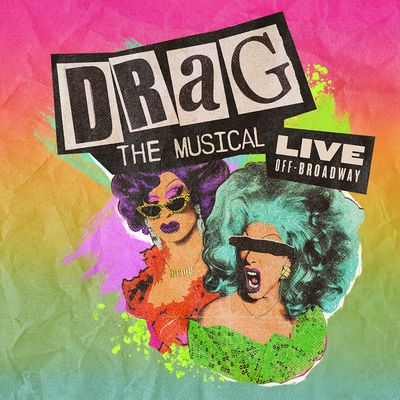
Nick Adams stops by to chat all things Drag The Musical. Sharing what it’s like to work with NKOTB Joey McIntyre, getting tips from the stars of RuPauls Drag Race, and creating the character with Alaska from the shows first incarnation... Read More
From the show: Behind the Awards with Eila Mell & Bruce Gotlieb
Guests

Featured Shows
About
Nick Adams stops by to chat all things Drag The Musical. Sharing what it’s like to work with NKOTB Joey McIntyre, getting tips from the stars of RuPauls Drag Race, and creating the character with Alaska from the shows first incarnation. Nick also takes on a trip down memory lane of past shows Priscilla, Queen of the Desert, La Cage aux Folles, and Chicago and also starring the movie Fire Island on Hulu.
Also in this episode Chris Colfer’s 2011 Gold Globe win. The first Tony Committee Meeting of the season including the following shows: Home, Oh Mary!, Job, Once Upon a Mattress, The Roommate, The Hiss of California, McNeal, Yellow Face, Thornton Wilder’s Our Town, Left on Tenth, Romeo & Juliet.
Nick Adams is a Broadway, film and television actor. He currently stars as Alexis Gillmore in the smash off-Broadway hit Drag The Musical. He recently starred as Cooper in the Emmy® nominated feature film Fire Island for which he received a Gotham Award. The film also won a GLAAD Award, Dorian Award, and garnered Hollywood Critics Association and People’s Choice Award nominations among others. Notably, Adams originated the role of Adam/Felicia in the Tony-winning Broadway musical Priscilla, Queen of the Desert, which earned him an honor from the American Theater Hall of Fame, two Broadway Audience Choice Awards, and an Astaire Award nomination for Best Dancer on Broadway. He received national critical acclaim for his portrayal of Whizzer in the North American tour of Lincoln Center Theater’s Broadway revival of Falsettos, directed by James Lapine. Adams was the final actor to star as Fiyero in the first national touring production of Wicked. He originated the role of Alexis Gilmore in the Queerty and Broadway World Award-winning world premiere of Drag: The Musical in Hollywood, California, and can be heard on the studio cast album. Other Broadway credits include A Chorus Line, Guys and Dolls, Chicago, La Cage Aux Folles and The Pirate Queen. TV/Film highlights include FBI Most Wanted (ABC), The Holiday Exchange (Peacock/Amazon), Dallas Drake on The Other Two (Max), Sex and the City 2, An Englishman in New York, Still Waiting In The Wings, As the World Turns, Guiding Light, Go-Go Boy Interrupted, and It Could Be Worse (Hulu). Concerts: NY Pops (Carnegie Hall), Boston Pops, Indianapolis Symphony Orchestra, Baltimore Symphony, Naples Philharmonic, Erie Philharmonic, The National Arts Center Orchestra of Canada. Nick holds a BFA from the prestigious Boston Conservatory of Music. @thenickadams
Make sure to check out Eila's book, "The Tony Awards", and all her other amazing books: https://amzn.to/43WMu5Y.
Connect with Eila and Bruce:
- Instagram @behind_the_awards
- Eila @eilamell
- Bruce @cominghomewithbruce
Transcript
This transcript was automatically generated and might contain errors.
[0:00] Nick Adams: This is Nick Adams, and you're listening to Behind the Awards.
[0:03] Nick Adams: Um, I think I just dropped my heart between Natalie Portman and Julianne Moore. So if anyone sees that, please give it back to me. Um, I most importantly, to all the amazing kids that watch our show and the kids that our show celebrates, who are constantly told no by the people in their environments, by bullies at school that they can't be who they are or have what they want because of who they are. Well, screw that, kids. Thank you.
[0:36] Eila Mell: Hello, and welcome to Behind the Awards. I'm Eila.
[0:38] Bruce Gotlieb: As always, I'm here with my guy Bruce.
[0:42] Eila Mell: Hey Bruce.
[0:43] Bruce Gotlieb: Hey Eila, how are we doing?
[0:45] Eila Mell: We're good today. So we were just listening to who?
[0:48] Bruce Gotlieb: Chris Colfer.
[0:49] Eila Mell: Chris Colfer, 2011, which is like I know. Can't even believe it that long ago.
[0:54] Bruce Gotlieb: I know. Uh, when he won the Golden Globe for his role on Glee.
[0:57] Eila Mell: So he's a pretty prolific author now, besides being an actor.
[1:01] Bruce Gotlieb: Yeah, he writes all these books.
[1:03] Eila Mell: Which is great that, you know, you can serve another passion.
[1:06] Bruce Gotlieb: Yeah. I mean, Glee, he went in, I believe if I remember correctly, he went in and auditioned for Artie.
[1:12] Eila Mell: Oh, really?
[1:13] Bruce Gotlieb: Which he didn't get.
[1:14] Eila Mell: Yeah.
[1:15] Bruce Gotlieb: But Ryan Murphy and the crew was like so taken by him that they wrote this character for him.
[1:21] Eila Mell: That became a much bigger character than Artie ever was.
[1:25] Bruce Gotlieb: Right. Well, that's pretty great.
[1:27] Eila Mell: Absolutely. He actually, in his acceptance speech, uh, I don't think we use this part of the clip, but he thanks Ryan Murphy and calls him his fairy godfather.
[1:35] Bruce Gotlieb: Uh, well, yeah. We could all use help like that.
[1:38] Eila Mell: Oh my gosh, right.
[1:40] Bruce Gotlieb: All right. So something has happened that both of us love.
[1:44] Eila Mell: It's like the first uh rumblings of award season.
[1:48] Bruce Gotlieb: Yes. Label published, you know, the wing, they do their determinations for what's going to be in what category.
[1:54] Eila Mell: Right. So they do, I think there's like a handful of them, like five or so. Don't quote me on the amount, but they do these meetings, committee meetings, and they determine.
[2:03] Bruce Gotlieb: There's a whole bunch of rounds as you go through the season.
[2:05] Eila Mell: Right. So it starts with obviously things that have opened sooner.
[2:09] Bruce Gotlieb: Right. And then it kind of peers its way through.
[2:12] Eila Mell: Okay. So, you know, we're always trying to predict who's gonna get nominated.
[2:17] Bruce Gotlieb: Right. So not every show, not every show is mentioned in this article, just a handful.
[2:21] Eila Mell: Okay. So it starts with Tori Kittles will be considered eligible for best performance by an actor in a leading role for a play for his performance in Home.
[2:33] Bruce Gotlieb: So he was great, but I think that show is too early, didn't run long enough. I don't think people are gonna remember it, but okay.
[2:40] Eila Mell: So then next we have Cole Scola will be nominated for best performance by an actor in a leading role for a play for O'Mary.
[2:49] Bruce Gotlieb: Now that could be a win. So the designation, I think people weren't sure where they were going to go. They left it up to Cole which category they wanted to be in.
[3:01] Eila Mell: Much like they did for Jay Harrison G and for Alex Newell.
[3:06] Bruce Gotlieb: Well, I think that's the way to go. This way the person is okay with it. So everyone else should be okay with it.
[3:11] Eila Mell: Absolutely. And from what I mean, even when it was downtown and it was rumbling that it was going to transfer to Broadway, Cole's role in this was already like, well, Tony Award, like shine up the brass already.
[3:23] Bruce Gotlieb: Oh my gosh. It is so funny. I could see it over and over and over again.
[3:28] Eila Mell: All right. Well, if you're ever bored in the city, you know where to find me.
[3:31] Bruce Gotlieb: That's right. I'll be watching O'Mary. Uh, next we have uh Peter Friedman and Sidney Lemon. They'll be considered uh best performance by an actor, actress in a leading role in a play for their respective roles in Job.
[3:46] Eila Mell: They were great. Then we have Laura Donnelly, who will be considered best performance by an actress in a leading role in a play for Hills of California.
[3:55] Bruce Gotlieb: Right. Which I think when we were talking about it after seeing it, we speculated that that would be the case.
[4:01] Eila Mell: Yeah, that's I think that's the right way to go. Michael Yargin for sets and Jake Barton for sets and projections will be considered jointly eligible for best scenic design of a play for McNeil.
[4:13] Bruce Gotlieb: Okay. Yellowface will be considered eligible for best revival of a play.
[4:17] Eila Mell: All right. David Henry Wang will be considered eligible as author.
[4:22] Bruce Gotlieb: Okay, great. Jim Parsons is going to be considered eligible for best performance by an actor in a leading role for a play for Thornton Wilder's Our Town.
[4:32] Eila Mell: And then we have Beowulf Borrett for scenic design and Jeanette Oisuk Yu for projection design. They're going to be considered jointly for best scenic design of a play for Left on Tenth.
[4:44] Bruce Gotlieb: Oh, okay. All other eligibility is consistent with opening night credits for anything that hasn't been singled out.
[4:52] Eila Mell: Because Beowulf Borrett also did Our Town, so I'm sure he'll just be eligible for best scenic design for that. I guess they only mention Left on Tenth because that's a joint nomination.
[5:02] Bruce Gotlieb: Correct. I really do think they need a projections nomination because set and projections are separate. Sometimes it's the same person, but many times it's they're different.
[5:12] Eila Mell: Yeah, and I know you have said that in the past that you've felt very, you know, strongly about that.
[5:17] Bruce Gotlieb: Yeah. I think we're a ways off from that, but hopefully that'll happen.
[5:22] Eila Mell: Yeah, I mean, you have a lot of times where it is a separate person. Most of the time it's a separate person. You know, sometimes it's the same person, but most often, you know, it's someone else.
[5:32] Bruce Gotlieb: So what should be mentioned that also the other shows that were talked about in this committee meeting that didn't have any designations was Once Upon a Mattress, The Roommate, and Romeo and Juliet.
[5:43] Eila Mell: Okay. So they're all pretty standard.
[5:45] Bruce Gotlieb: Those are standard, yeah.
[5:47] Eila Mell: Right. I mean, Mia Farrow and Patti LuPone are both gonna be in the best actress category, you know, considered for anyway.
[5:54] Bruce Gotlieb: Sure. I don't, none of this really surprises me. I mean, Jim Parsons, it is yo, his name is above the title in the marquee, so you'd be actually shocked if he was considered featured.
[6:04] Eila Mell: Right. Not that you would be in that role, but you know, it made sense.
[6:08] Bruce Gotlieb: Right. The only thing we didn't know was Zoe Joyce. Was she gonna be lead or supporting, but now she's supporting.
[6:15] Eila Mell: Right. Okay.
[6:16] Bruce Gotlieb: Yeah. So I think it's gonna be interesting because you have as far as at least meaty roles in even in that show alone. Yeah, you have her, Katie Holmes and Michelle Wilson, all which could be vying for the same nomination.
[6:31] Eila Mell: I know, but I feel like the two mothers, Katie Holmes and Michelle Wilson, are much more supporting than Emily. Emily is much more lead, so I guess we'll see.
[6:39] Bruce Gotlieb: We'll see how it goes.
[6:40] Eila Mell: I know. If only we could fast forward.
[6:42] Bruce Gotlieb: That's right. Well, but it's still so early. There's still so many things to say.
[6:46] Eila Mell: It is, but it's exciting when these committee meeting announcements start coming out because you get that like you get that little Tony itch scratched.
[6:54] Bruce Gotlieb: I know, I love it. So Tammy Faye came out.
[6:57] Eila Mell: Yes.
[6:57] Bruce Gotlieb: Reviews were not great.
[6:59] Eila Mell: No.
[6:59] Bruce Gotlieb: The critics, however, did love maybe Happy Ending, which also wasn't a huge seller box office number wise.
[7:06] Eila Mell: Right. It wasn't, but I think now maybe that'll turn around, I hope, because I think it deserves an audience.
[7:12] Bruce Gotlieb: But I also I saw Tammy Faye and I didn't think it was terrible. I liked it.
[7:16] Eila Mell: I told you, I think she missed the boat on Tammy Faye.
[7:19] Bruce Gotlieb: Okay.
[7:20] Eila Mell: You know, she wasn't larger than life. She was actually a very realistic, serious Tammy Faye.
[7:26] Bruce Gotlieb: Okay.
[7:26] Eila Mell: Which is not the Tammy Faye we all know. She didn't have the big eyelashes. She, you know, it just wasn't the caricature we knew.
[7:34] Bruce Gotlieb: Right. And it makes you wonder also if is this the same incarnation that was in London on the West End. Or did or were there tweaks made from one production to the next? Because she won the Olivier for it. And the show is a big hit.
[7:48] Eila Mell: My only thing is maybe they don't know Tammy Faye the way Americans know her.
[7:53] Bruce Gotlieb: It's possible.
[7:54] Eila Mell: So they didn't have the same expectations?
[7:56] Bruce Gotlieb: I don't know. It could be. You know, British audiences and American audiences aren't always in line with what's a hit one place versus another.
[8:04] Eila Mell: Right. So, but I do think it's interesting. I don't think it's terrible. I don't know why the reviews were so bad. She is good. She's just not what you want in Tammy Faye.
[8:15] Bruce Gotlieb: Christian Borle is good. Michael Serverse is really good. Mark Evans. So, you know, there's definitely reasons to see it.
[8:22] Eila Mell: Okay. Um, and I like the music, especially one song, If Only Love. I really like that song.
[8:26] Bruce Gotlieb: Okay. I mean, it's Elton John, so.
[8:28] Eila Mell: I know. You really can't go wrong.
[8:30] Bruce Gotlieb: You figure there's gonna be you get at least a leg up on that. He knows how to write a song.
[8:33] Eila Mell: I know. So you saw Drag the Musical.
[8:39] Bruce Gotlieb: Yes, I did. And I mean, that's just doing amazing.
[8:43] Eila Mell: So much fun.
[8:44] Bruce Gotlieb: So much fun. I mean, there's so many different avenues that could bring you to it.
[8:48] Eila Mell: Yeah. But the space is great at New World Stages for it. The show is big enough where it, you know, you feel like you're really immersed in this, you know, entertainment extraordinary thing. Uh, but also small enough where it, you know, the intimacy that some parts of the storyline need. So I think it's a great space. I think it could run there for as long as they'll have it.
[9:09] Bruce Gotlieb: I, you know, I'm gonna have to get my butt there for sure.
[9:12] Eila Mell: I was I we were gonna go and then I had an emergency. We couldn't go. Uh, so we'll have to figure it out.
[9:18] Bruce Gotlieb: I know, I know, I know. But how great was Nick Adams in it? Because he's always good.
[9:21] Eila Mell: Oh my god. He's from entrance one, yeah, which I won't give away unless people haven't seen it. But from entrance one till the final bow, he's great. I I'm so excited that we have him to talk about it.
[9:35] Bruce Gotlieb: Yeah, and you know, we talk about a little bit of his career path and what brought him his journey with Drag the Musical, because he's been involved with it for quite some time.
[9:43] Eila Mell: Since the very beginning, which I didn't know.
[9:45] Bruce Gotlieb: So yeah, it's really interesting. Also, I mean, obviously I knew he was in Priscilla. I forgot that he was in La Cage, you know, I didn't realize Chicago.
[9:54] Eila Mell: Right. You know, I didn't but I didn't realize that he had such a history of drag on Broadway.
[9:59] Bruce Gotlieb: Right. Yeah. Which is funny because, you know, you don't you look at him in his normal everyday Nick persona and you don't immediately think drag.
[10:08] Eila Mell: So it's interesting.
[10:09] Bruce Gotlieb: Yeah. It's a fun interview. I think our listeners are gonna love just getting a little bit of insight on you know what Drag the Musical is about and you know the heart that it has.
[10:17] Eila Mell: Well, I would say without further ado, Bruce, what do you think?
[10:20] Bruce Gotlieb: Let's bring him out.
[10:21] Eila Mell: All right. Bruce and I are so excited to welcome Nick Adams to our show.
[10:28] Nick Adams: Hey Nick.
[10:29] Nick Adams: Hi, thanks for having me.
[10:30] Eila Mell: Thanks so much for joining us. We're so excited to have you. You're currently starring in Drag the Musical, which everyone is flocking to. I had the opportunity to see it a couple of weeks ago, and it was so much fun. Such a good time.
[10:41] Nick Adams: Thank you. Thank you very much. Thanks for coming.
[10:45] Nick Adams: I actually had dinner with a friend and their kids, and the kids went and the kids loved it.
[10:52] Eila Mell: Good. Yeah. But I mean, I think it's surprising for people that it is a family-friendly show to be able to bring, you know, everyone to and I think it speaks to a lot of different people. So it's been nice to see, you know, all ages of the show.
[11:05] Nick Adams: Yeah, that's great.
[11:06] Eila Mell: Absolutely. So how did that show come about for you? Were you in it in the very beginning? I know Alaska wrote the show and kind of created it. Were you involved from the very beginning?
[11:14] Nick Adams: Yeah. So, uh, like right at the end of 2022, or no, right at the end of the summer of 2022. I had just finished shooting Fire Island, like right at the I guess when we everyone started to return to work, like post-pandemic.
[11:28] Eila Mell: Yeah.
[11:28] Nick Adams: And I got a phone call asking if I would be interested in flying to LA to do um the studio recording of the show. So I just got sent a couple of the demos of the music. And I thought it was really fun and catchy and and like eclectic, and I thought it would be fun to sing. And um, I just got an idea of like what the story was. And then they I don't even know if I had like a full script at that point, but I just I had like the music sent. And um my friend Spencer Lift, who uh who I've worked with over the years many times, we you know were in the city as dancers, like when I first moved to New York, and you know, it's just amazing to get to work together again and and again in this capacity now as as like adults in the industry.
[12:09] Nick Adams: Um, he was signed on originally to choreograph and then took over as choreographer and director. And uh, you know, had just we had just before the pandemic done Falsettos together. And so he had recommended me, you know, to the writers, and I had never met any of them before. I had never met Alaska, even though we're from the same hometown randomly. But I flew to LA, I was there for a couple days, recorded the album, and then it was one of those things where like I've been a part of projects that have tried to get legs for years and years and years, and like you think they've gained momentum and then they fall off and you never hear from them again. And this was one of those things that I just sort of didn't surround it with any expectation.
I just was like, let me do this recording, and it's got some great names attached to it. We'll see what happens. But if that was it, then that was it. So it's been amazing to kind of just allow it to develop and grow and not try to like white knuckle the outcome. Sure. Because I feel like in past versions of myself and like things in my career, I've always like thought, oh, if this happens or this, I'm gonna try to like put all my energy into making this work. And so this one has just been like I keep coming back. It's kept sort of snowballing and growing, and I've kept going back to it because I just have so much fun doing it, and I have so much fun with these people. The cast is unbelievable, and this particularly this cast in New York, like we finally got here.
I think the recipe is just right, and it's just so much fun. Like, I wake up and I can't wait to go to work every day, and I don't know the last time that I felt that way. So um to sorry just for the ramble, but to answer your question, I started with the cast recording, which was like the trajectory of the show is sort of in reverse order. We did the studio album, and then we did a stage reading at the Bourbon Room in Hollywood, and then we did like a full run of the show, like a short run to just see what it was, and then we did another one this past spring, and then we're like, hey, we're gonna move the show off Broadway. And I came with them and looked at New World Stages, and we talked about maybe going to the Ortheum, and I'm really happy where we landed where we did because it just feels like we're in the heart of the theater district, we're right in Hell's Kitchen, we're in like the drag neighborhood of Manhattan.
So it just feels good. And I, you know, this is the first time I've done a show in New York since Priscilla, Queen of the Desert, which I was also playing a drag queen. And so, you know, I it's not that I didn't want to do a show here, it just has like taken me that long to come back and it was the right project. And I don't know, I just feel like intense gratitude every day that I'm getting to do something at home again. And a project like this that people are really celebrating, you know, I've been on both sides of it. I've seen when shows are flopped. So celebrated. I just am like taking stock every day in the fact that people are loving it and the audiences have been responding like crazy. They just I've never felt like a wave of joy and laughter like I do with this. So it's really special.
[14:45] Eila Mell: As an audience member, you feel it too. The energy in the theater, and the great thing about where you guys are in New World Stages is there's no bad seats. So no matter where you are, you're getting a show.
[14:54] Nick Adams: Yeah. If our listeners want to get tickets, there are these like tabletop cabaret styles that are closer to the stage, so you could really be in the action.
[15:03] Eila Mell: Totally. But you can definitely feel the energy off the stage from you guys and everybody really getting along, and just that synergy is really there. I mean, spoiler alert, I guess, you know, there's a your entrance is amazing, you know, sliding down the pole, full glam rock out. It's just it's epic.
[15:20] Nick Adams: It's wild. I know I in LA, I just we you know, we were in the Bourbon Room, so it was like this existing set they had from when Rock of Ages played them. And so it's sort of just stayed, and now when shows go in there or when like rock concerts are in there or whatever, they have it's like a music venue. Um, there is the same set. And so we kind of just had to make do with what we had. And so this Jason Shorewood designed this amazing set for us and gave us like lots of fun little areas to play. And when I saw the original design, that there was like they call it the crow's nest, where I come out on this little platform and there's a giant stripper pole. I was like, I bet that better be mine. I'm glad I got it. And Spencer was like, you know, your last entrance, you got lowered on stage at the palace. Like this was a close second. So it's a good return. You know, I love an entrance.
[16:03] Eila Mell: So we'll be right back. We have to listen to some commercials.
[16:12] Bruce Gotlieb: How instrumental were you in creating the look of your cost of your character and the costume and makeup?
[16:17] Nick Adams: So Marco Marco, our designer is incredible, um, Emmy Award winning. This is like his first foray into like a theatrical piece. Yeah, I think. Um, he's mainly done like pop stars and celebrities and like really, you know, best of the best drag queens in the industry. So he was really collaborative. Like he I would go to a studio in LA, sit down, have like a whole giant mood board of things and who we wanted to pull from, and also like looks of his that he's designed for pop stars that I immediately resonated with for this character because she is sort of this like amalgamation of like rock stars and you know, strong females and androgynous characters, and so there's just like a lot of ideas that were floating around.
And there are references to different pop stars in the script and in the score, and so there's like designs that he had made specifically for Britney Spears that we kind of like crafted that look sort of similar to that, and like different textures, and you know, we played around with different I had many different wigs, uh, you know, hair and makeup, or we're a sexton or makeup artist um who designed the show who was doing all of my makeup in previous iterations of the show, but for this she taught me how to do it myself. So how how early you have to get there to get, you know, fully in.
[17:25] Nick Adams: So for a seven o'clock, I'm getting there at four o'clock right now. Oh wow, which it's not typical, but like the other the you know, I I was thinking, will it take me that long once I'm more seasoned with it? Um but the the professional drag queens are there at the same time doing it. It's just it's a process you have to like allow things to dry and it's a you know layer by layer kind of thing. But I will say at first I was I was nervous about it because I'm like I'm an actor playing a drag queen next to real titans in the industry. Like I can't look a mess next to them. You know, it's already I'm already like a hard sell anyway. But I I was like, I can't like look terrible. And I had this celebrity makeup artist Aurora in LA doing my makeup for every show.
And she also would take about three hours at the Bourbon Rooms. But what I will say is I've loved the process of learning. I've loved the process of the pre-show ritual of being we're all in a dressing room together with this communal like sisterhood vibe of just as you know, anybody that's a fan of Drag Race watches them in a workroom and how they interact with each other and like get ready for the main stage. It's a it honestly is like living that experience every day where everyone's just so funny and like so quick and like will help me out if I have a problem with anything or if I screw something up, they're like, No, do this, this, and this, and you've got it. So I I've really learned also from just tips in the room, like having them help me and and guide me, but also just for the to get into character to spend those three hours, like by the time it's showtime, I feel like I'm Alexis.
I don't feel it myself anymore. And and in the other shows that I've done on Broadway where I played a drag queen, it's it is so transformative in that way. I'm like, there's nothing more theatrical than like changing the complete way that you look. I mean, I don't see myself in the mirror, I see somebody else. So by the time I go on stage, I'm like Nick is just put away in the dressing room itself and done.
[19:09] Eila Mell: And you feel feminine when you're in the costume and the makeup?
[19:12] Nick Adams: I do. I feel there's just there's something about this character in particular that feels like it's like a superpower or superhero type energy about her. And it I think it like transcends genders to me. It's not and it's there are moments where I do feel very feminine, but I've this character, like sometimes I don't have padding and I don't have I'm just have my body and we kind of use that. There's references to that in the script as well, where it is sort of just a gender fuck and like and and also challenges like the idea of like what drag is, but we also say in the show drag is for everyone. And so we do have all types of drag. We have a drag king, we have a bearded queen, we have a muscle queen, we've got you know, like all of them an Afab queen.
So I I think it's I think it's important that the idea of like what femininity is doesn't necessarily inform everybody's drag in the same way. And so I can feel I can like present in a certain way to a certain audience, but like it's about a feeling.
[20:07] Eila Mell: Yeah, and I think I feel I feel beautiful when I'm all done up and when I'm in her clothes and in her shoes, and um yeah, it's really empowering. I mean, I really understand why people are drawn to drag.
[20:20] Bruce Gotlieb: Yeah, I mean, even you know, I get it too, because when I have heels and a dress on and I look a certain way, I feel much different than if I'm just you know in sneakers and you know, jeans dressed down.
[20:30] Nick Adams: Absolutely, yeah. And I feel powerful. I feel like it feels like armor, it feels like I don't know, I'm invincible. And it really is so easy to lock into all that when I've like had a hand in the creation of the presentation, you know, like the fact that I'm doing it myself now feels really important. And I feel like it is a little more respectful to the art of drag that I've learned how to do it myself. And like I I'm really impressed with my own feels girls in the dressing room are like, you look really you look too good for having learned how to do this like three weeks. That's fantastic. But I've been I get to practice it. We do, you know, we get to do the show eight times a week. So I'm practicing it every day. I'm getting there and like taking my time and yeah.
[21:09] Nick Adams: So and in other my other drag um experiences in the city, like Priscilla, we wore these ingenious masks. So I didn't have to do drag makeup. I like our costume changes were so fast in and out of drag that it didn't really allow for real makeup. So we had these molds made of our faces to swap out with every costume. And so and when I did La Cage, it was like I I was decidedly supposed to be this sort of like man in a dress, like not very beautiful queen. So it was easy, easy. I could do it in like 15 minutes. And so I I don't know if you know this, but my first my Broadway debut was the standby for Mary Sunshine in Chicago, which was just like so random that I got to do that. I mean, even that, like the the makeup plot was much easier.
I think I had my own eyebrows for that too. I didn't have to like do the whole blocking out and everything. So this is like the full deal. It's not like Broadway drag, it is like real, real drag. So yeah, it's been a process and it's been amazing. And I don't know, I feel like proud that I get to sort of carry this legacy as being like uh, you know, help keep keeping drag alive in the Broadway industry for god years, you know.
[22:11] Eila Mell: And so to get to come back with this and with this project, and it just feels everything feels right, you know. It's an interesting, I think you're probably getting all different kinds of people at the show too. Not only like you said, families, but you're getting people that are maybe fans of RuPaul's Drag Race because you have drag queens on there that are, you know, legends with that show. You have uh when we were standing there waiting to go in, there was like people that were just there to see Joey McIntyre because they're new because on the block fans. So in my head, I'm going to Do they know what they're like about to get into? So you have like this weird dichotomy of people who then are all put in the blender and just come out like the most joyous people ever.
[22:51] Nick Adams: Yeah, it's been really interesting to see that sort of like mixture of demographics, you know. Like because like you said, there are there, we've get we get like three basically. So we have the the RuPaul fans that are maybe have never been to a musical before. And the same with Joey McIntyre fans that have followed his career since you know the beginning of New Kids on the Block that are fantastic. They're so enthusiastic and they're so supportive of him and then also of all of us, which is amazing. And then you have like people that are coming to see a musical that don't necessarily maybe know a lot about RuPaul or about the New Kids on the Block or Joe. Broadway people.
[23:23] Eila Mell: Yeah.
[23:23] Nick Adams: And so you have them all in the same room, and then they're sharing in this collective experience of just like so much laughter, and really they're on the ride together. And I I don't I just I love that speaks to like the power of theater and drag and I I guess just like our the art forms combined. You know, it's it's really special to get to be a part of that.
[23:41] Eila Mell: So I feel like since this, you know, election, this show is more important than ever. Um and what was the first show back after the election like? Did it feel different?
[23:50] Nick Adams: It did. It was um solemn at work at first, you know, everyone was kind of quiet. And um, we had some castmates come in in tears, and it's tricky because like it feels my mom was texting me yesterday morning. She was like, you know, the show is more important than ever now because you need to be joyful, you need to share the story, you need to um be uplifting and give people hope and and celebrate self-discovery and individuality and being different and you know, marginalized communities.
[24:19] Nick Adams: Like it's all represented in the show, and it just feels it felt yesterday like it all of a sudden grew and became something even bigger than we thought. And the audience last night was so charged and emotional and like on board with it. And there are like tender moments with this boy who in the show who's Brendan, who's it's more about him just it's his self-discovery. It's like we never really touch on whether or not like he's queer or you know, what his sexuality is. He's a you know 10-year-old kid. It's like he's just interested in certain things. And so we allow him to explore that. And I think that's really important to show that. And I think, you know, his dad, Joey McIntyre, plays his father and my brother in the show is you know, starts off sort of tentative and closed-minded and worried, but also like optimistic.
He's like come to help me out of this pinch that I'm in with my club. And we end up reconciling, and it's I think that's an important story to tell too, is that people change and people can come together even after years of being estranged and not speaking. But there is a scene in particular where I have a fight with Joey, and I talk about being a gay kid growing up in Pennsylvania, and like I could barely get through it. I was just it's emotional anyway, because I'm from Pennsylvania. I know I like that so real to me in that moment because Justin Alaska who wrote the show, a lot of it comes from you know her personal experiences, and she's from a small town in Pennsylvania as I am the same town, and like feeling like you had to leave this town, you like weren't welcome there.
And just that that in particular, like was very emotional and hard to get through. And we see La Fontaine who plays Dixie has this anthem called One of the Boys, which is you know, her singing about being in a Fab Queen and about being able to express herself in the power of women. And she like last night was in tears when she got to work and watching her get through that song and how the way the audience was reacting to it was just like I'll never forget it. You know, we were like texting this morning and last night and just saying like we didn't, I don't think we knew how big the show is until this moment happened. Right. And it is like it feels like a protest now. It feels like it's become more powerful and more important than ever.
It becomes like an anthem. Yeah. And you guys do throughout the storyline, again, I don't want to give too much away for people that want to go see it, but within the storyline too, there's different grieving processes that are happening for various different reasons and not necessarily only because of a death. So certain people are going through grief processes on their own now. So to have a collective grief together and be able to let yourself be vulnerable enough to feel that is cathartic too. And it's crazy because like on the surface, it is this sort of like absurdist musical comedy camp. You know, it's ridiculous. It's ridiculous. Like we're running around like Muppets for most of the thing.
But then there are these moments where the audience is like gut punched and they are crying. I mean, last night there were people in that scene that I saw just like wiping away tears and crying in the audience. And it's just I think it gives you more than you bargain for. Right. You know, I think it is there's something really special about Yeah, it's not just surface level. Yeah. Yeah. I think it catches people off guard, especially like, you know, people that are coming in thinking they're just they're getting like a drag brunch show with these famous queens. It's like, oh my God, we're feeling something. What's happening? Right. Yeah. So that's been really that's been really cool to win. Like even talking to people at the stage door, they they just are really caught off guard by it and touched.
And I've had like fans of Joey's that have, you know, at the stage tour come back again and bring their like children and bring their gay sons and say, I saw this because I love Joey, but I had to bring my family to this now after seeing it. So that's been really important. Yeah, that's incredible. And the fans are just crazy at the stage door. I've seen them. They're they're very to the point where like New World Stages, the venue has said to us, like we've in their history of existence, they're like we've never seen anything like this for one of our shows. And I and that is that feels amazing. You know, it really it's wild. They're all the way down the block and they're waiting. It takes us a minute to get out of makeup too, and they're there waiting by the time we get out.
Yeah, they're eager to meet everybody. And how quick is the post makeup takeoff? It takes me about 20 to 25 minutes to get out. Yeah. It's um and then when I come home, I wash my face again before bed, obviously, just because it's still lingering. Um but yeah, it's uh I use I you know, there's like a glue stick. We use glue stick to get our eyebrows hidden, but then I also use a product called Prosead, which is uh like a prosthetic adhesive to like really coat it down so it's locked in there and it takes a minute to dissolve, and then everything is there's like I'm washing my face with Don Dish soap at one point back there. A lot to get it off. Do you have like a routine then like one your day off you're going in for like a facial to like revitalize yourself and your skin?
Yeah, I I'm pretty into skincare anyway, so this has been it's been a process to sort of like balance out all the harsh chemicals. I'm stripping my moisture with something. Yeah, right. My whole paycheck is going back into my face too. Maybe you can get one of them to like, you know, maybe like you'll do a sponsorship or something. Exactly. That's a that's a really good idea. Yeah, if anybody's listening, yeah, really let's take a minute to hear a word from our sponsors.
[29:24] Nick Adams: So when you started, whenever you found theater, you go to see a certain show, and you're like, oh my god, this is what I need to do. This is this is gonna be my career. Yeah, so I grew up in Erie, Pennsylvania, and when I was nine, my mom um on New Year's Eve took me to see a show at our community theater called the Erie Playhouse, which I ended up growing up at essentially. And um, but that night I just remember sitting on the edge of my seat. It was the first time I'd seen anything like it. What was the show? And my mom, it was the New Year's Eve celebration. So sort of just like a review of different like, you know, numbers for musicals. I just remember my mom like looking at me and she was like, could tell that I was on the edge of my seat and so interested.
And I was like, I want to do that. And so she just looked on the newspaper and found an audition. And so Once Upon a Mattress was my first audition and I played the jester in that show. And then it was like I was always in something there, or in my school or, you know, in classes, and I just it I got so immersed in it that I never even gave myself an option to explore anything else really. I just loved it so much. And I was super shy as a kid until I found a sense of community and you know, friends and and um you know, just a sense of a sense of confidence I never had before. It just kept growing and growing, and then I went to school for it and moved to New York. So that's amazing that your mom took you because you know, otherwise, who knows?
I know, I know. I don't I don't know how or when I would have found my way to it, but I think it was like calling me somehow. Probably at some point. But you you're lucky that you had options in your community. I when I was 18, I went to this small town in Pennsylvania called Tower City, and they have one road in the whole city. There's nothing there. Like the big hot spot is a pizza place. I mean, it's crazy. So, you know. Yeah, I'm luckily like uh in here like on every corner, there's like a dance studio. Amazing, yeah. A church and a bar. It's like at every intersection of the baby which yeah. But I like I'm lucky that I had the the you know, this theater that I could explore. And I was like always in something there forever until I got to high school.
I was just always in they had like a youth program where you could do youth theater and then also a main stage season. So I was kind of like in things simultaneously. Well, one thing was rehearsing, the other was performing at night. So I just that's all I knew growing up was being in something. So it was a great training ground, and kind of I was, you know, with a lot of people that went on to do this as well. And I'm really fortunate that I had that experience growing up because it really gave me like a passion for this. And I think I was in like 90 musicals by the time I got to college. So wow. You had a good training ground. You could rest a little in college. We were probably constantly in a show too.
That's true. Where'd you go to college? I went to the Boston Conservatory. There's there's a couple people in our show that Eddie Korbich, who plays Drunk Jerry, went to Boston Conservatory. Jan Swort went to Boston Conservatory, and our associate director, Jason Michael Snow, also is a conservatory graduate. So amazing. It's kind of nice that we're, you know, we can swap stories about the school. Right. So let's talk about Fire Island. That was a pretty big deal movie. Yeah. How did you get in love with that? So I think right before the pandemic, I sent an audition tape in for something that was gonna be on the streaming service called Quibi. Do you remember that? I remember talks of that, yeah.
So it was like 10-minute episodes. It was gonna be a TV, it was gonna be a series, not a film. And I had auditioned for that. And then I sent a couple more tapes in at the beginning. I was like up in a my partner and I rented a house in upstate New York, and my manager was like, Oh, you need to tape for this again. And I was like, the world's ending. Are you kidding? I remember I just like fired off a quick tape and like sent it in, and then they they were like, Oh, I think you're getting this. I think you're gonna this series on Quibi. Like, we'll see what happens, and then everything just kept getting delayed and postponed and whatever. And then the following summer, I think it was like right before like right at the end of the pandemic winding down, and I got like another call that Slurchlight had purchased it, it was now gonna be a feature film and not a series anymore, but it's all like new casting, and the director had changed, and so they were like, We need to just like check your availability and interest, but then we have to like retape you for all this too.
Oh, that's scary. So then I did that again, and then I know, and I was like, Oh god, and then it just, you know, the pressure of that thinking, like I have it works now in however many like a year at least during the pandemic. And I was like, I could really use this. Yeah. And I taped, I then had like a session with the director just over Zoom. I remember it was I was in Boston, and he was in a the back of an Uber. I thought I was gonna have to like do the scenes with him. You know, and he's he's in the back of an Uber, like going on like to Gab location to shoot. And he's like, Oh no, I just wanted to chat with you and get to know you a little bit. And I was like, okay. And um, he's like, But yeah, we're we're all big fans over here, and we like love to have you.
And I was like, okay. So then like a few weeks, I think like a week or two went by after that, and then I my manager called me and was like, You got this movie. And so I I think I was really excited, but I don't know if I really understood like the magnitude of what it was gonna be before, because you know, you never know. And I think after our first table read, I was like, holy shit, this is gonna be major. And um just just to have it come, like at that time, like after being like really concerned about you know what was gonna happen with the world and with like the industry and my career, like there was just so many, you know, worry that I had and that to come back to you know, acting again in that capacity was really special.
And um that cast too. I was just like, we all are still for we're still all in a text thread now that we are constant in constant communication and supportive of each other. And um, it was a really great group. And it just it was a big deal for queer cinema. And so, you know, I've I've been lucky that I've kind of crafted this queer forward career as it's been pointed out to me. And and um, and not intentionally either. I think it's just sort of that's the way it's landed, and especially with theater, and so then to to have it in that medium as well was just uh incredible to have it be so celebrated and accepted by the community was it was really important. So and it's just like the gift that keeps on giving.
It really is. Because people can see it anytime. Yes, and people love it. It's just it's such a and I think it's a beautiful film. I think it's a great representation of like you know, the gigs, the queer experience on Fire Island and what that can be, and sort of like this choose your own adventure, but it's also just like the importance of like chosen family. And um, yeah, I'm really it's a beautiful movie. I like you never know how it's gonna turn out too after editor and everything. So we're all just so happy with it. Did you stay on Fire Island when you were shooting? I'd say the last two weeks we shot on the island and the rest was in like sound stages where they built the set. I was also because there were so many regulations with COVID winding down, like we couldn't have more than a certain amount of people in a space at a certain time with like outventilation, and so they built like replicas of the ice palace and all these things, and then some of the houses that we used were on Long Island, like on the way to the Hamptons, just because we could have more space with the crew and like it proved to be very challenging to get all the equipment out on barges to the island, but we did for like the last two weeks to shoot it because we had to do a lot of exterior shots and boardwalk shots and all that stuff, but it was it was really fun to be out there.
[36:24] Nick Adams: I got to stay in a beautiful house, and you know, it felt like we kind of got to have a little bit of the real experience together out there.
[36:32] Bruce Gotlieb: Yeah.
[36:32] Nick Adams: Also, you know, what's important about Fire Island is that you know, if you stay there for any length of time, you see the same people every day, and it's sort of like a summer camp kind of atmosphere.
[36:44] Bruce Gotlieb: Absolutely.
[36:44] Nick Adams: At least on Cherry Grove, that's where I'm familiar with.
[36:47] Bruce Gotlieb: Oh, yeah, no, it definitely is.
[36:49] Nick Adams: You know, that's what it's like. And I can only imagine that that would really add to the experience. And I think if we hadn't really shot on location, we would have got a little bit of shit forced.
[36:58] Bruce Gotlieb: Right.
[36:58] Nick Adams: You can't fake Fire Island.
[37:00] Bruce Gotlieb: Right.
[37:01] Nick Adams: Although like my house in the film is like decidedly supposed to be so over the top and like huge because it's supposed to be this representation, you know, like of the classes out there. And it's like the size of an airport and it's all this massive cement home and everyone at theater is like that's not really out there.
[37:18] Bruce Gotlieb: Yeah, right to the island, but well it could be like that hotel. Do you know the hotel in Cherry Grove, the big hotel?
[37:24] Nick Adams: Had you been able before booking the film and going out there, had you been out there before just to hang out?
[37:30] Nick Adams: Oh yeah, like I moved to New York in 2005, and so over the years I've been there many times. But I remember like my first I was like just back in the city after being on tour with Chicago, like before I think before I joined the Broadway company, or I had just I was about to start the Pirate Queen and I was dating this guy who had like was not in theater, had all these friends that were like in fashion and like photography and like corporate land, and so they just were like it was interesting to get to hang out with people that were so different than me.
[38:01] Nick Adams: But I remember him inviting me out there for a birthday party for the first time. And I was like, oh my god, I'm going to Fire Island. I had to like navigate my way on the train and get there by myself. So I remember thinking I was like gonna go out there for the day and like maybe spend the night if I couldn't get back on the ferry on the way home that evening.
[38:20] Bruce Gotlieb: Right.
[38:20] Nick Adams: So I packed like a toothbrush and like contact. But I had like a t-shirt, but I ended up staying there for a week.
[38:27] Bruce Gotlieb: Oh my gosh.
[38:29] Nick Adams: I remember coming back and I was like so tan and like my hair like bleached blonde and my agent was like, You're unrecognizable. Like what happened to you? It's just but yeah, it was fun. That was my first time out there, but I love it out there. And it's like it's such an escape from Manhattan, but it's so close. It feels so far removed, and you're just you know like an hour and a half, two hours away.
[38:48] Bruce Gotlieb: It really is. It's like a choose your own adventure. You can have like a beautiful beach day. You can have you could party, you can, you know, swim. But there is a sense of community out there that's like its own experience.
[38:59] Nick Adams: Right. And people go year after year. So there are people who have been going for decades.
[39:03] Bruce Gotlieb: Yeah.
[39:04] Nick Adams: And I think, you know, if people haven't been there, they don't realize how small it even is. There are no cars.
[39:09] Bruce Gotlieb: Right.
[39:09] Nick Adams: It's all boardwalks, there's no streets, really.
[39:11] Bruce Gotlieb: It's really walking on these little...
[39:12] Nick Adams: Yeah. You could walk from one side to the other.
[39:14] Bruce Gotlieb: Exactly.
[39:15] Nick Adams: That's what I was gonna say. You could walk the whole island in what, 15 minutes?
[39:18] Bruce Gotlieb: Yeah, I mean, it's basically a sandbar with houses on it.
[39:21] Nick Adams: With beautiful like beach houses, yeah. And great restaurants and bars. We'll be right back. We have to listen to some commercials.
[39:31] Bruce Gotlieb: After seeing the show, one of the things that I took away from your performance and your costuming and all that, and I don't know if this fed to any of it, but I thought, okay, Nick's gotta play Hedwig next, because that's just the vibe that I was getting, and also the aesthetic of the costume and all. I just was like, like, that's what's gotta be next.
[39:47] Nick Adams: I mean, I would love to. I never have. I think it'd be incredible. It's like such a great role, such a great show.
[39:55] Bruce Gotlieb: I yeah, I think it's like either that or Frank and Furter are perfect.
[39:58] Nick Adams: Right.
[40:00] Bruce Gotlieb: Although I'm sure you want to do something that's completely different too.
[40:02] Nick Adams: Yeah, I mean, I will say I think after Priscilla, I was very weary about like doing anything in drag again for a while just because I was so associated with it. And so I think I think I was just like pushing the opportunity that may have come from that like away. And it really just was like, I think I was afraid of other people's perceptions of like, oh, I might be pigeonholed or what I don't know. It's just to me, I'm like no longer concerned with that. I think it's obviously in my life because there is it's like it calls me to do it. And I think I have a skill for it. And so I'm not afraid to take them on and I like really enjoy this. And I again like I do feel a sense of pride that I've been sort of like the one over the last several years that's been able to sort of be a part of the legacy of the art form of drag in Broadway musical.
[40:51] Nick Adams: So yes, of course after this would love to do something completely different. It's just fun to mix it up but to come back to this after 12 years has been a real joy and you guys are an open-ended run, right?
[41:03] Bruce Gotlieb: We are. I recently saw you in a documentary that my friend Gio produced called Body Electric.
[41:09] Nick Adams: Oh my God. Which I did like a million it feels like I shot that a year a million years ago too and I forgot that it was even a thing. And yeah and um I got messaged about it and I was like can can you come I couldn't come to the the screening of it but I I'm very curious. I'd love to see it at some point.
[41:24] Bruce Gotlieb: Yeah well it turned out great. I was at the screening it was so good and really important and it spoke to me even though it's I'm not the intended audience, you know, I guess stereotypically right but it still spoke to me. I think we all struggle because it's about body dysmorphia and things like that. So I mean obviously you have a fitness routine but how important is that to you as an actor?
[41:47] Nick Adams: I mean it's tricky because like I you know I started as a dancer in New York and was in a lot of big dance shows and like I was a gymnast as a kid and like my physique has been like a byproduct of like what I do. And so it's tricky because at times in my life like a lot of attention's been placed on it and sort of like overshadowed the work I do. Even like with this, like it's interesting. Like it's mentioned in the script and it's like it's just part of the it's part of like what I bring to the table. And I'm not even I've lost like 10 pounds from doing the show and I'm just like going to the gym to like warm my body up and get ready to do this. But there's something about when I'm in a whole week schedule that like I get in a different sense of shape than I'm than I can be in when I'm not this active and like with adrenaline and just having somewhere to be you know every day and like such a regimented schedule.
[42:32] Bruce Gotlieb: Yeah.
[42:33] Nick Adams: It's important for me to feel healthy and be able to like meet the demand of what I'm doing. But like as far as like aesthetics, I just am less focused on like what the presentation of my body is as opposed to just like what how it serves the work I'm doing. And so with this like it's just this is just the body I'm inhabiting and it's just where I'm living in and like I'm it's funny because we've like laughed like some of the you know people in the dress room have like read reviews and stuff and I they thank God like we've gotten like really great critique on the show and I'm grateful for that and people have been really celebrating it. But like something like the word distracting has like come up a lot surrounding my body and I just find interesting that like what people's idea of like what a drag queen needs to look like is very antiquated I think. And also it's just like comment on someone's physical body in a review, whether it's good or bad, I think it's also kind of bizarre.
[43:22] Bruce Gotlieb: Yeah.
[43:23] Nick Adams: In 2024, I mean I just think it's we I think it's a little weird. And it's like it doesn't necessarily have anything to do with my performance but it does the character is referenced as being like I sing about being the cheerleader and the quarterback. And Kitty like mentions like me having like big biceps and like I'm I who would who would ever consider me to be like a female impersonator. I mean there's like jokes about it too, but it is it is part of I think like a lot people can relate in queer culture to the gay experience of thinking you have to you have to be a certain type of what is considered masculine to work in our industry to to feel like safe.
[43:59] Nick Adams: And so I think even with like it's layered in our show because I think it's not only like drag trans is transformative, I think there's something about me still looking the way I look and being able to feel feminine and and exude that energy that I think is important. I mean, I don't think drag is one thing or has to be one thing, and so I think that's why we're like leaning into it with with my physicality. It's to your question, like how important is it to me? I think I'm I like to exercise, I like the routine of it, I like the way it makes me feel after. I think there's been versions of a younger Nick that like were more like result-driven of like I'm getting a lot of attention for this, and it helped me, you know.
I used to be an underwear model and like things like that in my 20s, and like that, of course, came into play. And now still I'll get I'll get auditions for TV things where it's like has to be shirtless, has to do this. And so it's not something I'm like, I have been I've had a hand in that in my career for sure. But it's secondary to me, you know. Like, I as long as I feel healthy and like I'm able to execute the show, amazing. And if there's reference, like in Fire Island, for example, I was supposed to be this like super plastic, a body obsessed person. So I was working, I was like insanely working out for that show and dieting, whatever. But like now, I'm just trying to be in a comfortable, healthy spot to be able to do this musical.
[45:18] Bruce Gotlieb: That's amazing because you know, sometimes there's so much pressure to look a certain way. We all know, and we all feel it. So it's such a universal story anyway. And I think there's something about where I'm at in my life right now, and especially with this project that I'm able to enjoy it more in a way that I've never done in the past because of those things where I put pressure on myself to try to be to execute perfectly or to do something the best that I can. And I do, I still strive for excellence, but it's like I've never been more where my feet are, if that makes sense. Where like I can just enjoy the moment. And that to me is so freeing. It's like I'm having so much more fun. And I feel like I'm more present in the show because I'm not worried about like I have to hit the note this way or have to look this way and I'm dance move, or I've got to like I'm just I remember I think like during Priscilla, I was so excited and overwhelmed by the moment that it was like this life-changing thing in my career.
[46:07] Bruce Gotlieb: Yeah.
[46:07] Nick Adams: That like my parents always ask me this too. They'll be like they were here for opening, and they were like, is this your favorite thing now? Or do or like did you love those experiences more? And I like got really emotional talking about it because I was like, I think I'm just allowing myself to enjoy it more now than I did when I was in my 20s because I just was focused on trying to be perfect and it kind of overshadowed the joy of the moment.
[46:26] Bruce Gotlieb: Right.
[46:26] Nick Adams: And who can achieve that anyway? I was having a conversation with a friend recently, and we were talking about just all the things going on with you know the world and everything prior to, and she said to me that she had just recently read something and was making a really conscious effort to not let things affect her now and not let things affect her being able to have experiences and live in that now moment. So I think that's really you know, the show even lets people do that and puts that forward in making sure that it doesn't always have to be perfect and it still can be amazing and it still can be everything you dream it to be now.
[47:03] Bruce Gotlieb: Yeah.
[47:04] Nick Adams: Absolutely. So you're in this show, we don't know how long, hopefully for a very long time. Is there anything else coming up that we don't know about?
[47:11] Nick Adams: Well, I have I have an ep I'm on an episode of FBI Most Wanted that's coming up like next week.
[47:17] Bruce Gotlieb: Fun.
[47:17] Nick Adams: Or I'm a guest star on that. I mean it was a blast to shoot. So much fun.
[47:21] Bruce Gotlieb: Yeah.
[47:22] Nick Adams: I'd never done a crime series before, so I was really thrilled about that.
[47:26] Bruce Gotlieb: Did that shoot in New York?
[47:27] Nick Adams: It did, yeah. I was fortunate that they gave me off from rehearsal to go shoot this.
[47:32] Bruce Gotlieb: Yeah.
[47:32] Nick Adams: And it was really, really, really a blast. And in the spring, I'm right now attached to an erotic thriller in the works that we're gonna shoot that in Palm Springs in the spring.
[47:43] Bruce Gotlieb: Sounds amazing.
[47:44] Nick Adams: I've always wanted to do like some type of like horror genre. So really fun.
[47:50] Bruce Gotlieb: Excellent. Well, I hope that you will come back when that's ready or whenever your next project is and we can announce it. And thank you so much for joining us. We love talking to you.
[47:58] Nick Adams: Thank you guys. I really appreciate it.
[48:01] Bruce Gotlieb: Yeah, our pleasure. We will see you next time on Behind the Awards.
© Broadway Podcast Network, All Rights Reserved