

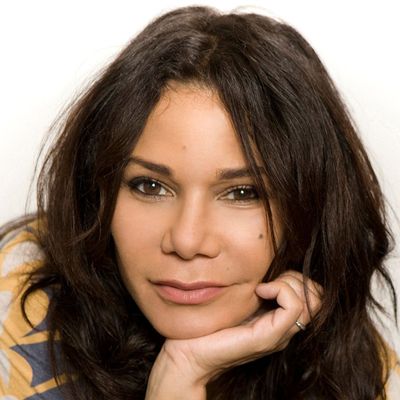
In one of their most inspiring interviews to date, Behind the Curtain sits down with one of Broadway's most respected artists, Daphne Rubin-Vega, to discuss not only her career in such shows as Rent, Miss You Like Hell, A Streetcar Named Desire, Les Miserables, and more, but to spotlight the role of diversity and politics in the creation of art... Read More
From the show: BEHIND THE CURTAIN: BROADWAY'S LIVING LEGENDS » Podcast
Guests
Featured Shows
About
In one of their most inspiring interviews to date, Behind the Curtain sits down with one of Broadway's most respected artists, Daphne Rubin-Vega, to discuss not only her career in such shows as Rent, Miss You Like Hell, A Streetcar Named Desire, Les Miserables, and more, but to spotlight the role of diversity and politics in the creation of art. Daphne pulls back the curtain on her career to discuss how she got cast in Rent and Miss You Like Hell, what it is like being an artist who is classified as "other", and why your authentic self is the best self to present at auditions. Also, Daphne shines the spotlight on Jonathan Larson, Philip Seymour Hoffman, and Quiara Alegria Hudes! Become a sponsor of Behind The Curtain and get early access to interviews, private playlists, and advance knowledge of future guests so you can ask the legends your own questions. Go to: http://bit.ly/2i7nWC4
Transcript
This transcript was automatically generated and might contain errors.
[0:00] Robert W. Schneider: Welcome to Behind the Curtain: Broadway's Living Legends. Today, we have the fabulous new album Miss You Like Hell, which is now available on Ghost Light Records. Here is two-time Tony nominee, the one and only Miss Daphne Rubin-Vega.
[0:09] DAPHNE RUBIN-VEGA: Hi guys, do I applaud myself?
[0:13] Robert W. Schneider: No.
[0:14] Kevin David Thomas: You just applaud yourself.
[0:16] DAPHNE RUBIN-VEGA: Oh my god.
[0:17] Robert W. Schneider: Thanks for joining us today.
[0:18] DAPHNE RUBIN-VEGA: It's my pleasure.
[0:19] Kevin David Thomas: I love to be objectified.
[0:21] DAPHNE RUBIN-VEGA: Okay.
[0:21] Kevin David Thomas: Yes.
[0:22] DAPHNE RUBIN-VEGA: Yes.
[0:23] Kevin David Thomas: It's a celebration of the wonderful DAPHNE RUBIN-VEGA.
[0:27] Robert W. Schneider: Okay. So where did you grow up? We're gonna start right at the beginning.
[0:30] DAPHNE RUBIN-VEGA: I grew up many places. I was born in Panama, the Republic, uh not the city. Shout out to the city right now in Florida. And also my people. But yeah, the uh Panama's um the country is where I was born. I came to the United States when I was three. Um yeah there's a project down the road where I can be much more articulate about it because uh I went back and forth. Um yeah so um I grew up in New York City at about nine I started to live here.
[1:04] Kevin David Thomas: That's when you came to New York.
[1:05] DAPHNE RUBIN-VEGA: Yeah I went to you know I came to the United States at three I went back to Panama at six and then I came back and stayed in New York at nine. So that's the math.
[1:16] Robert W. Schneider: And not to be too personal but were you with your family or with your parents or your mother this whole time?
[1:16] DAPHNE RUBIN-VEGA: I was with wolves. Um no I was with my mom and dad had broken up and um and so I came here the first time with my aunt and uncle. My uncle worked at the embassy so it was very yes so we lived in Washington DC.
[1:36] Kevin David Thomas: Oh shoot.
[1:36] DAPHNE RUBIN-VEGA: And I went to a Catholic school with a lot of people that didn't look like me you know so like then and then I went back and then so you know I mean, I grew up in New York City. By the time I got to New York City, it was like I realized that I belong everywhere, but I don't I don't either. Or I I'm from everywhere. I don't feel like I really belong anywhere in Panama already. They were calling me gringa and here, of course.
[2:04] Kevin David Thomas: Well, yeah.
[2:05] DAPHNE RUBIN-VEGA: Why do you guys look so incredulous? This is a very common story.
[2:09] Robert W. Schneider: We don't know that.
[2:10] Kevin David Thomas: We haven't heard this yet on our podcast, and so we really appreciate it.
[2:13] DAPHNE RUBIN-VEGA: Well, I mean, I don't mean it like uh everybody has my particular.
[2:17] Kevin David Thomas: No, but I know you're right. I mean, like musicals have been written about it. I mean, we've seen it. We can go on the street and probably meet someone that maybe has a similar trajectory, but it's nice to hear it here.
[2:26] DAPHNE RUBIN-VEGA: Yeah, you I mean, the reason I'm here and the reason you guys I think are so awesome is because you're talking about, you know, the 20 plus million bazillion infinity of varieties of ways that we get here.
[2:37] Robert W. Schneider: Exactly.
[2:38] DAPHNE RUBIN-VEGA: Do you know? So I grew up knowing very well that there's no wrong way to get here. Um if Jimi Hendrix could learn how to play a guitar by making one and pretending to play it backwards because he'd get spanked if he played it right because he was a lefty. Then, you know, when you need to say something badly enough, I know somebody needs to hear it. That was the tenet from forever ago. And so, you know, the way you become an artist is, you know, funny and peculiar.
[3:12] DAPHNE RUBIN-VEGA: And um, and when you don't have um like um educational credits, I mean I did go to NYU. I went to NYU for film school, not for acting. So I never really put that down. And I had this really bad habit of not putting down accomplishments that I'd made because I wanted to always start over. Do you know?
[3:33] Kevin David Thomas: Oh, yeah.
[3:34] DAPHNE RUBIN-VEGA: And so I always wanted to reset. Um so I digress, but I grew up in New York City and I grew up in Greenwich Village, I grew up in Hell's Kitchen. The first place I came to stay with my mom one Christmas, and then I never went back to Panama with my aunt and uncle. So it was not like a really decided thing. I just wanted to be with my mother.
[4:00] Robert W. Schneider: Of course.
[4:01] DAPHNE RUBIN-VEGA: Yeah, yeah.
[4:03] Kevin David Thomas: Did you know at a young age you wanted to be an artist? I mean, were you singing and being creative or creating songs or you know, I mean, all kids are creative, but yeah, I mean, I think I had a very strong fantasy life. There's a lot of, you know, breaking up and um, dare I say, trauma, you know, um in early life. And I think that when someone has early trauma, there's a need to recycle it in some positive form.
[4:30] DAPHNE RUBIN-VEGA: And um nobody likes to talk about that stuff, but now since you know, rage has been unearthed in this most sort of positive way. I find it like, oh wow, it's an open window for me to talk about. Like that's what it was. It was this inability to articulate why, you know when you look like other, it's easy to identify that existentialist angst. But when you don't look like other, it's called existentialist angst. You know what I mean?
[5:03] So I had this thing that I didn't know what it was, and I wanted to express it um ever since I can remember. Whenever I saw other art, um my mother used to take me to see these really just you know, R-rated Bohemian stuff when it was like I was like I had no idea what it was. But it intrigued me to the show. Like Ingmar Bergman. Oh my god, I mean, I remember seeing like you know the cinema, what do you call it? The French New Wave Cinema. All that stuff, like at the quad cinema. I grew up in the village, right?
[5:39] Kevin David Thomas: Yeah, of course.
[5:40] DAPHNE RUBIN-VEGA: So seeing stuff like Jodorowski and El Topo, these things that like children shouldn't really be seeing. Um or I wouldn't let my kids see.
[5:50] Kevin David Thomas: Right.
[5:51] DAPHNE RUBIN-VEGA: Just put it that way.
[5:52] Robert W. Schneider: Fair, fair.
[5:52] DAPHNE RUBIN-VEGA: And still left an impression on you, obviously.
[5:55] DAPHNE RUBIN-VEGA: Well, it made me want to create. So it made me want to express myself. So um, so I didn't know how to start. My brothers um played in bands and I saw the girls used to come over and love to like I thought they were my friends, but they just wanted to go to the basement and watch them play. And so I wanted to commandeer the mic so that they pay attention to me.
[6:18] So it's like, you know, there is no wrong way to learn how to express yourself.
[6:23] Kevin David Thomas: Yeah.
[6:24] DAPHNE RUBIN-VEGA: Um sometimes uh yeah, yeah. I mean, I don't know.
[6:29] Robert W. Schneider: That's a that's a no, that's great. What did your mom do?
[6:33] DAPHNE RUBIN-VEGA: She was a nurse. She was a nurse in Panama, and then she had to learn how to well, she didn't have to learn anything. She had to uh study um under American forces to get um her degree here, so that you know an American nursing degree is more legit, right?
[6:54] Kevin David Thomas: Like Americans are skills, yeah, yeah.
[6:56] DAPHNE RUBIN-VEGA: Yeah, they weren't gonna recognize that. So, um so she came and she became the head of um yeah, the head of OBGYN at New York Hospital.
[7:09] Robert W. Schneider: Okay.
[7:09] DAPHNE RUBIN-VEGA: Oh.
[7:09] Kevin David Thomas: Yeah, she was.
[7:10] DAPHNE RUBIN-VEGA: She delivered hundreds of babies. How metaphoric is that? Isn't that beautiful?
[7:14] Robert W. Schneider: Yeah, so um, and she died when I was really young. So um so I think that that rebellion that need to express, that sort of shutting down and then opening up, and then you know, there were uh yeah, it was just fertile ground to want to create.
[7:34] Kevin David Thomas: Definitely, you know what I mean?
[7:36] DAPHNE RUBIN-VEGA: And like I was gonna say, whenever I'd see these movies, and I see people acting in particular, I wanted to be the filmmaker. I wanted to tell my story, but I realized I really didn't have the skills or resources. And when I went to film school, I was just so out of my bonker mind that um I wasn't I didn't have the discipline, but I what I did absorb was whenever I saw acting, I was like, I I know that feeling.
[8:07] It wasn't like I can do that, but it was like I know exactly what that germ of emotion is, and so then you know, cut to being in a girl group, yeah, cut to you know, reality, being in a Latino um comedy group, yeah to the labyrinth theater company, you know, and those things are born of like you know, nobody's gonna acknowledge you for what you do. You don't, you know, you're not this enough or that enough, or you know, people like you don't do those things.
[8:42] So you go to the coterie of friends and alliances and fellows where you have that.
[8:48] Kevin David Thomas: Right, yeah.
[8:49] DAPHNE RUBIN-VEGA: And so I was very fortunate to either um to find it or to you know help create it in certain ways. Um yeah, that's a that's a real lucky thing. Some people never get that chance. So, you know, I'm fucking determined to to pass it on.
[9:08] Kevin David Thomas: Good.
[9:09] DAPHNE RUBIN-VEGA: Yeah, yeah, yeah.
[9:11] Kevin David Thomas: Did you finish film school? Did you get the degree in everything?
[9:12] DAPHNE RUBIN-VEGA: Oh my god, that's so embarrassing. No, no, no. I am six credits shy of a degree at NYU. I'm just putting that out there because one of these days my old ass is gonna roll up into a bench and take a physics class with everybody and say, okay, okay, I'm good.
[9:29] Kevin David Thomas: Yeah.
[9:29] DAPHNE RUBIN-VEGA: Well, I mean, uh can I be frank with you?
[9:34] Kevin David Thomas: I don't know what that piece of paper is gonna do for me.
[9:37] DAPHNE RUBIN-VEGA: It's it's and I have some pieces of paper. Um, I'm really conflicted about that. I would love to go and get some education. And um, and when I really find, you know, maybe when my son is in college, I'll go to college too.
[9:52] Kevin David Thomas: Go with them.
[9:53] DAPHNE RUBIN-VEGA: It's a total.
[9:54] Kevin David Thomas: I love that.
[9:55] DAPHNE RUBIN-VEGA: Yeah, and then we'll make a reality show out of it.
[9:58] Kevin David Thomas: And then we can make money, you know.
[10:00] DAPHNE RUBIN-VEGA: Then I can like you know, pummel pummel you with my songs.
[10:05] Kevin David Thomas: Exactly.
[10:06] DAPHNE RUBIN-VEGA: And uh and my creativity.
[10:08] Robert W. Schneider: That's what we want.
[10:09] Kevin David Thomas: That's what we want. Wait, now how did this comedy trip come about?
[10:13] DAPHNE RUBIN-VEGA: Oh my god. Um, I had been in the girl group. I worked at Patricia Field.
[10:16] Kevin David Thomas: What's Patricia Fields?
[10:19] DAPHNE RUBIN-VEGA: Shout out to Patricia Field, Pat Field. She um she styled all those Sex in the City girls.
[10:24] Robert W. Schneider: Oh, yeah.
[10:25] DAPHNE RUBIN-VEGA: Just to give you a yeah, she she is now a stylist, and I don't know if she's still a stylist, but she's an artist in her own right, and she had a shop or two in New York called Patricia Field, the House of Field, one was on 8th Street between 5th and University, and I worked there.
[10:45] DAPHNE RUBIN-VEGA: Um, and I had the one of the most you know stunning times of my life working there and educational. I learned to put on makeup, you know. We called them drag queens at the time. Yes, but they were my mother figures.
[11:00] Kevin David Thomas: Yeah.
[11:00] DAPHNE RUBIN-VEGA: Um, but I learned, you know, the clothes that Mimi wore came out of my closet that came out of Pat Field.
[11:08] Robert W. Schneider: Yeah, really.
[11:08] DAPHNE RUBIN-VEGA: So that's kind of what that was.
[11:10] Kevin David Thomas: So where was I?
[11:12] DAPHNE RUBIN-VEGA: Um the girl, the uh comedy group.
[11:15] Kevin David Thomas: Yeah, so I was working at Pat Fields, and I was like, oh my god, this isn't gonna work. Okay, I've done my bit, you know. I'm living off Marlborough's and fig bars, and um but I'm learning how to do makeup, and uh and so this this guy named Angel Salazar called me, and he was like, We want you to sing Yo no sé, which was the song from Pajama Party, and um the people from Pajama Party were like, if you sing that song, we'll sue you.
[11:15] DAPHNE RUBIN-VEGA: And I was like, oh my god, fuck this. So I was like, you know, singing it anyway, and they were being my backup dancers, and um and we made comedy, like based on Latino experiences, you know, like Latin, you know, yeah thing like Como se dice jumper cables, you know, stuff like that, you know, like uh vulgarity was a lot of fun.
[12:04] Kevin David Thomas: Where would you perform?
[12:07] DAPHNE RUBIN-VEGA: Caroline's the village gates.
[12:09] Kevin David Thomas: Oh my god.
[12:10] DAPHNE RUBIN-VEGA: Fuck yeah.
[12:11] Kevin David Thomas: Could we not curse?
[12:13] DAPHNE RUBIN-VEGA: No, we can curse.
[12:13] Kevin David Thomas: This is Al Bar Barrio.
[12:15] DAPHNE RUBIN-VEGA: El Barrio USA.
[12:16] Kevin David Thomas: Okay.
[12:17] DAPHNE RUBIN-VEGA: Um, yeah, we we performed at a lot of places. The comic strip.
[12:21] Kevin David Thomas: Yeah.
[12:23] DAPHNE RUBIN-VEGA: So uh, and that's when I got, you know, my beeper went off.
[12:23] Kevin David Thomas: Beeper, thank you.
[12:23] DAPHNE RUBIN-VEGA: My beeper went off. It was purple. Or was it blue? It was. I have a picture, I'll show you.
[12:35] Kevin David Thomas: Okay.
[12:36] DAPHNE RUBIN-VEGA: Blow your mind. The beeper went off, and uh it was uh to audition for Rent.
[12:44] Kevin David Thomas: And but I was auditioning because I read somewhere that musical theater wasn't exactly your go-to place of artistry.
[12:51] DAPHNE RUBIN-VEGA: Absolutely wasn't.
[12:53] DAPHNE RUBIN-VEGA: I did it anyway because I had the singing experience, which is another story, but yeah, we could go on forever.
[13:04] Kevin David Thomas: I feel like we love it.
[13:06] DAPHNE RUBIN-VEGA: It's fascinating because it wasn't on your radar really to audition for a musical. It feels like, you know, I've told this story so many times, it was sort of like on a dare because my dad was very into opera, and I thought that a redux of La Bohème would really blow his mind, and you know, I would get some sort of like renegade approval.
[13:29] Kevin David Thomas: Yes, you know, like Mimi, Mimi's a you know, yeah.
[13:33] DAPHNE RUBIN-VEGA: Your version of it. My version of it on my terms, and it was a rock opera. It wasn't, you know, the audition wasn't for a musical, it was for a rock opera.
[13:43] Kevin David Thomas: Okay.
[13:44] DAPHNE RUBIN-VEGA: Let's just get that straight. Yeah, it said rock opera, and that was very intimidating, but rock, it was like, okay, I can do that.
[13:52] Kevin David Thomas: Yeah.
[13:53] DAPHNE RUBIN-VEGA: And so when I saw a lot of musical theater people in the room, as opposed to other times when it was very clear, like, oh my God, you know, and I had also gone through a slew of like, thank you, but no, thank you, but no, thank you, no, no, no, no, no. So you get to a point, and if, you know, for all y'all out there, you know what this is, where it's like, I'm just gonna give me. And full on, I have nothing to lose. You know, I have nothing to lose but to give you full me. Because if you like it, you like it. And if you don't, that's cool too. Like, I know the answer already. You know, you can't have this. You know, this is a lot for you. And they really responded.
[14:45] Kevin David Thomas: I came back a million times because what was the song you sang?
[14:48] DAPHNE RUBIN-VEGA: Roxanne.
[14:51] Kevin David Thomas: Roxanne by the police.
[14:53] DAPHNE RUBIN-VEGA: I just did a benefit, not a benefit, the Jonathan Larson project at 54 Below. And I sang a song that was Jonathan's sort of version of a police 80s song. You know, there are so many things that he did, like he could do anything.
[15:16] Kevin David Thomas: So um, and I mean that seriously. If he could have he could have attacked anything with political satire, you know, even his version of hip hop was, you know, adorable and original articulate.
[15:33] DAPHNE RUBIN-VEGA: Yeah. If nothing else, you know.
[15:36] Kevin David Thomas: What was it like being in a room with him?
[15:41] DAPHNE RUBIN-VEGA: You know, it was awesome. I remember because I had this record career prior, I wanted to write with him, and I remember, you know, attempting to write songs with him and sort of digressing into listening to stuff or trying to cover some of those songs. And so we never actually wrote anything together, but I didn't know anybody like Jonathan.
[16:15] Kevin David Thomas: Um and he was just the most he was like a walking lexicon of musical theater, and he was the coolest nerd, you know, he was the coolest nerd.
[16:30] DAPHNE RUBIN-VEGA: His sort of singularity of purpose. Yeah, do you know, like his whole life, and that was a true, you know, that was that was what an artist was. He f from the marrow, you know, he worked at the diner and he wore Converse and his car had rust stains and the Gumby. There was a Gumby on the dashboard. I wrote a song about the Gumby on his dashboard.
[17:03] Kevin David Thomas: Um yeah, you know, it's one of those like, you know, glove compartments that you have to like hit four times and roll down the window.
[17:13] DAPHNE RUBIN-VEGA: You know, it was another time, and he so what was it like to be in the room with that person? It's a person that didn't give a f about material things. He knew that um he yeah, it's eerie to think like he was really on a mission to have a say in the world.
[17:35] Kevin David Thomas: Um so he accomplished that, that's for sure.
[17:39] DAPHNE RUBIN-VEGA: You know, it's just it's just it's mind-boggling. And sometimes, you know, my crazy goes to not being able to understand how that happens in the universe. And that the success of my success is or whatever, I don't know what that was.
[18:07] Kevin David Thomas: No, no, and or lack of is because it's been like just diminished or dismissed as some sort of you know negative phenomenon that you know this dude wrote this thing and then he died.
[18:20] DAPHNE RUBIN-VEGA: Right. And so everybody wants to look at the crash, you know. Um and it's very, very brave to talk about love, you know.
[18:31] Kevin David Thomas: I mean, and talk about love in a way that doesn't make you want to cover your loins, you know, and like recoil in embarrassment.
[18:39] DAPHNE RUBIN-VEGA: And um real love.
[18:41] Kevin David Thomas: Yeah, and to be like real, real, you know.
[18:44] DAPHNE RUBIN-VEGA: I mean, I guess the Beatles hit that zeitgeist and Jonathan definitely hit that zeitgeist because I was there. But I don't think I I'm not the one to be able to analyze that, you know.
[19:04] Kevin David Thomas: Yeah, yeah.
[19:05] DAPHNE RUBIN-VEGA: Well, how did speaking of analyzing, how did Rent evolve over the workshop process? Because you were with it from the very beginning, weren't you? I mean, did it change a lot? Did the tone of it change, or was it like we nailed it right from the very beginning, which I don't I have a feeling it wasn't?
[19:21] Kevin David Thomas: Oh no, it it it wasn't nailed at the end.
[19:23] DAPHNE RUBIN-VEGA: When Jonathan died, it still wasn't nailed.
[19:26] Kevin David Thomas: Okay, do you know?
[19:27] DAPHNE RUBIN-VEGA: Yeah, yeah, yeah. But um it still wasn't nailed. It just was finished, and we wanted to honor his we didn't want to change it.
[19:43] Kevin David Thomas: I mean by we, I mean that the creative wanted to honor what he did.
[19:49] DAPHNE RUBIN-VEGA: I mean, I'm sure that excuse me. I think that that kind of informed this the sort of it was a very MTV kind of non not linear in the traditional way.
[20:04] Kevin David Thomas: Yeah.
[20:05] DAPHNE RUBIN-VEGA: Although he was a devotee of Sondheim, so he knew how to craft.
[20:12] Kevin David Thomas: Were you aware you were in a big old hit?
[20:16] DAPHNE RUBIN-VEGA: I mean, at what point were you like, oh shit, this is like taking off on a life of its own? You all of a sudden you're in a commercial off-Broadway piece, you know, on Broadway.
[20:28] Kevin David Thomas: You know, I didn't know anything. I knew at the first the first workshop that I did before the workshop that went to Broadway, I knew that this was like the best experience I'd ever had.
[20:38] DAPHNE RUBIN-VEGA: Cool.
[20:38] Kevin David Thomas: And that like, you know, I wasn't into musical theater, but I this was talking to me, man, you know, and like my peeps. This was totally more than just acting, it was representing, and you know, it was good.
[20:52] DAPHNE RUBIN-VEGA: Um it was a political piece.
[20:54] Kevin David Thomas: Are you drawn to more political pieces? Are you drawn to pieces that have something to say? Like Miss You Like Hell. How did you get involved with that?
[21:01] DAPHNE RUBIN-VEGA: Um I knew Chiara from around the way. I think I auditioned for Water by the Spoonful, which was her first Pulitzer winning piece after In the Heights. But I think that's where we officially met, and my dear friend Liza Colonzais, like that was her role.
[21:31] Kevin David Thomas: So um, but I loved I loved Chiara's writing, and as a writer myself, I really just catheter onto her and used like Chiara is a mentor to more people than she can possibly know, you know.
[21:48] DAPHNE RUBIN-VEGA: Thank you, Paula Vogel for being her mentor. You know, women standing on women's shoulders, and I would Skype with Chiara and talk to her about my writing, which was very mother-centric, you know.
[22:03] Kevin David Thomas: Um we have big mommy issues, and I really needed to talk about that.
[22:13] DAPHNE RUBIN-VEGA: So I consulted her, and I think we bonded a lot through that. Um, and she asked me to work on this workshop.
[22:21] Kevin David Thomas: And the moment I saw this piece and read the piece and sang the piece, I was in like all in.
[22:31] DAPHNE RUBIN-VEGA: I was full on in. Um and for our listeners who don't know the piece in a nutshell, like what is the story, if you can articulate it in a small amount of time.
[22:40] Kevin David Thomas: This is where I need my light line in it.
[22:42] DAPHNE RUBIN-VEGA: Um well, it's a story about a mother and daughter, and it's over the course of a week that they travel across the United States from Philly to California that week before um my the mother, I play Beatrice who's an undocumented Mexican American and my daughter is estranged from me.
[23:13] Kevin David Thomas: She lives with her father, who is a straight white male, and the visitation rights anyway, she hasn't seen me in a long time.
[23:23] DAPHNE RUBIN-VEGA: So she gets on this car and we drive the week before ostensibly I get deported. You know, you don't know that, but of course, yeah, that was kind of at certain junctures in the process of creating it was it wasn't sure. Do I stay, do I go? This started in 2014.
[23:45] Kevin David Thomas: Okay.
[23:47] DAPHNE RUBIN-VEGA: Oh yeah, we we get sirens, we get next door.
[23:52] Kevin David Thomas: Yeah, yeah, yeah.
[23:52] DAPHNE RUBIN-VEGA: You'll hear some Meisner repetition going on next door.
[23:55] Kevin David Thomas: Um, you're an asshole.
[23:56] DAPHNE RUBIN-VEGA: No, really.
[23:57] Kevin David Thomas: No, yeah, right before you came, they're like, give me the glove, give me the glove, give me the glove.
[24:01] DAPHNE RUBIN-VEGA: I mean, it was like, wow. The things we do.
[24:04] Kevin David Thomas: Oh my gosh.
[24:05] DAPHNE RUBIN-VEGA: So in 2014. So in 2014, they endeavored to undertake this task. Chiara Allegria Hudes and Erin McKion, who is a rock rocker in her own right, collaborated on writing book and lyrics for Miss You Like Hell, which was a story about, you know, undocumented Americans.
[24:38] Kevin David Thomas: Yeah, yeah.
[24:39] DAPHNE RUBIN-VEGA: Undocumented citizens or not citizens, people yeah yeah humans yeah humans human beings I'm sorry I'm like yeah so um and also at that time it was a gay marriage issue too so across on our in our journey we come across a gay couple two elderly white men from the South who are making stops in every state and getting married in every state so that was part of the creation and then we meet other people along the way um we meet a Peruvian Tamal vendor who helps us along the way we meet an African American Buffalo soldier from Yellowstone who tells us about the history of the Buffalo soldiers who were African Americans who came to take who actually shepherded Yosemite Yellowstone I'm sorry um yeah in the 1800s like lore that we don't know about so by the time we get to California we have this full story in a sort of Americana panorama yeah and so the songs are inspired by you know switching the radio um the thing that I absolutely love about and so yeah so that's that's how it started in 2014 and how to how to make that happen.
[26:26] DAPHNE RUBIN-VEGA: And you know, at first we had Emily Skeggs uh was my daughter, and that that chemistry, that combination was so fantastic, it was fire, you know. Um, and just the visual of like me having this a daughter that looked like Emily. Right, yeah. Do you know like it it made the story pop in such a way, and um and then we did another workshop of it uh at set in in La Jolla. La Jolla was a great supporter, um, love La Jolla Um with Effie Artemis, who was an amazing, another amazing life. And that's when you know the snowball started to roll. Um so then when we did uh workshop in earnest again in San Diego, Cristina Alabado was my daughter, who is you know, also of mixed of mixed uh background. Um and then when we came back to New York, it was Giselle Jimenez, okay, you know, who I think just visually looked more like me than all of the above.
Um and so you know the piece changes as as we change, although um the truth is is the same. Right, yeah, you know, it's it's funny. We had the cast um album release party Monday night. It was a blast. I mean, it's such a laden piece, and it was so healing to be back in the room with so many people. Giselle tragically couldn't be there, you know, as couldn't Marinda and and DP Kelly and um you know Martine, a lot of people couldn't be there, but it turned into like a cast karaoke where other others of us were singing other people's songs. Oh, I love it. And so I'm saying that to say that the um the experience of seeing other people sing these songs, um opens up a sort of mechanism of empathy and uh r being able to relate to someone else's situation that is um it's sort of priceless to experience.
Yeah. Um so I mean I'm saying that to say that that now we have that the the compact disc and we have you know we have the music and you're able to listen to it. And even though you know most people have not even seen the production that that was recorded, you know, the the play between the ears. I can have the experience. I mean I I'm I cannot wait to listen to it now because I I did not get to see it, but now I get to have that shared experience by listening to it. And that's why we love cast albums or albums. Um let me ask you, you studied at the William Esper Studio, correct?
[29:29] DAPHNE RUBIN-VEGA: Yes.
[29:29] Kevin David Thomas: Yeah, when did you study there?
[29:31] DAPHNE RUBIN-VEGA: Oh, like in your teenage years or after you had done Rent or in my early 20s.
[29:36] Kevin David Thomas: Okay, yeah, yeah, yeah. So let me ask you like going back to before Rent.
[29:39] DAPHNE RUBIN-VEGA: Okay, before Rent.
[29:39] Kevin David Thomas: Okay.
[29:40] DAPHNE RUBIN-VEGA: So, how do you approach a character? Like from like, for example, you're gonna do Miss You Like Hell, you know who you're playing. What do you have a process? Like, do you sit down and do like do all the analysation stuff, or do you like to be in the room and just see what happens? Is there a process for you?
[29:56] DAPHNE RUBIN-VEGA: I'm gonna say yes, there's a process. Um, and uh wow, the process is really starts in the room, like reading it out loud. If it's a musical, you know, learning the songs down. Um I mean it really depends on the project. Um, I just started um, you know, something that might turn into a project, and I don't read music. I mean, I like totally have a I mean I read it really badly. Um I I write music, but I play it really badly so that you know you fabulous player can play. Um yeah, I uh so I learn I learn songs and I I learn I don't learn the script, I'll do a reading and sort of get a bead on my character. I love originating roles because um, because I know that no matter how like, well, streetcar, you know, Stella, my Stella, my nurse in Romeo and Julia and Julia like you know, they have to start from whatever my truth is. Yeah, you know, that sounds so cliche right now. You know the truth is that that is it. Yeah, yeah, yeah, yeah. It's all about the truth.
[31:17] Kevin David Thomas: How do you find the truth?
[31:18] DAPHNE RUBIN-VEGA: And it's like, well, let's do it. Yeah, let go of the bullshit and you'll find the truth. That's kind of how you do it. So yeah, yeah, and and the shoulding on ourselves, you know, we should as actors. And I think this should the um, you know, Bill gave me gave me a hard time sometimes because he felt like he had to reel me in, you know.
[31:40] Kevin David Thomas: Yeah, yeah, Bill Lesper.
[31:42] DAPHNE RUBIN-VEGA: Hey Bill, um, thank you for your service. He had to rein you in.
[31:46] Kevin David Thomas: Well, yeah.
[31:47] DAPHNE RUBIN-VEGA: I think you know, it was like you you need to be here when you hear when you're here.
[31:51] Kevin David Thomas: Yeah.
[31:52] DAPHNE RUBIN-VEGA: Um like don't go try to be making, you know, getting work when you don't have a craft.
[31:59] Kevin David Thomas: Train, yeah.
[31:59] DAPHNE RUBIN-VEGA: Yeah. You know, get your training first. And I'd be like, I really can't go because I have to do this toy fair. It wasn't even acting, it was like sort of standing around in heels and like pointing and saying that this way, translating.
[32:13] Kevin David Thomas: Right.
[32:13] DAPHNE RUBIN-VEGA: Um, but I needed to make money, you know. Um I needed to hustle.
[32:18] Kevin David Thomas: So I remember uh and you know what?
[32:21] DAPHNE RUBIN-VEGA: He never he never uh argued, protested too much. Um I did I did finish off with with Bill.
[32:30] Kevin David Thomas: Oh good.
[32:30] DAPHNE RUBIN-VEGA: Um, but approaching a character, I think it's listening to the words and meaning what you say.
[32:41] Kevin David Thomas: Yeah.
[32:42] DAPHNE RUBIN-VEGA: Um you know, mean what you say, say what you mean, mean what you say. Um and that's that's a good beginning.
[32:52] Kevin David Thomas: What do you look for out of a director? What's like the ideal DAPHNE director collaboration like?
[32:53] DAPHNE RUBIN-VEGA: Well, I the director must respect me and my opinions. Yeah, they they must not try to be dismissive. Um even when I don't understand that if they have a bigger vision, yeah. Then I mean I'm I'm amenable to a bigger vision. You're the director, I'm not. I'm an actor, and I'm I'm willing to do whatever you want. I'm really game. I love to work with with directors who love actors.
[33:31] DAPHNE RUBIN-VEGA: Um Phil, Philip Seymour Hoffman. The best. I mean, you know, there's other wonderful directors. I've I've been very, very, very, very lucky. But you know, I think of him because he was an actor as well. And like as an actor, he was very brutal to himself, but as a director, he was so loving because he knew the actors get in the side, you know, the bad neighborhood. Like, you know, it's a mad ghetto up there when you're judging and shooting and thinking like what other people think. So he was very helpful with that.
[34:03] Kevin David Thomas: That was Jack Go's boating.
[34:05] DAPHNE RUBIN-VEGA: Yes.
[34:06] Kevin David Thomas: Um he was a part of the labyrinth theater company.
[34:09] DAPHNE RUBIN-VEGA: Yes, he was.
[34:10] Kevin David Thomas: Um and you started out with them. I mean, were you you took class with them, or didn't they help you out in the beginning?
[34:16] DAPHNE RUBIN-VEGA: At the beginning, Labyrinth Theatre Company was um, you know, it's called the Labyrinth because it was the lab at Inter. Intar was a Latino-based theater company. And these, you know, we kind of like were a splinter off of Inter, but we couldn't use the name. Um, of course, and so, and so we we were like an INTAR lab because it was where people, um, you know, others, the others could could get together. And you know, at first it was very Latino centric, you know, then it was, you know, black and Latino, and um, you know, it was never, you know, it was like there were blacks and Jews, everybody, everybody. You know, I mean, David Debblinger was there from the beginning, and he wasn't a Latino, you know. I mean, we were yeah, we were just the others.
[35:09] Kevin David Thomas: When would when did it start? Was there an official I started uh 1992, 93 was when I started in, but yeah, it was it was in the early 90s when we would uh you know have the key to the upstairs of an ab of a of a place where you turned on the light and you know, maybe there were rats.
[35:30] DAPHNE RUBIN-VEGA: Um, but we were in there with the heater in the cold, and we would get in there and do like taming of the shrews.
[35:36] Kevin David Thomas: Seriously?
[35:37] DAPHNE RUBIN-VEGA: Yes, yes, very seriously. It it started because um, you know, it's not really my story to tell, and I should I should know it better. But you know, um Ortiz uh and Paul Calderon, um, Gary Perez Um and others were um I think they were into to audition Death in the Maiden was happening, and um and they they weren't cast in it because of the way they looked. So they were like, you know, and and it was like I think that that was just the final straw. It wasn't the first one, you know, this this last straw kind of thing happened, and they were like, you know what, we're gonna make a space where we can conjure ourselves. And so they they created that space and some of us came running.
[36:30] Kevin David Thomas: Yeah.
[36:31] DAPHNE RUBIN-VEGA: I mean, it really was like an after school program where it was safe and you could you could actually get to do um classics that you learned in school or when you were well trained that you were prohibited from doing in the real world because you, you know, because of of race. Um, so yeah, so that's just to give, you know, anybody who's listening, somebody a backstory of what all this back, you know, backsplash is and like why it's so important to acknowledge diversity. Um that's why, because so many things are denied you for so long that you're like, you know, fuck this, let me create my space.
[37:13] Kevin David Thomas: Uh-huh.
[37:13] DAPHNE RUBIN-VEGA: And um, and so there's always a messy interim period. Like in a perfect world, we wouldn't even have this conversation.
[37:20] Kevin David Thomas: Exactly.
[37:21] DAPHNE RUBIN-VEGA: You're exactly right. But it's not a perfect world, is it?
[37:23] Kevin David Thomas: Do you think it's getting better or no, the idea of diversity in the arts?
[37:27] DAPHNE RUBIN-VEGA: I think that just like when you ask me what was it like being in Rent, I can't answer that really because I'm I was so busy being in it.
[37:37] Kevin David Thomas: Yeah.
[37:38] DAPHNE RUBIN-VEGA: Like when you're in the eye of a storm, when you're in the trenches, you having an objective, you know, it's like to self-reflect, um can be sort of not really the real thing.
[37:56] Kevin David Thomas: Yeah.
[37:56] DAPHNE RUBIN-VEGA: You know, your perceptions are shifted. Um so my perception is like everything is fucked right now.
[38:05] Kevin David Thomas: Yeah.
[38:05] DAPHNE RUBIN-VEGA: Um, and it's very uncomfortable, it's excruciatingly painful, and it makes me want to tell the truth. It makes me want to say, look, if I'm gonna go down, I'm gonna go down in flames.
[38:19] Kevin David Thomas: Oh, I understand why it's called a witch hunt.
[38:25] DAPHNE RUBIN-VEGA: Who got burnt? Who was the witch? Usually it was female, and and can I just use the word faggot for a minute?
[38:32] Kevin David Thomas: Yeah.
[38:33] DAPHNE RUBIN-VEGA: I mean, that word is a burning ember.
[38:37] DAPHNE RUBIN-VEGA: That's what that word means. And so people that expressed themselves, whether apologetically or not, particularly if they were unapologetic, they would turn into witches and burning embers. And so, you know, if it is the time for chickens to come home to roost and for the fire and brimstone, like I didn't make up fire and brimstone. Do you know? I don't, you know, but like what you see comes back to you. Yeah. So I think there's a lot of fire and brimstone coming. And like, you know, people don't want to come, like, if I'm gonna lose, I'm gonna make you lose. If I can't have you, no one can. Yeah, you know, and I'm going to take you out with me. That's what's happening. That like, you know, the hegemonic structure is toppling and it's gonna take us down with it.
And but you know what? We were supposed to be dead a long time ago. True. So here we are. So it's hit us now. You hinted. Oh my god, was I just preaching? No, it was good. I'm so sorry. What are you sorry? We were preaching. It's good. It's exactly what we want. You're an artist, you have a story to tell. We want to hear your story. This is never preaching. I don't think it's preaching. But we live in a capitalist world. Yes. And I remember, I mean, there's this phrase called don't bite the hand that feeds you. Right. Yep. So that one always comes up, you know, like we are in theater. Yeah. Right. Right. I'm very, very happy to be on the Tony nominating committee because I get to see how the sausage is made, you know, and I get to really see how much effort and money and effort and love and craft and artistry people put into and money, people put into their work.
Yeah, yeah. And a lot of it needs to be saved for publicity. Most of it, actually. Most of it needs to be saved for publicity. Actually, that's why I'm here. I'm here to promote a record that I'm and some music that like means so much to me, and we digress, but like, yeah, I think you know it was heartbreaking to see this story be sort of relegated to a bin of a, you know, a Latin story or, you know, a niche kind of piece. Was it? I mean was that the sense that that was my sense? Yeah, my sense was that as the wind was getting under the kite, there was a count like suddenly suddenly there was no wind. And everyone's like, wow. There was no wind, there was no air. There was yeah. So um so yeah, I think that I Chiara spoke about it beautifully, and um, but we all have our different experiences of, you know, it as an actor too.
Like, doesn't it suck like after a show closes and like there's like that hangover decompression come down? I mean, you know, what we do is mood and mind altering. Um let alone the tribe you create with the people that you create that art with. And you have been working on it for years, you know.
[42:38] Kevin David Thomas: Yeah.
[42:39] DAPHNE RUBIN-VEGA: So that's a tribe of people. Yes, you have different actresses play your daughter and all that, but that's still a tribe. Yes, yes, you're right. The hangover would be. I called it my soul tribe. Yeah, because you know, we're yeah, we were we and we still remain a soul tribe no matter where we are. Um, and I feel that way with a lot of people that I've worked with, but yeah, Miss You Like Hell galvanized that really, really tight. Do you do you think a story like Miss You Like Hell could be on Broadway today?
[43:06] DAPHNE RUBIN-VEGA: Is there Yes?
[43:08] Kevin David Thomas: Yeah, absolutely, absolutely.
[43:10] DAPHNE RUBIN-VEGA: Are you kidding? I like that. Yes, I think so. I mean, you know, the venue would have to be very, you know, it would need, but it wouldn't need anything, but yes, I think it would need a smaller house. It's not a big house show.
[43:26] Kevin David Thomas: It is not a big house show.
[43:28] DAPHNE RUBIN-VEGA: Yeah, it's a small house show, but uh, but yes. I hope it'll come back at some point.
[43:35] Kevin David Thomas: Well you don't know.
[43:36] DAPHNE RUBIN-VEGA: Oh, it'll be back. I mean, I don't know that's what I like to do. Yeah, it'll be back.
[43:40] Kevin David Thomas: Good.
[43:40] DAPHNE RUBIN-VEGA: And once again, for our listeners, you can download it now on iTunes.
[43:44] Kevin David Thomas: Oh, good, yeah.
[43:44] DAPHNE RUBIN-VEGA: It's available. It came out October 5th.
[43:46] Kevin David Thomas: Oh, nice.
[43:47] DAPHNE RUBIN-VEGA: Yeah. Um and on the 17th of November, we will have vinyl in store.
[43:54] Kevin David Thomas: Yes.
[43:55] DAPHNE RUBIN-VEGA: Lots of vinyl kids.
[43:56] Kevin David Thomas: All the kids love vinyl.
[43:57] DAPHNE RUBIN-VEGA: I love it. Two turntables and a microphone.
[44:01] Kevin David Thomas: Okay.
[44:01] DAPHNE RUBIN-VEGA: This will be wiki wiki wiki. You hinted that you might be working on an upcoming project pretty soon. Do you do you talk about things that you're working on, or is that just for you?
[44:12] DAPHNE RUBIN-VEGA: I'm interested in what the theme of the thing is.
[44:14] Kevin David Thomas: I talk about everything.
[44:16] DAPHNE RUBIN-VEGA: Talk about everything. I want to know what it's about. It's uh the horror of Dolores Roach on Gimlet Media.
[44:25] Kevin David Thomas: Uh it comes out on the 17th.
[44:27] DAPHNE RUBIN-VEGA: Yeah. Uh comes out next week.
[44:29] Kevin David Thomas: Okay.
[44:30] DAPHNE RUBIN-VEGA: Oh, wow.
[44:30] Kevin David Thomas: Okay, great. Is it a podcast?
[44:32] DAPHNE RUBIN-VEGA: It's a podcast. Uh Gimlet does great, great stuff.
[44:35] Kevin David Thomas: I love their indeed.
[44:36] DAPHNE RUBIN-VEGA: They did the magic show a couple years ago, really.
[44:38] Kevin David Thomas: Indeed.
[44:39] DAPHNE RUBIN-VEGA: Oh, that's wonderful. So Aaron Mark, um, who had written and directed this piece for me called Empanada Loca at the Labyrinth Theater Company.
[44:49] Kevin David Thomas: Um a couple of years ago.
[44:52] DAPHNE RUBIN-VEGA: Uh, with Mimi O'Donnell as artistic director at the time of Labyrinth. We did the solo show, which was um a New York redux on Sweeney Todd. I'll just put it there. That's just a broad stroke, um you know, gangignol style story.
[45:09] Kevin David Thomas: Okay.
[45:10] DAPHNE RUBIN-VEGA: So um we loved it. I love this story. I love I love Aaron and um and Mimi. And when Mimi started working at Gimlet, she she called us over. So we've turned this 86-minute solo show into an eight series um podcast with uh Bobby Canavalli, Abigail Spencer, David Zayus, who is a lab member.
[45:39] Kevin David Thomas: Love David Zayus.
[45:42] DAPHNE RUBIN-VEGA: John Douglas Thompson.
[45:42] Kevin David Thomas: Oh.
[45:42] DAPHNE RUBIN-VEGA: Yes, Kita Updike. Giselle Jimenez, who played my daughter in Miss You Like Hell. It's all, you know, people that we love. Michael Uri, Richard Kind, Margaret Effing Cho.
[45:58] Kevin David Thomas: Oh.
[45:58] Kevin David Thomas: This is epic.
[45:58] DAPHNE RUBIN-VEGA: Oh yeah. Elizabeth Rodriguez from The Labyrinth. Noah Robbins, Vanessa Williams, and Lilius White.
[46:10] DAPHNE RUBIN-VEGA: This is gonna be epic. I am so proud of this. I'm so happy that it's happening.
[46:14] Kevin David Thomas: Yeah, it's happening.
[46:15] DAPHNE RUBIN-VEGA: So um so yeah, that's happening as well. And so this is a big week uh with endings and beginnings, but you know, it's beginnings and beginnings because Miss You Like Hell is uh something that you know I will always have.
[46:34] Kevin David Thomas: Yeah, yeah.
[46:35] DAPHNE RUBIN-VEGA: I feel like I want to direct it one day.
[46:37] Kevin David Thomas: Well, this is like the third time you've mentioned directing, and and the first time was when you were like you were like had visions in your teens.
[46:44] DAPHNE RUBIN-VEGA: Yeah, yeah, yeah.
[46:45] Kevin David Thomas: So no, I was 12 years old.
[46:47] DAPHNE RUBIN-VEGA: I was well, um how can we get you to direct?
[46:51] DAPHNE RUBIN-VEGA: Well, I'm writing first, you know.
[46:54] DAPHNE RUBIN-VEGA: Um actually I went to Panama and um and was like if I brought Rent to Panama and directed it, and people were like, oh my god, that's amazing, and then there was a kibosh on it. Like, my people aren't ready for it. You know, it would be, you know, yes.
[47:11] Kevin David Thomas: Uh yeah, um, one of these days, before I die, I think.
[47:16] DAPHNE RUBIN-VEGA: Good.
[47:17] Kevin David Thomas: Um, but yeah, Miss You Like Hell would be something that I would love to. It's just, it's so in my mind. You know, it's so in my mind.
[47:27] DAPHNE RUBIN-VEGA: But um, now we're talking about lots of different things. It's great.
[47:30] Kevin David Thomas: Well, we love it because it's it's as much as about the show as it's about you as well.
[47:34] DAPHNE RUBIN-VEGA: And we're happy to hear all about it.
[47:36] Kevin David Thomas: Yeah.
[47:36] DAPHNE RUBIN-VEGA: Um it's funny. I start working on my pieces, and then I get distracted with these other pieces that help, you know, inform my craft or discipline in some way.
[47:49] Kevin David Thomas: And your creativity, yeah, for sure.
[47:51] DAPHNE RUBIN-VEGA: Yeah. And you're all and you and on top of all this, you have uh your pop music career, and you write your songs, and you've got you've had you've had billboard hits in the 90s, and you've been like
[47:51] DAPHNE RUBIN-VEGA: Well, that brings me to the frequently unanswered questions.
[48:03] Kevin David Thomas: Oh, yes, the frequently unanswered questions is my series of of stories and songs, my you know, autobiographical laugh riot about death with songs, etc.
[48:15] DAPHNE RUBIN-VEGA: Yeah.
[48:16] DAPHNE RUBIN-VEGA: Um, so that's kind of where all that goes, the story about my life and my
[48:16] Kevin David Thomas: That's where you channel it.
[48:16] Kevin David Thomas: Yes.
[48:16] DAPHNE RUBIN-VEGA: my yeah, raising the dead, because the dead raising me. Redemption song, yes, yes.
[48:28] DAPHNE RUBIN-VEGA: Yeah. Earlier on you said we were talking about mentors. Who was your mentor?
[48:30] Kevin David Thomas: Who did you have as mentors?
[48:33] DAPHNE RUBIN-VEGA: I'm sure you had lots of people, but full disclosure. I mean, what is a mentor?
[48:37] DAPHNE RUBIN-VEGA: Somebody that guided me. Um, I don't feel very that I was really guided educationally, other than like by the records I listened to and the artists that I love.
[48:52] Kevin David Thomas: I think that totally counts.
[48:53] DAPHNE RUBIN-VEGA: Okay, so if that counts, I would have to say honestly, from the beginning, um, you know, Kat Stevens, Joni Mitchell, Led Zeppelin, yes. I was listening to yes, and it's like, oh my god, that's like how they brought like classical music into like rock was just really just so peculiar and inspiring to me. Um, you know, the chai lights, just like down home house music, Isley Brothers, Earth, Wind and Fire, Stevie Wonder, you know, Nina Simone, did I say David Bowie?
[49:34] Kevin David Thomas: And so I'm saying all these things because Shaka Khan, Shaka Khan, Shaka Khan.
[49:40] DAPHNE RUBIN-VEGA: Um, because who I wanted to be like did not look like me. Um actors like Gene Hackman, Dustin Hoffman at the time. Like he did like Rain Man, Marathon Man, and Little Big Man, and I was like all the movies, like he's so freaking versatile, and like he's not, he's not even like he's cute, but he's not like you know, I don't want to like bang him or anything, but I want to be I wanted to express that way. Like he had that identifiability that I could relate to, like he was vulnerable.
[50:24] Kevin David Thomas: Yeah, um, I didn't see that in females that looked like me, and I didn't see roles that females played.
[50:33] DAPHNE RUBIN-VEGA: And you know, with all due love and love towards Meryl Streep, it was like her characters were not ever gonna be played by me. Um so it was these white dudes like Mick Jagger, who had swagger and could like piss anywhere and you know, have this privilege. I wanted to, I didn't know that I, you know, that that yearning for the privileges that I didn't have to be able to express myself without being shut down.
[51:11] Kevin David Thomas: So yeah, so what does that make?
[51:14] DAPHNE RUBIN-VEGA: That makes like a loud obnoxious kid.
[51:21] Kevin David Thomas: But as long if there's that outlet for creativity and you know, you can really channel it somewhere.
[51:27] DAPHNE RUBIN-VEGA: Yeah. And you did.
[51:28] DAPHNE RUBIN-VEGA: Yeah. I mean you did it everywhere.
[51:29] Kevin David Thomas: I was lucky.
[51:32] DAPHNE RUBIN-VEGA: You know, I mean like so mentors, my mentors were like, you know, the unnamed, the people, the anonymous, yeah, the anonymous were uh were the ones who actually saved my life and helped me to um to care for myself more than um more than anything so that I could be available to do stuff.
[51:59] Kevin David Thomas: Yeah.
[52:00] DAPHNE RUBIN-VEGA: Did you feel that after you were in Rent that that opened up more doors for you to express your—
[52:00] DAPHNE RUBIN-VEGA: Oh yeah, no, I was nobody before Rent, you know. I um even, you know, I was I was maybe a marginal some money in in the underground club scene and in the freestyle scene, you know, it's talking about freestyle music that was so like like well to this day I declare that that was not music, that was unmusic, you know, and it's like well, it was music to me, and a lot of people like we we got to express ourselves because we had little beatboxes in the basement and we pressed records and we played records and people listened to them and we danced. Um so that was music.
[52:40] Kevin David Thomas: Yeah.
[52:43] DAPHNE RUBIN-VEGA: Um so I don't know what was I saying. Oh no, I was just how how uh Rent changed the open doors.
[52:49] Kevin David Thomas: Yeah, I have to say, um okay, um we'll I don't know how much time we have.
[53:00] Kevin David Thomas: We're good.
[53:00] DAPHNE RUBIN-VEGA: But um we uh Rent opened doors uh in like unequivocally um so much so that I started getting a little paranoid because you know nobody ever paid attention to me. You know, there's nothing more kind of insulting, also uh just cautionary out there than someone saying, Oh my god, I'm sorry, like being like very rude or dismissive to you, and then coming back and saying, Oh my god, I'm sorry, I didn't know who you were.
[53:32] Kevin David Thomas: Classic, yes.
[53:33] DAPHNE RUBIN-VEGA: Like, don't do that, people. If you feel that, just don't ever do that.
[53:39] DAPHNE RUBIN-VEGA: Um or do it, and then we will you'll have outed yourself. Um but we'll know, at least we'll know. Well no, actually, yeah, yeah. I I redact that statement. There's nothing more offensive. Well, there are many more things more offensive, but it's kind of offensive. Um it's like, oh, I didn't know it was that it was you that did that role that you know, and I would have been nicer to you if I had known I would have been nicer to you. Why don't you be nice to me from the beginning?
[54:05] Kevin David Thomas: Right, right, right.
[54:05] DAPHNE RUBIN-VEGA: No, that it depends, yeah. This so yeah, so um, so Rent introduced a thing called status and privilege to me. Um, like you know, getting, you know, getting free shit, you know, swag. That's what we call swag, and you know, the illusion that now I'm in a in another echelon um can be can be quite disturbing.
[54:39] Kevin David Thomas: Yes.
[54:40] DAPHNE RUBIN-VEGA: Um how do you keep yourself mentally healthy when when everyone can't you can't Rob you can't um you just keep trying you know I mean you get what you focus on, right? And sometimes from some of the I can't stop focusing on something that I don't want to focus on. But uh you know breathe in, breathe out and like um yeah keep breathing in and breathing out.
[55:13] Kevin David Thomas: Yeah. I w Can I ask you about Anna in the Tropics?
[55:17] DAPHNE RUBIN-VEGA: Yes.
[55:17] Kevin David Thomas: Which is I have you ever seen it?
[55:19] DAPHNE RUBIN-VEGA: No.
[55:19] Kevin David Thomas: I loved it so much. What a lovely how did that come into your orbit? How did that how did you get involved with that? Were you involved since the beginning? Were you doing readings?
[55:25] DAPHNE RUBIN-VEGA: Well I knew Nilo Cruz and um from no I hadn't met Emily yet I don't believe um yeah I when I auditioned for her that was the first time we met. Emily Mann, the director um but I had I had met Nilo before because I had done Two Sisters and a Piano at the Public Theater directed by Loretta Greco um maybe a couple of years prior.
[55:56] Kevin David Thomas: Yeah.
[55:57] DAPHNE RUBIN-VEGA: So uh that's how I knew Nilo and um I remember like watching the ticker go by on TV saying that Nilo won the Pulitzer um for Anna in the Tropics and just literally jumping up it up for my like I just rose from my because he was the first Latino to ever win a Pulitzer. It was like, oh my god, the presence, you know. So these were big inroads at the time. What was it? 2000 and two or three.
[56:30] DAPHNE RUBIN-VEGA: Um so when um they were casting it at the McCarter and they wanted to do a production. Um I was asked to audition, and um, yeah, I I had a wonderful experience doing that piece.
[56:47] Kevin David Thomas: What's Emily Mann like as a director?
[56:50] DAPHNE RUBIN-VEGA: Wow, she is Emily Mann is a spectacular human being. Like I said, I'm very lucky to work with some peerless people and um, you know, a very dignified intellectual woman who um has wonderful taste and wonderful respect for you know the people in the room and the bodies in the room, every rehearsal. I mean, the best the best space was created for us to work and play together. We would do yoga in the morning, and then we would rehearse and we would do table work. I mean, there was like nothing is going to um ruffle up this process. Like everyone gets heard. It's beautiful.
[57:41] Kevin David Thomas: Yeah.
[57:41] DAPHNE RUBIN-VEGA: Um, yeah, it was a beautiful, beautiful experience working with her.
[57:45] Kevin David Thomas: That's wonderful. I also worked with her on Streetcar, um, which was not the same, but it it was it was not dissimilar in that in that form.
[57:57] DAPHNE RUBIN-VEGA: Right.
[57:57] Kevin David Thomas: Yeah.
[57:58] DAPHNE RUBIN-VEGA: Right, yeah. She's a genius in absolute.
[58:01] Kevin David Thomas: Yes, she is.
[58:02] DAPHNE RUBIN-VEGA: But I don't need to tell you that.
[58:04] Kevin David Thomas: Yeah, I am. And yes.
[58:06] DAPHNE RUBIN-VEGA: You know, and it's nice to have geniuses in good people.
[58:11] Kevin David Thomas: Yeah.
[58:12] DAPHNE RUBIN-VEGA: Um, and yeah, I mean, that sounds so you're right. No, because sometimes there's great people, but are they as creative? But when they're really creative and genius and they're nice people on top of it all, it's yeah, sometimes when when we're like wrapped up in our own ego genius, we forget to, you know, um, you know, it doesn't make us bad people, but it makes us assholes. And so, you know, like these people were like totally um available.
[58:38] Kevin David Thomas: Yeah, especially at such a you know, broad Broadway level, too. I mean, there's like a lot of pressure there too. I mean, a lot of money and a lot of, but when you can have that creativity in the room and and it's a safe environment, I think that's a win-win.
[58:51] DAPHNE RUBIN-VEGA: Yeah, we're all lucky, yeah. I wanna I just want to ask really quickly, you did Le Miz on Broadway. Did you guys do it together?
[58:56] Kevin David Thomas: I we were talking before. I I think I missed her by like just a couple weeks.
[59:00] DAPHNE RUBIN-VEGA: Oh, okay.
[59:01] Kevin David Thomas: But I was there for all I was there all the time because my my fiancé at the time was Cosette, and so we socialized a bit. But this is 10 years ago.
[59:11] DAPHNE RUBIN-VEGA: She was my daughter.
[59:11] Kevin David Thomas: Yes, that's right. My beautiful daughter.
[59:15] DAPHNE RUBIN-VEGA: Um did you like going into Les Miz?
[59:19] Kevin David Thomas: It was an experience.
[59:21] DAPHNE RUBIN-VEGA: Yeah, I liked going in. Coming out was uh another thing.
[59:26] Kevin David Thomas: Yeah, you were a class act the entire time.
[59:31] DAPHNE RUBIN-VEGA: Thank you.
[59:31] Kevin David Thomas: I don't know how much we can go into the circumstances of what it was like and how much you want to talk about, but you were the we the nicest woman in the theater. You never missed a show.
[59:40] DAPHNE RUBIN-VEGA: I never missed a show.
[59:43] Kevin David Thomas: You you didn't. I mean, you were it was I mean we can said, did they give you a hard time?
[59:50] DAPHNE RUBIN-VEGA: Who's they? Um no, I I um okay. This is what had happened. I was releasing an album at the very same time.
[1:00:01] Kevin David Thomas: Redemption?
[1:00:01] DAPHNE RUBIN-VEGA: Was that it was Redemption Songs.
[1:00:03] Kevin David Thomas: And so on my first day off, I was releasing the album.
[1:00:08] DAPHNE RUBIN-VEGA: Yeah.
[1:00:09] Kevin David Thomas: So at the Cutting Room.
[1:00:10] DAPHNE RUBIN-VEGA: And um, and I don't know why it was a bad idea to invite everyone. Um the creatives, and uh, and then I was informed that it was a really bad idea to do that on my day off. Um and then it turned into a thing. Um, and and I did it anyway, and and it made people mad, but they got over it, and we all got over it, but it wasn't after a fair bit of shaming, you know. So it was like, yeah, I I was called out for for stuff that I don't know. Anyway, it's all good.
[1:00:47] Kevin David Thomas: Okay, it's water under the bridge.
[1:00:48] DAPHNE RUBIN-VEGA: It's total water under the bridge. But it's really a wonderful experience to walk into your dressing room and see your understudy's costume like in front of your dressing room door, like you better straighten up and I would have, yeah.
[1:01:01] Kevin David Thomas: Congratulations on ruining my favorite role in the in the in uh in musical theater.
[1:01:07] DAPHNE RUBIN-VEGA: I think that some people just didn't want to hear DAPHNE do Fonti.
[1:01:12] Kevin David Thomas: Yeah, and so fuck them.
[1:01:13] DAPHNE RUBIN-VEGA: And yet it was brilliant.
[1:01:15] Kevin David Thomas: Thank you.
[1:01:16] DAPHNE RUBIN-VEGA: It was, yes, it was. I loved it. I loved it.
[1:01:19] Kevin David Thomas: Thank you. Truly, thank you.
[1:01:21] DAPHNE RUBIN-VEGA: Yeah, and we love you. And thank you so much for coming in today.
[1:01:25] Kevin David Thomas: Thank you for having me. You are so wonderful and such an inspiration to so many. So thank you for sitting down with us.
[1:01:31] DAPHNE RUBIN-VEGA: It's my pleasure.
[1:01:32] Kevin David Thomas: Good. It was our pleasure too. Tell us.
[1:01:34] DAPHNE RUBIN-VEGA: Miss You Like Hell, the original cast recording, you guys. Check it out.
[1:01:36] Kevin David Thomas: I'm going to listen to it. I can't wait.
[1:01:37] DAPHNE RUBIN-VEGA: It's on Ghost Light Records. You can get it now on iTunes on October. It was out since October 5th. And then it's going to be available in VI on vinyl?
[1:01:46] Kevin David Thomas: In vinyl, on vinyl.
[1:01:47] DAPHNE RUBIN-VEGA: On CDs on vinyl. On November 17th. It'll be a hard. There'll be hard copies that you can buy on November 17th.
[1:01:55] Kevin David Thomas: Buy the hard copy.
[1:01:56] DAPHNE RUBIN-VEGA: So you can this booklet is amazing.
[1:01:58] Kevin David Thomas: Aww.
[1:01:59] DAPHNE RUBIN-VEGA: Happy birthday.
[1:02:01] Kevin David Thomas: Thank you. The best present DAPHNE can get this year is you buying Miss You Like Hell.
[1:02:05] DAPHNE RUBIN-VEGA: It really is a special show.
[1:02:06] Kevin David Thomas: It really was special.
[1:02:08] DAPHNE RUBIN-VEGA: Thank you so much. I hope you'll join us again sometime.
[1:02:10] Kevin David Thomas: Absolutely. Amazing. Till next time.
[1:02:12] DAPHNE RUBIN-VEGA: Bye everybody.
[1:02:12] Kevin David Thomas: Bye.
[1:02:14] DAPHNE RUBIN-VEGA: Stars in your multitude. Scarce to be counted.
[1:02:18] Kevin David Thomas: Billing our iTunes.
[1:02:20] DAPHNE RUBIN-VEGA: They're not scarce to be counted, actually, Rob.
[1:02:22] Kevin David Thomas: No, that is good. There's many to be counted. In fact, scarcely there's less than four. I believe there are five stars for almost all of them.
[1:02:28] DAPHNE RUBIN-VEGA: Five stars for most of our podcasts. Ladies and gentlemen, so this is how iTunes works.
[1:02:33] Kevin David Thomas: Thank you.
[1:02:34] DAPHNE RUBIN-VEGA: Every time you rate us positively, we move up on the iTunes chart. So anytime anyone searches for theater and Broadway, the first things that come up are the highest rated podcasts.
[1:02:43] Kevin David Thomas: Huzzah.
[1:02:43] DAPHNE RUBIN-VEGA: Huzzah. We would like to be there as well. So now we're going to give you instructions on how to rate and review us.
[1:02:47] Kevin David Thomas: And we hope to do that. It's very simple and yet not simple at all.
[1:02:50] Kevin David Thomas: So Kevin, we go to podcasts.
[1:02:51] Kevin David Thomas: Go to podcasts and then go to search for it.
[1:02:53] Kevin David Thomas: You actually go to iTunes if you can.
[1:02:55] Kevin David Thomas: Go to iTunes, Stoke Podcast. And then go to Podcast.
[1:02:57] Kevin David Thomas: And then you search for it.
[1:03:02] Kevin David Thomas: Oh, that's our podcast. It's lovely.
[1:03:03] Kevin David Thomas: I hear it's great.
[1:03:03] Kevin David Thomas: Robert W. Schneider, Dead Sexy. And then we'll go to Ratings and Reviews.
[1:03:07] Kevin David Thomas: Click that. That's in the middle of the page. Then you're going to go to write a review. It's under custom reviews. It's a little tab. It's tiny. It says write a review. Click it. Give us five. Don't give us four. Give us five. If you want to give us four, that's okay, but just let us know why.
[1:03:18] DAPHNE RUBIN-VEGA: No, I have issues with that.
[1:03:19] Kevin David Thomas: Okay, okay. Rob doesn't want you to do that. But give us five.
[1:03:21] Kevin David Thomas: Um, and um, and we'll thank you. Um, and Rob always sends them to me, and it makes my day when he emails them to me. So, you know, thanks in advance.
[1:03:29] DAPHNE RUBIN-VEGA: Yeah, it can't I Kevin sometimes cries a lot, so it's nice to see Kevin get it.
[1:03:33] Kevin David Thomas: He he just bucks up like a happy little young filly when he sees five stars coming his way.
[1:03:40] DAPHNE RUBIN-VEGA: That's right. I promise Kevin that if we could get all five stars, I will stop doing my impressions that he doesn't like so much.
[1:03:46] Kevin David Thomas: So there we go, you guys. That's all it all it takes.
[1:03:48] DAPHNE RUBIN-VEGA: Where am I going?
[1:03:50] Kevin David Thomas: Jesus Christ.
[1:03:51] DAPHNE RUBIN-VEGA: Because I didn't get a star.
[1:03:53] Kevin David Thomas: I feel like Judy God.
[1:03:55] DAPHNE RUBIN-VEGA: Moving on down.
[1:03:56] Kevin David Thomas: I'm Esther Blodgett in a star is born. I was not allowed back on set after I stole James Mason's penny loafers.
[1:04:07] DAPHNE RUBIN-VEGA: They looked marvelous on me.
[1:04:10] Kevin David Thomas: See, this is what happens. Give me five stars, you never have to hear it again.
[1:04:14] DAPHNE RUBIN-VEGA: Bye.
© Broadway Podcast Network, All Rights Reserved