

She is one half of the first female songwriting team to hit Broadway and one of the most important figures in the American Musical Theater of the 1970s... Read More
From the show: BEHIND THE CURTAIN: BROADWAY'S LIVING LEGENDS » Podcast
Guests
Featured Shows
About
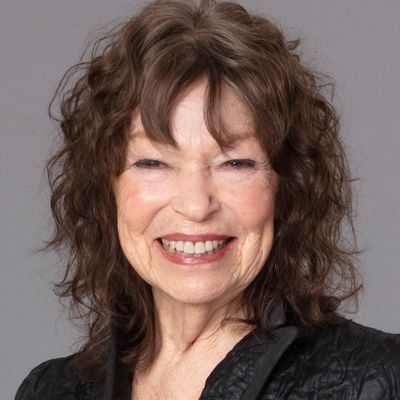
She is one half of the first female songwriting team to hit Broadway and one of the most important figures in the American Musical Theater of the 1970s. Along with composer Nancy Ford, the wonderful Gretchen Cryer has given the world such musicals as Now Is The Time For All Good Men...., Shelter, and I'm Getting My Act Together And Taking It On The Road, as well as appearing in the original Broadway companies of Little Me, 110 In The Shade, and 1776. Gretchen pulls back the curtain on her career to discuss how she and Nancy Ford created a partnership that would change the landscape for females in musical theater, what it was like jumping ship in Little Me, and why the Founding Fathers saved her career. Also, Gretchen shines the spotlight on Joe Papp, Austin Pendleton, and Betty Buckley! Become a sponsor of Behind The Curtain and get early access to interviews, private playlists, and advance knowledge of future guests so you can ask the legends your own questions. Go to: http://bit.ly/2i7nWC4
Transcript
This transcript was automatically generated and might contain errors.
[0:00] Kevin David Thomas: The heat is on, Saigon.
[0:01] Robert W. Schneider: It's another hot summer, Kev.
[0:03] Kevin David Thomas: One might say it's one ten in the shade, you get it?
[0:06] Robert W. Schneider: Yeah.
[0:07] Kevin David Thomas: I do, Rob.
[0:07] Robert W. Schneider: I do.
[0:08] Kevin David Thomas: And how do you cool off, my friend?
[0:09] Robert W. Schneider: Well, I say dress light and where best to begin lightening your attire than your wallet.
[0:14] Kevin David Thomas: Oh, and how would one do that?
[0:15] Robert W. Schneider: Simple, Kev. To be one of the cool kids, become one of our Patreon supporters and help keep us on the air.
[0:21] Kevin David Thomas: Head on over to Patreon.com.
[0:23] Robert W. Schneider: That's P-A-T-R-E-O-N.com and search for Behind the Curtain Broadway's Living Legends and set a monthly donation.
[0:30] Kevin David Thomas: Even a dollar a month helps us.
[0:32] Robert W. Schneider: Your contributions help us continue doing what we are doing and bringing the legends' stories to your ears.
[0:38] Kevin David Thomas: Rob.
[0:39] Robert W. Schneider: Yes, Kevin.
[0:40] Kevin David Thomas: You aren't wearing any pants.
[0:42] Robert W. Schneider: Hi, I'm Robert W. Schneider.
[0:43] Kevin David Thomas: And I'm Kevin David Thomas.
[0:44] Robert W. Schneider: And this is Behind the Curtain Broadway's Living Legends.
[0:47] Kevin David Thomas: Don't forget to follow us on Twitter at Broadway Curtain.
[0:50] Robert W. Schneider: And make sure to join our Facebook page at Behind the Curtain Broadway's Living Legends.
[0:54] Kevin David Thomas: And follow us on Instagram at Broadway Curtain Podcast Plus.
[0:56] Robert W. Schneider: You can always listen to our podcasts on Broadway World and Stitcher.
[0:59] Kevin David Thomas: Today's guest is one half of a trailblazing team that revolutionized not only the off-Broadway theater scene of the 1970s, but also made history as the only female composer-lyricist team working in that era.
[1:10] Robert W. Schneider: That's right. As an actress, though, she appeared in Little Me, the original 110 in the Shade, and 1776.
[1:15] Kevin David Thomas: As a lyricist and book writer, she, along with Nancy Ford, created Now is the Time for All Good Men, which was just a favorite things recently.
[1:22] Robert W. Schneider: The Last Sweet Days of Isaac, Shelter, and the iconic I'm Getting My Act Together and Taking It On the Road.
[1:28] Kevin David Thomas: And I know Shelter is one of your favorites as well.
[1:30] Robert W. Schneider: So we'll be talking about that, I'm sure.
[1:32] Kevin David Thomas: To tell us what it was like to work with such legends as Nancy Ford, Sid Caesar, Joseph Papp, Austin Pendleton, Ward Baker, Ed Cleavand, and so many more.
[1:40] Robert W. Schneider: Here's one of our favorite lyricists and the amazing trailblazer, GRETCHEN CRYER.
[1:45] GRETCHEN CRYER: Hello!
[1:46] GRETCHEN CRYER: Oh my God.
[1:47] GRETCHEN CRYER: What an intro.
[1:48] GRETCHEN CRYER: I'm so happy.
[1:49] GRETCHEN CRYER: What a life.
[1:50] Robert W. Schneider: We are so happy you're joining us today.
[1:53] Kevin David Thomas: So, when did you first develop the love of words?
[1:56] GRETCHEN CRYER: Probably when I was about five years old, I started writing plays for me and my brother, who was three at the time.
[2:06] GRETCHEN CRYER: No, no, he was two at the time. I was five and he was two.
[2:09] GRETCHEN CRYER: And I do not know where I got this theater bug because I was out in the middle of the countryside in Indiana.
[2:18] GRETCHEN CRYER: Whereabouts in Indiana were?
[2:18] GRETCHEN CRYER: Uh, 40 miles east of Indianapolis, in the suburbs of a town called Dunreath, which had a population of 200.
[2:25] Kevin David Thomas: Okay, and we were outside that rather small.
[2:28] GRETCHEN CRYER: How in the world did you even think to do that?
[2:30] GRETCHEN CRYER: I know.
[2:31] Kevin David Thomas: Well, my parents had moved from Indianapolis out into the country because dad was at the time a traveling salesman selling school supplies.
[2:42] GRETCHEN CRYER: Okay.
[2:42] GRETCHEN CRYER: And I just remember talking that the family talked about the fact that somehow we were related to David Niven.
[2:53] GRETCHEN CRYER: That is, my grandfather's name was Hugh Niven, and he was a cousin somehow of David Niven.
[2:59] GRETCHEN CRYER: And also they said somehow we were related to Cornelia Otis Skinner, who was a great actress way back.
[3:07] GRETCHEN CRYER: And somehow I don't know whether this is what made me think, oh, this is a possible thing to do in life.
[3:14] GRETCHEN CRYER: I really don't know where I got it, because we were out in the middle of corn and tomato country.
[3:19] Kevin David Thomas: And so from a very early age, also my dad sold school supplies, and amongst those were stage curtains, velvet stage curtains.
[3:32] GRETCHEN CRYER: And so he had at home many samples of stage curtains.
[3:37] GRETCHEN CRYER: So my brother and I would hang these curtains up and start to do plays.
[3:43] GRETCHEN CRYER: And the first play I wrote was called The King and the Fairy.
[3:47] GRETCHEN CRYER: And he was two and I was five, and he had a non-speaking role.
[3:52] GRETCHEN CRYER: He was the king.
[3:54] GRETCHEN CRYER: Stochastic.
[3:55] GRETCHEN CRYER: And yes, and it was basically a one-woman show.
[3:58] GRETCHEN CRYER: I was the fairy.
[4:00] GRETCHEN CRYER: And I danced around and I made the costumes and everything.
[4:03] GRETCHEN CRYER: I mean, that was the first play that I can remember.
[4:06] GRETCHEN CRYER: And then in first second grade, we had a wonderful teacher, I've forgotten her name, Miss Ruby.
[4:13] GRETCHEN CRYER: And Miss Ruby let us on Fridays create plays.
[4:18] GRETCHEN CRYER: Now how she decided to do this, I don't know.
[4:21] GRETCHEN CRYER: And so from a very early age, I loved doing this thing of and was encouraged.
[4:28] Kevin David Thomas: Yeah.
[4:29] GRETCHEN CRYER: And but I don't know where it came from out in the middle of Indiana.
[4:33] Kevin David Thomas: Yeah.
[4:34] GRETCHEN CRYER: Just in your blood somewhere.
[4:35] GRETCHEN CRYER: Yeah, somewhere.
[4:36] GRETCHEN CRYER: Performing as well as writing.
[4:37] GRETCHEN CRYER: So when I was five.
[4:39] Kevin David Thomas: You mean it started then because then you started doing that more time.
[4:43] GRETCHEN CRYER: That's right.
[4:43] GRETCHEN CRYER: Yeah.
[4:44] Kevin David Thomas: And then so did you get any formal training at some point in high school or anything like that?
[4:48] GRETCHEN CRYER: No, but I was in high school plays.
[4:52] GRETCHEN CRYER: Terrified of singing, really terrified.
[4:54] GRETCHEN CRYER: I sang with choral group, I mean the high school chorus, and I sang in church choirs.
[5:01] GRETCHEN CRYER: But if I was ever given a solo line, my throat would just clench up, and I couldn't do it, which is an interesting thing now because I have no such problem now.
[5:12] GRETCHEN CRYER: But back then, clear up into college, I could not sing a solo line.
[5:19] GRETCHEN CRYER: And actually the thing that got me over that was that I was in a singing group in college called the Collegians, and we did show tunes, and DePaul.
[5:30] GRETCHEN CRYER: We did DePaul University, yeah.
[5:33] GRETCHEN CRYER: And I was in this kind of pop musical theater singing group, and we did Carousel, and I was given a few solo lines in this was a real nice clam bake or what how I can't get it right now.
[5:50] GRETCHEN CRYER: And my part was first comes codfish chowder cooked in iron kettles.
[5:58] GRETCHEN CRYER: Now you'll notice there's a pause between each line.
[6:01] GRETCHEN CRYER: So here's what I did.
[6:02] GRETCHEN CRYER: First comes codfish chowder.
[6:08] GRETCHEN CRYER: But I was able to do it because I could vocalize on the things, and then my throat would seize up.
[6:15] GRETCHEN CRYER: But the confidence that came after that I actually did that, that was the breakthrough.
[6:21] GRETCHEN CRYER: That's what I did.
[6:22] GRETCHEN CRYER: And then I could after that, I could sing solos.
[6:26] GRETCHEN CRYER: Isn't that crazy?
[6:29] Kevin David Thomas: Were you a voracious reader growing up?
[6:31] GRETCHEN CRYER: Yes, I was.
[6:31] GRETCHEN CRYER: Who were some of your influences or favorite authors?
[6:34] GRETCHEN CRYER: I was reading Reader's Digest.
[6:38] GRETCHEN CRYER: Which was a major way of getting, you know, writers.
[6:41] GRETCHEN CRYER: I mean, you didn't do writers, I think.
[6:43] Kevin David Thomas: Yes, that's right.
[6:43] GRETCHEN CRYER: They had condensed books and Reader's Digest.
[6:47] GRETCHEN CRYER: Yes, I was a voracious, voracious reader.
[6:49] GRETCHEN CRYER: Yes.
[6:50] Kevin David Thomas: And were you listening to cast albums in the film that no?
[6:53] GRETCHEN CRYER: I did not know anything about musicals at all.
[6:57] GRETCHEN CRYER: Actually, when Nancy Ford and I met, we were 18 years old at DePaul University.
[7:03] GRETCHEN CRYER: We were in the same dormitory.
[7:05] GRETCHEN CRYER: And every year at DePaul University, people wrote original musicals.
[7:10] GRETCHEN CRYER: Right.
[7:10] GRETCHEN CRYER: Back then, there would be three and four teams writing musicals every in this little tiny college, 2,000 people kids in the college, and there would be three or four teams writing musicals, and then we would compete with each other, and one would get picked.
[7:28] GRETCHEN CRYER: And Nancy and I wrote a musical when we were 18 years old, and I had never seen a musical at all.
[7:37] GRETCHEN CRYER: And so I don't know how I did this.
[7:41] GRETCHEN CRYER: I think, well, after that first year at college, both Nancy and I auditioned to be in the chorus of Summerstock down in Louisville, Kentucky.
[7:52] GRETCHEN CRYER: I've forgotten the name of the theater.
[7:54] GRETCHEN CRYER: But that summer was my real introduction to musicals, and to be in six or seven or eight, I forget how many we were.
[8:03] GRETCHEN CRYER: And they were all classics, you know, classic musicals.
[8:06] GRETCHEN CRYER: And I think I just absorbed the form.
[8:09] GRETCHEN CRYER: But we had already started writing our musical at that time.
[8:14] Kevin David Thomas: And what was that musical about?
[8:17] GRETCHEN CRYER: We sat down and made a list of what we thought a good musical should have, and it was supposed to have color and have exotic things in it, and it was supposed to be funny, and we just made a list of what we thought a musical should be.
[8:33] GRETCHEN CRYER: And so we came up with this idea about a princess from a country in Eastern Europe whose country was falling on hard times, and she was going to come to the United States in disguise as a man to work in the Northwest in the timber industry.
[8:54] Kevin David Thomas: Okay.
[8:54] GRETCHEN CRYER: Now, where in the world, in order to learn the secrets of the timber industry and take the secrets back to her struggling country in Eastern Europe.
[9:05] GRETCHEN CRYER: Now, I don't know where we got that.
[9:08] Kevin David Thomas: Already a strong female character, though.
[9:12] GRETCHEN CRYER: Yeah, it was called For Reasons of Royalty.
[9:15] GRETCHEN CRYER: And I just wrote the book along with a guy named David Murnitz.
[9:20] GRETCHEN CRYER: And at that time, Nancy was writing both lyrics and music.
[9:24] GRETCHEN CRYER: And so that was our first foray.
[9:26] GRETCHEN CRYER: And it's really crazy.
[9:28] GRETCHEN CRYER: Then the next musical that we wrote the following year was about the slums in New York.
[9:34] GRETCHEN CRYER: And we had never been to New York or the slums of New York.
[9:38] Kevin David Thomas: Brilliant.
[9:39] GRETCHEN CRYER: So then the third musical we wrote, we were all in New Haven because both of our husbands, I was married to David Cryer right out of college, and Nancy married a guy named Bob Curry.
[9:55] GRETCHEN CRYER: And both Bob and David were going to be ministers.
[9:59] GRETCHEN CRYER: And so both, I mean, I thought I was gonna be a minister's wife and do plays in the church basement.
[10:05] Kevin David Thomas: Okay.
[10:05] GRETCHEN CRYER: And they went to Yale Divinity School.
[10:08] GRETCHEN CRYER: So Nancy and I were there in the married quarters at Yale Divinity School, and we wrote another musical at that point.
[10:16] GRETCHEN CRYER: After one year, both David and Bob Curry decided to leave the ministry and go into show business instead.
[10:24] Kevin David Thomas: Like you do.
[10:25] GRETCHEN CRYER: Yes.
[10:26] GRETCHEN CRYER: And Bob became a stage manager, a rather prolific stage manager, and David went on to be David Cryer.
[10:33] Kevin David Thomas: Yeah.
[10:34] GRETCHEN CRYER: And oh, I was I was gonna say, I want to go back for a second if I could, the list that you created originally of what makes a good musical.
[10:41] GRETCHEN CRYER: How would you revise that list today after all the musicals you've done?
[10:45] GRETCHEN CRYER: What do you now feel that makes a good musical?
[10:47] GRETCHEN CRYER: What would you put on that list?
[10:49] GRETCHEN CRYER: The first thing on the list I would put is that you have to care about somebody in the musical and care about their journey.
[10:57] GRETCHEN CRYER: That to me, that's when I go to see musicals now, that's where my thermometer is.
[11:03] GRETCHEN CRYER: But I don't know that that's a general thing that people afford.
[11:08] GRETCHEN CRYER: This is just my thing, because I think that music enables you to feel the emotion of the su, you know, the whatever the characters are in.
[11:19] GRETCHEN CRYER: And if you're going to write a musical, then the reason must be to express feelings and stuff which make you care about the characters and their journey.
[11:32] GRETCHEN CRYER: So that would be my very first thing.
[11:36] Kevin David Thomas: Are there any musicals that you've seen recently that you think do that very well?
[11:40] GRETCHEN CRYER: Well, obviously Hamilton, yes.
[11:41] Kevin David Thomas: Yeah.
[11:42] GRETCHEN CRYER: I would have to think about it.
[11:46] GRETCHEN CRYER: No, but Hamilton is a great one there.
[11:48] GRETCHEN CRYER: Yeah, because I did care about it.
[11:51] GRETCHEN CRYER: I really did care.
[11:52] GRETCHEN CRYER: You know, and obviously people did care.
[11:55] GRETCHEN CRYER: Yeah, you know, and starting with kids, young kids.
[11:58] GRETCHEN CRYER: It's so wonderful that that musical really brought musical theater to young people.
[12:04] GRETCHEN CRYER: Yeah.
[12:05] GRETCHEN CRYER: My granddaughter, when she was 12 years old, came to see it and absolutely memorized every word.
[12:10] GRETCHEN CRYER: She can perform Hamilton, the whole Hamilton for you.
[12:14] Kevin David Thomas: That's exciting.
[12:14] GRETCHEN CRYER: Yeah, it is exciting.
[12:16] GRETCHEN CRYER: Yeah, it is wonderful.
[12:17] Kevin David Thomas: So you thought you were going to be a minister's wife doing plays in the church basement.
[12:21] GRETCHEN CRYER: That obviously shifted around.
[12:23] Kevin David Thomas: Yes.
[12:23] GRETCHEN CRYER: How did you find your way to New York City?
[12:25] GRETCHEN CRYER: Well, immediately we came to New York City.
[12:28] GRETCHEN CRYER: Well, no, actually, no, we didn't.
[12:30] GRETCHEN CRYER: We took a detour to Boston because David got into graduate school at Boston University in the directing.
[12:38] GRETCHEN CRYER: Now, I still was dragging my heels about myself going into show business.
[12:44] GRETCHEN CRYER: I wept when he first announced we were going into show business.
[12:47] GRETCHEN CRYER: Even though Nancy and I had been writing these shows and I'd been performing every summer in summer stock, loved it, but I had this thing in my head about being a minister's wife, and somehow show business seemed frivolous to me.
[13:01] GRETCHEN CRYER: And I thought, oh, this will be the end of our marriage.
[13:04] Kevin David Thomas: Well, 12 years later it was.
[13:06] GRETCHEN CRYER: But nevertheless, at the time, kicking and screaming, I still thought I was going to be a teacher, do something serious with my life.
[13:15] GRETCHEN CRYER: And so I went to Harvard for their graduate program, their Masters of Arts in Teaching English, because I had majored in English literature in undergraduate, and so this was an extension of that.
[13:27] GRETCHEN CRYER: So I went to Harvard and David went to Boston University.
[13:30] GRETCHEN CRYER: His was a two-year course in directing.
[13:35] GRETCHEN CRYER: And then after my course was only a one-year course at Harvard, and then I taught high school English, and I was given in Melrose in Boston.
[13:48] GRETCHEN CRYER: Now, Nancy and her husband were in came to Cambridge also, and Bob was in some classes that I took because he went to graduate school at Harvard in English literature.
[14:03] GRETCHEN CRYER: So Bob and I were actually in a class together in graduate schools.
[14:07] GRETCHEN CRYER: So both Nancy and Bob and GRETCHEN and David were in Cambridge again.
[14:12] GRETCHEN CRYER: Then the following year, after David got through with his two-year stint, that's when we all moved to New York.
[14:20] GRETCHEN CRYER: However, Nancy had split up with Bob by this time, and David was off doing a stint in the Army.
[14:27] Kevin David Thomas: Oh.
[14:28] GRETCHEN CRYER: So Nancy and I moved to New York together to wait till David got out of the Army.
[14:34] GRETCHEN CRYER: It was one of those, what do you call it?
[14:38] GRETCHEN CRYER: It wasn't like he didn't go into the Army for a long time.
[14:41] GRETCHEN CRYER: He was drafted.
[14:41] GRETCHEN CRYER: No, no, he wasn't drafted. It was something where you do six months or something. I can't remember what the program was. But Nancy and I moved into New York on West 74th Street to await David getting out of the Army, which he did do in six months, and then David and I moved down the street from the apartment where Nancy and I had landed.
[15:04] Robert W. Schneider: And was the plan for you to perform when you moved to New York? Had you picked up that you were, you know, had a voice for that?
[15:11] GRETCHEN CRYER: Yeah, because I started auditioning for things. Yeah, I did. So and I got into the chorus of Little Me. I mean on Broadway, no big deal. I mean, come on, that's I know, I know. Yeah, well, I think I just decided, okay, if David's gonna do it, I just rode into town on his coattails, really. Because looking back, in truth, given my green bean background in Indiana, I don't think I would have had the courage to come to New York by myself to try to go into showbiz. It was because David decided to do it that I kind of tagged along is what I did. So I've been eternally grateful to him because I love what I do now, and it's exactly what I should be doing. Oh yes. Um so I'm grateful to him for that.
[16:08] Robert W. Schneider: So what was it like being in Little Me?
[16:11] GRETCHEN CRYER: Oh compared to the summer stock experience. Okay, well, it was wonderful, except for the fact that I had just gotten pregnant, and so I was sick at my stomach, most of the whole out of town tryouts and stuff, and I didn't know that I was pregnant, and I went to doctors again and again, and they were testing me. They said, Oh, a little girl from Indiana is having trouble adjusting into being in a show in a Broadway show, and they gave me all kinds of tests and so forth, and it was that I was pregnant, but did not know it. So that was kind of and I worked through seven and a half months of Little Me until because the costumes were on peer lines, so you could get away with it.
[17:00] Robert W. Schneider: My wife just had a baby a month ago, and I just can't even imagine going up to seven months of doing that.
[17:05] GRETCHEN CRYER: Seven and a half months. Yeah, well, also it took, you know, force of will to keep my stomach tucked in for those times. Now, luckily, um I did not have to be a Bob Fosse dancer, I was a singer who moved, you know. So I didn't have to do, well, at one point in Little Me, I was supposed to be jumping off the prow of a ship, and we all, everybody in the chorus had to jump off the prow onto mattresses backstage and stuff. But as soon as we finally found out after three and a half months that I was pregnant, I was released from having to jump off the prow of the boat onto wonderful.
[17:43] Robert W. Schneider: Um what was it like working with Carolyn Lee and Cy Coleman?
[17:46] GRETCHEN CRYER: Well, because I was in the chorus, at that time, it was a very, uh there was a great consciousness about levels of uh prestige status. There were the chorus kids, and we all stuck together. There were the featured performers, there were the stars, and then the writers were somewhat removed. So though I had a passing acquaintance with Carolyn Lee and Bob Fosse, I mean Bob Fosse every day. I mean, he was an amazing guy because again, I was in all the musical numbers, but I didn't have to do all the Bob Fosse. There was not that pressure on the city. No, there wasn't the dance pressure. But you know, he would re, well there was one number that he restaged 17 times, I remember while we were on the road. Every day we'd go in, and it was the death scene with Sid Caesar dying. And we did it over and over again 17 times until he got it right. So um it was interesting.
[18:54] Robert W. Schneider: Yeah. And Sid Caesar?
[18:56] GRETCHEN CRYER: Again, because I never went out after the show with, again, there were these layers. You stuck the chorus kids, we were called chorus kids at the time. We all stuck together. And um, you know, that was fun being in the dressing room with all the other chorus girls and when you were auditioning for musicals, what was your go-to audition song?
[19:22] GRETCHEN CRYER: Why can't you behave? Because it showed my lower range. And if you're at that time, if you were in a chorus, you were definitely an alto or a soprano. And so I thought there was probably a better chance because I had a very strong lower voice. Um and so that's probably how I got into the chorus of that, and then 110 in the Shade.
[19:47] Robert W. Schneider: And did you have, so did you leave Little Me to have said child?
[19:51] GRETCHEN CRYER: I had said child, her name was Robin.
[19:53] Robert W. Schneider: Nice.
[19:53] GRETCHEN CRYER: Yes. And then you had Robin, and then you just went right back into auditioning.
[19:57] GRETCHEN CRYER: Yeah, yeah, I did. I went back into Little Me. It was still running. I went back into that show, and I was nursing. I bought, when Robin was born, she came out angry. She came out, you know, with a big low voice. And I think it was because of all those times early on where I was jumping off the prow of a boat and she was just hanging on for dear life in there. What are you doing, Mom?
[20:26] Robert W. Schneider: I know, what are you doing? Why are you putting me through this, Mom?
[20:30] GRETCHEN CRYER: Yeah. So I went back and I remember that that was kind of hard. At that time, I did not know that you were supposed to drink a lot of water if you were nursing. And I think so every night I was really sweating doing the show. And so I remember being only able to nurse for about three months while I was still back in the show, and then, you know, coming home with a little three-month-old or two-month-old. I was so impressed you did that. And then so you did 110 in the Shade, and then after 110, what was your, you went to 1776? Is that right?
[21:06] GRETCHEN CRYER: But also, though Nancy and I, well, we had already written Now's the Time for All Good Men. That was in 1967. So while you were performing, you still obviously had this interest of lyric and book writing, is that correct?
[21:21] GRETCHEN CRYER: Yes. Well, let's see. After we came to New York, it took us five years to get Now's the Time on. And I didn't intend to perform in that originally. We wrote it and we went into production and David wasn't in it either. No. We were both, David was a co-producer with Albert Poland for it, and Nancy and I were the writers. Um and we cast it and we were in rehearsal, and then very shortly we discovered that the guy who was playing the leading character was not cutting it. And so David Cryer went in to the show at that point, and he was wonderful. And then about a week before we opened, the woman who was playing the female lead got a horrible, horrible case of laryngitis, and actually had been having vocal problems all along.
And so I stepped in and we hadn't intended to do this, and it seemed like, oh, this is a vanity production because David was a co-producer on it. Then he stepped into the lead. I was a writer on the show, and then I stepped into the lead, so I changed my name to Sally Niven.
[22:42] Robert W. Schneider: And then when you told the story a little while ago, I realized that's where you got Niven. I mean, I mean of your family heritage.
[22:48] GRETCHEN CRYER: Yes, because I was related to David Niven. You know, so I'm hey, I'm gonna be able to do that. Well, you need to know why you picked that. I always was curious about that.
[22:54] GRETCHEN CRYER: Yeah. Well, and Sally Niven was, I chose that name as an actress, Sally Niven. So that seemed like GRETCHEN CRYER wrote the show, but Sally Niven was the one in it. Because I was desperately trying to keep this from being a vanity production.
[23:10] Robert W. Schneider: Of course.
[23:11] GRETCHEN CRYER: So when the reviews came out, Sally Niven got wonderful reviews, and GRETCHEN CRYER not so much. And I recall there was some reviewer that talked about it was a pity that Sally Niven had to say those lines written by GRETCHEN CRYER. Something, something like that. Well, not, no way back at the first, people did not know. I mean, I hadn't done anything else except be in the chorus of a couple of shows. And it registered for people to say, oh, no, no, no, that's the same person.
[23:40] Robert W. Schneider: No. For our who might be unfamiliar, would you tell us what the synopsis or the plot is of Now Is the Time and the inspiration behind it?
[23:48] GRETCHEN CRYER: Yeah, okay. Um it was about a guy who had been a conscientious objector. Um and this would have been during the Vietnam War. Yeah, right, right. And who comes, who's has been in prison and who gets out and decides he wants to be a teacher, and he goes to a small town in Indiana, where it turns out that the guy who was the principal of this school had known this guy's father, and so was willing to give him a job, even though he came into the school with a prison record. But with the idea that he was supposed to keep that secret, that he had been a conscientious objector. Because remember, this was the middle of Indiana in 1967. And uh at that time, Indiana, well, and still is very conservative.
And this all was based on the experiences of my brother, who was a conscientious objector in the 60s, who did burn his draft card and went to federal penitentiary in Springfield, Illinois, for a couple of years. And then at that time, conscientious objectors were put away. And he chose not to flee to Canada as some people did who were objectors. He decided, no, I'm gonna do it, I'm gonna make my stand, and I'm gonna go to prison, which he did do. Then when he got out, he continued to protest, uh, clear through all the stuff going on in '68. He was in all the riots in Chicago and so forth, and he ended up being jailed 32 more times just for short a month, two months, three months. That was his life up until 1973 when we pulled out of Vietnam.
Um anyway, so I wrote Now's the Time for All Good Men, basing the character on my brother, but it was a totally different storyline. The idea being that he comes into this little town and um he influences a young student who's has the same leanings of not wanting to go to war, and he ends up but raising the ire of the dad of the kid and gets thrown out of town, gets thrown out of school. Meanwhile, though, he has a love affair with the young woman, which I played, uh, who's a teacher, who's a widow, and who's a very naive country girl. Um so that's the plot.
[26:28] Robert W. Schneider: Did your brother ever get to see the show?
[26:30] GRETCHEN CRYER: Yes, he did, I think. Yeah, surely he did. Surely he did, unless he was in jail at the time. Yeah. I can't remember if he was in jail.
[26:42] GRETCHEN CRYER: He knows that the thing drew on his experiences. And I'm so curious. This was an off-Broadway show back then. How much did you have to raise?
[26:51] GRETCHEN CRYER: $40,000.
[26:53] Robert W. Schneider: Isn't that crazy?
[26:55] GRETCHEN CRYER: Yes. And what theater was the same. And uh, the Theater Delease at the time, which is now the Lucy Lortel. And there was a cast album made, which I think is just incredible that that was done.
[27:05] Robert W. Schneider: Yeah, and it ran four months, which was interesting because it got, it didn't get great reviews. It got one or two really good reviews from Emory Lewis or somebody out in New Jersey. I mean, we used that. Um and it kind of was a cult thing. Um God, it had one of the writers who was a big fan of the show, and I've now, damn it. Who wrote Finian's Rainbow?
[27:37] GRETCHEN CRYER: Yep.
[27:37] Robert W. Schneider: Harberg.
[27:37] GRETCHEN CRYER: Yep, came to see the show.
[27:39] Robert W. Schneider: Yeah, well, and he's very political.
[27:40] GRETCHEN CRYER: Yes, he was. And he came again and again and again, and he took me to see his new shows and we became friends.
[27:47] Robert W. Schneider: Oh man.
[27:48] GRETCHEN CRYER: Uh, and that was amazing, you know. Because he brought people to see that show. So there was an audience that came from the War Resistors and so forth, you know. And um that it ran four months was decent back then.
[28:05] Robert W. Schneider: Totally. And then, yeah, uh and then the next show you did, uh, The Last Sweet Days of Isaac, uh, with a former guest of ours, Austin Pendleton, uh, was a little more different than the not their natural book musical that was.
[28:20] GRETCHEN CRYER: Now's the Time. Nancy and I were still in our Rogers and Hammerstein phase.
[28:24] Robert W. Schneider: I agree with that, yeah.
[28:25] GRETCHEN CRYER: Because our writing when we were in college really was like Rogers and Hammerstein. But they were our idols at that time.
[28:33] Robert W. Schneider: Right.
[28:33] GRETCHEN CRYER: And so, you know, that was our first, that Now's the Time very much was, it had um, you know, sung dialogue and so forth. It was very much in that mold.
[28:44] Robert W. Schneider: That style, yeah.
[28:46] GRETCHEN CRYER: Then Last Sweet Days of Isaac, we completely broke from that completely. And uh the songs, although uh I justified having sung dialogue in the first half of um Last Sweet Days of Isaac by the fact that the character of Isaac was a life poet who wanted to underscore his whole life with music and so if he could, he felt a certain moment required uh song, he would sing and so forth.
[29:17] GRETCHEN CRYER: So that's how we justified the use of music in the first half. Then in the second half, uh act two of the show, which was uh it was like two one acts really, with the same character Isaac in the first show was 32 years old, in the second show he's 19, and he's a protester.
[29:34] GRETCHEN CRYER: Right. And that again came from my brother. Well, it's 1970, the war is still going on. And uh he has been jailed in the second show, and Austin was in a jail cell on one side, and Frabbie Weber was in a jail cell, and they were communicating through big TV screens. Um again, I was drawing on Marshall McLuhan at the time and understanding media, and um, so wrote this kind of surreal thing, and the music in the second half came from a rock group that was just suspended up above the stage, and the songs were just inserted as kind of comments along the way. So the two characters in the second half were not singing their thoughts. The music came from the Zeitgeist or the Zeitgeist, yeah. Yeah, yeah. So it was a completely stylistic difference.
[30:25] Kevin David Thomas: Which is very popular. I mean, and I feel like there were there was more exploration in the musical theater world in the late 60s, early 70s with those kinds of nonlinear type shows. You come out, and there's more conceptual musicals, which you were right on the forefront of that, which I find.
[30:37] GRETCHEN CRYER: Yeah. And then how was this received? This got the best reviews that Nancy and I ever got or will ever get. And we knew it at the time. We sat there after the reviews came out and said, we will probably never get reviews like this. I mean, it was across the board. I don't recall any negative reviews, and they were all rave reviews. So wild.
[31:01] Kevin David Thomas: Go figure.
[31:02] GRETCHEN CRYER: Yeah, it's well deserved. And there was an album made of that as well.
[31:05] Kevin David Thomas: Yeah.
[31:05] GRETCHEN CRYER: You can listen to it in all the listening places uh listeners. It's really great. It's after after you finish now is the time for all good men, and the reviews were not as enthusiastic as you were hoping. Did you and Nancy have a moment of, well, that was fun, and now we'll move on to other things, and we're not gonna write another show?
[31:22] GRETCHEN CRYER: Yeah, well, actually, it happened after we had written The Last Sweet Days of Isaac and were in previews because up until two days before we opened The Last Sweet Days of Isaac, it was a dud. And part of that was because Austin had not yet found his moxie or found he the character had not gotten the wonderful comic arrogance that the character has. And he seemed like just a creepy, insane person caught in an elevator with the other character. In the first act, the it's the elevator play, and they are caught in the elevator, and he's trying to teach her the meaning of life in the elevator. And so but what happened? Oh, you asked me was there a time when we thought we weren't gonna go on?
[32:17] Kevin David Thomas: Yeah, because the audiences were coming out of the previews of that thing, saying things like, This is the worst show I have ever seen in my life.
[32:27] GRETCHEN CRYER: Well, that's scary. That's very scary. I must say, as we were creeping toward the opening though, there was one thing that one lady said that I have never forgotten. She came out and said, you know, it was just so funny I could hardly keep from laughing. And so, and this had been a very silent audience that day. But we found out at least somebody was thinking it was funny, but she could hardly keep from laughing. Anyway, what happened is that in previews, I was still performing not performing, I was still uh understudying in um 1776. And so I wasn't performing unless uh Virginia was sick or Betty was sick. So um I was opening this show off Broadway while I still was holding a job as an understudy.
And I just remember that Nancy and I thought, well, you know, this probably isn't gonna work, and maybe I'll just maybe I'll just go on and be a performer. And Nancy had been uh working as a pianist. She had done the Fantastics, and she had done Breck on Brecht and so forth, and she was going that direction.
[33:39] GRETCHEN CRYER: And then what happened is I think it was a Sunday afternoon, and we were gonna open on Tuesday, uh, the whole cast of 1776 came in support of me to the last sweet days of Isaac in the afternoon. And the minute that Austin walked on that day, he had this frazzled manic quality that immediately caused the audience to start laughing. And they started laughing from the minute he walked onto the stage and he took it by the throat and became Isaac that day. Instead of being a creepy guy in an elevator preying on a woman, he became the guy with all the answers who was teaching this woman how to live. And it suddenly became wildly funny. By somehow, plus the fact that that day, for some reason, when when Austin flew came onto stage disheveled, looking with all this equipment hanging on him, the videotape and the tape recorder and and all of that, um he was instantly visually funny.
And my people in 1776 laughed. They ate it up. They ate it up. Oh my goodness. And that's when Austin found the character and found the dynamic of the piece, and then he hung on to it for a year and a half, and it and and I think he only missed one performance or something or if even that much and you know and there was never anybody else like him uh Larry Moss understudied him and did go on once or twice and and he was and Larry was wonderful he was wonderful but Austin defined that character and so that was I mean that was just an amazing thing because if if that hadn't happened if you know the 1776 friends hadn't come in support and started laughing right away who knows you never know what's gonna allow an actor to grab and and find the performance.
[35:03] Kevin David Thomas: I'm so curious um why didn't you replace him who Austin in the in the rehearsal process if it was taking place?
[35:03] GRETCHEN CRYER: Well because we thought it was the fault of the piece we just thought we were all going down together on this ship yeah it just it just uh you know we just thought oh well maybe it's not as funny as we thought it was and maybe uh yeah what a turnaround about yeah what a turnaround.
[35:03] GRETCHEN CRYER: Yeah, because you see when we first did a reading of the piece way back before we before Albert and David decided oh no they didn't produce that one they produced the other one who oh it was uh Mark Wright and Hale Stoddard produced and Dwayne Wilder who produced this one before we got them to produce it we did a reading in my living room with Austin and Freddie. And they in my living room. They were funny and they were perfect for it. And then somehow in rehearsal it got lost yeah you never know how these things happen. And then suddenly it was reclaimed again and and it was fantastic.
[37:01] Kevin David Thomas: As a writer, do you like being at as many rehearsals as possible? Or do you want to so you don't like and word d thought it was fine for us?
[37:09] GRETCHEN CRYER: Ward Baker Baker the Dr. was directing. Yes, okay. And then he r uh directed this. And basically, he just uh Word always let my writing alone, which was interesting. He didn't ever try to come in and say, Oh, you this we need to change this moment or this. He never did that.
[37:30] Kevin David Thomas: How did you know you're an actor and a and a writer? How would did each other help how did one help the other? You know, did you find that like, oh, I I'm a better writer because of my performing career or vice versa. Did you ever notice that kind of thing?
[37:41] GRETCHEN CRYER: Yes, oh definitely. Yeah, yeah. Mainly because I can write scenes from the perspective of being an actor, you know, and really imagine doing it, you know. Oh, definitely, I think it's definitely uh a plus. I think it's really good in the theater to have as many disciplines at your fingertips as possible because they really they really uh inform each other and and feed each other, I think.
[38:13] GRETCHEN CRYER: Yeah, definitely I I love now after last sweet days of Isaac, um my husband and I split up and or actually just right before it had opened, we had split up. And he then moved to the West Coast. So I was uh a single mom in New York with two kids. Wow. And uh at that point, because the Last Sweet days of Isaac was a big hit, and as a writer, it felt to me like okay, then that's the direction that I should go. I should put my energy rather than how okay. If I'm raising two kids by myself in New York City, how do I go on auditions and go out of town with a show or whatever? You know, it just seemed like no, it seemed like the way was before me was to be a writer because I had just had a hit show that got these great reviews, you know.
[39:09] Kevin David Thomas: And tons of awards, we should imagine.
[39:11] GRETCHEN CRYER: Yeah, oh that's right. Yeah, yeah. We got the Obi and the Drama Desk and Outer Critics and all of that. So um that's where I took a turn for not pursuing an acting career. Now, I still did perform from time to time uh down the line, you know. But that was where I kind of decided I better go this other direction because of my circumstances. I still loved performing and had gotten a great review, and now is the time for all good men. And likened me to Geraldine Page and Barbara Harris and stuff like that, which was crazy. Good company.
[39:49] Kevin David Thomas: Yeah, it was very good company.
[39:50] GRETCHEN CRYER: And so, you know, I've always loved performing, but just the circumstances sure pointed me in a different direction.
[40:02] Kevin David Thomas: Hey, podcast listeners, are you looking for a place to rehearse in New York City that is clean, spacious, and most importantly affordable? Come check out Shetler Studios and Theatres, our wonderful host for these podcasts. Shetler is centrally located on West 54th Street between Broadway and Eighth Avenue, right in the heart of the theater district. Right in the heart. You'll find music, dance, and acting studios, complemented by two black box theaters and six presentation venues. The professional facilities, inspired environment, and expert industry staff combined to provide the New York artist with an unparalleled studio experience. Visit their website at Shetler Studios.com. That's S-H-E-T.com. Shetler Studios and Theatres is our home for recording the legends of Broadway, and we hope that you make it your artistic home too. That's Shetler, S-H-E-T, L E R Studios.com. See you here.
[40:57] Kevin David Thomas: And the next project that you did write with Nancy was Shelter, right?
[41:02] GRETCHEN CRYER: Yeah. We sometimes say a lesser-known uh Broadway piece.
[41:06] Kevin David Thomas: Well, it only ran one month.
[41:07] GRETCHEN CRYER: To be fair.
[41:08] Kevin David Thomas: In February, 1973.
[41:10] GRETCHEN CRYER: Yeah. But uh, I'm fascinated with the plot of this show because it did seem there were elements of it that were way ahead of its time. Like Arthur, the computer, that's like a whole character on the show. I mean, like, this was 1943, yeah. Before personal computers, you know. And once again, for our listeners who might not be as familiar, what is what is the story of Shelter?
[41:31] GRETCHEN CRYER: Okay. It's about a guy who's living in a TV studio where he uh writes commercials. Um and he uh has decided to live in the studio on the set of the kitchen, the bedroom, the living room, uh that they shoot these commercials in. And so he has decided that he will stay there with his best friend, Arthur the computer. Arthur helps him write jingles uh for the commercials and so forth. But he programs Arthur to be able to create the sunrise at whatever time he wants it. At night. He can project stars on the sky, he create a wind from the west, he laughs at Michael's jokes. Um he sings along with Michael. And so Michael, actually, Michael is married with a wife out in the suburbs someplace with seven adopted kids, and he says their marriage is better than it's ever been.
But he lives in this creative. The show is about self-delusion, that's what it's about. But it also was about people creating their own realities around them. And today we actually can do this. I mean, this is the crazy thing. That show was about people actually create now. We're getting, you know, the people are starting to live in virtual realities of various kinds and have experiences in virtual reality. And that's sort of back then though, it was metaphoric. It was a fantasy. There was like this will never happen.
[43:14] GRETCHEN CRYER: Yeah, well, well, it was just meant to be metaphoric, you know, about creating your own reality. And um so about two years ago, we did a reading of it at 54 Below, and Johnny, my son, played the part of Michael. And it was very interesting because it was kind of spooky uh because it was very current. But now it was about a guy who really is creating his own world in I mean, who really is literally doing that in the studio with the help of his computer. Who and to the studio comes this young woman to make a commercial, but she's just had the trauma of her husband has just left her, and so she's supposed to be doing a happy houseway housewife commercial, and she breaks down in the middle of the commercial because uh her husband has just left her, and so the the writer, Michael, comes out of it, you know, Glassden studios comes out to comfort her, and he ends up seducing her, bringing her into his world.
[44:24] GRETCHEN CRYER: Uh, you know, he has great sympathy for her situation. Ah, her husband must have been a cad to leave her and so forth, and he gives her great sympathy and takes her into his living room, and she starts accepting his reality. And it's about getting sucked into somebody else's reality. And so it was very interesting. I wanted to try to get that show on again. Yeah. Uh, you know, and Johnny wanted to do it. And um, you know, at some point, I'm gonna put a lot of effort behind that to try to get make that happen. Because Johnny was really good in it, too.
[45:00] Kevin David Thomas: Oh, sure.
[45:03] GRETCHEN CRYER: Um, I would like that. Yeah. I think we'd all like to see that again. Now you and Nancy have come up with so many daring ideas for the stories that you tell. Has there ever been an idea that both of you said this is too out of the box? This might not be good.
[45:21] Kevin David Thomas: That's why I like good.
[45:23] GRETCHEN CRYER: Never that's the good, that's the best answer. The thing is that the show that we still haven't gotten on about Eleanor Roosevelt is we reverted to uh uh an older style because we wanted to use music redolent of the era, and that meant that we didn't go all wacky. Uh there is sung dialogue and so forth, and in the way kind of of old-time musicals because we are capturing an era. However, we said it after everybody is dead in the cosmos. And pieces of the past, it's a birthday party for Eleanor, her 125th or whatever it is at on the given year. And um actually Franklin has arranged this birthday party because he died with another woman, Lucy Mercer, with him. And he has wanted to apologize to Eleanor ever since, but they had not spoken since he died in the in the afterworld in the cosmos. And so he's arranged this big birthday party, hoping that she will come and uh he will have a chance to make amends. That's the setup for the thing.
[46:38] Kevin David Thomas: So um Alice Roosevelt Longworth, who was a big party giver, has arranged the whole party for Franklin and has invited um Albert Einstein to play the violin.
[46:50] GRETCHEN CRYER: And Albert has brought his latest scientific discovery, which is the ability to juxtapose moments from the past on the present by playing his violin. And so throughout the show, when Albert is playing, pieces of the past keep popping up, and they have to look at stuff that happened and deal with it, which they had never done in real life. They never really dealt with the Lucy Mercer thing. Well, Eleanor wanted a divorce, but uh Franklin's mama wouldn't allow it, and so they lived uh together but separately for the you know the rest of their days, and they had not really dealt with all of that, but they have to watch Franklin having his affair with Lucy Mercer. So it's a surreal setting of in certain using certain traditional musical uh conventions.
[47:44] Kevin David Thomas: Yes, yes, yes.
[47:45] GRETCHEN CRYER: But it's still it's a surreal idea. Yeah, yes, you know, that the past is floating through the present. When did you both begin writing this?
[47:53] Kevin David Thomas: Or when did the idea first?
[47:54] GRETCHEN CRYER: Oh, long decades ago. Yeah. Uh we were asked to write uh just the score for a show about Eleanor with a book by somebody else, and we did that for two or three years, uh, until we it just wasn't getting any traction, and we didn't, it was a very just uh down to earth straight. It didn't have any fantasy or anything. Very conventional. Very, very conventional. And we split with the guy who was writing the book and the producer who was producing that, and told them that we wanted to go off and write our own Eleanor show, which we did do, and um had a legal arrangement with them and so forth. And so that's when we came up with this whole other take on it, so that it wasn't just uh a straight uh blow by blow telling.
[48:48] Kevin David Thomas: Have there been any readings or workshops of you and Nicole?
[48:51] GRETCHEN CRYER: We did a thing at the Cherry Lane last year. Uh we had a wonderful cast. Karen Ziemba, Greg Edelman played Franklin, uh and um Heather McCray played um Lorena Hickok. Uh it was it was a wonderful, wonderful cast. And we just did readings, uh two, an afternoon and evening reading, two packed houses at the Cherry Lane, uh, hoping to get a producer. But you know, it's a big Broadway show. And we don't have an inn on the Broadway scene. I mean, we only had that one Broadway show that ran one month, you know. And uh I think uh I don't know, it's very hard for us to try to get somebody.
[49:41] GRETCHEN CRYER: Actually, the idea that we have now is that we think we'd love to have a woman director who I mean somebody who'd bring great imagination. And this is called is it still called Einstein and the Rosenberg?
[49:56] Kevin David Thomas: No, it's not, it's called Eleanor.
[49:57] GRETCHEN CRYER: It's had about 20 different names over the years because it almost got done over a dozen times over the when I say decades, it has been decades. And starting back with Joe Papp after uh um I'm getting my acting, he was going to produce our next show, which was the Eleanor Show. He was going to do that.
[50:16] Kevin David Thomas: That was after I'm getting my acting.
[50:18] GRETCHEN CRYER: Yeah, well, which is a good transition. So how did I mean I know that you were I read or heard you talk that you were going sort of uh touring around a little bit or or singing in clubs like or your songs, right? And then did he how did you interact with him for the first time?
[50:30] Kevin David Thomas: Or how did the idea for I'm getting my act together and taking it on the road come to fruition?
[50:34] GRETCHEN CRYER: Yeah. Because he was part of that.
[50:36] Kevin David Thomas: I mean yeah, he was, but the way it started, the way we got the idea for the show, is that in the mid-70s, after Shelter tanked, yeah, Nancy and I were kind of giving up on the theater because we thought, uh, you know, it's just not working. In spite of having had a sweet day by the way, but still, we were we thought we want to do something where we'll have more control of the whole thing. So we'll make write our own songs, we'll call them a scrapbook of our lives, and we'll make recordings, which we did. Two for RCA. And we started performing in clubs and stuff. We knew that we wanted to write a show about the changes that women had gone through because both Nancy grew up, Nancy and I grew up with a 50s sensibilities and sensibility when we were in our teens.
That that whole way of that idea of what the identity of a woman should be and what the identity of a wife should be, and all of that. And then we both broke out of it and had traveled quite a distance, and all this stuff was happening with the women's movement in the 70s and so forth. And we knew we wanted to write about that, but could not figure out the form of it.
[51:49] GRETCHEN CRYER: And meanwhile, we were performing in clubs, doing the scrapbook of our lives, in which we had written songs that were about our lives and our the people that we knew. It literally was like a scrapbook, unabashedly so. And one night when we were performing at the cookery, I suddenly thought, in the middle of a song, while we were singing, I thought, oh my God, we'll make the show be about a cabaret singer who's written her new act, and the songs are expressing how she really feels and who she really is, and who, you know, what kind of relationships she's looking at it with a naked eye of truth of the changes that she's been through, and her manager likes her the way she used to be. He doesn't like the new, yeah, the new identity.
[52:40] Kevin David Thomas: Yeah.
[52:41] GRETCHEN CRYER: Yeah. And this thought all came in the middle of singing a song. And while the people were applauding after I sung, I turned around to Nancy and I said, I know how we can write this show, and it's gonna be called I'm Getting My Act Together and Taking It on the Road. And I turned back around and we started singing our next song. And as soon as we had that idea, it wrote itself. It was so easy. I wrote it in just a few months.
[53:08] GRETCHEN CRYER: And um Craig Zaydan came to see us at the ballroom when we were performing. And he's the one who said that we should take it to Joe, because he was Joe's assistant at the time at the public. And so he had us do a reading of it for Joe.
[53:32] Kevin David Thomas: Oh, actually, no. The first thing we did was he took Nancy and me to just do an audition for Joe.
[53:38] GRETCHEN CRYER: Right. And Nancy and I did the whole thing. And at that point, the book wasn't completely finished, but most of the score was finished. And Joe immediately said, Yes, he was going to do it. And he walked out of the room with his entourage, got into the elevator. The elevator doors closed, and Nancy and I were going, yay, yay! This is fantastic. The elevator doors opened, and he walked back in and he said to me, And you're gonna be in it, right? And I said, Oh no, I hadn't thought of being in it. And he said, Well, it's your story, so I think you should be in it. I said, Well, but Joe, then how how am I gonna? I haven't even finished writing it yet. How do I have the objectivity? He said, No, that's okay, that's okay. You should be in it. And he gave me a day to think about it. And I talked to Nancy and we thought about it, and we decided, okay, that would be a good idea.
[54:34] Kevin David Thomas: Was that a good decision?
[54:36] GRETCHEN CRYER: Yeah, it was. It was a very good decision, yeah.
[54:38] Kevin David Thomas: And how involved was he uh throughout the process from then on?
[54:42] GRETCHEN CRYER: Well, okay, he was very involved, and it was sometimes not a pretty sight. Um two weeks into rehearsal, he came in and just saw us doing a run-through and decided that he didn't want to go ahead with the project. And uh we were crushed. I mean, he just came in. Obviously, it's really hard to play comedy to an empty theater, you know. He just wandered in and didn't didn't think this was something that was gonna work. And we went to Craig and said, Joe's just said he's not gonna do it. And Craig said, Joe respects strength. Tell him to give you three or four more days to pull it together, and then he can come and see it. Because we said we weren't ready. He just walked in and decided he and so we did go to Joe and say, we want four more days, and then you can come and see it.
[55:38] GRETCHEN CRYER: Well, we worked our asses off on this, you know, recursing, but we also invited a hundred friends to come to the on Spocker because we were rehearsing in the theater that we were gonna be doing it in, and they showed up. Joe was late to to the run through, and so our band members just started playing songs. Now, we hadn't been planning to do that before. They were warming up the audience. So by the time Joe walked in late, the audience was warmed up, and you know, we'd all been singing songs of the era, you know, um at that point, and he came in, and the minute he came in and sat down, the character, the managers whose name was Joe also walked on to stage, and it was Joel Fabiani. And um Joe, the character, walked on stage and said, Okay, let's get going here, you know, which was the first line of the show. And it had a raucous audience.
[56:41] Kevin David Thomas: And after that, Joe didn't say much.
[56:45] GRETCHEN CRYER: He just said, Well, uh, your friends liked it, but he didn't say, I'm definitely going ahead. We just went ahead, tiptoeing ahead, not knowing if he was gonna pull the plug. Opening night, um a whole class from Stony Brook came to a class in theater came, and they were supposed to study the piece, and they had all brought their notebooks and things to write notes about it. I don't yeah, and also critics were coming to opening night. This was back when critics came to opening night. So basically we were facing an audience of everybody with notepads and and okay, but the big thing that happened opening night is that as I was standing in the vomitorium getting ready to rush on to the stage, Joe came up behind me and said, You're playing that first scene all wrong.
[57:44] Kevin David Thomas: Oh my goodness.
[57:44] GRETCHEN CRYER: You're playing it all wrong. You gotta come at it from a different direction. You gotta. I said, Well, what am I supposed to do? I don't know, and bong I had to run on because that was my cue, and I was running on. So I lurched out onto the stage, not having the slightest idea of what I should play, because he had just told me that whatever I was playing was all wrong for this first scene. Well, turns out that this was his theory of how to get a fresh performance out of somebody.
[58:17] Kevin David Thomas: Oh God.
[58:18] GRETCHEN CRYER: Now anyway, that opening night actually was a disaster because not only was I off balance, but the audience were they weren't responding, they were all taking notes in their books, and and so it got terrible reviews, except from William Raydy of the Associated Press. But heinous reviews. But a lot of it was there were a lot of male reviewers who took uh who did not like that male chauvinism was being made fun of.
[58:55] GRETCHEN CRYER: And so there was a lot of that of uh that that's where they were coming from in looking at this piece, and so they found my character to be obnoxious and you know, abrasive, yes, abrasive and obnoxious. And uh yes, strong, yes, but but at that time it was abrasive and obnoxious. Okay, but the interesting thing is though that audiences after that opening night really liked it, and so the audience, even in spite of the bad reviews, people started coming. Also, it was writing the crest of what was going on in sexual politics at the time. And Joe, to his great credit, because he loved to beat the critics, decided that he was gonna let it run for its six week. It was going to be a six-week run. He would let it run.
And I he also decided to have Wednesday night talkbacks. And because the Wednesday nights were the nights that were selling the least tickets. Yes, classic. Okay. Yeah. Well, as soon as the talkbacks starts, Wednesday night sold out first. And these the talkbacks engendered these sometimes almost violent fights in the audience and stuff with people or I mean, we'd hear a woman say, Don't touch me. Oh and other people would walk out. I mean, because people argued among themselves in the audience, and you know, and they were challenging us about stuff. And um women started bringing their boyfriends to the show as a Rojak test to see how how they responded, whether or not they wanted to continue dating this guy and so forth.
But anyway, by the end of six weeks, it was starting to sell out. So bib uh so Joe extended it another six weeks. He ended up extending it half a dozen times in the on Spocker and then decided to move it to an off-Broadway house, not move it to Broadway, but move it to the downtown circle in the square, which was 300 seats. So that's how that grew. And so if anybody else had been producing it but Joe, it would have closed right away. So even though I hated it that he came up and did that to me right on opening night, um, I still, I mean, I love the guy, and he's the one who kept it running, and then it ran for three years, you know.
[1:01:25] GRETCHEN CRYER: It's its audience, clearly. And it's amazing that it was theater that was creating, you know, uh people's opinions and controversy, and that's seems like what the public theater always set out to do anyway is make people think a little bit to make people change lives in that regard. It did. It did. And did you stay with it the entire time? No, one year. I stayed with it one year, and then I was replaced by a lot of terrific people. Virginia Bestoff went in it right after me. Um she had breast cancer, and uh she had a breast removed right before she went into the show, and so she decided not to do chemotherapy because she did not want to lose her hair going into the show. And so it spread, and within six months she had to stop performing because it had spread.
Yeah, um, so and then after her, I forget who all the people Betty Buckley did it for a while. Basically the people you understudied since 1776. Isn't that crazy? Ten years earlier. That it's wild to me. Yeah. Uh and then I went to California and opened it out there, and Betty Buckley replaced me out there. And uh I opened it in Chicago then. I played it a year in New York, and then and then I think Chicago was second. Yeah. Uh and we opened it there, and it ran for a year there. Phyllis Newman played it there. Uh Donna McKechney, uh Betty Aberlin. Um there were multiple companies of it. Oh, yeah, yeah. Nancy Dusseau did a company and she was wonderful. Connie Stevens did a company. And that was that was strange.
Saw it casting, so yeah. Strange casting, yeah. But she was a star. And so that was so they didn't. And um it was done at on course a couple of years ago. Is that oh my god, Renee? Renee Elise School Oh my gosh. Renee, yeah. Was it nice to revisit it? Oh yeah. And she was so wonderful. She was just fantastic. Really fantastic.
[1:03:22] GRETCHEN CRYER: So yeah, it was really now. How many projects have you and Nancy done in totality together? Twelve. But that's three back at two de Paul University, one at Boston University, then nine here. Uh but we have others that we haven't gotten on. Of course. I mean, these are the ones that have been produced. What is it about her specifically that makes you keep coming back to her as a as a partner? Well, we sort of just read each other's minds about stuff. Uh you know, you establish a partnership and you just keep doing it. Um you know, we were trying to get the Eleanor show on in the late 80s. We did a workshop at Williamstown, and uh we almost just gave up after that. But then came this uh my interest in the American girl uh books for kids and stuff, and um and those books I thought were such good little morality tales for girls.
And so I wrote a letter to the head of the company, Pleasant Rowland, and said uh I want to make a Broadway show out of this. And I gave her a one-page synopsis. Well, it turns out she had seen I'm getting my act together in Chicago and had led a standing ovation. So she l immediately called me up. I flew out there and she said, I won't give you the rights to do a Broadway show, but I will commission you to write a show and I will build a theater for it in Chicago. Which she did do. That is amazing. And so of course, Nancy was the perfect person to write the score for those things. Um because the characters of the American Girls are from all different eras. And Nancy has this incredible ability to evoke the music of different eras.
And so she was the perfect person to write the music for that. And so even though we had kind of felt like giving up after the Eleanor thing at Williamstown, because again, we hadn't wanted any reviewers, but a reviewer from Variety came and totally panned it and uh hated the whole idea that we would even write a musical about Eleanor Roosevelt. So we were very discouraged at that point. But then the American Girl Project popped up, and uh that's got us back on track. And then you did Anne of Green Google's. Yeah, for theater work. And that was again, you went to the Lucille Lortel, it was done. Yes, we did, we did. Yeah. And that's a really good show, too. And I wish that had gotten big picked up for a bigger life. Right, right.
[1:06:10] GRETCHEN CRYER: When when you and Nancy were first starting out, there weren't many, if any at all, female composer lyricist teams. There weren't any. Were you were you faced with any sort of male chauvinism or sexism going on? We did not we did not experience that. We didn't think that that was happening at all. Um I remember early on uh some people thought advised us that we should write children's musicals. Now I think that that was because women should write children, and eventually we did write the American Girl Shows. Yeah, yeah. Um but we didn't feel, we did not feel that there was any male chauvinism going on. However, as time has gone on, I think that clearly the fact that we were not ever in the network of you know what they call the old boys' club.
And you know, and and at that time the Broadway, yes, there were some women, Carolyn Lee was writing lyrics, but and now there are a few women teams, but not a lot. I mean, but there are now, but back then it really was a male world, and I think that I don't know, I think the fact that everything costs so much now that for anybody to take a chance on a female team that's only written stuff for off Broadway, nobody has any confidence that we could write uh a Broadway hit that could make money. Right, yeah, you know, so uh so I wouldn't call that male chauvinism, it's more just not being in the network, not um not being best buddies with the guys who produce shows and so forth.
[1:08:03] GRETCHEN CRYER: And now we've written a sequel to I'm getting my act together, it's still getting your act together. And uh it's really good and it's really funny. And um I got this great idea and called up Lynn Meadow and I said, Lynn, I think we should do still getting my act together, uh, but we should find a star because I'm not a star, and it seems like these days you have to have a star. But I will understudy the star and play the Wednesday afternoons and Saturday afternoons for all the older people who saw me originate the role 35 years ago. I love that. Okay. Lynn loved that idea. Yeah. And so we did it for Bernadette because I thought, okay, let's get Bernadette to do it. And we did it at the Manhattan Theater Club about a few months ago.
Wonderful audience. It was really a smashing success. Bernadette seemed to like it but didn't want to do it. So we're looking for some other star um that would do it. And I think I like the idea of understudying the star. Yeah. I think it would be a fun PR thing. We want to see you perform again. Yes. Yeah yeah you know that's oh well I I I would love to see that. I would love to see the Eleanor show come to fruition. Uh we'll certainly put that into the ether because it your work is so special and we need to see more of it. Yeah the Eleanor Show is really good. It's so good.
[1:09:34] GRETCHEN CRYER: Have you and Nancy ever thought about doing a review of all your songs from all the different shows that you've worked on no but Lynn Meadow thought of doing that years ago and that's what Hang on to the good times was at the Manhattan Theater Club way back in the 80s. I think it was 86 or 87 sometime in there. And it was a review. Yeah. And at that point oh I think Don Scardino was in the review. Yeah, we had all the people who were wonderful people who were in it. And it got panned because they said, they are not Stephen Sondheim. They are not Fat Swaller, or they are not, you know, well, and indeed we weren't. So they thought, why are you doing a review of their work? Right. They are not Fat Swallow.
They are not Stephen Knott Sondheim. So that didn't do anything. Well, maybe it's time to revisit. I think so. Because I disagree. I do too. I disagree. There should be a review out there. Exactly. Which can be now augmented with all the stuff that you've written since. This has been so much fun. We we are so honored that you've spent some time with us today. And we just wanted to thank you for all the amazing work that you've created over the past years. And it's it's inspirational to all of us. This is yeah, very special. Thank you.
[1:10:50] GRETCHEN CRYER: It's fun talking to you guys.
[1:10:54] Robert W. Schneider: Uh make sure to listen to all of uh Nancy and GRETCHEN's stuff, and we'll we'll post links and everything. But a lot of it is on Apple Music and Spotify.
[1:11:01] Kevin David Thomas: Yeah, by the records. Uh shelter is really hard to find. I found it on Amazon for 130 dollars. But we interviewed Joanna Merlin. Uh uh, she was one of our first guests, and I saw the seed like a like a someone had burned a CD, and I said, Oh my gosh, Joanne, I I've loved it. She said, Here you go, you can listen to it.
[1:11:19] GRETCHEN CRYER: Oh my gosh.
[1:11:19] Kevin David Thomas: So I couldn't believe that I have a uh it on but there was never a formal No, I don't think so. I think it's like a demo or something like that.
[1:11:25] GRETCHEN CRYER: It was a demo, it was a demo.
[1:11:27] Kevin David Thomas: I love listening to it.
[1:11:28] GRETCHEN CRYER: Yeah, really? Did you record it at 54? Did you record the audio?
[1:11:32] Kevin David Thomas: No, we did.
[1:11:34] GRETCHEN CRYER: Oh, we we did, but it wasn't uh it wasn't a good balance because we only we the people were on mics, yeah. Um but the instruments uh it was hard, it's hard to say no.
[1:11:45] Kevin David Thomas: I've totally so we weren't we weren't set up to do a recording.
[1:11:50] GRETCHEN CRYER: Of course, of course. But I would love to do I will I want that show to shelter and to it's a good one, it's a real little good one. Um so you can listen to all of those, and then we'll just take away for the review of their work, and you can come see that indeed.
[1:12:03] Robert W. Schneider: All right. Thank you again, great.
[1:12:05] GRETCHEN CRYER: Thank you, thank you so much. Till next time.
[1:12:11] Kevin David Thomas: Bye.
[1:12:11] GRETCHEN CRYER: Bye.
[1:12:11] Robert W. Schneider: Today's episode was recorded at Shetler Studios on 244 West 54th Street. Visit Shetler Studios to book your room today, and you could be as cool as us. That's S-H-E-T-L-E-R-Studios.com.
[1:12:24] Robert W. Schneider: And a big thanks to our sound editor Daniel Schwartzberg and social media manager Bethany and Selecki.
[1:12:30] Kevin David Thomas: And friends, don't forget, we want more folks to hear these incredible stories, and that's where you guys can come in and help us out.
[1:12:36] Kevin David Thomas: Yes, in order for people to find out about us, we need lots of ratings on iTunes.
[1:12:40] Robert W. Schneider: The more ratings, the more they'll come up in searches.
[1:12:43] Kevin David Thomas: So head on over to iTunes, search for Behind the Curtain: Broadway's Living Legends, click on our logo, click on ratings and reviews, then write a review and leave us five stars and make us feel as special as Eliza Doolittle on Eliza Doolittle Day.
[1:12:58] Robert W. Schneider: Or you can leave us one star and make us feel as bad as Annie did in that weird production in Boston where Annie dreamed about being adopted and then ended the show back in the orphanage.
[1:13:09] Kevin David Thomas: True story, Rob was there.
[1:13:11] Robert W. Schneider: I saw it.
[1:13:12] Kevin David Thomas: So head on over to iTunes and make us feel even more special than we already do.
© Broadway Podcast Network, All Rights Reserved