

SHOWS: Sunday in the Park with George, Into the Woods, Beauty and the Beast. She has made teapots dance, witches turn from grunge to glam in seconds, and has used a garage door opener to free Bernadette Peters... Read More
From the show: BEHIND THE CURTAIN: BROADWAY'S LIVING LEGENDS » Podcast
Guests
Featured Shows


About
SHOWS: Sunday in the Park with George, Into the Woods, Beauty and the Beast
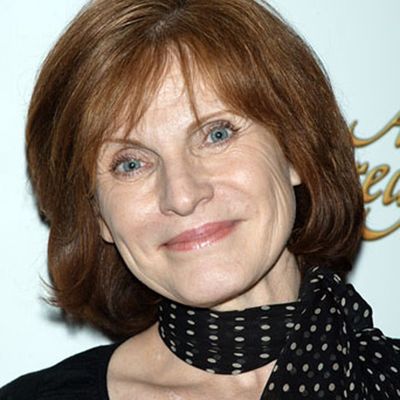
She has made teapots dance, witches turn from grunge to glam in seconds, and has used a garage door opener to free Bernadette Peters. Yes, Tony Award winning costume designer Ann Hould-Ward has done all of that, and much more, in such shows as Sunday in the Park with George, Falsettos, Into the Woods, Beauty and the Beast, Dream, Little Me, Dance of the Vampires, The Visit, and countless plays, operas, and ballets!
Ann pulls back the curtain on her career to discuss how she went from Montana to the Great White Way, what it was like being a female designer in the 1970s and 80s, and why Patricia Zipprodt was one of her most meaningful mentors.
Also, Ann shines the spotlight on Nedda Logan, John Doyle, and Stephen Sondheim!
Become a sponsor of Behind The Curtain and get early access to interviews, private playlists, and advance knowledge of future guests so you can ask the legends your own questions. Go to: http://bit.ly/2i7nWC4
Transcript
This transcript was automatically generated and might contain errors.
[0:00] Robert W. Schneider: Hi, I'm Robert W. Schneider.
[0:01] Kevin David Thomas: And I'm Kevin David Thomas.
[0:02] Robert W. Schneider: And this is Behind the Curtain: Broadway's Living Legends.
[0:05] Kevin David Thomas: Don't forget to follow us on Twitter at Broadway Curtain and make sure to join our Facebook page of Behind the Curtain: Broadway's Living Legends.
[0:12] Robert W. Schneider: And follow us on Instagram at Broadway Curtain Podcast.
[0:15] Kevin David Thomas: Plus, you can always listen to all of our episodes, old and new, on the Broadway Podcast Network, iTunes, and Spotify.
[0:22] Robert W. Schneider: A dress that needs to open on cue, a dancing teapot, and a pyrotechnic dancer turning Bernadette Peters from a crone to a goddess in full view of 700 people.
[0:32] Kevin David Thomas: These are some of the design challenges that have been charged to today's guest.
[0:45] Robert W. Schneider: And it's hard to separate the show from her designs.
[0:48] Kevin David Thomas: To tell us what it was like to work with such folks as Stephen Sondheim, Michael Eisner, Bernadette Peters, Patricia Zipprodt, John Doyle, and so many more, here is Tony Award-winning costume designer Ann Hould-Ward.
[0:58] Robert W. Schneider: Ann, how are you today?
[0:58] Ann Hould-Ward: I'm good.
[1:01] Robert W. Schneider: How are you guys?
[1:02] Kevin David Thomas: Good.
[1:02] Kevin David Thomas: We are so happy to have you.
[1:03] Robert W. Schneider: You said that you are up in New York, up in Riverdale, is that correct?
[1:07] Ann Hould-Ward: Yeah, I'm here in isolation, but enjoying the sunshine.
[1:15] Robert W. Schneider: First of all, thank you so much for joining us today. And you know, we'd love to start with, tell us a little bit about how you became involved with Patricia Zipprodt, one of the greatest costumers of the theater.
[1:17] Ann Hould-Ward: One of the greatest ladies of the theater, grand dame of the theater, brilliant designer, and wonderful person. Um, I uh, when I was in graduate school at the University of Virginia, I sent three letters to three different costume designers: to Patricia, to Theone, and to Tony Walton.
[1:50] Ann Hould-Ward: And um, I said I would love to come and intern with them. And Patricia was kind enough, and indeed the other two became very dear friends through the years, but Patricia was kind enough to write a note back saying she was busy, let her think about it.
[2:11] Ann Hould-Ward: Um, so I actually finished graduate school, went to France to live for what I thought would be like a year, and when I got to Paris, I was actually not able to work; I wasn't able to do anything without a green card.
[2:30] Ann Hould-Ward: Um, so I came back to Montana, where I was born and raised, came back to my parents in Montana with my son, who was like two years old, and I started trying to reach Patricia.
[2:30] Ann Hould-Ward: Um, I got her, you know, it was in the old days of our message machines on our phones, and um, the message on her phone said that she was in technical rehearsals in Boston for a musical called King of Hearts, I think it was.
[3:10] Ann Hould-Ward: So I started calling the theater, and I kind of made friends with this lady that was somehow, I got a general number and she gave me the backstage number.
[3:21] Ann Hould-Ward: And so then I just started calling the backstage phone and um, got to know this thing. This is a crazy story, right?
[3:30] Ann Hould-Ward: And got to know the stage doorman. He was like, "Hi, it's you again." And so one day I call and he says, "Oh, she's standing here," and he hands the phone to Patricia Zipprodt.
[3:40] Ann Hould-Ward: And I say, "Uh, Patricia, this is Ann Hould-Ward. I wrote to you a long time ago, you know, a year ago, and I really would love to come and intern with you."
[3:53] Ann Hould-Ward: And she said, "Well, where are you?" I said, "I'm in Montana." And she said, "Oh my gosh, my dearest friend lives in Montana that she went to camp with from the time she was in fourth grade till through high school."
[4:08] Ann Hould-Ward: And so she said, "Well, let me think about it." So we got off the phone, and I knew she'd been impressed that I was in Montana.
[4:16] Ann Hould-Ward: So I went downtown to the general store in the little town in Montana where my parents live, and I bought a cowboy hat and I got an arrow and a piece of rawhide.
[4:29] Ann Hould-Ward: And I wrote this note on the piece of rawhide that said, "Dear Miss Zipprodt, please, please, please just let me come to New York and be your intern. I will scrub your floors, I will do anything."
[4:40] Ann Hould-Ward: And I stabbed it through the hat with the arrow, that piece of leather, and I sent it off to her in New York City to the address I had.
[4:50] Ann Hould-Ward: Well, she got stuck with that show, and I think there were all sorts of out-of-town problems in Boston. She came home on what was in actuality the 30th day.
[5:03] Ann Hould-Ward: And those things, they only keep your mail for 30 days. They would, it was ready to be sent back.
[5:07] Ann Hould-Ward: And on the 30th day, she happened to send somebody to go get the mail because she'd finally gotten back from Boston.
[5:16] Ann Hould-Ward: And um, they went and picked up the hat, and I, a few days later in the mailbox in Montana comes this note that says, "Well, it was actually a very long letter and I wish I had it."
[5:32] Ann Hould-Ward: Um, but the letter said, "Dear Annie, okay, okay, okay, all right, you can come to New York."
[5:40] Ann Hould-Ward: And then she said an interesting thing that has stayed in my heart forever after that because she ended the letter with saying um that she had always very carefully evaluated which work she did and what she took um to work on.
[5:57] Ann Hould-Ward: And I've always thought that was interesting because it was such a different time in the theater because I think um in the theater I grew up in, we just took whatever, you know, you're like, "Oh, please, thank you. I want to do this show. Yes, of course I'll do it."
[6:11] Ann Hould-Ward: Um, so I've always thought that that was such a different thing than I was able to experience.
[6:17] Ann Hould-Ward: I think that stayed in my heart because um I so much wanted to be able to be like that, but I've never really got the opportunity, let's say.
[6:30] Ann Hould-Ward: Um, and so I left Montana. I left my son with my mother and my dad, and I came to New York with two suitcases on January 2nd, 1978, and I slept on a piece of foam on a friend's floor in New York and started my internship with her.
[6:55] Ann Hould-Ward: And we were to do mononimous, she was gonna work on mononimous call at the Met.
[7:00] Ann Hould-Ward: The opera I got here, they canceled it.
[7:04] Ann Hould-Ward: And so then I was there in her studio that January and February, and um, and in the spring um Ben Benson, who had been Patricia's assistant many years before, was then the head of the shop at New York City Ballet because Karinska had had her stroke and she wasn't able to work anymore.
[7:04] Ann Hould-Ward: And uh Ben was doing um, they were doing two productions of the city opera that was in terrible shape, and so they were doing two productions of um Dido and Aeneas and La Bourgeois Gentilhomme at the same time that was to earn money for city opera, and he was directing one and choreographing one.
[7:04] Ann Hould-Ward: And so Ben needed an assistant, and so um I went to Karinska to City Ballet and I was there for 18 months, I think, and Ruben Ter-Arutunian designed La Bourgeois Gentilhomme and Dido and Aeneas, and so that was my beginning of really working in the city.
[8:15] Kevin David Thomas: That's incredible persistence and creativity that got you in. My God, was it terrifying to just get up and go to the city and just start?
[8:15] Ann Hould-Ward: It was. I mean, I knew there was a union for designers because I met Carrie Robbins at a USITT convention and she had talked about it.
[8:46] Ann Hould-Ward: And so I got here and my husband was in France. My child was in Montana. I was on a piece of foam in somebody's living room, and I was like, "Well, I told my family I could do this."
[8:51] Ann Hould-Ward: I mean, and my professors had talked about it, but I had no idea like just the sheer volume.
[9:02] Ann Hould-Ward: And I think that was what really got me through the years was I told my family I could do it.
[9:07] Ann Hould-Ward: And so I needed to do it. So um that gave me a lot of resilience, a lot of backbone to just keep saying, "I got it, I got it, I gotta make this work."
[9:23] Ann Hould-Ward: And it is kind of an interesting story too because it was at a different time as far as um motherhood and women were concerned.
[9:31] Ann Hould-Ward: I mean, it was like six months before I even told Pat that I had a child.
[9:36] Ann Hould-Ward: And um, it was well until I had, after I'd done Sunday in the Park before I would actually tell people that I had a child because people, you know, it's just a different time of, "Well, how are you going to do the work? How are you going to manage?"
[9:55] Ann Hould-Ward: But I think things that society's changed a lot in that way, uh now that we can, hey, of course we can do it.
[10:04] Ann Hould-Ward: But at that point in time it was harder to convince people that you were going to be able to do out of towns, that you were going to be able to go places.
[10:13] Ann Hould-Ward: We didn't have that many designers that were married and had children.
[10:17] Kevin David Thomas: You're right. It's something I never really thought about, but that's exactly right.
[10:17] Ann Hould-Ward: And I never thought that there'd be a stigma that you could lose out on jobs because of that sort of thing.
[10:17] Ann Hould-Ward: When I was pregnant with my daughter and then when she was little, like as Into the Woods time, I made a concerted effort that I was going to talk about my child.
[10:38] Ann Hould-Ward: I wasn't gonna hide that I was a mother because I'd at that point had a modicum of success, and I thought it was supportive for other women that we could do this.
[10:52] Ann Hould-Ward: I mean, and for men too. I mean, we shouldn't be, you know, I mean thank God now we see all sorts of people with their children and it's, of course you can manage it, but it was a different time in how that was viewed.
[11:06] Kevin David Thomas: Did you see a lot of your colleagues lose work because of sexism?
[11:10] Ann Hould-Ward: Well, the theater was a very male-dominated place at that time. Almost all of our producers were male.
[11:10] Ann Hould-Ward: I mean, we saw the start of seeing some women, you know, seeing Nell Nugent, seeing some women come forward, but it wasn't necessarily a place that um, that you could say, "Oh, it's fine to talk about that. I'm gonna balance these things. I'm gonna balance being a person with these things in my life and a career."
[11:10] Ann Hould-Ward: It was a much more difficult thing to do, I think.
[11:52] Kevin David Thomas: Now, where did your love of design come from?
[12:19] Ann Hould-Ward: Um, and I uh very early on I started um with my paper dolls, like making clothing for them uh and designing clothing for the paper dolls. So I always say it's just like I just I just have been making paper dolls forever. I just make bigger paper dolls now, and then we turn them into fabric.
[12:41] Kevin David Thomas: I love that. Where was your undergrad before you...
[12:44] Ann Hould-Ward: Yeah, I I was thinking about that, getting ready to talk to you guys. Um, because it's kind of an interesting story. Um, my uncle, uh, when I was 12 years old, my uncle um uh was uh it you know it's in the time of the draft and he went to he was uh drafted and went to California for part of his training, and he'd had a girl that he'd gone to high school with uh from a wealthy family in Montana and she'd gone to Mills College in Oakland, California, and and I thought...
[12:51] Ann Hould-Ward: I grew up in rural Montana, um, really had no money. My mom used to, my mom sewed my clothing, and we would take the buttons off one thing to put on another thing we made because we didn't have money to buy new buttons.
[12:51] Ann Hould-Ward: And I thought, you know, that my uncle could walk on water. He was like 12 years older than I was, and so he came home and he talked about visiting this girl at Mills and what an amazing campus it was and stuff.
[13:29] Ann Hould-Ward: And when I was 18, I applied to Mills. I also went to Hamlin University, and I got into Mills, but I didn't get a scholarship.
[13:32] Ann Hould-Ward: And so I mean, I got a scholarship to Hamlin in St. Paul's.
[13:41] Ann Hould-Ward: So I went my first semester to Hamlin and I got straight A's.
[13:46] Ann Hould-Ward: So I took a copy of the transcript and I sent it to Mills.
[13:53] Ann Hould-Ward: I never reapplied. I just sent the transcript and said, you know, at Christmas of that year, I said, "I'd really still love to go to Mills. Is there any chance?"
[14:01] Ann Hould-Ward: And in May, I got a phone call from my father in Montana, and he said, "You've just gotten this," it was a telegram at the time, you guys.
[14:12] Ann Hould-Ward: "You've gotten this telegram that you have a full scholarship to Mills for next year."
[14:12] Ann Hould-Ward: So I went to Mills, and of course Darius Milhaud was the head of the music department there then. I mean, it just was a world of art and music and theater like I had never been around before.
[14:12] Ann Hould-Ward: Um, and so that's where my undergraduate degree is from, and it made me able to understand what the arts could be in a way that in rural Montana, in a tiny high school with 15 in my class and 69 in my whole high school, I was never able to really, and especially like when we didn't have the internet and we didn't have, we just didn't have the methodology that we have today that someone in a rural area can expose themselves to.
[14:12] Ann Hould-Ward: I just didn't have the ability to, um, though my mother, my mom was an English teacher, and we read together, and we read Shakespeare together in the summer on the farm.
[15:28] Ann Hould-Ward: And did you know that, uh, you know, it was going to be theatrical design versus film versus television? I mean, did you decide early on or did that happen or fashion? Yeah, so well, so because of my mom, and then we started like she got me interested in, you know, plays and dramatic readings and this kind of stuff just because of her English background. And so initially I thought I wanted to be an actress, right? Although I'd always painted and as I look back on it, I'd always painted and drawn, you know. Um, I went to Mills thinking that I would do that, and I met a young man who was at Berkeley, and I got married to him. And, uh, and the head of the theater, the head of the department at Mills said you really couldn't be an actress and be married at the time.
And so she made it extremely difficult for me to go on in that area, and I had begun to take design. It's interesting to watch your faces just as you hear this, you guys. It is, it's really interesting. Um, and so I, uh, I'd begun to take, um, a design class, custom design class. And like I said, it was just paper dolls, right? It was just another form of paper dolls. I've always done that. I loved it, and Rhoda Gale Pollock, who was the costume designer there at the time, said, I think you have a talent, and that's how then, you know, then that's how I kind of got shoveled into that area, really. Um, and as far as theater or movies, you know, it's funny because it was always theater, and I think maybe that's just because of my mom's love of it, um, rather than movies.
Though I, I, one of the first things I ever remember of, of, you know, just like, oh, what is that? Of trying to look back on how the heck did this start, um, was, uh, when it, uh, when it would rain on the farm, we were 30 miles from the nearest town, and so when it would rain on the farm, when I was a little girl, then you'd be able to go to town and like go to the drive-in movie or something because you couldn't be in the fields. And so, um, so it, uh, one of those rainy times, uh, I, I'm about four years old, you guys, and I remember being in the back of the Studebaker, and my mom and dad took me to see Auntie May, and of course there's all like, there's one scene there where they go in her bedroom and you see all the colored wigs and everything, and I remember as a little girl going, I want to do that.
That's the earliest I can remember, like, you know, being in the back seat in my pajamas of the Studebaker going, oh, I want to do that. Um, when I saw it on the screen, that is such a cool memory. That is, thank you for sharing that. That is awesome. A long time ago, Studebaker made those in a hundred years. I love that that vibrancy though just popped and inspired you. That is fantastic. Um, so, and then you went to graduate school, right? I did. Uh, then I, uh, finished Mills. Um, nine months later my son was born, um, and then my husband, uh, at the time was a nuclear engineer and we went to Richmond, Washington in the tri-state area, and, um, and he was working there at the Hanford Reservation.
And I was like, oh my God, I've gotta be doing what I want to do. And there was a small junior college there, and I went and introduced myself to the guy who's the head of the theater department, and he let me design the, I did the lights, the sets, and the costumes for all their shows for like a year. Um, I don't think the lights and sets were very good, but anyway, I'm not even sure the costumes were very good. But I did that for like a year. And then I, um, and then we moved to Charlottesville, Virginia, and I, uh, went to UVA, and my MFA is from UVA. And then so now we're gonna jump back to New York. So you said when you were, you were looking at Patricia Zipprodt, you're looking at The Only Village and you're looking at Tony Walton.
How would you just describe their styles or their essences that sparked something in you that made you want to go and work for them? I didn't know anything, I just knew they were three desire. All right, that's pretty smart. That's good. I wish I had been that, you know, I mean, I knew these were three wonderful designers, and they were designing on Broadway all over the place, and I knew that, you know, they'd done, you should have done Fiddler. I mean, I knew these different things that they'd done. Um, but, uh, honestly, I was just like begging. I was just like, who will take me? Who wants a floor swing? You know? Yeah, we know that feeling. Patricia should have never answered that letter.
I mean, she was too nice, right? That's how I knew I had her, right? I mean, that was, that's such a genius way of doing it. Okay, so now that you're working, so now you're working for Patricia in New York, and so what like what lessons from her did you learn that you still take with you today in shows? How does she still influence you? Well, I mean, she also became my dear, dear friend for 25 years. I mean, we were, we were kind of, um, we had this funny thing of like, uh, an attachment, I'd say, of there'd be this look in her eye that it would be like a spark, and I don't know, it ignited between us, and we'd just be off to do something together. Um, I think that, uh, being an assistant and doing the, an intern and assistant to someone on that level is just such an amazing thing because you see the ins and outs, you see the good and the bad, you see the pressurized situations without having to be in that hot seat, and you learn a lot about how am I gonna evaluate this for good or bad?
Um, you're able to look at the situations and, and to realize that it's the wonderful thing about what we do is that it's human beings in a moment. It's, I think it's like sports in a way. I, uh, that the live theater is people exerting themselves vocally, physically, emotionally at that moment, and we're able to be a part of it. Um, but it's also the other part of it, it's, it's just human beings doing it, right? And I think then there becomes the big hype of it. It's Broadway, it's this, it's that. Well, you know, we're all still getting sick with colds, we're all still worried about how does the costume look good? We're all still worried about are they selling tickets? All these things that are just human individual things.
And then kind of the press comes and makes it so big, and you're like, you forget that it's just human beings able to do it, right? I mean, um, and so I think I, I really got a very big look at that through the different things that I assisted Pat on. You know, I, I assisted her on, I was thinking about this today. Just, uh, one of the things was a show called One Night Stand. Um, have you ever even heard of it, you guys? The album is actually hanging on my wall right now. No, you're kidding me. I swear to you, yeah. I didn't even know there was an album. Most people don't. But Charles Kimbrough in it. Yes. Oh, yes. And John Dexter directed it, and Julie Stein wrote it. And I remember, you guys, I'm, I'm coming.
We were in the theater where Rent was. Is it the, what's the name of that theater? Is that the, it's now the Nederlander? Right? I don't remember what it was then. Um, but I, I remember we were into previews. The show was like four and a half hours long. People like left in droves at intermission. Well, I mean, you know, we intermission was 10:30. They were like leaving to go get a train to get home. And I came, I, I'd gone out to get something. I came in the middle of the afternoon, I come barreling through the doors, the front doors of the theater. And at that point in time, there were two stairways on each side. And John Dexter is on one side and her gardeners on the other side. And I've got all these bags and everything.
And they are literally screaming at the top of their lungs at each other about like how what should be cut, what shouldn't be cut, everything, you know. And first of all, I was like, oh my gosh, I didn't know, you know, like people do this. This is, this is theater. Okay. And I, and so I, but I, I needed to go to the bathroom because I've been out shopping. I had all these bags, and I, these two guys are like there, like really in the heated moment of what should, what can you cut? No, I won't cut it, blah, blah, blah. And I go down into the basement, you know, where like the lobby bar was at that time, and there's Julie Stein crying. Yeah. Wow. You know, I mean, so things like that were really on.
I saw people, I threw Patricia, I saw the heat of it. I saw the heat of what it is the emotional, the intellectual, the physical heat of it. And I think if, if anything that I learned, I mean, I learned to be an artist from Patricia, but probably the thing that has sustained me the most is learning that, is learning to be able to, like an athlete does, learning that you are gonna extend yourself, you're gonna push yourself, you're extending and pushing everyone else around you. How do you remain human? How do you know that you're going to get through that? Now, I'm sure every single show that you work on has its own challenges, but what show have you been challenged by the most? Assassin, since we can't do it right now.
Oh no. So you've got all these designs just sitting there. Oh no. No, I mean wow, the most challenge. I mean, it's like every time there's a challenge, right? Every time you're like thinking, okay, this is gonna get easier. It never gets easier because we always want to be better. We always want to do it well. We always are worried, but I think that's also what keeps us young in this business. Yeah. I mean, like I think there's this really fantastic thing about our business, which is you continue to be around people of all ages. And I just think that makes us a wonderful collaborative group. That doesn't happen to most people. Most people in their careers, they kind of get into these different, you know, you're in a group that's, you come up the ladder and you're in an age group with the same people.
Whereas we are constantly in a creative situation where we're challenging each other intellectually, we're hearing things from all different ages. I think that that keeps us young and energized way. Um, that's really a gift of our, of our, of the theater. And, and I'm sure movies and TV too, but you know, uh, of what we do, it's a gift. Yeah. How do you begin the process of designing a show? So, you know, you, you've, you're handed a script, you like the script, you signed on. Where do you begin? Or how do you like to begin? What's like the ideal collaboration for you? The ideal process, I should say. Well, you know, I say it's, I think every relationship is like a relationship. Every relationship with a director is really like a relationship.
You are, you're gonna learn what works on your dates or doesn't work on your dates. Um, and so you have to kind of decide. I mean, I have a given way of, I, I love to do the research. I, I find it, I, I say I can go down the rabbit hole of the research, you know, you can go up into this area and that area, all of a sudden you go, oh, I'm down a rabbit hole, I gotta come back up. I gotta be, it's just so easy to get involved in different aspects and, and how are you going to put all that together?
[28:54] Ann Hould-Ward: Um, so I love to do the research, but I find that like one of the things is to try to hear the director, to try very hard to listen to who they are as a person, to learn to research them, to learn who they are. By that, I mean, what's just like the questions you guys are asking me? Like, you know, what are the things that make them tick? I mean, what are their experiences? What are the things that I can look at and see in their work? A lot of that I think I might have learned through the years of working with Lar Lubovitch as a choreographer, because I did so much work with Lar through the years, and then you begin to see how he's creating, how he's working, and then how it grows in one way in this piece and a different way in that piece, but they're all connected.
Um, and I think that then I began to realize that that's how directors work too; that's how we all work. I think it was those experiences compiled upon each other, and so I like to really have the time to investigate who they are, what they are, and I've been blessed to have some really long-standing relationships to get to the point of that it's very few words actually with a director and understanding how they need to work, how much freedom do they still need to have within the design once they're in the room, how much do they actually need that it's gonna be exactly like that sketch, and how much do they need to be able to have a super big freedom. And that's, I think, a learned experience with every director.
Um, and sometimes, you know, maybe you have to take a back view of like, oh wait, I thought it was going to be such and such, but no, it needs to be different now. And those are hard lessons to learn, and I'm still learning. I still have like, you know, the hair on the back of my neck goes up of, oh, they like it. Yeah, I'm still like, I say it's like being a four-year-old kid, you're drawing to your mom, right? I mean, that I'm still like the four-year-old kid taking my drawing to my mom. Mom, do you like it? Right? That's a life's lesson, and I think I have to like, you have to just kind of create, I think it's based on good research. Um, it's based on listening to what the director is conceiving and how much can they conceive on paper? How much do they need to conceive in the room? Um, and then kind of just plotting forward as you go. If that is an explanation.
[32:05] Kevin David Thomas: Yeah, and how early do you like to involve your discussions with hair and makeup?
[32:10] Ann Hould-Ward: I usually have the designs on paper before I'm actually taught. I mean, I probably know who I want to design it, and I may have had some conversations with them, but I probably want to have it on paper, know that the director feels we're going in the right way, probably have some producer and general manager ideas of what that is, and then go for that.
[32:43] Robert W. Schneider: Good morning, Mama.
[32:44] Ann Hould-Ward: Liza, darling.
[32:46] Robert W. Schneider: We've got to help the boys in behind the curtain.
[32:48] Ann Hould-Ward: Oh, Broadway's living legends.
[32:50] Robert W. Schneider: Oh, it's marvelous.
[32:52] Ann Hould-Ward: Well, what would they like?
[32:53] Robert W. Schneider: Some cream of wheat.
[32:54] Ann Hould-Ward: No, mom, they want some money.
[32:56] Robert W. Schneider: Money?
[32:56] Ann Hould-Ward: Well, let's send them a great big bag of money.
[33:00] Robert W. Schneider: No, all you have to do is go to Patreon.com. You know, it's P-A-T-R-E-O-N.com and you set up a monthly donation.
[33:08] Ann Hould-Ward: Money makes the world go around, Mama.
[33:10] Robert W. Schneider: Oh, don't I know a Patreon.com, do it now.
[33:18] Kevin David Thomas: You know, you were speaking about director's feedback, but what I have to ask you. So, what happens when you're standing in the back of the house and a random producer or random producer's wife comes up to you and goes, you know, she would look better in blue?
[33:32] Ann Hould-Ward: I have so many good stories about that. Let's go back to Harrigan and Hart, which was my second Broadway show, I think, right? Okay. Joe Layton is directing. Michael Stewart wrote it. Thank you very much. God bless him. Michael Stewart wrote it. Um, and of course, you had Nedda Logan, Joss Logan's wife, is involved as one of the producers. Oh, yeah, yeah. And she is about, well, I don't know. I thought she was about 90 at the time. She probably was younger than that, you guys, but you know, I didn't have a very good concept of age, maybe. And one day, um, we're in previews, and one day Nettie, uh, Nedda Logan arrived with a suitcase with a necklace in it that she thought one of the leading ladies should wear instead of the necklace I put her in.
So I learned pretty early on like how you were gonna hear the different, or people have different experiences, and they have different ways they're viewing what's going on. They also have different things that are really super important to them. Um, like when we did Sunday in the Park with George, you know, the little girl in the middle of the painting, the little girl, she's there with her mom with the umbrella, the little girl, little girl. I mean, and it is center focus of that painting, right? Yep. And we, Pat and I have done it. It was the kind of had a bit of a turquoise blue under layer to it. And during previews, Steve said, um, it needs to be white, I'll pay for the dress. And we made a new dress for the little girl that was white.
It was he in what he was seeing of that painting and the years he spent on it to the focus of that, he is absolutely right. That in pinpoint perspective, that is what George Seurat did. He came to that little girl in the center of the painting, you know. But so there are sometimes there's someone who has a real need, a real urge, a real in, and I think that's a hard thing to teach designers. Um, we want to say, oh, it's so important that we have it the way we want it. Um, and there's going to be points always, either financially, producorially, where other people have other ideas, and you have to figure out how you're going to work with that. One of the things that helps me in that situation is to remember my respect for the director and my love for the director, and to know that by my navigating that situation, I am actually aiding him in being able to do the work he needs, he or she needs to do.
Um, rather than getting into this situation of, oh my god, the producer's wife wants a blue dress. It's being able to have that conversation, come through that conversation and negotiate, and that still can be designed. I think that's an imperative part of it. Man, it's not a fun part, but I think that's an imperative skill to learn. I think I have to breathe deep, you guys, just from saying it. Yeah, I'm having heart palpitations just from getting it out, right? It doesn't make it easy. It doesn't make it easy when they want the blue dress. No, that's never a fun conversation. That's just never a fun conversation.
[37:42] Ann Hould-Ward: Oh, is it like, but like you said, it's something that needs to get done and it is still a part of design, it's still a part of your job. Well, I think it's a super big part, and I think we like if someone could have helped me learn that, and I still have to remind myself. I mean, as recently as Prince of Egypt, just a few months ago, I had things that big producers wanted different, and you're like, this is my job. I respect, I mean, also I think it has a lot to do with how you can negotiate a creative situation and respect with your director and your other designers. And if you have that, I think it makes it very much easier to negotiate how we're going to change something and how we're gonna work with the actors and tell them this is happening and go about it.
[38:36] Kevin David Thomas: Now, what happens when an actor gets into the fitting room with you? I mean, how much input do you like from them on, you know, oh, I saw my character wearing a tie, or I saw this, I saw that, or you have it sketched where she's in heels, I should be in flats?
[38:51] Ann Hould-Ward: You know, I try to remember, I try so super hard to remember what they've gone through to actually get into that room. I try to remember what that life is of the auditions, of what it was to actually get that job for each and every actor to try to remember like what it takes to actually get in that fitting room with me. Um, and then to offer them the respect of, okay, let me listen to it, let me see how do we negotiate this, how do we come to, and I really find most times there's a, you're just negotiating another part of the design. I mean, you're adding like I really love when I'm at the drawing table, if at all possible, I have photographs of all the actors and like how I work it out. You guys, is I have my paper right in front of me, I have their face to the left, their body right there, and I have all my research on the right.
And I am actually at that moment putting it all together. Um, and I'm, but I'm already putting my brain and thinking about them if I possibly can have it. I mean, sometimes they're not cast yet, right? But if I do have that opportunity, then right from the very beginning, I've been working with them. Just psychologically, I've been working with them. So then when they appear in my room, and they're like, Annie, it would really help me if I had flats. I've already been envisioning with them in a way that lets me envision more, I think, with them that way.
[40:45] Kevin David Thomas: That's great. That's such fabulous advice. Um, you know, a lot what's so fabulous about so many of your designs is that every once in a while there's something that, uh, I don't know how most designers would deal with. Like, for example, in Sunday in the Park with George, her dress just opens up and she leaves the dress and dances around, and then she comes back and the dress closes around her again. I wish you could see Ann's face right now, because I think, can you walk us through the iron dress?
[41:14] Ann Hould-Ward: The iron dress, we called it the iron dress. So it was actually made by a man who had a business called Theater Magics in Ohio, and he was the only person who would bid on it. And so the poor darling made this whole wire frame, and it actually had at the time we did it, Tony Straiges' set was raked, and so it had what we called moonwalker legs, you guys, moonwalker feet. That when Bernadette got to her place, she had a little, she actually, she got in her place, and then there was, believe it or not, at this point in time, um, it all functioned off a garage door opener because that was like, yeah, really, I didn't see that one coming. Yeah, it was, and they had it. Richard Battle, who was the stage manager, he had the garage, one, two garage door openers, and so the first one went and he put the little legs down, and then they tilted because they had to tilt like she couldn't ever just get in exactly the same place right on that, so they had to tilt and make it steady every night so the little legs would come down, and then you'd, and like if you're in the audience, you could kind of see, I could go thank god the legs are down, you know, it would like you could see it go up a little tiny bit, and then in the bustle of that dress was like a, I want to call it a pellet, but like a tube, you know, and that actually was what then, uh, then the next garage door thing opened the doors and then she walked out of the dress.
But there were nights during previews like, well one night Bernadette couldn't get out of the dress, and then one night she was over like talking, singing to Mandy, and the dress closed up completely and it wouldn't open up again, so she got done with her number and she just grabbed it under her arm and carried it off. I mean, you know, those big, the doors that are at the back, you guys have the booth, I would be like back there on the floor cringing by a door like begging could the dress please just open up and not, oh my god, and the man, the Theater Magic man, he hated me by the end.
[43:48] Ann Hould-Ward: He really hated me. But it was a wonderful thing. I mean, it was really, but it was very tension ridden, the whole thing of like being able to make it operate, being able to make it look good on her, everything, you know, everything all along the way because it had to have so many different things that it did.
[44:10] Robert W. Schneider: And this you you you have you shared uh design credit with your your mentor slash friend. How did uh what's I mean, I'm curious. How did you did you say I'll I'll do these costumes, I'll do those costumes, or did we collaborate together? How did that work out?
[44:24] Ann Hould-Ward: Well, we did it kind of together, you know. I think um what happened was that Stephen James came to Patricia about designing it for play at playwrights. Um, and I think at that point in time she was like, Well, that's gonna be a lot of work on the ground. And um, and I I had been off designing maybe two or three years by that time, and on my own, and she just called and said, Hey, did I want to do this together? Um, because then she would be, you know, she just didn't want to invest in playwrights horizons where you know you were in the basement with no bathrooms, and I mean uh just the situation was pretty rough. And I think she thought that it would be easier to negotiate. And we did kind of divide things up.
Um uh certain of the sketches she did, like the the pregnancy dress, the aqua colored pregnancy dress where Bernie turned the pregnancy around and stuff. Pat did that dress. Patricia designed the actual she did the sketch that's that the iron dress, the pink, the pink dress. Um I I did Bernadette's last dress, and I did most of the other sketches, I think, but we just kind of put it together, you know, as we went.
[45:49] Robert W. Schneider: And you worked so much with James Lepine during this era. What's what's it what's that collaboration like? Why do you why did you go back to him so many times?
[45:58] Ann Hould-Ward: Well, I mean, he he came to me. I mean, you know, I he was kind enough to let me work with him. Um actually just he just uh texted or emailed today because he's writing a book about the show about Sunday. Um and um and uh and he wanted to know where some of the sketches were and stuff, and um it was just it's one of those things where he's a very loyal person, and I was lucky enough that he was willing to do different things with me. And and it's been fun like through the years to do them, you know. I did the Merrilly with him out in La Jolla, like in '85 or '86, um, before after we did Sunday, but before we did Into the Woods. And then I did redid Merrilly with him at Encore. And then for the uh Six by Sondheim, I did the the we did the section, you know, where Steve was in it, um of Merrilly. So he's been very, very kind to me through the years of of allowing me to be uh part of processes with him.
[47:13] Robert W. Schneider: And how does your collaboration work with him?
[47:16] Ann Hould-Ward: Uh lengthy discussions, um lot lots of visuals. Well, uh well, both. Um, usually like the start into the visuals, and then a lot of lengthy discussions, and then drawings, and then a lot of uh and James is uh James, I think is somebody who then still is really gonna want to like he's gonna be developing the piece as you're going along too. Um so you're gonna it's gonna continue to extrapolate itself from the design process on.
[47:52] Robert W. Schneider: Got it. Now I'm assuming that the iron dress was nothing compared to dancing teapots and candlesticks that had to blow off flames. How does uh tell tell me how you got involved with Beauty and the Beast and the magic that you created?
[48:08] Ann Hould-Ward: Well, that's a that's a fun story because uh Rob Roth uh who directed Beauty and Stan Meyer, who's a scenic designer, they both went to Rutgers, and when they were at Rutgers, they would come and second act Into the Woods all the time, you know, sneak in and see the second act and um uh from the back row, not pay. And so they were uh thinking, they Michael had talked to them, they talked to Michael about wanting to do Beauty as a theater piece, and um, and they said they'd like me to design it, and or they'd like to you know talk to me. And so I got a call from Disney. Would I and I was designing an opera in Santa Fe, I was designing John Giovanni there, and they said, would I come to LA and um and meet these guys?
And so I went to LA and I was in this little conference room with these guys who were so fun, and they had such great senses of humor, and they were such good friends with each other. And um, and and I was like, Well, you know, this is really interesting. They're an interesting group, and they have like this kind of wonderful flavor of life about them. Um, and what would that be in the theater? Because they'd not really they've not done any Broadway shows, you know, and and I was and I thought, you know, it's gonna be interesting to see if somebody like Disney, if a corporation starts to come and and produce on Broadway, and there should there's going to be a huge learning curve, and I want to be part of seeing what that learning curve is.
[50:06] Ann Hould-Ward: Um and Flora Roberts was my agent at the time, and Flora really, I mean, I remember because negotiating that contract was extremely difficult. And um, and Flora was like, well, they'll never do another one. I you know, I don't know, but I mean, they've done a lot, and so have a lot of other corporate producers, right? It was a real change of direction, and and I think it it is important for us to be able to see and navigate, negotiate the changes that come our way in our careers in the theater. And and and and I mean, I'm sure there's ones that are happening right around us right now, you guys will have to see what it is right now, right? During this, how does this uh how does it negotiate itself?
How does it come out of this and and and who will figure out a way um and that's what I think I was watching was Disney figure out a place for these corporate producers and most certainly since that time we've seen a bucket load of them right and what do you think were the biggest learning curves that they had to understand to work in uh the commercial Broadway industry?
[50:59] Ann Hould-Ward: Well I think it's both ways right I think you have to understand and they have to understand I mean we were very lucky on that in that Michael and Jeffrey were hands-on completely involved uh and they really were the approval factor in all of that so as it was starting uh as as Disney theatrical was starting we really had a very easy conduit to see who they were what it was etc and you know just like you see Tom like a super guiding force with a very strong vision of where to head I I think that um that you have to uh avail yourself to understanding where these people where they see their place going and recognize it and be able to work with it on I mean that's kind of the exciting thing right is work with them and they also are working with you um in ways that that uh are different than you know when uh we did Harrikan and Heart and you know Michael Stewart called and said come up to my apartment and we're there the sketches out on the floor like figuring out what's cut what's not it it's just it's a different process but uh I think that we have to avail ourselves to learn those processes as the theater changes.
[53:00] Robert W. Schneider: And do you I mean do you enjoy those uh you know putting such epic shows on stage things like the Prince of Egypt or things like Beauty and the Beast do you enjoy the vampires Dance of the Vampires do you enjoy Dance of the Vampire woo she survived she has a tale to tell do you do you enjoy those larger scopes like it I mean I'm sure you enjoy the variety because your career is so so varied in terms of what you've created but is there one style that you gravitate towards more than another?
[53:00] Ann Hould-Ward: No I just really like to do the different stuff I mean I mean if if you if I had my ideal I would design dance. I love dance. I love the beauty of the music I love the beauty of the the body in motion but I say that and yet then I I absolutely passionately love my relationship with somebody like Anna DeVer Smith where I'm learning every single character and we're determining together how it works and it's such a a a mindset of of the director Anna myself and and working that together.
[54:15] Ann Hould-Ward: By uh doing all these different things. I mean, I remember um when I was designing uh uh one of the years I designed Ringling Brothers, that you know, so like the circus in the afternoon, like at five o'clock one afternoon, I was fitting uh Julie Kent for Allegro, a new ballet for ABT at Barbara Matera's shop. And by six o'clock the next morning, I was in Florida. So I was fitting this diminutive, tiny, beautiful ballerina. And at six o'clock the next morning, I was fitting elephant blankets on elephants in Florida, where they had like ladders to get the elephant blankets on. And I was like, wow, talk about different worlds. And I kind of really love that. I kind of really love being able to experience all those different things. And I've been pretty lucky to be able to do that, I think, in my career.
[55:18] Robert W. Schneider: Absolutely. And I think we've been pretty lucky to be the beneficiaries in the audience of seeing your beautiful designs. This, and I gotta tell you, this has just been an absolute pleasure today. I can't even thank you so much for all the time you've given us. My last question for you is is what do you wish that your younger self would know that you know now? If you could go back and talk to a young Ann who's about to start off in this business, what wisdom would you like to impart on her?
[55:46] Ann Hould-Ward: I would say to her that it's gonna be so much harder than anything you could possibly imagine, and that it's going to be so much more gratifying, and that the people who will be in your life will be so much bigger and brighter and loving than you can possibly imagine.
[56:05] Robert W. Schneider: I love that. I love that. Thank you, Ann. This has been an absolute pleasure. All right, till next time. Bye, everybody.
[57:09] Robert W. Schneider: Yes, and I was batting. It was bizarre. I was there. Oh god. So head on over to iTunes and make us feel even more special than we already did.
[57:11] Ann Hould-Ward: Bye.
[57:12] Robert W. Schneider: Bye, Ann. Thank you for listening to today's episode. And a big thanks to the punchy players, Jeff Marquis, who is bringing back Lucy, Betty, Judy, and Morda shill for us. And a big thanks to our sound editor, Daniel Schwartzberg, and social media manager Bethany Ann Selecki. And don't forget, we want more folks to hear these incredible stories, and that's where you come in. In order for people to find out about us, we need lots of ratings on iTunes. So head on over to iTunes, search for Behind the Curtain, Broadway's Living Legends, click on our logo, click on ratings and reviews, then write a review and leave us five stars and make us feel as special as Eliza Doolittle on Eliza Doolittle Day. Or you can leave us just one star and you can make us feel as bad as Annie did in that really weird production in Boston where Annie dreamt that she was being adopted, but then she ended up back where in the orphanage, right? Back where she started.
[57:57] Kevin David Thomas: Yeah, true story, Rob saw it.
© Broadway Podcast Network, All Rights Reserved