

One of the foremost experts on American Musical Theatre, Professor Thomas S. Hischak, joins Rob and Kevin for an in-depth discussion about his books, his research, and some delightful tidbits about shows jumping the pond on his new book The Mikado to Matilda: British Musicals on the New York Stage... Read More
From the show: BEHIND THE CURTAIN: BROADWAY'S LIVING LEGENDS » Podcast
Featured Shows


About
One of the foremost experts on American Musical Theatre, Professor Thomas S. Hischak, joins Rob and Kevin for an in-depth discussion about his books, his research, and some delightful tidbits about shows jumping the pond on his new book The Mikado to Matilda: British Musicals on the New York Stage.
Thomas is the author of over thirty non-fiction books about theatre, film, and popular music, including The Oxford Companion to the American Musical; The Rodgers and Hammerstein Encyclopedia; Broadway Plays and Musicals; Through the Screen Door; The Tin Pan Alley Encyclopedia; Off-Broadway Musicals Since 1919; The Disney Song Encyclopedia; Word Crazy: Broadway Lyricists; American Literature on Stage and Screen; Theatre as Human Action; 1939: Hollywood’s Greatest Year; and The Oxford Companion to American Theatre.
Become a sponsor of Behind The Curtain and get early access to interviews, private playlists, and advance knowledge of future guests so you can ask the legends your own questions. Go to: http://bit.ly/2i7nWC4
Transcript
This transcript was automatically generated and might contain errors.
[0:00] Robert W. Schneider: Hi, I'm Robert W. Schneider.
[0:01] Kevin David Thomas: And I'm Kevin David Thomas.
[0:02] Robert W. Schneider: And this is Behind the Curtain: Broadway's Living Legends.
[0:05] Kevin David Thomas: Don't forget to follow us on Twitter at Broadway Curtain.
[0:08] Robert W. Schneider: And make sure to join our Facebook page at Behind the Curtain: Broadway's Living Legends.
[0:12] Kevin David Thomas: And kids, follow us on Instagram at Broadway Curtain Podcast.
[0:17] Robert W. Schneider: Plus, you can always listen to all of our episodes, old and new on the Broadway Podcast Network, iTunes, and Spotify.
[0:24] Kevin David Thomas: If you love musical theater as much as we do, then without a doubt, it one, if not all of this author's many books sits on your shelf. Each one of them is a beautiful gem and an indispensable addition to any theater geek's collection.
[0:37] Robert W. Schneider: Mine included as well. His many books include The Oxford Companion to the American Musical, Musicals and Film, The Tin Pan Alley Encyclopedia, The Jerome Kern Encyclopedia, The Disney Song Encyclopedia, Off-Broadway Musicals Since 1919, Word Crazy: Broadway Lyricists from Cohen to Sondheim, American Plays and Musicals on Screen, and countless, countless many more.
[0:59] Kevin David Thomas: And quite exciting to us, his newest book, The Mikado to Matilda: British Musicals on the New York Stage is now available for reading. We have read it.
[1:07] Robert W. Schneider: It is fantastic.
[1:09] Kevin David Thomas: It is fantastic. And having just finished it, I can say it is the definitive book on West End musicals.
[1:15] Robert W. Schneider: To discuss his authorship, his hobbies, and his craft, here is Professor Thomas S. Hischak.
[1:23] Thomas S. Hischak: Great today.
[1:22] Robert W. Schneider: Thomas, where exactly do you hold academic appointments?
[1:27] Thomas S. Hischak: I was uh 33 years at the uh State University of New York in Cortland, New York. Retired, came down to St. Augustine, Florida, where we love it, my wife and I. And uh I teach part-time now at Flagler College, excuse me. I teach film and theater.
[1:48] Kevin David Thomas: Alright, Thomas, where did this love of theater come from?
[1:53] Thomas S. Hischak: Growing up in the Midwest, I didn't see a Broadway show until I was 20 years old. Oh, I grew up listening to cast albums, amateur productions, and uh by high school seeing some tours that came through Dayton, Ohio. And Dayton, Ohio was not, you know, one of the great hotspots for, you know, first-class tours. So I came late into theater. I did not theater. You know, I wasn't the kid that was seeing children's theater. I wasn't like children today going to see The Lion King at the age of six, you know, and seeing Broadway theater. My first Broadway show was not until 1970 with Company, the original, and I was spoiled for life. Because I thought all shows would be that good.
[2:47] Robert W. Schneider: What an introduction.
[2:49] Thomas S. Hischak: What an introduction. I mean, I knew a lot of shows. I knew all the out, you know, the Rodgers and Hammerstein, but to sit in the theater and see Company, I thought, wow. And uh for the 70s, which is considered a pretty low point for theater in New York, you know, number of shows. The 70s was a great period for me. That's the period of Sondheim, Kander and Ebb, uh, you know, Evita. I mean, it was a great time for musical theater, but if you look at the history of musicals, it was a low point for number of shows, attendance, uh New York City, Times Square, really bad time. But I really believe that most people who love musicals, your favorite musicals are the ones you saw when you were in your twenties.
[3:41] Kevin David Thomas: Yeah.
[3:41] Thomas S. Hischak: Oh, always hold a hot yeah, it's such a special spot for you. And those are the ones that I most admire and still love.
[3:48] Kevin David Thomas: Absolutely. Which record do you think got worn out the most?
[3:56] Thomas S. Hischak: Oh gosh. I remember my mother had to buy Sound of Music and Camelot because we wore them out. Yeah. Listening to them too much. These are yeah, these are the classics that uh Music Man was in there too. I think the Music Man was not playable. But that's uh understandable. Now you said did you grow up in Dayton, Ohio or near Dayton, Ohio?
[4:23] Thomas S. Hischak: I grew up in Rochester, New York. Then we moved to Dayton, Ohio. So I seem to get further and further away. Then I went to school in St. Louis. Now you're really far from New York. And uh when I got married, uh my wife and I, we lived in Illinois, and uh for us to go to New York was a big deal, you know, to take a bus or you know, uh we didn't drive it, we took a bus and stayed for a week, you know, and we're seeing shows in the early 70s, mid-70s. Yeah, we saw a lot of theater considering how far we were away.
[4:59] Kevin David Thomas: I am always jealous of those people who lived and saw every show.
[5:03] Thomas S. Hischak: Sure.
[5:04] Kevin David Thomas: Yeah.
[5:05] Thomas S. Hischak: But every cast album, every, you know, uh it I, you know, there wasn't even if it was uh um Oh, Walking Happy, and it was the 99 cent, you know, L bin and Kmart, I got it. You know, absolutely.
[5:23] Kevin David Thomas: Yes, you're in good company.
[5:24] Thomas S. Hischak: Yeah, I yes, Thomas. You're uh you know it was not too discriminated. I mean, I could tell good and bad, but I didn't hesitate. You got a cast album back when you know they were the LPs.
[5:34] Robert W. Schneider: Right.
[5:35] Thomas S. Hischak: I mean I think we're we're all you're you're preaching to the choir. I think we're all the same way. Just grab it, and it doesn't matter if it's good, just grab it. You know, growing up when you were in Ohio, did you see any of the Kenley Player shows?
[5:46] Thomas S. Hischak: Yes. I was in high school and then I went to college. So I can't say I saw I think I was there for two summers and saw just about everything they did. And recently someone sent me an article about the Kenley Players, and that was an outstanding summer theater. And uh talk about being spoiled for life. That was the first summer theater I ever saw was the Kenley Players. I thought all summer theater was that good.
[6:18] Thomas S. Hischak: And it wasn't. I mean, the Kenley Players, John Kenley got good people, cast them the right way, and I got to see shows that you never got to see again. I got to see, you know, The Happy Time. Oh, nobody did that. I got to see Half a Sixpence. I got to see all these shows that he just found the right person and he did them, you know, and uh besides the big hits too, you know. So I treasure those uh probably 20 or 30 uh Kenley Player productions that I've seen.
[6:51] Kevin David Thomas: Yeah, that's incredible. He did 12 a summer, 10 or 12 a summer.
[6:56] Thomas S. Hischak: Yeah, and they bring in like those movie star, someone or TV star to come in and right.
[7:01] Kevin David Thomas: But you know what? They all had stage experience.
[7:04] Thomas S. Hischak: Of course, yeah, yeah.
[7:05] Kevin David Thomas: I go to see Finian's Rainbow with Barbara Eden. The woman has unbelievable stage credits. She's brilliant. Did you harbor any interest ever to get on stage yourself?
[7:16] Thomas S. Hischak: No, I uh uh I did plays in high school, did plays in college, and I realized uh by the end of college, I realized my interest wasn't directing, writing, uh playwriting. And so when I went to graduate school, I did not major in acting, I majored in playwriting.
[7:36] Kevin David Thomas: Where was graduate school for you, Thomas?
[7:38] Thomas S. Hischak: Uh Southern Illinois University at Carbondale.
[7:41] Kevin David Thomas: Good school for playwriting.
[7:43] Thomas S. Hischak: And I knew I would make a living at playwriting, but I would teaching and directing. And that's when I started writing nonfiction about theater. First book was in 1990. And you know, in 1990, there weren't a hell of a lot of books. You had your old classics by Stanley Green, and you know, and um uh there were just a handful of them. There weren't a lot of people writing yet. And I was lucky to write a book about lyrics, because hardly anybody had ever written about lyricists.
[8:20] Kevin David Thomas: Now there's a lot of people writing, a lot of good people.
[8:23] Thomas S. Hischak: And um, so I really had to find a niche to find, you know, what hasn't been written about. Uh but back then there weren't a lot of musical theater books.
[8:33] Kevin David Thomas: And why do you think that is? Why do you think in that era there weren't really anything real beyond what Stanley Green was doing?
[8:39] Thomas S. Hischak: I think more people take it seriously, more people are studying musical theater. Um I think there are college classes in musical theater that are not at NYU, you know. Um I started teaching musical theater in a state college, you know, as a seminar. Um and more people are going to the theater, uh musical theater than in 1990, younger people. So uh there's more interest in, you know, there's a lot of fluff books, a lot of great coffee table books, but there's a lot of books about musical theater every time you turn around and um I worry that when I write a book that somebody's not writing the same book because there's a lot of people out there.
[9:28] Kevin David Thomas: Yeah.
[9:28] Thomas S. Hischak: Yeah and and you said what was the name of the first book that you you wrote in 1998?
[9:32] Thomas S. Hischak: Um Broadway Lyricists: Cohan to Sondheim.
[9:36] Kevin David Thomas: And what inspired you to to put this all down in a book?
[9:42] Thomas S. Hischak: I couldn't find a good book about lyricists. Um I did find later there was one quoted a lot of lyrics. Um it was by um um oh I'm blanking out. Um and it was a great book for quotations. He quoted a lot of lyrics, but I wanted to look at every major lyricist, talk about their work, and quote from them, which was very hard to do back then, you had to pay. And uh it just was different enough that a publisher picked it up and it did pretty well. Um but I thought the composers had been well covered, you know, a lot of books about the composers. But I thought of these, you know, uh unsung heroes, although everybody sings their words. Um and then later on, the other one I really wanted to hit was the people who wrote the books. Talk about people overlooked.
[10:35] Kevin David Thomas: Yeah.
[10:37] Thomas S. Hischak: And uh and so that came a little bit later. So, Thomas, uh, who do you think in the annals of lyricist history is a lyricist that does not get the credit that you think they deserve?
[10:48] Thomas S. Hischak: E.Y. Harburg. I mean, he is an amazing lyricist, but he doesn't come off the tongue as fast as when people say Sondheim, Lorenz Hart, you know, uh Ira Gershwin. Um just an absolute brilliant lyricist.
[11:04] Kevin David Thomas: Um and for our listeners, can you can you help remind us what were some of Yip Harburg's?
[11:12] Thomas S. Hischak: Everybody knows his work because they know Wizard of Oz, and he can write something as beautiful as, you know, Somewhere Over the Rainbow, but he can write really edgy stuff. Um for example, Finian's Rainbow, one of his uh few Broadway hits, he didn't have a lot of hits because his stuff was too edgy and too demanding. But he can write something as beautiful as How Are Things in Glocca Morra, and then he can write something as is uh risky or risqué as uh When the Idle Rich Become the Idle Poor, talking about you know how we treat people depending on who they are, uh, wealth-wise. And uh he can write uh something about the Adam Baum in uh Jamaica uh lyric about you know uh the monkey in the mango tree making fun of uh evolution.
So yeah, he was always uh a little difficult. Uh they were afraid to use him a lot. They never were afraid what he was gonna put in his lyrics. Bloomer Girl, for example, a show nobody does anymore. Unbelievable great lyrics, but my goodness, you've got woman's suffrage, you've got abolitionists, you've got all this stuff in it, and that's 1944, I believe. Um brilliant lyricist. He sometimes wrote the book too, but it's the lyrics that uh that make him. I would say if somebody's not given enough credit, he would be he would be there.
[12:41] Thomas S. Hischak: That's great.
[12:42] Kevin David Thomas: And then, you know, um, your book on librettists, uh, it's called Boy Loses Girl, correct?
[12:47] Thomas S. Hischak: Right.
[12:48] Kevin David Thomas: And was that immediately following, um, no?
[12:51] Thomas S. Hischak: No, there's a couple other books in between, but I just at one point I said, you know, every time I wrote about these shows, and I keep seeing these names come up, you know. Oh, he wrote the book, oh he wrote the book for that one, oh he wrote the book for that one. And it was like, nobody knows who that person is, you know. Um, it's like, wow, you know, like it's some of these people wrote a lot of these books. Yeah, you know. So there you have Rogers and Hart, Rogers and Hart, Rogers and Hart, but, uh, you know, but what who wrote the books for all those shows, you know? So, um, some of the lyricists were book writers like Oscar Hammerstein, so that was easy, but I was looking for the people who just never really got the credit. And, uh, I enjoyed doing that book a lot.
[13:38] Kevin David Thomas: I was gonna say that's such a challenging thing to do because I'm assuming you know everyone has access to listen to a cast recording. So you can hear you can hear the work, but, uh, what goes into making a good book of a musical?
[13:50] Thomas S. Hischak: Well, it's usually the start of what makes the musical successful, you know. Uh, somebody comes up with the idea, but it's a person who writes the book that it's pretty much, um, maybe it's not as true today, but it was true in the old days, that the book made or broke the musical. Remember, Sondheim was asked what comes first? Music or lyrics. Remember his answer? The book. Yeah, don't talk about the songs, get the book. Uh, then you can talk about songs. And, um, even before Oklahoma, when you know the books were more integrated and more serious and more made more logical sense, even those in those 30s, the book had the whole together. And that's why we don't do a musical, you know, uh, like, um, Peggy Ann, but we do Anything Goes because Anything Goes has a pretty good book.
[14:48] Kevin David Thomas: Yeah.
[14:49] Thomas S. Hischak: Um, but we don't do too many girls because it just doesn't have a good book, you know. Um, so, but it has a great score. Uh, so, uh, that the, you know, so what do we do? We record all the Rogers and Hart songs, but we don't do their shows. That's kind of the reality of it. And, uh, that happens with a lot of wonderful, you know, Cole Porter. Yeah, we do Kiss Me, Kate, you know, that's great. But what about all those shows that he wrote? Yeah, you know, well, we do Anything Goes and Kiss Me, Kate, but, uh, you know, nobody's gonna do 20 Million Frenchmen. Uh, because the minute they look at all those great songs and then they go, Oh my goodness, look at the story. Um, so, uh, yeah, I put a lot of credit on the book.
Today, the book writer, it's even harder because people expect so much more. They expect more than jokes. They expect the songs to fit into the story. They expect some logic. There's a lot of bad books, you know, musicals. Um, but, um, and some weak books are disguised by wonderful productions, you know, great, beautiful productions. And, uh, you know, I don't want to trash any new musicals, uh, but it's like the production is so good that you go, oh, that really wasn't a very good book, but they disguised it. I think that happens on occasion, yeah.
[16:19] Kevin David Thomas: You know, I feel a lot of times when people talk about the great books of musicals, it's always they mention it's Gypsy in 1776, and, um, A Funny Thing Happened on the Way to the Forum. But in more recent times, in more recent times, Thomas, are there any books that you feel do an exemplary job of being mentioned in the same category as those other three shows?
[16:40] Thomas S. Hischak: Well, I have to avoid all those the shows that are sung through, and there's some really good shows, like Hadestown, there written a book. There is, but it's all sung, and that being a work by one person, you know, yeah. How do you separate the book from the lyrics and the music? Uh, I would say, for example, um, uh, Craig Lucas's book for The Light in the Piazza. That is a book. It's based on a movie, based on a book, but, um, a novel. But that is a solid book, a really solid book. Um, and, uh, and it's the score is gorgeous, the production is wonderful, but I, the book is really important in that one.
[17:24] Kevin David Thomas: Um, other ones that I've been impressed with.
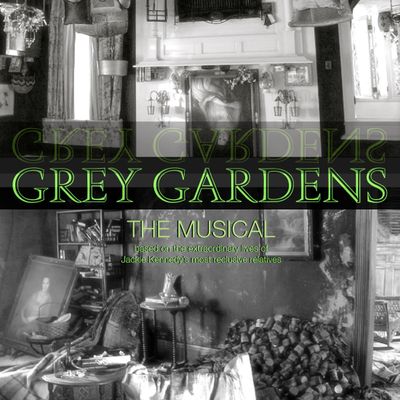
[17:26] Thomas S. Hischak: I was very impressed with a book for Grey Gardens. Uh, a lot of people didn't like the show. But here is a, um, documentary movie with no plot, and Jeffrey Thatcher. Oh god, I'm gonna get the wrong book writer. Um, but anyway, uh, whoever took the book, uh, looked at that movie and said, How can we make a two-act musical out of this very odd documentary? And I thought it was excellent, you know, going in the past and then coming to the present, well, 1977. To me, that was a superb book. Um, and, um, and even Wicked, um, I read the novel Wicked when I heard they were making a musical, and I said, this has got to be the stupidest idea since Bring Back Birdie. And, um, uh, I read it, you know, and I just said I was fascinated by the book.
And, uh, uh, well, you know, in the second lead or the third lead as a woman with no arms, I said, this really is not gonna work. Um, when I went to see the show, I thought there were problems with the book, but I thought I gotta give this woman credit. She took this unbelievably complicated, convoluted, long epic and turned it into a pretty workable book. And I said, I think a lot of the success of Wicked is that book, you know, yeah, you can just do the magic and the, you know, uh, and, uh, the big soaring numbers for so long. So not a perfect book, but it works. And I, I credit, um, yeah, I credit her.
[19:09] Kevin David Thomas: Yeah, Winnie Holzman, right? Who did the book on that and just an incredible, incredible job.
[19:15] Thomas S. Hischak: Um, when it comes to your research, I mean you've written so many encyclopedias, right? You know, the Off-Broadway Encyclopedia, Rogers and Hammerstein Encyclopedia. What, how do you do your research?
[19:26] Thomas S. Hischak: The facts are easy to find. It's what was the plot. That is not so easy to find. And even the internet hasn't helped. Really have to dig if you want to find the plot for a 1927 musical by Jerome Kern. Let's say there you really have to go. You gotta look at reviews, you gotta look at people you trust, like Gerald Boardman, who was an expert in the old stuff, and, uh, an expert in Kern. And, uh, to try to figure out what's going on. There are no cast albums until Oklahoma. So you got a problem there. You can say, oh yeah, the score was this, had this song and this song, this song, but who's recorded them? They never really recorded the whole show. They just picked the two or three songs that were, um, most interesting. So, uh, it's a little detective work, but I kind of like it.
[20:28] Yeah, uh, the newer stuff, you know, uh, even if they don't publish the book, you can find so many scenes, you can listen to the score and, uh, for off-Broadway. I did a whole book just on off-Broadway musicals, and they aren't published, but the reviews are all there, and I can find out a lot if I didn't see it, you know. Yeah, I don't see everything because I don't live in New York. Um, but I can find out about an off-Broadway musical, and maybe it wasn't a huge success, and I mean it was a limited run at Playwright's Horizons, and it, you know, and it maybe it got a cast recording, maybe it didn't. Um, but if I hunt in search, I could find it. Uh, some on the internet, but mostly reviews, and, um, uh, if it's old enough what people have written about it.
Um, but I tend to, uh, if I'm doing a book, I get to the modern period and it's not written about yet. You know, there's not too much, not too many books written about Hadestown, let's put it that way, you know. It's just too new, but a lot of it's written about it online.
[21:37] Kevin David Thomas: Yeah.
[21:38] Thomas S. Hischak: Um, in addition to yourself, who are some of your other favorite theater writers or theater historians that you know that you find yourself gravitating towards in your, uh, I was lucky to kind of become a protege to Gerald Boardman.
[21:53] Kevin David Thomas: Can you tell us more about him, please? Because I think it's one of the first times we're talking about him on this show.
[21:58] Thomas S. Hischak: Yeah. Gerald Boardman was a businessman. He went to very good schools and he inherited the family business making mothballs. University of Pennsylvania trained in the classics, but he had to sell mothballs. His family would go to England every year, so he saw all the shows in London. He lived in Philadelphia, saw all the shows in Philadelphia before they went to New York, whatever. He loved the theater. He gets about to the age of 40, and he realizes he's sick of mothballs, sells the family business, and says, I'm gonna dedicate the rest of my life to writing about the musical theater.
[22:43] Kevin David Thomas: Um, and that's what he did. His very first book, uh, he spent 10 years researching and writing a biography and a critique of Jerome Kern. And, uh, and then he just started writing book after book after book. He was, I met him because I wrote a book about songs, the American Musical Theater Song Encyclopedia. And the editor said, You want somebody to write a foreword? And I said, Oh, Joy Earl Boardman. I don't know him personally, but sent it to him. He wrote back and said, How old are you? I think at the time I was like 30 something or whatever.
[23:23] Thomas S. Hischak: Right. And he said, Oh, well, that explains it. And then he started pointing out all the mistakes and all of this and all that. But we eventually met and, uh, he got me some gigs. You know, he'd say, Oh, I don't want to write the new version of this, you know, the Oxford, uh, this. And would you like to take over? You know.
[23:45] Kevin David Thomas: Oh wow.
[23:46] Thomas S. Hischak: He was a bit of a grumpy guy, and, uh, I couldn't believe it. He said to me at one point, I don't go to the theater anymore. I just don't like the new musicals. I can't stand anything that's mic'd. And I just stopped going. And I said, But you're missing some really good stuff. He says, I don't care if I'm missing some good stuff. I just don't. And it's funny, you know, 30 years later, I'm like, I don't mind micing, it's not my favorite, but some there are days when I look at the lineup on Broadway and I'm going, I just really don't think I'm missing anything.
[24:26] Thomas S. Hischak: But there's that show every, you know, every season or every two, there's that show that says, Oh no, don't give up. You know, no, there's still great stuff, you know. Uh, but I can understand how we got fed up. So he continued writing until the day he died, and, uh, um, he always took the point of view of the tired businessman. He says, I was the tired businessman who went to the theater in the old saw about, you know, oh, I'm to do shows for the tired businessman, you know, different girls and everything. And he loved the serious stuff. But he said, I was that tired businessman who went to the theater, and, uh, and I loved it, and he absolutely loved the theater, but by the 1960s he was losing interest, you know.
[25:13] Kevin David Thomas: Oh wow, yeah, it was that early, yeah.
[25:17] Thomas S. Hischak: In the 70s, he was, you know. Um, so uh he kept going. His area of expertise, I'm assuming, was what, like the early 20th century and 20s and 30s. Was that tome has a chronological chronology of American music. I mean, that is it sits on my that is like my go-to sort of encyclopedia. I mean, the number of words he wrote in that alone is unbelievable. Exhaust him. Unbelievable is right, and it goes back to the 1800s. Right. He went on one of the editions, he went backwards and included more. The very recent edition, Richard Norton has updated it because he really hadn't seen any of the newer shows, and he wrote about some of them but without having seen them and didn't know, and he was getting a little inaccurate. So I know Richard Norton when he took over, he had to rewrite some of the last part of the previous edition. Um, so it's still the best book for in one volume, you know, one volume book to have so much information.
[26:24] Kevin David Thomas: Yeah.
[26:25] Thomas S. Hischak: Now that book was of very little use to me when I wrote the book about British musicals because that was about Broadway America and anytime a British musical came along, whether it was Cats or whatever, they gave it a little paragraph, you know. Yeah, he stepped right over that. Yeah, he didn't want to. Yeah, and I was so disappointed. I thought, oh good, let's see what Joe Boardman had to say about this, and it was like, oh my goodness, he was, oh this came for a week and it was, you know, and it was like, oh thanks. Yeah, and so in that case, I go to what I consider the second most knowledgeable person, and he's not as well known in this country. His name is Kurt Gansel, G-A-N-C, from Australia, New Zealand.
Well, at least he lives in New Zealand. I don't know where he came from. He lived in England, and in New Zealand, he is the expert on European musicals, not only British but operettas from France and Austria and whatever. He is multilingual, and he was the one that without him I couldn't have done the London musicals because he covers the London stage just like Joe Boardman did in his book. Gansel does for the London stage. He's also written about Broadway and other things, and he's a little bit younger than Boardman. He's still alive and still working on things, lives in New Zealand, and I hear from him once in a while, but I did dedicate the British book to him because I don't know where I would have found out, you know, who was in the cast of, you know, the 1904 production of, you know, this particular British musical.
Yeah, and interestingly, in England, they do not have anything like the best plays of, you know, the great series that we developed until 2000. 2007 is the last issue. They don't have that, you know, they do not have like we have the Internet Broadway database. There is no such thing in England. They tried, they started it, and it just fell through. It's too, you go too far back, it's too huge, and nobody keeps, and they don't have the resources. Um, and so to this day, if you try to find out how many performances a London musical that played in 1974, you cannot find out how many performances there is no record. It's unbelievable. Yeah, you look up in a book and they'll say it ran two and a half months because they found it in a newspaper or something.
Um, so they don't have those giant things that I really, you know, consider the Bible, you know, for facts. But, uh, Kirk Gansel, he wrote plots and opinions and songs and amazing stuff. Um, other people in America I admire because he's so opinionated, but he's fun to read is Ethan Morton.
[27:45] Kevin David Thomas: Yeah.
[27:45] Thomas S. Hischak: Yes, one of those people you don't even have to agree, you just enjoy reading him, you know. Uh, he's very, very good. Uh, Steven Suskin is very good.
[29:52] Kevin David Thomas: Yes.
[29:52] Thomas S. Hischak: And, um, he wrote one book. I still don't know how he wrote it. Uh, he wrote a whole book about the people who did the orchestrations for Brooklyn Unreal. I don't know how he wrote that book. I mean, he was going through scores looking at handwriting to try to say, oh, well this, it was this person was killed, but it was actually this one song, but the pencil writing, I think it was so how he did that. I know, uh, I was, yeah, his books are impressive, but I told him once, uh, that's a book that just boggles my mind is, um, yeah, and talk about an area that was never covered before. Um, yeah, yeah, so, uh, yeah, there's several people, good people writing, and those are people writing books. Who knows a number of people are just not writing books, but they have blogs and, oh yeah, that's just that, you know, goes unbelievable, the number of people have blogs in columns and stuff.
[30:57] Kevin David Thomas: It's very exciting because we're also seeing, I think, a lot of younger people, um, getting into the art of, you know, trying to preserve the history as well, which is really exciting.
[31:08] Thomas S. Hischak: I mean, not only on blogs, but like if you look on Instagram as well or Facebook, they have whole groups set up and it's just right. It's nice to see that the love for the theater is being passed on to a new generation.
[31:19] Kevin David Thomas: I’m not into all the social media too much, but what a little bit like I have a Twitter account, but I'm not allowed to look at it because I just don't get it.
[31:31] Thomas S. Hischak: Um, but Mark Robinson, uh, who you might know from his blog, yes, he opened it for me, and he says, I'll send the tweets out, but don't look at it.
[31:45] Kevin David Thomas: Well, I looked at it once and I was like, oh my god, there's too much stuff on here, and there's too many crazy people and whatnot.
[31:51] Thomas S. Hischak: Yes. But anyway, the little bit I have seen on Facebook, I don't think you're gonna have Facebook, but not all of it's gossip. Some of it is seriously, people have opinions and sometimes opinions that are not crazy. You know, they're well-educated thoughts that they exchange about old musicals, new musicals, you know.
[32:11] Kevin David Thomas: So there's a dialogue going on that never existed in the old days, except for a bunch of people at a party talking.
[32:20] Thomas S. Hischak: Yeah, so, uh, it is very different.
[32:23] Kevin David Thomas: Yeah, it is.
[32:24] Thomas S. Hischak: It's a whole new world, Golda.
[32:26] Kevin David Thomas: It's a whole new world, Golda.
[32:33] ♪ Musical number: "Hello, this is Audrey Hepburn" — performed by Audrey Hepburn ♪
[32:36] ♪ Musical number: "Welcome to Crackertown Dinner Theater and Grill" — performed by Ann Miller ♪
[32:44] What are you doing in a place like this?
[32:46] It's all I could get.
[32:48] I didn't know about Patreon.com.
[32:50] I didn't know you could go there to set up a monthly donation to keep going.
[32:56] Well, the boys at Behind the Curtain, Broadway's Living Legends, like me, they know and their listeners do too. They go there and set up a donation and they donate all they can.
[33:06] Oh, Patreon, it's wonderful, but will you be having the prime rib?
[33:11] Or the chicken, I'll be having Patreon.
[33:19] Kevin David Thomas: Okay, so I'm curious before we start talking about this amazing recent book that you've created about British musicals that have come to New York City, as a researcher and as a historian, have you ever had a Eureka moment or a moment of in the middle of your research, you know, a light bulb went off and said, Oh my gosh, I've never realized this.
[33:39] Thomas S. Hischak: Or wow, I've re I've discovered something that people thought were lost. Since I don't go through the archives of the Lincoln Center library, you know, I'm not going down to the original, you know, manuscripts. I've never discovered that, you know, that yeah, um, I find things that I didn't know, and I'm so surprised because I've been wrong my whole life, and everybody had been wrong and been telling me things.
[34:13] Kevin David Thomas: And I don't know if it's a eureka moment, but it's like a oh my goodness, how can I do that?
[34:18] Thomas S. Hischak: Yeah. On this recent book, I, along with everyone else, assumed Julie Andrews is in The Boy Friend, right? Everybody knows that. Made her a star. I assume she did it in London. Of course, she did it in London, then they brought her over. She didn't do it in London.
[34:38] Kevin David Thomas: Oh, I didn't know that.
[34:39] Thomas S. Hischak: Yeah, everybody assumes she was the London girl they brought over. Um, it was played by a very well-known actress in London, and she wasn't in it. And when they brought it to America, here was this young girl who had been singing her heart out since she was six with that gorgeous voice. She'd appeared in a pantomime or two. She had no acting experience, but they said we need somebody British, and we and so they brought her over for the Broadway version. She was horrible. She couldn't act. They were gonna get rid of her. And finally, somebody said, No, no, no. I think we could, you know. Now we're talking The Boy Friend here, Polly, one of the deepest characters ever written, right? And the director, um, I think he, I think it was the British director, said, No, no, no, no, come on.
And they really were close to getting rid of her. And she opened on Broadway, and it wasn't a My Fair Lady kind of fame, but she got everyone's attention, and she really became, you know, like, wow, look at this girl, listen to her. She's so charming, and of course, learned her and Lowe star, and there was no question. And Richard Rogers, uh, wonder for Pipe Dream, good part. And she says, I don't know what to do. And she said to Richard Rogers that Learner and Lowe are doing this show based on Pygmalion, and he said, You should do that. I think that would be a better part. And he said, and it's funny because Rogers and Hammerstein had tried to do Pygmalion and they gave up on it. They thought it was an impossible thing.
And he said, No, um, do that. I think that'd be better for your career. And he never forgot her, did her wrote Cinderella for her in mind, and then later on she did the movie, so the connection with Rogers was pretty strong. But for me to find out, she had never done it in London. I thought we were bringing over a London star here, you know.
[36:41] Kevin David Thomas: So there's, uh, luckily, Stephen Suskin is the one who pointed out to me about Julie Andrews. He saw the final proof and, uh, they sent it to him to, uh, write a little blurb.
[36:54] Thomas S. Hischak: Yeah, and he said, Of course, you're gonna fix the Julie Andrews thing, and I said, What? And he said, She didn't do it in London. And I was like, Oh my gosh. And I looked immediately, and I, I, it was, it's a terrible kind of research where I know that already. Uh-uh. You make sure, you know. Uh, and I looked in the original London cast, she's not there.
[37:17] Kevin David Thomas: And, uh, that is, I did not know that.
[37:20] Thomas S. Hischak: My mind is blown on both fronts. And it goes back to there's no database, there's no place with all of that information. I had to go back to Gansel's cast, original cast, yeah, and say, and she wasn't even a replacement, she wasn't even an understudy. She just, she was singing in some concert hall. The girl was singing at the age of six or five. It was unbelievable. And I even read her autobiography and it, I didn't catch on, you know.
[37:48] Kevin David Thomas: But so you'll learn.
[37:50] Thomas S. Hischak: Yeah. Now, you know, you are amongst a small group of theater historians, you know.
[37:55] Thomas S. Hischak: It's because it's not a large group, it's you know, you, it's Ethan, it's Mark, it's uh Peter Felicia, Steven Suskin, the great Ken Mandelbaum.
[38:03] Thomas S. Hischak: Um, you know, do you guys all rely on each other um as a tight unit, or I'm assuming there's no competition because you're all writing about things you love.
[38:14] Thomas S. Hischak: Um, I've never met any of them.
[38:16] Thomas S. Hischak: I've talked to uh Gerald Boardman, yeah.
[38:21] Thomas S. Hischak: Um, I emailed Steven Suskin because we've overlapped on some projects.
[38:27] Thomas S. Hischak: Uh, and I had a question for him, or he um, he once had a question for me about a publisher, and uh, and he's written some blurbs.
[38:38] Thomas S. Hischak: Um, I've never met um Richard Norton.
[38:41] Thomas S. Hischak: He took over for Boardman.
[38:44] Thomas S. Hischak: Um, I think I, no, Richard Norton did look at one of my books uh though because Boardman asked him to proof it.
[38:52] Thomas S. Hischak: Um, I have never met any of the other ones.
[38:56] Thomas S. Hischak: Um, I'm not in New York.
[38:58] Thomas S. Hischak: If I lived in New York, I could imagine, you know, we're uh sit in some bar and argue about you know if Ethelmer could act or not.
[39:11] Thomas S. Hischak: I mean, I will say that's one reason why I never want to leave the city.
[39:15] Thomas S. Hischak: One of my favorite memories of the city was I was in Westway Diner once by myself and I heard a heated argument next to me.
[39:22] Thomas S. Hischak: And it was two men, you don't know what you're talking about, you're so wrong.
[39:26] Thomas S. Hischak: And the other guy said, I'm right, you're wrong.
[39:29] Thomas S. Hischak: You don't know what you're talking about.
[39:30] Thomas S. Hischak: F you, I'm out of here.
[39:32] Thomas S. Hischak: The guy left, and the other guy said, Because I don't care what he says.
[39:36] Thomas S. Hischak: Dorothy Collins was the best Sally I ever saw.
[39:41] Thomas S. Hischak: And I said, those are fighting words.
[39:45] Thomas S. Hischak: Yes.
[39:46] Thomas S. Hischak: I said, That's the world I want to live in.
[39:49] Thomas S. Hischak: So let's talk.
[39:50] Thomas S. Hischak: Oh god, sorry, sorry, sorry.
[39:52] Thomas S. Hischak: I was gonna say an example of that is uh, um, Mark put a tweet of mine where I talked about uh, uh, Annie Get Your Gun in uh good old uh, um, oh my goodness, I'm blanking out.
[40:07] Thomas S. Hischak: Um, in the movie of Annie Get Your Gun, Betty Hutton.
[40:10] Thomas S. Hischak: Betty Hutton, yeah.
[40:11] Thomas S. Hischak: Betty Hutton, and said I, I just, I watched Calamity Jane again.
[40:16] Thomas S. Hischak: And I, you know, which is a ripoff of Annie Get Your Gun.
[40:20] Thomas S. Hischak: And how good Doris Day was.
[40:22] Thomas S. Hischak: And I just tweaked and said, Boy, Doris Day was pretty good as a sharpshooter, you know.
[40:28] Thomas S. Hischak: And uh boy, did we get things saying Doris Day should have played Annie Get Your Gun, you know, she should, she would have been great as Annie Oakley, you know.
[40:36] Thomas S. Hischak: It's like why would they use her, you know?
[40:38] Thomas S. Hischak: And it was, and you could see people getting hot under the collar about that because some people absolutely hate Betty Hutton, you know.
[40:45] Thomas S. Hischak: And uh, but uh, liked her.
[40:48] Thomas S. Hischak: It's still going on with those kind of arguments, yeah.
[40:52] Thomas S. Hischak: It's fun.
[40:52] Thomas S. Hischak: It's uh now, okay.
[40:53] Thomas S. Hischak: So let's talk about this.
[40:55] Thomas S. Hischak: This book is absolutely incredible.
[40:57] Thomas S. Hischak: And once again, listeners, it's called The Mikado to Matilda: British Musicals on the New York Stage.
[41:02] Thomas S. Hischak: So, Thomas, what was the inspiration for writing this all down?
[41:06] Thomas S. Hischak: There's a very good book that came out several years ago by Adrian Wright.
[41:11] Thomas S. Hischak: It's British critic, writer.
[41:15] Thomas S. Hischak: He called it West End Broadway, the Golden Age of the American Musical in London.
[41:21] Thomas S. Hischak: And I thought, what a fascinating book.
[41:23] Thomas S. Hischak: And he talked about all the Broadway hits, American Broadway hits that went to London and what happened to them.
[41:29] Thomas S. Hischak: And I was very surprised to see that some even went over.
[41:34] Thomas S. Hischak: I can't imagine they thought Fiorello would be a big hit in London.
[41:39] Thomas S. Hischak: Oh wow.
[41:40] Thomas S. Hischak: I know.
[41:40] Thomas S. Hischak: Nobody, you know, just like today, nobody knows Fiorello.
[41:44] Thomas S. Hischak: They did in America at the time.
[41:46] Thomas S. Hischak: And I was surprised to see what survived and what did very well.
[41:51] Thomas S. Hischak: I thought what a fascinating book.
[41:53] Thomas S. Hischak: That got me started.
[41:54] Thomas S. Hischak: What about the opposite?
[41:57] Thomas S. Hischak: What about the London shows that came to New York and what happened to them?
[42:03] Thomas S. Hischak: And I would only bring London shows that were successful.
[42:07] Thomas S. Hischak: All right.
[42:08] Thomas S. Hischak: So that was limiting it.
[42:09] Thomas S. Hischak: I didn't know how far to back to go.
[42:13] Thomas S. Hischak: And uh, but I thought I can't ignore Gilbert and Sullivan because they were the most successful shows.
[42:20] Thomas S. Hischak: And then I thought, well, I'll pick up a couple from the 1800s and then I'll go right up through the British invasion.
[42:28] Thomas S. Hischak: And I have this terrible weakness for alliteration.
[42:31] Thomas S. Hischak: So I like The Mikado to Matilda, but I go back further than The Mikado and I go a little bit past Matilda.
[42:38] Thomas S. Hischak: We got in uh Charlie and the Chocolate Factory and um School of Rock I think after that.
[42:44] Thomas S. Hischak: Uh, so that's the inspiration is yeah let's look at uh these British musicals some are very very famous obviously but what, you know, the ones that are not so famous and ones that ran quite a while in London and for some reason Americans just didn't, you know, sometimes it wasn't the critics it was the audiences sometimes it was the Times, uh all different reasons and that's what that was interested me.
[43:17] Thomas S. Hischak: I said I, that's what I want to research.
[43:19] Thomas S. Hischak: And there I'd be talking about a lot of musicals in the past that I knew nothing about and I'd be talking about Broadway's version of Jerome Kern, you know, uh in the old days, you know, the Jerome Kern, the Cole Porters and the what of the 1910s and 20s.
[43:40] Thomas S. Hischak: Uh, we all knew Noel Coward you know, uh we knew some of the biggies but who were their big, you know, writers and um composers who had hit after hit after hit, and some of them came over here.
[43:53] Thomas S. Hischak: So uh, so that's what got me interested.
[43:57] Thomas S. Hischak: And because of the books, it's a three-volume set and other books by Ganzel.
[44:03] Thomas S. Hischak: I knew I could find out about these musicals.
[44:05] Thomas S. Hischak: Yeah.
[44:05] Thomas S. Hischak: And surprisingly, I was able to listen to a lot of them on YouTube.
[44:10] Thomas S. Hischak: Yeah.
[44:11] Thomas S. Hischak: You have to remember the British were way ahead of us when it came to recording Broadway, I should, sorry, musical theater.
[44:19] Thomas S. Hischak: You know, Oklahoma's our first original cast album.
[44:23] Thomas S. Hischak: The British were recording songs and musicals in the 1890s.
[44:30] Thomas S. Hischak: Not a whole cast, but just a song or two.
[44:33] Thomas S. Hischak: Wow.
[44:33] Thomas S. Hischak: Yeah.
[44:34] Thomas S. Hischak: And by the 20s, they are doing full cast recordings.
[44:40] Thomas S. Hischak: Not like we think of today with every single song, but on uh 78s, probably about three or four 78s, which would give you about eight songs, you know, because uh 78 would run off.
[44:53] Thomas S. Hischak: You can listen to the entire cast of No, No, Nanette, the British cast on 78s, they were selling them.
[45:04] Thomas S. Hischak: And that's 1920, you know, four or whatever.
[45:07] Thomas S. Hischak: Um, they just did it.
[45:10] Thomas S. Hischak: And uh, so we have for American, not to mention British, we have recordings.
[45:16] Thomas S. Hischak: Uh, so I was able to hear a lot of stuff, and also we are impressed by numbers of performances, you know.
[45:24] Thomas S. Hischak: So we say, oh, Oklahoma broke the record and I ran this many performances.
[45:29] Thomas S. Hischak: Well, the British had shows that ran over a thousand performances by the turn of the century.
[45:36] Thomas S. Hischak: The theaters were smaller, and they just ran and ran and ran.
[45:42] Thomas S. Hischak: And numbers that we never had.
[45:46] Thomas S. Hischak: Um, doesn't mean they were better, no, but long runs were, you know.
[45:51] Thomas S. Hischak: Yeah, I think some of it is a lot of American shows closed in the summer because it was too hot, and then they'd reopen.
[46:00] Thomas S. Hischak: But the British summers are not as hot, and most of their shows just ran through the summer.
[46:05] Thomas S. Hischak: So they had the momentum, and they kept playing, and then it would, you know, business would go down a little bit, and uh we had this tradition of you know, like everybody fled the city in the summer with no air conditioning, they all went off and a lot of things closed, and the British don't have that, you know, they just stay in London, and so the numbers just, you know, are astounding.
[46:30] Thomas S. Hischak: Um, and uh, you look at shows that nobody heard of, like the Geisha Girl or Choo Choo Chin Gym, and then it was like, oh my god, they ran over a thousand performances, uh and it's only 1913, you know.
[46:43] Thomas S. Hischak: Um, so it's, it's different.
[46:45] Thomas S. Hischak: Which show on the list, uh, and there's uh a bunch of titles on here, it's so fascinating.
[46:51] Thomas S. Hischak: Which one on this list was the hardest for you to find information about?
[46:55] Thomas S. Hischak: I did include reviews as well.
[46:57] Thomas S. Hischak: Yeah, would say they gave me trouble because Ganzel does not consider a review musical theater.
[47:06] Thomas S. Hischak: Oh very funny.
[47:08] Thomas S. Hischak: If you look in that wonderful thick book of his, you will not find Ain't Misbehavin', you will not find um The Little Show, you will not find The Bandwagon.
[47:21] Thomas S. Hischak: He does not believe that reviews are theater, musical theater.
[47:27] Thomas S. Hischak: So whenever I found like a Noel Coward review or uh our Andre Charlotte review, I had trouble because he wasn't there to help me.
[47:38] Thomas S. Hischak: And I had to go to other sources.
[47:41] Thomas S. Hischak: And uh, so I would say those were the most troublesome, but they were popular, and I want to include them.
[47:46] Thomas S. Hischak: And Andre Charlotte comes over with, you know, uh God comes off the boat with um uh Beatrice Lily and um oh god, I forget how else was in that one, and then they singing five hits by Noel Coward.
[48:03] Thomas S. Hischak: This is an important show, yeah.
[48:04] Thomas S. Hischak: Yes, and um, and it's ignored by cancel, but luckily there were enough reviews and get it together, Kurt.
[48:12] Thomas S. Hischak: And I, I love how you would be the hardest, and, and at the end, yeah, I love that you have uh a guide of all the recordings.
[48:19] Thomas S. Hischak: So it's if you're dying to hear The Little Charity or something, you can you can figure out you know where you can, you know, listen to these.
[48:25] Thomas S. Hischak: I think they, that's a wonderful resource as well.
[48:28] Thomas S. Hischak: They um, uh if they're not originals, somebody's recorded them in a studio, some of these British old British ones, and then they've, they've reissued them on CD, you know.
[48:38] Thomas S. Hischak: It's great that you think, okay, who cares about the 1904 so-and-so, you know, somebody must because they read to it, you know.
[48:47] Thomas S. Hischak: Gilbert and Sullivan, you can understand, you know, because it's such a huge following.
[48:51] Thomas S. Hischak: But when I see that uh The Arcadians has been re-released on CD, I go, whoa, you know, I mean, uh, you know, 2007, yeah.
[49:01] Thomas S. Hischak: Yeah, it was like, yeah, they just recently came out with uh The Arcadians.
[49:05] Thomas S. Hischak: So um, so that's the inspiration for the book, and that was the hardest part, but the best part was to read about dozens and dozens of shows that were only titles to me.
[49:20] Thomas S. Hischak: Yeah, yeah, yeah.
[49:22] Thomas S. Hischak: I'd only heard the titles and to read these plots, some of them outrageously ridiculous.
[49:28] Thomas S. Hischak: Uh, some of them like, hey, that sounds like that would work.
[49:32] Thomas S. Hischak: Um, British Love Fantasy, and uh, so you have fantasy, and then big hits like Floridora and other ones, and you have fantasy in I have to mention one of their biggest hits uh that flopped here, and that's in Salad Days.
[49:50] Thomas S. Hischak: Any musical built around a magical piano that forces people to dance when it's played is a fantasy in my book.
[49:59] Thomas S. Hischak: It also has a flying saucer in it, and it's a delightful score.
[50:03] Thomas S. Hischak: Not only did this run 2000, it's been revived many times.
[50:09] Thomas S. Hischak: It is still a favorite, and some of the songs are still done.
[50:14] Thomas S. Hischak: What's wrong with these people?
[50:16] Thomas S. Hischak: Or in their port version, what is wrong with Americans?
[50:20] Thomas S. Hischak: What don't you like about Salad Days?
[50:23] Thomas S. Hischak: You know, I'm gonna listen to that today.
[50:25] Thomas S. Hischak: Oh, I just wrote it down again.
[50:27] Thomas S. Hischak: Yeah, delightful score.
[50:29] Thomas S. Hischak: But I would say that is the biggest example of what works there doesn't necessarily work here.
[50:36] Robert W. Schneider: Yeah, and uh, and that's been shown many times over the decades. And on this wonderful list of shows that you've compiled in this book, let's imagine you have a time machine, you can go back and you can go see one of the performances of these shows, but you only get to see one. Which show would you want to go back and see?
[50:55] Thomas S. Hischak: I would love to see some of the original Gilbert and Sullivan's. Oh, they were unbelievably good productions, you know. I mean, we know they hold up well now. When they made that great movie called Topsy Turvy about the making of The Mikado, that was a British director, Mike Lee, he researched and made sure that every set, costume, everything was exactly like the original, because they have it all, you know, they got great museums and whatnot. And watching that made me think, wow, what it would have been like to see the first HMS Pinafore or the first Pirates of Penzance. So those are the first ones that come into my mind. I would have liked to have seen Me and My Girl, huge success. Took 50 years to get here.
But uh with Lupino Lane and the great comic song and dance man, and to see how wonderful that show must have been and why we had to wait, you know, 50 years before we saw how wonderful it was. I would have liked to have seen that original one. Yeah. Um I would have liked to have seen any of the Noel Coward ones with the revues with Beatrice Lilly, you know, and sure people, you know, they on stage were, you know, movies didn't do justice to them. Um but um those sort of things. Um so uh yeah, there's a couple as I'm going, oh wow, this I would like to have seen.
[52:34] Robert W. Schneider: I love that. And then how long did the book take you to create from idea all the way up until May when it was published?
[52:42] Thomas S. Hischak: Almost every book, there's a few exceptions are a year.
[52:46] Robert W. Schneider: Yeah.
[52:46] Thomas S. Hischak: Yeah, I figure a whole year. And is that and when you're doing that, is that the only book you're focusing on, or do you have other things going at the same time?
[52:53] Thomas S. Hischak: It's usually the only one.
[52:55] Robert W. Schneider: Good for you. Now, so once again, listeners, it's an incredible book. Obviously, we're gonna post a link, The Mikado to Matilda. Um, and it's just like all of Thomas's books, you need them on your shelf. They're just they're absolutely amazing. They're an incredible resource. Can you give us a little hint of what you're gonna be working on next or what the next book might be?
[53:14] Thomas S. Hischak: Well, it took so long for this book to come out. Um, from when I finished it, I think some of it was affected by the virus. Yeah. I was lucky enough to get it out. There are many books right now that are sitting in publishers' offices that are stuck in the process. It's really sad. Yeah. Um, I have heard of there's a book about Sondheim that I hear is really very good and it is stalled. It it's um and I don't know the author, but it is stuck. It's not moving anywhere. And um it's a Sondheim encyclopedia and sounds great, but it literally is like between steps and nothing's happening because of uh you have to remember these publishers, they let most of their staff go. They just said go home and they only kept uh the order department open so they could sell books.
And um, so it delayed this book and uh Mark Robinson and I started another book, and it was delayed that we decided to uh self-publish. And so my the next book we're working on is a collaboration. Um I don't know if I'm allowed to say it this way, but uh we love Ken Mandelbaum's um Not Since Carrie, and it has never been followed up. So our next book is 30 years of Broadway. We don't call them flops, um, but misfires. So from 1989 right up to the virus closing the theaters, we look at all the musicals that did not make money. We we don't call them bombs, we don't call them flops because some of them are outstanding, but they didn't make money. And uh the publisher, Ramen and Littlefield, the proposal sat there for three months.
Uh, and so we just you know, we were working on it and and nobody was answering, you know. So we said this book won't come out until 2000 you know, 24 or something, and we wanted it now because the last chapter is about the virus, yeah and the idea that there are many reasons why shows do not make money, and now we've come up with a new reason that is scary that a show that is so successful and has got great reviews and is doing Bafo Box Office is stopped cold. And what is gonna happen to that show? Is it gonna come back? Is it gonna throw the towel in? Is it gonna you know go to television? Um, so that's our last chapter is looking at things. So we didn't want to wait for Ramen and Littlefield to come back in the business. Yeah. So we're publishing it, and it's gonna actually gonna come out in September.
[56:08] Robert W. Schneider: Oh, that's great news. We've been looking for something like that for so long. I think you're gonna get uh so many.
[56:13] Thomas S. Hischak: Oh, yes. I've been talking about this, uh an update. So what a great idea. Yeah, it's uh we look at them all a hundred about a hundred and fifty musicals over the last thirty years. And I was and uh this is serendipity, but I was talking I was actually emailing Mark uh this morning and he said that it's gonna come out in September. And obviously when it comes out, we'd love to have you guys both back on the show to promote it and and discuss it. But we're so happy that's the next thing for you. We were we just couldn't figure out why Ken Mandelbaum never did it. And it's been many years, it's been 30 years since that book came out, and he's never pursued it, and uh, we didn't want to step on toes or anything, but we got word that he had no interest in writing a sequel, and so we always wanted a sequel, and we know other people wanted uh we all do, yeah.
So uh it was like let's do it, and um I think it was actually the it was pushed by uh Robbie Rosell. He kept pushing Mark to do it. You can't do this book, we gotta do this book. And uh and Mark knows some periods better than I do. He knows some of the more recent stuff. He's uh you know, and between the two of us, uh we it's all entries, you know. So we like who can handle this show better, you know. Yeah, and we do include the jukebox musicals, we don't include revues, but we do include all the jukebox musicals. We include the horror musicals, we include right up to Tootsie, um, Be More Chill. Um I think the last most recent book, uh excuse me, musical is um The Lightning Thief, which played right before Christmas.
Yeah, I saw that, yeah. Uh yeah. Um that actually closed and lost money, and uh and then it stopped, you know. Um and the big question mark, and we want the book to come out before it's you know before that uh the questions are answered, you know, uh what's gonna happen to these shows that were running so well. Some have already announced that they're not gonna reopen, but uh but what a w and we refuse to call them flops um because we said that just is not true anymore. How do you take a show, you know, like uh well, Sunset Boulevard, which ran two and a half years and won a Tony Award in the book and never made a penny. Is that really a flop? You know, yeah. Um yeah, Spider-Man, you know, cost so much it was a flop.
But you take all these beautiful shows like Parade or Grey Gardens or you know, that they didn't make any money, but everything about them is wonderful. Ken Mandelbaum put those kind of shows in his last chapter. You know, he had one chapter for the good shows that should have run. Well, it's not true anymore. A lot of good shows don't run. And so uh we divided it by uh categories of based on movies, based on children's family things, sure musical, you know. So uh and it was it was heartbreaking. Uh uh to re to go back and visit these shows that just had everything going for them, but something was wrong, you know. Could have been the critics, sometimes it was the audiences, sometimes it was the timing, sometimes it was, you know, uh, you know, and sometimes they really were flops. I mean, they they did everything wrong, you know.
[59:50] Robert W. Schneider: Yeah, yes. And let's face it, people have such warm spots for those musicals that they loved but weren't hits.
[59:59] Thomas S. Hischak: Yeah, we all do, yeah. Some of our fondest memories. We love talking about them, we love sharing them, we love finding each other's out. It's it's so true.
[1:00:06] Robert W. Schneider: Yeah.
[1:00:07] Thomas S. Hischak: And uh we have one chapter just for the ones that well, they flopped on Broadway, but my God, are they famous now? All Shook Up. All Shook Up is done more. Shrek didn't make a penny on Broadway. Shrek was the top produced high school musical. Adams Family, yeah. Yeah. Yeah. Look how many people do Parade. Oh, yeah. The score is beloved. People are doing Bridges of Madison County. These are all New York considered failures. But uh and Seussical, oh my goodness. I know everywhere, yeah, right.
[1:00:46] Robert W. Schneider: Yeah.
[1:00:47] Thomas S. Hischak: So, you know, uh it's almost to the point where Broadway success is just, you know, that's a relative term, you know. Uh oh yeah, it was a hit on Broadway. Uh, but well, yeah, there's shows that are hits on Broadway that nobody wants to touch, you know, they just they were you know, successes of certain kinds. So it was a fascinating work to to work on that.
[1:01:13] Robert W. Schneider: That is great, and we cannot wait to read it. We've we've loved uh every other book that you've ever done, and we thank you so so much for in you know, producing an incredible legacy, but so many just wonderful resources for all of us geeks and academics out there. So thank you for that. Thomas, this has been an absolute pleasure. Once again, folks, the book is called The Mikado to Matilda: British Musicals on the New York Stage. It's available on Amazon. Um, and we will obviously provide a link for you so you can go purchase it and enjoy your copy as well. Thomas, thank you so much for everything.
[1:01:45] Thomas S. Hischak: Hey, thanks for having me.
[1:01:47] Robert W. Schneider: All right, till next time, everyone.
[1:01:54] Robert W. Schneider: Thank you for listening to today's episode. And a big thanks to the punchy players, Jeff Marquis, who is bringing back Lucy, Betty, Judy, and more to a shill for us. And a big thanks to our sound editor, Daniel Schwartzberg and social media manager Bethany Ann Selecki. And don't forget, we want more folks to hear these incredible stories, and that's where you come in. In order for people to find out about us, we need lots of ratings on iTunes. So head on over to iTunes, search for Behind the Curtain, Broadway's Living Legends, click on our logo, click on ratings and reviews, then write a review and leave us five stars and make us feel as special as Eliza Doolittle on Eliza Doolittle Day. Or you can leave us just one star and you can make us feel as bad as Annie did in that really weird production in Boston where Annie dreamt that she was being adopted, but then she ended up back in the orphanage, right? Back where she started.
[1:02:45] Thomas S. Hischak: Yeah, true story, Rob saw it.
[1:02:47] Robert W. Schneider: Yes, and it was about him.
[1:02:49] Robert W. Schneider: It was bizarre. I was there.
[1:02:52] Robert W. Schneider: I was.
[1:02:53] Robert W. Schneider: Oh god.
[1:02:54] Robert W. Schneider: So head on over to iTunes and make us feel even more special than we already do.
© Broadway Podcast Network, All Rights Reserved