

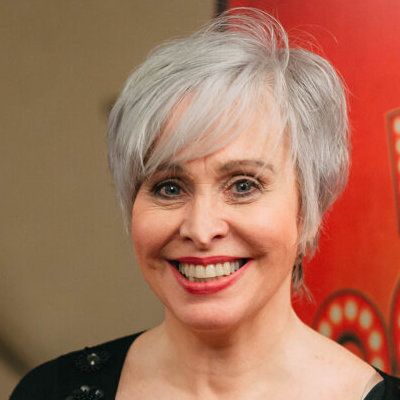
SHOWS: Urinetown, Wicked, Honeymoon in Vegas. The incredibly funny Nancy Opel joins the boys to look back on her career which includes Evita, Sunday in the Park with George, Teddy & Alice, Getting Away With Murder, Triumph of Love, Urinetown, Wicked, Fiddler on the Roof, Honeymoon in Vegas, and so many more!.. Read More
From the show: BEHIND THE CURTAIN: BROADWAY'S LIVING LEGENDS » Podcast
Guests
Featured Shows

About
SHOWS: Urinetown, Wicked, Honeymoon in Vegas
The incredibly funny Nancy Opel joins the boys to look back on her career which includes Evita, Sunday in the Park with George, Teddy & Alice, Getting Away With Murder, Triumph of Love, Urinetown, Wicked, Fiddler on the Roof, Honeymoon in Vegas, and so many more!
Nancy pulls back the curtain on her career to discuss how she booked her first Broadway show, what it was like being one of the first to hear Finishing The Hat, and why she always knew Urinetown would be a hit!
Also, Nancy shines the spotlight on Mandy Patinkin, Patti LuPone, and Stephen Sondheim!
Become a sponsor of Behind The Curtain and get early access to interviews, private playlists, and advance knowledge of future guests so you can ask the legends your own questions. Go to: http://bit.ly/2i7nWC4
Transcript
This transcript was automatically generated and might contain errors.
[0:00] Robert W. Schneider: Hi, I'm Robert W. Schneider.
[0:01] Kevin David Thomas: And I'm Kevin David Thomas.
[0:02] Robert W. Schneider: And this is Behind the Curtain: Broadway's Living Legends.
[0:05] Kevin David Thomas: Don't forget to follow us on Twitter at Broadway Curtain.
[0:08] Robert W. Schneider: And make sure to join our Facebook page at Behind the Curtain: Broadway's Living Legends.
[0:12] Kevin David Thomas: And follow us on Instagram, kids.
[0:15] Robert W. Schneider: Get a filter at Broadway Curtain Podcast.
[0:17] Kevin David Thomas: Plus, you can always listen to all of our episodes, old and new on the Broadway Podcast Network, iTunes, and Spotify.
[0:24] Robert W. Schneider: Today's guest is without a doubt one of the funniest artists working on Broadway today.
[0:29] Kevin David Thomas: Even before we started the interview, she had us in stitches.
[0:31] Robert W. Schneider: Her work on Broadway, off-Broadway, and many of this country's regional theaters has been met with high praise from critics and gales of laughter from audiences.
[0:39] Kevin David Thomas: Since coming to New York City from the great state of Kansas, uh that's Rock Chalk Jayhawk for our KU listeners.
[0:45] Robert W. Schneider: She has appeared on Broadway in Evita, Sunday in the Park with George, Teddy and Alice, Triumph of Love, Urinetown, where her performance as Pennywise was a readable Tony nomination and my endless praise and love for the rest of my life.
[0:59] Kevin David Thomas: Fiddler on the Roof, Memphis, Cinderella, The Toxic Avenger, Beautiful, Honeymoon in Vegas, to name just a few.
[1:05] Robert W. Schneider: Tell us what it was like to work with such legends as Hal Prince, Stephen Sondheim, James Lapine, F. Murray Abraham, David Laveau, Susan Stroman, and so many more.
[1:13] Kevin David Thomas: Here is the wickedly funny Nancy Opel.
[1:16] Robert W. Schneider: Nancy, how are you doing today?
[1:17] Nancy Opel: I'm great. How are you?
[1:20] Kevin David Thomas: Good. Nancy, how many times did you audition for Evita?
[1:25] Nancy Opel: Seven.
[1:26] Kevin David Thomas: Seven times.
[1:27] Nancy Opel: I had done nothing. I just gotten out of school.
[1:29] Kevin David Thomas: Okay, so why did you have to go seven times? Tell us what this process was like.
[1:34] Nancy Opel: Well, it was really, really interesting because back in those days, this is 1978. You auditioned on the stage of a theater. You didn't audition. You can go in the stage door and like I gotta tell you something. My life has not been the same since. We don't do that anymore. I mean, I just I think it's a shame. I understand the costs and all that. But boy oh boy, what a different situation. And I think it's also in a way created a different style or perhaps a different group of people that are getting hired that may not have gotten hired had they appeared on a big stage.
[2:16] Kevin David Thomas: Yep, well that's interesting. I never thought that's not naming names because I can't think of anybody off the top of my head now. But when you see them on stage, you go, this performance is small. This is a smallish performance for a biggish theater.
[2:31] Nancy Opel: Yeah. I think part of it is because people there are people who can seem so much more impressive in a really teeny space, and then you put them on a big stage and you go, geez, that doesn't go past about row three.
[2:45] Kevin David Thomas: Yeah. I think it happens, and I think it's a pitfall that um I don't know. I don't know whether we will sort of just move on from there or realize that that's the case. I know that we'll never go back to rehearsing on stages, but at any case, nope, nope, nope, I'm wrong. I think all of this happened in '79. I got my equity card in '78.
[3:05] Nancy Opel: Where was that?
[3:09] Nancy Opel: Doing Lily in Carnival at the Darien Dinner Theater in Darien, Connecticut.
[3:15] Nancy Opel: No joke. Now here's the thing. I didn't audition for that at all. Because no, you know what? My career is all about people reaching out to me and going, hey Nancy, you want to do blah blah? And I go, like, okay. That's literally how if I had to be smart, I would never have gotten anywhere. Because I'm out in Kansas, I'm out in Kansas, and someone says, Why don't we audition for the community theater park shows? You know, and I went, okay, let's do that. So I went and did it, and I was what, 16 and I booked community theater.
[3:58] Kevin David Thomas: Yeah.
[3:58] Nancy Opel: Um Louise in Gypsy.
[4:01] Kevin David Thomas: Oh, did you know you could sing when you were growing up? I mean, had you been singing a lot?
[4:05] Nancy Opel: Everyone sang. You just assume, because you did so easily, naturally. People sing. I it didn't occur to me that it was anything. I just sang, you know, I go, like, well, I can sing, okay. It just the ability to sing or whether I thought I could make that into anything didn't occur to me. Because I didn't have those kind of parents. They're like, sing for the sing for our friends, baby, you know. Mama wants you to sing.
[4:22] Kevin David Thomas: Right.
[4:22] Nancy Opel: I didn't have those kind of parents. So I mean, I just kind of had to find my clueless way because there was no internet either, you know, that kind of so I go and I do and I do Louise in Gypsy. Well, the guy that directed it happened to be a professional actor in Kansas City. And he says to me, you know, Nancy, I think it would be really good for you if you went and auditioned for the local dinner theater is doing a production of The Boyfriend, and you should know what a professional audition is like. He said, I think that would be good for you to know.
[5:14] Nancy Opel: And I went, okay. So he prepares me for this audition, and I go to this call, and I literally sang the songs, and I did a very bad dance call. And at the end of it, they offered me the job.
[5:33] Kevin David Thomas: Okay.
[5:34] Nancy Opel: I know. So here I am. I'm like 16, my senior year in high school. And they go, Well, we want you to do this job. And I was like, well, I ain't gotta ask my parents. So, you know, they go, Well, sure, sure, I guess this is what you want to do. So I did that, a couple other shows with them for that my senior year. And then I wanted to go to Juilliard, and my parents said no. And so I went to the University of Kansas for a little while, and I just pooled my heels. And um, and then um saved my money and flew to New York and auditioned behind their backs and got in.
[6:12] Kevin David Thomas: Really?
[6:13] Nancy Opel: You just you you flew yourself and you took a trip to New York?
[6:17] Nancy Opel: Yes.
[6:18] Kevin David Thomas: Okay. And how did they react to that?
[6:21] Nancy Opel: I got in. Well, my father said, Well, what the hell can I say? Sure, you can go. That's that's how I that's how I got to New York. So that's because I thought it would be better to go to New York with school.
[6:33] Kevin David Thomas: Yeah, because I'm afraid to go after school and then go, I have no job, no money, and I don't know about this.
[6:40] Nancy Opel: Right. So I thought I'd kind of like learn the world a little bit. Because honestly, when I got to when I got to Juilliard, they called me the Breck girl. Do you guys you you're probably both too young for Breck Shampoo? It was a very big, big shampoo. And they always showed girls with all this long you know hair, and they go like Nancy, Nancy's the Breck girl because I had all this hair, you know, and and I was also my usual sunny self. Hi everyone. And they're all serious and edgy and all that crap.
[7:14] Kevin David Thomas: So I did that. And um Juilliard is great. Back then they made you miserable, but I appreciate the misery that they put me through because it ended up ultimately being worth it.
[7:26] Nancy Opel: So out of Juilliard, I go to this audition because I had gotten an agent through that Darien Dinner Theater job. So I did that, and they said, We've got you an audition for Evita. And I went, I said, Oh. And I ran out and I got that white album, that concept white album of the I and I listened to that thing until it was smooth. And so I I uh I said, okay, I can sing these songs. I could do this, I could actually do this, and I'm just so excited to get it a chance to audition for it. And I go, I would sweep the stage to be in this show. So that was the beginning.
[8:15] Nancy Opel: I walk in and Joanna Merlin, who was Hal's casting director at the time, and Paul Gemignani was there. I don't know who else Hal was not there, and I'm not sure Ruth Mitchell was either. This was very beginning, beginning, beginning. And so we had to sing Can't Help Loving That Man of Mine in E Flat and sing a song of your choice. And the song of my choice, I'm so embarrassed to say it, hilariously speaking, because they wanted kind of a pop rock sort of a thing. I had narry a one of those kind of songs. And so I go to somebody and I go, listen, help me. What do I sing? And they go, here, sing Home from The Wiz.
[8:57] Nancy Opel: Okay, okay. And I did. It's a choice. You know, I'm gonna, I'm gonna repeat to you, it was 1979. Yeah, thank you. So I sing the songs, and they go, Oh, great. Well, we want you to learn some songs from the show. And I went, Oh, fabulous. And they go, You know them? I said, sure. So Paul says, Well, do you know Rainbow High? And I went, sure. Could you sing some now? And I went, Yeah. Now all of the people that I have coached and everything like that in the ensuing years, I've said, when someone asks you to do something in the room and you know you've got a callback, don't say you'll do something in the room. Say, oh, I need to work on blah blah blah, get out of it, clean and and wait till next time. But I didn't do that. So I sang Rainbow High.
[9:59] Nancy Opel: I had never looked at the music. I just sang it because I heard it on the record. And so they go, oh, well, great. And he gave me a couple of notes on something, um, and said, All right, come pick up the music. So that began my process of going back, and I had six callbacks.
[10:25] Kevin David Thomas: Wow.
[10:26] Nancy Opel: Because I kept going, I was I was 22. And I just kept going back. And they and and I know they would talk about me because I found out later they would go, like, she's never done anything. Right. She's so new, but he hasn't done anything, and Paul Gemignani just kept saying she can sing it.
[10:47] Kevin David Thomas: Yeah.
[10:48] Nancy Opel: Because weirdly, it was also a time where like the top of where you were belting was like a C or D above middle C. I mean that's it. No, like right up right up there. Or am I talking about something that's in your spine? I don't know. What like toxics and the no, but you're right, the C or D above middle C. You're right, like right up there. But that's where people were belting, you know. And so, and so when they sent when they when I got the music and I started to sing it, I went, well, I think they want it to sound like the girl on the record. And I said, So that doesn't sound legit to me. So I'm gonna do something else with that sound. Nothing, by the way, nothing changes on the inside of you internally.
[11:50] Kevin David Thomas: Yeah.
[11:51] Nancy Opel: To mix belt up past, you know, up past those notes and and then up to you know E flat. Right. I mean, I mean, I think the highest I ever really belted was probably something crazy like that G.
[12:08] Kevin David Thomas: Yes.
[12:08] Nancy Opel: We're in town. But listen, the thing is, I didn't even know what that note was until some we were already on Broadway, and someone goes, What is that now? She's singing? I said, Does anybody know? Because I don't really know. What is that? I just didn't pay attention to stuff like that. Can I do it in this key? Let me do it in this key. Um so that was the start of it. And I just kept trying to look old. I would go to these. I had a roommate. She gave me her black suit. She gave me your black suit because she was she was in advertising. So she had suits. She gave me your black suit. She goes, put that on, put your hair back. And I kept going back, singing Rainbow High and Don't Cry for Me, Argentina, over and over and over again. And they just kept saying, but she's never done anything. And Geminiani would say, But she can sing it.
[12:56] Kevin David Thomas: Yeah.
[12:57] Nancy Opel: So that's how it kept happening. I had my final callback. Hal jumped onto the stage.
[13:02] Kevin David Thomas: Oh, Hal Prince.
[13:03] Nancy Opel: I know. He jumped onto the stage and he put his arm around me. He said, How old are you, dear? I said, 22. And he said, that's what I thought. He said, great job. And he kind of gave me a pat on the back and jumped back down off the stage. And I went, Well, I did a good job, I guess. I didn't get it. I'm fine. I'm fine. But that was that was really amazing experience. And I'm I'm gonna go back and try again someday to get something great.
[13:30] Nancy Opel: Well, I booked the job. Well, and I, you know, and I was booked, uh, you know, I second cover because I'd literally done nothing. Terry Klausner was doing matinees because she'd been on a national tour. Right? So we were both like, they're both new kids. This kid has a little bit of experience. Well, that's that's how that happened. So I did that show for four years, and I learned a lot on that, four and a half. Learned a lot from Hal, learned a lot from Patti, learned a lot from a lot of people. Learned a lot about being on a show, long run kind of thing, which is a very important thing to learn.
[14:05] Nancy Opel: So, so what are some of those lessons that you learned that you can impart to a new generation? Um never, never forget that there are 50 people who could do your part. Don't kid yourself into thinking or having your agent talk you into the fact or your parents to your friends or anybody saying you're that special. The specialness is that somehow fate sort of pointed the finger at you and you got it and you got a shot. There were plenty of people that I knew that I felt had more talent than I had at the time. Um certainly people who I thought had better voices than I had at the time. Um but I think the other thing you have to do is don't look around. Put your blinders on and do your job. Don't look around for money, don't look around for kudos.
Just go, you know what? I'm doing what I want to do. I'm on my path. And I need to take it seriously. I need to take my colleagues seriously. I need to not take myself too seriously. You know, because there's no reason on earth unless there's something else really serious going on in your life that you can't find a way to be happy when you're doing a Broadway show.
[15:44] Kevin David Thomas: Yeah.
[15:45] Nancy Opel: Amen. True. Very true. But that's kind of been my motto, you know, through life. I also raised a child through all of this too. And a lot of the time, at least a fair amount of the time, I was a single mom too. And there are times you just go, Well, I sure don't know what next month's gonna look like. Because you just don't know. Yeah. But somehow, you know, you get through, you prevail. You do it. And I have a 30-year-old amazing daughter. Which is cool. We'll talk a little bit about her and me working together. I love that. When we sing together on YouTube, uh, we'll talk about can I plug her?
[16:25] Kevin David Thomas: Yes, yes.
[16:26] Nancy Opel: Okay, her channel, if in case I forget, is J J, the letters J, J says S-A-Y-S. J J says, and it's on YouTube, obviously. Great. And I'm on lots of her videos because mothers got a lot of spirit. And that's what mothers do. It's not like I'm asking her to. She goes, Hey mom, everybody liked that video. Why don't you come back again? So oh my god, American Mom sings perfect Cantonese. This is amazing. That's look how many views. I'm like dying. Almost half a million. I think we gotta post this half a million. 400,000. This is insane. You're killing me. Listeners, we're gonna post this for you. So you I did research, but I wasn't that good. My goodness. So that's kind of what I've been doing with my time. Although I have to say, I am well suited for the monastic life, I think. Um, because I have been here in my place, you know, since the lockdown.
[17:29] Nancy Opel: Oh, I should talk about what happened right before that. I finished Wicked, which by the way was one of my favorite jobs ever in my lifetime. I finished that in January. I decided to take a big trip in February. I think I went home on the 9th of March. COVID, essentially, has been chasing us like Ms. Pac-Man the entire time I'm in Europe. And the next day I'm starting um a Sister Act out of Paper Mill. Oh yeah. So I go to New 42 studios on the 10th of March, and they go, Oh, it's good to see you. We've been rehearsing for a day, blah, blah, blah. Then I see the news, and I said, Y'all, I don't think we're gonna do this show. And they're like, why? What are you talking about? I mean, we're all in rehearsal, learning music.
And I said, you guys, because it turns out the place I was just in yesterday is blowing up. All of Europe where I just was yesterday is blowing up. And they go, no, no, no, no, we're gonna do this, we're gonna do that. I mean, for that whole week, they were saying, Yes, we know we hear the things, and but I'm going, I don't think we're gonna do this show, y'all. Right, I don't think it's gonna happen. I went home at that point, and I just stayed home, and I went, hey, what am I gonna do now? I guess I'll knit.
[18:55] Kevin David Thomas: Yep.
[18:57] Nancy Opel: And I really, I really do mean this. I could sit here a long time, yeah. And not feel bad about myself, you know. I because I no longer get some big thing out of being in a show and someone telling me I'm good. It's nice when people tell you you're good, but it's not the thing that really feeds me. Um, and I think that is a healthy way to be, yeah. Because if you need that, um, then you're then you're then you're pretty darn sad right now.
[19:35] Kevin David Thomas: Right.
[19:36] Nancy Opel: Have you always been like that, or is that something that you've?
[19:36] Kevin David Thomas: I think at the beginning of my career, it was just like everybody else. You know, you kind of feel like, oh, some I need to get in a show. I need the validation, I need the ballet. And then suddenly you go somewhere around when you should have learned better. That that is not the thing that you need for validation. And so around the time I stopped reading reviews.
[20:03] Nancy Opel: Was that a moment that was a conscious moment, or did it trickle out? I mean, was it had you been willing to not?
[20:10] Nancy Opel: I'll tell you why I stopped. If you read something good, you go, oh, that's so good. That's not uh it's not quite good enough, though, is it? Yeah, good enough. Does that feel good enough to me? Don't I feel something more than what that expressed? Maybe I I don't know if that is, and then if you read something bad, you're sure it's true and it kills you, or else you fight against it and say, Oh no, I'm not blah blah blah. Listen, everybody's got an ego, so you kind of go, Oh, that kind of hurts.
[20:44] Kevin David Thomas: So Evita closed, you didn't leave the show closed, is that correct?
[20:49] Nancy Opel: I did leave for a little while because I went off to do the workshop of Sunday in the Park with George.
[20:57] Kevin David Thomas: Oh, so you were in the workshop as well of that?
[20:59] Nancy Opel: Yeah. And was that an audition to get into the workshop, or was that uh picked, you know?
[21:04] Nancy Opel: It was an audition, and that was down at Playwrights Horizons. Uh-huh. Yeah. And was it just the first act of this workshop, or was it the whole show?
[21:11] Nancy Opel: Well, no, you just wait a second, Kevin. Okay, she's got a story. Man's got a story to tell. Oh, I have so many stories from Sunday the Bells. Oh, shares. Um well, I'll tell you what, that was my very first ever, ever, ever original musical. I mean, what you learn from that is incredible. And the best thing I can say to remember when you are in that position is roll with the punches. That's the one. That's the thing. That's the thing you want to remember. Um but auditions, Playwrights Horizons. Um actually my first audition was not was not for Steve. Um Geminiani was there. I had to sing Sunday in the Park with George. As far as I know, I was the first person to ever sing it out loud.
[22:08] Kevin David Thomas: Oh, oh.
[22:11] Nancy Opel: Um, I learned it with Michael Starobin. Uh yes. I went in, and let me tell you something. It was in a really crazy key. It was really high. So all these it was like was like that.
[22:31] Kevin David Thomas: Oh my gosh.
[22:32] Nancy Opel: Did I just kill you, Kevin? With my loud oh, I was living for it. But it was really high. It was like F E F E G D G D F E F F G Oh my Yes. Kind of stuff. Okay. Yeah. So I sang it, and um Steve said, could you could you make that sound less soprano-y? And I went I I and I tried to think about it. Because like you're on the spot. It's happening right now. Right. And so uh um Paul says, well, the key's too high for that, so why don't we just low so they just basically lower the key like somewhere crazy and said sing it, you know. So I was just like on the spot going like I didn't practice it this way. Right. Um and by that time, honestly, almost almost immediately after that, I heard that Bernadette was gonna do the workshop. So and then got old Mandy's back again for that. So I think I had I think I had a mere, I think I had a mere two auditions.
[23:44] Kevin David Thomas: Oh, sensible, sensible, sensible two.
[23:47] Nancy Opel: The best part that day was Steve at that time did not like to hear his own songs. You had to sing something else, and I went, oh my god, let's see. Let's see, let's see, let's see. And I thought, well, um, I'm gonna sing Will He Like Me. So I start the song, and I get to but tonight, there's no height, you know. I get to, but tonight, I think I got to, but to nah. He said, thank you. And I went, and I thought, well, that's the end of that. I thought it was my chance. I thought I was gonna do, I thought I was gonna do a bam bam, uh work with Hal Prince, work with Stephen Sondheim, because I thought at the time when I was listening to the records at home in high school, that it was gonna be a Hal Prince and Stephen Sondheim thing.
It was gonna be Hal Prince and Stephen Sondheim together, right? Well, that didn't happen that way. So it was Hal Prince, and then my next one was Stephen Sondheim. Um but that was that was a journey because they really were putting that together from I said putting it together from the ground up. I mean, it really was a ground up kind of a situation. And we did indeed do some second act, but first let me tell you about probably one of the more poignant experiences in my life. Um we were in rehearsal and at Playwrights, and Mandy comes in and uh James says, Well, maybe just learned this song with Paul Ford, and so he's gonna sing it for everybody. Okay. He sings Finishing the Hat. About as well as he did by the time he got to Broad.
I mean, it was just, you know, I mean, it was great. And we we were all so blown away by it. I don't recall clamor at all after that was over. I just remember him singing it, and we were all kind of like dumbstruck. At least I was. Maybe I just didn't hear anything because I was just so floored by the whole thing. Steve was kind of standing down by the stage, and I was sort of up towards the back of the house, listening. So there's I I felt like there was this silence, and James go, okay, everybody back to work. So literally, everyone kind of like stumbles out of the room, zombie-like. You know, and I put there for a second, Steve is down at the by the stage, and I said, Oh my god, Steve, I think I have to go home. And he said, What? Are you sick? And I said, No. I said, I think that's one of the most beautiful things I've ever heard in my life. And he looked at me and he said, Did you really like it?
[26:57] Kevin David Thomas: Oh.
[26:58] Nancy Opel: Need I say more? Yeah. Yeah, exactly. Yeah, beautiful. Beautiful memory. And yeah, I mean, I have a few things like that. We just go, oh, wow. Okay. The other one in that show was, and these people George, they'll argue till they fade. That people jo, I mean, just go, what? Yeah. Yeah. And once again, I turned, I whirled and looked at Steve, and I said. So after that, he said, after it was over, he goes, Oh. You know, you know music theory, don't you? And I said, not a whit. He said, you really should do, you really should, you really should study it because he said, I think you'd enjoy it. Yeah, yeah. Oh. But I put I picked Chinese instead. Oh well. Now she's a sensation, so there you go. Yeah, exactly. Exactly. A million people agree. Um, so then what was the workshop process like? Because you had, I was Christine Baranski in it and Kelsey Grammar, is that right?
[28:10] Nancy Opel: So, and how did your character change throughout the workshop process?
[28:14] Nancy Opel: Well, second act, as I say, I think we only did a weekend, like the last weekend, we had a quote second act.
[28:26] Nancy Opel: Which was um, if I do say so myself, was basically kind of thrown together.
[28:33] Nancy Opel: Yeah.
[28:35] Nancy Opel: Because we had putting it together, we had is that correct?
[28:41] Nancy Opel: Yes, I believe so.
[28:43] Nancy Opel: Um, because it a lot of the second act completely changed.
[28:46] Nancy Opel: Um, but we did have that.
[28:48] Nancy Opel: Um there were a few things we didn't have.
[28:51] Nancy Opel: Something we did have that we didn't have for very long was I played um Modern George's girlfriend.
[29:00] Nancy Opel: Oh, okay.
[29:02] Nancy Opel: In kind of in kind of a pink wig.
[29:05] Nancy Opel: Oh um, and we go to the island of Le Grange, and uh we kind of have a picnic and smoke a joint, and I'm not even kidding.
[29:19] Kevin David Thomas: This is interesting, okay.
[29:21] Nancy Opel: And and Nandy had the book, um you know, dot's book, and he was like all I remember was I said, Oh my god, this is really, really awkward for me.
[29:37] Nancy Opel: Because I didn't quite know what to do.
[29:39] Nancy Opel: I said, Oh gosh, what am I supposed to do right now?
[29:42] Nancy Opel: Anyway, um, but you know, there was a lot of stuff that that didn't come in until we were already on Broadway.
[29:48] Nancy Opel: Now, the beginning of the second act, we have it's hot up here, right?
[29:53] Kevin David Thomas: Yeah, right.
[29:55] Nancy Opel: I my memory is we learned it in a day oh okay because we didn't have any time and that theater is so small and the wings are right there somebody did giant poster board with lyrics so I'm there I've got the the advantage of having a hat right and I'm looking the other advantage is I'm looking off stage so I was kind of like this the vote on schwitzes that is incredible I feel like we did it in a day it was real hard and and you're like bleeding from the eyes from a day like that but right you know we did that um yeah so it didn't really get hard until the Broadway leg of it because all kinds of things were were were changing and um and by the time we got on stage we all really knew the show was too long okay and honestly the story that matters is dot and george right you know and so we were all there because we had all these stories we had so many stories each of us had their story and we had so we had so many cute things to do and Brent Spiner was amazing to work with he had me laughing but the entire time when I wasn't crying and it was it was but you know what?
[31:31] Nancy Opel: And I really do mean this this.
[31:32] Nancy Opel: This was like my Scarlet O'Hara moment.
[31:34] Nancy Opel: I'll never be hungry again.
[31:36] Nancy Opel: It was I'm never gonna cry like this over a show again.
[31:40] Nancy Opel: It was it was a challenging situation to have like, well, my whole part's gone.
[31:46] Nancy Opel: Okay.
[31:48] Nancy Opel: But you have then you have to get to the place where you go, all right, the bigger picture is.
[31:53] Kevin David Thomas: Yeah.
[31:54] Nancy Opel: You have to see the bigger picture, and you go, like, I am an intrinsic part of this show.
[32:01] Nancy Opel: I am not the show.
[32:05] Nancy Opel: We are all part of this thing that they created.
[32:10] Nancy Opel: And I'm I'm grateful.
[32:12] Nancy Opel: I am grateful that I had that experience in my mid-20s.
[32:19] Nancy Opel: Because I learned a heck of a lot on letting go.
[32:22] Kevin David Thomas: Yeah.
[32:23] Nancy Opel: Right.
[32:24] Kevin David Thomas: And and how long were you with the show for?
[32:28] Nancy Opel: Um, I was there for the whole deal.
[32:31] Kevin David Thomas: Amazing.
[32:33] Kevin David Thomas: Amazing.
[32:34] Nancy Opel: And um Jerry Schoenfeld, he always would come around and visit and he so and he'd go like, this is a great show.
[32:43] Nancy Opel: I love the show.
[32:43] Nancy Opel: You know we've not made any money.
[32:45] Nancy Opel: We've just lost money on this show.
[32:47] Nancy Opel: Tell everybody that too.
[32:50] Nancy Opel: Mr. Broadway.
[32:51] Nancy Opel: Like a year and a half or something, but he was like, you know, we never made any money on the show.
[32:55] Nancy Opel: But we like art, but art's important, you know.
[32:58] Nancy Opel: But here's the thing.
[32:59] Nancy Opel: I really think that that those kind of producers are very few and far between now.
[33:05] Kevin David Thomas: Yes.
[33:06] Nancy Opel: People go, you know what?
[33:07] Nancy Opel: I know this might not be of a giant financial success.
[33:14] Nancy Opel: And I really have no idea whether it was a success financially or not.
[33:18] Nancy Opel: All I know is he kept saying it wasn't.
[33:22] Nancy Opel: So but the thing that I find missing in a lot of attempts on the stage right now, um, that you go, are we gonna try to produce art?
[33:34] Nancy Opel: Or are we gonna try to produce commerce?
[33:38] Kevin David Thomas: Yeah, yeah, yeah.
[33:40] Nancy Opel: And I don't know, it's just there's something that's gotten bloated, and I don't know why or how, because I know things get more expensive, but artists' salaries haven't grown exponentially the way a lot of other things have grown.
[33:55] Nancy Opel: Um, like ticket prices, right?
[33:58] Nancy Opel: My first show, um, it went up the top ticket went up to $35 when we opened.
[34:09] Nancy Opel: Oh, and then came that crossing the border into the $50 ticket, top ticket, like the cats and the and and situation.
[34:18] Nancy Opel: The mega municipal, yeah.
[34:20] Kevin David Thomas: Yeah.
[34:21] Nancy Opel: Um, and now it's just, I don't even know.
[34:24] Nancy Opel: It just does it, it's also crazy, it doesn't make sense to me.
[34:27] Nancy Opel: Um, the one thing that I think my theory is that TKTS did us no favors.
[34:35] Nancy Opel: Oh, interesting.
[34:36] Kevin David Thomas: How come?
[34:38] Nancy Opel: Um, because they just made tickets expensive enough that there'd be some suckers who would buy it at top price for a while, you know?
[34:52] Nancy Opel: Yeah, but a lot of people couldn't afford that, and they couldn't really fill the house that for that long.
[34:57] Nancy Opel: So they go, Oh, I know, we'll discount tickets.
[35:01] Nancy Opel: So basically, all that happened was people made their top ticket, something that they go, well, let's imagine that we're gonna sell this at half price, or even less than that, and still make money.
[35:12] Kevin David Thomas: Yeah, oh, I see, yeah.
[35:15] Nancy Opel: And then when they said it was okay to just charge whatever you feel like this week.
[35:21] Kevin David Thomas: Right.
[35:22] Nancy Opel: Which I think is a terrible mistake.
[35:25] Kevin David Thomas: Yeah.
[35:26] Nancy Opel: Um, and I don't I don't begrudge anybody the money.
[35:30] Nancy Opel: I just think it is kind of a killer of artistic endeavors.
[35:38] Kevin David Thomas: Yeah.
[35:40] Nancy Opel: Because all you do is you go, oh, yeah, but let's let's do this musical that everybody already knows the story because they saw the movie.
[35:48] Nancy Opel: Or you you get it.
[35:50] Kevin David Thomas: Absolutely.
[35:51] Nancy Opel: And I'm not saying that there's not a place for that too.
[35:54] Nancy Opel: No, not at all.
[35:55] Nancy Opel: But how many truly original musicals?
[35:59] Nancy Opel: I mean, you kind of go, what's happening?
[36:02] Nancy Opel: I mean, Hamilton is a sensation and it should be because it's genius.
[36:07] Nancy Opel: But there shouldn't just be one.
[36:17] Nancy Opel: This is Patsy Tavis, not the young one.
[36:21] Nancy Opel: No, I'm a hundred and twenty-two years old.
[36:24] Nancy Opel: Right.
[36:25] Nancy Opel: But the boys at behind the curtain ask me to ask you for some money.
[36:31] Nancy Opel: Because let's face it, I'm quite musical.
[36:34] Nancy Opel: And I was a Broadway baby.
[36:36] Nancy Opel: So head over to Patreon.com as P-A-T-R-E-O-N.com and set up a monthly donation or get your sister Bobby to do it or some assistant.
[36:47] Nancy Opel: And I would not say no to a pack of smokes.
[36:52] Nancy Opel: Thank you.
[36:58] Kevin David Thomas: It's so interesting because your first two experiences are, I mean, pretty monumental.
[37:03] Nancy Opel: A Vita, which is a massive hit.
[37:05] Nancy Opel: And then you go from that to uh Sunday in the park with George, which wins the Pulitzer Prize.
[37:10] Kevin David Thomas: It's a huge, you know, artistic success.
[37:14] Nancy Opel: I know.
[37:15] Nancy Opel: That's a big how was that drama that year and the Tony Awards?
[37:20] Nancy Opel: You know what I car you know what made me feel sad?
[37:23] Kevin David Thomas: What?
[37:24] Nancy Opel: We weren't invited to the Tony's.
[37:27] Kevin David Thomas: Huh?
[37:27] Nancy Opel: Because we couldn't do our number on stage.
[37:32] Nancy Opel: We had to pre-record it.
[37:34] Nancy Opel: And so because we were pre-recorded, I sat at home on my couch and watched Sunday in the park with George just like everybody else did.
[37:42] Kevin David Thomas: Wow, it's brutal.
[37:43] Nancy Opel: Wow.
[37:43] Nancy Opel: It is kind of brutal.
[37:44] Nancy Opel: I didn't know that.
[37:45] Nancy Opel: Oh my god.
[37:47] Nancy Opel: Yeah.
[37:48] Nancy Opel: Assholes.
[37:49] Kevin David Thomas: Um I didn't say that, ladies and gentlemen.
[37:52] Nancy Opel: I I did.
[37:53] Kevin David Thomas: Rob did.
[37:54] Kevin David Thomas: I will say that.
[37:55] Nancy Opel: Um then we, you know, we've interviewed a couple of people involved with this show, and it's one of my favorites.
[38:00] Kevin David Thomas: Can you tell us a little bit about personals?
[38:03] Nancy Opel: Oh that was right after Sunday.
[38:08] Nancy Opel: I did that right after Sunday night park.
[38:10] Nancy Opel: Um, in fact, there's one thing in Sunny in the Park that I'm not in that I that I did do on stage because I was already in rehearsal for personals.
[38:21] Nancy Opel: I had so much fun.
[38:21] Nancy Opel: That's where I met De Hody.
[38:23] Nancy Opel: And obviously, Jason, I I I didn't, I think I had met Jason Alexander, um, because he was in Marily.
[38:32] Nancy Opel: We roll along, the original company Marilyn Maryland.
[38:35] Nancy Opel: And I believe I met him briefly there.
[38:38] Nancy Opel: But uh we had so much fun.
[38:42] Nancy Opel: Yeah.
[38:43] Nancy Opel: I I mean, we just really had so much fun, and the people who wrote it, you know, obviously they went on to write friends and stuff like that.
[38:52] Nancy Opel: Yeah, these people may be too good for off rock.
[38:58] Nancy Opel: No joke.
[38:59] Nancy Opel: I mean, we're like maybe these people are too good for us because they I feel like they could be doing some TV, yeah.
[39:07] Kevin David Thomas: Indeed, very very soon after that they did, and they're great people, and yeah, I'm still I'm still friends with them.
[39:14] Nancy Opel: Yeah, it was really fun, and I never felt so much in terms of the uh composer actor situation because they were all different composers, you know.
[39:26] Nancy Opel: So um we never we never had too much sort of byplay with with composers, and there really wasn't much change in terms of those songs, as I can recall.
[39:38] Kevin David Thomas: Yeah.
[39:39] Nancy Opel: Um how do you like to to work um with directors?
[39:44] Nancy Opel: Um, you know, what what to you what's the ideal director-actor relationship?
[39:49] Nancy Opel: I like a director that feels comfortable with letting you bring things to rehearsal, because you hope that the actor goes home and thinks about things when he's when he's home, like on what do I what am I thinking about this character?
[39:49] Nancy Opel: What am I thinking about how this could work or that could work?
[40:13] Nancy Opel: What and I realize that some of that gets in the way because you go, like, no, no, no, nobody wants to know how you'd rewrite the show.
[40:21] Nancy Opel: Yeah, so you don't want to get into that stuff, but you do get into like what can I do what can I do here what would what would serve the play because here's the thing this is something that Juilliard did for me in a way and it's what is what is my purpose in this play why am I here?
[40:43] Nancy Opel: Why am I even here?
[40:44] Nancy Opel: What am I doing and what's my purpose?
[40:46] Nancy Opel: My purpose is not to make myself famous that's not my purpose you know what I mean my purpose to not to like you know like take a step out in front of the crowd and and be the one everybody notices the point is to serve the play and you go okay well how can I serve the play and how can I what is it that I can give my fellow actors and that they can give me back to bring this to life because that's how it works.
[40:46] Nancy Opel: That's how it works the best there are people some people who don't work that way and it can become a little frustrating because you know you see kind of dead eyes and all that stuff but whatever be that as it may so what I try to do is go oh well I think maybe this or what about this or what about that there are some people who like that in rehearsal and some people don't it's great when somebody makes you feel like you're collaborating John Rando is good that way um like when we worked on uh um year in town I've done like eight shows with John Rando.
[42:03] Nancy Opel: You may not know that, but I've done a lot.
[42:05] Nancy Opel: Um, mostly mostly comedy, not musicals, but um he was wonderful about you bringing something in and trying it.
[42:18] Nancy Opel: And he was an appreciative audience when you would do your thing. Because he liked actors, right? Um, and there are some people who that's not really what they want. Oh, I'm gonna tell a story. Yes, may he rest in peace, Arthur Lawrence. I auditioned for the gypsy that Patty did. And I played Mazeppa. And I had a great audition for it. It was, I mean, it just felt fabulous, and he was happy, and we were happy, and then we got in rehearsal, and it wasn't all that happy anymore. Oh, he and Patty got along very well, and I was really, uh, it made me very happy to see that. They really hit it off. Me and the our my fellow strippers, that was, uh, Alison Frazier and, uh, Marilyn Kaske. Yeah, thank you, and we were fine at first, and then because Arthur wrote it, and it was in his ears so intensely, and of course it would be, right?
It was sort of like we were feeling like it better sound and look exactly like it was done originally, yeah, which makes you feel hamstrung, yeah. I mean, and I don't mean like as an artist, I just mean as a person. Yes, basically, all you were getting is no, no, no, no, no, no, no, no, no, no, no, no, no, no, no, no. So then you end up looking like this for equal like try to pretend to be someone else from many years ago doing something a certain way, and you gotta because you know, I mean, we were down to the exact thing on like which way you have to stand and hold the trumpet. This, but oh my god, it was really very micromanaged, it sounds like as how it was gonna be. And I kept, we all kept trying.
I mean, we were trying really hard, and we were trying hard, I think, in a, um, in a really, uh, pure way to do try to give him what he wanted, but we could feel that we were failing. The worst. That's a horrible feeling, yeah. And the more we tried that, the worse it got. You know, it's just that it's just that cycle of like I'm not doing what he wants, I'm failing. Now I'm failing to be better because who can be free in that kind of a situation? Oh blah blah blah. So one day in rehearsal, before everybody started, stage manager comes up and says, Arthur wants to see the strippers over there before we start rehearsal. He's sitting there, there's a chair to my left, a chair to my right. I'm in the middle facing dead on Arthur, and he proceeds to say, you know, you guys were so good in your auditions, and he blah blah blah blah blah.
You can only imagine what it sounded like. And what happened. Huh. And I thought, I said, well, we're getting fired. I did. I mean, I said, we're gonna get fired. Okay. Um, in that case, and because there was this silence, right? And I went, hmm, okay, I am not gonna go without saying something. Because if I'm getting fired, I want him to know my perspective on this. And I told him my perspective, essentially what I've just told you. I said, you know what? I was free in my audition. I had to trust my instincts that they were telling me the right thing to do for this character. And then I got to rehearsal, and now I feel like all of my instincts and all of my impulses are wrong, which is why I feel wooden and stiff and not authentic. And I guess that's all I have to say.
[47:08] Oh, I know. I know. Oh my gosh. And I tell you what, he was a hard ass. Yeah. Complete and utter hard ass. He could be very charming, but in general, a hard ass. And but when that happened, it completely flipped the scenario. And I have to give the guy credit. Yeah. Someone in his 90s said, you know what? I think I've learned a lesson here, and I'm gonna rearrange my thoughts about it, and I want you to as well. Let's go. So I mean, I say kudos to the guy because he certainly was in a position where he did not have to do that, and he could have just thrown our asses out onto the street, but he didn't. And so I, you know, going away from that experience, the only reason I did not know to do the show, because I didn't, I was the only person from that company who did not go to the St. James, right?
They didn't talk about moving that show for a long time. I was already on the road. I was already on the road with Chaperon. Oh, that's right. Oh, yeah, okay. So I was on the road, and my manager said, Hey, you know, they want you to come and do gypsy at the St. James. I said, Listen, I can't do that to the people who just built my costumes for this tour. I can't, I can't, I can't do that to people who literally just spent I don't even know how much money to get me on this tour. I just, I said I can't, I can't do it. He said, I mean, we could probably make maybe we could make some kind of a deal. I said, Don't make a deal, don't make a deal. I said I was gonna be on the road, I'm on the road, yeah.
And it's a good role. I mean, I mean, Charles and Chaperon, that's fun. You know, it is a good role, and I had done, and I had done Mazeppa with the whole gang. I'd done it already. Right, you did it already, yeah. Um, and so I thought, you know, I'm doing my thing. I'm happy enough doing this. You know, when you put your mind to saying, I'm gonna do this, I'm gonna go on the road, I'm gonna do this thing. I've never been on the road, it's my only experience of touring. Everybody should have an experience of touring.
[49:31] Did you like it? I like aspects, yeah, yes. It it's not like touring used to be. Yeah, what I understand, because I never toured, but back in the day, um, you weren't schlepping your own bags, etc. etc. Yeah, you know, or trying to figure out how you're gonna live on $750 a week. Right, yeah, no, very true. You know, in 2000 in 2007. Yeah, we need to talk about Urinetown. Otherwise, our listeners will yell at us that we didn't ask you about this. This, uh, tell us about the experience. How did you get involved? Well, I already knew John Rando, um, from other projects that we've done together. Um, it was the millennial, the millennium, um, New Year's Eve party at David Ives' house. John King goes, listen, um, I'm gonna send you a script and a score, because you know you had to messenger stuff back then.
Yeah, right. I'm gonna messenger you the script and score of, uh, this show, um, because we're gonna do a reading of it. It's called Urinetown. Now don't make any decisions based on that. It's Urinetown. I said, Urinetown. He goes, Yeah, yeah, that's the name of it. And I said, I don't care, it's fine. If you think it's good, send it to me. So he sent the stuff to me, and I had a script and a CD from the fringe festival. They had made a little CD of it. By the time it got to the cop song on that CD, I went. This is a genius show. I mean, really. What an unhope, what an unexpected surprise. Is there any other kind? You know, it's smart, but not too smart. Totally. Yeah, so anyway, I read it, and I, I don't know how many people thought it was good when they read it.
To me, I just went, genius, this is genius. And I know Jeff McCarthy didn't think so. Jeff McCarthy finished reading the script. At least this is how he tells it. He finished reading the script out on the street and threw it in the trash. Okay, great. I mean, they kind of got stuck with the cast that they got stuck with because, you know, people's intelligent agents told them to turn it down. I would not listen to an agent give me advice about what show I should or shouldn't do. My manager is a different thing, Jeff Berger, he's a great guy, and he and I are very, very simpatico on stuff. And if I say, ugh, I can't, he's totally fine with them. But the idea that people say, I'm not even gonna show this to X, Y, or Z because this is so beneath them.
Well, it happened all the time. Wow. At least I understand that a lot of people just either didn't get it or were told to turn it down or read it, and because someone poisoned the well ahead of time, they read it in a way that didn't allow them to be open to it. I read it, it was amazing. And so we were doing this big reading of it, and some of the people were the people from fringe, including Spencer Caden, who was the only person from the fringe who continued all the way through. Um, and you know, there were, there were just, um, uh, I don't even know. It was a fairly big group of people gathered to watch this reading. Lauren Mitchell came up to me, you know, part of the Dodgers, right? She came up to me and sort of sotovoche said, I have a meeting and I have to leave before the second act.
Should I stay or go? I said, you need to stay for the funny. She said, Really? I said, really? Oh, and of course she did. So they became, you know, our lead producer after that day. By and large, that was a truly, truly fun experience. It was pretty much all fun. Yeah. It pretty much was. I mean, there wasn't, there wasn't agony, let's put it that way.
[54:09] Um, Jeff McCarthy, who says he doesn't remember this, he would walk up to me just about every day and say, Is this funny? I go, Jeff, yes, this is funny. Am I'm like funny, yes, Jeff. You're really in, in Jeff's defense, we had him on the show, and he said the same thing, which is he kept going up to people during the rehearsal process, going in to confirm, yes. And I would go, what in the hell's the matter with you? This is funny and you are funny. And, uh, and by the time, by the time we got through rehearsals and we did it up at that, you know, in the police station building on 54th, um, or fossil said, This is great. This is such a good show, this is such a good show, but we're in trouble.
I said, Why do you think we're in trouble? He goes, Bat boy, bat boy, we're in trouble because of bat boy. Bat boy's gonna, and I said, Hunter, we live in a world where there's room for bat boy and yes. Very true. And they were, yeah. And but you know, at that point, I gotta say that the Dodgers did a really smart thing. They made it so it seemed really, really, really hip and hard to get into, and this is really cool and blah blah blah. Of course, it was all those things. Yes. But they made they gave it a kind of an air of exclusivity, which I think was really smart. Because how can you make how can you make literally everyone is changing in the same room in a, in a, in a theater in a police station seem hip and like as amazing as it was, but they did. So we waited a long time after we closed off, uh, like I don't even know if you could call that off Broadway, out of we closed up at the police station across from the Westerly Pharmacy.
[56:15] Nancy Opel: We closed there and then we waited around a heck of a long time, really months, before they found the perfect venue because they were offered places, you go this place, this place, this place, this place, and once again the Dodgers said nope, nope, nope, nope, we've got to have the right place, right place, right place. And the Henry Miller became our place.
[56:41] Kevin David Thomas: Yeah, which was perfect for the show.
[56:47] Nancy Opel: It was a great space for it. It was perfect. Absolutely love it. It was so weird to come back all those years later because, you know, it was torn down after that.
[56:55] Kevin David Thomas: Right. Isn't that why the show closed because the building got bought?
[56:58] Nancy Opel: I thought that's that because I loved the show, and I was very sad that it closed. It was because we either had to move or close. That's right, and so they just, and so yeah, so they closed, and um, it was weird to go back to do Beautiful there at the same time because the only thing that was the same was like the hole in the ground. That's it, you know. Because you're going to go, this is nice.
[57:26] Kevin David Thomas: Yeah, it was not the Henry Miller.
[57:26] Nancy Opel: This is nice, and God, was this dressing room really nice, and we have a bathroom here, and it's, I mean, it was really fun to do that, um, but it was weird because I would walk around and there'd be some little relic from the original theater just be, you know, stuck up someplace with a plaque for something to come. I was the last one, I was the last one in. Do you have a favorite theater that you've worked in?
[58:02] Kevin David Thomas: You're gonna laugh at this one because I worked in a lot of men, and I've worked some a couple of times. Um, the Broadway was my first one, so I have, you know, there's a soft space in my heart for the Broadway. However, the backstage was not super nice when I worked there, but by the time I came back and did Cinderella, yeah, ooh girl did I have a nice dressing room.
[58:34] Nancy Opel: Good for you.
[58:35] Kevin David Thomas: It was all redone. I mean, we did all the dressing room areas and everything like that. And I came in after Fran Drescher. She had the rooms look so nice. It was so nice. I had her furniture and everything, white leather. It was the Ritz.
[58:55] Nancy Opel: Wow. Nice.
[58:56] Kevin David Thomas: And so I love, I love the Broadway. It's a huge barn of a place, but boy, I love playing it because it sounds good, it feels good when you're on the stage. It's really, it's a great theater. Um, weirdly, I played the men's golf a couple of times.
[59:17] Nancy Opel: Yeah.
[59:18] Kevin David Thomas: Um, the second time was that Fiddler revival in 2004. I love that revival. Um, and I love doing that. Um, it was a be, I don't love, I don't love the house because it just looks like it's weirdly just like this sea of seats in a way that doesn't have a, it there's nothing that feels comfy about it out there really I can't describe that really, but it just has a different kind of a feel than some of the other houses. I guess it's because it's newer, um, though not new, yeah.
[59:58] Nancy Opel: But my dressing room, I gotta tell you.
[1:00:03] Kevin David Thomas: Uh-oh.
[1:00:05] Nancy Opel: It was so nice. I had a dressing room when you come up in the elevator, it was right off the elevator, go down that first set of dressing rooms, and Randy Graff was first, and then I was next. And then Fred was next. It was once again living the high life because I had a really big dressing room, painted a really lovely shade of lavender. Um, I had a couch that everyone wanted to come sit on because it was so comfortable. I called it the Elysian Fields. Everyone who would sit on that couch fell asleep. It had windows.
[1:01:02] Kevin David Thomas: Oh my god.
[1:01:04] Nancy Opel: You are a lucky person. A block of windows. I had my own shower, my own potty, but I'll tell you something. I would go in there on matinee days in particular, especially the Wednesday ones, you know. I go in and I would look across into that Marriott building, right across the way, and I would look in and I would see all those people in the office and they're in there in their gray cubicles doing their thing all day. I would sit in my dressing room, start putting my hair up and go, Nancy, you're not in a gray cubicle.
[1:01:41] Kevin David Thomas: Yeah.
[1:01:43] Nancy Opel: You are a lucky, lucky girl. See, you have to have moments like that. You have to have the moments where you go, it's not about deserving or not deserving. It's about relish the moment that you're in where you go, you know what? If I never do anything again, this is a good moment. I got to do the thing that I wanted to do.
[1:02:10] Kevin David Thomas: Yeah.
[1:02:11] Nancy Opel: So Nancy, uh, our last of all, thank you so much for so many incredible stories.
[1:02:18] Kevin David Thomas: Yes.
[1:02:19] Nancy Opel: Oh my god, yes. My last question for you is, you know, let's imagine, you know, you know what you know now, and you can go back and talk to that young person who's just about to start rehearsals for Evita. What advice would you give them that you wished you had had back then?
[1:02:34] Nancy Opel: Life is short, don't take yourself too seriously, but also keep hold of what your value is. That's a tough one, see. Because most people want to give one or the other thing away to hold the hold your own value, but I'm not talking about, I'm not talking about self-aggrandizement. That's not what I'm talking about. I'm just saying, know what you're worth as a human, not what you're worth as what's your paycheck say. Know that, know your value. This is really more for auditions than it is anything else, because you know your value, but also know that we're lucky that we go and have fun and get paid for it and dress up in costumes.
[1:03:22] Um, the thing that's important is when you go into an audition, try to take you in in the room with you, be really, really, really prepared. Because you know what? Terpsichore, the muse does not necessarily beat you over the head with her wand if you haven't gone over your sides before you walk in there. And I always tell my clients, everybody can sing, forget that idea. Everybody can sing, you know, and it's 2020 and everybody can hear how everybody sings. Go in there with the sides as your secret weapon because that's gonna be the thing. I know you think it's belting the G, but that's not the thing that gets you the job. That might get you the callback, right? But what you have to do is go in and really dig into the sides, even if you go, I don't understand them, I don't think they're important, all they really want to know is if I can really sing.
If it's a musical where people have to open their mouths and do this, please spend your time on those sides. I'm not talking about memorizing. That's not the key either. The key is to grab onto some things that provide you, and please take this the right way, as a shield or as a protective bubble when you go into an audition. Don't give it all away in a way that you just because you get nervous and you don't know what to do, and you flub the whole thing. It's the thing that will keep you safe. It will keep you from looking to see the casting director texting. It will see you keeping it will see you from it will keep you from seeing the director, you know, trying to take a few bites of a sandwich.
You won't notice it because you're gonna be in the scene, and it's not insane. I'm not saying be insane because we all know not to walk off the front of a stage. We're aware of our actual but you can pretend to have circumstances really, really strong for you because if you've got those strong circumstances, you know how to behave, you know, you know how you move, you know what your next thought might be in your train of thought because you've thought about the character, you know. It's not just about oh, I'm mad in this scene, I'm going to be mad. Um, and you know, you see a lot of that.
[1:06:12] Kevin David Thomas: Yes, you do.
[1:06:13] Nancy Opel: Um, but it gives you if you if you develop that kind of insight into what you think it is, you're gonna be a lot better off than going, like, what do I think that they want to see? What is it? Should I wear the blue shirt or the gray shirt? You know what? Here's the ticket. Nobody cares about your shirt. So, but I guess that would be the thing that I would say, you know, don't walk in and try and and and try to. Of course, you want to please people, but don't go in trying to please and get the job. What you want to do is please yourself. You want to go and say, that day, I did the very best job I could. I went in and I was real prepared. Hey, I've got a few that I go, oh, I feel real sad that that didn't happen for me. But I did, there was no self-recrimination because I didn't do the work.
[1:07:09] Kevin David Thomas: Fantastic. I love that's great advice. Nancy, thank you so much for spending so much time with us today. And thank you for these amazing stories. You're probably gonna have to cut like a half an hour out of this, aren't you?
[1:07:19] Nancy Opel: Oh, who knows?
[1:07:19] Kevin David Thomas: Oh, who knows?
[1:07:20] Nancy Opel: We have an editor, they'll figure it out.
[1:07:22] Kevin David Thomas: You're gonna cut like three quarters, and I'm okay with that because I like to talk.
[1:07:28] Nancy Opel: He's so funny. Our editor, you heard that. You heard that. Don't cut too much.
[1:07:33] Kevin David Thomas: All right, Nancy, this has been such a pleasure. So, on behalf of us, thank you, but on behalf of all the audiences that have gotten to watch you work for so many years and be so brilliant and take us away from our realities for even a little bit. It's just been an absolute pleasure. Thank you so much for all you do.
[1:07:48] Nancy Opel: Thank you. Do not miss JJ Sets. You can see me, you can see me sing in Mandarin and in King.
[1:07:55] Kevin David Thomas: All right. So until next time, everybody, take care.
[1:07:59] Nancy Opel: Thanks for having me.
[1:08:00] Kevin David Thomas: Thanks, Kevin.
[1:08:06] Robert W. Schneider: Thank you for listening to today's episode. And a big thanks to the punchy players, Jeff Marquis, who is bringing back Lucy, Betty, Judy, and more to shill for us. And a big thanks to our sound editor, Daniel Schwartzberg and social media manager Bethany Ann Selecki.
[1:08:21] Robert W. Schneider: And don't forget, we want more folks to hear these incredible stories, and that's where you come in. In order for people to find out about us, we need lots of ratings on iTunes. So head on over to iTunes, search for Behind the Curtain, Broadway's Living Legends, click on our logo, click on ratings and reviews, then write a review and leave us five stars and make us feel as special as Eliza Doolittle on Eliza Doolittle Day.
[1:08:45] Kevin David Thomas: Or you can leave us just one star and you can make us feel as bad as Annie did in that really weird production in Boston where Annie dreamt that she was being adopted, but then she ended up back where? In the orphanage.
[1:08:56] Robert W. Schneider: Right, back where she started.
[1:08:57] Kevin David Thomas: Yeah, true story, Rob saw it.
[1:08:59] Robert W. Schneider: Yes, and it was badly.
[1:09:01] Kevin David Thomas: It was bizarre.
[1:09:02] Robert W. Schneider: I was there.
[1:09:04] Kevin David Thomas: Oh good. So head on over to iTunes and make us feel even more special than we already do.
[1:09:21] Patrick Flynn: You know what, Patrick Flynn?
[1:09:22] Beth Aymon: What?
[1:09:22] Patrick Flynn: I hate this movie.
[1:09:24] Beth Aymon: Love Actually?
[1:09:25] Patrick Flynn: Yes.
[1:09:25] Beth Aymon: Me too.
[1:09:26] Patrick Flynn: But I also love it.
[1:09:27] Beth Aymon: Me too.
[1:09:28] Patrick Flynn: But I hate it.
[1:09:29] Beth Aymon: You know what we should do?
[1:09:30] Patrick Flynn: What?
[1:09:30] Beth Aymon: We should get a bunch of people together, split the movie into its ten storylines, and then figure out this movie one story at a time.
[1:09:36] Patrick Flynn: You mean people like Keith Powell and Jill Knox Powell from NBC's Connecting?
[1:09:40] Beth Aymon: Keith, why don't you show us what form watching faces?
[1:09:43] Patrick Flynn: And Washington Post columnist Alexandra Petri.
[1:09:46] Beth Aymon: I don't know. I think every Christmas story is a horror story.
[1:09:48] Patrick Flynn: Do you think it would work?
[1:09:49] Beth Aymon: It actually inspired me to plan my funeral.
[1:09:52] Patrick Flynn: I dig the brothel angle.
[1:09:54] Beth Aymon: Every time I think about the trailer, I'm like, I was misled.
[1:09:56] Patrick Flynn: I love you at Shag, by the way.
[1:09:59] Beth Aymon: It's like eight half screenplays just put in a blender.
[1:10:03] Patrick Flynn: I am positive I stayed with my ex an extra six months because we saw this in the theater.
[1:10:09] Beth Aymon: It will definitely work.
[1:10:10] Patrick Flynn: What is Love Actually?
[1:10:12] Beth Aymon: Subscribe on Apple Podcasts or wherever you download.
[1:10:15] Patrick Flynn: All episodes out November twenty seventh.
© Broadway Podcast Network, All Rights Reserved