

SHOWS: Ain't Misbehavin', Don't Bother Me I Can't Cope, Pretty Fire. The brilliant and beloved Charlayne Woodard joins Rob and Kevin to look back on her career as both an actress and a playwright... Read More
From the show: BEHIND THE CURTAIN: BROADWAY'S LIVING LEGENDS » Podcast
Guests
About
SHOWS: Ain't Misbehavin', Don't Bother Me I Can't Cope, Pretty Fire
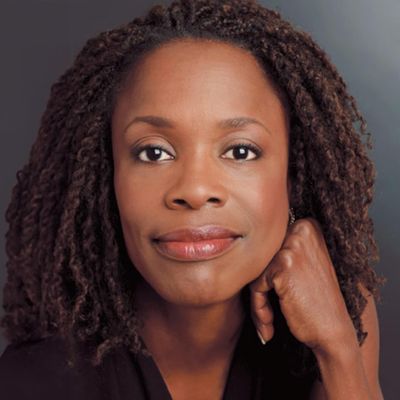
The brilliant and beloved Charlayne Woodard joins Rob and Kevin to look back on her career as both an actress and a playwright. Audiences have seen her in Hair, Ain't Misbehavin, Don't Bother Me I Can't Cope, and her own autobiographical works including Pretty Free, Neat, In Real Life, The Night Watcher, Flight, and many others.
Charlayne pulls back the curtain on her career to discuss how she found her voice through her family's guidance, what it was like crafting her own path both on and off the stage, and why theatre must be a place for social change.
Also, Charlayne shines the spotlight on Micki Grant, Vinnette Carroll, and Andre DeShields!
Become a sponsor of Behind The Curtain and get early access to interviews, private playlists, and advance knowledge of future guests so you can ask the legends your own questions. Go to: http://bit.ly/2i7nWC4
Transcript
This transcript was automatically generated and might contain errors.
[0:00] Robert W. Schneider: Hi, I'm Robert W. Schneider.
[0:01] Kevin David Thomas: And I'm Kevin David Thomas.
[0:02] Robert W. Schneider: And this is Behind the Curtain: Broadway's Living Legends.
[0:05] Kevin David Thomas: Don't forget to follow us on Twitter at Broadway Curtain.
[0:08] Robert W. Schneider: And make sure to join our Facebook page at Behind the Curtain: Broadway's Living Legends.
[0:12] Kevin David Thomas: And follow us on Instagram, kids, at Broadway Curtain Podcast.
[0:17] Robert W. Schneider: Plus, you can always listen to all of our episodes, old and new, on the Broadway Podcast Network, iTunes, and Spotify.
[0:24] Kevin David Thomas: Today's guest is one of those rare artists who is known as much for her brilliant performances as for her wonderful writing.
[0:30] Robert W. Schneider: Since the 1970s, she has been charming audiences with her incredible voice while at the same time off stage creating new works that ignited their imaginations.
[0:39] Kevin David Thomas: As an actress, she has appeared on stage in one of my personal favorites, Don't Bother Me, I Can't Cope, Hair, Ain't Misbehavin', for which she was Tony nominated, as well as on screen in Pose, where she plays dance teacher Helena St. Rogers.
[0:52] Robert W. Schneider: Also M. Night Shyamalan's films, Glass and Unbreakable, as well as an award-winning playwright. She has given us Phenon, Grace, Flight, The Night Watcher, In Real Life, Neat, and Pretty Fire.
[1:04] Kevin David Thomas: And that, you guys, is just a one-tenth of her credits as an artist. I don't know when she sleeps, but we'll find out soon enough.
[1:10] Robert W. Schneider: To tell us what it was like to work with such legends as Nell Carter, Jeremy O'Harris, Sam Gold, Susan Laurie Parks, David Asbjornson, Daniel Sullivan, Lynn Nottage, Athol Fugard, George C. Wolfe, my God, and so many more.
[1:22] Kevin David Thomas: Here is the incredible two-time Obie Award winner, Charlayne Woodard.
[1:26] Charlayne Woodard: Well, I'm super after that amazing introduction.
[1:32] Robert W. Schneider: Oh, thank you for letting us.
[1:38] Charlayne Woodard: And all true, all true.
[1:39] Kevin David Thomas: Okay, so before we went on air, Charlayne, we were talking about your childhood growing up, which is also, I know, a huge foundation in your playwriting. Can you discuss a little bit about the two lands that you grew up in, really, Albany and the South?
[1:55] Charlayne Woodard: I grew up in Albany, New York, and my mother's family was from Savannah, Georgia, in the country outside of Savannah. My father's family, his parents were from Mississippi, Shabuta, Mississippi. And they all migrated, they all did that big migration, you know. Um, and I grew up in Albany, where my mom met my father. But it was very important to our family that we know both sides. So every summer until I was 13 and had working papers, I had to go. I went down south to Savannah and spent time there learning what it was like to live in the South as opposed to what it was like to live up in Albany, New York. The South was totally different, and even as children, we had different rules to live by. As soon as we crossed that Mason-Dixon line, you know, and our innocence was taken pretty quickly.
[3:01] Kevin David Thomas: And what were some of those differences that you observed?
[3:03] Charlayne Woodard: Well, first of all, we drove, my father drove. And they packed a big picnic basket, and you know, right from the beginning, my sister and I, there were only two of us at the beginning. I'm the oldest of five, but my sister Allie and I sat in between that basket of chicken sandwiches and pie, and it was fantastic. And we stopped off at places, we kept saying, "Can we have the chicken?" No, no, no, no, no. They wouldn't let you because we would eat at different places on the road. But back then, once we passed the Mason-Dixon line, it was very limited where we could eat, where we could go to the bathroom. And my mom, her whole thing would change once we passed that Mason-Dixon line. And if you said, "Use the ladies," they'd say, "Hold it, hold it," because if we stopped and went to a filling station, there was a colored toilet which had no door, which you could smell 10 feet, 20 feet away.
Toilet paper was already running out of it, and my mother would yank our arms and bring us back into the car and say, "Hold it, hold it," until my father would find... I'll never forget that day when he pulled over underneath a big moss-laden tree that had a picnic table next to the road, and my mother yanked us out and took us to the weeds, the high weeds, and we could see in the distance people in a field picking vegetables or something, you know, and my sister and I were excited, "Oh wow, we get to pee in the woods," you know, like that. And my mother was mortified. And then she'd get us back out there. Daddy had set the picnic table with all... there was the chicken, there was the pie, cola that he opened up, you know, the bottles of Coca-Cola, and we sat on one side of the picnic table, and they sat on the other side facing the field.
And my father, I remember my father's arm around my mother's back, and she was shaking because she hated the segregation, the Jim Crow, the otherworldliness of the South back then when we were going there, going back and forth.
[5:43] Charlayne Woodard: But we loved it because it was rural, you know, we didn't know any better for the longest time. The food was all the seafood and the man that would drive around my grandmother's neighborhood calling out vegetables from his vegetable truck, and it was kind of marvelous. We could walk barefoot, you know, because it was dirt red clay roads, things like that. So we loved it until we realized it was dangerous.
[6:21] Kevin David Thomas: And how did your family explain to you these two worlds that in Albany it was one way and down south it was another?
[6:28] Charlayne Woodard: What they do is they don't explain it to you. I think that generation was hoping that we'd get away with it. So there was never any explanation except that you are black. This was for my going to school, period, because I went to school, I was put into a special program early on of academically talented students, and from fourth to twelfth grade. And in that group, there were only three black kids. And my mom and dad would let us know, you know, you are black. Well, back then I was a Negro, but that you are going to be... it's going to be expected that you can't keep up. It's going to be expected that you don't belong in the group. It's going to be expected, and you are going to become... And the word she likes to use was you are going to be undeniable.
You are going to be undeniable. My mother, who came from such oppression in Savannah and fled it, she made sure that her children, especially, you know, I'm her oldest, would not have to handle what she had to handle. And if I did, and when I did, it was different. I had tools. And she said, "You are," and she would hold it up, "You are a Negro, and you are brilliant, and you can do everything better than everybody because you know both worlds." She said, "I know both worlds. I did. I grew up knowing, I grew up in the dominant culture, and every day after school I came back to my neighborhood, which was a really great neighborhood called Arbor Hill, of very hardworking parents that everybody took pride in the fact that they were all... they all had jobs.
All the fathers would wash their cars up the street on Sunday afternoon, you know, all the kids would play together. Those were the days when we would all like go up to school six and play kickball, the whole block. You know, block parties, you know. Those were the days, you know.
[8:45] Charlayne Woodard: They were also the days when I went looking for my history. Because I went to school with Jewish girls, and in seventh grade, everyone was being bat mitzvahed, and the boys were being bar mitzvahed. And I'm like, "What is that?" And they went to Hebrew school. They were teaching me everything. Everything, the Hebrew alphabet and the history of the Jews. I knew so much about the history of the Jews and the Holocaust and everything. And one day, my auntie, who had come up from down south with grandmama to live with us after granddaddy died, she asked me, "What about us? Where did we come from?" And that sent me on a quest to find out my history, find out about it, because it was not taught in school.
I say in one of my plays, we only knew about George Washington Carver, Crispus Attucks, and, you know, I knew about... it was ridiculous how they spent three pages on the Civil War. So I went to State University of Albany, took the bus there, they had a free bus near my school, and made friends with students there, and made friends with the librarian, and they just opened up my whole world to who I am, who I come from, whose shoulders I'm standing on. And you see, without knowing that, you know, I watched my girlfriends who get bat mitzvahed, and after that they were considered women because they knew they had knowledge of their people's history, and I said, "Well, I will do the same, and I will call myself a grown woman, even though I'm 15."
[10:34] Kevin David Thomas: How wow.
[10:35] Charlayne Woodard: Wow, oh wow. And then at what point, Charlayne, did you start to then transition into expressing yourself publicly as a performer and as an artist?
[10:46] Charlayne Woodard: Um, what happened is when I got to 10th grade, I had an English teacher. He also taught us humanities. He was head of a theater group, and his name was John Vealie. And I joined that theater group because he was so great in class with, you know, Shakespeare and the Greeks. I just... I would follow him anywhere. And it was there that... and he didn't like musicals. So we all did like Tennessee Williams. I did this property of condemned. I did, you know, we did Antigone, of course, we did Romeo and Juliet, we did these kind of things. But in my senior year, he was thinking, "What are we gonna do for you, Charlayne?" Do you know? I was... I was now like the senior and the best actor, and I knew I always brought music into things that we did.
Whatever we did, I was doing something extra with it. He said, "What can we do?" And John Vealie said, "We will write our own play." And John Vealie said, "You find your friends," because all the black kids back then, they had them in the annex. I was in the main building with all the white kids, but the blacks in Albany were all in the annex. I went to the annex and gave out posters and said, "Come audition, bring a song, bring a poem, bring a dance, bring anything, but be at the theater tomorrow, or, you know, at a certain time, a certain date, and be there with your talent on parade, and we're gonna make a play." And they came, and there were how many of us? Maybe I think there were 13 of us.
And we created a play about growing up in Albany. That's where I first, you know, and it was political because I knew so much about... and we researched Albany and slavery in Albany and, you know, all these things that our community didn't even know. It was called Anyone Round My Goal Is It.
[12:54] Kevin David Thomas: That's so good.
[12:55] Charlayne Woodard: And it had music, we had a band, we had... but it was... and it was... the performers were all black. Yeah, which was a big uproar to the parents, you know, that, you know, our kids didn't need to be in this.
[13:09] Charlayne Woodard: It's like, well, how many years have all of these plays been all right? You know, so we, you know, I that's where I started feeling powerful because I had this teacher that ushered us into a place, even our Antigone, it was political, you know, it was all about, you know, I think we were dealing with Richard Nixon at the time, and he was based on Nixon, and you know, it was I loved that. And then when I came to New York City and met George Seawolf, he lived down the street from me. And I did his first musical called, uh, was it, uh, Paradise? That's right. Yeah. Paradise for him, and made friends with him, and George brought politics, social change, and politics and all this stuff into his work.
And he made the audience, I felt they would feel uncomfortable a lot of the time. And I enjoyed that. Because I believe when you walk into the theater, you should walk out differently than when you came in. And you certainly did that with a George C. Wolf play. So he was another influence on me on how to, you know, bring our life, our real existence onto the stage and share it with the world because the world did not know.
[14:43] Kevin David Thomas: Right. Yeah. How did you come to, you know, go when you're going back to picking schools and stuff to go to? Why Chicago? How come, uh, how did that, uh, come into play with what's now called DePaul University?
[14:54] Charlayne Woodard: Right, but I chose Chicago basically because my boyfriend at the time was at University of Chicago. Like you do, like you do. Alan Harris and I know where you should go, the Goodman School of Drama. And I auditioned, had a three-hour audition, John Bealy wrote me a great reference. Uh, you know, I had all I just got in there and that changed my world because it was complete, um, I was bathed in everything that has to do with the theater. Twenty-four seven, you know, and I was in heaven there, never missed a day of school. It was just really kind of marvelous. Uh, school, but Chicago, I couldn't believe how segregated that was. You know, that whole South and West Side was black and the north side was all white.
And even when I hung out with my friends from school, people would say, uh, what are you doing up here? It was terrible. I only went to school there. I stayed with an auntie there on the south side. And but when school was over, I would hightail it back to the east.
[16:09] Kevin David Thomas: Good. Welcome home. Um, so I was so curious when you were auditioning for school, do you remember what your pieces were?
[16:15] Charlayne Woodard: Sure. My classical was French Renaissance comedy, Molière, The Escapades of Scapin, and I played Zerbinetta. Okay. And so I did one of her monologues. And for the modern, I did Ennoui's version of Antigone. And so I tooled together a monologue for that. I was my modern.
[16:46] Kevin David Thomas: Impressive. Impressive. I love them. I feel so low class. My God, those are the names. Okay. Um, so then after you got done in Chicago, did you go right back to Albany or did you come to New York and start pounding the pavement?
[16:59] Charlayne Woodard: When I got out of there, I came to New York, I landed in LaGuardia Airport with two suitcases and a violin. A violin. Oh, I played violin since fourth grade. Yes. In school, I was in All-City Orchestra all through those years. I ushered for the Albany Symphony Orchestra so that I could see, I could be a part of every concert. And, uh, oh yeah, so and that I had that, you know, I call her Josephine, and we all landed at LaGuardia Airport, and immediately I moved in with my boyfriend who was now living in New York City, ahead of time. And, uh, which, you know, I knew that was temporary because he was up in there like five-floor walk-up, you know, it was horrific. You could smell cigar smoke all the way up. He's up in there having the time of his life being this romantic kind of, you know, I'm Ernest Hemingway, typing away, writing. And I'm like, uh-uh. I was on Broadway in two weeks in Hair, the revival.
[18:07] Kevin David Thomas: No.
[18:11] Charlayne Woodard: Well maybe 500 people. And we, it was raining and we were partying, and, uh, and I, by the time I got in there, I decided I was gonna sing Flesh Failures for the audition for Tom O'Horgan. And also I didn't know that Milosh Forman was there. I didn't know who that was anyway. I didn't know anybody, so I could have some fun. I told them I've changed my song, I'm doing Flesh Failures, I've written the words out on my hands because I've just decided this. I was like that. Oh, it was the wrong key. I like, ah, they sing okay. They said, okay, get out of here. They kicked me out. You, it was just too much of a farce, but I got the callback. I got five callbacks.
[18:58] Kevin David Thomas: What?
[18:58] Charlayne Woodard: Five callbacks. So eventually I learned Flesh Failures. I also learned that it wasn't a happy song. I was thinking like, we stuh, uh, you know, just like it's a party, and then I had to have to research the song. But you know, when you're in line with a bunch of kids and they would tell you, do this, do that. We were all singing all day. So, anyway, oh Horgan chose me. God bless him. And, um, and so did Milosh. So that summer I did the play on Broadway, which O'Horgan made sure we didn't open for the longest time. We previewed forever. And I did the movie in the day. It almost killed me. Yeah. Because I was just singing all day long and running from one studio down to work and everything, but it's what you can do when you are young.
[19:53] Kevin David Thomas: Of course. Was that your first big union job? I mean, is that how you got your equity card?
[19:57] Charlayne Woodard: Oh, my first union job. Well, when I went to school, the Goodman School of Drama, they had a guest artist. Ah, Vinnette Carroll came to stay for the whole semester. We did all kinds of exercises. She turned us on to lots of, uh, method work. And we did The Crucible. I played Abigail. And one day she says, I want the choir. I, it's a church involved, because when Abigail is can is seducing John Proctor. I want the choir to be singing Peace Be Still. I wish someone knew Peace Be Still. I said, I know it. Teach them, darling, teach them. And she went away. When she came back, I was teaching them. She goes, Oh, darling, darling, you can't sing. And I said, Yes, I can. And that's when she said, You'll go to Spoleto this summer with us.
I said, How much does that pay? She goes, We're, you know, it's a fellow, it's a theater festival. I said, I have to go work at Camp Opportunity because I have to make money to come back to school. I was a camp counselor. And back then, those government jobs for us, uh, for that they had for summer jobs was, uh, wonderful, and I could make money and come back to school. And I was a camp counselor at a day camp that really was for underprivileged kids. It was glorious. And I did that for I think three years. And, uh, but she said, okay, then you'll do Don't Bother Me, I Can't Cope. I have a bus and truck tour going out and top of the spring. And I did. And that taught me a lot. You know what that was, yeah.
That taught me how to do a musical. Well, they didn't teach me. It was my intro to musicals. Because Ain't Misbehavin' was my teaching place. That's where I learned everything. I said to them one day in her early on in rehearsal to, uh, Amelia, Nell, Ken, Andre, I said, guys, do you think we're gonna be a hit? Hunt Bray said, darling, we are a hit. No, like, how dare you? Oh, the limousines were lined up around Manhattan Theater Club when we did this, you know, off Broadway. Are you kidding me? Jackie O came three times.
[22:29] Kevin David Thomas: I'm so curious, going back to Vinnette Carroll, what are some of the lessons that she taught you that you still take with you today as an artist?
[22:36] Charlayne Woodard: She said, trust yourself. You have to trust yourself. If you don't trust yourself, everybody can see it, everybody can smell it, and nobody wants to be around that. But if you trust yourself, even if you're walking into a new job, you don't know anything about it, you'll trust your ability. Trust your training. You trust your foundation, trust yourself. Nobody else is going to do that for you. It will get you everywhere. You know, that's what she taught. And she would also taught me, she would say to people, darling, I'm working for the piece. I'm just working for the piece. She let us know everybody's always working for the play, not for our careers. So you might be fired. We're working for the piece. You know, so if people are working for the piece, rise up and take care of yourself. Because if you are not, or you if you are undeniable, if you are not undeniable, you can be pushed away.
[23:43] Kevin David Thomas: That's right. That's fantastic. And thank you for lessons. Thank you for mentioning her. Where we're, uh, we like to bring her name up as many times as we can.
[23:54] Charlayne Woodard: She was at those rehearsals, Micki Grant, and that's where we made friends. And she, oh my goodness, I had she said, I wanted to be on Broadway, so I wrote a play. Bing! I never forgot that. I never forgot that. She was a lyricist, a composer, uh, a musician, a singer, an actor, and she said, I want to be on Broadway, and so she wrote a play. What a great lesson. That was that never left me. Never left me.
[24:30] Kevin David Thomas: Yeah, special. What a great lesson. And it's something obviously you embraced as your career went on, right? To write your own stories.
[24:37] Charlayne Woodard: I did 15 years of musicals, and I couldn't. Back then, back then you were a singer, a dancer, or an actor. You were not many things like they are today. Everybody loves that, you know. Back then, recording artists didn't have to write their own work. Now that's all they want. Is that you sing and write your own? But back then, uh, every I couldn't even get an audition at the Negro Ensemble Company. I asked Larry Riley, who was in there. I said, Larry, he was like, uh my brother. Larry, please, uh, tell them I really need to be a part of that. I just need an audition. I'm ready with all the, and do you know what? They said, no, she's a singer. She's a singer, she's a singer. I had no auditions for anything that wasn't music. And that's why I left New York City.
[25:30] Charlayne Woodard: Um, I got a review from Frank Rich that said, Oh, for the third time I'm gonna tell you I saw Charlayne in a play, and she was lovely. And I for the third time I'll say, go see this play to see what Charlayne is doing. But let me tell you, Charlayne Woodard ought not be so available. That's what the review said. And I was sick of the only people who knew that I was an actor were my acting teacher, Geraldine Barron from the Actor Studio. I was, um, I got into the Actor Studio as an observer, and then I moved on up. You move on up finalists until finally you remember. But I studied with Geraldine Barron and did that's where I thought complete working without singing, without energy, that kind of energy, using a different set of muscles.
[26:29] Charlayne Woodard: Because I was asked to come to Sundance Film Lab and work on a thing, and Juliette Taylor called me. I was in Paris at the time, just hanging out. And he called me and said, you know, do you want to go to Sundance? What is that? Robert Redford's blah blah film lab. And I went and I played a woman who didn't sing. She was a decrepit woman from the old days, you know, she honky tonk days, and she had was drinking herself to death. So she was being carried around in a wheelbarrow because she was paralyzed. And oh, she was so full of drama, and I loved it. And I worked it. And you see all those actor studio people, Pete Masterson and um, you know, uh Joanne Woodward, they were up there at that actor studio, Paul Newman, and they invited me as it to become as an observer at that time.
And that changed me. Man, I'm really I'm I'm singing these musicals, but I'm working on these. I'm at the studio every twice, you know, twice a week, and we're there, and and I'm a part of all these people that feel like we're in church when we get into the studio, you know, and we're watching these scenes. You think a scene is brilliant, and then you know, the moderator will let you know what they have to do. It was great, but so there I was with that review. I said, okay, I think I can, I need to go someplace where there are only words, and that would be LA. All my friends who couldn't work in the theater had come and were living up in the mountain in the hills, Mollywood Hills on you, literally, and and doing series and doing their work, you know.
Robert Townsend, Angela Bassett, everybody was leaving New York. Everybody was moving to LA. And um, I had friends, Stuart K. Robinson and Maureen. They said, come stay in our guest room, guest bedroom, and check it out. Um, and they opened the city for me, told me how it works, auditions, blah, blah, blah, blah. And actually, you know, I'm doing commercials and I'm doing um uh sitcoms, and um, and it did work for me. I started working right away. Um, but thank God there was an actor studio out here because then I could go and because I was doing sitcoms and things, and I wanted to keep my chops. Yeah, flexing them, my theater chops.
[29:08] Kevin David Thomas: So, Charlayne, I'm so curious. How do you go about the process of creating a character? What is your process? You've accepted a role. Where does your work begin? For a stage role, not a sitcom role. Yes, maybe it's the same. I don't know, but maybe it's the same.
[29:26] Charlayne Woodard: Say, In the Blood, Susan Laurie Parks wrote a play called In the Blood. And I remember George sent me, George Wolfe sent me this script. And I was working in La Jolla at the time, so I on I right before I went to Del Mar, sat out on a porch, and had my at a restaurant. I read this play, and I said, forget it. I am not doing this play. Absolutely not. To the pay phone back then, and let and left a message for George. This is crazy. I'm not doing this play. It's disturbing beyond belief, I felt. And then I got in my car and driving down alongside the ocean, and I'm feeling, I see that I'm having an anxiety attack. I can't breathe. And I'm I'm I'm losing it completely. I pull over on the road. And I got out of the car to try to breathe and cry and weep.
I wept. That play had such a grip on me. And then I got to the theater. I always get there, you know, like an hour and a half early. And I called George. I said, ignore the last um message, George. Definitely doing this play. This play is visceral. This play is dangerous. This play is what I've been praying for. Be careful what you pray for. Because you might get it, you know. And um, I got that. Um, we had a long time. First of all, we had a lot of time to pull it together, which is important for an original play. And um, I was living, they put me up in the in the village, and uh, because I was living out here at the time in LA, and what I did right away was focus in on all the homeless people because Hester La Negrita was homeless, illiterate, and lived under a bridge with her five kids.
So the first thing I did was just suss out every homeless woman I could find as I would go back and forth to the public theater. So when I found my homeless lady that I knew, I looked at her, and I could see her every day in that vacant doorway. One day I gave I went to give her an orange and she said, fuck you. That told me a lot. And then I've got this director, David S. Bjornsen, who loves the dark. You know, and I trusted him. I'm working with Reggie Montgomery, Gail Great, Dee Dee, you Dee Dee Um Dee Dee O'Connell. Brilliant cast. They were my babies. And I'm the oldest of five kids. I know about loving a bunch of kids. I know about being responsible for a bunch of kids. This I could just bring right in there.
I remember George came to one of these rehearsals, early rehearsal, and then she said, What is this life fest? This woman is is homeless. This woman is hardened. This woman, you know, you know. How do you now that then I realize, okay, I've got my foundation of love. And now I could be like, you know, sit your ass down, go on over there and sit down. You know, those kind of mothers to see in Target. Yes. And uh, so I work like that. I do personalizations, uh, I do sensorial work, I observe. Um I think observation is the key to every actor's work, you know, observing honestly, like and having empathy.
[33:40] Kevin David Thomas: What do you look for, Charlayne, out of a director? What to you is the ideal director actor relationship or collaboration?
[33:48] Charlayne Woodard: You know, that that is the word. That's what I love in a director. I have been very fortunate to work with amazing directors. George Wolfe, S. Björnson, Daniel Sullivan. You know, what I like is right away, I don't want to to the director, I want to feel as if they know me. I'm not some new entity that we're finally meeting for the first time. Here's this, you know. I like for them, I can tell when a director sees my humanness and um and and trusts my instincts as much as I do. Allows me to play. I don't want the director to come in and you know, a lot of these new directors are very they're trained, block it, and then we come up with um reasons for moving afterwards. What I love is when they we sit around the table forever.
I love a director that you like the table work. Because you can find it at the table, you know, so that when you stand up, yeah, it's awkward once you stand up, but it's not unknown. You know, you're not lost. What if you if I want I like directors that take the time to sit and talk about it and really suss out every nook and cranny, and then when we stand up, yes, we have the script in our hands, but we know where we are, we know what we're doing, and we know who we're doing it with. And um, and those directors that also have a vision for the play. Right. I know we're going to find it. I know it's collaborative, but please come with a let's have start have a starting gate. An idea. Exactly.
What is your vision for the play? So we're all on that same page. And I love these directors that make it a safe place to play. We're called the players. Right. For heaven's sakes. It's gotta be safe. We can't be afraid of him. He can't be a tyrant or she can't be a tyrant, and we can't have control issues and all that. No. It's gotta be, you know. And I like I like directors to give me the real thing. You know how George said, what is this Love Fest? You know, when I went to school, they said we don't tell you what's great. You can feel what's great. We're gonna tell you what's wrong. And all of you who can't handle that will leave this school. You know, I really tell me what you think is wrong.
Yeah, yeah. So that we could sort of hmm, let me see. Let me think about that. I didn't think about that. Be my third eye. You know, I want to be able to trust you to be my third eye. And I I I I really Daniel George, I uh you know, I really love working with them. Daniel Sullivan directed all four of my solo plays. Yeah. And um I know, you know, everyone's like, uh, now how how did you let this white man direct your plays? Because this white man was so human and he knew children. He's a father. That's all you have to know is that. And he also he came with a history of being around uh very inclusive casts because he was he took care of hair, the original hair, Daniel Sullivan. He was like stage manager.
And then he became the guy that went all over the world and set up the companies, Daniel Sullivan. Before he did, before he uh went to Seattle Repertory Theater and was artistic director there and worked with Wendy Wasserstein. I figured by working with Wendy Wasserstein, I want to work with him. I loved her work. I loved her plays. Yeah. And I thought, that he's developing her plays. They up at Seattle Rep, they had this new works uh festival every year. And it was very inclusive. Women, people of color, you know. And um, when I went to Seattle, uh, they said, Do you have a director for Pretty Fire? I said, uh they said Daniel could do great, I need him because I don't know my way around his huge stage.
You know, he knows how to do that. And um, and right away I felt like I'd known him my whole life. You know, that kind of thing. And one day in a break, he said, I you know, I told a story about my auntie. He goes, Charlotte, in that story you just told, um, write a play about that, and we will do it next year at the New Works Festival. Now, if Daniel hadn't said that, I never would have written a second play. Because Pretty Fire opened the door for me. And when I did it at Manhattan Theater Club, sold out audiences. Now people knew she can hold down a show without singing and dancing, and she can do it for two hours.
[39:08] Charlayne Woodard: Hello, this is Betty Davis.
[39:11] Charlayne Woodard: Not the young one, the old one.
[39:15] Charlayne Woodard: I've been on matches.com looking for a gentleman who might like to date an actress who loves to smoke and who had a black and white career.
[39:27] Robert W. Schneider: And I thought, why am I wasting my money on this when I could merely donate it to those boys at behind the curtain? Go to Patreon.com and give all you can. God knows they need it. And do it before you're a hundred and twenty-two years old. That's Patreon.
[39:54] Kevin David Thomas: Charlayne, what inspired you to start writing your story?
[40:00] Charlayne Woodard: I came to LA, and I, as soon as I got here, I joined a church. And it's a Pentecostal church, it's a mega church. Um, and uh I joined it because you know, I grew up in that kind of church back home. Um, and in immediately upon coming out here and doing my grandmother died, and I was in mourning. I signed up for the women's retreat. And then about two weeks before the retreat, the bishop's wife, May Blake, Lady May L. Blake called me and said, Charlayne, I see your name here, and that you're uh attending the um the retreat. Um, I would like for you to uh prepare 20 minutes or 25 minutes of song so that we could um um to entertain us on the first night of the retreat. I saw you on Broadway, Bishop and I, and we loved your work.
And um, so we would I would like for you to do that. I said, Oh, oh, oh, oh no, oh no, I cannot sing. I am in mourning. My grandmother has just died, Lady May. I can't do it. And she goes, I know you'll come up with something. I got off the phone, I went to Harris. Now, this is that boyfriend I told you all about. Now we're married. Oh we got married when I came to LA, you know. Um, and um he says, you know, he's my husband, I'd like Harris. I'm in turmoil, and she wants me to come up with some kind of a act and sing, and and I can only think about grandmama, grandmama, and he says, then talk about grandmama. So I said, I will. Because the reason why I am able to sing is my grandmother had a dying wish when we were 12 years old when I was 12, and she made this dying wish that before she died, she wanted one of her 22 grandchildren to lead a song in the church choir.
The Wilbur's Temple Church of Clime Christ Junior Church choir. And we all thought she was going to die. A bunch of us were in the right age to join the junior church choir. We all did. And I sang. Marguerite Johnson gave me a song, and I sang that song. And it brought the church to its feet. And I I felt a lot of power then at 12 with a microphone and all that. And I said, I mean, she's my grandmother meant everything to me. And so I wrote the story of how she be I became a performing artist because of her. And then I told Lady May that I would need a body mic because I'm gonna be moving about. And is there gonna be a stage? You know, because I'm gonna be moving about. And I'm using everything that I know from all the experience I've had in creating new roles for other people, and um and doing musicals and everything, and I and I wanted to just talk about her and lift her up.
Unsung hero, you know, and I went to that retreat, and I didn't know that it was, you know, basically I wasn't familiar with megachurch. There were 450 women at that retreat. And that night, the little entertainment, it was in a game. It was in a ballroom. And I'm sitting there at the table where she put all the um all the uh people in show business, the women. So there's, you know, uh Latanya Jackson, there's you know, Cookie Johnson, there's all of us who are in in this it at all of us at this table. And then they said, come put on your lavalier. And someone said, 'Are you on the program, Charlayne?' asked me. Ewell Smith says, 'Are you on program?' I said, 'Yeah, I'm on program.' And I must tell you, I was really nervous because I had never been on program where I didn't that where I had written the script.
Right. And threw in little bits of song, bits and pieces, telling the story of how this woman uh affected my life. And I went up there, I was so shaking when they after they read my introduction, I had to sing my grandmother's favorite hymn just to go from my chair to the stage. And I tell you guys, by the time I made it to that stage, 450 women were singing grandmama's song with me. Special. I had to stay ahead of them. The silent spots. It taught me about silence that night, how to live through the silence. And it taught me how to look at everybody and tell them, live the story for them, not tell it, live it. And they were living it with me. And sometimes you see women just stand up as if I was a preacher who was doing well.
And you know, you just stand up and I saw their napkins waving in the air. And then I saw them just get so quiet at a time when you know it was breathtaking that night. And it lasted uh like 40 minutes because I didn't plan for laughter and applause, and by having to pull it together, and um, and afterwards, 450 women lined up that night to hug me and to say, I'm your new grandmother, or thank you for telling my story. Oh and then I I called my husband, I said, Harris, I've got a story. If I add four more to this, I'll have an evening of theater. And so six months go by, and this little theater up on Santa Monica asked me to come and do this play. I'm like, I don't want to work for free. I didn't come out here to work for free, y'all.
You know, Equity Waiver Theater in LA. And then they said, well, we do new works for new um new writers. And uh we, if you know of a new writer or something, we could do their work for you next. So when it was over, the play, three-character play, horrible. Anyway, on the closing night, they invited me into the theater and to the office. The party was in the theater, the little theater. They threw me the keys to the theater and said, because I told them, Oh, good, I've got something, actually. So they threw me the keys to the and said, You're up next. You've got five weeks in the theater, you could create it. And um, can we see the script? And I was like, Oh, yeah, I'll give it to I'll give it to you in a week.
And so I had to choose some stories. Then I said, I'm gonna do a reading, have your board come, and I will uh talk to them, maybe tell three stories in the style in which I'm going to work. I was like, I'm winging it, and they came, and one of the producers, uh one of the um board members was a producer uh for Tom Hanks films, you know, things like that. So they gave me the ability to create this play. I asked my friend Stuart K. Robinson if he would sit in as director, and every day I would call friends to come so I could have somebody to tell a story to, and I would on my feet create this play. And uh in five weeks, and then we got that love letter from the New York Times, and I sent it to Esther Sherman, who was William Morris' agent for Athol Fugard, John Patrick Shanley, and I said, Esther, I faxed it to her, tell John Patrick Shanley and Athel Fugard to move over.
And Esther three weeks later called and said, I got you at Manhattan Theater Club in the spring. Just like that. Esther had been my agent when I was with William Morris, and you know, I wasn't happy there, and I left, and she felt that she needed to do something for me. And Esther was suffering from lung cancer at the time, and I think she was sewing up all the loose ends. And she gave me a brand new career. Part of that. Yeah. Brand new career. And from my birthday that year, she said, uh I got you published. That play, Pretty Fire. And she gave me a whole new thing. She did. Daniel gave me a second chance at it. And you know, whenever things get slow, I just write another play. Okay, like Mickey Grant said, you know. Are there any plays that you've been working on now in this very extended downtime we've all been having?
[49:53] Charlayne Woodard: Well, yes. I have a new play, a two-character play that I've been workshopping. The last workshop was at the Goodman this uh last fall, and it's the mother and daughter. It's quite fierce by myself. So I've been doing that, and I was supposed to do it at Baltimore Center Stage and La Jolla Playhouse, but they have now um postponed it. So I'll do Baltimore Center Stage in April with my fingers crossed, and the La Jolla Playhouse in August, and it's being directed by Patricia McGregor. And um I've been working on that, but also since this pandemic came, um I was asked to teach at the USC School of Dramatic Arts. And I've taught there before when Luis Alfaro went on sabbatical, I did his solo acting class.
Um, and they called me because you know, with all these changes, after we saw George Floyd get killed before our very eyes. Murdered. Everybody thought about change has to happen. And all of these theaters are thinking, and and and schools are thinking, what about our curriculum? How inclusive are we? I mean, we have all we have an inclusive uh group of students, but we're still doing a Eurocentric thing here. And so they just came after me and said, Charley, I think you know it was important to have a black woman on the faculty. And they said, What do you want to teach? I said, I can't teach solo because Luis Safaro is doing that. I can't teach scene study because you're doing that, David Worzowski.
So what am I gonna do? He said, anything you like. And I came up with a course called The Artists in Social Change. Because I believe we have as artists a responsibility to tell the story of the zeitgeist. What's going on? It's it's when you look at um, say the time when there was the civil rights, the same time um uh the the movement for peace movement, get out of Vietnam. All that was happening at the same time, and the music and the plays and the artwork lets you know just what was happening. And I wanted a clash where, and these are MFA students, uh year one and year two, where they we would look at what's going on, really dig into our history and the past, so that we can know why we're living the way we're living right now.
[52:35] Charlayne Woodard: It's the past that has actually formed this present. And what must we do? There has to be social change. So let's take all this information that has to do with the pandemic, the election, and racial inequity. Let's explore everything about that that we can in a semester. And then I wanted them for the final to come up with a proposal for a work. Not have the work done in a semester, but a proposal for work that they can now work on for the next two and three years. So that when they get out of this school of dramatic art, they come out not just an actor looking for a manager and an agent, but they come out as a full creative with a play, with a series, with some kind of a work that talks about this period right here, 2020.
I believe this is going to be like years from now, people are gonna say, "What were you doing during the pandemic?" How did you handle what was that about? And the election. Those were these were heady days. That election, those conventions, this pandemic getting worse and worse, and all of the race, everybody in the streets calling for change once and for all, all the conversation we have now, and the whole class was a forum for conversation. Everybody had to participate. We needed to talk because that's the problem with America. We can't talk about race without everybody feeling guilty. I said, you know, we're always at choice. Don't choose guilt. Choose empathy, choose compassion. When I wrote Neat, and it starts with my Aunt Neat, at like nine months old, was rejected when she was poisoned by mistake, and she was rejected by a hospital nearby because she was a black baby.
That's a colored baby. We cannot treat a colored baby here. You're gonna have to take that baby over to the colored people's hospital in Savannah, and my grandmother took her daughter all the way, you know, they were rural and get to Savannah and place her in the hands of doctors who would treat a colored baby, you know. And as a result, my aunt lived, but with very severe brain damage. And then I did the play. I had one of our best friends waiting for us afterwards to go to the restaurant. He says, "Why did you make me feel guilty at the top of the play and talk about how she was?" I said, "Why did you feel guilty? Why did you feel guilt about the baby who couldn't be treated and who suffered for the rest of her life?
Why didn't you choose compassion and get out of your own butt, Wade Boon, descendant of Daniel? Why couldn't you just see the baby and see the dilemma and see the racism? Why did you choose to put it on you like I didn't have anything to do with it? Cut it out." Now we're all talking about all of this and all that fragility and all of that stuff. I'm through with it. We're talking because conversation is needed just to start change. It was the most exciting semester ever that I've ever taught. And my students were amazing. And we were all online, you know, and their proposals were off the chart fire.
[56:25] Kevin David Thomas: That's fantastic. I want to ask you, Charlayne, you know, when you teach, sometimes you learn more about yourself by the end of the semester than when you had started. What do you feel like your students have taught you in this particular class?
[56:41] Charlayne Woodard: Oh, first of all, I'm filled with gratitude for having that forum with them every single day. They made me go looking, hunting again for all the information, the 1619 project cast by Isabel Wilkerson, the video of what's his name? William F. Buckley and the Cambridge debate between William F. Buckley and James Baldwin. Oh, yeah, yeah. Oh, yes. Moises Kalfman talking about creating the Laramie Project. These are the things I wanted to have time with Anna Deavere Smith and her work that she did something about four Americans, and it's a TED talk, and I found they made me look for gold. They made me re-educate myself and really get to know these people who write. These are artists. We unpack these plays.
Roger Windows Smith came to my class. And two hours with him. And thank you. It was fantastic. Griffin Matthews came to my class, you know, to talk about what it was like for him. These are actors who are working on plays that mean something to the world and capture the zeitgeist of the moment. You know, all of that. And I remember I wanted to share everything I knew. Everything I could find anew, all the history, all the interviews, all the essays. Artists do not have the luxury of living in a bubble. We've got to go out of our comfort zones, and we've got to go looking for it. And that's what my students made me do. It was just like and I had like two weeks to do it because you know, class starts on August 17th, and they asked me sometime in July.
And then even though I had that syllabus, I then kept working and kept digging. I was exhausted. Every news, I was on everything, reading everything. And it was so enriching for me, you know, and then to share and have them share. It was really a high point. It was a high point of my theatrical life this past, you know, six months.
[59:55] Robert W. Schneider: Those students are very, very lucky to have you as their guide and educator. Charlayne, a last question for you is, let's imagine you can, you know, talk knowing what you know now about the career, about the world, you could talk to your younger self that's just about to come to New York and start auditioning. What do you know now that you wished you had known then?
[1:00:21] Charlayne Woodard: Well, really, I wish I knew that I would always work. I wish I knew that if I did my job well in the theater, they keep you working in the theater, even as you get older and older and older. Playwrights like Jeremy O'Harris need a mother. Yeah, you know. Lynnovage needs a, you know, they all and I like I wish I knew that I would always work. It didn't occur to me until I was in my 30s. Oh, I'm gonna always work. It's what I, you know, it's what I do, and as long as I stay in it and stay, you know, I'm still in class with Salome Jens every Wednesday night. We're doing it online now, and because you know, we have to be like violinists. If you don't practice the etudes, then you can't play the concerto.
That's right. So when I'm not working, I'm in class, but I have been blessed to work all the time and to support myself in the business. And in my twenties, I that was just like what I would work so hard to hold to get the I gotta get and if I didn't work, it was like I don't have a job. You know, I gotta get stop that, Charlayne. All that angst. Yeah, you are trained, you stay oiled up, you will work. I wish I knew that because I did spend a lot of time fretting. Yeah, you know, and like the net said, trust yourself, and you know, early on, she could tell you to trust yourself all you want. That's another one. We don't. It's true, it takes a little time. So we trust ourselves. And what I could tell my young self is trust yourself. You have enough foundation. Nobody's hiring you to be a 50-year-old woman, they're hiring you to be a young girl. You got this.
[1:02:36] Kevin David Thomas: Yeah, you got this. And you know, on behalf of both of us, and I know I speak for all of our listeners, I have to say thank you so much, one for this fantastic open interview, but also for the incredible work that you've created over your career. You have blessed all of us with your talents, and we cannot tell you how much we appreciate that.
[1:02:58] Charlayne Woodard: Truly thank you, Robert. Thank you. Thank you, Kevin. It's really special. Thank you. Thank you.
[1:03:04] Robert W. Schneider: All right, folks, till next time.
[1:03:06] Charlayne Woodard: I love what you guys are doing.
[1:03:07] Kevin David Thomas: Oh.
[1:03:08] Charlayne Woodard: Oh, thank you.
[1:03:09] Kevin David Thomas: Thank you, Charlayne.
[1:03:11] Charlayne Woodard: It's a joy. Thank you. Very important work you're doing here.
[1:03:14] Robert W. Schneider: Thank you. Thank you, William. Thank you so much for the show. We are honored that you support us and are a part of it. Thank you. Till next time, folks. Goodbye.
[1:03:27] Robert W. Schneider: Thank you for listening to today's episode. And a big thanks to the punchy players, Jeff Marquis, who is bringing back Lucy, Betty, Judy, and Morda shill for us. And a big thanks to our sound editor, Daniel Schwartzberg, and social media manager Bethany Ann Selecki. And don't forget, we want more folks to hear these incredible stories, and that's where you come in. In order for people to find out about us, we need lots of ratings on iTunes. So head on over to iTunes, search for Behind the Curtain, Broadway's Living Legends, click on our logo, click on ratings and reviews, then write a review and leave us five stars and make us feel as special as Eliza Doolittle on Eliza Doolittle Day. Or you can leave us just one star and you can make us feel as bad as Annie did in that really weird production in Boston where Annie dreamt that she was being adopted, but then she ended up back in the orphanage, right? Back where she started. Yeah, true story. Rob saw it.
[1:04:18] Kevin David Thomas: Yes, and it was badly.
[1:04:22] Robert W. Schneider: It was bizarre. I was there.
[1:04:26] Kevin David Thomas: Oh god.
[1:04:27] Robert W. Schneider: So head on over to iTunes and make us feel even more special than we already do.
[1:04:43] Patrick Flynn: You know what, Beth Ayman?
[1:04:45] Beth Ayman: What?
[1:04:45] Patrick Flynn: I hate this movie.
[1:04:46] Beth Ayman: Love Actually?
[1:04:47] Patrick Flynn: Yes.
[1:04:48] Beth Ayman: Me too.
[1:04:48] Patrick Flynn: But I also love it.
[1:04:50] Beth Ayman: Me too.
[1:04:50] Patrick Flynn: But I hate it.
[1:04:51] Beth Ayman: You know what we should do?
[1:04:52] Patrick Flynn: What?
[1:04:52] Beth Ayman: We should get a bunch of people together, split the movie into its ten storylines, and then figure out this movie one story at a time.
[1:04:59] Patrick Flynn: You mean people like Keith Powell and Jill Knox Powell from NBC's Connecting?
[1:05:03] Keith Powell: Why don't you show us what porn watching face is?
[1:05:06] Beth Ayman: And Washington Post columnist Alexandra Petri.
[1:05:08] Alexandra Petri: I don't know. I think every Christmas story is a horror story.
[1:05:11] Patrick Flynn: Do you think it would work?
[1:05:12] Alexandra Petri: It actually inspired me to plan my funeral.
[1:05:14] Patrick Flynn: I dig the brothel angle.
[1:05:16] Alexandra Petri: Every time I think about the trailer and I'm like, I was misled.
[1:05:19] Patrick Flynn: I love you at Shag, by the way.
[1:05:21] Alexandra Petri: It's like eight half screenplays just put in a blender.
[1:05:25] Patrick Flynn: I am positive I stayed with my ex an extra six months because we saw this in the theater.
[1:05:31] Alexandra Petri: It will definitely work.
[1:05:33] Patrick Flynn: What is Love Actually? Subscribe on Apple Podcasts or wherever you download. All episodes out, November 27th.
© Broadway Podcast Network, All Rights Reserved