

SHOWS: The Producers, Love! Valour! Compassion, Angels in America. There is no greater representation of modern Broadway than three-time Tony Award winner Nathan Lane. His ability to transition from theatre to film, comedy to drama, tear-inducing laughter to heart-stopping pathos, all in one performance, is comparable to none... Read More
From the show: BEHIND THE CURTAIN: BROADWAY'S LIVING LEGENDS » Podcast
Guests

Featured Shows

About
SHOWS: The Producers, Love! Valour! Compassion, Angels in America
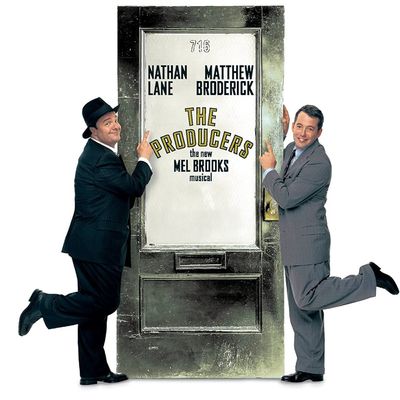
There is no greater representation of modern Broadway than three-time Tony Award winner Nathan Lane. His ability to transition from theatre to film, comedy to drama, tear-inducing laughter to heart-stopping pathos, all in one performance, is comparable to none. Nathan Lane has shared his gifts with audiences in such shows as the revivals of Guys and Dolls, A Funny Thing Happened on the Way to the Forum, The Man Who Came to Dinner, The Odd Couple, Angels in America, and the original productions of Laughter on the 23rd Floor, Love! Valour! Compassion!, The Producers, The Addams Family, November, Gary, and so many more!
Nathan pulls back the curtain on his career to discuss how Eddie Bracken taught him comedy, what it was like collaborating with Terrence McNally, and why Joe Mantello jilted him for Laurie Metcalf!
Also, Nathan shines the spotlight on Neil Simon, George C. Scott, and Jerry Zaks!
Become a sponsor of Behind The Curtain and get early access to interviews, private playlists, and advanced knowledge of future guests so you can ask the legends your own questions. Go to: http://bit.ly/2i7nWC4
Transcript
This transcript was automatically generated and might contain errors.
[0:00] Robert W. Schneider: Hi, I'm Rob Schneider.
[0:01] Kevin David Thomas: And I'm Kevin David Thomas. And this is BEHIND THE CURTAIN, BROADWAY'S LIVING LEGENDS. Don't forget to follow us on Twitter, at Broadway Curtain, and make sure to join our Facebook page at BEHIND THE CURTAIN, BROADWAY'S LIVING LEGENDS. And you kids, follow us on Instagram, at Broadway Curtain Podcast. Plus, you can always listen to all of our episodes, old and new, on the Broadway Podcast Network, iTunes, and Spotify.
[0:22] Robert W. Schneider: Today's guest is the face of New York theatre, an individual whose incredible artistry has been developed in front of countless and very fortunate audiences in the original works of such playwrights as, get this, Terrence McNally, Neil Simon, David Mamet, Mel Brooks, John Robin Bates, Simon Gray, as well as through collaborations with such directors as Susan Stroman, Jerry Zaks, Joe Mantello, Marianne Elliott, George C. Wolfe, and Jack O'Brien, to name just a few. Since 1982, Broadway audiences have seen his brilliance in such shows as Present Laughter, Merlin, the 1992 revival of Guys and Dolls, Laughter on the 23rd Floor, Love, Valor, Compassion, the 1996 revival of A Funny Thing Happened on the Way to the Forum, for which he won his first Tony Award, The Producers, for which he won his second Tony Award, The Frogs, Butley, November, The Nance, and Angels in America, for which he won his third Tony Award.
To tell us what it was like to work with such legends as Mike Nichols, Tony Kushner, Mickey Rooney, George C. Scott, Chita Rivera, Stephen Sondheim, Laurie Metcalf, and so many more, here is the 7th Precinct's most accomplished bail interviewer, Mr. Nathan Lane. Mr. Lane, how are you today?
[1:27] Nathan Lane: Oh, that was one of those James Lipton deep dive references of my life.
[1:40] Robert W. Schneider: The minutiae, the minutiae.
[1:41] Nathan Lane: You got to, you have to.
[1:43] Robert W. Schneider: Bail interviewer, yeah.
[1:45] Nathan Lane: Well, thank you, nice to see you both.
[1:48] Kevin David Thomas: Nice to see you.
[1:49] Robert W. Schneider: How did you leave the wonderful job of bail interviewing to become an actor, is really the big question for today.
[1:55] Nathan Lane: Well, it's a longer story.
[1:59] Nathan Lane: I would hope.
[2:00] Nathan Lane: Than you would really want to hear. I was going to go to college. I was supposed to go to St. Joseph's College in Philadelphia. I had a drama scholarship there. I had auditioned for them and got a drama scholarship, but I owed them more money. I had a government loan and a student loan. And then I got there and they said I still owed them more money. And this troubled me greatly. I was ahead of my time being worried about student loans. I said this to my brother, my oldest brother, Dan, who came with me to Philadelphia. And we went for a walk and he finally said, well, look, if you're so concerned, you could just wait and take a year off and work and earn the money and then go to college. And rather quickly, I said, OK, that's what I'll do.
And so we went back and got the bags out of the room. I guess I was the mystery student at St. Joseph's College in Philadelphia whose bags came and then disappeared and then somehow through some family connection, perhaps, I honestly don't recall, I got a job at the 7th Precinct in Jersey City as a bail interviewer, which meant that I had to fill out the paperwork for the court clerks to determine whether that person would be released, could be released on their own recognizance. So people who are arrested were brought in and they met me and then I would ask them mundane questions as they were covered in blood or something. And I would say, do you own any real estate? So I did this only for a matter of three weeks or so.
And then I had worked for a little theater company, a non-equity theater company in East Orange, New Jersey. They had a little theater in residence at Uppsala College in East Orange, New Jersey. These two gentlemen, they were partners, although they didn't really discuss the fact that they lived together, but they were together. And it was another time. They were sweet, you know, and I had worked for them in a season of summer stock things, of musicals and so forth. And then they had put together, because this was, I graduated high school in '74. So the bicentennial was coming up in 1976. So they had put together a show sort of celebrating the history of New Jersey in honor of the bicentennial that was called JERS, with a J-E-R-S-E, you know, I sort of, yeah, for those, you know, it's sort of a familiar phrase for, you know, people from New Jersey, JERS.
And we wore little gold sweatshirts that said JERS across the front. It was four performers and two women, two men and four stools. And it was a musical review about the history of New Jersey that toured schools and wherever they would take us. So they put this together and it was sort of tied into the bicentennial. So people, as sort of a motivation for people to hire us, it was leading towards the bicentennial. And so I did that for quite a while. I did some other shows for them as well. But that sort of, when I decided not to go to college and no longer, and not to be a bail interviewer, I did this little musical review that helped pay bills.
[6:17] Kevin David Thomas: Do you remember any songs from it?
[6:20] Nathan Lane: There was a big number called The Statue of Liberty Lives in Jersey City.
[6:26] Kevin David Thomas: All right, kids, that should be your next audition song.
[6:30] Nathan Lane: People forget. The Statue of Liberty Lives in Jersey City. Statue of Liberty lives in Jersey City. It was a very snappy little tune. We love an up-tempo. Just thinking about it brings up phlegm. Just thinking about singing that for unruly children at an ungodly hour. So that, yeah, so that's, yeah, that's my beginnings in terms of, other than, you know, being in school plays.
[7:11] Kevin David Thomas: Great, so we're going to jump back even earlier. When was the first time you were ever on stage?
[7:15] Nathan Lane: Okay, I believe it was, yeah, it was a school play. Or maybe it was, yeah, it was a school play. We did a, there was a production of Around the World in 80 Days. Very ambitious for an elementary school production.
[7:36] Kevin David Thomas: The right to.
[7:37] Nathan Lane: Yeah, and I played the French manservant to Mr. Fogg, the leading character. And I, yes, and I had a, there was a scene where Indians were attacking a train that we were on. And I had a little tiny suitcase and I hid behind it. Oh, ineffectually. And it got a big laugh. And so that was sort of like blood to a vampire. So stuff like that. There was school. I was in a spelling bee. And I remember I got a word right. And I made a sort of Jackie Gleason-esque exit that got mentioned in the local paper. You know, if there was a school assembly or something and they, you know, I would do things. I would perform, but that was the first play I was in.
[8:34] Kevin David Thomas: And was your family supportive of you pursuing the arts like this?
[8:38] Nathan Lane: Well, you know, my family, which I've talked about many times in the past was highly dysfunctional. And, you know, my mother and father had problems. My father was an alcoholic. My mother was eventually diagnosed being bipolar. So yes, they were. I mean, my brother Dan is the one who really encouraged me and took me to the theater. He literally got me involved in a play at his college. Some friends were doing a play, a Frank Gilroy play called Who'll Save the Plowboy, in which they needed a kid. And I was, I don't know, 9, 10, something like that. And so I appeared in that. Maybe that was my first play. I don't know. It's all a blur. But so he encouraged this. I mean, he and I had an uncle who was a Jesuit priest, an Uncle Joe, who both of them encouraged me to read from a very early age.
So I was reading a lot, a voracious reader. And then that included plays. And so and then I had joined a play of the month club. I've talked about this a lot as well, called the Fireside Theater. And they would send me plays, you know. And so that got me interested as well. And my brother, with my brother's encouragement, and then, of course, going to the theater. So that sort of is what I think instilled that interest in me.
[10:20] Kevin David Thomas: He also took you to your first Broadway show. Is that right?
[10:23] Nathan Lane: Yes. He took me to see, I believe the first one was Black Comedy, White Lies.
[10:31] Kevin David Thomas: The Anthony Schaefer, was it?
[10:35] Nathan Lane: It was Anthony Schaefer, right? Not Peter, who wrote Amadeus.
[10:40] Kevin David Thomas: No, no, no, no.
[10:41] Nathan Lane: I think it was. It might be Tom Stoppard.
[10:44] Kevin David Thomas: No, no, no. It's Anthony Schaefer.
[10:46] Nathan Lane: Anthony Schaefer. It was a double bill. It was a short one-act play called White Lies, followed by Black Comedy, which had been a big success in London. And the cast was Michael Crawford and Geraldine Page.
[11:01] Kevin David Thomas: Oh, my God.
[11:03] Nathan Lane: Yeah. And yeah, no, that was the first thing I saw on stage.
[11:08] Kevin David Thomas: And did it just knock you out? Did you go, that's what I want to do?
[11:11] Nathan Lane: Well, as I recall, it was just so exciting. And then, you know, the gimmick of the play is that it starts in darkness and people are talking and then the lights come on and then that means they've been plunged into darkness and they have to find their way around. So it took me a while between the British accents and the situation. It took me a while. I was just a kid. It took me a while to figure out what was happening. But certainly the notion of the telling the story and the audience laughing and all of that was, you know, very, very exciting.
[11:47] Kevin David Thomas: Yeah. Did you ever entertain doing anything else besides performing?
[11:52] Nathan Lane: No, I mean, the only, no, I don't want to make that joke. I have no other skills. You know, I wish, you know, maybe writing. I do write. You know, I've been writing all my life. So I might, if this hadn't worked out or if they said you can't do this anymore, I guess I would go to that. I would write. But yeah, it's certainly, it was not something I really thought I could be a profession. And then by towards the end of high school, I thought, well, maybe I could. I guess maybe having seen theater and feeling like not only would I like to be a part of that, but maybe that's within me, you know?
[12:43] Kevin David Thomas: Yeah. Were you attending a lot of theater in your town? Were you going to Paper Mill a lot? Or were you coming into New York a lot with your brother to see shows?
[12:51] Nathan Lane: Not in New Jersey, although I did see, I'll always remember this. I saw a production of A Funny Thing Happened on the Way to the Forum. I did. I saw it on the first revival on Broadway with Phil Silvers, which was, you know, one of the greatest afternoons of my life. I'll tell you about that. But it was a performance at the Paper Mill that Eddie Bracken, I don't know if you remember Eddie Bracken, a lot of Preston Sturgis movies. Yes. Sweet, adorable. Eddie Bracken played Sudolus. And this was like, I forget what year this was, but I went to a, it was a rainy matinee. It was sparse, you know, and it was a quiet audience. And he came out and he was very funny and he was so charming, you know, and he had a little mustache, a little silver mustache.
I was like, that's weird. And he came out and I started laughing a lot. And then he realized that there's one person in this crowd who thinks this is the greatest thing ever. And he played the entire show to me. He would, anything that happened and Sudolus talks to the audience a lot, obviously. So he just directed to me. He would turn to me and say, you believe this? Whatever it was. And it was so charming. And it was a really good cast.
[14:25] Nathan Lane: And so I'll always remember that, that he just, he just, you know, it's so hard when you can't get that kind of rhythm going with an audience. And that he just decided, this is the guy, this is my guy. I'm doing it for him. Yeah. And then the Phil Silvers one, I was in high school at the time and they won the best, the Tony for Best Revival. And Phil Silvers won, Larry Blyden won for playing Hysterium. And they were not selling tickets. And so as a publicity stunt, they held a free 4th of July matinee. Oh. And I stood online in the blazing heat. And I was literally the last person let into the theater. And then they closed, locked the doors. And I stood in the back and I watched and people went nuts because they got in for free.
And Phil Silvers was that's, you know, that's who they wrote it for originally. That's who they wanted. Right. And he turned it down because he felt he'd been playing that his whole life. He didn't want to do it again. You know, and then they got Milton Burrell. They announced Milton Burrell. And then that didn't happen, fortunately. And then Zero. They asked Zero to do it. But I'll always, Phil Silvers, quite honestly, with all due respect to Zero, it was that was magical. And that's, you know, he just was it was just what you wanted. In that part, he's the greatest that I've ever seen. Do play the part, really.
[15:57] Kevin David Thomas: Oh, that's incredible. Who are some of your comedy giants?
[16:00] Nathan Lane: Oh, well, certainly Jackie Gleason. Jackie Gleason and Art Carney, you know, on The Honeymooners. But Gleason just in particular, I was quite taken with. I you know, my whole family loved him and The Honeymooners. But it was just something about him. I guess the fact that I knew that he was Irish and Irish Catholic, I knew he had, you know, came from poverty and became the end of this huge television star. And but there was the tremendous pathos that he had and the that he was not only outrageously funny and could do very broad comedy, but also just break your heart in an instant. And there was such tremendous sadness in his eyes that I always remembered. So I was that was sort of he was my that was the person. I was very drawn to him. And I and then also just old, you know, silent comedians. Laurel and Hardy, I loved and Abbott and Costello. But yeah, you know.
[17:19] Kevin David Thomas: Yeah, I was going to say those those were the ones that you kept returning to over and over again.
[17:24] Nathan Lane: Yeah. Yeah. Laurel and Hardy. I just loved so much. And, you know, Sid Caesar. Oh, yeah. You know, he was, you know, such a giant and could do anything. So, yeah, you you have a love for you know, Eugene O'Neill and like sort of the sort of heavier plays. And then you also have this affinity for comedy as well. When you were younger, did you know you want to do one or the other? Or did you say, no, I want to do the more serious stuff, even though I love the funny stuff as well? Because so much of what you did was that heavy stuff like in high school and stuff. It wasn't like musicals. It was I did do a musical at a girl's academy, St. Al's, St. Dominic's Academy. They did No No Nanette. That was, I think, my first musical.
And I played the Jimmy character, the Jack Gilbert part. But, no, I think, you know, it was about being funny and being entertaining. You know, it's I mean, certainly over the years. I mean, that's what I became known for was the comedy. Sure. To be known for it. And then I happened to be in a few musicals that were very successful. And so that's that was how people knew me. And then but certainly at the same time I was starting to do I was working with Terrence McNally and John Robin Bates. So there was it was a mixture of things. And then, you know, it's a long story. But then, you know, I particularly in the last decade or more, I made a concerted effort to try and balance things and to do and take on more challenges for myself. And then wondering if I could sort of change people's perception. Yeah. A little bit.
[19:28] Kevin David Thomas: Has that been successful? What do you think?
[19:30] Nathan Lane: You know, it has. And I don't say that lightly. No, you got to fight. You got to fight for it, I feel like. I mean, you got to really.
[19:35] Kevin David Thomas: Oh, you do.
[19:38] Nathan Lane: And you have to fight through people's skepticism and like, why won't you just stay in your box and their idea? Yeah, I feel like by the time we got to, say, Angels in America, the fact that they asked me to do it was a sign that I had I had been able to turn things around a bit. And and then John Logan writing this part for me in this now defunct series, Penny Dreadful City of Angels. But it was, you know, a part to do a part like that. It's it took that it took some changing of minds at this stage. No one just hands it to you, except in the theater. I have a little bit of clout to ask someone, say, would you want to do this play or that play like with Bob Falls and the Goodman Theater to do the Iceman Comet?
That was that was the, you know, the first attempt to try to change things. And then what's after that, which was sort of a life changing experience. Some other things came along. You know, the good wife or the people versus O.J. on television. And just things that the Nance on stage, all of these things sort of started to shift things a bit. And and it was getting harder and harder to say, oh, he's just a baggy pants clown. Yeah. So, yes, I do feel that has been successful, that I've been able to do that. Now, of course, it could turn around in a second. That's such as life to you.
[21:22] Kevin David Thomas: What is the ideal actor director collaboration? What do you look for out of a director?
[21:26] Nathan Lane: Oh, well, you know, you know, obviously it depends so much on what the what the piece is like. Well, for example, I like George Seawolf, who I I worked with him. The last thing I did on Broadway was Taylor Max, Gary, a sequel to Titus Andronicus, which was, you know, an extremely risky piece to do on Broadway, which is, you know, turned into the ball of America. You'd be doing this very downtown show uptown and was dangerous. It was dangerous. And, you know, and Scott Rudin, you know, said, you know, I want you to play this part. And I said, well, it's fascinating. But would you like to go somewhere and quietly work on this and figure it out? Just to throw this on stage at the Booth Theater is, you know, it's almost suicidal.
And, you know, but, you know, one of the things that made it I felt possible was George Seawolf, who's, you know, as brilliant as they get, and also somebody who you really want to be in the room with, who's he's his energy and his lightning quick mind. And he's so entertaining, wildly entertaining and funny. And he's inspiring. And yet, you know, letting you try to find things and, you know, collaborating, he's a great collaborator. And if you're lost, he will help. You know, he's there for you when you need him. And I, you know, I never could have gotten through that. Without George Seawolf, it depends, you know, as I said, it depends on the piece, you know, you know, and what what is what is needed.
I mean, Gary was you know, we were creating this on the fly and it was Taylor was figuring out the play as well. And then you don't really figure things out until you're in front of an audience. So, you know, when you had a workshop, but then you're in front of people and you find out very quickly what works and what doesn't. And and I knew George. Well, I wanted George to do it because I knew he would as he as he did with Angels in America, he would be able to shape this into a story as well as, you know, obviously it was commenting on what's happening now in a unique and and and hilarious and very gay way. Yeah. You know, it's a great Taylor is a great original queer voice and and certainly deserves to be on Broadway.
So and I'll I'll be I'm very happy I did it. But it was it was a trial by fire. You know, first, Andrea Martin, the great Andrea Martin slipped in the tub, broke four rims. Oh my God. You know, Christine Nielsen, who was in one part, moved into her part and Julie White came in. They did an extraordinary job. We had literally, you know, had about a week or less of rehearsal. And then we went on in the first preview and they they just saved the show, those two brilliant women. And so you want, you know, the director is your you know, he's a therapist. He's your he's your friend. He's your you know, he's your parent. He's and then he's the guy who, you know, gives you a certain amount of freedom, but then is able to say just the one thing that will maybe make something click for you.
[25:33] Kevin David Thomas: And then as an actor, do you like table work or do you like to just get up on your feet and start going?
[25:37] Nathan Lane: It depends what it is you're doing. You know, if you're doing the front page. I don't think you need to do a lot of table work. You just have to you know, it's good to sit down and just read it and hear the music of the play. But that's a play that only comes to life when when you start to get on your feet and you start to orchestrate all of those voices. And so it. Yeah. But if it depends, if it's a new play, then then then yes, then it certainly is helpful to have discussions about things and figuring out, you know, and when you're in a rehearsal situation, if something is not working for you, are you vocal about it or is it let them figure it out? And then I'll add my two cents if I'm asked.
I you know, you always always try to do what it is the the author wants the author and that, you know, hopefully they're collaborating and to do what it is they're they're looking for. And then certainly I will express my opinion. And if something, you know, I think isn't working, I'll say that. And then, you know, but but that's the goal is to, you know, to fulfill their their vision and what they want and need from you. And then and yeah, I'm always happy to express my two cents. But sometimes sometimes that that is, you know, part of it. And sometimes it's it's not.
[27:13] Kevin David Thomas: And how do you begin approaching a role? What is is there a process that you go through or is it different depending on each of the roles that you get?
[27:16] Nathan Lane: It is different depending on the roles. You know, if you're playing somebody like Roy Cohn, there is a certain amount of research and and there's some material on him. There's really only one biography, Citizen Cohn, which was very helpful to me. And then he wrote an autobiography, which was it's pretty hilarious. But but worth it was worth reading. But in that case, you know, you're dealing with a masterpiece. And so it's Tony has done a lot of that work for you. It's all there in the play. And so it's about honoring that and living up to that. But, you know, with well, with something like, gee, you know, I don't like the front page again. There's a certain style to it. You know, if you just read it on a page, it seems very old fashioned.
And you think, oh, boy, this is tough going. And, you know, those were the days of three act plays. And people had the time. Yeah. They wanted they wanted to for the whole setup, you know, that you set it up. Complications ensue in the second act, and then it's all resolved very wonderfully and satisfyingly in the third act. But there's, you know, a certain style that it demands. And, you know, it's interesting because, you know, a lot of young actors don't understand that, you know, and they.
[28:51] Nathan Lane: I think being naturalistic is the only way, and then it just brings things to a grinding halt, as opposed to if you really are playing the music and at the tempo and stakes that are high, suddenly it seems very real and naturalistic, as opposed to, you know, I don't know. You know, if you're worrying about your childhood, your character's childhood might not help in that situation, as opposed to, you know, the Iceman Cometh, where you think about a lot of that, about what the back story, you know, an elaborate back story for Hickey and Evelyn, and certain things that when you get to them, you know, the fact that he gave her syphilis, you know, what that was like in 1912, if you research that and what she went through, what he put her through, and she still forgave him.
It's the most awful, maybe one of the most awful moments in that long speech that he has about her, and how awful and also the enraging part of that guilt that she, by forgiving him, she inflicts on him. You know, so there's that. So there's a lot. There's a big buildup to walking in and saying, hello, gang. There's a lot. He's walked from, you know, his apartment to that little bar in the, you know, in the village. But so, yeah, it is different with each character, and then, you know, with Gary, for example, you're inventing. You know, there's a certain amount of invention that you have to, you know, the character is based on a tiny character in Titus Andronicus, the clown, and who has survived.
You know, he's, they sent him off to be hanged in the Shakespeare play, and then he has survived this and talked his way out of it. And so you, and the notion that he was a street clown and a performer informed a lot of things, like with Anne Roth and the great Anne Roth. I love her. And so we, you know, what would that look be? And I was saying to her, I really want to go for it with, you know, like a big, there was a performer, this dancer, mime, British guy, I can't think of his name now. And I saw him in a production of Cinderella where he had this huge blue wig, curly wig, and a white face. And I wanted it to look like a street clown, and that by the time as the play goes on, you know, the makeup starts to wear off and the wig comes off at a certain point in anger, and you start to see the human being underneath. He sort of evolves through the play. And so, you know, there's that kind of invention and imagination and to create his story. So you come in with an idea like that. So when you.
[32:09] Nathan Lane: Well, that's what you have to do. You have to come in with a lot of ideas. So, you know, that's the exciting part. Yeah. So for you, when you get something like Angels in America, you get something like, you know, the beginning stages of Gary, do you sit down and go, okay, in this scene, he wants this. This is what I'm going for. Now I'm going to go in and I'm going to play. Or do you just go in and go, I've memorized the lines, I'm an open book, let's start to play around with each other and see what the chemistry in the room is. At this, at my age, I have to know the lines in advance.
[32:45] Robert W. Schneider: Okay, great.
[32:46] Nathan Lane: I don't like to, you know, when I was young, I would learn it as we rehearsed. Right. Now I like to come in knowing the material. And then, and I don't, you know, the argument always was that you get into bad habits or, you know, you don't try things.
[33:04] Robert W. Schneider: You make choices, yeah.
[33:06] Nathan Lane: But it's not true. No. It actually makes it easier and freer. So, you know, you just, I mean, you know, Angels in America, you know, it just doesn't get any better than that. So you, in a way, you don't want to get in the way of it. But as an example, when I read this biography, you know, there were medical reports about his behavior in the hospital. He was at the National Institutes of Health. And a lot of the medical reports were in this second or first chapter in the book about the last two years of his life. And it talked about that he had a tremor that would start in one hand and went to the other and shoulder and how thrush was affecting his voice. And I thought, gee, you know, that's interesting.
Because to watch, it's, you know, vile a creature as he is, but to watch this disintegration of this very brilliant, vital person. So the tremor, to me, was interesting because they said, Roy, when the tremor would start, he would hold his hand and stop it from shaking. Because he didn't want people to see him that vulnerable. You know? Just so he would literally hold his hand and stop it from shaking. And then there was a big scene with Joe, you know, that very father-son scene. He, I wanted there to be a real shift to vocally, he's getting weaker. And he's not bothering to hide the shake anymore. And it did a really interesting thing to, well, it did an interesting thing to the audience. And it does, and also then, there are these huge body tremors that happened.
So all of that, it's unnerving. Because, you know, they want to hate you. But I remember Tony was, actually, Tony Kushner was kind of shocked when he heard my voice when I was doing this very weak, you know, and then he loved it. But he was like, what are you doing? I don't know. I said, I'm trying. I'm trying.
[35:43] Robert W. Schneider: You're playing, yeah.
[35:45] Nathan Lane: Yeah, yeah. But, you know, so that you see this disintegration.
[35:50] Robert W. Schneider: Progression, yeah.
[35:52] Nathan Lane: The progression of the disease. Have you ever wanted to direct at all? Has that ever been a desire for you?
[35:57] Nathan Lane: Oh, sure. I want to tell everybody what to do.
[36:00] Robert W. Schneider: Good.
[36:03] Nathan Lane: I feel like you'd be very good at it. That's how Jerry Zaks got started. He was in a replacement in Greece and just started telling people what they should do. And the first thing he tells you on a Jerry Zaks production is don't tell anybody what to do. That's how you got a career. Anyway, I'm all for, I'll listen to anybody. I'm all for a good idea. If you got to direct something tomorrow, what would you do? What would you want to do?
[36:32] Nathan Lane: I know, you know, this has come up. So many people have asked me. Momentarily, when James Corden was maybe going to do a funny thing happened on the way to the forum, or, you know, I think it was then, there was a, they. There was a, yeah. They had asked me about that. And then I think maybe they were going to get somebody else, Alex Timbers. Anyway, I didn't, you know, and then he got a talk show. So it didn't happen. So there we go. So I was asked about that. And, but yes, people have certainly suggested it. Amazing. And I should. It would be another, that would be another mountain to climb. And I should.
[37:23] Robert W. Schneider: Exactly, exactly. I was going to ask you if I can, about somebody that, you know, acted and directed at the same time. And that's George C. Scott. How did present laughter come about for you?
[37:38] Nathan Lane: I had, I had, I was, I had been a part of a comedy team. This is in like the late seventies, 1980. We went out to LA. We opened for some rock acts and did the Merv Griffin show and. Yeah, there's some. And performed. And then, so we were both two actors, struggling actors who put together an act. And, and, and we went to LA and, and then nothing much happened. And I came back to New York after, we'd been out in LA for about a year and a half. I had auditioned for that sitcom with Mickey Rooney and Dana Carvey. And I got the job and then went back to New York and filmed it. And we did 13 episodes and, you know, it wasn't, you know, I knew it wasn't very good, but it was an interesting experience to work with Dana and Mickey Rooney.
And then, and then, so we did 13 episodes and it was over. And then I, I, I was with William Morris at the time. And I said to them, you know, what I really want to do is theater. And, you know, they said, well, you know, you just finished a TV series. Why do you want to do theater? And this was the head of the theater department who said this. And I said, well, that's really what I, I really think that's what I do best. And he said, ah, forget it. You should, you know, you want to do more TV. And then I wound up leaving William Morris and I went with an agent named Jeff Hunter. And he, the first thing he sent me out on was the revival of No Cowards Present Laughter that was being done at Circle in the Square Theater directed by and starring George C. Scott.
I think originally Frank Langella was supposed to do it, but he fell out and, and they, George came up in a conversation with George and he had played it in summer stock. And, and he said, I'll do it. And, and he usually directed most of the things he, I think all of the things that he did at Circle in the Square, they had a long history. So, and that was, and I went in, it was the first audition I went on. And in my, in the act I had with a partner, the standup comedy act, you know, we did sketches. And one of the sketches was, what happened to Christopher Robin after he grew up? Where is he now at age 35, still living at home, you know, and with the teddy bear. And he wants, you know, his father wants him to get a job.
Right. He's rather repelled by that idea. So, oh, a job. I just remember, a job. That sounds icky. Aren't jobs for grownup people? Christopher, it's time for you to grow up. No, I shall never grow up. Peter Pan didn't, Pinocchio didn't, Jerry Lewis didn't, and neither shall I. So, that was sort of the basis for my character. In present laughter, Roland, I played Roland Mall. This would be playwright, law student, who's obsessed with the leading character, Gary Essendine. This aging matinee idol. And it was just, you know, look, it was a great, great experience. And George was a famously troubled soul. What he referred to as a functioning alcoholic, but was very kind to me, very paternal and kind to me, and supportive.
[41:44] Robert W. Schneider: When you were making the rounds, did you have a go-to audition song? Was there a song that you?
[41:48] Nathan Lane: Those were the good old days from Damn Yankees.
[41:53] Robert W. Schneider: Oh, great. Have you ever played Applegate?
[41:56] Nathan Lane: No, I've been asked now a couple of times. What were some of the other things that you were doing before you started going on Broadway? Was it dinner theater, regional theater? Were you traveling?
[42:07] Nathan Lane: I did, you know, I worked for this little theater that was called, that I told you about it, Uppsala College. The Halfpenny Playhouse, it was called. So, I did a lot of, they had it, they worked out of a dinner theater in New Jersey. And I did, you know, I did Forum. I played Sudalist in Forum. I did, played again, Sam. I played the Woody Hart. I did Anything Goes. I played Moonface, you know, I did stuff like that for them. I did a little bit of Summerstock, and I did a season of eight musicals in eight weeks. Of course, classic, geez. I did, you know, I did everything.
[43:01] ♪ Musical number: "Broadway Baby" — performed by Nathan Lane ♪
[43:16] Kevin David Thomas: Get a pencil. That's P-A-T-R-E-O-N dot com. You got that? Oh, just search BEHIND THE CURTAIN, BROADWAY'S LIVING LEGENDS. Set a monthly donation. Oh, even a dollar helps. Oh, sure. Mr. B gives.
[43:38] Nathan Lane: In the 80s, you were doing mostly legit straight work. You weren't doing musicals. How did you first meet Terrence McNally? I was doing a play at Manhattan Theater Club that wasn't going so well. And I remember there was a meeting in the theater and Lynn Meadow, you know, who runs the place, was saying, trying to figure out what was going wrong. And she said, I think the lights are too bright, she said to the director. And I said, yeah, I said, maybe that's the problem. They couldn't see the play. And then they called for a break. So I went outside and I was sitting on the steps at this is at City Center, you know, and I was sitting on the steps and Terrence McNally had a play next door, Frankie and Johnny and the Clair de Lune, which was going very well.
And he came out and he saw me and he said, hi, I'm Terrence McNally. And he said, I saw you in Present Laughter. I think you're a wonderful actor. And he said, I know the show's got a few problems, but I hope we get to work. Don't worry about it. And I hope we get to work together someday. And then about a year or so later, I can remember the Lisbon Traviata. It was done off, off Broadway. And I read a review of it in The Times. I remember reading it and thinking, well, that sounds like an interesting piece. And then the Manhattan Theater Club was going to do it. They had done It's Only a Play. And that was very successful. And they were doing Lisbon and they were looking for an older actor to play the role of Mendy.
And they were having difficulty for some reason. And Joey, John Tellinger, Joey Tellinger, I had known him from, I had done The Common Pursuit, a Simon Gray play at the Long Wharf. So he, he, he was sort of the literary, I think he was the literary guy there. And he, he remembered me and liked me. And then he had used me in John Robin Bates' first play in New York, The Film Society. And he, John Tellinger was really, really the first person who said to me, you know, you're really an actor. You're more than just funny. Other than Simon Gray, who once said to me, you know, we were getting drunk in a bar in New Haven, said, you know, I, you have a choice, Nathan. You can either be a great actor or a great comedian.
And I think you should be a great actor. So, but Joey Tellinger was the one who said to me, you, you, you, you're more than just funny. And he gave me this opportunity with The Film Society, which was a very demanding role. And, and, you know, it was a play I read and I thought, well, this must be written by some 50-year-old college professor, Robbie Bates, who was, I think he was 23 at the time. I met him and I was like, wow. And he said, I'd like very much, I, I, I read for it in LA, I was in LA at the time doing the national tour of Broadway Bound. And I, and I auditioned, I read for him and he said, I'd very much like you to do my play. I said, shouldn't we ask your parents first? So, so Joey really, that was a big turning point.
And then Joey was the one who said, why don't we bring in Nathan for this role? And everybody said, oh, he's too young, but why not? And then I went in and read it and, and they offered me the part that night. I mean, it was, it was one of those parts, I think, I don't know why they had trouble casting it. It was obvious on the page. This was a tremendous role, not only, you know, it was one of the, that first act of Lisbon is one of the funniest things Terrence ever wrote, but it's also just heartbreaking, the sadness and the loneliness of this guy and his obsession with Collis and all of that is, it's incredibly moving as well. So, you know, and I just, that, so that was the beginning. And then, you know, Terrence, he had said to me, while sort of, maybe it was after that, he said, you know, he had lost Jimmy Coco, who was a big part of his life.
And Bobby Drivis, who was an actor, and he had been Terrence's partner. And then, and then he became a director and he died of AIDS. He had lost both of them. And he said, I feel like you were sent to replace them. And, and that I, he said, I want to, you know, write parts for you, because I like knowing who I'm writing for. And which was incredibly moving and, and, and gratifying to a young actor, someone of that stature saying something like that, and then fulfilling it by writing.
[48:54] Kevin David Thomas: And what is it about his work that you think audiences respond to, or more specifically, you respond to that you keep coming back to articulate?
[49:03] Nathan Lane: I just think it's his humanity and his, I mean, it's a, it's a, I wrote this tribute to him in Time Magazine. And, you know, it's that combination of this, this biting wit and, and wearing your heart on your sleeve. And it's a magic trick that he perfected. And there's just so much, you know, I love language. And he, you know, gives you a lot of language. His characters like to talk. And I don't know, it was just one of those magical things. We, you know, I just, I just understood what he was saying, where the characters were coming from, his sense of humor. I immediately understood his sense of humor. And I mean, it's, you know, it's like Tony Kushner, you know, it's just a gift. It's a real gift to be given.
[50:02] Kevin David Thomas: Oh, absolutely. You know, it's a, you know, yeah.
[50:03] Nathan Lane: So let's imagine that a student has never read a Terrence McNally play. They're going into drama school for the first time. What play of his would you pass off to them and go, this one, this is what he is?
[50:14] Nathan Lane: Well, that it's hard. The one that maybe people don't know as well as A Perfect Ganesh. I love that.
[50:22] Nathan Lane: Yeah, really beautiful piece that he did at Joe Caldwell and Franny Sternhagen did together. Just beautiful. Brilliant, brilliant man and a brilliant artist. So let's now move into your musical theater career if we can. How does Guys and Dolls come about? Filling the shoes of the great Sam Levine.
[50:37] Nathan Lane: I had done Guys and Dolls in a community theater when I was a kid. I played nicely, nicely. And then in my non-equity career, I had played Nathan Detroit. I was about 20, 21 at a non-equity dinner theater in Cedar Grove, New Jersey, the Meadowbrook dinner theater, which was actually the first dinner theater in America. So I had played Nathan Detroit. And then I had auditioned for Jerry Zaks and then never got anything. And then after the Lisbon Traviata, people sort of let me in the club and he asked me to do the workshop of Assassins, which was sort of the first time I worked with him. And then when they were casting Guys and Dolls, of course, I was like, oh, my God, you know, I would love to be a part of that.
And I had auditioned for it and they were trying to, you know, match couples and trying to figure out age and who went best with whom. And anyway, yeah. And Faith and I, you know, Jerry says, don't, you know, give each other notes or don't talk, don't talk to each other. And but we sort of everybody was working on the big numbers and she and I sort of went off by ourselves and staged Sumi, you know, for we tried to figure out because, you know, it was such a, you know, some people can treat it as a throwaway number, but we saw it as this little three act play, you know, and and there was some, you know, physical comedy. There was some, you know, and then at the very end, it's very real and moving. He loves her.
[52:29] Kevin David Thomas: Do you remember the first time you met her?
[52:31] Nathan Lane: Faith?
[52:32] Kevin David Thomas: Yeah.
[52:34] Nathan Lane: Well, you know, we had done this not not so great revival of Parence's play Bad Habits at Manhattan Theatre Club. And to be honest, it was not a great experience. And I can't say I think she has said this, so I'll say it. She and I didn't exactly hit it off. There was no there was no animosity. It just is not you. You wouldn't think that we would go on to become this great team, which we did. But when we were going to when we were cast in the parts, I sent her a huge bouquet of roses and said something to her. And and so, you know, we immediately bonded on that. And, you know, we were just in sync about the whole thing. And it was no that again, one of those times, like with Matthew Broderick, where there's just the thing you can't really predict is that kind of chemistry and magic.
And I certainly felt that with her. She was, you know, it was the thing that really made her a star. You know, great people, you know, was a great Peter and everybody, you know, came through in the end. And then it was, you know, that was like it was a lot of drama. And then the opening night, you know, the John Barlow, one of the press people came up and had the front the front page of The New York Times. It was a picture of me and Faith. And it said, Miss Adelaide and Nathan Detroit returned to New York. And that was the first time in the history of The New York Times they had put a theater piece on the front page. Wow. And then Frank Rich wrote, you know, this love letter. So yes, it was a very happy ending.
Then to go from that with Jerry to laughter on the 23rd floor, and then you add a Neil Simon to that this person that you had idolized growing up. What was it like? What was it like the first time meeting him?
[54:35] Nathan Lane: I had done a national tour of Broadway bound. Yeah. And yet I was cast and sent out on the road, but I didn't meet him until Los Angeles. He had seen me audition. I didn't meet him until later. It was that was that the whole other story of I was I was broke and I needed to make money and I my agent didn't want me to do a national tour, but I needed to make money. So I auditioned and got the job and went on the road for a year. And in L.A. at the opening at the Amundsen, there was a knock at the door and I opened the door and Neil Simon was standing there. And so I was like, yes, he was a hero to me. And, you know, he was taller than I imagined, but he had the famous sort of horn rimmed glass, black horn rimmed glasses.
And he could probably see how nervous I was. And and he was very sweet and complimentary. And but he had that kind of, you know, he had this look in his eye like like he knew something you didn't. He knew he was going to, you know, he's got an idea for a play and he's going to write about it, whatever might be happening. He was he seemed to be always thinking how that would work in a play. But I originally they wanted me to play the role of Milt in the part that Stadlin played the great Lou Stadlin. Yes. And I've done like nine shows. Yeah, we know my good luck charm. And so I said, great, I'll do anything to be in a new Neil Simon play. And then they wanted to do a reading of it. And they said, for the purposes of the reading, you play the Sid Caesar part that Milt not Milt, Max, Max, Max Prince.
But we want some guy who's like six, two and two hundred and fifty pounds. The Sid Caesar was so huge. I said, yeah, OK, fine. And we did this reading and then they came to me and they said, well, now we can't imagine anybody else doing this. And Neil said, I said, oh, gee, really? And Neil said, what what you lack in height, you make up for in anger. So to go out of town with Neil Simon, you know, and while he's writing, yes, you know, and you know, he would he he I ran it. He was one day in the in sitting in the audience while we were checking the show and we were in North Carolina, Duke University. They tried plays out there. Manny Azenberg tried plays out there. Anyway. He was writing on a legal yellow legal pad, you know, and I was going by and I said, hey, what's your writing?
What's your writing, Neil Simon? And he said, he said, I'm writing to speak for you, actually. He said, well, we'll put it in in a few days after you've had time to learn it. And I said, I'll let's put it in tonight. I guess we were already.
[57:42] Nathan Lane: And I were on the same show, in fact, at the start of previews. He loved that I was so open to trying things and learning it quickly. It was just a great experience. Another great group of actors.
[58:00] Robert W. Schneider: Tell us a little about Buzz in LOVE, VALOR, COMPASSION.
[58:06] Nathan Lane: That's a play that he wrote I was not supposed to be in. He had an initial reading of it. He said he had written... He would always say, you know, I'm writing this for so-and-so. And he had written that part for somebody else. And then I, as a favor, I read the British twins, James and John, in the very first reading of it. Then, he didn't like how the guy performed it. So, and then he had difficulty finding a director. And then I suggested Jerry Zaks. They worked on a reading of it. He had done some work on it. They did a reading of it that I went to and sat in the audience. I wasn't in it. And then a half an hour, we were waiting and waiting for the reading to start. Half an hour in, Terrence and Jerry come up and they say, the guy who's supposed to play Buzz is stuck in traffic.
And we can't keep people waiting anymore. There were like 150 people. Would you read it? And I said, well, you know, I read the other part last time. So I said, yeah, I mean, if it'll help you. So I went down and I started reading. It was essentially a cold reading. And I'm killing. I'm killing with this part. They had all rehearsed for three, four days. I'm killing. You know, it's a great fucking part. That's all there is to it. So, you know, about 20 minutes into it, you know, the guy shows up. He's sitting in the audience. I can see him out of the corner of my eye and I feel terrible, but I'm just trying to help two friends. I finished the first act and I say, OK, no, no. I'm sure he can take over now.
And they were both like, oh, no, no, no. It's going very well and we're not going to we don't want to upset the audience. This guy leaves, you know, I feel terrible, but, you know, it went very well. And then I thought for sure Jerry would direct it. And then he still seemed to be on the fence. I said, would it influence you if I said I'll play the part? I'll play the part. The laughter on the 23rd floor was going to close. I said, what if I took over the part? And he yeah, he said that would I would that would make me feel good. And then he still turned it down. And I was committed. And then that's when Terrence, you know, who very often so many people have this story where he gave someone their first break. That's right. And he suggested Joe Mantello.
[1:01:09] Robert W. Schneider: You've worked with Joe Mantello so many times. What is it about him that makes you keep coming back to him?
[1:01:14] Nathan Lane: Because he's one of the best, because I ride. I always want to work with Joe whenever I can. The last time. No, we did Love Valor. We did Mislansky Zalinsky. We did The Odd Couple. November. He's just again like George Wolfe. You know, you it's just fun to be in the room. Yeah. And and to collaborate.
[1:01:40] Robert W. Schneider: And is that a big thing for you to have someone in the room that you can have fun with someone that you can?
[1:01:46] Nathan Lane: What else? What else? Right. What else? What's the point otherwise? You know, yeah. Is it fun? The same thing with Matthew Broderick and the producers. That's sort of fun and energy. That's too much fun. Too much fun. That's dangerous fun.
[1:02:02] Robert W. Schneider: Had you met him before you started working on the book?
[1:02:06] Nathan Lane: We both provided voices in The Lion King, the original Lion King. Yes. The non Billy Eichner one. Yeah. And so we we had met like at the premiere because we didn't record together. And and then I met Matthew when he was a kid in Broadway in Brighton Beach Memoirs. I met him walking down 57th Street and I stopped and then told him just like a fan. You know, I just said, oh, I saw you in the play. You were fantastic. You know, and he was his usual thing. You know, he barely couldn't take the compliment. Couldn't. And and he said, I just remember what he said was we were both wearing sort of Oxford blue shirts. And he said, look, look, we're wearing the same shirt. I said, yeah, well, I said, you're you're my idol now. I'm dressing like you. He looked at me like, oh, this guy is probably a stalker. And he quickly left. Little did he know we joined at the hip.
[1:03:14] Nathan Lane: So, yeah, I mean, part of the, you know, the producers was the that are budding friendship.
[1:03:24] Robert W. Schneider: The Frogs, what inspired you to to not only become to be in it, but also to write a new book for it?
[1:03:31] Nathan Lane: Right. I had I think of the frogs as kind of a noble failure. I had I knew the piece. I remember picking it up in the drama bookshop many, many years before and reading it a lot. And I would jot things down, notes or jokes or things, ideas. And I thought it's because the authors of Forum, you know, Sondheim or Chevalov. I thought this was interesting and it was nothing like Forum. And and then I had done the Library of Congress. We had a there was a birthday event for Steve and they did songs. He wished he had written and songs. He was glad he had written. So part of it was we did the frogs. We did a condensed version of it. And then we there was a recording of it myself from Brian Stokes Mitchell and Davis Gaines.
And then I was listening to the recording and it was after 9-11. And I thought, I wonder if this piece could be done again. And, you know, what it's saying about, you know, how we need you need the the arts, you know, to help guide us. We need that kind of poetry to heal through these difficult times. And with this 400 year old play work today. And and would Steve be open to adding more to the score than just the existing having just the existing choral numbers. So so we as soon as I brought this to Susan Stroman as an idea, she loved it. And then we went to Steve and nervously asked him if he would be interested in writing more songs. And he agreed. And then we began this journey.
[1:05:33] Nathan Lane: What I never I never read original reviews for the show were not good. No, people didn't like it. And to say the least, you know, the combination of what Aristophanes did, which was we were trying to honor, which is to, you know, this lowbrow humor mixed with this highfalutin debate. And, you know, it was the Froms is like a it's like a version of Saturday Night Live or your show of shows. It was this commentary on what's going on and directly addressing its satire. Very, you know, their idea of a hilarious joke was that the God of God Dionysus was like, you know, was played like Jack Benny or Frazier. That was hilarious to them. There are a lot of gay jokes about him, you know. Yeah. And, you know, it was and then and then it got was the debate between Aeschylus and Euripides.
And Bert Shambalov had made it Shaw and Shakespeare, which I loved. Anyway, I wished I had just been the writer. But, you know, it sort of helped it to be done by being absolutely people. Some people accused it of being a vanity project. And I had no you know, it wasn't like I was dying to play Dionysus. I just it just made sense. And I thought, oh, OK. But it made that was difficult to be in the middle of it and try to look at it objectively. People would boo me at the end. Give me the. Oh, my God. You know, because it was obviously we even though I was talking about the Peloponnesian War and the show, it was obvious what I was referencing. So it was it was very difficult and and painful and exhausting.
But by the end, I was just proud of the fact that we tried to do something that was political. Yes. Divided. And, you know, when when are we not divided in a very divided time in the country? Look, it was a it was a learning experience. It was a it got a lavish production. It certainly did. It was fabulous. And there were some wonderful, you know, Steve wrote some wonderful pieces of music for it. I always love that number. I love to travel. Oh, yeah. I remember saying to him when Susan and I sitting across from him and saying and he kept saying, well, what's it about? And I said nothing. He loves to travel. And then the servant hates to travel. And then, you know, it's a counterpoint. And then, you know, then they get to Heracles's house.
Right. So he was writing in a way that he hadn't in many years. But and then he was and it was difficult. But then he wrote one of the most adorable, joyous little tunes ever. So jaunty. And it's it's it's really delightful.
[1:08:49] Robert W. Schneider: So, Nathan, the last question we're going to ask you, we ask all of our guests, which is, you know, now that you've had this amazing career, if you could go back and talk to the young guy that's just starting the career, what advice would you pass on to them? What do you know now that you wished you had known then?
[1:08:57] Nathan Lane: You know, I wish everyone has to find their own path. And I take the work seriously. Not yourself. You know, be a professional, you know, come in with ideas and enthusiasm and be kind. Work hard. Give 200 percent. All of that. You know, it's such a it's just such an insecure, difficult business. You know, I would say if there's anything else you would be happy doing, maybe consider that because it's so hard. But if you really want to do it, you're going to do it no matter what. So, you know, I always cite the you know, the old Jack Lemmon story when he talked to his he told his father he was going to he wanted to become an actor. His father was a baker and he was very nervous about telling him this.
The notion of becoming an actor was sort of still looked down on that time period. I think it's still looked down on in many ways. And he and his father just looked at him for a long time and he said, do you love it? And he said, oh, yes, dad, with all my heart. And then he said, well, then you should do it. He said the day I don't find romance in a loaf of bread, I'll walk away.
[1:10:22] Robert W. Schneider: That's beautiful. I love that. That's beautiful. That is so beautiful. It's truth there. Nathan, thank you so, so much for spending so much time with us today. I cannot tell you how much we appreciate it. And thank you so much for all the amazing, amazing work you've given us throughout your entire career.
[1:10:38] Nathan Lane: Well, thank you. Thank you very much. A pleasure.
[1:10:43] Robert W. Schneider: All right, folks. Till next time. Bye bye.
[1:10:51] Robert W. Schneider: Thank you for listening to today's episode and a big thanks to the punchy players. Jeff Marquis, who is bringing back Lucy, Betty, Judy and Morta Schill for us. And a big thanks to our sound editor, Daniel Schwartzberg, and social media manager, Bethany Ann Selecki. And don't forget, we want more folks to hear these incredible stories. And that's where you come in. In order for people to find out about us, we need lots of ratings on iTunes. So head on over to iTunes, search for Behind the Curtain, Broadway's Living Legends. Click on our logo, click on ratings and reviews, then write a review and leave us five stars and make us feel as special as Eliza Doolittle on Eliza Doolittle Day. Or you can leave us just one star and you can make us feel as baddy baddy bad as Annie did in that really weird production in Boston where Annie dreamt that she was being adopted. But then she ended up back in the orphanage right back where she started. True story. Rob saw it.
[1:11:44] Robert W. Schneider: Yes, and it was baddy. It was bizarre. I was there. I was. So head on over to iTunes and make us feel even more special than we already do.
© Broadway Podcast Network, All Rights Reserved