

Shows: A Chorus Line, Seesaw, Promises, Promises. The one and only 4'10 bundle of dynamite, Baayork Lee, joins Kevin for a look back on her incredible career which includes appearances in The King and I, Flower Drum Song, Bravo Giovanni, Mr... Read More
From the show: BEHIND THE CURTAIN: BROADWAY'S LIVING LEGENDS » Podcast
Guests

Featured Shows
About
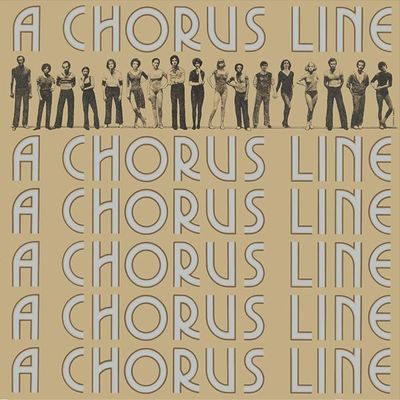
Shows: A Chorus Line, Seesaw, Promises, Promises
The one and only 4'10 bundle of dynamite, Baayork Lee, joins Kevin for a look back on her incredible career which includes appearances in The King and I, Flower Drum Song, Bravo Giovanni, Mr. President, Here's Love, Golden Boy, Promises, Promises, Seesaw, and A Chorus Line!
Baayork pulls back the curtain to discuss what it was like working with Michael Bennett, how she created the role of Connie in A Chorus Line, and why she still continues carrying on the legacy today! Plus: Gene Kelly, Sammy Davis Jr, and Tommy Tune!
Transcript
This transcript was automatically generated and might contain errors.
[0:00] Kevin David Thomas: Hi, I'm Kevin David Thomas, and this is Behind the Curtain: Broadway's Living Legends.
[0:04] Kevin David Thomas: Don't forget to follow us on Instagram at Broadway Curtain Podcast.
[0:07] Kevin David Thomas: Plus, you can always listen to all of our episodes, old and new on the Broadway Podcast Network, iTunes, and Spotify.
[0:13] Kevin David Thomas: My trusty co-host Rob is off on another assignment, so it's just me today, and boy am I lucky.
[0:19] Kevin David Thomas: Today's guest is a true legend of Broadway and the artistic guardian to one of the most groundbreaking musicals ever created. She first appeared on Broadway in the original King and I, and then followed it with such shows as Flower Drum Song, Golden Boy, Promises, Promises, where she was one-third of the show stopping Turkey Lurky Time, uh Seesaw, and perhaps the role for which she is best known, Connie in A Chorus Line.
[0:42] Kevin David Thomas: So, to tell us what it was like to work with such legends as Yul Brynner, Gene Kelly, Irving Berlin, Michael Bennett, Tommy Tune, and so many others, here is the Tony Award-winning four foot ten bundle of dynamite, Baayork Lee. Welcome, Baayork.
[0:56] Baayork Lee: Thank you so much for joining us.
[0:58] Baayork Lee: Wow, what an introduction!
[1:01] Kevin David Thomas: Well, we like to set it up pretty well here.
[1:04] Baayork Lee: So wow, I can't believe I did all those things and I'm still walking.
[1:10] Baayork Lee: And still a bundle of energy, constantly.
[1:12] Baayork Lee: I mean here, I'm still here.
[1:14] Kevin David Thomas: Exactly. In many ways, doesn't it feel like time, you know? Do you feel all of those things that you've done?
[1:18] Baayork Lee: I feel like that's such a cliché question, but you know, there's so much more that you want to do. Do you ever just sit back and say, wow, I did that? I don't need to work as much anymore.
[1:29] Baayork Lee: No, no, no, no, no, no, no. That never occurs to me. In fact, I forget the things that I have done.
[1:36] Baayork Lee: Yeah. Because when I started with the King and I, I was five.
[1:41] Baayork Lee: And then at the age of eight, I was fired because I outgrew my costume. And Yul Brynner gave me a beautiful pin of a three-headed white elephant. And in Thailand, the white elephant is very sacred. And the elephants were side right and left and forward. I didn't understand it at the time. It was a beautiful pin. And he said, Baayork, I want you to look left and I want you to look right and ahead. Never look back. And I have just taken that. I forget what I've done. You know, I just put one foot in front of the other and let the universe just take its course with my agent.
[2:25] Baayork Lee: Right, right. You know, just take the things that I love and work with the people that are talented. It's just been an amazing journey that I have had all these years.
[2:39] Kevin David Thomas: You've been doing it since you were five. Now tell us, well, let's back it up even more. Where were you born? I know you grew up in Chinatown, but were you born in Manhattan proper?
[2:47] Baayork Lee: Yeah, in Chinatown.
[2:48] Kevin David Thomas: And where, what did your mom and dad do? Remind us.
[2:51] Baayork Lee: My father had a restaurant in Chinatown. My mom is just a housewife, and they were looking for children for The King and I, and they came, the casting people, and they came to our school and they came to the restaurants, and so we all went uptown to audition.
[3:08] Kevin David Thomas: Were you dancing? Were you already performing at that point?
[3:11] Baayork Lee: Well, I don't know. They get you in a class at four. But you must have had some inclination that like this performing thing was for you. Did you ever see any shows before that time period?
[3:19] Baayork Lee: No, we never saw a Broadway show. We never, no. You know, this was something, something a new adventure.
[3:28] Kevin David Thomas: And your parents were just okay with it, this idea of like let's this.
[3:32] Baayork Lee: My father wasn't, but you know, all the kids were going up, you know, so well, I went with them.
[3:38] Kevin David Thomas: And did any other friends make it in, make it?
[3:41] Baayork Lee: You know, past the first one that made it? Why? I mean I don't know. Um what I had, you know, I was an Asian kid, that's what they were looking for.
[3:54] Kevin David Thomas: Right.
[3:54] Baayork Lee: I didn't sing or I didn't dance, I didn't, they just looked at me and they were just picking the kids. I guess your destiny is your destiny.
[4:03] Baayork Lee: Yeah, yeah, you know. I can't believe that, you know, just from that massive group of kids who were professional. There were a lot of professional kids who had been in South Pacific and other shows.
[4:18] Kevin David Thomas: Yeah.
[4:19] Baayork Lee: And there I was. You know, nobody, you know, there was no reason for us to go past 14th Street. Everything was there, department stores and restaurants and everything. So going to 44th Street to make the theater was like a big, big, big deal.
[4:34] Kevin David Thomas: Yeah.
[4:46] Baayork Lee: It's five, come on. And I love the theater. I would have my mother bring me early. Wilbur, the doorman would take care of me, and he would take me around, you know, and there would be ghost lights and things like that. And he would pick me up to sign me in. I love being the first to sign my name on that paper, right? You know, just little things like that. And then I would watch the dancers warm up, and they were from the School of American Ballet. I mean, they were with Jerome Robbins with the New York City Ballet, and then there was Yuriko who was with the Graham School. So you have the mixture of the ballet and the, and I would just say, What are they doing? And I would say to my mother, ask them what they're doing, want to do that.
[5:30] Baayork Lee: And they said, you know, we um we're warming up and this is a ballet warm-up or this is a modern warm-up or whatever. And the kids, they put us on the eighth floor which was the fly floor. And so we got to sneak and open up that fly port and I could watch Yuriko dance the Uncle Tom's ballet and I said I wanted to be a dancer. So with the help of Jerome Robbins and the Roger and Hammerstein organization, I got to enroll at the School of American Ballet, you know, Ballantine School and Jerome Robbins was helping Ballantine choreograph the first Nutcracker and so he used all the kids so I got to work with Ballantine and I stayed in the school for 12 years getting my technique but along the way Drum Song was auditioning and we heard about it and I went to the audition all grown up with a little ballet technique.
[6:31] Baayork Lee: Yes, and Richard Rogers remembered me and asked me if I want to be in the show. So that's how I was one of the kids in Flower Drum Song. And the story that I always tell is that my dad at the dancing school Michael Bennett would come down every summer and he would take class and he has told me years later he said, I don't know if you remember this but the day that you got Flower Drum Song, you came back to the school and you said, Oh gosh, I'm gonna do my second Broadway show. He said, I was so jealous of you because I, you know, I was still living in Buffalo when studying. So that's my Michael Bennett funny story that he was jealous of Michael Bennett, tells of me.
[7:21] Kevin David Thomas: Come on.
[7:22] Baayork Lee: Yeah. It seems like such a small, you know, in those days, it feels like such everyone knew each other almost.
[7:29] Kevin David Thomas: You know, it felt like a small, I mean, I guess if you were a dancer, especially smaller.
[7:33] Baayork Lee: The community was much smaller, yeah. But you know, I've just had a wonderful career because one day I was enrolled at performing arts high school, which is the LaGuardia School.
[7:46] Baayork Lee: And they said that we could not perform or do anything like that. And I must say that Elliot Felt, who left the school to do West Side Story on Broadway, he never went to school. And so they said, No more, no more, no more, no more.
[8:04] Kevin David Thomas: Wow.
[8:05] Baayork Lee: So I'm in the school and I get Flower Drum Song, and I say, I'm gonna do both. Sneaking. And so I had an agreement with management that I at on Wednesdays, when the bell rang, because the school was on 46th Street, I would run at three o'clock, and I would throw my costumes down and my dresser, she would have my costume ready, she would take my books, and I had my makeup on already, and I would just walk on the stage, you know, like a three can or something like that. And I was getting away with it. My girlfriends would help me, I would hide in, you know, at lunchtime, put my makeup on, and they would, you know, guard the doors.
[8:49] Baayork Lee: So one day I've gotten very brazen, and I come out between shows, full makeup, and my ballet teacher is walking by the school at the theater, and she said, You haven't left the show. And I mean, I'm in full makeup with lashes, then so the next day I was called into school with my mother, and they said you have to make a decision, you leave the show or you leave the school. And of course, my mother said she's leaving the show.
[9:24] Kevin David Thomas: So you could be a good student.
[9:25] Baayork Lee: Now, there's a name that we should probably talk about that was involved with Flower Drum, and then later when you did Bravo Giovanni, Carol Haney. I feel like we don't get to talk about Carol Haney enough and really honor sort of the legacy and in the and the Carol Haney.
[9:40] Baayork Lee: It's so funny because I just watched her in Pajama Game again a couple of days ago, and uh talented. Carol Haney realized that even though I was a kid, I had ballet training, and she put me into the flower boat ballet, and I danced with the adults, and then I don't know, I never sang or took lessons or anything. For some reason, they must have been desperate, but they made me the understudy to the Fantan Fanny singer.
[10:15] Baayork Lee: Okay, and she had to wear high heels and, you know, Chinese dress. And I'm sure they thought this kid is never gonna go on. Well, I come running in from school one day, throw my books down, I run on the stage. When I cut off the stage, they said, You're gonna be singing Fantan Fanny. I did not know how to walk in high heels. Um, there was Carol Haney, three inch heels, walking me around the basement in high goodness. She taught me how to walk in high heels.
[10:54] Kevin David Thomas: Caroline 14 or so, 15, 16, I guess.
[10:57] Baayork Lee: Oh my goodness. But you did it.
[11:01] Kevin David Thomas: Not even 14, not even 13.
[11:04] Baayork Lee: Really? Wow. But the funny thing is that she remembered me.
[11:09] Baayork Lee: Yeah. And the day after I graduated from performing arts high school, I got a phone call, and it was Carol Haney. And she said, You're out of school. I'm doing a show called Bravo Giovanni. And I thought about you, and I would like you to be in the show. And I said, Well, you know, I'm supposed to go to Juilliard or in September. She said, This is only for the summer. Come for the summer. We don't know if it's gonna go to Broadway or whatever. And I thought, oh my god, another show. So we go out of town, we go to Detroit or wherever we go to, and of course, it's coming to Broadway.
[11:52] Baayork Lee: Yeah, and I said, Ah, Julia, you know, I'm going to Broadway. And so we're at the Broadhurst Theater. Oh, of course. And we, uh, Chesade Sieppe, Michelle Lee, and of course we didn't run that long, and I'm sitting on the fire escape, and across the street is the St. James Theater where I have been with Flower Drum and King and I. I was painting this big sign, Mr. President, Irving Berlin's new show. And I said, Oh my god, wouldn't that be great? You know, but you know, I've got to go to Juilliard. And all the girls were going to the audition. And of course, I go to the audition. Oh, and I am too short. I'm a kid.
[12:41] Baayork Lee: And so they hire me to be Nanette Febre's grocery girl and play all these a little Eskimo girl that comes in from Alaska. Of course. And I'm doing all these little parts. These little bit rolls. I'm in Mr. President. I'm in the dressing room of Mr. President, and there's a knock on the door, and they said there's a man upstairs who wants to see you. So I go upstairs. This guy hands me his card. He says, I'm doing a show. Um, it's going to come to Broadway, and it's called Here's Love. And I really think that you know, you'd be good for a video. You want we want you to come and audition. Okay. And I go, Oh, yeah, yeah, yeah. I go downstairs and I look at the card, and it is Norman Jewison, is doing Here's Love.
And uh, I don't know who he is. He's just done Fiddler on the Roof. Uh, I don't know what he's a movie director, and I go downstairs and I go, This man, and they said, Oh, Norman Jewison, you've got to go, you've got to go, you've got to go. So I go, and the audition is for Michael Kidd. Okay. And um, and of course, they need kids in the show. And then he saw that I had technique and then I could dance on point. Right. And uh, and so he put me in the show uh doing the parade number on point with the older dancers. Yes. And then I was with the kids in Here's Love. And who do I meet? Michael Bennett. Again. Michael Bennett is now grown up. Yes. We're out of high school. Right, right. He's still visiting New York.
He's still coming to town. His first friend in town. Yeah. And he says, I don't want to dance anymore. I want to be a choreographer. And at that time, you had to have in order to work, you had to really have a choreographer. You know, he had his dancers, Jerome Robbins had his dancers, Michael Kidd had his dancers. Right. But because I was floating around, I was a kid in all these shows, I didn't have a home, you know, where I worked. And if you had a choreographer, you did everything. You did the TV shows, you did uh commercials, you did uh Broadway shows, whatever your choreographer did. You you were in industrials, yeah. So Michael Bennett says, uh, uh, I want to be a choreographer, and you're gonna be one of my dancers.
I go, Oh, I'm gonna have a choreographer, and you really need to be a choreographer, right? Yeah, right. Who's gonna let him in? Who's gonna hear? He's 20, 20 years old, 21, 19, 29. And he was no, I'm gonna, you know, I said, you know, Bob Fosse is not gonna let you in. Peter Jenner's not gonna look Michael Kidd. I mean, these are all men in their forties. Right, right. And he's going, Yes, yes, but I want this is what I want to do. And I said, Okay, I'm with you. I'm with you. So that's how Michael. And had you seen any of his work uh I mean as a choreographer or anything, I mean, because you socialize and see him, but did you know what he was capable of? Yeah. No, no, no, no. But what was happening was that Alan Johnson, uh Larry Fuller, they were all gathering because they wanted to be choreographers too okay so they would get a group of dancers and we would do a couple of numbers and they would invite producers to come and see their work.
Did you have any desire to create at this point? Were you did you think oh I just want to dance and have fun. I just want to dance and I just want to work with all these wonderful people. Yeah I had no idea of of what the future would bring I just loved being in the chorus. Were there any in the in the 60s were there any other shows that you had a close call that you almost got but you didn't get 13 Daughters oh Jack Cole I believe of Jack famous Jack Cole and I auditioned for that show I couldn't believe I didn't get it because I had technique yeah but no I I didn't get it. Okay all right well that's wild yeah yeah yeah other things have to come down there and Golden Boy tell us a little bit about my goodness Sammy Davis Jr. Well uh in between all this I am doing Here's Love right the Meredith Wilson musical the holiday uh based on the kids and I'm dancing on my shows working and Elliot Lawrence was our musical director right and he comes down to the dressing room one day he says listen I'm doing a show called Golden Boy with Sammy Davis and uh we need some kids to be shoe shine boys and things like that and uh I think that you know you should come and you should you should come okay and so I go and uh audition for The Shoeshine boy and Jaime Rogers um who was in West Side Story, who also went to performing arts high school.
He says, Performing arts high school. You dance. And so I got in the show as the understudies of the Shoe Shine Boy. And one of uh one of the kids dancing. Oh my goodness. And so I mean, all of this is happening while Michael Bennett's saying that he wants to be a choreographer. Yes. And so I I'm in Gold uh in Golden Boy, and Sammy Davis says, now we're going to London. And he said, and now you're going to be my lead dancer. So yeah, I became uh one of the lead dancers. And I get a phone call. I'm in London, and it's Michael Bennett. And he says, uh, listen, I'm doing a Broadway show, and uh you're gonna do it. And I said, Well, I can't because I'm in London and I'm under this contract. And he said, um, well, what do you have to do to get out of the I said, well, um, because I'm have a leading I'm a lead dancer, I I have to have a partner, I have to have something, you know.
Right. Well, I don't know if he bought me out of my contract, but within a week or two, I was in New York rehearsing for Promises, Promises, doing the turkey lurky dance. You know, I just let the universe take over. Right just I'm I am enjoying turkey lurky, I'm enjoying dancing, and Michael Bennett uh now he's taking the company to London. He's taking Donna McKechney to London, he's taking the dance captain to London. And the first dance captain was Margot Sappington. Right, right. He left very early on to choreograph Old Calcutta. So now we have Betsy Haug, a Ron Lewis dancer. She's she's now the dance captain. And he has to take her to London to do the London company with Donna McKechney.
Oh my goodness. And he says, You're gonna be the dance captain. And I went, Oh no, no, no, no. I cannot give Jerry R box notes. No, no, no, no, you have to do it, you have to do it. We're desperate. We're doing it. I don't know if they were desperate. Well, maybe, yeah. They decided that I was going to be the dance captain. And that changed my life. That was the first time that you ever had a position uh like that. Putting in um replacements, right? Um, dealing with um David Merrick's office. Right. Um, I mean, I I grew up really fast. So Promises, Promises, I I knew the back of my hand. And you know, he went off to do Follies, he went off to do to work with Catherine Pepper, he went off to do Company, and you know, I wanted to be in all those shows.
Right. Which had a three and a half year run. Oh my goodness. And then I went off when the show closed, I went off doing it all over. All the productions everywhere. Who was the director, and I would put it on everywhere. So then I get this phone call from Michael, uh get to the airport tomorrow. Oh uh, we're going, we're going to Detroit. Oh, you and uh, so I get to the airport, and there's Tommy Tune and Bob Avian. And we're going to do Seesaw in Detroit at the Fisher Theater. We go to see the show and go, Michael. Oh, Michael, you know, yeah. He's no, no, no, he said, I have a choice of doing Irene, fixing Irene, which was down in Philadelphia. He has been in Philadelphia with Debbie Reynolds.
Or C Song. And he says, I think uh we can do C Song. And between all of this, after Promises Promises, and I'm all over around town. I see this ad saying, uh, the movie Jesus Christ Superstar, uh having auditions. Right. Uh they they wanted uh street performers and dancers and singers, you know. And so I got on the line. Finally, you know, they've just got to, you know, they're jugglers and they're people playing guitar and they're acrobats, and I come on. And uh hi Bayork. And one of the dancers from Henry Sweet Henry, he was the choreographer for the film. Oh my goodness. Yeah. Hi, Bayork. And next to him, hi Bayork, it's Norman Jewison. Would you like to go to Israel and be in the film? Oh my goodness.
How can you say no? Well, it says something about your tenacity and and your your attitude of not waiting for something to come to you, but you always seem to go after it, you know. You you never just rested. Well, yeah, and uh, you know, short Asian woman, there were no other Asians with the, you know, with the guy. Well, talk a little bit about that because it you didn't see much, you know, representation in in movies and on stage, and you're sort of not even sort of, but you're the the trailblazer when it comes to that. I mean did you ever feel pressure? Did you ever resent the fact that you didn't see anybody that looked like you on stage until you were literally the one doing it? Um how did you grapple with that?
I was very aware that I was representing, yeah. I was very, very aware all at all times. Um but I was glad it was me. Yes, uh that that I was the chosen one. The the Asian community was not that that uh large. Of course, you know, people were doing The King and I. There was no disciples on then. So it was only The King and I. And I uh I went out of the box to go for it. Thank God I had Michael Bennett on my side, and um and always going wanting to work with with different choreographers. Right. So now I'm I'm in I am in I'm in Israel. Yes, a hundred and twenty-five degrees weather, and and on a sitting on a rock, uh are rocks are all the apostles, Bob Lapone, uh Tommy Walsh, uh Pi Douglas. Okay, so I made friends with all of them.
Right. And so now I I go back and now we are doing Seesaw, and Michael Bennett says to me, uh uh, we need somebody. I said there's this boy named Tommy Walsh, and he's he'd be fantastic. So he gets Tommy Walsh, and we are in the suite of the producer, and I'm in the bath toilet with Bob Avian choreographing the Spanish number, and Michael Bennett is with Michelle Lee, you know, in the living room doing the scenes and changing the music while dialogue. Is calling on the phone saying, You're replacing me. Yes, we've interviewed both of them actually and heard both sides of this. Wild. And uh what an incredible experience. Um so I was left with Grover Dale. Yes. To help him uh do the opening number.
Michael said, uh, you uh you'll stay with Grover Dale and uh what when you finish with Bob, you'll go over and you'll work with Grover Dale. He seems like he was really good at delegating Michael, you know, that he it wasn't just him, but he had these uh assistants that helped sort of be able to do five things at once almost.
[25:23] Baayork Lee: I think this is the first show that he doctored. Yeah, and so it was coming into Broadway and he needed to he had a great concept, and he also put Tommy Tune in the show, yeah. And he changed the concept totally. And he practically wrote the book. Yeah, that's right. Oh yeah. And did you feel that pressure while you or were you in the trenches and it was just we have to do this, the show must go on? But did you feel that the weight of it all? You know, you're working with a genius, you're working with a creative person who says, Listen, this is what we're gonna do with the number. And so Tommy, I need this in the number, and then bring it back to me. And Bayork and Bob, here's the music, da-da-da-da.
And we're gonna put it on a flatbed, da-da. It's already, yeah, but I need some people, you know. You're working with this unbelievable mind. I don't know if there was pressure on me, but I'm telling you, the creative juices are flowing, and that's what theater's all about. Michael Bennett, when he described a number, he did it to the nth degree. He played all the parts, he did the lighting, he did the where the sets were gonna move, and then the orchestra comes in and we need something crescendo here. He did everything, you know, working with a genius, and of course, he was a genius, he was my friend who was jealous of me.
[26:56] Kevin David Thomas: Right. You got your Broadway shows first.
[26:58] Baayork Lee: No, but what would make you know if you were to advise if you know, let's say he's you know, there was a dancer or actor, and they were coming to you and before rehearsals, and they were to say, you know, how can I get along best with him? How can I do the best work? Well, what advice would you give to someone that would have was gonna work with him in the room? Michael Bennett was extremely generous and very hands-on, but also very accessible, you know. I mean, he didn't come from the generation where you were terrified to even look the wrong way because they were gonna fire you, or you know, he was the new guy on the block who was a dancer who danced with all of us. He was on Hullabaloo with Donna McKechnie, right? You know, he was boogalooing with all of us, right? Right there, we could talk to him, and that's one of the reasons why I think A Chorus Line was so successful because we knew him, we trusted him. He was one of us, he was one of you, yeah.
[28:07] Kevin David Thomas: Yeah, yeah. How do you work with him?
[28:09] Baayork Lee: You do your best.
[28:11] Kevin David Thomas: Right. And also there was the second person in the room, and his name was Bob Avian.
[28:17] Baayork Lee: Well. And he was the peacemaker. I mean, Michael's his brain worked so fast. Yeah, that Bob would have to translate it for us. You know, because I mean he had things going. And then the scenery's going here. Okay, and now you're gonna come out here so Bob would say, Oh, okay, now dancers and you're gonna come out here. This is what you know, yeah.
[28:47] Kevin David Thomas: And how long, you know, and maybe you don't know the answer to this, but I feel like you might what when did they first get connected? Because it seems like they had a very a working relationship for a very long time.
[28:56] Baayork Lee: Michael left school, he left high school in Buffalo when he got the audition for West Side Story to tour Europe, yeah, and that's where he met Bob. Bob was his big brother, yeah. Bob was his big brother. You know, he came to New York, and he never went back to Buffalo. He had roommates, and then he got on Hullabaloo, and that's where he met Donna McKechnie, and he met most of the dancers that he used to be part of his posse, right? So, you know, and you were alluding to this earlier, you know, there were the Bob Fosse dancers and the Michael Kidd dancers. What makes up what what what are the qualities that go into being a Michael Bennett dancer?
[29:41] Baayork Lee: Would you say the females have to dance like the males?
[29:46] Baayork Lee: We had to, I'm telling you, Henry Sweet Henry. I was doing triple pirouettes and Denise Slides. What? What makes up a Michael Bennett dancer? Michael Bennett, every show, his choreography suited the show. The hoe down that we did in A Joyful Noise. Yeah. And the dancing that we did as kids at school in Henry Sweet Henry, and then Promises, Promises, we were secretaries, and there were so many different styles. Whereas Bob Fosse and Jerome Robbins and all of them, they had already established their style. Right, right. Their vocabulary. Robbins very balletic and very Michael Kidd very athletic. Whereas Michael Bennett, whatever the show required, that's what we did.
[30:47] Kevin David Thomas: And what's it like to be in pre-production? You know, I imagine you were there with Michael a couple times where he was trying to create the vocabulary of what the dance would be, you know, for each show. What's that like to be in a room, not necessarily with actors, but in the creative processes as far as coming up with choreography?
[31:04] Baayork Lee: Well, all I can say is that it came from his soul. Michael Bennett did mirror dancing, and Donna McKechnie did mirror dancing. I came from an established ballet school. They were in Detroit and in Buffalo dancing and creating in front of their mirrors. And so improvisation was so natural to them. Whereas I'm waiting for the teacher to give me the steps. Yeah, tell me what the moves are, and whatever. And Michael Bennett would just dance. He would come in, throw off his coat. We had a drummer, Bobby Thomas, and he'd say, play the drums. And he would just dance. And I always say that I didn't get this position because I was short and cute. I got this position because I could write fast, and I could really get Michael Bennett's choreography. He could observe it, yeah. And then I could write it down. And the next day he didn't remember what he did. We've I've heard this before. Oh my goodness. Because he just danced. He just danced.
[32:31] ♪ Musical number ♪
[33:08] Baayork Lee: So it's time to talk a little bit, I suppose, about the evening with red wine, the chorus line chat. I've interviewed like Donna, I've interviewed, we've interviewed a lot of the people that were there. When did it first percolate? You know, you've said that he's always talked about the fact that he wanted to do a show about dancers. How did it finally come to fruition? You know, because you were sort of the gatekeeper of the tapes at one point, aren't you?
[33:30] Baayork Lee: No, no, no. John Brelio.
[33:32] Kevin David Thomas: Oh, okay.
[33:33] Baayork Lee: Yeah, John Brelio, he has them had them in the vault somewhere. I had a private tape session with Michael and Pam Blair, the two of us down at his house. You know, I was the Michael Bennett dancer. Therefore, you know, we had done television shows with him. We had done the Militant show with him. The industrial knew whatever he was gonna do, I was gonna be involved. I did not know what it was gonna I was gonna be an assistant. Right. And so when he said, you know, he took the tapes to Joseph Papp with all the stories, and Joseph Papp said that he was going to give him a skeleton crew, and develop something. He didn't know if it was a book or a play or what. I knew that I was gonna be involved, whatever it was.
And so I was the assistant choreographer on the show. I played the assistant. Yeah, that was my title. I was the assistant. That was the first workshop. So we would go in and we would dance all day, and some of the vocabulary from the show we created at that point, and then in the afternoon, Michael would sit us down and he'd say, Okay, now we gotta write a book.
[34:52] Kevin David Thomas: Right. So to so our listeners really understand A Chorus Line wasn't just prepared and done. I mean, it was some a process that took how long would you say Baayork? Was it a year that they were the somehow the public had money to pay people to be in this room for a year to figure out what this piece was gonna be? This is not usually the traditional, you know, process for a musical, at least not usually don't have that much that invented the name work in progress.
[35:20] Baayork Lee: Right, right. But you know you got car fare and a sandwich and a hug yeah so totally you know and you got fifty dollars or 75 I I don't know how much it was but it was nothing everybody was on unemployment you know so Michael would say you know we would dance in the morning and then in the afternoon we'd all sit around and he'd say okay what were you doing at five then we'd go around five five five five five and then what are you doing at six six six six six six six and that is the premise of the show because Mike starts at four right then then Bobby's next and then Sheila and we go all the way up until Val gets off the bus at the hello of twelve hello thirteen hello love whatever and that's you know it was just so simple.
[36:09] Baayork Lee: We had a lot of smart people in the room too I mean that's so simple.
[36:17] Kevin David Thomas: No there was no Connie.
[36:18] Baayork Lee: I was no that was it that was the only role you had at that point.
[36:22] Baayork Lee: Yeah that was the assistant and I would say I would look out front and I go okay and I turn around and say he wants you to stay in a straight go in a straight line and then I go out front I look again he wants to collect your resume.
[36:38] Baayork Lee: So Michael says that's not gonna work. So now we have a voice. So he became the voice. The voice told us what to do.
[36:45] Kevin David Thomas: So then, right.
[36:47] Baayork Lee: Then Michael went away to raise money and also to do a play. He wanted to do a play. And then when I came back, they had um they called me up and said, Listen, we listened to your tapes. And Nicholas Dante and I, we want to use your story on the line. And I said, Well, who wants to hear about a short Asian girl that wanted to be a ballet dancer? He said, Don't worry. You know, we're going to develop things and blah, blah, blah. So then I became Connie. So I was always Miss Wong, and um Neil Simon named me Miss Wong from Promises, Promises. And so then I went into Seesaw and I became Miss Wong again. I was the baby ballerina, but you know, Tommy Tune would say, Miss Wong, whatever. I was always Miss Wong.
So now Michael Bennett is watching the news and there's Connie Chung. Uh oh. And so he said, She's gonna be Connie Wong. Oh my gosh. So, and I got to tell Connie Chung, you know, Michael. Yeah, it was Michael's birthday, and he had a huge party, and she was there, and I finally got to tell her that I was doing that's a fun anecdote. I had no idea. That's that's wild.
[37:59] Kevin David Thomas: At what point did you know, or was there a moment, a palpable moment where you're in this workshop process, you don't know what the end product is going to be, even though in hindsight we all know now, but you you almost think, well, didn't they all know how brilliant this show was going to end up?
[38:13] Baayork Lee: At what point did you realize, or was there a moment that you said, oh okay, I think we got something here? I think this is gonna be let alone last for 15 years on Broadway, you know. But was there a moment that you realized this is something special, not just insider talk? Well, we were so worried about did I get the right note, or is he gonna take that line away from me? Right, right. So, you know, I mean, it was changing, you know, 24 hours later, there was a book change, uh, a new song came in, you know, it was all of that. We started previews, and Bob Lapone said to me, Come here, and he said, Look out the window. And there were a line of limousines, and Lucille Ball, Rao Marks, oh my goodness, um, uh Diana Ross, Kennedy's wife, what's her name?
This is O'Neill. Yeah. I mean, everybody was coming out of these limousines, besides theater people. Yeah. And I said, Oh, I guess this is something, maybe. We had no idea. We had no idea. And Michael had always said to us, and we said to ourselves that the process was so um, we became so close uh during this process that if nothing happened with it, at least we experienced it was group therapy, and we didn't realize it. Yeah, it was truly group therapy, because we all had our nervous breakdowns telling our stories besides what was on the tapes, you know. Then Michael really went into depth when we sat around talking with all of us.
[39:56] Kevin David Thomas: Yeah, was that hard to see yourselves up on stage at all in in in a more dramatic fashion? Was it did anybody ever take issue with it? I mean, it because that's it's very raw to see yourself, you know, on stage.
[40:15] Baayork Lee: Oh, okay. But our parents' parents really had issues, yeah. With uh, you know, Tommy Walsh's father, an alcoholic, yeah, you know, Kelly Bishop's mom, whose father was unfaithful. I mean, on and on and on. They would come back in tears, and Donna McKechney's father passed away. Um, you know, just a lot of things because her story was Maggie. Right, right. You know, um, yeah. Wow, it's some real heavy stuff. But then yet a whole generation of people have learned and loved and appreciated, you know, the art form because of it. It really is uh a true legacy. Most of all, you know, uh Marvin wrote a song for the Richie character and the Connie character, right? And uh it was all about, you know, I was had done flower drum and I had done King and I. He had done Pearly and he had done uh Hello Dolly with Pearl Bailey, you know, and so he uh you know my subtext is he's my competition. That's our subtext. He's our competition because at that time equity was saying, you know, you have to hire one one person, one person of cut, yeah. And um, so he is my competition.
[41:33] Kevin David Thomas: And uh Michael, uh we sang the song one night, and the next night it was cut, and of course Ronnie and I went, you know, what do you mean? Yeah, you know, we need we need to address this issue, and blah blah blah blah blah. And he said, by York. I have bigger fish to cry right now for myself. I know it's a big issue. He said, but the Paul monologue, I really need to fight for the Paul monologue to be in the show, and he said, Somebody, somebody will write shows about race, and and he said, But right now, I really need to get this monologue in the show. Because that's what people were saying, you know.
[42:16] Baayork Lee: Right. Nobody ever said, I'm a homosexual. I had been, you know, uh sexually abused as a kid. You know, that all of that was not. And these are, you know, we were the first reality show. Yes. These were people up there talking about their lives. The real lives. Yeah, real families, like we were just saying. Yeah, that's right. So we, you know, we swallowed it, we were upset, but of course, you know, how many years later? Um, 47 years later, it's still all the roles are important. But most of all, that Paul monologue has brought so many people out of the closet and so many letters. And even today, the revival, and in Spain with Ben Antonio, we're still getting letters from people saying, you know, they're being bullied, and you know, um the the monologue has helped them so much, yeah. And also for, you know, little short Asian, not even Asian, but just tiny little ladies who would write me and say, Listen, I'm coming back to Broadway.
[43:24] Kevin David Thomas: Right.
[43:27] Baayork Lee: And have blue eyes, and you know, you know, uh I'm coming back. And and and you see the diversity now more than ever. Yeah, you know. And I feel like you have uh you were a part of that. I mean, you because of of of your presence and because of, I mean, especially everything you've done with the National Asian Artists Pro uh Project, you know, that you've been a part of uh that you created.
[43:48] Baayork Lee: I was uh I was in South Africa helping them uh create a uh theater company to uh go into the townships to talk about AIDS and there we were you know writing a script and going into the townships and everything and I said I have been all over the world with the course line helping um and here I am in South Africa I have never helped my own community and so then I came back and I got to uh I got to direct the King and I uh and my assistants uh Nina Zoe Lam and Stephen Eng. You know, we were and I said where where are all these uh talented Asians going well they're waiting for the next uh King and I or the next Saigon by then Saigon was on and I said I would like them to do Oklahoma and Carousel and all the uh you know that that they're never cast as and I have been thinking about a company and Steven and Zoe said if you're gonna do it let's do it now and uh with their help we got it on especially Steven getting us uh a grant to get a B501c3.
I mean I didn't know any I I'm I just had the passion right and uh we're 11 years old now that's and we produced uh Oklahoma Carousel Hello Dolly Oliver Into the Woods um you know and then some we have a program uh for original musicals that we cut down 30 minutes and we have an Asian directors and we have Asian artists and uh we get the scripts from NYU or Columbia or just uh anyone who's writing uh a new musical.
[45:31] Kevin David Thomas: Yeah.
[45:31] Baayork Lee: And that's called the Discover Series. And then we have the rediscover series where we put on the the you know big musicals. Yeah. Uh we've we've just done um uh Cinderella with Alt, you know, just just before the pandemic, we did it March the second and March the 15th. We were, you know, everything shut down. But also I have an after school program at uh PS124 in Chinatown where I grew up.
[46:00] Kevin David Thomas: Yeah.
[46:01] Baayork Lee: And uh those kids are fierce. What's the program? They go down, well, um they sing, dance, and act, and they go down to the junior theater festival, which is run by Music Theatre International, and um they meet six thousand other kids. We are the only ones from New York at the first only ones from New York, only ones, only Asians and the youngest.
[46:25] Kevin David Thomas: Oh, because they start at eight years old, right?
[46:28] Baayork Lee: And um, they come back with their little trophies, yeah, and singing on the plane. Some of them never been on a plane or seen six thousand other kids that love musicals.
[46:40] Kevin David Thomas: Right, right.
[46:41] Baayork Lee: It's so important for kids to have that outlet to have that hearts. Also, I started a choir because a lot of my adults, you know, they can't afford singing lessons and they had to be ready for the next show. And so I started a choir and they come and they sing uh Roger and Hammerstein or they sing Tri Coleman and they sing whatever. So they used to just sing with the books, you know, and uh uh they were based in Chinatown also at the school, and um, so I have a membership of 35 to 50, and then I started wrenching a uh little space for them to start moving.
[47:18] Kevin David Thomas: Yeah.
[47:21] Baayork Lee: You gotta do hello. You're just golly. Well, you are a go go go. Do you still live in Chinatown?
[47:27] Kevin David Thomas: Do you still live in Chinatown?
[47:28] Baayork Lee: No, but I'm in Chinatown three times.
[47:29] Kevin David Thomas: Oh, the times, of course, of course.
[47:31] Baayork Lee: Um, and so this is when you are not directing and choreographing a chorus line all over the world. How how often are you doing a new production of that? Would you say?
[47:39] Baayork Lee: Well, I've done it almost every single year, except that during the pandemic. I've done two or three. Just before the pandemic, I was in uh Malaga with Antonio Menderis.
[47:51] Kevin David Thomas: He was playing Zach and saw some great clips of that.
[47:55] Baayork Lee: Yeah, and uh, yes, she's wonderful. And then pandemic happened. So all the job that I have, I'm taking a company to Japan in August.
[48:05] Kevin David Thomas: Yes.
[48:05] Baayork Lee: Um, I'm doing uh I've just done um City uh City Springs Theater in Atlanta. I'm doing um Pittsburgh Civic Light Opera in July. So a chorus line lives forever, and it's very important for me to pass this legendary show, this iconic show on to the next generation.
[48:27] Baayork Lee: So I'm training, I am you know, I go in there, and whoever I'm working with, I said, listen, you're gonna be teaching this. You're your your uh high school teacher's gonna call you and they're gonna say, Listen, $500, you come and you know, and so everybody that I'm working with, I feel that they are the next generation and they are gonna be teaching a chorus line. And so I make sure that they have the notes, you know. If you have the smallest part, you're learning everybody's part.
[48:57] Kevin David Thomas: That's right, you know, and make them aware because Michael, when we were doing a chorus line, Michael would say, Come on out here. I want you to look at the lights, I want you to see what Theron's doing. I want you to see what uh Robin's doing with the set. Because you're gonna be doing this, and I, you know, I went, Oh, yeah, okay. I'm I'm worried about you taking my song away.
[49:20] Baayork Lee: Yeah. I'm in Cloggenfort, Austria, and I get a, you know, I'm doing a course line, and I got a call down from the from the producer saying, Listen, we didn't get the rights for the light for the for the, you know, can you come down and help us? And here I am. I am designing the lights. And the mic cues. And I'm going, oh, okay. So he was right. And so I do the same thing.
[49:48] Baayork Lee: I do exactly the same thing. Is there pressure when that comes with that being sort of the gatekeeper of of the legacy? Because you really are this is a handed-down art form. I deeply believe that that you have to learn it from people that did it before you, right? Is do you ever feel pressure that you're the person who now is is is handing this, is sharing this with literally the entire world? Um, do you ever feel like that's that's a lot?
[50:10] Baayork Lee: Because the I appreciate the way you view it because it is um important that you keep the legacy alive. But I wonder if there's a little pressure that comes out. Um let me just say that opening night downtown at the public theater, Michael Bennett came to me after the show. I'm in my costume sweating. Yeah, yeah. And people are still applauding, and he says, You are going to take this around the world. You are going to, this is what you're gonna do. And I go, uh, I had just done two flop shows with him.
[50:44] Baayork Lee: Yeah, he saw come on.
[50:46] Kevin David Thomas: Right, right.
[50:49] Baayork Lee: Um and uh I I'm going, oh yes, yes, yes, yes. Oh, okay, yeah, okay. Sure. And within weeks, he was telling us that we're moving to Broadway within weeks, yeah. We you know, we didn't run that long because he wanted to we we got the Obi and then he was wanted to get to Broadway for the Tony's.
[51:12] Baayork Lee: Yes, because Chicago was already there, yeah and he wanted to get in there, and so it was going so fast that okay, so now Michael Bennett has a five-contract deal with Universal Pictures to do five films, and course line is going to be one of them, and blah blah blah blah blah. And uh, so Bayer, if you're gonna take care of this. After we opened on Broadway, he took the uh the original pass to California.
[51:45] Baayork Lee: Oh four people didn't want to go, and so he had to replace four people in LA and a whole company in New York. And there was a company that was going to London, and so we had three companies going at the same time. And of course, Michael was there, and uh we the Tony's people hadn't come, and he'd say, Bayer, if you come in in the morning, we have to do you know, whatever, and then you have to go and do the show because Tony's people are coming.
[52:19] Baayork Lee: Yeah, and so I have been involved from day one because Michael has was gonna go off and do films with Bob Raiden, and so I had a company in Australia, I had a company in London, I had a company in New York, I had a company in Los Angeles, and a company in San Francisco. Five companies that I took care of.
[52:42] Kevin David Thomas: That's insane.
[52:43] Baayork Lee: And that company in LA went to Chicago. I did all the um auditions and I replacements. And uh so I would go to New York, then I would take a go to London, then I would take playing to Australia, and then I would go to LA. And when I got to LA, I played Connie, then I go up to San Francisco, then I go back to New York. And then I started all over again. I have never felt, of course, I had a nervous breakdown.
[53:13] Kevin David Thomas: How did you socialize? How did you have a relationship? I mean, how did you? I'm like, it's it's insane. You're doing what you love and what you were supposed to be doing.
[53:22] Baayork Lee: So I have never felt that I was not a part of this show. I have never felt pressured because I was given the baton. Yes. And I remember the day that I went into the dressing room at uh the Century Theater in LA and I said to the original cast, I just want to tell you now that I'm no longer gonna perform, that I am going to be taking care of all of these companies, and I promise you that I will always give you credit of everything that you've done, and that I will be um reproducing the show the way you created it.
[54:01] Baayork Lee: And I told that to the original company, and I have kept my promise.
[54:07] Kevin David Thomas: That's beautiful.
[54:08] Baayork Lee: Not only to Michael Bennett and to Joseph Papp and to Bob Avian, but to the original company who helped create the show. I have never felt, oh my God, you gotta quit, or oh my god, you gotta, you know. I I did feel that I needed to take a rest after doing all that for three years. I did that for three years, and I just started just taking care of the international companies and letting my dance captains in New York and Chicago take care of that.
[54:36] Baayork Lee: But the international companies, I was very happy to travel to all of these countries, you know.
[54:42] Kevin David Thomas: And you were happy to stop performing as well. I mean, were you okay with that part of sort of saying?
[54:50] Baayork Lee: Hello. Yeah, I'd say you're good since you were five years old.
[54:54] Kevin David Thomas: Yeah.
[54:55] Baayork Lee: It was um it was a great transition. It was an easy transition that you know, Michael handing me the baton. It wasn't like I want to I had something more to say on the stage. I mean, after Connie, what am I gonna do? And Central Girl in in Turkey Lurkey.
[55:14] Kevin David Thomas: Yeah, yeah, and it's all preserved, and we can see it. It's all, you know, that's yeah, it's something. Um, and so the the transition was very, very painless and and very easy for me because he went on to do dream uh dream girls and uh ballroom and you know, so many other pictures.
[55:34] Baayork Lee: Yeah. Uh he did not make the film. Uh we were disappointed about that.
[55:40] Kevin David Thomas: Yeah, a lot of people.
[55:41] Baayork Lee: But um he just couldn't deal with the suits as he calls them. Yes, yeah. You know, yeah, yeah. He was a he was a free thinker, real free thinker. He's the he was a Broadway person. He's a theater person, and that was a whole different uh way of thinking.
[55:57] Kevin David Thomas: Yeah.
[55:57] Baayork Lee: Up there. Yeah. But uh I have to give Bob Avian credit. Bob Avian uh has stuck with him through thick and thin. He's the other half of Michael Bennett.
[56:09] Kevin David Thomas: Yeah.
[56:09] Baayork Lee: Um, I would say you're a big part of that too. I mean, uh you're Yeah, the long three of all you know, the three of all yeah, no, and and for a partnership to last that long, especially when one when when we tragically lost Michael Bennett so early, the fact that you and Bob could still maintain it for so long, I I don't know. It's uh I feel like more should be talked about with that because that is quite a partnership to last so many decades, you know, and to preserve it.
[56:37] Baayork Lee: You know, um, even though Bob was doing his own thing in London, I was left to to still take care of a chorus line. But I could always get on the phone and say, Bob, this is happening, blah blah blah blah blah. What should I do? Or, you know, there was always Bob there.
[56:54] Kevin David Thomas: Right.
[56:55] Baayork Lee: And you know, he he passed away and uh so sad um that I don't have that that person there.
[57:06] Kevin David Thomas: Yeah, that partner.
[57:07] Baayork Lee: But he's answered all the questions. I mean, 2025 will be 50 years old, and I have so many different situations of a chorus line. You would probably epic. With COVID in Barcelona, um the poor, you know, he said uh you they usually eliminate the ladies and they lose eliminate the men, you know. They didn't have anybody to eliminate. He's just well, everybody, you're all hot, you know, you're all dead.
[57:42] Kevin David Thomas: Amazing.
[57:43] Baayork Lee: You know, our we're we're nearing the end, and I I just have one or two more questions, but I I really just want to thank you so much for this this amazing time you have we've given us. Um many dancers are gonna go into a chorus line, and you've probably answered this many times, but what do you look for? What are you looking for in in a in a performer that comes in front of you and you know it's been a long day of auditions you're you've got a I've got one shot to give you and what what are you what are you looking for in a performer well you know a course line is an animal all by itself yeah and so for a you're talking about a chorus line I need technique also uh it's a very long process and Michael said you know take your time when you're casting because that's 50% of your work is done and so they have to dance for us and if they can't dance they better be hitting that Maggie note so that or their personalities have to be close to the character and so I take my time there but you know what am I what do I look for um when I'm doing uh I I at City Springs I did uh South Pacific and I you know I'm with with the nap I'm doing other shows I look for the passion uh and um that the the actor has if I'm not looking for a tech a technical uh you know I'm looking for someone who really wants to be in the show and you know not everybody goes to an audition and wants it you know right but there is something that when somebody walks in the room you just know that they're saying this is my job right give it to me and I'm gonna give you my all and so what do I look for uh other than a course line?
[59:34] Baayork Lee: Uh I look for talent. Of course, talent is there, but I need to see your personality. Yeah. That is the most important thing, I think. Your true personality and not something, you know, made up manufactured, yeah. You know, a lot of these kids are coming out of uh graduating and they're right out of you know school and they're used to, you know, uh a certain way, and I'm a certain mock, you know, and I'm going, I don't want all of that. I hear an and I call it all tapes. You know, same thing again and again again and again. No, I just want you to be yourself, be open and spontaneous.
[1:00:16] Kevin David Thomas: That's fantastic.
[1:00:17] Baayork Lee: But with a chorus line, I need technique if you're a dancer. And so we try to, you know, make the bar even. So an actor has to work on the dancing and the singing, a singer has to work on the dancing and the acting, a dancer has to work, you know, so that so that everything is even.
[1:00:34] Kevin David Thomas: That's and the bar is high.
[1:00:36] Baayork Lee: It is well, and I you can sense that from just the way you're talking. Um, last question. What do you know now that you wish you knew when you were starting out at five years old or even eight years old? What do you know now that you wish you knew?
[1:00:46] Baayork Lee: What do I know now? Oh my goodness. Well, I mean, at five, you don't know, you know, you just want to play and put on the costumes and the makeup. Right. I think being on the other side, I I never dreamed that I would be on the other side of the table. Yeah. Um, but of what I know now is that you get more with honey than with lemon. That, you know, it was a whole different generation where you would you walked in and you were terrified of of the of the um creative team. You know, you wouldn't dare walk up to them or or say anything. Um I think it's it's very different now, and um uh I think it's really good because people can be themselves and and and do their best work and not be terrified that they're gonna be fired or uh they're doing something wrong.
[1:01:44] Kevin David Thomas: Yeah.
[1:01:45] Baayork Lee: Yeah, that's that's really beautiful.
[1:01:47] Kevin David Thomas: Yeah, I quite agree. Well, I want to thank you so much for all of the work that you've given us, the preservation of the history, um, and just uh being so gracious with your time. Thank you so much, Bayork for sharing.
[1:01:58] Baayork Lee: Thanks, thank you, thank you so much for calling together.
[1:02:06] Kevin David Thomas: Thank you for listening to today's episode, and a big thanks to the punchy players, Jeff Marquis, who is bringing back Lucy, Betty, Judy, and more to shill for us. And a big thanks to our sound editor, Daniel Schwartzberg and social media manager Bethany Ann Selecki. And don't forget, we want more folks to hear these incredible stories, and that's where you come in. In order for people to find out about us, we need lots of ratings on iTunes. So head on over to iTunes, search for Behind the Curtain, Broadway's Living Legends, click on our logo, click on ratings and reviews, then write a review and leave us five stars and make us feel as special as Eliza Doolittle on Eliza Doolittle Day.
[1:02:45] Kevin David Thomas: Or you can leave us just one star and you can make us feel as bad as Annie did in that really weird production in Boston where Annie dreamt that she was being adopted, but then she ended up back in the orphanage, right? Back where she started.
[1:02:57] Baayork Lee: Yeah.
[1:02:58] Kevin David Thomas: True story, Rob saw it.
[1:02:59] Baayork Lee: Yes, and it was badly.
[1:03:01] Kevin David Thomas: It was bizarre.
[1:03:02] Baayork Lee: I was there.
[1:03:04] Kevin David Thomas: I was. Oh god.
[1:03:06] Baayork Lee: So head on over to iTunes and make us feel even more special than we already do.
© Broadway Podcast Network, All Rights Reserved