

Shows: Pippin, Fools, Getting Away With Murder. Celebrated actor John Rubinstein is back to talk about Fosse, Pippin, Mike Nichols, Neil Simon, Stephen Sondheim, and so much more in the conclusion of our interview... Read More
From the show: BEHIND THE CURTAIN: BROADWAY'S LIVING LEGENDS » Podcast
Guests
Featured Shows
About
Shows: Pippin, Fools, Getting Away With Murder
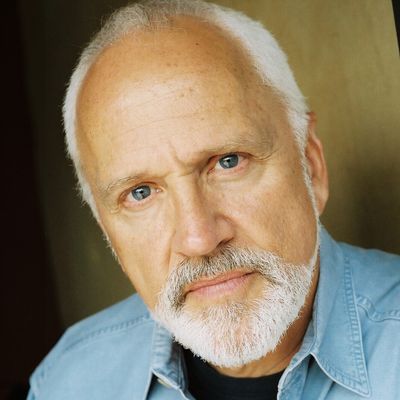
Celebrated actor John Rubinstein is back to talk about Fosse, Pippin, Mike Nichols, Neil Simon, Stephen Sondheim, and so much more in the conclusion of our interview.
Transcript
This transcript was automatically generated and might contain errors.
[0:00] Robert W. Schneider: Hi, I'm Robert W. Schneider.
[0:01] Kevin David Thomas: And I'm Kevin David Thomas.
[0:02] Robert W. Schneider: And this is Behind the Curtain: Broadway's Living Legends.
[0:05] Kevin David Thomas: Don't forget to follow us on Twitter at Broadway Curtain.
[0:08] Robert W. Schneider: And make sure to join our Facebook page at Behind the Curtain: Broadway's Living Legends.
[0:12] Kevin David Thomas: And you young kids, follow us on Instagram.
[0:15] Robert W. Schneider: Put a filter on us at Broadway Curtain Podcast.
[0:18] Kevin David Thomas: Plus, you can always listen to all of our episodes, old and new on the Broadway Podcast Network, iTunes, and Spotify.
[0:24] Robert W. Schneider: From his Broadway debut as the title role in 1972's Pippin all the way up to the most recent Charlie in the Chocolate Factory, today's guest has one of the most versatile theatrical resumes. Not only is he an accomplished actor, he's a director, a composer, an educator, a narrator of audiobooks, and one of the major players in having Los Angeles recognized as a place for not just film work, but theater work as well.
[0:46] Kevin David Thomas: A few of his on-stage appearances include Children of a Lesser God, Fools, for which he also wrote the incidental music, The Kane Mutiny Court Martial, Hurley Burley, and Butterfly, Love Letters, Getting Away with Murder, Ragtime, and countless appearances on TV and film in The Voice from Brazil, Dragnet, Ironside, The Mary Tyler Moore Show, Crazy Like a Fox, Friends, Feud, and so many more.
[1:10] Robert W. Schneider: And to tell us what it was like to work with such legends as Bob Fosse, Howard Keel, Irene Ryan, Mike Nichols, Stephen Sondheim, Hal Prince, and so many more, here is Arthur Rubinstein's son, John Rubinstein.
[1:23] Kevin David Thomas: It's so good to see you again, John. Thanks so much for doing part two on this.
[1:27] John Rubinstein: Okay, so we'll pick up from where we left off, and what we were talking about was Pippin, actually. When we were last talking, you had just booked the show.
[1:36] John Rubinstein: Uh, Bob Fosse had come to your house. And so tell us about this rehearsal process for Pippin.
[1:43] John Rubinstein: Well, I don't know if it was any different or unique in any way. I mean, Bob himself was unique. Just in terms of his personality.
[1:53] Kevin David Thomas: What does that mean?
[1:54] John Rubinstein: Uh, we've read in the books, we know, but like firsthand knowledge. Like, what does that even, what does that really mean when you walk? Because you've been in many rehearsal rooms. What is a rehearsal room when you walk in and Bob Fosse's there?
[2:06] John Rubinstein: Well, it's very relaxed. You know, each rehearsal for whatever it is, musical or play, in a tiny little waiver theater or in a big Broadway production, the rehearsal chemistry, the feeling is dictated by the director, who he or she is, how they approach people, also the piece, but not right as much. I mean, you can be doing a deep, dark, horrible tragedy, and spend all your time in rehearsal laughing and having a great time and, you know, getting drunk afterwards and going out to eat and telling your funny stories, and then going back into the show and being there. Or you can do a wild farce comedy where everybody's tense and competitive and feeling inadequate. I mean, you know, so it's all dictated by how the director hits the ground running.
[3:09] John Rubinstein: And Bob was very understated. I mean, the moment I do Bob, my shoulders come up. Because that's how he was. He had a cigarette always hanging out of his mouth, which made him not be this kind of a person because, yeah, he had to hold on to the cigarette.
[3:24] Kevin David Thomas: Yeah, oh, interesting.
[3:25] John Rubinstein: So that brought down the temperature just that much because he had to sort of underplay things or the cigarette would fall out. Interesting. Um, and his feet were turned in, as you can see in all his dancing, all his choreography. His were like that, but he was alive, and he was very airy. He used big words sometimes. He talked in images. And then he would switch from that to talking dollars and cents, audience. We gotta get the laugh. You gotta turn your head like that, count to three, and then turn it back and bug out your eyes. That'll get the laugh. He was like that. He had a sense of the audience, not only a sense in terms of knowing about what an audience wants and needs, but in loving the audience.
[4:19] John Rubinstein: Very often the audience is treated subliminally, not openly, as a sort of an antagonist.
[4:28] Kevin David Thomas: Yes.
[4:29] John Rubinstein: You gotta get them. We gotta keep it. You gotta win them over.
[4:32] Kevin David Thomas: Yeah.
[4:32] John Rubinstein: Yeah, win them over. They're against us. We gotta make sure we gotta trick them into thinking blah blah blah, you know. I have never felt that because I grew up with my father, and my father was a great pianist, and his approach to an audience was loving them, wanting to give them the gift of this great music that had been written by somebody else, and he was the middleman to take what that person had done out of their heart and soul and bestow it with everything he had in him, as well as he could, and as emotionally correctly as he could, to people sitting there hoping to have their lives somehow enhanced for those couple of hours by listening to that music.
[5:26] John Rubinstein: And some directors are of the antagonistic kind. They're still very creative, and you love working with them, and they are full of ideas and stuff. But Bob was not like that. Bob was the audience is gonna want this, and we're gonna give them that. And then that don't hold that back because if they see that, all right, now bang. And that, so he had this sort of a vuncular, sort of generous approach to the audience, but still very smart, very showbiz smart, very modest, very friendly, looking forward, having fun. To him, it was fun. Cigarettes, well, we're gonna do this. There's gonna be a little bit of some bullshit, you know, but we're gonna try to fix it because you know there's some crap in here, we're gonna get rid of it. You know, he made you feel like you were all gonna play a fantastic game together.
[6:21] Kevin David Thomas: Right.
[6:22] John Rubinstein: Like you were contributing to it. Contributing. I mean, I was part of the whole, I was a rookie, you know. I'd done plenty of theater, I had plenty of confidence in myself, but this is my first Broadway show, and I was playing the title role, and it was Mr. Fosse, you know, and so no pressure. He made me immediately feel like he and I were doing a show together, along with Ben and Jill and Irene and all the dancers. We were gonna put this together.
[6:54] Kevin David Thomas: What were some of the major changes to the show from out of town to what eventually ended up on Broadway? Or was it pretty much done in DC?
[7:03] John Rubinstein: Really, the changes were small ones. They were lines, you know. The book was a little fussy, a little precious. A lot of stuff about falconry and visigoths. And it got a little bit, I don't know what word to use. From the very beginning, I had very little faith in it myself. But the fixes that were done were not really major ones. Things were unfalconified a little bit. And wherever Bob could, he would ask for them to insert something a little bit dirty. Asshole, and you know, those words weren't in the script, if my memory serves, when we first read it and when we showed up at rehearsal first day, we weren't calling each other asshole and you know, that kind of stuff. And those things were put in.
And then it was a two-act musical. And at the end of act one, there was a big monk number when Pippin goes to kill his father. There was a big number with all of us in monk robes and hoods and our rope belts, and we were twirling the belts, and it was a big dance number.
[8:28] John Rubinstein: My images of Gene Foote, who was one of the dancers, one of the great dancers in that company, twirling his rope because he twirled it better than anybody else. And that was it. And then we did a what they call a gypsy run through or something like that, before leaving to Washington. So it was our final thing, and we went into, I think it was the Imperial, which was I guess empty in preparation for us, but we weren't going to be there for a couple of months, so it might have been another theater, I don't really remember. We did a lot of rehearsing in the Barramore. But we all got together in this theater and we did the whole show for very, very few people, but among them Neil Simon and Herb Gardner, Bob's closest buddies, and they sat with him afterwards and said, You gotta lose the monk number.
[9:26] John Rubinstein: And so the very first thing when we showed up in Washington, DC at the opera house up in the rehearsal room was we're cutting the monk number and we're cutting the intermission. We're gonna do the whole play in one act.
[9:39] Kevin David Thomas: Oh wow.
[9:41] John Rubinstein: And that was big, yeah, and that was the biggest most major change, and then after that, man, we started the tech, and Tony Walton had designed this amazing set. And in the tech, as each sort of big scene started, and all the elements were flown in and slid in, Bob would say, No, no, no, get rid of all that. And he cut, like, I don't know what the real percentage, but something like 40 percent of what Tony had not only designed but built and brought in, and he cut it, and so Pippin got that sort of slightly sparser look. It still was pretty fantastic, and Tony did a miracle with that with the set, but it was a much bigger, much heavier, much more cumbersome set before, and that was the second major change. But he didn't change a lot of the choreography, he worked longer and harder and more hours on the number War is a Science.
[10:49] John Rubinstein: Ah, okay. Where everybody was sitting and doing stuff with their hands and with their feet, and it was all sort of coordinated. And I was sitting way over on the stage left side, trying to learn the choreography, keep up and failing and interrupting the number. But that choreography of all those people that some of them had tambourines and Bob worked on that number more than anything else in the entire show.
[11:19] John Rubinstein: Interesting. Throughout Washington, throughout the previews back in New York, that number every day we would be doing that goddamn tell us about the first time you ever heard Corner of the Sky.
[11:33] John Rubinstein: Oh, the first time I ever heard it was on the tape that Bob brought to my bedroom in the middle of the night. And I, the next morning I played it when I was eating breakfast with my wife. We played the whole thing. It was Steven singing the whole score and playing it. And I said, That's a great song. That's a good song. I wonder if I can sing it.
[11:56] Kevin David Thomas: He says every actor, I feel like every actor's always like can they do it?
[11:59] John Rubinstein: Um, yeah, because I was never a singer.
[12:02] Kevin David Thomas: He killed it.
[12:02] John Rubinstein: I know, but you could have fooled us, could have fooled us, yeah.
[12:07] Kevin David Thomas: Is what I yeah. Tell us a little bit about your relationship with Ben Vereen in this show because people still say it's one of the most magical pairings, no pun intended, that have ever been on Broadway.
[12:20] John Rubinstein: I don't know. We were brothers, we still are. You know, we don't see each other, we don't play golf, but you know, I run into him all the time. He lives out here and then suddenly he's in New York and you know, he moves around like a cat. And I run into him occasionally.
[12:39] John Rubinstein: And it's, I don't know what it's, it's like running into your brother.
[12:44] Kevin David Thomas: Sure.
[12:44] John Rubinstein: It must be like old family, really, because when you've been in a show together so many years ago, but you shared this experience. There is something almost collegiate.
[12:52] John Rubinstein: It feels like, oh, we have this shared experience. I don't have that with almost anybody else, and I've worked with a lot of people and been great friends with them and enjoyed it. But there was something about that show and that time in our lives. We were both 25 years old. And you know, it wasn't his first Broadway show, but it was mine. And the relationship in the show itself of the sort of young newbie and the sort of more, you know, experienced devil character, whatever the hell the leading player is, who knows. It just made something happen. The moment we look at each other in the eye, we sort of relive so many crazy moments—wonderful ones and tough ones. And yeah, it was a time in our lives. We were both young fathers having children, you know, and so we were dads all day long with tiny little kids, feeding them and changing diapers and singing and reading to them and taking them to the park, and then we were showing up and doing Pippin every night.
[14:02] John Rubinstein: As a dad who has a three-year-old literally outside the door right now, I can't even imagine. Having done Broadway shows before, I can't even imagine. I'm 41, having to do that. Those kids were—one of them was born in February, and we started rehearsals in July. And then on one Wednesday matinee during Pippin, my son Mike was born. I was in the hospital in the morning when he was born, ran, did the matinee, ran back to the hospital. No, took care of my wife, did whatever I could, ran back, did the evening show. See, that's showbiz, folks. You don't call out, you don't call out.
[14:40] John Rubinstein: But then a bunch of years later, I did Children of a Lesser God. And again, the kids were six and eight or whatever they were. And I wasn't changing diapers, but I was playing ball in the park. I was driving them to school in the mornings, I was doing school stuff with them, blah blah blah. And I remember one day I was just—I was coming to work on my bicycle because I was always on my bike in New York, biking to the Longacre, and saying, I wonder what it might be like to do one of these plays with these long runs. Because I was lucky that my first two Broadway plays were big hits, right? And so I did two years in both of them. What it must be like to be able to sleep in the morning and maybe have a nice lunch and relax during the afternoon, and then do the two-hour and a half show where you're killing yourself on stage the whole time. I wonder what that might be like. I remember thinking that—I didn't have that experience.
[15:50] John Rubinstein: No, yeah. Not even close. You were with Pippin for two years, you said, and then what did you do after Pippin?
[15:58] John Rubinstein: I came back to LA, which was where I lived. And I started doing TV, which I had done a lot before Pippin. Yes. And I did little parts here and there. But then I did a series called Family.
[16:15] John Rubinstein: I was one of the many, many young actors who auditioned for Mike Nichols for The Graduate. I didn't get the part. I'll drop that news on you. And there was a funny afternoon, the very first afternoon that The Graduate came out months later. It opened in a theater here in LA on Wilshire Boulevard, only there. This was before multiplexes and you know, where movies opened in a million theaters. And for the first show, which was something like noon, there was this line waiting to go in because the place was closed because it was the first show. And when the door opened, it was all of us young actors. I knew everybody in the line, and all of the ones who had auditioned and not gotten the part. Who was this guy, Hoffman? You know, and how dare he? He's like 35 years old. He's playing a high school kid or a college kid. What the hell? And we all walked out of there saying, "Oh, okay, I get it. I wouldn't have done that."
[17:24] Kevin David Thomas: When you were out in LA doing film and television, did you miss theater? Were you doing theater out in Los Angeles?
[17:32] John Rubinstein: Well, I mean, I started doing theater out here. My very first job was Camelot with Howard Keel. I played the little boy who comes on at the end of the day.
[17:42] John Rubinstein: Oh yes, yes, yes. Tom of Warwick. But I was 18. And that part, I was at the opening night of Camelot on Broadway. And I remember always the little boy who comes on at eight or something. And the audience goes, "Oh, look at him. I want to fight, I want to fight in the war." And Richard Burton goes, "No, my son, you know, there once was a fleeting wisp of glory." Tell what we tried to do with Camelot. "Go boy, go back." "Okay, I'm going." Yes.
[18:17] John Rubinstein: And it's a little ploying, even though a little tweet, but yeah. So I got cast in that part. I was 18 because they didn't want to have a stage mom and have to send some little boy to school and save some money. So they hired me. I looked younger than I was. I looked probably 15 or something. I was very skinny. But Howard, because he'd done a lot of Camelots around, he enjoyed doing that final, very important big scene with a young man who could in some logical sense go and fight in the war and be a warrior. Remember what he was saying and tell the story. He said that makes the whole ending of the show not sentimental and silly and cute, but meaningful, which the people who wrote it meant it to be.
[19:10] John Rubinstein: So he would then hire me to be Tom of Warwick wherever he played. Oh, that's correct. A bunch of times. I know. And that was when I was still at college, and then in my senior year in college, I got offered to play the William Daniels role in On a Clear Day You Can See Forever.
[19:28] Kevin David Thomas: Yes.
[19:29] John Rubinstein: I like that we call it the William Daniels role. I really appreciate that. And 2030, then you've got the best number in the show. And Howard Keel, again playing the guy, the psychiatrist.
[19:43] Kevin David Thomas: Yeah.
[19:44] John Rubinstein: Later it was John Wright for most of the nights. And so I left school like three months before I would have graduated and did that for seven months on the road in the bus and truck, doing one-nighters mostly, but sometimes two. All over the country, everywhere and in Canada.
[20:03] Kevin David Thomas: Wow.
[20:04] John Rubinstein: So I had done all of that before Pippin. So I had a lot, you know, behind me.
[20:08] Kevin David Thomas: So you were able just to really focus on your film and television work after Pippin.
[20:13] John Rubinstein: Yeah, that's how you make a living out here. You know, the theater is sporadic and low paying for the most part.
[20:20] Kevin David Thomas: Yeah.
[20:21] John Rubinstein: And so then I went for, you know, one of my many auditions for this show called Family to play the husband of the oldest daughter of this family.
[20:32] Kevin David Thomas: Okay.
[20:32] John Rubinstein: And there was Mike Nichols in the room. This was, I don't know, what, about eight, seven years after The Graduate thing.
[20:40] Kevin David Thomas: Yeah.
[20:41] John Rubinstein: And I had my two long scenes ready, you know, to read with whoever. Those were in the days where you read for the director, the producer, the writer. The casting director would read with you. It was a different era.
[20:59] John Rubinstein: So I'm ready to read. And Mike Nichols, who is the executive producer of this, I think it was his first foray into television. And he said, "You don't want to read, do you?" Which was a very bizarre—how do you answer that? I tried to just figure out what he meant, and he was just sort of being truthful. So I was truthful. I said, "Well, no." He said, "Okay, well, then the part's yours."
[21:26] Kevin David Thomas: Oh my gosh.
[21:28] John Rubinstein: That was the most—and later, as I got to know him, he said, "I remembered you from your audition for The Graduate."
[21:37] Kevin David Thomas: Okay, there you go.
[21:39] John Rubinstein: What? There you go. And I say that to all my students when I—you might feel you were just one of 50 people who didn't get the part, or even that you did a terrible job, they hated you, you blew it. You never heard from them, they didn't even call your agent. Nothing. And eight years later, they say, "Oh yeah, you—I wanted you for the right job."
[22:01] Kevin David Thomas: Isn't that interesting?
[22:02] John Rubinstein: That's right. It is. It really is, Johnny. It says more about Mike Nichols than about anything or anybody else. And your work ethic, but he had that kind of a mind and an empathy.
[22:15] Kevin David Thomas: Right.
[22:15] John Rubinstein: So then I did that show for five years, although after the first six episodes, we divorced my TV wife and I.
[22:26] Kevin David Thomas: Which was the first divorce.
[22:27] John Rubinstein: I on TV. I mean, like we don't talk about where a regular character is suddenly not there anymore.
[22:32] Kevin David Thomas: Oh yeah.
[22:32] John Rubinstein: And it got a lot of mail, and it made the show really sort of become a big hit. And it ran for a long time. And I kept coming back, you know, we would get back together. She got pregnant, she had an abortion. Oh my god, what we went through.
[22:45] Kevin David Thomas: Whoa.
[22:46] John Rubinstein: But that was what I did. And amidst it, I did a lot of other television. I did tons of television.
[22:50] Kevin David Thomas: Oh sure.
[22:52] John Rubinstein: Oh, I mean, God. You know, your resume from then reads like just about a what's what of every single famous television.
[22:59] Kevin David Thomas: I had no idea.
[23:00] John Rubinstein: I had no idea. You did so many places.
[23:03] Kevin David Thomas: Mary Tyler Moore, yeah.
[23:05] John Rubinstein: Yeah. Truly, I just wanted to know: is there a preference? And it feels like a classic, like, oh, who writes the lyrics or music first? But do you care for theater or film more? You know, does one grow you gravitate towards one over the other? I know that there's strengths and weaknesses with both, but do you prefer one over the other, John, when it comes to what you work?
[23:25] John Rubinstein: You know, I've been asked this question for half a century. I'm not saying it's a—it's a no, it is kind of a good thing. Right. And I would always say, very honestly, not trying to be evasive, that I love them both because of the qualities of both of them. When I've done—and I've done, what, three or four shows which have had these incredibly long runs, either on Broadway or on Broadway, and in a tour or something. Of course, legacy. I've done the same thing month after month after month after month after month. And most actors hate that. I've been in so many plays where after three months, the rest of the cast is saying, "Ah, when do I get out of here?"
[24:18] Kevin David Thomas: Totally.
[24:19] John Rubinstein: Do we have to do this? Totally, oh shit. I say, "Then what is the matter with you? Are you fucking kidding me? This is what we're trying to do." Yes, it's not just the steady job, although that's a big part of it. It's that you never get it quite right.
[24:39] John Rubinstein: And so you always have another chance tomorrow to fix that thing, or to have maybe a brilliant new idea. A different audience which wants something else from you. I mean, it's such a wonderful experience to be in the theater and to be with a live audience and to have to get through the whole damn thing if the set falls down. No stopping. You still have to carry on. There's something about it that is, I don't know, it's character building, you know, both in the play and in your own self.
[25:19] John Rubinstein: And most of all, and this now I'm old, so you start thinking about things like the rhythm of your day more than you did when you were in your 20s or 30s. Of course. I love that rhythm. And now that I don't have babies, I have a 16-year-old. So, you know, I've done—I've done wow. When I did Ragtime for two years, I had another set of—I don't even know why, how you thought one was born a couple of months before Ragtime started, and the other one was two.
[25:55] John Rubinstein: Oh my god. Anyway, don't get me started. You're like in your 40s. Amazing. Amazing. Yeah, you ain't getting well done. Well done. My fifth child when I was almost 60. And then I did Wicked for two years. I don't know what's just more exhausting, eight shows a week or raising another child at 60. Tell me a lot. I have yet to have the experience of a long run. No, no, I did. When I did Pippin playing Charlemagne, yeah. On the road, first on Broadway for a few months, and then we toured. But when it came back 40 years later, 40 plus years later, I mean you have a tiny little child. Oh it was. But anyway, to answer your question, that rhythm, I think is my not uh not I think, I know, I swear is my rhythm.
I love to sleep late in the morning. That's why I begged you to do this later in the day. Well bad. No problems. And I love I come alive at night, and to me, six, seven, eight o'clock in the evening is when things get hot. I love to have a theater to go to. I love working on Broadway because I love New York. I grew up there and riding my bike down Broadway knowing that I'm gonna pull up at the Imperial or at the Fox or what there's something about that that just makes me happier than anything else. Now, I've also been in many, many, many plays that have flopped, and you work your butt off and you open and you close in humiliation. You read about yourself in the New York Times about how you suck and everybody around you sucks. And that's no fun. And then you're out of work. And nobody pays you anymore.
[27:53] Kevin David Thomas: When was the first time that you read a review like in the New York Times? Big, big, big review. I mean, I'm sure you probably can remember, but what was that show? What was the review?
[28:00] John Rubinstein: And Pippin? Pardon me, Pippin got mediocre reviews. Nobody liked it very much. And that was very depressing. And I believe it was Clive Barnes, was it? Oh, yeah. It might have been Clive Barnes who said something like John Rubinstein mistakes energy for singing and sitting cross-legged for charm. Oh. That wasn't nice. That's just mean. And that's after playing Pippin for two and a half hours. That's mean. I wasn't just sitting cross-legged.
[28:46] ♪ Musical number: "Bessie Davis" — performed by Bessie Davis ♪
[29:31] John Rubinstein: Let's talk about Children of a Lesser God, which started in Los Angeles. Is that right at the Center Theater?
[29:37] John Rubinstein: Well, it really started in uh Las Cruces, New Mexico, at the University of New Mexico. And were you with it there? How did you get involved? Was the uh I guess he was head of the drama department there, you know. And uh and he met Phyllis Frelick there, because she lived there with her husband Bob, who was a hearing man, and he got to know them. I can't, I think Bob was a lighting designer, if I'm not mistaken. He turned finally into my understudy in my role on Broadway. Oh, okay. He was a lighting designer for some of the shows that Mark was doing at the University of New Mexico. Phyllis was his deaf wife, and they had two little hearing boys. And Mark became friends with them and fascinated by them and said, I want to write a play about you guys.
And he did using the whole dynamic of the completely deaf and non-speaking wife with the hearing and speaking husband, and the dynamic of how that makes him suddenly her servant, her slave, her uh interpreter, her introducer to the world, her helper and fixer, and and and how that affects the relationship. And so he wrote that play, and they did it there, with Bob playing that role and she playing her role. And then I don't know how Gordon Davidson got his hands on it, but somehow it traveled from New Mexico to Los Angeles, and Gordon did it at the Mark Taper. And since Bob wasn't an actor, he probably did a very good job. I never saw him, but he wasn't really an actor. So then they started casting for an actor to play that part, and and then uh that's how I got it.
[31:37] Kevin David Thomas: Did you have any familiarity with sign language prior to this role?
[31:41] John Rubinstein: No, no, the audition was you had to learn whatever it was, a couple of scenes with the dialogue. But her dialogue was written like dialogue. The play reads, I want to go to dinner, she says. I say, let's not go yet. She says, Oh, come on, I'm hungry. No, I'm not. But nobody talks to you. So you learn this audition. And what they what they did at the audition was they had somebody read her lines so that I could answer and sort of be who I was. But that took 10 minutes. Then I went into another room with a child of deaf parents, who was now a professional signer and translator. Oh, okay. He was a wonderful guy, somebody you just like a teacher, you fall into, you know. And he took me into the other room, and there was a paragraph, pretty thick long paragraph.
And he taught the signs for that, which I had never done before at all. And then I had to come back in the room, and for the director and the producer and and the writer, I had to do that while speaking it. I want to do this and that and sign and speak. That was tough. Wow. But I but I uh I fell into it easier, I assume, than most, probably because I played the piano all my life. And I was gonna limber. I was used to using my fingers individually separately, uh having a brain connected to my fifth finger here and my fourth finger there to hit the same notes. Do you know what I mean? You do that long enough, and I'm sure it's true of playing the harp or the guitar or anything else. Your fingers have a life of their own and you're used to it.
Whereas I've I've witnessed a lot of actors in that play coming in, learning sign, and it's not learning the signs and remembering them, it's making your fingers do all those things quickly and without having to look at them and undo them, and you know what I mean? Like choreography. I think I had a little bit of a leg up on that.
[33:55] Kevin David Thomas: How was this show then welcomed by the New York theater?
[33:58] John Rubinstein: Archie I'm gonna go back to the Los Angeles theater community when it was out at Mark Taper. Did you know, oh, we have something here? Yes. Here it was spectacular. Now, again, I don't remember any quotes about this is the greatest thing ever, but it got very, very good reviews, and the audiences loved it, and the word of mouth was great. It had a limited run as all the taper things did. Right. But it was sold out, and it was it was magical here at the taper. It was never the same on Broadway, but it was here because of, I don't know if you know the Mark Taper Theater, but it's sort of like the Vivian Beaumont. Yes. Better. It's one of my favorite theaters I've ever played. I played in it many times.
There was something about it, and the way the set was there in the round, I would run around the set from this area to that area as I was telling my story about it, you know. And on Broadway and the proscenium, they made instead of the stationary benches in different places where I would go, we never had any props or any anything. We all pantomimed everything. But um, on Broadway, they had these benches that would sort of slide in sadly, and then they would fly. Two dimensional almost. It was it was flat. It was just the way was better in New York because rewrites and fixes. But but in in LA, it's shape and it's just its form and with the signing. The experience. Oh, absolutely. In the taper, that must have been magical.
It was magical. And then when we came to New York, um, the reviews were way less good. They were quite middling. And uh, and so it was sort of middling, and we said, Oh shit, goodbye. And then Walter Kerr wrote that Sunday. We opened on a whatever Tuesday or Wednesday or something. That Sunday Walter Kerr said, wait a minute, this is really something. Oh wow. He wrote again, I can't quote it, but he wrote a very, very good positive review about that play, and that put us over. And then people started to filter in. We didn't do business for the first many weeks. Huh. But it started to go and to fill up and to fill up. We don't, we didn't have any star names, we didn't have any anything going for us.
But people who saw it were taken on a journey that most of them I've run into so many, they've never forgotten. And that's partly because of the way it was written. It was written. The beginning of it is almost Neil Simon. It's funny, and I'm charming and funny, and I'm she's my student, and I'm sort of you know making the moves on her, not really, not in a disgusting way, but just I'm flirting with her and I like her, and she's combative and mean and sort of. But I sort of break through that with my funniness and my cute charm. And we fall madly in love, and we get married, and then everything goes to shit. And by the end, it the the climax is it's just about a marriage, really. People think, oh, it's about sign language and it's about communication and it's about the deaf world versus the hearing world.
And it is, of course, all about those things, but it's mostly about a marriage and what brings you together, and how once together, all of that starts getting complicated. It can last and it can grow and it can thing, or it can stretch apart and kill you, which is what happens in this play, and they leave each other. She leaves him, and he's ended, he ends the play like what did I do? What happened to my life? And people were terribly moved by that, because it reflected so much of what they go through in their lives and the deafness and the ballet of the sign language and Phyllis's amazing strength and performance, never saying a word. It was a big hit. It won the Tony Award for Best Play.
[38:12] Kevin David Thomas: Yeah. So it so that I think that's so fascinating that it went from something that you all thought was going to close quite rapidly into this massive hit. One of the credits I find so fascinating for you is you did Fools, Neil Simon's Fools, but you were also the composer of that. Can you walk us through this a little bit?
[38:33] John Rubinstein: And I know it's a reunion with Mike Nichols.
[38:35] Kevin David Thomas: Yeah, yeah.
[38:36] John Rubinstein: I had a long story with that. Well, when I did that show, Family, Mike Nichols, which was Aaron's Spelling, was the producer, and Mark Rydell was the director of the pilot.
[38:49] Kevin David Thomas: Oh, wow.
[38:50] John Rubinstein: And I had just come off of Pippin. So they said, okay, you're we want you in this show, seven years contract. And I said, seven years. Man, I just came off of two years, which was long. Seven years. What if, what if I want to do something else? What if another Broadway show comes up? What if, what if? So I said to them, okay, but look, you're writing a show about a family. The mother and father, Sada Thompson and Jimmy Broderick, Matthew's dad, are the parents. I am the son-in-law, I'm not a member of the family, really. The oldest daughter is living with me. And then you've got Christy McNichol, who was 11 and charming, and Gary Frank, who is a teenager. So those four are your family. And me and the wife will come in every now and then.
I said, but I I've done and seen too much TV. It's gonna end up where it's all about those four people. And every second or fourth episode, I'm gonna be there with the wife at dinner, and we'll have a scene and we'll say, Well, yeah, and then we'll go. And we and meanwhile, I can't do anything else because I'm on salary on this show. So I said, no, I'm not gonna do it. Thank you. And then I was at my friend Colin Higgins's house. He was he wrote uh Harold and Mutt, he was a dear friend of mine. And I was hanging with him, and the phone rang at his house. And he answered it and said, What? Oh, well, yes, he is. Okay, it's for you. And they had called my home, and my wife had told them I was at Collins.
And it was Mike Nichols and Aaron Spelling and Mark Rydell, all on a conference call. And Mike said, Why did you turn us down? We offered you that part. I said, Well, I love the part, and I was so grateful to you and blah blah blah, remembering me from before that. But I've just done this long stint on Broadway, and seven years where I really feel that I'm not going to be in the show. He said, Well, what if we guarantee you every third episode is the story is about you and the wife and the eldest daughter. Oh. That's good. Geez, that's that's great. Okay. And I had started this other career of uh scoring films. I scored two Robert Redford films right before Pippin. And Sidney Pollock, whom I had done Jeremiah Johnson for, wanted me to score his next film, uh, which was the Yakuza, a film that Robert Mitchum did in Japan.
What? And I said, I'm doing Pippin now. I'm I'm in rehearsal, I can't. He said, Oh, geez. And he hired uh Dave Grusin. So that sort of interrupted that career. So I said at that same phone call in Colin Higgins' house, I said, and you know, I need to be scoring again. I had a thing starting, I'd done a few movies and a couple of television shows, and and Nichols said, Well, why don't you score our show? I said, Oh, okay, done. And then they sent me the first six scripts, which were the first six episodes that were going to be shot. And no, I wasn't in three of them. I mean, I was in all of them, but three of them were not about me and right, right, right. Yeah, yeah. And I knew they wouldn't be, as was right for them not to be.
Right. It was right. It was it I wasn't like, oh, you told me no, it just wasn't to be, and I knew that. So we did those six, of course. I I had said yes, and it was all planned. But I I went to Aaron Spelling and I said, Hey Aaron, remember our deal. And I'm not, you know, trying to be a troublemaker, but I this doesn't live up to our our agreement. So I'm out. He said, Yeah, you're right, John, because there's no way we can really make the stories be about you and the wife because it's about Sada and Jim and Christy, and you know, I said, You're absolutely so with completely happy relationship, no antagonism. I left the show, and they had me divorce, and that then made the show sort of special, and then they kept having me back for five years.
[43:27] John Rubinstein: So when we're doing Fools, Gordon was the one who said, You're writing music all the time, write the music for the play. I didn't even lobby for it. So Gordon Davidson hired you to star in the show, and then to do the score for the show as well.
[43:43] Kevin David Thomas: Yeah.
[43:43] John Rubinstein: And then Gordon left the production.
[43:46] Kevin David Thomas: Yeah.
[43:46] John Rubinstein: And Mike Nichols came in.
[43:48] Kevin David Thomas: Yeah.
[43:48] John Rubinstein: Okay. What would you say are the major differences between, let's say Gordon Davidson as a director and Mike Nichols as a director? Or maybe there, or maybe, or or what are their styles like? For those of us who never got to be in a room with either Gordon or Michael, what were they like?
[44:05] John Rubinstein: That's really a tough one. Because they're very, very different. Gordon was a little bit more hands-off. He was brilliant working with playwrights. Helping them on a new play. He did with Mark Metoff miracles on Children of a Lesser God. And with Neil on Fools, too. And his staging would be sort of organic, which was very good. I mean, he staged a lot, a lot, a lot of shows. And I think his staging of Children of a Lesser God at the taper was brilliant. The dynamic with Mike was that he enjoyed it. He enjoyed it. He would scream with laughter in his high-pitched screaming, laughing voice. Like that in the middle of rehearsal, which was so encouraging. You did some stupid thing, and he would do that.
And he really had ideas. Stop for a second. Why don't you go to that, pick up that thing, and start undoing those? I remember in in uh Hurley Burley, I did with him. Take the pictures, and uh, while you're talking about something completely else, you're looking at pictures of beautiful girls. I was a casting director, looking at pictures of beautiful girls, eight by tens, and just looking at them and flinging them into the wastebasket while you're talking about something else, and you're barely looking at them, you're just flinging people's careers into the basket while you're talking. I would never have thought of that. I don't have a creative mind about props, about what to do, about blocking.
I have a sort of a naturalistic instinct, it works, but even as a director, I've directed a lot, and I do what makes sense. I don't almost never say, Oh, here's a thing. What if you know? And I I worship directors who do and have that. Peter Brook, you know, Mike Nichols for sure. And he was like a little boy in with a train set. He was he loved it, and that was infectious. Everybody loved working for him.
[46:30] Kevin David Thomas: Wow.
[46:32] John Rubinstein: For that reason. What a great leader to have in there. Trust him with your life.
[46:37] Kevin David Thomas: Yeah. Then after this, things like the 80s and 90s, you're you're fluctuating back and forth between stage work, things like Hurley Burley and Butterfly.
[46:47] John Rubinstein: Um I did in there too.
[46:50] John Rubinstein: And Kane Mutiny was in there as well.
[46:52] Kevin David Thomas: Uh, and then doing television, Crazy Like a Fox. Did I say that right?
[46:57] John Rubinstein: Basically, with the great Jack Warden. When did you start to realize that LA had a viable theatrical theme for you? Because you did so much theater out in Los Angeles.
[47:09] John Rubinstein: Yeah, well, uh in the early 90s, yeah. With my new marriage and my new set of kids, I was out here doing uh television, trying to just you know pay the bills. I had run away from New York, partly, not entirely, but partly to get away from Frank Rich, who hated me. What I figured, why would any self-respecting Broadway producer hire me, knowing that Frank Rich was probably more than likely gonna, you know, put the kibosh on that. So I came back out here where I was, you know, at home and very comfortable uh to do television to keep that going. And uh I joined a little theater out here of expat New Yorkers. Uh and we started doing plays here, where which I very often directed and cast myself in my favorite parts.
[48:09] Kevin David Thomas: Very smart.
[48:10] John Rubinstein: Best way to do it. Yeah, how else am I gonna get those damn parts? And uh, and we had a great success, and that theater company still exists, and I'm still a member of it, although I don't work with them very much anymore.
[48:22] Kevin David Thomas: What's the name of the company, John?
[48:23] John Rubinstein: Interact Theater Company.
[48:25] Kevin David Thomas: Thank you.
[48:26] John Rubinstein: That was another sort of enchanted period in my professional and personal life of working with all those wonderful actors. Uh we're all great friends. It was like a club, you know, where we would just go and we would build the sets and we would do theater together.
[48:42] Kevin David Thomas: Let me go back and ask you.
[48:44] John Rubinstein: So you left New York because the lead critic of the New York Times did not see your brilliance, and you thought you would be a liability to I I'm gonna say it.
[48:54] John Rubinstein: I just loved him, you know. There was something about me that he didn't like, and that's fine.
[48:58] Kevin David Thomas: Did you and did you think you were gonna be a liability to producers at that time?
[49:02] John Rubinstein: Absolutely. He hated Fools with such hatred and vitriol, and I bore the brunt of that. He wasn't particularly awful to me personally, but months later, he put a picture of me in the New York Times in Fools while reviewing a completely different play. But he didn't like that the lead actor in that play was talking to the audience like I did in Fools. And he said, as if John Rubinstein in Fools weren't bad enough talking to the audience. Here again, we have an actor talking to so I mean he was like after me. And then there was the famous thing of uh new musicals, which was an attempt by producers, Hal Prince among them, to save the big money of going out of town to Washington, DC and to New Haven and to Philadelphia, and then having to reconstitute everything if you made it into Broadway.
They started a thing at SUNY Purchase, where on a Broadway-sized stage, full orchestra, full sets, different than a workshop where you do it in no costumes with a piano and and expect people to figure out if they want to see that musical or not. You get a good idea of it, but not really. So Hal Prince and those guys put up Kiss of the Spider Woman, which was the very first of those. And I was given the lead in that, playing the Molina role with Kevin Gray playing the other part and Lauren Mitchell playing the Spider Woman. And we did it up in SUNY Purchase with a full Broadway production, and the agreement was that no theater reviewers would come and review it. And they all agreed, except the New York Times.
Frank Rich. He said, No, I won't. If you're doing a new Kander and Ebb musical in Westchester County, which is part of Greater New York, uh, I am the New York Times Theater Critic. I will be there and I will review it. And they said, please, please don't, because it's out of town. You wouldn't come to Philly and do it. No. Yeah.
[51:15] John Rubinstein: This isn't Philly. Right. Right. Right. So he came and gave Kiss of the Spider Woman and me and everybody in it just a terrible review and killed not only our show, but new musicals.
[51:28] John Rubinstein: They went under and they stopped. They even went to the New York Times. Stephen Sondheim went and Hal Prince and all these guys who had some of them had nothing to do with new musicals, begging the editors and the bosses of the Times, don't please have Frank Rich come up there. Yes, they did, and that destroyed the whole thing. And it was then that I said, you know what? Let's go back to California, do some TV.
[51:54] Kevin David Thomas: Wow. Now, John, you hold a very interesting distinction, which is you starred in Stephen Sondheim's only play that he's ever done on Broadway. Tell us about Getting Away With Murder. How did you get involved with it? And what that process was like.
[52:09] John Rubinstein: Well, that was Jack O'Brien at the Old Globe. I didn't know him personally, but I guess he'd seen me in New York in things, you know. And he figured I would be good in that part. And he called me up and said, Hey, you want to work at the Old Globe down in San Diego for a few months, a couple of months, whatever it was. Sent me the play, looked like great fun. Um, and I said, Yeah.
[52:34] John Rubinstein: I had done Merrily We Roll Along with Stephen.
[52:39] Kevin David Thomas: Yes.
[52:39] John Rubinstein: And it's first revival after the Broadway run.
[52:43] Kevin David Thomas: Well, is that the first time you met him?
[52:46] John Rubinstein: No, no. The first time I met him, I was living at Garson Canaan and Ruth Gordon's house in Turtle Bay. And uh yeah, like you do. But they were old friends. And I was doing Children of a Lesser God. I had my two little babies and I had no place to live. I was thrown out of Annie Ranking's apartment because she wasn't allowed to sublet it.
[53:07] John Rubinstein: I was living there. And we all came home after walking in the park one day and found a notice saying, You're evicted, you're not allowed to sublet it.
[53:17] Kevin David Thomas: Oh my goodness.
[53:17] John Rubinstein: So I called up Garson and he said, Yeah, go to our place. So we lived at their house next door to Katharine Hepburn, who was also in the and around the corner from Stephen Sondheim. And one day I was playing the piano uh in Garson's living room, which looked out onto the shared gardens of all those beautiful townhouses on East 49th Street.
[53:42] John Rubinstein: And then there was a ring at the doorbell. And I went downstairs because that was up one flight, and uh opened the door, and there's Stephen Sondheim. I recognized him, of course, and he said, Please stop playing the piano. I'm trying to write some music, and you're driving me crazy. And I said, Okay, I'm sorry. That was the first time I met him.
[54:06] John Rubinstein: Then I auditioned for him later to take over for Mandy Patinkin in Sunday in the Park. And I learned the blue, blue, blue, blue, blue, blue, blue that crazy song. Yep, yeah. And I sang it well. But then they popped Bernadette Peters on me, who was continuing in the play, and made us sing Move On Ba B together.
[54:30] Kevin David Thomas: Yeah.
[54:30] John Rubinstein: And I had the sheet music, and I hadn't memorized it because I didn't think I was gonna have to sing a duet.
[54:36] Kevin David Thomas: Yeah.
[54:36] John Rubinstein: And there she was.
[54:38] Kevin David Thomas: Let alone her being there.
[54:39] John Rubinstein: Yeah. Yeah, her, and she'd been doing the play for a year.
[54:41] Kevin David Thomas: Yeah.
[54:42] John Rubinstein: And I dropped the pages they accordionated onto the floor.
[54:46] Kevin David Thomas: Oh, God.
[54:46] John Rubinstein: It was horrible. Didn't get the part. They gave it to Westenberg, who had been part of the show.
[54:53] Kevin David Thomas: Yeah, yeah, yeah.
[54:54] John Rubinstein: Um, but then I was in Switzerland with my wife and kids skiing. And phone call of the hotel. It was Le Pine, James LePon.
[55:07] Kevin David Thomas: Yeah.
[55:08] John Rubinstein: And he called me up and he said, We want you to play the lead in uh Merrily. We're doing it at the La Jolla Playhouse.
[55:15] Kevin David Thomas: Wow.
[55:15] John Rubinstein: I said, okay. Yeah, sure. And that was from that blown audition. See, once again, once again, once again, the quote unquote blown audition.
[55:25] Kevin David Thomas: Yeah, because I didn't know Le Pine at all. I only knew Oh, and I knew I knew George Firth a little bit. So that's why I did the play that George Firth wrote.
[55:34] John Rubinstein: Right with Stephen. So let's go back to Getting Away With Murder then. So you were you did it out in San Diego.
[55:40] Kevin David Thomas: How did y'all feel out in San Diego? This was gonna be a hit.
[55:43] John Rubinstein: We weren't sure. It was funny, it was fun, but it didn't it didn't feel like all the nuts and bolts were holding it together. It rattled, you know.
[55:54] Kevin David Thomas: Yeah, yeah.
[55:55] John Rubinstein: We had confidence and we had ambition and we wanted to make it great, and we had Stephen, and we had, you know, uh uh Jack O'Brien, and then it came to Broadway. One of the problems was absence of writers. Stephen and George were being celebrated in London, right then for some sort of anniversary giant production of Company, which they'd written together.
[56:21] John Rubinstein: And they were absent in La Jolla for much of the time, man. Not all of the time, but too much of it, where we should have been with our sleeves rolled up working the most work mode, yeah.
[56:36] Kevin David Thomas: And you like having the writer in the room.
[56:38] John Rubinstein: Oh, yes.
[56:39] Kevin David Thomas: Yes, yes, yes.
[56:40] John Rubinstein: And same as a director? What do you mean?
[56:42] Kevin David Thomas: Like as a direct, when you're directing a project, you like having the writer in the room with you. Some directors don't, some actors don't.
[56:49] John Rubinstein: No, I'm perfectly happy to have the writer in the room. They very often don't want to be there because they they don't want to feel that they want to object or they want to interject and set themselves up. So they stay away and they say, show it to me when blah blah blah, when you've done this or when you've, you know.
[57:09] John Rubinstein: But no, if a writer wants to be there and you can talk to them. No, it's a collaborative, it's all collaboration.
[57:14] Kevin David Thomas: I'm sure you hate this question as an actor and a director, but what's next for you? You were fabulous in Being the Ricardos, by the way.
[57:22] John Rubinstein: Oh, thank you.
[57:23] Kevin David Thomas: That was fun.
[57:24] John Rubinstein: Fantastic. It made me so happy to see you and Linda. It was just it was very exciting.
[57:27] Kevin David Thomas: It was very exciting. Absolutely wonderful. Is there anything still on your, you know, your bucket list in terms of a project? Not necessarily even directing a show per se, but you know, is there another company that you want to get off the ground? Is there is there another theatrical thing you would like to start?
[57:46] John Rubinstein: Yeah, I want to play James Tyrone in Long Day's Journey Into Night.
[57:50] Kevin David Thomas: Fabulous.
[57:51] John Rubinstein: It's a play that's revived all the time.
[57:53] Kevin David Thomas: All the time.
[57:54] John Rubinstein: You know, and I'm not a big star, so they always sell it because they've got Lawrence Olivier or whoever they got, you know.
[58:02] John Rubinstein: So I probably won't, and I I would have done it at my little interact here, not mine, I mean about uh about the little theater that I belong to.
[58:10] Kevin David Thomas: Yeah.
[58:11] John Rubinstein: But they just are doing a production of it now. And so god damn it. Somewhere I would like to do that before I'm 103.
[58:18] Kevin David Thomas: Yeah.
[58:19] John Rubinstein: Yeah. You will be.
[58:21] Kevin David Thomas: Oh.
[58:21] John Rubinstein: And I look so good. I also wouldn't mind playing Sweeney Todd somewhere.
[58:26] Kevin David Thomas: Oh, I was gonna ask. Have you ever done that before?
[58:29] John Rubinstein: I've done numbers from it at Intel.
[58:32] Kevin David Thomas: Yeah, but not benefits.
[58:33] John Rubinstein: But I want to see that.
[58:36] Kevin David Thomas: Yeah.
[58:36] John Rubinstein: Oh yeah, I would really like to see that.
[58:39] Kevin David Thomas: Yeah.
[58:40] John Rubinstein: Okay. All right. So, John, the last question we'll ask you, which is something we ask all of our guests, which is what do you know now that you wished you had known when you first started in this business?
[58:52] John Rubinstein: That's deep.
[58:54] Kevin David Thomas: I know, right? We'll give you one deep one.
[58:56] John Rubinstein: I guess I would say something along the lines of beware of saying no. I've always been raising children, so I've always been under the gun of having to pay the rent.
[59:11] Kevin David Thomas: Most people are too.
[59:12] John Rubinstein: Yeah, you know, when you have five kids over decades, that's a lot. It's it's uh it's a burden, it's uh it's uh a deadline responsibility, yes, major. My very, very long bio comes both primarily from enthusiasm of loving the work, but secondarily uh of having to work.
[59:36] John Rubinstein: So I've said yes and yes and yes and yes and yes and yes, and happily so, and I've been in TVs and movies and shows that weren't any good, and I've loved doing those as much as the big hits, although the big hits were more fun because they lasted longer and paid more money.
[59:52] John Rubinstein: But there were a bunch of times over my long career where for whatever reason at the moment it was never money, it was always something else. Something to do with timing, something to do with children, something to do with uh location or something where I didn't say no, but I would say to my agents, well, can you make that better for me?
[1:00:19] Kevin David Thomas: Yeah, yeah.
[1:00:20] John Rubinstein: Do I have to go to Yugoslavia for nine months for that money with that billing? Can I get a little better money?
[1:00:28] Kevin David Thomas: Yeah, or maybe a little less time, yeah.
[1:00:31] John Rubinstein: There.
[1:00:32] Kevin David Thomas: Yeah, yeah.
[1:00:33] John Rubinstein: And suddenly I don't get that part.
[1:00:37] Kevin David Thomas: And I wanted it and would have done it happily, but I was trying to make it better.
[1:00:42] John Rubinstein: And somewhere the communications with agents and with the producers, oh, I guess he doesn't want to do our thing. Fuck him. Move to the next guy. I had terrible conversations with some of the great pillars of the theater asking me why, why aren't you doing our thing?
[1:01:02] Kevin David Thomas: Yeah.
[1:01:02] John Rubinstein: And I would think, but I I I want to, I wanted to. I I didn't mean to not do it.
[1:01:06] Kevin David Thomas: Yeah, but families and that would be because otherwise I have no regrets, including the flops. Of course, I regret that they flopped, but I don't regret doing them.
[1:01:17] John Rubinstein: It's not, oh God, I shouldn't have done that play. No, I loved it, you know. But that those are the things that I sometimes even think about, you know.
[1:01:27] John Rubinstein: Well, how would my career, my life, everything have been different if I had done that? Maybe not at all. It would have been maybe just another job like all the others.
[1:01:37] Kevin David Thomas: Right.
[1:01:39] John Rubinstein: I mean, these stars who make the big money, sure, they've got the money. Great. They don't have that worry.
[1:01:43] Kevin David Thomas: But they have a different life.
[1:01:45] John Rubinstein: They have people after them all the time. They can't go anywhere. And I've by not getting that gigantic career thing, I've avoided that while working the whole time.
[1:01:59] Kevin David Thomas: But still always working.
[1:02:00] John Rubinstein: Sort of had it the best it can be almost.
[1:02:03] Kevin David Thomas: I would say so. You get to work. You get to create, you know, and you're and you can become a chameleon and you can act one day and direct the next day.
[1:02:13] John Rubinstein: And I mean, I mean, you've got I think a career that so many people would love to have.
[1:02:20] John Rubinstein: I I get that. I appreciate it. I'm humble about it because I've been extremely lucky, and and also I've just never given up.
[1:02:31] Kevin David Thomas: Well, I'm so listening. I'm thankful that you have not, because I mean, on behalf of you know, Kevin and myself, but all of our listeners, thank you so much for all the brilliant and beautiful work that you've given us over the years.
[1:02:44] John Rubinstein: Seriously.
[1:02:44] John Rubinstein: I don't need to thank me. I've I'm blessed to have been allowed to do it.
[1:02:48] Kevin David Thomas: Thank you.
[1:02:48] John Rubinstein: Thank you so much.
[1:02:49] Kevin David Thomas: Seriously.
[1:02:51] John Rubinstein: Thank you.
[1:02:52] Kevin David Thomas: All right. Bye-bye.
[1:02:58] Robert W. Schneider: Thank you for listening to today's episode. And a big thanks to the punchy players, Jeff Marquis, who is bringing back Lucy, Betty, Judy, and Mordashill for us. And a big thanks to our sound editor, Daniel Schwartzberg, and social media manager Bethany Ann Selecki.
[1:03:13] Robert W. Schneider: And don't forget, we want more folks to hear these incredible stories, and that's where you come in. In order for people to find out about us, we need lots of ratings on iTunes. So head on over to iTunes, search for Behind the Curtain, Broadway's Living Legends, click on our logo, click on ratings and reviews, then write a review and leave us five stars and make us feel as special as Eliza Doolittle on Eliza Doolittle Day.
[1:03:37] Kevin David Thomas: Or you can leave us just one star and you can make us feel as baddie, baddie, bad as Annie did in that really weird production in Boston where Annie dreamt that she was being adopted, but then she ended up back in the orphanage, right?
[1:03:48] Robert W. Schneider: Back where she started.
[1:03:49] Kevin David Thomas: Yeah, true story, Rob saw it.
[1:03:51] Robert W. Schneider: Yes, and it was badly.
[1:03:53] Kevin David Thomas: It was bizarre.
[1:03:54] Robert W. Schneider: I was there.
[1:03:56] Kevin David Thomas: I was.
[1:03:57] Robert W. Schneider: Oh god.
[1:03:57] Kevin David Thomas: So head on over to iTunes and make us feel even more special than we already do.
© Broadway Podcast Network, All Rights Reserved