

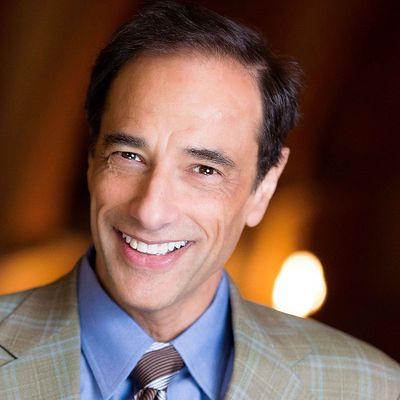
Everything today is thoroughly Hal....Luftig, that is! Four time Tony Award winning producer Hal Luftig swings by Shetler Studios to look back on his career of hits including Thoroughly Modern Millie, Legally Blonde, and Kinky Boots... Read More
From the show: BEHIND THE CURTAIN: BROADWAY'S LIVING LEGENDS » Podcast
Guests
Featured Shows
About
Everything today is thoroughly Hal....Luftig, that is! Four time Tony Award winning producer Hal Luftig swings by Shetler Studios to look back on his career of hits including Thoroughly Modern Millie, Legally Blonde, and Kinky Boots. Hal pulls back the curtain on his career, including how Sutton Foster landed the role of a lifetime, what it is like to create a Tony Award campaign , and why Legally Blonde made its MTV debut before it was closed on Broadway. Also, Hal shines the spotlight on Jerry Mitchell, Sutton Foster, and Cyndi Lauper! Become a sponsor of Behind The Curtain and get early access to interviews, private playlists, and advance knowledge of future guests so you can ask the legends your own questions. Go to patreon.com and search Behind The Curtain: http://bit.ly/2i7nWC4
Transcript
This transcript was automatically generated and might contain errors.
[0:00] Kevin David Thomas: Guess what?
[0:01] Robert W. Schneider: What, Rob?
[0:02] Kevin David Thomas: We now have over 50 iTunes reviews.
[0:08] Robert W. Schneider: Indeed.
[0:09] Kevin David Thomas: We are climbing those iTunes rating charts.
[0:12] Robert W. Schneider: That's amazing.
[0:13] Kevin David Thomas: How do we climb even higher?
[0:15] Robert W. Schneider: Can you take me high enough?
[0:19] Kevin David Thomas: Little Rock of Ages for you.
[0:20] Robert W. Schneider: You know I like that you took it up so high, too.
[0:23] Kevin David Thomas: You didn't leave it.
[0:23] Robert W. Schneider: You like went right to the tenor place.
[0:25] Kevin David Thomas: I was gonna do climbing.
[0:26] Robert W. Schneider: No Robert Goulet.
[0:27] Kevin David Thomas: No.
[0:28] Robert W. Schneider: Can you take me?
[0:30] Kevin David Thomas: Hey enough.
[0:32] Robert W. Schneider: Thanks for coming on tonight.
[0:34] Kevin David Thomas: And my falsetto there.
[0:37] Robert W. Schneider: Thank you.
[0:38] Kevin David Thomas: And a little Sergio Frankie.
[0:39] Robert W. Schneider: Yeah, a little Sergio.
[0:40] Kevin David Thomas: It's never over.
[0:42] Robert W. Schneider: Much like the 24-hour buffet down in the lobby of the Dunes Casino.
[0:48] Kevin David Thomas: Me and Sid the Caesar.
[0:52] Robert W. Schneider: Tonight's only at Dimirage.
[0:55] Kevin David Thomas: Sorry, sorry, sorry.
[0:56] Robert W. Schneider: Well, lovely listeners, this is where you come in.
[0:59] Kevin David Thomas: This is how we're gonna climb those iTunes rating charts.
[1:01] Robert W. Schneider: That's right.
[1:02] Kevin David Thomas: Lovely listeners.
[1:03] Robert W. Schneider: If you love us, would you go to iTunes?
[1:05] Kevin David Thomas: Click on the iTunes store.
[1:06] Robert W. Schneider: Search for Behind the Curtain: Broadway's Living Legends.
[1:10] Kevin David Thomas: Then click on ratings and reviews.
[1:12] Robert W. Schneider: Under the customer reviews, click write a review.
[1:15] Kevin David Thomas: Then let us know what you think from one to five stars.
[1:18] Robert W. Schneider: That's right.
[1:19] Kevin David Thomas: And you can leave comments too, like Kevin David Thomas is a god.
[1:23] Robert W. Schneider: Or Rob, who the hell is Herve Village?
[1:27] Kevin David Thomas: Who is Herve Via?
[1:33] Robert W. Schneider: I fell for a scene.
[1:35] Kevin David Thomas: That wasn't even the man who has never done one musical in his entire life, and he gets mentioned more than Steven's.
[1:40] Robert W. Schneider: Right, but I love him from James the Bond.
[1:41] Kevin David Thomas: Okay, anyway.
[1:42] Robert W. Schneider: Oh guys, help us out.
[1:43] Kevin David Thomas: Please.
[1:44] Robert W. Schneider: Thanks, everyone.
[1:45] Robert W. Schneider: Hi, I'm Robert W. Schneider.
[1:47] Kevin David Thomas: And I'm Kevin David Thomas.
[1:48] Robert W. Schneider: And this is Behind the Curtain: Broadway's Living Legends.
[1:51] Kevin David Thomas: Don't forget to follow us on Twitter at Broadway Curtain.
[1:54] Robert W. Schneider: And make sure to join our Facebook page at Behind the Curtain: Broadway's Living Legends.
[1:58] Kevin David Thomas: And follow us on Instagram at Broadway Curtain Podcast.
[2:01] Robert W. Schneider: Plus, you can always listen to our podcasts on Broadway World and Stitcher.
[2:04] Robert W. Schneider: So while most kids his age were memorizing the baseball stats of Reggie Jackson, Jose Conseco, and Catfish Hunter, our guest was memorizing the profits of Manny Aisenberg, Hal Prince, and David Merrick.
[2:16] Kevin David Thomas: His accomplishments as a producer have earned him four Tony Awards, two Olivier Awards, and an honorary doctorate.
[2:22] Robert W. Schneider: Now, some of these shows include Angels in America, Jelly's Last Jam, Thoroughly Modern Millie, and Kinky Boots.
[2:28] Kevin David Thomas: Wow.
[2:28] Robert W. Schneider: To tell us what it was like to work with such legends as Tony Kushner, George C. Wolfe, and Mike Nichols, here is the man whose career emerged from the backstage masoch of Isabel Stevenson, our Tony Award-winning producer, HAL LUFTIG.
[2:42] HAL LUFTIG: Hello, welcome, Hal.
[2:43] Robert W. Schneider: Thanks for joining us today.
[2:45] HAL LUFTIG: That was some intro.
[2:46] Robert W. Schneider: Thank you.
[2:47] HAL LUFTIG: It's all true.
[2:48] Robert W. Schneider: It is all true.
[2:49] HAL LUFTIG: It's all true.
[2:50] Robert W. Schneider: It is true.
[2:51] HAL LUFTIG: That was so funny you said that thing about the baseball stats because it's true. That's what I would do. I would like to run into the kitchen, go, you know, Mom, Mom, look, Manny Eisenberg has a new play. Or David Merrick has a new musical. And they would kind of look at me and like, okay, that's good, you know.
[3:09] HAL LUFTIG: And I know that they do.
[3:10] Robert W. Schneider: I love that you knew the musicals that were running by the producer.
[3:13] HAL LUFTIG: Oh, yeah. You were like Kermit Blumegard. You know, you like knew it wasn't a show.
[3:17] Robert W. Schneider: It was right, right.
[3:18] HAL LUFTIG: That's how I knew nine years old.
[3:21] HAL LUFTIG: Nine years old. I wanted to do what I'm doing.
[3:23] Robert W. Schneider: How did you know?
[3:25] HAL LUFTIG: How did he even register that the producer's parents did take me to a lot? They took my brothers and I to a lot of arts. We went to see ballet. We went to see a lot of theater, obviously. And once they took us to an opera, that didn't work out so well.
[3:39] HAL LUFTIG: Um, yeah, I don't know what they were thinking at a five-year-old with Madame Butterfly. I'm not sure. But um as I got older and about nine years old, I realized that shows, especially musicals, had lots of different parts. There were costumes, there were sets, there were lights, musicals had these people down in this thing, the pit, and I just knew, I don't know, instinctively, that somebody had to be the person to pull all of that together.
[4:04] HAL LUFTIG: And I didn't know what it was called. Um, and I would study the playbills, and I would see that somebody's name was presents. Yeah, had somebody's name or names and then said presents. And I just figured out that that must be the person who puts it all together. I didn't look low enough to see directed by, and top billing, I mean.
[4:25] HAL LUFTIG: So to this day, I still say to you know, people like Jerry Mitchell, I'm on top, not you.
[4:30] Robert W. Schneider: Yeah.
[4:31] HAL LUFTIG: And so growing up in Long Island, you had access to New York City, and you were your and it's great that your parents seemed to be supportive of your love of the arts.
[4:39] HAL LUFTIG: Well, they loved that I love the arts until it came time to go to college. And then they said that thing that I think a lot of parents say, which we love that you love the arts, but you're gonna go get you know a real degree.
[4:50] Robert W. Schneider: Yeah.
[4:51] HAL LUFTIG: And which is how I landed first at Sunionianta.
[4:55] Robert W. Schneider: Yeah.
[4:56] HAL LUFTIG: And I studied psychology and journalism there because those were the two things that I liked to do. I, you know, psychology for whatever reason and journalism, I like to write.
[5:07] Robert W. Schneider: Yeah.
[5:08] HAL LUFTIG: Um, and I got out of school, I graduated, and I started to work for Newsday, which is the Long Island newspaper, and I was just miserable, not because anything was wrong with Newsday, I just it wasn't what I wanted to do.
[5:21] HAL LUFTIG: And at that time, I think they still do. Um, the American Theater Wing has working in the theater seminars.
[5:29] Kevin David Thomas: Yes.
[5:30] HAL LUFTIG: Um and I used to see look up when or find out when they were going to be, and they do it four times a year, and I would call in sick, or you know, I mean, thank goodness no one was paying attention because my grandmother died so many times.
[5:45] HAL LUFTIG: So many grandmothers. And she just kept dying. Oh and thank goodness nobody was putting attention. But I used to call in sick or somebody died, and I would come into this the these work, these seminars. And that's where I met Isabel Stevenson.
[6:00] HAL LUFTIG: One day she was, you know, everyone who remembers who she was. She was the head of the theater wing.
[6:04] Kevin David Thomas: That's right.
[6:04] HAL LUFTIG: Um, and when the theater wing started getting televised, she was like the first face of uh and people used to call her. They would walk down the street and go, I remember you you're the Broadway lady, right?
[6:18] Robert W. Schneider: Well, there's that moment during the Tony Awards when she'd come out.
[6:21] HAL LUFTIG: She was I mean, I remember that growing up, of course.
[6:25] Robert W. Schneider: Yes, but but she they recognized her and though, you're the Broadway lady. I used she used to get a church chuckle that Saturday.
[6:32] HAL LUFTIG: Anyway, one day she came up to me as people were dispersing, and she said, Um, can I ask you who are you? Uh because you know, I see you here all the time, and I just you know don't know who you are, so I just wanted to say hi.
[6:45] HAL LUFTIG: And I told her my name, and she said, Do you work in the theater? And I said, Well, no, I don't, but I'd love to. And I gave, you know, just started talking, and she told me about several different graduate programs in theater administration or you know, MFAs.
[7:01] HAL LUFTIG: One of them was Columbia. Yeah, um, several of the ones she told me about, one was actually out in Brooklyn College, but it was it was for not-for-profit, and which is totally, you know, I it was theater, but not the kind the other one did. Much different.
[7:14] HAL LUFTIG: So she um I applied to Columbia, um, the MF, and they were just it was in its second or third year, and it was uh supported by the Sugar Organization and the Hammerstein Center for Theater Studies. And I um sent in my application, and it was the days that you would still get an interview.
[7:31] HAL LUFTIG: And so they called me in for an interview. And I love telling this part of the story because Ted that his the this dean of the school at the time, his name was Skylar Chapin, who is Ted Chapin's dad.
[7:43] Kevin David Thomas: Right.
[7:44] HAL LUFTIG: Um and Ted Chapin, as we know, runs the Rogers and Hammerstein Library.
[7:48] Kevin David Thomas: Yes.
[7:48] HAL LUFTIG: Um and Ted never knew this. A couple of years ago, the first Broadway dot the Ford Ray.com, you know, the Broadway.
[7:55] Kevin David Thomas: Yeah.
[7:55] HAL LUFTIG: Uh we were on a panel together, and he never, I'm gonna the story I'm gonna tell, which is God hand to God's truth, he had never heard performance.
[8:02] Kevin David Thomas: I love that.
[8:03] HAL LUFTIG: And afterwards he came over and said, Boy, you nailed my dad perfectly. Um so anyway, I went, I got an interview, and I walk into this very grand, you know, dean's office, which was which was you know impeccably, you know, uh decorated.
[8:17] HAL LUFTIG: And Ted, if you know Ted, he's tall and patrician. Imagine his father tenfold. He just looked, you know, to me, super scary. Um, because he was the dean and he was, you know, this big tall patrician man. The power in the arts across all of New York City, too. I mean, he probably wasn't. He was the commissioner of huge.
[8:38] HAL LUFTIG: Um and uh shook my hand, sat me down, chat. How are you? Yeah, fine. And then he had my transcript. Remember those?
[8:48] HAL LUFTIG: Yeah. Real. You know, I'm dating myself. Yeah, they were the real, you know, things from your school that had, you know, your the courses that you took in your grades next to it. So he had a copy of my transcript on his desk, which I saw. And he said, Um, young man, you know, I'm looking over your transcript here, and there is not one thing that says theater.
[9:11] HAL LUFTIG: I mean, not one, not theater 101, introduction to theater, you know, nothing. There's nothing here that says theater. I, you know, this is a very competitive program. Why should we accept you? I mean, he didn't even ask why, you know, I wanted to be in the world. He just said, why should we accept you?
[9:30] HAL LUFTIG: And, you know, like, you know, that feeling like where you can feel the blood rushing to your skin, the sweats are and you know, out of my mouth came because no one wants it more, or no one will work harder. Right? And and as it came out of my mouth, I said, Oh my god, what did I say that before? And he stood, I mean, I thought right, right. I could have said anything. I could have said, you know, because I love, you know, why should you admit me? Because I love theater, theaters in my blood, I've been, you know, studying it since I was not, you know, anything. I I see that you don't see the word theater because you know, I thought maybe I would have to go in a different direction, but the theater kept pulling me back. None of that, because no one wants it more, no one will work harder, right?
[10:11] HAL LUFTIG: And with that, he stood up and he said, Well, young man, thank you very much for coming. You know, kind of not like great answer, but kind of like, and we're done.
[10:20] Kevin David Thomas: Conversation's over.
[10:21] HAL LUFTIG: Yeah. And you know, the way, you know, when I did it, well, originally Ted goes, you nailed my that was my dad. But um, I got on, I was back going back on the train to Long Island, on the Long Island Railroad, and the tears were just streaming down my face, like, what a stupid, stupid, stupid thing. And and uh about four weeks later, I got an acceptance letter.
[10:45] HAL LUFTIG: And to this day I think they made a mistake. Um, you know, I keep waiting for that. Wait, we meant HAL LUFTIG with an S. Um, but you know, I um, you know, Ted actually told me in this when we were on this panel, he said, you know what is interesting about that story. He said, my dad believed that everybody who wanted an education was entitled to it. And probably that answer you gave him, that no one will work harder, probably really resonated in him because he was not a fully educated man.
[11:16] HAL LUFTIG: And he just worked and worked and worked and became the cultural commissioner and then the dean of the school. And you know, he uh it didn't come easy for him. So I did not know that at the time, and uh now it makes total sense. But I thought, and I still think that Isabel Stevenson had something to do with it.
[11:33] HAL LUFTIG: I read that somewhere where you said that you were like and you had conversations with her about it. And you know what? And yes, and she denied it, and right before she passed away, which you know, I'm sorry to say, I missed her dealy, but right before she passed away, she was getting an honorary award, women in business award. And I was so touched and flattered. She asked me if I would introduce her.
[11:56] Robert W. Schneider: Oh, yeah.
[11:57] HAL LUFTIG: If I would be right, I know, right? And I thought to myself, this is it. Because I'm gonna stand up there, and part of my introduction was gonna, I was gonna tell these people this is the kind of woman you're honoring today, that that supported this young person, has never taken credit for it, has been like this angel on my shoulder for practically you know, 15 years, right? And this was gonna be this great moment.
[12:24] HAL LUFTIG: And as I'm telling the story, I can see a couple of women in the front row dabbing their eyes, you know, it was really wonderful. And you know, Isabel comes up in big standing ovation, and I figured this is it now. She's right, she's got to finally say thank you for onus. And she looks at the audience, she said, you know, he has been telling the same story for 10 years. I don't know what he is talking about.
[12:46] HAL LUFTIG: And I thought, oh my God, instead of outing her, she just made me just played it even better. Oh, but right to the very end. But you know, it's just that kind of thing. You just know, and you just think there was somebody out there who believed in me and made it happen and never ever took credit.
[13:06] Kevin David Thomas: Oh yeah.
[13:07] HAL LUFTIG: That's so beautiful.
[13:08] Kevin David Thomas: Yeah, I really special to have that mentor.
[13:10] HAL LUFTIG: Do you remember the first Broadway music?
[13:12] Kevin David Thomas: Oh, yeah.
[13:13] HAL LUFTIG: All right, so what is it?
[13:13] HAL LUFTIG: Fiddler on the Roof with Luther Adler, and I can tell you this is statistics.
[13:19] HAL LUFTIG: I can go into the Imperial Theater, I've done it, and I've sat in that theater seat. It was a second to last row in the rear mezzanine. I could tell you how many seats over. I remember exactly where I sat. Oh, and I remember it because one of the things that I remember was my mom, you know, first of all, was the days that we all you'd get dressed up to go to the theater. So, you know, there we were, and you know, just I remember like being uncomfortable in a tie, and I said, What the— and I remember her very specifically telling me as we walked down the street now, you know, you can't talk during the show, these are live people. She explained to me what it was, and that um, you know, you you you couldn't talk back, and you had to be, you know, uh respectful in the theater, you know, all the like you know, good, you know, habit uh kind of things.
And I, you know, when I used to talk to her as I was an adult, she said I was transfixed. She said I never saw that. She said it was it was like somebody, the opposite of kind of like she used to say plugged you in, but the opposite of that. It wasn't you weren't hyper, it was like it was like they gave you like a sedative drug because you were sat there rigid and you like watched this thing, and you didn't, you know and focus like I've never seen, you know, you do, you know, as a kid you're five years old, and it's not like most kids are gonna be restless and looking around. She was like, no, no, she was like, it was incredible. And I and that's where the I think they realized because whoa, we got something for two and a half hours.
We you know, right? You know, we don't have to like, yeah, like what are you doing? What is it? Yeah, yeah, yeah. So we started to go, uh I'd say, you know, quite a bit, you know. I mean, tickets were cheaper then, you know. I mean, I remember it was like three dollars that you know, we said so. We used to come in quite a bit. Um, and uh, yeah, we I saw a whole bunch of stuff that way.
[15:09] Kevin David Thomas: So when you were it seems like you had just about you dipped your toe in just about every single job imaginable, yeah backstage. Um so you said you were a casting intern for a little bit. What did you talk about?
[15:20] HAL LUFTIG: Uh I was at Manhattan Theater Club. Oh yeah, with Donna, she's no longer there. She's now in movies. I'm god, I see her face. I can't remember her name, but that's okay. It's a you know, it's a brain spasm. But yeah, it was um I was a casting, and they I sat in on EPAs because I had never done any kind of casting, so I said, Okay, you want to do casting? This is the glamour part, you know, and and I spent a lot of time filing all, you know, resumes. That was the thing, you know, I all of these internships were fun and and learning, but at some point it was you know, groundwork, it was make a coffee, you know, on MAME. I spent a huge amount of time, you know, getting coffee, getting props. Uh one whole day I had to find uh Angela needed um uh the certain kind of pantyhose and a certain color, and I had to, you know, they she needed it, and I had a that was my job.
Yeah, that was my job. They, you know, needed uh big handy Christmas decorations for we need a little Christmas. I had to find, you know, who sells Christmas decorations in the middle of June. Yeah, you know, um, go down all the way to the Bowery, and you know, they I had a list. It's grunt work, but it sounds like you you were excited by it.
[16:32] HAL LUFTIG: Oh, totally. You were in the theater. That's exactly right. I think that's probably what people kind of saw when I was doing this. Like, oh my God, I asked this kid to make coffee, and he's like running up and down the stairs. He can't wait. Like, you know, yeah. So uh I, you know, and I still I know it sounds really polyannic, but I still do. And I think when that kind of stops, I think I'll just stop. I still, you know, walk into the Hirschfeld Theater and think, wow, you know, like this is this is I'm really like, you know, part of this. It's it's really incredible. Uh the other night there was a TDF benefit, um, and they honored Kinky Boots and and Jerry Mitchell had staged uh this great I'm not my father's son with all four different Lolas and four different Charlies on stage.
And I just lost it because I thought I'm part of like, oh my god, if somebody would have told the six-year-old kid that this would have been happening, I would have not believed. I just it could I could not fathom it. So to be sitting there, you know, in in the midst of all this watching this, you know, uh, you know, with my husband, I just like lost my call. I just was like, I was a hot mess. It was really a hot mess, you know. And he kind of figured out what's going on in the city.
[17:50] Kevin David Thomas: I think you are. I think that is I I you know there are days that I think like everybody else, and I'm in this business because, you know. Um, but I I just, you know, no, I don't. And some days are harder than others, you know, when you, you know, either financially or critically, and um, you know, I just uh opened St. Joan, Joan of Arc down at the public. Thank you, which did not get good critical reception. And you know, you have to, as a producer, you have to uh first of all, you have to figure out what sort of went wrong, but then you you have to become like the emotional cheerleader for people. Because there are years doing this. There's a cast that you know they've worked their butts off, you know.
And and you know, uh sometimes I wish these critics could actually see what the process is. Not that they're you know, criticism would be any different, but maybe they would just think a little kinder if they before they just like stab something in the heart to death. Because you know, I can assure you, no one sets out to do a bad show. Sometimes that's the end result, but in every production, somebody's worked years, somebody has rehearsed weeks, somebody is you know, given, you know, and and it's like do we factor that into it at all, you know? Do you have to be so kind of cruel and vicious? So I just went through that, and um, so yes, I woke up that morning and the next morning and I'm in this business because and then you know, I went to the theater and I went, that's right. That's right. That's why. You got to see that. That's why, you know, just remember so who's your emotional cheerleader?
[19:30] HAL LUFTIG: My husband, Stuart. Yeah. Yeah. He he's not in theater. He's a psychiatrist, a child psychiatrist, no less. Um, and uh, yeah, yeah. There was uh a great story that I'll just tell for a second. Because I when we got married, I told this to the rabbi, and you know, you know, and they sort of have to they they talk to each one of you to just you know find and I told the story and he actually incorporated into the service. I was like, wow, okay. Um after Thoroughly Modern Millie opened, and we got the the same, you know, Millie got a lot of great reviews. It did, but you know, the one that we all talk about or talked about then, you know, was the Times. And for whatever reason, whatever reason, it really rubbed Ben Brantley the wrong way.
I mean, to this day, I rarely have seen a review as vicious. Um, he started off by saying, if you go to see Thoroughly Modern Millie, you'll either leave the theater grinning like an idiot or with a migraine the size of Alaska. Meaning if you like it, you're stupid. Right. And if you have any intelligence, your head's gonna be thrown right. And I, you know, I just I couldn't understand it. And I, you know, it was 15 years ago before I realized you could have a life after blah blah blah. And um I remember the morning after lying on the sofa, just like having a grand old pity party, and Stuart looked at me and he said, you know what? Get up. I'm sorry it didn't work out critically the way you hoped.
But you, you know, you have that ad meeting the next day, you know, which he said, you have an ad meeting to go to, you have a cast, you know, you have people that are gonna be looking to you. That's your job. And I'm sorry that we're you know, we don't have a huge hit that we can be on, you know, doing our nails and going off to a cruise this morning, but we don't. And that's your job, and that's what you have to do. So get up. And you know, I sort of I was a little brow beaten. I was I sort of did it because I was like, you know what? Yeah, yeah. Yeah, you you know, you don't even know what you're talking about. And I walked into that room, I'll never forget this, it's Sereno Coin, and all of the investors, you know, it's a huge, you know, room where they have all the reviews and packets, and Nancy Coin was there, and Rick Elsie, you know, and and all of your big investors are there.
Oh, they're there too. Oh yeah, yeah, yeah, yeah, yeah. And and everyone was sort of like, you know, kind of white and male, yeah, because it was that is the you know, major review. And you know, some of them as they started trickling in were better and you know, obviously better and better. But that morning everyone was feeling it. And I don't know. I just Stuart's words just like a like a you know, poltergeist. They took over me, and I just started saying what he said to me to that in that meeting. Listen, guys, I'm sorry we didn't get the reviews we thought we were gonna get, but we know what's on that stage. And that is what he wrote is not equal to what's on that stage. And that's what we have to pay attention to.
You know, people are having a good time. We have to, you know, figure, and it was as I was saying it, people, Nancy Coyne, everyone like perked up and was like, yeah, yeah, yeah. And then that night, um uh my co-producers Kristen Kaske and Mike Isaacson and I decided we're gonna meet with the cast because we didn't know who um, you know, who reads what. Yeah, and we had this great ad that Nancy Coyne and Sereno had laid out, this double truck ad. And we brought it to the cast, and and uh we said, Look, you know, uh some people don't want to know, some people do want to know. You know, we had you know a great night, and this is the ad, you know, and I'll never forget this. Things you remember, right?
Joanne Hunter, who is now uh the choreographer of School of Rock, she was in the chorus of Thoroughly Modern Millie, and she raised her hand and said, Can I say something please to the company? And we all looked sure, and I thought, uh oh. Yeah, and she just turned to the company, she said, you know what? I've been in a lot of shows. I know what a flop smells like. This is not a flop. Yeah. And you know, everyone at that point, you know, Kristen, Mike, and I, you know, we just let it go, and you know, Waterworth was we just finally just released all of it. And and you know, then we started the Tony came in. Then we were very lucky. Then the Tony Noms came out, we got the most nominations um that season, and we just turned it around.
And we turned it around like completely. We just took it to the people, yeah, and said, That's we're gonna this is not a flop show. Yeah. So, you know, that was that he's my inspiration. Long-winded to get to that.
[24:04] HAL LUFTIG: But every great story. You know, he's my inspiration emotionally. My professional inspiration, the person I always, you know, looked up to, in fact, if he hasn't smacked me in the head, is Manny Azenberg. Manny Azenberg. He was just, I used to say I got to work with him, you know, uh first time on moving out. And I would just again sit there thinking, oh my God. I remember reading the New York Times when you were producing the Neil Simon stuff. Like, you're Manny Azenberg, and he would just Would you shut up? Like, right? Yeah, come on. He would just look at me, you know, with Deadpan. Look, would you just shut up?
[24:39] Kevin David Thomas: What made him so uh special as a producer and as a person?
[24:43] HAL LUFTIG: Manny is sort of unflappable. You know, he he has seen it all, he's done it all, and he has a very interesting philosophy on it, which is just, you know, just kid just keep moving. You know, that's what you just have to do. And I sort of you um and so he was the first person, and I just you know idolized him for that reason. And then when I got to meet him and work with him, it turned out, you know, to be really true.
[25:11] Kevin David Thomas: Is that the goal though to eventually have your own company, to have your own—
[25:11] HAL LUFTIG: No, I would I would not say that was my goal. I mean, I I didn't think about it much. I I was my goal was to produce shows. Um I I figure when I was in Columbia, part of like I said, you know, the the courses, the classwork is is in the business school, and they would talk about LLCs versus you know inks and you know, and the legal differences between those two. Um and uh when I branched out went after M Square and after uh the R Fume Theater, which I did, I ran those, you know, the R Fume Theater for several years, and then um, you know, owning just one theater in New York doesn't sort of, and this is when costs were starting to escalate, insurance and real estate tax, and all that um uh doesn't really make fiscal sense.
I mean, I can't say it it it does. Um and so you know, he sold the theater, you know, with plain noise, and I sort of went out on my own, and that's when I had to call it something because I formed, you know, a company, you know, just so I could, you know, have the ink status, you know, the the, you know, there's certain legal practice, certain legal issues you get. You know, it's it's you know, taxes, you're uh a corporation, so someone, you know, you're protected uh as an individual, you know, there's a whole bunch of reasons why um you should be a corporation.
[26:33] HAL LUFTIG: So that's when that started. So the goal wasn't to be a company, it was just to, uh, I had to have some entity to not just be HAL LUFTIG.
[26:41] Kevin David Thomas: Did you have an idea of what kind of works you wanted to produce though? Or are you open to it?
[26:45] HAL LUFTIG: Yeah. Uh, no, no, I do. I mean, people ask that all, you know, like a lot. Like, how do you figure out what to do? The first criteria that I have is do I like it? Do I respond to it? Um, you know, uh, there's, you know, and that I get is a total, you know, kind of individual thing. And it's an aesthetic that changes, you know. Like, you know, now I'd like to think that, you know, uh, I respond to things that sort of have a story, have a meaning, have, you know, are relevant. But you know, initially it was just A, did I respond to it? Two, is it producible? You know, and I say that and you're laughing, like, what wouldn't, you know, I've read scripts where that it says, and 15 elephants come on stage, or you know, now the dancing waters start.
And I'm like, what? What? Okay. So are is it producible? You know, and, and you know, I, and all kidding aside, I do look at things like, okay, how many characters does this have? Are we in 15 million different locations? Is this gonna be, you know, I mean, what, what, how does this, you know, how's this gonna look, you know, kind of, you know, financially in that regard. Not making that only, you know, inexpensive shows can be produced, but you know, that like I said, there are some shows that are just fiscally not producible on the New York stage.
[28:03] Kevin David Thomas: Right.
[28:04] HAL LUFTIG: Um, so that's what I look at in that too. And then, you know, I start, if it passes those kinds of things, then I start running it by creative teams. You know, I, you know, I love me some Jerry Mitchell, honestly. I I give him a lot of, I I tease him a lot. Um, and uh because I owe it, you know, I have this thing. And he's also, uh, may I just say unflappable. I've known him now almost 10, 12 years. I've never seen him get angry.
[28:32] Kevin David Thomas: Yes, we've heard this.
[28:32] HAL LUFTIG: Yeah, yeah. And I say, I gotta tell you, you know, it's like a, like now we have a throwdown. I say the most heinous things to him sometimes, just to see, like, you know, I I we were once in, um, in tech, and and I, you know, walk down, you know, and I in the aisle and I said loudly, Jerry Mitchell, you're a hack. You know, I just, it just came out of my mouth. And without missing a beat, he turned up and he stood around and said, Yeah, well, why don't you hire Kathleen Marshall? I hear she's available, you know. And I was like, wow, you know, right? I was like, but that's the kind of thing. So, you know, I run it, you know, by the, you know, them, Alex Timbers is another person I'm growing really close to personally, and ask what they, you know, think.
Do they are, you know, what are the, is this, you know, sort of am I missing something here or am I not missing something? Do I, you know, am I crazy to love it? And yeah, that's how it then it starts. And then, you know, you sort of it starts forming and you get attached to it, you know. Once that happens, you know, for me, I'm gone. You know, once I'm attached to something, it's that's it. You know, I'm in it.
[29:37] Kevin David Thomas: What was one of the first pieces that you got attached to in that regard, uh, as a producer or as associate producer?
[29:43] HAL LUFTIG: Well, associate producer, I'll never forget when I read Angels. Yeah. That thing was, you know, you know, yeah, Angels in America, as a, as a, as a like a raw script. I couldn't put it down. I sat there, I think for like four and a half hours. I mean, you know, yeah, they you normally say it, you know, is a page is, you know, like a minute, you know, in so you know, if you're on page 20, you have to think if it's a show, you're you should be in 20 minutes into, you know, into the show with staging and moving, you know, all that kind of stuff. I couldn't put it down. I sat there for like four and a half hours. It was only part one, and it was totally, you know, sort of unformed in that regard. So, you know, yeah, part one alone was for five hours. I know I couldn't put it down. Yeah, it was, um, it was stunning. It was stunning. Um, I'm I'm thrilled that they're doing it back at the national.
[30:32] Kevin David Thomas: Oh, I'm very excited.
[30:33] HAL LUFTIG: And it's gonna be broadcast on cinemas across the world, it's gonna be great.
[30:33] Kevin David Thomas: It's gonna be great. Are you gonna go over and see it?
[30:38] HAL LUFTIG: Oh, yes, oh yes, oh yes.
[30:40] Kevin David Thomas: Is it hard for you to go and see things that you had produced originally and then seeing other incarnations of it?
[30:46] HAL LUFTIG: Um, no, the only reason why it's hard is because I can't believe I'm old enough to have shows that, you know, I'm like coming back. Yeah, like hell wait, whoa, no, hold it. No, I actually, you know what? I actually love it. I've uh, I've been fortunate, um, in that regard that, uh, a lot of, you know, schools and stuff when they do like Legally Blonde or Millie, they'll reach out to me and ask me if I would come talk to the kids. And if I can, I do because, you know, first of all, I just think it's so fun and to watch, you know. Um, and it just encourages them to sort of, so I do, and I've over the years I've learned that the first thing you have to do is just ease into the vocabulary. You know, when you're seeing a high school or regional production of one of the shows, it's not gonna have the same quality that the Broadway shows have.
And that may be the physical from the set to the costume, sometimes the acting on the thing. Yeah, um, and you just have to go, it's okay. It's okay. Yeah, the first couple of times that that happened to me, I was, yeah, the first couple of Millies, let's say, that I saw outside of, you know, the tour in New York. Um, yeah, yeah. People were force-feeding me Xanax inside. I was like, oh my god, brother to my show. Um, but yeah, over the years I've just learned. Like, I I once went with my brother who lives in Harrisburg, uh, Pennsylvania. We went to see dinner theater of Thoroughly Modern Millie. And this is this is how I figured out it was dinner theater, because uh he called me and he said, Hey Al, they're doing Thoroughly Modern Millie in a theater by our house.
Why don't you, you know, you and Stuart come down and and we'll, you know, spend the weekend and we'll go see it. And I said, Oh, great, Lou, that's great. You know, why don't you and Rob and his wife pick a restaurant? We'll, you know, we'll take care of the dinner and you take care of the tickets, you know. The fair thing calls me a few days later, he said, Okay, this is, you know, this is great, this is great. Do you want to have dinner at the theater or outside? And I was like, Lou, what do you mean at the theater? He said, Well, they serve dinner at the theater. You know, now again, my brothers, you know, who did not really, you know, are not into, you know, they like theater, they're they don't work in theater.
So I said, Lou, are you telling me it's dinner theater? And he said, What's that? I said, It's where you have dinner and they do the show in the same space. And he said, No, no, no, no, no, it's not that. I checked. You have dinner light across the driveway in a building, and then you go across. I said, That's, you know what? It's that's dinner theater, Lou. It's still gonna be beef stroganoff for you. And it turned out he's gonna be serving it. Yes, that's what it was. That's what it was. The service staff was the cast, yeah, and an intermission, they were selling the refreshments, and yeah, and he couldn't have been prouder. And as you leave the theater, there they all stand in, thank you for coming.
And I was like, Lou, if you say one thing, you know, do you like, don't you not? Don't you dare, don't you dare, you know, because I, you know, it was my first experience, and I didn't know like what to say. They were great. I mean, they were great, but you know, I mean, I I just didn't, you know, I I had to, it wasn't New York. It's an uncomfortable position. But he couldn't help himself. He could some kind of, you know, yeah, he's proud. When I got to, when we got to Jimmy, the kid who was playing Jimmy, um, I shook his hand, and he I thought I said, You guys were really, really terrific. And he said, Oh, thank you for coming, my brother. Do you know who this is? This is, this is the producer of the original North Cup.
And the kid looked at him like, you know, like, first of all, like, okay, you're a nut job. What do you, and then it like sort of sank in, and he said, you know, like, really? You know, and I said, Yeah, that it is, it is true. And then it was sort of like the cutest thing.
[34:25] Kevin David Thomas: That is, yeah.
[34:25] HAL LUFTIG: So when I see stuff like Legally, you know, Legally Blonde, you know, and uh, you know, I'm proud of it because it it actually it's giving these kids, uh, a show to do, and Legally Blonde actually says something that girls don't have to dumb themselves. And it's really affected that because as teachers, we've noticed it the generation that we teach now. It it's affected them. I mean, it's it's that message is strong, and they sing these strong things. And actually, one of the things that you ask, like what attracts me is shows. That show happened because uh I went to see the film, like everyone else did, and I thought it was cute and it was fun, and nothing more. And a few days later, you know, a group of friends, including my husband, were trying to find a movie to go see.
And everyone wanted to see that. You know, you never want to be that one guy to say, Oh, I've seen it. So I thought, listen, I could just to myself shut up, I can see it again, you know, it's not that bad. But what happened was the second time was I, because I knew what was coming, I was able to see, like, wow, that, you know, that is a musical number. The bend and snap was already, you know, sort of written, you know, for that. And as we were walking out of the theater, uh, Stewart started to tell all of us this, this, you know, phenomenon, this study that's been done about girls dumbing themselves down. And I said, What's that? And he explained that, you know, girls develop faster than boys.
As I said, he's a child psychiatrist. And somewhere around 12, 13, 14, he said, in his own practice, he sees parents of girls coming and going, There's something wrong with my daughter. She's on drugs or she's doing something because she's gone from an A student to a B to a, you know, D. And you know what it is? It's they discovered the boys, and boys, you know, historically do not like want to be with the smartest girl in the class. And he said it's one of the reasons why it was one of the impetuses for, you know, all girls' schools to remove, you know, the male element and let the girls, you know, sort of achieve. And I thought, oh my God, here is an instance. I mean, there's of this girl who's smart enough to not only go to law school, but to go to Harvard Law School.
And why does she do it? For the jerky guy. I that's gotta be a story to tell girls. And that's how it came to be. And so we were, we were a little hamstrung when we were writing it because, you know, we did have to hue close to the movie. But we made sure that things like, you know, in the movie, she's, you know, she gets into Harvard because she's wearing a bikini. We weren't doing that. Right. We were gonna make the audience see that she worked hard for it. You know, she went for, you know, and that that was the whole point. You know, she realized at some point I'm smart like this. And uh, in one of the lyrics that Nell and Larry wrote, which I was, uh, so always so proud of when, uh, in the show, she takes Emmett shopping because she says, you know, no one buys a book that you know the old book.
And in one of the lyrics is she said, This I'm gonna pay for this because you were the first one to see beyond this and in and see my mind. And so this is, you know, and it was sort of like her saying, This is what I know, but and this is sort of what, you know, and because you saw we both saw beyond that. Yeah, um, you know, it was, it was always a really, it was a I always when I see that I'm always so grateful that those guys wrote that. It's a very special show. It really is, and because we teach a lot of kids who are so influenced by it. Uh, it comes in all the time, and it it is getting the appreciation that it deserves because it is.
[37:43] Kevin David Thomas: Well, I'm glad to thank you.
[37:44] HAL LUFTIG: I'm glad to do that. And also you must feel fulfilled that you know you've put these shows out there that young kids are going into it's gonna be their first theater experience, and they're gonna fall in love the same way you fell in love.
[37:55] HAL LUFTIG: Yeah, you know what? Somebody asked me that the other, you know, a couple of months ago, I guess. And I I just didn't, I never thought of it like that. You know, and it's true, you know. I mean, no one's certainly no one's gonna sort of remember who produced it, but you know, um it it that fact that it it will be there, I mean I've never thought of it. That is really that's kind of cool.
[38:15] Kevin David Thomas: You should be.
[38:16] HAL LUFTIG: Yeah, I am just kind of a couple of names at you really quickly at that second.
[38:19] Kevin David Thomas: No, no, no, no, no.
[38:20] HAL LUFTIG: Um, these aren't people I slept with.
[38:23] Kevin David Thomas: We'll find out.
[38:24] HAL LUFTIG: I don't have time for that.
[38:25] Kevin David Thomas: We'll find out so sorry.
[38:26] HAL LUFTIG: Um, Mike Nichols.
[38:29] Kevin David Thomas: Uh, is this like my first um...
[38:31] HAL LUFTIG: Yes.
[38:31] Kevin David Thomas: Oh, my first associate word association.
[38:33] HAL LUFTIG: Mike Nichols, tough. He was tough.
[38:35] Kevin David Thomas: Oh, yeah.
[38:35] HAL LUFTIG: He was tough. Oh, yeah. I mean, he was, he, you know, people, you know, it's funny in this business, you know, you think of like Neil Simon and you think of Mike Nichols, they're funny, right? They're funny and they have this persona. You think he you just stand around, you know, for hours just laughing. Yeah, you know. No, no. Mike, he was, he was the first time I worked with him was on this play called Death and the Maiden.
[38:58] HAL LUFTIG: And who's that?
[39:00] Kevin David Thomas: Yeah, right.
[39:01] HAL LUFTIG: It was Glenn Close, Gene Hackman, and Richard Dreyfus. All written by— it was like a dream. It was true. You know, Mike was like went through his Rolodex sometime with the Rolodexes and said, ooh, ooh, you know, and he called these people and they all, you know, they did the show. But it was a really serious drama.
[39:18] Kevin David Thomas: And written by this Chilean playwright, Al Rill Dorfman.
[39:22] HAL LUFTIG: You know, I don't know if our listeners know the story, but it basically was about this woman who, you know, lived in this fictitious Latin America country, i.e. Chile, and about people that would be descendants of the then government and they would just be missing. You know, and Ariel would tell these stories about, you know, people would go for milk and never come home or they came back, you know, five or six years later and talked about all of this torture, you know, that they had to endure. So this story was about a woman who actually, you know, endured the torture, and now she's back and the government's been overthrown.
[39:55] HAL LUFTIG: And she's living with her husband, and he's coming home from work and he sees a car that guy has a flat tire, and they can't get it fixed, it's too late. So the husband says, "Come home with us, you'll spend the night, we'll get it fixed in the morning." And when he brings the guy into the house played by Richard Dreyfus, no, Gene Hackman. Richard Dreyfus was the husband. Gene Hackman, the Glenn Close character, recognizes his voice and says to the husband, "He was a torturer of mine. I recognize his voice." And the title comes from a piece of music called "Death and the Maiden." And she said while he would torture me, so it was more humane, he would play "Death and the Maiden." And you know, the husband kind of says, "You know, you can't be sure, you can't be sure," you know, and how that's how it ends the first act.
The second act, you know, it starts, and she's in the middle of the night while he's sleeping, has tied him up and dragged him into the kitchen, and she's going to interrogate this guy until he admits, you know, "Yes, I was your torturer." It was a really difficult play. And Ariel was very upset at the time we were doing it because he felt like we weren't giving enough, you know, credence to that part. You know, Mike has decided in the set design that it was going to be a more localized and it was gonna be this beautiful Malibu kind of beach house and this beautiful, you know, kind of looking thing. And Ariel was having none of it. You know, he was really super duper upset, you know. And he said, you know, he felt in his heart that we were treating it lightly, and Mike was looking for maybe the comedy parts in it, you know, all kinds of stuff, and he was like really upset.
And Mike Nichols at one point said, "You know, I can't work this way." But the playwright, you know, kind of my butt. And either he goes or I go. But we can't, I can't, you know, he can't be in the room, he can't be in the theater when I'm here. I just can't do, you know, my work. And it was tough. That was, you know, again, first, and you know, you think like, "Uh oh, you know, what do you do? What do you do?" You know, and so we had to tell Ariel, like, you know, and this is how it's cool that life, you know, sort of comes full circle. A few years ago, I was at a benefit for Human Rights Watch. And Ariel was the guest of honor. Oh, wow. Well, because human rights. And I was on the committee, I was part of the gala committee before they had named who the honoree was going to be.
And when they named the honoree, I said, "Oh my god, I can't be, you know." And they were like, "Why? Why? What's the problem?" And I had to tell the head, you know, who was running the gala the story. And I said, "He's gonna look, take one look at me, and you know, you're gonna have a gala and he's gonna throw a knife at my heart because I was one of the producers of the show." He did it, yeah, you know, and so they said, "No, no, no, listen, it won't be a problem, won't be right." And I did, and when I saw Ariel, he gave me this big bear hug, and we just talked it through. He said, "Look, I know, you know, like I know that you guys, and he said, you know, I, I, I, you know, ten years removed, maybe I was a little crazy about the severity of this."
He said, "You know, I'm, he was very grateful at that point because the play then had gotten out, and they made a movie of it with Sigourney Weaver, and so his story was told probably much more, you know, than it would have been if Glenn and Richard Dreyfus, Gene Hackman hadn't all been directed by Mike Nichols." It became this thing. So it, you know, filed that under it all works out ten years later tomorrow. So yeah, I would say Mike Nichols tough. And then we got to work together on Whoopi. Yeah, and yeah, that was, yeah, yeah, tough.
[43:42] Kevin David Thomas: What was the first piece where you were the lead producer?
[43:42] HAL LUFTIG: Millie.
[43:46] Kevin David Thomas: Millie was your first one.
[43:49] HAL LUFTIG: Yeah, yeah. That's why Stuart said, "Get upward. Get off the couch."
[43:54] Kevin David Thomas: Yeah. So let's talk about Millie for a second.
[43:54] HAL LUFTIG: Yeah.
[43:58] Kevin David Thomas: So whose idea was it to bring this movie to the stage?
[44:02] HAL LUFTIG: Initially it was Fox Theatrical. It was this company called Fox Theatricals, which at the time was Mick Levitt and Kristen Kaske worked for it. And I was invited to this reading. She would turn out to be one of Dick's closest friends and actually put money into the show. And because it was just this very small intimate reading, it was just Michael Mayer and Dick Scanlon, and they were doing all the parts. Now Dick is a performer. And many people don't, you know, sort of know this. He was in this great off-Broadway play called Pageant that made fun of it. Yes. And he was in that. And he's a great performer. And watching him play all the parts from Millie to Jimmy to Mrs. Mears, I was like, I was enchanted.
And I used to always say, "Dick, I don't know, we're gonna do the one-man, you know, Millie show someday." But you see, this is why, you know, when I said before when I get attached to something, I was just so bowled over. I was so moved, I was so touched that I walked out of there and I, you know, said to McLean, "We're gonna do this together." And that's sort of how it happened. And then we did, you know, a couple of workshops here in New York, and we had one reading where B. Arthur was Mrs. Mears.
[45:29] Kevin David Thomas: Oh, that's nice.
[45:30] HAL LUFTIG: And Kristen Chenowith was Millie.
[45:32] Kevin David Thomas: Yes.
[45:33] HAL LUFTIG: Yeah, yeah. It was a really interesting. So let's walk through the process of producing a new musical. So here we go. You've you said you're gonna do it, you like it, we'll take Millie as the example. And then what's the next step for you after that agreement?
[45:48] HAL LUFTIG: We make the agreement about how we're gonna co-produce it together, and then we decided, "Okay, let's do a New York reading for the theater community." Right. And we rehearsed it, you know, for a couple of days. It was now it's a 29-hour. Then it was like, you know, you had like three or four days to do it. And we did it at the what no longer the Lambs Theater. Remember that? Now it's a restaurant, yeah. Remember it used to be a theater?
[46:15] Kevin David Thomas: Oh yeah.
[46:16] HAL LUFTIG: And yeah, yeah, yeah, yeah. It was like the last thing that went there.
[46:19] Kevin David Thomas: Yeah, yeah, right.
[46:22] HAL LUFTIG: And we did a reading for it, and it was great actually. It was, you know, but you could see what it needed, where it needed it. They were using a lot of old songs that, you know, didn't really move the plot along.
[46:37] Kevin David Thomas: Was Tesori attached to it at this point?
[46:39] HAL LUFTIG: Not at that point.
[46:39] Kevin David Thomas: Ah, not at that point.
[46:41] HAL LUFTIG: You know, they would dance through Dick was at, you know, "Sweet Mystery" of like the Gilbert and Sullivan, yeah, gotcha. They had that, and they had "Mammy," and then the songs from the movie, yeah.
[46:50] Kevin David Thomas: Yeah, and then the songs from the movie.
[46:52] HAL LUFTIG: Janine and Dick were, you know, Dick realized too that wow, we may have to write a couple of songs that are just specific, and then a couple turned into like most of them. Right. The great takeaway from that was, you know, we all got to see exactly what it needed, and the great takeaway from me that was I got the best theater stories from B. Arthur. I mean, it was like I was sitting there thinking, I was sitting there thinking one, when you know, Dave boy, doesn't matter if this show happens. Hey, I'm writing this down. But that we learned a lot from that, and then we figured we needed to go somewhere, a regional production of it. And we went to La Jolla Playhouse, you know, at how these, you know, sometimes these things dictate how they happen just by themselves.
You know, you invite a lot of people, and there happened to be a couple of people from the dramaturge department of La Jolla, and a couple of others, and they said, "Wow, we love this. This would fit into our season, you know, it's a new musical, and it's what we want to do." And Des McAnuff was just leaving, and Annie Hamburger just come in, and she, you know, then read it and liked it, and so we were there. We go.
[48:03] Kevin David Thomas: Yeah.
[48:03] HAL LUFTIG: And you know, just like it is today, you enhance it, you raise, you know, certainly. You're raising money for it.
[48:10] Kevin David Thomas: Right, right.
[48:11] HAL LUFTIG: And how did you attract people to put money into this? This at the time was a more obscure film from the late 60s. It wasn't a big popular movie film. And that was one of the ways that you got to, you know, tell because it was just, it was fun and funny, and it wasn't a hugely, you know, successful film. I mean, it had, you know, great stars of its time in it, but it was sort of not a kind of thing where you had to live up to that. And sometimes that's really hard, you know.
[48:37] Kevin David Thomas: Yeah, it's sometimes that a lot on the hard to do.
[48:40] HAL LUFTIG: And that wasn't just, you know, forgive me if anyone's listening from the film, but it wasn't a film that you had to, you know, live up to. Totally. You know, it had great characters, you know, and Carol Channing was off doing hot things. Right, right. And Julie Andrews was doing our thing, and you know, God love Mary Tyler Moore when she gave us the Tony. Um, she was like, "I'm trying." Um, and James Fox, that like, you know, years later I got to meet James Fox, who was the Jimmy, and he said, "Yeah, I'm doing a song, I'm doing some dance about pudding, like called, you know, 'Tap Tap the Tab.'" Like, oh my god, I'm just gonna plow through this. I don't know what the hell I'm doing here. And that's how the whole thing sort of, you know, came together. And so we raise, that's how we raise money. And it wasn't a, you know, a ton back then. It was, you know, not very hard to.
[49:26] Kevin David Thomas: How do you find your fellow investors? Is it people that you turn to, people that you trust?
[49:30] HAL LUFTIG: People reach out to you going, "Hey, I'm interested." Now they do. Then it was I invited some people from, you know, that I had become friendly with from the finance world and the banking world and, you know, all this kind of stuff. And you know, I know theater gets a bad rap that it, you know, nine out of ten lose money, and you know, you know, you know, that may be true, that statistic may be true. I don't even think it's that high. But the thing that no one ever talks about, and this is I do talk about this to investors is A, you know, when it hits, you know, uh hello Hamilton, yeah, you know, or even Kinky Boots, you know, it doesn't even have to be a Hamilton size hit, you know, Kinky Boots.
There are so many other outlets for theater that derive income from stock and amateur. Now they're doing this HD, you know, streaming. Oh god, yeah. You know, you know, ancillary rights, tours, you know, all these things that, you know, and when a movie is done, it kind of once it's on DVD, it sits on a shelf, and that's pretty much it, you know. But theater lives on, and each time it's done, you know, there's some income. May not be, you know, a ton, but there's something. And people don't think about that. And so when I was started when to, uh in the world of finance, especially, they got how that could, you know, work out. How trickles in. They got it's like interest.
[50:57] Kevin David Thomas: Yeah.
[50:57] HAL LUFTIG: And they got that. So it wasn't, it was, you know, I would say the easiest way they raised is this development money, but it also because it has such a remunerative advantage. You know, people who put money in in a very early stage earn more when the show hits. They earn a bigger percentage of the profit than people who come in, you know, they took a bigger risk earlier on.
[51:20] Kevin David Thomas: That's right, that's right.
[51:21] HAL LUFTIG: So now the show is at La Jolla, it's gonna have its regional premiere, right? So then what happens in La Jolla? What is your job then?
[51:29] HAL LUFTIG: Well, I thought it was, you know, at La Jolla and Millie was very interesting because, you know, I thought it was going so smoothly that I decided, "Oh, I'm going back, you know, I'm going back to New York." And we were in rehearsing in the summer because we started in September. So they're rehearsing in the summer, and I was like, "Oh, this is going so smoothly. I'm gonna take my little vacation up in Cape Cod." And I got a call from Michael Mayer one night, said, "We made him, you know, we have a problem." The director, yeah. Yeah, the director, we have a problem. Our leading lady, you know, can't, you know, do the rehearsals. Okay. And we, you know, we're three days away from tech. This is not Chenowith yet.
[52:06] Kevin David Thomas: No, Chenowith didn't end up doing La Jolla.
[52:08] HAL LUFTIG: No, she just did the work somebody else. Somebody else. Yep, yep, yep. And we're three days away from tech and we have to, you know, and I'm just gonna have to use, you know, the understudy. And you know, Sutton's just gonna have to, you know, she's gonna have to read through it. And the next day, I said, "Michael, you know, calm down, it's gonna be okay. Yes, you know, let keep going with, you know, Sutton and just stage it, and you know, it's gonna be all right." And the next day, because this actress still had vocal nodes, Sutton had to do it again. And now I get a call from Dick Scanlon, who said, "Um, Hal, I think we may have made a mistake, we may have a problem because Sutton is really, really good." And I said, "Dick, I'm beyond the next plane, but you know, we're not doing anything, you know, yet." And because I said that will just be bad karma, darm. You know, we're just not doing anything yet.
[53:05] HAL LUFTIG: I know, you know, and as it turned out, this actress was told by her vocal teacher, listen, it's at least a week, it may be longer, you may need surgery, you know, a whole bunch of stuff that none of it was good for us, you know. None of it was like two days vocal, you know, none of it was good for us, and we, you know, kind of said, Oh, sh what do we do? You know, now we're really what do we do? And we just it's a regional production, so we can't. I mean, I guess in if something horrible happened, you I was about to say it can't not not happen. You know, they have subscribers, they you know, it's not there. Uh you know, it's not as you know, it's not as critical to them. You just put the show up, you know, you could be milling, you know, yeah.
Let the audience have subscribers, they paid money. They you know, yeah, right. So we said, okay, you know, we're gonna have to go, and it's gonna have to be be, you know, this girl Sutton Foster. And I'll never forget the first preview. She just knocked it out. I mean, having just like barely learned the script, yeah, you know, um, and she knocked it out of the park. And then uh Dick and Janine started Janine Tessori and Dick Scanlon started realizing, oh my god, we got this little fireball. And they wrote this song, Gimme Gimme. And you know how you know you get goosebumps effect, you know, you especially when you're rehearsing uh in a regional theater. They don't have a lot of you know, fancy.
So you rehearse in the in the lobby, yeah, pretty much. You have a piano and you're rehearsing in the lobby. And they had written the song, Gimme Gimme, and they wanted to play it for Sutton. And they wanted, you know, they they played it once where Janine sang it, and Sutton said, Can I take a crack at it? Um, holding the music, and she started singing it. Uh and kind of sounded like it didn't, and you could you could see ushers, maintenance people, everybody just sort of stopped dead in their tracks and turned around and looked at this who was this girl singing at the piano. And we said, Wow, that's that was kind of like Divine Providence. But yeah, that that's so when what do I do? Yeah, you then you so the show opens and it got you know, you know, no one, you know, we were just so grateful because we put this new girl in three days before our first preview, and no one died.
Um and then you start inviting people out. You know, one of the things that they're as a producer you do is if you believe in it and you feel like it's gonna have a life, then you, you know, uh you have to call theater owners, you have to call other investors. Um this is why, and and I've always just been blessed in that way, you know. Um people have always just taken a chance on me. And you know, Isabelle Stevenson, I don't care what you say, Isabel, it was you, and Skylar Chapin. And in this instance, it was Jimmy Needlander Sr. Oh. He came out, he flew out, he or he was out. I don't think he flew out specifically. I don't want to flatter myself. I think you know, he owns a lot of theaters on the West Coast, so I think he might have been on the West Coast.
There could have been business there too. And and um with Nick Scandalius, because Nick was working for him at the time, and he came to a performance of it. And you know, he he afterwards he you know said to me, you know, kid, it's cute. Let's talk when we get back. You know, and so we went, you know, came back and and we figured out you know what we were doing and and uh uh what our plan was and you know theaters were still kind of hard. And I had a meeting with him, we had lunch, and at the end of it, he said, you know, I like you. You know, I think you're gonna make a really great producer, and I'm gonna give you a theater. And he gave us the Marquis. I'm doing a horrible imitation of me, but he he gave us a he gave us a theater and they invested in it.
And to his dying day, I was like, Jimmy, you know, and he used to say to me, every time we would see each other, you know, when we had lunch, you know, a couple of times a year at least, and and as he got older, lunch consisted of going up to his office and ordering sandwiches, which you know actually I love to do. And he used to always say to me, uh uh, you know, if you want to have a friend, be a friend. Because I used to always say to him, Jimmy, I I don't know how I'll ever thank you, you know, for taking this chance, and you know, after you know, Millie and then blonde, he gave us the theater, you know, and I used to just say, you know, Jimmy, thank you. You know, as certainly as he got older and you know, he had a stroke and you knew time was you know of an essence.
I wanted to make sure that he knew how grateful I was. So I would always like sort of say this. And his response always was, if you want to have a friend, be a friend. And and uh what a friend, yeah, what a friend to you. What a friend. So that's how it's really special. So at this point now, you're gonna bring the show into New York. You talked about this earlier, which is the audiences loved it. We loved it. Um God did we love it. Um the reviews come out, like you said, most are positive except the times. So talk talk a little bit more about what the next morning is like. So the show is open. When the reviews are out. What happens next? You know, you then you have to start figuring out your ad campaign.
Okay, now what is it that you're gonna sell? Um and again, I know it's only 15 years ago, but the world has changed a little bit. You know, print was a little bit technology, technology, social media, right? Uh yeah, all that stuff. Didn't really I know, right? I'm yeah, I never thought I'd be sitting here going, it sounds like my parents. You know, I know. When I walked to school, I was uphill both ways in the snow. Yeah. I can't believe I'm saying that. But but it was there weren't these tools that we have now. So, you know, we had to come up with a print ad, we had to come up with a television ad, we had to come up with a radio campaign, you know, all these places that people went to uh find out, you know, what to see.
Um and so uh uh you know we did that with the help of of you know great Sereno Coin and and our our press agent John Barlow at the time who really steered us, you know, and and said, you know, if you want to I'll never forget what he said, if you want to be a hit, act like a hit. So you know when you're taking the just the the they you know a full page ad or a single truck ad, as I call them, take make it double. Yeah, you you know you want to you you're gonna take you know, you were gonna buy 60 radio spots, buy 120. You know, just put pedal to the metal and and you know if you act like a hit, you'll be a hit. And and we we we did, you know, we had um we had to go back to our investors. It's called a priority loan in in the business parlance.
And it's it's you know, after you've spent your capitalization, after you open, you have a little reserve left, and then you have to start selling, you know, weekly as many tickets as your running costs are. If you don't, that's when shows closest. You know, that business is losing money. It's very simple, actually. And so we, you know, we did. We were we were great, we were right on budget. We didn't go, oh, but we had very little, you know, little left. We, you know, now was the time, the baby has to walk. And we went back to our investors and we told them what John had said, and we said, we really believe in this. And we think that, you know, if you, you know, they had all seen the show by this point, and they loved it.
And you know, nothing speaks louder than word of mouth. And what they that, you know, I'm not talking them into anything, they saw what was on that stage. And we just and everyone agreed. And so we did what they call priority loans. People put extra money into it as a loan. That's exactly what it is. So, you know, it gets paid back in a different order than uh investments. And that's what we did. We made a campaign, and then the nominations came out. And uh, my God. Oh my god. Oh my god. So now we mentioned you mentioned this earlier. You said, you know, starting to campaign during the award season. What exactly is this campaign? Well, you know, yeah, it is. And one of, you know, you you have to identify who the voters are.
You know, um, there now there are 880 voters or something like that in in and they're made up of different groups of people. Some are from the Broadway League, producers, general managers, uh, you know, people who work in theater on that on the business side. There are various union members that are part of this voting body. Um, there are some people from those, you know, stage directors and choreographers union. There are some, you know, stage changes unions, some musicians. At the time, there was even press. Now it was it was it was only a few years ago, I can't remember how many that the the league and the American Theater Wing, both of which administer the Tony Awards said, you know what, we're not gonna have the press be a voting body.
They can't, you know, be really objective. They're they're voting on things that they critically liked or didn't like. Right. And it's not really an objective way to do this. Um so they removed uh the critics from that. But that was a, you know, at the time that was a you know a body of voters. And then they were like road presenters, you know, the people who run the theaters out on the road where shows tour. Um and so the first thing we did was uh to start figuring out who those those different people were. And we knew in our heart that this show would be a really great show to tour. You know, it it it you know had a title people knew, it was a show families could go to, you know, it wasn't going to offend anybody, you know, it would be a great show, you know, to tour.
So we started working on the people and making sure that they saw the show. The thing that when I always say you have a campaign, you know, you you the first thing you have to get people who vote to do is to see the show. Yeah. I know it sounds like really easy, but do you know how many I mean how many people vote that they don't bother seeing every show? And so one of the things you sort of become a gatekeeper, and you know, you have a list of who's a voter and and uh you know who's ordered tickets, and you know, and nightly or Mike and Kristen and I, we would go to the theater and say hello and thank them for coming and just make them feel welcome and that we were grateful they took the time to come see the show.
Human contact. Yeah, yeah. I mean, really, yeah. So now the show wins the Tony Award for Best Musical, congratulations. And then what's next? Tour. Uh you start thinking about the tour, and you know what's next is, you know, it you I I've learned you even you win the Tony and you do, you know, the next day comes, you gotta, you gotta still manage the business of that show. There's not a day that goes by, and Kinky Boots is going to go into its fifty year that I don't touch something that has to do with kinky boots, you know, in one of its companies or New York, you know, whether that be press or advertising, um, or now social media, yeah, you know, which is you know, there's not a day. You you can never just sit back and go, done.
Fly free. Yeah. Uh, you know, yeah. So let me ask you, on something like Millie, where you built up Sutton Foster's this breakout star so much when she says, Okay, I'm done, it's time to leave. How do you still keep that ball in the game? You learned, yeah, yeah. That's a great question. Sometimes, you know, you see shows close because they don't. I remember when Sutton was leaving, yeah. We were scared. We were scared. And and God love her, she stayed, you know, she stayed almost like a a little over a year and a half. You know, she's almost close to two years. Um, but she even said, you know, it's time, it's time. And um, you know, we we then you look at who can come in that the audience may want to see.
And we, you know, at the time we got both uh from um uh Delta Burke and um uh the other woman from the Oh my god, I'm having a break. No, no, it was for the with the three wind designers, uh designing women, Delta Burke, Dixie Carter, Dixie, Dixie Carter. Oh Kevin with the water. You know what? I'm never coming back here again. Something happens in this room. I'm like amnesia. Yeah, they're putting folks, they're putting something in the air. I'm telling you. We're just breathing. Yeah, but we so we did that. We got we got fun people to come in. Yeah, of course. Yeah, we got fun people to come in, we got Leslie Uggams. Yeah. Which again, you know, like moment for me. So there I am, this 10-year-old kid, Hallelujah baby, you know.
Um, and I'm like, oh my God, I'm gonna realize that again. Yeah, yeah, yeah. And she, you know, so you know, pinch me moment. Yeah, um, yeah. So we did stuff, you know, like that. Um, uh, you know, to keep people interested. You know, you just it it really is when a show is that long running, or or you just have to stay in the conversation. Yeah. Um, it's the thing, you know, that I say about kinky boots, you know, now we're going on a fifth year. Every year there are new shows, every year there might be something that clips you. You just the trick is to just stay in the conversation, to stay, you know, not to just be sit back on your your heels and not try and figure out how to stay current.
Um, I want to go to Legally Blonde, because uh two things happened during this, and I and I I know that you must have been behind it, that I I feel like we'd never really seen before in a Broadway musical. The first is the Search for El Woods, the television show. Yeah, and then the second is that you you had it broadcast on MTV, or or somehow that that was broadcast. It was actually the MTV, the broadcast came first. And I remember that that was like a oh, do you do that? Are people still gonna end the broadcast while still running? While it was still running. Now we're today, it's like we'll be watching She Loves Me on HD while it's still a time. Now back then, back then, 10 years ago, it was not you did not do that.
[1:06:21] HAL LUFTIG: Like you just didn't know, and so and the fact that you were the producer of this musical that did two things that were kind of a little unconventional at the time.
[1:06:29] HAL LUFTIG: Well, thank you. You know, it was, you know, yeah, it was a little scary. Um, you know, unfortunately, Legally Blonde, you know, was not beloved by the critics, and even the Tony Awards that year. Um, so, you know, you asked, does that help, you know, and all that, you know, kind of, and I said, you know, staying in the conversation. We were finding it very hard to stay in the conversation. Um, you know, that year was the year of Spring Awakening, and it was, uh, uh, Great Gardens, uh, you know, and then, uh, a couple of others. And so we were finding it very difficult to stay in that conversation. And, um, you know, in Divine Providence, I received a call from the then head of programming at MTV, you know, who was, uh, you know, like I'm gonna say if I was like 50, he was like 22, you know.
You know, of course. This kid, I show up in a suit, you know, and a tie, and this kid in flip-flops and shorts and like a, you know, and I thought he was like, oh, like there must be that his assistant, because I had never met this guy. It must, and he walks me into the office and he said, you know, I'll be right with you, and you know, would you like some water? And I got, I'm sitting there looking at all these plasma TV screens, you know, like wow, I could never work here. I'd be like, how do you focus on anything? And you know, I'm expecting like this older guy with a suit just like me to come in. And the kid comes back and he sits at the desk and he's like, I was my jaw dropped. But anyway, he said to me, I have to tell you, I my girlfriend and I went to see the show and we loved it.
And we think that this would be a great thing to air on TV. And I said, thank you, but you know, we sort of don't do that. And he said, why? May I ask why you don't do that? And I said, because, you know, first of all, there's let's just start with forget what I think. Let's just start with there's a whole bunch of union rules, and a whole bunch of people that have to agree, you know, to have it happen, even if I were to say yes. And he said, like who? Tell me, you know, well, I said the authors and the unions have to be paid and the actors have to be paid. There's, you know, set fees. And most importantly, you have the theater owner who's gonna just say no to this because the mindset was if you're on TV while you're running, you just cannibalize your audience.
Why would they come and see it when they just saw it? So I and I said, you know, and the other thing too is one of the reasons why these things never look good is you know, theater is theater, it's not a movie. And you know, where I I don't want to, you know, have it because that will kill the show if it looks horrible. And he's and he said, let me let's start at the top. MTV, if MTV can get the permission, would you, you know, would you do it? You know, he sort of like threw down the gauntlet. It was like, if I can go get the Ruby slippers right, what can I, you know, do it. And for each objection that I had, you know, he said, you know, if we, you know, if you don't want it to look terrible, we will hire a special director who will work with your director and do camera shots and camera angles, and we'll make it an event, and we'll, you know, he really knew his stuff.
Um, and you know, if we can go to the unions and work out a deal with them, you know, and, and, uh, we got every eventually slowly but surely, like I said, he just kept chiseling away and chiseling away. And I got on board. I actually thought, um, at some point, you know, staying in the conversation, it would be great. And I also thought that for this particular show, that familiarity would not turn people from coming. It would, it would be they would get to see the show, and that group wants to see things more than once. It was just the beginning of that, and you know, that that whole kind of thing. Um, and so, uh, slowly but sure I got on board and I started helping them, you know, talk to the writers and talk the the two toughest ones on that was MGM, uh, you know, who owned the underlying rights and Jimmy Needlander.
Um, and MGM, uh, uh, there they were concerned because they thought, you know, at the time that Legally Blonde they would have Legally Blonde six and Legally Blonde seven, and you know, they just thought that they like a James Bond franchise, they thought they could just keep rolling it out. Um, I beg, and I think they learned the lesson after Legally Blonde 2. You know, you just can't keep repeating that L story, you know, once is good. Um, so the two toughest were MGM and, and, and, uh, um, the Needlanders, they're the theater owner. And we MGM had turned out to just be because they're a corporation, dollars and cents. Right. Write me a big enough check, you know, pick a number, you know, and and that's what you know it was.
Jimmy was Jimmy senior, Jimmy Needlander was a tougher. He's a little more old school. And he, but you know, he, uh, this is again goes to how he trusted me. I had a meeting with him and you know, Nick Scandelius, and I told him just what I told you guys. I think that that it would help the show because kids would, you know, want to come see it, they know, you know the story, it will help on the road because they'll they've seen it and they want to see it live. Um, and it will help keep us in the conversation. And he said, you know, kid, I'm gonna trust you. I, you know, this is good against every bone of my body, but I'm gonna trust you. And he let us do it. And they, to their word, MTV came up with a really, you know, interesting deal for the unions and the actors.
They came up with a pay structure, and they also promised that it would air four times and then basically be frozen, never again. Never again. No reruns late at night. No reruns late at night. And they really, you know, they really, you know, kind of lived up to that. They never, you know, you know, I've had people ask me for copies of it. They don't really exist. If somebody has a copy out there, we know. Um, I loved it. I love that filming of it. I loved it. They did such an incredible job. And from that came the search for El Woods. You know, from that came, and again, one of the first reality TV shows, which I came to learn, oh, that's a reality. I mean, they they are they are at it, they are stage, but they, you know, again, have let's find the you know, the next L Woods.
I thought it was a great idea. It was fun, it keeps us in the conversation. Um, you know, uh, Jerry Mitchell was really concerned. He said, look, I I'm all I'm down with this, I'll do whatever you want, but I have to be part of it because I don't want to be, you know, in a in a situation where you know somebody's voted this girl who can't do anything. I have to put her in the show. I have to be part of the show. I have to be on the panel. I have to be part of the panel. And that's just and I said that is fair. And actually, MTV says, that's cool. We love that. Right, directors? No, director, sure, we love that. You know, I mean, for him to say, you know, that then, you know, he's so charming and mad looking.
And you know, and he said, you know, as and Jerry, you know, to a point because he was concerned too, bless his heart. He didn't want to be on camera having to diss one actor for another actor. Of course. And MTV said, you know what, we won't make it about that. We you they won't, we will just make it about the suspense of opening the envelope and saying to, you know, this girl, you're on the list, you know, or you're you know, that kind of that became their catchphrase. So we won't, we're not really interested in hearing why you don't like this girl or that girl, you know, that kind of thing. And I it was it was great. Wow. And it but it really has revolutionized how people that can't afford to get to New York City, that can't afford to get to the theater still get exposed to the arts.
So what you triggered was something really wonderful and really important. So I hope you know how appreciative we are, and especially our students who talk about so often that that was their first introduction into the arts. It's because of you and your decision making. So thank you for that.
[1:14:08] HAL LUFTIG: Well, thank you for saying that. Thank you. So what's next for you?
[1:14:11] HAL LUFTIG: Uh, I have a couple of things uh coming up. The first is well, you know, I just opened Joan of Arc, and we're gonna see what, you know, where we're letting every the dust settle, and we're seeing at the public theater. And it's we run through April 30th.
[1:14:25] Kevin David Thomas: Okay.
[1:14:26] HAL LUFTIG: We're already scheduled to run through April 30th. And um, uh, David Byrne and Alex Timbers, who wrote Here Lies Love, wrote Joan of Arc. And they're out in Seattle right now because the Seattle rep is doing a version of Here Lies Love, um, like they did with Natasha. They've taken a proscenium theater and they've designed a new Here Lies Love to see if you can they can make it work in a proscenium house. So when they get back from to from Seattle, which I'm gonna go out and see, when they get back from Seattle, we're gonna figure out what's our next step for Joan.
[1:14:56] HAL LUFTIG: Right. More immediately, uh, this summer, I have um reviving the play, Children of a Lesser God.
[1:15:02] Kevin David Thomas: That's right.
[1:15:03] HAL LUFTIG: Yes.
[1:15:04] Kevin David Thomas: Directed by Kenny Leon and starring Joshua Jackson from The Affair.
[1:15:07] HAL LUFTIG: Oh my goodness, Josh.
[1:15:09] Kevin David Thomas: Yeah, yeah, huh.
[1:15:11] HAL LUFTIG: Okay.
[1:15:12] Kevin David Thomas: He's you know, yeah, yeah.
[1:15:15] HAL LUFTIG: Don't listen, Joshua. He's terrific, he really is. And the show is so powerful. Do you know the story about the hearing teacher teaching at the deaf in the school of the deaf?
[1:15:24] Kevin David Thomas: And did it win the Tony Award for Best Play?
[1:15:26] HAL LUFTIG: Yes, it won the Tony Award for Best Play in 1980. And Phyllis Frelich, who is a female lead, won the best actress. She was the first deaf actress to ever win the Tony. And John Rubinstein.
[1:15:35] Kevin David Thomas: Yes.
[1:15:36] HAL LUFTIG: Oh my gosh.
[1:15:37] Kevin David Thomas: Yeah, the little boy from you know from Pippin.
[1:15:40] HAL LUFTIG: He was the teacher and he won Best Actor. So we are reviving it and we're making it we're we're, you know, a lot of people have said, well, how do you make that current? Because you can't, you know, they have cell phones or we're not. We're saying that it takes place where it took place. But when you hear those words about language and we don't speak to each other and how we don't talk to we we think we are and we're not, um, and you know, that we want everyone to be just like we are. This hearing teacher marries this deaf woman, thinking like, wow, I it's okay that she's deaf, and it's okay that I design language, but secretly, you know, even unbeknownst to him, and discovers it during the play that he wants her to be in his own image.
He wants her to learn to speak, he wants her to learn to lip read so they can, you know, be it's the language. Whose language are we speaking? And she in the play says, no, you if you want to speak to me, learn my language. Why don't you learn my language? And look at where we are today in the world. Who's really listening to who? Who's really speaking? What are we saying? So we go up to the Berkshire Theater Festival this summer. I may have to do it. June 22nd to July 22nd. I'm excited about, and then hopefully on Broadway next spring.
[1:16:49] HAL LUFTIG: Wonderful. Um, and a couple of musicals, uh, a new music I'm doing with Jerry Mitchell called Becoming Nancy.
[1:16:56] Kevin David Thomas: Oh, based on a British novel of the same name.
[1:16:59] HAL LUFTIG: Um, we'll probably start in the UK because of that. But it is about a little uh, a junior high school, high school kid tries out for his high school production of Oliver, and he thinks he's so cool and so talented that he's gonna get Bill Sykes or you know, Fagin, one of the male leads. And he is talented, except not enough girls try out for the show, and the drama teacher casts him as Nancy. And you know, it takes place in the 70s when, you know, so and he, you know, first he's a I can't play a girl, I'm not gonna play a girl, you know. And his father's appalled. And through the course of the story comes to terms, you know, comes a coming of age story. And it's it's really it's really fun.
[1:17:40] HAL LUFTIG: It's really super fun. It's really super fun. So Children of a Lesser God, Becoming Nancy. Uh, what else am I uh You're juggling so many projects.
[1:17:48] Kevin David Thomas: Yeah, I know.
[1:17:48] HAL LUFTIG: I know there are missing, I'm missing several.
[1:17:50] Kevin David Thomas: Yeah, Kinky Boots just keeps rolling along.
[1:17:52] HAL LUFTIG: Yeah, good.
[1:17:53] Kevin David Thomas: Yeah, yeah.
[1:17:55] HAL LUFTIG: This is so much great things. I'm so thankful. And you know, on behalf of both of us and also our listeners, once again, thank you so much for providing us so many wonderful, memorable theatrical experiences. I'm sure all the people that you followed 40 years ago would be so proud.
[1:18:10] HAL LUFTIG: Oh, thank you. Thank you. I've had a great time anytime. You know, yeah, great part of the day. Thank you.
[1:18:15] Kevin David Thomas: Thank you, Hal.
[1:18:17] HAL LUFTIG: All right, till next time.
[1:18:18] Kevin David Thomas: Bye everyone.
[1:18:28] Robert W. Schneider: Where sponsorship is high and money is forthcoming.
[1:18:32] Kevin David Thomas: That's beautiful, Kevin. I really added a voice onto that one too.
[1:18:35] Robert W. Schneider: I really was trying to go for something there.
[1:18:37] Kevin David Thomas: Listeners, we love creating this podcast, but it does cost money.
[1:18:41] Robert W. Schneider: Please don't make me sell my angel record.
[1:18:43] Kevin David Thomas: Oh my gosh, the original cast recording of Angel that like nobody has it.
[1:18:43] Robert W. Schneider: Nobody has it.
[1:18:47] Kevin David Thomas: If you like what we are doing and want us to keep doing more of it, please head over to Patreon.com.
[1:18:53] Robert W. Schneider: That's P-A-T-R-E-O-N.com.
[1:18:58] Kevin David Thomas: Patreon.
[1:18:59] Robert W. Schneider: I feel Patreon.
[1:19:01] Kevin David Thomas: Yeah, Pat Patreon.
[1:19:02] Robert W. Schneider: Patreon.
[1:19:03] Kevin David Thomas: Patreon.
[1:19:03] Robert W. Schneider: Yeah, and once you're there, search for Behind the Curtain Broadway's Living Legends.
[1:19:06] Kevin David Thomas: And of course, we don't expect to give without receiving some great rewards.
[1:19:11] Robert W. Schneider: Such rewards include behind-the-scenes videos, shout-outs on future episodes or episodes, depending on what part of the country you're from, because I said episodes.
[1:19:20] Kevin David Thomas: And early access to some of our podcasts.
[1:19:23] Robert W. Schneider: Hell, for the right price, Kevin and I will come to your apartment and act out all of Agnes of God.
[1:19:28] Kevin David Thomas: So head over, friends to P-A-T-R-E-O-N.com to help us out.
© Broadway Podcast Network, All Rights Reserved