

The Secret Garden. Little Women. Violet. The revivals of Sweeney Todd and The Sound of Music. All that, and many more, were directed by Susan H. Schulman, one of the very first female directors of musical theatre... Read More
From the show: BEHIND THE CURTAIN: BROADWAY'S LIVING LEGENDS » Podcast
Guests

Featured Shows
About
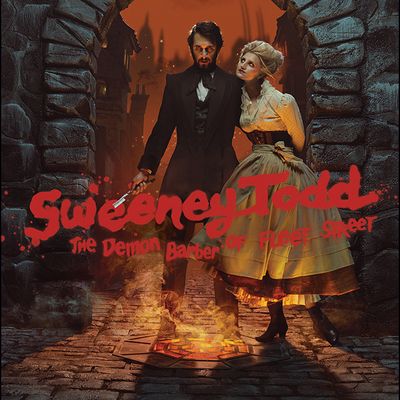
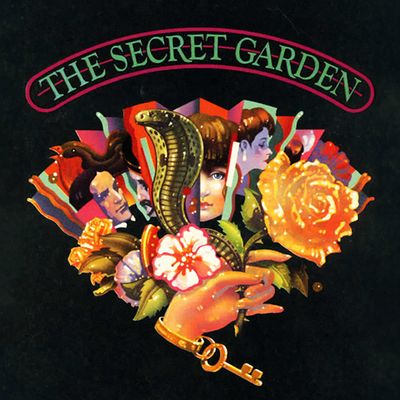
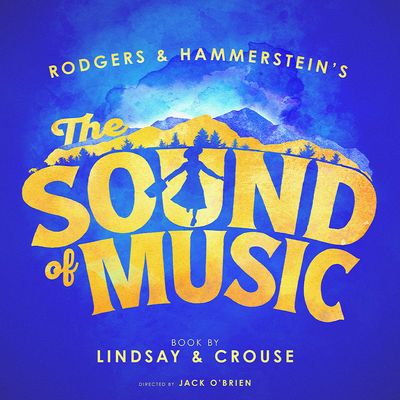
The Secret Garden. Little Women. Violet. The revivals of Sweeney Todd and The Sound of Music. All that, and many more, were directed by Susan H. Schulman, one of the very first female directors of musical theatre. At a time when women were rejected from Yale's graduate directing program, and told to become actresses not directors, Susan triumphed in New York, and abroad! Susan pulls back the curtain on her career to discuss how she got a bunch of hog farmers into The Hot Box, what was the genesis of her acclaimed revival of Sweeney Todd , and why she slept everyday outside the offices of a producer! Also, Susan shines the spotlight on Hugh Wheeler, Sutton Foster, and Stephen Sondheim! Become a sponsor of Behind The Curtain and get early access to interviews, private playlists, and advance knowledge of future guests so you can ask the legends your own questions. Go to: http://bit.ly/2i7nWC4
Transcript
This transcript was automatically generated and might contain errors.
[0:00] Kevin David Thomas: I dream the dream of days to come where sponsorship is high and money is forthcoming.
[0:07] Robert W. Schneider: That's beautiful, Kevin.
[0:08] Kevin David Thomas: I really added a voice onto that one too. I really was trying to go for something there.
[0:12] Robert W. Schneider: Listeners, we love creating this podcast, but it does cost money.
[0:16] Kevin David Thomas: Please don't make me sell my angel record.
[0:18] Robert W. Schneider: Oh my gosh, the original cast recording of Angel.
[0:20] Kevin David Thomas: Like nobody has.
[0:21] Robert W. Schneider: Nobody has it.
[0:22] Kevin David Thomas: If you like what we are doing and want to keep doing more of it, please head over to Patreon.com.
[0:28] Robert W. Schneider: It's P A T R E O N dot com.
[0:34] Kevin David Thomas: I feel Patreon.
[0:36] Robert W. Schneider: Yeah, Patreon.
[0:37] Kevin David Thomas: Reon.
[0:38] Robert W. Schneider: Patreon.
[0:39] Kevin David Thomas: Yeah, once you're there, search for Behind the Curtain Broadway's Living Legends.
[0:42] Robert W. Schneider: And of course, we don't expect to give without receiving some great rewards.
[0:46] Kevin David Thomas: Such rewards include behind the scenes videos, shout-outs on future episodes or episodes, depending on what part of the country you're from, because I said episodes.
[0:55] Robert W. Schneider: And early access to some of our podcasts.
[0:58] Kevin David Thomas: Hell, for the right price, Kevin and I will come to your apartment and act out all of Agnes of God.
[1:03] Robert W. Schneider: So head over, friends, to P-A-T-R-E-O-N.com to help us out.
[1:09] Robert W. Schneider: Hi, I'm Robert W. Schneider.
[1:11] Kevin David Thomas: And I'm Kevin David Thomas.
[1:12] Robert W. Schneider: And this is Behind the Curtain Broadway's Living Legends.
[1:15] Kevin David Thomas: Don't forget to follow us on Twitter at Broadway Curtain.
[1:18] Robert W. Schneider: And make sure to join our Facebook page at behind the curtain, Broadway's Living Legends.
[1:22] Kevin David Thomas: And follow us on Instagram at Broadway Curtain Podcast.
[1:25] Robert W. Schneider: Plus, you can always listen to our podcasts on Broadway World and Stitcher.
[1:28] Kevin David Thomas: Even as a child, today's guest always knew she wanted to be a director.
[1:32] Robert W. Schneider: There was a brief detour into acting, a stopover into playwriting, but she never lost sight of her desire to bring stories to life.
[1:38] Kevin David Thomas: And oh so many stories. Her Broadway productions have inspired countless audiences, and those who saw her productions of The Secret Garden, my personal all-time favorite, Violet, and the first ever revival of Sweeney Todd, for which she was nominated for a Tony Award.
[1:52] Robert W. Schneider: Still speak of them as transformative experiences. To tell us what it was like to get advice from Stephen Sondheim, why she would sleep outside the offices of producers, and how she got an entire plane of Iowa businessmen to give up their seats for a bunch of hotbox girls.
[2:08] Kevin David Thomas: Here is the brilliant director, SUSAN H. Schulman.
[2:10] SUSAN H. SCHULMAN: Oh my god, that's my favorite story ever.
[2:14] Kevin David Thomas: Tell us totally.
[2:19] SUSAN H. SCHULMAN: The hog lobby.
[2:19] Kevin David Thomas: The hog lobby, yes.
[2:21] SUSAN H. SCHULMAN: We were actually starting the tour of Guys and Dolls, coming out of Pittsburgh Civic Light Opera, but it was going on a national tour. And our first stop was Des Moines, and we were changing planes in Chicago, and there was some kind of major delay. You know, Chicago's such a mammoth hub.
[2:39] Kevin David Thomas: Yeah, and we had to get there for tech. You know, we were really in, we had very little time, and we were not going anywhere, and they were signing people up for the next available flight, the next available flight. We weren't on them. When we saw a bunch of businessmen wearing pins that said "hogs are beautiful," I thought, hmm.
[3:08] SUSAN H. SCHULMAN: So I sent all our ensemble ladies over to the guys to basically talk them out of their tickets so we could get on the next flight. And they did. And we prevailed, and we got on the next flight. The guys were so excited to give our tickets to these gorgeous dancing ladies that they gave every one of us their pins that said "hogs are beautiful." We invited them to opening night, and they came.
[3:41] Kevin David Thomas: Oh my goodness.
[3:43] SUSAN H. SCHULMAN: It was lovely.
[3:44] Kevin David Thomas: That is actually really sweet.
[3:45] SUSAN H. SCHULMAN: It is a very sweet story.
[3:47] Kevin David Thomas: It is a very sweet story.
[3:49] SUSAN H. SCHULMAN: So sometimes we enjoy being a girl.
[3:54] Kevin David Thomas: Where'd you grow up, SUSAN?
[3:55] SUSAN H. SCHULMAN: I grew up in Brooklyn, New York.
[3:57] Kevin David Thomas: Okay, okay. Where about?
[3:57] SUSAN H. SCHULMAN: Crown Heights, which is now the very in-trendy neighborhood.
[4:02] Kevin David Thomas: Yeah.
[4:03] SUSAN H. SCHULMAN: And what did your folks do?
[4:04] SUSAN H. SCHULMAN: My dad was a barber, and he ran his own barbershop from the time he came over from Romania, Russia, depending on the year, one of those areas that somebody told me now is Moldova.
[4:18] Kevin David Thomas: Okay.
[4:19] SUSAN H. SCHULMAN: But he called it Bessarabia that he was from. He left on his own at 17 years old, went via the Baltic to Turkey, which was the only way Jews could get out of Russia at the time, evidently, and came around through Italy, up through France, grabbed a boat out of Le Havre. I still have his receipt for his ticket.
[4:41] Kevin David Thomas: Oh, do you really? That's special.
[4:44] SUSAN H. SCHULMAN: 200 bucks is a lot.
[4:46] Kevin David Thomas: A lot in that time, huge amount of money.
[4:48] SUSAN H. SCHULMAN: Yeah. And he came to New York and with my uncle, who's not really my uncle, but you know how you call it.
[4:54] Kevin David Thomas: Yes, totally.
[4:56] SUSAN H. SCHULMAN: They opened a barbershop in Brooklyn and ran that barbershop for over 40 years, and that's what he did.
[5:03] Kevin David Thomas: Oh my gosh.
[5:04] SUSAN H. SCHULMAN: And my mom was an admissions administrator in a local hospital in Brooklyn.
[5:09] Kevin David Thomas: Uh-huh.
[5:10] SUSAN H. SCHULMAN: And then because you were living in Crown Heights, did you get to New York at all?
[5:14] SUSAN H. SCHULMAN: Well, my life is a little bit like a Woody Allen film.
[5:17] Kevin David Thomas: Okay.
[5:17] SUSAN H. SCHULMAN: My father on my birthday every year would take me into Manhattan, which was the big deal, and we'd go and see a show, one show, and eat at the automat, which was my most favorite place.
[5:30] Kevin David Thomas: Well, what's an automat for the listeners who might be scratching their heads?
[5:34] SUSAN H. SCHULMAN: Oh, an automat. So let me see. That was like you went in and it had a wall of little windows. And you got a bunch of nickels, and you put nickels in and you opened up the little window and you took out what you wanted to be a sandwich or a pie or soup, or you know.
[5:52] Kevin David Thomas: I do that to my neighbors and they're not pleased with it.
[5:55] SUSAN H. SCHULMAN: Ready food for you.
[5:57] Kevin David Thomas: Ready food, but for a child.
[5:58] SUSAN H. SCHULMAN: Oh, it was magical. And it was beautiful, because it was brass and it was all very beautiful. That was my favorite thing to do. And then either before or after, depending on when we were seeing a show, we'd go to Macy's and buy the gift.
[6:14] Kevin David Thomas: Yeah.
[6:14] SUSAN H. SCHULMAN: Macy's toy department.
[6:16] Kevin David Thomas: By the gift.
[6:17] SUSAN H. SCHULMAN: So that was every year. So I was very fortunate in seeing Broadway shows from the time I think I was six.
[6:21] Kevin David Thomas: Do you remember your first one?
[6:23] SUSAN H. SCHULMAN: I never remember my first one. I'm trying I think I'm Radio City Music Hall, which of course not a Broadway show, but they had full stage shows as well as movies. I think that was the beginning. But I know for a fact that I saw West Side Story and The Music Man on the same day.
[6:41] Kevin David Thomas: What a day.
[6:44] SUSAN H. SCHULMAN: Well, that did it. I mean, that did it. I remember coming home on the subway and thinking, who wouldn't want to do that? You know, I didn't know what I wanted to do, but I knew I wanted to do that.
[6:55] Kevin David Thomas: Yeah.
[6:55] SUSAN H. SCHULMAN: So what were you doing in high school?
[6:57] Kevin David Thomas: What sort of shows were you getting cast in?
[7:00] SUSAN H. SCHULMAN: We did a lot of new shows and we did a lot of right shows that we wrote and that sort of thing in high school. When I was in high school, the dance department was very strong. Performing arts. It was Elliot Feld, Michael Bennett had just graduated. You know, it was a very, very strong dance department.
[7:20] Kevin David Thomas: So hence they were sort of the stars of school at that time.
[7:24] SUSAN H. SCHULMAN: I don't really re I did I have a slight memory of a JM Barrie show that I didn't know.
[7:24] Kevin David Thomas: Where was college for you?
[7:24] SUSAN H. SCHULMAN: College was Hofstra University on Hempstead Long Island, and my brother went with me so because I needed a scholarship because it was a private university, and I remember my brother going with me and basically talking them into a scholarship for me.
[7:48] Kevin David Thomas: Um and so I got a four-year scholarship, which was great because I was able to do so much in university. I mean those roles I remember. I was Viola in Twelfth Night, I was Portia in Julius Caesar, I was Irina in The Three Sisters, you know, um oh Esmeralda in Camino Real. That was terrifying.
[8:12] Kevin David Thomas: Oh my gosh.
[8:14] SUSAN H. SCHULMAN: So it was an act, you you went you got a degree in acting, or is that the first thing?
[8:17] SUSAN H. SCHULMAN: Well, it was theater.
[8:18] Kevin David Thomas: It was theater, yeah.
[8:20] SUSAN H. SCHULMAN: While you were on stage, were you allowed to direct anything?
[8:24] SUSAN H. SCHULMAN: No, but I knew I was a director because I paid attention to what everybody else was doing. You know, if you really should have attention to yourself and worry about what you're doing. But I was always kind of thinking, well, is that the right moment? I don't know. Maybe I would do it like that, you know. So I kind of had the inkling, and I did some directing in college as well.
[8:47] Kevin David Thomas: Yeah.
[8:47] SUSAN H. SCHULMAN: Once you're done with your undergraduate in Hofstra, what is the plan going to be?
[8:52] SUSAN H. SCHULMAN: Well, again, my plan was always to go to Yale. And it always was to go to the Yale Drama School. I don't know where that came from, but if you do you remember autograph books?
[8:58] Kevin David Thomas: Oh yeah, of course.
[9:02] SUSAN H. SCHULMAN: Yeah. Okay, so when I look back at my autograph books, even in junior high school, it says your future school said Yale School of Drama. Don't ask me where I got that from. I don't know. And somebody that somebody somewhere it sparked it.
[9:15] Kevin David Thomas: And I was fortunate because some of the faculty at Hofstra were Yale grads. So I had a bit of help, let me say, in knowing how to apply and I needed money. I mean I had no money, so I needed a full fellowship and I did my research and I saw most of the money was in playwriting. And since I had written some plays as a kid, I thought, well I'm not gonna get they took very in very few women. I also very few women directing and acting. I hadn't done so much that I thought I'd be competitive enough.
[9:54] SUSAN H. SCHULMAN: So I had written some plays while I was in college and I submitted those and lo and behold got a fellowship in playwriting to Yale.
[10:04] Kevin David Thomas: That's amazing.
[10:05] SUSAN H. SCHULMAN: Did you think you wanted to do directing first and then did you talk yourself out of it saying sort of yes.
[10:11] Kevin David Thomas: Yes, I did sort of talk myself out of it but I also thought that once I got into Yale because it was a conservatory I'd be able to do other things which turned out to be absolutely true.
[10:20] SUSAN H. SCHULMAN: Yeah.
[10:21] Kevin David Thomas: I was able to direct I was able to act when I got into Yale so and write and I wrote you know what was your playwriting program like?
[10:35] SUSAN H. SCHULMAN: It was good. I mean, you know, you wrote plays and you analyzed them. You read them in class and you analyzed it. And in our final year, we had Robert Lowell was our teacher.
[10:45] Kevin David Thomas: Tell us a little bit about Robert Lowell for our listeners who might not know.
[10:48] SUSAN H. SCHULMAN: No, okay, great. No, I mean he was he could be brilliant. He could be absolutely brilliant, and he could also wander a lot. I mean, even his wandering was brilliant, but it was hard to sort of follow it.
[11:01] Kevin David Thomas: Right, yeah.
[11:01] SUSAN H. SCHULMAN: At the time, he one-on-one, fabulous. In the class, which was three or four hours long, it would sometimes be a little difficult to keep the train of thought going.
[11:12] Kevin David Thomas: Right, yeah.
[11:12] SUSAN H. SCHULMAN: With him, you know. But I mean, it's Robert Lowell. When he's brilliant, he's brilliant.
[11:15] Kevin David Thomas: Yeah, you know.
[11:17] SUSAN H. SCHULMAN: What do you think the biggest piece of advice you received from him that you still carry to this day might be?
[11:27] Kevin David Thomas: Gosh, I don't know.
[11:29] SUSAN H. SCHULMAN: Um not to wander.
[11:34] Kevin David Thomas: Not to wander.
[11:35] SUSAN H. SCHULMAN: Well, you know, I think and I say this a lot, you only need to know what you need to know, which I think is a very important concept in writing musical theater right at any rank. I think a big mistake that some writers make today is thinking we need to know a lot, and we really don't. We only need to know what we need to know.
[11:58] Kevin David Thomas: Interesting.
[11:59] SUSAN H. SCHULMAN: Very interesting. This is what sometimes bogs plays and musicals down with an abundance of exposition, let me for want of a better word. I'll call it that.
[12:08] Kevin David Thomas: Yes.
[12:10] SUSAN H. SCHULMAN: Later in life, a very Robert McKee said something which has stayed with me the whole time, which is exposition as ammunition. So get your exposition out in the conflict, which is such a great, great statement and something that I use all the time when I'm working with new work.
[12:46] SUSAN H. SCHULMAN: Okay, what's a page and a half? That's small, that's small. It starts out in conflict, the stress is for babies, right? And in that discussion, you learn everything you need to know about everybody. Oh my gosh. Yeah. You learn everybody, you know, long status, how long they've been there, relationships, who's who, everything that you haven't learned from meeting from the prologue, right? Because the prologue's basically the jets and the sharks, but then the next. So it's a beautiful example of exposition as ammunition. You know, you've done a lot of new works in your career, and you also have gone and lectured a lot on the construction of libretto and stuff. What besides exposition as ammunition, what other pieces of advice would you want to give to people that are developing new works?
[13:36] SUSAN H. SCHULMAN: Well, when I worked with the workshop at BMI, I used to say, look, break the rules, I don't care. You know, rules are there just as a kind of skeleton to start with, you know, as a kind of outline for you. But the one rule you can't break is having a passionate leading character whose journey the audience wants to follow. You can do anything else differently, but you can't not have that. And when you don't have that, I think you're just doomed to failure. The audience has nobody to hook onto in this journey. And again, you see that as an issue sometimes in shows that don't work, especially musicals. Now, of course, there's someone always says, yeah, what about this? What about yes, of course, there's always an exception somewhere along the line.
But if you look at any of the great shows, I mean, come on, you know who the leading character is, and you want that person to, you know, they may make mistakes, and you go, no, no, don't do that, don't do that, mom or whatever. But you know, um, and you root for them and you want to see them safely home at the end, right?
[14:46] Kevin David Thomas: Yeah.
[14:47] SUSAN H. SCHULMAN: So, um, you know, just seeing Hello Dolly just recently, too, um, just reminded me of what it's like when you have somebody like that who just propels, you know, Fiddler on the Roof. Any of these great shows, and these are the shows that last forever and ever and ever. Um, and they're done over and over again. And shows can have weaknesses in them, but if they have that, they'll still work.
[15:09] Kevin David Thomas: Very interesting. Really, really interesting. So that journey is so important.
[15:13] SUSAN H. SCHULMAN: Oh, without question, I think it's the single most important thing there is. If you don't care, uh you know what happens. You start checking out the lights.
[15:21] Kevin David Thomas: So is it hard for you to sit through shows and not see those rules followed? Do you do start to cringe a little bit about it?
[15:27] SUSAN H. SCHULMAN: Well, when I see it at the top, when I see the problem right away, it's really hard because I just want to stop them. You know, stop. You know. Um, it is. Uh interesting. Very interesting. When you were at Yale, uh, were musicals as appreciated as plays?
[15:46] SUSAN H. SCHULMAN: No, there was no musical theater program when I was at Yale. It was all it was straight theater. Did you did you know that you wanted to direct musicals though?
[15:54] SUSAN H. SCHULMAN: No. No. Uh-uh. I loved musicals, but I couldn't play any instruments. So it wasn't the first thing that came to my mind. The first musical that I ever directed was at Equity Library Theater.
[16:08] Kevin David Thomas: Yes.
[16:09] SUSAN H. SCHULMAN: We were just talking about that today. Equity Library Theater, which was a celebrating institution. Excuse me. And I did the first show I did there was Arsenic and Old Lace, and that's where I camped outside the producer's office.
[16:23] Kevin David Thomas: Okay, so wait. Wait a minute here. No, okay, so let's talk about this. So, first of all, for our listeners that aren't aware, what was Equity Library Theater?
[16:33] SUSAN H. SCHULMAN: It was, it wasn't actually sponsored by Actors Equity. It wasn't. It was just a theater that used equity members. Okay, so hence it was called Equity Library Theater. And it did revivals, and it was basically a big showcase.
[16:46] Kevin David Thomas: That's exactly what it was.
[16:48] SUSAN H. SCHULMAN: But at that time, it was one of the only showcases that were reviewed by the three major newspapers. So if you worked there, you and you did well, you got a review in the New York Times and the Herald Tribune.
[17:03] Kevin David Thomas: Gosh, yes.
[17:04] SUSAN H. SCHULMAN: Oh, yeah. The Harold Tribune, I think, at the time. And uh the Post. And um, so this those were the three major newspapers in New York. And so it was a big deal to work there. And um, I had come into New York fresh from the Studio Arena Theater in Buffalo, where I worked after graduation, and um thinking, well, I've directed a show in regional theater, everybody's gonna want me. This was so wrong. Um, but I thought, okay, well, let's work for free. We'll work at the Studio Arena Theater. Uh, we'll work at the uh Equity Library Theater, and I went to see the producer, and he said, Well, SUSAN, I, you know, you've got a great education and you have a season of regional theater, which is great, where I had directed one show in regional theater.
And only because someone got sick. I only got a chance to direct that show because the director was supposed to be a flow studio. The director who's supposed to come in from New York got sick at the last moment and they were stuck, and I was in the resident company, and I went, I'll do it. I'm here, I'm free. Right. Wind in the Willows.
[18:08] Kevin David Thomas: Wind in the Willows.
[18:10] SUSAN H. SCHULMAN: So I did it, and it was great fun. And um that was my first professional directing job. So hence I thought I was a hot shot, right? Came into New York. And um so I went to see the producer of uh ELT and he said, uh, but I have to see something you've directed. I've never seen anything you've directed. So I went, okay. This is after waiting outside his office for many, many days before he would see me.
[18:36] Kevin David Thomas: Yes.
[18:36] SUSAN H. SCHULMAN: I didn't actually sleep outside the office. It's a good story, but I didn't do that. But you would go there every day, basically.
[18:41] Kevin David Thomas: Yes, until he saw me, yeah.
[18:45] SUSAN H. SCHULMAN: Do you think that uh even then they were writing off women as directors?
[18:48] SUSAN H. SCHULMAN: Um, I I don't know I didn't know that at the time. I don't know. I just know that you know it just. But you wanted something and you showed up to someone's office every single day.
[19:00] SUSAN H. SCHULMAN: I was really young. Yeah, I did because I you know you saw that in movies, right? You saw people who wanted to meet the producer, right? Just showed up every day until I saw you.
[19:10] Kevin David Thomas: So you heard this on the fire escape at some point.
[19:14] SUSAN H. SCHULMAN: I did. I knew I I knew it from somewhere. Um, but you know, he gave me good advice. He said, I need to see something that you directed. So I thought, well, how am I going to get a job directing so he can see me something that I directed? Right. So I a bunch of my friends got together from school and from just the the you know other people that I knew who were young actors, yeah, and we got together and we decided to do a play. Uh Look We've Come Through by Hugh Wheeler, which is a play. And uh because it was a small cast, one set, and um you put it all together. We got money from a couple of parents, threw in a couple of boxes. We rented a theater. This is on 42nd Street. This was before 42nd Street was 42nd Street. Was a little sketchy.
[20:01] Kevin David Thomas: It was very sketchy.
[20:04] SUSAN H. SCHULMAN: And so we rented, you could rent you could actually rent a a space, a theater space. Yeah, yeah. Don't laugh. We had somebody ask me how much it cost by the hour to come in. Um, so we built a set, we did everything, and it was a contemporary sort of a contemporary show, so it wasn't a costume kind of thing. And um we put the show on, we bought ads and the trades, right? And the thing about doing a show in New York is that somebody's gonna come, and it was in a good it was in good space because it was easy to get to. Right, center. And it was a play by Hugh Wheeler, who of course had a name already as uh Sondheim's collaborator, and um people came. People came to see it. And I also worked the box office and cleaned the toilets as well as directed the show because someone had to do it.
[20:55] SUSAN H. SCHULMAN: And um, I was in the box office one night and this gentleman came up and said, uh, excuse me, is the director here tonight? And I went, um, yes, um she is. Can I help you? And he said, I'm Hugh Wheeler. And I went, okay. I said, one moment, and I closed the box office and I thought, okay, my life is over. Okay, this is the end of my would-be career. And I said, okay. I came out around and I put out my hand. I said, How do you do, Mr. Wheeler? I'm SUSAN H. SCHULMAN. I'm the director. And uh he said, Oh, I'm so glad you're here. Hey, this is so lovely. You've done such a lovely job, and nobody does this play, and it's a play very dear to my heart. He was extraordinary. He was so wonderful and so supportive, and he understood the situation, you know, the situation that we had gotten.
And um it was just he went back, he talked to the cast, just a wonderful experience. Wonderful experience. So it just goes to prove, you know, it's that old baseball thing, build the field and they will come.
[22:00] Kevin David Thomas: Oh yeah.
[22:01] SUSAN H. SCHULMAN: All right, so connect the dots. I then went on to um, I was going to do a show at the York Theater. Oh no, no, I'm skipping. So the producer from ELT came to see that. That's right, he better. Yeah. He came to see it, and he said, Okay, I'll give you a show. You can direct. You can direct. So I did Arsenic and Old Lace, which was such fun to do. We had a great time, and it got reviewed in the papers, and it got excellent reviews. So he said, Okay, what do you want to do next? I thought, I want to do a musical. And he said, All right. And uh I said, I want to do Carnival.
[22:40] SUSAN H. SCHULMAN: Um, so I did Carnival the next year. And what decade was I mean, what year around was it? Seventy-seven.
[22:49] Kevin David Thomas: Okay.
[22:50] SUSAN H. SCHULMAN: Seventy-seven. We did Carnival, and I realized during Carnival that I couldn't read music. I did not know how to read music. Hence, I could not say, take it from, you know, and say anything that was coherent to the musical director. So I would say take it from the Whoosh. Take it from the, you know, you know, the bells, the little thing. Well, they understood me. We'd get sort of, we had a language, but I thought this will never do. So I decided to take piano lessons to learn to read music, just to learn to read music. Music theory.
[23:23] Kevin David Thomas: Yeah, music theory.
[23:24] SUSAN H. SCHULMAN: The show opened and got amazing reviews. I mean, it got truly amazing reviews. And I remember they talked about my stage pictures a lot. I remember this clearly. And I thought, that's interesting because that is, I do try to tell a story as much by what an audience sees as what it hears. I think it's very important to tell the story pictorially as well. And um and they commented on that and I thought, oh, good. Because I wasn't like, you know, sort of consciously do it. I just kind of did it. Did it. Um and because of that show, uh, the York Theater, which was a couple of steps up, yeah, as a uh uh as a sort of off-Broadway, it was sort of like that was you know the next step, asked me to do Company.
[24:22] SUSAN H. SCHULMAN: And um that was Stephen Sondheim. And I thought, okay, now when you do a show, I don't know if this still exists, but at that time, if you were doing a Sondheim piece in the New York metropolitan area, uh Sondheim's agent had approval of the director, or therefore I think Sondheim had approved the director. It's not unusual for shows in the metropolitan area. And um, so Sondheim's agent at the time was Flora Robitz, who was um a wonderful character, a wonderful character. She then became quite a champion of mine. Nice. Um and uh she basically said to the um the producer at the York Theater, who was Janet Roberts at that time, a wonderful woman. Right. She said, Who is that girl? I never heard of her. Who is that girl? And um lo and behold, Flora Roberts was not only Sondheim's agent, she was also Hugh Wheeler's agent. And here you go, right? Here's the small business, right?
[25:32] SUSAN H. SCHULMAN: He vouched for me, and I got to do Company, and that's the first time I met Stephen Sondheim. He came to see it with James Lapine. I'll never forget that evening. Yeah, it was great. Oh, they were lovely. Yeah. And they liked your work. I mean, they evidently, yeah, because they came backstage. I mean, at least Steve did, Mr. Sondheim did. And, you know, and then I did A Little Night Music at the library theater with Eddie Corbett. Yes, that's it. With his cello, who had a name. Did he remember his cello's name? His cello had a name. And when he came in with the cello, I was like, oh no. Totally. But he can play the cello, as it turns out. He can really play the cello. So it was fantastic. And that show also got lovely reviews.
So then Janet asked me to do Sweeney Todd. And it was only ten years since the wonderful Hal Prince production, the original production in New York on Broadway, and I thought, oh goodness gracious, that's a trap. I don't know, you know. Um, everybody remembers it, you know, exactly. And incredible. And I asked a lot of people's advice, and I was dying to do it, but I was scared, truth be known. And um, in the meantime, to make money, I had already started working at Pittsburgh Civic Light Opera.
[27:05] Kevin David Thomas: Oh.
[27:05] SUSAN H. SCHULMAN: And doing shows there in the summer. Going back to Company, who was your Bobby?
[27:12] SUSAN H. SCHULMAN: Uh, um, Carol. Um, last name was Carol's first name is David.
[27:17] Kevin David Thomas: David Carroll. Are you kidding me?
[27:19] SUSAN H. SCHULMAN: Thank you. David Carroll, yeah. David was... We love talking about him on the topic. David Carroll was stupendous. He came in and auditioned, and many people say, I am this role, and you go, yeah. David was Bobby.
[27:34] Kevin David Thomas: Yeah.
[27:34] SUSAN H. SCHULMAN: David was by Sondheim. I don't know if he still believes this, but in the book that was written about him, he said that was the finest being alive he'd ever seen. And I think it for me it was the finest I've ever seen, even though I collaborated on it. A lot of it was David. Um, and David used to make me laugh. He was so beautiful and funny, and everybody was in love with him. It didn't matter if you were a man or a woman, everyone was in love with him. He was so beautiful and funny and talented and sang like a dream. You know, it was the saddest moment of my life when he became ill. We talk about him a lot on this show so younger students can get exposed to it. I mean, I had seen him do so much on Broadway, and you know, he's a special guy. Just a special guy.
[28:25] Kevin David Thomas: Special guy.
[28:26] SUSAN H. SCHULMAN: But I did want to point out that in the Sondheim biography, which is the official biography, is that he says the best being alive was from your production. So that must be something to carry with you. Um, to Sweeney now, we're back at the York Theater.
[28:40] Kevin David Thomas: Yes.
[28:40] SUSAN H. SCHULMAN: You're being told a decade hasn't even really passed.
[28:44] Kevin David Thomas: Yes.
[28:45] SUSAN H. SCHULMAN: And uh, at that point, the York Theater did their shows in the gym. So basically I was gonna do it on a basketball court. All right. Yeah. So that was... So I knew it had to be small. I mean, I had already done two shows, so I knew they had to be small. I'm sorry, Company and what was the other one? I'm sorry.
[29:02] Kevin David Thomas: Uh, Little Night Music?
[29:02] SUSAN H. SCHULMAN: No, Company and... No, that was it.
[29:06] Kevin David Thomas: Oh, okay, great.
[29:08] SUSAN H. SCHULMAN: TV and Company, the previous music. Little Night Music was it, uh, ELT. So um, I got advice from a lot of people in the business, and everyone said, do it, SUSAN. What's the worst? People won't like it. That's the worst thing that can happen, you know. So um, I said, okay, and um, I was terrified. But um, I said, okay. And I, because I had already like met Stephen Sondheim now, I felt I could call him, so I called him about the orchestrations and what to do about the orchestra because it's very... there's no space. Right, yeah, it needs to be reduced. So we thought about five instruments, whatever it is, and it was Steve who said, uh, one of the instruments we were gonna use was a synthesizer, and he said, you know, of all my scores, I think this is the one that can work on synth. Do it with three synthesizers.
[30:01] SUSAN H. SCHULMAN: So I said, Really? He said, No, yeah, do it with three synthesizers. Which is not easy, mind you. I mean, still has to be this score, still has to be reduced to basically three pianos kind of thing to be played on synth. And um, so I said, Okay, and the musical director was David Crane, who was amazing. Genius, genius. And so um, he was... he did that, and um, we had a great programmer. I know it was very difficult to program those three. And Steve was in London at the time doing the lectures.
[30:35] Kevin David Thomas: Yes.
[30:35] SUSAN H. SCHULMAN: And so he was never at rehearsal for when we did it at um, at the York. And we were just about to open, we were in our last days of tech when he came back from London. And oh, as far as the... it's also I knew it had to be small, so I was gonna do it with 14 people. I think the original cast was 40, I'm not sure, something like that. But I was gonna do it with 14, but I did not change one note nor one word.
[31:04] Kevin David Thomas: Okay.
[31:04] SUSAN H. SCHULMAN: And I also said in my discussion about the orchestrations with Steve, I also said, I'm thinking of doing it with a quintet with just five people for the ensemble playing all the roles except the principals. And he thought for a minute, when Quintoi Quintet, three men, two women, boo-boo, yeah, okay, fine. That will work. I said, Okay, great. Cool. So that's what I'm gonna do. So I had to reassign every, you know, reassign things and all of that. And um, he came and called and said, When can I come see it? And he said, I don't want to come with lighting cues when you're working on lighting cues. I do remember that again. Nothing's worse than being there when you're working on lighting cues. I said, tell me.
Anyway, um, I said, Well, we're gonna do a run, you know, a day or two from now. So he said, Great, can I come? I said, Great. The thing about Sondheim to understand is he's the most decorous person around. He will never say, I'm coming. He was a great, can I come then? So he was always very polite that way. Very. So uh, he came, and of course we didn't have an audience because it was just a tech run. And he came in and I thought, all right. And he said to me, So uh, where do you want me to sit? I said, Well, I think you should sit next to me because the only thing worse than you sitting next to me is you sitting across from me and my watching you take notes.
[32:32] Kevin David Thomas: Totally.
[32:33] SUSAN H. SCHULMAN: So he laughed and he said, It's not gonna make you nervous. I said, Of course it's gonna make me nervous, but it's gonna make me nervous no matter where you are. So um, he sat down next to me and he had a legal pad, I remember. And uh, the show started, and he started right away taking notes. Show just, you know, the organ overture started, and he was taking notes. I was thinking, yay. And the pages are turning, and he's taking notes, and the pages are turning, and the first act is over, and I thought, well, the first act's over, and my career is over. Um, and he's quiet because he's still waiting as the lights come up. And I thought, SUSAN just... so I said, Okay, boss, so what do you think? And he said, Oh, what? I said, So what do you think? He said, Oh, it's swell. It's just swell.
[33:20] SUSAN H. SCHULMAN: I'll never forget that. Swell. Yeah. And I said, So if it's so swell, what's on the pad? And you know, he's very meticulous. So it was, he said, oh, this is nothing. It's a bunch of tiny little music notes, mostly about, you know, this and that and that. He said, it's not no major thing. He said, I would like you, however, to cut the organ prelude. He said, I've never liked it, and I'd like you to cut it. I went, sure. Well, absolutely. All right. That was my note.
[33:49] SUSAN H. SCHULMAN: Yeah. And then the other note was to cut. We did, we reinstated the judges, Joanna. The flagellations one, which works amazing when you have someone who can sing it, which we did. And then he wanted, we also, if you remember, the shaving scene also has a tooth pulling section that follows it that's pretty similar. Yes. And uh, Pirelli does the whole shaving sequence, and then he does a tooth pulling sequence. And we had done, we had put that back in. And he said, you know, it's great, it's very funny, but you know, you don't need it. I said, okay. That was it. That were the notes for the York. My goodness. Beyond the idea of that we're just gonna make it smaller. What was your way in to Sweeney Todd?
[34:39] SUSAN H. SCHULMAN: I had always, well, when I reread it and listened to it just with earphones on, you know, in a very private way. It's a love story, and that's what I want it to. Everybody who does anything in that show does it for love. Now it could be, you know, crazy, it could be, uh, compulsive, it could be all the things that come with being with loving someone. However, it is for love. And I felt that Mrs. Lovett especially, I mean, she hangs on to those razors for 20 years. They're silver razors she could sell those razors and make a lot of money, and she holds on to them for a reason. Yeah, and so she's madly in love with him, and we really tried for that, but we really also tried to emphasize that even when people do heinous deeds, they're doing it because out of misguided love, compulsive love, whatever.
Um, and I thought about the things in life that we do even when we're not crazy. Um, when you're in love with somebody, you know, we cause chaos in our lives and in sometimes the lives of others and because we're not in control, you know, and I thought this is less about those crazy people over there and more about us and our most primal instincts, let me put it that way.
[36:17] SUSAN H. SCHULMAN: Bob Gunton and Beth Fowler. My goodness. And um, and we were working for tokens.
[36:25] SUSAN H. SCHULMAN: Uh, and I was fortunate enough to have really fine people in the show, really fine actors. Who were your Sweeney and Mrs. Lovett?
[36:25] Kevin David Thomas: Right.
[36:25] SUSAN H. SCHULMAN: You got a bag of tokens and a thousand dollars for five weeks. I loved the bag of tokens. Remember the subway tokens?
[36:25] Kevin David Thomas: The subway tokens.
[36:25] SUSAN H. SCHULMAN: And a thousand dollars for five weeks of work. Now I'm assuming I was thrilled.
[36:43] Kevin David Thomas: Yeah, still has the tokens.
[36:48] SUSAN H. SCHULMAN: So then the idea is that this is going to be just another wonderful show in the York season.
[36:54] Kevin David Thomas: Yes.
[36:54] SUSAN H. SCHULMAN: But something... well, I um, it was... we had a great stage manager named Perry Klein. Perry, who is a Broadway stage manager, came in to replace someone who got ill who was a friend of his. So he was doing it as a favor to this friend. So, but I had a Broadway stage manager who kept saying, I'm gonna tell everybody the show's going to Broadway. And I would go, Perry. He goes, No, no. These things you just start these rumors, and then sometimes, you know, they're true, and we would go, Oh, Perry, please, whatever. And um, anyway, the show opened and it did really well. It got a nice review, but it was on a Saturday, so not a lot of people saw the review, but it was very nice. And it wasn't, uh, Frank Rich was the reviewer at the time, but it wasn't Frank Rich who wrote their first review.
I can't remember who it was. Anyway, um, but it was doing very well. It was doing very well. And um, one night I was home and the phone rang, and it was Janet, and she said, Um, have you seen Tomorrow's Times? And I went, nope. She said, This was 11 o'clock at night. She said, go downstairs and buy the Tomorrow's Times, New York Times. I went, Janet, it's 11 o'clock at night. She said, go downstairs and buy tomorrow's Times and read the Arts and Leisure section. I said, All right.
[38:17] SUSAN H. SCHULMAN: I go downstairs and buy the Times. I open up the Arts and Leisure section. There's like a half-page article on our production by Frank Rich. Oh my goodness. A critic's, you know, like a love letter. Love letter. It wasn't a love letter. You didn't know that he was there. I mean, that you didn't know that he was gonna do that, and they didn't think that's the case. No, we had no idea. We had no idea. None at all. We'll post a copy of the review for our listeners, but it really was a love letter to you and to the production itself. And so now what's gonna happen? Now you got Frank Little.
[38:45] Kevin David Thomas: Well, now, of course, you know what happens. Suddenly everybody and his brother wants to come and see it, and producers were coming. And John Brelio, who was and probably still is Sondheim's lawyer, came down too, and he was great because he took out the calculator and he said, "You have so many people, you need to be in the theater this big." You know, he had all the bottom line, basically, there. And because I felt it couldn't work in a proscenium. The whole idea was that people were surrounded. It was on, because it was on a basketball court, people were all around the show.
[39:26] SUSAN H. SCHULMAN: Yeah. It was on what they call stadium, two sides.
[39:30] Kevin David Thomas: Oh, yeah, like an alley, yeah.
[39:32] SUSAN H. SCHULMAN: Yeah, because we had the hoops on either.
[39:35] Kevin David Thomas: Oh my god, of course.
[39:36] SUSAN H. SCHULMAN: So you literally was a basketball court. It literally was. I mean, we covered the hoops, but we had hoops. Oh, the other part, I must tell you this story, because it's so much fun for me. We had the back the floor, it was the basketball court, right? And so I was adamant about covering the floor. Now we had no money and we had no whatever, but we found this old floor cloth. And Jim Morgan, who was the designer, wonderful design, said, "Well, this is what we got." So we all stretched it out over the floor, and all of us, the cast and Jim, got down our heads and painted cobblestones. So I mean, yes. And every review mentioned the cobblestone.
[40:19] Kevin David Thomas: Everybody wins.
[40:20] SUSAN H. SCHULMAN: Yes. Which we thought was hysterical. I mean, you never saw such it was hilarious. Of course, they were in ten different styles of cobblestones, depending who painted which section. But I guess that's like a London street. I don't know. Especially down in Fleet Street. I love those stories because there's so much about why we're in theater to begin with when we all did everything and we're stretching that floorcloth and then everybody getting down. And not saying, "Well, am I getting paid for this?"
[40:46] Kevin David Thomas: Right, no.
[40:48] SUSAN H. SCHULMAN: For the love of it. Yeah. And you, I think I remember a story about you testing the levels of blood or the right color of blood.
[40:54] SUSAN H. SCHULMAN: Yes, we did. We did two things which were very funny. One was to get that horn, that terrible sound that starts the show. But I'll talk about the blood first. We had gotten lots of recipes for blood that would can wash out because you have to we didn't have enough money to make double triple costumes. So someone said, and to this day, I think it's the right thing to do is you cut it with dishwashing liquid.
[41:23] Kevin David Thomas: Oh.
[41:23] SUSAN H. SCHULMAN: So you cut it with dishwashing liquid, so the blood is already got soap in it, so that it's easier to come out. I think they it was Ajax dishwashing liquid. Plus, fuck Rajax that you cut the blood with. And um, but it needed a certain viscosity because what we did with it, I wanted it at one point to arc. Like when when he slices um Pirelli's throat in the in the box, yeah. I wanted the blood to arc out. I wanted the show to be really black comedy as well, so that these things were so grotesque, they were sort of over the top. Um and to make it arc, it had to have a certain viscosity because if it was too liquid, it wouldn't do that. And if it was too heavy, it wouldn't do that. So we filled the razors with this blood, and we no, no, no, because he he actually held, that's right.
No, it the arc wasn't coming out of the razor, it was it he he held an aerator bulb, right? He had that filled with blood, and that's what he squeezed here when Sweeney slits his throat. So we took that and we went into the men's room and we used to project it into the urinals to see how well it would arc.
[42:46] Kevin David Thomas: Typical stream, yeah.
[42:47] SUSAN H. SCHULMAN: Right. And uh till we found the right viscosity for the blood. But the other thing we did was trying to find the right sound for that horrible horn at the beginning. We wanted it really to be a terrible sound. You know, there's um it's that area of New York that sells all the boating equipment. It's on the 20s, I think, right? So we thought, well, a boat horn, one of those terrible boat horns. So we went to a store and he said, "I've got dozens of them." I said, "Well, which is your most annoying?" He said, "Well, that depends on what you're after." I said, "Really, really annoying." So we took them out into the street and just testing them all. We found truly the most annoying one, and that's what we synthesized that. We're very beloved that day.
[43:29] Kevin David Thomas: Yeah.
[43:29] SUSAN H. SCHULMAN: But you know what? I think back on those hundreds, because it's very hands-on. You do this yourself, right? I didn't send some great prop person, and I've had great prop people on Broadway, but this was so much fun to do that yourself.
[43:43] Kevin David Thomas: So you got decided to go into Broadway with it?
[43:45] SUSAN H. SCHULMAN: Well, we didn't. What happened was a number of people came to us who wanted to move it to Broadway because it already had the review, so it had that. And I was adamant that it be in that configuration. Right. Because that was the whole point was to have the audience at that proximity, that close proximity to it. And so they felt really that they were inside it. And it really was it it it certain we also had one little section that was sort of right in the audience too. And um so the only Broadway theater that could really house it was Circle in the Square that had the ability to have that configuration. And very luckily Ted Mann at the time came down and we were able to move to Circle and the Square.
But it fit just the right amount of seats. We had just a right amount of seats to survive. If we had one less, we wouldn't be able to do it. So um then we got a Broadway date, and that was great, and um we only they I remember saying to them uh two stories. So this was I was at Pittsburgh, this was my last year at Pittsburgh. I was doing Grease with Caroline Carmelo.
[45:09] SUSAN H. SCHULMAN: Caroline Carmelo is Sandy. And um when we got the notice that we were gonna go to Broadway, and the stagehands at Pittsburgh Civil Light Opera are IATSE guys, it's local three of the IATSE unit. And I had a great relationship with them. They were wonderful guys, and they taught me really a huge amount about doing a show quickly and respecting everybody backstage and learning everyone's name and the importance of all of that. And um the head carpenter at the time was Bernie, and I told him that we were gonna go, I was gonna go to Broadway. He said, "Wow, when you go to Broadway, you tell those local one guys that local three that they taught you, they trained you."
[46:04] Kevin David Thomas: I love it.
[46:06] SUSAN H. SCHULMAN: So I said, "Okay." Um I listened to everything Bernie told me to do it. And when we got to Circle in the Square, first day we moved into the theater, I went to the head carpenter's office, I introduced myself and I said, "Local three wants you to know that they trained me." And he said, "Local three, you worked in Pittsburgh." I said, "Yeah," and I explained the whole thing, Bernard, whatever. Can I tell you I was treated like a princess?
[46:29] Kevin David Thomas: Yeah.
[46:30] SUSAN H. SCHULMAN: It was so great. Yeah. It was so wonderful. And the other thing, which is this is very important. What the head carpenter said to me was no director has ever come into my office and introduced themselves. You're the first director who's done that. And I thought, what a little thing. And just a kind of human high we're gonna be working together thing to do. But I probably wouldn't have done it if local three in Pittsburgh didn't tell me to do it. Thanks, Bernie.
[46:59] Kevin David Thomas: And uh, thanks, Bernie is right, and of course now I do it everywhere. And um and I teach my students to make sure you learn everybody's name and you understand what everybody's job is, and you introduce yourself to everybody you're going to be working with. It's all part of the team. You forget that that's their a lot of those local guys, that's their home.
[47:14] Kevin David Thomas: That theater.
[47:19] SUSAN H. SCHULMAN: I mean, when I worked at the Walter Kerr, I mean that the basement offices were decked out like living rooms because they're not.
[47:24] Kevin David Thomas: Exactly.
[47:24] SUSAN H. SCHULMAN: That's the same thing. They've been there for decades, you know. We come and go, but they're not going to be able to do that.
[47:28] Kevin David Thomas: Exactly right.
[47:29] SUSAN H. SCHULMAN: And they're proud of their theater and they're proud of their work and they want to be helpful.
[47:33] Kevin David Thomas: Yeah.
[47:33] SUSAN H. SCHULMAN: Um, so that was great. Oh, so here we are with Sweeney Todd, and we were gonna we're going to your debut.
[47:41] Kevin David Thomas: Yeah, my Broadway debut.
[47:44] SUSAN H. SCHULMAN: And um I have to say that because Stephen Sondheim was now in New York, he was so incredibly generous and wonderful during the rehearsal process. He I was nobody. I was nobody, nobody knew who I was. I had no clout whatsoever. He was the person with clout on that project. This was going to be Broadway, the first Broadway revival. He could have overridden me on anything, and everybody would have let him do it. The producers certainly. He told me from the beginning that he would never do that. He said, "I will never disagree with you in public." And he never did. Even when somebody said something that he agreed with them about, he would say, "I don't know. Let's ask SUSAN. Let's talk, I'll talk to SUSAN about it." He was he very much believes that you cannot undermine the position of the director.
[48:37] Kevin David Thomas: Classy.
[48:45] SUSAN H. SCHULMAN: Very, very classy. And even when he wanted he one day he said, "Gee, I'd love to talk to Oh, the sun came out." Yeah. I know. "I'd love to talk to the actors about um how I came to write this song or what I felt to doing it. Do you mind if I did that?" Do I must? I went, "No."
[49:03] Kevin David Thomas: A master class at the master.
[49:04] SUSAN H. SCHULMAN: Sure. No, I think it would be great if we went through the show and you talked to them about each song and how you wrote it and everything like that. My biggest regret is that Hugh Wheeler was gone at that time.
[49:14] Kevin David Thomas: Yeah.
[49:15] SUSAN H. SCHULMAN: He had already, yeah. But to think that he he gave you so much though.
[49:20] Kevin David Thomas: Yes, yes, indeed.
[49:21] SUSAN H. SCHULMAN: That led up to this.
[49:22] Kevin David Thomas: Yeah.
[49:22] SUSAN H. SCHULMAN: Um and it leads to your your Tony nomination.
[49:25] Kevin David Thomas: He did, and it was the furthest thing from my mind. From a basketball court to a Tony nomination.
[49:31] SUSAN H. SCHULMAN: Wow. Exactly. And uh Bob got nominated, and um Beth got nominated, the show got nominated.
[49:43] Kevin David Thomas: Yeah, and I got four nominations.
[49:45] SUSAN H. SCHULMAN: Beautiful.
[49:45] Kevin David Thomas: That's incredible.
[49:46] SUSAN H. SCHULMAN: Yeah, it's and it's a beautiful story.
[49:48] Kevin David Thomas: Yeah.
[49:48] SUSAN H. SCHULMAN: Um now you're now you people know you.
[49:52] Kevin David Thomas: Now people are starting to get to know you at this time.
[49:55] SUSAN H. SCHULMAN: Oh, back then, yeah.
[49:56] Kevin David Thomas: Yeah.
[49:56] SUSAN H. SCHULMAN: Oh, you mean now? Everyone knows who you are now.
[50:00] Kevin David Thomas: Now nobody knows.
[50:02] SUSAN H. SCHULMAN: Yes, yes. And a show that so many of our listeners love, and so many uh The Secret Garden.
[50:08] SUSAN H. SCHULMAN: Yes, which was life-changing and inspiring so many individuals to get into this business to begin with. How does The Secret Garden come into your trajectory?
[50:17] SUSAN H. SCHULMAN: Well, um interestingly, um, just as an aside, it is the show that more people talk to me about than anything I've ever done. Wherever I go in the country, sometimes outside the country, uh, people will talk to me about that show and are sometimes shy to talk to me about it. There was a TV producer who I was doing a show directing a TV show, and he was I noticed he was kind of odd around me, and I said to somebody, "Is and is he got what is that going on here?" He said, "No, he's The Secret Garden if it's his most favorite show ever in the world. It's why he's in the business, and he's just embarrassed to talk to you." And I said, "Oh no, no, no, please don't."
[51:00] SUSAN H. SCHULMAN: And we'd have that. I had, I remember the first time I worked with Will Chase. Um we were doing Little Princess out in Palo Alto, and Will, at some one point, Will said, I just have to tell you this, and went on about The Secret Garden. And of course, Will can do an imitation of every single person on the album. A drop dead, perfect imitation of every, not just Mandy. Right, everybody's Mandy, right? But uh John Cameron Mitchell, Daisy, everybody. And uh, which is hilarious. I mean, I know people that bought three or four copies because they played their others so much it kept getting scratched in the CDs. Well, it's interesting because we made a decision to make that album with dialogue in it so that people could actually somewhat follow the story from it.
So anyway, to get back to how that led to, I was um literally teching um Sweeney Todd. I was teching it on Broadway. And Landisman at the time, now Heidi Ettinger, uh asked if she could see me. And uh I said, sure, but I'm in tech. I said, if you she said, I know tech, that's fine. I said, if you don't want to come and while I'm doing lighting cues, there'll be plenty of time to talk. So she said, yeah, she comes and she says, Do you know a book called The Secret Garden? I said, of course I know the book, yes. It's one of my favorite books a lot. She said, Well, we're doing a musical, and um I'd like you to consider looking at it. They had a workshop production somewhere, whatever. Yes. And would you come and look at it?
And um, because we think it needs work, and you know, we need a director with some Broadway experience. Now I was a director with Broadway experience, which I thought was great. Um so I said, sure. Um and you know, one thing led to another, and I wound up directing the show. So it was um it was a very difficult show. Did it need work? Yes, it did need work. They knew it. They knew it needed work. And the writers were uh, you know, every show sometimes comes to I shouldn't say this, a lot of musicals come to a point where they're stuck. Yeah. And sometimes somebody from the outside who's had nothing to do with the process comes in and goes, this is the problem. Like Joan Robin's opening number of funny thing happened on the way to the forum.
Whatever, you know, here is an issue. Here, this is what I believe is the problem. And um I was fortunate enough that the producers agreed with me and the writers came along. And if you don't want my asking very quickly, what did you think the problem was? Uh main character. Ah. Classic. It needed to be Mary's story. And it got, it was a little bit about Mary, but it's a lot about the adults. Got it. And uh they're important, but they can't be as important as Mary. It had to be, and so the decision was made communally to tell the story through Mary's eyes, and which is basically the book. Yes. So basically going back to the initial impulse, and that's what happened. And now you're working on a new work as opposed to Sweeney, which was, I mean, it was a reexisting text and pre-existing music.
Of course. Well, what is your process in terms of directing a new musical and how does it differ from directing something that's already pre-existing? Well, uh, it depends too on whether the authors are alive or not. I mean, when you're directing a revival and the authors are not there. You've got family members. Yeah, it's pretty much you and your collaborators. Though I always feel I like to be um faithful without being slavish to the original intent. Yes. Let me put it that way. Um I always want to make sure that I understand what the writers want. Sometimes it's not clear on the page, and sometimes it's not clear just to me for whatever reasons. Um so I like to engage in a lot of discussion.
Okay, how do you see this? I may not do it that way, but it helps me to know how they see something. Uh one of my favorite moments with Marcia Norman was she wrote a section where Mary travels to Misslethwaite Manor, and of course she had a train and a coach, and a da-da-da-da. And I said, You know, Marcia, there's not gonna be a train and a coach. I said, but tell me what you're after. What's the feeling that you need here from all of this? And she was able to explain the feeling, the intense emotion, the kind of isolation. So then I was able to translate that into a theatrical terminology, very much like in Violet, which takes place on a bus, in the original script, there was very particular description of bus and what she saw on the bus and the bus windows and what she saw in the bus windows.
And that's not going to be, I didn't think that would translate to stage, but and Brian knew that. He said, Oh, I know that, but it gave me an insight into what the character was feeling during that time. See, so that's what's great about having authors who are alive. Yeah. One of the great things about that original production, I thought was that it was a show for children, but it never spoke down to children in an elevated their emotional. It was right, it was right in their wheelhouse as far as imagination goes, and certainly as far as dreams go and nightmares. And we have a lot of dream nightmares. We thought of that as a nightmare. Yeah. That opening. On the cast recording of The Secret Garden, who's who are the children screaming?
Uh the children are screaming. I know what you're after. I know something very interesting. He does have something interesting. This is a uh okay. I do all the crying on the end. What? Yeah. It when we well, you know you you usually do a cast recording in one day. Yep. And because it's so expensive, and then you have to get the one day that the cast is off, and the kids were exhausted at the end of the day. And you they always do the pickups at the end of the day, the little they do all the songs at first, and then they do the pit little things, some of the dialogue pickups. So the crying sequences hadn't been done yet. And uh the kids were just, they were so exhausted, and so they would laugh every time they tried to do the crying because it was out of context.
Right. It was completely out of context. So they would just laugh, and you know, everyone's going to chink kachink and looking at the clock and got 10 minutes left. And I said, okay, okay, I'll do it. I'll just do it. And so we sent the kids home. They locked me in a booth and told me all the different kinds of crying they needed, so that's me. And there you go. This is my one cast album credit. So we have Sweeney, we have The Secret Garden. Uh we're gonna have the revival of The Sound of Music coming up very soon. These are a lot of period pieces. Yes. If someone wears a long skirt, the show will come to me. Do you mind that? No, I don't. I obviously have some sort of affinity for it. Excuse me.
No, I uh I don't mind it. I mean, do you think directors are typed the same way actors are typed? Probably. Doesn't bother you. Um let me think. Or have you or have you have you ever lost something that you really wanted and they were and you they were like, well, that's not a SUSAN show. No. Good. That's I think that's a great thing. Yeah. That's a really great thing. I do think I get tend to get the classical period pieces, but I think that has more to do with my language as a director than it does somehow with my being a woman. I'd like to think. Okay, yeah. I like to think. Your favorite show. Do you want to ask about it? Violet. Okay. Can we talk a little bit about it? Of course we can.
Um when did you get a part of the the process? And and because I know that there was quite a I think it started up in Goodspeed a little bit. No, no. No, I can tell you exactly how it started BMI. It started because Janine and uh Brian Crawley met at BMI. And I had worked with Janine on The Sound of Music. She was associate music director on The Sound of Music. So I knew Janine from The Sound of Music. She also worked on The Secret Garden. I don't know if you know that. She was um Michael Coserin's associate on The Secret Garden. And I'm so sorry. I'm just gonna put a pit in this really quickly. I apologize. One of the things we did not mention about The Secret Garden was it was uh the first musical, if I have this correct, that had an all-female production team.
Yes, it wasn't Waitress, it was us. Yes. Our uh creative team. Your creative team was all female. Yes, I wanted to get that record straight because I was. I'm gonna add Waitress when with this podcast release and be like, sorry, Waitress. I know the unless they may because of Michael. You know, we had we had a did Michael throw the balance. Michael might have thrown the balance, but as far as the people who wrote and don't forget The Secret Garden also had a female costume designer, a female um set designer, so you uh and a female lighting designer. Yes, okay, yeah. So yeah. And your lighting designer was Theron Musser. Sharon Musser. And set designer was Theoni Aldridge. Oh the legends I mean the thing.
Well, someone said they said to me, Rocco Landisman, who is one of the producers, said to me, Who do you want to design? Well, I'm just gonna go for the biggest and the best. Yeah, and I didn't even think women or not. I just thought Theoni Aldridge, Theron Musser, come on. Yes. So now we'll jump back to Violet. I want to correct that record because Waitress was not the first. I'm so happy you said that because that's how dare they. So Violet, so BMI works. And I was I was lecturing at BMI Workshop then. I was lecturing. And you knew about Janine and I knew Janine, of course I knew Janine. And I had uh I think I was one of the first people to tell her to write. I said, Write a musical. You need to write.
She was so amazingly talented, brilliant. And so um she and Brian came to me one day and said, We have an idea for a musical. And it's this story. Doris Betts. Doris Betts, the ugliest pilgrim. So I said, okay, great. So I read it and I went, Janine, it takes place on a bus. Right. And she said, I know, but that's your problem. I said, Correct. That is my problem. Well played. I said, so go write some songs. Pick some moments from because they had never worked together. They had never collaborated before. Had she written music before? Oh, yeah. She was, I think she was just a composer by she's the greatest. So they wrote Lay Down Your Head was the first song that they wrote. And they played it for me, and I thought that was gorgeous.
And it was beautiful, and I was moved beyond. And I said, uh, okay, now write another song for different moments. And so that's how it evolved from them writing songs for emotional moments from the story, and then the story began to evolve by picking the most emotional moments from the short story. Yes. And I, though I knew she didn't have, she didn't have any official say over the script, because she didn't ask for it. Some people do, but she didn't ask for it. But I wanted to be um respectful of her. So I went down to North Carolina and I met her, and we had dinner, and I explained what we were going to do. And she's a lovely, lovely woman. And she said, Look, SUSAN, a story is a story, a play is a play, you do what you have to do.
She said, the only thing I ask, and it's a phrase that I use now, is that you're respectful to the intent. Don't be slavish to it, but just be respectful of my intent. Respectful to the intent. It's respectful to the intent. And I said, I promise you that, Doris. And she was the wonderful cheerleader for the project, even though we had changed the ending of her story. She completely understood that. Well, we changed the ending of The Secret Garden. Right. Of course, you know, uh the brunette is gone, so we didn't, it's public domain, so we didn't have to get anyone's permission. But nobody knew that. Nobody called us on it except a writer in Toronto who didn't who didn't use it negatively.
[1:03:49] SUSAN H. SCHULMAN: It wasn't a pejorative comment, but called it misremembering how we made the audience misremember the original ending.
[1:03:56] Kevin David Thomas: Yeah, right.
[1:03:57] SUSAN H. SCHULMAN: Um and she brought up the fact that Mary doesn't actually get the guard at the end. One of the things that I found so fascinating about the way you staged Violet the bus, and then we're gonna jump to Little Women, uh, the attic, is that we as an audience never really saw the room from the same perspective more than once.
[1:04:14] Kevin David Thomas: Right.
[1:04:15] SUSAN H. SCHULMAN: That is a genius way of getting this idea across or at least keeping spontaneity going in the stage flow. Is that something intentional when you create?
[1:04:24] Kevin David Thomas: Yes.
[1:04:25] SUSAN H. SCHULMAN: Uh, I worry about eye fatigue, and I fatigue audiences get it and they don't even know they have it when something repeats itself too much, unless you're doing it for a specific purpose. Um and I think moving something around the stage and moving perspective, because you want audience to feel a part of it. And so if they were a part of it, they would see things from different perspectives, right? Because they'd be moving around it. Uh that's why the show works so great in the round, too.
[1:04:51] Kevin David Thomas: Yeah, three quarter, where I did it out on the West Coast in three-quarter.
[1:04:55] SUSAN H. SCHULMAN: Um so and when we did it at um originally in Lincoln Center it was three quarter too.
[1:05:01] Kevin David Thomas: Oh interesting.
[1:05:02] SUSAN H. SCHULMAN: Yeah.
[1:05:03] Kevin David Thomas: So let's talk a little bit about Little Women.
[1:05:05] SUSAN H. SCHULMAN: Yes please because I know our listeners are gonna love this. She's um how did Little Women come into your radar? Um it was having problems, it was having problems. I don't know exactly what those problems were um but it was sort of at that moment when it was either going to happen or not ever happen. And you know my agent jokes all the time is you know if they're wearing long skirts eventually they will come to you.
[1:05:38] Kevin David Thomas: Right.
[1:05:41] SUSAN H. SCHULMAN: When he hears about there was a um a musicalization of a classic book not too long ago that had been in London was making rounds of London and he had seen a workshop of it in London or something he said I'm just looking to see how long it takes them before they send it to me. And I'm telling you two months later it arrived absolutely which was funny. But um so the same thing happened with Little Women it seems yeah it had had its growing pains I'll call it that and uh you know it's hard it's hard to adapt a classic because what no matter what you do you're gonna disappoint somebody exactly their favorite thing right they're this they're that um and I think once when especially when it's a book you it's very hard to do the whole thing.
So one of the things that I said was it was too for me it was too big. It was trying to do too much too many years. I thought why don't you pick four of the most important years in her life in Joe's life again the main character. Right. Follow those four important years in her life and that's it. So we're not gonna have this part. We're not gonna have that part. We're not gonna whatever. I think that's the only way to do it to give um uh cohesion to it and some unity right to it.
[1:07:08] Kevin David Thomas: Yeah.
[1:07:08] SUSAN H. SCHULMAN: Um and also um keep us focused on when Joe's choices are the most are the the most huge for her in the rest of her for the rest of her life.
[1:07:23] Kevin David Thomas: Yeah.
[1:07:25] SUSAN H. SCHULMAN: So much of your vision that seems supported by all of your textual analysis and and textual study in your early years. So the playwriting degree has paid off too tremendously I must say I never ever regretted that when I got a degree in playwright.
[1:07:30] Kevin David Thomas: Yeah there are two things I want to talk to you about because you've been doing some really important work first for three years you were the president of uh SDC which was the director and choreographers union what uh what would you like to see accomplished for directors and choreographers that still has not been accomplished yet or what issues are still out there that maybe the general public are unaware of?
[1:07:30] SUSAN H. SCHULMAN: The issues that are still out there are diversity. I mean there's still I you would think it's getting better. I mean the fact that Rebecca won the Tony I can't tell you how thrilled I was for her and how wonderful it was to have her and to have Rachel nominated. I mean this is these are huge things for those remarkable work that those two women did this year. But you know, that's two out of how many all the time, and this is an unusual situation. I'd like to stop talking about it, quite frankly. Nothing would make me happier than to stop talking about the lack of women, the lack of diversity in directors throughout the country. Um and a lot of it for me has to do with education. I think we need to reach out and educate more women, more people of color in directing, so that uh people say you can't teach directing.
I go, that's absurd. Of course you can teach craft. You teach craft in every other art form. What do you mean you can't teach craft? And because nothing will help anybody if they go in there and get a job and don't know what to do. That doesn't help anybody, it doesn't help any woman, it doesn't hurt any person of color, doesn't help any minority at all. You have to go in there and know what you're doing and do it great. And um and so you don't want to say just hire somebody because they're a woman or hire somebody because they're black or Latino. That's not the point. Hire someone because they did good work and you saw them do good work. You saw something that they did. So the opportunities for them to direct in smaller venues for women to direct, for minorities to direct, um, and for them to get the education that allows them the opportunity to direct.
That's my feeling. And um it's difficult. It's very difficult because um education's expensive. We don't charge at Penn State. It's free. We don't charge for the mat for the MFA in directing. And I think that's makes it more available to more people.
[1:10:02] Kevin David Thomas: And before we talk about your work at Penn State, another directorial thing that I want to talk to you about, because I don't think a lot of listeners are aware of this. If I wanted to go sing a Candor and Ebb song, I'd have to pay them a royalty. If I want to perform an Arthur Miller play, I have to pay them a royalty.
[1:10:23] SUSAN H. SCHULMAN: It's illegal.
[1:10:24] Kevin David Thomas: Is it?
[1:10:25] SUSAN H. SCHULMAN: It's it's yeah, he owns that. It's an intellectual property right issue. I want to talk a little bit about intellectual property rights and directors, because this has been a long time.
[1:10:34] Kevin David Thomas: Well, you know what it comes from.
[1:10:35] SUSAN H. SCHULMAN: It comes from 25 years ago when you used to get uh um if you licensed a work, you used to get all the you got basically you got the stage manager's book.
[1:10:45] Kevin David Thomas: Yeah.
[1:10:46] SUSAN H. SCHULMAN: So you got it the director's work. He moves here on that line, she does that. I mean, that's the director's work in the you know, in the most basic right. It's the blocking. But that's about what you can copyright. You can only copyright the blocking, because you can't copyright an idea, right? Nobody can copyright an idea. So um plus it's just immoral to put your name on someone else's work. I'm sorry.
[1:11:11] Kevin David Thomas: Well, I think now with the advent of YouTube, where so many shows are recorded and bootlegged, I know lots of theaters around the country that they sit down and they copy the other things.
[1:11:21] SUSAN H. SCHULMAN: Yeah, and you know why if you want to do my production of Violet or Secret Garden, call me up and ask me. And nine out of ten times, depending on where you do it, I'm gonna say sure, give me credit or give me a small royalty, but give me the credit. Don't don't you say that you did that. And it happened, it's happened a number of times. And I'm fine. You want to do garden, and especially uh when people were doing it closer to the the original production, and they wanted to do it, they would call me up and I'd go, okay, hire my assistant or hire somebody and give me the credit, and that's fine. Uh someone wanted to do a production even of uh I did a tour of And I Get Yugan and someone wanted to do it out in California because they had seen it and I they called me again it was right above board.
I said okay who's directing it it was someone I knew I said that's good. Um here's what I want this is the credit I want I don't actually want any money for it because of the situation there wasn't that much money for anybody. I said that's fine.
[1:12:21] Kevin David Thomas: Yeah but it's putting your name on someone else's work that's the part and you know even sometimes when there is money to be made it's part of that money belongs to the original creator. You know I have on certain projects I have um subsidiary rights on projects that authors were kind enough to give me because of my contribution to the original work. That doesn't give anybody the right to copy the original production. You know the only people who have the right to do the original production then they have to pay you are the original producers.
[1:12:58] Kevin David Thomas: Yeah.
[1:12:59] SUSAN H. SCHULMAN: And then only for a certain amount of time. Let's talk about what you're doing at Penn State which is a really fascinating program. You're the only university in the world I believe that offers a Master of Fine Arts in directing for musical theater specifically.
[1:13:13] Kevin David Thomas: Right.
[1:13:14] SUSAN H. SCHULMAN: And you're the head of that program.
[1:13:16] Kevin David Thomas: Yeah.
[1:13:17] SUSAN H. SCHULMAN: Um why what's so important about getting a master's in musical theater directing why can't I just...
[1:13:17] Kevin David Thomas: I think again just the craft if you know why you're coming and school we get a lot of adults you know that.
[1:13:29] SUSAN H. SCHULMAN: I know if I was a crowd graduate.
[1:13:34] Kevin David Thomas: Yeah, we get adults, we don't get kids.
[1:13:34] SUSAN H. SCHULMAN: And uh sometimes we get people who have a lot of experience who will say to me, I don't know what to do when um when intuition fails me. When intuition fails me, I I'm stuck. I don't know what to do. And I don't want lack of craft to ever get in the way of your intuition or your vision. And that's the way I put it. I don't want lack of craft to get in the way of vision. And people sometimes, and you see it even at the highest level, you see great ideas not well executed.
[1:14:08] Kevin David Thomas: Yeah.
[1:14:09] SUSAN H. SCHULMAN: Or um misguided or confusing.
[1:14:14] Kevin David Thomas: Yes.
[1:14:14] SUSAN H. SCHULMAN: And you say, well, the basic idea here is really interesting, but they somehow didn't know how to base put it on stage.
[1:14:21] Kevin David Thomas: Yeah.
[1:14:21] SUSAN H. SCHULMAN: Yeah, how to make this work theatrically.
[1:14:24] Kevin David Thomas: Right. And in addition to SUSAN's directing program at Penn State, there's also an MFA in music direction.
[1:14:29] SUSAN H. SCHULMAN: Right.
[1:14:30] Kevin David Thomas: Where they do sitzprobe classes.
[1:14:31] SUSAN H. SCHULMAN: With Zitzprobe class, which is great.
[1:14:33] Kevin David Thomas: But what's wonderful is having the musical director and the directors collaborate so quickly there.
[1:14:42] SUSAN H. SCHULMAN: Yes, I don't know if that's still.
[1:14:43] Kevin David Thomas: Okay, great, but at least those two. You've really transformed the program, and it's a place to celebrate the craft of directing for musical theater, and I think that's so wonderful. There's so many things that we could have been talking to you about forever. We never even covered Merrily or Oh, Merrily, my one of my faves all time.
[1:15:02] SUSAN H. SCHULMAN: We'll have to get you back.
[1:15:03] Kevin David Thomas: We'll have to get you back.
[1:15:04] SUSAN H. SCHULMAN: I will tell you just one thing about Merrily. Merrily was the show that stopped me reading reviews because it got the production got a very nice review, but they went after the show again. And that distressed me to no end. And I was extremely distressed. And Stephen Sondheim was there when I saw the review, and he said, Why are you so unhappy? What's going on? And I was basically very unhappy about the review and he said to me why did you read it? I went he said okay you should stop reading reviews. This is the problem. The good ones are never good enough and the bad ones are emblazoned on the inside of your brain forever. He could quote every bad review that Sweeney Todd got and it did get bad reviews in London especially and he said so stop reading them I went okay well if Stephen Sondheim says it I'm going to believe.
[1:15:44] Kevin David Thomas: Thank you so much for spending so much time with us today. This was so fantastic being here.
[1:16:05] SUSAN H. SCHULMAN: I love talking.
[1:16:05] Kevin David Thomas: So do we love we love listening we love listening.
[1:16:10] SUSAN H. SCHULMAN: All right till next time bye everyone.
© Broadway Podcast Network, All Rights Reserved