

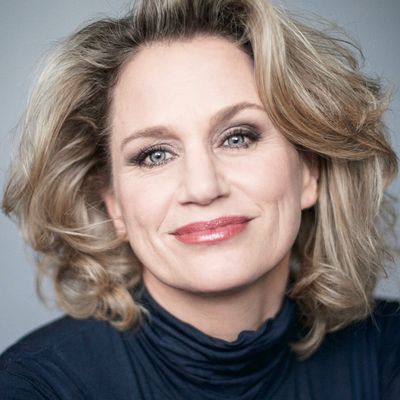
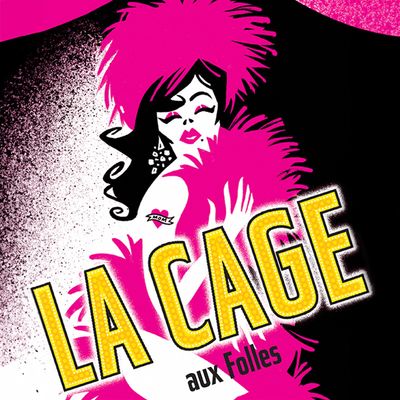
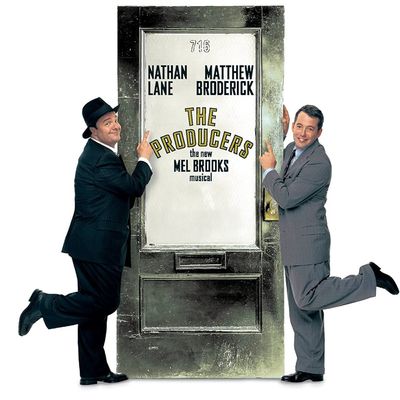
Well, we've got her, so we are going to flaunt her. The wonderful, Tony Award winning Cady Huffman swings by Shetler Studios to look back on her career, including such shows as La Cage Aux Folles, Big Deal, The Will Rogers Follies, Steel Pier, The Producers, The Nance, and many others!.. Read More
From the show: BEHIND THE CURTAIN: BROADWAY'S LIVING LEGENDS » Podcast
Guests
Featured Shows
About
Well, we've got her, so we are going to flaunt her. The wonderful, Tony Award winning Cady Huffman swings by Shetler Studios to look back on her career, including such shows as La Cage Aux Folles, Big Deal, The Will Rogers Follies, Steel Pier, The Producers, The Nance, and many others! Cady pulls back the curtain on her career to discuss how she danced for Bob Fosse, what it was like being a teenage drag queen , and why she got the role of Ulla in The Producers. Also, Cady shines the spotlight on Mel Brooks, Nathan Lane, and Bob Fosse! Become a sponsor of Behind The Curtain and get early access to interviews, private playlists, and advance knowledge of future guests so you can ask the legends your own questions. Go to: http://bit.ly/2i7nWC4
Transcript
This transcript was automatically generated and might contain errors.
[0:00] Robert W. Schneider: Dear friends, we are so sorry about the ads. They are a nightmare in every way, but with your donations we can get rid of ads someday.
[0:09] Kevin David Thomas: Beautiful, Kevin. Thanks, Rob.
[0:11] Robert W. Schneider: Bach and Harnick are smiling so big right now. Eat your hearts out. Friends, yes, we are back with a new plea, much like those adorable puppets from Avenue Q. We are asking for you to give us your money.
[0:23] Kevin David Thomas: For those of you who have headed over to Patreon to throw a little money our way, we thank you so much from the bottom of our hearts. Your contributions are the only budget we have for this show, and it provided us a new soundboard and better studio space, so a thank you.
[0:35] Robert W. Schneider: Thank you. And as you know, nothing is more fulfilling than talking to the legends of Broadway and hearing them share their thoughts, wisdom, and talents with all of us. However, it does cost money.
[0:45] Kevin David Thomas: And if you want to help us keep the show going, please head over to Patreon.com. That's P-A-T-R-E-O-N.com. Search for Behind the Curtain, and you can give as little as a dollar a month, and trust me, that dollar will help us more than you will ever know.
[1:00] Robert W. Schneider: Plus, for certain monetary donations, you will get to pick your favorite thing and have advanced knowledge of our future guests so you can ask the legends your own questions. Or you can simply leave canned goods and an original cast recording of How Now, Dow Jones outside our doors if you don't want to contribute on Patreon.com.
[1:18] Kevin David Thomas: Truth. So once again, please head over to Patreon.com. That's P-A-T-R-E-O-N.com to help us out. Thanks.
[1:24] Robert W. Schneider: Thank you.
[1:26] Robert W. Schneider: Hi, I'm Rob Schneider.
[1:27] Kevin David Thomas: And I'm Kevin David Thomas.
[1:28] Robert W. Schneider: And she's jumping the gun. She was jumping the gun. She was all ready to go.
[1:33] Kevin David Thomas: She was ready.
[1:34] Robert W. Schneider: It's the first time that's ever happened. I love it. I couldn't wait to talk.
[1:36] Kevin David Thomas: Thank God. Most people are prepping.
[1:38] Robert W. Schneider: Wait, Katie, wait.
[1:39] Cady Huffman: Okay, sorry.
[1:40] Kevin David Thomas: And I'm Kevin David Thomas.
[1:42] Robert W. Schneider: And this is Behind the Curtain, Broadway's Living Legends. Don't forget to follow us on Twitter at Broadway Curtain, and make sure to join our Facebook page at Behind the Curtain, Broadway's Living Legends. And follow us on Instagram at Broadway Curtain Podcast.
[1:54] Kevin David Thomas: Plus, you can always listen to our podcasts on Broadway World and Stitcher. This is going to sound very academic, but just go with me for it. It's rare to find a performer in the 21st century whose performance style is so elegant, so classy, and so striking.
[2:08] Robert W. Schneider: It seems as if the performer has emerged from a bygone era to grace our stages.
[2:13] Cady Huffman: You're going to make me cry.
[2:14] Robert W. Schneider: But it's true. Today's Tony Award winning performer has been dazzling contemporary audiences for quite some time, but each performance is filled with a wit and style not seen on Broadway for quite some time.
[2:24] Kevin David Thomas: It's true. Her Broadway debut was in the original La Cage Aux Folles, but that was soon followed by Bob Fosse's last show for Broadway, which was Big Deal. Then a Tony nominated turn in the Will Rogers Follies. And then 10 years later, she won the Tony Award for her sexy and hysterical performance in Ulla in Mel Brooks' The Producers.
[2:39] Robert W. Schneider: Since then, she's still performing it, killing it, and making us laugh and smile.
[2:43] Kevin David Thomas: You just worked with her last night, right?
[2:45] Cady Huffman: Yeah.
[2:46] Kevin David Thomas: Okay. Now, to tell us what it was like to work with such legends as Bob Fosse, George Hearn, Tommy Toon, Comden & Green, Mel Brooks, and countless others. Kevin Thomas.
[2:54] Robert W. Schneider: And Kevin David Thomas. Thank you, Katie. Here is Iron Chef America's very own Katie Huffman.
[3:02] Cady Huffman: Oh, we made it through it. Katie, thank you for joining us.
[3:07] Cady Huffman: Y'all are making me cry. That's amazing.
[3:09] Kevin David Thomas: Oh, my God, you're so good.
[3:11] Cady Huffman: You're so, so good. Oh, my God.
[3:13] Kevin David Thomas: All right. So we're going to start at the beginning. Where'd you grow up?
[3:15] Cady Huffman: I grew up in Santa Barbara, California.
[3:19] Kevin David Thomas: She's going to raise us a tiny bit.
[3:20] Cady Huffman: Sorry. I was born in Santa Barbara, California. Born and raised. 1965 was the year I was born. So it was quite different. A lot of orchards and canyons. And we just spent all our time barefoot, running around, ringing doorbells. Can Susan play? Can Blake? Just walking to and from school, a couple of miles each way.
[3:42] Kevin David Thomas: How close were you to the beach?
[3:45] Cady Huffman: Well, we moved around a bit. I mean, you're never far from the beach in Santa Barbara. You know, when I went to high school, I literally, in one day, went to the beach and to the snow. Because it's like a little bowl.
[3:54] Kevin David Thomas: Oh, wow.
[3:57] Cady Huffman: It's a bowl surrounded by mountains. So we did both in one day.
[4:01] Kevin David Thomas: That's incredible. I grew up in Thousand Oaks, California.
[4:04] Cady Huffman: I'm sorry.
[4:06] Kevin David Thomas: And that concludes our interview with Katie Huffman.
[4:09] Robert W. Schneider: Thanks, Rob.
[4:10] Kevin David Thomas: Thanks for that.
[4:11] Cady Huffman: That's where we used to go shopping.
[4:15] Kevin David Thomas: Oh, yeah. My friends who could afford to shop for clothes would go up to Thousand Oaks.
[4:20] Cady Huffman: Oh, wow. Down to Thousand Oaks.
[4:21] Kevin David Thomas: Yeah. So living in Santa Barbara, how did you discover theater?
[4:27] Cady Huffman: Oh, gosh. I was just born doing it for some reason. You know, my mom had been an actress, singer, and dancer herself, had studied at the School of American Ballet, had played Juliet at 14.
[4:39] Kevin David Thomas: Oh, wow.
[4:40] Cady Huffman: She was like serious. Yeah, and she was actually, Lee Strasberg chose her to be the actress in his directing workshops.
[4:48] Kevin David Thomas: Oh, wow. Oh, that's incredible.
[4:50] Cady Huffman: Yeah, kind of incredible. Which, you know, she didn't tell me till much later. Like, she was just mom for a long time. Once she got married, she was mom. And she would take, you know, like modern dance class. And I started going with her to those from the time I was about two or three years old.
[5:05] Cady Huffman: Oh, wow. And then she just has this great voice. She has a big, loud tenor voice. And we would just sing all the time. And we would read Shakespeare for fun at home.
[5:16] Kevin David Thomas: Oh, my gosh.
[5:17] Cady Huffman: Yeah, me and my brother Linus were both performers.
[5:20] Kevin David Thomas: Linus.
[5:20] Cady Huffman: Linus. It's a great name. And then our big brother, John Pearlie Huffman, was just absolutely mortified by all of us. Just like, could not have been more embarrassed by all of us just singing and dancing and doing our thing.
[5:34] Kevin David Thomas: Yeah, you took dance a lot then. I mean, once you started, then you just kept going at it.
[5:37] Cady Huffman: Yeah, I started my first acting workshop when I was six. I started ballet, begging my mother to get into ballet class at about three. But she started me at seven once she found these great teachers. And then I started studying classical voice opera when I was nine.
[5:53] Kevin David Thomas: Oh, my God. You chose to do all of this.
[5:55] Cady Huffman: Absolutely. I was like clamoring. My mom was just holding me back, truthfully. You know, it's just like, yeah, you know, it was one of those situations. I grew up in a not rich home. We had a lot of things going on, food stamps and lights going out and phone being turned off, all those things. And I think I just had this love for all these things that, thankfully, I had some talent. And these teachers were saying, yeah, come do this, do this, do this. Because we needed scholarships all the time.
[6:19] Cady Huffman: So we were just, at one point, around junior high, my mom told my ballet teachers that I wasn't able to afford classes anymore. And they were the ones who said, she can't stop. She can clean our studios and we'll give her classes for free. So I was like, great. You know, it was, yeah, absolute. Because I would get there right after school and there'd be nobody else around. So I would just clean the place, do my homework and have this really great quiet time.
[6:53] Kevin David Thomas: You dance every single day. You're one of those dancers.
[6:55] Cady Huffman: Well, eventually, yeah, yeah. I mean, when you're seven, you go once a week. And then when you're eight, you go twice a week. And then when you're nine, you go three or four times a week. And then by the time, yeah, you pretty much go five, six, seven days a week, depending.
[7:06] Kevin David Thomas: Where did the name Katie come from?
[7:08] Cady Huffman: C-A-D-Y spelling.
[7:10] Cady Huffman: Yeah, I made that up. Yeah, yeah. My name, I'm named after my Aunt Katie. My Maria Catarina is her name. But everybody called her Katie. And so I'm Catherine Elizabeth. And my mom called me Katie after her favorite Aunt Katie. And then in about kindergarten, my brother takes some credit for this, Linus, once again. That name will come up a lot in my childhood. But we figured if I was going to be a star, that I needed a more interesting name than the K-A-T-Y that my mother had spelled it.
[7:42] Cady Huffman: So I spelled it phonetically. Catherine, I spelt with a C. So I put the C. And nobody called me Katie. Everybody called me Katie because we're American. So I spelled it phonetically, like lady.
[7:53] Kevin David Thomas: Okay. Katie.
[7:54] Cady Huffman: And my first grade teacher, Mrs. Thompson. Like I was writing both. You know, I was doing K-A-T-U-A. At a young age, you were like, oh, I'm Katie.
[8:02] Cady Huffman: Yes. But I was doing both still. I was going back and forth. And I remember the day I like sweated bullets. She's like, Katie, right now, whatever you write at the top of your paper is going to be how you spell your name from now on. And it's like the flop sweats. You know, I was like, oh, my God, my mother, me, my mother, me. You know, like, who am I going to make happy? And then I wrote C-A-D-Y. And that was it.
[8:26] Kevin David Thomas: That's a cool story.
[8:28] Cady Huffman: Just like the torture. I got to New York. My agent was like, you know, we're first grade.
[8:32] Kevin David Thomas: Yeah, first grade. Mrs. Thompson was like, now, make up your mind. Thanks, Mrs. Thompson.
[8:37] Cady Huffman: Thank you, Mrs. Thompson. When is the first time that you actually get on stage in a musical?
[8:44] Cady Huffman: I think, well, at age six, I did the Pied Piper of Hamelin, whatever that means. I'm not sure. There were songs and there was a story. Great. That counts.
[8:54] Cady Huffman: Yeah. And I had a line like, here they come. And there's a picture. I got my picture in the news press, like doing my line, like pointing in my stripes that went one way on my legs and my stripes that went the other way on my top.
[9:09] Kevin David Thomas: Naturally.
[9:09] Cady Huffman: And I remember these. I had these sandals that had tire tread bottoms that were very big back then. Okay. Yeah, 1971. I was like, yeah, with all my crazy knotted up blonde curly hair.
[9:25] Kevin David Thomas: Where was college for you?
[9:27] Cady Huffman: College? Who needs to go to college?
[9:31] Kevin David Thomas: That's the right answer.
[9:31] Cady Huffman: Well, you've been dancing since you were two.
[9:33] Cady Huffman: Yeah, no, I didn't go to college. I went straight to work.
[9:35] Kevin David Thomas: Yeah.
[9:37] Cady Huffman: But I have done college since then.
[9:40] Kevin David Thomas: Sure.
[9:40] Cady Huffman: But not for this.
[9:41] Kevin David Thomas: Yeah, yeah, yeah, yeah. Did you feel that when you were in high school, did you know, I'm going straight to New York City, I'm going to start this as a career? Or did you think you were going to go maybe dance companies or ballet companies around the West Coast?
[9:57] Cady Huffman: I mean, yeah, I certainly had the wish to be in a ballet company. But I did a couple of dance competitions where I placed third. And one of the judges came up to me and she said, Katie, you're the best dancer. You just don't have the natural gifts that they're looking for. So that destroyed me for a minute.
[10:22] Cady Huffman: And also, my ballet teacher called me Ethel for Ethel Merman, because I talked in class. It was not the ideal ballet dancer, because I just wanted to sing out loud, too. And I did musicals pretty much every summer.
[10:37] Kevin David Thomas: What were some of the summer shows that you hit up?
[10:41] Cady Huffman: And when I was 11, I did Oliver. And at 11, I was already kind of, I played both a child and a grown up. So if they needed a dancer, I was a dancer. If they needed a child, I was a child. So I was sort of split. Then I did Annie Get Your Gun. And then I was Dream Laurie in Oklahoma. And then I was Gladys in Pajama Game.
[11:06] Kevin David Thomas: Awesome, a little steam heat going on there.
[11:10] Cady Huffman: I was Nancy and Oliver, which I also choreographed my senior year.
[11:15] Kevin David Thomas: Yum, yum, yum, yum, yum, yum.
[11:17] Cady Huffman: Yeah, you know, the usual stuff, I guess. And I spent a couple of summers, ballet scholarship in New York, and traveling to ballet things as well.
[11:27] Kevin David Thomas: Okay, do you remember, did you see a Broadway show in New York?
[11:29] Cady Huffman: I did.
[11:30] Kevin David Thomas: What was your first Broadway show?
[11:31] Cady Huffman: Ain't Misbehavin'.
[11:34] Cady Huffman: Yeah, with little Charlene Woodard, just like shaking between those two big girls, that shimmy thing. It just was amazing to me. I was in the balcony with my cousin, Jetta, who's my mom's age, who they grew up as sisters growing up. But I was with her, and we went and saw Ain't Misbehavin'. And I was like, yes!
[11:51] Cady Huffman: However, that's New York. In Los Angeles, we got shows coming through.
[11:55] Kevin David Thomas: Oh totally, yeah.
[11:56] Cady Huffman: Yeah, so I saw, like the first big show I saw was A Chorus Line when I was about 10. And it was the original company, because they all came from New York.
[12:04] Kevin David Thomas: Yes, they all came from New York and did the Los Angeles company.
[12:07] Cady Huffman: So I saw Donna McKechnie playing Cassie. We were just blown away at that point.
[12:12] Kevin David Thomas: Are you kidding?
[12:13] Cady Huffman: We, Linus again, and I bought the album. The big physical album that opens up, and you can read lyrics and all that stuff. And we, like for three months straight, stretched every single night to it. Like so many dancers became dancers because of that show. I mean, so many.
[12:30] Cady Huffman: Oh, my God. Still, I weep. I weep. At the ballet comes on, and I just weep.
[12:36] Kevin David Thomas: Have you ever had a chance to be in it?
[12:37] Cady Huffman: Never.
[12:39] Kevin David Thomas: But I did audition for it.
[12:42] Cady Huffman: I auditioned for a national tour when I was 14. My father, which is weird, because he will not enter into this story very much, drove me down to Los Angeles. And I signed up as a non-union performer to audition for the tour. So I waited all day. But I tell you, at 14 years old, you have so much energy. You don't care. Who cares? I was so excited with all these other dancers.
[13:07] Cady Huffman: I remember what I wore. I had this hot pink crossover dance skin leotard, probably pink tights because I didn't have anything else at that point, and probably ballet shoes. My mom had taught me a time step, and finally when we were called in, and I was 5'9 already, I mean I was already a full-blown person at that point, I did my double pirouette and time step, and I was kept for a while until they found out I was 14, and they called me down, and they're like, honey, we're really looking for you to go for 20, and again, just weeping, like I thought that was the end of the world. Oh, I'm sorry. End of the world, and my dad brought me to lunch at the Daisy in Beverly Hills, so it was, you know, it's oddly one of the few really great memories I have of my father, but it's a great one.
[13:50] Robert W. Schneider: That's a good one.
[13:51] Cady Huffman: And he had actually snuck in to watch my audition.
[13:55] Robert W. Schneider: Oh.
[13:56] Cady Huffman: And he's like, Kate, you should have just told him you're 18. They had known. You know. Never work again. This is the end of my life. Classic 14-year-old honest.
[14:07] Robert W. Schneider: So you get to a point where you end high school, and then it's like, did you already have a job? How were you like, well, what am I going to do? I'm going to go to, like we had dance shows. It was a little bit abstract, truthfully. I was a little young. You're going to hear all my braggadocious. I had skipped a grade, so I was young when I graduated. But I had also, I was a top three student in my class for all these scholarships and stuff, and I remember going in, I think it was the 4-H, weirdly enough, that was giving out a scholarship. Great. And they said, so where do you plan to go to college? And I was like, I don't plan to go to college. So I didn't get that scholarship.
[14:56] Robert W. Schneider: Oh.
[14:57] Cady Huffman: Yeah, I kind of toyed with someplace like Juilliard or something, but I tell you, I'd had so much school by that time.
[15:04] Robert W. Schneider: You were going to your regular school, then you'd go to ballet?
[15:06] Cady Huffman: Absolutely. I was like ready. I was so ready, so I just couldn't imagine. And school for me, I was a good student, but it was also just a matter of, oh my God, I can learn this without having to go to school.
[15:20] Robert W. Schneider: Yeah. Were you scared going to New York for the first time? I mean, to establish a residence this time.
[15:25] Cady Huffman: Yes. Well, I can't see, here's where, you know, this almost can't even happen anymore. But I had been cast when I was 18 as a cajole in the Los Angeles company of La Cage Aux Folles. So I was a teenage drag queen, yes. That's one of the titles of my autobiography.
[15:46] Robert W. Schneider: I'll buy it.
[15:49] Cady Huffman: Yes, please. So I had done that as a teenager. So you were hired to be in this – so you had your equity card and everything.
[15:56] Cady Huffman: I did. I got my equity card nearly immediately. Like I turned 18 in February and I was working in May. I went down for my first audition down in Los Angeles. And if you don't mind asking, how old were you when you got your equity card?
[16:08] Cady Huffman: 18.
[16:09] Robert W. Schneider: You were 18 when you got your equity card.
[16:10] Cady Huffman: Yeah, yeah, yeah, because I got cast immediately at La Mirada Civic Light Opera.
[16:15] Robert W. Schneider: Oh, jeez.
[16:16] Cady Huffman: Playing one of the voices in They're Playing Our Song.
[16:18] Robert W. Schneider: Oh, my goodness.
[16:19] Cady Huffman: Yes. One of my favorites. Yeah, I know. It's a great score. I really fell in love with that. And I was making like $325 a week.
[16:26] Robert W. Schneider: Not bad.
[16:27] Cady Huffman: And I remember that first Thursday looking at that paycheck and standing around that piano singing going, oh my God, this is what I do. And realizing this is not that different because Santa Barbara was great growing up for theater. Oh, yeah. I mean, a lot of us came out of there. Anthony Edwards is from there. Eric Stoltz is from there. And just a whole lot of people became performers in the arts. So I was ready. They weren't throwing anything at me that I was unprepared for. So I was like, this is great.
[17:00] Robert W. Schneider: So cool. And then I did a couple more things. But then I auditioned for La Cage and got it. And then at 20, I got a phone call. Katie, the producers want to know if you want to come do La Cage on Broadway. And literally, this is one of those moments where you're like, do I? You're by yourself. And looking back, you realize what a child you are. A, I've been on my own since I was 18. So it's not like I have mom and dad telling me I'm just existing, making piles of money to sort of survive in Los Angeles. And I said, OK, let me think about it. And I hung up. And I was like, then my brain went, what are you doing? And I called him right back. It was Stuart Howard. I was like, yes, yes, yes, yes, yes.
[17:44] Cady Huffman: So back then, I packed up. I got this massive collection of suitcases that all matched and a trunk.
[17:53] Robert W. Schneider: Oh.
[17:54] Cady Huffman: And I could put all of that on the airplane, no extra charge.
[17:58] Robert W. Schneider: What?
[17:59] Cady Huffman: This is back in the day where you could check as much as you wanted, walk right to the gate with anybody you wanted.
[18:05] Robert W. Schneider: Exactly.
[18:06] Cady Huffman: There was no security. And I got on that airplane to go to New York at the age of 20 to do La Cage on Broadway. And I remember being in the air and thinking, I was already familiar with New York because I'd done ballet there and everything, thinking, oh my God, when I land, I get to be whoever I want to be.
[18:27] Robert W. Schneider: Oh.
[18:28] Cady Huffman: Like I'm nobody's sister. I'm nobody's friend. I'm nobody's anything. Like when I get there, I can just do whatever I want to do, which was another quite empowering thing to think. And I remember the big thing was just ask people to go to lunch. Just ask people in the cast to go to lunch. And then it turns out the cast of La Cage, I mean, I've never had more fun backstage.
[18:53] Robert W. Schneider: Really? It was okay replacing? Because sometimes when you're a replacement, it can be a little dicey.
[18:57] Cady Huffman: Yeah. And I'd already done the show and we'd already met. I'd already met everybody. But definitely, there were a couple of people, because I was so young too, so they would really try to, they'd say things and then laugh because I wouldn't understand what they were really saying. Like, oh, you're just so jaded, Katie. I'd be like, no, I'm not. Just like, what are you talking about? I am not.
[19:24] Robert W. Schneider: We talked to a couple of people from that original production who said that it was just a party. It just felt like a party. And the L.A. company was too. There was something about that show. Backstage was a ball. I think the men who were dressing up as women, and I was one of them, but those men, they became more themselves. There was something very liberating about no longer pretending to be anything because you had to completely strip yourself and shave every day and put on tights and put on this crazy makeup and hair. There was something really empowering for all of us.
[20:03] Cady Huffman: And back in, when I did La Cage, 83 to 85, when those cagelles marched out on stage, A, it was uber glamorous and Theoni V. Aldridge, crazy expensive costumes. And you'd just see these beautiful creatures parading around and then they would turn around and put down their arms and start singing, We are what we are. And the audience would gasp like it was something they had never seen before. So you're really aware that you're doing something new, courageous.
[20:43] Cady Huffman: When I opened in La Cage, I was in San Francisco during Gay Pride Week at the Golden Gate Theater. And we had dykes on bikes and who was the big drag queen? Sylvester was hosting a party for us.
[20:59] Robert W. Schneider: Oh my gosh.
[21:00] Cady Huffman: Yeah. I mean, and here I am, 18, 19 years old, going, It was awesome. It was awesome. I love those guys. I still am very close with most of those guys. And we also lost a lot of them. We have to go to the dark place. They talk about, when you read about La Cage, you hear about stories of there being so many chorus members missing, not being able to show up at the theater, that you're in double combo. They felt the epidemic in that show, would you say?
[21:33] Cady Huffman: Absolutely. In all the shows. Yeah, my first friend who died, I was 19 when he died, and he was in Los Angeles with me. And so there was, I remember the first time I heard about this new disease was when I was 17. And this teacher of mine started getting spots. And then you started hearing all the rumors and bad information about it, how people were getting it and stuff. So you start hearing it, this gay disease. And then at 19, a friend of mine died, which was terrible. He was the sweetest. He was just the best, Larry Lind. And then from there, it was very common to lose somebody. But the New York cast, we lost many, many members.
[22:17] Cady Huffman: Yeah, La Cage. I just can't imagine being in a show for maybe two years and not losing, and if you lose one person, that's a big deal. But losing multiple people in a show, where the casting director has to constantly find replacements. Why? Because of this disease. People are dying. That's really messed up. In the six years that it was on Broadway, which I only did a couple months because then I moved on, but I was close with them, they lost at least three members of the cast and one of the lead producers.
[22:50] Robert W. Schneider: That's insane.
[22:51] Cady Huffman: Yeah. That's incredible. On a side note from that, who were your leads when you were doing it on Broadway?
[23:00] Cady Huffman: On Broadway, I think it was Van Johnson.
[23:04] Robert W. Schneider: We just talked about him in an episode, one of our other podcast episodes.
[23:08] Cady Huffman: Oh, he was a sweetheart. Because when he went on David Letterman, that interview was infamous. David Letterman had one of the first interviews, but Van Johnson killed it.
[23:14] Robert W. Schneider: Did he?
[23:19] Cady Huffman: He was such a ham. It's very funny. Ham. He played to the audience, played to the camera, didn't care about David Letterman. David Letterman didn't care about him, but oh my God, I'll forward it to you, it's so funny. It's pretty epic.
[23:29] Robert W. Schneider: I love that.
[23:30] Cady Huffman: And I think he always wore red socks.
[23:32] Robert W. Schneider: Oh, he did.
[23:33] Cady Huffman: That's what he did.
[23:34] Robert W. Schneider: Right?
[23:35] Cady Huffman: He did. Yes, he did. That's incredible. So I think it was Van and maybe Walter Charles.
[23:39] Robert W. Schneider: Oh, love Walter Charles.
[23:41] Cady Huffman: On Broadway, yeah. Walter was with us in Los Angeles the whole time with people like, oh gosh, there were a couple of great ones. Keith, a British guy. Vacuum is what he used to say instead of vacuum.
[23:55] Robert W. Schneider: Keith Davis?
[23:57] Cady Huffman: I don't know.
[23:58] Cady Huffman: Oh, shit. Oh, oh, oh. It starts with an M.
[24:01] Cady Huffman: Keith. Really?
[24:03] Cady Huffman: Yeah, I saw this in my read.
[24:04] Cady Huffman: Mitchell? Michelle? Keith Michelle?
[24:08] Cady Huffman: Yeah, that's it. Yes. We knew it. And we did have Gene Barry for a while in Los Angeles.
[24:13] Robert W. Schneider: Oh, that's so cool.
[24:14] Cady Huffman: Which was amazing because he's from Los Angeles too, so we got a lot of good perks out of him. And he was just so kind and amazing. But yeah, so we had some good, some really great leads over the years that I did it.
[24:29] Robert W. Schneider: Yeah. Great people to be learning from though.
[24:31] Cady Huffman: Oh, my God. And I realize now how what an idiot I was. I am learning, but not because I'm trying.
[24:38] Robert W. Schneider: Sure. When does Big Deal come into your orbit?
[24:47] Cady Huffman: Nearly immediately.
[24:48] Robert W. Schneider: Oh, wow. Okay.
[24:49] Cady Huffman: Yeah, nearly immediately. I got here and heard that he was auditioning. You're familiar because I'm thinking at this point, I'm like, Katie is ballet trained. She's like the fierce ballet dancer. You were aware of Fosse's work?
[25:02] Cady Huffman: I can tell you the moment. I can tell you the moment. Yes. I was, weirdly enough, on a date because I never went on a date. But there was one boy, Andy Fuller, who I did everything first with. But we didn't really like each other. There was just like a strong physical attraction to Andy Fuller. Sure. And we were on a date. We went to see All That Jazz. I was 14 years old.
[25:25] Robert W. Schneider: Oh, Jesus. It's a great date movie, isn't it?
[25:28] Cady Huffman: 14? Right? Oh my God. And there's Sandler Bergman whipping off her top and dancing around naked. And Andy turns to me and goes, would you do that? And I went, yeah. Like I was just like, yeah. And then I remember the tour of Chicago came through. So I saw that at a nice theater in Santa Barbara. So I knew full well who Fosse was. And that I was also a tall, leggy. I saw Ryan King and Sandler Bergman. And I was like, oh, shit, this is my guy. Because he also loved ballet dancers. Yeah. I mean, Ryan King was a real ballet dancer. So I heard he was having this audition for his next show, Big Deal.
[26:13] Cady Huffman: I remember a few people were like, oh, don't bother going. It's an all-black show. You won't get it. And I was like, I don't care if it's an all-purple show. I'm going to go dance for Bob Fosse. I was like, this is the way it's going to be. So God, again, I remember what I wore. Yeah. I just remember everything, you know, 20 years old. It's like, I'm going to do that. And if you've seen All That Jazz, it is exactly like a Broadway theater, a Broadway theater open call, thousands of dancers around you teaching us those combinations. And literally, once you broke it down and did your thing, he walked up to every single dancer and said, thank you, please say, or I'm so sorry, it's just not going to work this time.
Every single dancer. It's insane. Yes. Like just his love for his ensemble was amazing and his respect for what we were doing and what we were going through. And I just kept on making all these cuts, which I wasn't expecting. And then I'd go do my show at night because I was in La Cage and I got down to the very end and then I got the call. Like you, we'd like you to do that. Oh my God. What is it like being in a rehearsal room with Bob Fosse?
[27:30] Cady Huffman: Oh my God, the greatest it is. I do compare him a lot to Tommy Tune because of their enormous vision. They both have such complete, utter visions, but Tommy's very much of the air, whereas Bob was very much of the earth. He was very grounded, but he had eyes around his head. You'd be doing something in the corner, he'd just be like, no, it's blah, blah, blah. You just never knew. He just could see everything. He was very specific and he required you to be very individual and to bring yourself to it, to bring the story to it. And it was thrilling because you're only surrounded by the very best. Right. I remember that there's one day where I had a question and my brain's going, come on, okay, I'm about to ask a question and what am I going to call him?
Do I call him Mr. Fosse? Do I call him Bob? Do I call him just Fosse? What is it? Hey, hey, you, you know what he was saying? Bob Fosse? Yeah, totally. Me, I went, so Bob. And I can sort of feel the other dancers like, cigarette dangling out of his mouth. It was one of those things that started because you could smoke, you know, that kills me when I hear about that floor routine, hold my cigarette, go across the floor. Thank you. And in La Cage, you know, the stagehands were smoking backstage. Yeah. It was like totally different. And in La Cage, I had, I had lines and no microphone. You know, they counted on like floor mics and those mics, whereas the elites had mics we didn't. And I understudied Valerie Pettiford in Big Deal.
And when I went on, they put a mic on me, but didn't tell me I had to turn it on before I went on. So physically I was supposed to click it on and go out there. So I had no, then they found me backstage and turned it on, but it was like, like the advent of these, you know, wow, microphones, you know. Insane.
[29:46] Kevin David Thomas: What was Big Deal about? Was there a plot to it?
[29:51] Cady Huffman: Yes, there was. It was based on an Italian film called Big Deal on Madonna Street, which was about this bumbling gang of thieves who are planning their big heist. This, he took it and placed it into Chicago with a black gang of petty thieves, just a bunch of guys who, who, it's the, it was 1920s. So, and they were going to plan to steal this safe. Oh my God. There was just so, I mean, I, you know, so much going through my head. I could talk about this for hours and hours and hours. We haven't talked about Big Deal, I think.
[30:25] Kevin David Thomas: No, we haven't had a Big Deal guest. We've talked about Fosse, but we haven't talked about Big Deal.
[30:28] Cady Huffman: Well, it was, I do have a bootlegging copy of it. I do, I do. There are a few floating around. That's really cool. Yeah, it is really cool. And it's, you know, they shoot it back then you shot on video from the balcony. So it's very grainy. Yeah, yeah. But it's, it was a Tony Walton set. Oh. Yeah. And it was a raked stage because he loved that. But it was one set with wrought iron bars and stuff. So like a, there was this big platform halfway up where a band could come on and off and you could sit and the whole thing started with Loretta Devine standing up there. Loretta Devine. Oh, please. I only now, I still sing Life's Just a Bowl of Cherries because that's how she opened the show was with Life's Just a Bowl of Cherries in this black velvet strapless gown.
And she, to me, I mean, I've never, I'd never worked with Southern African-American people before. And there were a lot of them in this show. So they would spontaneously break into these Southern Baptist, whatever, into church at meals and stuff. And I'm like, what is going on? They were spectacular. So she had that voice. And then we had this very simple set, this Tony Walton set. So it was like the first Broadway show that was cinematic. So he could seamlessly go from scene to scene with lighting rather than having to put on and off sets. So I think I'm going to say it's the first one because the audience didn't always grasp what was going on, that that was new. And it was also sort of, from what I hear, the first time they used a lot of synthesizers in the pit.
So where we kind of figured out, oh, we don't need all these musicians in the pit, which later became kind of an issue. But we'd used, so when you listen to it, it's very dated. It's very synth sounding. Yeah, completely. It was 1986 that we opened. But Beat Me Daddy, Eight to the Bar, in my opinion, is the greatest Fosse choreography and felt incredible to do. And on closing night, we did it.
[32:53] Cady Huffman: Like the audience is going crazy. There was like a little more before the act break, and we couldn't do it because they were not calming down. And then they started chanting, one more time, one more time. So we did it again. Oh, my God.
[33:10] Kevin David Thomas: An encore of a dance number.
[33:14] Cady Huffman: In the middle of the show. Awesome. Yeah. That's incredible.
[33:15] Kevin David Thomas: When you were in rehearsal, did you guys think this was going to be a big hit?
[33:21] Cady Huffman: I assume we did, because it was Fosse. And it felt great. It was Cleavant Derricks, Loretta Devine, Alan Weeks. I mean, it was just, remember little Desiree Coleman? I mean, you guys are too young, but she was the original girl from Mama, I Want to Sing. Mama, I want to sing. And she had all these whistle tones that she sang in. So we had this cast that was just stellar and these dancers who were great. And it was Fosse. And then we performed on the Tony Awards. He won a Tony for choreography and we closed a week later.
[34:00] Kevin David Thomas: Oh, my God.
[34:02] Cady Huffman: Yeah. But as Dana Moore, who was dancing in Charity at the time said, if it had been his first show, they would have called him a genius. There was an expectation. From what I understand, I don't know anything, but apparently there was political stuff, like the producers may have wanted another number and blah, blah. It wasn't conducive to it running for some reason. Yeah, heartbreaking. But at least that number is preserved because that's on YouTube and that shows up all the time.
[34:32] Kevin David Thomas: Yeah. How does Will Rogers Follies come into your life?
[34:36] Cady Huffman: Equity principal call for the Will Rogers Follies. It was called Will Rogers at the Follies, I think. And gosh, no, I guess I got, yeah, I do remember I had this manager to be unnamed who said, because he had Rachel York in his stable at the time and she was doing City of Angels, which was great. And she was amazing in it. And he said, well, you probably won't get this, but think of it as your audition for the tour of City of Angels. And as another one of those moments in my life where I was like smiling on the outside and my brain's going, F you, what are you talking about? So she's placing me lower than somebody, which really kind of set me. Yeah, that had a lot of mire under you. That like, no, don't tell me.
Don't place me somewhere before I've had even an opportunity to do anything. So I went to this call. There were a lot of other women. It was once again on a Broadway stage, but it was me by myself. I remember what I wore. I mean, this tight Betsy Johnson black skirt and this white shoulder pads with these big gold buttons that I had gotten in Italy when I had gone to RADA. And I had my outfit on, my legs hanging out and me trotting out that, you know, and there's Tommy and Cy and Betty and Adolph.
[36:09] Kevin David Thomas: And you've never met them before?
[36:12] Cady Huffman: No, I barely had any idea who they were truthfully, you know, like again, just ignorance is bliss. Do it while you're young because you just aren't, you don't have any sensibility, you know? So I went out and I sang Life is just a bowl of cherries and oh, because they were auditioning for a showgirl and a soubrette, two different roles. And in my mind, screw the showgirl, I'm going to be the soubrette because I have all this training. So I sang Adele's laughing song from Deflator Mouse. What a funny situation. And all the runs at the end and everything. They must have been like... From what I heard, it was like Tommy, Adolph, Peter Stone and Betty were all like, that's the girl. Like I walked out and was the girl that they wanted, right? But Cy Coleman was like, I don't know if she can belt. So I had to go to his office and he laid out, you know, a handwritten Wilhelmina.
[37:11] Cady Huffman: You went to Cy Coleman's office?
[37:16] Cady Huffman: Went to Cy Coleman's office, which is also his home, you know? And it was just stacked floor to ceiling with music and he sort of cleared off a space on the piano and laid out handwritten Wilhelmina in front of me. And he starts plunking through it and I'm sight reading and I'm a pretty good sight reader. He's like, okay, now I want you to sing it like Ethel Merman. So I literally started, Wilhelmina, like literally did my Ethel Merman imitation. And he was like, what are you doing? He said, I don't want you to sing it like Ethel Merman, I just want you to belt it. I was like, oh, why didn't you say so?
[38:02] Kevin David Thomas: I love that he's like, what? What are you doing?
[38:08] Cady Huffman: And then I got it. And then, yeah, part of the, another cool thing about being hired that early. So Keith and I were hired and then I got to...
[38:13] Cady Huffman: Keith Carradine.
[38:13] Cady Huffman: Yeah. I got to audition with Bettys. They paired us up. So I had the women, including Dee Hody, who eventually got it. And so I got to have that experience of being at somebody else's audition.
[38:30] Kevin David Thomas: That's educational.
[38:30] Cady Huffman: Which is invaluable. And I got to tell you, Dee Hody rocked it. She really did. You could see other people's, their insecurities and stuff. She came in and we just like, bam, clicked and she got it. So it was an awesome. Then we did a whole workshop in late 90, 1990. Did a full workshop. I think at the, what's the, where Rent was?
[39:00] Kevin David Thomas: The Nederlander?
[39:01] Cady Huffman: The Nederlander. I think we were in there and they built a mock staircase and everything, like the Tony Walton set and all that.
[39:07] Kevin David Thomas: Right, to do the...
[39:09] Cady Huffman: Did all, well, that was the set. We danced up and down these stairs. Good work on every single show. Once we were in it for a while, we started counting our steps.
[39:19] Cady Huffman: And like mine was like 475 or something but some other girls are doing 800. That's insane. Yeah, totally crazy. But yeah, so we had this big ass workshop and we're, oh my gosh, such a great experience. But also seeing like, because we were definitely planning on going to rehearsal like in February, so they needed one more swing. So Angie Schworer, I saw her come on stage with this other lineup of girls and there was Angie Schworer. She was playing Disney, Disney World at the time. So she had flown up and I was like enamored with her immediately. And I remember they needed a soprano or something, you know, it was just all this, what do you need? What do we get? La, la, la, la. And Tommy coming up to me, what do you think about that girl, Angie?
I was like, you have to hire her. She's amazing and gorgeous. Like, yes. So she was the, I think the last hire for the Broadway company. You guys are two producers together. And we were the two Ulas last night, weren't we? Exactly, and last night we got our benefits for Abingdon Theater. Yeah, they sang Grass Is Only Greener. We did. And she's one of my best friends. That's amazing. So what's it like being in a room with Tommy Tune? Yes. I was going to say, what's it like being in a room with us? What's it like being in a room with us? Aren't we amazing? You're incredible. Yeah, what is Tommy, what's he like? Yeah, as I said, I would compare. Because he was like asking advice for like, he was like, what do you think of her?
I love that. Well, that was interesting, right? Because I know that, like, I really wanted a soprano. And Angie's not a soprano. So I can't remember, there were a couple, like two more slots they needed. I guess they found what they needed. But she was just so gorgeous. He, again, just that sort of, A, he knows how to build a family. He doesn't, he does a little warm up every morning with everybody, like a little yoga warm up. And so you learn to be together immediately. You hold hands before a show, we used to call it at the corral, because we had like a warm up. And so we'd corral up and hold hands in a circle. And he's very good at creating this family environment. And while sort of remaining sort of his own floaty kind of person outside of all of it, too.
Like he's looking at all of it, and observing it and making it happen. But he's much more sort of the puppeteer and like the person. So he had some very interesting techniques. And he allowed like, Jeff Calhoun to do a lot of invention on us. And then he would come in, too, and be very clear about what it could and couldn't be, when it needed to be. I think it was all his vision, but he did allow people to really...
[42:08] Cady Huffman: He collaborated, yeah. Absolutely. That was the first time I really heard collaborators really yelling at each other, too.
[42:16] Kevin David Thomas: Oh, really?
[42:17] Cady Huffman: You know, I mean, you know, I heard Betty Comden use the F-bomb one more than a couple times. Because it was, I mean, that group was...
[42:25] Kevin David Thomas: Oh, you've got power hitters.
[42:26] Cady Huffman: Oh, my God. When everybody is a power hitter. Everybody. And they've all been proved before. They've all had success.
[42:33] Kevin David Thomas: Like they can all tell you what works.
[42:35] Cady Huffman: Exactly. They did it. Yeah, they invented it, some of them.
[42:37] Kevin David Thomas: Yeah, exactly. Exactly. You know, Betty had been writing as a woman in Hollywood since the 1940s.
[42:44] Cady Huffman: Amazing. So it was the first time I saw collaborators yell and scream at each other, or you heard them more than see them. You would just hear, oh, there it is. But so it was, and it was awesome. But the first time, well, when Bob did Big Deal, he was, you know, we didn't have a composer. It was pulled music.
[43:04] Kevin David Thomas: Yes.
[43:06] Cady Huffman: So it was very different. This is the one where a much more typical experience of entire numbers being cut, you know, and watching things happen, you know, entire... I mean, just, it was amazing. It was a very expensive show.
[43:22] Kevin David Thomas: The show was tweaked a lot then.
[43:23] Cady Huffman: A lot. A lot. So, yeah, you know, and Willa Kim's costumes, and it was gorgeous. I mean, and just with that, it was just gorgeous. But it was a very more typical experience because of the, you had all of those elements, all those big Broadway elements. And it's back when they were still building us shoes and making us, you know, now they go to Capizio and buy shoes. But back then it was expensive and everything was big and it was a Ziegfeld show. So, oh my God, just watching like the Jules number, watching those headdresses and those costumes and Willa coming in and tweaking them on the girls on stage. And I mean, it was extraordinary, but it was also, you know, the heartbreak of things being cut, things being put in.
[44:16] Kevin David Thomas: Yeah, all that work you did. And then they're like, no, we're not going to do that.
[44:18] Cady Huffman: Yeah. Oh, and I was talking with my friend, Amy Turner, who was in it too, just the other night, how, you know, what I learned was if you want something cut, learn it. You know, you have to show it with integrity, with full out. You have to show it. You have to show them what works and what doesn't work. Does it fit your story? Absolutely. You may love the dance, but they don't care.
[44:40] Kevin David Thomas: Exactly. If it doesn't fit, it doesn't fit.
[44:44] Cady Huffman: And if you hate it, well, A, you don't know shit because you're an actor, so just do your job. But, so don't be like, just do it. Freaking do it. And then we can see whether or not it works. And then as an actor, you're also like, oh shit, I'm so wrong. It works. You just don't know. So, I remember Keith saying, if you want something cut, learn it.
[45:10] Kevin David Thomas: What was the question? I was going to say, and this leads to your first Tony nomination.
[45:16] Cady Huffman: Oh, yes. So what's that like?
[45:20] Cady Huffman: Out of the freaking blue. Not expecting it.
[45:22] Kevin David Thomas: Oh God, no. I mean, that morning, you must have been like, wait, wait, what?
[45:24] Cady Huffman: No, I didn't even know the Tony nominations were coming out. Like, it was not on my radar at all. Like, it just was not something that was on my mind. Like, in the least. I don't even, I don't even know how I found out. I might've had to go to the show that night to find out that I was nominated. Because it wasn't like we had the internet. There was no, it was live at Sardi's or something. But I don't know, I guess I got a phone call. And I was like, what? What? What? I just had no idea. And then it was a month of awesome. You know, of just like, you've got to be kidding. This is so, you know, Bob Mackie gave me a gown to wear for the Tony night.
[46:14] Kevin David Thomas: Oh my gosh.
[46:16] Cady Huffman: Yes. It was just like, you've got to be kidding me. I want to talk about somebody that actually plays a really huge role in your life, who's no longer with us. And that's Vincent Liff.
[46:25] Cady Huffman: Vinny, yeah. I mean, a huge part in my life. He, I met Vinny at Joe Allen. I was sitting, having dinner with somebody. And he came up, Vinny Liff, there was a very powerful casting office, Johnson Liff, which has become Tara Rubin Casting. She was their assistant.
[46:51] Kevin David Thomas: Yeah, she started out as an assistant.
[46:53] Cady Huffman: Yeah. But Johnson Liff, the cast phantom. They were like the big ones.
[47:00] Kevin David Thomas: They were like the big, big, big agents.
[47:02] Cady Huffman: They're big, big. And they were the big singing.
[47:04] Kevin David Thomas: Yes. I should clarify. You're right.
[47:05] Cady Huffman: They really did the big singing stuff. So I never got seen by them. But, and that was a little bone of contention for me. It's like, why don't I get seen for singing roles? Because at that point, I was really thought of as a dancer. But he came up to me at Joe Allen and said, hi, I just want to meet you. My name's Vinny Liff. And I'm a big fan. And I said, well, thanks. My, again, my little tiny brain's like, well, you've never seen me or anything. You know how 20 somethings can be. But I was like, oh, that's interesting. Vinny Liff even knows who I am. And then I soon after finishing Will Rogers, I moved to Los Angeles and to try TV and to get married. Actually, I'd fallen in love and got married out in California. And then I just didn't understand Los Angeles. It was very hard years for me in Los Angeles. I worked, but you know.
[48:00] Kevin David Thomas: Even though you had been a dancer when you were like, you know, 18, 19, you did La Cage in LA, but it was being a little older and being an actor.
[48:08] Cady Huffman: But for film and television mostly.
[48:10] Kevin David Thomas: Yeah, film and television and having, sort of trying to ride the wave of the Tony nomination, the notoriety.
[48:18] Cady Huffman: Yeah, exactly. Like going for that.
[48:20] Kevin David Thomas: Does it translate to LA sometimes?
[48:20] Cady Huffman: No, because I'm not good at the LA. What you need to do is show up all the time in character and, you know, I'm an actor. I rehearse. I do things like, you know, whereas TV and film, it took me, I needed to learn to show up and always be that. And commercial calls where in New York you were wearing, you know, a tennis outfit or a, you know, whatever you were wearing as a real person there, every single girl was in a tiny black dress for every audition. It was like, well, aren't we here for Snickers? I was like, I don't understand. And everybody's an actor out there. So there'd be hundreds of people at every call. It was just, didn't suit me at all. So I sort of subsisted as an actor, but I was married and happily married at that point.
And, and he had a job, so it was fine. I was happy. I call them my fat and happy years because I was really happy, but not particularly creating what I wanted to be creating. And then I get a call from Vinnie Liff saying, this is, you know, like five, six years, five years later.
[49:26] Kevin David Thomas: After you had met him at the JoEll's, and you really hadn't ever seen them again? Like you never, ever auditioned or anything?
[49:31] Cady Huffman: No, never auditioned for them. Never, nothing.
[49:33] Kevin David Thomas: That never happens.
[49:34] Cady Huffman: I know, crazy. And I get, that's why I always tell young performers, it's like, you go into that audition and you do your very best and you have fun because this is your chance to act and you're not going to, you're never going to get your, as many chances as you want to act. And you never know who's looking. You just never know who's in that room with you and seeing you do something. So you always have to do your very best and enjoy it. So five years later, I get a call from Vinnie and he says, Katie, I want you to fly yourself to New York to audition, to be the standby for Karen Ziemba and Deb Monk in Steel Pier. So I already had a Tony nomination and he's asking me to audition, to play, audition to standby.
And I was like, oh, with my husband, I said, you know, I really want to go back to Broadway. So I think I need to do this. He's like, all right, we feel like you need to do it. Do it. Flew myself in, auditioned and got it. So now I found myself in tech with the company of Steel Pier, moving to New York and understanding these two great women, both very different from myself. And watching that whole thing go down, watching from my perspective, being a very latecomer and watching a show, they all had stories about the workshops and blah, blah, blah. So watching a show not succeed was really interesting from my perspective, because I wasn't on stage. I was watching. You didn't have investment as if you created this character from scratch. You were a part of it, but you still got to be moved enough. But I was still kind of an outsider.
[51:10] Kevin David Thomas: Yeah. And I have feelings completely broken when it, if it didn't do well.
[51:14] Cady Huffman: Yeah, it was just a very different. I feel that. Yeah. And great group of people again. And I was rehearsing the songs. This is Kander and Ebb.
[51:25] Kevin David Thomas: Kander and Ebb.
[51:30] Cady Huffman: And I'm down in the basement rehearsing with a rehearsal pianist, the songs that I need to learn. John Kander comes down to the basement. He's like, Oh, Katie, do you mind if I play for you? Yeah. John, just give us a second. Yeah. Yeah, right. We're almost done. We're almost done. Then you can tinkle around with the piano.
[51:51] Kevin David Thomas: Yeah. Sure, John. And then I think you and I actually had this discussion when we were rehearsing, right? I love this. I love this conversation. And it harkens back to the Fosse signing of his dance pieces. It was like to hear him. And I have, I've worked with him a couple of times since then to hear him play those Kander chords, you know, and hear him interpret these songs. It was like, I mean, I can tell you right this moment, I'm feeling my heart is like just warm. And I'm
[52:26] Cady Huffman: I'm in his presence and he's doing that, but he did and I rehearsed with John Kander for a day, which was...
[52:35] Cady Huffman: So Steel Pier closes prematurely, we all agree. And then how else does Vincent Lyft help you or Vinnie Lyft help? Okay, so Vinnie said, yeah, it was a very interesting moment in my life because I'm back in New York. We drive back with my, you know, six foot three husband and two large dogs in a pickup truck, you know, we make our way back to live in Jersey City because that's where we could afford to live. And I start doing commercials again, and then we go on a commercial strike. So I'm not able to make that living. And then I get a call from Cynthia on Rubia. Do you want to do the last six weeks of Dame Edna the royal tour? And I'm thinking, god bless you, Cynthia on Rubia because you did not make me audition for this.
I'm going to say yes. You know, it was the type of part that was just decorative, you know, pretty much. I got a couple numbers, but it's mostly decorative, but turned out being six of the greatest weeks of my life. Yeah, you know, working with Dame Edna.
[53:40] Cady Huffman: For our younger listeners who may not have any idea, didn't watch the Tony Awards or see performance of Dana...
[53:46] Cady Huffman: Yeah, well, he's, you know, Dame Edna as far as I'm concerned exists separate from Barry Humphreys, you know, they are two different sentient beings. And Edna is outrageous and wears purple hair and she has a gay son. And so she's Kenny, you know, friends of Kenny and he throws what are those the flowers he always throws? Oh, yes. Not down doing a good anchor name up marigolds. Yelling at us right now. I know, but I can't think of what it is, right? I can see a bunch of them in my brain, but I can't say what they're called. But he had been Edna for about 40 years to this point. Yeah, and yes, he's Australian and he has lots of other characters as well. But Edna is the only being on Australian money other than the Queen.
[54:52] Cady Huffman: Oh, I did not know that. Yes. Is that crazy? Like he is that big a star or she is that big a star there? She's huge and Barry Humphreys who plays her manager and you know, it is you would think he was the most proper English gentleman, you know, he does not have a typically Australian what we think of as a typical Australian accent, though they of course do. But he wears, you know, white cuffs and white collars and he's very put together and everything's tailored and he's kind of soft-spoken except he's soft-spoken in the most kind of randy way, you know, he's the funniest man. I was sitting next to him at a dinner at the mat, we were, I think it was Warhorse we had seen, been this big gala for Warhorse and we were all under those tents and having dinner and I'm there with Barry and many years later and he's talking to somebody next by, he's like, "Katie, this gentleman is very boring, so I'm giving him a list of books that I'm reading."
None of them are real, like diligently writing, right? He says, "My favorite is the black penny." All subversive, like just like, oh my god, you're the only, like no one else around knows why you're laughing so hard, you know, so that's brilliant. So being on tour with him must have been just, it wasn't, or it's six weeks in New York.
[56:26] Cady Huffman: In New York. Yeah, I was only in New York. That was it. And I mean, I can't even tell you, as you as I talk through this stuff, so much more happened during that six weeks that's off on a tangent that I won't even go into. But yes, so that's before Vinny Lyft calls me. I'm doing, I'm on strike, I'm doing Dame Edna and I got a call, another call from Vinny. "Katie, Susan Stroman and Mel Brooks are wondering if you would consider doing a reading of a new musical based on the Mel Brooks film The Producers." And again, it's one of those moments where I'm thinking I'm 35 at this point and in the film she dances around a bikini, right? And so I'm thinking, dance around a bikini, 35 years old, what do I do?
But this time I don't hang up and call back. I'd like yes, like I'll figure it out, you know, if you got to be in a bikini, you got to figure it out, girl. He said, "We'll bring me everything you have." I lived in Jersey on like all your press for the Will Rogers Follies, which in that day you had to physically put it into an envelope, take it to New York and hand it to him. There was no internet to just send it. So I did that night and the next day he's like, "Yeah, they want you to do this reading of The Producers as Ulla."
[57:53] Cady Huffman: So I was like cool, we rehearsed for about a week and I don't want to get any names wrong. Glenn Kelly, great Glenn Kelly and I were rehearsing my song and Glenn was the genius who meld, like Glenn, I want the song to be that face, that face, that wonderful face. And Glenn was the one who like wrote it down. He would flush it out and he would make the music really, yeah, he would did the dance arrangement, you know, Mel absolutely wrote the song and then Glenn like opened it up. So I get to rehearsal with Glenn and he says, "Okay, Katie, no, no, knows. This is a throwaway song, don't worry about it. You're just gonna win." Again, my mind's like I don't sing throwaway songs by the way. So I had already prepared like the journey of an audition, you know, being nervous and then coming out with this big belt at the end and Ben was like, "Oh my god, that's amazing."
And then he was the one who came up with "Now Ulla dance and now Ulla belt." So it became the number that it is, very silly but kind of awesome number that it is. Yeah, and then we, so I remember April 9th, 2000 was the day that we did these two readings for industry. It snowed in the morning and then cleared up to this glorious day and Bancroft sits at about three feet off of my left knee and you know, there's Nathan and Gary Beach. There were, you know, but it was slightly different cast than was ended up on Broadway, but Jennifer Smith was there. Oh, and we did like this first reading for all these producer types and we'd all done a lot of readings and producers are usually pretty quiet. Yeah, these guys were like red in the face laughing so hard at this piece like we were like, oh shit, this is funny, this is funny.
[59:38] Cady Huffman: And apparently after the first reading, Rocco Lannisman came up to Mel and offered in the St. James, like right there just like, "That's for you." Yeah. And then after the second reading, Mel Brooks came up to me and said, "Kid, when it goes, you're in." Thank you, Mel Brooks, I love you so much. But you have to create that. I mean, like you said, like flaunt it wouldn't have been what it was if you hadn't put your mark on it. Oh, like that's everything in theater, right? That's all right. Yes, but we have to still say it out loud and like recognize it. I'm gonna say it out loud, you know, it's such a collaborative experience. Yeah, I mean people do be able to ride the wave with it though and oh, please, please, it's extraordinary and it's April and again, you're thinking, well, when will it really happen?
Yeah, and by November I was in rehearsal for the Broadway show and it had been Vinny who had called initially, and I didn't have to audition to do the part. I just got it. And I mean, it's all nuts, right? Like believe me, my path is not other people's path and let me, it goes up and down and up and my highs are high, my lows are low in life, which we're not talking about it. To know that the business isn't just like just steady uphill all the...
[01:01:05] Cady Huffman: It's not at all and you still can have six amazing weeks playing the beautiful sexy dance, you know, just the eye candy for Dame Edna and then all of a sudden you win a Tony Award. All of a sudden, look, you haven't working your ass off. But you know, then you win a Tony Award the next gig. Yeah, I mean, it's crazy. It's showbiz crazy. That is show business is you cannot predict anything. And as I said, you can't predict who's watching and Vinny Liff had been watching you never could get seen by. Yeah, and then at the Tony Awards, I thanked him. Yeah, for remembering and he was already sick at that point. He had his, he had a brain tumor. And I remember like Bernie Telsey calling me afterwards and you know, thanking me for thanking Vinny, you know, it was not something that happened a lot.
[01:02:04] Cady Huffman: Recognized, yeah. Yeah, and there, I mean, I love some casting directors, you know, I find them, the good ones to be extraordinary and really on my side. Exactly. Yeah, and then so he only changed my world by asking me to fly myself in to audition for Steel Pier and then saying, you know, this is an opportunity, seize it. And then I got Ulla. So you are in this tidal wave of a hit that is The Producers. Crazy. What is it like? Go, I mean, this is incredible. Again, free the internet, don't I wish the internet I would have so many more followers now. Yeah, it was, it was worldwide. It was like the front pages of newspapers. I mean this, yeah, it's like, yeah, I can think about Will Rogers in the same sort of context.
Will Rogers in the 20s was a worldwide phenomenon, you know? How did that happen back then and now we have television and everything else and we were suddenly worldwide, you know, people were paying attention to this stupid show on Broadway. I mean stupid, it was great, but it was also one of those things, even in rehearsal it never changed. I mean, there were not, it was not a typical experience, there were not whole numbers that were thrown out, there were not characters that were gone. By the time I got to New York, it was virtually on the page from that first reading that I did and there were shaves, shaves to lines and then Gary Beach was the only one, there was like this center section, middle section of Springtime for Hitler that constantly was being tweaked. So he was, you know, I don't know how it ended up truthfully. I don't even know what's because I think what's on the recording is not what we did on stage.
[01:04:43] Cady Huffman: Oh interesting, but he had this whole kind of Judy Garland thing where he sat on the edge. Oh, I remember. Yeah, I was just a paper hanging. No one works your, you know, all that. But then there's like all these presidents that come in and do it. But that was the only big chunk of the show that was changing constantly in Chicago. So he was like learning these big sections, the rest of us were like a... In Chicago, we lived in the same building as the theater. Oh, I mean it was winter, but we lived in that. So like we were, it's how you think I, you know, what was my college experience? The Producers? Like I was in a dorm, you know? Yeah, camp producers. Oh my god, I mean truthfully never more fun in my life and Angie Schworer again, she was in it.
So I got sort of a suite and she got the room next door. So we were like, we had a party suite going on. We had like a six-person jacuzzi tub, like just crazy fun. How do you keep your head? How do you keep your feet on the ground in this incredible experience?
[01:05:51] Cady Huffman: Yeah. Well, I tell you because it's a very scary, it's so scary and we had Nathan and Matthew who were not beginners at this, you know, they both had their extraordinary successes. So and it trickles down from the top man, and they were really, really aware. They're great leaders. They're great leaders and they're aware that it could all just fall apart, you know. So it's, you know, the fact that we were huge hits in Chicago to the point where they had to put like little guards in front of us at dinner because so many people were walking up to the boys. It was...
[1:05:31] Cady Huffman: You know we huddled we absolutely huddled together and became very close and we were in the eye of an incredible storm like where we were the safety of a theater. Walking through that stage door every night we were safe, right? And we got to do what we knew how to do and inhabit that environment and love each other, right? And then around us was crazy business where people thought they knew how things were going. They thought they knew what was going on. They wanted a piece of it. They wanted you, they wanted, you know, it was like a swirl around us, but we all just got very close and yeah, I can only just think of Nathan and Matthew really guiding us through a time like that and it being slightly terrifying and then but again you jump on that train, you know, you're scared and you do it anyway and then we got to New York at it that it was what they said it was gonna be and we won.
[1:06:53] Cady Huffman: Well, it was a joke, I mean it was a joke. I mean like I remember where I was, I remember watching the Tony Awards. I was a student at the time but doing summer stock. I remember I mean I would have, of course, but it was like 12 or something. I mean it was, yeah, we had seen every single one, every single nomination that we get which was 15, right? And we won every single award that we could have won which was 12. Insane and you know for me it was like this is the greatest night ever and I was wearing a million dollars worth of diamonds. I had an armed guard with me, you know, and we did a matinee that day. Yeah, so I had 45 minutes to get ready to run over to in my Manolo Blahniks borrowed over to, you know, to Radio City.
45 minutes to like I'll get into our gowns in our tuxes and get over there and listeners you should know that whenever you see performance on Radio City on the Tony Awards, they all got ready at their theater. Yeah, and they all did a matinee that day.
[1:08:11] Cady Huffman: Boss over and Will Rogers you walk down the street, but yeah, but yeah, you have to make it yourself they get you to that you get right change it at one theater and move over to the other. I always found that interesting. Yeah, and literally I think I had a car and I had a husband at the time so he was getting me into the car and but we couldn't get anywhere near the theater. We couldn't get near, you know, Radio City because of the crowd. I had to get out, hike up my train and run over to the, you know, theater. Yeah, this is so stupid and great and I remember what a great night this is amazing. And then I asked someone a couple years later, I go, yeah, you know, wasn't that a great night? They're like no it was like the most boring, you know a lot of feelings about that you mean it was it was the year of Full Monty which I loved Monty and I loved playing softball with them and you know, and they didn't win anything and that was a great show, so it was a very mixed bag.
[1:09:17] Cady Huffman: But yeah, so we are living the high life and then 9/11 happens and New York shuts down. It happened on a Tuesday, right? 9/11 and we were back to work on Thursday. Oh my god. Yeah, then it was a big call to arms, you know that Giuliani was saying Broadway is open. If you need to get into Manhattan show your Broadway tickets, you can get into Manhattan. Like we were all this was how we were gonna, you know, try to salvage Broadway for one thing because Broadway really took a major hit and once again like the publicity around us again, a you know, that's the storm around us was kind of exceptional and we had lines around the block again because people were not able to come in and see the show not able to fly in and all that and we still had packed houses.
We were being interviewed all the time my brother the writer John says, how can you make people laugh right now? And I remember saying to him I can't wait to hear people. Oh, that's exactly what they needed. That's oh my god, just like a moment of people.
[1:10:28] Cady Huffman: It was sort of the moment I realized that what I do might be worth something, you know, I sort of took it for granted and but these people were like weeping and so grateful just to have two and a half hours, three hours where they didn't have to think about it, right? People who had lost people and just our country was in such a state and we for I don't know a week a month what it was but we would sing God Bless America at the end of our shows and it would just, I mean the whole theater would start singing and like the whole, oh yeah, extraordinarily moving and once again, it was Nathan and Matthew who just sort of knew what it's like to be that famous. Yeah, and yet even this I feel like did elevate them even more to another stature.
[1:11:18] Cady Huffman: It did, it was yeah, practice and they knew but yet that that show really did a lot for them. Oh yeah, and now they can open any show on Broadway they want if they want to do it together, there's like and you worked with Nathan again.
[1:11:31] Cady Huffman: I did, you did The Nance.
[1:11:36] Cady Huffman: I did, I did The Nance. Not a musical, cool, cool. Not a musical though, I did, yes, I had a little Hawaiian song that I sang with the other girls and I'm gonna tell our listeners really quickly they filmed it for PBS. It's available on PBS and I think it's also available on YouTube as well. I think somebody snuck a copy up there. It is incredible. I thought it was one of the best plays of the past 10 years so thank you if you have not read it yet at least go see it because also one of our former guests Louis Stadlin isn't it as well?
[1:12:04] Cady Huffman: Yeah, that was like what do you call it? When you and it's so hard to do something and just love it so much, you know, whatever that's like.
[1:12:14] Cady Huffman: Yeah, exactly, right? Well, you hope you love it but it was a really hard play to put together because you saw it I mean and the recording of it is amazing. We had this John Lee Beatty set that was in on a turntable with three slices of a pie but so because it was about vaudeville you could see backstage while you were saying on stage and you know and there was it was really used as the final character, you know, it was really a character in the piece and it's the 1930s and you know, it's a depression era and all that stuff and when vaudeville is really dying but we got to do these great vaudeville skits and even when I see that recording and Louis and Nathan doing that type of comedy, oh my gosh, it's so genius.
[1:13:10] Cady Huffman: You have to see it, it's streaming you have to watch it and also Will Rogers Follies we also did a great recording of it and that's streaming on YouTube right now too. I don't know how much I don't know if it'll last but it's gorgeous. Yeah, you filmed it for Japanese television.
[1:13:29] Cady Huffman: Yes, so on some versions it's like a fully fully produced. Yeah, it's so great. So sometimes you'll see Japanese subtitles, but it is out there without them. So look at it and it's gorgeous. I love that. But yeah The Nance I gotta say I mean it was a very complicated piece to put together and then we just had a, I mean it was just so I found it very powerful and you know, I played a communist stripper, Catholic communist stripper in it. So I found her to be, her name was Sylvie Sylvain, you know back in the days when strippers were the main event. Oh yeah, they were it and the comics were kind of, you know, just keeping you laughed till you saw the next naked girl except for this Nance character, which was a gay man who got a lot of theaters shut down at one point because they didn't that that was considered whatever you call it and obscene whereas a man dressing up as a woman was not.
[1:14:41] Cady Huffman: Yeah, it was a really fascinating moment in history and I got I felt like it was the most me I could ever be. It's sort of because you got to see this stripper on stage as a star and then backstage as a communist fighter for women's rights for everybody's rights and the rights for vaudeville to exist. So you said I got to see both sides of being in it an actor, you know because so many people they get surprised when I don't have a Swedish accent, you know, it's fascinating. They just buy it their suspension of disbelief is extraordinary so they just buy you however they think of you and you know, it's I found her very fascinating that I got to play both those sides of a real human.
[1:15:27] Cady Huffman: Yeah, and the cast is fantastic. Oh my gosh, they preserved it. Yeah, they're doing more than theatrical release we were in movie theaters. Oh yeah across the country like 400 houses or something. Yeah. Yeah, oh really good, really good.
[1:15:40] Cady Huffman: Unfortunately, can you believe this time is up? I'm not surprised. I get this gab and gab. I feel like there should be a part. Oh my god. I know I'm like, this is incredible. You have given us all so much over the years.
[1:16:00] Cady Huffman: Oh, thank you. And anyone who's lucky only get it, it's only because I get so much to, you know, it's like it's like the more I get.
[1:16:05] Cady Huffman: We are just so one, we're so lucky to have you today but you know, there are so many because we teach so much there are so many performers who consistently cite seeing you on YouTube or see you live and in person and that's what they want to be. They want to be the next Cady Huffman. And so you have aspired so many generations of emerging artists so thank you for that, so I'm thanking you on behalf of them.
[1:16:30] Cady Huffman: Oh, thank you so much. It's students really keep me so grounded. I like love teaching and love hearing their perspective and seeing their, you know, generosity and their exuberance and everything else.
[1:16:40] Cady Huffman: Well, they do love you and we love you as well. So thank you so much for joining us today for this.
[1:16:45] Cady Huffman: Thank you guys. Thank you Cady.
[1:16:49] Kevin David Thomas: Good day, Mr. Thomas.
[1:16:54] Robert W. Schneider: Good day, Mr. Schneider. Well, it has happened. We finally hit over 100 iTunes reviews and would like to thank each and every person who took the time to do so. Huzzah!
[1:17:01] Robert W. Schneider: Now we want to climb those charts even faster and that is where you lovely folks who have not yet rated us come in. The process is very simple on your podcast app tap the search tab, enter our name Behind the Curtain Broadway's Living Legends, tap the search key, tap our beautiful logo, tap the reviews, tap write a review then tap your way into our hearts, tap your troubles away. It's nice Rob.
[1:17:27] Kevin David Thomas: Once you were there, you can rate us from one star to five stars. Think of one star as Hervey V. How do you say this name? How do they feel a shed? Oh, I walked right into that one.
[1:17:38] Kevin David Thomas: Think of one star as Hervey via jazz and Ima Sumac inside show and five stars as front-row seats to the opening night of Gypsy, but he keeps me.
[1:17:48] Robert W. Schneider: Yeah, they keep me for the third time I thought that was pretty good.
[1:17:53] Kevin David Thomas: Want to get good reviews Rob?
[1:17:56] Robert W. Schneider: We want to get good reviews.
[1:17:56] Kevin David Thomas: Use me Arthur Lawrence.
[1:18:00] Robert W. Schneider: Excuse me for trying to liven up our commercial ads a little bit.
[1:18:03] Kevin David Thomas: Eight-minute long commercial.
[1:18:05] Robert W. Schneider: It's an infomercial at this point.
[1:18:08] Kevin David Thomas: I'm gonna be like that lady that sells you the copper pots. Look at this you can put 400 pounds of manure in it and it slides right out. Then you can make an omelet.
[1:18:14] Robert W. Schneider: You got another line Kevin good.
[1:18:19] Kevin David Thomas: I'm waiting for you to say plus you can leave your comment.
[1:18:21] Robert W. Schneider: No, I guess.
[1:18:24] Kevin David Thomas: Plus you can leave a comment to let us know what you are liking, where you're not liking at this point or what guest you'd like to hear next. So head on over to iTunes and let us know what you think of our little show.
[1:18:32] Robert W. Schneider: Speaking of little I'll tell you a story about Charles Laughton. Thanks guys.
© Broadway Podcast Network, All Rights Reserved