

From May 2020. Abby Mueller steps into The Batter’s Box with host Al Malafronte for Episode 33! Mueller discusses some of the parallels she sees in high levels of performance both on stage and at the stadium, having grown up in a family that embraced both sports and the arts... Read More
From the show: Break A Bat! where Baseball Meets Broadway
Guests

Featured Shows


About
From May 2020.
Abby Mueller steps into The Batter’s Box with host Al Malafronte for Episode 33! Mueller discusses some of the parallels she sees in high levels of performance both on stage and at the stadium, having grown up in a family that embraced both sports and the arts. Both of her parents were esteemed actors in Chicago’s theatre scene, and her grandfather, Bill Mueller, played centerfield for the Chicago White Sox in the 1940’s. Mueller even shares a memorable ’scene’ that her grandfather had on the field with the great Joe DiMaggio, while the White Sox hosted the New York Yankees at the historic Comiskey Park.
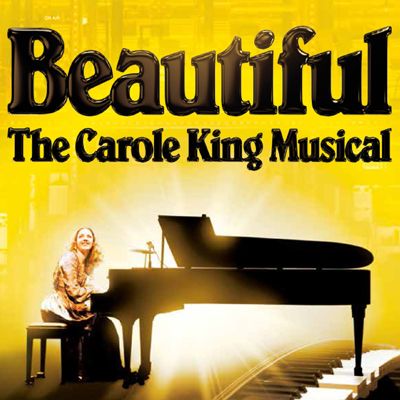
Mueller has taken The Great White Way by storm in All-Star caliber fashion ever since her Broadway debut in Kinky Boots in 2013, has since gone onto star in Beautiful: The Carole King Musical in which she played Carole King, and is currently set to take the stage in one of Broadway’s most anticipated shows of the upcoming season - Six the Musical, starring as Jane Seymour.
Not unlike quarantined ballplayers gearing up for MLB Opening Day, Mueller is staying atop her game for Six’s eventual opening and offers insight into why she believes the show garnered such a passionate fanbase in its out of town tryout. She also discusses what she’s looking forward to most about its official opening upon Broadway’s return, and just how needed theatre will be to help bring joy back to the city.
Produced by the Broadway Podcast Network
Edited by Matthew Hendershot
Connect with Abby Mueller on Instagram: @abcmuell and Twitter: @abcmuell
Connect with Break a Bat! on Instagram: @break_a_bat_podcast
Transcript
This transcript was automatically generated and might contain errors.
[0:06] Al Malafronte: Hello and welcome to the Break a Bat Podcast where baseball meets Broadway, an attempt to show that my two favorite mediums don't have to live in such separate worlds and maybe even break some stigmas.
[0:18] Al Malafronte: We're happy to have you with us.
[0:20] Al Malafronte: Now let's play ball.
[0:23] Al Malafronte: Hello, good day, salutations. Welcome to another edition of the Break a Bat quarantine series.
[0:30] Al Malafronte: I'm your host, Al Malafronte, coming at you remotely today for the Broadway Podcast Network. Alongside me is my producer, Mr. Alan Seales.
[0:38] Alan Seales: Hey, Al, how are you?
[0:41] Al Malafronte: Hanging in, buddy. Hanging in.
[0:43] Alan Seales: How you doing?
[0:44] Al Malafronte: I'm good. I wish that everyone at home could see us right now. We're actually connected through some video chat so we can see each other while we're recording, and you're in your childhood basement with a wall of baseballs behind you, which is very, very impressive.
[0:59] Al Malafronte: Which probably tells a lot about me. And now you can see why I am the way that I am. You know, having a retreat here about three weeks ago and leave the city, you know, brings back all kinds of memories, but it's good that we could keep some things consistent, like Break a Bat, right?
[1:13] Alan Seales: That's right. Well, the internet has changed everybody's life, hopefully for the better. So one of the things we can do is record podcasts remotely.
[1:22] Al Malafronte: We sure can, and with super awesome guests like we have today, because I think that this is one that I've been looking forward to for quite a while now because we really do have a special hitter joining us in the batter's box, and someone who's probably taken the game by storm as much as anyone over the past couple years here on Broadway.
[1:42] Al Malafronte: Just for the folks at home, she actually made her Broadway debut in Kinky Boots and then went on to star in both the touring and Broadway production of Beautiful: The Carole King Musical, in which she played the role of Carole in all-star caliber fashion. And she's currently getting set to star in Six the Musical as Jane Seymour when Broadway returns, which I don't want to speak for you, Alan. I don't really do that that much on the show, but maybe Yankees opening day is the only opening that we anticipate as much as Six. Is that accurate?
[2:15] Alan Seales: The Six fandom is insane. Like this show just built up overnight, like two years more or less, but that's overnight more for in like show conception to Broadway stages and timelines. But yeah, overnight success, like the second most streamed album other than Hamilton, cast album other than Hamilton. So this popularity is insane. And I'm really hoping that Abby can give us a little bit of insight into when the Broadway cast recording will be coming out.
[2:51] Al Malafronte: Yeah, we're all about breaking news and breaking bats on this show. So we will certainly try to find out about that. So you know, she's really had a phenomenal career with even more great stuff on the horizon, which makes this one really exciting for all of us. So, with that being said, if you'll please turn your attention to home plate just beyond the marquee, now batting Abby Mueller.
[3:16] Abby Mueller: What's happening, Abby?
[3:17] Abby Mueller: Hi guys, how are you?
[3:19] Al Malafronte: We're hanging in there, we're hanging in there. You got your fancy equipment over there, like fully ready to come to bat for the podcast. I appreciate that.
[3:26] Abby Mueller: I've come to play.
[3:29] Al Malafronte: Did I use the analogy right?
[3:31] Abby Mueller: I think you did. I think you did.
[3:34] Al Malafronte: If there weren't copyright issues, we would have used like one of your Six songs as like your walk-up song, you know.
[3:39] Abby Mueller: Like no, gotta keep it legal.
[3:43] Al Malafronte: That's for sure. And you know I do have to ask, is Broadway's new favorite pet with you, Chauncey Beyoncé Mueller?
[3:44] Abby Mueller: She is with me. She is currently napping in another room, but she might wander in here at some point. If she does, I'll put her on the mic and see if she has anything to say.
[3:44] Abby Mueller: Yeah, I mean I know she stays very busy. You know, this has really been a big shakeup for her schedule, you know, staying home. Not at all, she's just on her normal tour of naps, just like regular life and all this publicity she's getting now. I mean, between the two of you, your center stage in New York Magazine, there's gonna be yet another famous Mueller in New York City and there's already like three of them.
[3:44] Abby Mueller: Oh my gosh, it's so funny because I mean she's been with me for a while now and I don't know, there just was like this these circumstances lately where she that just happened where she jumped up on the, you know, she doesn't actually like I'll try to take videos of her, she sort of runs away. She doesn't like the phone camera, so the fact that she's like found her way into some of these interviews or photos is hysterical to me. She actually just, I think it's because she's been bored and quarantined, she did just start her own official Instagram so you guys might have to check that out.
[3:44] Al Malafronte: I did happen to see that. I think that's the next big thing here.
[5:06] Abby Mueller: You know, we're all doing what we can. She just started, so she just hasn't posted very much. The real Chauncey Beyoncé.
[5:16] Abby Mueller: So the other someone Chauncey Beyoncé was already taken, so we had to, you know, put that little prefix in there. So we'll see how it goes. She's pretty chill about it.
[5:24] Al Malafronte: It's so dumb. You were channeling a little Carole King in that photo. It looked a little bit like the Tapestry album cover almost.
[5:33] Abby Mueller: Well, thank you. High praise. Yeah, I'm just glad it turned out because we were just trying to make things happen with a self-timer.
[5:41] Al Malafronte: I hear that. Speaking of Mueller taking center stage, I find your story so fascinating because you come from a performing dynasty in the truest sense of the term. Both of your parents are actors. You and your siblings have gone on to pursue it and obviously have done so at a high level. Can you take us through what it was like growing up in the Mueller household just north of, I guess, downtown Chicago?
[6:06] Abby Mueller: I always preface this. I don't really have like an interesting story to tell because it was pretty normal. I mean, also I have nothing else to compare it to, obviously. But you know, we were kind of loud and sang a lot and went to a fair amount of theater when we could, you know, get free tickets from my parents' friends and stuff, but none of us really did theater as children. My mom just sort of was like, go out and ride your bikes. And so we did like a lot of like little plays and stuff in the living room, like I think a lot of kids do, but alas, it was not this idyllic bohemian existence that some might think it would be.
[6:43] Abby Mueller: But I actually, I do have an interesting, I think it's interesting baseball connection in my family that I'd love to hear that.
[6:54] Abby Mueller: Okay, because I'm not sure if you guys knew about this, but my paternal grandfather actually played in the major leagues for the White Sox.
[7:04] Abby Mueller: Right? After World War II.
[7:10] Al Malafronte: Did you know that?
[7:12] Al Malafronte: And I did not know that. And who would that be?
[7:15] Abby Mueller: His name Bill Mueller. Yeah, so I was excited to talk to you guys actually because knowing this was coming up, I called my dad and I've kind of heard some stories but was trying to get some of the details in place. But yeah, he was always dreamed about being a baseball player and right out of high school signed to, of course my dad was saying that the minor classes were all a lot different back then, right? There was like A and AA and B and C and D. But yeah, he was signed to the Detroit Tigers in minor leagues. And then when his draft notice came up, he decided to enlist. He was going to go into the Navy and one of his mentors actually who he had, you know, had caught his eye pulled him out to be a part of an organization called the Navy Wings during World War II that played these like promotional games and sold war bonds and did all this.
And so long story short, the way that it kind of ends up that I didn't even realize in my dad said too, he's like I really hadn't heard these stories and put two and two together until like this last year. But this one gentleman Clyde McCullough who was a catcher for the Cubs was basically responsible for saying no you need this kid and pulling him out of, he completed training and was going to be deployed, you know, to the Pacific on PT boats is where he chose to go. And Clyde McCullough pulled him out and sent him to St. Louis to Lambert Field, where he played for the Navy Wings, and quite possibly saved his life, you know. And had he not been there, he would not have met my grandmother on the streetcar in St. Louis. And who knows if, you know, my dad would have been born and all of the subsequent Mueller would have been here. So yeah.
[9:22] Al Malafronte: How's that?
[9:23] Al Malafronte: That is incredible. I had I legit I'm as big a baseball fan as there is, and I had no clue. And I knew that there was a Bill Mueller who played baseball. There was actually one as recent as 2004 who played for the Red Sox. So it's, you know, obviously not many people know about it, but yeah, it so personally for my family, baseball and Broadway are actually rather connected because who knows, you know, it's been a part of our story. And I didn't know that that real intimate connection of like, oh my gosh, if he had been, you know, who knows what would have happened had not been for baseball, you know, things could have turned up very differently for all of us.
[10:10] Abby Mueller: That is so true, and it's I think just so incredible. So I guess like growing up as a kid, you grew up in a house that must have embraced the arts just as equally as sports, which must have been amazing.
[10:22] Abby Mueller: Yeah, well, we I wish both my dad was super athletic growing up and his brother was as well. We, I would say, me and my siblings, we gave it a try, but we were not the most athletic, I guess our talents, you know, lied elsewhere. But certainly there was a lot of baseball. My grandma, my grandmother who's still alive, she's still with us, she's 101, she's doing great. She always has the baseball games on and stuff. She used to go watch him and stuff like that. So we've always been fans of baseball and stuff like that. Both Cubs and White Sox, because you know, we grew up in Chicago, so we had to have an allegiance to both since grandpa played for the Sox.
[11:13] Al Malafronte: That is so epic. Even though we grew up north side, so yeah, yeah. It's kind of cool, right?
[11:17] Abby Mueller: That really is. And you know, it's just so funny. I mean, especially for your dad. You know, but you passing off that athletic, not only that athletic gene, but you know, having that competitiveness that's required, you know, just to succeed on the performing level on stage that you do on the field. I'm sure that's something that, you know, creates such an environment for you growing up that it's like that really sets such a foundation for what it would take to succeed because you know, we talk all the time about how you just need to be wired a certain way. And when you grow up in a household like that, I can only imagine what an environment that was.
[11:56] Abby Mueller: Well, that's so interesting you said, yeah, because I wouldn't, I wouldn't, I wouldn't call him a competitive person. And I guess I wouldn't, I wouldn't really, I don't know. It's a bizarre thing, right? Because you have to have a certain amount of drive, and there is a competitive nature to the business. But I would never say, like, oh yeah, we were really, it was never like, get out there and go fight win, kids. You know, it wasn't that at all. But I don't know, it's kind of a unique, it's been a unique mix in my family for sure.
[12:31] Al Malafronte: Now you mentioned that you didn't start performing on stage until I guess, you know, later in your childhood. You know, you have a, especially in baseball, you have a lot of sons of players who will either they'll at first try to follow in their father's footsteps, play baseball, hope to eventually reach the big leagues, but you also have a lot of kids who don't want any part of it because maybe they're afraid they won't fulfill their father's expectations or live up to the last name, so to speak. What was it that I guess drew you to actually giving it a go? And when you actually, you know, were there other interests at the time that were preoccupying you that maybe didn't make you want to take the stage sooner?
[13:18] Abby Mueller: Good question. I think that my parents never discouraged us, but I think that they were pretty truthful about the fact that they really wanted to encourage us to explore what we were interested in and I think try to be well-rounded humans in general. And I think maybe a little piece of them sort of hoped that maybe we would have other interests because it's not an easy lifestyle. But I think they also realized that the best deterrent was just to set an example.
[14:01] Abby Mueller: And, you know, we saw uh we saw um what what they dealt with, obviously, and they made the conscious choice to stay, you know, to stay in Chicago. They made the choice that they wanted that sort of lifestyle and Chicago's in an amazing theater town and and you know they've both said no no we we just knew we didn't we didn't want to do the New York thing we knew our constitution wasn't right for it and we we just wanted something different so yeah it is pretty bizarre that lo and behold we all kind of came around to it on our own anyway I definitely tried um um I thought at first I was going to be an English major maybe a writer I was really interested in in that and uh but then it sort of it just uh kept coming back around uh it's something I I contemplate on the daily like what I mean do I really want to do this?
Uh I I that comes up for me a lot um always has but obviously um there's so much of it that I love and yeah I don't know it's it's um it's it's super interesting now of course to contemplate too when theater has basically been taken away right you're sort of like oh interesting should I should I think about those um those other career options I've been but the truth of the matter is I'm not really not really sure what it would be but uh yeah so we we we came to it on our own and um there was definitely I would say I was always really intent to make sure I wanted to be um respected for my for my own self and not that you really can ride on the coattails of your parents, but that's not theater.
Like I feel like maybe that can happen more in Hollywood or something where I can get you, but with theater, you kind of you you gotta cut the mustard or you don't make it, you know what I mean? But I was really proud of the fact that like for my first job, like I I auditioned for a theater in Chicago, and I knew I knew who the casting director was, but he didn't know who I was, and I actually got the job, and it wasn't until after I got the job that he's like, wait a minute, Mueller, you're not you're not related to Roger Mueller, are you? Or and I said, Well, actually I am, but like he had no idea, and that always made me feel good. Like I, you know, I did it on my own, and that was important to me.
So Yeah, and to earn it on your own merit. I mean, especially if you're gonna pursue it in college when you're going through so many so many different things, and it's really such a foundational period where you have to build strength and confidence. Um, you know, I think that that that's just absolutely vital. Um, as far as, you know, I guess when you went on to Indiana, was the intention always Broadway, or did you think that you ever wanted to work within the Chicago theater scene, which is also fantastic. Let me just point that out to the folks at home.
[17:00] Abby Mueller: Yeah, I um I had sort of of a meandering college experience. I tr I I started out at Tulane and then I ended up transferring and and I was really um so it was kind of like piecemeal and not not a conventional college experience. And I sort of got to the point I was I feel like my college was doing summer stock in the summers while, you know, and I I did not go to um at that point, like I said, I was still contemplating other majors, and uh I was sort of trying to just learn all I could that outside of of theater, and then I realized, okay, now I gotta get a degree so I can like get on with with my life because that was important to me to get a degree, so I got a liberal arts degree, which was also important to me rather than a conservatory degree.
And and then I the plan was always to come back to Chicago, which I did, and I was fortunate to start um working pretty much straight away. And I'm not really sure when I this is sort of crazy because I don't know if it happened, if it was always there, like I want to be on Broadway. Um I think we knew what Broadway was, but we also I I'd never seen, I didn't see a Broadway show until gosh. I don't even remember, maybe high school or college, because it just we we didn't live, you know, we lived in the Midwest and we weren't traveling. I didn't even see touring shows really growing up. It was just um Chicago stuff. But at some point it just became like, oh yeah, well, I think I'll I'll I've always wanted to go to New York.
And now looking back, I just always felt that way. I just felt like it was something I was supposed to do, but I couldn't like pinpoint the moment that I made that decision. So I don't know. And I so I worked in Chicago and I was fortunate enough to to keep working really steadily. And so then it kind of became that that tough choice of like, oh, if I'm gonna go, I'm actually gonna have to turn down auditions, turn down jobs, and just make this leap sort of blind, which I ended up doing. Um yeah, and then I came here and started that whole whole journey and uh and now and now here we are in the Broadway shutdown. Who could have guessed?
[19:22] Al Malafronte: Oh I guess. Seriously, that's so true. Crazy. Listen, everything else goes without saying, so why say it? Um how did you end up making your way here? Because uh, to my understanding, you made your Broadway debut in Kinky Boots. So was it, you know, kind of like uh was there an audition for that particular show, or you started to work in the New York City theater scene a little bit more?
[19:46] Abby Mueller: Yes. So I moved here and then I started like working regionally, which uh is everyone is that's kind of the classic thing that happens. And then I was finally like, oh, I need to stay here. And I was doing a show um out of town at the Fulton Theater in Pennsylvania, this wonderful theater that I'd worked at several times before, and I got this appointment for uh a replacement swing in Kinky Boots. And uh it was was one of those things where it was very unlike the the way the story you have it in your head, you know. I I drove back from Pennsylvania, I still had my car here then and went in and you know, Jerry Mitchell and Harvey were in the room, and I just came in and belted really high and did some scenes in uh in uh the the English dialect, and I remember hopped on the train to come home back to Queens uh to get back in my car to drive back to Pennsylvania, and I got the call from my agent as I was walking, I got off the train as I was walking to my house, and he's like, Well, you're going to Broadway.
And then uh so it was it's a quiet thing, you know, it was just unlike the you know, sort of what you had built up in your head, but it was really exciting and then really upsetting because then I had to pull out of this show that I was in, and the um God bless Mark Robin, the artistic director who was so understanding and said, Well, of course you need to go, and allowed me to um to go and do it. And then I did it. And then straight from there, I booked the Beautiful tour, which is all a crazy, you know, story in and of itself. And uh then that led to come to Broadway after that. And then I did some stints there for a minute, and then kind of led to this this Six journey that started just about a year ago. Um, that's you know, that's happened pretty rapidly as well. So um, yeah, it's been it's been a a fun a fun journey.
[21:58] Al Malafronte: It's really incredible. And you know, to have your first cup of coffee, that's that's something that we use uh in baseball a lot. You know, he had his first cup of coffee in the big leagues, you know, for uh, you know, a few games in, you know, on X team, but you know, you end up going on to, I guess, star as Carole King in the Beautiful tour while your sister was simultaneously originating the role on Broadway.
[22:20] Abby Mueller: Well, it was it was after, thank God. She'd already she'd already originated then and then left and then the tour happened. So it wasn't quite as weird as if we'd both been doing the same time. But uh, but yeah, still pr still super wacky. And it still surprises me to this day. But yeah, it's crazy. It's crazy how life works out. You just really never know.
[22:45] Al Malafronte: Such a cool ride. I know, and especially, you know, in the world of baseball and theater. And I'm sure, you know, your grandfather would would be able to speak to the same thing, you know, having, you know, lived that that lifestyle. Not to mention he, you know, he, you know, he served for our country. So, so you know, you talk about the unexpected, but um what I mean, what a ride. I I can't even imagine, you know, was the you know, having grown up in a household that did, you know, embrace athletics to a degree. Do you think that there was anything? You know, having grown up knowing obviously a lot about theater and a decent amount about sports, was there anything that you think that you took from the athletic side of things that you've been able to apply on stage as far as your performances or preparation or goodness.
[23:29] Abby Mueller: Well, I think there's similarities. I I as I said, I I was never a successful enough athlete to be like, well, this is what I've learned from my middle school softball days. I I I wouldn't What position were you, Abby? What did I play? I was in the outfield. I think I usually it was somewhere in the outfield. Uh and it was not my my grandpa was well, he started as a pitcher actually, but then um he could actually hit and he was actually discovered when because he would sneak into batting practice because a lot of times they didn't let the pitchers hit, right? They're not gonna waste batting practice on the pitchers. But but he um that's what caught was it, Johnny Mostel, the first guy or Wish Egan, the first guy that sort of scouted him.
And um, and they f so he had this amazing arm. That was really his claim to fame. And so when they they brought him up, he actually uh it was when um they brought him up for the lower leagues to this the White Sox, I believe it was when Taffy Wright, the center fielder, got drafted. And so he replaced Taffy Wright at in um in center field, and his sort of claim to fame was that he could he could throw the ball from center field to home plate. Um there's a term for that, and I'm gonna forget it, but without it hitting the ground. Yeah. Amazing. Yeah. So he had he uh super strong. Super strong. More or less like a line a line drive throw. Like I'm trying to think of like the like a bullet. You know what we call that a bullet.
He throws a bullet from center field. So Mueller throws a bullet from center field into the trash. And the one story I remember um from growing up was that the the the one legend, it wasn't a legend, actually happened, but uh he actually threw Joe DiMaggio out at home plate from center field um when when the Sox were playing the the Yankees. And my dad was saying that back then they um they used to leave their gloves in the in the outfield, like uh behind the bases, right? So then he had to swit when he when they were swapping out, he passed Joe DiMaggio and he said, Lucky throw, kid. Wow. I remember that story. Cause he was just a rookie, and and you know, DiMaggio was a superstar by then. And uh yeah, he was I think he was uh second base.
He was on second base and was, you know, got a was running in on a hit and uh yeah, grandpa threw him out. So uh that all to be said is I I do not have that that sports talent, but I think what what came out from this story that when my dad was sort of and he he was trying to catch up on all this too um you know it reminded me actually so much of show business because he'd say you know he had this talent and he worked really hard and somebody noticed him and that person put in a good word and said you should take you should take a chance on this guy and then he got bumped up to the next level and the same thing happened you know this person and it was because of his work ethic and his character you know he he was he was a good he was a good guy he was solid and he worked really hard and I think um I can definitely say that is something that my parents instilled in me too the strong work ethic and the fact is that you you treat everybody like you'd want to be treated and that's how you that's how you network you know what I mean it was a it was um an organic thing if you're if you're good to be around people want to be around you and you know if you're talented great but it doesn't matter how talented you are if you're a jerk because no one wanna work with you and I feel like um especially in theater you know it's an HR it's an HR job you your job is to work with people um which would certainly you know there can be parallels in on on a on a baseball team right you're you're part of a team and yes you have your chance to shine but at the end of the day it's it's an ensemble it's an ensemble gig and you need to be able to work together.
[28:00] Abby Mueller: So I would say in that way, it struck me as my dad was sort of telling me this story. It reminded me of theater. You know, that person gives you a shot and then this director gives you a shot and then you're kind of under their wing and they give you this opportunity. And I suppose that happens in every business, but I thought that was cool. One thing I've always really loved is that, you know, both in baseball and theater there's no real instant gratification. There's such a journey that comes along with it that when you finally do reach the pinnacle, you do appreciate it more and you can't act like a jerk just because you're so grateful to be there and the only reason you're in the position you're in is because obviously, like you said, the hard work but, you know, the passion for your craft and, you know, loving what you do and that's something that resonates with, you know, with an audience is going to ultimately dictate your success anyway quite often.
So that's really amazing that you bring that up. Yeah, it's it all, you know, the path matters and your body of work matters, you know, it sure does. And now speaking of the pinnacle before we head off to Six the Musical, we're gonna take a short break. When we come back, it's time for the seventh inning stretch right here on Break A Bat!
[28:28] Al Malafronte: All right, you know what Abby, before we spend some time with King Henry, I thought that we could do a little segment here on Break A Bat that we call seventh inning stretch. You're familiar with the seventh inning stretch at the ballpark, right? They do it at Wrigley Field quite often. They'll have like Bill Murray or like even the Cookie Monster doing "Take Me Out to the Ball Game" up in the broadcaster's booth.
[29:55] Abby Mueller: I do recall that.
[29:59] Al Malafronte: And you know, you're an all-star quite often. The all-stars, you know, while they're singing "Take Me Out to the Ball Game" on the field, they're gonna go into the cage, they're gonna get loose, they're gonna take a few swings, you know, for those last few important innings of the game. But, you know, we're digital right now. I don't have—I actually do kind of have some baseballs behind me, but I'm not gonna throw them on my laptop screen. Instead of throwing actual pitches at you to keep you loose, I thought that maybe we could throw some trivia questions at you that could be partially related to baseball and maybe partially related to some of your roles here on Broadway. How does that sound?
[30:39] Abby Mueller: Okay.
[30:40] Al Malafronte: Hope I make it.
[30:42] Abby Mueller: I think you will. And you know, there's a prize at stake. And I always like to lay this down. You get enough of them right, you win the prize.
[30:51] Al Malafronte: All right. You know what? I will start this one off. You're a big Chicago baseball fan. Oh god. Certain Hall of Fame first baseman Frank Thomas had one of my favorite nicknames in all of baseball. Was it A, Chairman of the Board, B, the Sultan of SWAT, or C, the Big Hurt?
[31:16] Abby Mueller: Oh god. Was it the Big Hurt?
[31:20] Al Malafronte: Ding ding ding. We don't have our studio sound effects. This is so stressful. You're keeping the Mueller family proud, you know, in that White Sox lineage.
[31:31] Abby Mueller: Oh my gosh, no, I'm gonna just embarrass them because I won't know anything about baseball. When I was like eight, I knew everybody on the Cubs, but I also knew like every car on the road. I think I was having—I don't want to through some phase where I just like memorized things, but that was a few years ago now. So it's gone.
[31:55] Al Malafronte: That is awesome. Alan, you are up, my friend.
[32:00] Alan Seales: All right. So let's see if you can channel your inner Carole here. Which of Carole King's songs on the Tapestry album won the Grammy Award for Song of the Year? Was it A, Smackwater Jack? B, You've Got a Friend? C, Way Over Yonder? or D, Will You Love Me Tomorrow?
[32:19] Abby Mueller: Um, I'm gonna say for Song of the Year. What was the second one you said?
[32:26] Alan Seales: You've Got a Friend.
[32:39] Abby Mueller: It's either You've Got a Friend or won the Grammy Award for Song of the Year.
[32:39] Alan Seales: Oh dang. That would be my guess, but I might be surprised, and it might be something random like Smackwater Jack.
[32:39] Alan Seales: It wasn't Smackwater Jack. You've Got a Friend, you got it right.
[32:44] Al Malafronte: Ding ding ding. We're really putting pressure on Abby to like uphold the legacy of certain franchises here.
[32:52] Abby Mueller: Do you know? I think it's just also the quarantine brain. You're like, I just got to get it right. Everything's so weighted right now. Not to say that a Grammy alone—a Grammy Award is like useless information, but there is a lot more time for useless information during quarantine.
[33:11] Al Malafronte: This is good. This is good. We're gonna wake it up. Come out of the fight or flight.
[33:17] Abby Mueller: That's right.
[33:18] Al Malafronte: And now we've got two more questions here. One more baseball, one more theater.
[33:23] Abby Mueller: I'll take the baseball.
[33:24] Al Malafronte: Okay. Legendary Yankee announcer John Sterling is best known for his signature and often musical home run calls. For Yankee great Bernie Williams, he borrowed a lyric from a song in the musical film Saturday Night Fever. A lyric from which song was used to serenade Bernie Williams whenever he would hit a home run? Was it A, Stayin' Alive? B, Disco Inferno? or C, More Than a Woman?
[34:00] Abby Mueller: Burn baby burn.
[34:02] Al Malafronte: Ding ding ding. Thank you for giving me that very weighted Bernie. You spelled it out, and I appreciated that. I was like, this is gonna be important. Listen up. He's giving you a clue, Ab.
[34:17] Abby Mueller: Bless you. Thank you. I'm throwing names out there to you left and right. It's like Frank Thomas, Bernie, like all these names. I feel like I had to at least give you that service.
[34:27] Al Malafronte: Yes. And Alan, you take this last Broadway one here.
[34:32] Alan Seales: Okay, so this one I hope it's not too difficult. When Toby Marlowe and Lucy Moss collaborated for their first writing session for Six the Musical, they watched which performer's storytelling performance to help inspire the Six Wives concert concept? Was that performer Sir Paul McCartney? Homecoming by Beyoncé?
[34:58] Abby Mueller: Ding ding ding.
[35:01] Alan Seales: Didn't even have to get all the answers out. Sorry, I knew that one. I got so excited.
[35:06] Abby Mueller: We didn't even have to do multiple choices. I was so excited for Alan to read the other options that I came up with, which were like Cheryl Crow and Brian Wilson.
[35:17] Al Malafronte: Wow, those are—that's some varied artists there. Let me grab your prize.
[35:22] Abby Mueller: I've never won anything.
[35:25] Al Malafronte: Not even a Broadway contract?
[35:27] Abby Mueller: Not even those were the days. Just kidding. Those were the days. Although you're probably already a part of the baseball and Broadway crossover community as much as anyone, I'd like to officially welcome you with your very own Chapman on Broadway, Break A Bat long sleeve t-shirt.
[35:48] Al Malafronte: We give this to our favorite guests, you know. It's like kind of like the winner circle of trivia. Like you're joining the ranks of like Kate Rockwell here, and you know, Robin Hur, some of our other favorites, you know, in the Broadway community. And we're very happy to pass it along to you and welcome you.
[36:05] Abby Mueller: Thanks, guys. I am honored.
[36:08] Al Malafronte: Oh, it's our pleasure. And I'd be remiss not to mention, as we alluded to earlier in the intro, you were set to star in Six the Musical, which had just begun previews when Broadway had shut down. With the rabid fan base that the show already has, it's phenomenal. While you were on tour, did you ever stop yourself and say, damn, this thing's gonna be huge?
[36:33] Abby Mueller: You know, we had many moments, usually right when the show would start and the lights would go down, and we heard, you know, from the very first preview in Chicago, we heard this like deafening roar from the crowd, and we were like, what are we doing? What is this? Is this for us? Like, we get to be in this? So we knew it was special, and we sort of kept looking at each other like this is different than a normal musical, you guys, isn't it? And the fans have just been so incredible from day one, you know, and that's because of what Toby and Lucy built in the UK. But it is pretty phenomenal, like the response that it elicits from people, not just kids, everybody that comes to see it. It's really cool to be part of something that makes people so happy and like fired up. It's really remarkable. I've never encountered anything quite like it.
[37:32] Al Malafronte: Yeah, and I mean, and you've been in some blockbusters before, obviously, but you know, it's such a unique show. I mean, it's literally a live rock concert with this incredible soundtrack, high energy. What is it about the show that you enjoy the most?
[37:45] Abby Mueller: Oh gosh. The music is so killer. Like from the first time I heard the soundtrack, you know, I like Googled it when I got the audition appointment. I was like, this sounds interesting, a pop concert retelling of the Six Wives of Henry the Eighth, and I Googled it and up popped like a video on YouTube of the UK cast doing something, and I just—I got a feeling in my body. I was like, this is cool. I don't really get it, I don't know what they're doing. Because out of the context, you're like, what? But I was like, this is cool, and I just know like I want to be in it, and I don't want to feel cool. I think it would feel cool to be in this. And the music is just watertight, it's so friggin' good, it's so catchy, it's so pop, and then it also has this awesome story, and then we're dancing our booties off the whole time too.
It's really unique, and we kind of get to feel like—I don't know. I never thought I'd get to sort of feel like a pop star. I mean, I think that's sort of any kid's dream that's ever sung into a hairbrush or something, you know what I mean? So this is like pretty, you know, as close as we've gotten thus far. So it's really, really fun. And to be part of something that has this direct interaction with the audience, that's very rare as well to break the fourth wall. And it's so fun. I can't wait till you guys can come see it.
[39:10] Al Malafronte: Well, you're gonna, you know, obviously set aside a ticket or two for me, right?
[39:13] Abby Mueller: Yes, because I control all the tickets. That's how it works on Broadway. But yeah, you know, if there's anything I can do, of course.
[39:21] Al Malafronte: Yeah, so it's a fun night. It's a fun night.
[39:25] Abby Mueller: I'll be there with a foam finger.
[39:29] Al Malafronte: But tell me a little bit about your character.
[39:32] Al Malafronte: A little baseball fun right there, right?
[39:34] Abby Mueller: That would go over well with the problem.
[39:36] Al Malafronte: It would.
[39:37] Abby Mueller: It would.
[39:38] Al Malafronte: Yeah.
[39:38] Abby Mueller: Just so long as you have a crown, too.
[39:41] Al Malafronte: Uh well, I guess there is a king in the show.
[39:46] Abby Mueller: I, I well, yeah, I, I don't know.
[39:47] Al Malafronte: You could be the judge.
[39:49] Abby Mueller: Can I pull that off?
[39:50] Al Malafronte: Absolutely.
[39:52] Abby Mueller: Thanks, Al. Tell us a little bit about your character, Jane Seymour.
[39:56] Abby Mueller: So Jane Seymour is wife number three. Her, like moniker is the only one he truly loved because she's the only one that gave him a legitimate male heir. She's the only one that was—sorry, not sorry. So she was, of course, after Anne Boleyn, who really like, you know, burned the place down. So she was sort of known for being the boring one, or maybe, but really what she was was smart and, you know, stayed alive until she wasn't. And unfortunately, passed away after giving birth to Edward. She died from complications of childbirth. She's famous for that too. It's kind of sad, but she's memorable. And you know, in baseball, the best position to hit in the lineup is third. So I think that's just so apropos.
[40:57] Al Malafronte: There you go. Hey. If the shoe fits.
[41:02] Abby Mueller: Yeah. Now, Abby, you know, you have a ton of guys in baseball right now are trying to stay atop their game for when it's time to play ball. You may or may not know our mascot of our podcast is Aroldis Chapman. Were you aware of that?
[41:17] Abby Mueller: No, I didn't know that.
[41:19] Al Malafronte: Yeah, he's our—he's kind of like our de facto guy. We actually put him in a production of Six the Musical because he's a six-time All-Star. And I think I actually had you—I had Chapman and Jane Seymour alongside each other. This was like before the show had even hit Broadway, but him for—oh my god. We'll use it in the episode promotion. But, you know, him, for example, you know, even he's playing catch in his backyard and throwing off like a mini bump, and you have guys trying to take swings and like, you know, a makeshift batting cage.
[41:50] Abby Mueller: What's Abby Mueller doing to stay atop her game for when Broadway is ready to come back? She's trying not to lose her mind. Um no, I've been no, honestly, that's that's I think a lot of it, right? You guys, I don't know about you, but I feel like a lot of this is a mental sort of um game, as is life. I mean, physically you have to be ready too, but so much of it is all up in the mind. So um, I have a morning routine that I've been trying to stick to uh the first couple of weeks. I'm not gonna lie, it was everything was kind of out the window because this was so crazy. But then I was like, okay, you need to you need to get back to your meditation pillow, and I I try to do yoga, and um I do uh uh uh I guess it's a stress relief technique called EFT, which is called tapping, which is tapping on certain acupressure points in the body.
And I try to like, at least if I do that every day, um, then anything else I get in is sort of that that's sort of like I feel like that's the bare minimum to try to keep my brain just operating as as smoothly as it can, and then I try to get outside at least once a day. Today's really nice, which is nice just to walk around and and soak up some spring and you know keep busy with fun stuff like this, but um it's interesting. One of my physical therapists was like, I remember she wrote in an email, she's like, Okay, now here's some ways you can stay in shape, make sure you're mentally going through the show every night, like visualization, which I know athletes do too. And I was like, that's so fascinating. I'd never thought of that, like in regards to the show. I have not been doing that. Do you do the six of you get together like over Zoom and run lines at all? Or is there has it been any interaction?
[43:39] Abby Mueller: Well, and we have a text chain. So we've been in we've been interacting for sure. We've been in touch with each other, and there's been a fair amount of like some press things we've been doing, or like, you know, for Broadway Cares or some charity stuff that we've been doing. So um we've definitely seen each other, but as far as like rehearsal, no, because also we've been doing the show now for over a year. And uh, you know, we kind of it turned into this sort of mini tour that we no one expected. So we'd already stopped and started and stopped and started uh several times. So I think we're uh and we just it wasn't that long ago that we were rehearsing and we we just gotten through previews.
So uh really hoping that muscle memory is in there, you know what I mean? And it'll all just come back. But um there will be there will inevitably be, I feel like for everyone, uh uh a little bit of a startup period just to get us all back into back into show mode because just like just like um, you know, sports, it's a lot to jump back into. If not just mentally, I feel like, you know, be like, oh, I have to, this is normally when I would be eating dinner and going to bed, and now I have to, this is when I'm going to work, like just the schedule shift. It's interesting. We'll see. What are you looking forward to most about Broadway coming back?
[45:05] Abby Mueller: Oh my goodness, all of it, honestly, uh, especially by the time I feel like it does come back. I think it's going to be so joyful, and people are going to appreciate the in-person live experience in ways that I think we've we've kind of forgotten about. TV and film and movies are amazing, but um, I don't know, I really hope. What do you guys think? I feel like it's going to be apparent that theater is is indeed special and is needed, you know. I think people are just gonna be so happy to be together. I think that it it symbolizes something, you know, just a sense of normalcy, a sense of community, which is something that unfortunately, since we're not able to have right now, I feel like we're gonna appreciate it more than ever.
I'm just I I am curious to see how, you know, how eager everyone is to come back together in like, you know, a confined area like a theater, you know, that holds so many people. But I do feel like, you know, if we can make enough progress with this thing, you know, something like that, I can't think of a greater rallying point. And we know that the Broadway community is so passionate. And same with baseball as well, um, that I think that we'll really be in a position where it could come back stronger than ever and we'll appreciate it even more.
[46:30] Abby Mueller: I think so too. And I really hope so. I think it's gonna be a very controlled rollout. I mean, from from the city in general, but uh like I I said this before on this podcast, um, that I I think we're gonna be actually lucky to come back by like August or September because first transportation has to get clean and safe and reliable, and then you've got to get restaurants back, and then you've got to get like all the things that like tourism has to come back because is it cost effective for producers to put on a show for a half full house? If that's like if a half full house is actually a full house because we're still required to do social distancing for groups over 50, right? Like it's gonna take a while, unfortunately.
Is uh that seems certain that it's gonna it's gonna take a while, but you know, and we from what I've heard, it doesn't really, as far as like live performances, it doesn't translate in the same way that you can, you know, say play a game without the fans or something like that. Although, let me ask you guys this, because this is what does not make sense to me when they've talked. I've heard um back when I was watching the news, which I'm not trying not to do anymore too much. I'd be very smart, Abby. Very stick to yoga, please. It's better. Well, I mean, I get information, but I try to just be really selective where I get it because it's just so much garbage out there.
[47:53] Al Malafronte: Yep. But someone was saying, like, oh yeah, let's bring the baseball back. And they're talking about playing baseball with nobody in the stands. And I was like, well, yes, but the players still have to interact, right? And it was it was interesting how these decisions are being made. Like, how do you see that they can do that, do that safely? Like, how does just eliminate the audience eliminate if it's really about health and safety, you know?
[48:20] Al Malafronte: Well, you know what it is. You're gonna have, you know, the whole plan is to potentially play in empty major uh empty stadiums, either in Arizona or potentially in Florida, because you have a lot of spring training facilities there. Uh, you have some college stadiums there as well. They were talking about carrying expanded rosters. Um, they're not going to have you know the revenue from a game day, we know with concessions and ticket ticket admissions, but they would have television revenues. All these teams now have exclusive cable deals uh to carry their games and they make a fortune. But the problem is, um, you have a lot of guys in baseball, and listen, I'm as big a baseball fan as there is.
I'll be the first to tell you that some of these contracts are ridiculous. The backup catcher for the Yankees said that listen, he's more than happy to go to Arizona by himself. He would be separated from his wife. However, um, he'd be more than happy to help bring the game back as a source of healing for the country. However, you have that player who is making 25, 30 million dollars, who's the one that's coming out there saying this would never work. You can never separate a player from his family, asking all these questions, which is making because you have a players' union, um, which is make which is leading to a lot of friction with the commission commissioner's office as far as any source of a comeback.
What I think ends up happening is that they end up doing some sort of an abbreviated season, like, you know, because the baseball season is typically 162 games. I think that you end up maybe getting an abbreviated, I know they're talking about 120 games. They're not gonna, you know, between the union and and salaries and keeping people away from their families, they might do like a 60 game version of a regular season with players isolated, do a re-evaluation in October as the as, you know, that's when the playoffs typically start, and and see where they're at and see if they can bring things back, you know. Let's say if the Yankees and the and the Red Sox were supposed to square off in the playoffs, see if you can host a smaller crowd playoff game at Fenway Park or Yankee Stadium and still be able to recoup some revenue, you know, with a capacity of 50,000 and maybe we'll add in 10,000. See, we it's it so much has to happen with the country before, you know, we can even make any sort of decision.
[50:44] Abby Mueller: Yeah, it just seems so problematic because even if you take the spectators out of it, you still have a group of people in close proximity. And if it's really, I don't know, it just seems like to me, it's like, is it really about health or is it about revenue? You know what I mean? And the risks that you're taking. I mean, we know what it's about, unfortunately. So, and I know everybody wants to get back out there. It's just like, I think it's gonna be it's going to affect these other businesses. Like, we, you know, I feel like the arts that we'll then look to baseball be like, well, if they're doing it, then you know, it's kind of like interesting where you draw the line and allowing who gets to go back to work and who doesn't. You know, it's it gets a little tricky.
[51:26] Al Malafronte: It sure does. Now we do one little segment to wrap every show. Um, and it's just I want you to visualize yourself in the ninth inning. We're throwing fast pitches at you, and you know, you gotta think fast. Um, we'll ask you a question. Maybe a roll to Chapman's on the mound throwing 105 miles an hour, but we'll ask you a question.
[51:47] Al Malafronte: All right, Abby. First question. Favorite New York City meal.
[51:49] Abby Mueller: Burgers.
[51:52] Al Malafronte: That's not New York, but Okay, what's your lucky number?
[51:57] Abby Mueller: Six on brand.
[52:01] Al Malafronte: Your desert island album.
[52:03] Abby Mueller: Oh my god. Oh, oh, oh, uh wait, I have to think about that one pass. What is your all-time favorite film?
[52:11] Abby Mueller: White Christmas. I'm a nerd.
[52:15] Al Malafronte: Most embarrassing on stage moment.
[52:17] Abby Mueller: Uh well, when I was in Miss Saigon, um I was playing the wife, uh, Ellen, and there's supposed to be a knock in the door when Kim comes in for their big dramatic, you know, confrontation about like you love my husband, and uh the sound cues got jumped, and instead of a door knock, it was the gunshot for the death. So that and so, and then I had to say, come in. Come in. That was a tough scene. Yep. Oh excuse me. Who's there? How do you follow that? Good stuff.
[53:00] Al Malafronte: You've sung some epic songs on Broadway. If you could pick one that you think is the best example of an Abby Mueller performance, which one is it?
[53:11] Abby Mueller: Oh, I would say either Natural Woman from Beautiful, uh, my version of Natural Woman or my song in six, Heart of Stone, I feel like is pretty Abby Mueller.
[53:24] Al Malafronte: And lastly, best piece of advice anyone ever gave you, and what was it?
[53:29] Abby Mueller: Probably um be yourself, but I would take it a step further. I've sort of uh enhanced it a long way, not just be yourself, but that you can truly know that you are okay the way that you are, and that will allow you to feel safe to be yourself, if that makes sense.
[53:50] Al Malafronte: Well, it served you really well, Abby. And uh I I like I said before, I cannot wait for to see you come back on Broadway in six, and uh I know you're gonna crush it. And um, yeah, you know, that in and one other thing, and I would actually like to say this on behalf of our show and our fans. Um thank you for like using your platform the way you do on social media, because I think that you're a level headed voice of reason for a lot of a lot of Broadway fans in a in a really trying time. So I I think that that you know, using your megaphone the right way goes a long way. So thank you for that on behalf of the show and and the Broadway community.
[54:31] Abby Mueller: Well, thank you for saying that. I uh that's very I'm touched that you think I'm doing something well. I uh social media is not my forte, so I thank you. That means a lot. If you think if it's if it's coming across positively, that makes me really, really happy. So thank you for for that.
[54:51] Al Malafronte: Like we said, um, can't thank you enough for joining us today.
[54:55] Abby Mueller: Thank you guys. I'm sorry it took so long. I'm glad you kept on me. Sorry, I know that we've been talking about this since like last year, but it's been a crazy year.
[55:05] Al Malafronte: Thanks for listening to Break a Bat. This is produced by the fine folks at the Broadway Podcast Network. Visit and subscribe at bpn.fm slash break a bat. You can find me online at break underscore a underscore bat underscore podcast. And you can also find the Broadway Podcast Network on Instagram at Broadway Podcast Network. It's been so great having you here with us today, and we'll see you next time.
© Broadway Podcast Network, All Rights Reserved