

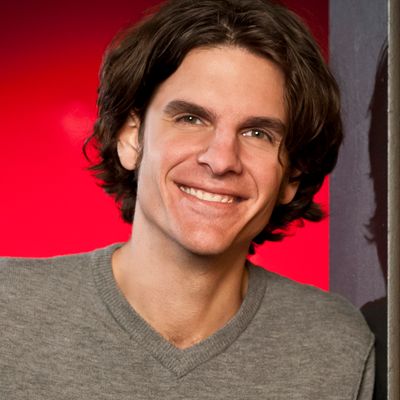
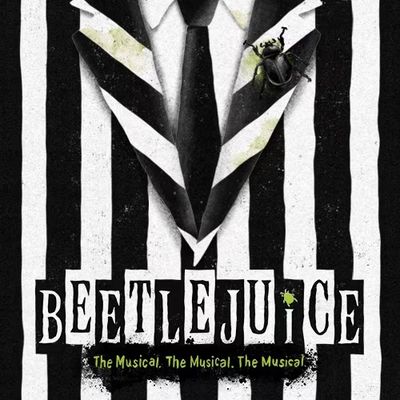
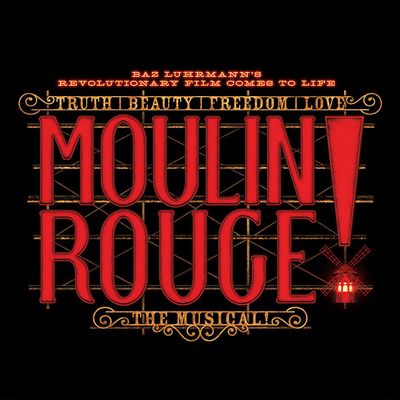
Award winning director Alex Timbers whose work is currently represented in three broadway shows- Beetlejuice, Moulin Rouge and American Utopia gives audition advice, and tells what he looks for in actors. Resources mentioned in this episode... Read More
From the show: Breaking Broadway with Kerry Butler
Guests
Featured Shows
About
Award winning director Alex Timbers whose work is currently represented in three broadway shows- Beetlejuice, Moulin Rouge and American Utopia gives audition advice, and tells what he looks for in actors.
Resources mentioned in this episode
- Williamstown Theater Festival
- Vassar New York stage and film
- Berkshire Theater Festival
- ARS NOVA
- Manhattan Theatre Club (MTC)
- The Flea Theatre
Produced by Dori Berinstein and Alan Seales
A proud member of the Broadway Podcast Network.
Transcript
This transcript was automatically generated and might contain errors.
[0:04] Kerry Butler: Once I played a penny who just couldn't stop the beat. Yes, with all their skits on her feet. Well in loved me. Although she's recently to see a real coma.
[0:37] Kerry Butler: Now come with me, Emma. I am your host, Miss Kerry Butler. Together, you and I are breaking Broadway. Hello everyone. Welcome to Breaking Broadway. I am so honored and thankful for my guest today. He is one of the most sought-after directors on Broadway, Alex Timbers. I think he has three Broadway shows on right now. That's right. Yes, Moulin Rouge, Beetlejuice, and American Utopia. I first fell in love with Alex Timbers' work when I saw Bloody Bloody Andrew Jackson. He wrote and directed it, and I was like, who made this? I want to crawl into their brain. And I have secretly wanted to work with him ever since then. I never read the book, The Secret, but I knew that it was like just putting it out there. And so I could get there. And then I don't know how many years later, I finally got to work with him on Beetlejuice. Hi, Alex.
[1:41] Alex Timbers: It's so exciting to be here, Kerry. Thank you.
[1:43] Kerry Butler: I am so excited to get to talk with you because I don't even know how you got started in this business.
[1:49] Alex Timbers: I'm excited to talk any chance I have to talk with you, I'm excited. So how did you get your start?
[1:55] Alex Timbers: In school or oh, that's you know, I so I grew up in New York City, and I saw some theater when I was a kid, and we would always do, you know, at our I went to an all-boys school in the city, and we would always do like our one time of year we would do like a play together. It was sort of you know, that was my experience with theater. I had a little public access TV show. I was sort of interested in the arts.
[2:18] Kerry Butler: You made your own public access.
[2:21] Alex Timbers: Yeah, we had a sketch comedy show, it's channel 69 on Manhattan Neighborhood Network. We were after right after Dyke TV, and it was a bunch of like 12 and 13-year-old kids with camcorders.
[2:31] Kerry Butler: Wow.
[2:31] Alex Timbers: And we had a segment every week called, for example, called This Gives You a Sense of the Tone of the Thing, called Pyro Time, where we would blow something up and then replay the thing being blown up from some fireworks we get in Chinatown.
[2:47] Kerry Butler: Oh my gosh.
[2:48] Alex Timbers: And key over at Pyro Time and play Carmina Burana. So it was like it was very irreverent. But it wasn't really until college that I started to get into theater theater.
[3:02] Kerry Butler: Yeah.
[3:03] Alex Timbers: But you did do plays in high school.
[3:04] Alex Timbers: Yeah, so I played, I acted and I played many great parts. I played the Angel Gabriel in the Nativity play. I played a penguin in first grade. I played Charles Dickens, and I played many of the female roles in elementary school because you know, there weren't females to play those roles. So I played one of my great turns was Madame Jardin, Le Bourgeois Jean Tilme Molière play.
[3:27] Kerry Butler: Wow.
[3:27] Alex Timbers: Yeah. We were doing that. That was in high school or yeah, doing farce in high school, yeah.
[3:33] Kerry Butler: Impressive.
[3:33] Alex Timbers: But no elementary school. This was like fifth grade.
[3:35] Kerry Butler: Oh my gosh. That's a very fancy school.
[3:39] Alex Timbers: Thank you.
[3:41] Kerry Butler: Um okay, so then what happened in college?
[3:43] Alex Timbers: So I went with certain ambitions about like you know, continuing to make little shorts and comedy sketches and stuff on film, but the school had basically like all the had like locked up all the you had to take all these courses in order to get access to the equipment. There's a little bit of a bait and switch to come to the school.
[4:05] Kerry Butler: And so I was like, well, was it?
[4:07] Alex Timbers: It was Yale. Yeah, I was like, I know how to do like I was like, I know how to do these things. Instead, I want to make things like from day one. So I started doing improv and sketch comedy.
[4:16] Alex Timbers: And I got really into the mechanics of comedy, and so I was like, you know, reading a lot about it. I was like, I want to direct a farce, not because I wanted to direct theater, but because I wanted to, you know, the comedic timing and rhythms and like physical comedy, and so I wanted to explore that more. So I directed a play by Peter Shaffer that's really funny called Black Comedy, and I liked that, and I loved working with the actors and was very collaborative.
[4:42] Alex Timbers: And so the next year I directed Lend Me a Tenor by Ken Ludwig, and then I was like, Oh, this is this I kind of so I started doing more plays. I did plays and I ended up running with. I did, I did want to be a performance. I thought I did. I did the marriage of Benton Boo my freshman year, and I played Boo. I was very excited to be playing Boo.
[5:02] Kerry Butler: That's a big deal for your first year in college.
[5:06] Alex Timbers: Thank you. Well, it was the freshman show, so they only really could choose freshwood, so you know it wasn't too much of a reach. But I remember during that thinking like I was watching my performance outside it, you know, like giving myself critiquing myself and thinking like, oh, this is probably not the best attitude a performer should have.
[5:29] Alex Timbers: And then it got even worse you know when I was doing improv because we do all these tours and so we you know when we were doing it a lot you could sort of like be in the moment but I found myself a lot like adjudicating my own comedy and I was like this is very bad as an improv performer to be like judging yourself while you're doing it so I was like I'm I think I might be on the wrong side of the footlights I had kind of a sense you know.
[5:29] Kerry Butler: Yeah, I mean I feel like that was the thing that surprised me most about working with you was how funny you were and how much stuff you even like gave to Alex Brightman you know and just be like what if you do this differently and um I don't know yeah I always thought of you as more of this like intellectual director but you're so funny and and now I understand why it comes from improv.
[6:14] Alex Timbers: Oh yeah well you know I created so I created this like company with that with a bunch of friends in college that I think can explain a lot about the kind of like you know heady comedy kind of thing because I had taken a class in experimental theater in college by this amazing amazing professor and he brought in like tapes of the Worcester group and you know Richard Maxwell and like all these like amazing artists and we would watch it on this tiny little TV and I misunderstood what I was watching.
[6:51] Alex Timbers: It would seem very self-serious and sort of navel gazing and so I didn't realize that any of this work had any sense of humor about self. So we created my friends and I created a sort of a company called Les Frères Courbusier that was created an experimental none of us were dancers, experimental dance piece exploring the history of math.
[7:16] Alex Timbers: It was called Impies de Mouvement Historique avec la geometry. And we played like, you know, Carbusier, we played like Galileo, Thomas Jefferson was featured in it. It was all Steve Reich, Philip Glass music. It was what we imagined like the BAM next wave shows were in '84, and you received a course packet before it started, because you would never understand it.
[7:40] Alex Timbers: So there was a reading period that was longer than the piece itself before the piece began, where you would look at this course, it had an outline of here's what's going on, footnotes, had primary sources, and then blank pages at the back where you could take your own notes while watching it. It was like a total academic, like just it was ridiculous and at the same time sort of celebrating academic.
[8:01] Kerry Butler: Yeah.
[8:01] Alex Timbers: So that was kind of that high-low kind of collision was always really interesting to me. The idea of like this kind of schoolhouse rock approach to history and experimental theater, how you make stuff that's that how you make things really feel accessible and fun.
[8:23] Alex Timbers: And then, of course, I was gutted to find that when I came to New York and I actually saw this stuff myself. Oh, this stuff has really has a great sense of humor about itself. I mean I was thrilled because that meant I myself had more access to the work, but I didn't realize that like you know, what we were sort of making fun of was very self-aware.
[8:44] Kerry Butler: Right, right, right. So, what was your first job here?
[8:47] Alex Timbers: My first job was um interning at Manhattan Theater Club.
[8:50] Kerry Butler: Oh.
[8:52] Alex Timbers: Yeah, it was amazing. And that was a great way to, you know, it's something I recommend for any, you know, young person interested in theaters, even if you're not interested in like a specific aspect of like what an in, you know, like to take a job in general management if you're interested in marketing, or to take a, you know, just any van way you get to see the industry with some perspective.
[9:15] Alex Timbers: So being in the artistic director office of someone as amazing as Lynn Meadow and just getting to sort of watch her work a little peripherally and get to you know survey the scene and you get free tickets to shows as interns and things like that, was just this amazing vantage point, which to say, okay, like what how could I participate in this, you know?
[9:35] Kerry Butler: Yeah, that's really good advice. And while we're on that subject, since this is for young artists, we can talk about Williamstown because we kind of met there.
[9:44] Alex Timbers: Yeah, we were there at the same time.
[9:46] Kerry Butler: That's right. And that they have a great program for people just starting out.
[9:50] Alex Timbers: That's right. I think there's like, you know, it depends on like the thing you are. Like, so if you're a performer, there are things you can do. You can audition, which is great, but how do you like sort of get in the, you know, what are the things that people can see on your resume as you're building a resume that says this is a you know, I've done a couple like legitimate things where other people have said, oh, this person's like a accomplished you know, great things.
[10:15] Alex Timbers: And so there are these things like theater festivals um that are, or like writers' groups or things like that that you can participate in the readings or development of things that are really helpful things just to start building a foundation in your resume and start meeting other people, and I'm a huge advocate of Williamstown Theater Festival, and there are many tiers.
[10:36] Alex Timbers: So there's like you can be an apprentice, or you can be a this or you can be a that there. But it's just a great way to to meet a lot of fellow performers, to meet a lot of young directors and designers, and to have access to just see and participate in lots of work, whether it be a one-night show at midnight in a cafeteria or you know, a two-week main stage opposite, you know, where you're like, you know, the waiter and Tony Shaloub is the star or whatever, you know, things like that.
[11:04] Kerry Butler: Yeah, incredible. And I, you and Chris Kugel, I met him there too.
[11:09] Alex Timbers: That's our musical director for Beetlejuice.
[11:11] Kerry Butler: Yeah. Because were you working with him there or did you meet him there?
[11:14] Alex Timbers: I met him there. They have this amazing thing, program called the Cabaret where I did.
[11:18] Kerry Butler: Yeah. Do you want to talk about that?
[11:19] Alex Timbers: Oh, no, no, no, you.
[11:20] Kerry Butler: No, no, no, you.
[11:22] Alex Timbers: Well, okay. So a couple times a year, they take the performers, whether they're apprentices or whether it's Tony Shaloub, and they do these concerts, and it's like a cabaret concert, and they're really fun, and everyone attends, and it's incredibly democratic.
[11:37] Alex Timbers: And yeah, and like people just perform songs and skits and things like that. And it's one of the highlights of the summer up there.
[11:47] Kerry Butler: How often were you there?
[11:49] Alex Timbers: I went for like six years. I was a directing assistant the first year, and then I was a directing fellow, which means you get sort of like you focus on a single project.
[12:00] Alex Timbers: But then after that, worked on individual shows. I worked on a show called Peter and the Starcatcher, which we developed in a log cabin there. Blayblay, Andrew Jackson started in one of the cafeterias there. Um, and uh, and then that we we were there for with Here Lies Love, which was this like disco musical with uh music by David Byrne about Imelda Marcos, and then I did uh a play there uh by Christopher Duran.
[12:25] Kerry Butler: Wow, I can't believe they all started in Williamstown.
[12:28] Alex Timbers: Yeah, so it's incredible. I mean, but so many musicals, right, and plays have started there, so it's incredible. Um can you think of any other places like that that people should know about?
[12:37] Alex Timbers: I know Vassar has Vassar, New York Stage and Film is amazing. Uh there's like Berkshire Theater Festival. But one of the things that I always think are great that I don't think people think of as frequently are in the city, there are places, you know, if you're first starting out here, there are these like um writer groups at places like Ars Nova or Ensemble Studio Theater where you where they're constantly doing readings of you know, just trying to hear work aloud. Um, and it's a great opportunity to to get to meet like amazing playwrights and amazing directors.
[13:10] Alex Timbers: I well, I think one of the things I realize at Manhattan Theatre Club is that so much of the work, you know, no one's asking you to to direct or act in or design Chekhov at age 25, right? Or like uh that really the lifeblood as you're you know, young performers starting out is new work. Yes. And you it that's not true uh necessarily in everywhere in America, you know, you're doing 12 Angry Men or you're doing The Crucible or things like that. It's it's more a sort of revival-based, you know, out outside. But New York really the a lot of the opportunities for young people are in new work. So to meet playwrights, to meet directors that are your peers, um, that's really the stuff that's gonna be foundational in terms of uh uh you know getting to do things, you know.
[13:57] Kerry Butler: Do they have auditions for those writers' groups? Like, do you use actors for them?
[14:01] Alex Timbers: I don't I you know, one of the healthiest ones I remember was Ensemble Studio Theater where we just felt like there was kind of like a collective where people just sort of showed up. No, I auditioned for EST. I did a um in their marathon of plays. Yeah, so they did have auditions for them. So I guess but I'm talking about even something that's like even like kind of like more like roll your sleeves up. Yeah, that's really like they used to have like brunches on Sundays where people would just read plays, and you know, there's the bats at The Flea, which is a young sort of like uh acting company. I I think there are just like a lot of cool ways to get your foot in the door that aren't the same as just auditioning for Broadway.
[14:42] Alex Timbers: That's really great advice. Didn't Abe come from something like Avant Garde?
[14:47] Kerry Butler: Abe Goldfarb.
[14:48] Alex Timbers: Yeah, so he's in Beetlejuice, he's amazing. He comes, I think he's from like the burlesque world. Right. Yeah, so he hosts uh burlesque, and he's always just been incredibly funny. I think he's always dreamed of being on Broadway. Uh but you would know it as he his his character is called Bastard Keith or something like that. And he's like, you know, introducing burlesque performers. Um but but yeah, so and we've you know this is also uh, you know, I I think I think that's helpful to hear for uh, you know, performers that are starting out. Abe auditioned for me for like five different shows, and I always loved him. I always was like, we should call on this guy Abe Gold. Have you ever heard of this guy Abe Goldfarb?
I just knew he had a similar sensibility, and then it wasn't until Beetlejuice that we finally, you know, clicked, and it was the best job I could offer him because it was a Broadway job. Everything else had been off Broadway or you know, smaller, you know, out of town gig. And so, but Abe was just wonderful and persistent and didn't feel like deterred by the fact that I had you know, I'd call him back, but I wouldn't quite cast him, and you know, and then finally, you know, we found the perfect marriage.
[15:54] Alex Timbers: Kevin DeLagula, who you know well, who's uh he was the writer of Alter Boys and he was in Peter and the Starcatcher and Love's Labor's Lost, he's in Frozen right now. He was someone who, you know, we have like six things we almost you know, almost cast, and then in rapid succession on the seventh, did six actual shows together. You know, so it's just the you know, figuring out that kind of that moment that's the right thing, and then that's a great reminder because you could get into the headset, like, oh, I always go. I always go up for Alex Timbers, I always get to the final callback, and then I don't get it.
[16:26] Kerry Butler: Right.
[16:27] Alex Timbers: So here you go again, but don't think that way.
[16:29] Kerry Butler: No, no, no.
[16:29] Alex Timbers: If you're getting called back by the same director over and over again, that's actually a really good sign.
[16:33] Kerry Butler: That's encouraging, yeah.
[16:34] Alex Timbers: Yeah, yeah. Um, I was lucky enough to sit in on our callbacks for my new husband in the show in Beetlejuice. And Alex was so generous to let me uh sit in and do chemistry tests with the actors reading.
[16:49] Kerry Butler: It's also wonderful that you wanted to do that.
[16:51] Alex Timbers: Thank you. It was a great experience. Um, what do you feel like actors? What do you feel like is the best thing they can do or and the worst thing that they could do when they come into an audition room?
[17:00] Alex Timbers: I think that what's so wonderful is like you're casting an actor not only based on their talent, but also who they are, you know, and so I think being as authentic as possible is great. Uh, and you know, not being afraid to have an approach or a take to the material. Um, I would say that the the the like to me, like a a great so as a director, you're seeing, you know, maybe 60 people in a day. And uh you set the creative team's mind so much at ease. If if you as a performer can go to yourself, direct your own program before you go in. You say, okay, I know I'm gonna sing first, I want to sing first, and then I'm gonna act. And so, okay, when I go in the room, I'm gonna put my thing down, I'm gonna talk to them, say hi to everyone, and I'm gonna put the thing down the music director, and I'm gonna put the so the the the when the performer just takes the audition into their own hands, it's great.
Instead of being like, So, what do you want me to do? It's like you go over to the piano, you put your thing down, I'm gonna be singing this, or don't tell them what you're gonna be doing, whatever you want to do. You sing it, you you know what side you want to do, and you do that. So I think the more like having that that confidence and that conviction of like the audition I prepared is the audition I'm going to give you, and then I'm open to feedback, I think is great. That's that to me is that that sort of sense of uh self-direction and confidence is really good.
[18:19] Kerry Butler: Yeah. What mistakes have you seen people make?
[18:23] Alex Timbers: Um that's a good question. I think I think like taking material. Can I say some like really like sort of nitpicky things?
[18:33] Kerry Butler: Yes, please.
[18:34] Alex Timbers: I think it's always like uh, or at least how about this? I've worked with collaborators who bump on this more than I do, but it I think it's worth saying because obviously it matters to some people. When some people take songs or material directly to the creative team table, like uh, you know, look people in the eye as they're singing, it makes people uncomfortable. Uh-huh. That's a really good point. When people bring uh excessive number of props, where it like, you know, sometimes having a clever prop can be can be fun and delightful. Because I also thought the people using the crib, I liked that. The share as the crib. Oh, use yeah, using the furniture, like if there's a cube or a chair, is always clever, always inventive.
Creating everything with your mind is inventive. Some people that will come in like Carrot Top with like 18 different things, like uh, you know, I George Salazar, who I love, we both love. We we cast him based on this, so this is maybe not a good example, but he brought in for one audition, he I guess Beetlejuice has a moment with some cocaine. It's okay to say this, right? Yes, yes, yes. Uh, and he brought in a whole uh thing where he pulled out of his jacket a giant baggie of like flour and it exploded everywhere. And then we had to spend like 15 minutes cleaning up the audition room after he left before the next person came. That's like not a good thing to do. But he got the job. Yeah. But I remember talking to Lynn Ahrens once, uh, the the lyricist, and she talked about how she was at some audition and someone had a prop.
This is extreme example, but uh the scene called for someone wielding a knife and the person pulled out a knife. Oh and that was very scary. And I think that that's a thing to avoid. That kind of that's what I mean by the like kind of like uh, you know, looking people in the eye, pulling out too much, you know, just it can feel a little confrontational. I think the more you can use the the magic of your imagination, I think is really good as a performer in those situations.
[20:32] Kerry Butler: So don't bring in a real knife.
[20:36] Alex Timbers: What if they brought in a obviously fake knife?
[20:39] Kerry Butler: Um just don't bring props, you think?
[20:41] Alex Timbers: I don't think props, I definitely wouldn't bring weapons specifically or things I represent weapons. Um I think uh also, you know, sometimes I'll ask a performer, hey, do you know, uh, do you have any questions before you begin? And I'm always happy to answer questions if they do. But I also love it when they're like, no, I'm just gonna show you what I prepared. You know, I think it's great when someone's like, I've made a bunch of choices, and some of them might be really strong choices that you might, you know, you know, but I I'd like to show you what you know what I've worked on. I think that's great.
[21:13] Kerry Butler: That's what I usually do.
[21:14] Alex Timbers: Yeah, yeah. Because then I figure, yeah, I can get direction.
[21:19] Kerry Butler: Um how important is memorization?
[21:22] Alex Timbers: Uh memorization is less important than people think. I think people are always like, you know, I want to be more off book, and you know, I think just as long as you feel really comfortable with the material, to have a little cheat sheet in your hand, I think is great. Sometimes people, you know, will try to go through uh a side of a of a song, you know, particularly if it's material we gave you for the audition, and they'll go through it twice or three times and they'll script a lyric and they'll be like, Can we start again? It's totally cool to hold it. I mean, the what the thing that's mostly being adjudicated during the singing portion is like singing abilities. I think by the time you get to callbacks, I think it would be it's better to be more off book. If it's new material that you're just receiving for that, less important to be off book. You know what I mean? I I think if that if that's useful.
[22:09] Kerry Butler: Yeah, and I felt like being in the room with you when you make a mistake, if you just own it and don't freak out, totally. Then it almost makes you more endearing.
[22:19] Alex Timbers: Yeah, here's the number one most maybe the most important thing I can say is that the people in the audition room want you, the actors, to succeed. That is so important. You you make no one happier if we're like, oh my god, we just found our Barbara Maitland. Yes. You know, so no one's in there being like, oh gosh, this person, you know, every I go into pitch meetings as a director, which is my version of auditioning, and I constantly am worried, oh, I'm not gonna be judged, or they're thinking that's a stupid idea or whatever. No, I mean they I I think what's really happening is they're like, we're excited about this person, that's what we brought them in. Boy, wouldn't it be great if they were the perfect person and knocked us out of the park with you know their their approach or whatever. And and that's that's that's very that's how I feel every day when I'm in an audition room.
[23:05] Kerry Butler: What happens after we leave? What is the collaboration like with everybody? Like who makes the final decision? Do you guys talk about us?
[23:14] Alex Timbers: That's a that's a great point. Usually you don't really talk about people after right after they leave. It's usually at the end of the at the end of the day, uh you'll have uh the sort of casting sheet in front of you that the casting director's prepared, and you'll have all the names and headshots, and you'll just go through people individually. I've worked on shows where the most important voice in the room is the director. I've worked in shows where the most important voice in the room is the composer or the music director, or the, you know, it depends it depends on the dynamic of the group. Sometimes it's it's uh, you know, uh like a producing entity, you know. Uh so it just it shifts based on the show. A lot of times you're just sort of, you know, after a first round, you're just saying, who feels kind of in the world?
[24:00] Alex Timbers: And so you're like, let's keep the four to six most people that that and and let's see them again.
[24:06] Kerry Butler: Yeah, because when I was in that audition, I didn't even know how you could pick people because everyone was so good.
[24:06] Alex Timbers: Everyone was so good, particularly the one when the auditions you're talking about, everyone was absolutely amazing. Um, but yeah, you sort of you're you're you're asking those questions about you, you know, you're because you're imagining as the you know, uh this is probably self-evident, but if you have multiple sides for a show, usually once you know, if it's a musical comedy, one scene is highlighting the comedy, another scene's highlighting the emotional depth, you know.
[24:37] Kerry Butler: You know, so it's also okay, by the way, in those situations to then push into the comedy and that one side push it, you know, you know what people are looking for based on what the side is.
[24:46] Alex Timbers: So to just kind of kick the tires on each end of that to say, yes, I can do this and I can also do this, and then I you'll see me do this other thing in the song.
[24:56] Kerry Butler: That's a good point.
[25:00] Alex Timbers: Yeah, I think so.
[25:02] Kerry Butler: Okay.
[25:02] Alex Timbers: Because it because each one of those sides is really thoughtfully chosen, you know, to highlight a color that exists throughout the show of a character.
[25:13] Kerry Butler: So not only is Alex Timbers an amazing director of all of those shows that we both mentioned, uh, he is also one of the nicest people in the industry.
[25:22] Alex Timbers: When you go into audition of Allies Timbers, he gets up from behind the table, comes around, shakes your hand, just immediately puts you at ease.
[25:30] Kerry Butler: And I know that being nice was important to you even forecasting the people.
[25:36] Alex Timbers: Yes.
[25:36] Kerry Butler: Well, one of the I read a study like a long time ago that it said that you know, if you in any situation, if you shake someone's hand and they make physical contact, that it makes someone much more comfortable.
[25:50] Alex Timbers: So I always felt to me that you're gonna get the best audition out of someone if they if you shake someone's hand and they you you build a human connection.
[25:59] Kerry Butler: And uh I know it works for me when I go into like a meeting with someone I don't know.
[26:04] Alex Timbers: So yeah, so that's a the only time I wouldn't shake someone's hand if I was sick, you know.
[26:08] Kerry Butler: Right and then I wouldn't want to make someone else sick.
[26:10] Alex Timbers: But yeah, I that's really important to me to feel like it's a it's a space where everyone feels safe to do their best work and to feel really comfortable and trying things, and because you know, in an audition, you know, often with them giving them direct, you can ask them to try quick crazy.
[26:26] Kerry Butler: Sometimes I feel insecure in a audition saying, asking someone to try something where I'm like, I don't know if this is a good idea.
[26:33] Alex Timbers: Sometimes, you know, also in early auditions for uh a show that maybe you haven't directed before, you're just asking people to try things because you're curious if that would be a good choice, you know.
[26:43] Kerry Butler: So it's it's not necessarily about like only adjudicating are they right for the rule.
[26:48] Alex Timbers: You're like playing around together.
[26:50] Kerry Butler: So that that can be fun.
[26:51] Alex Timbers: But I think creating a really comfortable work environment where everyone feels valued uh is really important.
[26:57] Kerry Butler: And I think particularly as you're putting together a company and or if you're replacing someone in a company where the company is really a warm and loving group like Beetlejuice, the the um knowing the kind of um that the the energy that you're bringing into the theater is really and the collaborative energy because to replace is very, very, very hard, right?
[27:19] Alex Timbers: Because you're stepping into something, there's some things exist, some things you can you're navigating every there are people that have relationships backstage that you know you're having to do it very quickly.
[27:30] Kerry Butler: It's just it's so tough.
[27:31] Alex Timbers: And building the chemistries, yeah.
[27:33] Kerry Butler: Oh, yeah.
[27:34] Alex Timbers: So you really want someone who's just gonna jump right in, gets what it is, is so uh, and is just gonna be a great team player, and um certainly David Josephsberg has been that he's just been wonderful.
[27:46] Kerry Butler: So so that it's a it's a it's a tricky thing, and so I think you're particularly looking to identify those qualities in that kind of a search.
[27:54] Kerry Butler: How do you stay so nice?
[27:56] Alex Timbers: Because being a director is so hard, and I've never seen you raise your voice.
[28:01] Kerry Butler: Do you meditate?
[28:04] Alex Timbers: I mean, it's so it's such a stressful job, especially for a huge musical like Beetlejuice.
[28:09] Kerry Butler: Yeah, um that's a great question.
[28:13] Alex Timbers: I don't know.
[28:13] Kerry Butler: I you know, I I think that I appear a lot more calm than I am.
[28:17] Alex Timbers: It's like a lot of people are like, You're so chill, like that thing just broke.
[28:20] Kerry Butler: That's like a real disaster for us.
[28:22] Alex Timbers: And I'm like, oh no, I'm not chill.
[28:25] Kerry Butler: That's that's amazing that that's what I'm giving off.
[28:28] Alex Timbers: Uh so maybe that's a really like a studied calm.
[28:31] Kerry Butler: But uh, you know, I I I just I always feel like you know, when you're doing something like Beetlejuice, where there's so many creative swings.
[28:39] Alex Timbers: Um, if you don't create an environment from the top down where everyone feels comfortable to throw out ideas or to fail, like um, and and you know, that classic thing, like the best idea might come from the most unlikely person on the team.
[28:55] Kerry Butler: Uh, you know, I think we I think it would have been a the show would not been be allowed to be as good as it is because ideas would have been stifled.
[29:07] Alex Timbers: One of the things that I found like the most inspiring, uh uh, you know, like parts of my life as a as a as a theater director.
[29:17] Kerry Butler: Um that's weird way to word this, but but what post uh DC, when we did uh Beetlejuice down there, which we put on a show we all loved, and and I, you know, the critical feedback wasn't at all what we sort of had hoped for.
[29:32] Alex Timbers: And we all sort of as a group had to say, okay, we're gonna like we love the show, we're doing it in New York.
[29:38] Kerry Butler: Let's try everything to like make it everything we want it to be.
[29:41] Alex Timbers: And and so what was wonderful was you know, the the writers, you know, set about certain goals, the designers set about certain goals, and the acting company did too.
[29:50] Kerry Butler: You guys all said, okay, so here's where Barbara Maitland is now.
[29:54] Alex Timbers: We're gonna sort of slightly recalibrate Barbara Maitland this way.
[29:57] Kerry Butler: Here's how that's gonna be reflected in the script.
[29:59] Alex Timbers: Here's how it's gonna be reflected in design.
[30:00] Kerry Butler: Here's how I want it to be reflected in my performance, et cetera.
[30:03] Alex Timbers: And it was just like wonderful.
[30:05] Kerry Butler: And if we had a like a really like divisive, you know, like sharp elbowed team, whether that's the creative team or whether that's the acting company, that work wouldn't have gotten done.
[30:15] Alex Timbers: It would have all been like highly litigated.
[30:17] Kerry Butler: It would have been a lot of like pointing fingers.
[30:19] Alex Timbers: Well, I feel like people feel that because of this.
[30:22] Kerry Butler: Everyone is like, okay, I get where we are, I get where we gotta go, and let's all do it.
[30:27] Alex Timbers: And I you know, and I I think uh, you know, the it's that was a really successful process, but it was also a really inspiring process to feel like, oh, this can happen.
[30:27] Kerry Butler: This can happen.
[30:38] Alex Timbers: We can all make a thing together.
[30:40] Kerry Butler: Yeah, and that's a great point because so many times you're in the room, and I think we should talk about this just to give people an idea of what not to do.
[30:49] Alex Timbers: You know, you're in the room, the rehearsal room, and there are those people that make it difficult, you know.
[30:56] Kerry Butler: Like my pet peeve is when someone makes the whole show about them and constantly questions every single thing the director gives them.
[31:05] Alex Timbers: Sure, that drives me bananas.
[31:07] Kerry Butler: I'm like your job as the actor is to make it work.
[31:11] Alex Timbers: Then make it work as as well as you can, and then if you can't make it work, then they'll see that and they'll say, Oh, I see that that beat is we need to rewrite that whole section because it's not working.
[31:21] Kerry Butler: But find your own justification in your head to make it work when they ask you to do something.
[31:25] Alex Timbers: That's exactly right.
[31:26] Kerry Butler: I mean, I think one of the the best uh training, and and you know, and it's so it's become very popular in the last 20 years is improv because it really teaches you that skill of yes and so you know, the the director might ask you a crazy thing, or the writer might say, Could you try this?
[31:42] Alex Timbers: It's so much better to just try it and for it not to work or for it you all to come up with a third solution instead than to just right off the bat cut an idea off at its knees because it means also that in the future people are gonna be s afraid to come to you with their thoughts, you know.
[31:59] Kerry Butler: Um so I I I think that's uh it's a really important thing you're saying.
[32:02] Alex Timbers: Yeah, absolutely.
[32:03] Kerry Butler: Do you have any other uh pet peeves in the rehearsal room?
[32:08] Alex Timbers: Um I think that I think just the the willingness to explore is important.
[32:14] Kerry Butler: I think the willingness for uh everyone to feel like they can say they don't know yet.
[32:19] Alex Timbers: Like there'd be so many I I've worked with people and I've assisted people where you see them say like they have to say yeah, you know, someone says that is it this or is it this?
[32:28] Kerry Butler: And you say yes or no, it's this or the I I I in the first week of rehearsal, I'm not sure I I know that often.
[32:34] Alex Timbers: I think we're all kind of on a on a journey together to figure it out.
[32:38] Kerry Butler: Um what I love, uh, and I feel very lucky, uh, you know, uh on Beetlejuice and Moulin Rouge on both those shows to get to work with actors who are so creative and intelligent and imaginative that the process of figuring things out together is really uh exciting to come in and be like, I know I've got this like cracker jack team of performers and writers around me, uh and and uh and together we as a group are gonna figure out what this moment is and what it needs to be, and if we're not and you know, and that that's that's cool to not quite know at the beginning and then to know to feel confident that we'll all figure it out.
[33:22] Kerry Butler: Yeah.
[33:22] Alex Timbers: Yeah.
[33:23] Kerry Butler: Well, I appreciate you so much.
[33:25] Alex Timbers: I'm so thankful that you took time out of your incredibly busy schedule to be with us on our little podcast.
[33:30] Kerry Butler: Do you have anything that you would like to plug?
[33:33] Alex Timbers: No, you know, maybe can I say one more thing though?
[33:36] Kerry Butler: Is that okay?
[33:37] Alex Timbers: Yes.
[33:37] Alex Timbers: I you know, one of the reasons that I founded this theater company when I was 22 was that as I said, I was looking around and I and I sort of felt there's this like um the people that were getting work, at least as directors, were much older than me.
[33:56] Kerry Butler: And so I was like, how am I gonna get ever get to direct?
[34:01] Alex Timbers: So what I did was I founded my theater company in order to give to hire myself.
[34:06] Kerry Butler: And I just think that that's such an important empowering tool for actors to know about that you you know, whether you're in New York or anywhere, you can just make your own work.
[34:17] Alex Timbers: You can give yourself the opportunity, you can make your own theater company.
[34:20] Kerry Butler: You can say, I want to play uh Conrad Birdie.
[34:24] Alex Timbers: I'm gonna like create a production of Bye bye Birdie where I can play Conrad Birdie, you know.
[34:28] Kerry Butler: Um, and I think it's really I think that's important to know that the agency isn't entirely in these people that you know exist in the you know the backstage classifieds or what you know, whatever that is.
[34:40] Alex Timbers: The power exists within you.
[34:42] Kerry Butler: Yes, and um, and that's you know, and you look at someone like uh Abe Goldfarb where we talked about, you know, he uh you know, he didn't audition for three years for Broadway and then give up and say, Well, I'll never perform again.
[34:55] Alex Timbers: He just went and made his own world in burlesque and comedy, and then eventually now he's on like he's on Broadway.
[35:02] Kerry Butler: He's in the Broadway musical.
[35:03] Alex Timbers: It's it's incredible.
[35:04] Kerry Butler: And and uh and and I just think you can you make your own path, you know.
[35:09] Alex Timbers: Yeah, that's incredible advice.
[35:10] Kerry Butler: I always say that too.
[35:11] Kerry Butler: Like work begets work.
[35:13] Alex Timbers: So just make it make your own cabaret, do whatever it is.
[35:16] Kerry Butler: My grandfather used to say, the harder I work, the luckier I get.
[35:19] Alex Timbers: And uh I've always loved that.
[35:20] Kerry Butler: Yeah.
[35:21] Alex Timbers: Yeah.
[35:22] Kerry Butler: On that note, thank you so much, Alex Tim.
[35:25] Alex Timbers: Thanks for joining us, everyone.
[35:30] Kerry Butler: Thank you so much for listening to Breaking Broadway, produced by Broadway Podcast Network.
[35:35] Kerry Butler: Opening song by Aaron Acurso and Joey Mazzarino.
[35:39] Kerry Butler: If you like this podcast and want to hear more, please like, leave a comment, or share with your friends.
[35:46] Kerry Butler: See you next time for more insider tips to making it on Broadway.
[35:50] Kerry Butler: Together, you and I are breaking Broadway.
© Broadway Podcast Network, All Rights Reserved