

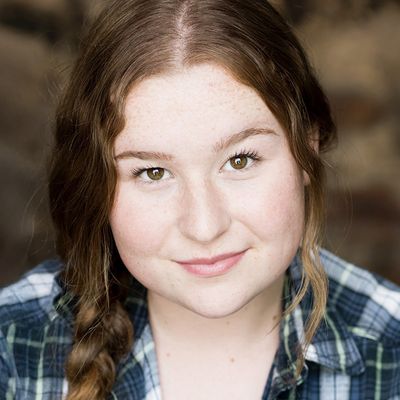
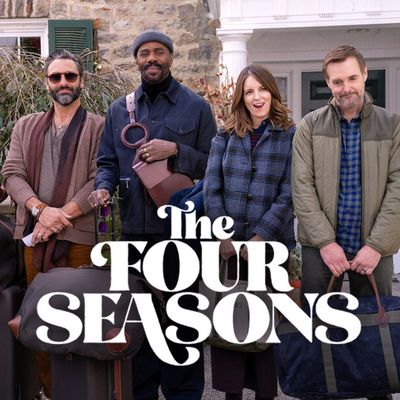
In this episode, we sit down with Julia Lester—star of High School Musical: The Musical: The Series , Tony-nominated breakout from Into the Woods and currently starring in my new favorite tv show- The Four Seasons... Read More
From the show: Breaking Broadway with Kerry Butler
Guests
Featured Shows

About
In this episode, we sit down with Julia Lester—star of High School Musical: The Musical: The Series , Tony-nominated breakout from Into the Woods and currently starring in my new favorite tv show- The Four Seasons.
Julia opens up about the wild ride of growing up in a showbiz family, facing rejection even after big wins, and how trusting her instincts led to her most unforgettable roles. It’s a conversation about resilience, comedic timing, and the power of staying true to your weird, wonderful self—on and off stage.
Transcript
This transcript was automatically generated and might contain errors.
[0:41] Kerry Butler: I am your host, Miss Kerry Butler. Together you and I are breaking Broadway.
[0:54] Kerry Butler: Welcome back to Breaking Broadway. Today I'm so excited for my guest. Are you obsessed with The Four Seasons? I know I have been. And I've actually already interviewed Julia Lester. But I had her back because I'm so obsessed with the show. And she's been doing amazing things. I mean, I interviewed her before when she was nominated for the Tony Awards. Now she has this amazing TV show she's on. And she is nominated this season for a Drama Desk and a Lucille Lortel Award for All-Nighter Off-Broadway. Amazing. Welcome to the show.
[1:29] Julia Lester: Thanks so much for having me. I'm so excited to be here.
[1:32] Kerry Butler: And of course I should also mention what's a favorite in my house. High School Musical: The Musical: The Series, of course. We have to touch on that too. When you were little, did you dream of being an actor or in musical theater or in TV or all of the above?
[1:49] Julia Lester: Yeah, kind of all of the above. I grew up in a family of performers in a very arts family.
[1:55] Kerry Butler: Where?
[1:57] Julia Lester: In L.A., like physically where?
[1:59] Kerry Butler: Oh, you grew up in L.A.
[2:01] Julia Lester: That's where I am right now. I just got back yesterday. I grew up in a family of performers and honestly didn't know that there were other career paths. But I really enjoyed it and personally wanted to pursue it just as much as how it excited me by seeing the people around me do it. It was definitely in my DNA, I think.
[2:25] Kerry Butler: When did you start performing?
[2:27] Julia Lester: I started doing commercials when I was little and I did community theater when I was young. Then I started working more professionally in TV and film when I was in high school. Then I started doing professional theater after I graduated high school.
[2:39] Kerry Butler: Did you get an agent because your family was already in the business?
[2:44] Julia Lester: Yeah, I think it probably started because my parents were performing in different areas. I think that they just thought it would be a nice way for us to save up college money.
[2:58] Julia Lester: That's what my parents did! Book a commercial here or there. It's a nice way to start that. I think that was the initial intention with it all. Then I really loved doing it and I wanted to pursue it more full-time. I stayed in public school my whole life, but my parents were very supportive of me wanting to pursue it professionally.
[3:22] Kerry Butler: Did you get on High School Musical very shortly after school?
[3:28] Julia Lester: Yeah, I graduated high school and at that point I had been doing some TV. This is also pre-COVID when being in LA you can audition for a lot of things. I was sort of in the right place at the right time. I chose to stay in LA after I graduated high school. That's when I started doing regional theater and started working more professionally as an adult. About a year after I graduated high school is when I booked High School Musical. It ended up becoming sort of what would have been my college experience because I spent four years on that show.
[4:06] Kerry Butler: Oh my gosh! That's so crazy. How was it?
[4:10] Julia Lester: It was incredible. It was life-changing. It was like summer camp and theater camp. I made some of my best friends who are still...
[4:20] Kerry Butler: Oh really? Who are you still friends with? Tell me!
[4:23] Julia Lester: Just to make it more specific, Frankie and Joe who played Carlos and Seb on the series, who became a couple in season one, are a couple in real life. My favorite people on the planet. They've been together since season one of High School Musical. They moved to New York a couple years ago. When I go live in New York, they're there which is so lovely because they feel like home to me. It's so nice that we get to live in the same city sometimes. It's very, very special. I'm super close with everybody. Tim Federle, who's our creator and showrunner, is still so present in my life. He comes to see me in all my shows. We're all very supportive of each other. We try to follow each other.
[5:04] Kerry Butler: That's so nice. Do you go see Olivia Rodrigo?
[5:09] Julia Lester: Oh yeah, we do. Even if I didn't know her, I would be a fan of her music.
[5:16] Julia Lester: Yes, I love her music too. I would love to see her in concert for sure. She's just amazing. She's a real rock star. The way that she has grown into herself in the last few years is so amazing to watch. I've known her since she was 15. It's very, very special. She's amazing. Everybody is just so wonderful and doing so many incredible things. We all try to make sure to stay in touch and go see each other in whatever we're doing. It's a very special group.
[5:43] Kerry Butler: That's rare.
[5:47] Julia Lester: For a lot of us, this was our first big job. We moved to a new state. We all moved to Utah to film the show. We were all relatively around the same age. I know that it's probably rare for people to be so close with each other. I think that we were put in some pretty exciting circumstances where we all wanted it to be fun. We wanted it to be an experience that we would remember. I think everybody went into it being very excited and open-minded to make lifelong friends, which is very special because I always try to go into things with that mentality. It was nice that everybody was really on the same page about wanting it to be a good experience for each other.
[6:33] Kerry Butler: That sounds like when we did Hairspray, we went out of town to Seattle. We all had that same kind of energy. Everybody was young. Laura Bell always says that that was her college experience, but we used to have a saying, what happens in Seattle stays in Seattle. Did you have that with Utah?
[6:48] Julia Lester: Yeah. There were definitely some unspoken rules about what was happening here. We don't need to talk about it after. Four years we spent with each other. We went through COVID together. We spent a lot together.
[7:02] Kerry Butler: Oh my gosh. Whatever happens in Utah.
[7:05] Julia Lester: Wow. I didn't even think about that. Into the Woods, was that your Broadway debut?
[7:11] Julia Lester: Yeah.
[7:12] Kerry Butler: Oh my gosh. An eye for a Tony on your Broadway debut.
[7:16] Julia Lester: It was pretty crazy. I had never done a show in New York before that show.
[7:20] Kerry Butler: Wow.
[7:21] Julia Lester: It was a really life-changing experience. Do you have a preference to doing TV or film or stage?
[7:32] Julia Lester: I don't necessarily have a preference, but both things definitely fill my cup in different ways. Right now, I'm in a very theater headspace. I just finished doing the run of All Nighter, which was off-Broadway. We just finished on Sunday. That was really, really exciting. I definitely love the instant electric gratification you get from going on stage every night and being with an audience present from start to finish. Experiencing what they're experiencing. That feeling can't be beat by anything. Especially after COVID, I feel like it's just our way of seeing humanity. You know what I mean? We're going through this together in this moment. We're all feeling the same things. It just has a deeper feeling for me ever since COVID.
[8:26] Kerry Butler: Yeah. I definitely agree. There's also so much excitement and magic that comes with doing TV and film, but the end product is so out of your control that getting to do theater and being a part of the entire process from start to finish live in front of you is something that you really can't get elsewhere. We just had such a fun run of this show. Lots of young audiences came to see us. It was a show about college girls. It was super fun to be in that world every night and play that. I definitely have such a deep love for both. Just performing in general is very special. There's something different about theater that you can't really get anywhere else.
[9:13] Julia Lester: Yeah, it's magic. Okay, so now The Four Seasons. You had to audition for it.
[9:20] Julia Lester: I've heard everybody.
[9:22] Kerry Butler: Yeah, pretty much. How was your audition?
[9:27] Julia Lester: It was good. Again, we're in a post-COVID world where you're just sending tapes out into the ether and wondering what's going to happen. I actually was on vacation when I got that audition, and so I filmed in front of this ugly brown doorway. I was really frustrated with myself. Honestly, I woke up the next day and I was like, I think I have to retape this. My wonderful sweet girlfriend, who already was being tortured by being my reader the day before, was like, please don't retape this. Mostly for my own sake. It hurt.
[10:06] Julia Lester: I sent in a tape and then a few weeks later did a couple Zoom readings, director sessions.
[10:15] Kerry Butler: You had to do a couple, not just one?
[10:18] Julia Lester: Actually, I think there might have been one. Definitely a long waiting period in between where you just forget about it. You just sent a tape into the world and then it's your duty to just let it go and what will be, what will be.
[10:33] Kerry Butler: 100%. That's right.
[10:35] Julia Lester: I sort of just forgot about it. Then when you get another step in the process, it's exciting because you don't want to expect anything is going to come from it. It was really nice. Then I did one in-person direct.
[10:53] Kerry Butler: Oh, you did in-person too?
[10:55] Julia Lester: Sorry, in-person.
[10:56] Kerry Butler: Oh, on Zoom?
[10:57] Julia Lester: Yeah, live.
[10:58] Kerry Butler: Okay, okay.
[10:59] Julia Lester: I guess is the right word. Yeah, with some of the team, the creative team from the show. Then the next day, they were like, you have to get out of the plane in three days.
[11:11] Kerry Butler: Oh my gosh.
[11:13] Julia Lester: Yeah.
[11:14] Kerry Butler: Three days.
[11:15] Julia Lester: Yeah, crazy, crazy. Okay, first of all, that is very inspiring to me personally because I feel like every single time we go on vacation or I'm doing a show out of town, that is when I get a really good self-tape audition and I don't have my equipment. I don't have my lighting. The fact that you actually got something in front of that ugly brown door gives me hope that I'm not wasting my time. It honestly gave me hope.
[11:41] Julia Lester: You get into a routine where you're sort of like sending things out into the world. And you're like, "Oh, my God, how many tapes have I done?" And you don't hear anything back. You don't hear anything, anything. But there's just that waiting period of like, then there's going to be that one that ends up clicking. So that was really nice that, you know, I was self-conscious about the way it looked and what I was doing. And it sort of had to just be like a, you know, just like, whatever, just throw it out there sort of situation. So that was definitely a good reminder that like, it's not about being perfect. If they want you, they're going to get what they need to get from whatever you do. So that was definitely a good reminder.
[12:32] Kerry Butler: So seriously, three days, you found out that you had to go to New York.
[12:37] Julia Lester: Yeah, it was like a Friday night that they called me and they were like, "You're getting on a plane on Monday or Tuesday." And I had no idea. I only had the callback the day before, so it wasn't like I had time.
[12:45] Kerry Butler: Oh, yeah, no, no, no. I was just like thrown into it, which honestly makes it way more exciting. Like I would rather not have to wait in anticipation. It was way, way more fun.
[13:03] Kerry Butler: Did you do all of your scenes in New York? Or did you go elsewhere?
[13:08] Julia Lester: Yeah, so all of the episodes that I filmed were shot sort of like upstate New York, Hudson Valley area, Beacon.
[13:13] Kerry Butler: So you didn't get to go to Puerto Rico?
[13:19] Julia Lester: I was pretty jealous. They looked like they were having a lot of fun.
[13:24] Kerry Butler: Maybe next time.
[13:29] Julia Lester: Maybe next time I'll get to go on one of the good vacations. I'll be like, "I'll weasel my way into the beach scenes."
[13:36] Kerry Butler: So you get there and then how soon do you start filming that week?
[13:40] Julia Lester: Honestly, it was really nice. I had the bulk of what I was doing sort of like in the middle of the season. So it was really nice to have a couple very chill, like non-stress scenes placed at the beginning of the season so that I could sort of like warm up to what is a very big experience that I was having. So it was really nice to be thrown into like, you know, the big theater scene was not like the first thing that I shot. So I definitely got to establish a relationship with the people and get to know the crew who were just so wonderful and get to know the area that we were filming in.
[14:21] Kerry Butler: So had they already been filming by the time you got in? Or was this the very beginning of the show?
[14:28] Julia Lester: Actually, if I'm remembering correctly, my first day on set was everybody's first day. It was like first or second day. So that was also really lovely to be like, "Okay, this is new for me and new for everybody else as well."
[14:40] Kerry Butler: So it was that wedding vow renewal scene that was...
[14:51] Julia Lester: Oh, yeah, it was really lovely. It was just like, you know, good vibes in the air. I mean, it takes a turn, but spoiler alert, right? Like, you know, I got to sit and watch people perform and watch the people in the show and really sort of like, it was a really nice sort of intro to what was going to be my show because I was definitely going in with a lot of nerves.
[15:13] Kerry Butler: So to get a couple days of like, you know, some really chill scenes was very nice to begin with. Do you have any kind of process for getting over nerves? Like, is there anything that you do? Or is it just like, you just do it?
[15:35] Julia Lester: I mean, you kind of just... there's really no time to like actually have a proper journey within yourself of like overcoming these nerves because, as you know, like when you're on a set, it's just like you're shot out of a cannon. I mean, yeah, there is a lot of like sitting around and waiting. But there's also a lot of like, we got to get this done. Like we have places to be, like we're losing light, you know? So there's really no time to like allow yourself to be like... I think like within a rehearsal process when you're starting a new show in theater, you have a lot of time in the room to like get resettled with the people around you and discuss what you're doing and do scene work and table work and like give yourself time to acclimate to the story that you're telling.
When you're on a set, it's like there is no time for that because time is money, you know? Like the old saying of like, you gotta go. So honestly, I think that that was pretty helpful in this scenario of like knowing that I couldn't really give myself time to freak out or be nervous because there's a job to do. So I think that was definitely a boost. It sort of kicks you into high gear and to be like, "Okay, like this is go time."
[16:59] Kerry Butler: And you had then three days to prepare for this huge job. Like you probably hadn't even read the script.
[17:07] Julia Lester: Yeah, I remember them sending me... I landed at the hotel where we were staying and they sent me all the scripts at one time and I just spent the night like reading episodes one through eight. Just because like, I didn't know really like what the show was about or, of course, I mean, I had watched the original movie from 1981. The weekend when I booked the job, my girlfriend and I found this like, it's now on Netflix, which is really exciting, but we found this like grainy, like black market, like some sort of like weird off-brand recording of the movie. And so that was fun to like watch the movie to like get a feel of like what maybe the show was based on, but really, I didn't have much to go off of. So it was fun. They sent me all the scripts at one time, and I just like read through all of that one night.
[18:05] Kerry Butler: Do you have a process that you like to go through when you're doing a show like the work you do as an actor?
[18:14] Julia Lester: Yeah, I mean, I think this is like the theater in me as I'm like very loyal to text. Obviously, I think... I mean, this honestly feels like a no-brainer to say out loud. But like, really where I start is like, what is given to me on the paper? I think there's so especially when you're given such a well-written piece of something. So obviously, this show was written by like, Tina Fey and her team of writers that she's been working with for forever. So obviously, I knew that there would be so much to dive into and so much to chew on. And like with All Nighter written by this new playwright, Natalie Margolin, who's so wonderful. And so, you know, every single character was so well thought out. I feel very loyal to what is written on a page.
So I definitely start there to find sort of what this character is and what her journey is, and anything that is sort of like hiding underneath what's written. I also felt that way with like Into the Woods, like there was so much to play with, with Little Red, who had been done before so many times, but it was so fun to like look at this very famous piece of theater, these very famous words that people know so well, and try to discover something brand new within the words.
[19:28] Kerry Butler: So how do you do that?
[19:34] Julia Lester: I just think that there's so many clues. There's so much that you can do with a sentence that you're given. I feel like it's so fun to like say something or portray something in a way that people wouldn't expect. So like, for example, if I'm trying to hit a punchline or hit a laugh line, I take so much pride in like figuring out the most unexpected way to say something. So I'll sort of go through a Rolodex of choices in my head of like, "Okay, now when I say the sentence, what word can I emphasize? Okay, that works. Now emphasize a different word. Okay, now put a spin on it. Okay, now sing the line, like do something weird to like give yourself a bunch of options to play with," which I also think is like what is so exciting when you get to do theater because you have the freedom and the time to be in rehearsal and discover all of that. So yeah, I definitely did a lot of that with All Nighter, which was very exciting.
[20:43] Kerry Butler: In TV and film, you have less time to do that.
[20:43] Julia Lester: Right. It is.
[20:50] Kerry Butler: So when you're playing the lines in your head, is it like your internal audience that's like, "Oh yeah, that one worked. No, that one passed on that one. That one didn't work"?
[21:00] Julia Lester: I don't know if it's necessarily an audience or just sort of like my internal... yeah, like kind of compass, comedy compass. That's honestly, that's a really good way to put that. I mean, truly, whatever audience reaction is going to happen is none of my business and none of like, they're gonna do what they're gonna do. And it's truly I cannot control what they do because an audience is different every single night. You never know what's gonna land for certain people and vice versa. So it's more of just like something that feels internal, if it feels correct with the timing of the rest of the scene. And also when you have a really smart, strong director who can let you know if what you're portraying feels in the world of what you're doing. So there's also like a lot of relying on the people around you and your scene partners and yourself. So it's less so about what I think the audience is going to do more so about how I feel doing it.
[22:00] Kerry Butler: Hey, everyone, I have some exciting news. I am revamping my YouTube channel, Keri Butler Official. And my first episode is all about Beetlejuice. And I know so many schools are doing Beetlejuice now. So I'm focusing in on the creation of Beetlejuice and what you need to think about for each of those characters if you're auditioning for them or if you're working on them and kind of what our backstory was in creating those characters. And a fun little thing I'm doing on the YouTube channel is people can submit their auditions to me and I will give you feedback at the end of my YouTube videos. So if you would like to be included on my YouTube channel, then on Keri Butler Coach at Instagram, I put a form for you to fill out and I have an email address specifically for submissions for people who want to submit an audition that I will give you feedback on and try and help you hit those notes or hit the acting beats. But I just thought it would be a fun way to connect and be sure to subscribe to my new YouTube channel, Keri Butler Official, for all the behind-the-scenes stories of the shows that I've done.
[23:11] Julia Lester: So if you find all of those different line readings for like the joke landing the punchline, do you try them out during filming? Do you just keep doing like every take you get, you can try the different ones and then see which ones they are?
[23:23] Julia Lester: I have the time and they have the bandwidth to like let me play for a little bit. I will for sure dive into just especially when you're on set. I think it's so important to like keep choices fresh and alive because you have no idea what the grand scheme of things is going to look like. We're not as you can get as much information as you want and as much sort of like artistic help as possible. But at the end of the day, like you're not in the editing room and you're not in the brain of the director. So it's really important to like give yourself a bunch of chances to like fit into what the end product is going to be. And I've definitely like when I watch things back, sometimes I'm like, Oh, I mean, there's no way that you can know this.
But sometimes when you watch things back and you're like, Oh, that's how the tone of the scene was playing out. Had I known that I would have done these choices differently, I would have given this color so that they could choose it, you know, in the editing. So all of these things, you can never know until the end product comes out. So it's really fun and exciting to like be make yourself available to all different versions of what it could be.
[24:33] Kerry Butler: How did you like working with everybody on that show?
[24:38] Julia Lester: I just had the time of my life. They were the most wonderful, like nurturing, talented people. I mean, really, these are like people that I've looked up to for my whole life. And when you learn that these people are just as wonderful in person as they are on screen, it's really lovely. And I was watching some interviews back of Tina Fey, who created the show and starred in it, of course, and she was describing that she wanted to have like a really healthy, nice time on the set filled with people who were like there to like, be kind and do a great job. And so it really starts from the top down. I think it's so leader like holds a lot of, you know, strong like morals and values and like wants people to feel seen and heard and appreciated.
And that's, you know, that is the environment that she created in the environment that we all, that we all, you know, chose to uphold. So it was definitely a really, really wonderful experience. I learned a lot even just by watching.
[25:45] Kerry Butler: Yeah. Well, tell me what you learned. Did you learn something specific from like any of the big stars on there or anything like that?
[25:51] Julia Lester: Yeah. I mean, sort of going back to what we were talking about before, which is just like sort of this idea that like, there's like, these choices that you can make in order to you like, because you never really know what something is going to turn out to be. And so there's like this breakfast scene that I got to do with Carrie Kenny Silver and Steve Carell, who played my parents in the show. This is episode six. And Coleman Domingo was our director who is just like, Oh, just I mean, legendary as an actor, and then watching him as a director, getting to work with him as a director was like, pretty life changing. It's really, really, it's really exciting to like, walk into something and be like, I am giving you what I can't exactly what I can do and sort of like my limits of like what I have seen in this character and chosen for this person.
And then for a director to step in and like show you something about yourself or about the character that you never would have even thought of or imagined. I felt so stretched to like, in ways that like, I didn't know I had the ability to like, be so free and so sort of like, limitless with my choices. So he definitely was a big advocate for like, sort of just like a freedom to play within the scene. And so I definitely started the scene a little bit more like, feeling internal with my thoughts of whatever, you know, this character was going through. And throughout the process of filming that scene, he was pulling things out of me, that he felt were in the world of the show that could potentially work for the final edit.
And so by the end of the day, I was doing a performance of the scene that I could have never even like, you know, crafted for myself. Well, from notes he was giving me or choices he wanted to see. And then my favorite thing that he does is at the very end, when he's gotten all the takes that he wants, he says, now do it for yourself. And sort of like, there's no wrong choice or wrong. Yeah, you can just do sort of whatever you want. And there are a couple of those moments that ended up making the final edit. It's just really exciting. You never know what it looks like from an outside perspective. So to have some, yeah, give you the freedom to be limitless is really special.
[28:24] Kerry Butler: Was there any improv-ing on the set? Or was it pretty much straight from the start?
[28:29] Julia Lester: Yeah, there was a there was definitely a lot of improv or a lot of like, permission to play around. And whether or not that made it into the final edit or not, you know, at the end of the day, who's to know who's to remember, but like, I do remember like, again, in that sort of like breakfast scene when he was sort of like, you know, do one for you. They just sort of like, keep rolling at the end of the scene. And here I am like now sitting at this table with these two incredible comedy actors being given permission to like improv with them and see what sticks. So, oh my God, very sort of like, it was like a really amazing moment of training almost.
[29:08] Kerry Butler: I bet it's like empowering, you know, like, you feel like it's a good word.
[29:13] Julia Lester: It really did feel that way. Yeah. Because now you've improved with like, the highest you could get kind of, you know, and you and you, you did it.
[29:23] Kerry Butler: Yeah. And that's definitely like, thanks to the, the sort of like freedom that Coleman gave me or the the the permission to feel like I could go toe to toe with people who normally, you know, just based on their resumes alone, not who they are as people, but based on their resumes, you would feel sort of like, not my job sort of go inward. Yeah, yeah, I'll let them. Yeah, I'm like, you take the reins, and I will learn from what you're doing. But then here, I'm being given permission, especially in a scene like that, where it's sort of heated, where I am sort of going toe to toe with them, being given permission to do that. It's very, very exciting. And I was surprising myself with, you know, so that was a very cool learning experience, for sure.
[30:13] Kerry Butler: That is so cool. Did you have any other experiences with anybody else that like, you're like, Oh, I'm gonna, I'm gonna remember that I'm gonna, I'm gonna, you know, add that to my toolkit?
[30:21] Julia Lester: I had such I had a really wonderful time with Erica Henningsen on the show. You know, in love, of course, yes, yes, of course, who I just adore to no end. She's so wonderful. And she and I both I mean, she does such a phenomenal job in this show. And she really hurt. She does. She's she had a huge responsibility in the show. And playing a character that is so complex and could be misunderstood. And she I mean, I guess about her performance in the show, what she gave is so honest and nuanced. And I agree, Ron, beautiful. She's so wonderful in the show. But when we were filming, the two of us kind of felt like, you know, the little fish in the big pond, because we're both like, yeah, really excited, like Cedar King, essentially.
Yes, yeah, really fun to like, have somebody on set who I could sort of like, when the time was right, sort of like geek out to about like, Oh, my God, is this really happening? And there were a couple moments where, again, we're talking about how quick things have to be on a set. There were a couple moments where we didn't know if like, we had maybe one take to get something right and get something done. And I remember there was this one part where she in the Frisbee scene accidentally hits me in the face with a Frisbee at this sort of day. Oh, yeah, you like hug for the first time. And it's like, awkward, but it's a nice, you know, sort of need. Yeah, what our relationship to each other could be in the future.
And we had truly one take to get it. And they did it. And then it was time to move on. And we both sort of looked at each other like, Oh, did we do it was that like, we had no idea or sense of what it looked like at all, because it was just so quick. And then watching it back, it was like exactly what it needed to be. And we had one take to do it. And we were both a little self conscious about it. And then you watch it back. And it's like, they're not going to move on unless they get the shot. So like, number one thing to remember. And then also like, we have no idea what we look like. And it really like at the mercy of other people saying like, we got it, let's move on. So there's really no time to dwell on like, maybe what you did or what you could have done.
Because in the final watch it back. And it's like exactly what that moment needed to be. Had we had more time, it could have felt less authentic or different or however it turns out is how it's going to turn out. So we definitely like had moments to each other where we both like reminded each other, like, we did it, they got it. And like, we're doing a good job here. So that was nice to like, have her there to sort of like, you know, a little touchstone for, for like, okay, we're good. We're here and we're good.
[33:17] Kerry Butler: I feel like you're so young and you've had such a big career already. Have you had any big rejection stories? Like you want to share any?
[33:27] Julia Lester: I mean, there's, I feel like rejection is like a way bigger part of the job than the, than the excitement and the good things that for sure. Those things, the good things and the exciting things can feel big and large in their own way. And as they should, I think everything should be celebrated, but they are not, they're not the entirety of what, of who you are and what you're doing. Like I can have a lot of like very exciting things that happen, but there's been a hundred no's in between those exciting things. So yeah, I mean, definitely like I, there was a job that I lost out on when I was in high school because I was too young and it was something that wasn't caught until it was sort of too late.
And so that was definitely like a big heartbreak because there, there had been something that I got really, really far into the process. I got this part and I'm in the process of this. Oh my gosh. And then it occurs to the team that I am not the correct age that they're looking for. And I ended up aging this character way up in order to fit better into the storyline. So something also that is completely out of your control. Cause I'm like, I'm 15 or 14 or 15 at this time. I'm like, I'm not going to magically age five years for you. So, you know, something that's totally out of your control is something that, you know, happens a lot. All, most of these sort of rejections that happen, happen because there's something that you can't control.
[35:05] Julia Lester: So that's definitely a big lesson to learn very early on. It's definitely very difficult, but also, like, I never gave up. I never lost the fight. If anything, it sort of, like, fueled a bigger fire in me to, like, go after the next thing. I think, like, every rejection and every no is a door that ends up opening down the road for something bigger and better. Who knows? Maybe I would have never been able to do High School Musical had this opportunity been able to happen. There's so many things that fall in line for where you're meant to be. So obviously, of course, in the moment, it's devastating. And it's so hard. And it's so hard to rationalize the whys or how to get especially when you're that yeah, to have gotten to have been like, so close, you can taste it.
And then to have it pulled away. Was Do you remember Do you have like, things you do when you like, like when I get I still get upset sometimes it's it's rare now I'm that I've been rejected so many times, but some like I would, you know, allow myself maybe one day where I can kind of wallow in the sadness, maybe put on like sad music. And then but then after that, I don't think about it anymore. But I kind of let myself feel it feel it for exactly that. I think it's really, really important to let yourself feel and to sort of put like a time limit on the feeling I think is honestly like a really smart thing to do. Because it's whatever you're going to feel whatever you're going to do is okay.
But also, you have to like pick yourself up and move on to the next thing. Yeah, knowing and seeing in front of me, the things that have happened because other things didn't happen. Like, to go off of that, like, this will make sense in the future. I don't know how long it's going to take. It might take a week, it might take a year, it might take 10 years, who knows, but it will make sense for where you are meant to go. And so also having that mentality that one day, in hindsight, that thing isn't going to matter because something else came along. It's also just like a nice thing to like, you remember in the moment, but of course, like, you know, it's hard and it there's no there's also no right or wrong way to like go about feeling those feelings. So yeah, every every time it happens, there's like a new learning experience that comes from it.
[37:37] Kerry Butler: Are you someone who sets goals? Like, or do you just kind of see what happens?
[37:44] Julia Lester: Yeah, I think that there's definitely like goals that I set with less so like milestones, but more so goals of like, the kind of project I want to do next. I think that there's so much like excitement in feeling creatively fulfilled by something and wanting to like maybe take a different avenue for the next thing or, or out something that will make you feel a different way. So like, I just did this, like, very broad, exciting, like young adult comedy on stage. And so like, what excites me for the future is like, the next thing that comes along that is going to be completely different than that. So setting sort of like career, career milestones, and more so setting goals for like, how I want to feel fulfilled as a performer is sort of like, yeah, go and grow as a performer.
[38:36] Kerry Butler: Oh, awesome. What is your audition song? Do you have an audition song? Because you do musical theater, right?
[38:40] Julia Lester: I, I don't necessarily have like a go to current song. But if you'll let me geek out for like four seconds, I used to sing Fly Fly Away all the time.
[38:49] Kerry Butler: No way.
[38:50] Julia Lester: Yeah, so I'll say that just because I'm sitting in front of you and I can and I love you. So.
[38:59] Kerry Butler: Oh, that's so sweet. I have to hear it now. Is it online anywhere? You have to send it maybe? Maybe you could post it with this interview.
[39:08] Julia Lester: We'll be like, oh my god.
[39:09] Kerry Butler: Oh my gosh, that's so cool. I love that you sang that.
[39:14] Julia Lester: Yeah, of course. That was very special. And that was honestly a song that I'll never forget. I have definitely have a different sort of anxiety that comes with the territory of like singing in front of people out of the context of doing a show. Like I'm not really one to like, go do a, you know, cabaret or like a song cycle stand up sing without the context of a full show.
[39:39] Kerry Butler: Yeah, it's just something like, yeah, I don't know, it's something I completely understand. It's like, I used to be like that, too, because there's something about just becoming another character. But if you're doing the song cycle, then it's like, I'm just up here singing and you can't immerse yourself and lose yourself into another person.
[40:06] Julia Lester: Exactly. It's exactly that. So I'll never forget, like there was this like Mother's Day show that my mom and I sang in in L.A. when I was in high school. And and my song was Fly, Fly Away. And I was so, so nervous. And then, you know, there's there's some sometimes when you're so nervous that it's OK and it shows on stage and it may not be exactly what you want. But there are other times when those nerves sort of like will fuel a little bit of like a magic that like happens and everything sort of clicks into place and happens the way that it's supposed to. And that I was singing that song in a moment where I felt very, very proud of myself that I was able to sort of like overcome this, this like fear of singing in front of people.
And so that was a very special moment for me. And singing that specific song will always be a memory that I have of being like, hey, you overcame something that you were nervous about and and you can do it again in the future or something like that.
[41:52] Kerry Butler: Yeah.
[41:53] Julia Lester: Yeah. It's so important to remember things like that. Like, you know, just even I always say, like for actors starting out, like keep and keep a notebook of your callbacks or, you know, any time just so that when you have those bad days, you can remind yourself, oh, I think Fly, Fly Away. And it was.
[42:06] Kerry Butler: Yeah, exactly. Exactly that. So that that's a very special thing that I like hold on to in times of like feeling a little uncertain about myself. It's like, but you've done it in the past so you can do it again, you know, and it may not be perfect or exactly what you're hoping for, but you have the tools and you have the skills to, you know, to have it be, you know, what you want it to be. So I don't know. It's just like a intuition kind of thing. But yeah, that song is definitely very special to me.
[42:59] Kerry Butler: Oh, I love that so much. It's one of my favorite songs, too. It's such a good song. On that note, do you have any advice for any performers out there who want to be doing what you are doing?
[43:06] Julia Lester: Yeah, I always feel so excited and like sort of like silly with a question like that, because I'm also somebody who is like, will take advice anywhere I can get. And I feel like I'm so early on in my process of like learning and discovering and, you know, hearing things from the greats and people that I look up to. But I think like the my biggest takeaway that I've been sort of able to like really allow to like be sort of like something that I can maybe offer to other people is like that there. They're sort of like there's like no rules to what you can and can't do as a performer. Obviously, there are like, you know, be respectful in a rehearsal room and abide by the scripts that you're given and be loyal to the material and like be a good listener like there.
There are principles to uphold. But when it comes to like the actual performance of something, it is so exciting to like give yourself the freedom to like be whatever you want to be and to not try to conform to what people are telling you or or who or maybe a specific person that you want to be like you like we as performers are so, so individual. And the thing about us is that like we come in all different varieties and every single one of them is correct. There is no like right or wrong for like what kind of performer that you can be. Art is art is, you know, a choice. It is not like there's no rules, truly. And so my favorite things that I've been able to do in some of the more recent roles that I've played is like feel the confidence and the ability to throw anything out there and see what sticks and like do something wild and wacky that may not feel totally correct but it ends up being something that like you know is a turns out to be like an audience favorite part of the show.
Like there are so many things that I did in the rehearsal room that honestly were like a joke for a writer that I did that ended up coming huge sort of like pillars of moments in the show that I never would have expected or given myself the confidence to try before. But knowing that like whatever you do could potentially be the right thing for the moment is like so exciting that there's so much possibility for what you can do.
[45:10] Kerry Butler: Yeah and to like you know like a statement like be yourself but it is so true. Like every performer is so singular in who they are and what they do and anything that you do if you feel it and you are committing 100% they're like that is the correct choice is whatever makes you good about yourself I think. I don't know.
[45:27] Julia Lester: Yeah I love it.
[45:29] Kerry Butler: Well thank you so so much for being with us Julia. Let people know do you have anything else coming out that to plug? I mean for sure everyone should watch the four seasons and you're fantastic in it.
[45:40] Julia Lester: Thank you so much. Yeah I'm very excited about the four seasons coming out and I have a couple other things down the line that I'm very excited to hopefully talk about soon and I just really oh should people follow you on Instagram?
[45:51] Kerry Butler: Yeah you can follow me on Instagram at Julia Lester where I'll be posting I guess more announcements there and just thanks for having me and I mean you know this because I geeked out in front of you at the Tony press day but I am such a fan of yours and such a follower of what you do and and you know the the love and support that you put out there so just like thank you so much for having me on this has like been very very exciting for me.
[46:04] Kerry Butler: Thank you mutual fan association because I'm a fan of yours too.
[46:12] Kerry Butler: Thank you so much for listening. If you would like me to come to your school or theater group and give a master class or a talk back please reach out at kerrybutlercoach.com. If you like this podcast subscribe and leave a rating and in the comments let me know what topics you want me to cover. You're listening to the Broadway Podcast Network together you and I are breaking Broadway.
© Broadway Podcast Network, All Rights Reserved