

Welcome to Broadway Biz hosted by Hal Luftig! In Hal's very first episode, he chats with his good friend Dori Berinstein, producer extraordinaire and the Co-Founder and CEO of the Broadway Podcast Network... Read More
From the show: Broadway Biz with Hal Luftig
Guests
Featured Shows
About
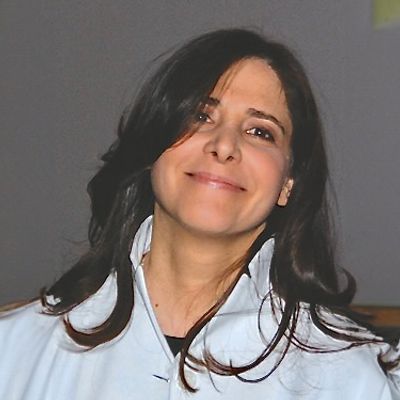
Welcome to Broadway Biz hosted by Hal Luftig! In Hal's very first episode, he chats with his good friend Dori Berinstein, producer extraordinaire and the Co-Founder and CEO of the Broadway Podcast Network. Hal and Dori discuss Dori's path to producing, how she navigates Broadway budgets, and why she loves podcasts.
Dori is a four-time Tony-winning Broadway producer (“Fool Moon”, “One Flew Over The Cuckoo’s Nest”, “Thoroughly Modern Millie” and “Virgina Woolf”), an Olivier winner (Legally Blonde) and an Emmy-award-winning director, producer and writer of film and television. Dori most recently was Lead Producer on “The PROM” for Broadway, and is the host of her very own podcast "Deep Dive Broadway".
For all things Broadway Biz, visit our Instagram @BroadwayBizPodcast or our website broadwaybizpodcast.com.
Have a question for Hal or a topic you'd like him to explore? Send Hal an email at broadwaybiz@halluftig.com.
A proud member of the Broadway Podcast Network.
Transcript
This transcript was automatically generated and might contain errors.
[0:03] Hal Luftig: Hi everyone, this is Hal Luftig with my Broadway Podcast Network show, Broadway Biz, where every episode I will chat with my friends, some of the top theater professionals in the business about the business of Broadway.
[0:22] Hal Luftig: Come join the Broadway Biz.
[0:25] Hal Luftig: You'll be a Broadway Biz.
[0:28] Hal Luftig: You'll learn to raise cash to open your smash.
[0:31] Hal Luftig: You'll be all the rage from the patron stage.
[0:34] Hal Luftig: In all time you'll know the business of show, the great extra.
[0:40] Hal Luftig: So join our squad as we unlock our love things, Broadway.
[0:49] Hal Luftig: Let's get busy with the Broadway Biz.
[0:55] Hal Luftig: We happen to be recording our first few episodes during the COVID-19 pandemic, and I couldn't begin the program without taking a moment to acknowledge everyone who works so incredibly hard to make the curtain go up every single day.
[1:11] Hal Luftig: The actors, the stage hands, everyone on the backstage crew, the stage managers, the box office, the ushers, the porters, these are just to name a few.
[1:20] Hal Luftig: I know that this is an uncertain time for all of us, but please stay healthy and stay safe, because Broadway will be back.
[1:29] Hal Luftig: My first guest to Broadway Biz is my dear friend Dori Berinstein.
[1:34] Hal Luftig: Dori is a Tony Award-winning producer and the co-founder and CEO of Broadway Podcast Network.
[1:41] Hal Luftig: I am so excited for Dori to be my very first guest on Broadway Biz.
[1:47] Dori Berinstein: Thank you, Hal.
[1:48] Dori Berinstein: Thank you.
[1:49] Dori Berinstein: I am so honored to be your first guest.
[1:51] Dori Berinstein: It means the world to me.
[1:53] Dori Berinstein: And even more, I'm just so thrilled you're doing a podcast.
[1:56] Dori Berinstein: Because I have looked to you for decades, literally, on insight having to do with the business of Broadway.
[2:04] Dori Berinstein: And you're the guy that you know, I need your point of view.
[2:08] Dori Berinstein: So you're the right person to be doing this podcast, and I will be tuning in every episode.
[2:14] Hal Luftig: Oh, you are the sweet. See why I love this woman.
[2:17] Hal Luftig: I mean, how could you not?
[2:18] Dori Berinstein: You are the sweetest thing.
[2:19] Hal Luftig: So when I was thinking about you know having you as my first guest, I couldn't help but go back, you know, 20 years, 20 years since the Modern Millie.
[2:30] Dori Berinstein: Can you believe that?
[2:32] Dori Berinstein: No, it really feels like yesterday.
[2:35] Hal Luftig: Right.
[2:36] Dori Berinstein: Maybe the day before yesterday, but it does.
[2:36] Hal Luftig: Yeah.
[2:36] Hal Luftig: It does.
[2:41] Hal Luftig: Except I was thinking, you know, when we did Millie, Noah and Sammy were children, and now Noah's in college, and Sammy is this like would-be force director of Broadway.
[2:55] Dori Berinstein: Her name is Sammy Cannoll, and I threw my listeners, and you should watch out for her because I'm telling you, she is going to be a force in theater of her own right.
[3:07] Dori Berinstein: Um, I've seen a couple of her productions, including the most recent, Evita at City Center, and I look at her and I'm like stunned.
[3:15] Dori Berinstein: What happened to the child who was running around the Marquee Theater during tech?
[3:19] Hal Luftig: Yes, but you see, that was it. She was running around the Marquee, she wasn't running around the Marquee Theater.
[3:24] Hal Luftig: She was like she was perched in one of the boxes, watching as a tiny little kid, just staring down at Michael Mayer, watching everything and taking it all in.
[3:37] Hal Luftig: And then later on, watching Jerry Mitchell in that same spot, different theater, prepping Legally Blonde.
[3:44] Dori Berinstein: And so she has been studying basically theater directing for a very long time.
[3:51] Dori Berinstein: And so it just got a nice head start, I have to say.
[3:56] Dori Berinstein: She's and she had these incredible role models that how can you you know can't get better than that.
[4:05] Hal Luftig: Well, you should be very proud.
[4:07] Hal Luftig: In fact, tying this into the show, as I mentioned, I did see her Evita at City Center, and at intermission I saw her, you know, like most directors, hunched the book against the back wall, and I went up to her aide to tell her how you know freaking wonderful this production was and how proud I am.
[4:29] Hal Luftig: But I also asked her how she came up with this concept for Evita because it was you know the set design, the costume design, the whole show had a different aura than we usually are familiar with when we see Evita.
[4:47] Dori Berinstein: Um and she said, well, you know, we obviously we have a much smaller budget here than Broadway does, and I had to figure out how to deliver the magnitude of Eva Perón with you know very little money basically.
[5:02] Hal Luftig: And that's part of what this program is going to talk about, things like that.
[5:07] Hal Luftig: And I just have to say, once again, I was so proud of her. She's an amazing force.
[5:14] Dori Berinstein: You've been an inspiration to Sammy from day one. You really have.
[5:16] Dori Berinstein: I mean, all the way along.
[5:19] Dori Berinstein: And she fell in love with Evita after watching your production of Evita.
[5:22] Hal Luftig: Yeah, yeah.
[5:23] Hal Luftig: So, you know, you've had a massive impact on her life.
[5:27] Dori Berinstein: So thank you.
[5:28] Dori Berinstein: Thank you.
[5:29] Dori Berinstein: Thank you.
[5:30] Dori Berinstein: And I'm telling you, listeners, she's gonna have a major impact on the face of theater for many, many years. So keep an eye out.
[5:38] Hal Luftig: Um so Dori, I couldn't begin without asking um how is COVID-19, in your opinion, affecting the work that you're doing Broadway in general, theater.
[5:52] Dori Berinstein: Well, you know, Broadway is all about connectivity and bringing people together.
[5:57] Dori Berinstein: And I am just in awe of our entire community about how just so quickly everybody has come together in a new way.
[6:07] Dori Berinstein: They found a way to communicate, they found a way to be together and to support each other.
[6:13] Dori Berinstein: And you know, now the creativity that's happening online is mind-boggling.
[6:19] Dori Berinstein: It's just overwhelming.
[6:20] Dori Berinstein: And so theater lives, theater lives.
[6:23] Dori Berinstein: It just is taking a different shape right now.
[6:26] Dori Berinstein: Uh, and the live aspect of it will be back.
[6:29] Dori Berinstein: Um live in person will be back, but live remote is going like full on.
[6:36] Dori Berinstein: The ever, you know, there's so much happening out there, and I really think at the end of the day, this period of time we're living through is gonna change entertainment and how we're all consuming entertainment for forever.
[6:51] Dori Berinstein: And this will impact um, you know, the intimacy in a lot of ways, even though we're not together.
[6:57] Dori Berinstein: I think that there is such an exciting intimacy that's happening with performers, with producers, with you know, all sorts of people in the community in talking with people about the creative process, about storytelling, and about creating new forms of entertainment.
[7:15] Dori Berinstein: So looking at the bright side, which I really love to do, I think that this is adding a whole other dimension to our community and to theater, and so I think that there's a silver lining as horrific as everything is, there's a lot of exciting creative work that's being generated now.
[7:41] Hal Luftig: I agree, I agree.
[7:43] Hal Luftig: I also think all of what is being devised now because we can't be in the same room and building together, but you know, eventually we will.
[7:52] Hal Luftig: This is not going to be forever.
[7:54] Hal Luftig: And I couldn't help but thinking, while I've watched all this creativity that's coming out on the internet now, and all the love and support people giving up their time and their talent just to make sure that we're all you know entertained and we remember, you know, the importance of theater.
[8:14] Hal Luftig: Um I just it reminds me when I do see this how important that human connection that only live theater can give you when we're all in the same theater, and I know that's gonna take a different form or shape, hopefully not forever.
[8:32] Hal Luftig: But you know, when we all sit there together and in the dark, we all laugh at the same jokes or clap at the same songs, or you know, get excited by the same things, it's palpable.
[8:44] Hal Luftig: And you know, it's something I so so miss when I watch all these brilliant, you know, current programming that that's on because Broadway is shut down, and all theaters have shut down.
[8:58] Hal Luftig: But I think it's it just reminded me of that it's you know for years right we've heard that you know Broadway the fabulous invalid was going to die at some point first there was a talkies and then there was television and then you know there was you know the internet and then there was all these things and all these things were going to just kill the form of entertainment we know as live theater and it and it hasn't you know I mean right you gotta look at it hasn't and it's not going to.
[8:58] Dori Berinstein: Yeah, it's absolutely not going to and I think that that we'll everyone is gonna be so hungry to be back together and hungry for live entertainment and when that ramp up to getting back to live performance happens I think that the whole community is going to turn out in yeah and beyond and it will be a very exciting time.
[9:57] Hal Luftig: Yeah I agree, I agree.
[9:57] Hal Luftig: Well thank you for saying that um so here's a question Dori that is asked of to me every single time I'm on any program or panel or XYZ um when and what made you want to be a producer I know that's easy huh.
[9:57] Dori Berinstein: Well, uh growing up in Los Angeles, I was very fortunate even though I wasn't able to experience Broadway my parents took me to theater all the time, the Dorothy Chandler Pavilion and Amundsen, and I puppet theater.
[10:38] Dori Berinstein: I grew up um very I was so fortunate to have a lot of exposure at a very young age to theater, and um fell in love with it big time.
[10:50] Dori Berinstein: I just knew that it had to be part of my life.
[10:54] Dori Berinstein: Unfortunately, I had zero talent, none.
[10:57] Dori Berinstein: I broke windows at a very early age, it was tragic, and wanted so badly to be part of it, but you know, when in school they didn't have the tech crew, they didn't have any way to be part of it unless you were performing.
[11:12] Dori Berinstein: I kept auditioning.
[11:15] Dori Berinstein: I did, and in fact, in fact, there was in third grade, this was so traumatizing, and I know has shaped my life forever, but they cast everyone in the class except for me.
[11:28] Dori Berinstein: You know, I think in hindsight, that was probably better than being told, okay, we're casting you, but just stand there, don't open your mouth.
[11:37] Dori Berinstein: So anyway, it gave me the opportunity to develop other skills, you know, but it it was not it was not pretty.
[11:44] Dori Berinstein: But it probably those experiences made me feel that much more no one is gonna stop me from doing this, made my drive and love for theater even stronger, and figuring out how to be part of the world, and I became very, very focused on the behind the scenes and how these shows came to life and you know what happened. I'm seeing everything on stage, I'm loving it, I'm lost to it. But how long did it take to get there, and how did everything come together? And I loved that aspect of it so much, and so my the way I knew that this was gonna be a big part of my life. I ended up in film for a while before then and also investment banking, but it took a while to find my way to Broadway because I didn't know anybody and had barely been to New York and it took a while to get there but it was like something deep inside that had captured me when I was really young particularly watching Carol Channing do Hello Dolly at the Dorothy Chandler Pavilion when I think I was five or something like that and just that was it I was there.
[13:06] Hal Luftig: Wow, you know, I actually forgot to mention that you were a documentary maker too and made some of my favorite theatrical documentaries, the one on Carol Channing, the one that you turned into halftime, got it, yeah, and the one that was particularly heartfelt by me is the business.
[13:06] Dori Berinstein: Yeah, yeah, I had a show running that season it was part of the whole like sort of you know what could go wrong let's let this be documentarized and like that was it was like what could go wrong everything did go wrong but it was fun because it had Carol Burnett in it called Moon Over Buffalo and looking back on that now, you know, it's still traumatizing as you said, but it's funny to be.
[14:07] Hal Luftig: Well that film was meant to celebrate our community. And also, you know, for the business of Broadway, just really reveal how difficult it is, how high risk it is, how it takes a whole group of talented people working together and how to get everybody on the same page to create theater.
[14:33] Dori Berinstein: And you know, it's not easy, and I wanted to make sure that came through in the film.
[14:40] Hal Luftig: Yeah.
[14:41] Dori Berinstein: Well, you did, you did a wonderful job, and you know, I'm so glad you have found your way to live theater because working with you has been nothing but a total joy, and it's one of my highlights of my career. So thank you for that.
[14:56] Hal Luftig: Thank you for that. So let me ask you, when we talk about producing and things like what does it mean to you to be a producer? What if I had to ask you what does a producer do, what would your answer be?
[15:15] Dori Berinstein: Particularly because this is the business of Broadway, I think that the answer to that question for me is really that you are the CEO of that company. That you are really responsible for every moving part of it, but you need to manage it in a way that is empowering all the people that are involved to do their best work and to help them support them and to give them the opportunity to fly. And you know, of course there's the you have to raise the financing for it, you have to get the theater for it, you have to make sure most importantly that everybody is on the same page. You know, because if you know half of the group is off making this show and the other half is making that show, it's just gonna be a nightmare. We've all been there.
[16:11] Hal Luftig: And so you know I think the role of the producer really is to be that ballast to you know be the help to keep everybody together to keep everybody on the same page and also to keep things moving forward in a way that is that everybody continues to be motivated and passionate and committed because it takes a long time to put these shows together and you know and everybody these days not like how it used to be but everybody these days is working on many projects at the same time and I sometimes feel that you know when you get everybody together and they work you almost you know you end up taking three steps back after you know a hiatus and then you have to catch up and then move forward so it's like how do you keep everybody focused and the vision to be you know to continue to evolve and take shape but to have everybody with that same vision and to take it all the way and where we left off on Broadway getting a theater with is you know a gigantic challenge and so helping to get to opening night in any way every way possible so there's so many moving parts and that's something that I actually just adore about producing it does require working with everybody collaborating teamwork and also really being fully focused in figuring out the best path and you know every show is different and that to me is exciting too because you know what the right path is and the right team for one show is completely different for another show so it's always new and exciting.
[18:11] Dori Berinstein: Yeah, that that's true it is. In fact as I said in part of my intro you and I should probably have our own show dedicated to the trials and tribulations of both blonde and milling.
[18:24] Hal Luftig: I'd like to do it I love I love that all of these things.
[18:30] Dori Berinstein: Yeah. Um but but Hal when you think about when you hear about a project you think about a project or you know you get excited about an idea or a project how does for you as a producer how does the financial picture of that project impact and how do you think about the impact when you set out to get something to the stage?
[18:58] Dori Berinstein: Such a good question you know I think that my thinking about it has evolved over the years and I think as Broadway has continued to change and as the focus on you know what is greenlit has changed and what the audience gravitates towards. I am driven very much by what I'm passionate about. The stories that I want to tell, the films I want to make, you know, and so sometimes that could take me down a very commercial path. You know, a la Legally Blonde for example, and other times it can be something that is very, very challenging, like The Prom that was a controversial subject matter that had you know didn't have any movie star names attached, amazing through the roof of cast that ended up getting involved.
It was a blank page when we started. But you know, to go down a path that you know is gonna be very challenging in for so many reasons financially. Raising the money, getting a theater, you know, it's not a no-brainer. I wish that I could say that I put responsible financial thinking first and maybe go a different direction and do something that's pre-promoted, but I get so deeply committed to a story I want to tell. And The Prom is the perfect example of something that just meant the world to me to get that story out there, to work with these specific artists, and it was basically going to be whatever it took. Whatever it took, we were gonna make it happen. And you know, and being very aware, because I had been doing it for long enough at that point, eyes wide open, of what the risks and challenges were going to be along the way financially and putting the show together that you know there certainly were many moments like is this something that we are should be doing right now?
Is this something that we should you know say, okay, that was great, but we have to this isn't gonna work. But I think in that instance, the commitment to the story we were telling, and wanting to make the world a better place, and believing that we could get there. And that's not just me as a producer and my partner Bill Dimashke on that show. It was the entire company, the entire team of people that were so deeply committed, and that we were all in this together. And so that was a very different experience from a business vantage point than some of the other shows that you and I have done together, and you know, that are both in terms of whether it was pre-promoted and people knew the title and it just sang right off the bat, you knew that it would be a great musical, or even that Broadway was a different place when we were doing Thoroughly Modern Millie and Legally Blonde, you know.
[22:26] Dori Berinstein: I have a show right now that we were looking to move when this COVID pandemic began that obviously we put a pin in that is a very different financial picture. It's a tiny little show that was at the vineyard called Is This a Room? And you know, it was almost like I'm so passionate equally with that show because it tells a story about a whistleblower who Reality Winner who is imprisoned for trying to protect the truth and trying to be a good citizen. And it is such a powerful epic show told by four people that you know without much of a set or costumes or anything, and it's so powerful. At the same time, I have to say, given a lot of the big musicals that I've done, there was definitely a moment in time was like, yes, this is a tiny little show. It's not gonna like completely, you know, I'm not putting my family and house and everything at risk to take this on.
[23:38] Hal Luftig: And but I had the same passion, and it was um a nice thing to to uh do a show that maybe is financially more um certainly more doable.
[23:51] Dori Berinstein: Yeah, yeah, I agree.
[23:52] Hal Luftig: No, I agree.
[23:53] Dori Berinstein: I love uh and I completely agree that that that things that you're passionate about, you know, the dollar amount, the higher that goes to bring that to fruition, it does weigh on you.
[24:06] Hal Luftig: You know, it's you know, there's a big difference between a million and a 12 million or 15 million dollar show.
[24:12] Dori Berinstein: Um, you know, we coming up the ranks together, you and I, we have been in situations where uh directors or designers or some part of the artistic team has you know made an impassioned plea for enhancing the set or enhancing the lights or enhancing the props.
[24:31] Hal Luftig: And you know, I know uh just from our own stories, we've had you know incidents where we've acquiesced, we've said okay, and you know, one show was an elevator needed to be built, and the other show we had to have a party bike built. Remember, you know, $20,000 that lasted less than one performance.
[24:52] Dori Berinstein: Um, so how do you, because I think we all come to this at some point, how do you specifically when you have to have that uh I like to call it the come to Jesus moment where you have to sit down with your team and say, guys, we can't have this a cause, and you know how it how do you explain because it's not you being the big bad producer wanting to deny the creative team what they what they think they want, but rather than it is because the overall picture that you as a producer see about cost. How do you how do you get the when that comes up, the team on your side?
[25:37] Dori Berinstein: Well, you know, I think that and and how I'm so interested in your point of view on this um too, but I I I think that uh as people grow up in this business and have many experiences and that are difficult and that will require um a lot of you know hard uh tough decisions um along the way, and you also collect experiences and you look back and you think why did we spend money on this? If only we had that money, you know, today uh it it as you continue to go along your way in producing, you see things in a different way, and you I think you it's clearer what is essential for the storytelling and what is not, and if this aspect of, you know, if this light fixture or this set piece or this uh additional cast member or whatever wasn't there, is it going to change your storytelling?
Is it gonna really impact? Is it gonna make a difference uh at the end of the day? And and I think that certainly uh as as I have matured as a person and as a producer, I think that the clarity of that and the the ability to say, no guys, this is we have to rethink this, and maybe I I I understand what you're where you're going creatively, but let's think of ways we can get there that uh are would be more cost efficient, and there might be another way to do something that is just as effective for what you're going for, you know.
[27:13] Hal Luftig: And I think I also think that it's it's not just the producers that are involved in picking that way. I think it's certainly uh the directors and the designers that also are thinking more fiscally responsibly now, because I can tell you that the the directors that I've been working with lately, and I know you've been working with lately, it's a very different mindset than it was 20 years ago. You know, it's like how can we how can we tell this story in a way that's lean and mean and doesn't take away from the audience experience? But that is smart and responsible, and at the end of the day, uh it's going to help us get to recoupment and profitability much faster.
[28:01] Dori Berinstein: Because you know, when I when I think about the operating expenses of some of the shows, you know, from long ago and what we could have done to get those costs down, easy decisions today. Um, but at the time, you know, I think it was uh just figuring it all out and figuring out what was important. And um but I have what is what about you?
[28:25] Hal Luftig: I uh well I I I always you know, I I bring this up every time I give a backstage tour of you know, one of my shows or something else's, you know, the the thing you hear today uh from the crew or directors, you know, is there's no room backstage, right? Some theaters actually have like literally zero room in the wings or uh there is no backstage crossover space, things like that. And you know, I remind people when I'm doing these things that you know, years and years and years ago, the set consisted of painted drops, you know, just the you know, then a little drop that went up and down. And and so there wasn't this like need for all this room when these theaters were built in you know the early 1900s. There wasn't this need for all this room because it was just a painted drop that went up and down. And now we have you know, things that that come up from the floor and down from the ceiling and all that kind of stuff.
[29:25] Dori Berinstein: And it is it is one of the things that I think, as you mentioned have changed in the business uh of show business is that uh nowadays anything you do, any you know, set change or anything coming up from the floor or you know, in from the wings, you know, the these spectacular things impact the cost of the show, not only to produce it, but more importantly, um what it costs to run every week. Um and I've learned over the years that sometimes, as you said, you know, direct you know teams have become more sensitive to to that which I agree with but i always find i run up against at some point um you know some designer or director who doesn't understand the impact of a of a certain piece of uh scenery or or movement or change scene changes or costume changes that you know it may require two or three more you know crew members to do that you know and and or it may you know require you know a person to just stand and make sure like when somebody comes up from the floor that they're safely the actor is safely you know on that platform um and that adds to your weekly cost so um I I think that that is I agree with you and I'm so glad you said that about people being more aware and sensitive about you know and um I I do think that it is something audiences don't really perhaps understand which is one of the reasons that I hope this show can demystify and enlighten it and make people realize just what exactly it takes to get a show moving night to night.
[31:17] Hal Luftig: So it is something I personally am very aware of because I think you and I have been on shows together where we did not realize that and you know oh let's put it in an elevator without realizing you know wow that's going to take six additional stage hands every night to just move that one little piece.
[31:35] Dori Berinstein: But it was a great elevator.
[31:37] Hal Luftig: It was awesome.
[31:40] Dori Berinstein: Well, you know what? I think we need to save that to the million blonde, you know, episode where we just talk about that.
[31:48] Hal Luftig: You know, it's interesting because when you when you think, you know, we've had this experience too on on shows where you when you ramp up to do the tour, you you have to completely rethink the show. Or you know, I think as musicals are being made now, people are really thinking ahead and thinking about can how can we conceive this now that will simplify our transition to a tour. But you are putting together a tour that it's a fraction of the cost um of the Broadway production, but you need it to be just as impactful and just as you know you're playing even to much larger theaters than you are on the road than you would be uh at a Broadway house. And how do you how can you do um as much for less?
And you know you make these discoveries when you're ramping up the tour. It's like oh why didn't we do this on Broadway? You know, we saved all this money. So you know it's it's a different mindset but um obviously you know there's so many tours out there that are wildly successful that really uh are pleasing audiences and they they cost much less I'm not talking about you know Broadway union expenses I'm talking about you know the physical production and all that they're they're a lot less expensive.
[33:07] Dori Berinstein: Yeah and and you also have the added bonus and when you're on tour that whatever your set and costumes and crops and lights and all those things are, they have to be able to be loaded into the theater you're going into within 16 hours and out of the theater in eight hours or less, right? Because that's on the way to your next city.
[33:29] Hal Luftig: And fit into a certain number of trucks too.
[33:32] Dori Berinstein: Right, right, right, right. So you're you're right. I've had that experience myself. Like, why didn't we think of this on road? Or you realize, you know, on a tour, like, wow, we can't have that set piece, because that takes, you know, eight of your 16 hours to get off the truck and load it into the theater. So you have to think in a whole different mindset of economics.
[33:55] Hal Luftig: Um not just dollar monetarily, but you know, uh sort of just time economics, uh, which I think is very interesting. Um, I just want to switch because I'm always amazed at the stuff you do. You you you are just like you're a renaissance woman. You you can go from film to theater to to in including you know, devising this Broadway podcast network. I wanted to ask you, since I'm the newbie here on in your podcast family, what how did you come up with the idea of making the network and what was the impetus and how you go about it?
[34:36] Dori Berinstein: Well, for starters, I love podcasts. I love the intimacy of conversation. And I think in the world that we've been living in, uh the art of conversation is kind of disappeared a little bit. Everybody is so busy on their phones tweeting in a few sentences and all that. And theater is a you know, a the place for credible communication and storytelling, but podcasts give you give you an opportunity to go deeper and really um, you know, whether it's storytelling or interviews or uh all different kinds of podcasts, just lose yourself to things that you might not otherwise experience or go deeper and um behind the curtain for things having to do with Broadway that you you might not know otherwise.
[35:21] Dori Berinstein: So I I commute up to Westchester, or I I did commute up to Westchester for years and years and years, and became uh really excited about so many different podcasts that to the point that I'd be sitting in my driveway at one o'clock in the morning, not moving because I was in the middle of the podcast and I couldn't leave my car until it was over. That happened over and over again. So I was obviously, you know, it was it was a serious, like uh I was deeply obsessed with it. So and then um I met Alan Seals who um uh was uh running Google Talks and he uh interviewed me for uh his podcast, and we just afterward just started talking and about our love for podcasts and about how uh our frustration actually that there was no real place to find theater-related podcasts, that they were out there, we knew about some of them, um, but but there was no there.
And how do you find them and how do you search, you know? And we just felt that there were there had to be many more people out there like us, uh, and that there were many people that were just starting to discover podcasts because podcasting is just exploding now. And so we decided literally sitting right there, uh, to let's do this, let's build a uh podcast network so that we can provide a home for great podcasts and make it easy for audiences out there to uh find good they know where to go to find theater related podcasts, and um we dove right in and we just started to create it and it took uh it took around um uh from from day one it took around 10 months until we launched and we launched last October um and uh we launched with um probably around 15 podcasts and now we have over 55 podcasts and yeah and there's a just such a wide range of of incredible storytelling and interview shows um activists that are so articulate and fascinating with amazing guests we're getting into musical podcasts musical plays parodies um it's just an amazing place for storytelling and and what I love about it probably most of all is this amazing community that has come together of of great theater artists and storytellers and everybody it really feels like a family and creating content together and figuring out different ways to use this medium to communicate and um and making sure that we have the broadest possible representation and different voices and you know how you're coming on board with Broadway Biz so exciting because that's just adding a whole other important area to focus on and and also the connections that we have with theater organizations around the community.
We really, our goal at the very beginning was to bring the community together and really have uh a place for everyone, you know, and so it's just it's just been a thrilling experience and uh we're we're um very deep into figuring out all sorts of innovative ways to help people through this um difficult time in as far as creating content uh that will entertain and distract as well as inform that uh is just gonna be launched in the next few weeks by our podcast family that I think will mean a lot to everybody out there.
[39:13] Hal Luftig: That's fantastic that really is. So Dori then tell me maybe I'm asking this for a little you know like asking it for a little hint for myself but in your opinion what does make a great podcast uh I think that um we have a a high bar for you know uh having podcasts join the VPN family and I think that that uh what we think about when we're evaluating whether or not to to bring a podcast to the family is is you know what is the voice what where is this what is what is um the the person who is going to be hosting or putting this together is it uh an area that they have that they're passionate about are they deeply committed to this um do they have a vision for how to put this together um you know it's a it's a a podcast that will engage that will um uh that will excite people and move people and that people can get lost in and I think that ever we have so many different podcasts but each one is a very high quality both as far as content goes and as far as audio goes with a little forgiveness during these remote captures that we're doing right now um but I think it's it's a blend of all those different things and and it's not like uh uh you know uh we're every podcast has to appeal to everyone there are podcasts that you know are just I uh you're gonna be obsessed with and other ones that will be fun to listen to now and then but I think what's what we're excited about is when you come to the Broadway Podcast Network because you already are following one podcast you're naturally going to discover all these other stories and podcasts that you're gonna find interest in so you know in terms of an answer to your question to make sure that we have basically a portfolio of podcast options that will appeal to everyone so um something that is is inviting and accessible and engaging and um uh with uh a strong voice which you have Al so we are so excited to have you uh on uh as a new podcaster on VPN.
[41:46] Dori Berinstein: Well thank you Troy I I hope to uh do you proud um but this has been so much fun um but like all good things you know we have to has to come to an end but I could talk to you forever and ever. But to finish, and I'm not off the hook yet. Uh to finish, I'm going to ask you three rapid fire questions that I'll be asking uh to every guest that I have on my show. And what I want you to do is I'm going to ask the question, and I want you to give me the first answer that pops into your head. This is this is like um spontaneous. And I don't want you right to think much about it. Don't don't overthink, just answer, okay? So what is your favorite musical?
[42:32] Dori Berinstein: Oh no. It's a blend. It's it starts out with uh thoroughly modern million, it flows into legally blonde, and then it at the end of it is the prom. And I would watch that musical over and over and over and over again.
[42:53] Hal Luftig: Well, that that was a really well-crafted answer, I must say. It was one of the most fun evenings in the theater that I had for a long time. Okay, next one. What is the wackiest moment you've experienced in the theater?
[43:17] Dori Berinstein: Oh, there are so many. Um, but the wackiest moment that I have experienced in the theater is when I had um how do I say this? Um there was a producer on a show, a a limited partner producer on a show that felt very strongly that a scene that we had in the show would it would just elevate the whole thing if we were to have an animal in the scene. And Hal, I think you know what I'm talking about. I'm not gonna be more specific than that, but it was a very long, uh arduous, challenging discussion to, you know, because when you think about it from the business of Broadway perspective, bringing an animal into a scene that would require a trainer, that will require food, that will require, you know, where do you put the animal?
And then does the animal have an understudy? And all the different ramifications of bringing an animal into a scene, you know, and how we had to to you know talk the this wonderful uh partner um uh uh off of this idea that was a very wacky but uh challenging thing, and they were coming from such a good positive place, and I totally respect the idea. But wearing a business hat, it just I'm not sure this fell in the category that it would have made the musical. You know what I mean?
[44:46] Hal Luftig: Right. That's a great, great answer. So my final one for you said taking what you just told about the animal, which I think is hilarious, uh the question is and the lesson learned from this was the lesson is stop and think and be a responsible producer, and you know, you might get swept up in an idea like yes, bringing an animal into the scene could make it really cool and fabulous, but is it the right thing to do? Is it fiscally responsible? Just really try to uh be wise and thoughtful and look out for the bottom line of your show, uh, because while doing that, you're looking out for all of your producers, uh co-producers, you're looking out for your investors, and that in turn will you'll be taking good care of your audience when you do that.
[45:37] Dori Berinstein: That was great. Well, thank you so much, Dori, uh for being my first guest. This has been so much fun.
[45:43] Dori Berinstein: Thank you, Hal, and good luck with your podcast. You're gonna kill it. It's gonna be amazing.
[45:49] Hal Luftig: Thank you. Big kiss.
[45:54] Hal Luftig: Thank you for tuning in to this episode of Broadway Biz. If you have any questions about today's episode or the business of Broadway in general, let me know on Instagram at Broadway Biz Podcast or via email at Broadwaybiz at Halluftig.com. Be sure to follow me at Broadway Biz Podcast for updates on everything Broadway Biz, the Business of Broadway. Broadway Biz is part of the Broadway Podcast Network. Huge thanks to Dori Berinstein, Alan Seals, and Brittany Bigelow. This has been produced by Dylan Murray Parent and Kevin Connor and edited by Derek Gunther. Our fabulous theme music is by Nell Benjamin and Lawrence O'Keefe. To learn more about Broadway Biz, visit BPN.fm slash BroadwayBiz.
© Broadway Podcast Network, All Rights Reserved