

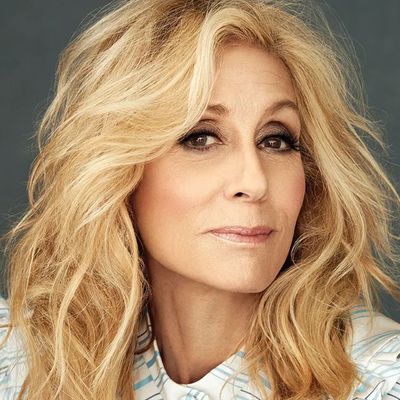
From One Life to Live and Who’s The Boss to Transparent, The Politician, and much more, Judith Light is always a bright light in theater, television, and film... Read More
From the show: Broadway Gives Back
Guests
About
From One Life to Live and Who’s The Boss to Transparent, The Politician, and much more, Judith Light is always a bright light in theater, television, and film. In 2012 and 2013, she became the first actor in nearly two decades to win two consecutive Tony Awards for her performances in Other Desert Cities and The Assembled Parties, and in 2019 she was honored with the Isabelle Stevenson Tony Award for her extensive philanthropy work to end HIV/AIDS and as a champion for LGBTQIA+ and human rights. Sit back while we chat with the multiple Tony and Emmy award-winning actress about her decades-long career and her passion for doing good.
Looking for ways to give back?
Check out these worthy organizations discussed in this episode:
Connect with Judith:
- Website: JudithLight.com
- Facebook: @officialjudithlight
- Twitter: @JudithLight
- Instagram: @JudithLight
Connect with The Broadway Gives Back Podcast:
- Facebook: @broadwaygivesbackpodcast
- Instagram: @broadwaygivesbackpodcast
- Twitter: @broadwaygives
Hosted & Executive Produced by Jan Svendsen and co-produced & edited by Jim Lochner.
A proud member of the Broadway Podcast Network.
Special thanks to Dori Berinstein, Alan Seales, Brittany Bigelow, Katie Rosin, and Yo Nikolova from BPN; Julian Hills from The Bulldog Agency; Eric Becker and Broderick Street Music; the Charity Network; and Glenn Weiss!
Transcript
This transcript was automatically generated and might contain errors.
[0:05] Jan Svendsen: Welcome to the Broadway Gives Back Podcast.
[0:07] Jan Svendsen: I'm your host, Jan Svendsen.
[0:10] Jan Svendsen: This podcast spotlights Broadway actors, shows, and organizations in their pursuit of social impact and philanthropy.
[0:17] Jan Svendsen: Join us as some of the brightest lights on Broadway share their stories about their favorite charities and how they got involved and the people and the causes who benefited from these philanthropic efforts.
[0:33] Jan Svendsen: From One Life to Live and Who's the Boss to Transparent, The Politician, and many, many more, Judith Light has been a bright light in television, film, and on stage for decades.
[0:46] Jan Svendsen: A fierce advocate for numerous causes, Judith was honored in 2019 with the Isabelle Stevenson Tony Award for her extensive philanthropy work to end HIV/AIDS and as a champion for LGBTQIA+ causes and human rights.
[1:03] Jan Svendsen: I can think of no better first guest to launch the Broadway Gives Back Podcast than my dear friend Judith Light.
[1:09] Jan Svendsen: Judith, I'm so excited you're here to launch this podcast with me for so many reasons.
[1:14] Jan Svendsen: First of all, you are a dear, dear friend, and I thought this would be super fun for us.
[1:19] Jan Svendsen: Second, you are one of the most charitable and socially conscious human beings I know, and I really think our listeners will love to hear from you about your philosophies of giving back.
[1:29] Jan Svendsen: And you are really one of the main reasons that I now make a living in the philanthropic space.
[1:35] Jan Svendsen: When I decided to make a career shift and move from my marketing position on Broadway to work in philanthropy and social good, you were the one who invited me to dinner and talked me through all my choices and helped me make this decision.
[1:49] Jan Svendsen: So thank you and welcome to the Broadway Gives Back Podcast.
[1:53] Judith Light: Oh, you sweet person.
[1:56] Judith Light: I'm so glad that you told everybody that we're good friends.
[1:59] Judith Light: Um, that means the world to me.
[2:02] Judith Light: And I'm so delighted that you're doing this.
[2:05] Judith Light: I think it's so valuable for so many people to be able to hear about what it means to be of service in the world.
[2:13] Judith Light: And I have to say that you are a person who does that.
[2:17] Judith Light: That is what you are all about.
[2:18] Judith Light: So no better person to do this podcast than you, my friend.
[2:22] Jan Svendsen: You are so sweet. Thank you.
[2:24] Jan Svendsen: Um, so I'm gonna ask you some questions and then we'll just chat as we do all the time.
[2:29] Jan Svendsen: Um, but I thought, you know, giving context to this, I wanted to talk a little bit about, you know, how you kind of got into being a more socially responsible person.
[2:39] Jan Svendsen: So I guess my question is historical.
[2:42] Jan Svendsen: Um, did your upbringing help make you more socially responsible or charitable?
[2:47] Jan Svendsen: Or is it something that came to you later in life?
[2:50] Judith Light: You know, I don't think about it as being socially responsible.
[2:55] Judith Light: Um, and I think for a lot of people, they hear that and they go, "Oh, I can't do that. Oh, that's too much. It's too heavy."
[3:01] Judith Light: There's something else for me that happens, and it actually happened by demonstration.
[3:08] Judith Light: You know, you're a parent, and you know that whatever you say to your children is one thing.
[3:14] Judith Light: What you demonstrate is really um what they learn from more dynamically.
[3:21] Judith Light: And my parents were very giving people of service.
[3:29] Judith Light: My father's parents um were immigrants from the old country.
[3:35] Judith Light: And they, when they came here, there was a gratitude and an appreciation for life in this country that I saw demonstrated by them all the time.
[3:50] Judith Light: When I was um in high school and I was also doing community theater, my father would drive me from Trenton, New Jersey to rehearse for the Burlington County Footlighters 45 minutes.
[4:03] Judith Light: He would sleep in the car because he was in the institutional food business, so he had to be up at two or three o'clock in the morning.
[4:09] Judith Light: He would sleep in the car, drive me home, and this for whatever play I was doing, this went back and forth all the time.
[4:16] Judith Light: So my father was a demonstration to me of being of service.
[4:22] Judith Light: My mother did all different kinds of um fill and not philanthropic or charity work, but she always took on something that would be supportive to the community.
[4:32] Judith Light: She was in the PTA and she was a Girl Scout leader.
[4:35] Judith Light: And you know, I watched them and I watched the way they operated in the world.
[4:41] Judith Light: It wasn't to get something, it was always to give.
[4:45] Judith Light: So that's kind of the way I would say that I saw it demonstrated.
[4:50] Judith Light: And then the other piece that I would say is that I knew it early on that anything that was unjust, that wherever I saw some behavior that was unjust, I felt compelled to find a way to speak to it or write it in some way.
[5:12] Judith Light: Um, and so I would say it was early on for me and by demonstration.
[5:21] Jan Svendsen: I think that's exactly right.
[5:22] Jan Svendsen: And I think, you know, you and I are kindred spirits in so many ways.
[5:26] Jan Svendsen: And I've told you the story before, but you know, I had also immigrant parents, and um my mother similar to your mother, PTA president and League of Women's Voters and uh Girl Scout Leader.
[5:37] Jan Svendsen: And um, I think I've told you the story, but on Saturday afternoons, my mom would take me to the supermarket, and we would buy all the food that was gonna be thrown out, all the day-old bread and the deli cold cuts.
[5:49] Jan Svendsen: And on Sunday mornings, we made sandwiches and we packed them in bags and we brought them down to Venice Beach and distributed them to the homeless there.
[5:57] Jan Svendsen: So I also learned from demonstration, and I feel like it's such an important thing for parents to remember as they're raising their kids how to demonstrate that giving.
[6:17] Judith Light: I mean, there's your history right there.
[6:20] Judith Light: There's your demonstration right there.
[6:22] Judith Light: That's spectacular.
[6:23] Jan Svendsen: And you too.
[6:24] Jan Svendsen: Um, do you remember, do you remember, like, is there a first time where you actually participated in, you know, um some kind of philanthropic endeavor, whether it was um a you know, a bike-a-thon or a walk-a-thon or some kind of charity thing in high school, um was there like a moment where you did something and you went, "Oh, that feels really good?"
[6:49] Judith Light: Not that I can remember.
[6:51] Judith Light: I don't have an instantaneous recollection of something, but I can tell you that um as life went on, you said, you know, a bike-a-thon, and I was like, "Oh, um, I did."
[7:06] Judith Light: I uh I can't, I I when I talk about it, I can't even believe that I did it.
[7:11] Judith Light: I did the um California AIDS ride uh back in 1995 and rode my bike from San Francisco to Los Angeles to raise money for the Los Angeles Gay and Lesbian Center, and I still don't even know how I actually accomplished that.
[7:31] Judith Light: And I know what I the experience, the feeling of it was profound and far-reaching.
[7:39] Judith Light: And but there were other things before that.
[7:42] Judith Light: I was very involved early on in uh world hunger, um, and seeing what it was that um that they knowing that there was enough food in the world, and that what was happening was that people were not being fed, they were starving to death because of so many aspects of politics, political will.
[8:06] Judith Light: Um, so I began to do a lot of work with uh an organization called the Hunger Project.
[8:12] Judith Light: Um, and I and I had again the same experience, but it wasn't in the doing of the experience necessarily, it was the seeing something and feeling connected in some way that the experience was the driving force.
[8:33] Judith Light: It wasn't like I had this thought, "I should do this, this would be a good thing to do. This would help a lot of people."
[8:41] Judith Light: It wasn't that at all, it was this profound um voice inside of me that said, "You see this, it's untenable. Something needs to be done, and it doesn't matter how big or small it is, just do something, relate to it, find a way to bring people together, talk to other people about it, make it uh focus on it in some way."
[9:13] Judith Light: I just think that our lives are so much richer for bringing that to attention.
[9:22] Judith Light: We feel differently about ourselves.
[9:24] Judith Light: I I don't know about you, but you know, when you're a fundraiser, you raise money for organizations.
[9:29] Judith Light: It's like I what I I love to do that because I always talk to people, I say, "This is how you're going to feel when you do this."
[9:37] Judith Light: It's a feeling state, it's not some intellectual thing for me.
[9:41] Jan Svendsen: Yeah, I agree.
[9:45] Jan Svendsen: I know that for myself, when I participate in some kind of fundraising program or even just direct giving, I just it's a feeling, it's almost like some kind of, you know, chemical gets released inside me, and I feel good.
[9:59] Jan Svendsen: So I feel sometimes like it's a selfish thing that I'm doing, an unselfish thing.
[10:03] Judith Light: It is.
[10:06] Judith Light: Absolutely, it totally is.
[10:08] Judith Light: And when you do that, all of a sudden it makes you want to do more.
[10:16] Jan Svendsen: It does for me anyway.
[10:18] Judith Light: Yeah, me too.
[10:19] Judith Light: I know we're very alike in that way.
[10:23] Jan Svendsen: We are.
[10:24] Jan Svendsen: You know, I find it interesting too because you're obviously in a position where you can use your fame.
[10:32] Jan Svendsen: I know you don't like to say that, but um I'm gonna say it.
[10:34] Jan Svendsen: And you have a lot of people who love you and fans, and um, you can leverage that for good, and you can talk about causes that are important to you, and you can help fundraise in ways that you know us mortals can't always do.
[10:47] Jan Svendsen: But I do think that it's important to talk about the way everybody can be a philanthropist, whether it's giving of time or writing a check or, you know, donating an experience or whatever it is.
[11:01] Jan Svendsen: So just can you just talk a little bit about how these listeners that are hearing us today they may not have um, you know, the same sort of pulpit that that you have um and they may not have the same checkbooks that, you know, that we could write big checks to but how can people participate?
[11:01] Judith Light: Like how do we encourage more of that sense of giving that we just talked about?
[11:01] Judith Light: We're social animals, we are community.
[11:01] Judith Light: I say this so, so often, we're one family, and when we recognize that really, not just the words or, you know, isn't this a nice thought and wow how inspiring, and when you really know that that's true, that we are all family with each other and it doesn't matter where you start, it doesn't matter what your calling is, there's so many ways if you just look around you if we're not so focused on ourselves.
[12:17] Judith Light: And I find that, you know, in our business, it's, you know, we tend to do that a lot that we focus on ourselves so much, and it's like we that's not where we need to be.
[12:28] Judith Light: And I think there's gonna be a new world being ushered in now.
[12:33] Judith Light: I was listening to Joe Biden the other night and Kamala Harris, um with your uh lovely, wonderful uh fiancé, uh Glenn shooting that wonderful event for the Bidens in Delaware and uh I, you know, and for the Harris's in Delaware.
[12:49] Jan Svendsen: Thank you for the plug and thank you for the plug for Glenn.
[12:52] Judith Light: I love him.
[12:53] Judith Light: He's the best.
[12:55] Judith Light: Yes, my fiancé is Glenn Weiss, who produced and directed the uh the Biden Harris uh victory uh celebration the other night, as well as a few other things.
[13:07] Judith Light: A few other things like the Oscars and the Emmys and the Tonies and the anyway, uh we love you, Glenn. Anyway, um the you you listen to the speaking, and I get emotional when I think about it. I am the the president for all people. I I am I I this unity, this bringing together, this this um speaking to who we all really are at the bottom line, and you see the joy that comes from that. And so anybody can do that in their in their just in their family, in their community. Um it doesn't, it doesn't have to be this big lofty thing. I think we say, Oh my, you must be a celebrity with a platform. I remember saying early on um to my manager who has since passed, he i i said, if I ever do get any kind of notoriety, I I want to do something with it.
Now, not everybody wants to, not everybody should not everybody needs to this is not a should thing you know and we don't we don't call it it's not philanthropy or charity it always sounds like we're the superior ones and i i really this is like are you gonna be of service in your life will you be of service to other people will you stop making your life only about you and will you relate in in a in a in a way that is not about you that we're not here to get anything in life we're we're only here to give and so that's how I frame all of this it's all about connections and energy right well yeah and I mean and I know you feel very similarly so to to give people advice or guidance I can't do that it's like you know what in your life what needs to be done you know that you know you can if you love animals like I do you you go and volunteer one day for in an animal shelter you do what your mother did with you you go to the grocery store and you buy extra stuff and you you make you give food to the homeless you there's there are ways you know what they are and you you know in your own heart in your own life in your own experience what those what what you what you would choose to how you would choose to be of service and how you would choose to give but I think you're right it it is about you know giving and and it's about that that deep connection that we feel to other people.
[15:47] Jan Svendsen: And you're right, that it you people can identify it for themselves and um and then act upon it. And there's many different ways to act upon it, and people have to figure out what's right for them.
[15:58] Judith Light: Right. Um it doesn't have to, you don't even have to write a check. Um, you know, that's you know, that in a lot of ways, um, writing checks is fantastic. Make no mistake about it. It's like give when you can give. But two dollars is giving. You know, we we tend to discount. I remember when Howard Dean was running for president, he got everybody to give small amounts of money, and it and and it worked, and people felt included and participatory. So, you know, and sometimes people write these big checks, and then they just forget about what the cause is, and they it and it assuages their guilt. This is not about feeling guilty. This is about seeing what doesn't work in the world and what can work and how you can participate in in making that transformation.
So, to that point, let's just talk about some of the causes that are near and dear to your heart. Now, you've done so much work in so many areas, but um, you received the Tony Award for your philanthropic contributions. Um, so tell me a little bit about you know, what did that feel like for you? How did that compare to receiving the honors and awards that you've received in your career, you know, whether they're Emmys or other Tonies, and just and the work that's important to you, like what causes are near and dear to your heart and why?
[17:22] Judith Light: Receiving the Isabel Stevenson Tony was probably I would say one of, if not the highlight of my career and my my service. Um it's given to a person in the theatrical community um who has done work in different it can it doesn't have to be to the theater community. It can be anything, whatever your whatever your um your services. And for me, as you said, it was for the uh work that I had done for HIV and AIDS and for the LGBT QIA plus and um human rights. And in the very beginning of the AIDS pandemic, this goes back to what we were talking about before. I saw what was happening, and there was a level of injustice that I found intolerable. And my friends were dying. I mean, you know, Jan, we lost how I mean, we lost a generation of talent in the theater community.
Um and people are still dying from AIDS. And I I just felt again, it was in my gut. I felt compelled to stand up and say something. I saw the way that I considered my family were being treated. Uh, the government's response was completely anemic. Um people were discounting the community in massive ways. Um I just I I saw that it was all being driven by a homophobic uh dynamic, and I felt compelled to stand up and say something. And that was in the early 80s, um, and has been so for all of these years. So to receive that was really um a powerful and um treasured moment for me. Um I'm very, as I said before, I'm very connected to um animals and um the you know, the caring of animals. I mean, you know, we've got Broadway Care's Equity Fights AIDS, which is one organization that is very near and dear to my heart, as you know.
Um right, and of course, you know, our Tom Fayola and Danny Whitman and the whole gang over there and just and the actors fund, um, of course. And, you know, a part of Broadway cares is you, you know, you've seen Broadway Barks that Bernadette Peters has done. Yep, that she does that event. So there are things like that. The climate is extremely important to me. Um, if we don't have a uh planet, um we m can kiss all of our wonderful good works goodbye. Um and I I read this remarkable um piece on Greta Turnberg in um the New York Times magazine yesterday. And um so she's so infinitely articulate. Um and she talks about celebrities and why do we have to have it be celebrities that make us pay attention to this?
And I I thought that was important. I also I don't like to call it activism. I that has a I I call it my advocacy. There's something about that that has a um it's a gentler word for me. Um about that implies kindness and gentility and activism. Well, I think it's important, and I think it's you know, it drives us. The injustice of something drives us to become activists, you know, much much like um we've been seeing in the in the past months since um George Floyd was killed. Anyway, uh that that we we see that black Lives Matter and activism and advocacy go hand in hand. Arts, God, the arts, it's they're so important and they're gonna be uh so more important now than ever before, and particularly arts education.
It is the arts that lift up a society. It is the arts that lift us culturally and the expansion of our worlds and our connection to uh to other uh countries and internationally, and there is something about the arts that has the ability to reach out in ways that um other things might not in the same in the same way or with the same ease.
[21:53] Judith Light: And how and hunger still, hunger is still you know, really, you know. Yeah, I mean, on the hunger front, you know, it's so interesting because hunger is something that can truly be addressed and eradicated. And there are people that have actual programs that say, we can take we can do this, we can make sure that there is no kid gonna be hungry in five years from now. And here's our plan to do it. So hunger is a frustrating one for me because the answer is there and we know how to do it, and it's just very difficult to, you know, mobilize and get the people to do it. But we are doing it, and there are a lot of organizations that are working really hard to do that. Um, but we've been talking about this.
That's when the hunger project started in 1977. It was a commitment to recontextualize what the issue is. And one of the things that I've I see that we we tend not to do is we focus on the content of something of the of the issue. Instead of reframing what what has to be reframed in order to transform the dynamics of what's happening because we're doing the same things over and over and over and not getting any result. And so what ends up happening is that people get frustrated, people drop out, people say, uh, nothing can be done, people get futile. You you know, in your own life, when you've recontextualized something, all of a sudden everything shifts. All of a sudden you you brush your teeth differently in the morning. You get up in the world in a different way. And I don't know exactly how to dynamically um articulate it. I think people know from an experiential sense what what we're talking about.
[22:42] Jan Svendsen: Right. So the focus on the content of something just keeps us going, well, we gotta get the food over there, and how are we gonna do it? There are other issues that need to be reframed. I trust I've made that clear.
[23:51] Judith Light: You know, I think the reframing is definitely the first step. I also think, you know, looking at the situation and saying, here's the plan, I'm naming it, and then putting a time frame to it and holding yourself accountable. And I feel like sometimes in the, and I I don't know which word to use because we've used so many words, but whether it's philanthropic or advocacy or activism or charity or social conscious or impact, you know, looking at service, service service, but you know, looking at that and saying, I'm going to be accountable. And and many times charities and organizations that are 501c3s do the work and it's it's important work and it's hard work, but there's not as much accountability.
And I think that that goes hand in hand with reframing, um, putting a timetable to it and saying, here's the plan, here's how we're gonna do it, and here's when we're gonna get it done by. You know, our friend Dan Pallotta has written a book called Uncharitable and How to Reframe the way we look at charity. Because charity isn't about a handout. It's about shifting the way people think about our endeavors. You know, that's the the wonderful the Doe Foundation, I believe it is. They say, you know, they they give a hand up, not a handout. You know, when I was talking earlier about that dinner where you helped me make a decision about moving forward with my career, um, the thing that you said to me, actually in the middle of the dinner, you pulled it, you pulled out a computer and you said, here, you have to look at this TED talk by Dan Pilata, who was a dear friend of yours, who has since become a friend of mine as well.
Um, and that TED talk made a very big difference in in the way I looked at philanthropy. So I would like to ask you, maybe one day um you and Dan could come on this podcast together and we could have a little panel about this because I think that would open up another entire conversation.
[25:50] Jan Svendsen: Um, I think that would be that would be fantastic. I would love I would love that. I'm I'm gonna hold you to that. Um yes, please. You're um yes, I and as you know, um my word is important to me.
[26:07] Jan Svendsen: Um, I do want to talk to you about Broadway a little bit because I've been splitting my time between New York and LA during this pandemic, and every time I come back to New York, I just walk through Times Square and I just, I'm so sad for all my friends on Broadway. And I just wanted to talk to you a little bit about the shutdown here and what your thoughts were about how we can support all the folks in the theater world during this unprecedented time, you know, whether they're people on stage or whether they're people who are in ancillary businesses that are impacted by Broadway shutdown. What are your thoughts about this?
[26:49] Judith Light: Well, I, like you, am really sad, which doesn't help anybody. You know what I mean? It's like my sorrow for all of this does absolutely nothing to dynamically shift where we all are. I have seen a kind of creativity that has come out of this time that is illuminating to me. I'm on the board of a theater, an off-Broadway theater here in New York, the Manhattan Class Company, MCC, and we have been putting out all different kinds of programs on Zoom, doing play readings, reaching out to diverse communities to bring in those voices of diversity to do these plays. I know that people are in deep discussions about how to bring all of this back. There is talk of redoing the air filtration systems in theaters.
And so for me, I'm looking at talking about connecting with people to see what we can actually look at that will move this into a new reframing, like we were just talking about before, that the only way to have a transformation of this is to reframe it in some way. Now, look, there's good news this morning about Pfizer having a potentially 90% effective vaccine. I think that's gonna make a real difference. I think there are organizations that are really supporting the people in this community, Broadway Cares/Equity Fights AIDS, the Actors Fund. Yes. And there's this wonderful Richard Weiss, who's an agent, is doing a thing called QuaranTunes and raising money for different organizations and raised a tremendous amount of money for Broadway Cares/Equity Fights.
But there are people doing all different kinds of things. I fear that we're losing another generation of great talent because our musician folks, our talent, our people in this community can't stay because they can't afford to. So we're finding new ways to create support for everybody and remembering that we've got to make sure that everybody gets fed, that they have shelter, and that their health is taken care of. So that's the bottom line. That's Maslow's hierarchy. Then we can get back to the theater. And I think I fear we won't have something until people feel comfortable enough coming back into a space where they can be with other people. And all the domino effect that this has created—the restaurants, the hotels, the cleaners, the shoemakers, everybody, the wig makers, you know, this is an expansive community.
And it is, if not the biggest, one of the biggest moneymakers for New York City. What's happening now is that I think with people being able to film things here, like Steiner Studios is open, and that's where we're shooting for Lin-Manuel Miranda for Tick Tick Boom. I think we're gonna be able to bring some money back into the city in a dynamic way. Let me just say that I'm hopeful. I know how resilient this community is, and I know how important this community is to New York and to the rest of the country and subsequently to the world. So we need to keep paying attention, and you, my friend, can be on top of that in a way that a lot of people cannot. You have the access and you know people, and you can have those conversations.
[31:19] Jan Svendsen: Well, there are a lot of people working very hard to support the theater folks at this time, and I do feel that the creativity that's coming out of this situation, I think there's always, I mean, it sounds so cliché, but you know, there is a silver lining, and you know, when with change comes opportunity, and I think there's a lot of interesting things that are coming out right now, and I know it's a really difficult time, but I do feel hopeful as well. So you talked a little bit about filming Tick Tick Boom with our mutual friend Lin. Tell me a little bit about how the experience on set has changed with COVID.
[31:54] Judith Light: Oh my goodness. Well, you can't see anybody. It's like looking out at a sea of space people because everybody's covered in, you know, everybody's covered in shields and masks, and how the devotion to everyone's health and safety has been remarkable. I don't even know how I can even acknowledge it enough. The consistency of the COVID testing. This show has remarkable producers and executive producers, and your room where you're getting dressed or your trailer is sanitized and cleaned, and that everybody is making sure that you have the right equipment to take care of yourself. And, you know, it's like I was doing Andrew Garfield, and I have these two phone conversations, and the first one, I was here in the apartment in New York, and they were shooting Andrew's coverage of the scene, and I'm on the phone line with him doing it, and Lin is texting me direction of what to do.
So it's just like you say, you know, necessity is the mother of invention, and we're finding all of these ways to be with each other. None of us, if we are, you know, so fortunate to do the premiere of this movie, and we can all take, you know, be together and see each other's faces, nobody's gonna recognize who anybody is because we don't know who people are because you can't really see a full face. But I really feel so blessed and so grateful to get to be able to do this project. It's really spectacular. And Lin is such a good director, and Andrew's just generous and wonderful. The whole team is just great. And by the way, Lin has cast a ton of Broadway people in this show, in this movie. So it's New Yorkers, and it's, you know, Danny Burstein and Judy Kune and Ramon De Jesus.
I mean, it's like our world. Lynn came up to me and sort of sidled up to me in one moment between setups, and I can't remember how many Tonys he said were in the actual room—how many Tony awards were actually in the room. That's funny. But it's more difficult and it's more challenging. And you can't, if you're a prima donna, get out of the way. You can't, you can't, you can't, you can't ask for anything. You just come and make sure you're healthy and do your job. And if they tell you to quarantine, you quarantine. I had to come back from LA. I was doing some stuff for this project. I'm about to do that I will talk to you about another time when I can talk about it. And I couldn't—they took impeccable care of us there as well, but I had to come back early here so that I could quarantine for two weeks before I showed up. So everybody is being profoundly careful, right?
[35:29] Judith Light: You know, at the end of the day, I think my love for theater and the arts in general, it's so much about the energy and the connections. And even during this time of the pandemic, even with PPE and shields and masks, there's still that energy that's flowing, and there's still those connections. And at the end of the day, those connections are also the things that help drive us toward being more giving and participating more in charity or advocacy or whatever you want to call it. So I think that those are the things that are deep in the human spirit that are going to prevail and propel us forward and get us through all this.
[36:10] Jan Svendsen: I think you're right. And I also think that when you—that's the moment when you look and see and you say, okay, what does this community need? But it comes off of what you just articulated. You see something, you feel something, and you are compelled to act to be of service. And I think you just said it beautifully.
[36:38] Jan Svendsen: Well, and the other thing that Judith has agreed to do, other than just this podcast, is that she is going to do an online auction and auction off a virtual Zoom meet and greet for a charity of her choice, and we'll be announcing that shortly. And you can also go to the webpage to learn more about that. So thank you for that, Judith. Thank you for being my friend. Thank you for being on this first podcast of Broadway Gives Back. And just thank you for your amazing humanity. And you know, not to pun intended, but you truly are a light. And I have been with you in so many situations where you are interacting with other people, and everybody just comes to you like you are the light, and you shine in every room that you're in in the most humble of ways, and people are drawn to you, and you are an amazing human being, and I'm so grateful to be your friend, and I'm so grateful that you were here today to talk to us.
[37:39] Judith Light: Thank you. Thank you so much. The feeling is completely mutual. I see the way people relate to you out of the way you give to everyone. And I am so honored and privileged and proud to be your friend. And I love you, and thank you for asking me to be your first.
[38:03] Jan Svendsen: I love you too. Thank you. Bye.
[38:05] Judith Light: Bye.
[38:06] Jan Svendsen: Thanks for listening to this episode of Broadway Gives Back. Broadway Gives Back is part of the Broadway Podcast Network, produced by Dori Berinstein and Alan Seales with Brittany Bigelow, and music by Eric Becker at Broderick Street Music. Special thanks to my producing partner, writer, and friend, Jim Lochner, and to Katie and Yo at BPM, Julian Hills from the Bulldog Agency, the Charity Network, and to my fiancé, Glenn Weiss, who is always my consultant. If you like what you hear, don't forget to subscribe and rate this podcast wherever you stream your podcasts. You can also follow Broadway Gives Back on Facebook and Instagram at Broadway Gives Back Podcast and on Twitter at Broadway Gives. To learn more, visit bpn.fm slash Broadway Gives Back.
© Broadway Podcast Network, All Rights Reserved