

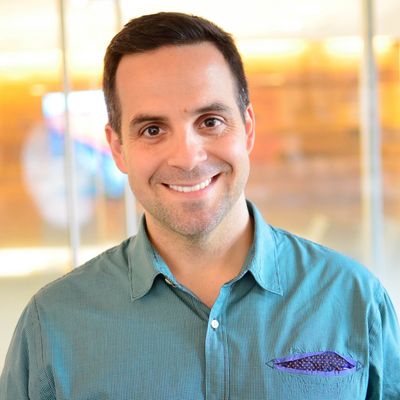
From the Super Bowl to Broadway’s biggest hits, Damian Bazadona has led digital marketing efforts for some of the world’s leading brands. He’s the founder of the digital advertising agency Situation, a speaker, the co-creator of TedXBroadway, a thought leader, and a philanthropist... Read More
From the show: Broadway Gives Back
Guests
About
From the Super Bowl to Broadway’s biggest hits, Damian Bazadona has led digital marketing efforts for some of the world’s leading brands. He’s the founder of the digital advertising agency Situation, a speaker, the co-creator of TedXBroadway, a thought leader, and a philanthropist. Damian has been working with stakeholders on Broadway, in the entertainment world, and with charities to help navigate pre- and post-pandemic marketing. Join Damian for a passionate discussion about philanthropy, Broadway’s past, present, and future, and incorporating cause-marketing into brands.
Looking for ways to give back?
Learn more about the worthy organizations discussed in this episode:
Connect with Damian:
- Website: SituationInteractive.com
- TedxBroadway
- Twitter: @bazadodg
- Instagram: @dbazadona
Connect with Situation:
- Website: SituationInteractive.com
- Facebook: @SituationInteractive
- Twitter: @Situation
- Instagram: @SituationInteractive
Connect with The Broadway Gives Back Podcast:
- Facebook: @broadwaygivesbackpodcast
- Instagram: @broadwaygivesbackpodcast
- Twitter: @broadwaygives
Produced by Dori Berinstein and Alan Seales with Brittany Bigelow
A proud member of the Broadway Podcast Network.
Special thanks to my producing partner, Jim Lochner; Katie and Yo from BPN; Julian Hills from The Bulldog Agency; Eric Becker and Broderick Street Music; to everyone at the Charity Network; and my fiancé and consultant, Glenn Weiss!
Transcript
This transcript was automatically generated and might contain errors.
[0:05] Jan Svendsen: Welcome to the Broadway Gives Back Podcast.
[0:07] Jan Svendsen: I'm your host, Jan Svendsen.
[0:10] Jan Svendsen: This podcast spotlights Broadway actors, shows, and organizations in their pursuit of social impact and philanthropy.
[0:17] Jan Svendsen: Join us as some of the brightest lights on Broadway share their stories about their favorite charities and how they got involved and the people and the causes who benefited from these philanthropic efforts.
[0:33] Jan Svendsen: From the Super Bowl to Broadway's biggest hits, Damian Bazadona has led digital marketing efforts for some of the world's leading brands.
[0:41] Jan Svendsen: He's the founder of the digital advertising agency, Situation Interactive.
[0:45] Jan Svendsen: He's a speaker, the co-creator of TEDx Broadway, a thought leader, and a philanthropist.
[0:52] Jan Svendsen: Damian has been working with the stakeholders on Broadway, in the entertainment space, and with charities to help navigate pre- and post-pandemic marketing efforts.
[1:00] Jan Svendsen: I'm thrilled to have him here today to discuss philanthropy, Broadway's past, present, and future, and incorporating cause marketing into brands.
[1:09] Jan Svendsen: Damian, welcome to the Broadway Gives Back Podcast.
[1:12] Damian Bazadona: Thank you for having me, Jan.
[1:14] Damian Bazadona: We're buddies, so this is really fun to be able to have this chat with you.
[1:19] Jan Svendsen: You are such an inspirational guy on so many levels, professionally and personally, and you inspire me.
[1:25] Jan Svendsen: You're a person who is of service to so many.
[1:28] Jan Svendsen: And I just wondered, like, how do you integrate your core personal values into your company's core mission?
[1:36] Damian Bazadona: Well, uh, well, first off, I have to just if I can give you a compliment back. I think this podcast is awesome.
[1:41] Damian Bazadona: And the fact that you spend time to sort of bring people up to talk about giving back into the industry and philanthropy, I don't know of one that exists for this industry, so I think it's awesome that you do it.
[1:51] Damian Bazadona: I just want to say that out loud.
[1:52] Damian Bazadona: I don't, I've been doing this for so long that it's just part, I've been doing this, may it'll be 20 years in business.
[2:00] Damian Bazadona: So the way I incorporate my own life into the business, it's hard to kind of separate me from the business because I started it.
[2:06] Damian Bazadona: You know what I mean? So it's kind of like, and more people joined and more people joined over the years.
[2:10] Damian Bazadona: Then it's like anyone in your general, everyone kind of embodies who they are in their work in some way, shape, or form.
[2:15] Damian Bazadona: And my work happens to be the company at large.
[2:18] Damian Bazadona: So it's for me, it's always been very natural just to kind of be who you are.
[2:22] Damian Bazadona: And so, and I've learned a lot along the way.
[2:24] Damian Bazadona: I mean, obviously I've grown, I've matured, I've seen things from entirely different perspectives.
[2:27] Damian Bazadona: I've become hopefully less self-centered.
[2:30] Damian Bazadona: Um, but yeah, it's kind of just who I am.
[2:32] Damian Bazadona: I don't know. You just kind of I show up to work.
[2:34] Damian Bazadona: I haven't, I've taken one sick day in 20 years.
[2:37] Damian Bazadona: I just show up every day.
[2:38] Jan Svendsen: Well, you show up every day in person, but you should or digitally, um, but you also show up every day from a giving point of view and from a charitable place too.
[2:48] Jan Svendsen: And your company, you know, really focuses on that in addition to doing the marketing efforts for so many brands and so many Broadway shows.
[2:57] Jan Svendsen: So I think that's really significant because I know in your real life and your personal life, you are that kind of person and you've really made your company that kind of company.
[3:06] Jan Svendsen: And not a lot of people are successful managing to do both.
[3:09] Damian Bazadona: Well, I appreciate that.
[3:12] Damian Bazadona: And I would say I've considered myself extraordinarily lucky in on so many ways in life.
[3:18] Damian Bazadona: Um, but you know, particularly as it relates to Broadway, I have no background in Broadway.
[3:22] Damian Bazadona: I didn't go to Broadway shows growing up.
[3:24] Damian Bazadona: I was, I just wasn't exposed to that.
[3:27] Damian Bazadona: And I, you know, sometimes you just get a lucky break, right place, right time.
[3:31] Damian Bazadona: I fall into the industry.
[3:33] Damian Bazadona: And as long as I've been in the industry, where my, you'll, I'm sure you know a lot, my own personal, you know, philanthropy is really geared towards opening doors for people, opening access.
[3:43] Damian Bazadona: Because I was one of those people, one of those kids, I came into business when I was probably 23, 24, fairly young, um, where I just kind of saw what how amazing it could be when you're exposed to it.
[3:54] Damian Bazadona: So I could just because I am just so fortunate to be in this business still 20 years, people are still allowing me to hang out and come to meetings and do things like that.
[4:01] Damian Bazadona: Um, I find myself, I it's I'm fortunate for, and through those 20 years, I realized how many people don't have the ability to either work in the industry or even go to experience live shows or arts and cultural experiences, which you know I didn't really know because I wasn't in it.
[4:17] Damian Bazadona: And other than being the person that wasn't attending to these shows, you start to see the scale of how many people are kind of left out of the tent, um, which is a solvable problem, which is which I'm sure hopefully we get a chance, we'll talk through a little bit.
[4:30] Damian Bazadona: But I think is a very solvable problem for Broadway is how do we expand the tent?
[4:34] Jan Svendsen: Exactly.
[4:35] Jan Svendsen: But before we expand tents and talk about that, which I do want to talk about, can you just talk to me about how you created Situation?
[4:42] Jan Svendsen: And you said you hadn't grown up with Broadway in your life.
[4:46] Jan Svendsen: How did this all come about?
[4:47] Damian Bazadona: Because I don't think I even know the answer to this question.
[4:49] Damian Bazadona: I mean, I just, I um, how did it come about?
[4:52] Damian Bazadona: It's just such one of those things.
[4:53] Damian Bazadona: It's just right place, right time.
[4:55] Damian Bazadona: I learned how to be a um, I learned how to build websites just by friends saying, hey, you should go learn about this building websites while I was in college.
[5:02] Damian Bazadona: And I just kind of picked it up and learned how to essentially build websites.
[5:06] Damian Bazadona: And I had another company with a couple other business partners before this.
[5:09] Damian Bazadona: I started very young, like I was probably 22 when I joined like me and two partners had a company.
[5:14] Damian Bazadona: I did it for a year, I learned a lot.
[5:16] Damian Bazadona: And um at the time, and I, I don't actually, I don't think you remember this, but you know, you and I crossed paths in one of my first projects, where um I had first uh Ben Mordecai was a producer that really brought me into the fold along with a gentleman named David Risley who's recently passed.
[5:33] Damian Bazadona: Um and um I just kind of you know just write literally right place.
[5:36] Damian Bazadona: They needed someone to build a website and work on a project, and we worked together.
[5:40] Damian Bazadona: And so I my first show I worked on was King Headley.
[5:43] Damian Bazadona: I was kind of a one-man band where I'd build the website, do the marketing, do the advertising, the promotion.
[5:47] Damian Bazadona: I worked on then Flower Drum Song.
[5:49] Damian Bazadona: Um, I was introduced to the league, and you were a part of that with doing the development.
[5:54] Damian Bazadona: You guys are building IBDB.
[5:56] Jan Svendsen: Right.
[5:57] Damian Bazadona: Um, yeah, IBDB.
[5:58] Damian Bazadona: And um I just got involved with that.
[6:00] Damian Bazadona: And then just kind of one thing sort of led to the next to the next.
[6:03] Damian Bazadona: I I just have no, and I spent a lot of time um speaking with students.
[6:07] Damian Bazadona: That's where like the other, you know, public education is a big, another big lane for me.
[6:11] Damian Bazadona: Public education, the arts is the intersection of my passion.
[6:14] Damian Bazadona: Um, and I just tell people, you just don't know.
[6:16] Damian Bazadona: I didn't I didn't go to school for this.
[6:17] Damian Bazadona: You kind of just sign it, kind of end up in places if you're passionate about it.
[6:22] Jan Svendsen: Yeah, and I, you know, I do want to say it was so sad to hear about David Risley.
[6:26] Jan Svendsen: And he was sort of a guy before his time, you know, he had crazy ideas about virtual reality back in 2000.
[6:33] Jan Svendsen: And we were talking to IBM about building this website for Broadway.
[6:38] Jan Svendsen: And David's, you know, his mind was so expansive, and people didn't understand at that time like what it what was possible, I think.
[6:45] Jan Svendsen: But it was very sad to hear about his passing.
[6:46] Damian Bazadona: Yeah.
[6:47] Damian Bazadona: He brought, I mean, way too early, yeah.
[6:48] Damian Bazadona: I don't want to say way too young as an understatement.
[6:50] Damian Bazadona: Um, yeah, he kind of brought me into the fold.
[6:53] Damian Bazadona: Um it is weird to think how far we go back.
[6:55] Damian Bazadona: Um, and I do remember you.
[6:57] Jan Svendsen: So so you developed Situation, you created Situation Interactive, and basically you just started growing the business and hiring people, and more people started hiring you to do their digital marketing.
[7:08] Damian Bazadona: And you do digital marketing for a lot of Broadway shows, but a lot of other entertainment properties and a lot of 501c3s right now.
[7:15] Damian Bazadona: Yeah, right.
[7:15] Damian Bazadona: So yeah, as our business is split.
[7:17] Damian Bazadona: Uh there's really two core sectors of it.
[7:19] Damian Bazadona: So I grew up in arts and entertainment in theater.
[7:20] Damian Bazadona: So working on, I went from like King Headley to Flower Drum Song and like just going after that.
[7:24] Damian Bazadona: And we worked on over 200 Broadway shows at this point since I've since I've launched the company.
[7:29] Damian Bazadona: And then so then it expanded a little bit.
[7:31] Damian Bazadona: And then we started doing a lot of, you could tell the related businesses.
[7:34] Damian Bazadona: So then we now work with, you know, BAM, for example, and other major performing arts centers across the country.
[7:41] Damian Bazadona: And then we started working on museums and cultural institutions.
[7:44] Damian Bazadona: So we have a big part of our business is arts and cultural experiences.
[7:47] Damian Bazadona: On the other side of our business is kind of cause, nonprofit, and education.
[7:52] Damian Bazadona: So for we are the digital marketing agency for Meals on Wheels America, uh No Kid Hungry.
[7:57] Damian Bazadona: And our job is essentially to kind of move people to action with either donations or some level of supporting kind of uh volunteerism, activism, whatever that may be.
[8:08] Damian Bazadona: What unifies it, I feel like I'm in the business of moving passion and communities to action.
[8:13] Damian Bazadona: That's the whole business is structured on the idea.
[8:15] Damian Bazadona: And digital is obviously an extraordinarily powerful way to do that, and in which is only getting stronger and stronger.
[8:21] Damian Bazadona: You know, with in my day job at the Charity Network, so this is where we're connected.
[8:26] Damian Bazadona: Um, you know, obviously we're helping um celebrities and we're helping 501c3s, same thing, generate awareness and fundraise.
[8:34] Damian Bazadona: And I'd love to take a deeper dive into that whole idea with you.
[8:38] Damian Bazadona: Um you know, diversification and fundraising is so important.
[8:42] Damian Bazadona: You need your high-level donors, you need your event-based fundraising, and you get your grants.
[8:47] Damian Bazadona: Um, but the grassroots fundraising is super important and becoming, as you just said, even more important, and most of that now is being done digitally.
[8:55] Jan Svendsen: So I'm wondering if you could just give us some examples of the work you've done for some of these charities in the digital space and how it works.
[9:02] Damian Bazadona: Well, I think uh I, you know, I'll give one, I'll give an example that I think just kind of summarizes it all.
[9:07] Damian Bazadona: And by the way, this is a very similar example to what we do in the arts and entertainment space.
[9:10] Damian Bazadona: Like it's it's really just what's considered high touch.
[9:13] Damian Bazadona: I'm really a tremendous proponent.
[9:15] Damian Bazadona: I think we live in a world where everything is so fleeting, where the emails we get, we get bombarded with everything.
[9:21] Damian Bazadona: And it's hard sometimes to feel anything, right?
[9:24] Damian Bazadona: And what digital is really great at, which I think it is, is kind of this automation, right?
[9:29] Damian Bazadona: You could you could do things 10 times the speed we're able to do.
[9:32] Damian Bazadona: And what gets lost in that shuffle is humanity half the time.
[9:36] Damian Bazadona: And I think it's a big one.
[9:37] Damian Bazadona: So, you know, for like for No Kid Hungry, for example, there was a uh a sizable campaign where in exchange, as people were giving, and whether that through donation or some version of, again, like through like some digital activism, um, there were specific call-outs to those people and video snippets giving a warm thank you for your support.
[9:55] Damian Bazadona: It's literally just that kind of custom look you in the eyes.
[9:59] Damian Bazadona: Now a lot of it's happening virtually, but a moment to say, thank you, Jan, for your support.
[10:03] Damian Bazadona: Like, and sometimes I think we've we see the same thing, mind you, in arts and entertainment, with like we we worked on the campaign for Dear Evan Hansen and Dear Evan Hansen, that is a perfect campaign of all like it's super high touch, where instead of just sending an email to a million people saying one thing, is is literally touching each individual as best we can, whenever possible, with a custom message saying, Thank you, or here's something specifically for you.
[10:27] Damian Bazadona: And it's that kind of high touchness.
[10:29] Damian Bazadona: And I think the brands that are going to be very successful understand how to leverage the efficiency of kind of the automation and the reach of technology with the high touch ability that can that can happen right now.
[10:42] Damian Bazadona: And by the way, I think it's funny, we're in this virtual space and a lot of people think virtual is cold.
[10:47] Damian Bazadona: Like you know, Zoom is a cold thing.
[10:50] Damian Bazadona: Anything could be warm.
[10:51] Damian Bazadona: It's what effort you put into it.
[10:53] Damian Bazadona: You could do some remarkable warm things through uh you know digital that you could that you honestly couldn't do in person prior at the scale you could do.
[11:01] Damian Bazadona: So all that to say I that's really the most of the campaigns we try to do is try and inject that kind of warmth into the engagement.
[11:08] Damian Bazadona: I think that's how you get the most of people most people give you you know probably all your work at um in Europe like a lot of times it just gets lost it just gets lost the warmth and and the impact of where the efforts are going.
[11:20] Damian Bazadona: And I feel like that one-to-one people are jonesing it.
[11:24] Damian Bazadona: People are jonesing to be heard, seen and connected.
[11:27] Damian Bazadona: And I think that triggers the donation that's what ultimately drives.
[11:27] Jan Svendsen: Yeah, I mean on my side you know our our most successful campaigns ever have been where a celebrity or an organization, you know, I'll use Lin-Manuel Miranda because he's Broadway and because he's our most successful campaign we've ever done you know he creates a video or several videos and he just reaches out to people and genuinely acknowledges them, thanks them, tells them what's going on and he's so authentic about it.
[11:56] Damian Bazadona: So I think this idea of combining the high touch high tech is really possible.
[12:00] Damian Bazadona: Oh yeah I you know it's a it's a a different example but so I I went to university at Albany I went to a two year school first told you know Coble Skill College and then went to university at Albany and I and I'm very active in my campus uh at Albany.
[12:12] Damian Bazadona: And uh but the business school had asked me uh what would you do?
[12:15] Damian Bazadona: They were talking about building out a whole part of their kind of the technology, right?
[12:19] Damian Bazadona: Of like what are things we should be doing for our students?
[12:21] Damian Bazadona: We want to have um what do we want to have an impact with them.
[12:24] Damian Bazadona: And so they're talking about whether we put iPads and all this technology stuff.
[12:27] Damian Bazadona: And I said, honestly, you wanted the strongest impact for your students.
[12:30] Damian Bazadona: I said, as is the dean, why don't you shake every person's hand that's in the business school?
[12:35] Damian Bazadona: It's an achievable number.
[12:36] Damian Bazadona: It's in the hundreds.
[12:37] Damian Bazadona: I said, why don't you just if if you just shook every person's hand and went over them and brought them in for five minutes, that's probably the strongest return on investment you could possibly get off those handshakes of showing people you care.
[12:46] Damian Bazadona: It's not about the technology.
[12:47] Damian Bazadona: The technology is going to figure itself out.
[12:49] Damian Bazadona: Somewhere along the line, people are looking for like a magic bullet to something where it's just human.
[12:53] Damian Bazadona: Like it's so lost.
[12:55] Damian Bazadona: It really does.
[12:56] Damian Bazadona: And especially the higher up people get, the more disconnected they are from their audience.
[13:01] Damian Bazadona: Right. And especially this last year with the pandemic, I think that's been a perfect example of ways where people have had that high touch in the high-tech world, right?
[13:11] Jan Svendsen: Oh, yeah.
[13:12] Damian Bazadona: I mean, you know, a lot of people do talk about Zoom being so cold, but I find that, um, yes, I mean, you have a lot of business meetings with Zoom and it gets kind of blurry-eyed. But at the same time, I've connected with so many friends and family over this past year in such meaningful ways, doing exactly this, you know, talking through Zoom. And you can combine, so my birthday was, uh, March 12th. And so my staff, everyone sent a stack of cards. And so it's this kind of world with individuals, right? And they all stack in one bunch. I got like 30, you know, like a whole bunch of cards at one time. And it's kind of like I see them virtually, but then there's like these physical things. It's just, I, to me, I've always been listening.
I'm in a digital business. That's my whole life is centered on this idea. I'm a just believer of be thoughtful. If it's digital, great. If it's analog, great. It's no different. Digital just has the ability, I think, to amplify things in exciting ways, but it still requires, it gets lost half the time. It requires a thoughtfulness of what are you actually trying to achieve? Not can this tool do that thing?
[14:11] Jan Svendsen: Right.
[14:12] Damian Bazadona: It's, and it's also not how many people can it touch, but how can it touch those people, right?
[14:16] Jan Svendsen: Exactly.
[14:17] Damian Bazadona: Yeah. No, no. And I've come to learn that in my advocacy, uh, my own personal advocacy efforts, where, you know, uh, so Situation Project is my baby on our 501c3 side, and it's all centered on this idea of opportunity quality for arts education for students. And when I started that, it was, you know, centered on how do we essentially bring arts education to places that were kind of, um, access to the arts to places that weren't, uh, getting it. But in the beginning, I was like, we're gonna hit a million students. I was just like, I was in the reach game when I first started it, saying we need to hit a million students. And the more I get into it, the more I start seeing it, you start realizing it's in, from my own point of view, I was like, it's not really about reach, it's about depth, oftentimes.
And as a marketer, I'm often hardwired to go reach. You're just hardwired to go, how many people did you get? You know, what did you, you know? And, and as the more I spend time in it, the more I say to myself, oh, this is about depth. And the more how many students can I have a real impact on, not how many can I have a kind of impact on.
[15:18] Jan Svendsen: I want to go back to Situation Project in a second, but I just want to ask one more question just about that whole idea of, um, of fundraising and digital marketing for charities. What's your opinion about that you got to spend money to make money and how that relates to 501c3s who have a predisposition to not spending a lot of money, um, for example, in advertising and marketing?
[15:43] Damian Bazadona: I think it really depends. I, so I'll tell you here's why, because I feel like I do believe you need to spend money to make money. The question is, is where do you spend that money? And I think one of the things that's often completely malnourished is the relationship of the donor, of the existing donor. And sometimes I think it gets lost. It's like we want the next one. And by the way, this is a pattern that happens in theater. They've already seen, they've already bought a ticket, Damien. We need new ticket buyers. I'm like, well, that doesn't give us a right to not, it seems counterintuitive to then not spend more attention and more investment into the people that are already in the theater to say we care about you because you're gonna come back and you're gonna tell five other people.
And so I think it's kind of the same, we see the same thing on the donor side, right? And so what happens is you have a pot of money, and you're gonna choose where am I gonna spend that pot of money? Am I gonna spend that pot of money on the awareness side? Am I gonna put it in advertising and prospecting new people? But you can equally, equally take that same pot of money and say, I'm gonna invest in better technology so I can create stronger relationships and manpower that I want to put towards this to spend more time in my current donor base to make them feel more part of the cause that we're working on. And so it, it to me, it, I usually believe there's a combination of both. Um, but for some reason I think that just gets lost.
It depends on how that the, the, as you're sure you know, just in your universe, kind of how the nonprofit in the cause is, is staffed. I mean, it's just, it's, um, so each one is very unique, but I look at it differently. I am in the camp though. I believe you need to spend money and this, you need to put resources if you want to see an impact. And, and I think earned media can get you very far, but it's almost like that, it's kind of that flywheel. The more you have people vested interest in the success of it and caring about it and the deeper relationships, the more exciting it could be. And I think you'll see more of return.
[17:24] Jan Svendsen: I will say the biggest opportunity right now, to me, undoubtedly, is we've just came out of, you know, I, we didn't, I'm not saying we came out of the pandemic. I'm saying over the past year, we have leapfrogged a decade in people's capabilities and understanding and comfort in virtual platforms, connecting in ways they would never thought of before, like at all ages. That's what's kind of amazing.
[17:46] Damian Bazadona: Right.
[17:47] Jan Svendsen: At a massive scale.
[17:49] Damian Bazadona: And so now for nonprofit and cause groups, they now can reach and engage large audiences of people in warm ways like this, whether it's something as simple as a webinar or one-on-one, a relationship, at a scale and a cost never thought of before that. And that's remarkable.
[18:06] Jan Svendsen: It is remarkable. And the creativity has also accelerated, right? People come up with ideas of doing things, um, virtually that are just so mind-blowing. So a lot of good has come out of the last year when it comes to that whole concept of reaching out and talking to your people or getting new people. Do you find that the charities are, um, are willing to sort of invest and spend that money? And do you do that through like paid advertising or, or how do you, how do you reach, how do you reach the donors and how do you reach new donors?
[18:36] Damian Bazadona: Yeah, so the, the short answer is post-pandemic, yes. During the, I say hate to say post-pandemic. During the pandemic, yes. Hopefully there will be a post-pandemic season. Yeah, exactly. Um, no, definitely yes. And it comes, it plays us in different ways. One is advertising outreach and promotion. And if there's fuel on a fire, yes, they'll spend money on like outreach, and because it depends on really the need. Listen, I think it depends on really depends on the cause we're talking about. Child hunger is a massive issue, as you can imagine. And you can clearly see there's an interest in people want to do something. So there's a spark, there's an understanding, there's an urgency. And so there's certain ones that make a little bit more sense to be, you can essentially either spend money against or engage in in some way, shape, or form.
Um, I would say the other major one is, is thinking about thinking of all the galas that normally happen. So we're seeing a significant number of the galas be re, uh, reinvented. We've produced a significant number of galas. We're doing a lot of this for nonprofits, and they're treating them as used to just be an event for the select few to an experience for the many. And if you do it correctly, it's the first step of a long donor journey in which you can now bring people into your tent in really exciting ways. And galas were never thought of that way, right? It was like we need to satisfy this moment. And now it's putting a whole new spin and a set of thinking that's required on this is the galas one beat of many beats with this new audience.
So to me, that's extremely exciting. I think again, I think you're gonna see more of it. We're so early on the learning curve and the knowledge curve of virtual events, the consumers there. The brands, like a lot of people have been in financial duress. There's so many things as to why. So I feel like Zoom is like the, I don't know, I think the rotary phone, right? And think of the iPhone of what's possible. You've got 5G coming, you have all these different. I'm the, what I've been spending my time on, I was at South by Southwest this week virtually, and you could just see the connectivity speed, the hardware speed, the stuff you can do now to wow people virtually is like Zoom is, that's everyone's like, Damien, Zoom's not gonna, you know, replace that.
I'm like, no one ever said that. That's crazy. That's like saying the rotary phone is the answer. It's like we're in the beginning. And if you think of it that way, and, and again, the tremendous difference is the consumer's already there. That's the difference.
[20:46] Jan Svendsen: Right.
[20:46] Damian Bazadona: The consumers there, we're present. And, and you, like you said, consumers of all ages, yeah, right, and all backgrounds and all demographics. Um, yeah, it's an exciting time. And I have to say, for, um, CharityBez, which is one of the companies within the charity network, again, they were, you know, we were poised to like put on these, we would do virtual auctions, right? We do online digital, you know, auctions for galas. So we were in a good place also to do that and to help people fundraise during this time. Um, but I wanna go back to Situation Project. Um, so, uh, we share this passion about arts education and access to the arts. Also with many of my other guests, um, I talked to them about what's important and this idea of access to the arts, access to Broadway shows. Um, what's the mission for Situation Project and you know, where have you been and where you think you're going with that?
[21:38] Damian Bazadona: Yeah, no, I, so to me it's again, it's opportunity quality for arts education. So I'm a public school kid my entire life, so I'm super passionate about this. And I feel like let's, if we just take a beat and saying, what does Broadway, what does Broadway want to do? And during the pandemic, there's been a moment that says, listen, our stages, our crews, our cast, everyone part of this community needs to be reflective of the larger community we serve, right? We just, we just aren't currently. You know what I mean? From every slice you look at it. It's just not. And so where are we gonna find how are we gonna get there? I look at it, I'm like, well, the public education system is the best place to possibly look for it.
Remarkably talented people in our own backyard. And, um, and I feel like so Situation Project started with just basic math. Like I have no, it's not like I have any background in philanthropy, as much as to say we, and you see the same numbers that I see. Broadway leaves two million seats empty every single year. Prior, this is prior to all this stuff. Two million seats every year, consistently. And here I am. And the more you do research on the arts education front, you'll see how arts education at New York City public schools, particularly underserved, it's like the first to go. They don't have access to arts and meanwhile, they live eight, they're part of our community. Right? We have a moral responsibility, never mind a business responsible, a business opportunity to it all.
So more responsibility to help our community. So here you have no arts education, and you have two million empty seats. You're kind of going, okay, so let's bridge those. So Situation Project stepped in that said, Well, now we know that these seats are going to go empty. And how can we create a model where we subsidize reduced cost tickets significantly for the schools to be able to attend? I do not charge the students. We just don't, not in our schools. And so we're small. We're, you know, we're three schools. And by design, we focused on, we want to say on three schools with three middle schools, versus our entering our 10th year doing it. We just crossed something like 30,000 student experiences.
And, um, we use it as kind of designed to be kind of a microcosm of just trying to shine light on the opportunity. And our hope is others will come along and really make a way bigger impact. Um, and we're really trying to test the impact, my, the where we're trying to go in the future, is how can I prove that impact, like the exposure to impact. And that's really where I'm trying to take it in the future. Um, but, but generally that's the, that's been the plan. And, and so how way tactically plays out is we bring the entire school, sixth grade, it's six have the eighth grade web. The sixth graders go, um, they'll go see Phantom, for example. And then after Phantom, they'll do like a talk back.
Phantom is amazing. The producers of Phantom, Seth, and everyone over there, amazing to say, Oh, we'll do a talk back with the kids, right? So each student in that school will do two experiences a year of just that. And then we create custom experience throughout where sometimes we'll send the cast up to the show, up to the school and perform there. We've done some pretty over the top things, um, all to create a relationship. The huge difference is everyone in the school attends. It is a school event. So the school often will will have sometimes they shut down, um, but it's not just like the high performing kids. It's all kids, kids with special needs. Whatever we can do, um, which I really admire the principles for that.
We also bring the entire staff, teachers, super like everyone, the people in the kitchen, everyone is invited, uh, throughout the year in different ways. Um, and then the last thing I'll say that's for the students, but then like, you know, some really amazing events where we try to use this as a platform for pretty exciting stuff. We did a, uh, project with American Sun, and we had, uh, the all the superintendents in the South Bronx and the principals come together, ended up watching American Sun, and then afterwards there's a talk back about race relations. And it's just powerful because they need to talk about with their students. So use as a platform for that. So that's really where we've been. Um, I'll take a beat, but I think that's really where we, that's where we've been and kind of where we're going.
[25:19] Jan Svendsen: Yeah, it's so admirable and it's so important. And I know there are other organizations that do similar things, but you know, I think that the fact that you guys are doing this and you have such an excellent track record here and a mission. One of the other, um, philanthropic things that Situation, uh, does is the Ian Bennett, um, Situation Cares Memorial Scholarship Fund. Um, can you explain what that is?
[25:44] Damian Bazadona: Yeah, so Ian Bennett was my first employee, he passed away, um, unexpectedly. He was, I think he was 25. I mean, it's, it was terrible. Um, about, uh, I want to say over a decade ago.
[25:55] Damian Bazadona: And uh, but since then when he passed away, I talked to his parents who I did not meet prior to this. I talked to his parents, I said, we're gonna use a fundamental part of the company. I'll never forget him. And so we essentially marked out a day called Ian Bennett Day, where we shut the office down early and we tell everyone to go do something you love with someone you love. Very simple, and go spend time and take this what was a dreadful day and turn it into kind of a shining of a shine of light on the day in a really positive way for what the spirit of uh what he was about. He also, as part of that, we created a scholarship for students in the public schools in Orange and Rock. We were he's from Orange County, that's actually where I spent some time enabling kids to get a scholarship for artistic risk that that's that are taking some level of artistic risk to continue an arts program.
So we do uh, you know, we do a lot. I do a I'm doing one right now with we have a uh a separate scholarship at the University at Albany for people who take in their first step with social activism. Are they gonna do something in their community? We're very much like in camp situation, everything at the agency, I guess it summarized it this way. Do something. It's that simple. Like as far as I'm concerned, if it feels the right thing, and we've done, I'm very proud of my team. They just do it. And I feel like that's the one thing I've learned is like it does. We went right into the we work with the d uh, you know, the the New York City schools, everyone's like, oh, it's bureaucracy and this. And so when you go in and you begin talking with schools, look for people who need it, people who need help.
They'll figure out a way to take the help because they need it. Thankfully, the administration there is awesome. And they say, we care, we need your help, come help us. And so you can do amazing things, and you consistently sort of see this idea where people get frozen by the idea of bureaucracy and how am I gonna get through it? Trust me, if someone needs it, they're gonna find a way to accept your help.
[27:35] Damian Bazadona: Yeah, and I love the idea of just just do something. Just fucking do something. And I think people get paralyzed, like, how am I gonna do it? Is it the right way to do it? I think you're right. Just just do it and you're helpful you'll help people.
[27:50] Jan Svendsen: Um, speaking of just doing things, um, you co-founded TEDx Broadway.
[27:54] Damian Bazadona: Yeah.
[27:55] Jan Svendsen: So how did that come about?
[27:57] Damian Bazadona: Uh so wow, so me and Jim McCarthy, we've been doing this for a long time. Ken uh Davenport was with us in the very beginning, but Jim and I really uh have been focusing on this over the this is our 10-year anniversary coming up. Um, and over the 10 years, uh, I feel like it's been exciting. It's all framed on the idea of what's the best Broadway can be. And I feel like one thing we could give back, and listen, kudos to everyone who's helped support in so many amazing ways, like the theater owners, like everyone has come to the table, has come to the table to say, how can we help you? It's an event centered on what's the best Broadway can be. And and I and it's framed that way to be a positive force for moving forward, not a force for complaining about what's wrong.
And when you ask someone what's the best something can be, it starts with a way of like optimism, not just optimism, but like let's progress, let's make it happen. And so we've been doing and so this is now, yeah, year 10. We're gonna we're just starting planning for this coming year, which is gonna be year, we have to do something special. It's 10 years. Um, and it's been amazing. And the voices and what's amazing, very uncomfortable conversations on the stage. And again, to the credit of the theater of Schubert organization, the Neederlanders, Drew Jampson, but like, you know, particularly the Schubert's uh gives New World Stage has been a great partner of ours. And people are up there saying some pretty harsh things about the industry. And I admire it. We have to hear it. We have to have those conversations and create space for that that those types of conversations to be had.
[29:17] Jan Svendsen: Um, I've asked every one of my guests. Um, I only started this podcast a few months ago, but I've asked every guest, um, if you could wave a magic wand, what changes would you like to see on Broadway when it reopens after the pandemic? And I think that TEDx Broadway, just in the same spirit, is looking at what's the best Broadway can be. So I'm gonna ask you that question, Damien. Your opinion or you know, a compilation of what your guests or your speakers on TEDx Broadway have said. You know, can you sort of summarize what you think would be the best of Broadway and how Broadway can be better when we come back?
[29:52] Damian Bazadona: I have I've very I have it actually, it's I don't even need a magic wand because I believe this can happen. I really believe it can happen. Is that we are reflective of the communities we are trying to serve. And I believe we can get there. We have the inventory, we have the opportunity to reconnect with our local community. We've ditched a local community. It's like we've said goodbye to years ago, because we focused on tourists. Now tourists aren't going. Here's our chance to reconnect. And so I think the magic, the thing I would say is the best we can be is being reflected to the communities we serve. And I'm speaking on behalf of the public schools I work with. We don't fund them, we don't support them.
Just as a as a city, not blaming Broadway, but here's our chance. It's like these kids deserve the same chance as everybody else does. We have the seats, the cast wants it, the company wants it. No one wants to be in those theaters post-pandemic. We will get there. No one wants to be in those theaters, not performing and doing all this to be going working around our community of people around us. So I and I think it's completely not only just doable, it's gonna have to happen if we're gonna succeed. I believe so in the future. This has been a changing point for Broadway. Pretty passionate about it. And I know the Broadway League's doing some interesting things too, like exciting things, trying to really progress this conversation about how we kind of just diversifying at large the audience we're seeking, the way we're doing things.
So I'm an optimist. So I don't think I need a match. I think I think COVID might have been the magic wand through all the pain that it brought, but uh for the more important on the positive side, I think for the change it could bring.
[31:20] Jan Svendsen: Back in December, you were featured guest lecturer at um one day university. Um and you gave a talk on the arts after the pandemic, talking about the unexpected changes on the horizon, how patrons are going to engage and consume arts and theater and culture. Um, and I think a lot of that was um looking at how that engagement will be changed now post-pandemic. Um can you talk a little bit about you know your remarks at that event?
[31:48] Damian Bazadona: Yeah, I just think um, I think if we were smart, this is the opportunity. I think the opportunity is virtual connectivity is of has a massive opportunity. And this is as much for Broadway as it is for performing arts and theaters across the country, the world has become more virtually centric. Therefore, we have the ability, uh virtual events centric. Let's put it that way, connect virtually. And I think that's giving us a massive gift. It is giving us a chance to broaden our stages as an industry. So instead of just the 1500 people gathering into a theater at one moment in time, all of a sudden, if we go, well, wait a second, if we take this IP and this storytelling, by expanding our stages, we will be able to reach significantly more people.
And the moment you expand your stages from going to the small number of stages we have, and now all of a sudden saying, well, with virtual, we can have double, triple, quadruple, tenfold the number of stages that we have. Now all of a sudden you could make room for other storytellers, which we have not done to date.
[32:43] Jan Svendsen: So wait, wait, I'm sorry to interrupt, but what do you mean when you say that going to virtual and expand the stages? Like what do you literally mean?
[32:49] Damian Bazadona: Meaning uh let's let's just say I'll take a regional theater because it's just a very easy example. If I were to go to uh center theater group or something, because like so, center theater group, they have a couple stages that we're accustomed to, whether it's marked chapter forum or something like that. My point is virtual stages sit right on top of them, which could mean a lot of different things. Virtual stages could be simply I'm gonna watch something from my home, a show. It could be a live event, it could be a live theatrical experience, it could be a 15 minute audio-based thing. So my point is to say the virtual connectivity enables us to create more stages virtually, side by side, the physical. Same would apply to an amazing organization like Roundabout or something like that.
[33:26] Jan Svendsen: Right. By the way, that was my first Broadway experience in my life here in LA at Center Theatre Group. That was where I saw my first Broadway show.
[33:35] Damian Bazadona: Oh really? What show was it?
[33:36] Jan Svendsen: Uh Porgy and Bess.
[33:37] Damian Bazadona: Nice.
[33:39] Jan Svendsen: Yeah. And I mean that goes back to, you know, I did want to talk to you about this. You said you didn't grow up with theater in your life.
[33:47] Damian Bazadona: I I did.
[33:48] Jan Svendsen: I had a mom who felt that theater and all kinds of cultural experiences were important to my DNA basically and it became part of who I am and helped for me. How did you grow up and um and how did you become I don't want to say become so philanthropic but how did you like were you raised with that or is that part of just who you are was it your family?
[33:59] Damian Bazadona: I had an awesome family and you know my uh it we had a rough run. And so I didn't have that I just didn't have that we didn't grow I didn't grow with money let's put it that way. And my family was a loving house my family like and they the thing they instilled in me is like anything is possible and they always did the best for me. They tried to get me the good school district they worked their butt off. But you know it was rough going. And so I didn't go see your shows. I didn't get on a plane until I was like 18 or 19. Like I just I just not was I was not a cultured person. And as I get older and I just feel like so that that's really what drives a lot of my own passion for this. I'm like I didn't get any of this benefit.
The arts are like avocado for the soul I didn't experience any of that. And then I get older I'm like oh my gosh so for my own children I try to give them access to it. So that that's really like so my background is just like I was always I was working since I was like 13, 12 or 30 I saw bubblegum out of my locker. I DJed on when I was 15 I was a horrible student because I was just, I was not in a good place. Again, like I again my loving family, I love my family, but like it was tough. It was tough going. I was the first person to graduate college in my family. So I come at this from the like my, and I don't, I feel like I'm lucky. I'm like, I'm extremely fortunate. Like because the stats don't line up well for me.
If I just look at me on my baseball card for lack of a better word. Like my the stats from where I started to where I am, I'm lucky. Right place, right time, a whole bunch of stuff working in my favor. So um, but I and I, it's not that I just I don't feel the need to give back as much as like I can. So do it. And and I know I can impact. I know because I know that all many people just like me. I know exactly where they sat. I go, I go back to my university every year for the past 12 years. I talk to graduating seniors, two groups of 300 students, 600 kids a semester for choose 1200 students a year. I go and talk to them and I tell them exactly all the stuff I wish I knew. And I had no money.
So I'm like, and I was teaching like, and my number one piece of advice I always give to people consistently is live below your means. It's the only piece of advice that matters if when you don't have money. Because if you live below a means, your path to get out. Without that, you don't have a chance. It's just it's just true.
[36:10] Damian Bazadona: It's the ultimate freedom. And if the system is not set up in a way to not have money, and and you know, in a way it it makes it very difficult. And so I just and so I don't know.
[36:19] Jan Svendsen: So no, that's very inspirational.
[36:21] Damian Bazadona: And and I think also the idea, we've talked about this a lot on this podcast that you know, if you don't have money, you can still give in other ways, you know. There's your your blood, your sweat, your tears, your energy, your your digital, you know, communications, right?
[36:35] Damian Bazadona: Yeah, and there's people again who I the thing that was most amazing to me is I grew up with a fair number of people who didn't have a lot of resources. And it's like people had it worse than me. So, you know, but like I there are people that less than me, and they gave the most. That's the thing that's amazing to me. It does not like people's soul is not defined by their wallet. And it's just, it's it's and when you don't have that's the thing of my own personal journey, just as growing up in this industry, and I'm far more well off than where I was. You know what I mean? So it's just seeing the people in my life from where I am now to where I was and just kind of intersecting those worlds. Uh people's philanthropic heart is not aligned by their wallet. Sometimes it is, sometimes it isn't. It's just, it's weird, it's what you're I don't know. I don't know how to describe what your DNA is.
[37:18] Jan Svendsen: You are such a good person. You're such an inspirational person, and I'm so glad we had this chance to talk. And I just want to say to everybody do something. Just do something. Thank you, Damien, for everything that you do.
[37:33] Damian Bazadona: Oh, thank you, Jan. Thank you. No, I I you know I've known you for a long time, and I admire everything you're doing, and I really admire it that you're doing this because I feel like hey, it's an honor to be here. But I feel like I've listened to the other episodes, and I every time I listen to this podcast, I feel better after it. So thank you so much for being on the podcast today. I really appreciate it.
[37:48] Jan Svendsen: Thank you. Love you. Bye.
[37:51] Jan Svendsen: Thanks for listening to this episode of Broadway Gives Back. Broadway Gives Back is part of the Broadway Podcast Network, produced by Dori Berinstein and Alan Seales with Brittany Bigelow, and music by Eric Becker at Broderick Street Music. Special thanks to my producing partner, writer, and friend, Jim Lochner, and to Katie and Yo at BPN, Julian Hills from the Bulldog Agency, the Charity Network, and to my fiance, Glenn Weiss, who is always my consultant. If you like what you hear, don't forget to subscribe and rate this podcast wherever you stream your podcasts. You can also follow Broadway Gives Back on Facebook and Instagram at Broadway Gives Back Podcast and on Twitter at Broadway Gives. To learn more, visit bpn dot fm slash Broadway Givesback.
© Broadway Podcast Network, All Rights Reserved