

This week’s episode shines a spotlight on The Stuttering Association for the Young, or SAY, a national nonprofit that empowers, educates, and supports young people who stutter and the world that surrounds them... Read More
From the show: Broadway Gives Back
Guests
Featured Shows


About
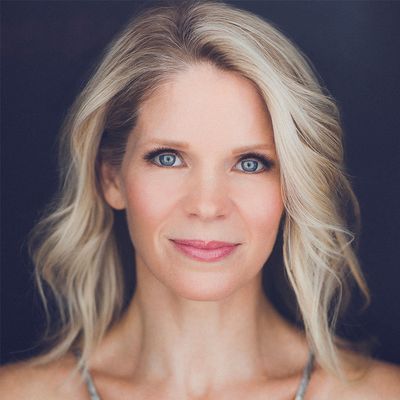
This week’s episode shines a spotlight on The Stuttering Association for the Young, or SAY, a national nonprofit that empowers, educates, and supports young people who stutter and the world that surrounds them. SAY offers comprehensive and innovative programs that address the physical, social, and emotional impacts of stuttering by providing support, advocacy, and life-changing experiences for these young people. Join SAY Executive Director Noah Cornman, Vice President Travis Robertson, and board member and one of SAY’s biggest supporters, Tony Award winner Kelli O’Hara as they share their inspiring stories about this very special organization.
Learn more about about the worthy causes discussed in this episodes and how you can donate and/or help:
- SAY
- SAY Winter Benefit (streaming December 9)
Connect with SAY:
Connect with Kelli:
- Website: KelliOHara.com
- Facebook: @kellioharasings
- Twitter: @kelliohara
- Instagram: @kelliohara
Connect with The Broadway Gives Back Podcast:
- Facebook: @broadwaygivesbackpodcast
- Instagram: @broadwaygivesbackpodcast
- Twitter: @broadwaygives
Hosted & Executive Produced by Jan Svendsen and co-produced & edited by Jim Lochner.
A proud member of the Broadway Podcast Network.
Special thanks to Dori Berinstein, Alan Seales, and Kimberlee Garris from BPN; Julian Hills from The Bulldog Agency; and Eric Becker from Broderick Street Music.
Transcript
This transcript was automatically generated and might contain errors.
[0:05] Jan Svendsen: Welcome to the Broadway Gives Back Podcast.
[0:07] Jan Svendsen: I'm your host, Jan Svendsen. This podcast spotlights Broadway actors, shows, and organizations in their pursuit of social impact and philanthropy.
[0:17] Jan Svendsen: Join us as some of the brightest lights on Broadway share their stories about their favorite charities and how they got involved and the people and the causes who benefited from these philanthropic efforts.
[0:33] Jan Svendsen: This week's episode shines a spotlight on the Stuttering Association for the Young, or SAY, a national nonprofit that empowers, educates, and supports young people who stutter and the world that surrounds them.
[0:47] Jan Svendsen: SAY offers comprehensive and innovative programs that address the physical, social, and emotional impacts of stuttering. It provides support, advocacy, and life-changing experiences for these young people.
[0:59] Jan Svendsen: Joining me today to discuss the important work SAY is providing are Executive Director Noah Kornman, Vice President Travis Robertson, and one of SAY's biggest supporters and a board member, Tony Award winner, Kelli O'Hara.
[1:14] Jan Svendsen: Kelli, Noah, Travis, welcome to the Broadway Gives Back Podcast.
[1:17] Guests: Thank you.
[1:18] Jan Svendsen: Well, Kelli, before we begin, I just want to congratulate you on your New York City marathon run. That was amazing. And by the way, she ran it for charity, of course, because that's Kelli. How was it?
[1:31] Kelli O’Hara: You know, I'm not gonna say it was great. I'm gonna say that it was a beautiful experience that I'm so glad that I had. And I trained hard for it and I'm very proud. And I think I'll be a half marathoner from now on. But I'm really glad that I did it for sure. It was a bucket list situation for me.
[1:50] Jan Svendsen: Yeah, I ran it about 20 years ago, same situation, and it was actually one of the best days of my life. That's how I look back on it. Maybe I didn't think about it that way right after, but I do now.
[2:01] Kelli O’Hara: I'll look back on it that way for sure. I'm certain I will, yeah.
[2:05] Jan Svendsen: So before we get started, I thought we could do a little vocal warm-up exercise with some rapid-fire questions for all three of you. You know, Kelli and Travis, you come from the onstage world, and Noah, you're more of a behind-the-scenes guy. So I thought this would be a little fun and insightful. And I thought I'd ask one question and have each of you answer the same question in sort of a rapid-fire style. So maybe Kelli first, then Travis, then Noah.
[2:30] Guests: Okay.
[2:31] Jan Svendsen: Sounds great. Cool. What animal would you be?
[2:35] Kelli O’Hara: My father-in-law's dog.
[2:37] Travis Robertson: I think I'd be a penguin.
[2:40] Noah Cornman: I'd love to be a pelican.
[2:43] Jan Svendsen: Okay. Favorite food.
[2:45] Kelli O’Hara: Spaghetti and meatballs.
[2:47] Travis Robertson: Tacos.
[2:49] Noah Cornman: Pizza.
[2:51] Guests: Yeah.
[2:54] Jan Svendsen: Um, two truths and one lie about yourself.
[3:00] Kelli O’Hara: Uh, two truths. I love my children. I love SAY. And one lie is that I have it all together all the time.
[3:13] Travis Robertson: Uh, I have stuttered all my life. I am six feet tall, and I have two daughters. I'm not gonna tell you which is true and which is not.
[3:25] Noah Cornman: Ooh, because that's how it works.
[3:27] Jan Svendsen: That's how the game works, right?
[3:28] Kelli O’Hara: Oh my goodness.
[3:29] Noah Cornman: Um, I won the turkey in a turkey trot once. I have a daughter and a son. I am a professional basketball player.
[3:49] Jan Svendsen: I don't know.
[3:51] Kelli O’Hara: That goes along with Travis being six feet tall.
[3:57] Jan Svendsen: Favorite Broadway show.
[4:01] Kelli O’Hara: The Light in the Piazza.
[4:03] Noah Cornman: I wonder why.
[4:04] Kelli O’Hara: It's so beautiful.
[4:06] Travis Robertson: Oh, this is a hard one. I think soundtrack-wise, Big River. Love that show. But I can't rest on just that, so I'm gonna go with that for now.
[4:21] Kelli O’Hara: Yeah, this is hard to think about favorite, you know. I think it's like there's so many different categories, like food almost, you know. I will just share this. I was just, um, my daughter did a little like one-week theatery day camp thing this summer, and she came back singing, um, "Go Go Go Joseph." That was the first show I ever saw in the original Broadway production of it. So, um, that show and that original recording, um, you know, I actually put on a song just for her to hear, you know, "Strange as It Seems," and I was, you know, forget it. I was in tears. And you know, so that's a seminal show for me. Favorite is really tough.
[5:14] Noah Cornman: Yeah, favorite's really tough because I said what I love too, but if I one that I wasn't in would definitely be Sunday in the Park with George.
[5:23] Jan Svendsen: Okay, I'll leave it at that.
[5:24] Kelli O’Hara: Yeah, okay.
[5:25] Jan Svendsen: Okay, last question. Three words that describe you, or three words that you could associate with yourself.
[5:33] Kelli O’Hara: Musical, mother, and humble, I hope.
[5:43] Travis Robertson: I would say patient, dreamer, and fearless.
[5:55] Noah Cornman: Um, kind, tired, and inspired.
[6:10] Jan Svendsen: I have one question for you, Travis. How tall are you, really?
[6:14] Travis Robertson: I'm five eight.
[6:20] Jan Svendsen: Okay. A towering, powerful five eight.
[6:24] Travis Robertson: Yes.
[6:24] Jan Svendsen: Indeed. I own all five feet eight inches of this.
[6:30] Noah Cornman: You too.
[6:31] Jan Svendsen: So let's start with you, Noah. You helped build Shigaboom Ghost Light Records. That's where we met 20 years ago. Then you were at Plaza Entertainment and Family Universal Network and USA Networks. And now you are running SAY. Can you tell us a little bit about how you got there, why you took this gig, and about the organization and its mission?
[6:53] Noah Cornman: Oh, absolutely. Thanks for asking. Um, yeah, I had the real privilege and pleasure of being introduced to SAY, um, which back in the day was known as Our Time. Throughout my whole journey and career with Chickaboom and Ghost Light Records, the whole time that I was working with Kurt and Sherry and all of the incredible friends and artists, including Miss O'Hara, I spent my free time volunteering for the organization.
[7:34] Noah Cornman: Taro Alexander founded the organization in 2001, and Taro is a dear friend of mine who I've known for a long, long time, a professional actor, a person who stutters. And he started this organization as a home, as a place for young people who stutter to come together and create and be loved and be heard and be celebrated. And to me, the opportunity to be part of something like that that was connected to theater as well, it was an artistic home for young people who stutter to create and to write and to be on the stage.
[8:10] Noah Cornman: Um, I grew up on the stage. I did grow up doing a lot of musical theater and local theater in my hometown in college, and it was such a special, influential, important part of my soul, of my being, of that experience of coming together as a group to do something. And so much of it, I looking back was about the hang. It was about going to rehearsal and getting a bag of M&Ms and sitting in the audience and cheering on your friends or, you know, the whole experience. Um, and to think that there are incredible artists and human beings and kids who might feel like that's not something for them was something that really spoke to me about the mission and what Taro was creating.
[9:07] Noah Cornman: So I got to spend all my free time volunteering. I was a teaching artist. I was often cast in the shows that the kids did. I played a cloud, I played an incompetent doctor. Yes, I was a teaching artist, a member of the advisory board, I was a camp counselor. I spent pretty much as much time as I could hanging out with these kids who taught me so much about listening and empathy and compassion, and also just how fun it was just to hang out and be part of that magic. It really was magic. Um, and as the years went by and the organization, SAY, continued to grow, Taro asked me a couple of times if I might consider joining the organization full-time. And the first couple of times it just serendipitously wasn't quite right.
Um, and finally he approached me just about 10 years ago now to ask if I might consider joining the organization to help him steer the ship and run it as it were, and it just made sense timing-wise, it was kind of perfect. Um, and I said yes, which is something that Kelli O'Hara knows a lot about. Um, and here I am, and it's been an, uh, it continues to be a pleasure and an honor to be able to work every day to help this incredible population of kids who are often overlooked and not given the kind of spotlight and stage that they deserve and that the world deserves.
[11:04] Jan Svendsen: That's great. And I know that you have some incredible board members, including Paul Rudd, who is apparently the sexiest man alive right now, according to People Magazine, who knew.
[11:15] Noah Cornman: Apparently, it's real.
[11:17] Jan Svendsen: I knew.
[11:18] Noah Cornman: I knew.
[11:21] Jan Svendsen: But Kelli, you've been involved with SAY for many years too. How did you first hear about SAY and how did you get involved? And I believe that they've been doing 15 years of galas, and you've performed at almost all of them. Tell us your journey to SAY.
[11:37] Kelli O’Hara: Okay, I'll just, you know, sort of piggyback off what Noah said about that sort of hang situation or what inspires you upon your first meeting of this group of wonderful people. Um, when I met my now husband, Greg, that was 2002. So I think the organization then called Our Time had just gotten started. And um, I should say Noah and I are all mixed up together because I was introduced to my husband by Kurt and Sherry on Ghost Light, and everything was that was going strong. In fact, I met him at one of their Christmas, one of their first Christmas concerts where he sang. And that spring of 2003, he took me to my first SAY, or it was Our Time gala. It was very small, much smaller then. And we had no plans of being married yet, about having children or anything. But one of the things that we shared in going to these in the beginning was this shared feeling of this is extraordinary.
[12:39] Kelli O’Hara: As Noah said, here we are coming from the world of theater and using our voices to express ourselves. And that something that struck me so incredibly strong was not only the idea that a child might not have the opportunity to do that, which I had done most of my life, but that they didn't know if they ever could until someone put it up in front of them. And then I would see these great wonderful kids who had all of this energy and so much to say. And in many ways, um, if they struggled with a sentence or their name or whatever they did, then sometimes they would open their mouth and sing in a more expressive way than I could ever dream of doing. It impacted me so incredibly strongly that I just needed to be around it.
And I'm much less involved than Travis or Noah, obviously, but these annual galas have become pretty personal to me in that it's a touchstone of my entire history with my husband and this group of people that I love. Um, but watching these kids grow up, watching them grow into who they're becoming, and in large part because they had this organization called SAY in their lives. Um, meeting other people that stuttered as opposed to Taro, the founder, who didn't meet anyone until he was like 27 years old. Um, these kids from the very beginning say, "Hey, I'm not alone, and hey, there's nothing wrong with me, and hey, these people are listening to me. I might have these other corners of the world where people don't listen to me, but I have SAY. And therefore I know what my voice means and I know how powerful it can be." So I want to be a part of that as much as I can be.
[14:27] Kelli O’Hara: And they've beautifully allowed me to step in for these galas and things like that to honestly get my feel. It's a selfish thing. I fill up, my heart fills up. And so, and I will just add to that over the pandemic, it was also one of the more beautiful things provided, I think, just to society on this virtual world was this place to meet, you know, every morning and have morning song. And these Travis and Noah working incredibly hard to give these kids and other people places to go to wake up and say, hey, there's a community out here that is right here, and it has gone nowhere. And we will continue to connect just as much as we always have. So that's pretty special. So if I can be a part of it at all, I'm there for it.
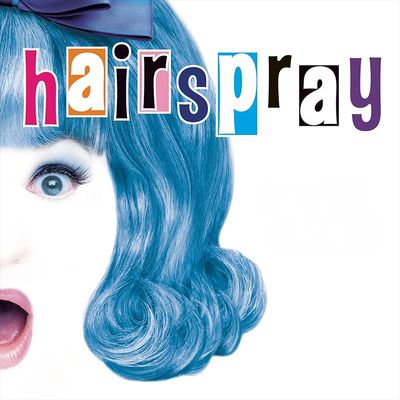
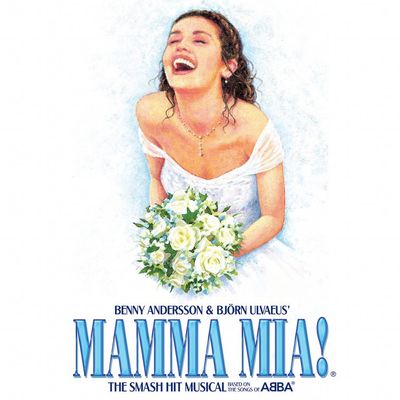
That's incredible. And speaking of incredible, Travis, I know your journey has been very interesting. You've appeared on Broadway in Hairspray and Book of Mormon, Mamma Mia, South Pacific. Um and I wondered if you could talk a little bit about the challenges that you've had to overcome with stuttering to pursue your career in musical theater and how you became involved with SAY.
[15:47] Travis Robertson: Sure. Yeah, thank you for making space for this kind of conversation. I think it's incredible that every opportunity that my Broadway world and my SAY world can come together is really magical. Um yeah, my journey with stuttering, you know, has been all my life. Um it's been a part of it was never a challenge or anything to overcome until I got to about junior high. And that's when I realized or the world really started to reflect to me that the way that I spoke was different and that it was something that needed to change or needed to be fixed. Um and I think I did what most other young people in families would do is speech therapy was the route for me. It was supposed to be kind of the cure, if you will.
Um and now the world of speech therapy has come so far. But at that time it was really this is a problem and speech therapy is the way to fix it. Um and I spent a couple of years really working on my speech, working to get better, working to be fluent, and at the end of the day, it was always a part of me. My stutter was always there, it was always something that I carried with me, and I found myself really feeling defeated and kind of let down. Like I kind of let myself down that I wasn't able to sort of overcome or to get better, whatever that meant.
[18:14] Travis Robertson: And she knew that I was going through a hard time and I was feeling really down on myself. And she encouraged me to sing again, because that's what I always did in her class. She would put on plays and singing and acting and dancing was always a part of my young childhood. And she said, that's what you need to do. You need to find joy again. And you know, to her credit, that's when I started doing it again. And I just it became my obsession, it became my passion, it became my voice because I knew that that's when I was heard, that's when I was comfortable, that's when I was happy. Um, and it grew to me wanting it to be my life. Um, and as strange as it was, you know, I was still a person who stuttered a lot, and I still do.
And at that time, I knew I wanted to be an actor. I knew for sure. That's what I wanted to be. Even when I couldn't say hello on the phone, even when I had trouble saying my own name, I knew this is what I was gonna do. And I wasn't exactly sure how it was gonna happen, but that was crystal clear to me. Um and I was fortunate enough to be able to just to go to an arts high school and study theater in college and really spent many years putting myself out there and stuttering openly and honestly and it was frightening at times and embarrassing and hard. But what was always incredible is that at the end of the day I felt so free and so myself and that was something that just couldn't be taken away.
[20:30] Travis Robertson: Um and in the midst of all that I connected with a friend of mine who was living in New York and I had come to visit and she said, Hey, there's this guy I know who's in Stomp, and he's a person who stutters. You should meet him. And we met and it was Tarot. And even though I had met other people who stuttered throughout my life, that was the first conversation that I'd had about stuttering in that way, where he just knew the experiences that I was going through, and I knew the experiences that he was going through. We talked about how it felt and we talked about life and where we were going and what we wanted, and I had never had that conversation with someone who just got it. Um and you know, this was the first year that SAY had started, and he said, Hey, if you're ever in New York and you just want to hang out, we'd love to have you just come and hang out and meet these kids and be creative.
Um and I got a role in Hairspray on Broadway, which brought me to New York, and that was one of the first calls that I made was to Tarot to say, Hey, I'm here, let's hang out. And I've been hanging out ever since. It's been an incredible ride. So really thank you so much for sharing that. You know, I guess I want to ask this question to all three of you, but what message would you want to communicate about SAY? I mean, stuttering is often a very misunderstood situation for individuals, and I think it can make those who are listening to the person who's stuttering almost feel uncomfortable too and not know how to react. And I just wondered how can people be better listeners and how can we support the individuals who do stutter?
[22:41] Noah Cornman: Yeah, I think I love these kinds of questions. I think people are often afraid to ask them, and I understand, but I love to be the one to say it. You know, at SAY we're all about meeting people exactly where they are. Um if you're a person who stutters, if you're an ally and just wanting to know more, and to be able to support. Um I think one of the most important things that I would want anybody to know about stuttering is that you know it has nothing to do with my capability, with my intelligence, with anything other than the fact that it takes me longer to say what I have to say. Um and so the most valuable gift that anybody can give a person who stutters is time and space. Um being able to just listen.
I think stuttering aside is really hard. It's really hard for people, it's really hard for New Yorkers where we're trying to fill the silence all the time. We have to go go go. And um the most beautiful moments at camp, for instance, are when things are go go go, and there's a child who has a question, and they'll come up to me and they'll have a block, and it might take a very long time for them to ask their question or say what they need to say, and everything stops. Everything stops. For as busy as I may think I am, just being able to stop and hear what they have to say and take however long it needs to take is one of the most valuable things that any person wants. And so just being able to listen, to give your attention, to give yourself, I think is probably the most important start to being a really good ally.
[25:10] Kelli O’Hara: Thank you for that. Um Kelly, as a mom, you know, I also remember, you know, trying to talk to my children about how to support individuals who stutter. And you know, there's a lot of bullying, right? That goes along with that and teasing. And I wondered if you had any insights about how to talk to kids or how to talk to other moms about supporting, you know, maybe your kids' classmates that are individuals who stutter.
[25:47] Kelli O’Hara: Yeah, I mean, I think from the minute my kids were born, as probably with any parent, you know, you start to try to give them to pass on some of the experiences you've had, you know. I've often brought my son and my daughter to the galas. Um, the last one we had in person, my son was my date. I want them to experience things in a way that seems really natural about anything that could be perceived as difference, as opposed to better or worse or wrong or right. It's just different. Um, and I think in that way, as opposed to something being shockingly brand new to them, that education just simply this is. They are the ones celebrating and being celebrated. And my kids are like, wow, this is cool.
You know, so that's just one thing that they've experienced. But when they go to school and they might be in, let's say they might be in class, or I notice so quickly with my kids how quick how fast the bullying sort of activities start to happen. Um, such and such said this to me, or such I heard someone say this, I think, wow, it really starts early, it's barbaric, you know. And my greatest hope is that by action, by my own action, by all the things I put them in front of or just introduce them to, my hope is that they don't think of anything as a climb or something to overcome, but something just to live among and learn from. You know, there's what makes us different makes us stronger, you know.
So I would tell anybody that there's no place you stand that's better than another person. We're just all benefiting from each other's special differences. And so that's what I tell my kids, you know, and hopefully they can represent that at school. Everybody makes mistakes, but hopefully we learn from them, and sometimes I do worry that what kids come with comes from their parents, but I've also learned that's not always the case. But the most we can do is just try to in our home live a certain way and make our experiences a certain way, and those will be ones of inclusion. And Noah, I know that SAY as an organization provides the advocacy, they provide support, um, advice, right?
[28:59] Noah Cornman: For um for parents and for kids and and and other individuals. Um can you talk a little bit about that advocacy work that you do? And um, I know you also have a benefit coming up in December. Um, I'm wondering who's performing at that benefit. Can you give us any kind of preview of that? Oh my goodness, that's a lot, a lot packed into that that question. Yeah. Thank you, Jim. We can break it up into smaller bites. No, it's it's um uh I I think the advocacy part of what we do is always most powerful when it comes from the kids themselves. I think that um anytime I can get out of the way of of uh uh uh of letting the the children speak, letting the kids speak, letting the community speak for themselves.
That's that's the that's the story, that's the power, it's their story. My job is to make sure their story is heard, and whether that's me telling it, which I I'm happy to do, um, but uh when you come to a a say event, whether it be the sexiest man alive's bowling benefit, which we hope to get back to next year, um uh or our gala, um you see Kelly on stage, um Helen Mirren, uh so many Broadway friends who who come out uh to support inevitably what people take away from the night are the kids, the stories of the kids hanging out at a bowling lane with with one of our incredible kids. They are our spokespeople, and and um and that's really uh to to speak to what you were asking Travis and Kelly about how what can we tell people about uh you know how to how to advocate and how to how to be an ally.
Um it's about being a good human being, and it's and it's about understanding that um that people who stutter are just like anyone else, like Travis said. Um and and I think having the opportunity to talk about it and ask those questions, you know, for my kids and for anybody who might not be familiar with stuttering and what it's about. There's a lot of misinformation out there. There's a lot of stigma that goes with it. There's a lot of, I don't know, maybe I shouldn't talk about it, and which is understandable, it makes sense. If it's unfamiliar, um then you might not know about it. But I think there's an opportunity to to embrace what that is and talk about it. I think when you're ashamed of it or or not wanting to talk about it, that opens up the door even more for teasing or bullying or laughing.
And I think when you as the late great Bill Withers, uh, who is a person who stutters, who uh his wife is on our board and he's a long time uh still always in our hearts and souls, uh he talks about uh having prepared forgiveness. Um, and as a person who stutters his whole life, he went into every situation being prepared to forgive, um, with kids especially, but certainly with adults too, not understanding what it's like to interact with someone who stutters, and and stuttering can manifest itself in so many different ways. It's not just one, you know, it's there's there's over 70 million people who stutter on the planet, and it's like snowflakes. Every person who stutters uh speaks in their own unique, beautiful way.
Um, and so Bill talked about being ready to forgive someone for not understanding, for potentially laughing, for potentially just being confused and giving a a strained uh expression. Um and so either and understanding more about what stuttering is um can then open the door to more conversations, either about stuttering, um learning that uh giving people the time and space to say what they want to say, um, but then getting into then like who are you uh just as a human being, and how beautiful to make sure that uh the kids who we're interacting with uh are sharing their true selves and being their true selves and being the actors, doctors, lawyers, cab drivers, bartenders, whatever it is they want to do in life that they're doing it, and they are a person who stutters.
Um that's that's that's really what this is about. Um and yes, we have fundraising events of plenty. Um there is a virtual winter benefit that is coming up on December 9th. Uh, and we are hopeful to return to our extravagant, wonderful in-person gala uh in the spring of 22 May 9th, um, is our 20th, our 20th gala. And um I'm pretty sure Kelly O'Hara has already signed on to uh part of that. She's my first, she's my first email, my first call whenever we pick a date. I think folks, you're hearing it here right now, newsbreaking. Kelly O'Hara will be performing at the 2022 gala in May. Always, always shock.
[34:21] Jan Svendsen: Um you know, I I think it's so interesting what you said because I have a child who is differently abled. I like to call her differently abled as opposed to disabled in any way. And it's not, she's not a person who stutters, but I her entire life um I was people were uncomfortable. And um, what I always found was so uh was really good when people were curious and when they asked questions, well, why does she do this and why doesn't she do that? And what does she feel and what doesn't she feel? And I felt like that was the opening the door to the conversation, and it was breaking down that barrier and the stigma and the bullying, um, both for the other kids but also for their parents too, sometimes.
So um, I think the conversation is really important. Um, I'm really glad that we're having it today. And I wondered, you know, Travis, to flip it back to you, can you talk a little bit about like the camp? You run the camp for say, and um just in in terms of you know, do you do certain things with the kids to um are there certain exercises or um any kind of development programs that you do with them in that camp atmosphere to help them um you know deal with with the stuttering and with the reactions to the stuttering, I guess too.
[35:44] Travis Robertson: Yeah, um camp is uh to answer the question, I think that um there's nothing that we specifically do that uh is um a technique or a tool or anything that is to uh like necessarily um process stuttering that is like uh a part of the programming that we do. The magic of camp, what makes it so impactful, I think is that um we're we are uh providing a space for two weeks um over the summer where kids who um stutter can come and know they're not alone, uh because they see you know a hundred and sixty other kids like them and where they can be themselves, where you know, uh I'm in uh in uh that example uh that I talked about um earlier, where a kid can come and have an idea, and it might take three minutes to share that idea that is you know um like a very straightforward sentence uh and they might move their face or they or uh they might move their body in a way that um in the the outside world in the everyday world those things um come with fear and uh questions and um sometimes bullying and sometimes laughter all of those things are kind of in the back of uh of their heads but but when they're here that's just a a part of how they speak and so I think that's where the magic of camp comes is like we um we set up an environment and we really uh protect have an environment where everyone has as much time um as they need to speak that's the that's the work of it all and that's that's what's so impactful and and so um really I think that is what um often inspires um campers to set their own goals for camp and for life after camp you know we do have speech pathologists who who come to camp um and really like their function is to like help process this camp experience right what happens at the end of these two weeks where I have to go back to the real world where people are not as as understanding um pe uh people are not uh I'm always the best uh um the best um uh the best um allies.
Like what are the things that I can do for myself to bring camp home to California to Texas to to like where uh wherever home is uh for these young people. So really I uh um I see camp and I see all of our programming is providing this space and the magic is really staying out of the way and allowing these young people to be themselves, to discover themselves, to ask those hard um questions of themselves, uh amend each other. Um yeah, that's really that's really the work of it. Thank you.
[39:20] Noah Cornman: Noah, what do you think the future is for say? What what are your goals or what what's the you know what's the next mission? Um you know, um making sure that we reach that next kid who thinks they're alone. Um it really is one one child at a time. Um and when we do things like this, that's the beauty of it. That there is at the very least one kid who uh thinks they're all alone, thinks they that they can't pursue a career in acting, that thinks that life isn't there for them. Um and um there are big dreams for the organization. Uh you know, we we we run a two week summer camp in the last uh the last few years, sadly we've had a wait list, which as a for profit we'd be all excited about it as a not for profit, it it really keeps us up at night.
Um so finding that next great space for our camp where we can have more time over the summer to be able to say yes to more kids. And to continue to provide the the community that we're providing. The last year and a half has also opened the door to what virtual programming can do. We had never leaned into that prior to March of 2020. And we're now quite good at creating the environment and the community and the world of say in the online virtual sphere, as it were. So I think finding ways to connect with more kids. And I don't know that we ever would have met that child. So there's your there's your silver lining. There you go.
[41:29] Travis Robertson: But it's incredible that the the impact is is truly unreal and extraordinary. Which is why I think so many of our of our supporters and our friends and our advocates and allies who don't have any specific direct tie to the cause come back year in and year out because you meet the kids of say and you just you see the um the strength and the courage and just the uh audacity to be their authentic selves, which is which is uh beautiful and transcends just stuttering, you know. You know, I mean, that is the cause, that is what we are about, but I think the uh uh appeal that that goes beyond that in and of itself is really that uh the the beauty in celebrating um young people for exactly who they are you know Kelly earlier you said that it makes you feel good and it's really kind of a selfish act to be involved and and I understand that and other people on this podcast have said the same thing.
Um you've supported say but you've also supported so many other causes with your time and your talent. You and I met because you were serving as the Kids Night on Broadway ambassador for arts education. Um I don't even know how many years ago that was but I wondered if you could tell us a little bit about how you select the causes to support.
[42:55] Kelli O’Hara: Sure. Um I think you know not always but a common denominator is often children. I've always felt that way all my life about um you know from the earliest days I always knew that I wanted to have a family I wanted to be a mom but I also um I had certain thoughts as a kid um definitely understood the the bullying side of things or being a kid that might have been different um as I felt uh being um my nice chubby self as I was uh I think I think I I I look at kids and I think all you have is the the most beautiful future and if you don't have access to that or if you have some sort of or if you feel you have some sort of roadblock or you've if you've been told you have even worse um gosh that just it gets the hair up on the back of my neck.
[43:47] Kelli O’Hara: Uh talk about I, you know, my claws come out. And I just don't want to see anything stop the absolute potential that every child should and should have and deserves. And so one of the best things about SAY is that as Noah and Travis have been talking, it's just this idea that if someone gives time for someone to find what their voice says, I don't care how they say it, but just what their voice is, that's something that in human nature I think we grapple with till the week to the day we die. What is it that we want to say? What is it that we're here to say in this world? And I think SAY provides something that could be profoundly effective for every human being, which is, and I'm not trying to sound really um, you know, cliché here or whatever.
I think it's really important that we listen to each other. We're in a world right now where we rattle off quick, you know, witty tiny pieces of either inflammatory information or negative information or opinion that no one asked for. But imagine a place where young people are getting into conversation because there is time spent to have that conversation. So it's not just for kids of SAY, it's a platform and an idea that might work for all of us. I wish I had had it. Um I hope my kids have it. So when you ask me why I choose things, um, and I am better with my time these days. Uh I don't always do everything I'm asked. I do the things that I want to do now. And when I see something that is that beneficial to not only the kids of SAY but the people around them, and then we take that back into our own lives. Then I want to be a part of that. So um, and we're really, if we're working with children in any way, then we're working with the future. And that's important to me. So that's why I choose that.
[45:52] Jan Svendsen: Noah, you pivoted from the for-profit world to the not-for-profit world. And Kelli, you again, you consistently leverage your talent and your time to do good. Travis, you've taken your personal journey and you're using it to help others. And I wondered if all three of you could give some advice to the listeners about how to do good in the world.
[46:19] Travis Robertson: A place where people really do give each other space and listen. That's a beautiful question. I think for me, uh the answer really lies in what brings what brings you joy. I think when I think about like my journey, uh, and um just choosing to say yes to the things that uh that bring me joy, that uh that um create an atmosphere of happiness around me. I think that that inspires me to want to take that and do more with it. Um I think the progression that I had from, you know, the dream is to be on Broadway, uh, and then what next? Like, where do I go from here? And what and what can all of this mean to someone more than me? I think that's when I I had to really challenge myself to um to turn my passion into into purpose.
And understand that you know the the journey that I had wasn't just for me. I think it's I I remember like you know watching the Tonys and going to shows and wondering if anybody if anybody you know who looked like me who had a stutter could do that. And just the thought that I could be that for someone else is really powerful. So I think um really saying saying yeah saying yes to to uh joy saying yes to yourself the things that we're most passionate about that maybe we're afraid to to um to say out loud or to um entertain those thoughts that's where there's gold you know that's where those are the things that you know you have that the world needs um and I think really like not settling, you know.
I I always I always tell kids um and I and and I really believe it um that you can do whatever you want to do you know you can be a CEO and stutter, you can be an actor and stutter, you can um be a manager and stutter, you can you fill in the blank and stutter and and um and and um bring all of yourself to um every s to um every to um every situation in life. Um so yeah, I think that it's gotta start with joy because that is what that's what um that's what keeps you going when um you know uh the days are too long. That's what keeps you going when you're you're just too tired, uh when when the work is work. Um you have to connect with the why and the love.
[50:03] Kelli O’Hara: That's so nice. I love the idea of adding purpose to the passion and purpose to the joy. Thank you for sharing that. Kelly, Noah.
[50:12] Noah Cornman: Okay. Let the record state that I I offered Kelly to go first. Um I think what I I think of the uh the Lennon quote of you know, life is what happens when you're busy making other plans. And I I I feel like some of it is is uh uh to really affect change and and find that that purpose in your life, it's the it's kind of the in-between moments, you know. Um bullying in school so often happens in between classes, right? On your way to the bathroom, or just you know, and it's quick and it can be devastating, you know. All it takes is a couple of seconds. And I think in life, um no matter what you do, adding the the the kindness and empathy and compassion and joy into going to Chipotle, um, you know, and and uh and and what that exchange might be like um whether you're behind the counter or making the order, um, finding the joy in going to the subway and in um in any interaction with any human being that you might encounter in in life.
Every person is there on their own journey, and um every person you interact with might be a person who stutters. And Kelly, like you said, like how wonderful if actually that was how we approach the world and and life in general, that it was all SAY. Um I've heard this from other folks who I've introduced to the organization who are allies. They're like, well, I do I have to stutter, I I want to be part of this. Um, and I think the beauty and the joy of it is is that is there for all of us, um in outside the you know, the bubble that we create at camp or the programs that we run throughout the year, um, you know, on a Saturday afternoon, or um that there is the opportunity to to spread that joy and spread that love.
And I think that no matter what your pursuit might be in in in life, be it the Broadway stage, um on stage, behind the scenes, um in advertising and marketing, uh serving up drinks at the local at the local pub um uh um having a family pursuing love uh flying a plane you know it what whatever it is you might be doing you you can incorporate that kindness and and charity as it were into into everything that you're doing um and that I think can really truly change the world and and and create that that great space for people who stutter and in so doing for all of us if if I take the time to to listen to my child whether my six year old or my four year old whether they're uh a person who stutters or not creating the space to hear them and and and let them be heard um and to consider my neighbor to consider the the person who's checking my ticket on on the train you know all of it I think can can really help to to create that that space um uh and if that that works its way into your professional pursuits fantastic but I think that can that can exist whether you are a for-profit billionaire CEO or you know trying to run a not-for-profit theater company um uh or advocacy group or whatever it is you're doing I think there's space for joy and and and in all of it.
[52:21] Kelli O’Hara: Thank you Kelly any final words for this podcast yeah I'll just wrap up and say listen to these fellas it's such a beautiful beautiful way to look at life you know one of the three words I said that I hope describe me. I don't mean humble, like, oh, I'm not a very good singer. I don't mean that. I don't mean that. We should stand at the top of the mountain and proclaim what we were proud to own. I mean humility when I mean that we are human beings who are fallible. It's not about right and wrong, but when you're wrong, you know, you have an opportunity to teach a crazy lesson to anybody by accepting those faults, learning from them, being better next time. And the reason I say that is not nothing's right or wrong here.
What I'm saying is humility brings about about brings with it this idea that all of these wonderful things that I feel like have happened for me, yes, I've worked hard, but I'm human. And to not give back to a world in in some way, in any way I can, it's sort of karma. It is why live in this world and accept beautiful things and have joy without giving it to others. Because the point of it is you you really can't have any of that joy and that beauty unless you're filtering it out and through others. I believe that it comes back to you. What you reap, you will sow. And so as I go through my life, I am very humbled by being able to enjoy the things I enjoy, you know, have the successes, um, and sharing that with others or raising voice to others, um, or best of all, leading others to their own light is about the best thing you can do in life to live a full life.
So in this pursuit of like, get out of my way, I'm gonna, I'm gonna get to the top of the mountain. Um, it just feels like the loneliest way to go about anything. Let's just all go together, or or or you know, I'd like to be one of the people pushing. So it's um that's what I mean by being humble and and having humility as we go forward, and um, these kids, man, they fill you up. They fill you up and they um not because they stutter, but because of what they have to say when you listen.
[56:26] Jan Svendsen: So thank you so much. Those are perfect final words. And it's been such a joy to listen to you, all three of you. And um, and I'm gonna take with me in the rest of my day and hopefully the rest of my life this idea of really being able to listen and make space. I appreciate it. I appreciate all three of you. Thank you so much.
[56:46] Kelli O’Hara: Thank you.
[56:46] Noah Cornman: Thank you.
[56:48] Travis Robertson: Thank you, thank you, Jan.
[56:48] Jan Svendsen: Thanks for listening to this episode of the Broadway Gives Back Podcast. Broadway Gives Back is part of the Broadway Podcast Network. Special thanks to my producing partner, writer, editor, and friend Jim Lochner. And thank you to everyone at BPN, including Dori Berinstein, Alan Seales, and Kimberlee Garris. I'd also like to thank Julian Hills from the Bulldog Agency and Eric Becker from Broderick Street Music. If you like what you hear, don't forget to subscribe and rate this podcast wherever you stream your podcasts. You can also follow Broadway Gives Back on Facebook and Instagram at Broadway Gives Back Podcast and on Twitter at Broadway Gives. To learn more, visit BPN.fm slash Broadway Gives Back. Thanks so much.
© Broadway Podcast Network, All Rights Reserved