

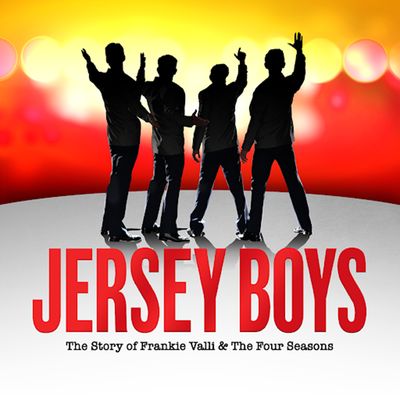
Best known for his roles as Bob Gaudio in the touring company and Clint Eastwood’s film version of JERSEY BOYS and as Blake Moran in the hit CBS television series MADAM SECRETARY, Erich Bergen made his Broadway debut in 2018 in the hit musical WAITRESS, and recently returned to the show for a limited run... Read More
From the show: Broadway Gives Back
Guests

Featured Shows
About
Best known for his roles as Bob Gaudio in the touring company and Clint Eastwood’s film version of JERSEY BOYS and as Blake Moran in the hit CBS television series MADAM SECRETARY, Erich Bergen made his Broadway debut in 2018 in the hit musical WAITRESS, and recently returned to the show for a limited run. During the pandemic, he started a side hustle creating online charity events. Join Erich as he goes behind the scenes of JERSEY BOYS and WAITRESS, and the challenges of raising money for important causes during the pandemic.
Learn more about about the worthy causes discussed in this episodes and how you can donate and/or help:
- The Actors Fund
- CDC Foundation
- UNICEF
- Broadway Cares/Equity Fights AIDS
- Save the Music Foundation
- The Manilow Music Project
- God’s Love We Deliver
- Bring Change to Mind
Connect with Erich:
- Facebook: @erichbergen
- Twitter: @erichbergen
- Instagram: @erichbergen
Connect with The Broadway Gives Back Podcast:
- Facebook: @broadwaygivesbackpodcast
- Instagram: @broadwaygivesbackpodcast
- Twitter: @broadwaygives
Hosted & Executive Produced by Jan Svendsen and co-produced & edited by Jim Lochner.
A proud member of the Broadway Podcast Network.
Special thanks to Dori Berinstein, Alan Seales, and Kimberlee Garris from BPN; Julian Hills from The Bulldog Agency; and Eric Becker from Broderick Street Music.
Transcript
This transcript was automatically generated and might contain errors.
[0:05] Jan Svendsen: Welcome to the Broadway Gives Back Podcast.
[0:07] Jan Svendsen: I'm your host, Jan Svendsen.
[0:10] Jan Svendsen: This podcast spotlights Broadway actors, shows, and organizations in their pursuit of social impact and philanthropy.
[0:17] Jan Svendsen: Join us as some of the brightest lights on Broadway share their stories about their favorite charities and how they got involved and the people on the causes who benefited from these philanthropic efforts.
[0:33] Jan Svendsen: Erich Bergen is best known for his roles as Bob Gaudio in the touring company and Clint Eastwood's film version of JERSEY BOYS and as Blake Moran in the hit CBS television series MADAM SECRETARY.
[0:46] Jan Svendsen: He made his Broadway debut in 2018 in the hit musical Waitress and recently returned to the show for a limited run.
[0:53] Jan Svendsen: Along the way, he began a side hustle creating online charity events.
[0:58] Jan Svendsen: Erich is a true philanthropist and has been busy for the past 20 months during the pandemic being proactive and producing events to raise money and awareness for important charities and causes.
[1:19] Erich Bergen: Thank you.
[1:19] Erich Bergen: Thanks for having me.
[1:21] Jan Svendsen: It's so good to have you here.
[1:31] Erich Bergen: Such sad news, but that day and that event in Times Square really made me feel better.
[1:38] Jan Svendsen: How did that come about?
[1:40] Erich Bergen: Oh, I don't know that it actually ever came about. I mean, it's so funny. I mean, this is it, it was just kind of there. Um, how did it come about? Um, I was very much in a post-Sondheim passing haze, as I think many people were. All my friends started to, you know, binge whatever they could that evening on the Friday that he passed, you know, they started everyone we all started watching whatever any DVDs we had or anything on, you know, streaming apps and streaming music and all of that. You know, it's kind of a weekend of Sondheim, and the next afternoon, the Saturday, um I was about to board a train up to visit my mom in Connecticut, and I was listening to the cast album of Sunday in the Park with George, the original cast album.
And Sunday came on, which is of course a monumental piece and makes me cry regardless of when. I mean, even prior to his passing, that song just, you know, kind of triggers it within me. Um, and I thought, oh, Sunday, Sunday in the park. And my producer brain started, you know, the wheels started turning, and I thought, man, it'll be great if we could all gather the next day on a Sunday to sing this in the park. Um, and I had made some connections with some people in the New York City events office in the New York City Parks Department when earlier this summer I put together the We Love NYC concert that was on the Great Lawn that then got rained out. Um, but I had met that team creating that show and I just, I'm an impulse kind of guy with stuff like that, and I just called him immediately and I said, I have this idea.
Can I, can we do this? And you know, we kind of quickly figured out the park was not the best place to do it because getting not just the permit side of things because the Central Park Conservancy is very protective over the park and especially the Great Lawn, but also how are we gonna get power there and the music and all that stuff? And I just thought, well, you know what, it's a matinee day anyway. It's gonna be better for if we're gonna get, you know, Broadway cast members, current cast members to come to this thing. Let's make it easy for them. So we all kind of realized Times Square was the place to do it. And I was set up with the Times Square Alliance who said, yep, whatever you want to do, it's yours.
And I called Rick Mir Montez and who's a beloved Broadway theater publicist and he connected me to Charlotte St. Martin from the league. And I would say by the time I was dropped off on the train in Westport, the whole thing had been confirmed and figured out and my phone was out of juice and then it was just a matter of getting the word out, which we did, and the next morning we showed up and the equipment was left for us and we started plugging in speakers into other speakers and we turned it all on and we sang. I mean, it really was kind of a miracle that it even came together and my team of misfit toys, Michael Moritz and Richard Hester and Jeremy Liner, we all just kind of put it together and did it as quickly as we could.
[5:16] Jan Svendsen: You are a man of action and you were proactive on so many fronts, which is what some of the things I want to talk to you about. But um, yeah, that's amazing. And shout out to Gary and Damien at the Times Square Alliance. They are awesome. I've worked with them on Broadway many years.
[5:30] Erich Bergen: Yes.
[5:31] Jan Svendsen: So I was wondering if we speaking of Sondheim, and I was thinking about let's do a little warm-up exercise with some little questions for you so we can get to know you better. And let's start with Sondheim. Favorites, favorite Sondheim anything. Story, memory, song.
[5:47] Erich Bergen: Oh man. I mean, it's to me, it's for me, it's Sunday in the Park, Company, and Assassins. Um, because Sondheim is so, and this is something he would love because this is so much what he was about, but Sondheim is so closely associated for me with education and arts education. And for me, I grew up going to Stage Door Manor, the theater camp up in the Catskills, and that's where I learned all about Sondheim from Michael Larson, who was my mentor up at camp. Um, and we learned Sondheim through him. I mean, you hear people talk about, you know, you hear a lot of actors talk about learning Shakespeare in college and how that opened them up to a world of art and theater. And Sondheim was my Shakespeare.
Um, and I was taught him from a very early age. Um, and it kind of informed he is the reason why I saw myself as an actor using musical theater as my medium, you know, less so than the MTV Michael Jackson pop artist that I was intending to be when I was nine and ten years old. This he was my, Sondheim was my gateway drug into musical theater.
[7:03] Jan Svendsen: Your gateway drug. So if you had to describe yourself in three words, what words would you select?
[7:12] Erich Bergen: Hustler, compassionate, and unaware.
[7:14] Jan Svendsen: What are one of the things in your life that you're most proud of?
[7:12] Erich Bergen: I'm very proud of my ability to stay positive because I find that a lot of people in the arts get down on themselves very quickly and not that I don't, but it has been said to me numerous times by people in my life that they appreciate how much I stay positive and don't let, you know, things that would trigger other people into spirals downward spirals, those don't seem to affect me. I seem to have a general positive outlook and feeling about things sometimes to a fault because I'm not realizing the gravity of a situation, but in general, I find it to be a plus that I'm able to do that.
[8:16] Jan Svendsen: So let's move on. You toured for years as Bob Gaudio in JERSEY BOYS and you played Vegas and then you were cast in Clint Eastwood's film of the show and I just wondered like what did that role mean to you and to your career?
[8:31] Erich Bergen: It meant everything. It still means everything. I mean, JERSEY BOYS when I got cast in the show, or as the young people now say, casted. Did you know that's a word now? People can actually say casted.
[8:33] Jan Svendsen: I did not know that.
[8:33] Erich Bergen: Yes, it's actually accepted to say, oh, I got casted in, or that, you know, it makes my skin crawl, but it's a thing, so now I say it to feel young. When I was cast in the National Tour of JERSEY BOYS, I was 20 years old. The show had just won the Tony for Best Musical, so we were the first company to go out. And I had never, I had, I mean nothing like that had ever happened to me. I left college after my second year. I didn't even go to a musical theater school. Like it was crazy, you know. Um, but it changed my life. Um, it gave me a lot of responsibility very quickly. Um, I didn't really pay my dues. I mean, I had been a working child actor, but I didn't, I had never done summer stock. I had never done, you know, the ensemble part.
I mean, I got this giant lead role very early on, and I made lots of mistakes because you're 20 years old. You have the world handed to you, and you go out on the road and you're making a lot of money, plus a per diem. I mean, it was, I mean, I made mistakes. Um, but, um, you know, I made them early and I learned a lot and it was an incredible gift to get that show. I got to, I was on the road for a year, and we did the original San Francisco Company, and we did LA and all up and down the West Coast, and then I moved to Vegas and I lived in Vegas for two years during the first two years of the show there. And I think, you know, for me that JERSEY BOYS is one of those shows that because of the music and because of the memories that people have associated with not just Frankie Valli and the Four Seasons, but new memories they made going to that show.
I mean, that's, people would go back 20, 30 times. Um, it has allowed me to have a career with concerts and symphonies and things like that, that I can perform these songs that are now, you know, somehow associated with me. Um, they're not just, you know, me doing cover songs, but I have an attachment to these songs. So, you know, when I sing the few first few bars of, you know, one of those songs and the audience starts to applaud, you know, that recognition applaud. I was going to say, you know, this, I'm not, I didn't actually write these songs. I just played the guy that did. But it's a lovely thing to be associated with those songs in some kind of way and it allows me to continue to perform them all these years later. So it's been an incredible gift being part of JERSEY BOYS.
[11:15] Jan Svendsen: And I have to ask, how was it working with Clint Eastwood?
[11:18] Erich Bergen: It was amazing. It was a bizarre experience because it had been a few years after I was no longer in the show and, you know, I had done other shows in the meantime. It was just a very, it was like really this is actually happening. I mean, I always used to say when we were doing promo for the film, you know, we used to sit around backstage dreamcasting when they make the movie, you know, who it's going to be and I was like, oh, it's gonna be Zac Efron or, you know, whatever it's gonna be. And then it ends up being you and it's a very out of body experience. What's really out of body is, you know, when we did the show, for example, the bowling alley scene that was represented on stage by a flat piece of scenery that comes down.
It's a, you know, a sign that's completely flat. It's a blank stage and a sign comes down to signify that you're in a bowling alley and some sound effects in the background that where you hear the bowling balls hitting the pins. And then all of a sudden, years later, five years later, I'm filming that exact scene, the exact same lines in a real bowling alley. It's a very surreal, kind of like you're at the, you know, what's it, the Universal Studios theme park where you, you know, there was, I remember the commercials as a kid, they're like, where you get to ride the movies, and it felt like that. Um, it was surreal, it was surreal. And Clint was so kind and fun and just such a pro and his stories, and he just allowed us to do our thing.
And he was so smart, right? You know, he hired people who had done the show and trusted them to do that. His, you know, his thing was don't mess with the show, it's already a hit. You know, let's not, um, let's use the people that know what they're doing. So I'm very grateful to him. He gave me my first big movie, and it was an incredible experience.
[13:12] Jan Svendsen: That's awesome. Um, our friend Sara Bareilles was a guest on this podcast a few months ago, and you made your...
[13:19] Jan Svendsen: You made your Broadway debut in 2018 in Waitress. Um, you recently went back into the role. And I just wondered, you know, what experiences you have with that show, and also, you know, your performance. Um, how was it going back in? Like, has anything changed in the intervening years?
[13:38] Erich Bergen: Uh yes, we had to let some of the pants out. Um, I think I gained a few pounds. So Waitress was for me a return to the things that I love. Um, and musical comedy in the spirit of, you know, my heroes and Larry Gelbard and, and, and um, uh, I mean, even the script to JERSEY BOYS, Rick Ellis and Marshall Brickman. I mean, to make an audience laugh and then cry in the same night, I mean, you know, to me, that's heaven. And so, so Waitress was that. And then the return to it was I didn't see that coming at all. And it happened very quickly, with like a week turnaround, uh, between, you know, getting the phone call and stepping back in. And it was still in my body and it was still there, and it was great.
And getting, and my God, getting to play opposite Jennifer Nettles was a dream. Um, but it felt like no time had passed, which is kind of surreal. But you know, I had to go back to it as a performer because I'd stepped away from performing, not even really intentionally, but doing all of this producing and directing over the past, you know, almost two years now, and then getting to go back into performing into a role that I had just done prior to the pandemic, it felt a little bit like that I imagine the last two years. It was, you know, yeah, very surreal, very surreal.
[15:07] Jan Svendsen: To go a little farther back, and you were diagnosed with cancer in 2013 and you went through chemo and, um, speaking of comedy, speaking of, yeah, um, emotions that go back and forth. I just, um, well, I always think about, you know, what you were saying earlier, you know, this adversity leads to opportunity and, um, and you tend to be a positive person. I just wondered if that experience for you changed your perspective about life, and also did it inform in any way some of the philanthropic work that you do?
[15:42] Erich Bergen: I think if it doesn't change, something like that doesn't change your perspective on life, then you are not present. You are not tuned in. I mean, even I think even the most denier, deniers of deniers, you know, I think something like that, you've got to be pretty tuned out for something like that to not affect your life. And there are people that are, I mean, you know, I was very lucky. I, you know, my cancer, I testicular cancer, I, we caught it early, it didn't spread. It was something that, you know, we were able to deal with at the time and, and, and then continue on with life, right? You know, you have to monitor it and all that type of stuff, but it did not change my life, um, uh, medically long term, something I have to deal with.
It's not a part of my life that I deal with every day anymore, um, and really it wasn't something that I dealt with every day as part of my life medically, um, immediately afterwards. It was more of a, you know, mentally, um, the, the, the anxiety that comes post that. Um, but it certainly does change your, oh yeah, I mean, I, I was 27, was I when I was diagnosed? I mean, when you're 27 years old, you're convinced that you're gonna live forever. You can do no right. You know, you're, you're starting to see, you know, you're post 25, so you're already starting to realize, oh, I can't have that many drinks without feeling something the next day. Like you're already starting, you're starting to feel that a little bit, but you're still, you still feel invincible.
You're not, not 17 invincible, not 21 invincible, but you still kind of feel invincible. And something like that, what, as someone who's never had, never broken a bone, never had anything remotely like that in their life, that ends that feeling of invincibleness, invincibility.
[17:46] Jan Svendsen: I think it, I think that ends that, makes you feel overnight.
[17:49] Erich Bergen: The fragility of life, right?
[17:51] Jan Svendsen: Yes, absolutely.
[17:52] Erich Bergen: Overnight. Did it affect my philanthropic work? No, I don't know that it inspired my, my specifically, you know, kind of this work that I've been doing recently on the charity front, but it, it's, um, it has, it certainly has inspired me to let men know because men do not go to the doctors. Um, they do not go to the doctor as much as they should. They, they usually wait until, um, it's really bad, until like they can't walk or until their mother makes them go to the doctor, you know, uh, drags them out of the house. Um, yeah, men don't go to the doctor. We're like afraid of going to the doctor for some reason. And I, and, and testicular cancer is one of those things where in most cases, in a lot of cases, I should say, um, it's a completely fixable thing if you just go to the doctor at the first sign.
If you just go to the doctor. I mean, you know, um, so, so, uh, I have a big push in my life, and I am this next year, uh, one of the thing I'm, one of the things I'm working on is trying to create something, some kind of movement or something that, that, um, try to create a movement that's, that's not what I meant. I'm trying to create, I want to create something that, um, uh, inspires men to make doctors' visits part of their regular, um, uh, yearly thing. You know, women go to the gynecologist as part of their normal health plan, and men don't have that. Um, so I, I am, uh, I have been working on some ways to, uh, well damn it, to create a movement. Yeah, there you go.
[19:30] Jan Svendsen: Um, no, that's a worthy movement. Um, but let's segue here into your charity work. So the last, you know, almost two years you've spent so much time producing these charity events during the pandemic. And, um, like take us through the journey the last few years and how did, how did you start doing this and yeah, where did it all come from? Because you're, you've been the guy.
[19:56] Erich Bergen: Yeah, it's so weird. It is so, so weird. I was sitting in this very room that I'm sitting in right now on March, what was it? That's March 12th or March 13th, whatever that Thursday night was that, um, uh, there was a shelter in place order, yeah, uh, put on New York City and, and, um, all the Broadway shows decided to shut down and, uh, at 5 p.m, you know, it, we, everything got the alert and it was, it was already, it was that weird time, right? It was the very beginning of COVID. That Monday I had, I had been at a, um, uh, a gala event that I performed in that I was actually hosting, uh, with, um, uh, I'm sorry to say Nick Cordero, um, who, uh, I, I'm, I believe it was his last time on stage and I was hanging out with Nick.
Uh, I got to introduce him and he performed and, and, uh, yeah, and that was the beginning of that week. And, um, and then, um, we were shut down, everything stopped, you know, a few nights later. And that night once Broadway was shut down, I was sitting here in this room watching the news and I text, uh, no, I sent a tweet to Rosie O'Donnell. I sent a DM to Rosie. And again, this is my producer brand of which I've always kind of had. I've just never acted on all that much. I mean, I have to a degree, but not like this. And I sent a DM to Rosie. We follow each other. And I just thought we need to do something for the Broadway community because I thought, I knew that with if Broadway's going to be shut down for, at that point, they were saying, I think it was like three weeks or 30 days.
I don't even know what they were saying, but it certainly wasn't, you know, what it was. Um, I just, I knew that the Actors Fund was going to be depleted. I just know what it costs to live in New York City. I know what actors on Broadway make, I know what, I know how this works. And I, I have relied on the Actors Fund to pay my rent in the past, and I just, I just know what it is. So I DM'd Rosie and I said, I have this idea. Let's do something to kind of bring attention to the artists and theater community right now, and, and let's do like a, like a Rosie O'Donnell show type thing. And Rosie, I think like 30 minutes later, DM'd me back and said, um, okay, put it together and I'll do it. And then over the next week and a half, I figured out how to, um, do what we did with the help of, uh, you know, I think my next call was a few people to help with some of the tech stuff, and then one of the, you know, the big next call was to Paul and Toric, editor-in-chief at Broadway.com. And, um, uh, Paul said, Yeah, I'll do it with you.
And we got to figuring out how to do it, and I, um, uh, we, we kind of called in everyone we could think of to help on this. Um, and, uh, called Craig Burns, uh, casting at Telsey, and, and he got all the talent for us, and it turned into this three-hour, you know, virtual telethon of sorts that we did live on YouTube, um, with Rosie and, and, and on this very computer that I'm on right now. And it was, um, uh, it was wild. It was completely wild, especially because, you know, the, the, uh, the texts afterwards and everything, everything that people were saying. And then the next day there were, there was a review in the New York Times. It was like this isn't meant to be reviewed. It was so, and then the next morning, yeah, what were you gonna say?
It was so needed at that moment. Um, it was so needed. I have actually, I took a selfie of myself with my computer watching it, sobbing, and I was alone in New York. Glenn was here in LA already and I didn't feel well. I thought I had COVID. I didn't, but I was sick, so I was stuck there. And I gotta tell you, like that, that show just, it saved me, you know, it really did. So thank you.
[23:52] Erich Bergen: Well, that's, that's very, very kind of you. And, and I, it was, that's one of the things I was going to say was seeing people like on Twitter, um, taking selfies of themselves at their computer with the Rosie. I mean, I knew that the Rosie O'Donnell show, the logo, the theme song, I think it was chicken soup for a lot of people and just seeing the community together all at home and dealing with it. And, you know, we made a, we made a star out of Patti LuPone's basement and, um, you know, it was such a wild night and, and, um, uh, we, it was, it was crazy. It was crazy. The next morning I started to get calls, there were like eight phone calls and, um, there were phone calls from a couple of different places, everything from, you know, the, the Oscars, the academy, saying, How did you do this?
To, uh, the Colbert show to UNICEF, all these places were like, How did you do this? What is this? I'm like, how did, it's like two tin cans and a string. Like, and, um, and I got to work with some of them, and some of them wanted to like hire me to do this. And I thought, well, that's not, I'm not, I don't do this, but I'm like, I don't have a job. So, I mean, okay. So, and then the next call, like two or three days later, after that, maybe a week after that, was from Benj Pasek, and, um, the writer of, of, uh, Dear Evan Hansen and Greatest Showman and, and, you know, all La La Land. And, um, he said, I want to do a Seder for Passover, and I want, we got to do it virtually. And, uh, it was him and Alex Edelman, an incredible, um, uh, writer, director, excuse me, writer, comedian, um, who, uh, actually has a one-person off-Broadway show right now that's incredible.
Um, and it was, uh, uh, you know, they'd roped in a whole lot of us Jews to put this together with Shana Taub and Sass Goldberg, and, um, it was, it was, it was crazy. And we created this thing called the Saturday Night Seder, and, uh, that was another one where an entire, I just felt like everyone gathered on YouTube at that exact moment, and that show raised, I'm pretty sure we raised like around two million dollars in one night for the CDC Foundation. Um, it was incredible, it was the best theater I ever have attended. Seriously, and I have attended a lot of the streets in my Jewish life. Um, it was such, it struck the perfect chord, too.
[24:02] Erich Bergen: Well, it was, it was, yeah. I mean, it was Benj's and Alex's vision, and we all just kind of jumped on board to help them make it come to life.
[26:39] Erich Bergen: And it was the Rosie show in that that kind of spurred this business for me. And what I started getting calls for the tech side of it, but then I started getting calls for the creative side of it. You know, how do we so it would be anything from a nonprofit has their big annual gala at the end of the year that now we have to somehow convert to a virtual event, right? So it's not just how do we do it from the tech side, but how do we come up, how do we convert it to how do we convert the content? Because what works in the room, you know, uh with a bunch of you know, the classic rubber chicken dinner at uh one of the big catering halls, whatever you do at those events don't work virtually. So how do you convert, how do you do that?
And so I started to get calls on how to do that, and then it started becoming not just the non for profits, it started becoming commercial stuff. It started becoming um uh uh Chris Colfer, wonderful actor from Glee, uh, who is a New York Times bestselling author, and he was putting out his new uh young adult novel that's part of his land of stories books. Um he wanted to figure out how to do a book tour um in this day and age in COVID. And so we put together a virtual book tour for him. And we did we've done it two years in a row. Um we did Michael uh Michael Kors' fashion show. Um, you know, we did uh um uh we've we've done so many different things. We did Clive Davis's um, you know, his famous pre-Grammy party that he always does the night before the grammys.
Um we did it as a virtual event. We have now done this company that kind of grew and you know learning to fly the learning to what is it learning to fly the plane as you know, learning to building the plane as you fly it. That's the phrase.
[28:29] Erich Bergen: Yeah. That's what this was. Um and this company is 6W Entertainment. Um we've now done over since since March of 2020, beginning with the Rosie show, I guess you'd say officially, we've now done over 100 um projects. Wow. Uh yeah, it's kind of it's kind of surreal. I mean, as we're as we are sitting here, I'm staring, staring here uh, you know, at my computer screen talking to you, and I'm watching uh the emails come in on five different projects that we're working on right now with John Legend and uh you know people in government. We're doing a lot of social justice work, we're doing a lot of um uh voting rights restoration work. Um so it it we get we've gotten we've gotten majorly into the social impact world.
Um uh and it's very interesting that the marriage of content, especially celebrity-based content, with um nonprofit work, how that all works, the messaging, the distribution. It's it's been a very interesting world, and it's been a a um a crash course for me in learning the behind the scenes. And now I'm kind of converting that into producing and directing for outside of this space, but starting to produce and direct for for TV. I mean, that that was one of the things that happened.
[29:52] Erich Bergen: The UNICEF show that we did when we did it, um, this was in May of 2020 or April of 2020. And then a week later, you know, we got a call the next morning from MSNBC that you know, they want to air, they want to put it on TV next Saturday night. Can you give it to us in, you know, maybe cut 20 minutes off of it, make it one hour, and we're gonna air it commercial free on MSNBC. So all of a sudden I was a producer of a TV special. It was like the weirdest time in my life. My hair grew down to my shoulders, but uh my IMDB profile went up.
[30:26] Jan Svendsen: Uh yeah.
[30:27] Erich Bergen: Well, I have to say, it's just it's so impressive. And um, as somebody who was sitting home by themselves, you know, watching all of these shows, feeling the really the the community um and needing that so much, but also as somebody who is in the business and um works with a lot of celebrities on their social impact and philanthropy, and who's somebody who's engaged to a producer director. I was looking at it from every which way, going, oh my God, this is just amazing. So I've I've been a uh uh you know, sort of a fan of yours for you know the last two years.
[31:04] Erich Bergen: That is very kind of you. It's it's it's hardly just me. In fact, it's probably mostly not me. I mean, I kind of lead a an incredible team of um of artists and designers and um thinkers and and doers who um, you know, I I had the privilege of being in the public eye and known. So it was it was a you know, people could quickly Google me to see who I was and where I came from. And I I suppose that I garnered some trust.
[31:34] Jan Svendsen: Yeah, this guy's legit.
[31:35] Erich Bergen: It's okay. It's good. We could talk about it.
[31:36] Jan Svendsen: Right, right.
[31:37] Erich Bergen: Exactly. But but believe me, the work was being done by this team that um I was lucky enough to find along the way and be recommended to that I work with on an everyday basis now, who kind of make these incredible things come to life. Um that really in this weird way, and I and this was not intended at all. But going back to how we started this conversation, it kind of culminated in the Sunday for Sondheim event. That was really a culmination of two years, almost two years of work in how do you produce something quickly, how do you get the word out. And it was two years of of the work and figuring things out, but mostly two years of garnering trust so that when I email you and I say I need you for something, you know that it's legit, it's good, and you know it's it's a it's the real deal.
[32:41] Erich Bergen: So I didn't even realize it, maybe I didn't realize it until we're talking about it right now, but that Sunday event was like this is what I do now. This is this is this is what I do. This is a part of my life that you know, and I enjoy it. I I love bringing talented people together for one reason or another. Sometimes it's charitable, sometimes it's communal, sometimes it's commercial. But it if you surround yourself with incredibly kind, talented people, um you can make a lot of magic.
[33:22] Erich Bergen: And that's that's I I think one of the things that I'm most proud of in my life are the people that I've surrounded myself with and that I know not all of them are close friends, but you know, all of them answer an email pretty quickly and say yes. And that's that means a lot to me.
[33:50] Jan Svendsen: Well, you've been an amazing magician and leader. And as I said when we were talking, you know, earlier, you the proactivity, um, and a lot of people will have an idea, but they won't act on it because they're you know, risk adverse or whatever, but you acted on it and you you've just done so much good for the last two years. And and I also think that you've created this new form of media, this new genre that will continue. And and even now, you know, I'm talking to a lot of um not for profits and 501c3s that are having their galas or whatever, and everybody's thinking about in the future, there's always going to be a hybrid version. There may be a piece that's in person, and there'll be a piece that's online. And if anything, it's allowed a lot of these not-for-profits to expand their audience and make more money and do more good. So you're a piece of that too.
[34:43] Erich Bergen: You had you hit the nail on the head. I mean, that's usually my pitch when I'm trying to get someone to hire the company. Um, but yeah, I mean, that's that's true. I mean, we we don't just do the virtual side of things anymore. I mean, this company really does do the in-person stuff. We just did the golden heart awards for God's Love We Deliver. We just did the gala for Bring Change to Mind, Glenn Close's organization. That was an in-person event. Um, uh, and then we bring in the virtual component as well. We can, but it's also monitoring, you know, it's not just throwing up a camera in the back of the room and setting up a live stream. I mean, you have to engage the audience at home too. Because like you said, there you have you do have an opportunity to expand your audience and to make your uh you know preach not just to your choir of donors, but to to go out there more.
[35:31] Erich Bergen: Um, but that in itself is an art form, and you have to look at data and you have to look at how many minutes are these people watching for. I mean, there's so much work that goes into that side of things. And I think when people say, Yeah, we'll just live stream it, it's like, well, that's okay, that's not that's not really what this is. But it it's gonna be interesting, I think over the next year to see where that goes.
[35:52] Jan Svendsen: Yeah, I think it's always going to be with us. Um in my day job, I work at the Charity Network, and a lot of the um we take experiences and we either auction them or or or raffle them off for for charity for good causes. And a lot of the virtual experiences are things we had never done before, you know, having a meet and greet on Zoom or a Zoom concert, and or having somebody follow you in their social media. But that stuff is here to stay. And I think that hopefully this pandemic will be over one day. And um, but I think that a lot of what we have created during this pandemic will continue in just maybe a slightly you know different form or some hybrid option.
[36:34] Erich Bergen: Oh, the the friends that I've I've made due to these virtual moments. I mean, you know, Richard Whites and Demi Whites from Quarantunes are another big one. Um, you know, what they did in this time and and and the the community that I was able to tap into, not just for business reasons, but just as friends uh from that. Um, I mean, I think there was a lot of good done while entertaining and making people feel not alone. Um, but this question of what does it turn into next, or the age-old question of what now, is a is a very interesting um uh question because I I do think that people are.
[37:17] Erich Bergen: I mean, it's it's like this question we all have of what is Broadway going to be this January, February, March when you know it's always a little slow for Broadway. You know, what does it mean this year? Um, you know, are our shows able to power through, or you know, are we gonna see empty houses? How does this work? I think I just think we're we have a lot of questions, and I think that there's a lot of there's a lot of great leaders who who can steer us in the right direction in in all of these different things. Um where do we go next with all of this?
[37:46] Erich Bergen: But um, I do know that being a part of a community, you talk about giving back. It's not just about nonprofits and charity and all that type of stuff. Sometimes it really is just it's about being a part of a community and and um making people feel not alone because the world does seem so confusing. Um getting to be part of getting to be part of projects that act for the better of a community, not necessarily with cash, but just being there, I think is important, especially going to next year.
[38:23] Jan Svendsen: Absolutely. Can you talk a little bit about the history, your history of being a person who gives back? Is this something that was part of your upbringing?
[38:33] Erich Bergen: Um your values about philanthropy seem very ingrained in you. And I just wondered sort of where that comes from.
[38:41] Erich Bergen: Uh gosh, it's an interesting question. I don't know if I've ever thought about it. What comes to mind at first is I grew, I was born in 1985. So and I was born at St. Vincent's Hospital in New York. So I was born into the middle of the AIDS crisis. That was that, you know, that was the AIDS hospital. That is where the AIDS Memorial is now, was outside the hospital. I was born and raised in Chelsea. My mother was in the fashion uh business. Um I was surrounded by a community that was vanishing on a daily basis. When I was 10 years old and started working professionally in the industry, I was working in an industry that had been depleted by AIDS. And when I started working professionally in the theater world, you know, in in uh like in the National Tour of JERSEY BOYS, I was now working as an adult in an industry that barely survived because a generation of its greatest artists were wiped away not to, you know, not long before I got there.
[40:03] Erich Bergen: You know, in my lifetime, I mean, when I say not long before I got there, I mean not long before I started working. I was alive for when those people were alive. So I was entering into a business community that had already, how do I say this, wrapped itself around a charitable, I don't know if that's the right word, that it wrapped itself around a giving back way of thinking. You know, going back to some of those early fundraisers that Joan Rivers was doing for AIDS in the mid-80s. But what Broadway Cares was able to do to the community and make themselves so aligned with taking care of each other, not just for that disease but for many others, I don't know, I felt like because the industry that I was working in was so aligned with giving back, it just becomes part of the thing that you do.
It's not really thought of as, "Oh, I should do some charity work," or "I should do some things around the holidays." It's like, you know, Broadway is ingrained in this kind of giving back work. But again, it goes back to that word that I was talking about before; it's not really, probably we don't think of it as giving back. We don't think about it as charity; we think about it as community. You know, we think about it as, um, it's just part of like, you know, it's like your call time or signing in.
[41:50] Erich Bergen: Broadway Cares and the Actors Fund do such great work, of course, but they've done such great work in aligning themselves with the community that it just becomes part of what we do. It's not really even thought of. And I think that's what's so great about it; it's just kind of, it's just like anything else. It's just like part of your job. Um, so I think it comes from that. I think it comes from not so much the way I was growing up, more so that I entered into a business that was very much about community and taking care of each other. And, um, and so I think, I don't know, it's, I think it comes from that. I think it comes from that. I mean, that's not to say that my parents weren't charitable and, you know, taught me about giving back and all that stuff.
I mean, you know, I grew up in New York City. I mean, I grew up in New York City in the 80s. You saw homeless in the streets; you would put cash in a can, you know, street musicians. I mean, I don't know, it's just part of my awareness of others and awareness of people who have less than you is very much ingrained in my brain and heart.
[43:08] Jan Svendsen: How do you decide which causes that you're gonna support? And I guess I'm kind of taking this out of your job where you might get hired to do a fundraiser online or in person or both. Right. But are there certain causes where you think, um, strategically, like I'm gonna support this cause? Um, how do you make those decisions and determinations?
[43:32] Erich Bergen: That is something that's a great question. I don't know because the only thing that I've really been kind of very vocal about charity-wise in my life, other than the standard Broadway Cares, Actors Fund stuff that comes with a lot of the Broadway work that I do, is music education in public schools. Um, so whether it's, you know, the VH1 Save the Music Foundation or my friend Barry Manilow has the Manilow Music Fund, um, that's always been very important for me because I was a terrible, terrible student, and the only way that I understood math was because of music. It was also the thing that my brain worked differently than a lot of the other kids in my class. And when I was in math or science and I didn't understand what was going on, just literally because my brain was not wired the same way as theirs.
But when we got to music, whether it was the recorder or the piano or the violin, my brain understood it in a way that I was, I didn't even have to work at it. I mean, I had to work at it, but I didn't have to; it came so naturally to me that I was playing by ear. I was so much farther ahead of the other kids that I felt empowered. I felt free, I felt happy. And all, and I just remember thinking, why should music class be thought of as less than math? Why should music class be thought of as less than sports? So my passion for music education as equal, um, course to STEM, which should really be STEAM, is, uh, I am very passionate about that because that's a firsthand experience of, you know, one size does not fit all, especially when it comes to education.
[45:45] Erich Bergen: And I think all of, I mean, I don't think, I know, all of the research shows that music education helps everyone, but it helps a lot of people who are really not good at this other stuff. People just learn differently. So that is something that comes from a firsthand experience and it changed my life. So that's usually, it's something that I have to go through on my own. I haven't done a lot of work on the cancer side of things. I haven't done a lot of work on, you know, especially with the testicular cancer side of things. I spoke out about mine just so I could get my story out there to so that it could potentially help others, because I know for me, the thing that made me go to the doctor when I first, uh, started experiencing things was I remember being a kid and Tom Green, the, the, uh, Canadian comic, he had a show on MTV where he was diagnosed and they showed his surgery on MTV, and he turned it into like a comedy thing in that weird way that he did on that show.
But the general awareness of it stayed with me for 15 years, so that when I got diagnosed, it wasn't a death sentence in my brain. So that's why I got my story out there. But I haven't done a lot of work on the cancer side of things just because, you know, cancer is, for lack of a better term, and please excuse this term, but it's a little oversaturated, right? There's a million cancer organizations; cancer is, every family experiences it. There's just so much to, there's just so much to say and do with cancer. And I didn't feel like I could lend much of a voice in terms of doing work with the great cancer organizations in this country. So that's why I'm looking into next year into what can we do on a specific basis?
Because I think where my voice could be best used is in a, here comes that word again, movement, to, um, to put into guys' brains to go to the friggin' doctor. Um, so I don't have enough reason. I don't, I'm not aligned yet to talk about exactly what I want to do. Um, but, but, uh, that's something that I want to do next year. And I don't think of that as charity; I don't really think of that as giving back. I think of that as, again, community. It comes from, it's how when AIDS took over, uh, you know, New York City, and you look at organizations like Act Up and what they did to get the word out, it wasn't, it was about spreading the message; it was about getting the word out. And I'm inspired by that when it comes to men's health because it's something that I think men just don't talk about. So, um, so that'll be my next thing.
[48:38] Jan Svendsen: What advice would you give listeners to this podcast about taking action or supporting causes? Um, a lot of people who are listening may, I'm hoping that most of those people are people who are wanting of service or, you know, philanthropically minded. There's so many words for it, you know, being, um, charitable, being kind. Um, but what advice would you give people?
[49:04] Erich Bergen: Uh, you know, it's always said, you know, you give what you can, right? So if you can give money, give money. If you can give your time, give time. But I think one of the things I have learned is working with organizations, especially those like God's Love We Deliver, is that it gives you a life. It gives you something to do. And there's a lot of people who are, again, who are too busy to have at another thing to do. But going to volunteer with God's Love We Deliver and being in the kitchen and doing the meal deliveries, you know, that's a, people have lifelong friendships out of it and relationships. And it enriches your life if you do it the right way. I don't know that it enriches your life if you, you know, write a check, you know, to some charity and you get your tax write-off.
Believe me, we want all the charities want your dollars as well. We're not poo-pooing that. But to get involved with an organization, to get involved with an organization that helps people, it enriches your life. And I don't, I don't just mean that classic thing of like, oh yeah, do good to others so you can feel good. Like, you know, it's, it's not that. It's like, it builds a community of people for you to talk to and meet and see. I mean, it's, it's, I don't know how to describe it other than to say to get involved with a charity that works in something that you're passionate about; it enriches your life in ways that are not really describable by words. Um, I don't mean to be overly dramatic about it. It just, it does. It does something to your life; it adds another layer to it.
[50:43] Jan Svendsen: Yeah, it gives a different dimension and context, I think.
[50:48] Erich Bergen: Yeah. I was thinking about the word philanthropy, which means love of man or humankind. And, um, as you are gonna have the last word here for 2021 for this podcast, um, I wondered if you, um, had anything to say just in the spirit of sort of this idea of being connected, um, which I really love, and this idea of being part of a community. Um, so I'm gonna give you the last word, Erich. It's all you.
[51:14] Erich Bergen: Oh, no pressure. No pressure. So I would say that in a world that is getting more and more divided as the seconds go by, I think getting involved in something that, uh, gives back that you are passionate about and makes sense to you, that connects you with other people that you do not know and don't know their history, uh, is a good thing. So let's do more of that. Let's do more of that.
[51:43] Jan Svendsen: Thank you so much for being on this podcast. It's been so amazing to talk to you, and I really appreciate all of your thoughtful comments and all of the work that you do.
[51:55] Erich Bergen: That's very kind. And, and, uh, I hope, uh, you and everyone listening has, uh, an incredible. Oh my gosh, we're at 2022 already. We got, oh, we got through another one. There we go.
[52:09] Jan Svendsen: Thanks. Thanks for listening to this episode of the Broadway Gives Back Podcast. Broadway Gives Back is part of the Broadway Podcast Network. Special thanks to my producing partner, writer, editor, and friend, Jim Lochner. And thank you to everyone at BPN, including Dori Berinstein, Alan Seales, and Kimberlee Garris. I'd also like to thank Julian Hills from the Bulldog Agency and Eric Becker from Broderick Street Music. If you like what you hear, don't forget to subscribe and rate this podcast wherever you stream your podcasts. You can also follow Broadway Gives Back on Facebook and Instagram at Broadway Gives Back Podcast and on Twitter at Broadway Gives. To learn more, visit BPN.fm slash Broadway Gives Back. Thanks so much.
© Broadway Podcast Network, All Rights Reserved