

SPRING AWAKENING, HAMILTON, FROZEN, LOOKING, MINDHUNTERS, GLEE… Jonathan Groff is a Grammy winner, Obie winner, two-time Tony nominee, and Emmy nominee. From Melchior to Kristoff, King George, and more, he’s a familiar face on stage, screen, and television... Read More
From the show: Broadway Gives Back
Guests
Featured Shows



About
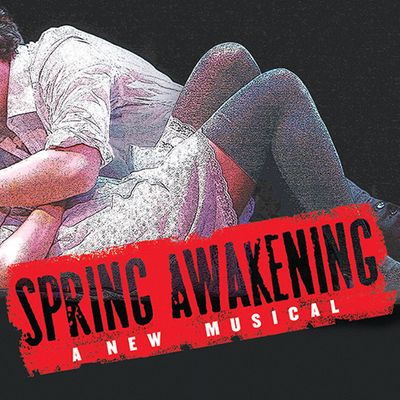
SPRING AWAKENING, HAMILTON, FROZEN, LOOKING, MINDHUNTERS, GLEE… Jonathan Groff is a Grammy winner, Obie winner, two-time Tony nominee, and Emmy nominee. From Melchior to Kristoff, King George, and more, he’s a familiar face on stage, screen, and television. In addition to supporting causes like Broadway Cares/Equity Fights AIDS, LGBTQIA+ rights, and the Entertainment Community Fund, he recently produced a SPRING AWAKENING reunion on HBO as a charity benefit. Join Jonathan as he discusses his amazing career and the challenges and rewards of giving back.
Learn more about about the worthy causes discussed in this episodes and how you can donate and/or help:
Connect with The Broadway Gives Back Podcast:
- Facebook: @broadwaygivesbackpodcast
- Instagram: @broadwaygivesbackpodcast
- Twitter: @broadwaygives
Hosted & Executive Produced by Jan Svendsen and co-produced & edited by Jim Lochner.
A proud member of the Broadway Podcast Network.
Special thanks to Dori Berinstein, Alan Seales, and Kimberlee Garris from BPN; Julian Hills from The Bulldog Agency; and Eric Becker from Broderick Street Music. Social Media Manager for Broadway Gives Back: Olivia Cull.
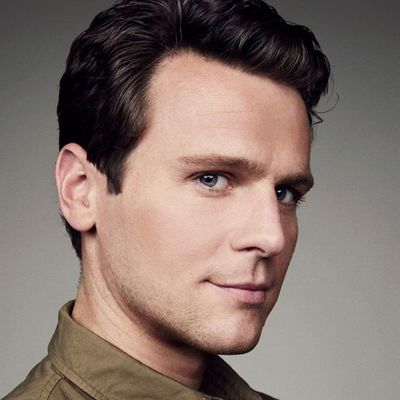
Jonathan Groff photo: Chad Meyer
Transcript
This transcript was automatically generated and might contain errors.
[0:00] Jan Svendsen: Welcome to the Broadway Gives Back Podcast. I'm your host, Jan Svendsen. This podcast spotlights Broadway actors, shows, and organizations in their pursuit of social impact and philanthropy. Join us as some of the brightest lights on Broadway share their stories about their favorite charities and how they got involved, and the people and the causes who benefited from these philanthropic efforts. Ladies and gentlemen, Jonathan Groff. Known for his performances on stage, television, and screen, he is a recipient of such accolades as a Grammy Award, two Tony Award nominations, two Drama League Awards, a Drama Desk Award, and a Primetime Emmy Award. We loved him on Broadway as King George in Hamilton and Melchior in Spring Awakening, in film as Kristoff in Frozen, and on TV in Mindhunters and Glee, and so much more.
He is also an awesome guy and a real philanthropist, supporting so many charities, including Broadway Cares, LGBTQIA+ rights, and the Entertainment Community Fund. He produced a Spring Awakening reunion special on HBO as a charity benefit. I'm so happy to have him here today to chat about doing good in the world. Jonathan, welcome to the Broadway Gives Back podcast.
[1:25] Jonathan Groff: Yeah, and I'm so happy to be here. As you know, I'm feeling like, first of all, that intro was so beautiful, and I feel like you might have given me more awards than I actually have, but you know what, I'll take them.
[1:38] Jan Svendsen: Take them.
[1:41] Jonathan Groff: It's funny because I always get nervous, or I get self-conscious, or something about the word philanthropist, because I feel like there are people that are actually real career philanthropists and activists, and I am throwing my hat in the ring and volunteering in as a pinch hitter in certain moments, but I'm excited to talk to you today about all of that. You do such amazing work, and so many people that you've had on this podcast have done such amazing work, and I'm just happy to be a part of the conversation.
[2:17] Jan Svendsen: Well, thank you, and we're going to call you an everyday philanthropist. How's that?
[2:21] Jonathan Groff: Okay. Yeah, the average philanthropist, or the wannabe philanthropist.
[2:28] Jan Svendsen: I think you're more than that. How about we do this as a little warm-up? How about if we do some rapid-fire questions, and then we'll get into talking about your social impact and charitable work?
[2:37] Jonathan Groff: I love it. I love a rapid fire.
[2:40] Jan Svendsen: Okay. What are three words that you think describe you?
[2:45] Jonathan Groff: Hmm. Optimistic. Is hard-working one word?
[2:51] Jan Svendsen: It's fine. You can hyphenate. We'll call it one word. Yeah.
[2:55] Jonathan Groff: Okay, great.
[2:57] Jan Svendsen: If you knew that a meteor was going to strike our planet, what would be your last meal?
[3:04] Jonathan Groff: The first thing that's coming to me is I would go back to my waiting tables days at the Chelsea Grill of Hell's Kitchen, which is no longer there on 46th and 9th, but I would go back and I would get their penne alla vodka with chicken.
[3:19] Jan Svendsen: Sounds good. If you could be part of any fictional family, whether Broadway, or film, or TV, which family would you want to be a member of?
[3:25] Jonathan Groff: Excellent question. A fictional family. Okay. I think I would be a part of the... I don't know if I would choose I would want to live in her apartment building, or if I would want to work at her television studio, but either her work family or her friend family of Mary Tyler Moore on the Mary Tyler Moore Show.
[3:55] Jan Svendsen: I knew you were going to say that.
[3:56] Jonathan Groff: How did you know?
[3:57] Jan Svendsen: I know. As soon as you started saying her apartment building, I just went right there.
[4:02] Jonathan Groff: I was thinking about throwing my beret in the air.
[4:05] Jan Svendsen: Totally.
[4:07] Jonathan Groff: Where's your happy place?
[4:10] Jonathan Groff: I've got two. It's on a bicycle driving uptown to go do a play is one happy place. And my second happy place is my dad's horse farm in Lancaster, Pennsylvania.
[4:28] Jan Svendsen: What is your most used emoji?
[4:31] Jonathan Groff: The dancer emoji.
[4:35] Jan Svendsen: What do you most give a damn about these days?
[4:37] Jonathan Groff: The first thing that's coming to my brain is trying to be clear and honest and specific when communicating.
[4:49] Jan Svendsen: I need to practice that too.
[4:51] Jonathan Groff: What are you most grateful for today?
[4:55] Jonathan Groff: My mom.
[4:56] Jan Svendsen: I wish my kids would say that. I wonder if they would.
[5:02] Jan Svendsen: Let's talk a little bit about that big word, philanthropy. If you break it down, there are so many ways. Philanthropy, charity, doing good, giving to others. Let's not get into the headiness of the word. It seems to me from talking to people about you that philanthropy or doing good or giving back is part of your DNA. I just wondered what your history was about giving back. I wondered, is this something that you saw modeled when you were growing up or is this something that you think came to you later in life?
[5:32] Jonathan Groff: I guess the extreme throwback answer to that is my dad's side of the family is Mennonite. In that kind of conservative religious community, I certainly observed a lot of watching out for each other within the Mennonite community, but they also would take care of people in need a lot. I guess they would look out for themselves and for others in the most beautiful version of a church kind of way.
[6:08] Jonathan Groff: Then I would say when I was waiting tables the first month that I was at the Chelsea Grill of Hell's Kitchen, Tom Viola came in.
[6:19] Jan Svendsen: I was going to segue here anyway, so I'm so glad you're talking about it. Tell the story because you were a server at this diner. You met Tom Viola. Tom said, and I quote, and I'm sure he'd be okay with this, that he was flirting with you, but that he also gave you some advice and it changed the course of your direction to some degree here in New York. So tell the story. It's such a good story.
[6:54] Jonathan Groff: Oh my gosh. Also, it's so beshared that I just brought that up and that was your next question. Obviously, Jan, we're very aligned.
[7:01] Jan Svendsen: I love that you used the word beshared. I'm a good Jew. Yeah, that's good.
[7:07] Jonathan Groff: I picked up some things along the way from the MMA community to here. I also did not know that Tom was flirting with me. I had no idea. But at that age, I was also in the closet and very kind of seemingly asexual, or at least thought that I was. So I had no idea that Tom was flirting with me. The part of the story that Tom Viola does not know that I'm about to share with you right now that I've actually never talked about before is that my first week, it was actually my first week in New York that I met Tom because I was awaiting tables. It was maybe my first, second or third day. He came in and we spoke. I guess he was flirting with me. I didn't realize my voice is cracking as I think of it.
And he told me about Broadway Cares Equity Fights AIDS. And he said, you must be an actor. Yes. And he talked about that organization, the good that they did for the community. And also, he talked to me about how they had volunteers standing with red buckets, collecting money. And if I was a young actor, and I was wanting to kind of get my foot in the door, literally, you could watch the second act of Broadway shows by signing up as a volunteer. And so the volunteering aspect of the organization, plus the fact that I could see theater got me super interested. So he invited me to come in for a meeting to their offices. The same day as this meeting, and this is the part that Tom doesn't know, was the first time I had my first kiss with this guy that I had a crush on from my hometown, who ended up being my quote unquote, roommate, because I wasn't out of the closet for three and a half years.
But I had my first kiss on this day, it was sometime in either October or the beginning of November of 2004. And he had come over to the apartment I was living in. And that happened. And then I was like, I have to go I have to go meet Tom Viola at the I remember walking in and meeting him and feeling like my entire body was on fire. And I was like levitating through the offices of the of BC EFA that day because of what had just happened, and then kind of just being blown away by what they do. And I was really like, at 19 years old, just like, Oh, my God, this is I moved to New York, and all of this is happening. I'm kissing a guy. And I'm learning about this charity, and I'm going to be standing with these buckets. And it was a very memorable moment in my life.
[10:01] Jan Svendsen: Well, now it's pride month. And I hopefully, you know, we're in a different place than when you were 19 years old, you know, the other thing, which I think is funny is that if you Google Jonathan Groff, the one of the first things that comes up is Jonathan Groff wife, Leah Michelle. So I thought that I laughed, but I also, you know, I, I thought that was a perfect segue to talk about Spring Awakening, and this benefit concert that you produced that became a subsequent HBO special supporting the Entertainment Community Fund, formerly known as the Actors Fund. And I guess by the time this podcast is dropped, we can also say that there was a performance on the Tony Awards, and that you guys have done some amazing work for the Entertainment Community Fund. So tell us about how that whole thing happened.
[10:57] Jonathan Groff: And by the way, I've watched it three times. I'm not kidding, either. And we were huge Spring Awakening fans, my daughters and me. And so I took my tweens to go see Spring Awakening on multiple occasions. I know, my motherhood choices are maybe not the best, but my kids will.
[11:17] Jan Svendsen: Totally the opposite. The coolest mom ever that you brought your tween aged kids to go and see Spring Awakening. I mean, that that is, I bow down to you for that, is that, that is that could be potentially life changing and or life saving. Because those conversations that that show starts, I mean, even just by bringing them, you're to that show, you're allowing them the opportunity for a conversation, whether or not they want to have it, or if it makes them feel weird, or whatever. But the fact that you're opening that door by bringing them to the show is just amazing.
[11:50] Jan Svendsen: Well, thank you. So little story before you talk about this. I took my kids to see Rent when they were very young. And I think one of them was six and the other was like eight or something. After we saw the show, we saw matinee and then we went to go get our nails done. And we're sitting in the little nail salon and my kids are drying our nails and my kids are talking about the show and my little one says, I get it. So there's girl boy love and boy boy love and girl girl love. Everybody loves and I just went, Oh my god. Yes, I was so proud. And then this woman, this is in Scarsdale, New York. So you know, take that with a grain of salt, kicks out her.
[13:28] Jonathan Groff: How did the reunion concert come to be, and how did you work with the Entertainment Community Fund on that? Lauren Pritchard called me in January of 2021 with two things. She said we need to do a 15-year anniversary concert because everyone's schedules are open because it's COVID. And the second thing she said was we need to do it as a benefit because all of the people, something for all the people that have been suffering through this pandemic, and we need to raise money for a great organization. And we threw around a lot of different ideas with the whole cast and with Michael, our director, and Tom and Ira, our producers. When we landed on the Entertainment Community Fund, for many reasons, one sort of in a practical standpoint, they've done a million benefits and are so great at organizing them and executing them.
So they had kind of an infrastructure within their organization that was going to allow us to do it kind of seamlessly. And then, most importantly, they had given, at that time, and now it's more, 24 million dollars over the course of a year and a half to everybody in the entertainment community that had lost their jobs and or were suffering because of COVID. I mean, on a personal level, I mean, even pre-COVID and I'm sure post-COVID, I've had friends that have gotten their therapy because of the Entertainment Community Fund. Krista Rodriguez has been very open talking about the fact that they paid for her cancer treatments when she had cancer and was out of work. A dear friend of mine needed a lawyer to help her get an apartment in New York.
I mean, the list just goes on and on and on and on and on of how they've changed people's lives in our community. So we did it as a benefit for them. And then, you know, there's also this kind of grand thing as far as the show itself, Spring Awakening, and Lauren also talked to me about this in our first conversation, that the show itself saves lives because of what we're talking about in the show as far as abortion and suicide and abuse and depression and the way that parents and adults should be communicating with young people and supporting young people and all of those issues that the show brings up. We wanted to shed light on the power of Spring Awakening itself, which outside of being an amazing work of art, kind of is an amazing work of art because it addresses all those things in such a head-on, beautiful way.
So there was a real kind of mission in bringing the show, reminding everybody what the show is about, and that is also part of what we're so excited about with the documentary, is that it's this document forever of the power of this play. It's so relevant today, almost more than 15 years ago, you know, or back in Germany in whatever that was, 18th century or 19th century Germany. 1891, yeah. But yeah, and the documentary is so incredible. It's beautiful, it's fun, it felt so good to watch it. There were parts where I cried, but there were just parts where I just felt the love that you guys all shared with each other, and it was important. There were a lot of very important things that you talk about.
I want to talk about Hamilton. Lynn is a good friend of both of ours, but you can't talk about Hamilton and not talk about your performance as King George, and you also can't talk about Hamilton and not talk about the fact that that show has made and makes philanthropy a part of its mission, and you were part of that transformative experience, you know, the whole idea of what is a legacy, what is your legacy, right? And the show has supported so many different causes from the Eliza Project to arts education and just even making history, you know, more accessible and relevant to, you know, kids who are at risk. Can you talk a little bit about, you know, just the Hamilton experience, and especially in terms of some of the causes that were supported through the show?
I mean, Lynn, to me, it's all about my experience of that show was because of Lynn, Brian D'Arcy James had to leave the show off Broadway, he texted me and asked me to be a part of it. When we moved to Broadway, I shared a dressing room with him. Basically, I mean, we were sharing like, what was Idina Menzel's waiting room for if then was my dressing room, we shared a bathroom. He was in her dressing room. And he is such an inspiring I mean, talk about a philanthropist and an activist, he sees opportunities and takes them. And I mean, this guy is so generous, and so giving, and so brilliant. And I feel like it's so rare that an artist that can write something like Hamilton also has the mental space, and the heart space and the, you know, to be able to do all of the charitable work that he does.
And that show, and that company, politically, and like you said, Morgan Matayoshi and Philippa Soo, put together the Eliza project, because that orphanage is still active today. And so we a bunch of us obviously came in there happily to do like an arts experience with them. But that was really Morgan and Pippa that started that. And there's been so many like splinter units of Hamilton, from the Broadway company to the companies all across the world, performing it, the generosity continues. And it's just incredible. Speaking of Hamilton, I have a question. I'm sure you've been asked this question before, but this has nothing to do with philanthropy. You're on stage for like nine minutes during the show, right?
What did you do? What did you do for the other? Like, what is it? 150 minutes or something? Do we do we want to know? I would say there was like three phases. So I would say for the first third of the time that I was there, it was watching the show. And a lot and I did continue for the entire experience to watch the show. But I did it less, you know, I would say for the first like third chunk that I was there, I was watching the show every single day, I would go into the box, or when we were off Broadway stand in the VOM at the public in the Newman. And then when we were on Broadway, I would go into the box. And I would peek behind the curtain with my in my cane costume and everything with the wig on.
And I'm standing in the box watching the entire show when I wasn't on. I did that every day on Broadway for months. And then I would say the second third phase was reading all the books that I had on my list that I had never read, or even like new books. I remember reading A Little Life backstage. And Leslie Woodham Jr. had already read it. And I finished that book. And I went down into his dressing room and wept into his neck. I wanted to read the agony and the ecstasy ever since I went to Florence and wept in front of the David and I bought it and I and that was right after I left Spring Awakening. So I finally read that book. So there was like a big chunk in the middle there where I was reading books.
And then I would say the last third of the time that I was off stage. As the show wore on, it became it became ritualistic hangouts with different members of the cast. So gradually, as everybody got super comfortable with the show and in their tracks, my I had a beaded curtain with door so my door was literally always open in my dressing room. And people would come through the beads ritualistically. So then it so I would say the last third of the time I was there, it was a nonstop hang train of people in hanging out of my dressing room.
[24:43] Jan Svendsen: That sounds fun. So I take a step back and talk a little bit more about just causes that you support. And I wondered, you know, how do you decide? Oh, this cause is important to me and I want to support it. Like do you do research? Are you triggered by something? Are you reading in the news? Are you is it personal? Are your friends asking you to help? Like, how do you mean there must be so many requests for you to do stuff? Or how do you make that decision? Because there's only so much Jonathan Groff to go around?
[24:56] Jonathan Groff: I would say it's a really good question. I would say I'm still in this phase where I'm searching for the cause for the cause capital T capital C, that I that I will invest a lifetime in I'm still haven't I still haven't found that perfect marriage sort of like relationships where you're kind of waiting for the one I'm waiting for the one that that I can kind of like give most of my time and resources to in the market for that. So putting that out there on this podcast, I would say in the beginning when I first moved to New York, and even you know, starting to perform and starting to gain notoriety, I would say yes to absolutely everything. And then I sort of extended myself too much. And was like, I guess I was singing at a benefit every Monday, I'm gonna lose it, lose my voice or lose my sanity.
And, and so now, now I approach it like, I really try, and this is the same with with scripts or projects or whatever, an offer comes through, and I really sit with it. And I think about it. And I and I really think about what I know that I can personally bring to something that is unique to me. And so that's how I'm kind of aligning at the moment until I until I find that kind of perfect marriage. I'm sort of taking opportunities as they come and trying to feel it out as I go. And when I was working on this show on HBO called Looking, it was the first time I was playing out, I was out of the closet as myself. And I was playing a gay character in a show that was really focused on gay storylines.
And so I met with some people, some, some activists before the show came out, to get their advice on what I could do, how I could engage with the community in a meaningful way. And I got the same feedback from all of them, which was, you know, let the activists, let the career activists be the activists, unless unless, you know, you're really ready to take on a lot of stuff. But, but their perspective was, the most important thing you can do as a as a person that has a voice, because you're an actor, is just to continue being honest with your story. And so even even like I, like, an example of that would even be at the beginning of this very interview, you asking me the
[25:57] Jonathan Groff: It's so funny, I keep thinking of the same with artistic projects. I follow my gut. So it's always different. Sometimes the organization will really speak to me in a very deep way. Sometimes the person asking is really meaningful to me, and I want to do it because I just believe in everything that person does. And so like, I would do anything that Lynn ever asked me to do.
[26:25] Jan Svendsen: We all do.
[26:28] Jonathan Groff: Actually, we all do whatever Louise tells us to do. Lynn's dad.
[26:32] Jan Svendsen: Exactly. Yeah. So sometimes it's the person, it's like the person that does the ask. Sometimes it's related to the organization. For the example with Spring Awakening, the idea to do the concert came first, and then we paired the organization with the kind of creative project that made the most sense. So it sort of, I guess, depends on the experience.
[26:59] Jan Svendsen: That makes sense. I was reading another interview, which is very much in line with what you've been talking about. You gave some advice and you said that you shouldn't let people put you in a box and that you shouldn't be limited by the definition that others have of you. I think you were talking about being an actor, but to that point, I think that's similar to what you're saying about picking a cause that's important, and that you can be multidimensional and, you know, care about a lot of different causes, right?
[27:29] Jonathan Groff: Yeah, Jan, you're actually kind of inspiring me right now to think a little bit more out of the box, to think about, like, things that aren't even related to what I do that I'm passionate about. That's gonna, I'm gonna make a mental note of that as something to think about.
[27:44] Jonathan Groff: A dear friend of mine came on the podcast. His name is Dan Pallotta, and he's a true activist. He is a consultant on all kinds of social impact. He started the AIDS walks and breast cancer bike rides and such. Dan came on and Dan felt very strongly to your earlier point that everybody should do research and should really figure out what is this one cause that they want to be married to.
[28:11] Jonathan Groff: And they should just put all their money and all their time and energy, he mostly meant money, to that, toward that cause.
[28:18] Jonathan Groff: Other people have come on and said, you know, I care about hundreds of things. So I can give a little bit to a lot of people. Or I can give, you know, I can do something like give my time to one, I can write a check for another. So I don't think there's any right way or wrong way to do it.
[28:34] Jonathan Groff: But I do think to your point, it is about, you know, where's that point? What do you feel in your gut? You know, what are you passionate about? Right? And it is similar to how probably you would evaluate a script, right? Because that's what speaks to you.
[28:49] Jan Svendsen: Yeah. And I guess also knowing where you are in your life and what you're feeling like you have the time and space for and what you're feeling connected to at that moment. And, you know, maybe I maybe, you know, hearing you talk now, maybe I never will find that one specific thing. Maybe I'll continue to have three things that I feel really passionate about or 15 things that I feel really passionate about.
[29:15] Jonathan Groff: I like that idea of not being boxed in.
[29:19] Jan Svendsen: That was your advice. So I'm just throwing back your own advice to you.
[29:23] Jonathan Groff: Okay, great. Thanks, Jan. I'll take it.
[29:26] Jonathan Groff: You know, it's always hard to follow your own advice. You also said that people should follow their joy. Do you follow your joy?
[29:33] Jonathan Groff: I do. It really like, it's funny, because I was driving in my car yesterday, parking in the grocery store in Pennsylvania. And I was thinking like, I think thinking about we're preparing this, preparing a couple of things right now. And we're also part doing this Spring Awakening Tony Award performance. And I was just thinking like, as time goes by, and I and I start to learn who I am more as the years go by.
[30:01] Jonathan Groff: I feel more, even more invested as I get older. It's like, I guess, maybe I expected that I would feel a little more disconnected from things as I got older or, but I do feel like following my joy and following a passion, whether it be creative or philanthropic, in a way.
[30:24] Jonathan Groff: I get I get more lit as time goes by, which is really exciting. And I think, I think it's it's easy. And I've certainly felt this, it's easy to become complacent, or it's easy to kind of flatline out. And so I'm always creatively, at least, trying to figure out what the next spot to grow in is.
[30:45] Jonathan Groff: And having this conversation with you on this podcast is actually inspiring, inspiring me to think, what is like, how can I how can I evolve and grow charitably as well? And I don't know if I know the answer right now off the top of my head. But talking to you about this is exciting, because it's making me think about what that next phase could be.
[31:04] Jan Svendsen: I think about it, too. You know, I was, I was trying to think about if there was one cause that I, you know, would be extremely passionate about. There are too many. But like, I guess, intellectually, I was thinking that mental health would probably be the most important for me. I mean, climate change, I think is a given just because. But if you think about mental health, it affects so many other things that are messed up.
[31:30] Jan Svendsen: You know, you would be impacting substance abuse and homelessness and bullying and LGBTQIA plus and like, you know, suicide and so many things are depression, anxiety, I mean, you know, women's rights, everything is like tied up in mental health. So I was thinking like, that's like such a good one. That's a meaty one, because it could have such strong impact. So I'm doing research on that one right now.
[31:53] Jonathan Groff: Oh, I love that. I feel like mine would be, because especially in, you know, we've done so much time reinvestigating what Spring Awakening meant to all of us. And there really is so much power in giving young people the opportunity to express themselves in the arts at a young age. And that also, I mean, mental health is wrapped up in that as well.
[32:18] Jonathan Groff: And just that, I'm thinking about like, my parents were jocks in high school. And they still, they still talk about those games, you know, those, those basketball games that they had and the bonding and the, and you know, they don't maybe say it this way, but when I listened to them, I think like, the self expression and the way to deal with disappointment and the way to deal with losses and wins and losses and all of them teamwork and all of that.
[32:48] Jonathan Groff: And I think about myself growing up and a lot of my friends growing up that are not physically or mentally suited for sports. And the arts really can be, yeah, same. The arts really can be that form of self expression. And when you're young, I mean, thinking about the character of Moritz in Spring Awakening, who ends up committing suicide, because he just, he's got too much happening inside of his brain and his body and can't figure it all out.
[33:17] Jonathan Groff: And if he could have been given a microphone to sing the way that he can, you know, back, you know, this, this opportunity of self expression can really save lives. So I think mine would be something to do with the arts.
[33:29] Jan Svendsen: Yeah.
[34:00] Jonathan Groff: I went to see the Dalai Lama speak at like, it was a universal studios hilariously in, in California, maybe 10 years ago or something. And I remember him saying something along the lines of if we all today, if everyone in the world decided to, it's something it wasn't this exact, obviously, he was way more eloquent, something about if we all decided to behave peacefully today, there would be world peace.
[34:28] Jonathan Groff: It's as simple as that. We all just made that, made that choice. And that was a revelation for me to hear that. And I remember thinking, Oh, wow, yeah, this is so major. That's so true. And then we were leaving, it was packed, it was sold out. And we were and this woman was sitting next to me. And she was really like, Hmm.
[34:49] Jonathan Groff: Hmm. You know, like, yeah, she was really giving it giving like good audience member like, whoo, you know, really just like in it, like, it was really resonating. And then she was so rude. She left the seats, she was, she was like, really elbowing her way out of there. And, and, and so impatient and so annoyed.
[35:14] Jonathan Groff: It was so funny. But I was thinking like, Okay, all right, the Dalai Lama said that. And this person is aggressively trying to get out of this theater. And now I have the choice. Now I have the personal choice to be annoyed by this person, or to, or to feel empathy and love for her. And so it was like, it was an immediate test.
[35:39] Jonathan Groff: And so I tell that story, I guess, to say, we really, it's, it's these little moments in our everyday lives. I think that's what at least that's what I try to do, based on moments like that, or what, what the what the activists were telling me before looking is, there's actually just so much power in trying to be empathetic and generous in the day to day moments.
[36:04] Jan Svendsen: That is a perfect way to end this podcast. I can't think of anything I can say after that. Thank you so much for taking the time to be part of this. And we'll definitely have this conversation about our future philanthropy. And I'm also looking, you know, so
[36:19] Jonathan Groff: Thanks, Jan. Those are great questions. And it was a real pleasure to talk to you.
[36:49] Jan Svendsen: If you like what you hear, don't forget to subscribe and rate this podcast wherever you stream your podcasts. You can also follow Broadway Gives Back on Facebook and Instagram at Broadway Gives Back podcast, and on Twitter at Broadway Gives. To learn more, visit bpn.fm slash Broadway Gives Back. Thanks so much.
© Broadway Podcast Network, All Rights Reserved