

In today’s episode I focus on the Broadway Musicals of the 21st Century. Perhaps surprisingly, the current generation of Broadway creators has re-embraced and reinvigorated both the “Musical Comedy” and the “Musical Play” in ways that I think would make Rodgers & Hammerstein very proud... Read More
From the show: BROADWAY NATION
Featured Shows




About
In today’s episode I focus on the Broadway Musicals of the 21st Century.
Perhaps surprisingly, the current generation of Broadway creators has re-embraced and reinvigorated both the “Musical Comedy” and the “Musical Play” in ways that I think would make Rodgers & Hammerstein very proud. At the same time they have introduced something sort of new – the “Jukebox Musical”. In the process, and with a major assist from the Walt Disney Company, the Broadway Musical has achieved new heights of prosperity, popularity and cultural relevance in the 21st Century.
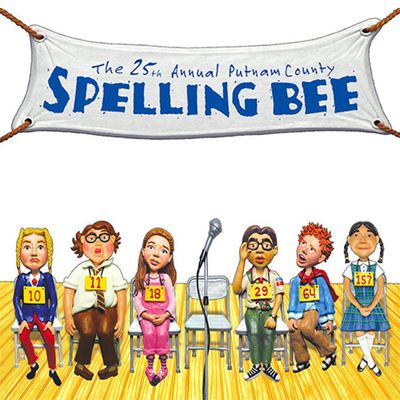
The new-fashioned, 21st Century musical comedies highlighted in this episode include: Hairspray, Avenue Q, Monty Python’s Spamalot, Dirty Rotten Scoundrels, Legally Blonde, The 25th Annual Putnam County Spelling Bee, The Drowsy Chaperone, Curtains, The Book of Mormon, Kinky Boots, A Christmas Story, A Gentlemen’s Guide to Love And Murder, ELF, Something Rotten, The Prom, Beetlejuice, and the upcoming Mrs. Doubtfire.
The most recent major innovation in musicals are shows that are often called “Jukebox Musicals”. This new kind of musical emerged at the dawn of the 21st Century and has become enormously popular and somewhat controversial.
What exactly is a “Jukebox Musical”? My definition is that they are musicals that tell their story using a collection of previously existing songs rather than songs that were written specifically for the show. Most often these are pop songs that were not originally conceived for the theater.
There are really two different kinds of jukebox musicals: biographical musical that dramatizes the life and times of a legendary performer, songwriter, group, or band and is built around the music and lyrics they created and/or made famous. - and shows like Mamma Mia! that employ pre-existing hit songs to tell new, original stories.
Finally, that brings us to the “Musical Play”. This durable form is still going strong!
The first hit “musical play” of the 21st Century was Wicked. With music & lyrics by Stephen Schwartz, and a book by Winnie Holtsman, this musical is adapted from Gregory Maguire’s best-selling 1995 novel titled Wicked: The Life And Times of the Wicked Witch of the West. So far, Wicked has been playing 17 years on Broadway and is the 5th longest running show of all time.
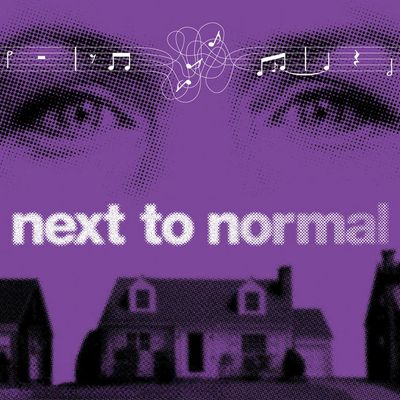
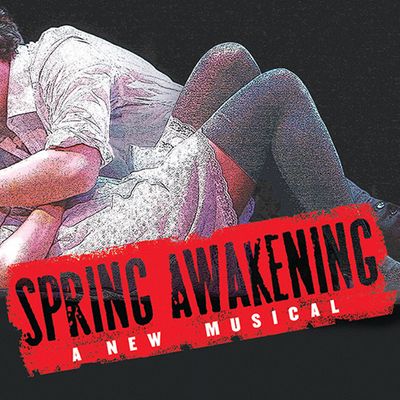
Wicked has been followed by a string of vibrant, popular and acclaimed musical plays that do not shy away from tackling important and provocative subject matter. These include The Color Purple, Spring Awakening, The Light In The Piazza, Grey Gardens, In The Heights, Billy Elliott, Next To Normal, Memphis, Once, Fun Home, Hamilton, Waitress, Dear Evan Hanson, Come From Away, The Great Comet, The Band’s Visit and Hadestown.
Not one of them is a conventional love story. Seven of them deal with issues racial equity, social justice and inclusion. Four of them deal with mental health issues. Six of them include queer leading characters. Almost all of them focus on transgressive women who reject and break the rules of society. And almost all deal with the challenges of forming and maintaining a community.
And these three themes – Racial and social justice, Transgressive women and community -- dominate the 21st century musical comedies as well. None of this should be a surprise because -- as we will discover on the next episode of Broadway Nation -- these have been the primary and most prevalent themes of the Broadway musical throughout its history. One of these 3 themes are at the center of almost every musical, and they are what have made this art form so powerful, popular, and subversive.
Transcript
This transcript was automatically generated and might contain errors.
[0:08] David Armstrong: Welcome to another episode of Broadway Nation, the podcast that tells the extraordinary story of how immigrants, Jews, queers, African Americans, and other outcasts invented the Broadway musical and how they changed America in the process.
[0:22] David Armstrong: I'm David Armstrong, and I call this episode Defying Gravity: Broadway in the 21st Century.
[0:28] David Armstrong: This podcast series is inspired by a course I teach at the University of Washington School of Drama.
[0:34] David Armstrong: And much like I do with my students, over the past 30 episodes, I've shared with you the evolution of the Broadway musical from its birth at the dawn of the 20th century and on through the loosely constructed but wildly entertaining musical comedies, operettas, and lavish reviews of what I call the Silver Age.
[0:51] David Armstrong: Then we looked at how Rogers and Hammerstein led Broadway into its golden age by fusing together the operetta and the musical comedy into a new form, the musical play, which was still wonderfully entertaining, but much more tightly constructed and capable of tackling big themes and challenging subject matter.
[1:09] David Armstrong: At the same time, that same desire for tight construction and seamless integration of all of the elements, book, music, lyrics, and choreography, would reinvent the musical comedy as well.
[1:20] David Armstrong: More recently, we've discussed how during the modern era, a new generation of creators largely rejected the Rogers and Hammerstein musical play model in favor of reinventing the review format and combining it with experiments in plotless and concept musicals.
[1:35] David Armstrong: Then the British invasion unexpectedly brought the operetta back to Broadway in a new and immensely popular sung-through, no-spoken dialogue format.
[1:44] David Armstrong: Today we're going to review the first 20 years of the current era, that for lack of a better name, I'm simply calling the 21st century.
[1:51] David Armstrong: Eras don't usually find their most descriptive name until after they're over, and I think we're right in the middle of this one.
[1:58] David Armstrong: As the Broadway musical entered its second century, it again was changing and evolving in new and significant ways.
[2:05] David Armstrong: As usual, it accomplished this by reclaiming, recycling, and reinventing some of the established forms and traditions of the past, as well as by inventing at least one new way of making a musical.
[2:16] David Armstrong: Perhaps surprisingly, the latest generation of Broadway creators has re-embraced and reinvigorated both the musical comedy and the musical play, and they've done this in ways that I think would make Irving Berlin, Cole Porter, Rogers and Hammerstein, and Comden and Green very proud.
[2:32] David Armstrong: At the same time, they've introduced something sort of new, the Jukebox musical.
[2:37] David Armstrong: In the process, and with a major assist from the Walt Disney Company, the Broadway musical has achieved new heights of prosperity, popularity, and cultural relevance in the 21st century.
[2:48] David Armstrong: Let's focus first on the return of the musical comedy.
[2:52] David Armstrong: If we look all the way back to 1991, that Broadway season included two hit musical comedies, City of Angels and The Will Rogers Follies, both of which might be considered late extensions of the nostalgia craze.
[3:05] David Armstrong: But then almost a decade would go by before another new original musical comedy opened on Broadway.
[3:11] David Armstrong: During those ten years, the era of the British mega musical, there was a strong belief that except for revivals, the musical comedy was dead.
[3:19] David Armstrong: However, as we discussed in last week's episode, the freshness of two revivals and one revisal, Guys and Dolls, Chicago, and Crazy for You, laid the seeds for a triumphant return of the musical comedy that was initiated by the double whammy of the Full Monty and the producers, both in 2001.
[3:37] David Armstrong: However, like all trends, this one might have soon faded if another immensely popular and joy-filled musical comedy hadn't come along to seal the deal.
[3:49] David Armstrong: That show, of course, was Hairspray.
[3:52] David Armstrong: You can't stop avalanches and races down the hill.
[3:57] David Armstrong: You can try to stop the seasons, girl, but you know you never will.
[4:02] David Armstrong: And you can try to stop my dancing feed, but I just cannot stand well.
[4:20] David Armstrong: Hairspray is a musical that is very near and dear to my heart because in 1992, Hairspray received its world premiere at Seattle's Fifth Avenue Theater, where I was serving as the producing artistic director.
[4:32] David Armstrong: This provided me with a one-of-a-kind inside view of the development of Hairspray from its first draft and demo recordings through its staged readings, rehearsals, the Seattle tryout, and on to opening night on Broadway.
[4:55] David Armstrong: It was based on a quirky film that was only very moderately well known, and whose creator John Waters was best known for making shocking, transgressive cult films that were often purposely intended to attack and offend middle class values.
[5:09] David Armstrong: Only one of the show's writers had ever written the Broadway musical, and the only performer of note was Harvey Fierstein, and even he was not yet well known, especially outside of New York.
[5:19] David Armstrong: And he was playing the show's female lead.
[5:22] David Armstrong: Hairspray's story revolved around body image, fat shame, and acceptance issues, agoraphobia, racial and class prejudice and discrimination, segregation, interracial relationships, and female empowerment.
[5:35] David Armstrong: None of which made the show seem likely to become a major hit.
[5:39] David Armstrong: But from the first thrilling preview in Seattle, when the audience cheered after every number, and even after the curtain call was over and the cast had left the stage, they refused to leave the theater and kept cheering and applauding until Harvey Fierstein came back from his dressing room, now dressed in a robe for one more bow.
[5:57] David Armstrong: It was like a scene from a cheesy backstage movie musical, but it was real.
[6:02] David Armstrong: You can't stop my happiness because I like the way I am.
[6:06] David Armstrong: And the dust can't stop my night and both when I see a Christmas hell.
[6:12] David Armstrong: So if you look like the way I look well, I've been looking on the hell in the world.
[6:19] David Armstrong: And ever since, audiences have gone crazy for Hairspray.
[6:22] David Armstrong: With a book by Mark O'Donnell and Thomas Meehan and a score by Mark Shaman and Scott Whitman, Hairspray opened on Broadway in August of 2002 and ran for almost six and a half years, a total of 2,642 performances.
[6:36] David Armstrong: And it won eight Tony Awards, including Best Musical.
[6:39] David Armstrong: In 2007, it was adapted into a hit film, and in 2016, it became a live television musical.
[6:46] David Armstrong: And a new London production is scheduled to open this coming April.
[6:55] David Armstrong: Fetch the moxic.
[7:00] David Armstrong: In his New York Times review of the show, captured perfectly the essence of how Hairspray and the 21st century musical comedies that have followed it accomplished this reinvention of the musical comedy.
[7:10] David Armstrong: Here's what he wrote.
[7:12] David Armstrong: Hairspray succeeds in recreating the pleasures of the old-fashioned musical comedy without seeming old-fashioned.
[7:18] David Armstrong: Think of it as a post-postmodern musical.
[7:20] David Armstrong: It's a work that incorporates elements of arch satire, kitsch, and camp, all those elements that have ruled pop culture for the past several decades, but it does it without the long customary edges of jadedness and condescension.
[7:53] David Armstrong: Together, Hairspray, the Full Monty, and the producers inspired a vibrant stream of new-fashioned 21st century musical comedies that displays no signs of letting up.
[8:03] David Armstrong: These include Avenue Q, Monty Python's Spamalot, Dirty Rotten Scoundrels, Legally Blonde, The 25th Annual Putnam County Spelling Bee, The Drowsy Chaperone, Curtains, The Book of Mormon, Kinky Boots, A Christmas Story, A Gentleman's Guide to Love and Murder, Elf, Something Rotten, The Prom, Beetlejuice, and The Upcoming Mrs. Doubtfire.
[8:24] David Armstrong: All of these are basically traditional book musicals, much closer to the musical comedies of the Golden Age, such as Guys and Dolls or Damn Yankees, than they are to the experimental concept musicals of the 1970s or the operettas.
[8:38] David Armstrong: However, almost all of them feature pop rock musical scores.
[8:51] David Armstrong: Disney's relationship with Broadway begins back in 1989 with the release of the movie The Little Mermaid, the first of a series of animated musical films that revitalized Disney's animated film business.
[9:03] David Armstrong: This would become known as the Disney Renaissance.
[9:06] David Armstrong: The score for The Little Mermaid, as well as those of the blockbuster hits Beauty and the Beast and Aladdin that followed it were the creation of a young songwriting team of Howard Ashman and Alan Mencken.
[9:17] David Armstrong: In 1982, they scored a tremendous hit with the off-Broadway musical Little Shop of Horrors, a perfectly crafted traditional musical comedy with a catchy 1960s flavored pop score, irreverent humor, and a campy bee horror movie story that made it feel hip-fresh and modern.
[9:34] David Armstrong: Based on this success, Disney hired Ashman and Mencken to help them find a way to reboot animated musical films.
[9:41] David Armstrong: The two writers were steeped in the traditional forms and structures of the Broadway musical, and they brought that sensibility with them to Hollywood.
[9:48] David Armstrong: Because of this, their Disney films very closely follow Broadway models in the way they use songs to define the characters, move the story forward, and expand emotional moments.
[9:58] David Armstrong: After the chief theater critic of the New York Times declared that the best Broadway musical score of 1991 could not be heard on Broadway, but only at movie theaters showing Beauty and the Beast.
[10:09] David Armstrong: And by the way, this was the Broadway season that included Miss Saigon, Once on This Island, The Secret Garden, and The Will Rogers Follies, it was probably inevitable that Disney would transform its series of hit films into live Broadway musicals, which began in 1994 with Beauty and the Beast.
[10:25] David Armstrong: Although not enthusiastically received by critics, the show's lavish costumes and impressive stagecraft helped to make it immensely popular with family audiences who were becoming less afraid of venturing into a newly cleaned up and sanitized Times Square.
[10:40] David Armstrong: Beauty and the Beast ran more than 13 years, but this was only the beginning of Disney's ongoing conquest of Broadway.
[10:46] David Armstrong: Disney's next and greatest success was The Lion King, which we talked about in a previous episode.
[10:52] David Armstrong: It's become the highest-grossing entertainment property of all time, and it's actually grossed more than all of the Star Wars films combined.
[11:00] David Armstrong: And I'm not talking about the movie of the Lion King, I'm talking about the Broadway stage production.
[11:05] David Armstrong: Disney hit some unexpected speed bumps with the Broadway adaptations of The Little Mermaid and Tarzan, both of which became major flops.
[11:13] David Armstrong: But they recovered their hit making status with Newsies, Mary Poppins, and especially Aladdin, which I'm happy to say also had its world premiere at the Fifth Avenue Theater during my tenure, and so far has run six years on Broadway and become another worldwide hit.
[11:28] David Armstrong: Disney's most recent Broadway musical was its adaptation of the blockbuster film Frozen, which opened in 2018, but did not become quite the sensation that most people expected it to.
[11:39] David Armstrong: Disney recently announced that it will not reopen Frozen on Broadway after the pandemic.
[11:44] David Armstrong: I think the lesson here is that creating a Broadway musical is among the most difficult endeavors known to humankind, and even a company with the creative talent, power, and enormous financial resources of Disney will fail at pulling it off at least as many times as they succeed.
[12:00] David Armstrong: But we have to give Disney credit for attracting millions of people to Broadway, many coming to a stage musical for the first time, and this has vastly expanded the audience for Broadway musicals in New York and around the world.
[12:14] David Armstrong: So thank you, Disney.
[12:15] ♪ Musical number: "Friend Like Me" — performed by Disney ♪
[12:26] David Armstrong: Don't go away, Broadway Nation will be back with a look at the jukebox musical right after this short break.
[12:43] David Armstrong: I was cheated by you, and I think you know when I made up my mind. The most recent major development in Broadway musicals are shows that are often called jukebox musicals. This new kind of musical emerged at the dawn of the 21st century and has become enormously popular and somewhat controversial. What exactly is a jukebox musical? My definition is that they are musicals that tell their story using a collection of previously existing songs rather than new songs that were written specifically for the show. Most often these are pop songs that were not originally conceived for the theater. There are really two different kinds of jukebox musicals. The first is the biographical musical that dramatizes the life and times of a legendary performer, songwriter, group, or band, and is built around the music and lyrics that they created and that made them famous.
The second are shows like Mamma Mia that employ pre-existing hit songs to tell a new original story. Shows that in my estimation should not be considered jukebox musicals are songwriter reviews such as Ain't Misbehaven, Side by Side by Sondheim, or Smoky Joe's Cafe. These are wonderful, highly entertaining shows that have great theatricality, but they are not trying to be a full-fledged musical with compelling plots and characters. Thrilling shows like Jersey Boys and Beautiful make the musical biography look easy to pull off. After all, the songs are already timeless hits, the audience comes in humming, and the central characters are already idolized by a large group of fans. It would seem that all you need to do is tell enough of the behind the music story to keep the hit parade marching along.
However, a long list of disappointing biomusicals based on the lives and music of such luminaries as Ellie Greenwich, Peter Allen, John Lennon, John Denver, Gloria Estefan, Barry Gordy, and his Stable of Motown stars, Donna Summer and Cher all demonstrate that this is not so simple to pull off. Real life stories are messy and difficult to shape into compelling narratives, and pop song lyrics are often static, repetitive, and lacking in character and drama. None of which seems to be discouraging anyone from giving it a try, however. Currently on Broadway, assuming they reopen after the pandemic, are Tina, the Tina Turner musical, and Ain't Too Proud, The Life and Times of the Temptations, both of which seem to be on their way to becoming the next big jukebox bio musical hits.
Much more rare and even more difficult to create are those shows that select a catalog of pre-existing hit songs and then try to weave them into a newly created fictional story. Only a handful of musicals of this kind have ever been successful because it's nearly impossible to make this formula work. More often than not, the creators of these shows find themselves without the pieces they need to put the puzzle together effectively. It's interesting to note that although they are relatively new to Broadway, both kinds of jukebox musicals have long been standard operating procedure in Hollywood. Since the early 1930s, there have been dozens of biographical backstage film musicals telling the stories of classic songwriters such as George M. Cohan, Rogerson Hart, George Gershwin, and Cole Porter with two movies, as well as great entertainers from Al Jolson, Ruth Edding, and Billy Holiday, right up to Loretta Lynn, Johnny Cash, and Ray Charles.
Even more significantly, several of the most acclaimed and revered classic movie musicals of all time are captivating fictional stories built around established hit song catalogs, and these include An American in Paris, The Bandwagon, and what is widely considered to be the top movie musical of all time, Singing in the Rain. More recent hit films like Moulin Rouge and the TV show Glee have also followed this example. To date, only Mamma Mia, American Idiot, and Rock of Ages have pulled this off successfully on Broadway. But this season, two more fictional story jukebox musicals seem to be on their way to becoming hits. Jagged Little Pill, based on the songs of Alanis Morissette, and Moulin Rouge, a stage adaptation of the film, which uses bits and pieces of more than 70 well-known pop songs.
In fact, because the current Broadway season was cut short by the COVID pandemic, for the first time in history, all three of the shows nominated for the 2020 Tony Award for Best Musical are Jukebox musicals Tina, Jagged Little Pill, and Moulin Rouge. But this is, of course, only because the new musicals with original scores, Six, Diana, and Mrs. Doubtfire, had not yet opened before Broadway was shut down. Now back to the controversy I alluded to earlier. On Broadway, jukebox musicals have often been derided by critics who see them as just lazy, cynical attempts by big music corporations to exploit their back catalog of songs. And sometimes these critics have been right. However, whatever the initial motivation, dynamic, involving, and truly engaging musicals cannot be faked or created by decree.
It's simply too difficult of an art form to master. When a musical really works and truly succeeds in captivating an audience, it's only because somewhere along the way an artist or group of artists became inspired to tell that particular story and created a dynamic and unique way of bringing it to the stage. That is certainly what happened with Mamma Mia.
[18:17] David Armstrong: And finally, that brings us to the musical play. This durable form which Rogerson Hammerstein invented back in the 1940s by melding together the operetta and the musical comedy has made a major comeback. In spite of all those experiments of the 1960s and 70s with plotless musicals and the review format, the creators of 21st century musicals, for the most part, have instead returned to story in a major way. Almost all of the current era's most popular and acclaimed shows feature expertly plotted stories that create memorable characters. And they have folded into these story-driven musicals a variety of influences, including the tremendous ambition of the Aaron's Flarity and McNally musical Ragtime, a show that I believe has been tremendously influential on 21st century creators.
They have also emulated the sophistication, expert craftsmanship, and extended musical sequences of Stephen Sondheim, as well as the sweep and grandeur of Andrew Lloyd Webber and the British mega musicals, but not their sung-through all-music formats. And nearly all of the new Millennium musicals have followed Rent's example and employed pop rock scores that blend contemporary rhythms and styles with traditional showtune structures and purposes. The first hit musical play to establish this 21st century hybrid style opened in 2003 to very mixed reviews, but has since become one of the biggest Broadway hits of all time and a worldwide sensation. That show is, of course, Wicked.
[20:15] David Armstrong: With music and lyrics by Stephen Schwartz and a book by Winnie Holtsman, the musical is adapted from Gregory Maguire's best-selling 1995 novel titled Wicked: The Life and Times of the Wicked Witch of the West, which is itself a revisionist riff on Frank L. Baum's classic novel The Wonderful Wizard of Oz and the MGM film that was adapted from it. So far, Wicked has been playing 17 years on Broadway and is the fifth longest running show of all time. Now that you're choosing this, you too. I hope it brings you bliss. I really hope you get it and you don't live to regret it. I hope you're happy. Wicked has been followed by a string of vibrant, popular, and acclaimed musical plays that do not shy away from tackling important and provocative subject matter.
These include The Color Purple, Spring Awakening, The Light in the Piazza, Grey Gardens, In the Heights, Billy Elliott, Next to Normal, Memphis, Once, Fun Home, Hamilton, Waitress, Dear Evan Hansen, Come From Away, The Great Comet, The Band's Visit, and Hadestown. This is a very impressive list of musicals. And here are some interesting statistics that come from them. Five of these musicals are based on novels, including one graphic novel. One of them is based on a nonfiction history book, Hamilton, of course. One is based on a play, one is based on a classic Greek myth, two are inspired by real-life people and events. Five have been adapted from films, including one documentary, and quite unusually, five of them have newly created stories, which is a very high percentage in the history of Broadway.
Not one of them is a conventional love story. Four of them deal with mental health issues, six of them include queer leading characters, seven of them deal with issues of racial equity, social justice, and inclusion. Almost all of them focus on transgressive women who reject and break the rules of society. And almost all of them deal with challenges of forming and maintaining a community. And these three themes, racial and social justice, transgressive women, and community, dominate the 21st century musical comedies as well. None of this should be a surprise because, as we will discover on the next episode of Broadway Nation, these have been the primary and most prevalent themes of the Broadway musical throughout its history.
One of these three themes is at the center of almost every musical, and they are what have made this art form so powerful, popular, and subversive. As someone told me lately, everyone didn't fly. Broadway Nation is written and produced by me, David Armstrong. If you enjoy these podcasts, I invite you to follow Broadway Nation on Twitter, Instagram, and join our Facebook group, where you can see photos, video, and additional information relating to the musicals that are profiled in each episode.
© Broadway Podcast Network, All Rights Reserved