

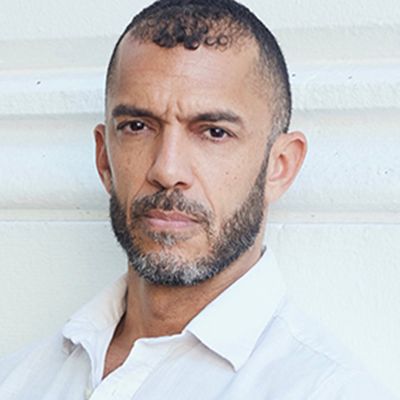
Dennis Stowe / @dennisstowe. Have you ever had a dream that you thought would never come to pass as the years went by? Well, Dennis Stowe is the perfect example that good things come to those who continue to work hard and not lose focus of their dreams!.. Read More
From the show: Built For The Stage Podcast
Guests
Featured Shows

About
Dennis Stowe / @dennisstowe
Have you ever had a dream that you thought would never come to pass as the years went by? Well, Dennis Stowe is the perfect example that good things come to those who continue to work hard and not lose focus of their dreams! And we get to hear all about that journey in our chat with him.
Dennis didn't make his Broadway debut until he was in his thirties. But, once he did, the work has continued to roll in! Dennis has been in nine broadway shows, including the original cast of Shrek the Musical! He was also in the revival of Annie and most recently Aladdin, where he has been moved from ensemble to standby for Jafar and Sultan!
In our talk together, Dennis shares how he stays ready at all times and what it is like to truly be prepared for a role. The wisdom, insight and talent that Dennis brings to a rehearsal process is valuable information that anyone looking to be their best in the room should adhere to! Dennis is a true Broadway veteran, and he has the credits and heart to prove it.
www.builtforthestage.com - Schedule your one week trial today!
Transcript
This transcript was automatically generated and might contain errors.
[0:00] Dennis Stowe: If your job is to be the standby or the understudy, you will go on. Especially on Broadway. You know what I mean? You will go on. And so it's your responsibility to be prepared for that. And however you have to do it. If you have to sneak backstage and watch them when you're not on stage, if you have to, you know, depending on if they're approachable, who you're understudying, you know. Luckily, I have somebody, you know, Jonathan Freeman is old school and very approachable. If you have any questions, you know, but you gotta weigh that situation too. But you know, you cannot wait for permission to be prepared. You always have to be prepared.
[1:00] Joe Rosko: Hey, what's going on? Welcome to Built for the Stage Podcast. This is Joe Rosko, founder of Built for the Stage, Broadway's number one fitness platform. If you want to try a free trial, head on over to the website, BuiltForTheStage.com, and you can do seven days of a free trial with our coaching staff that will help you train like the actor-athlete that you are. Special thanks to our producing team, the Broadway Podcast Network. You can check them out at BPN.fm. BPN also has a new app, so check that out. Probably there's some type of ad or notice within this episode about the new app. So be sure to check it out. The BPN app, Broadway in your pocket.
[1:45] Joe Rosko: All right, as I was prepping for this, I was working, working, working all day, going from my laptop to my cell phone, and then no TV today was on in the office, but I was just thinking, what could I squeeze in before this interview? And then I was like, Joe, just close your eyes, take a deep breath, and just what you could squeeze in is some quiet time. So in this intro, I just wanted to encourage everyone to make sure you just step away from those screens from time to time, take a deep breath in. Because now more than ever, I'm sure that you need it. We all need it. So if you need more encouragement like that, if you need any guidance or coaching, please reach out. Check us out on the gram at Built for the Stage.
[2:30] Joe Rosko: Okay, super excited for our guest today. Recently got to start working with him. I popped on to playbill.com because there are so many talented Broadway performers and performers out there in general. So I wanted to see what our guest has been up to in his career. And then I just happened to find out that he's been in, I don't know, 62 Broadway shows. Um, so you've seen him in Man of La Mancha, Wonderful Town. I love Dirty Rotten Scoundrels. I think my second Broadway show I ever saw. Um, Best Little Whorehouse in Texas, The Apple Tree, Shrek the Musical, Love Me Summa Shrek as well, Leap of Faith, Annie, and uh recently you could have seen him in Aladdin. Please welcome to the podcast, Dennis Stowe.
[3:20] Dennis Stowe: Hey Joe.
[3:21] Joe Rosko: Oh, hello, hello. So good to chat with you. So good to see you through the computer screen as we are still in March of 2020, it seems like. But there is a little light continuing to glimmer at the end of this tunnel. So I'm getting excited for sure.
[3:39] Dennis Stowe: Yes, a little light, a little light. Just a little light, but a light that's like, hey, I can see this getting brighter. Um so speaking of brightening up our lights, we were talking about that. You just got done with a workout, and we were just saying, like, you know, the strength, the aesthetic, the conditioning, all that's great. But like, let's just talk about how mentally good you feel after. How are you feeling after your session today?
[4:05] Dennis Stowe: Oh God. Well, you know, well, first of all, let me talk on you for a second because I've been hearing about you for a while now. Many of my cast members swear by you, some very good friends of mine. Uh and they've been talking about you for a minute. So I, you know, it's always been in the back of my mind, you know, to guys like, I gotta, you know, I gotta check Joe out. I gotta check his Built for the Stage out because I just see it everywhere and especially among my peers. And you know, it was time, you know. It was, it's been a really interesting, challenging emotional time for everyone. And now that there is a little bit of light to see towards, I said, you know what, let me just start. Let me just do it.
And I tell you, it really has made the difference. I've only, it's probably in my second week or so, but just in that second week, it has really, really helped my spirit. Um it's helped me to, you know, have something to go to, you know, and to work towards. And um, you know, I'm no stranger to the gym, certainly, but it was just, you know, getting the, um it was just getting there. You know, one I think I think I once once you're there, so I'll speak for myself. Once I'm there, I'm in it. It's just getting there, just really making the decision to just say, you know what, get up, you know, to take a shower. I mean, there were times during this pandemic that I was, there was no shower for like five days, you know what I mean?
Like we, there was nowhere to go. So it's like I'm in my pajamas for like five days. You're getting up, you know, late. There could be some low level, you know, depression happening, you know, as well. And then you kind of have to make the decision that you're gonna, you know, you're gonna bring yourself out of that. And this is such a great way to really get all that going. And it's really been a game changer, just in the two weeks I've been doing. So thank you.
[6:09] Joe Rosko: Yeah, my pleasure. So happy to just be a small part of your reboot, if you will. And I'll definitely mirror that and just chime in about I was talking to clients and others, I posted on our Instagram too about I took my dogs to Starbucks to get them puppuccinos, which is just like, yeah, whipped cream in their cup. And even doing that, it always, it's like it seems like such a chore, you know, but I know it's something that brings me joy. And it's the same as the gym. It's like I know what it does for me. I know, but to do it when you're in that slump or you're going through something as difficult as we've been going through, but if we can just get our foot through the door, that's like 99% of the battle.
So anyone listening out there that just quite hasn't taken that shower or hasn't gotten to the gym, or hasn't gotten their dogs some whipped cream at Starbucks, just do it. Just, and I know that sounds so cliche, but literally that's what it comes down to is just doing it, right?
[7:18] Dennis Stowe: Yeah. And if we hopefully, if we've learned anything throughout this pandemic, it is the things that we take for granted that give us joy, you know, and to sort of like, you know, re-evaluate or re-examine really and appreciate, you know, what gives us joy. Uh, and to hold on to those things. And you know, it has to be different. It has to be different coming out of this. The other side really has to be, it should be, you know. And if it's not, I would be concerned for people. I mean, you know, it's to also learn how to just be in the moment that you're in as well, as hard as it is, you know, how much control also you really have over things and how important it is to stay in the moment as hard as that is. So, you know, hopefully we will come out of this on the other side and we will be just a little bit more appreciative of those things of taking your dog to Starbucks and not having it be a chore anymore, just looking at it in a different way.
[8:26] Dennis Stowe: Yeah. I spoke with this to my therapist yesterday about, you know, writing out who am I? Because I feel like the pandemic has been a huge enemy of stripping us from identity. Oh goodness, and um, and also like who am I, you know, without theater, the stage and all that. You know, because a lot of our community has gone through that with, you know, I can't, I literally am not, I'll say allowed or permitted to do what I so closely identify myself as. So who am I at the core has been such a difficult, but if you address it, enlightening conversation.
[9:13] Joe Rosko: Exactly. It's, you know, you didn't think that you defined yourself by working, you know, but it's like, oh, maybe I do, and what does that mean? And, and you know, or even just defining yourself by, you know, being on Broadway and all of those things, like it, you just like, oh, I didn't think that that's what I did, but maybe I do, and just re-examining that has been really challenging too, right? And you're like, we don't even have the opportunity to do it at all. It's not like it's there and we, you know, it's in our reach. We can't even do it at all. So it's really been a mind, I don't know if I could curse on here, but it's been a mind buck.
[10:03] Dennis Stowe: Yeah.
[10:04] Joe Rosko: Yeah.
[10:04] Dennis Stowe: You know, really for a lot of us, I think.
[10:08] Joe Rosko: Well, let's get into the past when you could do your job. How I, you know, when I was looking at your credits and when I've had the pleasure of talking to a handful, maybe four or five other performers that have had a longer list of Broadway credits like yourself, what we talked about, you know, just showing up and just doing the daily. What was it throughout your career that kept you on that consistent path of booking? Because I know from either being a performer myself or having these conversations already, most of the time it's not just about the talent. So what could you tell me and the listeners out there? You know, what would you put this success? What would you put this to?
[11:02] Dennis Stowe: Um luck is a big part of it. You know, some people are talented, but not lucky. So I'm not gonna lie and say that there is a bit of luck that you have to have, right? And of course you have to have perseverance, you know, you have to just trudge through, even when it seems like, you know, it's not gonna work out, or you have, you know, we all have that sort of imposter syndrome where you're like, you know, I don't, I'm not good. You know what I mean? And I mean that that came up for me a lot during this time. And was this all just a fluke? You know what I mean? I remember my first Broadway show. I remember when that ended, I said, it's never gonna happen again. This is it. This is, I'm just, you know, and then you know, you're my nine Broadway shows later, you know what I mean? So it's just, it's really about those three things, right? Talent, perseverance, and luck. And I think you only need two out of the three.
[12:00] Joe Rosko: Okay.
[12:00] Dennis Stowe: You know what I'm saying?
[12:02] Joe Rosko: Yeah, no, I do. I love that you said luck because there's another podcast I listen to, and the host always is asking the guest at the very end, how much would you attribute your success to, you know, hard work and talent? And then how much would you say is luck? I want to get into the luck because I love this saying about like we all get one free lottery ticket, right? But it's the other acts of like showing up or being willing to do this, that or the other, and so on and so forth that, that if you will wins you more lottery tickets. So the more you put yourself out there, the more you're available or yada yada yada, the more chances at luck you get. Do you have any maybe specific stories you or one or two that you could think of where yes that was luck lucky but if I, Dennis, did not do this, I wouldn't have had that luck.
[13:01] Dennis Stowe: Sure. No, I mean once you listen, we don't control the opportunities, right? We only can control ourselves. And we can control ourselves once we get the gig and once we're in the gig, you have to show yourself, you know, as a hard worker, you have to show yourself as somebody who will go the extra mile. You have to show yourself to be a nice person, you know what I mean? And some, somebody that people want to work with as well. And your reputation is gold, you know, and a good reputation as my partner says is worth more than gold really. And so once you're in the gig, make sure that you're working the hardest because people do notice that and, and you know I, I tell you I, you know if we're being honest you know when I was in Aladdin you know I'm, you know, a man of a certain age you know and so I was a dancer for a long time and you know after a while you have to come to the reality that your body does not do what it used to do and and I was in the ensemble of Aladdin and I was dancing with all the young kids and and I really saw um I saw an end in sight because I said my body is hurting and I I wanna, I don't I wanna make sure that I'm not staying past when I should stay here.
[14:19] Dennis Stowe: So I really had an end in sight. But because I was the understudy for Jafar and I was the understudy for the Sultan, and I worked so hard to be good, you know, when I went on, that when it came time for the opportunity to step up to be the standby, I was offered the opportunity to do that. And that's only because I didn't take that for granted as well. I worked very hard to step up and they recognized that. But I did have an end date, you know. I said I might have another year here and then I gotta go, you know, I gotta go. And luckily, you know, they recognized my loyalty, they recognized my hard work, and that worked out. But listen, again, I was lucky too, because it doesn't always work out.
But I think you still have to have integrity in what you do, right? And you have to just, you know, pour your whole self into whatever it is that you're doing. And people will know this. People will notice. Can you, when you were preparing to go on in those roles and then eventually you were offered the standby, could you go into the specifics of like what were those little extra steps or taking the extra mile to be as prepared as possible? What was your preparation like? The reason I'm asking is a lot of the conversation I'm having with people my age, because in that age that I am, people, dancers are seeing that future that you were talking about, where it's like, oh, this is not the way it used to be, or if it is the next day, I really pay the price.
And I haven't had conversations with them about, okay, well, what are you gonna do? So I'd love to hear just like, okay, Dennis, like this is where I'm at. I will be damned if I don't do everything that I can to be prepared for going on in these other roles. What was that like?
[16:18] Dennis Stowe: Yeah, I, you know, I come from the school of, you know, I'm not waiting for anybody to give me any direction or rehearsal or anything. You have to sneak it in when you can. You have to be, if your job is to be the standby or the understudy, you will go on, especially on Broadway. You know what I mean? You will go on. And so it's your responsibility to be prepared for that. And however you have to do it. If you have to sneak backstage and watch them when you're not on stage, if you have to, you know, depending on if they're approachable, who you're understudying, you know. Luckily, I have somebody, you know, Jonathan Freeman is old school and very approachable. If you have any questions, you know, but you gotta weigh that situation too.
But you know, you cannot wait for permission to be prepared. You always have to be prepared. And listen, and you always, whenever there's an understudy rehearsal, pull out. There's no marking, there's no, no, you have to show them what they're going to see. If they have to guess at it, that's not gonna work out. You always have to be prepared if that is your gig. If that's the job, then you got to do the job.
[17:36] Joe Rosko: Yeah, yeah. I love what you're saying. I think that the, I'll say the new school mentality or some vibes I get out there is that there's a little bit too much of, I earn this without really earning it, I'll just say. You know, that that's a whole nother podcast. I mean, I wouldn't fear getting into it because I love paralleling fitness to what we do in the theater industry just because they're so much alike and like on the fitness end, you know, it's, oh, I've been putting in the work for two weeks now and I don't see anything, you know. And if you equated that to, I've been taking dance lessons for two weeks now and I still can't do XYZ, you know, it would sound ridiculous. Solely. Well, but you know what, we're in a, I never pictured myself in the spot where I'd be like, you know, these kids today, you know, but I guess I'm slowly approaching that.
But you know, we're in a culture where everything is quick, right? There's, you know, you go on American Idol and then all of a sudden you're a star. Like there's no, you know, this, there's a quickness to everything. And there's this, the sense of having to really work and earn has diminished a little bit in my opinion, you know. And so, you know, I didn't get on, I wasn't in a Broadway show until I was in my 30s, is what was my first Broadway show, you know, and I saw all of my peers all around me, you know, getting, getting, you know, Broadway shows, and I was like, what is happening? Like I, you know, I know I can. I think I, you know, I have the, you know, the stuff to, you know, to make it on Broadway anyway.
And, but I, by the time I got there, I was like, okay, you know, there are some dues to pay, you know, and I think that just because of the culture that we're in, I think that, you know, young people today are sort of conditioned to think that they are entitled to, you know, success.
[20:04] Dennis Stowe: And, you know, yeah, I think it's a, it's, it's because of the culture that we're, if you're listening and you're fighting this right now. I love what you're saying because the culture is subconsciously making us this way as well. You might not even be intentionally having this type of attitude, but it's, it's Amazon. I order it, it's here tomorrow. Why isn't it here right now? Or, you know, I want this, I Google it, I want that, you know. I FaceTime, it's, it's, yeah, we are now immediate gratification. Everything is right at your fingertips, right? And, and it's, and then, and I, you're right. I think subconsciously it really conditions us to think that that's how it should be. And I, I say luckily, you know, I am of the, I won't say old school, I'll say older school, you know what I mean, maybe somewhere in between there.
And listen, and I'm gonna, we're generalizing, it's not every young person. I know a lot of talented, you know, really driven young people, and that I love seeing, and I try to, you know, when I see that, I try to, as somebody older who has been in the business for a long time to sort of like nurture that and, and if they want to hear it.
[21:30] Joe Rosko: Yeah, and I don't even know it, you know, once again with the blanket statements. I don't even know if my perspective is even on a age type of thing, but just literally the time we're in, whether you're in your teens, 20s, 30s, 40s, or whatever. It's just that the new, I guess, evolution of our day-to-day living is starting to produce that. I love, oh my gosh, I can't believe I love that you just shared you made your debut in your 30s, and then you go on to book nine total Broadway shows. You know, I want to just encourage everyone listening that as amazing as Broadway is, if you're not booking Broadway, it does not make you any more or less of a performer. There are shows across the country or world that are filled with talent or productions just as good if not better than Broadway.
But like we were saying with Dennis and being lucky, I guess, it's just you to use a baseball analogy, you just keep stepping up to the plate and keep swinging. And if you stop stepping up to the plate, then your chances are over. So wow, I'm super inspired by you, you know, sharing that your first show wasn't until your 30s.
[22:31] Dennis Stowe: Yeah, young 30s, maybe 32, I was.
[22:35] Joe Rosko: What was that like going through? Were you performing through your 20s?
[22:41] Dennis Stowe: Oh god, yeah. Oh, oh yeah. I mean, it was just, I mean, I was on tour. I lived, I toured in Europe for a couple of years in my young 20s and my mid 20s. I did a lot of regional theater. You know, I was working, but I wanted to be on Broadway. I mean, that was a big goal of mine and a dream of mine. And yeah, you know, the stars aligned when they aligned. So yeah, it was, you know, it was very cathartic, of course. You know, you feel like, okay, this is why it took so long. Yeah, yeah. My mind, you know. But then once I got there, I could really appreciate it, you know. I could appreciate it. And I sometimes I get concerned when a lot of young people, when they step out of right out of college and they're on Broadway, you know, and I'm like, okay, well, you know, I mean, and listen, you know, another important thing is that we cannot come comparison to other people and to other people's paths is really detrimental to, you know, to trying to negotiate this business.
You know, you really have to not only do, should you not compare, but you should be inspired by people. And you shouldn't just because so and so is doing this doesn't mean that you, that doesn't mean you're any less than them. They just, they were lucky, right? They happened to be at the right place at the right time. You know, there's so many random things that are involved with somebody being successful, whatever your definition of success is in this business. And it's, there's no one way. I get a lot of people, you know, when I teach young people too, and they say, you know, what, how do you make it to Broadway? You know, is always this thing. And it's just like, there's no one answer to it. You just have to, you, the only thing you can control is yourself. Keep training, keep going for it, keep stepping up to the plate as you say. And, you know, hopefully the stars will align.
[24:48] Joe Rosko: Yeah, I love what you just said about the comparison thing and that it should be inspiration. You know, what if we were to be thumbing through our Instagram and seeing someone who is a peer? And instead of saying, you know, they're lucky or you're envious or jealous or whatever, what if you were to say, wow, good for Dennis.
[25:10] Dennis Stowe: Yeah.
[25:11] Joe Rosko: Yeah. And on top of it, he is my peer. And I know that, you know, I'm in that same ballpark as him. So instead of being upset, it's like, good for him. He's showing me that I should keep going because it will come, it's possible.
[25:25] Dennis Stowe: It's possible. That's right. When it's supposed to, when it's when it's supposed to.
[25:29] Joe Rosko: Oh, yeah. Wow. That's another podcast too. You know, if so many things happened throughout your life that you wished, then you know, all the rest of it would have never come to pass.
[25:40] Dennis Stowe: That's exactly right. And then when it, yeah, when it happens, you have the light bulb goes off, and you're like, oh, that's why I didn't get that thing. That's why, because I was supposed to be in a position where I can get this thing, you know, and that's happened so many times in my career. You know, I didn't, I really, really wanted one thing, and you don't get it. And then something else comes up that's even better than that, and you're like, oh, that's why. So, you know, just referring back to what I was saying about being in the moment, right? Being in the moment and not trying to get, not living in the past, but also not trying to get too far ahead, you know, just trying to keep it in, you know, in the vicinity of now, you know, and yeah.
[26:29] Joe Rosko: Yeah, wow, this has been insightful, inspirational. You know, you jump on these calls and you don't really know what's to come. You prepare for them as a host, but you don't really know where the guest is going to take you. So I'm so grateful for where you took us during this interview, Dennis.
[26:29] Dennis Stowe: Absolutely, Joe. Thank you. I appreciate your time. I can't wait to see you back in Agrabah up on the stage.
[26:29] Joe Rosko: Yes, me too. And it's, yeah, it's been a pleasure, so thank you. Should we plug your Airbnb in Puerto Rico?
[26:29] Dennis Stowe: Oh goodness, no you don't have to do that. I'm just teasing. You know, as I'm doing my research, I'm like, oh, what's this link? Is this a website or what is this? You know, if you know anybody, you know, just send them my way.
[26:29] Joe Rosko: Absolutely, absolutely. Once the world opens up a bit more, if you're like, damn, this pandemic was tough, I need to call Dennis and go to his Airbnb, go on down. You might get a discount if you could.
[26:29] Dennis Stowe: All right, thanks so much, Dennis. Appreciate it.
[26:29] Joe Rosko: All right, that was Dennis Stowe. Thanks again to Dennis for being on Built for the Stage Podcast. If you like the podcast, please rate, subscribe, leave a comment, tell your friends. It would be greatly appreciated. Special thanks again to our producing team, the Broadway Podcast Network. If you want to try that free trial of Built for the Stage, head on over to builtforthestage.com. All right, this is Joe Rosko signing off.
© Broadway Podcast Network, All Rights Reserved