

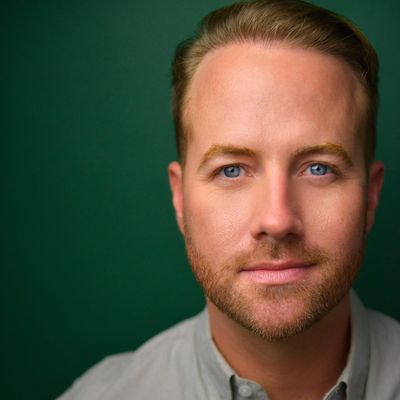
Bret Shuford / @bretshuford. Bret Shuford performed, produced, choreographed and directed dozens of Broadway, Regional, National tours, viral videos, television and film productions from Wicked to the Wolf of Wall Street... Read More
From the show: Built For The Stage Podcast
Guests
Featured Shows

About
Bret Shuford / @bretshuford
Bret Shuford performed, produced, choreographed and directed dozens of Broadway, Regional, National tours, viral videos, television and film productions from Wicked to the Wolf of Wall Street. As a certified life coach Bret has the honor to help creatives all over the world move from imposter to influencer with his program. Having worked with colleges, universities, and corporations such as Disney and Marketing Impact Academy, He's a highly sought-after speaker and educator for professional creatives. Bret's insights have been humbly featured in leading outlets like The Huffington Post, Backstage, Today Show, Good Morning America, America’s Got Talent. And as a certified life and career coach he can help any creative with inconsistency in their business, experience greater impact and income through private coaching.
Bret is also ½ of the lifestyle blog Broadway Husbands, with his husband Stephen Hanna.
Try a Free Trial of BFTS and work 1 on 1 with Coach Joe! https://builtforthestage.com/free-trial
Transcript
This transcript was automatically generated and might contain errors.
[0:15] Joe Rosko: Hey, what's going on? Welcome to Built for the Stage Podcast. This is Joe Rosko, founder of Built for the Stage, Broadway's number one fitness platform. If you haven't checked out Built for the Stage, go to builtforthestage.com and you can do seven days of a Broadway VIP program that I specifically did for one of my Broadway clients. If you like it, if you like working with me on a fitness app, we can make a program for your own. So hit us up, builtforthestage.com at Built for the Stage. All right, let's get on to our special guest today. Special as always. I was, it's Friday right now when we're recording. I was super like, oh, it's Friday. I'm feeling gloomy, like the work week was tough, it sucked.
And then the computer screen came up, this lovely face popped up, and I immediately just like changed my mood. So thank you so much to our special guest that was last seen on Broadway in Wicked, but now can be seen on Instagram reels across the world all day, every day, on multiple social media platforms. He's an amazing person. Please welcome to the podcast, Bret Shuford.
[1:32] Bret Shuford: Hey Joe, that's the best intro ever. Thank you. Let's go.
[1:40] Joe Rosko: Okay, nice. Let's do it. Yes. Go. Okay, so you were doing this little skit called Wicked. The world ended in a pandemic. You're in Texas, and then you stayed in Texas. How is that all? How's that been?
[1:55] Bret Shuford: It's been crazy. And just side note, like I got Wicked. I think I was in Wicked a total of four months before the pandemic hit. So it was, I was new to the show, and I was ready to like rake in those that Wicked money and start a family, and everything ended. And it was so fascinating. What I learned about myself during that time is just how much everything I had been working towards on my side hustle as a business. Like I had been coaching for years, but I just immediately went into an act of service. How do I serve people? How do I help people? How do I, that was immediately where I went to where I think a lot of people were afraid, or a lot of people just went, great, I can just sleep all day.
I was like, okay, I'm gonna start doing going live every day on Facebook. And I did that every single day for I don't know, three months. And that's, that was interesting to me when I look back on how my natural instinct was to do that, but I think that, you know, one of the great things about being an actor is you just learn over the years. I mean, I'm 43 now, so I've been doing this a while, but you learn how to adjust so quickly, and I think I was just able to just kind of adjust, like just kind of go with it, you know. Like whenever you're on stage and something happens, you have to be able to just kind of go with it and make it work, and I think I was able to do that to like another level when the pandemic happened, yeah.
So, but yeah, we ended up in Texas, which is where I grew up. I never wanted to live in Texas ever again. But Steven, my husband got a job, and we were like, we gotta go where the money is. We sold our New York apartment by some God blessed reason. And then we never thought we'd we were gonna be here for three months. We now own a house and we have a baby, so yeah.
[3:58] Joe Rosko: I, we were chatting a bit before we hit record, and I can totally relate to how three months turned into two years.
[4:06] Bret Shuford: Yep.
[4:07] Joe Rosko: For sure. Okay, you are a new dad. Congratulations.
[4:10] Bret Shuford: Thank you.
[4:14] Joe Rosko: Not, you know what? I've never been a great sleeper anyway, but you know what? Maverick's pretty damn good. Like he's, he's not sleeping through the night by any means, but he wakes up maybe once, maybe twice. To me, that's pretty damn good from what I hear from other babies. But this is the only baby I've had, so I have no idea. Is Maverick a shout out to the Dallas Mavericks from Texas? Or what is Matt? Where did Maverick come from?
[4:42] Bret Shuford: So am I the 100th person in Texas that have said that? No, I just that whenever somebody says is it related to the Mavericks, I'm like, you clearly don't know me because sports mean nothing to me. Like, I am not a sports person. I didn't, I realized this, I didn't know if like you're in Texas, you see like the Dallas Mavericks, and you're like, you know what? But what's weird is like I was literally at an audition at a theater here in Houston, and the casting director said, oh, is he named after the Dallas Mavericks? And I was like, I am auditioning for a piece of theater here. Look at my resume. Do you think I care about the Dallas? No, he's named after, and the other thing most people think is Top Gun, the character from Top Gun named Maverick, but he's actually named after an old TV show called Maverick starring James Garner.
[5:35] Joe Rosko: That was my second guess.
[5:37] Bret Shuford: Yes. And James Garner played a character named Brett Maverick with Brett with one T.
[5:43] Joe Rosko: Oh.
[5:45] Bret Shuford: That character. I have a twin brother named Bart, and on the TV series, he had a twin brother named Bart.
[5:50] Joe Rosko: Wow.
[5:51] Bret Shuford: Okay, I love this. I love things with meaning.
[5:53] Joe Rosko: Yeah.
[5:54] Bret Shuford: I love, I love, I love things that are more than like, I don't know. I thought it was cool. So yeah, yeah.
[5:59] Joe Rosko: Me too. I love a theme, right? I was like, we're living in Texas, and I'm named after Brett Maverick. Like, we might as well name him after some old Western cowboy star, you know.
[6:10] Bret Shuford: So okay, I love it. All right, so I mentioned in the intro that you have multiple platforms, one being Broadway Husbands, along with your husband Steven. How's that, has that changed anything being a father for you? Has it made you look at how you host that page differently? Tell me a little bit about the identity of that page and how it's evolved.
[6:38] Bret Shuford: Oh, I mean, it, you know, initially, by the way, like I'm just looking at the sound waves on this, and mine is flat. Is that normal? Is that okay?
[6:46] Joe Rosko: You're coming through great, and yeah, it's good.
[6:51] Bret Shuford: I'm looking at you. I'm looking on it. I just saw those waves, and I was like, wait, is that not how, yeah, you know what? When we started the account, it was really all about creating visibility for a gay couple who makes their living in the arts, right? So we were both working in theater, and Steven's a dancer, and you know, and I just didn't see a lot of, especially growing up, and never saw any like healthy, gay, married couples that were performing and living and you know, making the best of it. And so that was initially how it started. And then we were kind of documenting, and mostly it's like entertaining. Like people really like when we dance, they like it, it's just very cheerful. But then we had the baby, and it's literally been more of sharing what it's like to be a parent, like being real honest about the lack of sleep, or being real honest about poopy diapers, or, and it's interesting because also in within three months, Maverick's only been around for three months.
We've, we've, I think, got almost 50 new 50,000 new followers or something like that, and we're getting all these brand deals, and it's become like a real other business in our life, and it's, I'm so glad because we get to do it together. You know, it's hard to do with a three-month-old because trying to find those wake windows when you can actually create content with him, it's definitely challenging. And definitely working from home with a baby is a lot harder than I thought it was. I mean, you might even hear him cry right now because he's about to go down for a nap. But um, you hear that? So you don't get um so it's definitely been a lot harder to kind of work from home, have the kid than I really thought it was going to be. I thought it was gonna be like great, this is perfect. I can work from home and have the kid, but it's your productivity goes down significantly with a newborn for sure.
[8:58] Joe Rosko: Yeah. Well, the 50,000 increase and the notoriety and the brand deals, like that's all cool, but it's a result of you having the opportunity to show others the opportunity that they could have. And that's I think for me, when you said that is the joy-inducing part of all of that is like, hey, you're on this pedestal now of showing others what life can be like.
[9:29] Bret Shuford: Yeah, and I think that you know it's something that the why I, you know, we'll talk about what I do now, like with my coaching, but it's why I love what I do there because I think the thing I really wanted probably husband really wanted probably husbands to do or wanted to do is to take away a little bit of that fake facade influencer thing that you see a lot on online of people here, like I mean, their clothes look great, their bodies are amazing, I have no clue what they do for a living, and do they ever have a bad day, right? We all know those people online, and it just everything looks so curated and so perfect, and as fun as that is to look at, it's not real to me. And I think that that was always my goal was like, how do we show people that like this is real life and balancing all these things is hard and still wanting to do what you love and do that with who you love, and I don't know, I just felt like that was really important to sort of have more of a relatability to what we do.
I think it means that our follower count has taken a lot a little bit slower because I think if we were perfectly curated, we probably would have skyrocketed, or if we were just in speedos all the time, you know those accounts. We probably would have skyrocketed, but that's just not us, you know.
[10:52] Joe Rosko: Yeah, I mean, when I talk to people about or you know, my partner and another business, it's just like you could have a million followers for the clickbait, or you can have a hundred thousand or whatever the amount for people that are actually invested and care about what you're doing, like what you have to say or who you are.
[11:14] Bret Shuford: Um so speaking of who you are, let's get more into that about what you do on your personal account and how you coach others, and I've just seen over the past year or so your dedication to just pumping content out by any means with no reservation, with no seemingly with no fear. How has that transition been?
[11:42] Bret Shuford: You know what? It's been the fearlessness was really kind of out of survival, but I also have always been the kind of person, especially kind of later, like I don't you know this about me, but I've been sober for 17 years, and it wasn't really until I got sober that I booked my first Broadway show. It was like three months after that. And I always relate that to this idea of like striving to be your best self will get you the things you want, right? It may not get you in in the time that you want, it may not get you the things you want exactly, but I learned through getting honest with myself and working every day to like try to be the best version of myself, that um that you know the universe will answer back with the correct thing, the thing that it wants for you, right?
And so for me, part of that is honoring my commitments, honoring, honoring not just commitments to other people, but mostly to myself. If I say I'm gonna do something, I want to follow through on that. And I want to show up for people in a way that has integrity. And I think every single day, and this is what I teach people in my program is you know, I think every day there's somebody out there who needs my message. They need to know that I can serve them, even if it's a laugh, even if it's just something to say, oh my gosh, I totally that that's my favorite comment on our reels is when somebody goes, oh my gosh, this is so me, right? Or they say, wow, I feel seen. I'm like, great, my job is done.
Like, that's all I want, right? And if every day, if I don't post every day, that person's not getting that. They're not feeling seen, they're not getting that message. And it's important to me that as an artist and as an actor, knowing what it was like growing up as a gay kid, not feeling seen, not feeling accepted.
[13:43] Bret Shuford: It's important to me that I put that energy out there because that's how we start to shift the energy in the world, which we need right now, clearly. So I think that that's really where it comes from is this desire to have integrity, show up, be of my word. And I promise myself, I don't know when I did this, I was like, I'm gonna, I'm just gonna commit to doing two reels a day and see how that goes. And now I have people literally calling me going, "You're the reels guy, right? You're the reels guy, right?" And it just happened because I committed.
[14:19] Joe Rosko: Yeah, it sounds like fitness. I'm just gonna go twice a week. Just I'm just gonna see. And then you go twice a week, and then all of a sudden you're going three times a week, and all of a sudden you're doing three reels a day or four reels a day or whatever.
[14:36] Bret Shuford: Correct. Okay, so you brought up about your message, or you brought up about helping people. Is this as broad and vast as it sounds, or what is your specific message, or who are the specific people that you help day to day in your business?
[14:55] Bret Shuford: Yeah, well, I mean, it's evolved, right? And I think this is the other thing I think is important for your listeners to hear is a lot of times people, especially actors, we feel like we have to commit, right? Commit to the work, commit to the scene, but commitment doesn't mean for life, right? It's not as black and white as we tend to make it. You have to commit to the day, commit to the moment, commit to your promises, right? But then you have to also assess. And for me, assessing, looking back and going, okay, it's been three months of creating two reels a day, or I've been doing a Broadway show for two years now. How do I feel? Is this what I want? Do I want to pivot? Do I want to change?
What's working? What's not working? And I realized, you know, what are people asking for? And I realized so what I really wanted to do was serve creative entrepreneurs, content creators, people who really want to monetize, mostly people who are skilled, who are already doing it, but they're just like, I know that my gifts belong in the world. I just know I have no idea how to get it out there and how to make money from it. And so that's really who I started to serve. And then honestly, in the last year, I was like, I'm searching for those LGBTQ plus creatives, those creators that want to basically say to the world, we belong. We are just as valuable as leaders in whatever industry we choose, and we can be openly gay, openly trans. I would love to get two trans women in six-figure businesses in the next year. Like that's what I would love to be doing, you know?
[16:41] Joe Rosko: Okay, you heard it here first. Put it out in the universe.
[16:45] Bret Shuford: Yeah. Um that's what I want to do. I want to make it so normal because I, you know, you know this in the entrepreneur world, there's just so much heteronormative um it's just the way it's been. It's the way it's been acceptable by society. And I just I really want to see some LGBTQ plus leadership out there changing the world. And I would like to help make that happen. I'd like to be one of those people.
[17:09] Joe Rosko: Cool. How could someone like do you have anything to help someone get started? Like, do you have I don't know, some type of onboard, like a pat like something?
[17:21] Bret Shuford: Yeah, well, I mean, you can always go to my website, BretShuford.com. I have a whole list of free resources. But if you're somebody who's an actor or somebody who wants to be creating content and you're feeling like who cares? Like you have that imposter syndrome, or you're just like, I don't even know where to start. I have this really cool free video resource guide. It's 14 days. It's called the Creative Mindset Reset. You can go to CreativeMindsetReset.com. But what's really cool about this is I partnered with Coloring Broadway, who design coloring books Broadway themed, and so seven of the 14 days, you get an actual downloadable coloring page that helps sort of reinforce the mantra of that training, and you can download that, print it out, color it. It's such a great way to sort of get your mindset and help with some of that mental stuff that we all need that most of us don't focus on because we're so busy hustling.
[18:25] Joe Rosko: Yeah. Hey, coloring is therapeutic. I mean, we love Coloring Broadway here at Built for the Stage, and we even had a personalized one made from them as well, and they sent us some, and I'm coloring over there, and I'm, you know, going back to middle school or elementary school days, and I'm thinking, this is actually still pretty cool. This still makes me feel good.
[18:54] Bret Shuford: It does, it does feel good. It's very calming. It's like doing a puzzle or a crossword, same deal.
[19:01] Joe Rosko: Totally. Um, all right, so besides making reels and being on social media and now being a dad, like what else is going on? Like, how do you balance? I think that's like a big thing with my clients is like they're trying to do the theater thing, they're trying to do the fitness thing because it's a part of the theater thing, but they're also trying to have a life. How do you find balance?
[19:28] Bret Shuford: I think the most important thing is to remember that you can do it all, you just can't do it all at once. And for me, it's all about the season I'm in, right? Sometimes some things are gonna take a priority over others, and that's okay. And I think it's you have to give yourself permission to be okay with that. Sometimes people feel like if they're not doing all of those things at equal effort, that they're somehow failing, which is just total BS, right? The analogy I used, I actually used this the other day with a client. It's like you gotta plant a bunch of seeds. Like if you want to be a multi-passionate person, you know, you're really passionate about fitness, you're really passionate about acting, but you also want to have a business or you want to create content or you want to create multiple streams, whatever it is.
You gotta realize that planting all those seeds is great. You want to water those seeds, but sometimes like one plant is gonna take off, right? And you gotta focus on that plant and give that plant more nutrients, more things, and just focus on one plant at a time. Otherwise, you'll never get a garden. Otherwise, you'll, you know, that one will not get the nutrients it needs because you're over here trying to get the seed to germinate that's never gonna germinate because you don't have control over it. And I think that that's, you know, that to me is the most important thing to understand is balance comes from putting priorities first, looking again, assessing like what is the universe telling me to do right now?
If I'm wearing this hat, if I'm acting right now and I'm in a show, instead of being like, okay, I'm in a show now, I need to be working on my business. Why don't you just be 150% in that show? Be the best actor you can be, the best performer, so that when the show closes, which is inevitable, shows close, you can then take everything you learn from that and apply it to your business, right? Because they don't do all these things in a vacuum, they all serve each other.
[21:34] Joe Rosko: Love that. I'm picturing like my apartment hallway with all the doors, and you're just walking down the hallway knocking, and when one of them decides to open, you run through it. You don't keep knocking at the other doors.
[21:50] Bret Shuford: You go right or like even better, like one door is already cracked.
[21:54] Joe Rosko: There you go.
[21:56] Bret Shuford: Right? So just go open that door a little bit more, you know. So I think that's just it's a scarcity mindset. It's like so many actors are taught this. We're taught it culturally, right? If you think about it, this is I talk about what I call the cycle of fear. Where actors are taught by your parents, who maybe are muggles, as I call people who aren't in the industry, you know, they're muggles, and they tell you very early, oh, you want to be a singer, an actor, a dancer, or maybe they don't even say it, but it's there, the energy is there. You're gonna be poor, you're gonna struggle, you're gonna feel rejection all the time. And then we go to college, and we have a bunch of people who are teaching us in college who dropped out of the industry because they felt rejected and they struggled.
And so then they teach you this like, yeah, you're talented, but if you go to New York, it's gonna be hard, you're gonna struggle, you're gonna feel rejected. So, guess what? We move to New York, and we get rejected and we struggle because you don't get what you want, you get what you expect, right? And so then those people who don't really push through the uncomfortable bit uncomfortability, kind of go back home, and guess what they do? They start becoming teachers, and they talk about how struggle the struggle is real, right? What if like we don't have to buy into that shit, right? What if we just actually just think, well, what if everything I want can happen? Like, what if I actually don't buy into the scarcity mindset?
Because honestly, our union would be stronger. We, you know, people wouldn't just take things because they're like, well, if I don't take this, it'll never happen again, I'll miss my opportunity. And that's such BS, right? We've bought into a cycle that if we don't try ourselves to empower ourselves to do whatever the hell we want, and that's really where the real like, I don't care if a reel bombs, right? I don't care if I make a reel that offends somebody because if you're offended by what I make, you're not my people. Just go, just unfollow. That's okay. Um, that's the most important thing to me is like I knowing who I serve and serving them as strong as I can, and letting go of trying to please everybody, and I think we all need to learn to do that in general, but I think we mostly the theater industry suffers, they suffer because of that old cycle of fear mindset that no one's really doing the work to break, and it's because we have to do it individually in order to get that to break.
[24:44] Joe Rosko: Alright, Bret, let's just this sound here. That's the mic drop.
[24:49] Bret Shuford: That's the mic drop. There were too many golden nuggets throughout the sorry, I went on a tangent. Like yeah, if when you play back the recording, if you watch this, you'll just see my face the entire time, like you better say it. You better say it over there. Go ahead and say it. You better say it.
[25:16] Bret Shuford: I mean, that's why honestly, when Wicked called and said, hey, we want you to come back. Let's first off, they weren't that nice about it. Second off, second off, I was like, no, like anyone else who's like grew up in this idea, like, but it's Wicked. It's this like, no, but like, it's not what I want. Like, that's not this season I'm in. And if I live in this idea that like if I say no to Wicked, my career's over forever, then why was I doing this in the first place, right? And now, boom, like I'm not even really trying to be an actor, and I booked a show. I'm gonna be doing a show at Christmas time at Tuts here in Houston. Like, so shit, you know, you just you it's not as black and white as we make it. Period.
[26:06] Joe Rosko: Alright. I'll actually go. That's it. I so appreciate it. Honestly, everyone, go ahead, get into your phone, screenshot this, go to your IG story, share it, tell people to listen, then hit rewind, and you re-listen to this again because too many knowledge bombs, and just yeah, appreciate you, Bret.
[26:29] Bret Shuford: I appreciate you too, Joe. Alright everyone, Bret Shuford, thank you so much for listening. Those the website, his Instagram handles, all of that information is going to be in the description of this episode, so just go ahead take a peek, make sure you follow along with Bret. We so appreciate you. Thanks again for tuning in. If you like Built for the Stage, check us out at BuiltForTheStage.com. Actors are athletes, so let's train like one. Later.
© Broadway Podcast Network, All Rights Reserved