

In this episode, Ben and Daniel talk to Tony-nominated playwright and actor Charles Busch about the soundtrack to the 1983 film Yentl... Read More
From the show: Cast Offs with Ben and Daniel
Guests
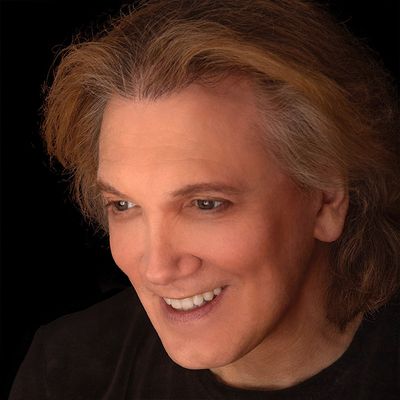
About
In this episode, Ben and Daniel talk to Tony-nominated playwright and actor Charles Busch about the soundtrack to the 1983 film Yentl. They also discuss Barbra Streisand, Bette Midler, Linda Lavin, Julie Halston, Patrick Dennis, Mame, Michael Tanner, Tom Judson, Dick Gallagher, Lucie Arnaz, Lorna Luft, Michael Vollbracht, The Women, Carl Andress, Lynne Meadow, Tony Roberts, Paul Newman, Sasha Velour, Bianca Del Rio, Stephen Sondheim, and Michele Lee. Charles talks about his career in and out of drag, as well as the difference between downtown and mainstream theater. Charles is the author of a number of fabulous plays, many of which he starred in, including Vampire Lesbians of Sodom, Psycho Beach Party, and his most recent, The Confession of Lily Dare. His 2000 hit play, The Tale of the Allergist's Wife, ran on Broadway and was nominated for the Tony Award for Best Play.
Transcript
This transcript was automatically generated and might contain errors.
[0:32] Ben Rimalower: Welcome to Cast Offs with Ben and Daniel. I'm Ben Rimalower, and I'm here with my lovely co-host, Daniel Nolen.
[0:39] Daniel Nolen: Hey y'all.
[0:40] Ben Rimalower: Today's guest is Tony-nominated playwright and actor Charles Busch. Charles Busch rose to fame in the 1980s as the author and star of a number of long-running off-Broadway camp sensations, including the legendary Vampire Lesbians of Sodom. His acclaimed Broadway play, The Tale of the Allergist's Wife, ran for over two years, originally starring Linda Lavin, Michele Lee, and Tony Roberts. Charles also starred on screen in the movie versions of his plays Die Mommy Die and Psycho Beach Party, both screenplays by him. Most recently, Charles starred off-Broadway in the world premiere of his new play, The Confession of Lily Dare. The critics raved, I raved, Bette Midler was there the night I saw it. She loved it too. Speaking of not Bette, Charles is coming in to chat with us about Yentl.
[1:27] Daniel Nolen: Oh, tell me where is it written? What it is I'm meant to be.
[1:34] Ben Rimalower: But I can tell.
[1:37] Daniel Nolen: Two syllables, baby. Um, cut to me driving around in my parents' suburban summer of 2012, the summer before I moved here, driving back and forth to Oklahoma City for this design internship, blasting that song on repeat the whole way.
[1:55] Ben Rimalower: Tales all this time. And then renting Yentl.
[1:58] Daniel Nolen: What did she say in the comment? She's like, to know the rest of the story, you'll have to go rent the videotape.
[2:08] Ben Rimalower: Whenever she's doing her little like Barbara plot summary bullshit banter. Anyway, um, but I then I rented Yentl and you know, took the full journey.
[2:20] Daniel Nolen: Which wasn't quite bad. Okay, here's my take on Yentl is that as a director, I feel like it's good. I mean, it's well, it's beautifully photographed. It's, you know, I think as a director, she did a really great job, and she sounds amazing, you know. As we've said with Charles, she's never sounded better vocally, but well, except like in the 60s and 70s. But um the rest of the 80s. But um, but you know, I don't love Yentl. I have to be honest and see my truth.
[3:01] Ben Rimalower: Because every number, it's you know, it's it's kind of besides like uh Papa, can you hear me and uh the end song? It's the sky piece of sky where she kind of, you know. So it's like yeah, but it's kind of like it's weird because like nobody else seems to notice she's singing on this boat.
[3:22] Daniel Nolen: Well, that's the whole movie.
[3:23] Ben Rimalower: Right. But all the others, all the other songs. I mean, it's very appropriate for like quarantine times because she's turning in a musical all by herself.
[3:30] Daniel Nolen: All by herself. But like that's the thing. It's like all the songs are. Like, imagine how hard it was to keep it from Mandy Patinkin on set that it was a musical. Right?
[3:40] Ben Rimalower: Why couldn't it be Papa? Can you hear us? She's like, mmm, mmm. So you go, tell me where, and I go, tell me where.
[3:52] Daniel Nolen: But you know, every song is like, it's Papa! It's like this, watch me. Flo. But every song is like this weird recitative, and it's like her and her mind. It's like, it's not really that exciting. I mean, are you not a Michel Legrand fan?
[4:12] Ben Rimalower: Not fan.
[4:12] Daniel Nolen: No, no, it's not, it's the music is wonderful, but it's just the way it's uh the way it serves the plot. I guess like the plot device of it being her like internal fantasy or whatever, which I mean it kind of works for things like Chicago because it's you know, it becomes this huge production number with showgirls and well, those are fantasies of action.
[4:35] Ben Rimalower: Exactly, exactly. Just her like therapy session. It's like literally just her thinking about it. So it's not that exciting. One, two, I could allow, but it's like the whole movie is that. Yeah, you know?
[4:45] Daniel Nolen: Yeah.
[4:46] Ben Rimalower: And so there's no real like tension because it's just her thinking these things. So it's not really like there's nothing really at stake in the numbers for me.
[4:55] Daniel Nolen: So you would actually like the movie better without the songs.
[4:59] Ben Rimalower: Yes, 100%. Or maybe just like not at all. The first and second song. The first and last song. And also, you know, Papa Can You Hear Me is the first song. Papa Can You Hear Me, and then uh But what about my favorite song? Um uh what's it called? There are moments, you know.
[5:17] Daniel Nolen: What's the songs in the woods? Um, you know, the one that's like I can walk through rooms where there are rooms within rooms that have always been a part of me.
[5:27] Ben Rimalower: There are certain things, and once you have no man can take it. Yes, this is one of those moments.
[5:33] Daniel Nolen: No way! I just like that part of my voice.
[5:35] Ben Rimalower: No tide can turn away.
[5:38] Daniel Nolen: That's good. Thank you. I love that song too. And I love a lot of these songs. I just think you know, listening to them is great, but then when you're gonna be able to do it.
[5:45] Ben Rimalower: But that song is not well, but you know what song is very active is Tomorrow Night.
[5:50] Daniel Nolen: Yes, that's true. That's true. Although it is a little weird too that she's belting and nobody notices.
[5:55] Ben Rimalower: She's belting. She's like trying on that like talis or whatever. And is that the one that's like intercut with a lot of the dialogue?
[6:01] Daniel Nolen: It's like No, or is that the one like uh a pot rolls?
[6:06] Ben Rimalower: Well, the two roasts or to not roll. Something that rhymes with pot roasts. And then uh where there's randomly comedy shows.
[6:14] Daniel Nolen: No wonder is that no wonder part.
[6:16] Ben Rimalower: Potato No Wonder Part 2.
[6:19] Daniel Nolen: Alright, that's the problem. There's fucking no wonder part 75.
[6:22] Ben Rimalower: Yeah, no wonder part two though is like the most Streisand lyrics ever, because she talks about um blah blah blah blah blah. Who cares when the food's so delicious, not to mention these beautiful dishes. Just like Barbara now.
[6:36] Daniel Nolen: Somehow like a note to self in her like journal about the show.
[6:42] Ben Rimalower: But um, you know, and and her performance is fine, but I don't believe for a second that she would pass as a man. You know.
[6:58] Daniel Nolen: I mean, yeah, it's weird that they didn't do better on that.
[7:02] Ben Rimalower: Yeah, I'm like, she really does not pass as a man. And I mean, no, like no five o'clock shadow, no, I mean, her face is just so feminine, you know, she it's um and her voice is so f I mean, I don't know. I just I mean, is that why people dog the movie?
[7:17] Daniel Nolen: Well, one of the reasons they dog the movie.
[7:19] Ben Rimalower: Like, is there a sense that like she's too vain to like make herself look like her? Although, you know, famously she's she uh all the enchholes uh parts she filmed uh from her bad side because begs the question, Barbara has a good side.
[7:38] Daniel Nolen: You know, so like that was actually that was probably very difficult for her to do. But um I don't know. I just think you know, it's like watching an like a Mozart opera where we're like where the music sucks.
[7:52] Ben Rimalower: No, but like, you know, in all those operas, it's like it's like men disguising themselves from their friends to see if they'll cheat on them, but it's like an opera.
[8:00] Daniel Nolen: Yeah, but it's like in an opera, you're like, okay, obviously.
[8:02] Ben Rimalower: Right, but like a film from the 80s or like that, like they could have like just like done a really good job.
[8:08] Daniel Nolen: Yeah, it's like no one is gonna believe that. I mean, in an I Love Lucy episode, it works because she's wearing like a mustache and like Ricky is not supposed to write her.
[8:16] Ben Rimalower: So wait, so what what was this her choice, or was it that she was too egotistical and wouldn't listen to anybody?
[8:24] Daniel Nolen: Well like is that one of Spielberg's notes from when she showed him the dailies and she was like, as a man, he doesn't want to let me be a director. I feel like on Yentl, there she probably wasn't getting a lot of like pushback. Like people weren't giving her their ideas, you know, she was running the show.
[8:41] Ben Rimalower: As opposed to when she was directing Funny Girl and she had to look at other people's opinions. She had to listen to um William Wyler. Is that his name? The actual director.
[8:49] Daniel Nolen: Oh yeah.
[8:50] Ben Rimalower: Yeah. I mean, I I feel like Yentl, the reason she has such good and fond memories of it is because like she was alone. No one was giving her any feedback. You know, it was like she was she was running that ship.
[9:04] Daniel Nolen: But it had to be that way on Prince of Tides, too. Although you imagine Nick Nolte must have mouthed off to her more than Mandy.
[9:09] Ben Rimalower: 100%. And we've heard the stories of that, like her trying to hold, you know, work late into the night, and people were like, Oh, did you know that was over? The Nora Ephron movie. Um, what's the one with Jack Nicholson and Meryl Streep?
[9:22] Daniel Nolen: Heartburn?
[9:23] Ben Rimalower: Yeah, was originally uh Mandy Patinkin and he got fired when Jack Dockson was the replacement. I mean, I have heard you know Mandy's No Walk in the Park. But yeah, so I'm surprised that uh he and I'm surprised too. That is shocking. Maybe he was chastened.
[9:39] Daniel Nolen: Or do we pronounce it? Chastened Chastened. Um But you know, there's uh there's that be a new meme, like, ooh girl, you just got chastened.
[9:49] Ben Rimalower: You should try that. You should make that. That's gonna be my new persona, someone that's in her new person. Ooh, girl.
[9:56] Daniel Nolen: You just go, ooh, girl.
[9:57] Ben Rimalower: Yeah, we need that. I really think we need that from you.
[9:59] Daniel Nolen: Um but oh yeah. But I feel like on Yentl, you know, she always tells that story about like that letter that they wrote in the press that they released to the press, wherever the fuck they filmed that. Um about how, you know, the crew wrote this article about how or this letter about how the rumors you hear about Barbara aren't true. Like it was a joy to work with her. It was collaborative. It was wonder you know, and that she's like, that was you know, that's one of my you know most prized possessions or whatever.
[10:31] Ben Rimalower: Sure it is. Right up there with that velvet pillow that she keeps on the couch in the other grandma's I can't with grandma's house.
[10:40] Daniel Nolen: Oh my god. I mean, I'm sound like I'm dogging. I actually really like love Yentl. I mean, I don't think it's like a great film, but like I can sit through it. Um I uh I love the album. I mean, I guess I like it best as a Barbra Streisand album.
[10:56] Ben Rimalower: Yes. Yes, that's a great point.
[10:57] Daniel Nolen: That that's my my I I love that song that I that this is one of those moments. I really like to me that's one of my like workout gems. Like there are certain things that once you have no.
[11:09] Ben Rimalower: And what's the one that's I was listening to it this morning and I was exactly what you're saying. I was like, wow, like I never have really I haven't really taken the journey with Yentl as an album.
[11:19] Daniel Nolen: Yeah.
[11:20] Ben Rimalower: And there's some really really beautiful songs. I mean, I love her singing that Michel Legrand stuff. No matter what happens, is another one.
[11:32] Daniel Nolen: It's inside I mean it's now you want to make it like a legitimate musical comedy? Like when I finally have the CD alone and like nobody here to bug me, I can just loop in.
[11:41] Ben Rimalower: It is insufferable. I mean, it's it's yeah, hearing that's like polite.
[11:45] Daniel Nolen: Yeah, I mean it's it's emotional. It's painful hearing those that it's the only thing worse than that are the dialogue intros on partners.
[11:56] Ben Rimalower: Truly.
[11:58] Daniel Nolen: Honey, you have to work late again.
[12:01] Ben Rimalower: Alright.
[12:03] Daniel Nolen: Um I don't iron his clothes.
[12:06] Ben Rimalower: I don't I actually don't iron.
[12:08] Daniel Nolen: I actually don't iron.
[12:09] Ben Rimalower: I don't have an iron since I grew up my nails back in 1968.
[12:15] Daniel Nolen: Um my nails are real, by the way.
[12:19] Ben Rimalower: Anyway, I never what song was I singing? Anyway, what where was I? Oh yes, it's so wonderful to be here at the gay games. Remember that article?
[12:27] Daniel Nolen: Uh she no, it wasn't an article. It was a weird, oh god, I wish I could look it up right now on Insta, but she released this like weird video montage of her nails over the years.
[12:38] Ben Rimalower: Oh my god.
[12:39] Daniel Nolen: And it was like this cannot be just setting the record straight. My nails are real, and always have been. And it was like this uh literally like this like Ken Burns like minute long documentary of her nails over the years, and I was like, kind of grossed me out.
[12:58] Ben Rimalower: I was like, yeah, like those are real, but that's they're so fucking long. Like I almost wish they were fake because like having a nail that long kind of grosses me out. Especially in the age of in the age of coronavirus. It's like babies keep those clean.
[13:12] Daniel Nolen: I also have to say, like, the nails are the part of Barbra Streisand that I care for the least.
[13:17] Ben Rimalower: Yeah, I don't like I think of her as like she's so iconic and I love her so much, but like I would not have any less love for her if she just had human normal nails on.
[13:28] Daniel Nolen: Yeah, totally, totally.
[13:29] Ben Rimalower: Like, I don't I love that she like I would like to know what percentage of her fabulousness she thinks comes from her nails versus like one.
[13:39] Daniel Nolen: I mean, if we really want to get into it, there's so much of I mean this is I hope Devlin Zotrop is loving every minute of this because this we're really going in deep. And and you know, I will say, as much as I I worship Barbara and I love her, like there's so much of her that I find completely whether it's that line from the office where Michael's talking to Toby, and he's like, There's so much about you that I hate these things.
[14:05] Ben Rimalower: Yeah, it's like um it's like I just hate so much of what you are.
[14:22] Daniel Nolen: Anyway, um, go bye.
[14:25] Charles Busch: Um, Stanley's the truly the one I identify with the most. But anyway, that's not about the office. This is about, uh, this is about Barbra. But you know, she I feel like as she got money and got famous, it's like the thing with someone who has such, uh, who is so obsessive and so controlling is like when you're when you don't have money, you can't really, you know, go all out and like entertain those notions. But once Barbra got money, you know, she started buying the Tiffany lamps, she started, you know, her original white dog that, you know, birthed an entire lineage of white dogs. She still has Sadie, I think was the first one. Uh, but it's like the nails came out, um, you know, it's just this idea of the city. Wasn't the whole thing that she always had the nails even when she was struggling so that she would never become a secretary?
[15:24] Daniel Nolen: Yeah, I think that's right.
[15:26] Charles Busch: Yeah, and so it's and then, you know, we know the hot water bottle story, and now she has a she's obsessed and hoards all these dolls, and it's just this idea of like her rejecting her, you know, poor scrappy upbringing completely to the extent where now it's like, you know, the nails have become such a part of her identity. Not, you know, it's almost more of like a it's symbolic. It's like it's her becoming like the rich white woman that she always wanted to be, you know, totally.
[16:04] Daniel Nolen: Yeah, I mean that's exactly what is, um, that's the biggest turn off with Barbra, right?
[16:12] Charles Busch: Right.
[16:13] Daniel Nolen: And, uh, you know, I mean that's true of a lot of our divas, you know. I mean that some of the stuff I've said about Bette, the sides of Bette that I have liked less were the version of her that was, you know, not warm to Kathy Griffin or like the way she was in I'll Eat You Last, you know, as opposed to like this, the scrappier, you know, and you know, or if you even talk about Madonna, you know, I like Madonna, the like East Village like trollop in Desperately Seeking Susan, yeah, more than like the British lady, you know, right from like the 2000s, right?
[16:47] Charles Busch: Um, yeah, and well, it's I mean I always said I felt like in Meet the Fox, Barbra was like just would have given anything to be Blythe Danner's part instead.
[16:55] Daniel Nolen: Totally.
[16:56] Charles Busch: That's so funny. I mean, and, and, uh, you know, casting Blythe Danner in, uh, Prince of Tides, uh, as, uh, Nick Nolte's wife, is that how she plays?
[17:09] Daniel Nolen: Right, yeah.
[17:09] Charles Busch: Well, and I, you know, if you listen to Barbra's interview on Alec Baldwin's podcast, which is just a treasure trove, um, you know, he talks about being up for that role, and she was like, and not getting it and losing it to Nick Nolte, and he's, you know, jokingly bitter about it, and she's like, "Well, we really needed someone who looked a little more all American for that role," you know.
[17:31] Daniel Nolen: The highest compliment Barbra Sherman.
[17:32] Charles Busch: Totally, totally, but like the fact like Barbra American, like Nick Nolte, Ryan O'Neal, Robert Redford, James Brolin.
[17:40] Daniel Nolen: Totally, you know, the type.
[17:42] Charles Busch: Um, but the fact that Barbra directed Prince of Tides, she directed Yentl, of course, but then she directed Prince of Tides, which is just like the complete opposite about like this like Southern, what Southern family, you know.
[17:53] Daniel Nolen: It's so fascinating to me.
[17:55] Charles Busch: At least she plays like Dr. Lowenstein.
[17:57] Daniel Nolen: I love Prince of Tides.
[17:59] Charles Busch: I do too.
[17:59] Daniel Nolen: That's the best.
[18:00] Charles Busch: I don't have a word set against Prince of Tides.
[18:01] Daniel Nolen: No.
[18:01] Charles Busch: But as much as I love Prince of Tides, as much as I love Funny Girl, I hate The Mirror Has Two Faces.
[18:01] Daniel Nolen: The Mirror Has Two Faces is unwatchable.
[18:10] Charles Busch: I mean, I love, I liked it when I was younger because I like didn't know anything. But like we watched it, I think in Fire Island last summer, and I was like, this is actually badly directed.
[18:19] Daniel Nolen: That's like the movie is so bad.
[18:20] Charles Busch: It's like really, it's really phoned in. But, um, Prince of Tides, I think is a masterpiece.
[18:27] Daniel Nolen: I mean, I would say it's after Funny Girl and What's Up Doc, it's maybe my favorite Barbra film.
[18:33] Charles Busch: Really?
[18:33] Daniel Nolen: Yeah.
[18:34] Charles Busch: Really?
[18:35] Daniel Nolen: I mean, even before The Way We Were, because I mean The Way We Were has, I mean, she's so wonderful in it, but as a film, it has so many issues.
[18:41] Charles Busch: Aren't you forgetting? Doesn't she have some great movie from the early 70s?
[18:45] Daniel Nolen: Also.
[18:46] Charles Busch: Alan, the Pussycat.
[18:48] Daniel Nolen: Um, Up the Sandbox.
[18:50] Charles Busch: I've never seen Up the Sandbox, but I, that's like one of her favorites.
[18:52] Daniel Nolen: The one that's like really bad, and it's not even her fault, it's just like a shitty movie from the 70s.
[18:56] Charles Busch: I don't know how she won up, and it is Up All Night.
[19:00] Daniel Nolen: Oh yeah.
[19:00] Charles Busch: Is that the one with James Caan?
[19:02] Daniel Nolen: Yeah.
[19:03] Charles Busch: Yeah.
[19:04] Daniel Nolen: Or is it, uh, Gene Hackman?
[19:04] Charles Busch: Gene Hackman.
[19:08] Daniel Nolen: Yeah, maybe it is Gene.
[19:10] Charles Busch: It's the one with she has that like blonde wig.
[19:13] Daniel Nolen: Oh, it's so bad.
[19:14] Charles Busch: I've heard that. There’s a big chapter on some. It's like weird to think about an era when Barbra Streisand was doing big movies, but the ones better actresses passed on.
[19:25] Daniel Nolen: Yeah.
[19:26] Charles Busch: Uh, Ethan Morton, the, the on Streisand book he wrote. There's a really good section on Up All Night in that book.
[19:31] Daniel Nolen: On Streisand: An Opinionated Guy.
[19:33] Charles Busch: The Opinionated Guy, yeah.
[19:34] Daniel Nolen: It's great. I highly recommend it.
[19:37] Charles Busch: But at least to keep us busy for the time being until Dublin Zotrop writes his Dublin Zotome on Barbra.
[19:45] Daniel Nolen: Totally.
[19:45] Charles Busch: Totally. We need that Dublin Zotome.
[19:48] Daniel Nolen: But then, you know, he'll probably start with Glenn Close.
[19:51] Charles Busch: Let's be honest.
[19:52] Daniel Nolen: Uh, but the thing is, I think we actually touch on this a little bit with Michael, our interview with Michael R. Jackson. It's, um, this idea that people who are creating really good art, you know, in the beginning of their career, um, and they were collaborating with people and, and, you know, they were doing it out of a hunger and not just to, you know, continue their career. When they're, when they then have unlimited resources and wealth and just a, they're surrounded by a bunch of yes men, it really does become detrimental to the work, you know, because it's like there's no, uh, the hunger's not there because it's, you know, they don't need it to survive and they don't, you know, they're not trying to prove themselves anymore.
[20:42] Charles Busch: But also they kind of don't have, they're not held accountable in a certain way that they would be as like a youngster starting out, you know.
[20:51] Daniel Nolen: Like I have to deal with like you mouthing off to me and it makes me, it makes me a better artist. Like somebody, if I could afford to just like replace you with somebody that would kiss my ass, my work would suffer.
[21:02] Charles Busch: Well, I'm sure you could find there's an app for that, I'm sure.
[21:05] Daniel Nolen: Um, I'm banned.
[21:09] Charles Busch: What else could we say about Babs, about Barbra?
[21:12] Daniel Nolen: I mean, well, about Yentl.
[21:13] Charles Busch: About Yentl, yeah. Um, like, uh, it's interesting that she went for the same, um, ending as, uh, what's, it's the same.
[21:24] Daniel Nolen: Oh no, it's, it's the same ending as Fiddler on the Roof, but it's shot like the "Don't Rain on My Parade" scene.
[21:30] Charles Busch: So don't rain on my parade. Barbra on boats is like a whole thing.
[21:33] Daniel Nolen: Yeah.
[21:34] Charles Busch: Something funny that I just thought of. This is like so crazy. When I was little, I don't know who if someone told me this or if I just made it up in my mind.
[21:44] Daniel Nolen: But before I'd ever seen Yentl.
[21:47] Charles Busch: The other Barbra Streisand movie that I really love is Hello, Dolly!
[21:51] Daniel Nolen: And see, I don't love that one.
[21:52] Charles Busch: But when was the last time?
[21:53] Daniel Nolen: I need to rewatch it.
[21:54] Charles Busch: I watched it in summer 2012 when I was really starting to.
[21:57] Daniel Nolen: Oh yeah, that's a long time ago.
[21:58] Charles Busch: But I remember thinking like she, even though I didn't really know Dolly at the time, I remember thinking like she's not really right for this. But I need to rewatch it just because I think it's, you know, again, a beautifully shot, beautiful.
[22:09] Daniel Nolen: I mean, it's not a great film at all, but it's like a very enjoyable, like it is.
[22:09] Charles Busch: Well, and now that I'm like one like really deep in my Dolly years, like I need to revisit it.
[22:23] Daniel Nolen: Totally.
[22:23] Daniel Nolen: 100%.
[22:23] Charles Busch: But so what I was saying is you need to come back to the lights of 14.
[22:27] Charles Busch: Um, but when I was little, I thought for some reason I thought Yentl.
[22:34] Daniel Nolen: Which one?
[22:35] Charles Busch: Um, with the song.
[22:36] Daniel Nolen: 14th Street.
[22:37] Charles Busch: Yeah, yeah.
[22:41] Daniel Nolen: So I won't hurry.
[22:44] Charles Busch: And I'll learn how to beg, not just borrow.
[22:48] Daniel Nolen: And there'll be rainbows.
[22:50] Charles Busch: Maybe.
[22:51] Daniel Nolen: I don't know.
[22:52] Charles Busch: He did sing a Jerry Herman song, that's true.
[22:54] Daniel Nolen: What did you think weird one?
[22:56] Charles Busch: It was Dear World.
[22:57] Daniel Nolen: Dear World.
[22:57] Charles Busch: Oh, yeah.
[22:58] Daniel Nolen: Title song.
[22:59] Charles Busch: Um.
[23:00] Daniel Nolen: Anyway, when I was little, I thought Yentl was the sequel to Fiddler on the Roof.
[23:05] Charles Busch: It is.
[23:05] Daniel Nolen: Well, no, Rags is the sequel to Fiddler on the Roof.
[23:08] Charles Busch: Is it really?
[23:09] Daniel Nolen: No, but I mean it could be.
[23:10] Charles Busch: Yeah.
[23:11] Daniel Nolen: Yentl.
[23:12] Charles Busch: I mean, but yeah, I mean Yentl takes place like during Fiddler on the Roof.
[23:15] Daniel Nolen: Yeah, but it's like not the same characters.
[23:17] Charles Busch: You know, it's, I thought it was glittering.
[23:18] Daniel Nolen: Yeah, it's not a sequel.
[23:19] Charles Busch: I thought it was literally a sequel.
[23:21] Daniel Nolen: Um, that's, but it's anti-Semitic and I know it's traumatic.
[23:28] Charles Busch: You've got to be taught.
[23:30] Daniel Nolen: Careful the thing.
[23:32] Charles Busch: Careful the thing.
[23:33] Daniel Nolen: Oh, my least favorite Barbra song of all time.
[23:35] Charles Busch: Children will listen.
[23:35] Daniel Nolen: Although I do like when Ruthie Henshall does Barbra's arrangement.
[23:39] Charles Busch: Ruthie Henshall, is that how you pronounce it?
[23:41] Daniel Nolen: Ruthie Henshaw.
[23:42] Charles Busch: How do you say it?
[23:43] Daniel Nolen: Ruthie Henshall.
[23:44] Charles Busch: No, I think it's Ruthie Henshaw.
[23:46] Daniel Nolen: Oh, I thought you were making a joke.
[23:48] Charles Busch: No, it's not a joke.
[23:50] Daniel Nolen: Ruthie Henshall's not a joke.
[23:52] Charles Busch: I love Ruthie Henshall.
[23:53] Daniel Nolen: I think she's wonderful.
[23:54] Charles Busch: Her Fantine is amazing.
[23:55] Daniel Nolen: Oh, there we go.
[23:56] Charles Busch: I know.
[23:57] Daniel Nolen: We won't open up.
[23:58] Charles Busch: She doesn't have enough other parts of the wheel.
[23:59] Daniel Nolen: We won't open up this can of, uh, worms.
[24:02] Charles Busch: She's my second favorite Fantine.
[24:04] Daniel Nolen: Third.
[24:05] Charles Busch: Who's your second?
[24:06] Daniel Nolen: Randy Raff's dear friend.
[24:08] Charles Busch: Dear friend.
[24:09] Daniel Nolen: She was my, she was my Fantine growing up.
[24:13] Charles Busch: Yeah.
[24:13] Daniel Nolen: You know, pretty soft.
[24:14] Charles Busch: And I like, I like her Fantine because she really, she really, um, she was like, what's a mix?
[24:19] Daniel Nolen: It's very raw.
[24:19] Charles Busch: Yeah, and what's a mix, 100%.
[24:22] Daniel Nolen: Um, I don't like a mixy Fantine.
[24:26] Charles Busch: Yeah.
[24:27] Daniel Nolen: I would have liked to see Barbra's Fantine.
[24:30] Charles Busch: Um, would you settle for her on my own?
[24:36] Daniel Nolen: Oh, I don't really need that.
[24:37] Charles Busch: Did she never did that?
[24:38] Daniel Nolen: Yeah.
[24:39] Charles Busch: When?
[24:40] Daniel Nolen: Um, I have it.
[24:41] Charles Busch: It's not on an album.
[24:42] Daniel Nolen: Yeah, it's like on that like unreleased or whatever.
[24:45] Charles Busch: Release Me.
[24:45] Daniel Nolen: Release Me.
[24:46] Charles Busch: Yeah, release me from the album's point of view.
[24:53] Daniel Nolen: Um, Release Me.
[24:55] Charles Busch: My story by Sammy Streisand.
[24:59] Daniel Nolen: Um, on that note.
[25:01] Charles Busch: On that note, but she did sing I Dreamed a Dream.
[25:04] Daniel Nolen: No.
[25:05] Charles Busch: Really?
[25:06] Daniel Nolen: Yes.
[25:06] Charles Busch: What do you like, Patti LuPone?
[25:08] Daniel Nolen: When Barbra Streisand recorded Don't Cry for Me Argentina and stole my thunder.
[25:12] Charles Busch: That seems like a missed opportunity.
[25:14] Daniel Nolen: Her Barbra not singing I Dreamed a Dream.
[25:16] Charles Busch: I mean, you can see her wanting on my own more in 1986, you know.
[25:21] Daniel Nolen: Sure.
[25:22] Charles Busch: Yeah.
[25:22] Daniel Nolen: And well, you know, Neil Diamond.
[25:27] Charles Busch: She's saying every other song that, like a hit song in that time.
[25:30] Daniel Nolen: Like it's really crazy she didn't.
[25:32] Charles Busch: I mean, she's saying like, you know, memory, all I ask of you.
[25:35] Daniel Nolen: Well, memory was a huge hit for her.
[25:37] Charles Busch: That was like a big deal before she even did the Broadway album.
[25:40] Daniel Nolen: All I ask of you is like a random track.
[25:42] Charles Busch: I'm sure she doesn't remember she recorded from like a random album.
[25:46] Daniel Nolen: Yeah, she hears it on the radio, she's like, "Who's this?"
[25:48] Charles Busch: They're wonderful.
[25:49] Daniel Nolen: Um, anyway, yeah.
[25:52] Charles Busch: On that note, on that note, after just completely shitting all over again, let's talk about it too with Charles Busch.
[26:01] Daniel Nolen: Broken wreck, broken wreck, broken wreck.
[26:06] Charles Busch: Well, we are, uh, gorilla quarantine recording here, uh, kamikaze style in the fabulous West Village home of the divine Charles Busch.
[26:18] Daniel Nolen: Lovely having you here.
[26:20] Charles Busch: Quite the spot.
[26:21] Daniel Nolen: I've been so alone.
[26:23] Charles Busch: The first people I've spoken to in several days.
[26:28] Daniel Nolen: Well, we want everything.
[26:29] Charles Busch: Tell how are you?
[26:31] Daniel Nolen: I, I'm doing fine.
[26:33] Charles Busch: I, but you're really sequestered life isn't terribly different from my regular life.
[26:38] Daniel Nolen: That's the case.
[26:39] Charles Busch: Yes.
[26:41] Daniel Nolen: You know, the Bohemian quarter here.
[26:43] Charles Busch: Why would you? I mean, this is, I, anyone that hasn't read the New York Times piece on this fabulous apartment with the great photos. I mean, it's, it's, I don't think, is it still available?
[26:52] Daniel Nolen: I thought it was.
[26:53] Charles Busch: It must be.
[26:53] Daniel Nolen: I thought it, it was like taken off their archives.
[26:56] Charles Busch: No.
[26:57] Daniel Nolen: No, maybe you have to, maybe you have to be a subscriber, but in this era, we are all, we are should all support the New York Times.
[27:05] Charles Busch: Yes.
[27:06] Daniel Nolen: The real, the real news.
[27:08] Charles Busch: Um, well, uh, where it is, it is Madison for the soul to talk to you totally trying times.
[27:15] Daniel Nolen: I know, I think this is the only for the first time, Ben, that you've actually been here, except at, you know, we're, we're not at my Christmas.
[27:22] Charles Busch: Your legendary Christmas parties where it's like elbow to elbow.
[27:26] Daniel Nolen: It would be, it's gonna be hopefully we'll be far past the plague by the time Christmas comes around because it would not be safe.
[27:32] Charles Busch: There's no way to keep three inches between, you know.
[27:35] Daniel Nolen: Um, there's probably a joke in there somewhere about six inches.
[27:38] Charles Busch: I don't know.
[27:39] Daniel Nolen: We'll leave it be.
[27:40] Charles Busch: Yes, yeah, yes, I'll leave it.
[27:42] Daniel Nolen: Thank you, thank you.
[27:44] Charles Busch: I've now gone too, too low brow for Charles Busch.
[27:47] Daniel Nolen: You can throw it, turn off in my head.
[27:51] Charles Busch: Well, I, as I told you, I was so blown away, uh, by The Confession of Lily Dare because I mean, uh, in a lifetime of being blown away by your work, I think it was still a highest.
[28:03] Charles Busch: It was really my favorite, um, certainly my favorite role that I've ever played.
[28:08] Charles Busch: Yeah, I, I just, uh, loved it. Um, it was kind of, it was kind of a charmed experience.
[28:15] Charles Busch: I mean, everybody involved, you know, the cast was great, they're, you know, they're all friends of mine, so, and, uh, but the crew, the management, everything was, everybody was nice.
[28:25] Charles Busch: There wasn't like one, you know, sour pickle, except maybe me.
[28:29] Daniel Nolen: I think you're right.
[28:30] Charles Busch: Yeah, yeah. Other than that, yeah, no, it was just great.
[28:33] Charles Busch: And you know, it was at the Cherry Lane Theater, which is about a six-minute walk from my apartment, so it doesn't compare to that.
[28:39] Daniel Nolen: Yeah, no, I had very little to complain about.
[28:41] Charles Busch: It was made it difficult for me.
[28:42] Daniel Nolen: Yeah.
[28:44] Charles Busch: But I found something.
[28:45] Charles Busch: It always gotta look hard. Stuck in my cross. Well, it's I maybe because of the epicness of that story, you kind of got to do a little bit of everything from the bag of tricks. You know, it really I got to see so many of your fortes, the different playing the innocent to the, you know, embittered older diva and her whole, you know, scrappy. Yeah, because I kind of played five different characters. And that was part of the whole point of it in a way I just always loved movies where the actress plays ages and from girlhood to crone-dom. Yeah, you know, I just love those movies so much. And I always wanted to play that kind of part, and you know, and over the years I've come up with different scenarios to enable me to do that.
We've which we never did. Oh, one was going to be kind of a How the West Was One sort of story where I was a young feisty young Irish servant girl who, you know, gets in a covered wagon and helps settle this grand country of ours. And I think Julie Halston was going to be a beaver trapper from the outer angle guy. Isn't that her actual background? Amazing. That never happened. I was have outlines for about a dozen of these plays we never did, but yeah, this one that I think it began with the idea that I wanted to play a part where I aged a lot. I kind of thought at 65, I better if I was gonna play a girl 16, I better hurry up. So that's why I did it. But yeah, it was cool that the, you know, because in each scene she started off as a sort of Gigi and then became a D-trick like Cabaret Entertainer and then that Kurt Weill parody song was so brilliant.
Wasn't that good though? Tom Judson wrote that. Tom Judson, your brilliant collaborator, musical director. Yeah, who also I have to give a shout out because I'm a big patron of his work for Tom's Trendy Tees. Oh, many talents. I love Tom's Trendy Tees. You can get your Alexis Smith platinum t-shirt knocking me able, all the Broadway flops you didn't know you needed. It's so stylish, yeah. And now he has the Ann Magnuson collection. Oh no, I gotta go over there. She's an old friend of his, and I guess they came up with over a course of a weekend another dozen cool t-shirts with her imprint. Oh well, I know what I'm getting everybody for Christmas. Um now we talked to you about what your broken record would be, the album that you were obsessed with, and we were tickled, I mean, really defying that the album that you said immediately all records of all the records in the world was Yentl.
Yentl, I mean all began Yes, please. I found each step I take, Papa, I've a voice now. Each page I turn, Papa, I've a choice now. Each mile I travel only me, the more I have to go. What's wrong with one team? If you can fly songs was settled for just a piece. Yeah, well, I love that movie. I mean, I guess I mean I think it was a hit, and it's not like it was some maligned thing. And yet in a way I think it is a bit forgotten or dismissed maybe just a bit. And I thought it was a wonderful movie and a fantastic score, man. Michel Legrand, I mean it's so brilliant, and then the Bergmans wrote the lyrics are so graceful. And yeah, and I used to, um, I was never really a big record buyer. But uh movies are always your thing.
Yeah, yeah, yeah. And I didn't really music is I just never really listened to music that much. Yeah. But occasionally I would buy a record and very Barbara of you. She doesn't listen to music either. Oh, really? Yeah. And uh, but I did buy a number of her records, yeah, not all of them, but they were I don't think anyone thought. No, because she recorded so much. Yeah, yeah, my god. I mean, in the 70s, I mean there. Between the 60s and 70s, I mean, there's really no not really a standard that she didn't record. Yeah, yeah, yeah. Um, I did a cabaret show of 70s music, and I didn't intend it to be that way, but about half the songs she'd recorded at some point. Yeah. I think Audra McDonald said you can't swing a dead cat without hitting a song Barbara recorded.
It really is true. She recorded so much. Yeah. Yeah. But uh but Yentl, I just oh it's uh the she's an incredible voice. Incredible. It was kind of maybe a vocal peak of hers. Yeah. What year is that like 82 or something like that? Uh 84, I think. Uh same year as Vampire Lesbians of Sodom. Was it that late, you think? Maybe it was 83, but it's around there, I guess. Yeah. And yeah, she was at a real kind of vocal peak, and I guess it was such a impassionate project of hers. I remember I think I went to see maybe it was like the first time she came back to singing in public in Madison. In 93, yeah. Yeah, I and I yeah. I saw that I was way up and you know about top tier of Madison Square Gardens.
Just what she wants you. I was basically just watching the video on screens. And read along with the banter. Banter, yeah. So now I really couldn't voice this tiny little figure who seemed very uncomfortable at that point. It's so wonderful to be here with the gay games. But but I felt that she seemed so, you know, it's always easy to project on people, but it's it's it seemed like she was very uncomfortable performing and you know, it wasn't really a stage creature at this point anymore. Which I was like on the stage, it was kind of just hold, she was just had her arms holding herself, and yet I found that when she did the Yentl medley, that was the only time I felt that the performance I saw that she really was somehow emotionally connected.
And you know, you could I felt that somehow this is something that was so important to her and it still held such resonance that it all of a sudden really that was the one time that she when I saw it that she just really came alive and it was it was awful exciting when she was singing with the against the screens of her own image and yeah, it was cool. But yeah, no, I love I love all the songs in that. Um yeah, and um it's uh yeah it I have this new cabaret act that that's eventually I'll play since all the dates are cancelled. But if we ever if Tom and I ever do it, uh we're actually doing the song from um uh from Yentl. I I never get the title right, but is it no matter what happens? No matter what happens, yeah.
If you wanted the shadows, I don't matter what happens. I won't anymore. I've run from the sunlight of foreigned so too much. The moon had the one light. I bathed in. I walked in. Yeah, because I related to it. Um, you know, I with my cabaret act, I started off doing it in drag. Yeah, and I just it was just this I started doing this. This latest foray into cabaret has been about eight years. Yeah. And uh and I've had different times in my career in the well first in the uh late 70s and then the early 90s where I did cabaret work. Uh and but uh never quite with the intensity of focus as this. I remember in um Lost Horrors of Horizon Horror is it, Lost Atlantis? Yeah. Um your wonderful novel that's uh thinly veiled uh memoir of your your early years as a playwright and and star and and and you know uh in the East Village drag theater scene of the 80s. Um there was some I remember relating very much and uh there was some the way that the character the lead the narrator of the story um talks about himself.
Uh he's like I and I can sing and I remember I don't remember exactly how you phrase it, but he has like a funny chip on his shoulder about it. Well I mean I mean I've sung in in shows of mine but never that seriously when I when it was when I was doing cabaret work was my first cabaret career in the late 70s there was no music at all. It was there were just monologues. Oh and there's yeah where did you do that though? At the duplex. At the duplex. The on growth old. Yeah, the original duplex, yeah. Yeah. And then then my second cabaret career in the early 90s, when I worked with uh Dick Gallagher's. Oh, it's a great Dick Gallagher, right? Yeah, so so missed and beloved. Um and I felt at that time that my audience really would be disappointed if I was not in drag and I did mostly special material.
I thought, oh maybe I can do one, maybe two, but really just one ballad. They, whoever they is. Well, you had a big audience to be fair. Allow me, but allow me. And I didn't want to be, I don't know, I was self-conscious, but when I've seen other um comic performers seeming indulgent by doing too much serious thing, and I and I was insecure about my actual singing. Yeah. You know, but um but then when I started where did you do that one in the 90s? Uh the ballroom I used to go out. Yeah, yeah. But and and you know, so then um when I started this again about eight years ago, I g I started off with still with that mindset that oh what will they expect which is kind of a dumb way of approaching anything really.
But uh, but I thought, okay, I need to be in drag. I had a friend of mine who said if you weren't in drag, it'd be like going to Disneyland and finding out that uh Space Mountain was closed. Didn't help my uh confidence. Yeah, yeah. But but yeah, so but then um I don't know, I just started um with Tom, you know, he's he's such a wonderful musician, and we um we just started doing more more challenging material vocally, and and I actually took some singing lessons, which does seem to help. Who did you go to for a voice? Uh a friend of mine that I met on Facebook, um John Tadeshi. Oh yeah, yeah, and he it was very helpful uh getting those diphthongs. Yes. Yeah, and uh yeah, so we started just doing so much more music and uh you know, and and uh it's so it's been a lovely thing.
I've learned so much. And um, and then finally about three years ago, I just made this big decision to to uh take out the drag because I never really understood why I was in drag. Yeah other than that I was sort of known for this thing. But you did have that one cabaret character that's a very good thing. Well yeah, I did Miriam Pass to do. But uh but other than that, it was it was I'd be introduced as Charles Busch and then I would tell true stories about my life and sing yeah Sondheim. So why was I in drag? So but I did it, you know, yeah and and my sort of persona in my act was basically me, but just dialed up. Yeah. Somehow slightly filtered to my grand home character, but it's not that different from who I was.
Right. So then finally I I just thought I have to see what this is like. And I booked myself for one night at Pangaea in uh in the East Village, which felt safe to me. Yeah. And um I thought, you know, I might not like this, I might find that I'm I'm uh um inhibited or or w self-conscious. And I and I and I didn't change the act at all. I just didn't do it in with a red wig on. So it went great. Yeah. And uh but I was wearing uh just black pants, a black shirt, and then I thought, uh do I am I so lacking in imagination and it's day in age that I have to do the cater waiter at a memorial service. So yeah. So I had this uh I had this Paisley suit made that was uh kind of the the thin territory where Bruno Mars meets Judy at the palace.
Yeah, it's very Judy at the palace. Very similar. Yeah, and then then um with it. He was a famous fashion designer and illustrator in the 70s, Michael Vollbracht. And he he passed away uh about a year ago. And he was just on Facebook. I just kind of met him on somebody else's thread. And you know, but he had made a big impression of me. Oh, he had done all these incredible illustrations of Elizabeth Taylor and Bette Davis and book covers, and he was a fashion designer, and he was really big in the 60s and 70s, and then retired. So we started uh chatting on Facebook and and became rather friendly. I never met him, he lived in Florida. And so when I got out of drag, um I asked messaged him and and asked his advice on getting this suit made, and and he said, Well, you just take this young man who's the designer, he said, take him to Gucci and try on the most fabulous, expensive suit that you love and that fits you perfectly, and take many pictures and have him base it on that.
[43:10] Charles Busch: And then this retired guru became, you know, helped me, and then uh I had posted a picture of me wearing this suit.
[43:22] Charles Busch: And Michael Vollbracht wrote, you know, what's your phone number?
[43:26] Charles Busch: And so I gave him my phone number and he called up and he was kind of an irascible guy. He said, You look terrible.
[43:30] Charles Busch: I was like, you you know, you you need to fill it, you can't just wear that suit, you need to fill in the whole uh top, you know, what is it by the neck with with fabulous beads, beads, barbaric beads, violent beads, beads.
[43:47] Charles Busch: And I, you know, I said, Well, I but the point is that I'm I'm not in drag.
[43:51] Charles Busch: He said, does matter.
[43:52] Charles Busch: And it's hung up.
[43:53] Charles Busch: So, you know, so I get off the phone, I'm thinking, oh, that old man, he doesn't know. Half hour later, I'm on 38th Street.
[44:00] Charles Busch: Yeah. Buying all these beads, beads, beads.
[44:04] Charles Busch: Violent beads.
[44:05] Daniel Nolen: Oh, we need to see before and after.
[44:07] Charles Busch: And so I filled it all in with these beads. It looked incredible.
[44:10] Charles Busch: Yeah. And so then he uh uh I wrote him, I said, you know, what do you think? Is it perfect?
[44:15] Charles Busch: Oh and then he I think he died about a month later.
[44:18] Daniel Nolen: Well he finished his work.
[44:19] Charles Busch: Yeah, his last customer and last client.
[44:23] Daniel Nolen: Yeah.
[44:23] Charles Busch: So I thought that was kind of special.
[44:25] Daniel Nolen: Oh no, that's great.
[44:26] Charles Busch: Yeah, yeah.
[44:27] Charles Busch: Well, speaking of uh meeting fabulous people in Facebook comments, um I I have been obsessing about MAME and Auntie Mame lately.
[44:35] Charles Busch: I mean I always loved it.
[44:36] Daniel Nolen: You know, why'd you bring that up?
[44:37] Charles Busch: It sounded sound like you'd like never like heard of MAME before.
[44:40] Daniel Nolen: Well, you know, I I've I had seen the movie Auntie Mame a bunch of times growing up, although probably not that well, no, it's not even true.
[44:47] Daniel Nolen: I maybe watched it a year ago because I bought it on Apple.
[44:51] Daniel Nolen: And of course I knew uh the musical and I'd seen the movie, but I'd never seen it on stage.
[44:57] Daniel Nolen: And um I recently read the novel for the first time and just went like head first and and read the sequel, and now I'm reading all the Patrick Dennis stuff.
[45:08] Charles Busch: And what about Little Me?
[45:10] Daniel Nolen: Have you seen Little Me?
[45:10] Daniel Nolen: I'm reading Little Me right now, and you know his masterpiece.
[45:13] Charles Busch: Oh yeah, I mean uh the musical did not I only ever knew Little Me through the musical, and I didn't wasn't.
[45:19] Charles Busch: So it happens when straight when straight people take up take gay subject matter and they're filtered through their cultural appropriation.
[45:27] Daniel Nolen: That's true cultural appropriation.
[45:29] Charles Busch: But the per person that thanks to you uh commenting on my Facebook thread that I met just this morning was Michael Tanner.
[45:36] Charles Busch: Um Patrick Dennis's son.
[45:37] Daniel Nolen: Oh, he's a wonderful man.
[45:39] Charles Busch: I mean, yeah, he seems head of Bellevue.
[45:42] Charles Busch: He's like the amazing doctor.
[45:44] Daniel Nolen: Good to know.
[45:45] Charles Busch: I bet he is you should see his apartment.
[45:47] Charles Busch: It's it's it's not the famous one on like where where Patrick Dennis is.
[45:51] Daniel Nolen: No, no, I've never I can't I can't remember where they live.
[45:54] Charles Busch: But what's cool is it's this big upper west side apartment.
[45:58] Charles Busch: But he has this artist friend who's a Tremp Lloyd painter, just paint every every wall is is not real.
[46:08] Charles Busch: It's all like fake bookcases and fake things.
[46:11] Daniel Nolen: Hilarious you feel like you're in a pop-up book.
[46:15] Charles Busch: Yeah.
[46:16] Charles Busch: Yeah, it's the most gorgeous.
[46:17] Charles Busch: Oh, amazing.
[46:18] Charles Busch: It's like a palace, but nothing is real.
[46:20] Charles Busch: Yeah, it's so cool.
[46:21] Charles Busch: It's really cool.
[46:22] Charles Busch: I love that.
[46:23] Charles Busch: And he was I tell you, um, you know, he he and his sister Betsy were very helpful to me.
[46:28] Charles Busch: I I got to know them because my ex-partner Eric Myers wrote the wonderful book biography of their read also, yeah.
[46:34] Charles Busch: Uncle Mame, but Patrick left Patrick Dennis.
[46:37] Charles Busch: And so we got to during the two years that Eric researched the book, you know, we um you know got to know everybody in his circle, in Patrick Dennis's circle, including his children.
[46:46] Charles Busch: And then a number of years later, I wanted to do a tour, a Summerstock tour of Auntie Mame and the um Lawrence and Lee estates, the two authors of the play, the physical um their estates um just said no that Auntie Mame, you know, they weren't familiar with me, and you know, it was a Mame campaign.
[47:09] Daniel Nolen: Had you already done the one night?
[47:10] Charles Busch: I done I've done the benefits, and I um I guess they weren't they were even though they were in Broadway houses, uh, I guess they were done on the sly or something that because it could have a benefit, but somehow when we were going to do this commercial um two city tour we had to get the you know rights to the play.
[47:32] Daniel Nolen: Sure.
[47:32] Charles Busch: And they and they said absolutely not.
[47:34] Charles Busch: So uh we I went to um asked Michael and his sister if they would put in a word to these um to the estates and and they did and so I was And they made the difference.
[47:45] Daniel Nolen: I mean it's lovely.
[47:47] Charles Busch: Yeah, well 'cause you know sometimes too it does happen is is you know the um literary estates go down there's they become so far removed from the original uh family.
[47:56] Charles Busch: Yeah and it's just a lawyer somewhere and they're sure they're just you know all they can do is is uh apply the rules that that were set originally and you know it's n that's it.
[48:09] Charles Busch: And you know and they and they're not theater people necessarily so they don't know w what kind of performer I am or what my history is.
[48:16] Daniel Nolen: Yeah.
[48:16] Charles Busch: I mean I I I get it kinda.
[48:18] Daniel Nolen: Sure.
[48:19] Charles Busch: But it's a shame.
[48:19] Charles Busch: I mean well it's n wonderful that this because I mean that is what keeps the work alive, you know like you know it's really too bad is the Claire Booth Luce estate with The Women, the play The Women.
[48:33] Charles Busch: I guess when she was alive and that was you know she died many years ago.
[48:37] Daniel Nolen: Yeah.
[48:37] Charles Busch: Because she absolutely stipulated that no men could play this do this.
[48:42] Daniel Nolen: Wow.
[48:42] Charles Busch: Yeah, but you know the play isn't done that often if it's got a cast of forty.
[48:47] Charles Busch: Yeah.
[48:47] Charles Busch: Um and I it's it is a pity 'cause I think they're they could be making a lot of money if they opened it up.
[48:53] Charles Busch: And I've done it numerous times as one night events but we're but we've always kind of skipped town by the time by the time the estate finds out about it, oh, they did it again.
[49:02] Daniel Nolen: You know, they did it's terrible.
[49:04] Charles Busch: Right at the end.
[49:04] Charles Busch: But I played it, I played uh the Norma Shearer part uh I love that number of times in different cities.
[49:10] Charles Busch: Uh uh with uh I've done it with with all all guys, I've done it with partly drag people and and biological women, and then I've done a number of times with uh where I'm the only person in drag, and it's all all women.
[49:25] Charles Busch: The last last time was was incredible.
[49:27] Charles Busch: It was in Palm Springs, and um we did it was a benefit for uh fundraiser for uh theater out there in Palm Springs, Coyote Theater something.
[49:39] Charles Busch: And anyway, it was this crazy cast.
[49:41] Charles Busch: Uh you know, I played Mary Haynes at Norma Shear part, but we had it was Lucy Arnaz, uh Lorna Luft, oh my god, uh Florence Henderson, Corey Gilpin, Mo Gaffney, um Carol Cook, Kay Ballard Carol, yeah.
[49:58] Daniel Nolen: Oh, yeah, it was crazy and it goes now.
[50:01] Charles Busch: We go back to MAME again because my my late manager Jeff Melnick, who who lived at Palm Springs came up with this um idea to raise more money for this uh theater company to get these fabsy wealthy uh society ladies out there in Palm Springs, put them in small parts in the cast.
[50:22] Charles Busch: And and then they would sell the expensive tickets.
[50:26] Charles Busch: And it really worked.
[50:27] Daniel Nolen: You need these women who are you know billionaires, yeah.
[50:29] Charles Busch: They know they sold the thousand dollar tickets and they did their job.
[50:33] Charles Busch: However, they had to be in the play, and we cast them in these smaller parts as maids and maids.
[50:39] Charles Busch: These maids, and oh and it was just like Auntie Mame, except that I was Vera.
[50:45] Charles Busch: Yeah, these women would spend you know two hours of the show crimping and fixing their jewelry and everything.
[50:51] Charles Busch: And then they'd come out on stage, we rehearse them, and suddenly wanted to do something with the role, and you know, come with the they all walk in with an accent.
[50:58] Daniel Nolen: Make a choice.
[50:59] Charles Busch: Yeah.
[51:00] Charles Busch: And they all late for the it was it really was exactly exactly uh uh Mame.
[51:06] Charles Busch: It was so funny.
[51:06] Charles Busch: I remember there was this one elegant woman, and she was I saw her backstage and she was in this elaborate black and white maid's uniform and cool cap, and and I said, Where did you get that fabulous maid's uniform?
[51:17] Charles Busch: From my maid.
[51:22] Charles Busch: It was crazy.
[51:23] Charles Busch: It was just crazy.
[51:24] Charles Busch: Oh, there was a there was a I was well there's two funny stories from from that production.
[51:30] Charles Busch: One well one was that they uh had Carl Andress who directs most likely he directed this method.
[51:37] Charles Busch: And anyway, they f they found a a little 10-year-old girl, local little girl, uh, to play the daughter, you know, and there's a and she has a dramatic little dramatic monologue where she's uh makes a prayer and says oh uh that her parents won't get divorced.
[51:53] Charles Busch: Well, this little girl, I don't know who she was, but she was like a a pocket Streep.
[51:58] Charles Busch: And then tears tears coming down her face.
[52:01] Charles Busch: And Carl and I were just so fascinated, so we made her do it eight times in rehearsal.
[52:07] Charles Busch: And each time the tear came out, it really was incredible.
[52:10] Charles Busch: And so Lucy Arnaz, you know, was observing this and sauntered over and said to the little girl, kid, if you're going to some dark place, it's not worth it.
[52:22] Charles Busch: And then the other the other story was oh, and Michele Lee was in it too.
[52:26] Charles Busch: Everybody was in it.
[52:27] Charles Busch: And so anyway, I was sharing this dressing room with with Lorna Luft, Michele Lee and Lucy Arnaz.
[52:33] Charles Busch: Yeah, this dressing room.
[52:35] Charles Busch: So I was wearing this rather chic, somewhat form fitting little black cocktail dress for the reading.
[52:43] Charles Busch: And uh we were in like the one tech rehearsal week God or something.
[52:49] Charles Busch: And so we're all in the dressing room.
[52:50] Charles Busch: Michele is like it's is all fit to be tied.
[52:53] Charles Busch: And she says, I just think it's really unfair that Charles is Mike and and we're not.
[52:58] Charles Busch: I said, I'm not Mike.
[53:00] Charles Busch: What are you talking about?
[53:00] Michele Lee: You're Mike.
[53:02] Charles Busch: I said, I'm not might.
[53:03] Michele Lee: She goes, You're body might.
[53:05] Charles Busch: I said, I'm not.
[53:05] Michele Lee: She says, I can see the the the mic pack, and she she points to, you know, my crotch.
[53:05] Charles Busch: I said, Michele, that's my dick.
[53:05] Charles Busch: The mic pack.
[53:18] Daniel Nolen: Oh my god.
[53:20] Charles Busch: Actresses.
[53:21] Daniel Nolen: That's a good bit.
[53:22] Charles Busch: Actress.
[53:22] Charles Busch: Michele Lee and actresses, you gotta love an actress.
[53:25] Charles Busch: Now you just did that um uh one night benefit of The Allergist's Wife with Michele Lee with you stepping into Linda's part and Linda as your mother, right?
[53:35] Charles Busch: I was on the great nights of my life.
[53:36] Daniel Nolen: I'm so sad I missed that.
[53:38] Daniel Nolen: I heard that it was spectacular.
[53:40] Charles Busch: Well, it was Linda's idea.
[53:41] Charles Busch: I guess she had been s you know reading about how you know the actors fund had been doing a number of these reunion shows they're playing our song, and and it was twenty years since Allergist's Wife.
[53:52] Charles Busch: So she it was her idea, and and she thought that it would be great to have the original cast back, except that you know the um Sheryl Bernheim played the mother, you know, it was very old and died a number of years ago.
[54:04] Charles Busch: So Linda She was so hilarious.
[54:06] Charles Busch: Oh she was great.
[54:07] Charles Busch: So Linda thought she'd like that that she should play the mother and that I should play Linda's part.
[54:12] Charles Busch: And it really was not a a a role that I ever wanted to play or thought of playing.
[54:17] Charles Busch: It didn't seem it wasn't exactly my style, and you know, just it was never a a dream of mine at all.
[54:24] Daniel Nolen: Yeah.
[54:25] Charles Busch: But then I thought, well, you know, and I said to her, I said, Linda, I mean, because Linda basically looks exactly the same as she did twenty years ago.
[54:32] Daniel Nolen: Yes.
[54:32] Charles Busch: And you know and at the height of her powers and so I said you sure you don't want to just play the part?
[54:38] Charles Busch: And she said no no no and uh so we did it and Lynne Meadow, the original director, uh put it together and we did it at the um at Manhattan Theatre Club's uh Broadway House of Friedman.
[54:48] Daniel Nolen: Yes.
[54:49] Charles Busch: And uh yeah Michele and and Tony Roberts and Neil Kumar played doorman they all came back and it was thrilling and and to well act with all of them but you know Linda I just kind of worship her yes acting talent.
[55:05] Daniel Nolen: Totally.
[55:05] Charles Busch: And it's the way she she's so um she's so really in the moment and and it used to frustrate me sometimes when I would do the original production and I would come back and see it and that you know there were line readings of hers that I just would loved and then they would not be there but then there'd be something else some other new thing that was fascinating.
[55:27] Charles Busch: That's just you know what what she's like yeah and and it it was interesting too I so when we did it you know I I was kind of using her the template of her performance uh because what first of all that's the way it was written and it's written for her and um but there were there were a couple uh uh lines there were line readings of hers that I just loved so much that I I duplicated and if I ever did it again probably won't but if I did the I would probably change it because there was just a couple I mean that we just so her yeah and based on this kind of vocal mechanism.
[56:07] Daniel Nolen: Linda loudness.
[56:08] Charles Busch: Yeah.
[56:08] Charles Busch: She gets like nasal sort of thing, you know.
[56:11] Daniel Nolen: Yeah.
[56:11] Charles Busch: And I don't have it.
[56:12] Charles Busch: Yeah.
[56:12] Charles Busch: There's the couple lines of the oh, you know, I would wish I had done that.
[56:17] Charles Busch: It was okay, but it just that belongs to her.
[56:21] Charles Busch: Yeah, but it was it was an incredible night.
[56:23] Charles Busch: I mean, that play is so seminal for you.
[56:25] Charles Busch: I mean, I I remember being, I was I had just moved to New York and I was assisting Lonnie Price on a class act at theater club and we were rehearsing the same time that you guys were rehearsing.
[56:35] Daniel Nolen: Was Nancy Anderson in that?
[56:36] Charles Busch: Yes, with beautiful Nancy Anderson.
[56:38] Charles Busch: Um, and uh that's when I first met Nancy.
[56:42] Charles Busch: Uh but I remember seeing you in the the lobby a lot um of the Manhattan Theatre Club Studios on 43rd Street, you know, and and I'd only seen you like uh on stage or I I don't know, I feel like you did a lot of sort of uh like the Easter bonnet kind of stuff.
[57:02] Charles Busch: Like always in drag, you know, but just be and Charles Busch, you know, and you would be the MC or whatever, you know.
[57:07] Daniel Nolen: So insecure that and then there was this kind of just you know, I mean, I don't want to say butch, but like, but you know you could say that.
[57:15] Charles Busch: It's been a problem.
[57:17] Daniel Nolen: But I mean you, you know, you you didn't look like a drag queen, you looked like, you know, just this this looked like a Broadway playwright, you know, um, standing next to me at the urinal, you know.
[57:26] Charles Busch: And um that's Mike Pat.
[57:31] Charles Busch: But I remember thinking what a breakthrough this was that, you know, you'd been this more than a cult figure, but I mean really this fringe, you know, counterculture thing.
[57:46] Charles Busch: And here you were with this Broadway, you know, I mean, Linda Lavin and Michele Lee, you know, and Robert Klein, you know, just this Broadway—Tony Roberts.
[57:57] Charles Busch: Tony Roberts, excuse me, Tony Roberts.
[57:58] Charles Busch: And Robert Klein replaced him.
[57:59] Charles Busch: Was that the Richard Kline same idea? Everybody Jewish over 50? Yeah, but speaking of which, we were talking about it—not to get off that topic—but that I was there ever talk of a movie version with Barbra?
[57:59] Charles Busch: Yeah, it's dragged on for 20 years. I just guessed that it just seems so perfect. It's supposed to be Bette Midler.
[57:59] Charles Busch: That too, but then I don't know that then Bette had this idea that she was more right actually for Michelle's. I'm sure she didn't pay off, but the other part's really the lead, you know, and so she—yeah, but that doesn't make her more right for it.
[58:39] Charles Busch: Yeah, yeah, so she thought she was actually more right, so she personally called Barbra to and got her the script and oh my god, and then Barbra said she really liked it, but she wanted to do it.
[58:49] Charles Busch: Oh, that Bette was thinking they would both do it.
[58:53] Charles Busch: Oh wow, now I'm listening. Yeah, yeah, so I don't know. I mean, it's not a dead thing, but I don't think with either of them.
[58:53] Charles Busch: Yeah, well listen, the actresses just keep getting older. If you wait long enough, it could be your little pocket street from Palm Springs. I'm surprised Elle Fanning has something off of the role.
[59:10] Charles Busch: Exactly, but so okay, so what were we going back to that sort of transition, you know, where you from being this downtown, you know?
[59:10] Charles Busch: Yeah, it was kind of—it was a strange period for me. I mean, on one hand, yeah, it certainly was a surprise to me as well as everybody that I was gonna have this big Broadway comedy.
[59:35] Charles Busch: But it sort of annoyed me a little, just a little bit that, yeah, but I—you know, I'm ambivalent about what I eat for breakfast. I'm incapable of just expressing pure joy.
[59:47] Charles Busch: There's always something I can find, you know, to rub me the wrong way.
[59:53] Charles Busch: It's just—or analyze.
[59:55] Charles Busch: Yeah.
[59:56] Charles Busch: So anyway, it bugged me a little bit that this whole kind of narrative about me that that season was that this East Village drag queen, you know, had written a mainstream Neil Simon type play.
[1:00:10] Charles Busch: And it bugged me because, number one, over the past fifteen years or previous, you know, all my plays were done by reputable nonprofit theaters that all moved commercially.
[1:00:24] Charles Busch: Yeah.
[1:00:25] Charles Busch: Yes, it was off-Broadway, but it was, you know, and what—and yeah, it seemed to be—and were being done all over the country and the world.
[1:00:36] Charles Busch: Yeah, done all over and yeah, and just a few years—just a couple of years before that, I'd written a Jewish comedy called You Should Be So Lucky where I'm playing a role that ran off-Broadway and, you know, it's with a similar milieu.
[1:00:51] Charles Busch: So it just—you know, everything becomes sort of simplified.
[1:00:55] Charles Busch: Yeah.
[1:00:55] Charles Busch: To create a narrative.
[1:00:57] Charles Busch: Yeah.
[1:00:58] Charles Busch: You know, it just—to make things easier.
[1:01:01] Charles Busch: Sure.
[1:01:01] Charles Busch: And it's just the way it is.
[1:01:02] Charles Busch: Yeah.
[1:01:02] Charles Busch: That's just—you just accept that.
[1:01:03] Charles Busch: But it did kind of—did sort of bug me it.
[1:01:06] Charles Busch: But what finally cured me of that was one night I was just lying here watching, I think, Survivor, and it was about eight-thirty, and I thought, oh gee, Linda's right in the middle of Act One and working so hard.
[1:01:18] Charles Busch: And I think I just made about fifteen thousand dollars. My ten percent of the gross—that cured me of anything that ailed me as far as, you know, just mainstream or downtown.
[1:01:33] Charles Busch: Yeah.
[1:01:33] Charles Busch: But I do think—I really do have this theory that it's all about the size, whether something is downtown or fringe or mainstream, it's the size of the publicity budget.
[1:01:45] Charles Busch: Yes.
[1:01:45] Charles Busch: You know, you can have the most bizarre Yuvo Van Hova deconstructed, you know, show, and if you have taxi ads and subway posters and a TV commercial, then you're mainstream.
[1:02:01] Charles Busch: Yeah, right, right.
[1:02:02] Charles Busch: Otherwise, you're downtown.
[1:02:03] Charles Busch: Now I heard you say just a little earlier that you had written The Tale of the Allergist's Wife for Linda Lavin.
[1:02:09] Charles Busch: Ish.
[1:02:10] Charles Busch: Yeah, I had started—I think just to kind of put it in a succinct way, I had written the book to one of my numerous failed musicals, a play—a show called The Green Heart.
[1:02:25] Charles Busch: Oh, yes, with Rusty McGee.
[1:02:26] Charles Busch: Yeah, with Rusty, and we had done that through Manhattan Theatre Club at the Variety Arts Theater.
[1:02:31] Charles Busch: Did Lynn Meadow direct that?
[1:02:33] Charles Busch: No, but she produced it.
[1:02:34] Charles Busch: Ken Elliott, who directed most of my earlier plays, directed that. So anyway, I hit it off with Lynn, and she—after that play out, the show opened, she said, oh, I'd love to do your next play. I'll produce it, whatever you come up with.
[1:02:52] Charles Busch: Jeez, so, you know, I knew they were kind of square over there at Manhattan Theatre Club with subscribers, so Vampire Lesbians Part 2 may not be the ticket, you know.
[1:03:03] Charles Busch: So anyway, no, I had this character, Miriam Passman, of this, you know, raging Upper West Side lady that I'd done in my solo shows, and I thought, oh, that'd be great.
[1:03:14] Charles Busch: I always wanted to write a play with that character.
[1:03:18] Charles Busch: So I thought this is the perfect opportunity because she basically is the Manhattan Theatre Club subscriber.
[1:03:25] Charles Busch: Yeah.
[1:03:26] Charles Busch: You know, so I began working on it, figuring it out, and I certainly knew of Linda Lavin, you know, obviously, but I went to see her in this show, Death Defying Acts.
[1:03:38] Charles Busch: There were three lines.
[1:03:39] Charles Busch: Oh yes, Woody Allen writing that.
[1:03:41] Charles Busch: Yeah.
[1:03:43] Charles Busch: Not Paul Rudnick.
[1:03:45] Charles Busch: No, anyway, but I saw it, and I thought, oh, well, she's just the perfect actress to play this character.
[1:03:52] Charles Busch: And at that point, I was still writing it, so I just had her completely in mind at that—maybe not at the very beginning, but midway through.
[1:03:59] Charles Busch: And then I, you know, wrote it really fairly quickly, and then showed it to Lynne Meadow and said, well, let's do a reading right away.
[1:04:07] Charles Busch: And who's your fantasy casting for Marjorie? And I said, oh, Linda Lavin, and we got her, and we did this reading, and it just was—I've never seen anything like this before.
[1:04:18] Charles Busch: Because I know for a fact that Linda didn't even glance at that script before she opened it.
[1:04:18] Charles Busch: There was no rehearsal, and well, it was just flawless.
[1:04:30] Charles Busch: I mean, I've never seen anything like this.
[1:04:32] Charles Busch: I mean, she gave this performance that really was no different from what she did on Broadway.
[1:04:37] Charles Busch: Yeah, in some ways, there were, you know, line readings she did at that reading that she would never do again just out of sheer perversity.
[1:04:48] Charles Busch: So yeah, and we—you know, Lynn and I were just so ecstatic.
[1:04:53] Charles Busch: So after, so you'll do the play, what you'll do it, mmm, I don't know.
[1:04:59] Charles Busch: She kept us dangling for nine months.
[1:05:02] Charles Busch: Oh my god.
[1:05:03] Charles Busch: And we did readings with other actresses, and it just wasn't quite right.
[1:05:06] Charles Busch: And then finally, I kind of stalked her, basically, is what I did, you know, and just broke her down, and she did it, and it was this incredible success for us, and she was nominated for a Tony, and I was also, and you know, it ran two years on Broadway and big national tour.
[1:05:23] Charles Busch: I mean, it was just incredible.
[1:05:25] Charles Busch: I mean, it was a fabulous thing that happened.
[1:05:28] Charles Busch: It's almost the kind of thing they talk about that we don't see anymore, these, you know, commercial Broadway comedies.
[1:05:34] Charles Busch: I don't think they really have them anymore, do they?
[1:05:36] Charles Busch: I remember being at some Manhattan Theatre Club event, and I was with Michele, and Barry Grove, who's the managing director, made a speech and said something about—was talking about Manhattan Theatre Clubs and then The Tale of the Allergist's Wife, which is the longest-running comedy of the past 25 years.
[1:05:55] Charles Busch: So I whispered to Michele, I said, because it's the only comedy in the past 25 years, she said, own it.
[1:06:03] Charles Busch: So they just don't really, you know, do comedies.
[1:06:07] Charles Busch: I mean, I think humor mostly comes from the books to musicals nowadays.
[1:06:10] Charles Busch: Yeah, well, I mean, there was this play, I just saw Grand Horizons that was with Jane Alexander, and that's not on Broadway.
[1:06:17] Charles Busch: It was—it was at the time.
[1:06:19] Charles Busch: It was at the—the—it used to be called the Helen Hayes, and now it's the Second Stage.
[1:06:23] Charles Busch: Oh, that Second Stage doesn't really count.
[1:06:25] Charles Busch: I guess it does count.
[1:06:26] Charles Busch: But I mean, but it closed.
[1:06:27] Charles Busch: I mean, it didn't last, you know, and I liked it, but it wasn't—it wasn't for nonprofit run.
[1:06:32] Charles Busch: Well, on Broadway, yeah.
[1:06:35] Charles Busch: But wasn't a limited run?
[1:06:37] Charles Busch: Limit? I don't know, I'm not sure, but it closed sooner or later than it should have packaged.
[1:06:43] Charles Busch: It's really hard.
[1:06:45] Charles Busch: Well, you know, the critics are pretty tough on comedies because, you know, the easy criticism is that it's sitcom.
[1:06:56] Charles Busch: Right, right.
[1:06:56] Charles Busch: You know, and you—that's the hard thing to get past.
[1:07:01] Charles Busch: And you never felt either inspired artistically or financially to want to make that magic happen again?
[1:07:10] Charles Busch: Oh, are you kidding? I do anything.
[1:07:12] Charles Busch: Oh my god.
[1:07:13] Charles Busch: There were numerous times that I've written plays that I thought were the type that could move, but, you know, there's an alchemy that has to be there.
[1:07:25] Charles Busch: You have to have everything has to be set up—a perfect series of circumstances for something to move to Broadway.
[1:07:33] Charles Busch: It's very expensive.
[1:07:34] Charles Busch: Yeah, yeah.
[1:07:34] Charles Busch: Yeah, I had a play called Olive and the Bitter Herbs that was produced a number of years ago with that other Jewish story.
[1:07:42] Charles Busch: Very Bitter Herbs as the Passover thing.
[1:07:45] Charles Busch: Yeah, I wrote it, and it was done for Primary Stages, and I thought, oh, this is, you know, or this might take a look at the Jews that come running.
[1:07:53] Charles Busch: And it was frustrating too because, you know, the—it got huge laughs, and it was these elderly subscribers at Primary Stages.
[1:08:01] Charles Busch: I didn't think people lived that long.
[1:08:03] Charles Busch: And they were just rocking with laughter, and you know, because it was about them, you know.
[1:08:07] Charles Busch: And, um, but the reviews weren't that good.
[1:08:12] Charles Busch: They weren't that good, and that one frustrated me because I thought, oh, this is—there's an audience that just wants that—would laugh so hard at this, and they were, but we can't give it to them.
[1:08:22] Charles Busch: Right.
[1:08:22] Charles Busch: That's a disappointment, and I had a number of them.
[1:08:25] Charles Busch: Let's play The Tribute Artist we did a couple years ago.
[1:08:27] Charles Busch: Oh, I love that one.
[1:08:28] Charles Busch: Yeah, 590, ninety, fifty.
[1:08:30] Charles Busch: Yeah, again, I had fantasies that that could transfer, but the reviews weren't there and—or the interest, and that was a big, big disappointment.
[1:08:41] Charles Busch: No, I've certainly—it would be fabulous to have another play.
[1:08:45] Charles Busch: To have a hit on Broadway is the most thrilling, thrilling thing.
[1:08:50] Charles Busch: I wish it for everyone.
[1:08:52] Charles Busch: Yeah.
[1:08:52] Charles Busch: Tell us about that.
[1:08:53] Charles Busch: It really was not a dream of mine, oddly enough.
[1:08:58] Charles Busch: I—I just was never thought like that, like my goal is to get a play on Broadway.
[1:09:04] Charles Busch: I really, you know, I'd say you'd had so much success often doing what I was doing.
[1:09:07] Charles Busch: I just never really operated that way.
[1:09:11] Charles Busch: Right.
[1:09:12] Charles Busch: Oh, my dream is to have a sitcom or I've just kind of gone from one adventure to another, and, you know, perhaps I'd have a bigger career if I did have larger goals.
[1:09:12] Charles Busch: I've just kind of, you know, been like a feather blowing through the wind.
[1:09:26] Daniel Nolen: Well, another reading of it would be that in a world where there's very few functional systems in the theater industry that people can count on, you forge your own path.
[1:09:26] Charles Busch: That's right, yeah.
[1:09:37] Charles Busch: Original things and forged original connections and, you know, something no one had ever done.
[1:09:43] Charles Busch: Yeah, no, and I just have had a good time, you know, and had so many dreams come true.
[1:09:48] Charles Busch: Really wonderful.
[1:09:50] Charles Busch: But yeah, but I never really thought of the big dream.
[1:09:54] Charles Busch: Yeah, never, never did, even though I was so struggling.
[1:09:56] Charles Busch: It's always my dream is to get do my act in San Francisco, and I worked really hard until I did that.
[1:10:02] Charles Busch: Then my dream is to, you know, do my show off-Broadway.
[1:10:07] Charles Busch: But I just never thought in terms of my dream is to win an Oscar.
[1:10:10] Daniel Nolen: Yeah.
[1:10:11] Charles Busch: But maybe it should have been, but it just never—that's not how my mind works.
[1:10:16] Daniel Nolen: Yeah.
[1:10:16] Charles Busch: Um, but yeah, so anyway, so suddenly there I was with the show on Broadway, and the day the marquee went up at the Barrymore Theater, it was pouring rain, and I just stood there like double down.
[1:10:31] Charles Busch: I was on the—I watched it, I was—I was up in front, left, right?
[1:10:37] Charles Busch: Oh, it just was incredible.
[1:10:39] Charles Busch: It's the most amazing feeling, you know.
[1:10:41] Charles Busch: And apart from the incredible gave me these huge checks each week, you know, but just the—oh, it's just sort of just thrilling in the way people treat you and just the excitement of it all, and then being nominated for a Tony Award for Best Play, and I didn't have a standard chance to win.
[1:10:59] Charles Busch: I mean, I was opposite such these—he's like nobody's—what, Tom Stoppard?
[1:11:04] Charles Busch: Who is he?
[1:11:05] Charles Busch: Who's that?
[1:11:06] Charles Busch: Well, I guess Middle Sun—have you heard of him?
[1:11:08] Charles Busch: Never.
[1:11:08] Charles Busch: And then this thing that opened, I don't know, Proof that won, you know.
[1:11:13] Charles Busch: Oh yeah, have you heard of it?
[1:11:15] Charles Busch: No one talks about Proof anyway, so they'll talk about Allergist's Wife tonight.
[1:11:18] Charles Busch: Well, anyway, so I knew I didn't have a chance of winning, but it's so I could just really have a good time, right, going there.
[1:11:25] Charles Busch: Yeah, although, you know, that final five seconds, the envelope, maybe they all cancel each other out.
[1:11:38] Charles Busch: And I really honestly, honestly can never believe that when people win the Oscar and they or Tony and they say that, "Oh, I had no speech prepared."
[1:11:49] Daniel Nolen: Right.
[1:11:49] Charles Busch: I mean, what have you been doing for the past four weeks?
[1:12:01] Charles Busch: Yeah, I mean, I knew I wasn't gonna win, but I certainly, you know, stood in front of the bathroom mirror. I went to thank Lynne Meadow and you know, all the people who've been so kind to me. It was, you know, a fabulous experience. I wish it could happen again. Probably won't. And did you have like, you know, I don't know, what are the clichés I dream about? Like, did Carol Channing want to take you to lunch to hit play on right away?
[1:12:30] Charles Busch: Well, uh not like that, but I got an incredible letter from Paul Newman and Joanne Woodward. Wow. Who I'd never met or anything, just this lovely, funny note from Paul Newman about just how much they laughed and that the two of them never really laugh. Yeah, they're just like they're not really laughers, and he said, "You made us laugh like we were two old whores." You know, and Sondheim was very kind. He had been encouraging me a number of times before that.
[1:13:11] Charles Busch: He saw the play at Manhattan Theater Club before we transferred and just loved it. And then when we were the week we were opening, it coincided with, um, maybe it was, uh, I don't know, some big birthday of his or something, and Frank Rich did a cover story for the New York Times magazine. Oh, yeah, 70th.
[1:13:34] Charles Busch: In the piece, he says the funniest play I've ever seen was The Tale of the Allergist's Wife, and that was a great thing to go into previews with that. And then after the play, he was so kind to me and always sent me a telegram, "Welcome to the big time." And then further than that, he invited Eric and I to a party at his townhouse where I've never been, and it was this incredible party, and you know, Dame Edna was there and every famous playwright, and it was just an extraordinary collection of people.
[1:14:08] Charles Busch: And then he asked us to stay later, and we just had a wonderful time just chatting alone with him. I wrote him a thank you note saying, you know, really sometimes I kind of feel like the red leaf on the family tree, you know, in the theater, made me feel part of, like I was part of Broadway, and he wrote me back little notes that that was the point of the evening.
[1:14:52] Charles Busch: So stuff like that did happen, and yeah, it was so wonderful. Well, I wouldn't want to be a part of a Broadway that you weren't a major branch of, but you know, it's I've had such an odd career, you know. I belong to all these different groups, you know. I'm a playwright and an actor and a drag pioneer, a cabaret entertainer, and you know, it is easy to feel like you're kind of a stranger in a strange land in all of them.
[1:15:14] Charles Busch: So, you know, I'm easily touched when any one of those branches includes me. Do you feel, speaking of, because drag has become such a big commercialized entertainment thing nowadays with RuPaul's Drag Race and all that? Do you feel any kinship with those queens?
[1:15:48] Charles Busch: I mean, I'm sure you and RuPaul must have crossed paths in the 80s.
[1:15:48] Charles Busch: Barely, really. You know, I've only just sort of run into RuPaul for one minute at a time. I don't know him. Or what about just with the whole sort of movement that is out there?
[1:16:02] Charles Busch: Well, yes, of course. You know, I think that, uh, you know, I re I although it's so d most contemporary drag performers are so different from anything that I do. But yeah, we're kind of the same bloodline.
[1:16:21] Charles Busch: And there are some of them have been very, very kind, and you know, a number of them, you know, it turns out the first time they were ever in drag was in a local play of mine. Bianca Del Rio, I said to the people, "Oh, I didn't know that." She wrote that, you know, like her first time she was in drag was in Psycho Beach Party. Amazing.
[1:16:43] Charles Busch: And that her first drag name was Marvel Ann that she took from that play. And I think Sasha Velour said that it was a big influence on a number of them.
[1:16:55] Charles Busch: Jinkx Monsoon.
[1:16:58] Charles Busch: Have you seen any of the shows actually, like, do you know, are you familiar with Peaches Christ, Josh Grinnell?
[1:17:03] Charles Busch: Yes, yes. Because he does these great shows. They've been, I guess they're not gonna be this summer, but the last few years they've been these summer runs in Provincetown.
[1:17:09] Charles Busch: Yeah, I've never seen any of the things that. And they're these great parodies and certainly, I mean, I'm sure he would acknowledge more than acknowledge that they're huge influences.
[1:17:22] Charles Busch: Yes, yeah, well certainly, certainly yes. And I think I would say it's safe to say that drag performers who have a theatrical bent and do plays that I'm kind of the grandmother.
[1:17:24] Charles Busch: Well, that's the drag that I am drawn to, so I'd say so. I like to see you reigning over it. And it's one thing that's been very gratifying the last couple of years since I've been doing this cabaret thing.
[1:17:40] Charles Busch: For the first time I've actually toured. You know, we never toured any of my plays. We did sit-down productions of Vampire Lesbians in LA and Key West and Tokyo, even, but I've never actually toured.
[1:18:02] Charles Busch: So with my cabaret show, I've been in about 40 cities and four countries, and I do meet people afterwards who are younger performers who tell me that, oh, they were in a production of one of my plays and came after their parents because they were playing party.
[1:18:23] Charles Busch: It's wonderful. I mean, I wonder if like a little Charles Busch growing up now in the world where you already existed, knowing about your work and knowing about The Tale of the Allergist's Wife on Broadway, might have dreamed of being a Broadway playwright.
[1:18:41] Charles Busch: You know, maybe that didn't occur to you because you hadn't changed the world to make that happen yet.
[1:18:47] Charles Busch: Yeah, right. I hope so. It was interesting. We did these with Lily Dare, we did three student matinees and I thought you were joking when you said that it's too funny.
[1:19:00] Charles Busch: The first one was just hideous. I mean, these kids were so bored. I felt bad for them. I could see them in the audience just sitting there with their heads on each other's shoulders and it was like they were watching TCM at their grandmother's house.
[1:19:13] Charles Busch: I felt like they were gonna turn the channel and I was gonna be like suddenly I was gonna disappear if they want to turn the channel, you know. But then we did this, the second one was a little livelier than the third one. I don't know who these kids were, but I have a feeling I think there may have been some LGBT kids. They were wild, they were screaming, carrying out, and it was very, very lively.
[1:19:13] Charles Busch: That did make me feel good, and I did think, well maybe, you know, one of these 16-year-old kids, whatever, someday might reflect on, "Yes, and I saw the legendary Charles Busch, you know, when I was in my youth."
[1:19:13] Charles Busch: Yes, he was very old at the time. I remember. Yes, he was marvelous in his own way.
[1:20:04] Charles Busch: Yeah, no, that was cool.
[1:20:04] Daniel Nolen: That's awesome.
[1:20:05] Daniel Nolen: Well, putting you back in that fandom mind frame you're saying, you know, we last week that we did Lily Dare, we recorded it for Lincoln Center, right?
[1:20:05] Charles Busch: And they've been read, you know, they have this wonderful, um, it was a staged-to-film archive at Lincoln Library of Performing Arts, and, um, you know, they record a lot of shows that you can go and watch, you know.
[1:20:37] Daniel Nolen: And they've been incredible. Patrick Hoffman, who runs that department, has been extremely loyal to me, and they've pretty much taped every show that I've done since they started doing that.
[1:20:52] Charles Busch: But then I, we used to tape our own shows in the early days, and you know, they're not the greatest quality home video, but I donated all those.
[1:21:04] Charles Busch: So they really do have a, I'm very well represented.
[1:21:08] Daniel Nolen: Oh, I want to go back and look at some of those from before my time.
[1:21:12] Charles Busch: Yeah, and you know, it sounds a little, you know, rickety, but you get the gist.
[1:21:16] Daniel Nolen: Yeah, yeah.
[1:21:17] Charles Busch: But this Lily Dare, I haven't, you know, they did a two-camera and I just saw a little glimpse of it when I was leaving the theater, and it's gonna look really good.
[1:21:26] Daniel Nolen: Oh, that's great.
[1:21:27] Daniel Nolen: I wish they would do something, you know, right now everyone's quarantined and social isolation and all that. I wish they would release some of these on streaming, you know, so we can watch it.
[1:21:36] Charles Busch: I just can't do it.
[1:21:37] Charles Busch: Well, when you do, when they tape things for Lincoln Center, you know, you fill out these forms of it's to protect, you know, people against somebody making a profit.
[1:21:49] Charles Busch: So they swear it's only available to various people.
[1:21:54] Daniel Nolen: Yeah, you have to say your excuse for when you something got it, right?
[1:21:59] Charles Busch: Right, um, yeah, it's pretty loose. I mean, yeah.
[1:22:01] Charles Busch: I think you just have to say, you know, I'm directing a production of Lily Dare.
[1:22:07] Daniel Nolen: Yeah, right.
[1:22:08] Charles Busch: And I totally, I totally gone there and just bullshitted my way in.
[1:22:12] Daniel Nolen: So, well, it's putting you in the mind of a fan yourself. We play a game with all our guests, which, um, is, uh, listeners can't see the Charles grimaced when I said that.
[1:22:25] Charles Busch: I'm so bad, I'm so bad at the game.
[1:22:28] Daniel Nolen: Go back to Sondheim a little bit. I'll just tell you that, you know, when Eric and I first met him and he said something like, "Oh, you must know every movie ever made."
[1:22:43] Daniel Nolen: And so he starts, you know, he's like a game person. So he starts throwing out like, you know, "So name me for a movie starring Ida Lupino directed by Mitchell Leisen."
[1:22:55] Charles Busch: I mean, at that point, if he had said who played Dorothy in The Wizard of Oz, I wouldn't have, you know, so my partner Eric, uh, you know, who really could should be on Jeopardy, just would come out with the answers, and every time Sondheim would throw another one out, Eric would save it.
[1:23:14] Daniel Nolen: That's not fair.
[1:23:15] Charles Busch: So I'm terrible.
[1:23:16] Daniel Nolen: Anyway, well it's not that kind of game, it's just it's more whimsical.
[1:23:19] Daniel Nolen: Um, you know the game Maryfuck Kill?
[1:23:22] Charles Busch: Oh, yeah, yeah, yeah.
[1:23:24] Daniel Nolen: So it's kind of a variation on that. It's called Dolly Concert Kill.
[1:23:28] Daniel Nolen: And so we'll give you three performers, and you choose which of the three you would like to see as Dolly Levi in a Broadway revival of Hello, Dolly!, which one you would like to see in a peak career concert at their best, and which one unfortunately gets the axe.
[1:23:44] Daniel Nolen: Um, so I think we have to do Linda Lavin, Bette Midler, and, um, uh, I mean Barbra.
[1:23:52] Charles Busch: Barbra, Bette, and Linda.
[1:23:53] Daniel Nolen: Yeah.
[1:23:55] Charles Busch: So you choose what you assign one Dolly Levi. One like one concert and one gets the chair.
[1:24:05] Charles Busch: Oh, I can't do it.
[1:24:07] Charles Busch: The easy chair.
[1:24:08] Daniel Nolen: Yes, yes, yes.
[1:24:09] Charles Busch: Wait, so who I, who would Linda? Which one I want to see play Dolly?
[1:24:13] Charles Busch: Well, we've seen Bette do Dolly.
[1:24:15] Charles Busch: You have seen, yeah.
[1:24:16] Charles Busch: We have seen Barbra, kind of.
[1:24:19] Charles Busch: Well, you could have her do it. You know, you can direct. It can be done in your way.
[1:24:23] Charles Busch: Linda would have been an interesting Dolly.
[1:24:25] Charles Busch: Yeah, absolutely.
[1:24:26] Daniel Nolen: This, I will say, of all the rounds of this game we've ever played, this is probably the most solid Dolly casting pool.
[1:24:33] Charles Busch: No, it would be very good as Dolly.
[1:24:35] Charles Busch: So maybe it's who you most want to kill and who you least want to kill.
[1:24:39] Charles Busch: I'd kill any of them.
[1:24:40] Daniel Nolen: Well, that's just the default, you know.
[1:24:42] Charles Busch: Right, right.
[1:24:43] Charles Busch: Oh, this is terrible.
[1:24:47] Charles Busch: We soft soap different people.
[1:24:49] Charles Busch: Plus, I'm involved with the thing, you know.
[1:24:51] Daniel Nolen: It can be Dolly concert show. One of them will get an all-expenses-paid vacation while the other two have to work and concert as Dolly.
[1:25:00] Charles Busch: Well, I mean, Bette was a thrilling Dolly. That was so exciting.
[1:25:03] Charles Busch: So you could say you've already seen her do it, or you could be just dying to see her do it more.
[1:25:09] Charles Busch: Yeah, I guess Bette does Dolly.
[1:25:11] Charles Busch: That is Dolly.
[1:25:12] Charles Busch: Totally.
[1:25:12] Charles Busch: So then concert Linda or Barbra.
[1:25:15] Charles Busch: Well, I'd say Barbra.
[1:25:17] Charles Busch: Right, right.
[1:25:17] Charles Busch: And Linda, write a new play for her.
[1:25:20] Charles Busch: Alright, she can read it on the beach.
[1:25:21] Daniel Nolen: Yeah, yeah, yeah.
[1:25:23] Daniel Nolen: We have a successful round.
[1:25:25] Charles Busch: Oh brother.
[1:25:26] Daniel Nolen: Thank you, Charles.
[1:25:26] Charles Busch: You're wonderful.
[1:25:27] Daniel Nolen: I'm sorry that was painful for you.
[1:25:29] Charles Busch: We're grateful.
[1:25:29] Charles Busch: Horrible.
[1:25:30] Charles Busch: Ouch!
[1:25:31] Charles Busch: Ouch!
[1:25:32] Charles Busch: With your germs.
[1:25:35] Daniel Nolen: Thank you, Charles.
[1:25:36] Charles Busch: Thank you so much, Charles.
[1:25:37] Daniel Nolen: Love you.
[1:25:39] Daniel Nolen: Thanks for listening to Ben Rimalower's Broken Records on Broadway World.
[1:25:43] Daniel Nolen: For more episodes, visit Broadway World, iTunes, Stitcher, or wherever podcasts do be.
[1:25:50] Daniel Nolen: This episode was edited by me, Daniel Nolen. Thanks to Emmy-winning composer and lyricist Lance Horn for the Broken Records theme song.
[1:25:57] Daniel Nolen: Follow us both, Ben Rimalower and Daniel Nolen on all y'all's socials.
[1:26:00] Daniel Nolen: That's Ben Rimalower.
[1:26:02] Daniel Nolen: B-E-N-R-I-M-A-L-O-W-E-R.
[1:26:07] Daniel Nolen: And that's Nolan with an E, not Nolan with an A.
[1:26:09] Daniel Nolen: That's Nolan with an A, isn't it?
© Broadway Podcast Network, All Rights Reserved