

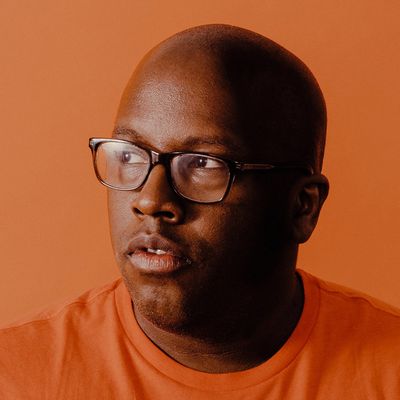
In this episode, Ben and Daniel talk to playwright, composer, and lyricist Michael R. Jackson about Tori Amos's 1994 album Under the Pink. They also discuss Liz Phair, Joni Mitchell, Mariah Carey, alt rock, Fiona Apple, Show Boat, William Finn, In Trousers, Raisin, Sondheim, Company, Rent, and Passing Strange... Read More
From the show: Cast Offs with Ben and Daniel
Guests
Featured Shows
About
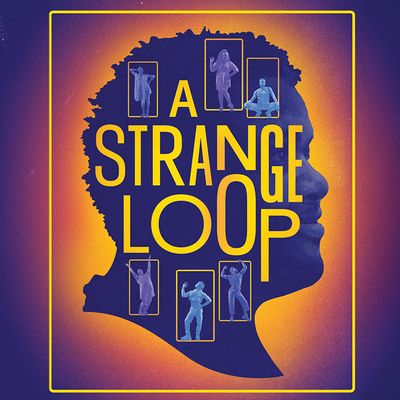
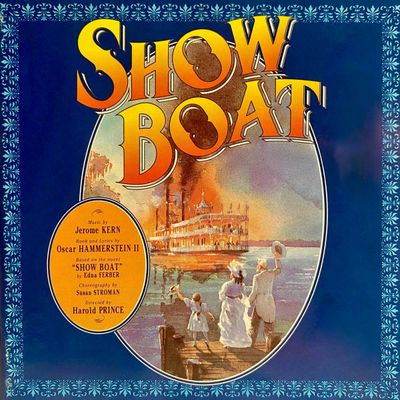
In this episode, Ben and Daniel talk to playwright, composer, and lyricist Michael R. Jackson about Tori Amos's 1994 album Under the Pink. They also discuss Liz Phair, Joni Mitchell, Mariah Carey, alt rock, Fiona Apple, Show Boat, William Finn, In Trousers, Raisin, Sondheim, Company, Rent, and Passing Strange. Michael talks about how he discovered his favorite songwriters and how they influenced his own writing process. Michael's acclaimed new musical A Strange Loop recently played to sold-out audiences, and the cast recording is now available from Broadway Records.
Transcript
This transcript was automatically generated and might contain errors.
[0:01] Ben Rimalower: Broken records, the albums you wouldn't shut up about.
[0:06] Daniel Nolen: Broken records, the music our guests can't live without.
[0:10] Ben Rimalower: Like Judy, Barbara, Liza, Mette, Daddy, Audra, Bernadette.
[0:14] Daniel Nolen: We broadcast this podcast with hopes that someday we might get Patty LaPole.
[0:25] Ben Rimalower: Broken wreck, broken wreck, broken wreck, broken wreck, broken wreck.
[0:33] Ben Rimalower: Welcome to Ben Rimalower's Broken Records on Broadway World. I'm Ben Rimalower, and I'm here with my lovely co-host Daniel Nolen.
[0:40] Daniel Nolen: Hey y'all.
[0:41] Ben Rimalower: Today's guest is the playwright, composer, and lyricist of Playwrights Horizon's recent musical A Strange Loop, Michael R. Jackson.
[0:46] Ben Rimalower: A Strange Loop is one of the most talked-about shows of the last couple of years, and for my money, it's the best new musical since Hamilton. Michael R. Jackson's A Strange Loop is a musical about a black queer man writing a musical about a black queer man who's writing a musical about a black queer man.
[1:02] Daniel Nolen: Like a circle in a spiral, like a wheel within a wheel.
[1:07] Ben Rimalower: That's why you wanted another take.
[1:09] Daniel Nolen: No, give her another take.
[1:10] Ben Rimalower: Jackson also wrote book, music, and lyrics for White Girl in Danger. He's an alum of the Johnny Mercer Writers' Colony and the Arsena Uncharted Writers Group, and has won just about every award in emerging musical theater can win, including the 2019 Whiting Award, a 2017 Jonathan Larson Grant, the Lincoln Center Emerging Artists Award, the Ascap Foundation Harold Adamson Award, the Dramatist Guild Fellowship, and the list goes on and on.
[1:32] Ben Rimalower: Michael R. Jackson is the talent to watch.
[1:35] Daniel Nolen: And deservedly so.
[1:36] Ben Rimalower: Michael's coming in to chat about Tori Amos's's 1994 album Under the Pink.
[1:40] Daniel Nolen: Oh, so major for me in my youth.
[1:43] Ben Rimalower: Your remote youth.
[1:48] Daniel Nolen: Um, do you know any good Carol Channing stories?
[1:57] Ben Rimalower: I wish you all could see Daniel's face. It's like he's going about his day being like it's 11:30 at night, so probably it's midnight.
[2:01] Daniel Nolen: It's midnight.
[2:09] Ben Rimalower: Probably from when he woke this morning till when he goes to sleep tonight, he's probably heard the last time he's gonna hear me do Carol Channing for the day.
[2:16] Daniel Nolen: He really thought it was like smooth still until that time.
[2:20] Ben Rimalower: And then he sees that twinkle in my eye.
[2:23] Daniel Nolen: And you just know what that twinkle means, don't you, honey dear.
[2:27] Ben Rimalower: That Carol, that CCT.
[2:31] Daniel Nolen: I don't know, Ben. I don't have any Carol Channing stories, but do you um I mean where to start?
[2:44] Ben Rimalower: I don't know. I guess my favorite personal Carol Channing story. It's not the core, I'm not about the corn thing.
[2:50] Daniel Nolen: The listeners are dying to know.
[2:52] Ben Rimalower: No, if you guys want to hear a great Carol Channing story, you should get Andrea McArdle's album, 70s and Sunny. It may be on a different Andrea McArdle album, and I think it's on that one. It's a live album, and she tells the story, and it's really great, and I won't ruin it except to say really good show.
[3:10] Ben Rimalower: She does uh say that thing Seth Rudetsky deconstructed how Carol Channing calls her Andrea.
[3:18] Daniel Nolen: And if there ever were an Andrea, it's Miss McCardell.
[3:22] Ben Rimalower: I mean, that's also very Miranda Priestley Andrea.
[3:26] Daniel Nolen: It's different when she do it.
[3:28] Ben Rimalower: But now that you bring it up, Carol Channing would have been a great Miranda Priestley.
[3:31] Daniel Nolen: No, she would not have a lot of it.
[3:32] Ben Rimalower: She would have been idealable.
[3:34] Daniel Nolen: She would have been much better than Meryl Streep.
[3:36] Ben Rimalower: No.
[3:36] Daniel Nolen: Oh.
[3:37] Ben Rimalower: Much, much better.
[3:38] Daniel Nolen: You're alienating the listener then.
[3:43] Ben Rimalower: Who, but truly, for real and for true, who could play Merrill who could play Brandon Priestley?
[3:49] Daniel Nolen: Okay, let's think.
[3:50] Ben Rimalower: Not Christine Bryant.
[3:51] Daniel Nolen: We want a woman of a certain age.
[3:52] Ben Rimalower: I mean I love with a powerful acting and singing presence to impose authority and her will over the entire community gathered there.
[4:02] Daniel Nolen: I see what you're doing.
[4:03] Ben Rimalower: I don't know. I'm just who has the vocal uh edge.
[4:09] Daniel Nolen: Yeah.
[4:09] Ben Rimalower: Who has the power? Who has the sophistication and the shade?
[4:13] Daniel Nolen: I can't think of anyone.
[4:15] Ben Rimalower: Do you think of anyone pushing your own agenda on the pod?
[4:18] Daniel Nolen: I am no agenda. I'm just trying to problem solve.
[4:21] Ben Rimalower: That's what I do. I'm a fixer.
[4:23] Daniel Nolen: Yeah.
[4:23] Ben Rimalower: I'm not here to advance the career of any one particular Broadway actress more than any other.
[4:28] Daniel Nolen: Yeah.
[4:28] Ben Rimalower: So I think as a pod, we can get behind Bernadette.
[4:31] Daniel Nolen: Well, she will certainly look good.
[4:38] Ben Rimalower: Actually, but um, no, but it's funny because Bernadette literally played a character based on Anna Winter on Ugly Betty.
[4:45] Daniel Nolen: Cool.
[4:45] Ben Rimalower: And I believe was nominated.
[4:48] Daniel Nolen: It gives me no pleasure to tell you, for an Emmy.
[4:52] Ben Rimalower: Yeah.
[4:53] Daniel Nolen: For an I couldn't say it.
[4:54] Ben Rimalower: For an Brenda Dett was nominated for an Emmy.
[5:00] Daniel Nolen: Patty's been nominated too, but not for Ugly Betty.
[5:02] Ben Rimalower: Patty's performance in Ugly Betty did not earn such a nomination.
[5:07] Daniel Nolen: No, it wasn't fair.
[5:08] Ben Rimalower: She had to play like a closeted, no, the mom of the closeted guy, like the not he wasn't closeted, but it was Michael Uri, but who was wonderful on that show.
[5:16] Daniel Nolen: But no, but her his mom was like this like mean conservative, but not in a fun way.
[5:21] Ben Rimalower: Like she is. Imagine her character on pose, but like not fun and fabulous, like sad and mean and like unaccepting.
[5:29] Daniel Nolen: How do we get here?
[5:30] Ben Rimalower: Carol Channing would be ideal, but so would Patty.
[5:33] Daniel Nolen: So what about um Vanessa Williams?
[5:37] Ben Rimalower: Yes.
[5:37] Daniel Nolen: But who by the way too on the nose on Ugly Betty.
[5:40] Ben Rimalower: I know.
[5:41] Daniel Nolen: Vanessa Williams was one of the best television depot.
[5:45] Ben Rimalower: I'll say it.
[5:46] Daniel Nolen: I'm Vanessa, we would love you to be on the show.
[5:49] Ben Rimalower: I want to say that your performance um on Ugly Betty was as Willamina Slater was better than Joan Collins' performance as Alexis Carrington Colby Dexter.
[6:05] Daniel Nolen: Bro Kreck, bro Kreck, bro Kreck.
[6:10] Ben Rimalower: I could not be more excited to be here with the current it boy of Broadway Musicals, Michael R. Jackson, the living Michael R. Jackson in the flesh, right?
[6:20] Michael R. Jackson: Hey, hello.
[6:21] Ben Rimalower: How y'all doing?
[6:22] Michael R. Jackson: We're good.
[6:23] Ben Rimalower: We've been looking to the cast album of A Strange Loop.
[6:26] Michael R. Jackson: Oh, great.
[6:27] Ben Rimalower: So so excited.
[6:28] Michael R. Jackson: Oh my god. Like trying to get my Dropbox to like load on the train, like trying to get into track on track.
[6:35] Ben Rimalower: It was like a, you know, it was an adventure, and so like on the way here, I was just like in heaven listening to it.
[6:41] Michael R. Jackson: So brilliant.
[6:41] Ben Rimalower: Thank you, thank you.
[6:42] Daniel Nolen: Daniel didn't see it, he's only heard all the time.
[6:44] Michael R. Jackson: I know to be transparent, I did not see it, but like now that the cast album is out, I am just...
[6:44] Michael R. Jackson: Well you can watch it at Lincoln Center if you like.
[6:52] Daniel Nolen: Yes, oh really?
[6:53] Michael R. Jackson: That's I'm actually gonna see it tomorrow.
[6:54] Daniel Nolen: Because I didn't I wasn't there the day they did that recording.
[6:58] Michael R. Jackson: So I'm just curious to see.
[6:59] Daniel Nolen: Were you at all the other performances?
[7:01] Michael R. Jackson: No, but I would often come to like the curtain or whatever.
[7:04] Daniel Nolen: Yeah, yeah.
[7:05] Michael R. Jackson: And I wanted to go to that performance just to see what it was like, but I got the dates wrong, so I missed it.
[7:10] Ben Rimalower: I feel that's very like Jerry Herman, like in Angela Lansbury's dressing room, kind of like just coming for the curtain.
[7:16] Michael R. Jackson: Yeah.
[7:16] Ben Rimalower: Right.
[7:18] Michael R. Jackson: Pretty much.
[7:18] Ben Rimalower: Totally Jerry Herman, that's me.
[7:22] Michael R. Jackson: Right.
[7:23] Ben Rimalower: Well, of another iteration.
[7:26] Michael R. Jackson: You know, an evolution of the journey.
[7:28] Ben Rimalower: But I will definitely go to Lincoln Center and watch it. Because I have done that before. So it's fun to do it stuff then.
[7:34] Michael R. Jackson: Even after I was trying to pun Michael for Broadway, Broadway transfer gossip as we walked over.
[7:39] Ben Rimalower: Yeah, I have news for you.
[7:41] Michael R. Jackson: I wish I did, but I had nothing.
[7:43] Ben Rimalower: I got a big fat nothing news.
[7:46] Michael R. Jackson: Are there other things going on with it, like aside from Broadway and other production or anything in the works for the nothing, nothing at this point?
[7:57] Ben Rimalower: It's all it's all a question mark.
[8:00] Michael R. Jackson: It's all sure.
[8:01] Ben Rimalower: Well, that's the big, the big the big fish.
[8:03] Michael R. Jackson: Well, if you have the Joe's Pub concert coming up, that'll be passed before Wonderful is out.
[8:08] Ben Rimalower: But lucky for all the people that went.
[8:11] Michael R. Jackson: Well, you know, like I said, I was listening to I've been listening to it the last two days, and um on the way here, I was like, this has to have another life somewhere because more people have to see this.
[8:21] Ben Rimalower: I think it will. It's just it's a just a question of where and how soon.
[8:25] Michael R. Jackson: Yes.
[8:26] Ben Rimalower: Good. Well, it's very exciting.
[8:28] Michael R. Jackson: And that was a fast turnaround for the cast remote.
[8:30] Ben Rimalower: Yeah, I was like quite shocked by that because I just assumed that, especially for like an off-Broadway musical, that it would just take like 17 years for and then no, they were like, let's do it like right like the day after we closed.
[8:46] Michael R. Jackson: Like, let's go in the studio. Like it happened like extremely, extremely quickly.
[8:50] Michael R. Jackson: We like did a lot of prep for it. I had to make sure the lyrics were right to go on the liner note. Like it was just a lot. I had to write the liner notes. It was just a lot of stuff had to happen like very quickly.
[8:59] Ben Rimalower: I feel like people don't know, wouldn't imagine the amount of prep that as the writer you would do for a cast album recording session.
[9:07] Michael R. Jackson: Yes, for sure, for sure.
[9:08] Michael R. Jackson: Yeah, we had to make sure that we because we had to do some edits to make sure that it was 60 minutes or less. And so I had and like and some of the songs are quite dialogue heavy, so like I had to like make a lot of choices about that sort of thing.
[9:22] Ben Rimalower: The version that generations of children will will memorize listening to the album.
[9:27] Michael R. Jackson: Totally, totally.
[9:28] Ben Rimalower: Now you've recorded stuff before, like demos, and you actually have an album out.
[9:33] Michael R. Jackson: Yeah, I have an LP, an EP and an LP that I recorded a couple of years ago. One is called Dirty Laundry and one's called Good Clean Music.
[9:41] Ben Rimalower: And what was the recording process for you like comparatively now to have a label behind you and that kind of like um support?
[9:50] Michael R. Jackson: To sort of put in perspective, we were able to record the band and the vocals and the and then like calm together like edits for the cast album in essentially in like a couple of weeks. It took me six years to like get the tracks out on my own for the album. Partly because I was like, there was just a lot I didn't know about recording and like and it was just and money kept I kept running out of money and like the time and like trying to get singers in in the studio and then finding time to work with my producer and then like finding time to edit and like adding things and starting over and like just there were so many elements to that.
[10:35] Michael R. Jackson: So and then I would get like afraid, so then I would like not talk to him for like months at a time. I just didn't want to think about it.
[10:44] Ben Rimalower: Yeah.
[10:44] Michael R. Jackson: And then he would hit me up and be like, we need to finish this at some point. You know, so like we finally did. And I learned a lot.
[10:51] Ben Rimalower: Well this is quite quite the opposite.
[10:54] Michael R. Jackson: Yeah.
[10:54] Ben Rimalower: And so okay well let's talk about you know we w we we were talking about your inspiration um your your passion for Tori Amos's under the pink.
[11:02] Michael R. Jackson: Yes.
[11:03] Ben Rimalower: Very important album for me.
[11:05] Michael R. Jackson: Yeah for me as well.
[11:06] Ben Rimalower: I was why why would you I always thought um this is so weird to say but I feel like I was gratified that you chose under the pink because I think that's actually always been my favorite Tory album.
[11:16] Michael R. Jackson: But I know so many like it's not my it's not my favorite of her album but it's it's important.
[11:22] Ben Rimalower: It's like very very important.
[11:24] Michael R. Jackson: Yeah.
[11:24] Ben Rimalower: Well then it then I shouldn't feel gratified because I was gonna say so many of my militant Tory amos fan friends for Boys for Pele.
[11:33] Michael R. Jackson: Boys for Pele or choir girl hotel or you know even I can't believe but I think even like later stuff there's like a you know that's that kind of intense fan that has been but no but I have all of them.
[11:46] Michael R. Jackson: Of course I have half one of them and I love all of them.
[11:49] Ben Rimalower: But different ways so what so what does under the pink mean?
[11:52] Michael R. Jackson: I think Under the Pink was the first Tory album that I ever heard.
[11:56] Ben Rimalower: Yeah.
[11:57] Michael R. Jackson: And it was the album that when I heard it it like began to unlock doors for me. And like I began wanting to write like I credit Tori Amos's with why I'm a musical theater writer because like her writing was so personal and evocative and daring and just and ambitious and performative formative and sexual and and critical and smart like it was just was it it was everything that was sort of already stirring inside of me at that time because I hadn't come out yet, and like it I like I feel like that sort of helps me unlock a door toward coming out, yeah.
[12:41] Michael R. Jackson: It helped me unlock a door toward thinking about organized religion and how I felt about it. It like it like made me want to step up like it made me want to like try to imitate her in a lot of ways as a because I was only writing fiction and sort of poetry at that time, and it just made me just think her music like really made me think and it made me feel and so I just remember like my cousin had given me the tape. I had the tape the cassette tape, wow, and I she brought it back from interlocking because she was a student there briefly, and then she I remember what the night I decided to listen to it, it was like late at night, like I was in bed, I like put my headphones on and I put it on, and then the first thing I hear is tears on the sleeve of a man, don't want to be a boy today.
[13:59] Michael R. Jackson: I mean, and I was just like hooked immediately from that.
[14:02] Ben Rimalower: Yeah, it was like the most beautiful thing I'd ever heard, and like the truest thing that I'd ever heard.
[14:07] Michael R. Jackson: Yeah.
[14:07] Ben Rimalower: And like a, you know, a singer-songwriter, pop rock, whatever person.
[14:13] Michael R. Jackson: And it just, and it's the honesty just was like such so needed at that time.
[14:18] Ben Rimalower: How old were you?
[14:18] Michael R. Jackson: I was 15.
[14:20] Ben Rimalower: Oh, okay.
[14:22] Michael R. Jackson: And had you been aware of her before that?
[14:24] Ben Rimalower: No, I didn't, I had never heard of her ever.
[14:26] Michael R. Jackson: I'm, well, I take that back.
[14:28] Michael R. Jackson: I might have, no, that was at the, even that was later because I was gonna say um, Higher Learning, but that actually came out a night later.
[14:36] Ben Rimalower: And how, how old?
[14:37] Michael R. Jackson: And that was when I first heard about Liz Phair.
[14:39] Ben Rimalower: But um, how old are you?
[14:41] Michael R. Jackson: 38.
[14:42] Ben Rimalower: 38.
[14:42] Michael R. Jackson: You're a little younger than me.
[14:43] Ben Rimalower: So that when you were 15, this album had been out for a couple years already.
[14:49] Michael R. Jackson: Yeah, I might, I might have been 16, but I feel like I was 15.
[14:52] Michael R. Jackson: Because that album came out in '94.
[14:55] Ben Rimalower: So yeah, so then I like two years, two years.
[14:58] Michael R. Jackson: Because I mean, I remember like some of my like girlfriend, I mean, you know, friend girls were very into Tori in high school, and I was sort of like, oh, I like musicals, that's not my thing, you know.
[15:08] Michael R. Jackson: And then, and I was, this album, um, like that little belty part in the, like the bridge, right?
[15:14] Michael R. Jackson: I was like, what Broadway belt are we listening to?
[15:17] Ben Rimalower: And they were like, it's Tori Amos's, and I was like, okay, I'm in.
[15:27] Michael R. Jackson: To my baby story!
[15:30] Ben Rimalower: What's she gonna tell you, sorry?
[15:37] Michael R. Jackson: Um, yeah, Little Earthquakes came second.
[15:40] Ben Rimalower: Oh, okay, yeah.
[15:43] Michael R. Jackson: Right, because I think, and then that I think was sort of brought to me as like the more commercial one somehow, like Little Earthquakes.
[15:49] Michael R. Jackson: Then it was, I think it was just because this was new, so that was more popular, and I'm just rounding my brain like that.
[15:57] Michael R. Jackson: But um, uh, you know, I've never really, um, I think I felt kind of excluded from like, uh, from Liz Phair and just to randomly group all those like, you know, '90s female singer-songwriters together that Alanis Morissette and um, Fiona Apple and all that, and Tori was the one that was like my way in.
[16:20] Ben Rimalower: So what was the transition for you?
[16:23] Michael R. Jackson: Did, did, did Liz come for you after that?
[16:27] Michael R. Jackson: No, so basically what happened was it was like if I track sort of like my musical things I've been exposed to.
[16:37] Ben Rimalower: Yeah, oh, and even, sorry, and even going backwards then, what were you listening to before?
[16:40] Michael R. Jackson: It was like I grew up in Detroit, Michigan, so my parents, I always was listening to like Motown and this and sort of the Philadelphia sound and like a lot of sort of '60s, '70s black soul R&B music.
[16:57] Michael R. Jackson: And so that was always in the house, that was always like around, and then like for me, I just sort of absorbed whatever was on the radio.
[17:06] Michael R. Jackson: So like I remember like my, the first album I ever owned was Mariah Carey, Music Box.
[17:12] Michael R. Jackson: And then a hero comes along with the strength to carry on, and you cast your fears aside, and you know you can't survive.
[17:28] Michael R. Jackson: So when you feel like hope is gone, look inside, and you'll finally see the truth that I hear what lies in you.
[17:46] Michael R. Jackson: So that was like that, and then like, you know, I remember being in like seventh and eighth grade, and like Hootie and the Blowfish, and Gin Blossoms, but then also, you know, like Anita Baker, or like this, it was just because like also the radio was just like very different than like everything could be mixed together, and like you could just hear, like I remember like Bette Midler still being on the radio when I was like growing up.
[18:10] Ben Rimalower: Yeah.
[18:11] Michael R. Jackson: So like I, that it was like my parents' music plus whatever was on the radio, and then like the Mariah Carey, Music Box.
[18:17] Michael R. Jackson: And then my cousin, my cousin gave me Under the Pink.
[18:20] Michael R. Jackson: That was like a total gateway into sort of rock alternative for me, but Tori specifically, but rock alternative in general.
[18:29] Michael R. Jackson: Cause then from there, like I started learning about like Sarah McLachlan, because we could say, oh, if you like Tori, you should listen to Sarah McLachlan.
[18:37] Michael R. Jackson: Or oh, and then like Alanis, uh, Jagged Little Pill was just coming out, and then I like that, and then like Jewel came right after that, and then like, and then like just all of those women and all those bands and everything, you know.
[18:50] Michael R. Jackson: But Tori was like, there were, Tori took up such space in my life that I actually never got into Fiona because there just was not time.
[19:00] Michael R. Jackson: This was not time.
[19:01] Michael R. Jackson: So, like, I would hear a song here or there, but I never owned any of her albums until like 2003, whenever Extraordinary Machine came out.
[19:10] Michael R. Jackson: I'm undecided about you again.
[19:22] Michael R. Jackson: It's double-sided, cause I ruined it all.
[19:27] Michael R. Jackson: But I also saved myself by never ruling you, dear.
[19:34] Michael R. Jackson: So there were people like that.
[19:36] Michael R. Jackson: And then Liz Phair, I didn't, I heard the song that she had on the Higher Learning soundtrack, which is a song called Don't Have Time, which I didn't love at that time very much.
[19:49] Michael R. Jackson: But then I didn't discover Liz until 2003.
[19:53] Ben Rimalower: Wow.
[19:53] Michael R. Jackson: Because that's when like her self-titled album came out that everyone hated.
[19:58] Michael R. Jackson: And I liked it.
[19:59] Ben Rimalower: Yeah.
[19:59] Michael R. Jackson: And I liked it well enough to go, well, let me go back and listen to whatever this woman has been doing.
[20:05] Michael R. Jackson: And I got, and so I got Exile in Guyville.
[20:08] Michael R. Jackson: I didn't think this would happen again.
[20:11] Michael R. Jackson: No matter what I do or say, just that I didn't think this would happen again.
[20:18] Michael R. Jackson: With or without my best intentions, and I want a boyfriend.
[20:18] Michael R. Jackson: I want a boyfriend.
[20:29] Michael R. Jackson: I want to see it.
[20:37] Michael R. Jackson: And then when I heard that, and I was like, the same person did both of these like very different albums that I like in different ways.
[21:00] Michael R. Jackson: Like at that time on like eBay or whatever.
[21:03] Ben Rimalower: Yeah.
[21:03] Michael R. Jackson: That's, that's amazing.
[21:04] Michael R. Jackson: You know, and I just was like obsessed with her persona and like her music and her lyric writing.
[21:10] Michael R. Jackson: And so she just quickly became like moved up to like under Tori.
[21:15] Michael R. Jackson: And then also Joni Mitchell.
[21:16] Michael R. Jackson: I wish I had a river so long.
[21:20] Michael R. Jackson: I would teach my feet to flood.
[21:30] Michael R. Jackson: Oh, I wish I had a river.
[21:33] Michael R. Jackson: I could skate away.
[21:39] Michael R. Jackson: I made my baby cry.
[21:44] Michael R. Jackson: Who's like, I always call, I call her the mother, I call Liz the daughter, and I call Tori the Holy Spirit.
[21:50] Ben Rimalower: Yeah, totally.
[21:51] Michael R. Jackson: So like, and I had sort of had been absorbing Joni from high school all the way through the point when I found Liz there.
[22:00] Michael R. Jackson: So the three of them just became like heavy on heavy, heavy, heavy, heavy, heavy rotation for me.
[22:06] Ben Rimalower: And along this way, was the musical theater stuff simultaneous for you in terms of the listening as a fan?
[22:14] Michael R. Jackson: So I, what, like as a kid was like in musical theater stuff in Detroit, like in children's theater and stuff.
[22:22] Michael R. Jackson: So like I liked musicals.
[22:23] Michael R. Jackson: And then my mom would also take me to see things.
[22:26] Michael R. Jackson: So I remember when I was 13, I went and saw the '94 revival of Show Boat on the national tour that came to Toronto.
[22:35] Ben Rimalower: You talked about that in that great, um, that book that came out about the players production of A Strange Loop.
[22:41] Michael R. Jackson: Um, and um, and that production was kind of controversial.
[22:45] Ben Rimalower: I mean, did you, um, read what way?
[22:48] Michael R. Jackson: There was like a lot of groups protesting it.
[22:50] Michael R. Jackson: Um, I think it was the one that Elaine Stritch was in.
[22:54] Ben Rimalower: Yeah.
[22:54] Michael R. Jackson: I think, I mean, they, I know like they didn't say like the N-word, it had been like adapted, you know, so but I guess just the portrayal of people of color at that time wasn't, you know, it was, I don't know why, why that was.
[22:54] Michael R. Jackson: I mean, I had no awareness of that, yeah, at all.
[23:13] Michael R. Jackson: Like there was no internet and I was like in Canada watching it.
[23:16] Michael R. Jackson: I mean, I guess I can say that like the thing for me, Show Boat is still one of my favorite scores of all time, and I will also say that like it was important for me to see that show because it was one of the things that ultimately what would be why I would become a musical theater writer later, because I remember actually seeing the portrayal of Julie in Show Boat and feeling the like injustice of her character, the way the character was treated.
[23:51] Michael R. Jackson: I gotta move on, I died on my, it was amazing that a musical could tackle like a topic that was important, and specifically tackle a topic that had to do with like a black person, which is funny, and it's so, and I never really gone back to think about this, but like in my 13-year-old mind, when I saw Show Boat, I didn't see her story as like a tragic mulatto.
[24:27] Michael R. Jackson: I thought like this black woman is being treated very badly by the world.
[24:31] Michael R. Jackson: Yeah, and I thought that was what the point.
[24:33] Michael R. Jackson: Now I'm sure Edna Ferber might not have totally had a lot of consciousness about that, and I don't know what how Prince's take on it ultimately was like politically, but I just remember like it was important for me to see a story that featured like a black woman being treated like it felt like racism was like affecting her life, and I found that to be like upsetting.
[24:54] Ben Rimalower: Yeah.
[24:55] Michael R. Jackson: But like powerful that it was in on musical.
[24:57] Ben Rimalower: Yeah.
[24:58] Michael R. Jackson: And that, and that ended up being, I think, one of the seeds that made me feel like later when I would start writing musicals, that I wanted to put like important topics and issues in what I was writing, and specifically ones that like were about black people.
[25:13] Ben Rimalower: When did you discover the musical Raisin?
[25:16] Michael R. Jackson: Raisin came like two, I think I want to say two years later, because a tour that came through Detroit.
[25:23] Ben Rimalower: Oh really?
[25:24] Michael R. Jackson: And we saw it at the Detroit, there's a theater.
[25:27] Michael R. Jackson: I think it was the Fisher Theater, but it might have been one of the other ones.
[25:31] Michael R. Jackson: And it had like, it had an amazing cast.
[25:35] Michael R. Jackson: It had like Philip Bailey from Earth, Wind and Fire was in it.
[25:39] Michael R. Jackson: And there was some other, like I just recently found the playbill of it when I was home.
[25:44] Michael R. Jackson: And there was like some other like, I'm just like random.
[25:47] Michael R. Jackson: Like, yeah, like, uh, I think, uh, Jeffrey Osborne was in it.
[25:52] Michael R. Jackson: And like people like that, that like I was like, wow, these are amazing people.
[25:56] Michael R. Jackson: And so I saw that when I was like 14 or 15.
[26:00] Ben Rimalower: Yeah.
[26:00] Michael R. Jackson: And that one was like really, really important.
[26:02] Ben Rimalower: Did you know the play right now?
[26:04] Michael R. Jackson: I did know the play at the time.
[26:05] Michael R. Jackson: I had never seen a movie.
[26:06] Michael R. Jackson: I hadn't read the play at that time.
[26:07] Michael R. Jackson: Although I think I might have read it right after that in school, and like in high school.
[26:13] Michael R. Jackson: And uh, I was just struck by the songwriting and the orchestrations and the voices.
[26:19] Michael R. Jackson: Um, because like Joe Morton, who is on Scandal, played Walter Lee, and he has like an incredible like tenor voice that like the kind of tenor voice that you just don't hear anymore.
[26:30] Michael R. Jackson: Jammed up.
[26:42] Ben Rimalower: Just to get your work me down on your knees.
[26:45] Michael R. Jackson: Jammed up.
[26:48] Michael R. Jackson: Nowhere people, nowhere faces, running and racing to nowhere.
[26:58] Ben Rimalower: Was he, um, uh, what's her name's father on Scandal?
[27:02] Michael R. Jackson: Yes.
[27:02] Ben Rimalower: Oh yeah.
[27:03] Michael R. Jackson: Um, and um, Debbie Allen was in it, and Ralph Carter from Good Times was in it.
[27:09] Michael R. Jackson: Debbie Allen was in the original production.
[27:12] Ben Rimalower: Oh, Raisin.
[27:13] Michael R. Jackson: Not the one.
[27:13] Michael R. Jackson: Sorry, not the one I saw.
[27:14] Michael R. Jackson: No, I'm sorry, forgive me.
[27:15] Michael R. Jackson: Like the cast album.
[27:17] Michael R. Jackson: I mean, I'm just because I made my mom, that was the other thing.
[27:19] Michael R. Jackson: It's like whenever I would see these shows, I would make my mom buy me the original cast albums of it.
[27:24] Michael R. Jackson: Or, and I just like fell in love with the shows even more from that.
[27:29] Michael R. Jackson: So like I, like the, I don't know, I don't have their name memories of the production of Raisin, but the show, I love the music so much that the cast album became the experience of watching the show.
[27:41] Ben Rimalower: I downloaded it after, I don't know if it was in that book or some other interview where I saw you talking about it, and you know, I, and I haven't really gotten to like sit and listen to it yet.
[27:51] Ben Rimalower: I mean, obviously I know the play, but it's, um, it's, I feel like this like little gift, like that you're giving people that like, I feel like people have written that show off, and it sounds like it needs to be rediscovered.
[28:03] Michael R. Jackson: It's tricky because it actually won the Tony in 1974 for Best Musical. I think some of the actors were nominated. Yeah. And then they actually just did a production of it at Astoria Performing Arts Center last year or the year before that. That was really a powerful production. And the thing about it is that the show makes the case for why to add music to it. Because you might think, like, why would someone musicalize Raisin? But I think they actually found a way to take some of the themes and make some incredible songs. And one of them is this amazing song called "Not Anymore" that's all about sort of like covert racism, like liberal sort of covert racism. Not anymore. Not anymore. No, we don't do that anymore.
We are so polite. We never ride at night. No, we don't do that, not anymore. The irony in it is so on point. And I used to listen to it on repeat and dance around my face net, like when I would hear it, because I thought it was just such a brilliant excavation of a topic that you wouldn't think would be in a musical theater song. Yeah. And I love it. Like to this day, it's so good and it's so well performed, it's so well orchestrated. Like, there's just—and like it's just the thing that's tricky that I found out is that there's some rights issues with the estate or something, which is why there's never been a very state. I think so. There's something, although her ex-husband was one of the book writers.
Oh. There's something, something is up where they can't do a first-class production of it, but they can do God, that's tours. So I don't—and I've actually met the people in charge of trying to make that happen, and I know that they're trying to figure it out. And so I hope people do get to see it. I don't know if it should be like on Broadway because there are things about it that are dated, just as a musical art or dated that I think it might be weird to put in the commercial space like that, but it should at least be like an encore.
[30:26] Ben Rimalower: Yeah, for sure. I mean, musicals are so weird that we're like somewhere like the Keen Company should do it. Or like some small—it should be somewhere where people in New York can see it.
[30:40] Michael R. Jackson: Now that's actually interesting given that they're constantly doing things that are so old, yeah, that are dated. Is it set in the 70s or is it?
[30:52] Ben Rimalower: So it's set in the—I think it's set in the same time period, the 50s, yeah, but the sense of the musical sensibility is very 70s.
[31:01] Michael R. Jackson: Yeah.
[31:01] Ben Rimalower: Which might also contribute to some of the—I think if I were in charge of that, it would contribute to some of the attention of why it might be weird to put it on Broadway.
[31:11] Michael R. Jackson: Yeah.
[31:12] Ben Rimalower: Because you kind of will be like, what is—where exactly does this live? And I just think it needs to be somewhere where it can just sort of be seen, yeah, and performed really well.
[31:23] Michael R. Jackson: Yeah.
[31:24] Ben Rimalower: But maybe that can be embraced. I mean, speaking of Company, one of the things I don't like about the new production is how the sound has been updated. And to me, so much of what I love about that original cast album is that 70s sound.
[31:39] Michael R. Jackson: That's right.
[31:40] Ben Rimalower: And I like it as a period piece, and I agree. And these revivals in different ways for different reasons have not made that choice to embrace that.
[31:50] Michael R. Jackson: And to me that's—you know, I mean, I think of it almost more like a long line. But even if the vocals are different and don't have that rawness, like still the orchestrations could sound like that.
[32:05] Ben Rimalower: That's true.
[32:05] Michael R. Jackson: I was furious when they took the percussion out of the Rylance Barza one. I mean, I was—at least that thing though, there was a whole thing going on with the musical sound of that show that was sort of even beyond the issue of where they were setting Company. I mean, you know, it was for its own reasons, whether we like them or not.
[32:26] Ben Rimalower: Right.
[32:26] Michael R. Jackson: But I mean, the other revival and what—anyway, but going on to that though, where—because I know Sondheim was a big thing for you too. When did that come in?
[32:37] Ben Rimalower: So Sondheim, I wasn't aware of him until I saw the movie of West Side Story, which a friend of our family's gave me a copy of it for as a gift for some reason. And I was like, oh, this is gonna be stupid, like gangs and like—I was like, what is this? And then I sat and watched the film and I just loved it so much. Yeah, I just loved the scope of it and the songwriting. And so like that's when I first became aware of Sondheim just as a writer, and then I didn't really become aware of him again until I went to college. And like a friend of mine was like—I think I went to somebody's dorm room, and we all were watching like Into the Woods.
[33:24] Michael R. Jackson: Yeah, classic.
[33:25] Ben Rimalower: On the classic story. Like on VHS, and I think that's like when I even was like, oh, there's someone named Bernadette Peters.
[33:32] Michael R. Jackson: Yeah.
[33:32] Ben Rimalower: You know. And then like I would—and then at that time you could go to Tower Records and there would be a whole musical theater section. And one day I remember I just went there and I had all this disposable income and seeing it at this time. At that time, I just bought a little net music company, specific over. I just bought literally every Sondheim show that was there that I could listen to.
[33:55] Michael R. Jackson: Yeah.
[33:56] Ben Rimalower: And so then like I just spent a lot of time just sitting listening to those cast albums and marveling at his craftsmanship.
[34:03] Michael R. Jackson: Yeah, which one was your favorite?
[34:05] Ben Rimalower: Uh, Follies.
[34:07] Michael R. Jackson: Yeah.
[34:08] Ben Rimalower: And so, I mean, if on one hand you're marveling at his craftsmanship and you're having an experience of Show Boat, you know, and to a different extent maybe Raisin, of like shows that can actually tackle important things that are not just for, I don't know, entertainment's sake.
[34:28] Michael R. Jackson: Right.
[34:29] Ben Rimalower: How is that intersecting with the inspiration you're taking from Tori and Liz Phair and like the—what do they bring to that dialogue?
[34:39] Michael R. Jackson: Well, because they both were writing very sort of first-person accounts of their lives in a lot of ways, and doing it with little to no filter, and I just gravitated toward that sort of excavation of self. And I was just—and you know, I was writing fiction and poetry before I began writing plays or musicals, and so the minute that I started listening to Tori's music, I went into an imitation phase where all my poems suddenly turned into attempts to write my version of Under the Pink or Little Earthquakes or Boys for Pele. You know, even though I didn't fully have a grasp of technique or what she was doing as a writer, I just felt the need to try to imitate it and musically as well because I was like playing piano and like improving. I guess I played piano at church for the choirs, and so I was constantly improving and trying to make up tunes that felt like it was like a Tori song.
[35:49] Ben Rimalower: Did you know how good—did you know how great of a project that was for you?
[35:54] Michael R. Jackson: I mean, like if you could go to like a little baby Michael R. Jackson and be like, oh kid, you're so talented, you've got such a future ahead of you. I want you to do these like the way Oscar Hammerstein famously did to Sondheim with these assignments.
[36:08] Ben Rimalower: It's almost like you gave yourself—
[36:08] Michael R. Jackson: Yeah, I mean, I think like I—but I like didn't know what I was doing.
[36:15] Ben Rimalower: Yeah.
[36:15] Michael R. Jackson: But I think that that was good.
[36:17] Ben Rimalower: Yeah.
[36:17] Michael R. Jackson: Like I would—I would just let my baby self just do what he was doing. Because it was all just about finding a sound, finding like what my interests were in the stories and poems I was writing, and like just continuing to write it. I kept—I would write about the same things over and over and over.
[36:39] Ben Rimalower: Was it coming from in different ways?
[36:43] Michael R. Jackson: I did, I mean, because I didn't have a career ambition at that point, and so it was just for myself. So I would get up in the mornings before school, like practically every day, and I would just sit at Simpson Piano and I would like either try to play Tori's songs, specifically because I made my dad buy me all of her piano books.
[37:03] Ben Rimalower: Yeah.
[37:04] Michael R. Jackson: Or I would just sit there and improv my own things. Or I would like write a poem thinking it would be like a lyric.
[37:12] Ben Rimalower: Yeah.
[37:12] Michael R. Jackson: And like try to put music to it. But I didn't understand song form as a thing at all. So I was just trying anything and everything, and it was just an outlet.
[37:24] Ben Rimalower: You weren't sharing this with anyone, it was all just—
[37:24] Michael R. Jackson: No, well, I would share poems and stuff at school because I was taking a creative writing class, and I had a really great creative writing teacher. And we also had this program called Inside Out that is a nonprofit that would bring professional writers into schools so that students could see writing as an outlet, but also see it as potentially a career opportunity and not just a hobby. So I also worked with writers in residence in my school, and then there was one writer, this guy named Peter Marcus, who did a writing workshop out of his house in downtown Detroit. So me and some other people I went to school with, we also took that writing workshop. And so everything was—I was constantly creating on my own or with a teacher or with like a teaching artist for all of my high school, like for all four years of high school.
[38:21] Ben Rimalower: And it seems like A Strange Loop brings together so many of these different things that you were finding out how to do and finding that you loved. Do you think at the time, if you could have in a time machine gone to a performance of A Strange Loop, would you have—or could you have envisioned a show like that? Obviously, not the actual content, but like would you have thought a musical could be that in your young mind?
[38:47] Michael R. Jackson: Definitely not, because I just thought—musicals, well, I mean, maybe. I mean, it just—musicals to me at that time were just whatever you put in front of me.
[39:01] Ben Rimalower: Yeah, sure.
[39:02] Michael R. Jackson: So like I heard that there was—I saw a tour of Rent when I was 16 or 17, like that came to Detroit, and like that was the thing that I—and I'd seen it on Rosie O'Donnell. And like Neil Patrick Harris was doing like the LA version, I believe. And he sang, "We're living in a day," like he sang that on Rosie O'Donnell. And I was like, ooh, there's this cool show called Rent that's on Rosie O'Donnell's and it's coming to Detroit, and I begged my parents to buy me a ticket to see, you know what I mean? So like I didn't—I had no taste at all. Like I just was absorbing whatever was in front of me.
[39:43] Ben Rimalower: Right.
[39:44] Michael R. Jackson: Right. Are there shows from that time? I mean, I certainly have that I loved because of why you said being young and having no taste and believing in whatever was in front of me, but that now I'm like, I can't believe I know every word to The Goodbye Girl. Like, how is that high?
[40:02] Ben Rimalower: So I remember, well, I don't know, like I loved everything. I mean, well take it, I'll take it back. The same weekend that my mom and my grandma saw Show Boat, we saw Phantom of the Opera. And Phantom of the Opera was interesting in that I did not enjoy it as a theater piece. I remember sitting in the theater and being like, I don't understand what's going on. Like if there's something about it as a story that I couldn't quite follow. But I liked the music. So like when I bought the cast, the original cast album, I would listen to it. I loved listening to it just as songs and songwriting, but just as a story, it never spoke to me. Whereas Show Boat, like the whole thing, I was so impressed by the fact that it was like throughout history and then like—and the legit singing that was happening, and the funny songwriting and the lyric writing and everything about it, I just was totally blown away by.
[41:02] Ben Rimalower: Funny that they were both directed by Hal Prince.
[41:05] Michael R. Jackson: Right.
[41:06] Ben Rimalower: And then, although I didn't know that at the time, and then like my mom took me to see Miss Saigon, and Miss Saigon, I again—I think there were some things about the story that I responded to just because it has like a lot of action and adventure, yeah, kind of Vietnam. Like there was a lot happening, yeah. And I really liked the music, but I do know that like when I bought the cast album for that, and I would listen to it, there were things in it that felt odd to me, but I couldn't put my finger on what was odd about it. But I would listen to it and like I know those songs pretty well.
[41:52] Michael R. Jackson: Yeah, um, but it it's something that didn't age well in my sure, like in my the way that I love a lot of these musicals. So, but like I but I remembered like I enjoyed the experience of watching it when I saw it. Yeah, I mean And then I never went to see it ever again. Like I didn't like the reliable happening, I didn't know. It's not like especially like once all the issues around like yellow face and that sort of stuff. I was just like, oh, this is like I'm I'm not like I'm not interested in this.
[42:27] Ben Rimalower: Yeah.
[42:28] Michael R. Jackson: What um the the other influence that I just kept thinking musically uh watching Strange Loop was Bill Finn. Was that part of your So Bill's work I didn't know about until college when a f uh friend of mine who went to school with exposed me to In Trousers, which I to this day is my favorite, favorite Bill Finn thing of all time. No one looks busy in this kitchen and my breakfast isn't ready and my stomach aches. I mean specifically the maiden was reclining like she's laid a golden egg. I want some chatter and some rule, make me one as rule, try to make me hungry. Can't touch your tongue. I don't always know that's all the answer to I may be sly here, but not here.
[43:23] Michael R. Jackson: And then like I listened to Falsettos and Falsetto Land. Um after that, and then when I went to applied to grad school, Elegies was happening, or like it just happened, and um I bought the the cast album for that and like Spelling, and then like when I was in school, he did Spelling the End, he was a teacher of mine at school, so like the NYU graduate. So I I the can't like and he was a teacher who really nurtured me in the beginning. We did have like a one dark moment, but like he he really encouraged me to keep doing what I was doing. Because when I came into the program at NYU for grad musical theater writing, I did not know how to write lyrics at all. So like they they start everybody off at least at that time. I don't know if they do this, do it this way now, but like they teach you how to write lyrics if you're a book writer, which is what I went into the program as.
[44:17] Ben Rimalower: Yeah.
[44:18] Michael R. Jackson: And I and like my lyric writing, which was an extension of the sort of poems and short stories I had been writing throughout middle school and high school, and then somewhat during college, although in college I was more focused on playwriting, it it they were just as personal as they had been back then. And so and and but it they weren't formed.
[44:41] Ben Rimalower: Yeah.
[44:42] Michael R. Jackson: And Bill saw that, but like just encouraged me to keep doing, keep at it because he liked where I was writing from.
[44:48] Ben Rimalower: Yeah.
[44:49] Michael R. Jackson: Because he's like also a personal writer.
[44:51] Ben Rimalower: Right.
[44:52] Michael R. Jackson: And so I just like kept doing that while going to my lyric tutorial classes and like learning formally how to write a verse, a chorus, an A, a B, like an understanding song form.
[45:03] Ben Rimalower: Well, you had so much to bring to the table. I mean, to be a composer and a playwright and uh poet, you that's you couldn't come into lyric writing anymore.
[45:14] Michael R. Jackson: Yeah.
[45:15] Michael R. Jackson: Right. Although again, I I had no idea what I was doing. Yeah. Like I was just doing it, and I was, and I feel fortunate enough that the program wasn't a place where they were like constantly wrapping your knuckles, at least in my year, I was like, they were like, explore, try it, and then they'd give you feedback and critiques or whatever. But like I was very much encouraged to keep doing it. And so then what ended up happening was at the end of the toward the end of the first year, I was in a class with Mike Reed, who is the chair of our department, Sarah Susinger's collaborator. Is it the ballad of the ballad of the city? A little joke. He also wrote the song I Can't Make You Love Me that Write Sings.
So he said if you're a nurse who's never written music and you want to try it for this one, assign it, or vice versa, go for it. So by that point, I had un I understood song form enough that the musical ideas that had been percolating since I just was like improving in middle school and high school had somewhere to go. So I decided to try to write my own song for that class.
[46:17] Michael R. Jackson: And then the song that came out of that was Memory Song from A Strange Loop. These are my memories, these are my memories. Eat his body, drink his blood communion buffet. These are my memories, sweet sour memories. After church, we're trying on Jadio Crackle. Jazz Will Zapper Moldown Blues and Skinny's a shaka. But one lone black A boy, I knew who chose to turn his back on the law. One lone black gay boy, I knew who chose a turn is back on the law. But at that time it was it was an early draft of it, but like it was just a standalone song for me.
[47:06] Ben Rimalower: Yeah.
[47:07] Michael R. Jackson: And I was encouraged. I played it for the class and people liked it. And I was encouraged to continue writing my own music, even though for my thesis project, I was gonna be paired with a composer.
[47:18] Ben Rimalower: Right.
[47:19] Michael R. Jackson: Um and so I just kept writing music for myself just on the side while working on my thesis project with my collaborator Rachel.
[47:28] Ben Rimalower: And is that is Rachel the one you're writing White Girl in Danger with?
[47:33] Michael R. Jackson: Is that no? I'm writing my girl in Danger Mong.
[47:35] Ben Rimalower: Oh, okay, but you do have another project.
[47:37] Michael R. Jackson: I have a Call Anna K. Jacobs.
[47:39] Ben Rimalower: Oh, okay.
[47:40] Michael R. Jackson: And that that's a musical also.
[47:42] Ben Rimalower: That's a musical one I'm writing book and co-book and lyrics.
[47:42] Michael R. Jackson: Co-book and lyrics. That's not based on the movie.
[47:47] Ben Rimalower: It's based on the movie.
[47:48] Michael R. Jackson: Oh, it is?
[47:48] Ben Rimalower: Yeah.
[47:49] Michael R. Jackson: About the vagina with teeth?
[47:50] Ben Rimalower: Yeah.
[47:50] Michael R. Jackson: Oh, that's fabulous. I mean, uh, it feels to me so much like you're a um uh you represent this like coming together of all these different strands, and and even you know, and I think in musical theater, like the influence of the singer-songwriters, you know, and the personal um story that well, I forgot how you phrased it very well, but about making a song personal in that kind of way that the singer-songwriters do. You can hear that certainly in like Jason Robert Brown and like all these things, but I feel that where that becomes problematic in a lot of those people's, if not individual songs necessarily in the shows, A Strange Loop doesn't suffer from that. It seems more integrated in a way where that that's part of the storytelling vocabulary of the songs, but but but the show is not uh dragged down.
It feels very um, I don't I think my problem with a lot of like the Jason Robert Brown era is that there's a lot of like the songs come out and tell you something that already happened, and it's you know, and A Strange Loop doesn't feel that way at all. It feels so alive.
[49:00] Michael R. Jackson: A Strange Loop is thank you for saying that. Um and I think that what I have what I would attribute that to is that I studied playwriting first and then I started writing lyrics, and then I started learning writing music. And so when I approach songwriting, I approach it as a playwright. And so the thing that became very important to me about A Strange Loop, which has its own long developmental history, was that I it was very important to me that it not be like a cabaret app. And that it not and that it not even be like Passing Strange, which I consider to be an influence on that like I wanted it to feel like it was a story. Yeah. Even though there would be like moments of direct address, and there will be sort of you know moments that are not as book musically as say something like Gypsy.
But like I it was just very important to me that it had its own kind of playwriting integrity to it. And so the and and just in developing it over the years, I kept on trying to make sure that there was a true formal structure to it, and that it obeyed its own rules and that there were consequences and that the character had a rising action and that like and that he wanted something, although it was a kind of abstract thing, but that like there's a reversal and the recognition. I I wanted all the things that are that you learn about in playwriting, and I knew that like the songs had to be in support of that, and they couldn't just be like step forwards, park and bark kind of it's so interesting that you bring up Passing Strange because that it's a better example in a way uh for a counter or for you know a better counter example than the Jason Bartman Brown shows or whatever because Passing Strange works so well in terms it's a great piece but it isn't uh a play in the way that is yeah like it's it's more it's like because there's like a narrator and like it's the M or MC and it's a beautiful like I love it. Like I saw it twice and I like I loved it. Yeah.
[51:22] Michael R. Jackson: Um but I I still wanted to I wanted to go a little bit further formally with A Strange Loop for that reason because I also didn't want to to just be compared to it. Right. You know what I mean? So like I felt like it formally had to complete the gesture of what it was so that was like an important part of the developing the piece. When I I mean with all these I mean it's funny even to have Jagged Little Pill come up because in fact that's coming to Broadway. Like with uh this current climate of just like people bringing things to Broadway albums or pop songwriters writing shows or being jukebox shows or whatever it is if you look back on Liz Phair and Tori Amos's or anyone else you want to include in that group it do you think any of them or which of them I mean I know Tori's written an opera um but it's a musical oh is it a musical oh wow have you seen it I haven't seen it but I've listened to her are are you into it if you don't mind me um I will I will always be a fan of Tory's instinct to try something.
[52:31] Ben Rimalower: Yeah.
[52:31] Michael R. Jackson: And I think that she has musical, like she's a true artist and a true musician. I feel like just based on what I listened to on the album in the cast album for that, that she and her collaborator, but particularly in the music, she's writing what she thinks a musical should be. And not really, and I think that like even just the source material is not as interesting as it could have been, given like what she normally writes about. And I just wish that there was some I wish that somehow someone could have zapped me and into like her impulse to write a musical to like guide to like suggest that she made that she can actually take more risks, yeah, and what she was making and like and try and like and and not sort of um feel like I've got to put on my musical theater writer right now and like obey these rules, which she does a good job of researching and like trying to do that, but I just don't think that it plays to her strength. It's I mean it's that whole idea of a musical theater as a genre that's that's so tricky, yeah.
[53:43] Ben Rimalower: But it's but I think it's one of the things that makes writing musicals difficult because like even if you're not Torain is trying to do that, you you're always trying to, especially when you have a collaborator, you're always trying to figure out what's the like alchemy, yeah, and what's the and what and how the two the two of you work together, yeah. And so I I personally like if she ever wants to write a musical again, because I know she took it very seriously and it was very hard, and I think she's even trying to get it to come to a narrative, but I would just advise her to write something that's like that means as much to her as one of her albums, and find a collaborator who can both sort of work within her musical structures but also sort of like help shape the space.
[54:34] Ben Rimalower: Would you would you be up for that?
[54:36] Michael R. Jackson: I don't know that I mean, I I mean, depending on what it was about, because the other thing that like I learned with Tori over the years is that like as she got older, I've gotten older. Right. And so like I don't know that we care about the same things in the world, even though she very much influenced me as an artist as a person. So like we might we might not make ideal collaborators.
[55:01] Michael R. Jackson: But like I I just had such love and respect for her as a musician and an artist that I would just hope that she could do something that in my opinion is more in that's more in the gnarlier place that her albums tended to kind of I mean it is a strange thing when you think about these artists. I mean, I think about it a lot in terms of of writers and and singers too, in a way, like or singer-songwriters that like the the conflict that maybe draws them to great work or you know propels them to great work, when the great work is met with rightful success, it changes their lives in a way.
[55:45] Michael R. Jackson: Yes, they become millionaires, they become like multi millionaires who live like extremely comfortable lives.
[55:52] Michael R. Jackson: Yes, yeah, and they're maybe not as hungry anymore. And suddenly, like I would say that even like I love like my friend Dan Fishback and I are constantly arguing about Tori's later albums. Yeah, I love her unconditionally, but the thing that I that I that is also true is just that like she does, I think because her life is such so comfortable, she's like removed from the scrappiness of like of where she came from of like, and so I think her questions, she's now in the sort of phase of her career where she's kind of like delivering wisdom. You know?
[56:32] Ben Rimalower: Yeah.
[56:33] Michael R. Jackson: And and it's not like it doesn't feel like why do we crucify ourselves? Like that's it's a different, she's in a she's far and and and God bless her for like not being in like an unhappy, depressed like place. She like, she was very unhappy for most of those years that I loved her music so much. So I'm happy for her to be in that place. And I think that she isn't still an incredible songwriter regardless. Yeah. But there is like a marked difference between what she not just what she was writing about, but how she does it. Um and the song structures are more complex, but they also like sometimes are not as tight um as like her early songwriting. But like, but she's also like interested in different things, but it's she's also like super comfy.
[57:22] Daniel Nolen: Well, also with someone like Tori, whose work was so personal, it makes it really takes a lot, it changes things a lot for her not to be in pain like that.
[57:31] Michael R. Jackson: Yes.
[57:32] Daniel Nolen: Whereas, you know, I mean, part of the, you know, I I don't have the word that worry for you. Uh, because I think no matter how much success uh and happiness you have in your personal life, I see you as someone who's who is so um plugged in to what's going on politically and and socially for the rest of the people in the world, and and that seems to be a part of what your work is about.
[58:00] Michael R. Jackson: Yeah, I think that that's true. I mean, and I I guess I would phrase that in that I try I also it's important to me as an artist and as a writer in particular to always challenge my own assumptions and biases because and that became very true for me while I was working on A Strange Loop because I even I like was because I had to because like I had to think about like what A Strange Loop's relationship to the world was as it was changing. So like the scene of A Strange Loop, I began became during the Bush era, like George W. Bush's era, and like and then like Obama was elected, and like I was still working on it, and then like the point when it sort of ended up moving toward production was when Trump was in office.
[58:53] Ben Rimalower: Yeah.
[58:54] Michael R. Jackson: So then, like other people's assumptions about what A Strange Loop is and the context of that, yeah, I think shape how they look at it in some ways, even though that's not how I look at it. And because I was aware that that's how some people looked at it, I st knew that I had to be very specific about what I was doing, sort of in resistance to that.
[59:17] Daniel Nolen: Yeah.
[59:17] Michael R. Jackson: Because like my piece has nothing to do with Trump.
[59:20] Ben Rimalower: Right.
[59:20] Michael R. Jackson: Right. And so it meant that I was like, I had to really think about what are the core questions that I'm asking myself that are like regardless of what's happening, like this is what it's about.
[59:36] Daniel Nolen: Yeah.
[59:37] Michael R. Jackson: And so I started rewriting around those questions for myself. So things that had existed in the piece for like a long time began to change. This was like up before, like in the year from Playwrights announcing they were gonna do it to we have us actually born into rehearsal. And so thing they were not gigantic things, but like they were key things that like I started changing to sort of respond to the world's response.
[1:00:05] Ben Rimalower: But it has that burnish to it. I mean, I think that will make the piece uh age very well. Because it's not, it's it it's it's about more humanity kind of like eternal.
[1:00:18] Michael R. Jackson: Well, it's about the self. Yeah, it's about I the the thing I would always would tell people in interviews and stuff and and in the marketing of it was that like I wanted people to walk away from this piece thinking about what it can be to be a self in general and a black queer self in particular, yeah. And that both of those things are happening simultaneously in the piece. So to me, I hope that that will contribute to the quote unquote timelessness of it, because it's it it invites you to think about what it feels like to be a person, yeah. And you're in whatever identity you're in.
[1:00:53] Daniel Nolen: Yeah. Do you do you have a desire to write something, not necessarily about Trump, but you know, I I know as an audience goer, you know, I I have a hunger now for I want something to, you know, things that might have felt off-putting to me five years ago. I want now, I want to be like washed clean from you know, from this. I want someone to shed my my liberal um bullets.
[1:01:24] Michael R. Jackson: So I guess you know, but I guess like my response to that is that like whatever if I were to do that, the thing I would do would not wash you clean.
[1:01:32] Daniel Nolen: Well, sure.
[1:01:33] Michael R. Jackson: The opposite. But no, but maybe wash clean is the wrong word. Because I I guess I do understand that. I want to I I w I just want to feel that um so the all the closest thing I have to that is I have a commission for a musical from LCT3 that's called Accounts Payable.
[1:01:51] Daniel Nolen: Accounts Payable sounds stressful for me.
[1:01:55] Michael R. Jackson: So Accounts Payable was something that was commissioned right before Trump was elected. So I'm like long overdue for this to finish this piece. But it when I first started writing, and it's it's loosely based on the time I spent working as an accounts payable clerk at an ad agency, which I did for four and a half years. And initially it was just gonna be sort of about that.
[1:02:22] Ben Rimalower: Yeah.
[1:02:27] Michael R. Jackson: An office just set in an office, right? But the over the years of me like tooling around with working on it and thinking about like what my experience was of working in that place and how I felt about sort of the racism that like was I encountered in the office and like the pressures of capitalism and all the all of that stuff. And like, and then the world changing because Trump was elected. I the piece is not actually in response to Trump.
[1:02:58] Daniel Nolen: Oh, interesting.
[1:02:58] Michael R. Jackson: It's in response to people's response to Trump. Oh, interesting. And so I've moved the piece from being set in the present to being set 20 years in the future. And so it's still just set in the office. It looks just like it's there's nothing futuristic looking about it. But what happens is the world has gotten like even more nuts 20 years from now. And but these people are still like in this office trying to get raises. That's right. And doing their annual performance reviews. And meanwhile, this robot comes to work with them because one of their coworkers quits because the pressure is too much. And this robot looks just like them, it sounds just like them, but it can just work all day and all night.
Doesn't need breaks, it doesn't need vacations, it doesn't have to go to the bathroom, it doesn't need to eat. It's just programmed to to just do the paperwork and do the accounts payable, and like and it slowly starts to sort of take over. But meanwhile, these people are all fighting amongst each other for like scraps.
[1:04:01] Ben Rimalower: Yeah.
[1:04:02] Michael R. Jackson: Which to me feels like nah. Wow. Right. Which is has everything to do with Trump, but nothing to do with Trump. It has everything to do with Obama and nothing to do with Obama. It has everything to do with George Bush, Dr. E. Bush, and nothing to do with George. Like it has to do with like what is America and what are we all scrambling? Like we're all scrabbling for our little piece, but who has everything? And the pressure continues to bear down and bear down and bear down. That to me feels like my response to the thing that you're describing, in my opinion.
[1:04:41] Daniel Nolen: That's thrilling to think about. I mean, it's you know, um I mean whether I do it well or not, I don't know. But I'm certainly gonna think it's taking me a very long time to it's taking me much longer to I mean to get even a draft of it out than anything else I've done.
[1:04:55] Michael R. Jackson: You have a very strong, I mean, in addition to it, you know, uh, I think a very open-hearted uh vision you also have a very healthy skepticism you know to the sort of uh liberal bullshit and I I think you posted something that made me laugh of like you know people showing pictures of like George Bush and Michelle Obama holding hands the good old days so with that do you think and this will just fry my brain because I'm sure it is possible I'm thinking about it in terms of that play. Like is there a horrible future where people look back on Trump with those sort of rose colored glasses.
[1:05:32] Michael R. Jackson: Maybe because like what if there's someone who's like way worse than him and they'll say oh those Halcyon days of of the Trump era. Like it just it all becomes ridiculous like the more you sort of like whitewash yeah like the American like the the thing that I just have started to think about with politics is like I have like my candidate that I support in the primary and whatever and I'll support the Democratic person in the general and all that stuff. But the thing that like I just have been thinking a lot about is that we don't talk enough about what the presidency actually is.
[1:06:12] Ben Rimalower: Right.
[1:06:13] Michael R. Jackson: That like it's like an office that's like incredibly powerful and like the people in in some ways the people who are in it are in material because the thing itself can be is so destructive. Yeah. And like you know, so like yes, like I I prefer to have anyone other than Trump in that office, but I also wish that we could go. Maybe we need to make this office less powerful.
[1:06:41] Daniel Nolen: Right, yeah, for sure.
[1:06:43] Michael R. Jackson: So that like it's it's not every four years we're like freaking out because some person can just go into this extremely powerful office and like move the gears and lever and power around and change everything so drastically. Yeah, you know, and so I don't know how America can have that conversation. But because I'm just like every whoever wins will be that powerful. Yeah. And like what do they do with all of that power? Right. And like sometimes it reminds me of that movie War Games, where at the end the kid is like the answer the computer is like the answer is not to play. And that's just how I feel about it. Like, because it's just like this just so the United States wages so much war and destruction and like all over the place, just even by accident. Right, right. Yeah, yeah.
[1:07:38] Daniel Nolen: Let alone if you're like a you know, a person who's like a really good person. And like, and we're relying on like the best, most smartest, most whatever person to be in the office that's like just we'll give millions of dollars to like an evil country. Yeah. Just because. Yeah. And I so I get worried about things like that.
[1:07:58] Michael R. Jackson: For sure. It's a very good worry. Um, all right, so we have to let you go. But in the um uh we play a stupid game with all our guests that is especially stupid in the context of this conversation, but it's along the lines of Merryfuck Kill, and the game is Dolly Concert Kill. And so we'll give you three performers, and you'll choose which one to see as Dolly Levi in Hello Dolly, which one to see in concert, and which one to go.
[1:08:21] Ben Rimalower: So I think we have to do um uh Tori, Liz, and and Judy Collins.
[1:08:27] Michael R. Jackson: Uh Joni Mitchell, yeah. Tori as Dolly. And the concert, Liz, and then kill Joni. I don't want Joni to have to waste her time.
[1:08:40] Ben Rimalower: Thank you, Michael.
[1:08:42] Michael R. Jackson: Thank you so much. Everyone check out Strangelo Cast Records.
[1:08:46] Ben Rimalower: Yes, please.
[1:08:47] Michael R. Jackson: Yeah, yeah. Please order on BroadwayRecords.com.
[1:08:50] Ben Rimalower: DollyRecords.com.
[1:08:52] Michael R. Jackson: Buy the CD.
[1:08:53] Ben Rimalower: Yes, please.
[1:08:55] Daniel Nolen: Thanks for listening to Ben Rimmelauer's Broken Records on Broadway World. For more episodes, visit Broadway World, iTunes, Stitcher, or wherever podcasts do be. Come back next week for Broadway star Telly Leong, coming into chat about Patti LuPone Live. Other upcoming guests include legendary columnist Michael Musto, Catholic Goddess Natalie Douglas, and Tony Award-winning lyricists and director Scott Littman.
[1:09:19] Daniel Nolen: This episode was edited by me, Daniel Nolen. Thanks to Emmy winning composer and lyricist Lance Horn for the Broken Records theme song. Follow us both, Ben Rimmelauer and Daniel Nolen on all y'all's socials. That's Ben Rimmelauer, B-E-N R-I-M, A-L-O-W-E-R. And that's Nolan with an E, not Nolan with an A. Because Nolan with an A is an A.
© Broadway Podcast Network, All Rights Reserved