

Throughout this season and in between the main episodes, you get to hear some of my interviews with artists, creatives, and industry experts. And in this bonus interview episode, two of the guests from the Evita episode share more stories and insights... Read More
From the show: Closing Night
Guests


Featured Shows
About
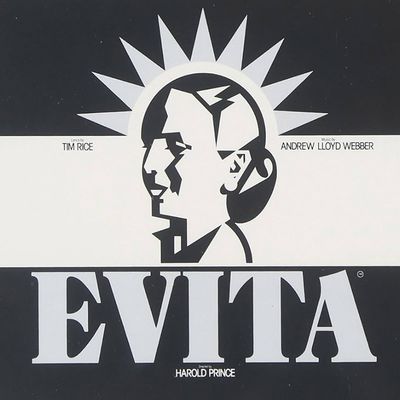
Throughout this season and in between the main episodes, you get to hear some of my interviews with artists, creatives, and industry experts. And in this bonus interview episode, two of the guests from the Evita episode share more stories and insights.
The first one is actress Christina DeCicco, who played Eva Peron twice a week in the 2012 Broadway revival of Evita. She talks about her audition process, what rehearsals were like, and how she went about portrayed this iconic leading lady. I even open up a bit about my own time on the national tour and some of the parallels we both had in our respective productions.
Next, is Sammi Cannold, a director and long-time fan of the musical itself. She was actually in Argentina when we had this conversation, and she’ll be sharing what she’s learned about this larger-than-life woman, who even decades later is still very much a part of the fabric of Argentina life and culture. This research has informed each of the three productions she's directed of Evita. The latest one was at American Reperatory Theater in Summer of 2023, which the Boston Globe called "Exceptional! A new generation’s take on Evita."
Follow on Instagram and listen to Closing Night on your favorite podcast app!
Closing Night is a production of WINMI Media with Patrick Oliver Jones as host and executive producer. Dan Delgado is the editor and co-producer, not only for this podcast but also for his own movie podcast called The Industry. Blake Stadnik composed the theme music, and Maria Clara Ribeiro is co-producer.
Transcript
This transcript was automatically generated and might contain errors.
[0:00] Patrick Oliver Jones: Welcome to Closing Night, a theater history podcast celebrating famous and forgotten Broadway shows that close too soon.
[0:08] Patrick Oliver Jones: I'm your host, Patrick Oliver Jones, and in the previous episode, you learned about the 2012 Broadway revival of Evita, as well as its long journey from that original London production in 1978.
[0:21] Patrick Oliver Jones: Well, throughout this season and in between the main episodes, I'll take you further behind the scenes by sharing with you some of the interviews I've had with artists, creatives, and industry experts.
[0:33] Patrick Oliver Jones: And in this bonus episode, you'll get to hear from two of the guests from that Evita episode.
[0:39] Patrick Oliver Jones: One is Sammi Cannold, who is a director and longtime fan of the musical itself.
[0:44] Patrick Oliver Jones: But first you'll hear from one of the actresses in the Broadway musical.
[0:48] Christina DeCicco: Hi, my name is Christina DeCicco, and I played Eva Perón twice a week in the 2012 Broadway revival of Evita.
[0:56] Patrick Oliver Jones: You'll get to hear more of Christina's experiences as she shares her audition process, what rehearsals were like, and how she portrayed this iconic leading lady.
[1:06] Patrick Oliver Jones: So after the break, you'll hear my full conversation with Christina as we go further into what it took to bring Tim Rice and Andrew Lloyd Webber's musical back to Broadway.
[1:22] Patrick Oliver Jones: Hello, Christina.
[1:24] Christina DeCicco: Hello.
[1:25] Patrick Oliver Jones: Well, thank you so much for doing this.
[1:26] Christina DeCicco: I'm so glad that we were able to connect and that you're able to do this.
[1:30] Patrick Oliver Jones: Of course.
[1:31] Christina DeCicco: Sounds like a lot of fun. Hoping that I can give you some good stories here.
[1:35] Patrick Oliver Jones: So we'll just start from the very beginning. What was your audition process like?
[1:40] Christina DeCicco: My audition process was actually really kind of exciting at the time. I had just taken my first Broadway show. I was in 10 out of 12s for Sister Act Musical, where I was in the ensemble and understudying one of the principal roles. And I got this audition to be the standby, well, the alternate for Evita. And I went through the audition process and booked the understudy in the ensemble for Evita. And so I remember my agents calling me because I was going in for the alternate. And I remember them calling me and being like, like it was bad news. And I was like, wait, did you just tell me after all these years? I booked my second Broadway show and I haven't even opened my first Broadway show. Can we just like celebrate that?
[2:26] Christina DeCicco: I understand. I understand. I feel that like little ping too, but like let's just celebrate that. Okay, now great. Are they still seeing people for the alternate? And he said yes. I said, Great, get me back in the room because the ensemble track is not my track. That's not my job. Let's just put that on the back burner because I'm not at a place where we're gonna turn down a Broadway show, but that's not my track. I can feel it in my bones, get me back in the room. And so luckily, you know, he spoke to Craig Burns, who was kind of the point person for the project. And they said, Yeah, great. The team wants her back in the room. We'll bring her back the next round. So a couple of days later, I went back in and we worked through everything again. And they said, okay, great, come back for a dance call.
[3:12] Christina DeCicco: So okay. And I got the appointment time. And again, it was in the middle of one of our rehearsals, one of our 10 out of 12s for Sister Act. And I said, there's zero way. There's no way I'm gonna be let out for this. So it actually, and I'm not a dancer, full out, not a dancer, can barely walk in opposition. And they said, okay, we're gonna do a private dance call for her. It's going to be Christopher Bailey and Rob Ashford in the room. Like, oh god. So at first, now I think I've really shot myself in the foot. And it ended up being such a blessing because I got an hour with the choreographer and assistant dancing with me alone at my speed. I could ask my questions. I wasn't with these amazing Broadway girls who like know how to do everything. And it actually went pretty well for me.
[4:07] Christina DeCicco: And I remember saying, I don't know where I got the gall for it when I walked up to Rob Ashford right in the face at the end, and I said, Listen, I know I'm not the best dancer. You've seen, I'm sure, a million girls for this track who are much better dancers than me because Elena Rogers was a tango dancer. So they had this whole choreography around her. And I said, But I will tell you that no one is gonna sing this like me, no one's gonna act this like me, and no one in the city is going to work as hard as I will work if you hire me. And it just kind of looked at me dumbfounded. I don't think anybody, he's used to people just coming right up in his face. And I'm telling you, I don't know where I found the courage for it.
And then I guess it worked out in my favor because then I had one more callback with the whole team. And I walked out of there and I remember walking home and saying to my husband, I'm either going to book this job or I'm quitting. That's it. I don't know what else I could possibly do to book a part. I don't know what else I couldn't have possibly left out in the room. And luckily, it was all good news from that point.
[5:18] Christina DeCicco: But I remember talking to Seth Sklarhein, who was in the room who did the tour, but he was the associate director. And I remembered like, you know, just telling stories, telling stories later on. And he was like, yeah, yeah. No, you walked in the room and you did everything and you left. And we all went, okay, good, great. And I was like, that's it. There was no like, we found her. And it's like, no, you did everything we needed to do. And like it was just such a letdown. Like, because from our perspective, we put so much into it. And I thought, like, I sweat tears. I just opened up my veins and poured Ava into the room from my perspective. And they were like, yeah, okay, good. Every okay, good. And they moved on. Like bigger fish to fry, you know?
[6:06] Christina DeCicco: Yeah, you want them to anguish over it as much as you do. I want them to be like, yes, we found her. There were many people who could have been in that position. And it just happened to be in the right place in the right time and sit what they needed in that moment. And like that's just the reality of our business. Once we take that in and we don't take it as personally, because even the wins aren't as personal as we take them, so the losses shouldn't be either. But it was very exciting. And so I got to book my first principal job on Broadway before I had even opened my first Broadway show in the ensemble.
[6:44] Christina DeCicco: Oh, and keeping that a secret was really hard.
[6:48] Patrick Oliver Jones: Oh, I bet. So what was the time overlap between when you booked it and then when Evita's?
[6:49] Christina DeCicco: My final callback was our last day of previews for Sister Act. And then we opened the next day. And I think maybe just a few weeks, like two, three weeks later, they made like the full cast announcement for it. And so it was like all these things right around. My cast was like, wait a second. But I had booked it so far in advance. So I was doing Sister Act. We didn't start rehearsals till January 2012. And this was April 2011. And so I had all that time. Actually, side note, they had it in my contract that I was going to dance class for that entire year. And they paid for me to go to dance class for that whole year leading up to rehearsals, which I was totally okay with.
[7:42] Patrick Oliver Jones: That's pretty cool.
[7:43] Christina DeCicco: Yeah. It's interesting you bring that up because that was my audition as well, which is probably a good thing. My final callback was me and one other guy, so just two of us with Chris Bailey and his associate. And it was just us going through the choreography. And the thing was is that yes, because it was just two of us, I could ask more questions. We were both neither of us were dancer dancers. We were actors first. So you know, also there too. You were there because they needed somebody to be able to do Perón, you know.
[8:15] Christina DeCicco: Exactly. Exactly. So yeah, so it worked in my favor. And of course, the whole time I'm kind of like cocking with the other guys doing like, okay, I got that stuff. Oh, he didn't get that step. Okay, you know, you know, you know, it was space in my brain to do that in a dance. So good, good for you. And I mean, no, it was only two. That was only two. Sorry. So I could watch him when I was doing it. But yeah, it was after that, I want to say, like, within an hour or two, I got the call, and then I booked it. So I remember going in for the different times, different, you know, waves that they were looking for, the Perón and the Ava alternate, and just like seeing like the Broadway stars that they were bringing in to be the alternate.
Like these women have done so many roles on Broadway. So like I was kind of shell-shocked, like looking at these people, like how I missed so glad my agents didn't disappoint. Oh, I felt so fortunate. So it's just really, really exciting time.
[9:15] Christina DeCicco: So when it comes to the alternate, the standby, you know, you were guaranteed two performances a week, right? So just explain how that's a little different from being a principal from being ensemble. How does that process work?
[9:28] Christina DeCicco: Yeah, because it was really a cushy job because you do all this work. And when you're a standby, you're just sitting and waiting. You know, you just are you're there, you play the part, that's all that you're there for, but you just kind of hang out and you're there every day, and you hope somebody doesn't break a leg, but you're there if somebody breaks a leg and you need to jump in. But for an alternate, it's interesting because when they brought the London cast, which our cast, our show was taken and brought over here from London, they didn't have an alternate. Let me take that back. They had an alternate, she was in the ensemble. So the gal who played Ava two shows a week was in the ensemble, and there was also another understudy in the ensemble there.
So this was a whole new track for this production. And they didn't kind of like why do we need to do this? Wait a second. So they didn't quite know what to do with me. So now they had an extra track. They still had two understudies in the ensemble because over in London, it apparently it was just like they were cycling through their Avas. So they were like, you know what? Let's get three. They weren't going to, they were going to do one ensemble track, and it was Jessica Lee Patty. And then all of a sudden, there was like a breakdown a few months before we started rehearsals for another. And I remember calling texting Jess and being like, You're not doing the show anymore. She was like, I am unopsing, I don't know. But they decided to make one of those ensemble tracks, another Ava understudy. And it is interesting because Elena was so solid that she barely missed.
[11:06] Christina DeCicco: So it was basically like we were all, and I was there two shows a week. So but shoot myself in the foot. My first time out was supposed I was supposed to go on, and I got so sick. And that day, like Jessica wasn't even fully rehearsed yet. And I remember just being like, I have to do this. She's not rehearsed, she's not ready. And I remember just calling her, being like, I'm out. You got Elena's off. I'm out. You gotta jump in. And it's kind of the trial by fire that I had too, because we were going to, they were going back and forth about whether I was going to have a put in. And they decided, I don't know if you remember the movie or not, but there's a number that they wrote for Antonio Banderas called The Ladies Got Potential.
We all called it Kapow Die, because that's it makes them in somewhere in the ensemble. You all say, Kapow die. And it was supposed to replace it replaced art of the possible in the musical in the movie. They wanted to put it in. So they had choreographed it, they had gotten it ready, and they were going back and forth. They weren't sure they weren't sure they weren't sure. They wanted to do something new. Hal wanted to do something new from what we heard. And they decided, you know what? Instead of doing Christina's put in, let's tech The Ladies Got Potential. And so I it got scrapped. By the halfway through that day, they realized they were not going to use this number. And they were like, well, all right, never mind.
And so the day kind of ended. I didn't have a put in, and my first preview was the next day. And so none of us had put ins. None of us had like real put ins with costumes or anything on for Ava. You just went on and got through on. But I was there, just kind of hanging out in case anything happened. And then I had my two shows, which I did normally as an alternate, you would do the matinees so that the headliner can do the evening performances. Well, Elena Rogers doesn't like doing evening shows. He prefers matinees. And she fought them because she wanted to do Wednesday matinee and Saturday matinee. And they went back and forth, back and forth. They fit finally, you can fine, you can do Wednesday matinees, but you have to do Saturday night.
It's Saturday night on Broadway. You have to do it. So begrudgingly, she at least gave in to that compromise. So I actually got Wednesday nights, which was so fun. And then I did the Saturday matinees. So those were my two performances a week. And they got they let me like, whereas Titan, if you're a standby or you're an understudy, it's kind of like encouraged that you fill in the spot for the headliner.
[13:50] Christina DeCicco: You know, you kind of do what you need to do, your blocking that they do, your kind of intentions that they do. And with this, they were like, No, it's your show. You're the gal. You're not filling in for her. You're our New York girl. So I got to make the show my own, and our ensemble was so wonderful, and our principal principals were so wonderful. They just like went along for the ride, and it was, you know, you doing and you've, you know, you toured, you've done long runs of things. You get in that like habit of doing it. And it's like, just how do you make this fresh again? But it was kind of fun because when I came on stage, you're like, oh, we're doing this today. Great. And everybody just kind of jumped along and it gave that like slight spark.
And we had such a great time for 98 performances. I did. Right. I almost did a hundred, except by the time we close, except I went on vacation, and that's the week we found out that we were closing. So I missed like performances, I didn't quite make it to 100. And that's the difference between a standby and an alternate, is that you get your set performances every week, and you get to go on and make the role your own.
[15:04] Patrick Oliver Jones: And did you ever go on besides those two guaranteed?
[15:07] Christina DeCicco: I did. I got to go on a lot because Alena, they allowed her to film two movies in Argentina while during our run. So she was gone for five weeks for one, I believe, and then three and a half, four weeks for another movie. So I became the uh six shows a week, and Jess Patty became the two shows a week. That must have been quite a transition to go from two to six, and you were the Avita.
[15:34] Christina DeCicco: It was fun. I mean again, you do your job and you go home and you rest, and you don't have to do double show days. I got to do, I don't did I do a Wednesday Night Macy. I think I think I did all the nights. I think I was like, I'm not Elena. I ain't hate that day. So I'm gonna let her rest and let the voice rest and that's it at nighttime. So I think I just like I actually went off the smell that I'm thinking about. Oh, that's terrible. I probably should have kept the same schedule and let her do a night. Did I? I don't know. I don't know. I mean, at least that's what my gut is telling me in my memory of it. Sorry, Jess. Um, what was your overall experience with the cast with the rehearsal process leading up to opening?
[16:20] Christina DeCicco: It was interesting because they were very sensitive to the fact that Elena was Ava. And sometimes they kind of forgot to put me on the schedule. Like the first few weeks of rehearsal, I remember just like wandering aimlessly around. Like, should I be in this room learning choreography? Should I be in this room, like listening to like acting notes and stuff? And I remember speaking to Elena about it. Like she was like, Why weren't you in? And I was like, they didn't put me in rehearsal, and they kind of told me to stay, you know, to give you space. And she was like, absolutely not. I've played this part before. You are going to be her. You need to be in the room. And she spoke to Stage Manager.
I was like, listen, you need to schedule Christina every time that I'm doing work with Michael or with Ricky. We need to be together. She needs to know what's going on. And so I got to be, luckily, because of her, I got to be in those early rooms where you're just discussing character, you're breaking this down so many times when we're in rehearsal for a play, which is different than a musical. You get to sit and discuss the script for days. And because there's choreography, because there's moving parts, because there's music, you don't really oftentimes get to do that. And I think our team, I don't know if it was because they were coming from London or what, they took the time with the principal actors to do that and to really bring for character and all of these things. And because of Elena, I got to be in the room for all of that and share my feedback and my ideas within and really be part of the creation of the story.
[18:01] Christina DeCicco: One of the things that Michael Grandich wanted to do with this show was really focus it on kind of a love triangle. Not only it was it was Ava and with Perone, but with Che being the everyman, Che in Argentinian slang means everybody. And that's why you know wasn't this kind of Che Guevara character, was just supposed to be of the people, and it's supposed to be her relationship to the people and how she really was from them. So we wanted to focus that character, the her love for the people and her love for where she, who she will actually was as a human. That was where we wanted to take her from as a real human, not this kind of character that we all made Ava Corona out to be all these years later because of the musical. And so I got to see all of that and be part of all that, which was as an actor really exciting.
[18:58] Patrick Oliver Jones: Yeah, yeah, that's not often. I can count on one finger or maybe two times that I've gotten to do that for a musical. So when it comes to opening, obviously, Elena had done the role before, she was the one front and center. Once the show opened, how much did you see her? What was that like?
[19:17] Christina DeCicco: We all kind of all the principals kind of had like this open door policy where as we were getting ready for the show, we were all part of it. And I know Michael used to visit Elena and I it before every performance and kind of check in, see how you're doing, also check in about the show and just kind of hang out. And Alena and I, Alina welcomed me to hang out in her room while she was like warming up. And you know, before she actually, you know, before half hour, and we would hang out and and chat and talk about other things, and she would let me discuss the show stuff with her. Because as again, as an as an alternate, as a standby, as an understudy, you're not on your feet a lot. So you're trying to just absorb through osmosis and just being around.
You don't get to put it into practical use until you're kind of a full audience at the Marquee theater. And so she would let me if I had questions about any moments or any difficulties or confusions. She would, we would talk about. We had our books. We had the same kind of, we actually did a lot of the same research, read a lot of the same books, and we would go, oh, in this book, they talked about this moment. And I was thinking about that today during this. And it was really kind of a sisterhood of the traveling Ava's. And that was, it was very, very special to have an actor like her, who was so welcoming and so not threatened by anything. Because there was no, she was there to do what she was there to do.
And nobody was going to say anything was going to make her feel bad about it. So there was no question of her place. And there was no question of like her heart and just giving the whole cast was like that from top to bottom. It was a really special group of people.
[20:56] Christina DeCicco: When it comes to the reviews, they were certainly mixed. Some were praising, some had more criticism. What was the general consensus of the cast when it came to these reviews? Was much stock put in them?
[21:07] Christina DeCicco: You know, no, I I don't. I don't think that because it's funny because I remember with Sister Act, like knowing what they said about that. Like it kind of had this heavy feeling. And we kind of knew going, we were going up against Mormon that season. So we we knew that the Catholics were not going to win against the Mormons in this case. And with with Azita, we just knew what we had. And I also think we knew that New York audiences, because it was so well received in London. So, so well received in London. But I think New York audiences really put on a pedestal for rightly so, that original production of a Vito with Patty, you know, with Mandy, the Hal Prince vision of what it was. And as much as you want to see, I think they do this with a lot of shows too.
It wasn't just specific to Vita, but I think a lot of revivals of these iconic shows, it's hard to break audience out of what you think you're gonna see. Whereas if you're coming into a new musical, you're not really sure. And a lot of people were were taken back by how much of a softer production this was. And we just loved it so much. And we had such pride in it. And we knew we knew people were gonna come and see Ricky and that he was wonderful and his vocals were just ridiculous every night. And his energy, like you finally get in a room with somebody like Ricky Martin, and you're like, that's why. No, like you, you know of Ricky Martin. We all know so much of his music, but you don't understand how a person becomes a Ricky Martin until you get in a row with Ricky Martin, and then you're like, that's a special human being.
That's a special soul, that's a special heart. Then you have gifts beyond being gorgeous and being so talented at dance and music and singing. He just was such a warm soul that we knew we had something special anyway, no matter what critics were gonna say about it not being the original production. And so we just took pride in what we had and what we were creating every night, anyway.
[23:27] Christina DeCicco: Yeah. Hal told me a story about the water curtain. And how funny because I was trying to think of stories, and I was like, Because he had experienced that with Millie, and so obviously the rest of the cast had right, right? Yeah, he was scared. So, how did the cast react to this deluge of water on the stage and then the pit?
[23:50] Christina DeCicco: Oh, if I am if I'm remembering correctly, it was Wednesday, and we didn't have a Matt Nate preview, but we were having our first preview on that Wednesday evening, or the preview was supposed to happen that Thursday. It was something very close, it was right before. And we were like, did it get did our whole because it means it got destroyed. The deck was destroyed, the entire pit with all of the music, with all of the charts that musicians had wrote things in with the conductor's charts for for Chris and Blodgett, with instruments left overnight, was just covered. And and what was really heartbreaking about it was it wasn't anybody involved in the theater, not our production, and not the actual theater owners.
It was the Marquee Hotel didn't shut this off before they ran the fire alarm. And so we were just like at the mercy of random people that had nothing to do with anything. And we were scared witless that we were just gonna close. And the staff, the production just they were like, okay, everyone go home. There's nothing for us to do here. Go home and we'll be in touch. And so then I think we showed up Thursday. They told us to come Thursday, and they were like, we got we ran, oh, we rented every fan in New York City to try to dry everything out. We tried to recharter, we're just gonna go, we're moving forward. And we were so relieved. But we thought, oh my God, is this it? Or is it one? Is this it?
Two, if this isn't it, is this a bad omen? Oh, we're not safe here, or we just close, are we gonna bomb? But I think it just like brought everybody together. It's so funny that he told you that story because that was the first thing that popped into my mind too, because I was trying to think of things about the market. It's just such a crazy story. It's it's a crazy story. I I love that he told that.
[25:45] Christina DeCicco: Well, as we go through the runs, so there were those weeks when she was out and you got to perform it. How different was it, both from an audience standpoint, but also from your own standpoint? How different was it to do those six shows to be the Avita for those weeks as opposed to the alternate?
[26:01] Christina DeCicco: It was nice. It was oh, one, I didn't have to like bring my catty up and down. It's interesting. There are three dressing rooms on the deck of the marquee, at least there were at the time. I know it's been remodeled, but I don't know what extent they changed everything back there. But there was one dressing room, two dressing rooms that had like, you know, uh living rooms in them, and then back dressing rooms where you would go. And so one of them was Ricky's, and one across from that was Elena's. And apparently the smaller one that didn't have like the you know grand welcome room, but was still a dressing room on the deck, was supposed to be mine. But it ended up being, I didn't know this at the time to like well after it ended up being Ricky's assistant's room.
So that whenever people came to see Ricky, they went and waited in that room. And that's kind of where they set up shop, and his assistant was in there. And then I was upstairs with the rest of the cast, which was so great, because then as everybody came back before they wasn't separate separated from everybody. But I think in terms of practical use, why that was supposed to be my room was so I didn't have to drag, they could have my costumes in there, they could have my shoes in there. I didn't have to drag all of the stuff that I needed, all of my PT equipment, all of my showering stuff and makeup and all the things that I needed, personal products for, but I had like my caddies and I would bring them up and down the stairs twice a week.
[27:29] Christina DeCicco: And they had all these like rolling things that they've kind of left in the hallway then. But besides the fact that I got to like move into a room and be settled and make that my space for the week, it wasn't so different. You know, it the cast was used to me going on, so it wasn't like a shock to the system. It was exciting for Jess to be able to go on, Jessica Patty, again, one of the other understudies in our cast to settle in and have her routine for the week. I actually don't know. I wish I remembered if she got to be the alternate for that week, or if she still did her understudy, if she still did her ensemble track for those days. Looking back, I wish I remembered because I hope she got to do the alternate track backstage and just got to like be there because I'd be an alternate all the times because you get the perks, but then you also just get to be chill and not break your body for the entire week is Broadway's heart. Well, and the Evita itself, that role is hard.
[28:39] Christina DeCicco: Well, yes. And one of the mottos for our cast was Broadway's Heart, because as they were going back to "Ladies Got Potential," Kapow Die, as they were rehearsing it in the rehearsal space back in the day where they were choreographing it, Rob had some move where the girls were like on the floor and leaning back. And so he was like testing it out on one of the dancers, and she did it. And he said, "How does that feel?" And he was like, she was like, "That's really hard." And he turned to her and said, "Broadway's hard," and walked away. And so that makes him an unofficial motto for our show. So Broadway's hard. But for an alternate, for an alternate Broadway is not hard. Real nice for an alternate. It has all of the perks and all of the payoffs. I love that. I love that story.
[29:30] Christina DeCicco: Well, that's kind of fast forward then toward closing. You said you were on vacation when you found out that we were gonna close. I was living it up. And my I get a call from our my stage manager. And sorry, I'm so sorry to call you. I know I'm your vacation. What's wrong? Do you need me to come back? What's happening? And then he's like, "I just wanted to let you know so that you didn't hear about it on the news. We're closing and we're gonna have our meeting this afternoon before the show." Okay. All right, here we go. I shouldn't have gone off vacation. And so once you got back, what was the sense of the cast leading up to closing? We were disappointed because we knew that Ricky's contract was up.
We knew that Elena's contract was up, and they both were not going to renew. So we knew that there was a search for both of those roles. And according to us, there was lots of names having they were having meetings, they were trying people out, people were coming in and singing, people were coming in and dancing. So we thought we were going to continue. And I was hoping that I could continue my track. Everyone in the building was hoping to just continue. So when they decided not to pursue anybody and to just let it be, I mean, because that's why we closed. We didn't close because of numbers or ticket price, you know, ticket sales or anything. We closed because the contracts were ending and they decided not to pursue anybody else to continue it.
So it was disappointing, but we also were glad that we were still going out with a bang. You know, when you're in a show for a long time and you're seeing those empty seats, that's it's really hard on a performer to just play to an empty house once you're used to it being full and having that energy back from the audience.
[31:09] Christina DeCicco: And because you know, you put together a show and then you go through your tech and then you go through your previews because once the audience is in the room, it changes things about the show. Not only for the creatives that they make tweaks and change things that are better received, but also just having that energy and having someone to feed off of and having somebody to give the story to. And so we never experienced that. We never had a lull. There was never a moment when we were not like sold out or almost at capacity. We didn't play to empty seats, so we got to go out and close it off just as high as we did when we opened it. So that was in itself was a unique experience.
[31:53] Christina DeCicco: Well, yeah, I mean, obviously, yeah, because Hal mentioned some of the people that they looked at and were trying to kind of fill those slots. But also once, if they couldn't have a big name, I think they didn't see Evita being able to last without a big name. Well, what ended up happening with our production was that it was so it ended up being such a vehicle for Ricky. Who do you get to replace Ricky Martin? You know, and how successful is that going to be? Even as a star, there's only so much you can do, you know, when you see name celebrities coming into shows. It's still they can vary things, but there's only so much that they can change. And so we knew like let's leave this as this special moment in time for us, and we all can move on from it.
[33:14] Christina DeCicco: What do you remember most about that closing night? Well, well, well, let's see. There was your closing night. Yeah, and I actually we closed on a Saturday. So yeah, it's very fortunate that I got to be part at least that day. I just remember being like happy, not happy because happy sad, I guess. You did Adam's family. Yeah. You know, and because I got to be part of that. And there was a lot as the alternate that you did. I can get to be part of that. I was part of the Tommy's. Like I said, a lot of the times I was kind of forgotten about in the beginning of rehearsals because you're not the person. So to be part of that day, and everybody knowing that this was my, you know, it was our last day of performances, but this was my last performance.
And they had their hearts open to be able to experience as much. They weren't that that ensemble when those principals were not going through the motions on that matinee. We were all leaving it out there, which was very good and really unique, I think, moment performance in my career. And then so the second show, I just got to party. And it's going to be like supportive and go out there and watch and then come back staying and watch from backstage. And it was it was really fun. It was really cool. Yeah. Sad because then you never get to do it again, but everything changes in life. And so it's it's best to just leave things as they as they are.
[34:37] Christina DeCicco: That's wonderful. That's wonderful. Another fun story that's kind of behind the scenes. I did a lot of the because Elena was from Argentina that whole year leading up. I did a lot of the group sales before we even started rehearsal and then continued doing the group sales performances while we were open. And you know, you go to various regions where they have people who put together group sales packages for travel or whatever, and performers from various touring shows and Broadway shows come and they perform show numbers from the shows to try to entice people to make packages and buy tickets for their show. And the whole year leading up, Hal Lufting came with us, which was unique to me. I had never done it where the producer has kind of came with you, but because it was a new show, he was the one selling it and talking to people.
And so we got to hang out a lot and we talked about, you know, we were all really excited about Ricky Martin. And it was again, it's like, you know, Madonna, Ricky Martin, you know, Cher. So Ricky Martin's doing a Broadway musical. It's it's a to do. And so he was telling us kind of behind the scenes things about negotiations and and publicity and what they were gonna put on the posters and stuff. And he had a mock up. I don't know if this was serious or if this was just a joke. It seemed like it was just a joke, but it was brilliant to me. What one of the posters was gonna say. So it was Ava's profile, and it was kind of those like, you know, the it was kind of like that spray paint kind of look that it had.
And on top, it said in spray paint, "She bangs." It doesn't tell out. Right. And I don't know if this cloak with the MM or if they were really thinking that this was this was what they should do. But it was my favorite thing, and it tickled me so much that he actually gave me one of the mock-ups. And I don't have a poster from our show from our actual production. I used that mock up and had everybody sign it, had Ricky's signature on it being his parents based there. But amazing.
[36:46] Christina DeCicco: I mean, it's interesting because again, you're taking a show that is so well known. How do you revitalize it? How do you revamp it? Yeah. So that's why it's so interesting. I want to see what this new production does. Because again, it I mean, to me, it's that revival is so recent. And then I do the numbers and I'm like, oh, it wasn't so recent. I know. It was 10 years ago when I started the less recent than like the 1980 production to the 2012 production. But this it's lots of time has passed and lots of political changes have happened. So it would be nice to revisit Evita now. But yeah, that I could just imagine the ideas that they came up with, but that was a very, very funny, clever one.
[37:32] Christina DeCicco: No, I like that one. I like that one. I'm surprised they didn't because it's just again. I think they didn't want to center it around Ricky, but he's just such a pull that they ended up. I mean, in Times Square with a huge picture of Ricky and a smaller picture of Elena in the background on the you know balcony of the Casa Rosada. So I do think that they skewed their marketing very heavily towards Ricky, which maybe we had run longer if it was about Elena. But it that's just one of my favorite, and it's it's one of my like prized possessions. I bet the Evita poster that I had, they had done this like very retro with with kind of different colors and painted. It was a version of the poster, but it was a more painted version.
And so it was just for that city that they had done this unique version of our poster. And so all of us were like grabbing that one because it was so different from the stock, you know, with the curtain and the you know. So yeah, that's the one that I had the cast sign. That's the one I had framed. So it's the same thing. Those unique posters are the fun ones.
[38:39] Christina DeCicco: Yeah, yeah, yeah, yeah. Wow. But yeah, no, it was it was a very special experience of Glenn of getting to talk to you about it today. Thank you.
[38:56] Patrick Oliver Jones: I first met Sammi Cannold on my other podcast, Why I'll Never Make It, where she spoke about innovative productions that she's directed in New York and regionally. It was the 2012 Broadway revival of Evita that actually inspired her to become a director in the first place. For today's interview, we talk about her connection with Ava Peron and her long history with the show, having directed it three times so far. In fact, she was in Argentina when we spoke, having once again visited the country to do more research about Ava Peron.
[39:30] Sammi Cannold: With all your visits, what do you learn each time? Why do you feel like you need to keep going back? Is it to learn more or is it just because you love the country?
[39:38] Sammi Cannold: Yeah. So this time I'm here specifically because we're enough few colleagues and I are working on a documentary that will be a companion piece we hope for the production of the musical. And so we have a amazing producer, Liz Armstrong, who who made that possible, and we're now sort of here working on interviewing as many people as we can who knew Ava or who are the children of people who knew Ava or are connected in some other way, partly because given that she died in in 1952, there are very few people who are still alive who who knew her. And so we figure, you know, now's really the moment to to talk to those folks if they're willing to talk. And we've had some incredible conversations while we're here. And so that that that specifically is is the purpose of of this trip.
[40:26] Patrick Oliver Jones: Yeah, yeah. I was listening to your TEDx Broadway talk that you did a few years back and you ended it with that I'm 92 years old do you have any more questions?
[40:35] Sammi Cannold: Yeah because you just you never know.
[40:36] Patrick Oliver Jones: Yeah exactly and you know incidentally the woman who I talk about in in that talk who was Ava's nurse when she was dying of cancer she is now 95. She was 92 at the time that that we that we spoke to her and she's um she's in a nursing home in in Buenos Aires and we went and we we spoke to her this week again and interviewed her for this film and and she's so sharp and had so much to share and it was it was really an honor.
[41:04] Sammi Cannold: That's lovely. That's lovely. Well well let's get into these questions that I had them so we'll kind of start broadly and then we'll narrow it down to the work that you've done.
[41:13] Sammi Cannold: So in general, why does the musical Evita mean so much to you? I think I saw Evita first when I was a teenager, and I was so rocked by it. And I don't think at the time I really understood like why I was so rocked by it, but I think it was you see a piece that is so honest about a young woman's relationship with trying to make an impact, which I feel like is something that in stories about women is sort of, you know, oftentimes taboo or sort of not chic to talk about women's relationships with their work. And I was like, wow, this is amazing and honest. And, you know, I, of course, like I knew the songs. I grew up on the songs, but I'd never seen a production until I was a teenager, and that was the Barbara revival with Elena Roger.
And then, you know, after I saw that production, I went and saw like as many other productions as I possibly could because I was just so interested in the piece. And so I like became very, very obsessed. And then, you know, when I was in college, I had the opportunity to direct a thesis production, and I asked to do Evita. And as part of that, I got a grant from my university to go to Argentina to do research ahead of that production. And that was like unbelievably enriching and sort of started this like what is now a, you know, 11-year relationship with this piece and something that I take very seriously.
[42:42] Patrick Oliver Jones: So now what about the person of Eva Perón? What about her means so much to you?
[42:48] Sammi Cannold: Well, I think that, you know, of course, she's complicated. And I think that when I first started researching her, I was very, very obsessed with her and very like, you know, in love with her, not in a, you know, weird way, but in just like as a, you know, when you fall in love with characters, right? So, and I think I clarified because there is some weird like history of people being in love with, you know, just to be super clear. But I think that as time has gone on, I've gotten a little bit more realistic about all the different facets of her and who she was and the parts that are controversial. But I think that what I'm drawn to with her as a character is her incredible understanding of the fact that her time on earth is limited, she has the ability to make a difference, and she's gonna work so unbelievably hard to do that.
Her work ethic is like nothing I've ever seen. You know, when we talk to people who knew her here in Argentina, they talk about how like she just could not be stopped from working. Like she just like, I just have to keep working. And I also just think that like someone who figures out a way to move people in the way that she did is so compelling and interesting. And I'm really drawn to that, you know, and really fascinated by it. And, you know, also I just think like the score of this musical and the woman who sings that, it's really just like thrilling to hear.
[44:16] Patrick Oliver Jones: Now you talk about the controversy, and certainly there's controversy of the woman herself, but then there's controversy with the musical. How do those intersect with each other?
[44:25] Sammi Cannold: Well, I think that the, to me, the controversy with the woman herself is less necessarily controversy and more just like complexity in the sense that like in Argentina, it's pretty black and white how people feel about Eva. Usually based on their personal family history, they're on one side of the spectrum or the other. They're like, I love her or I hate her, and that's it. There's no sort of middle ground here. And I think that, you know, if you try to look at it from a middle ground, are there amazing things that she did for this country and for these people and particularly for women in this country? A hundred thousand percent. Like, there's no denying that. On the same, you know, on the other hand, are there things that particularly her husband's administration did that were not so great?
Yeah. So you kind of have to weigh those two things when you evaluate the legacy of a person. I think I come at it from the perspective of I'm really interested in her journey and who she was as a teenager, who she was as a child, what made her the woman that she became. And also just getting us on the journey with her as a human, because we're all, you know, flawed in different ways. Nobody's perfect. And I think that when we evaluate characters in musical theater, sometimes if they do one wrong thing or they have flaws, we're like, oh no, we can't, you know. And so to me, what makes her really compelling as a character is that she is complex, right? Like she did stand next to a man who ultimately allowed Nazis into Argentina, right?
But she also, you know, was like unbelievably populous in a way that I think has changed the fabric of this nation in a way that a lot of people would tell you is unbelievably positive. So, you know, I'm among I'm just choosing two examples, right? Like she got the vote for women in Argentina. She got, you know, like so. How do you evaluate a legacy? How do you evaluate good and bad? To me, it's not black and white. And that's what I love about this musical, is it gives us the ability to sort of talk about that legacy in a very complex, nuanced way.
[46:34] Patrick Oliver Jones: Do you think Evita the musical is the best we can get or hope for when it comes to a stage production of her life?
[46:43] Sammi Cannold: I, it's an odd question because there are, to me, there's no like best. It's just sort of like Evita the musical is a take on her life that I'm really enamored with and thrilled by and think of the masterpiece. I mean, there are other takes actually in Argentina, there are many, but that it's not like a, to me, it's not a contest, it's just like you can tell someone's story from many different points of view.
[47:16] Patrick Oliver Jones: Yeah, because Evita the musical has its own controversy. Like, does it really tell her true story, or is it too nice to her? Is it too mean to, you know? So do you feel like it finds that balance then?
[47:27] Sammi Cannold: I mean, of course, I love this musical, like, like, why would I direct three productions if I actually love it? So I think that if you're asking about accuracy, I think the musical is remarkably historically accurate in terms of the information that was available to the writers when they wrote it. And I think it actually stands the test of time really beautifully. The only thing really that I find cannot be addressed with direction, given the more that we know, you know, historically, is, you know, the, the, there are many, many different theories about different elements of her life, right? So someone might, you know, one historian might see the musical and say, ah, that's wrong. Another historian might see the musical and say, ah, that's right.
So even when you, you know, when you're here in Argentina, you go to Los Toldos, they say, oh, she was born in Los Toldos. You go to Junín, they say she was born in Junín. So you, you know, it is a very complicated history, right? So the Magaldi storyline, I think, is the one that gets a lot of questions in terms of accuracy because there are different theories that Magaldi never went to Junín. There are theories that Eva went to Buenos Aires with her mother. But I think that, like, there are also theories that she did go to Buenos Aires with Magaldi. So, you know, I think that you sort of have to take what is historically available when you're telling a historical story, a musical theater, and create the best possible version, or like the, you know, well not best, the most responsible version.
And to me, that's what the writers did. In the story of Magaldi and Eva, that's in the musical, they created a, like a really, to me, a model of so many of the relationships that Eva had with men, whether or not it was specifically with Magaldi, you know, in her teenage years, and to call them relationships as generous, I, you know, they were, you know, pretty, pretty terrible. And so I think that what they give us in Magaldi is an ability to dramatically demonstrate to an audience what this young woman's early life was like and how men took advantage of her, and then how she tried to take advantage of them back. So whether or not that interaction definitely happened, musical theater fans don't know, and historians don't really know.
[49:43] Patrick Oliver Jones: Is it that she didn't write down or give me interviews about her life? Is that why there's so many questions about these things?
[49:50] Sammi Cannold: She was very cagey about the early part of her life. And there were, and you know, on her deathbed, she said to her sisters and her mother, like, don't you don't say anything. And so it was a long time before information about her childhood surfaced. And there's now a book that's written by her sister Aminda called Mi Hermana Evita, that is my personal, like, I mean, I think is the most viable account, given it was written by someone who like really knew her, but everything is so political here that you just sort of don't, you don't know. There are certain things we definitely do know. Like I, I have, yesterday I stood in the church where she was baptized. Like we know that that is real. We, you know, there are certain things with photos and whatever that you can verify, but really her life only becomes like very, very clear starting age 25.
[50:44] Patrick Oliver Jones: Yeah, that's when she met Perón, okay. Getting to the musical now, how would you describe working with Andrew Lloyd Webber in the times that you've gotten to do that?
[50:53] Sammi Cannold: I, you know, I feel so fortunate to get to talk to both writers of this piece that I have adored for many, many years. And then now to get to have conversations about it with the writers is really surreal and such an honor. And they've been very, very generous with me and very game and eager to hear what our team, you know, wants to do with the piece. And I think that they understand that I'm particularly interested in Eva's adolescence, that I'm particularly interested in the interaction between her and Magaldi, that if that did happen when it happened, she would have been 15, he would have been 36. That is in the musical. Tim Rice put it in the lyrics. And our production really seeks to highlight that and then what it means for all the interactions that she has after that.
Because I think the thing that, as a young woman, frustrates me is that she, you know, you can say whatever you want about her politics, but to give this woman a reputation as a slut and a whore as a young woman who sees what's happening in her story, understands this 15-year-old and this 36-year-old, that can't be right. I am interested in that. How do we take the narratives of women who have been called sluts and whores, but are really victims and survivors, and flip the way that we talk about that? And so that is part of what our production seeks to do. And the writers have been very generous and on board with that. And I think in addition to that, you know, we have a number of Argentinians on our team.
And it's really important to us that this production is like carries a lot of Argentine influence in it. There's a lot of tango dance in it. There's a lot of, you know, authentic cultural representation, and we seek to sort of add more and more of that every day, which is not in any way to comment on past productions. It is just to say like one of our specific things that we're excited to highlight is where Argentine culture meets this musical. And so I'm really thrilled to do that. But in addition to that, you know, we, the production that we did at City Center was really born out of, you know, a deep love for Hal's original production. And so a lot of the elements of this production purposely honor the, you know, Hal's production.
So, you know, for example, when we do it at ART and STC, our set designer Jason Sherwood and I have put some lights in the floor, much like Hal had lights in the floor. We've the number "Art of the Possible" is staged like a game of musical chairs, much like he staged it like a game of musical chairs, things like that. So, you know, we're, we're, we're it without directly taking, we're paying homage to many elements.
[53:42] Patrick Oliver Jones: Now, what would you say are the more stark differences between Eva the person and Evita, the musical icon?
[53:51] Sammi Cannold: You know, so many people claim to know who the real Eva was. To me, the musical is just as fair a realistic, authentic picture of who she was as any interpretation. So, you know, like I said, I think that Andrew and Tim did just an incredible job researching, you know, especially given like the internet wasn't around when they were making this musical. They couldn't Wikipedia everything.
[54:22] Sammi Cannold: Yeah. I mean, I've been to Argentina four times in the past 11 years, 10, 12 years, to do research on this woman. And time and again, I find that what I learn here is consistent with so much of the way the musical interprets her legacy. At the same time, I think that Evita, one of the things I love about Evita as a musical is that it leaves a door open for directors to lean one way or the other in terms of how much you love her or don't. And because mostly because a lot of the numbers are in the way that you save them, there's a kind of an open book.
[55:04] Sammi Cannold: You know, you can stage any of these numbers kind of in any way, because a lot of them aren't really like two people talking to each other. They're like us singing about something that's a little bit abstract while something happens on stage. And what happens on stage, the director gets to decide. So, like we, you know, we do a lot of additional storytelling based on the research that that we've done, you know, that we we put into the staging. And so I think that you can see a production of Evita and walk out being like, this woman is terrible. And you can also see a production of Evita and walk out and say, oh my God, I love this woman. She's incredible. And I think that that's part of the beauty of this piece is that it gives directors, choreography, music directors, actors, the ability to decide where you are on that spectrum and how you're gonna talk about this person's legacy.
[56:02] Sammi Cannold: One thing you mentioned how Prince and one thing that he directed towards, especially the role of Che was more Che Guevara, and others had been more no, he's more just every man. He doesn't represent a specific person. Is there one way that you're leaning?
[56:15] Sammi Cannold: Yeah, for our production where we're we're gonna do Che as every man, which is what we did at City Center as well. And that's largely just because I think that you know, we have a number of Cubans on our team, and what Che means in a modern sense is very charged and something that I don't I just want to be delicate about the way that his legacy, you know, interacts with the story because I think that the musical is about Evita. If he happens to be Che, you know, different audience members have different reactions to that. And I think that 40 years ago, you know, perhaps it was less potent, but I I think that I I just want to be as respectful as I can. Che is also one of those characters that you can utilize to either push for or against Evita, you know, really love her more or hate her more, or or somewhere in between. So that's another way that you can bring out an interpretation or review of her legacy.
[57:20] Sammi Cannold: Absolutely. Yeah. And I I think that I having done, you know, so much research on Ava, like her arc is very, very clear to me. And Che is the character that directorially I have a harder time with, not because of the writing or anything. I just like I I have trouble finding my way into that character because I I'm I'm so team Ava that that you know, so it's something I'm I'm working on in this production.
[57:48] Patrick Oliver Jones: What did you think of that production at the Marquee Theater? You said that that was the first one you saw. What did you think about it? What did you think about the theater?
[57:54] Sammi Cannold: I mean, it was thrilling to see that story told in such a massive space. You know, it matched the grandeur of the story and of the history. And that is something that I think was thrilling. I mean, I went back to see it six times. Like I was, you know, I was like a groovy.
[58:14] Patrick Oliver Jones: What did you think of Elena Roger herself and her portrayal?
[58:17] Sammi Cannold: She's an incredible actor. And I I was knocked out by her portrayal of Ava. And uh I think that you know, I've I've gotten to to know her here in Buenos Aires, and she's an incredible woman. And I think for her, the history was so palpable and real. And I was, you know, amazed at at what that authenticity in a performance could could bring to in terms of the like deep, deep, deep, you know, emotional connection and thrill. And, you know, I just loved her.
[58:46] Patrick Oliver Jones: Since you have been to Argentina so many times, and if you had to narrow it down, what would you say are your one or two biggest takeaways from these visits with regards to Ava Perón?
[58:57] Sammi Cannold: I think that it would be that she is just a really complex character. Anyone who tries to put her into a certain box is like lying to themselves because she is so many things. And I think that that's what makes her interesting. And so I think that there's tons of history that we've learned while here. And I could sort of you know, go into to specifics of that, but I think that it's mostly just that this story is really rich and continues to be really rich. And there's a reason this musical is so beloved and keeps coming back and back and back.
[59:38] Patrick Oliver Jones: What would you say it would be like a surprise that you've had, like something that it's been all these years and all of a sudden you're like, Oh, I never knew that? Are there any of those kind of things that have happened?
[59:46] Sammi Cannold: Yeah, I think that one thing that I've been reckoning with a lot lately, just in like a lot of the interviews that we're doing, is that everybody who knew her says that she really understood how sick she was, and yet was not very good at seeking treatment and was not very interested in slowing down. And I I find that to be really, really interesting because, yeah, that's in the musical, but I I think there is something to the fact that she understood, you know, that in some ways, dying a martyr at age 33, the same age that Jesus died, at a moment where she was so beloved by her people, did so much more for her legacy than if she were to live to 90, go through three regime changeovers like her husband did.
And you know, I I don't think she was a person, I wouldn't go so far as to say that she killed herself, but I think that there was a point at which she was like at peace with what her death meant. And that is really interesting to me because I think that particularly Tim Rice gives us so much material there at the end of musical with the moment and and the montage to think about what was this woman thinking at the end of her very, very short life. And so I really appreciate that.
[1:01:21] Patrick Oliver Jones: As a director, what is the number in the musical that you love working on the most? And what is the one that you find the most challenging?
[1:01:26] Sammi Cannold: I love working on "Another Suitcase" because I think that it is there's an opportunity to say a lot about Ava's adolescence and her interactions with men that she feels complicated about in her watching this young woman. This one was 16. I think Perón at the time was 49. So yeah. So I I love figuring out the ways in which we talk about that number. And it is something that I think we got right at City Center. And there's a lot that I find challenging in a good way. I don't know, on any given day, it sort of changes right now. I'm like particularly stumped by the charity concert and how I'm gonna stage it in this version. But like, you know, tomorrow it'll be a different number. So I guess that's how directing works.
[1:02:17] Patrick Oliver Jones: Would you say that I mean you've referred to her as this complicated person? Would you say that that's a reason why you keep going back and wanting to do another version to explore another facet of her with every production that you do?
[1:02:29] Sammi Cannold: Yeah, I mean absolutely like I Evita it feels like I could direct like 10 different very different productions of it because of what I was saying before about how like it gives so much room for directorial interpretation. So I don't think I'll ever get tired of directing production with Evita, but part of it is also, you know, the first time I directed it, I was 19. Second time I was 25, and this time I'll be 29. So I get to see it from different perspectives of where Ava was. Those are almost the titles of Adele's album, right? You've kind of gone through.
[1:03:02] Patrick Oliver Jones: Yes.
[1:03:04] Sammi Cannold: I just said 19, 25, 50 years. Yeah, but it but it is about like those different ages are close to each other, but they're very different. Like I'm I was just a totally different person at 19 than I was at 25 and I am 29. And so was Ava. And so I think that the ad experience and life perspective that I have at each age and what I can think about. Like right now, I'm like what when I first directed, I was really fixated on like what was Ava like as a teenager. Now I'm really fixated on what was Ava like when she was my age. What was Ava like when, you know, like what was her marriage like? What was it, you know, things that are sort of more mature, so to speak, within the span of 32 years.
[1:03:45] Patrick Oliver Jones: The production that you did at City Center, how is it going to be similar or different to this one coming up at ART?
[1:03:52] Sammi Cannold: It's basically the same DNA, the same sort of design elements, the same team, but it's sort of grown into a full production because that was like a concert production and we rehearsed it in 10 days. And I think the the biggest difference now is that we have so much more time. So there's a lot that we're developing that I'm really excited about. This production will only have one Ava. We we did have two, and when we did City Center, and but that that's sort of the big fundamental difference. But otherwise, it's really about just sort of expanding both physically and in terms of depth of ideas and time to make them.
[1:04:30] Patrick Oliver Jones: Yeah, I I thought it was really interesting what you did about having a teenage Ava, what's making you go back to the more traditional of one actress doing both parts.
[1:04:39] Sammi Cannold: So we're we're going back, but we're going back in a sort of different way. We're casting, you know, the role quite young, you know, early 20s, intentionally, because the feedback that we got from City Center was it was really interesting to explore the idea that that Ava is, you know, what she's like as a as a teenager and to put an actual teenager on stage. And at the same time, when you have two actors playing one role that you're supposed to like really get on board with in the beginning, it's a little hard when you would get attached to one actor and then that actor goes away. And which I which I totally understood, you know, because I think that other shows that do the young old, you usually spend like less time with the younger one, like much less time than we did.
And so you really get attached pretty quickly to to the older one. And so you know for us we took that very seriously and we thought, okay, if we cast Ava very young, sort of in the middle of the ages that she needs to play, 15 to 33. If you if you aim for the sort of the middle to the lower end of that versus, you know, Elena and Madonna and you know a lot of other folks who played the role have have been, you know, late 30s, 40s, early 40s. And so to me it's just about the age that you cast and what that perspective does.
[1:06:02] Patrick Oliver Jones: That was one of the main questions that I have was there anything about kind of thinking back whenever you saw the one at the marquee was there any particular things that stuck out to you anything that came to mind as we were talking about it.
[1:06:13] Sammi Cannold: So I was so obsessed with that production and I wrote to Hal Luftig about how obsessed I was with that production. And he offered to give me a backstage tour and he did and I met Elena and I met Ricky and you know I was in high school at the time. And uh and then he took me onto the balcony and I stood on the balcony and then you know, I have a pictured myself about with Hal. And it was like so special and so formative. And then he has been such an incredible champion now of uh, you know, my getting to to direct my own production. And so there's something really beautiful, I think, about the sort of generation of artists, generations of artists that have gotten to do this. There is such an openness to to new interpretations that I'm really grateful for.
I think that, you know, sometimes you come across artists who are like, we did it. That's it. Nobody else should should do it. And not only has you know how Luftig and Elena and everybody who you know worked on that production that I know been so so generous about this this new interpretation, but you know, it's I never got to talk to Hal Prince about you know what we were what we were doing. But when I read his book and I hear him talk about how he feels it's really important for new generations of artists to have their, you know, their opportunity to to say what they want to say about work, like that to me is is really beautiful. And like so, part of what I'm hoping to do with this production is to like really honor the legacy of what it's coming after while also adding new things. I mean, I I feel lucky to get to do what I get to do, and I'm lucky to you know get to learn from from legends like him.
[1:08:00] Patrick Oliver Jones: Thank you for listening to these bonus interviews with Sammi Cannold and Christina DeCicco. There will be plenty more of these bonus episodes throughout the season. And be sure to follow this podcast on Instagram at closing nightpodcast, all one word. You'll get pictures, histories, and more behind-the-scenes content all about these musicals at the marquee. As always, thank you to my producer and editor Dan Delgado, as well as co-producer Maria Clara Ribeiro. Join us next time as we explore the infamously short-lived musical Nick and Nora and its journey to closing night.
© Broadway Podcast Network, All Rights Reserved