

Joe Benincasa is President and CEO of The Actor’s Fund. His tireless work on behalf of the entire entertainment and performing arts community nationwide began in 1989... Read More
From the show: Deep Dive Broadway
Guests
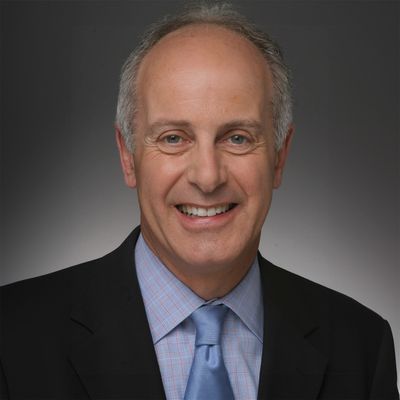
About
Joe Benincasa is President and CEO of The Actor’s Fund. His tireless work on behalf of the entire entertainment and performing arts community nationwide began in 1989. Joe took an organization mired in debt and transformed it into a formidable human service institution that offers emergency financial assistance and help with housing, health care and employment to more than 17,000 entertainment professionals a year. He is also President of the Actors Fund Housing Development Corporation which is building affordable, supportive and senior care residences for artists in major urban centers.
Joe Benincasa is the recipient of the 2014 Tony Honors for Excellence in the Theatre.
Transcript
This transcript was automatically generated and might contain errors.
[0:05] Dori Berinstein: Welcome to Deep Dive Broadway.
[0:07] Dori Berinstein: I'm Dori Berinstein, and today we celebrate the Actor’s Fund.
[0:11] Dori Berinstein: Our guest is Joe Benincasa, president of the Actor’s Fund since 1989.
[0:17] Dori Berinstein: The work the Actor’s Fund has done on behalf of the Broadway community and way beyond is truly extraordinary.
[0:23] Dori Berinstein: In the last 10 weeks alone, the Actor’s Fund has distributed a record-breaking $10.5 million to provide emergency financial assistance for performing artists and entertainment workers in need due to the COVID-19 pandemic.
[0:39] Dori Berinstein: I've admired Joe Benincasa for many, many years.
[0:43] Dori Berinstein: It's an honor to speak with him today.
[0:45] Dori Berinstein: Let's dive in.
[0:59] Dori Berinstein: And so this is an exciting moment for me to be able to hear more about what the Actor’s Fund is doing right now and also go back in time and just ground this in a little bit of history about where this all started for you as well as for the Actor’s Fund. But let's start with you, because I know that you joined the Actor’s Fund in 1989. Could you tell me a little bit about your journey that brought you to the Actor’s Fund?
[1:31] Joe Benincasa: Oh, sure. Well, in the 80s, it's a pretty simple career. In the 80s, I managed the New York Blood Center, Public Affairs and Government Relations, Corporate Activities, the largest blood center in the world. And it's there that I worked with the team that developed the hepatitis B vaccine, the Western Blot test, and got to be on the front line of testing for HIV and AIDS. So with Larry Kramer's passing, I'm thinking about the times I spent with Larry back in the 80s and when we did our Normal Heart benefit for the Actor’s Fund a few years ago. We got together afterwards, Larry and I, for lunch. And he was very, he said that the Actor’s Fund was inspired in the work we had done to help people in the entertainment community dealing with AIDS.
And I said we were inspired because of his act-up activities and all of the advocacy that he had done. So that was the 80s. Before that, I was the head of public relations for the United Ways of the Greater New York area and for United Way of South Florida, in part because I speak Spanish and English. And before that, I worked for a congressman in Washington, DC, a progressive 100% ADA rated congressman, who I really admire, who's still around, John Culver from Iowa. So that was a great experience. After college, after my undergraduate studies at St. Joe's, I got a master's at Rutgers University, did my MBA work at Fordham University, where I'm teaching right now, and I'm enjoying that mostly on Saturdays for a cross between social work, MSW students and business students, which is interesting.
Social workers who want to be running nonprofits and business leaders, you know, and business students who want to be involved in nonprofit work. So they're really interesting students and they kind of inspire me every time I'm with them. So that's my career in a nutshell. Happily married, raised three children, have two cats and a dog.
[3:42] Dori Berinstein: Well, first of all, I hope you are overrun with people who want to attend your class because what a wonderful class to be teaching.
[3:51] Joe Benincasa: I think the class is very popular.
[3:55] Dori Berinstein: And did you grow up with influences that led you to a life of advocacy? How did this all unfold for you?
[4:05] Joe Benincasa: I grew up in an Italian household. My mother migrated from Sicily. My father was first generation here. My father was orphaned in this country, and he ended up working in FDR's Civilian Conservation Corps, you know, as a teenager for three years, which was a wonderful program to lift men and women out of the Depression. My father was a union worker, organizer. In fact, if you go to Rutgers University, there's a wing of the labor institute named for my father. He was the president of AFSCME, which is the Federation of Municipal and State employees, organized all the Rutgers people and was great friends with Ed Blaustein, who was then president of Rutgers, who was a very progressive fellow himself.
And so I grew up in a household where my father, we talked union politics day in and day out, and he was on the front line of organizing. And so my Jesuit education, my upbringing in the Catholic Church with a real social conscience, kind of guided me into the work I'm doing now.
[5:18] Dori Berinstein: And how did you find your way specifically to the Actor’s Fund?
[5:22] Joe Benincasa: Well, in the 70s, when I was managing public relations for the United Ways, and in the 80s, when I was producing all the films and PSAs, I got to know the community very well in the 70s and 80s. So we did lots of films, lots of public service announcements. I got to know Colleen Dewhurst and Helen Hayes and the prominent stars of the day, all of whom I was recruiting to speak on behalf of the Red Cross, the Blood Center, the United Way. And along the way, we made some very good films, a few which won awards in the appropriate field. And so when the Actor’s Fund needed some help in re-examining itself, and I was ready to move on from the New York Blood Center. A little background on the blood center was I was hired back in 1980.
One half of the blood supply in the greater New York area was imported every day from Europe. 260 hospitals relied on blood from Europe. A big part of my job was to help increase blood collection in the areas, enhance all of our research activities, and to make us a domestic blood provider. So, and we accomplished that by 1988. I'm proud to say that blood collections, a great deal of responsibility was taken on by corporations. They increased their activities, and so that was great. At the same time, I have to say that Larry Rockefeller, who recruited me to the New York Blood Center, was one of the founders of the New York Blood Center, allowed me to have my own little production company on the side.
So I was producing industrial films for manufacturers, Hanover, ADT security systems, doing a lot of work on McGruff of the Crime Dog campaign with Saatchi and Saatchi. And I did all that work commuting in and out of the city. But the creative work was mine. So I enjoyed all of that. And it helped me send my kids to college.
[7:30] Dori Berinstein: That's tremendous. And it certainly prepared you, and everything you've done prepared you to do all the work that you've been doing for the Actor’s Fund. I'm so eager to talk about what's happening now and all the extraordinary work that you and the team have been doing on behalf of COVID-19. But let's go back in time for a minute. I'd really love to talk a little bit about how the Actor’s Fund came to be, because I think it's such an interesting story. After Lincoln was killed, obviously, things became worse for the acting community. There were a lot of prejudices and hatred against actors, and they were the lowest class. And so out of this, how did the Actor’s Fund start?
[8:16] Joe Benincasa: The Actor’s Fund started with some forward-thinking leaders in the community, not only the acting community and the production community, but people concerned about those involved in creative activity. They couldn't bury their friends in consecrated ground. So they actually bought cemetery plots up in Westchester and in Brooklyn so that actors could be buried. We still own those plots, and we still, at the request of people, inter people into Actor’s Fund cemeteries. So that gave way to also when people were on the road. Remember, New York City was the center of everything back in 1882 when the Actor’s Fund was founded. When a show would go out on tour, sometimes they'd run out of money or they'd be run out of town.
So they got in the habit of wiring money to bring people back to New York City. And this is before Social Security, Medicaid, Medicare. This is before there was progressive help for people who were destitute. Very often, if a mother or father passed away and children were left behind, their orphans were cared for by the Actor’s Fund. So it was a real effort to take care of their own and the offspring of their own. It was a very inspiring story. And it's no wonder that it attracted the moral support of people like Mark Twain, William Howard Taft, the president of the United States, who kicked off one of our fundraisers. So there was a recognition back in the late 1800s that it was terrible what was happening to people involved in theater, and they had to do something about it, and they banded together.
So it's quite a story. Now, the organization has evolved from one which provided direct financial assistance to providing residential care for people who needed a place to live in their older years. And then we've built on the strength of the organization as a moral force to provide services to people throughout the performing arts and entertainment community from coast to coast. And so we're just continuing that direction.
[10:44] Joe Benincasa: It was back in 1902 that the first Actor’s Home was launched, I believe. It was in Staten Island, and it was a ramshackle kind of a boarding house. But it served a great purpose, and it was kindly administered and wonderfully administered. And then we moved into skilled nursing care. We moved the home back in the 50s from Staten Island to Englewood, New Jersey, to the estate of Hetty Green, who was a pioneering woman in finance. Her estate was acquired by the Actor’s Fund board at that time and converted into a residential facility. But a residential facility, which was more like a boarding house, which was still good, but it didn't necessarily address the needs of older people, which is why in the 1980s and why we've continued to expand our senior residence in Englewood, New Jersey, and build affordable housing in New York and in California.
[11:54] Dori Berinstein: And I think it's important to talk for a moment about the fact that it's not just actors that the Actor’s Fund is supporting. Can you talk a little bit about all the reach that you have and the support you're giving?
[12:09] Joe Benincasa: Yeah, the term actor back in 1882, when an actor of the New York State Legislature created the Actor’s Fund, the term actor applied to everyone in show business, you know, the ushers, the people carrying the lamps, the people managing the horse-drawn carts, and everybody, including those on stage.
[12:30] Joe Benincasa: So it was on stage, back of house, front of house, people involved in every aspect of the theater business.
[12:37] Joe Benincasa: Uh so we've preserved that tradition. So we help everyone in the entertainment community.
[12:43] Joe Benincasa: Uh, on our board of uh our directors, our board of trustees, uh, we have the presidents of the major unions and guilds on that board, representing the key stakeholders, you know, and uh the people we serve.
[12:55] Joe Benincasa: And uh then we have plenty of talent on the board and plenty of people of goodwill who uh uh appreciate uh what artists go through and the kind of life they have and want to make sure they're part of helping them, you know, survive.
[13:11] Joe Benincasa: And all the different organizations that have come up through the years, uh the Actor’s Fund was there at the beginning of Broadway CARES Equity Fights AIDS and the Phyllis Newman uh Women's Health Initiative and all that.
[13:24] Dori Berinstein: Can you talk about some of the different programs that the Actor’s Fund has launched?
[13:28] Joe Benincasa: You know, Dori, we have 25 discrete programs, each with its own identity and you know, and people supporting it.
[13:38] Joe Benincasa: Broadway CARES Equity Fights AIDS uh since 1989 uh has been our primary supporter.
[13:46] Joe Benincasa: We have about a $50 million operating budget this year. Six million dollars of that comes from Broadway CARES Equity Fights AIDS.
[13:54] Joe Benincasa: Uh, and that's really significant. But they've been our partner along the way and our leading contributor uh since 1989.
[14:01] Joe Benincasa: I was very happy to be one of the founders of Broadway CARES Equity Fights AIDS. I sit on the executive committee.
[14:07] Joe Benincasa: Uh Tom Bayola, their fantastic executive director, you know, is the chair of our Human uh services committee.
[14:14] Joe Benincasa: Bob Wenkel, the chairman of, or the president of the Schubert Organization, is also the chairman of our housing development corporation, which helps us build affordable housing around the country.
[14:26] Joe Benincasa: So, you know, it's pretty terrific. We are very proud of how we collaborate with other organizations as well.
[14:34] Joe Benincasa: Right now, for instance, uh for COVID-19, we've received more than $30 million in support from organizations like Broadway CARES Equity Fights AIDS, which contributed uh $5 million to that $30 million.
[14:49] Joe Benincasa: And uh the Academy of Motion Pictures Arts and Sciences, the Oscars, and you know, based in California.
[14:55] Joe Benincasa: Uh we also manage 11 different funds. Uh we're very proud of the fact that uh SAG AFTRA, uh, that which employs all the actors on stage and screen or on screen, they uh, you know, they have uh entrusted us with the provision of direct financial assistance.
[15:13] Joe Benincasa: They basically have asked us to administer their funds.
[15:16] Joe Benincasa: And that's together with AGMA, the musical artists, uh, with other unions and guilds as well, including the IATSE, the stage hands.
[15:25] Joe Benincasa: So our staff, they're working around the clock because we've been spending a quarter million dollars a day in providing direct financial assistance to people affected by COVID-19.
[15:36] Joe Benincasa: And uh the fact that we have been entrusted by all these 11 organizations to administer funds that they provide to us, says a lot about the trust they have in the organization and the confidence that they have that we will do it right.
[15:51] Dori Berinstein: Well, it's extraordinary uh how much you have been doing for people during this very, very difficult time.
[15:58] Dori Berinstein: Uh it's also phenomenal to see the outpouring of love and support from the community, the Broadway community, and way beyond.
[16:09] Dori Berinstein: They've all come to you to come to the Actor’s Fund to figure out how they can help raise money.
[16:17] Dori Berinstein: And it's just a stunning number of events and the Seth Rudetsky's incredible series that he does with James.
[16:33] Joe Benincasa: We are, as you know, our chairman has been our primary spokesperson through all of this, and that's Brian Stokes Mitchell, who's a remarkable talent Tony Award winner, but he's been our chairman of our board uh for 16 years now.
[16:50] Joe Benincasa: And a lot of it emanates from kind of the moral leadership he's provided in Lens.
[16:54] Joe Benincasa: It also extends to people like our vice chair, uh uh Annette Bening.
[16:59] Joe Benincasa: And that likes to say, you know, that this the Actor’s Fund walks the walk.
[17:04] Joe Benincasa: We're a humble organization, but people know the quality of the work we do.
[17:08] Joe Benincasa: Uh we don't beat our chests, we don't talk loudly about our achievements.
[17:13] Joe Benincasa: We are proud about the work that we do and how we help people.
[17:16] Joe Benincasa: And it's very inspiring that people like Rosie O'Donnell and that's Seth Rudetsky and James uh Wesley recognize that.
[17:26] Joe Benincasa: Uh that and they're able to attract people to their shows.
[17:29] Joe Benincasa: Rosie did that three and a half hour telethon, which raised that first Sunday as we began this pandemic, uh, raising $600,000, you know, and inviting the Stephons, all these people who know the organization, trust the organization, to contribute and support it.
[17:48] Joe Benincasa: Seth and James were right in there in the talent they've attracted to uh be on their shows twice a day to talk about the Actor’s Fund and to uh they've raised an enormous amount of money.
[17:59] Joe Benincasa: Uh then there are people like Bob Greenblatt, who's been a great supporter of the Actor’s Fund for many years.
[18:04] Joe Benincasa: He and Neil Marin in 2015, when they entrusted us with Bombshell, the show that was the show within the show for the TV show Smash.
[18:14] Joe Benincasa: Well, that was a lot of shows, Dori.
[18:16] Joe Benincasa: Okay, the uh uh they turned to us and they said, Hey, why don't we uh take that archival tape we did?
[18:22] Joe Benincasa: We got permission from the unions, and let's put it up on, you know, uh for a platform for all the people who could not see the show in person.
[18:31] Joe Benincasa: And as you remember, we sold out in less than a day those tickets.
[18:35] Joe Benincasa: We felt quite bad that we couldn't extend it beyond that.
[18:38] Joe Benincasa: Uh so uh three almost three million people watched it on various platforms, primarily the People.com platform.
[18:45] Joe Benincasa: And gee, well, now what a surprise the next day they announced that that show was going to Broadway.
[18:51] Joe Benincasa: So uh we're happy to have played a role in uh and grabbing the attention of the theater owners and producers uh and their interest in Bombshell.
[19:00] Joe Benincasa: We're looking forward to when it does hit Broadway when Broadway reopens.
[19:04] Joe Benincasa: So the other events are I, you know, from there's just so many wonderful events and so many uh videos that have been made uh from the cast of Beautiful, with James Howland putting together the cast members singing You've Got a Friend, uh with a cameo at the very end of Carol King, followed by Brian Stokes Mitchell.
[19:26] Joe Benincasa: You know, that aired, that premiered on CBS News, you know, uh Channel 2 in New York and uh one morning.
[19:33] Joe Benincasa: Next is you've uh you can't uh oh you can't stop the beat, you know, from Hairspray, how that cast put it together.
[19:42] Joe Benincasa: That's remarkable.
[19:43] Joe Benincasa: Uh and it's all building, it's reminding people in the entertainment community that they do have a friend, that you can't stop the entertainment community, and there's a place to turn to if they need help.
[19:56] Joe Benincasa: And that's incredibly important.
[19:58] Joe Benincasa: Uh perhaps even more important than the money that it generates, because these are not pay-per-view events.
[20:04] Joe Benincasa: Uh, these are events that are enriching the lives of the viewers uh with a message about the Actor’s Fund.
[20:10] Joe Benincasa: When Ace Delweger, you know, opened uh Bombshell with the beautiful message about the work of the Actor’s Fund.
[20:17] Joe Benincasa: Well, that resonated with people.
[20:19] Joe Benincasa: And uh it was really quite wonderful.
[20:22] Joe Benincasa: We're gonna make sure on the page where this podcast resides that all the links to the programs that you're talking about uh exist so that people can easily watch them because they're still you know most of them are still available to watch right now.
[20:36] Joe Benincasa: Um, and uh all the opportunities to donate now.
[20:41] Dori Berinstein: Can you talk for a minute about what everybody who's listening to this podcast can do in support of the Actor’s Fund?
[20:49] Joe Benincasa: Well, number one, people uh, you know, we're this is a marathon, this pandemic, you know, that we're in.
[20:56] Joe Benincasa: We're also in a marathon regarding social justice, and we are profoundly affected, all of us, you know, by the murder of George Floyd and others.
[21:08] Joe Benincasa: And uh the our organization and it's in 1882 was founded about equality and justice for people who were not getting a fair shake.
[21:20] Joe Benincasa: Uh the murder of George Floyd has galvanized our attention on injustice.
[21:25] Joe Benincasa: So we encourage everyone today to support the actors fund.org, knowing that that's ACTORSFUND.org, knowing that your donation will help us help people in the entertainment and performing arts community who are struggling.
[21:43] Joe Benincasa: And they'll be struggling for a long time.
[21:45] Joe Benincasa: Broadway won't open until next year.
[21:48] Joe Benincasa: Uh we don't think it will open till next year.
[21:50] Joe Benincasa: Uh and people will be catching up financially.
[21:53] Joe Benincasa: Uh we also encourage people to support organizations uh like the NAACP Legal Defense Fund, uh, other organizations which are doing good work in and working toward greater social justice in our society.
[22:12] Joe Benincasa: Um we think that's important to say.
[22:17] Joe Benincasa: We all participated in Blackout Tuesday.
[22:20] Joe Benincasa: Uh we all continue the Actor’s Fund continues to post messages about uh what people can do.
[22:27] Joe Benincasa: We have an internal uh Facebook uh you know uh page for the Actor’s Fund alumni uh and current employees, and we are trading information about what we're doing beyond our work at the Actor’s Fund to advance social justice in our society.
[22:45] Joe Benincasa: And that's very important.
[22:47] Joe Benincasa: And couldn't let I could not say something about that today.
[22:52] Joe Benincasa: Essential.
[22:53] Joe Benincasa: And this is not something that it is about today or this week um or this month.
[22:58] Joe Benincasa: This is this is uh forever.
[23:01] Joe Benincasa: Um black my black lives always matter.
[23:04] Joe Benincasa: And so this is uh essential uh information and uh essential to support this on an ongoing basis, and we'll make sure that this podcast also provides all those links and um the opportunity to contribute to those organizations as well.
[23:20] Dori Berinstein: What's your hope going forward um beyond this difficult time in so many ways for the Actor’s Fund?
[23:30] Joe Benincasa: You know, with everything that's going on now, we just completed a $10 million renovation of our residence in West Hollywood.
[23:39] Joe Benincasa: Um we are fortunate to have got the construction done within all the guidelines set forth in Los Angeles County.
[23:45] Joe Benincasa: But we're also close to we're gonna be breaking ground in October for a new affordable housing residence for artists in downtown Hollywood.
[23:53] Joe Benincasa: Uh we've uh we've secured 110 million dollars toward a hundred and twenty-five million dollar project, and I have no doubt that we're gonna complete that fundraising.
[24:03] Joe Benincasa: It's gonna have 152 affordable units, it's gonna have a beautiful theater already underwritten there.
[24:09] Joe Benincasa: It's gonna uh we're calling it the Arts Collective, a Hollywood Arts Collective, and it's gonna uh bring in other organizations and our own new offices in Los Angeles there.
[24:20] Joe Benincasa: Uh we're gonna be building more affordable housing because we know there's gonna be a great need as people in our community recover uh from the depression, uh, you know, not being able to earn a living.
[24:33] Joe Benincasa: So they're gonna need more affordable housing.
[24:34] Joe Benincasa: We have a number of projects, which we are working in uh New York, Brooklyn, uh, the Bronx, and Queens, and in New Jersey as well.
[24:43] Joe Benincasa: Our nursing home, which we're so proud of. Last year we finished a $34 million expansion and renovation. We added memory care and short-term rehab. We are going to be spending another million dollars just making it pandemic proof or as pandemic proof as possible down the road. So our administrator there has already put together a good plan moving forward to make the building, the building, so there are four residences within this complex more secure so that the most frail among us will be more safe and more secure. We're very proud of the fact that we locked down our facility in New Jersey a week before the governor ordered it. And we are very careful, been COVID-free for six weeks now, and we are moving very cautiously toward opening things up again.
[25:38] Joe Benincasa: So the future, we're very concerned about health insurance for people in the entertainment community. We're working with the unions and guilds and the theater owners and producers to make sure that there's ample COBRA subsidy funding, you know, for people who lose their health insurance. Many actors, musicians, stage hands will be losing their health insurance in the next few months. We are navigators under the Affordable Care Act to help them secure health insurance in the marketplace, you know, affordable, decent health insurance. So we're gonna be playing an important role, and we are playing an important role right now. Our healthcare center in Times Square has been operating and it's gonna continue to operate and reaching out to the community to make sure people are safe and secure and know they can turn to the Actor’s Fund. And we do that operations in touch as in is also involved. Well, our partner is Mount Sinai, and we're very proud of the partnership with Mount Sinai.
[26:38] Joe Benincasa: We're looking through our career center to help people in our community understand what the COVID economy is going to be like. We're working hard to help people who are working in the entertainment industry, whose first love, their first vocation is show business. We want to make sure that they understand what other things they might be able to do while they're not able to pursue their careers on stage, backstage, front of house. So our career center is focused on helping people embrace new opportunities in the short term and maybe in the long term. That also affects our career transition for dancers program. You know, dancers have rather short careers. And we have a great program which BB Newworth leads, and that is helping dancers imagine early in their careers what they might be doing, you know, at toward the end of their careers, and that's a very important program, and that activity extends to everything that we're doing.
[27:40] Joe Benincasa: Women's health, you know, Phyllis Newman created the women's health initiative for us. We sustain that. We know that our outreach to women in show business is gonna be even more pronounced now, the need that they have. And our healthcare services are gonna are playing an important role in making sure that women as well as men know that they can turn to us for help. A lot of that help these days is telehealth. I have an appointment tomorrow morning at 7 a.m. with my telehealth doctor at the Freedman Healthcare Center, which is what we is what which is what our Actor’s Fund Healthcare Center is called. So we are working forward. I have to say that the community we serve is so inspiring to me and since priority to the entire staff. Brian Stokes Mitchell and BB Newworth and Annette Bening all joined a meeting that we have with all staff. And it was a surprise guest, you know, and they came in just to say thank you.
[28:43] Joe Benincasa: People like you and me, Dori, I want to thank you for what you're doing to help the Actor’s Fund, your cards, everything that you have done, and the moral leadership that you've provided to the Actor’s Fund and the financial support you're providing to the Actor’s Fund is very important and very significant, and thank you. But to have our online, our frontline workers, our social workers who are dealing with really tough issues for individuals, who are processing direct financial assistance, who are running their groups, you know, virtually now, who've had to learn how to do things differently in terms of gathering people, but have not let up in doing that. So to have them have an interaction with celebrities who are committed to the organization is very inspiring.
And the fact that we have their support, you know, is just terrific. You know, I don't want to single out any single, you know, trustee, although I've just singled out three, two are vice chairs and one of the chairman. So I think that's okay. But across the board, everyone on our board, and we have 36 trustees, each and every one of them has a real dedication to the Actor’s Fund and to helping the people they represent, their colleagues. It's very inspirational.
[30:03] Dori Berinstein: Where can everyone who's listening right now go to contribute?
[30:08] Joe Benincasa: Actorsfund.org. There's a donate page, donate button on the first page. It will guide you through. You can make gifts in honor of someone, in memory of someone. You can learn more about the kinds of activities and support groups we have. And importantly, you'll be on our mailing list, our email list, you know, and so that you'll be always informed about the kinds of activities that are available, the kinds of events that you can support, but also the kinds of activities you can participate in from a webinar to a chat room to a variety of activities that we offer to not only people in show business, but people who love artists who are involved in entertainment.
[30:55] Dori Berinstein: And if people in our community need help during this time, how do they reach out?
[31:01] Joe Benincasa: Go right to actorsfund.org. You'll see a big heart on the homepage talking about our COVID program. You're one click away from applying for direct financial assistance, you're one click away to finding out the resources that are available to you. For instance, if you go to that resource page and you're a stagehand, we'll right there, the eligibility for stagehands for assistance from the Actor’s Fund, it's right there. So we make we've made it very clear. You know, 10 or 11 weeks ago when we started, everything was done by email, application, telephone call. In 24 hours, our remarkable staff converted the whole process to an online activity, online because we went from providing we've provided eight times more direct financial assistance in the last 11 weeks than we did all of last year. And so that's a big number, but it's also an incredible amount of work processing.
[32:15] Joe Benincasa: So, you know, everything is done through Chase QuickPay, right to checking accounts so people get their help quickly, or Zelle or something like that. So we've been able to adapt all the new technologies in terms of providing financial assistance. All the virtual meetings that we're able to hold. They've all been very good. And I have to say that I think, you know, as you know, the lead staff person at the Actor’s Fund, I feel that the level of contact that I have with everyone on the staff and that we have with one another has really been intensified. You know, it's one thing to walk into a room with, you know, we have all staff meetings with almost 200 people on the phone, which are challenging.
They need to be well managed carefully. We fortunately we have a former stage manager who is now our director of HR and administration, you know, who's really adept at helping us put all that together so that we're productive meetings, but the level of contact and intimacy has been very significant, and I know that the entire staff feel much closer to each other than we've ever felt before and which is very important we couldn't survive and I have to say that we're supporting our staff significantly in terms of all kinds of direction and how to take care of yourselves at home you know how to exercise make sure you drink plenty of water make sure that you're taking a day off one of our challenges is that people don't take days off you know there's plenty of work and they keep on working which is admirable but in the end is not helpful to anyone so we're very proud of how the staff is being supported by the organization and we're very proud of the fact we could not have survived we've been able to sustain our staff and pay salaries keep people employed and we're hopeful that that's going to continue we're always worried about tomorrow always worried about the second we're worried about the second half of the year in 2021 we know that this is a marathon and we know that we have to pace ourselves work hard be forward thinking we are redoing our strategic plan the strategic plan the board adopted two years ago is not being thrown out the window but it's changed dramatically so next week at our board of trustees meeting we're going to be introducing new facets to our strategic plan and the direction of the organization so that all of our everyone on involved in governance of the organization understands.
[35:01] Joe Benincasa: And when I talk about governance of the organization, I have to talk about the 300 other volunteers we have. You know, whether it's the ambassadors of the organization, the artist committee, the looking ahead program for young people, the Western Council of the Actor’s Fund in Los Angeles, the Central Region Council of the Actor’s Fund in Chicago. We have tremendous amount of support and interest in what we do. And we would not enjoy that support unless we asked for it, and unless we walk the walk. And we're dedicated to continuing to walk the walk of a great human service organization.
[35:42] Dori Berinstein: I know all of your employees are so grateful for your leadership, and the entire community is grateful for your leadership. And everyone in the entertainment industry could not be more grateful for the work that you have done and the work that the Actor’s Fund continues to do on behalf of everyone. So thank you so much for sharing all this with us. I encourage everybody who's listening to immediately go to ActorsFund.org and make a sizable contribution, whatever you're comfortable doing, and support this incredible organization. And thank you so much again for all you're doing, particularly during the difficult time that the world is facing in so many different ways.
[36:23] Joe Benincasa: Thank you, Dori.
[36:24] Dori Berinstein: Thank you very much, Joe. Take care. Stay safe.
[36:27] Joe Benincasa: You too.
[36:32] Dori Berinstein: Thank you for listening to Deep Dive Broadway, produced by Dori Berinstein, edited by Alan Seales, and special thanks to Bia and Brittany, who are fabulous. You can find me at bpn.fm/deepdivebroadway. My Instagram is Dori.berenstein, which is B-E-R-I-N-S-T-E-I-N. Please subscribe and leave lots of fabulous comments. And check out my website at dramaticforces.com.
© Broadway Podcast Network, All Rights Reserved