

Part 2: How did the Broadway hit BEETLEJUICE come to life? DEEP DIVE BROADWAY goes back in time with Tony-winning Director Alex Timbers, Warner Bros. Theatre Ventures EVP Mark Kaufman and Beetlejuice himself, Alex Brightman, to explore the creative evolution of this hauntingly fun, mischievous and inventive theatre adaptation... Read More
From the show: Deep Dive Broadway
Guests

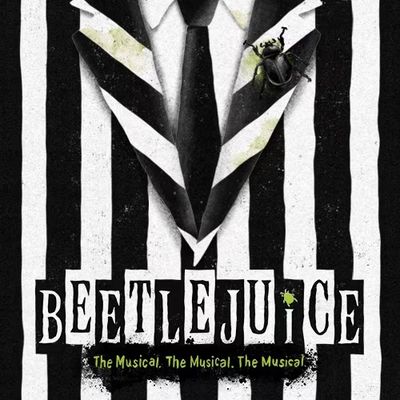
Featured Shows
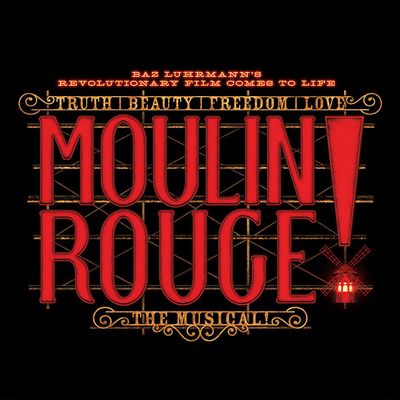
About
Part 2: How did the Broadway hit BEETLEJUICE come to life? DEEP DIVE BROADWAY goes back in time with Tony-winning Director Alex Timbers, Warner Bros. Theatre Ventures EVP Mark Kaufman and Beetlejuice himself, Alex Brightman, to explore the creative evolution of this hauntingly fun, mischievous and inventive theatre adaptation.
Connect with Dori
Transcript
This transcript was automatically generated and might contain errors.
[0:07] Dori Berinstein: Joining me today are Tony-winning Director Alex Timbers, Mark Kaufman, Executive Vice President of Warner Bros. Theatre Ventures, and Beetlejuice himself, Alex Brightman.
[0:17] Dori Berinstein: Let's dive back in. Mark, can you just walk us through real quickly? Reading, 29-hour, you know, what were the markers along the way?
[0:27] Mark Kaufman: So we did some 20-hour readings, and after each one, we did war sessions, like Alex said, whether it was hotel rooms or wherever they were. Um, and then we ended up doing a workshop downtown.
[0:41] Mark Kaufman: And then the first act, I think.
[0:43] Alex Timbers: All right, sorry, just the first, and then the second act we did with them sitting at stands, didn't we?
[0:48] Mark Kaufman: Have them for that one, yeah.
[0:49] Alex Timbers: Right for that one. And then I think we did another 28-hour, and I think that was, and then we went to DC. I know we did something in—we didn't do a 28-hour in between DC and Broadway.
[1:03] Mark Kaufman: We actually started rehearsal a little earlier so we could, um, you know, do the changes we wanted between DC.
[1:11] Alex Timbers: I think the only thing you're missing out of that is they did a couple of movement and choreography labs that I think were necessary because they were outside of sort of the regular rehearsal stuff that I was brought into a little bit of, but it was mostly like pre-production people and dancers that our choreographers, Connor and Nancy, would bring in just to throw choreography on some of the, you know, them and see it and film it and look at it like football tape and be like, that doesn't work, this works, that works.
[1:36] Mark Kaufman: But they did a couple of times in between these 29-hour readings.
[1:41] Alex Timbers: Yeah, I think it was like every six months roughly, we would do something with a reading, six months, did a reading, did a workshop of the first act. Can you come in and try this suit on it? That was like a, you know, and then lots of stuff in between. It really was a full-time job for like, in a thrilling full-time job, you're very excited to go to work for the color.
[1:58] Mark Kaufman: Oh, yeah.
[1:58] Alex Timbers: Yeah, no, it's really exciting and seeing it evolve. I mean, even before going backwards, when we would used to sit in those Sunday afternoons, we sat in the hotel room with the creative, and Eddie would play the music like when Eddie first came on, and he would play the songs and he would read Beetlejuice and the guy, and everybody had a part, including I think I even read, which was scary, but yeah, um, and it was just a great process, but you know, everybody was so invested in it.
[2:01] Mark Kaufman: I think that's the greatest thing about it is that everybody kind of fell in love with it. So it wasn't like you had to, oh, here's your schedule. Can we try to fit it in? Everybody would come to us and be like, let's, we're gonna try to work this into our schedule because it was just something fun to work on.
[2:42] Alex Timbers: And I think, by the way, that shows on stage.
[2:45] Mark Kaufman: And one of the things I've gotten from a lot of people is, wow, your show's really fun. And it starts from the other side of the stage, you know, where Alex is standing and where Alex is sitting, and it brings it, you know, it's back and forth.
[3:01] Alex Timbers: Well, it's an extraordinary process, and you know, typically for a show that doesn't have all these special effects and pyrotechnics and smoke and characters, oh my gosh. Um, you know, it's hard enough. It's hard enough to just see what you have working in hotel rooms, working until you get it in front of an audience just to see it on its feet.
[3:25] Mark Kaufman: Right. And so I'm sure when you went to DC, that was really your first time in front of a real audience.
[3:32] Alex Timbers: Certainly that many.
[3:33] Mark Kaufman: Yeah. I mean, we had like little audiences here and there, but they were mostly friendly because we knew them, or they were showbiz folk. This was the first time for us that we got in front of muggles.
[3:44] Alex Timbers: Right, exactly. And so listening to those muggles is such an important part of the process.
[3:49] Mark Kaufman: Oh my gosh, huge. What they respond to, what they don't respond to. And so, you know, if you want to talk just about the experience of maybe your expectations and what worked, what didn't, and in that you, you know, and how you guys dove in with the work ethic that you established all along to make sure.
[4:15] Alex Timbers: I didn't care for the swearing. And kind of thinking to yourself, you hear that a couple more times, like, I think we're gonna cut some of the swearing. Because you do have to listen to your audience. There was a different tone in DC. And, you know, it was more—we sort of skirted the line with raunchy, and um, and it was unnecessary. And that's what we found in New York is that it really was unnecessary because we went from—we—the intention was to be irreverent, and somehow it got a little bit away from us, but that's why you go out of town.
[4:46] Mark Kaufman: I mean, you have to learn these things because we, like Alex just said, we had a lot of friends, and they're not always gonna—they're supportive, but they're not always gonna tell you the difficult things that they need to say. That audience told us, and that's why, you know, then we came back to New York, and Alex and the creative team literally rolled up their sleeves.
[5:05] Alex Timbers: And they could have, you know, there have been stories, Dori, you and I have discussed this, where the creative team has said, oh, I, you know, this is a challenge I can't face, or they just sort of put it, you know, put in the work, but don't really put in the work. You guys really, um, like you wrote new songs, you worked on characters, relationships, you rewrote the whole new number, the whole opening number, kept the same idea of the number, but moved it around a little bit.
[5:32] Mark Kaufman: And Beetlejuice as a character changed.
[5:34] Alex Timbers: Changed fundamentally. His intention from the jump changed. That he wasn't starting as this conniving trickster and who cares, I don't care about anybody, just myself. But what we found, and it wasn't me, it was the writers and the other, they said, you know, what if it was, and it was Alex who said, what if his intention is that Beetlejuice is literally invisible? So what that means, what makes him relatable is that we all felt not seen before.
[6:00] Mark Kaufman: So that is the most human thing about him. And so just from the top, him saying, I just want somebody to see me makes him instantly more relatable and has more of a drive and an engine for the show rather than I just want to be alive so I can keep messing things up.
[6:17] Alex Timbers: Yeah, you're rooting for it.
[6:18] Mark Kaufman: You do it.
[6:18] Alex Timbers: Completely from the top.
[6:19] Mark Kaufman: Absolutely. I think we were realizing we created a lot of obstacles for ourselves that we didn't realize were there. Because what happens, and I'm sure you'll agree about this as a producer, one of the—and I know this, everyone around this table can has versions of this, that something that can be so charming in a workshop or a reading as soon as you put lights and makeup and scale and a 12-foot gap into the front of the front row, all that kind of—the warmth and generosity of spirit of the actors and that sort of like collective thing that happens in a rehearsal room when you're seeing a reading or a workshop can evaporate in ways that no one ever intended, you know.
[7:01] Mark Kaufman: And so what we realized was that things that sort of—these wonderful actors could alight just because it's Alex Brightman and Sophia Anne Caruso and Kerry Butler were actually like pointed up in this, and you know, and so we really need to dig into the text and the design and the direction, and it affected performances as well.
[7:24] Alex Timbers: And what the thing that was really wonderful and like made me just like fall in love with everyone working on this was every—no one said like dug in their heels, as Mark said. Everyone was like, okay, we all went back to see the show in the final week. The performers had all this information about what was working and what wasn't working for them. The designers were seeing it, the writers were seeing it with fresh eyes, the producers had amazing thoughts.
[7:48] Mark Kaufman: And then we also said, okay, well, let's make a list. Let's—and you know what? Let's not be precious, let's do everything. And so I think we had this like list, you carried it around.
[7:57] Alex Timbers: It was like, oh, I carried it around. Literally, literally, it was in my jacket. I had a folded version of it in my jacket so I could refer to it when people stopped me on the street.
[8:04] Mark Kaufman: And what it did was it created like a— even though you've been working on it for nine years at that point, maybe ten years, it creates a utter lack of preciousness. So for example, we get to the final run-through in the Rose Room before we're moving to the theater and to Broadway, and we look at each other and we're all like, you know, that Adam and Barbara song in Act Two.
[8:23] Alex Timbers: Oh my gosh.
[8:23] Mark Kaufman: It's, you know, it's good. It was a new one. It's not, you know, energetically, it's like let's be brave enough and say, what about a new song that we could add during tech? And like Rob McClure and Kerry Butler, to their credit, were like, okay, so while we were technically freaked out than they were, I think, while we were teching Act Two, they were up in the lobby, like by the bar in the Winter Garden rehearsing Maitlands 2.0. We got some props, and then tech it in, and then, I mean, there were like a lot of examples of things like that, and just releasing yourself and saying, like, we know where we're headed, let's not like get stuck on what's there or what's not there.
[9:01] Alex Timbers: It's like, it's a really cool—I'm sure someone's written a spiritual book about like this lesson, but it took me many years to learn it.
[9:09] Mark Kaufman: Well, this is why I love theater so much. It's just amazing what to do. Also, by the way, it took them that long to create this world. So, like, by the time we got to things like this song isn't working, or I don't think this is right for this world, the world existed. So all we had to do is open ourselves up to go and to be honest with ourselves and go, it doesn't live in this world.
[9:28] Alex Timbers: Because everyone that was on stage found a tone very quickly.
[9:31] Mark Kaufman: Right.
[9:31] Alex Timbers: And the minute—not the minute something didn't work, it just shined really brightly, and you could—no one needed to kind of be subtle about it. They were like, that doesn't work. You can see it. It literally, it's a sore thumb. That doesn't work. And we'd cut it. And it was nice. It was nice to have the permission to do it, but it's because these guys built the world that everyone trusted that we were able to go, this isn't our Beetlejuice.
[9:51] Mark Kaufman: It's not. And Eddie and Anthony and Scott, to their—I mean, these are the most extraordinary rares, and they're just selfless and inventive, and we're just like, let's keep going, let's try harder. Like, it was extraordinary. I mean, we really, like, you know, the three of us you're talking to were like a part of the reimagining of this, right? But it was that—I mean, it's totally them. We are at their service, and it also sounds like the same writer.
[10:14] Alex Timbers: I mean, that's the other thing that's very rare I find as an audience member when you see musicals, is you are very—you’re able to see where the sort of dog ears are in the show. And you go, this person left it here, and then this person took over here, and then this feels like a song because this person wrote it. I'd be very hard-pressed if I was an audience member to go to think, at least to go, I think the book writers must have had some input in the lyrics. And they didn't really. It just—they spoke such a similar language by the time we got there that it just was seamless.
[10:42] Mark Kaufman: So it all feels like the right show.
[10:44] Alex Timbers: It's the dream.
[10:44] Mark Kaufman: It is, it's the total dream. And you know, at the same time that this massive creative process has in the dedication that you all had, the whole team had, and all the changes and all the work, you had another little show happening pretty much at the same time.
[11:01] Alex Timbers: Yeah.
[11:02] Mark Kaufman: You know, just a little tiny thing.
[11:04] Alex Timbers: Moulin Rouge.
[11:04] Mark Kaufman: Yeah. That must have been challenging.
[11:07] Alex Timbers: Yeah, it was fun because these things feed each other, you know, and I learned things from both shows that applied to either show. I think one of the things that's part of this conversation is applies to either of those properties in the shows that resulted from them is the musical theater development process takes so long, right? Aren't you shocked whenever you meet someone who doesn't work and you're like, we've been working on this for eight to ten years? That's how long, you know, if you look at In the Heights, Book of Mormon, you know, you name it, it's a long, long development process, anything that really truly works really well.
[11:42] Mark Kaufman: You can name on one hand anything that was less than five years, right? And what also shifts is the zeitgeist. And so what, you know, it's why so few musicals feel like sort of ripped from the—or people like Lynn Manuel Miranda are geniuses because they can predict the zeitgeist in some way, or it's like in their blood in some deep way that they don't know they're a futurist, right? And so for us, when we were starting this show, you know, our reference points were Rocky Horror, Book of Mormon, the, you know, blah blah Andrew Jackson, things like that. And I think, you know, it does take a sort of like—you really have to be able to then step back at certain points of the process and say, you know, what we need like in this moment from a Beetlejuice, the musical is slightly different than what we thought in 2010.
[12:30] Alex Timbers: And I think it's, you know, that nimbleness is something that I wouldn't have been able to articulate to you a year and a half ago, but I realize that now.
[12:40] Mark Kaufman: Yeah, such a good point.
[12:42] Alex Timbers: By the way, and just to also say, you did have Moulin Rouge, which is a major undertaking during this process, and never did I feel you were away from Beetlejuice. Like we never lost you. Even when you were working on it, you were still like, I've never seen somebody multitask like this guy.
[13:01] Mark Kaufman: I would co-sign on that.
[13:03] Alex Timbers: Thank you. So when you are in the final rehearsal and tech for a show, it's never not a massive undertaking. It's never not unbelievably challenging, and you're never not grasping for every second you can get. And add in all the additional layers of special effects that you guys have on this show. What was it like, Alex, to navigate just this very extraordinary performance, but you're also dodging snakes and pits and sometimes creating them? This show for me is two different shows. It's the musical and it's the magic show. And so keeping those straight in my head night to night, because both live theater and live magic can go horribly wrong if not given the focus it deserves, that is the ultimate test.
When I did School of Rock, it was stamina. That was my entire show, it was just stamina. Get through it. This show is all brain. It's just making sure that things are set up and loaded in the right way. So by the time we got to the rehearsal process, I was hopefully, and I, you know, it is paying off now, doing hours outside of this, making sure that sleight of hand, which is something I never did before, or sleight of body, you know, like was as good as it possibly could be, so that we didn't have to waste time on stage, making sure I was good with hiding a thumb somewhere. For me, it was that also in any tech process that I've done now to steal a line from Neil Brennan. It just feels before you do previews and even during previews, it feels the entire time that the theater is just filling up with water and you are just hitting the ceiling, and every time you can get something right, it just kind of dips a little bit and then continues.
And so by the time you get the show where you need it to be, you've bailed out all the water. But that is exactly how a tech and preview process feels to me. It is as if you are drowning and trying to do the two things I just said, while also just trying to keep your head above a continuously rising water situation. But once you get beyond it, it's just lovely. And there's no more water. And then when there is, there's a little leak here and there, then you know exactly what to do. We've been running for what, eight months now? Now, there's nothing that could happen on stage, knock on wood, that we couldn't deal with. But it's true. I mean, it's like we know what we're doing now, and it's nice.
I think about that when we start a rehearsal process. I think forward and going, man, it's gonna be so cool when we're just doing it. Because it takes so long to do it. And when we're just doing it, it's blissful. That's this isn't the job. The job is auditioning and maintaining this.
[15:45] Mark Kaufman: Yeah.
[15:46] Alex Timbers: On stage every nowadays, I can't wait to get to. That's the easy part.
[15:49] Dori Berinstein: Well, the audience is going crazy for it. I mean, my office is literally over the Winter Garden.
[15:54] Alex Timbers: Oh, right.
[15:56] Dori Berinstein: I'm sorry about that.
[15:56] Alex Timbers: No, no, it's wonderful. I'm constantly doing double takes because I think you're walking by me all the time in costume.
[16:03] Dori Berinstein: Oh, right. Because there's so many people who go see your show in costume.
[16:07] Alex Timbers: Yeah. And that's gotta be a lot of fun and a little strange to look out in the audience and see yourself over and over again.
[16:15] Alex Brightman: But it's wild. That's the Rocky Horror quality we have that Alice originally talked about is that I mean we knew that there was a big fan base, but we didn't, you know, we didn't say, hey, come, you know, wear costumes. People did that on their own. So we just said, wow, this is great. And we pivoted right into it. Yeah. And we welcomed it. And you know, even offering during the month of October, we did costume contests, and it was amazing because you walk in there on any given night, and it's not just costumes. What's really impressive to me is the time that our audience takes to put into their costume. Like, oh yeah, most of them are homemade. There's like no store-bought things in our audience.
[16:57] Mark Kaufman: What about it?
[16:58] Alex Brightman: Can you guys say the most gratifying is when people are wearing costumes based on the musical, the musical.
[17:04] Alex Timbers: Yes.
[17:04] Mark Kaufman: Yes.
[17:04] Alex Brightman: Like when you see the Girl Scout characters that didn't exist in the movie, you're like, these people have connected on some deep level to what it is that the musical stays. It's really exciting. It's creating its own cult thing, which is what I think has become so successful about the show, is that it has become what one of my friends said, which I took as a complete compliment. I think it could be taken another way. He said, what this show feels like is you just rode a ride at a theme park and you raced the line to get back in line right after you go. Because you just want to beat the rest of the crowds because you know how great it already is, and the people behind you don't. And so you want to go back before they get a chance to even figure it out.
And now people are starting to figure it out. So we're packing the joint. And it's, I mean, it makes our job very easy because it's nice to have a full house. But it's also nice to have a full house of weirdos and freaks and just like us.
[17:54] Dori Berinstein: Well, I think in the beginning you're right that you did have there was Beetlejuice fans out there, people who love the movie, but now it's people who love the show that are coming back and back and bringing their friends, and that's gotta be so satisfying. And just looking to the future, it's just a fun thought to think how in the world schools across the country are going to be doing this show and attempting to be you, Alex.
[18:20] Alex Brightman: I can't wait for Beetlejuice Jr.
[18:22] Alex Timbers: Oh, like the middle school versions.
[18:24] Alex Brightman: A lot of cuts.
[18:25] Alex Timbers: There'll be a lot of cuts and trims.
[18:27] Alex Brightman: Yeah, well, yes, there will be, but the spirit of it will exist. And it's funny because when we were talking about stock and amateur rights with different companies, everybody pitching there was such an enthusiasm. And you know, we've had other shows, but there was something about this, and when you look at, you know, that the Addams Family is the number one show done in schools this past year. Everybody's like, oh well, this has that feel to it, but it's its own thing, and it just is, it's exciting, and I agree with these guys. I cannot wait to see Beetlejuice in schools.
[19:00] Mark Kaufman: Well, this is why we have to do the podcast about your voice, because you're gonna have kids all over the country.
[19:06] Alex Brightman: I'll do a master class online.
[19:08] Mark Kaufman: Okay, done.
[19:09] Alex Brightman: A thousand dollars for membership, and I will do it. I'm just trying to make money, you guys. I see the New York Post headlines, like the vaping deaths you see. Like that's really trying to do the Alex Brightman voice in their high school play. Yeah, and I'm sorry about that, everybody. There has been just such a giant leap for your show that audiences who've already seen it are racing back, and a whole new audience is discovering it. And a lot of that has to do, aside from great word of mouth, but with TikTok. Do you want to talk about how all that happened?
[19:46] Alex Brightman: Again, it's one of those things that sort of happened organically. We had people doing these videos, and I have to be honest, I didn't know what TikTok was, and my kids do, and I was like, and they're like, of course, but you really shouldn't know what it is. And it was kind of really exciting to start to see. I mean, it's more than just TikTok, but that's been the major platform. But our fans have not only made these videos, but they even take our songs and they start animating them. I mean, creating animation and like mini cartoons, and they're making these videos on TikTok and they're getting really involved, and it's all costumes and they create scenery, and by the way, it also helped that our album has had such, it's taken off.
I mean, right now we've done over a hundred million streams in, you know, in 22 weeks? It's incredible. But that, those things dovetailing together have created this sort of phenomenon. I remember when TikTok was on the cover of Arts and Leisure of the New York Times about maybe three weeks ago, there was a picture, and one of them was the picture of Beetlejuice. And we were like, wow, that's kind of cool. But it's just one of these things that kids are able to express themselves, and we've given them something to express a tool to express themselves with, and it's unbelievably gratifying. I mean, if you look at my Facebook page, every time I see like an animated video, I share it because I'm just trying to show our fans that we appreciate it because I'm blown away that they actually take the time and it means so much to us that it means so much to them.
[21:21] Mark Kaufman: What's also just really quickly great about TikTok in general for us as a cast is that a lot of us are over the age of 25, 26. But we have one cast member who is 15 years old who has become our sort of ambassador of TikTok and has become like in her own right, and she deserves it, kind of famous on TikTok for being sort of the one that has generated the most content from us from our show, and that's Presley, the understudy for Lydia. And she has become such a vital key to not only what we're doing on TikTok, but to explain what it is to me. She's putting me on video, and I go, what did I just do? And she explains it to me, and I nod my head, and I don't know what she's talking about. But she has gone, she has gained not only a fan base out from Beetlejuice, but people know her now, just as a quick anecdote.
We did the Broadway Flea Market, and she was selling, do a TikTok with Presley, and they sold out more than anything we sold that was autographed. People are, I mean, that's been an amazing, as Mark said, a tool on so many different levels. It's really raised money for charity too, which has been great.
[22:30] Alex Brightman: Terrific.
[22:31] Mark Kaufman: And yes, and it's amazing, and it keeps going on, and you know, also one of the things that we've also found is whenever we put on a music video or we put out a piece of content, the fans are so excited. So we keep it, it makes us want to create more content. We have things coming out in the next couple weeks. I'm not gonna give anything away, but little pieces of content that we're doing specifically for our fans is basically thank you for being so enthusiastic about what we've done, right?
[23:01] Dori Berinstein: Well, it's a really creative group, right? I mean, these fans are like, they're not just digesting content, they're creating content, and that's the fun thing about TikTok, right? It's incredibly creative minds making quick change videos or like comedy videos, or, you know, it's the thing I would like to believe, like if Tim Burton were 15 now, the young Tim Burton right now would be making like amazing TikTok videos, right? You know, because without the means of production, here you are, like you're creating things. And what I love most, I'm just gonna speak for myself, are these like amazing kabuki quick change videos? Because when we hired William Ivy Long, I was like, this is the master of the quick change. And here, like, you know, you've got like the young William Ivy Long's also sort of using quick cutting to do what he does with, you know, like a magnet. You know, it's the same idea.
[23:53] Alex Timbers: Well, I want to say bravo because I think that it's just so challenging to do an ambitious show, period, but then to take a movie, adapt it for the stage, and make it entirely its own in the storytelling, in the visual, in the performance, it's just a massive accomplishment. Bravo to each of you.
[24:14] Alex Brightman: Thanks.
[24:14] Mark Kaufman: Thank you.
[24:15] Dori Berinstein: Thank you so much for sharing your stories. Alex Timbers, extraordinary director, Mark Kaufman, producer, Alex Brightman, star extraordinaire. So thank you guys so much. Can't wait to see it again. And thank you.
[24:29] Alex Brightman: Thank you very much.
[24:30] Dori Berinstein: It's a pleasure. Thank you so much for listening to Deep Dive Broadway. If you can find me on Instagram at Dori.Berinstein or at BPN.fm forward slash deep dive Broadway.
© Broadway Podcast Network, All Rights Reserved