

Camp Broadway presents Develop Your Character hosted by Elysa Gardner who talks with theatre insiders about ideas to help culture-loving kids and aspiring artists become great performers at every stage of their lives... Read More
From the show: Develop Your Character
Guests
Featured Shows

About
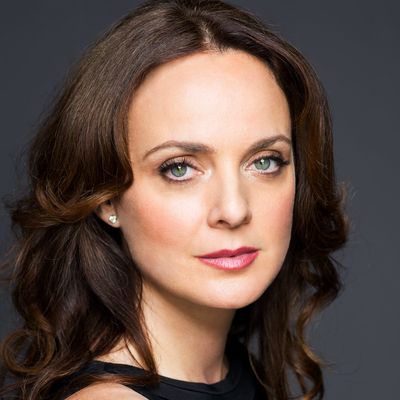
Camp Broadway presents Develop Your Character hosted by Elysa Gardner who talks with theatre insiders about ideas to help culture-loving kids and aspiring artists become great performers at every stage of their lives. This episode features Melissa Errico, award-winning actress, recording artist and essayist for the New York Times.
Melissa grew up in a home that valued education and encouraged making learning fun. By high school she was interested in “the adventure of the arts” and started auditioning. She started working professionally by age 18 and has since balanced her career on stage, television and film with her role as wife and mother of three talented children. She discusses the difference between achievement and accomplishment, as well as encourages young artists to focus more on mastering skills, pursuing self-initiated work and living life to the fullest. “Our actual life is as important as the art—everything is co-mingled.”
Develop Your Character is produced by Camp Broadway for the Broadway Podcast Network. For more information, visit campbroadway.com or post a comment about this episode on our Facebook page.
A proud member of the Broadway Podcast Network.
Produced by Dori Berinstein and Alan Seales.
Edited by Derek Gunther.
Transcript
This transcript was automatically generated and might contain errors.
[0:09] Elysa Gardner: Hi, I'm Elysa Gardner, host of Develop Your Character, brought to you by Camp Broadway.
[0:14] Elysa Gardner: We bring you candid conversations with theater educators, industry experts and insiders, and savvy parents geared toward helping culture-loving kids and aspiring artists become great performers on and off stage at every stage of their lives.
[0:28] Elysa Gardner: Our guest today is Melissa Errico, who established herself as a musical leading lady on Broadway in her early 20s, and has since enjoyed success as a recording artist, an actress in plays and films and on television, a cabaret performer, and even an essayist for the New York Times.
[0:46] Elysa Gardner: Melissa made her professional debut at age 18, playing Cossette in the first national tour of Les Miserables, and not long after that, she earned her first Broadway role in a musical adaptation of Anna Karenina.
[0:58] Elysa Gardner: Shortly after that, she was cast as none other than Eliza Doolittle in a revival of My Fair Lady.
[1:04] Elysa Gardner: More starring roles followed quickly in High Society.
[1:11] Elysa Gardner: I'm old, this is gonna go on a long time.
[1:13] Melissa Errico: No, no, no.
[1:13] Elysa Gardner: I'm just, well, I'll wrap up.
[1:15] Elysa Gardner: More starring roles followed in High Society, and more Dracula, the musical, Irving Berlin's White Christmas, just trying to get all your accomplishments out there.
[1:23] Elysa Gardner: Uh, she has starred, and this is the, and then there's the crazy parent thing that I also qualify for because she's a, you have the actress and you have the, you have the parents.
[1:31] Melissa Errico: Absolutely.
[1:31] Elysa Gardner: I just want to mention you are known for your interpretations of Stephen Sondheim, which include a number of productions, and uh, as well as your album, Sondheim Sublime, which the Wall Street Journal called the best All Sondheim album ever recorded.
[1:46] Melissa Errico: I only listen to your reviews.
[1:48] Elysa Gardner: I don't know.
[1:49] Melissa Errico: Ah, the Wall Street Journal.
[1:50] Elysa Gardner: Who are they, right?
[1:51] Melissa Errico: Uh, and she's received praise for her interpretations of the Oscar-winning composer and jazz artist Michelle Legrand's work, a deluxe edition, in fact, of her album, Le Grande Affair, was just released last year.
[2:02] Elysa Gardner: And her credits range from off Broadway stages of Shaw, Oscar Wilde, and Wallacean to TV and film roles that have cast her alongside Kate Mulgrew, Dennis Quaid, and Angelica Jolie to drop just a few names.
[2:16] Elysa Gardner: She served on the board of the National Endowment for the Arts and written for a number of publications.
[2:21] Elysa Gardner: And just so you know, she'll be appearing at an event honoring Michelle Legrand March 12th at Lincoln Center Performing Arts Library and offering another Le Grand engagement at Feinstein's 54 Below, May 28th through 30th.
[2:35] Elysa Gardner: And of course, as she previously referenced, Michelle is a mom.
[2:39] Elysa Gardner: She, Melissa is a mom.
[2:41] Elysa Gardner: Michelle Legrand is a French guy that Melissa likes to say.
[2:44] Elysa Gardner: Melissa is a mom.
[2:46] Elysa Gardner: She and her husband, the tennis player and sports commentator Patrick McEnroe, have three accomplished young daughters who we're gonna get to very shortly.
[2:54] Elysa Gardner: Melissa, thank you for taking time out of your obviously very busy schedule to come and join us.
[3:00] Melissa Errico: What used to be busy?
[3:01] Elysa Gardner: No, no, no. I'm just, I'm getting dizzy just reading, and a lot of this stuff I should mention.
[3:07] Elysa Gardner: This is all in the span of, you know, not too long.
[3:10] Elysa Gardner: And um, we want to talk to you a little bit about the spark to get things started.
[3:14] Elysa Gardner: Uh, we asked guests about what initially got them interested in theater.
[3:18] Elysa Gardner: I'm gonna take a wild guess given your glorious voice, and say that it was perhaps that you realized early on you had this gift.
[3:26] Melissa Errico: Although you also danced and did gymnastics, is that right?
[3:31] Melissa Errico: Yeah, I don't know that I ever uh had like a, uh, today's the day I think I have a gift. I think I was always uh, I, I, you're right, I was a hyper kid and I did gymnastics.
[3:46] Melissa Errico: I, uh loved roller skating. You remember the white roller skates with the four wheels on each shoe?
[3:53] Melissa Errico: So I looked a bit like Sheena Easton in like shorts and, you know, striped knee socks and these skates in Long Island, you know, kind of doing dee that and right, okay.
[4:04] Melissa Errico: And then I had the Dorothy Hamill haircut at one point. I mean, just I always had fun. You know, my mother was fun.
[4:09] Melissa Errico: And um, my father was, they're both Italian.
[4:13] Melissa Errico: Uh, so I came from a house where kind of ex, you know, as long as you were a good student, we would, which was always the foundation.
[4:20] Melissa Errico: Like you, if you don't have straight A's, like we're not having a good time, we're not gonna have a good day.
[4:24] Melissa Errico: You know, just we had to, you had to do your homework.
[4:27] Melissa Errico: But then after that, less my dad used to say he would only spend money on books and lessons.
[4:32] Melissa Errico: So that was the, the first spark was really just what the values are of the house.
[4:36] Melissa Errico: You have to have an, you have to take care of your education.
[4:38] Melissa Errico: There's absolutely no slacking off in that.
[4:41] Melissa Errico: And then keep you, my parents seemed to have the idea of just expose us to everything fun, whether it was, you know, roller skates, music, gymnastics, uh, gymnastics class, uh, all the dance schools.
[4:53] Melissa Errico: So I was always um experimenting with, uh, with movement and, you know, and soccer and, uh, you know, took track and field.
[5:01] Melissa Errico: I was just lucky in that way that I got exposed to a lot of things.
[5:04] Melissa Errico: Um, but there was something like a spark, like what you say, uh, when I was having my, uh, I think I was turning 12.
[5:13] Melissa Errico: It was my, it was a birthday. It's funny that I think I was 13, because I think it was 1983, but um, anyway, I was, I was 12 or 13 and I went to see On Your Toes.
[5:25] Melissa Errico: Someone will know out there. Maybe it was, maybe it was a different year, but um, uh, with Christine Andreas with Christine Andreas.
[5:33] Melissa Errico: And I was, yeah, she's my hero.
[5:36] Melissa Errico: And I saw that show, and I, I had never seen anything like it.
[5:40] Melissa Errico: And I really sat in the chair, just like any other person having a Eureka moment that you would just wish for your own kid.
[5:46] Melissa Errico: I just looked at that, that stage and I was crying.
[5:49] Melissa Errico: I was crying and crying in my mother's head, what Melissa, are you okay?
[5:52] Melissa Errico: I said, Who are these people?
[5:54] Melissa Errico: How did they get there?
[5:55] Melissa Errico: I remember saying those sentences.
[5:57] Melissa Errico: I couldn't even look.
[5:58] Melissa Errico: It was so uh beautiful to me.
[6:00] Melissa Errico: I think what I loved about it was the jazz.
[6:02] Melissa Errico: I think I liked that style of singing.
[6:04] Melissa Errico: It sounded easy and natural.
[6:06] Melissa Errico: It's, there was swing in it.
[6:08] Melissa Errico: And you know, I've thought a lot about, I think Rogers, I love the music, but I think I like the words and the ironies and the blues side of Lawrence Hart's writing.
[6:17] Melissa Errico: I never responded to Rogers and Hammerstein.
[6:20] Melissa Errico: It was Rogers and Hart.
[6:21] Melissa Errico: It was a big difference, you know.
[6:23] Melissa Errico: A very big difference, very big difference.
[6:25] Melissa Errico: Yeah, that's part of uh, rather Rogers' brilliance that he worked so well with these completely different lyrics.
[6:31] Elysa Gardner: Yeah.
[6:32] Melissa Errico: I think Lawrence Hart was short, gay and very troubled.
[6:32] Melissa Errico: Very troubled.
[6:36] Elysa Gardner: Yeah, yeah.
[6:37] Melissa Errico: I may have sensed something in the blues, you know, a song like Glad to be unhappy.
[6:41] Melissa Errico: I was singing that since I was 12.
[6:43] Melissa Errico: I was in sixth grade.
[6:44] Melissa Errico: I would just sit in my room, you know, just singing glad to be unhappy.
[6:46] Melissa Errico: You know, fool's Russian, but here I am.
[6:50] Melissa Errico: Very glad to be unhappy.
[6:52] Melissa Errico: And you didn't, I wasn't like unhappy.
[6:54] Melissa Errico: I just loved that kind of uh blues, you know.
[6:59] Elysa Gardner: So you didn't know prior to then that you had this beautiful soprano voice?
[7:03] Melissa Errico: No.
[7:04] Melissa Errico: No, I did not.
[7:05] Melissa Errico: I, I wasn't a singer, I was a dancer, and I was, uh, I was busy roller skating, like she looking like Sheena Easton or something, or, or you know, Dorothy Hamill.
[7:13] Melissa Errico: I, I know I was a, I was a mover.
[7:15] Melissa Errico: I actually liked to move and dance.
[7:17] Melissa Errico: And I remember after I saw that play, I did uh audition for a school musical.
[7:23] Melissa Errico: I had been in musicals before, but I was always in the back.
[7:25] Melissa Errico: I was always a dancer, and my mother used to say, one time we were, we were told to be like rockettes and kick equal.
[7:31] Melissa Errico: And my mother, right before the show, I was in about fourth grade.
[7:34] Melissa Errico: This was at my other school before I moved schools and middle school.
[7:37] Melissa Errico: I, my mother said to me, kick the highest.
[7:41] Melissa Errico: And so there's a picture of all the kids with their feet, their legs, you know, at the right height, and then my leg right up by my nose with this big smile.
[7:50] Melissa Errico: So she gave me terrible advice.
[7:52] Melissa Errico: So no, I was in the background screwing things up for the, you know, for the choreographer.
[7:56] Melissa Errico: Um, I went to middle school and I was very lucky to audition for what was it called? Bye-bye Birdie, and I got the role of Kim.
[8:04] Melissa Errico: And the rumor about my voice was my mother said that I was singing, and all the parents started looking around the room.
[8:11] Melissa Errico: Like, did you hear that?
[8:13] Melissa Errico: You know, I don't remember it.
[8:15] Melissa Errico: I just remember it wasn't hard.
[8:17] Melissa Errico: It's like actually got harder later.
[8:19] Melissa Errico: You know, we'll maybe we'll talk about like how you get good at something.
[8:22] Melissa Errico: But that there were things that came naturally to me.
[8:24] Melissa Errico: So in that way I was so very lucky, but I actually had to learn to rebuild and understand what used to come lucky, uh, easily to me, and I was lucky to have it easy.
[8:33] Melissa Errico: I have re-learned um what used to be so, so simple.
[8:38] Melissa Errico: But so I was, I was very much a natural singer, I guess, you know, then sure.
[8:42] Elysa Gardner: Yeah, which isn't to say that I take it for granted or don't get it now, but then it did come flowing, and I just went from show to show to show.
[8:49] Melissa Errico: By 18, I was playing Cossette.
[8:50] Melissa Errico: It was this little voice was, you know, it was just what I would speak and sing at the same time.
[8:55] Melissa Errico: You know, and because I was a dancer, maybe I was just breathing and open my body.
[9:00] Melissa Errico: I was like able to, you know, jump onto stages and just be like, hi, you know.
[9:04] Melissa Errico: I wasn't shy physically.
[9:06] Elysa Gardner: Yeah.
[9:06] Melissa Errico: And in fact, you were auditioning pretty early on, a little surreptitiously, can we say?
[9:11] Melissa Errico: Yeah.
[9:11] Melissa Errico: Yeah, but even I mean, definitely by high school, I stopped even doing school plays.
[9:16] Melissa Errico: I started coming into New York for dance classes, and then I would figure, I figured out there was a, this is before there was never mind cell phones.
[9:23] Melissa Errico: There was an, I don't know, there was no information anywhere.
[9:27] Melissa Errico: There was backstage newspaper, but you go to the newsstand and you buy, and it had all these little squares in the back, which is all the auditions going around town.
[9:35] Melissa Errico: And I used to come into New York on the train.
[9:37] Melissa Errico: I was allowed, I was 13 or 14.
[9:39] Melissa Errico: I never would let my kids do this now.
[9:41] Melissa Errico: I just came in from Long Island and I went into to uh, to steps to take class.
[9:46] Melissa Errico: Of course.
[9:46] Melissa Errico: And I would then look at this, you know, and if I would skip a class, because you were taking, you know, you're paying by the hour, right?
[9:52] Melissa Errico: You didn't even sign up, they didn't know you were in the, it was New York City, nobody knew if you're in a class.
[9:57] Melissa Errico: So I would skip it and I would go to some audition, you know, from backstage uh newspaper.
[10:03] Melissa Errico: So I went and auditioned for all kinds of weird stuff, all odd commercials, flamenco dance company down on the lower east side.
[10:09] Melissa Errico: I was doing all kinds of, I was, I, my idea of rebellion was like auditions, you know, where other kids are like telling stories about like throwing up or something in their back seat of someone's car.
[10:19] Melissa Errico: I was not doing that, I was like sneaking around.
[10:22] Elysa Gardner: Not that we're recommending for kids necessarily.
[10:25] Melissa Errico: No, you must never do.
[10:26] Elysa Gardner: I don't, I don't understand.
[10:27] Melissa Errico: I hope I, my kids won't even consider that.
[10:30] Melissa Errico: People say, Oh, you're heading into preteens, oh, you're heading into teenagers, get ready.
[10:35] Melissa Errico: And I think, I don't know.
[10:36] Melissa Errico: I, I'm not, I don't know, I'm not gonna say that I'm, I'm not watching or something, but I, I never was um, I was already interested in the adventure of the arts, you know, and so I wanted to see what was out there, and my, I didn't tell my parents for that what I was doing all the time for audition, you know, exploring New York City, you know.
[10:56] Melissa Errico: But they gave you that foundation, as you just mentioned, of loving learning.
[11:02] Elysa Gardner: They did, and I think we were talking a little bit before this recording about accomplishment or achievement. Why don't you tell us a bit? Because you have a couple of, three, in fact, very accomplished daughters. One seems to have inherited her dad's gift for tennis, and the other two are dancers, and you encourage them. Tell us a bit about, like I said, if books and lessons was my father's big indulgence, you know, he would always give us lessons, but we never missed our classes. Actually, I mean, I'm making it sound like I was missing classes at steps and being frivolous in that way. I just did that sometimes. It's not like I did that all the time.
[11:44] Melissa Errico: Well, you wound up at Yale, so obviously.
[11:46] Elysa Gardner: I did. You did well.
[11:48] Melissa Errico: I did, I did end up, I was a good student. I ended up at Yale, but I have some thoughts about, you know, I went to the Yale Drama School and I dropped out of the Yale Drama School because at that point I had already done Les Misérables. I had dropped out of college to do Les Misérables and I went back and did college. So I am glad I finished college, but I then enrolled in the Yale Drama School and I got cast in My Fair Lady, and I did drop out of graduate school. And I do still wonder if sometimes people like me who were doing so many things and were rushing around a bit, maybe I should have stayed in school. Maybe I should have finished my, you know, finished a thought. You know, if I had a three-year program, just stay and do the studying.
[12:34] Melissa Errico: The thing that Pat and I are often talking about, my husband and I talking about with the girls, is the difference between achievement and accomplishment. Accomplishment is kind of the satisfaction you get in learning things and the process and the effort that you put into things. And I think the accomplishment, the achievements, you know, the awards, the good parts, the big highs, I'm not sure if we should focus so much on that. Patrick, as a tennis coach, which he often is, says, you know, I was thinking I should get kids out there and they should have fun. Get the kids to follow their passion and just have fun. Just get them out there having fun. And the more he's been getting kids good, he said, I don't really think it matters if they're having fun.
It matters if they're learning, and they really want to get their skill, they want to get skills. And when kids get serious and focus on the mastery of something, that sense of accomplishment, not achieving things, not getting the ribbon and the big, but just that accomplishment of learning, they are happier and they leave the court happy.
[13:41] Melissa Errico: And I think focusing on the acquiring of skills is something that we're really focusing on as a standard in our house. And so the girls just don't feel like they have to be famous or fabulous or get something. They just have, "What did you learn today?" You know, "Oh, that's really cool. You're really improving. You've really worked hard. I see how hard you worked, you know, and it's really showing." And then they feel good. It's not so much that they become that they get this part, you know, at the end of the year or that they are superstars at a certain point. So I'm not saying in my case, like I was jumping steps, but I had some breaks young, and I may have taken some of that time away from myself to just acquire skills, you know, and acquire skills out of the limelight.
So those are just, that's not a regret as much as a reconsideration of my own path. And I think if you have listeners out there who have kids or are educators, you know, if you have a kid who's sort of thinking about going professional or seems to be kind of, you know, on a roll, you know, take a deep breath because it might be good to not rush that kid, even if they're very gifted, very inspired, or even being given a great opportunity. There might be some building blocks that also give that kid a greater foundation for later. I don't really think we do live in a world where there's only one shot.
[15:13] Elysa Gardner: Yeah, yeah.
[15:14] Melissa Errico: And we're pushing kids, you know, with this Coco Gauff, you know, like being a great tennis player so young. Now everybody's calling my house, "How can I get my kid to be a great tennis player?" You know, similarly with ballet, everybody's pushing their kids, they're doing ballet intensives all summer, they're doing camp, the French woods, and just all these achievements, you know, are being marked so young. I think that's what I'm saying is that pushing for achievements and not the satisfaction and the accomplishment of learning can maybe catch up to you a little bit, you know, and may not make the foundation, it may not give you the right foundation both for success and for personal happiness.
[15:53] Elysa Gardner: Yeah, you know.
[15:54] Melissa Errico: So I think these are some ideas. That's a really interesting distinction between those words, which are used interchangeably sometimes, but the way you describe it, and when I think about it now, you know, accomplishment, an accomplished person is not necessarily somebody who has ribbons to hang on the wall or trophies. They have that inside feeling, that inside sense of knowledge, you know. And we're always like, you know, just make sure you follow your bliss and make sure you're happy and do what makes you happy. Well, the truth is that that's not necessarily gonna work.
[16:25] Elysa Gardner: Yeah, you know.
[16:26] Melissa Errico: This whole role of passion in the whole pursuit of a cultural life or an actress's life or a performer's life, a writer's life, you know, it's great, passion, whatever. But what do you actually have to learn? Like, look what you've accomplished. What did you actually have to learn to write the way you've been writing since forever? There's a lot of nuts and bolts that I'm still learning. I'm still looking at people who are much better writers than I am every day.
[16:52] Elysa Gardner: Oh, I don't know.
[16:52] Melissa Errico: But I've also juggled so much in my career, so many different aspects, theater, film, TV, writing myself, cabaret, of course.
[17:07] Melissa Errico: Yeah, that I did. I don't know if that's a good thing or, you know, my own mother is a sculptor and she's always had like four styles, and people have been like, "Angela, you just gotta choose if it's wood or if it's gonna be metal, or you're gonna be working in." She works in wax. She's worked with all different materials as a sculptor, and plenty of times people said, "Just focus on the metals, and then you'll just be, you know, doing iron work, and just you, that's what you do."
[17:08] Elysa Gardner: I always had a lot of interests.
[17:34] Elysa Gardner: Yeah.
[17:34] Melissa Errico: And my mother's like, "No, I like sometimes I'm off in clay," and you know, she's doing clay for a whole period, you know.
[17:40] Elysa Gardner: So maybe the eclecticism comes from a creative mother like that too.
[17:44] Melissa Errico: Well, I know I did want to mention a panel you're gonna be on at BroadwayCon, even though it will have already happened by the time this recording, this podcast airs.
[17:56] Elysa Gardner: You say airs for a podcast?
[17:59] Melissa Errico: I think so.
[18:00] Elysa Gardner: I think so.
[18:01] Melissa Errico: I think you're right. It's called Making Records.
[18:04] Elysa Gardner: Yes.
[18:05] Melissa Errico: Is that actually recording? Is it about the recording process?
[18:08] Elysa Gardner: Yeah.
[18:09] Melissa Errico: I mean, there are, I don't think I'm unique in terms of, a lot of a Broadway musical theater performer's life is on Broadway. Not that often, you're on Broadway and then you're off, you're out of work, so-called from that aspect of your dream, and that thing that's probably the gold standard of every musical theater actor's dream is to be on Broadway. But there's so much time in between. In my case, it's been many years. I've got children, I haven't been on Broadway since the twins were born. I've been off Broadway, so you have the off the world of off Broadway, and then you have the world of television and film, hopefully, Hollywood Bowl, you've started major productions there. Well, there's regional theater and regional appearances like that.
You know, there's so much you can do, but you sometimes if you break down your skills, plenty of times the television and film world will call and give you a good part in maybe even a series regular. I did a series regular on CBS at one point, but I've been recurring on different television shows. So that's your acting, but you're not singing. You find yourself in a trailer with a lot of different straight actors, you know, people are playing the policeman or things like that. They don't know any, they're like, they look at you like you've been in a musical, you know. Like there are these tough people who just go from police part to police role, you know, and then you're chat. So you kind of break down your skills.
You're like, but I'm an actor, and even if you're singing, you're still acting. So I've done that. But one thing I've found that's a consistent source of creativity when there's nobody hiring you at that moment is making music, making records. You can actually make an album or a cabaret act anytime you see, I have a month, or I anticipate a quiet month, or I see this time of year, the holidays, someone's asked me to do a holiday show. Oh, that's a creative thing I can do myself, you know. So it's self-initiated work. So that's what I want to share at BroadwayCon when they asked me to do that. I thought that's great because I've made many albums along the way, and they're little statements. If they're like the musical theater performer or musical person's small novel or something, it's like those are like little novels.
A whole period of your life, you know, might be encapsulated in one album, which mine always, these albums I've made are always a chapter of my life. And I think they're great for singers to get to do because you get to put together your songs, make demos, bring together musicians. You're not at anybody's beck and call, you know. It's not that expensive to make an album. A lot of people can make them in their basements, you know. So it's just one of those things I think is in another, now that was so much tech, and we live in such a good and rich tech world where so much can be done. You can design things yourself, you know. So that's what I'm gonna talk with people about. It's just another way to be creative.
I think one of the important things about being a performing artist is to not let the fallow periods eat you, you know, and make you feel really rotten. I know a lot of people have to work as waiters, have to do other jobs, but this is the perfect, making records is something you can do, you know, around everything, you know, and feel proud of it, you know.
[21:22] Elysa Gardner: Well, speaking of being creative and using tech and doing it yourself, DIY, you wrote a really interesting piece for the Times several months ago, very well researched and reported about how the auditioning process has changed and evolved.
[21:37] Melissa Errico: And you spoke to performers and casting directors. Um tell us a bit about how these practices have changed, just you know, in in the time we have during your years as a performer. I'm sure you have many stories. Yeah, the hard thing about about auditions is that it's a relationship. It's a relationship that's now been kind of outsourced just to half of the relationship. The actor. So the actor is now doing the audition with oneself. You know, it's different than making an album, which you can use tech to express yourself and capture your voice, your ideas, your vision, you know, and design it and write, you know, your own liner notes or get someone, you know, you can make a team and so on. It's a little different to use tech for an audition.
So I'm a little bit less gung-ho about the idea, though it is very much the reality. There's there's no time anymore for casting agents to reach out to as many actors as they they want to. They know they can ask 200 people to send in tapes. They might as well. It takes them, you know, the equal amount of time to see maybe 20 people, 35 people. And they can now get 200 auditions sent to them in the mail. They don't have to rent a room, have an assistant, do anything, you know. So the way auditions are are run is just a little has changed so much because the I can't come into the room and meet, you know, you and I right now, though the audience can't see it, we're looking at each other. We're doing this podcast.
What if we were doing this podcast? You know, I don't know, but what if you sent me the questions and then I just sent you the answers and then someone put it together to sound like a conversation to be funny, you know? So it's a little bit like that with auditions that you can't read the face of the person who wants you to interpret their dream. They want to make this television show, they want to make this musical. Um, what can you bring to it? And then you might do something and they say, you know what, can you start again and try? Think of me as someone you really want to impress. Oh, okay. And then you straighten up and you think, okay, I'm gonna put on a little nicer face and I'm trying to impress this person.
The director has a second to respond to you and you to them, and they see how that can't happen with a self-tape. There's just no shot. You know, you do your best and put your, you know. So the the article I wrote in the New York Times, I went out and I met um at least 40 actors, but I met about five different casting directors, producers, people of all kinds. Um, and asked them what they thought about auditions and how they changed, you know. Some people thought it was really liberating because they don't have to deal with the anybody and they don't get nervous, and they have nobody interfering with their skills because they get tense. Other people said, I can't, I can't, I can't, if I can't see your face, I can't read what you need.
And I I my my art doesn't come out, my feelings don't come out. Um some directors feel they'd rather not have to sweet talk an actor and make them comfortable is such a huge waste of time to some people. It's heartbreaking. It was, I heard a lot of hard talk, you know, and I thought, okay. Uh the business is more like um one of the things I said was that I felt like I was a like a like an app, you know, like serving anonymous users, you know, just kind of putting myself out there. So sometimes it was a little disheartening, but also I guess, you know, we're all in the time we're in, so we have to try to see self-taping as as uh um something we're taking control of, you know, putting our best foot forward.
[25:02] Elysa Gardner: Well, we always ask our guests about lessons they've learned.
[25:05] Melissa Errico: Yeah, you've already addressed some of those as an essayist, um, but maybe elaborate on one or two key things that um along the way in your years of multitasking. Um things that I've learned along the way. Well, um, God, there's so many, it's hard to know. I think um I remember I went up to Marion Seldies, who was a great actress, and I was 12, and my mother saw her in a restaurant and said, go up to her and ask her um what her advice would be uh for you to become an actress. And I was so young, and I meant it, I'm this was at a time where I was super inspired, so I did do what she said. And I said, hello, Miss Seldis. Um, my parents are over there, and uh they I just wanted to tell you I'd love to be an actress myself.
And what would what do you think I should do? And she said, live. That was all she said. And I got to know her over the years, and I'm reminded her of that strange and funny exchange. And I think um that is something I've learned is that our life, our actual life, is as as important as the art. And it's all it's all um, it's all in, it's all inter it all interreacts all the time. So I'm very glad that I had a family, and I'm glad that I've had a life. You know, a lot of people go into the arts and then get very isolated because they stay so focused and the arts become their reference. And the truth is we have to stay out of the arts to go back into the arts with that information. So that's something that just not so much I I had done something wrong and had to learn it, but it's just something that over time has become very clear to me that we bring the information of our lives to our art. That the it's not it's not your whole life. This it's not your home. You have a home, you know.
[27:00] Elysa Gardner: Yeah. I was gonna ask if motherhood had informed your work, but you just answered that question.
[27:05] Melissa Errico: I love my girls. I I do, and I feel like I can't even explain how much I admire them. They're the it's like you made the people you love to know in the world, you know. In my case, I love to spend time with them, and they're very inspiring and funny and happy. Um my brother and I were like family number one, and my my mom had my sister when I was 12, same father. But my brother and I, um, he knows you, you know him as a singer-songwriter. Yeah, he's a great singer-songwriter. Um we we were kind of brought up in a in a sort of intense way, and it's you know, I look at my own kids and I I realize my brother and I just weren't like we didn't hang out together, and I don't know why. We were like maybe because he was a boy or something, and I don't know, we just didn't hang out.
We're friends, we're always been close. But my girl, my my daughters are so tight, it's like a it's like a clan. It's crazy. So I love to see the complicity between them and the laughing, and they're wild. They they they they hit they don't hit each other, but they like they bump into each other or they make jokes or they they touch each other's hair, all this, like they're they're hilarious and close, close, close. So it's very inspiring to see that kind of you know, physical loving closeness, you know, that that I was able to nurture. So that really gives me that jazzes me. It makes me feel good about going out and making connections with other people, you know, seeing their health and their happiness, you know. And I think there was a sort of a separateness between me and my siblings, though we're very close and really a good family. We never had like fun like that. My parents didn't push us together.
[28:40] Elysa Gardner: Yeah.
[28:43] Melissa Errico: So the kind of wildness of my house, the closeness, they're like crazy little fairies. It's very inspiring for me. It makes and they made they brought me a lot of joy that I, you know, I might not have had without them.
[28:55] Elysa Gardner: That's wonderful. Well, uh, I'll close with um, since the title and mission of this podcast is develop your character. Um, as a final question, what does character mean to you?
[29:07] Melissa Errico: Hmm. I wish you told me that before. Um it's a big question. What does character? It's funny, that's the that's the word that I thought of when I was um getting married to my husband. I remember it's funny. People, I I don't know, I know that's not the question you've asked, but I remember saying he has such good character. There was something about it, and what would that um it's like um uh awareness of of everything around you, you know, for me. He's aware, I think I have pretty good character. I think my daughters do too. I think they're fun and stuff, but they're certainly never gonna step on anyone else. They're very conscious of what other people are going through. So even if you're, you know, at the grocery store and you're checking out, just be super aware of that person, you know, and what they're going through, the person behind you, the person in front of you.
When you get in your car, who's jumping into their car? Why is people, why are people tense? You know, just have good character, which is to respect what's going on around you and be conscious of it. And try to, if you're strong and you're sane, use it for good. You know, use it for good. I think my husband was always like that, very conscious, but he never was selfish and like just didn't have his blinders on, like, I'm just gonna win this tennis match, I'm just gonna become a tennis player. We neither of us were ever like that. We we always had our eyes, you know, looking all around. That may not have made me the most tunnel vision person in all senses, but I think that's a per I think I have good character, may not have you know the biggest uh, you know, shelf full of awards, but I you know and I married a man of good character, and then the children have good character, and you you know, I I have good friends, you know.
And I think and my what I have thought a little bit about the very end of my life. I think I will be most proud of my um well, my family, but my uh women friendships. I have always loved other women and love to see them succeed and be strong, you know, never felt threatened by somebody being, you know, I actually have a lot of different looking friends, but I have a lot of beautiful friends, you know, friends as well. I love seeing them look amazing. I'm not like nasty or whatever, you know. I just love to see people shine, you know.
[31:17] Elysa Gardner: Oh, that's beautifully.
[31:19] Melissa Errico: I do. I love beauty, you know. I love seeing physical people have it, but I love like many respects, you know.
[31:24] Elysa Gardner: Yeah, thank you. Well, that's that's a lovely answer. Thanks again, Melissa, and and thanks to all of you who've tuned into this episode of Develop Your Character. We are always looking for listeners' input. So if you have a question or an observation about Melissa, something we've discussed with Melissa, or anything about it.
[31:40] Melissa Errico: Anything I need to fix.
[31:41] Elysa Gardner: Let's make it a bit.
[31:42] Melissa Errico: Exactly, exactly. We have a direct line here. You can reach us on social media or visit our website.
[31:49] Elysa Gardner: And if you've enjoyed this podcast, you can leave a review on iTunes or share with your friends on social media.
[31:54] Elysa Gardner: And finally, for more information on Camp Broadway, Broadway's original destination for theater loving kids, check out our site at Campbroadway.com.
© Broadway Podcast Network, All Rights Reserved