

Guests
Featured Shows
About
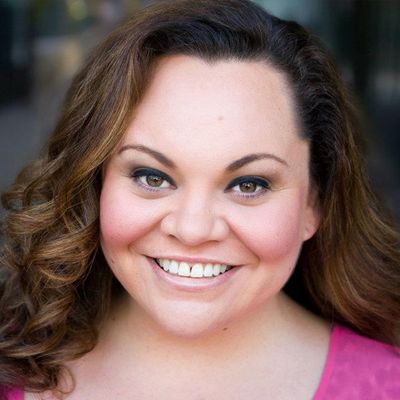
The Tony nominee on the record-breaking success of her Oscar-nominated song This Is Me, if she’s set to headline the Broadway adaptation of The Greatest Showman, and why she’s Drag Race UK obsessed!!! #MuchBetta
Host: William J Connolly
Technical: Jordan Priestley
Produced by: William J Connolly + Darren Bell
Follow eleven on social media via @elevenpodcast and via elevenpodcast.com
Transcript
This transcript was automatically generated and might contain errors.
[0:01] Keala Settle: My name is Keala Settle, and you're listening to Eleven, the Official Theatre Podcast.
[0:15] William J Connolly: Hello and welcome to Eleven, the official theatre podcast that brings the biggest stars and creatives together in one place to discuss life in the arts.
[0:25] William J Connolly: She's the international stage and screen superstar that's gone from belting it on Broadway to being the voice behind an Oscar-nominated song that's become an instant global hit. See most recently as the bearded lady in The Greatest Showman movie, alongside Hugh Jackman and Zendaya, the entire world fell in love with her, making her song "This Is Me" one of the most streamed and downloaded tracks in history, breaking record after record after record. With a lifetime on the stage also under her belt, including as Becky in the original cast of Waitress, in her Tony-nominated performance for Hands on a Hard Body, and in Priscilla, Queen of the Desert, the musical, she's done it all.
[1:01] William J Connolly: So let's find out more and dive deeper in this exclusive conversation to kickstart Season 3, including making her Broadway debut in the campus musical in New York City, her casually snatching a Tony nomination, her hilarious Les Mis mess-up that found her thinking the show was set in Britain, fighting against her mother and her mother's wishes to sing and perform for a living, and why she's sick to death of her personal heritage and identity being erased by other people. She also speaks rather openly and candidly about rejecting the world and her crippling personal battle with self-doubt. Get ready. As up next, it's the phenomenal Keala Settle on this, the next episode of Eleven, the official theatre podcast.
[1:43] William J Connolly: Just to let you know, due to the COVID-19 global pandemic, Keala and I connected digitally, so please forgive any brief moments while we wait for the internet to catch up. Enjoy.
[1:59] William J Connolly: She's the bearded lady, the Broadway beltress, and one of the nicest people I've ever had the pleasure of getting to know. Please help me welcome to Eleven. Make some noise, it's Keala Settle.
[2:10] Keala Settle: So kind. I'm so happy to see you.
[2:13] William J Connolly: How are you?
[2:13] Keala Settle: I'm doing okay. You know, whatever is to be expected. We're in over year one now of the pandemic, and life before it will never be the same. And so I think a lot of people, myself included, are trying to figure out what that means, and hopefully they're successfully doing it. I am, but a lot of shit has gone down, not just worldwide, but here in the country that I live in as well. I am in the USA, I live in California, Southern California currently, and it's been a ride, it's been a ride losing people that I love and living in their remembrance and in their legacy, and you know, trying to figure out where I can best assist the world now, if not even for myself, but for the rest of the world. So yeah, that's where I'm at. Very loaded out. Sorry about that.
[3:10] Keala Settle: And we've already started on the accent, and we should say because to us it would be funny, but to other people they might be like, okay. They can say all they want, it doesn't matter. My sister lives up north and has for many years with her husband and children, and my dad is originally from Manchester, so it's been just from New Zealand. And so I've had accents coming at me my whole life. So it's very weird to when I hear something, I jump on it. And it used to annoy my mum to the nth degree because she loves being in America. She's no longer with us. She's been passed away for a while. But God bless her. So over time we would sneak into the accent because a lot of us do, a lot of the kids do.
In fact, all of us do. I'm the oldest of five. And when we are talking either to our family in the UK or in New Zealand, the accent just slips in. And as children, mum would always tell us not to do that. And we couldn't help it. Your brains just do that when you're learning as a child. So if you're talking to all these people and it just kicks in, you can't say stop thinking like that, because it just happens. Do you know what I mean?
[4:20] Keala Settle: So yeah, it's and it keeps going on. Like my brother and his wife, who have been to New Zealand many times, speak in that accent, but they live in America, and so which is very interesting because there's a lot of people that you know call them foreigners, although they were raised here, but that's what it is. So, but yeah, it's the accent drives me nuts. Watch when I finish this, when I finish this podcast, I'll be walking around trying to get the accent out of my head. It'll take probably about a minute or two, but it'll happen, it'll happen. Drives me nuts. Sorry, everyone. Sars, not SAS. Yeah, sorry, not sorry. But also, like I love this perception that people have of the UK, which is actually really incorrect.
So I'm so glad you just said what you said, because people think like, oh, don't mimic a British accent. But yeah, people in the UK, because we're such a small island with so many different dialects. We love doing other like I do an amazing, I'm from the East Midlands, but I love doing the West Midlands accent and the London accent, and it's like, duh, we like to lampoon ourselves. That's sort of fun, yeah, yeah, yeah. And it's the same thing in the US. They do the same thing as well because it's such a diverse, you know, conglomerate of accents as well. Because you've got the south, you've got the northeast, you've got the northwest, you've got you know the southwest, and then all the middle, you know, mid-America, they've got their own accents as well that are very tied into sort of almost the Canadian aspect of it.
If you go into the northern part of the United States, you can hear a bit of Canadian, you know, in there because you can't help it. Look, mate, accents are accents, they're gonna come out whether they do or not. What are you gonna do? You know, if you want to learn more about it, be my guest. If you don't, well, I'm very, very Sars Nazars.
[5:59] William J Connolly: This is already turning out to be my favorite episode of this podcast ever. And I can't believe the first sort of 10 minutes of this conversation has been our obsession with accents. Anyway, I've got to try to be serious. I've got so many questions to ask you because you've had this incredible career, and you've also done this, it's quite funny. And I was laughing at myself yesterday when I was preparing for this interview because you've sort of done all the shows that I love because I immediately thought, well, she's a Broadway beltrist, she's a singer, she's an actor. Was actually that's not the gig that you went for in terms of self-description, you would describe yourself as an R&B singer, right?
[6:30] Keala Settle: My mum was a singer. And she left that whole world when she met my father, and then they got married and left New Zealand. They got married in New Zealand and then came back to the US in Hawaii, and that's where our family began. I'm the oldest of five kids, but we were brought up with all of this music, movie musicals that my mum and dad could get their hands on because they were fascinated by it as well. Because I mean, if you look at them, they are immigrants coming to this country, seeing things that you can't really. I mean, at the time, my dad was living in a council house, you know, getting his water up the street and bringing it back and having a bath in the living room. And my mum was in a nearly a third world country at the time.
New Zealand was still so very, you know, trying to find its way in the world. And she, so these were all the whole idea of Americanization and what it meant was it was just like gold, it was platinum gold in their hands, and they had it. And so whatever they could give to us, as far as entertainment, we just took, we just soaked it up. So I was watching all these movie musicals like Grease and Sound of Music and all these Disney old Disney films because at the time the Disney Corporation had come out of the Disney Channel, and it was basically our babysitter at that point. We just turned it on, and mum was like, Yeah, see ya, I'm off, and we were like, Yeah, right, bye, and just sat there, watched, you know, Haley Mills or Leslie Ann Warren, all these people trying, you know, having all these, you know, beautiful stories happening in front of us on the tell.
And what was so interesting for us is that that was the life we knew. When I got into high school, I learned about William Shakespeare, and I was fascinated by it because it was a different language to me, and yet it meant the exact same thing as every emotion that I had been going through, or I knew I would go through as a human being, because that's what's so great about that language and the book. So I studied that. That's what I wanted to study. And my mum said, Don't do that, don't do that. Just keep singing, just keep singing. And I was like, I don't want to. So it to spite her, I kept doing theater to spite her because she didn't want me to do it. She actually told me I was really bad at it, bless her heart.
Probably because she just didn't want me to do it, and that's fine. I was like, God, keep telling me because I'm gonna keep not doing anything that you want me to do. It's fine, just keep doing it. I don't care.
[8:52] Keala Settle: And so I did. I went right into Shakespeare, dug my heels in, I loved it. I was in a Shakespeare competition, my first one, I think I was 14 or 15, and I placed second place, which was the first runner-up in that competition, which is in Hawaii. I mean, no one speaks the bird in Hawaii, but they were there, and I loved it, and I loved everything about it, and I kept studying it. And to this day, I give so much props to that culture of telling stories in that manner. And I remember being in high school begging my dad, Dad, please let me go to London and study, please, please, please, please, please. Every year I remember asking him, and every year my dad would sneak a pamphlet, he'd get a pamphlet from overseas and you know, sort of put it on my bed, and my mum would find out about it, and she'd go nah, and she'd just take it out and be gone. And so every year I vied to sort of go and study, and it was always nope, nope, nope, nope, nope.
[9:59] Keala Settle: I fell into musical theater the first time. It was in university, and I was 17, just about 10, 18. They were doing a production of Into the Woods, and I had heard that the director had already promised the witch, the lead role, to another girl, and I thought that is so shady. Why can't you let someone else have a go? Maybe you're wrong. And I was with my mates at the time, and they said, Well, why don't you go for it? And I was like, I'm only 17. The girl that's got that is apparently doing it, is like 21 years old. I can't do that. And they said, Why not? And so I kind of looked at them and I said, Yeah, why not? Because it was just at that point, it was me going, right? I'm just gonna prove you wrong.
Don't care. And so I learned the whole school, the entire school. We went into the audition and I said, I'm auditioning for this. And he goes, right, go on then. Did it, brought me back for callbacks with the girl that had already been promised the role. And I said, Hiya love, right? Here we go. Have you got this one in your arsenal? Have you got this one in your arsenal? And it was just basically, I just came more prepared than she did and whacked it out of the park, and I got the part. Oh, so I proved him wrong, right? I just and that was really all it was. And we used to get change for it because I was majoring in music and French and dance and theater because you get paid for it at university here.
I mean, you probably got like maybe 100, 200, but you got it. And that was from a very young age, I was always bargaining with my mum because she asked me to sing all the time at a very young age, which I didn't want to do. And I remember being about six or seven years old, and she's like, Can you please sing in church? And I said, Well, what do I get? And that was when it just started being a job. So I've never looked at it any other way. It was that that's how I got into Hairspray. A woman got on the other line, because I went into all the auditions, I wanted to be one of the black kids. I thought, oh, obviously, I'm a person of color, I'm gonna be that. That's not true at all. I that did not happen for my life.
I ended up being the standby for the Believe role, and I went, oh, all right, I'll take it. How much does it cost? And the lady, how much does it pay? And the lady told me, I was like, right, I'll take that because it was money. I mean, it really was it really was. I got sucked into it because it was paying more than my regular job, which was just you know being a phone operator at a casino at the time, and I thought, oh, I'll do this, and then I kept doing it, and then after a while, it was like, if you don't do this, Keala, you're going to be really upset at your life, and you don't need that.
[12:52] Keala Settle: No one needs that. So go out and do this. If you get it, you get it. If you don't, then you know, and I kept doing that, and it kept coming, and that it happened like that all the way up to The Greatest Showman, which is the exact same situation. I said, How much is this three-through? What are you gonna give me if I sing this song? Oh, five hundred dollars and a bottle of Jameson, you're on, mate. That's what I thought was gonna happen, and that is absolutely not the case. But yeah, that's it's it's crazy, it's very, very crazy the way that all that went down.
[13:27] William J Connolly: Did there ever come a point where your mum saw you do theater and went, okay? I think she's on to something here, like okay, fair enough.
[13:33] Keala Settle: Actually, I did a production at university my last year of Gypsy. Okay, it's another one where a girl was promised the role, and I was like, right, I'm taking that right. Just just to have a challenge to be able to be like, Oh, I'm gonna be better than her, or at least try. I don't know if I was better, but I got the role. And which character did you go for? The Mama Rose.
[13:54] William J Connolly: Mama Rose.
[13:55] Keala Settle: Yeah, okay. Everybody that's a musical theater lover and all the gays in the world. Are you are you there? Are you listening? Keala Settle has played Mama Rose in Gypsy. Find the clips. Off you go, please. We need to, for the service of God, find them. Oh mate. Uh, yes, I did. Um, and I remember looking out into the audience at the end, and I my mum had these glasses that she would wear. They were literally like quad focals. Like you could see, and you could see into the future the lower you got onto that onto the bottoms of those, you know, lenses. But it was very at the because that's this is how she was. She wore these shades. They were almost like um sunglasses colour, but they were like dark grey, and then they, you know, down the quad of the lenses, it got to a regular, like a gradient color, it just went clear.
And I could see the shimmer of those glasses because it was a specific shape that she wore, and I could see the hair that was tied to them. And I thought, oh my god, she's here. And after the show, I actually remember taking my clothes off, putting my street clothes on, and bolting out the front door to see if she was there, and it was her. And I hugged her, and she kept saying to me, I'm so sorry. It was it was I that's a great memory. I've I've not had that memory since it happened. I appreciate you asking me that question. Um, because my mother and I had a very, very tumultuous relationship up until um the end of her life. But um, that was a really good memory, really good memory. Yeah, she apologized and said, I'm so sorry, I doubted you.
This was incredible, and also because of the role that I was playing, I was basically playing my mum. So, in that instant that I saw her in the back, that I thought I saw her in the back, I was horrified in that same moment, feeling that you know, horrific feeling. I there was a tinge of hope because I thought, well, if she's made it this far, because we're at the end, right? If she's made it this far, maybe she'll stick around. And she did. And that's when I realized that, and my dad was there as well, who's always been a staunch supporter of everything that I do. He um she told me that she always sat in the back of all my shows at uni and disappeared before the bows. I had no idea until then.
[16:11] William J Connolly: Why do you think that was?
[16:12] Keala Settle: I don't know. I I mean, I've I mean, I've thought about it numerous times, even in her passing. We'll never, I'll never understand, especially back in those days. I say back in those days, which wasn't really long ago, what makes someone from another country want to move somewhere else, obviously for a better life, and what that entails, because they're used to an I mean, I'm sure I don't know what that would even mean for you if you left here or you left England to come to another place where it's culture is completely different. You they'll probably always make fun of you. I mean, we talked about accents for the first half hour of this, you know, podcast. So that would also be into play, which is so of course silly, but it's the truth of the matter because they still do it to my they still did it to my mum, they still do it to my dad.
It's and also to try and figure out how to live in that. And of course, my mum was a person of color, um, a Polynesian person, which a lot of people in the US, once we left Hawaii, because we did, they didn't know what that was. I I don't know why. I don't know if it was because of a life that she wanted or didn't want, or moments where she was trying to understand who I was, because we never had those conversations ever. Um, because she was always pushing me out and very Mama Rose. And I was always going, right? What are you gonna pay me? If you pay me, I'll go out. If you give me this, I'll go out. If you get me this, I will go out and do it. Uh you know, and then literally not even releasing music until she passed away for me, and I know why I did that, which I'll honestly tell everyone.
It was because I knew that if I did it after her passing, it was something that I could have, and it wasn't hers, because everything else I was doing was hers, and to be fair, in the culture that she was raised in, that's how it goes. But we were in America, so I've got my dad's culture that I'm dealing with, which is barely there because my mum's the one, you know, that's full force, and then us going, right? You've got a job. This is your job, Kia Alex. This is your sister's job, this is your brother's job, this is your sister's job, and this is your sister's job. That's what we had. It wasn't really like, oh, we have dreams, it was mum and dad. Oh, we have dreams, you're living them. And I think, and I'd be interested to talk to every first-generation American because it might be the same thing, it might very well be the same thing.
But to be fair, look at what I've got because of that, because that was my I'm talking to you. Do you know what I mean? That's my job, and I am realizing that there are other people that are listening because they want to, yeah, and because I want to make a connection to them in whatever way I can, because I'm understanding how much that means to me, and in turn, how much that means to the rest of the world, if that makes any sense.
[18:51] William J Connolly: It absolutely does. And I I guess the next question I want to ask you is is that then incredibly frustrating, if that's even the right word. I imagine when people try and remove your history and your identity from you when they say Keala Settle is a white person, for example. Do you suddenly go, Are you fucking joking me?
[19:07] Keala Settle: I mean, it's interesting that you say that because I've gotten a lot of that from my own culture, because my dad is British, so there's that already, because New Zealand was, you know, the whole treaty of Waitangi and everything. So when my dad and mum got married and they had kids, and we went back to New Zealand that first or second time, when I had some semblance of understanding what was going on, there were fights. There were, you know, you're not my daughter, you marry this white man. And we we all saw it. All the kids saw it. We were susceptible to it. And that was what our life was because we were we were equal parts of those two people. We were a mixed race already. And I love my Māori family, that's the native term.
I love them dearly. And I wish that I could have a relationship with them. I don't know what it would be, only because before I even got famous, it was like, well, you're not really. And it was never from my, it was never I never heard it from my family in New Zealand. But a lot of people, when I would go back to Hawaii and I would be going to uni there, telling me you're not Polynesian, mate. You're not. Just because I wasn't dark enough, even if I had the features, it doesn't matter. Yes, and I still go through it, and it sucks, it hurts me. But I mean, when I had the opportunity to talk about it on a global scale a couple years back, I had to say, yeah, I live in America. I was born and raised in America, but my blood is this, and my blood is this, and I'm so proud of it.
And you can't tell me that I'm not. I mean, you can go for it, go for the gold. You can do it until you blew in the face. It's not gonna matter because I'll still be me at the end of the day. Do you know what I mean? And going through this pandemic has been a jumping board into which sounds so bizarre, but it is, and I think it has been for everyone in some sense or another. It's been a jumping board for me to jump off of into a world that is mine. That, that but it's not one that I create. I'm starting to create it, but it's pulling from people that have always been there and always, you know, I've got my mates who tell me, Kiala, you need to tell your story, don't be afraid anymore. Because I have been.
When The Greatest Showman happened, I had no way of processing it. I couldn't even love myself. So for a world to come at me and say we love you, not only could I not handle it, I rejected it. That's why I say when you met me at the Grand Norton show, I was not okay. I was I was litch. I'm gonna take that word, it's it's in a shelvassage word. I'm taking it, I'm using it, but I've given it credit. I was litch trying to hide, still trying to hide, because I couldn't process anyone loving me at all, let alone myself. And that was a lot of work that I had to do that I've been able to do during this time, and understanding what that means and not being overwhelmed by it, but embracing it because of how beautiful the human condition is, and understanding that I have an opportunity to represent that, and it's my favorite thing ever. You can't lie against a human condition. The human condition is what it is, and we can either celebrate it or be afraid of it.
[22:12] William J Connolly: The fact that you've been on that journey, however difficult, and I don't want to negate away from any of the difficulty that it's been to get to this point. At least you got there. That's the beauty of it. It's when you never, it's if you never get there, like for my mum. I don't know if she ever got there, and it and I can't think on it too long because I'll just fall apart and I don't want to because she's passed on, and I can only hope and pray to whoever or whatever in the universe that she's you know at peace because I don't know if she ever got there. I celebrate in honor of those that I've lost, not only my ancestors, not only my mum, but you know, my mates that I've lost this year. They celebrated life to the fullest. And who am I to sit back and be afraid? Almost my duty to actually step out and sort of go, right, let's do it. Let's do this together.
[23:00] Keala Settle: Well, I can help you with that because I'm gonna celebrate you right now, which I oh god, here we go. I I did joke before we started recording that I have followed a lot of Kiala's career, and she has done a lot of the shows that if I were you, which some days I pretend I am, then go on, then I would want to do it. And one show that I believe, and again, the the beauty of the internet is it tells a lot of truths and a lot of lies. So if any of this is wrong, I apologize completely. But I do believe that your Broadway debut was Priscilla Queen of the Desert.
[23:32] Keala Settle: It was, and it was actually yesterday, and I'm just realizing it now. It was yesterday.
[23:39] William J Connolly: Oh my yesterday, years ago.
[23:41] Keala Settle: Yesterday, 10 years ago.
[23:43] William J Connolly: 10 years ago, yeah.
[23:44] Keala Settle: Which for me, I mean, I remember that show closing in London and literally being heartbroken. Like that was my first sort of experience of coming of age of literally mourning the loss of a show. And then, apart from the fact you cut out the Kylie Minogue bits, which still cuts very deep.
[23:56] Keala Settle: Oh, it really does. Trust me, I know, I know. We talked about that a lot. The Madonna bit, I liked Madonna. I came and saw the show, I liked it. Obviously, I do love Kylie a little bit more if I'm allowed to say that. My mentions will go crazy now. I'm sorry. But but that show, I mean, to go from what we were just talking about with your mum, and obviously you desperately trying to do theatre to like being in an original Broadway cast. I mean, talk about 360.
[24:22] Keala Settle: And that was the moment, that was the actual moment when I said, Kiala, if you don't do this, because I was petrified, every time I got a job, it was for money. And I said, Right, I'm going to do what they've asked me to do. I will stay here for a year, get my money, get out, get my car, go on and leave. And halfway through, nearly halfway through, every single job, gratefully and graciously, I was asked to be a part of another one. And when I went to the auditions, which was hilarious for Priscilla, because it was like I came home because it was all these Aussies, and I thought, Oh my god, I'm here, I'm here, my family here. And that day of tech, actually. So a few weeks before 10 years ago, that was when I got the call about Hands on a Hard Body.
Which is another one of my favorite shows. So we're doing well. I think there's a bit of a theme going on here. But that's when I got that call. I thought, right, fine, I'll do this as well. I'll just keep whatever someone says, I'll do it, I'll just do it till it's run its course, and it just kept coming. It just was again such a blessing, such a blessing, and such a saviour to me.
[25:32] William J Connolly: And that's two shows back to back that you did that both had cast albums, right? So you were getting sort of like the full Broadway experience.
[25:35] Keala Settle: You were not getting absolutely yeah. Originating, getting to getting to create roles, getting to be the first to do anything, but then also to get to do a cast recording, which means that you know, weirdos like me get to sit at home and pretend like they're in the show and love it.
[25:52] Keala Settle: You're not the weirdo. Stop calling yourself that again. This probably says a lot about me, and I'm sort of embarrassing myself a lot today. I sometimes go for gold love. I always feel like, you know, like when people say, like, what's your favorite show? What's your favorite this and that? And I'm always like, I don't know. The one role that I always wanted was to be Diva One in Priscilla, right? And I was like, if I was in that show, I would get diva envy. I'd be like, I hope they fall, I hope they can't sing. Did you get diva envy? I have to say yes, because I knew the girls, two of the three girls that were divas. Diva's one in I don't know who two or three. And it's very catty. And I don't know if I've ever apologized.
I hope I have. And if I haven't, I'm sorry, Smash. They were an incredible group of girls. And like I said, two of the three girls were actually my sisters, who I still talk to to this day. But we made a family in that show. We had to. There was no other choice. Um, because of the stories that we were telling. And also because they were changing so much of the UK show to cater to the US. Again, like the Kylie Minogue and the Madonna thing. It wasn't so much the envy because we were still singing back up with them. There were three divas, and each diva had a double that was in the cast. So along with the three divas, you had the three female roles that are featured ensemble. One of them covered diva one, one of them covered diva two, and one of them covered diva three.
The whole show. So whether or not we were on stage, when we were changing, you know what I mean? Backstage, we're still singing. Like we're singing through the opera and everything that's on. Not that I'm giving away spoilers, but you know what I mean. But yeah, I mean, of course, when it started, it was like, oh fuck, yeah, I wish I was a diva. And then when you get start getting into the work of it all, you're like, thank God I'm not a diva. Because those poor girls, they went everywhere at every hour of the day and night, promoting that show nonstop. It was non-stop. And then they had to come back, get hoisted up in the air by your crotch, and just sit, just sat there hoping nothing falls or breaks or stops.
Because when something would malfunction in the fly, it would just automatically seize up. So you just get stuck where you are, which happened numerous times. Um, but yeah, I mean it happened in the beginning, but then after that, it was like, oh my god, no, why does it? I'll just stay down here. Someone just stay down here and sing about Hallelujah, it's raining. You know, I'll do that. Because I, so Jackie was Diva number one, and that's my sister. So I doubled her, and it was so funny. One night we were because we'd actually we did Hairspray together. So I knew her since 2003. And then Priscilla came up, it's 2011 on Broadway. We did it in Toronto in 2010, and then we came into Broadway, and we were singing in the back, prepping for a scene, and I remember us both singing the same part because that's what we do in the show, and I looked at her, and she looked at me because we sounded exactly the same.
It was like stereophonic sound! Oh yeah. So standing next to her, she was singing. We both looked at each other and we couldn't say anything because our mics were hot. So we're singing, singing, singing, look up at the mirror. She's looking at me, and I'm looking at her, and then we basically just split apart, freaking out, just shaking our heads, going, no, no, no, no, no, no, no, no. But yeah, that show was so much fun. Was so much fun. Oh my god, it was so much fun. And didn't have the best insults as well. I mean, it's like one of my the Australian twangs and sort of I mean, slightly homophobic, slightly sort of conditioned remarks, but like obviously said with love, like it's obviously telling a story and they're trying to make a point, but so fun, and tried to make sure that you understood that they were doing it for a reason, that they were trying to tell a story, and then you just leave going, I feel 200% better about life.
Yes, absolutely. In fact, I remember when they said they were closing, and I'm like, What are you doing? You're actually walking away from a very, very popular show. I had no idea what was going on. I couldn't believe it when they said they were closing. Because they could still be up, well, not in COVID, but I bet you money, if they came back post-COVID, they would it would be right back up there. It's just it is, it's that feeling of you can change the world. You can do anything you want with the right intention. The world is your oyster. And also in a world where drag is ever more mainstream, and that's a whole different discussion about if I think drag being mainstream is a good thing or not.
But drag being in the mainstream means that anything that celebrates difference in particular and drag is like hello. Like this would just like this would send up the roof. I mean, I remember MacArthur Park is my favorite Donna Summer song ever, so that was always my favorite moment. But like the cupcake numbers, I was like, Are you kidding me? There's like 15 men in drag singing Donna Summer with like I think it was Will Swenson at the front belt. I was like, I think I'm gonna like OD in a minute. I cannot deal with this. But think about it. Look, I'll be the first to tell you. I started binge watching RuPaul's Drag Race in January because I needed moral support. I needed it for myself, and I binged it and continued to binge it, and then got to Drag Race UK, woohoo!
And then I got to, you know, Drag Race Canada, and I'm trying to branch out as fast as I can because I'm trying to pick everything up. But you forget, not only are these queens of drag making a political statement, they are giving you the free pass, as it were, to live your fucking life, however, you want to, as long as you're not hurting anyone, and be as loving, as catty, as everything as you possibly can, whatever it is that you want to do, it gives you that boost that you need to tell you yes, you are, yes, you can, and yes, you will be. I mean, I love it. I've always loved it. I've always loved it. I'm so glad you love the UK one as well, because I must confess, oh shitty. Oh, all of them at the end bag of chips, much better.
All of them. I mean, my God. That's why I can't wait to get back to the UK. I'm going, right, let's just look for all of the drugs, going to all their shows. I don't care where they are, get in a car, we'll hop a plane, I don't care, we're going. God, I'm gushing over this, anyways. And also they have musical episodes like hello, like they love musicals as much as I do. Anybody that listens to Eleven, and thankfully there's thousands of people do, will know how much I love Sara Bareilles. So this is just gonna be one big giant loving because I've met her, I've spoken to her, I've interviewed her, I've hosted the Pride Karaoke that we had in London. Like, I've done as much as I physically can to support that show, and I am heartbroken beyond belief that unfortunately it's time in London has come to an end.
I know there's a UK tour happening, and the question I wanted to ask you apart from was it amazing, what was it like working with Sara was Keala Settle, where did the iconic go ahead, where did that come from in I Didn't Plan It? How did that happen? Tell me everything. That's how she wrote the song, and it was actually shorter than it was. And we were in um we were in out of town tryouts in Cambridge. I sang it for her, and then she said, Oh, we gotta extend this, and so she extended it, which was amazing. She's just to write it off the bat, she's so lovely. She's so lovely and so kind. It was one of the hardest shows to do. Um, because there were so many women on board, and as much as that's an incredible thing, everyone was trying to get their opinion across.
And it was hard for the people that were up above to sort of maneuver into that and tell us and then come to us and give us an idea of what they wanted. But it happened. It just was really, really, because we were trying to mind read because we weren't getting all the information that we needed. But it came out in the end. That was what, and I think that was what the most important part of it was that the message of what does it mean for a woman to be going through domestic abuse, how do they survive? It was so important, so important and has been for decades and will continue to be, because unfortunately it'll probably still be an issue for years to come. Um and it was so vital that we got that message across.
And she was such a huge factor in doing so. She was the music that she wrote was lovely, absolutely lovely, and said everything that needed to be said. We loved that music. And I mean, everyone on that show, I'm still good mates with um Jesse and uh Jenna. I'm still very good mates with them. So it's it's and Nick was on that show too. He was the first person to leave, Nick Cordero. Um so yeah, it's uh it it's it was a beautiful story, and I'm glad that it's getting a UK tour revival because it's it needs to be told. It needs to be told in whatever way possible, because instead of it being, you know, all about you know, a woman being like almost like a carousel, it's not a carousel where these men are like doing this and this and that and that.
It's about women trying to figure out how to be women for each other and on their own in the eyes of the rest, you know, in the eyes of the community and what that means. And can I break down? I'm going to break down what happens now. And then you know, she looks around and she's got all the mates next to her. It's it's a beautiful story. I do want to ask you about a clip that went viral with you because again, I you know I'm obsessed with you, but it was really making me laugh, and I think for the best reasons, because it was you in Le Miz, and it was just all the comments and everything was just like basically, is she joking? Like, this is ridiculous. How can she do this? Because it's just you opting the shit out of Madame Thenardier going up.
And it's and and it's obviously funny because you are hysterically anyway, uh, historically funny anyway. But I mean, was riffing Les in your sort of foreseeable future? Is that what you plan to do, or is that just another Kiala ism that happened by mistake? It happened in the I it happened in the rehearsal, not even in the rehearsal, it happened, I think, if I'm not mistaken, in the audition, actually, because it was just low, and I'm going, what is this? Because and I'm being honest, I've never seen Le Miz. I told you this theater thing, I'm very grateful for it, but I've never seen Le Miz. I had never heard the music up until that point, and um I went in for it and I did the octave up just because I could, and it was more exciting to me.
And Lawrence and them were in the room, and they were like, Who are you? Where are you from? And as we I start and I was talking in this bloody accent, of course, because I was around British people, so I was going off, and then I just basically pulled out of it. So I'm from America, you know, an American accent, and they're like, get the fuck out. Um so thankfully I got cast, and when we were doing the rehearsals, they were talking about all the things that were happening in France during you know the story of Les Mes. And embarrassingly enough, it's very true. I said, France. This happened in France. I thought it was British. Not even I'm not done yet. I'm not done with that's the beauty of this story, it's not done.
Lawrence and then come up, yes, Keala. The title. I said, Well, you never hear French people singing Les Miz, do you? You just see you hear British people singing it. I thought it was just, you know, I thought it was a UK story. I never got interviewed for anything. Rightly so. Because I told you I don't know what La Miz is about. That's pretty fair. Um, but I did have a good time. I mean, a lot of people that were in the show took um the title to heart. There were a lot of people that um because it's a heavy show, and they in turn were heavy as well, walking out of the theater. So, but the time that I had there was was it was hard because that was when I was losing my mother as well. Yeah, but if I had a chance to do it again for like you know, month or two, month, two, three, I'd totally do it.
Same, same option, everything. I'd do the same thing. I mean, why change the masterpiece? I mean, you know you're good at it. Well, sure it's a masterpiece. So Uncle Cameron comes in and goes, No, we're not doing that, we're not doing that. I do wonder what Cameron Mackintosh thinks of you opting up. I'd someone should ask him if anyone's listening from the Mackintosh Empire, please ask him if he approves of it because I bet you he bloody loves it.
[38:34] William J Connolly: I think I mean I or they would have told me no, don't do that, but maybe they're gonna tell me if ever I get called again, yeah.
[38:42] Keala Settle: Yeah, don't do that. Just you know, stick to what's regular.
[38:45] William J Connolly: You are quite famous now, so I think the phone may ring one day. So let's there is a topic that we haven't really discussed yet. So let's get the elephant in the room, and that is The Greatest Showman because I mean, not that I want to make this whole conversation about it because I've, as I say, I've been very lucky to talk to you about it before, but I feel like now you've had the opportunity to breathe, and that film has become iconic. I don't think there's any other word for it. It's I think it's like the second most successful album in UK history ever. Didn't the film like beat Titanic or something? Like the sort of the roll call of first and awards that it got was insane. And I was having a look online in terms of your infamous song "This Is Me," which is an anthem for so many different communities and so many different people, and on Spotify alone it has over 500 million streams.
My brain can just about get to 500 million, but that's one platform, Keala. Like that's not iTunes and all the other rest. Looking back now on not just that song, but your time with that movie, how do you sum it up?
[39:49] Keala Settle: Um, I wasn't ready for it at all. I know that in the moment of filming it, and um, creating the film, I was absolutely there. But in some, just like so many periods of my life, I mean I talk about this with my therapists a lot. What I didn't bank on was how many people would have reacted to it at all, let alone the love that I would get from it. And it's scared the living daylights out of me. Scared the living daylights out of me. It scared me so much that my body couldn't handle it. It couldn't handle the stress of it all, because I was creating more stress every time I went out to do, you know, an interview, you know, with you or being at the Graham Norton show, which I wish I could do again because I was so scared.
I was so petrified. I was so scared. Because I wasn't ready to talk about any of that. And I didn't have a choice because I played a character that somehow had tapped into who I really was. But I had no one safe to talk about it with. And now I do. But looking back on it, obviously I'm really grateful for it because I've had an opportunity to sing it around the world and hear people in different countries that speak different languages singing it back to me, which cripples me with joy because they can still understand it and they know what it means because of the emotion that's in that song. And it's all about the human condition. That's why it touches so many people. And it's interesting because it doesn't get that kind of reception in the US across the pond, every direction it does, but not here.
And I say that because I say that just to say sometimes I don't really recognize, because I live here, so I don't really recognize it as much as is per se if I lived in the UK or I lived in Aussie or I lived, you know, somewhere in the Commonwealth and understood what its impact really has been and continues to be. And I realized during this pandemic, my job, should I choose to accept it, is to be vocal triage for the soul, wherever that soul is internationally, intergalactically, wherever it is, whoever needs it, that's what I'm meant to do. And I accept that challenge. And in that acceptance, except the love that's coming back to me. It's intense. I guess it's this weird sort of juxtaposition between a character that goes on a journey to being very strong versus a woman who's playing that character who quite simply just doesn't go and return it.
Never was. I never was strong. And am I strong today? I don't know. I know that I woke up today and chose to stay awake and stay alive, and I know that's a win for me, and that's enough for me. Is that strength? I don't know, and I can't ask really. It does that can't be something that defines that, but I do know that what gives me courage is to ironically enough learn to accept love. That's what gives me courage because it's still such a foreign thing for me to do, but I'm still doing that and learning how to do it. Just being on this podcast alone is a part of that, and I don't think I would ever talk like this at all any other time before this, because I would never be in a space that I could for myself, because I'd be too afraid. But I'm not, I don't want to be anymore.
[43:30] William J Connolly: Do you think there's anything that the Keala that recorded that song and those lyrics in particular has taught the Keala now, and thinking specifically from the lyrics of that song?
[43:41] Keala Settle: To be what I said I was in the song, to not be afraid. That's what it was. I was singing about not being afraid, and yet that's all I was. All I wanted to do was hide in the dark and be behind everything. My story was still going on, and people were trying to get in, and I was going, nope, no, no access. No, not even. Because I was afraid of myself, just afraid of myself, let alone anyone else. And a lot of that has to do with loving myself. A lot of that has to do with that. And um, and like I said, I've been through a lot. I actually wrote a book about it that during this pandemic that's gonna come out probably in the next year or so, about this journey and just sort of going, oh, that's why I did that.
That's why I felt this way. That's why I felt that way. And it's an eye-opener for me, and it gives me a chance to open up now and be and go, okay. And I remember when it hit the first time that it hit, and then the second time that it hit. The first time was at the O2 in London when I sang "This Is Me" on the Huge Actman tour. When I heard singing, I lost it. I lost it. I couldn't, I that was when that was the first time that I let myself feel that much love. And I can't, I don't know how to describe it. It just made me fall apart, but it wasn't a bad thing. It was a beautiful thing. And then the next time I felt it when I was I had the chance to go to Mexico City and do the same thing. And I asked them in Spanish to sing with me, and they did, and they sang in English, and I cried the whole time.
It was beautiful, it was absolutely beautiful. And I that's again when I realized that I was part of something that's not just me. It's all connected, and it made me excited, made me really excited. I wish there's a way that I could equate the amount of love that you have given to other people if you knew that you would never ever doubt yourself again. Someone else told me that I don't and I don't know how I think it's good that I can't because I would probably collapse. I would probably collapse but what I do know is that I'll keep giving it nonstop, why not? I'm still living, still breathing.
[46:03] William J Connolly: I know they are developing a stage musical of The Greatest Showman which is incredibly exciting. Is that the sort of thing that you would consider wanting to be part of or would you know nope the quickest?
[46:07] Keala Settle: Um, because I could do that for a 16 hour, let me tell you what the 16 hour day was, was it 16, 12? Can't remember, it was a two-digit hour day for their first filming in the ring. I had seven people on me, my dress was 25 pounds. I don't know what that means in stone, but I was I had a corset on so I was bound by a corset underneath and then I was put into a dress which was tightened in the back as well so I was double bound. I had boots that had no protective bottoms so to this day I actually have problems with the balls of my feet because of the dancing that we kept doing over and over again. I couldn't sit down unless I had a specific chair and people had to lift my dress and tell me to back up basically like a lorry just going boop boop boop and then just go yeah you've hit it go on and they had to take my shoes off every take so that I could put um uggs on.
And on top of it, there was a person there with a glue gun, not a gun, but a glue pen that would keep applying our alcohol, I should say, um, isopropyl alcohol to my wig and my facial hair because it kept sweating off. So they'd have to apply alcohol and a bit more glue to keep it on for the next sequence. And then I and so the hair and the makeup people were there as well because it was a two, they were tagging each other. It was like a two-group thing. So that the hair person was there and the wig was attached, and the beard was attached to the wig with glue, so they had to always be there. I had a fan person there, and I had someone holding a drink of water for me. So that's just filming, mate. If you think I'm gonna do that, eight shows a week, suck off my team. There's no way in hell I'm doing that. Now, if they've got an easier way to do it, bring it on. Otherwise, nah.
[48:21] William J Connolly: Oh, you're so funny. Okay, my very final question for you. We were talking at the very beginning about how you got into the industry, how obviously it was a family affair, how obviously there were challenges and hurdles, and then we've gone through all of the successes that you've had, and you've had so many more beyond this that would that we would be here for literally hours upon hours talking about, and you constantly going through so many success stories as well as personal struggles, which I think makes them mean a little bit more, if that makes sense. I think you appreciate it more, but I guess thinking back to the very beginning and when you first had that, you know, that want and desire, oh, please make this happen. I want to just be on Broadway, I want to be in theatre. And I'm curious as to what do you think that Keala would think of the Keala that I get the pleasure of talking to for the last hour? What would she think?
[49:10] Keala Settle: I don't, oof. I think a lot of this would go over her head. I think, I mean she was so young, God. Um, yeah, a lot of it would go over her head. It would probably be someone just sitting there listening and going, oh, what's she on about? I don't know what she, you know, like she had she's because she's got no idea. That person has no idea what's in store and what the sacrifice is to get there. You know, I haven't seen my family in years, you know, because of that, because I chose, I chose to do this, you know. I did, you know, I also I chose to spite my mum, and I didn't realize that the two would intertwine and kind of go, yeah, well, you can keep going if you like, right? Well, that's all I know, so come on then, let's go.
And actually have making a go of it and have and enjoying it. I don't think that the Keala in 2002, 2003, who was trying to play a dynamite in a musical, which is obviously incorrect, would even understand a conversation like this. And I think I would hope that she would look at it in wonder and use it as a tool for herself to sort of ward off anything that would get in her way, if that makes any sense.
[50:34] William J Connolly: It does. It does. And you know what I think she would be? Is very proud of you, as I am, and I think as everybody is, because you are amazing. And Keala Settle, I adore you.
[50:44] Keala Settle: Thank you, Lum. It's such a pleasure to be here.
[50:47] William J Connolly: Thank you so much. Thank you very much for giving me a lot more of your time than we originally agreed. So I'm very, very grateful for that. But when someone's as fabulous as you and as fun as you might so point out, because this is the funnest podcast I've done, shit's going down. We're not turning this record off. So thank you very much for your time.
© Broadway Podcast Network, All Rights Reserved