

Guests
Featured Shows

About
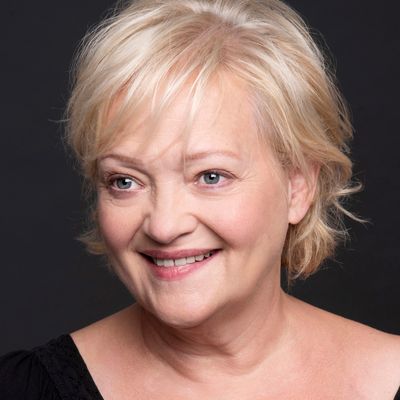
The 4x Olivier winner (+ 9 nominations!) on singing for Liza Minnelli at her private house, working with Barbra Streisand and Aretha Franklin, and texting with Stephen Sondheim. Plus the personal connections behind starring in Ragtime and The Witches of Eastwick + how creating Doorstep Productions is “the highlight of my entire career”.
Host: William J Connolly
Technical: Jordan Priestley
Produced by: William J Connolly/Darren Bell
Welcome to eleven. The official theatre podcast that brings the biggest stars and creatives together in one place to discuss life in the arts. Follow eleven on social media via @elevenpodcast and via elevenpodcast.com.
Transcript
This transcript was automatically generated and might contain errors.
[0:01] Maria Friedman: My name is Maria Friedman, and you're listening to Eleven, the official theatre podcast.
[0:16] William J Connolly: Hello, and welcome to Eleven, the official theatre podcast that brings the biggest stars and creatives together in one place to discuss life in the arts. Now she's a legend of the stage that's one of the finest to ever tread the boards. As a full-time Olivier Award winner with nine nominations to her name, she's no stranger to great accolades and great roles, having originated and performed as some of the finest characters and in some of the finest shows around, including Fiddler on the Roof, Ragtime, Chicago, Passion, Sunday in the Park with George, Merrily We Roll Along, The King and I, Joseph and the Amazing Technicolor Dreamcoat, Blues in the Night, Lady in the Dark, Stepping Out, High Society, Sweeney Todd, The Woman in White, By Special Arrangement, The Sound of Music, EastEnders, and many, many more.
Some of which she also directed. Here, in an exclusive conversation, it's time to discuss it all, including singing for Liza Minnelli in her private home, working alongside Barbra Streisand and Aretha Franklin, texting and emailing with legendary composer Stephen Sondheim, how her Olivier Awards have, or perhaps surprisingly haven't, changed her life, how an impulsive urge to sing live during the height of the global pandemic helped launch her immersive theatrical company, Doorstep Productions. How her famous words, words, words song from The Witches of Eastwick came to be, including a rather amusing story of flying problems during her time in the show, and why her personal connection to the show Ragtime includes her sister, one phenomenal song, and a special little one that ended up at her home. It's a truly remarkable tale. So let's dive in with this, the season finale. With the icon herself, it's Maria Friedman on this, the next episode of Eleven, the official theatre podcast.
[2:02] William J Connolly: To meet with current restrictions and to start the possible spread of COVID-19, Maria and I connected for this conversation digitally. So please forgive any brief moments while we wait for the internet to catch up. Enjoy. Please help me welcome to this next episode of Eleven. It's Maria Friedman.
[2:21] Maria Friedman: Hi Maria.
[2:23] Maria Friedman: Hello there.
[2:24] William J Connolly: Hi William.
[2:25] Maria Friedman: Hi everyone. Thank you so much for being here today. It's as I say, it's a real pleasure and an honor to get the opportunity to talk to you. And to firstly, on behalf of a significant amount of people, say thank you. Thank you so much for using your initiative and your love of the arts to keep theatre going and to make sure that we don't forget how vitally important it is. And this is through an incredibly exciting new project that you've had national news talk about. It's really had such a great response. And so I'd love to talk to you today all about it. So it's called Doorstep Productions. So I guess let's start at the beginning. Talk me through, I guess, where did the idea come from?
[2:58] Maria Friedman: Well, it was around Christmas time. Um, and as we know, theatres got shut down overnight. Um, and we were really pining, um sort of well, singing. Everyone I knew had sort of been forced into doing some sort of part-time jobs or any job they could get their hands on. I knew a lot of my friends actually lost their homes. They, um, you know, one day they had, uh, they were playing a lead in the West End, which takes years and years to achieve, you know, starting training from when you're three, probably if you're going to be a dancer, and a little bit older if you're gonna be a singer or an actor. And so literally overnight, from making a decent living, people who had got mortgages and got houses, and you know, if you were a managing director of a company, you don't suddenly go down to minimum wage overnight.
So people really were suddenly unable to pay their bills, their mortgages. They, you know, people with children finding it really, really hard to actually just function, and lots of people lost their houses. So, anyway, so we, as this family, a family with, um, two children and my husband, all of us, we were literally overnight unemployed. My husband started working for a well-known supermarket driving delivery things. And anyway, one day he came back, he was so depressed. He'd done so many deliveries, and by the way, hats off to anybody who does that job. It is tough.
[4:37] Maria Friedman: Um, the thing that nobody realizes, of course, that the majority of people who want food delivery live on the seventh floor without lifts. So you can, I never had thought that before. I always just thought you just sort of quietly opened a drawer and left some bags. No, he was, he literally lost half a stone in the first week. So, anyway, so as I say, literally, um, hats off to the people who do that incredibly hard job. And there's another little question, nothing to do with theatre. Where do they go to the loo? Where do you stop your van? So, anyway, so he came back in a not particularly happy mood that day, and he said, "Go, should we just go doing some carol singing or something? Just so that we can do the thing that we do well and make some people happy.
We'll go around some hospices and some, you know, whatever, find some places where we can do it, because we can do that COVID safe. We can stand, you know, apart and sing outside as people do." And um, so a man called Jonathan Littman, who runs Angels, which is a costume place that literally supplies all the films, all the theatres, everything is an incredible place, said, "Let's go." Made us all Dickensian. Um, if you can imagine something literally coming out of beautiful clothes with lanterns and bonnets and everything. There were four of us, and um off we went, carol singing, and we suddenly realized that we were singing, making people happy, and we were COVID safe, socially distancing. Um, and I thought, well, hang on a minute. If we can do carols, we can do anything.
[6:09] Maria Friedman: So I went straight to Andrew Lloyd Webber's company, um, Really Useful Group, and I phoned Cameron Mackintosh, and um, lucky I'm old enough that all these people now are part of my, you know, I actually can get to them. So, and they all said, and Sonia Freeman all said, "This is an incredible idea because all the theatres are shut, all the costumes are there, all the actors are there. Why don't you, um, we totally endorse it and um, Really Useful Group built our website? DeWinter's famous marketing people, they started advertising for us, and before we knew it, we had um, an address book of all these top actors, the person who'd played Christine, the person who'd played Phantom, the person who'd played, um, as it shut, all the Les Mis people as the show shut.
We had all these people unemployed, and we just phoned them up, said, "Are you into this?" We put um, a man called Fizzripal, put all the music together, we got the proper orchestrations from the original shows, the costumes, the props, and we all came to my house and we rehearsed.
[7:22] Maria Friedman: Um, we put together different little shows. We had, we did a Les Misérables package, we did a Phantom, we did a pop, we did a mix and match. We did so you could sort of say, "Oh, I really want to see Poppins and I want to have Phantom and I want to have the Dreamgirls." And we suddenly realized we were able to give people their favourite musicals literally on their doorstep. Um and it kicked off, and we had over a period of a few days over 2,000 calls. Oh, that's how many people wanted it. And we couldn't get them all because we didn't, A, we didn't have enough people answering the phone. We were absolutely going ballistic here. It's all done in my house. Everyone, people like picking up the phones, "Doorstep Productions," doors, and they were getting, they were getting like, you know, all these leads of the West End on the phone, being these receptionists. Anyway, um, to cut a long story short, off we went all over the country.
[8:21] Maria Friedman: Um, and uh actors suddenly were able to pay their bills again. It's um a not-for-profit company, so everybody from the costume person and the wig person and the people answering the phones, uh, everybody gets a little slice of the fee. Um, so uh yeah, so that we were when we did our first monthly wage check, uh to every paid paycheck to everybody, we felt so happy that we were able to help some people. And above all, can you imagine opening the door to your favourite people just standing there inches away? And you've actually been part of the making of that show in what did you say not inches, not inches away, says my husband in the back, that's not COVID safe, feet away, meters, meters, yes, of course, yeah, meters away, two meters ish, whatever the rule is at the top of the rule.
Well, we always go, we literally go with our little kind of our measuring tape and we separate each other and we never ever go near anyone so that really made me laugh. He's like, "Oh, you fool Maria."
[8:59] Maria Friedman: And it's such a genius idea. I mean, do you remember the sort of the Eureka moment? Do you remember when you went, "I cannot believe this has taken us so long to get here, this is such a good idea?" Do you sort of remember when the penny drops?
[8:59] Maria Friedman: I do absolutely. It was um, it was just one of those moments. It was sitting here in our sitting room. I suddenly said, "Let's do this," and I went picked up the phone immediately to Jessica who runs Really Useful Group and said, "Can I come?" and she said, "This sounds amazing, come in tomorrow morning." So it literally over 24 hours it just went bang. It took a good three weeks of massive input to get our first show up though and the what do you know what was so beautiful about it? So Jazz from Dean Street recording studios, she let us gave us that for free so we could do our promo demos and the voiceovers. So she, so you know, again without all these people, Jerwood Space, they gave us rehearsal room spaces.
Everybody we asked just said, "We're doing this." What was so beautiful about it, um, and I'm not doing like, you know, nah, no little violins going off here, but um because I know that people, you know, people were all in terrible situations, but to have people who are normally competitors all coming together so the PR people, um, Amanda Mulpass, she incredible, you know, that just normally there'd be, uh, you know, people would be, "I need this job or I need this job or I want this job." Everybody just who are normally competitive just all came together to help us. Um, Prop Works, Lizzie from Prop Works, this incredible woman who does all the stuff around every show you've ever seen and you see all the stuff that dresses everything, she came in, helped us make it.
And the day of the actual making the promo, the promotion video, I don't know if you've seen it William, if you go to doorstepproductions.com, there's, uh, to imagine our street when walking down the street was all these iconic leading people cut and film crew and everything. It was the first day of lockdown and um, we'd actually got permission from, um, I never do anything unless it's legal, uh, because otherwise the company would shut down, but we'd actually got, you know, uh, special dispensation because we were filming to be allowed to do it and it was just amazing all the neighbours, all the neighbours out on the street and out the window. What happens when we do our shows is somebody will book it and then they'll just alert their neighbours and out we come with lighting and sound systems and everything.
[12:21] Maria Friedman: And before you know it, all the people are hanging out their windows and on the streets, and whole streets have booked us. They've all got together and they all came to their gates and opened their champagne on one, two, three, pop, and then we started the music and surprises for people. People, I mean, really, really moving things where it was quite. I mean, yes, we were sobbing. Basically, one woman booked us who, um, her mum was, we didn't, she didn't know whether she'd make it through Christmas. Um, and so she put together all her favourite, she was a musical, like complete crazy fan all through her life. And so, starting from Oklahoma and Chicago, and um, uh, some South Pacific, and then she loved Six, and she loved Hamilton, and she loved all these extraordinary things, and she kind of gave us a list, and we put together some really brilliant performers to go and learn the material.
Um, and once we'd learnt it, we went down to Birmingham, and she was in her bedroom, and we were outside her window. They opened the windows, and they propped her bed up so it was at an angle so she could see out of the window, and she had her grandchildren with her, all her children, and everybody was singing all the songs with us, and everybody just crying their eyes out. And um, you to have the privilege of that to do that for somebody. I can't, you know, never before. I and I'm not just saying this, I've had the most wonderful, wondrous career that I have loved. But I swear, Doorstep Productions is the highlight of my entire career because people wanted us so much. We're so used to doing corporate stuff, you know, where people are spoilt.
Londoners are spoilt. We've been, we have everything, we have everything we want whenever we want, and suddenly there was nothing. And people who didn't necessarily have much money would club together. They'd do crowdfunding sometimes to be able to afford us. They'd go to their neighbours or their parents would buy it for a Christmas present or a birthday present. So when we arrived, every single house or street or square or hospice, which we did many of, um, through generous donors who would come and buy us for four or five different, you know, they'd say, "Will you come down to the Wirral and do two children's hospices?" And we'd all go down, and they would pay for it, and we would do, you know, suddenly all the kids would have Mary Poppins with them, and they really believed she was Mary Poppins.
And uh, Bert would suddenly, you know, and dancing and singing. You can't imagine what it's like for us to see into the eyes of the people and know what a difference we were making, not forever, but for that moment, we were bringing pure magic and pure joy. And um, and it really it's been, yeah, it's been remarkable from something that was so painful for us all, it's become, you know, a great joy. And don't we need this mental health wise?
[15:35] William J Connolly: I need to move to this street that you live on. It sounds like the best in the world, it sounds like literally just constant fun. I mean, you could you could hire that out.
[15:40] Maria Friedman: One of the really great ones was, uh, right at the beginning. We did one in Hampstead, and he had invited all his neighbours. He dressed up three houses in Hampstead with all these twinkly lights and all the trees. He'd done all the trees. People go mad. We also light the houses if you want, you know, we come along, so we did La Miz flags all over the colours of all over the white houses. But um, it was pouring with rain, not just raining, pouring with rain. And um, we go without umbrellas because we go, right, that's 20 minutes, we'll do it, we'll be wet, but it's better than um, not giving the full works. And we noticed that there were at least a hundred people in different houses and streets, socially distanced everybody.
And to begin with, they all had umbrellas, and we realized that by the halfway through, they'd all taken their umbrellas down. They were so entranced um by the performers. And remember, they're not just any old performers, they are the very, very top of what they do. Um, and so those voices banging out on the street. And I just looked around, and everyone was soaking wet. Everybody didn't have an umbrella up, they were just still little kids looking up. Uh, they'll never forget it. It was raining, and so we light everything. So the rain was like sparkling. It was like it was like a piece of magic. Um, yeah. So, anyway, uh, as you can see, I am I'm so passionate about doing it and what it's done for us and for audiences.
[17:22] Maria Friedman: Lame is in the rain. I don't think we should talk about that too much. We're going to start giving Camera Macintosh ideas, and I feel like is this something that you're going to continue with for the foreseeable future until we do get the lights up and running in the West End?
[17:35] Maria Friedman: Yes, William, we are, because we realised from the people we've been going to see, so many of them actually, uh, obviously there's a lot of people who have been um, socially distancing, um, self-isolating. Um, this has been apparent because of the pandemic, and people have obviously bought these for presents. But the reality is we've been all over the country. Not everyone can get up to the West End, and we can give them a slice of it at their doorstep. We can't give them the whole thing. We can go in their gardens, we can, I mean, we will continue to make it an outdoor experience, but we'll be able to do weddings and we'll be able to do, we'll be able to do, you know, corporate, we'll be able to do everything because the reality is we've now got a core team, we're all, you know, rehearsed up and costumed up, and we can do this forever, and we can go anywhere anyone wants us with enough notice.
[18:27] William J Connolly: Are there any sort of roles in there or roles that you've perhaps wanted to play that you didn't get the opportunity to that are in there that featured, or are there any ones perhaps that we've seen you in the uh sort of signature Maria Friedman roles?
[18:38] Maria Friedman: Uh well, yeah, I did um I've I've done all the material from Sunset Boulevard in various concerts, but I got I got to um do uh Norma Desmond. Uh yes, dressed up. They insisted. It's very interesting that you mentioned Sunset Boulevard because when I'm doing one of these interviews, I have lots of knowledge about the people that I choose to interview, but I always like to see what other people are saying about them. And I came across a comment that I wanted to read to you about um a performance that you did of Sunset Boulevard for Andrew Lloyd Webber that made me laugh so much, and I thought I'd share it with you and hope that it does the same with you. The comment says, "I would strap up every up and coming singer in a chair and make them watch this to see how it should be done."
[19:19] Maria Friedman: Oh, that's the nicest thing I've ever heard. I and I was like, I've got to read that to her. I think it's wonderful. And it was, and it's so true. I mean, this person is obviously just brimming with love for you, and they just couldn't keep it in.
[19:32] Maria Friedman: Oh, I can't tell you. You know, I it's so hard when you're a performer and you're at home and you've got, you know, just sometimes I just feel like sort of a this sort of housewife who's going around. There's nothing wrong with that. Let me just say if there's, you know, um, but uh, but but just sort of I I know how fortunate I've been. Like I I'm going off to direct Merrily We Roll Along in Japan, where all the theatres are open and they are running at full capacity, and um so I will be there and I'm doing all the all the kind of pre-prep stuff on Zoom at the moment, which everybody else is doing, and we're doing sort of um rehearsals on uh script and translation. And of course, for me, the minute I start getting into work, I feel whole again, that I'm creating, I'm, you know, doing something with my brain, and um I the only other thing is part of me has become quite agoraphobic.
I don't know about all you lot, you know. I make myself go up because I've got a dog every day for walks, and today the sun was shining. I was like, oh, I know that if I'm not working, if I'm not singing, if I'm not acting, if I'm not planning, if I'm not directing, if I'm not writing, I I survive and I'm, you know, happy ish. I mean, I feel happy, but then I work and I know I'm happy. You know, I just know that that you know, that's 40 years of my life, and I um I don't I I'm odd. I don't even know I'm missing it until I'm doing it. And then I go, ah, that's the bit I put away so I don't have to look at it. That's the bit of me that's that's locked away somewhere that is, you know, still there, comes out.
And I I wasn't match fit at the beginning of this sort of directing in Japan. I was uh stumbling for words and and just sort of bringing back that creative muscle had just sort of gone to sleep. I'll tell you also, um, I've never seen more wonderful films and Netflix and everything. I mean, I the to indulge with my family and sit on the sofa. Um, you know, we wait until we've had our supper and then we choose what we're going to to watch. And oh I, you know, we never watch TV during the day. It's a complete ban in this, you know, we should be doing something productive or or at something. But then that point where you sit down in the evening and and watch some of the great stuff that's been put out, you know, again, it's entertainment, isn't it?
[22:07] William J Connolly: Absolutely.
[22:07] Maria Friedman: And a couple of days ago I had the the honor of my lifetime of getting the opportunity to record one of these episodes with Alan Mencken. And I said to him about the power of the arts and the fact that even if you don't go to the theater, you don't appreciate the theater, you have no interest in it, that's absolutely fine. But you can't take away from the importance of the fact that theatre is part of the arts bubble and just how vitally important and how much of a lifeline cast albums, music, Netflix, television has been. And and hopefully, fingers crossed, to always try and find a positive in something so terrible that that is going to continue after the pandemic.
[22:43] Maria Friedman: Well, you're talking about that is the honor of like literally. I've got a couple of the composers that I still want to work with, and Alan Mencken, oh my God. Because I've been so lucky, you know. I I've worked with a lot of living and sadly passed away now, but you know, um, uh, you know, from Michel Legrand and Marvin Hamlisch and Stephen Sondheim, obviously, and Andrew Lloyd Webber, you know, wonderful lyricists that are and Alan Mencken at Randy Newman and we're I'm going through all the ones that I've sort of sat down and thought, you know, Burt Bacharach and Alan Mencken are, you know, two people that I would have absolutely loved to work with um on a new on a some new material. I mean Alan Mencken, my God, the tunes. He did confirm to me he's working on at the moment approximately nine projects. So you never know. I was like, how I know I know a few people who are working on them, and it's not me.
[23:41] William J Connolly: Well, here's here's the uh first plea to Alan Mencken when he listens to this. Please, Maria is sort of standing in the wings waiting. So we need to make that happen.
[23:49] Maria Friedman: When you have a professional relationship with some of the greats and the icons, and you get to work with them in theaters as a director as a performer. Do you then get the luxury to have that transposed digitally in this time? I know you mentioned Merrily just a second ago. How do you zoom with Stephen Sondheim? Is that a thing?
[24:05] Maria Friedman: Well, we we text and email. Um, which is cool.
[24:10] Maria Friedman: I don't because I'm not collaborating with him work-wise. I'm sure he would. I'm sure he'd be really happy to do it. But I do so much zooming professionally that I don't do very much of it socially. Yes, I do is the answer, but not with Steve. Um, but I do so much zooming professionally that I don't do very much of it socially. And I'll say, I find after a day on the, so don't you find it quite exhausting? I just find it really hard to not stare at myself and critique every single part of my being. It's become a real problem. It's like when you're so handsome, I haven't got my face on here at all. So that's cool. I can't see myself.
[24:47] William J Connolly: You always look glamorous. I mean, we go back to that and that Andrew Lloyd Webber comment and someone saying how much they love you. I mean, it's literally like the music coming out, and you come out in full sort of diva mode, and it's like, there we go. That's she's giving the gays and the girls exactly what they want.
[25:01] Maria Friedman: I hope so. I've been listening. I've got better as I got older. I had one dress because when you first start doing concerts, which I've done luckily a lot all over the world, people say, "Oh, you can't wear that dress again." I was like, well, then I will not get paid for this concert. So basically I had this one black dress, and I'm sure a few of you out there who know me will say, I know that dress. That dress could have done the show itself. I literally wore it for years and years. It became my uniform. And I used to actually say to people, listen, I don't need to know anything. That dress knows everything I do. It can go and do it itself. And then I started the, because I, you know, much as we love to do it for love, we also have to eat, and you know, it's so important.
I would always think, well, give my best from my heart, and I'll just have to get over the dress. But now, as I have had a little bit more, more to play with, I have bought some pretty amazing dresses over the last few years, I must say. But also as well, like recycling stuff is good, it's good for the environment. Like, you know, there's a practical side to it as well. So I think the haters need to just back up a little bit. Like, yeah, William, that's exactly why I did it. It was absolutely for the environment. That's my new line now. Thank you. Giving it to me. I'm also a terrible liar. So the fact that that sounded somewhere sort of remotely truthful is a credit to maybe my acting skills that I didn't even know I had. So I'm gonna go with that.
[26:35] William J Connolly: One thing that I wanted to talk to you about was your Olivier wins because I always feel like, for example, I was talking to Steven Schwartz and he was like, please stop talking about my Olivier wins. But I said like one thing, and he was like, Don't talk about this, don't talk about that. So I know some people get very embarrassed talking about it, but when you have awards and you have accolades and you have a record number of nominations and you get, by the way, Steven Schwartz is another person I work with, so yeah, I love him. You've got so many amazing, I mean you have a ridiculous career. I mean, it's expected, but you have so many showbiz friends. I feel like I need to start naming people, and you could be like, Yep, I've worked with them, or you know, it's very either that either I've had a great career or I'm very old, you can choose which one it is.
[27:14] Maria Friedman: Let's go with the first one. I'm not in for, or you'll be, you'll hang up the zoom, so please don't, please don't do that. But when you have an, are known for specific roles and you get accolades like Olivier Awards, does it make your job easier or harder to then try new things? And then obviously, then when you're still in that show that you've won an award for, deliver a product that someone thinks, oh yeah, I understand why she got it. I guess how do you approach it?
[27:38] Maria Friedman: All good questions. Yes, it helps your career, there's no question about it. Much more so in America than it does over here. Over here, we don't really do the star system, we do workers who get respect. Over there, you know, I suppose if I was over there, a lot of us would, you know, like Bernadette Peters and Patti LuPone and all those people, they are literally goddesses over there. And when I go over to New York, I'm treated in a way that I am not used to at all. That people, it matters to them. The community of Broadway matters to them. Over here, I don't, I think it probably helps you negotiate probably a bit of a bigger salary. I think, in terms of what it's done to me as a human being, nothing except because I still always wanted to try new things.
My boredom threshold has been a great friend of mine because it's low and it means I have to keep on looking for new, interesting, exciting things to do. I've always been a risk taker. I think anybody in this profession has to be, because we never really know what's round the corner. And I think the more you do this job, probably the better you get because, yeah, just the practicing of it really. And yes, I mean, I've let myself be very proud of them latterly. To begin with, I probably, I mean, I don't put them around and show off about them, but I think sometimes when somebody mentions it, I think that's quite nice. And also you do know it's the role and not the actor. If there's a great kind of air of tragedy, you know, you know once you're in that rehearsal that you're in, you've got a chance because of the role.
[29:54] Maria Friedman: One role that you played, and I'm always nervous about saying this because it's all about creative interpretation and people say, you know, this is what I think. But if I was to sort of write down the show and specifically the song that I think is my all-time musical theatre favourite, you know, most beloved, the song that I would say is my all-time sort of great would be "Back to Before" from Ragtime, which is a song and a show that I know you know very well. You'll receive great accolades for that. And your performance in with that song actually sort of became synonymous with you. People love to hear you sing it, and it's such a wonderful song. And I just wondered from somebody that's had great success singing that song and playing that role, what's it like getting to sort of take her on? Because I think she's a very complex but also very beautiful character, and I think that's why I connect with her.
[30:55] Maria Friedman: We just stayed at Terrence McNally's house literally sort of nine months before he passed away. He was a great, great friend. I love him so much, and I miss him hugely. What it was like was joy from beginning to the end. I played it interestingly, I got offered the role probably 20 years before when they were going to bring the American production over. I got that part, and I was at the airport, ready to go over to meet all the kind of creative cast over there when it got cancelled because I won't mention his name, but he got arrested for embezzlement. So I was waiting to play that role, and it was literally I had to come home and there was no role. So when we were going to do a concert of it, it was just a concert, that's all we were going to do.
And again, the all the creative team came over. As I started to explore this wonderful woman, I just knew it fitted like a glove. It was everything. It was very funny because at the time I had an au pair girl from Hungary, and she had become pregnant and had her baby with us while she was here. And so I was bringing up a beautiful little mixed race boy, and the father was gone in and she was Hungarian, and then she had a second child, and we also same same father, but she lived with us with her two children. So instead of her being an au pair for my two children, I suddenly had four children, and it was so funny because we put Max in the show, he was that little boy who, and in the rehearsals, nobody knew this story, but somebody said yes, but who would actually do that?
You know, find a child and then just bring them into her home. And I said, Me, because you know, little Nora was gonna go back to Hungary, and I said, No, you mustn't do that, you must stay with us, and we'll, and they stayed for years, and then finally she went back to Hungary. But it was so funny. So that piece meant so much to me because not only did we have a beautiful surprise family that we had in, but we also put him in the show. So when I go when I, there's a bit where he runs across the stage, and that it was my little Max. So that's a personal story that I don't think I've ever told anyone before. But anyway, there we are, apart from the cast. But also when you get a song like that, the way it, the costumes and the story and the heart and the battle and the struggle and the love and the warmth and the pushing outside of what's comfortable that everybody had to do, and the loss and the prejudice and the, oh, it just, the content of that show and the way it brought music to bring those points home, but with such love and joy, and it didn't ever feel like an angry, angry, bitter show.
It felt like a show that showed that loving is the way forward, empathy is the way forward, understanding is the way forward. I mean, obviously, sometimes people have to battle, but it didn't feel like it was a show full of battles, it felt like battles won by love.
[34:46] William J Connolly: And it's interesting how, of course, disappointing it was the first time that you didn't get the opportunity to play it, but it sort of was meant to be when it was meant to be because of the personal connection, like it was always meant to be in a way.
[34:46] Maria Friedman: It was always meant to be, yeah, because it started off as a concert. There I go, rambling away and not finishing my point. It started off at a concert, and we went off to do it in Wales. And then my beautiful sister, who wasn't as successful then as she is now, Sonia Freeman Productions, she came up to see it, she flew up because I phoned her up from my dressing room and said, Don't miss this song, don't miss it. It is such a joy. You know, I didn't never expecting to say, look, let's do it. I just said, You're just gonna want to sit see this. And I had my own child at that time who was only 10 weeks old, so I had him as well with me, and up she flew, and she was sitting on the stairwell, sobbing at the end of act one.
And she just said, I've got to do this, I've gotta do this, and she did, and she put it on. We did it in the Pika League, and then sadly, much more sadly, we, the Iraq war happened. The first and it was on my birthday, March the 19th, and it knocked us off, or we didn't get any reviews. We couldn't get any reviews because of that. All the, you know, nobody, we just couldn't get any publicity. We got great reviews, sorry. We got no, we couldn't get any, and it was a tiny budget, and we couldn't really, we were relying on it being sort of word of mouth and people putting stuff in print, and we couldn't do that because we got knocked off the papers.
[36:28] Maria Friedman: So it was sad, and it did win everything, it won all these wonderful awards, but we'd already come off.
[36:32] William J Connolly: I love that you refer to your sister as Sonia Friedman Productions.
[36:35] Maria Friedman: I like that's amazing.
[36:39] William J Connolly: That's so funny.
[36:40] Maria Friedman: Yeah, I love that.
[36:42] William J Connolly: She's a lovely lady. I've had the pleasure of interviewing her, and you are a formidable team, so I can only imagine how just remarkable that would have been to see you two doing it together and the collaboration there. Have you ever discussed doing it again or the possibility of you potentially doing that role again? Or do you think you've been too old for it now? Do you think?
[37:00] Maria Friedman: Yeah. It's horrible to have to accept that. Yeah, I am too old for it. But you know, there aren't that many great roles for us older ladies. I've used older women. I mean, there are some. And I'm sure I'll get to do them, God willing. Health-wise willing, luck willing. Um yeah, I've still got lots, lots, lots to do, lots of roles to do, and God knows what they are. What's delicious is you don't know. Suddenly the phone rings, and there is one.
[37:33] William J Connolly: Exactly.
[37:35] Maria Friedman: Yeah, I do get offered things, but to do eight shows a week, it's got to be something I really want to do. There are so many different roles and productions that you've played that we would literally be here for about two days going through them all. Of course, Fiddler on the Roof, which you did most recently, of course, Joseph as well, which became an iconic signature show for you. But one that I would just love to touch on very quickly is The Witches of Eastwick.
[37:58] Maria Friedman: Oh, this sort of feels very strange getting the opportunity to talk to you because it was the first show that I ever did back home when I was literally, I think I was about 14 or 15 with amateur dramatics. It was the first show that I ever did, and it made me fall in love with theatre. It's the reason why 17, 18 years later, I've had an incredible career, and I'm very lucky to do that. And it's why I think I'm sat here today. And I'd just love to hear from you about what it was like getting to be in that show because she's a fantastic, fantastic part, and also really fun, like so much fun.
[38:32] Maria Friedman: Really fun, really fun. Actually, I'm working with John Dempsey at the moment, who's the lyricist. John and Dana, they've written a piece which I can't really talk about that they asked me to play the lead in it. So we've been doing some demos for all that. Doing new stuff is a privilege, and we would invent every day, like the Patter song. I'm sure they don't mind me saying the Patter song was a dance number before. So, words, words, words. I had to do this kind of crazy dance that got more and more and more. And I said to them when we were quite close to previewing, I said, this isn't working because it's the rule of three. We know the first witch does something and then gets better. We know the second witch does something, or no, girl does something and then gets better, and then the third one, which was me, you know what it's gonna be.
You know it's gonna be this and then it's gonna get better. And the inevitability of it meant that it really was almost impossible. I would have had to spin into a kind of, you know, ice rink or something to actually make the impact that I needed. So I said, let's go back to character. And what is the thing that Suki can't do? It's she's quite bad at communication. Yeah. Um, and so why don't we find a way of words just spilling out of her? Um, and I phoned up Cameron that evening. Then I phoned up John and Dana, and they all went, let's try. So then literally 24 hours later, they came in with words, words, words. And I had about two days to learn it before we went into preview. And I thought, what have I done?
Because I was just up 24 hours a day just trying to learn it, learn it, learn it, learn it. Um, but of course, it worked. I mean, I didn't write the song, but I came up with the idea, and that's what's so delicious about when you're working with new people is when you're really collaborating and you kind of have that instinct as an actor, something's not quite right. You know, it's all there for the collaboration, and I do that very much as a director, you know, that if you've got great actors in the room, it's together that you find your way through pieces. So it was brilliant, and then flying was one of the funniest things in the world because of course my flight was like a sack of potatoes, they all just took off up through the Drury Lane, and because she wasn't particularly erudite or smart or clever, I said, Well, why doesn't she find it real?
Let's let her find it really hard to fly. So I just watched them sail away, and again, I was thinking, oh, why did I come up with that idea? Now I'm just sitting here like a big fat sack of potatoes. But then of course we did, and we got stuck. I got stuck so many times. I mean, there was an interval where I was just hovering above all the people getting their ice creams while they winched me up, you know, there were many hilarious memories of that show, and yeah, I think being in Drury Lane, amazing, amazing, amazing.
[41:50] William J Connolly: I'm so glad you have such fond memories of it. I always have this horrible fear that something that means so much to me is almost hated by the other person. They're always like, yeah, it's not it was it was tougher, it was difficult because it was a new piece. But the fact that there was so much fun and pleasure and joy, a lot of love makes me like it more. Is that a strange thing to say?
[42:08] Maria Friedman: Yeah, no, no, no, no, absolutely. And to know that, and I'm not just I do sound like one of these people saying my dear friends, John and Dana, but actually the coincidence is that I am actually working with them right now. So yeah, it was a collaboration and a friendship that has lasted what is it, 20 years? I don't know. Is it more than that? I don't know how long ago was it? I think it's just over. I think it's like I think is it 21 or 22? I think it's just over 20 years. I don't know. No, I'm very bad at dates.
[42:39] William J Connolly: Yeah, yeah. It's a long time ago, anyway. I mean, you said you had two days to learn the song. At least the good thing is that there's not a lot of lyrics in that new song, is there?
[42:47] Maria Friedman: So geez. I mean, come on. I would love the opportunity to get to see a full-scale professional production of it.
[42:55] William J Connolly: Yeah, me too.
[42:56] Maria Friedman: I'll tell you another story about that words, words, words. It always used to bring the house down, and then it stopped bringing the house down. And I was like, oh, something's going on because you know, and I was trying to go faster and faster and faster. And I actually did phone Stephen. I said, Stephen Sondheim, I said, What is I just don't understand what's happening. You know, one day it was like literally I'd finish and everybody was cheering. He said, Um, he said, take it slower, not faster, because the orchestration is doubling every time. So dumb dum dum dum dum dum d that gives the pulse that really is allowing everybody to get excited. And if you go too fast, it makes people uncomfortable.
There's a maximum point that you need to go. It's gotta be fast, gotta be really fast, but if it goes too fast, people get anxious and don't get thrilled, and there's that optimum point. So I just thought that's a wonderful tip. And I took the time down again and back it came.
[44:03] William J Connolly: There are so many other roles that I can mention that you've done, and I'd love to get the opportunity to talk to you about them. But just to say that if you ever dare to go into the world of YouTube, not that I would ever recommend it because it's both good and bad, there are comment upon comment upon comment and clips about how wonderful you were in Chicago. I don't know if you've seen them, but people just say I watch this every day and they love it.
[44:23] Maria Friedman: Oh I have I've never dared because I'm always sure that I'll be the person who goes, All right, today I need a bit of a stroke, and it would be straight away. Well, you know, I hate that old bag. So I just I don't dare.
[44:36] William J Connolly: I just wanted to sort of end in a slightly indulgent moment just to ask you. I believe you met Liza Minnelli, is that right?
[44:43] Maria Friedman: Very much so. I went to her house. Yeah, she came to see my cabaret in New York, and I couldn't believe it. I was sitting in my dressing room the next day, and I got a phone call saying, Would I like to come over? She had a Friday night club with just people. I mean, Jeff Goldblum was there and all sorts of other people. We all sat around in her conservatory, around her piano. We drank drinks, and we all had to sing. Can you imagine the terror of that? Um, and we had to just choose something randomly. And she, of course, when it was the end, she got up and she sung. Anyway, she finished the evening just to show us how it would be done, singing to us in a room, really small conservatory, just literally singing to us directly in front of us.
And um, she was an extra and all over her apartment were pictures of her mother and her father and her sisters, and big photographs and framed portraits. Um, yeah, that was definitely it was something else. It was something else. Michael Feinstein, um I mean it was just it was amazing.
[45:53] William J Connolly: I don't mind the Stevenson time and the reference to Stephen Schwartz and Andrew Lloyd Webber, but I feel like you are showing off a little bit now with Liza Minnelli. I mean, she literally invited you to her.
[46:02] Maria Friedman: I didn't bring it up.
[46:04] William J Connolly: No, I did because I saw this online and I was like, I have to ask you about that because I guess she's a legend as to me as much as she is to you. And I'm wonderful to hear that she was as amazing as I would hope.
[46:15] Maria Friedman: Well, do you know what was so extraordinary when she finished it showed us how it all should be done? You may, you know, I've seen her before on TV and films and on stage, but when you see, I've actually been in concerts with her. By the way, I've also been in concerts with Barbra Streisand and Aretha Franklin and people like that. Um, and when you're close up to those people and you see how it should be done, I mean, there is a reason why they are who they are. It's quite extraordinary. There's an extra level of energy and communication. When she stood and sung like that, I felt like somebody was literally physically pushing me against my seat back. The energy and the power of her and her eyes and the way that she would just bore into your soul when she wanted you to. When she wanted you to feel something, you felt it. It was incredible. It was incredible, and I'll never forget it. That was the Marvin Hamlisch event, right?
[47:16] Maria Friedman: Yeah.
[47:17] William J Connolly: Amazing. Just so, so incredible. And you say that's why she is who she is, and that's why they are who they are. But that's how we feel about you. So it's such a pleasure to get the opportunity to talk to you today. And just the absolute best of luck with Doorstep Productions. It's such a wonderful idea. I sort of I keep saying I can't believe it's not been done already because it's such a genius thing, and I look forward to seeing more pictures and videos and just more celebration of theatre. So thank you so much.
[47:41] Maria Friedman: Great, and thank you all for listening. And thank you for anybody who's supported me over the years. It means everything to me. And um, I can never quite believe that people say those incredibly kind things about me. I'll have to tell my children all about it so they remember to respect me a little bit more.
[48:02] William J Connolly: You've been listening to Eleven, the official theatre podcast. Find out more about Eleven at elevenpodcast.com or via the Broadway Podcast Network.
© Broadway Podcast Network, All Rights Reserved