

Guests

Featured Shows
About
The BBTAs winner on serving lewks, making history and living up to his I Came To Slay mantra. Plus, why a Beautiful People stage musical needs to happen and how starring in Everybody's Talking About Jamie has taught him to ditch gendered clothing.
Host: William J Connolly
Technical: Jordan Priestley
Image of Layton: The Other Richard
Produced by: William J Connolly/Darren Bell
Welcome to eleven. The official theatre podcast that brings the biggest stars and creatives together in one place to discuss life in the arts. Follow eleven on social media via @elevenpodcast and via elevenpodcast.com.
Transcript
This transcript was automatically generated and might contain errors.
[0:01] Layton Williams: My name is Layton Williams, and you're listening to Eleven, the official theatre podcast.
[0:17] William J Connolly: Hello and welcome to Eleven, the official theatre podcast that brings the biggest stars and creatives together in one place to discuss life in the arts.
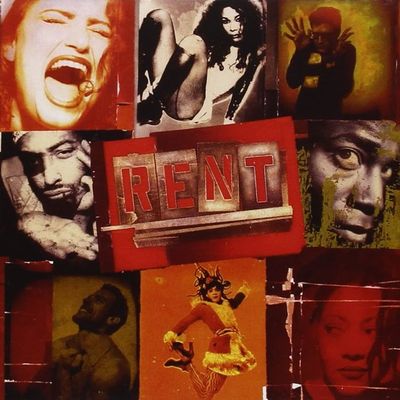
[0:26] William J Connolly: He's one of the UK's finest stage stars that knows how to serve it up thanks to his I Came to Slay mantra. After making his West End debut starring in Billy Elliott, he went on to feature alongside Oscar winner Olivia Coleman in Beautiful People, a groundbreaking television drama exploring queer youth and an overwhelming love for Kylie Minogue and stage musicals. Since then he's made it onto the big screen, snatched awards, most recently including the Black British Theatre Award for LGBT Champion. When the pandemic is over, he will return to his incredible performance as Jamie in the UK touring production of Everybody's Talking About Jamie, a role that he played previously in the West End. So let's get down to it as we've got quite the ride ahead as we talk Jamie, Billy, and Olivia serving face and always bringing everything to the table on any project that he works on, how he's ditching gendered clothing for a more authentic and open world, auditioning for the recently aired production of Rent Live and the pressures of actually taking on a role like Angel.
And why he's ready to step into the spotlight with a big screen movie musical role, hopefully very soon. He came to Slay, so let's go. It's Layton Williams on this, the next episode of Eleven, the official theatre podcast.
[1:53] William J Connolly: Yo, y'all.
[1:54] Layton Williams: Hey Williams Connolly.
[1:55] William J Connolly: Hello, hello, hello.
[1:56] Layton Williams: Thanks for having me.
[1:57] William J Connolly: How are you doing?
[1:58] Layton Williams: Do you know what? I'm fab. I'm feeling good. I'm feeling fresh. I've been super busy, and I just can't wait for the world to get back to normal to, you know, slay what I need to slay.
[2:09] William J Connolly: How are you doing?
[2:10] Layton Williams: I'm doing alright actually. I'm much better for getting the opportunity to talk to you today. So thank you so much. And I was saying literally just before we started recording that I've got a very specific jumper on today. I was trying to figure out what do you wear, and obviously I reference it in the introduction, but obviously Williams and Williams is definitely not too far away. So I've got a W jumper on today. Not that you can see this because it's a podcast, but you should have told me.
[2:30] Layton Williams: I've actually got one, but yeah, I've got one very similar.
[2:33] William J Connolly: Twinsies, but we're sort of one step away in name, so I feel like we have a connection anyway. But thank you so much once again for doing this. And this is really exciting for me because I feel like I've sort of followed so many different parts of your career and had the real genuine pleasure of meeting you and interviewing you and seeing you on stage and so many different things. So now I get to sort of dive into some of those roles, and it is just some of them because the list is long. So you've been very, very successful.
[2:54] Layton Williams: Oh yes, God.
[2:57] William J Connolly: But before we talk about the roles, I just want to say congratulations because I know that very recently you did win a Black British Theatre Award for LGBTQ Champion, which the fact that that award exists is such a step forward, it's such an amazing moment. And I just wanted to personally wish you, you know, great congratulations on that. How did it feel when you found out that you've won?
[3:17] Layton Williams: That was the ultimate gag because, like you, I was, you know, very surprised that that was even a category, especially at a black, you know, theatre awards. It's like this for me, you know, it took me a while to fully embrace my full blackness because I, you know, the homophobia is so rife where you know my ancestors are from, you know, in Jamaica. So to have that acceptance from the black community and be like, you know, celebrating queerness was like huge for me, but not to, you know, do another mic drop. But the year prior to that, I actually snatched my first trophy in that ceremony, but that was for best actor. And the reason I'm telling you this is because when I accepted it and my in my speech, I basically said I'm very proud as a black gay man to be up here representing, and then a year later, we we're snatching LGBTQ plus moments.
I was just honestly thrilled and gagged. I was gutted I couldn't actually be at the ceremony, but you've been new. I made it work so I could do a pre-record at the theatre, and I wore a crown. And I'm thinking people must have saw the VT in the pictures before and been like, if he's wearing a crown, I'm sure he's probably snatched. Do you know what I mean? But then if anyone wants to see the outfit, it's literally pinned to the top of your Twitter feed. So literally go and look at you in all of your glory because it's an absolute look.
[4:35] William J Connolly: Which, to be fair, like nobody was surprised. Like, you turn out looks literally every day of the week. Like we put something I think was on TikTok or Instagram the other day of you leaving a theatre, and I was like, This is a serve, like theaters aren't even open and he's still delivering. I was like, come on.
[4:48] Layton Williams: Honestly, when I get the chance to stun, it's just like I love dressing up, I love just being extra as. I think definitely playing Jamie is like maybe come fully into my own when it comes to the fashion. I give no fucks about like what people are gonna think about me anymore. So yeah, it's if I get a chance to dress up, I will change outfits about four times in these events.
[5:15] Layton Williams: I try to think what it is now. Was it a Eurovision host or an Oscar's host or something in terms of a ceremony where she literally changed this lady? I'm ever changed literally every time there was an ad break, and I was like, I want to live in that world where you can have a different outfit for a different, not even like day, but a different, not even part of the same ceremony.
[5:31] Layton Williams: Yeah, that's so me. I did I co-hosted the Evening Standard Future Theatre Fun Awards, which was amazing a few weeks back. But a poor loads of looks, and I had them all, and I was like, Well, I don't want to not wear them just because I'm gonna wear this look all the whole time. So I just kept changing, and they were like, Oh, continue to say, it's fine, I'll make a reference to it, it's fine. Like, let's just do it, like, why not? You know, so you gotta live, you gotta live.
[5:56] Layton Williams: It's like I'm a pro at this, like, you know, I'll do me, don't you worry about it.
[6:00] William J Connolly: Exactly.
[6:02] Layton Williams: Yeah, basically, that's kind of low-key rude of me. But I was like, you know what? I know what I'm doing, I'm a bad bitch, I'm gonna wear this, and you're gonna get into it, period.
[6:09] William J Connolly: And people were into it, and I know that it's something that people are really drawn to you in terms of just your visibility in terms of like how you embrace your queerness, how you celebrate your blackness, how you are very unapologetic. And I know obviously we reference about being in Jamie, and of course, that has helped you on a personal journey. But I guess, do you think you would have got to that place without Jamie? I guess before we talk about specifics of the show, do you think that's a natural development of you, or do you think it's maybe, you know, it's helped a little?
[6:35] Layton Williams: I think it has helped a little just because you know, being that person, people see me as that now, and then I'm like, okay, if I go to red carpet, for example, an event, you know, dressing as a queer person, it's so much more interesting because the way that they label it is very, you know, men wear this, women wear that. There's no there's nothing in between, and when you don't kind of feel like you want to wear what the men, I'm doing inverted commerce here, people you can't see me on the podcast, are wearing, it's like, no, I don't want to wear a suit and look literally a black suit with a bell tie with every other. I was gonna swear then. I wasn't sure they could swear, but we can't swear, but it's fine.
With other other person in the crib, like I wanna, I wanna be gowned out. I wanna gag. Do you know what I mean? And I think gone are the days, like I do see the queens like when we walk up to these things, hopefully when everything's back open again. And people are way more expressive. And for me, it was just finding my feet in that and knowing that you know I don't have to stay on one word, and Jamie definitely just made me feel more comfortable like being that me, like majorly. Do you know what I mean? Whacking on a cheeky heel, rocking out to the club in my crop top, get into it. So it all kind of happened perfectly, really.
[7:52] Layton Williams: It's a slightly different example to use, but I remember watching an interview with Paul O'Grady, which Alan Carr's referenced quite a few times, I think, when he interviewed RuPaul, where he said about like if Paul didn't come as what people thought he was gonna be like, therefore they were disappointed. So are people sometimes like, oh, Layton's in a track suit? I thought you'd be in this all the time. Are you like, I you know, it fluctuates. I can express myself in different ways. I'm not gonna be no turning it out every day. Although, to be fair, you probably do. Let's not pretend like you don't.
[8:18] Layton Williams: I low key, even if I'm in a track, I mean right now I'm we're wearing Liomi Anderson, the project the purpose, get into it. It's all about activism for women, supporting women. She has an amazing platform, black, iconic model. If you don't know her, get into her plug. I'm not even getting paid to plug her, but like even in this track here, like I'm feeling 100. When I'm at home, most times, you know, 10 times out of 10, nine times out of ten. Who says ten times out of ten? We can do that. No, it's nine. That's just I'm the type of person that will say, like, oh, killing three birds with 10 rocks. Like, like I just always fuck up like them little sayings. Anyway, I'll be sat on my couch in a onesie.
Do you know what I mean? Obviously, when I step out, yes, there is that wall. Layton's come to this event. Maybe no one even cares or is thinking about it, but in my mind, I'm like, if I rock up not looking hella cute, people are gonna be like, Are you not feeling well? Even like with my me as a person, if I'm not like, yeah, yeah, yeah. If I'm slightly just even saving my voice or being a little more like demure, people are like, Are you alright? You know, are you not feeling well? I'm like, I'm fine, I'm just not on 100 today. I'm just taking a moment. So yeah, when you're always extra, that is kind of like an I guess an expectation, but really it's none of anyone's business.
[9:38] Layton Williams: I did an event the other day, and I was like, it was with Davina and was at the Hope Mill Theatre, and I was like, why am I gonna dress up when she's literally a drag queen? I was like, I feel cozy in my two piece chord moment. I was like, and I'm staying in it. I brought the heels, I brought everything. I was like, actually, no, it doesn't need to be all day every day. Do you know what I mean?
[10:01] William J Connolly: So spot switching it up, light shade.
[10:03] Layton Williams: Definitely. I also think it's really interesting. I know RuPaul has that saying of like we're all born naked and the rest is drag, and again, it's a slightly different conversation, but I do think that has a real element of truth for society, in that you know, we set these parameters of like, oh, this is what men are supposed to look like, this is what women are supposed to look like, and when you blur it, people then lose their mind because they're idiots. But I also think as well, like when you go in the shower and you like brush your teeth and you get dressed up and you iron a nice shirt and you buy you know an expensive suit. That in itself is a form of how you're choosing to present to the world.
So it's like just because you see that as okay and you don't see what I do as okay, doesn't mean that it sort of removes what I do. It's just it's just different, and I sort of do feel like that conversation is happening more and more. And I don't want to say it's normalized because it's one of the words that I hate more than anything, but it's become slightly more usual and more sort of common topic in terms of discussions. And I do genuinely think that Jamie has played a huge part in just for especially for people that perhaps wouldn't have that conversation to be able to understand how to have it. Have you noticed that more people are just even beginning a conversation with you as opposed to, you know, sort of going the full nine yards? I guess have you noticed that that's actually helpful?
[11:11] Layton Williams: Yeah, people are way more open, people are way more comfortable with having conversations. I do a lot of teaching through my company pros from the shows. Plug. And I say this because it's important because when I speak to these students, I don't just go crack straight on and make sure they know what we're talking about, what we're dancing about. So if we're doing Jamie, for example, I will take them through the tea. And what I usually do is say, someone put your hands up on this Zoom. Oh my god, it's so annoying that like I'm naturally going to Zoom now. Like we don't do things in person anymore. How sad is that? Anyway, put your hand up on this Zoom and let me know what you think Jamie's about.
And sometimes I'll scroll around the corner. Some people just come straight in with the facts and be like, you know, it's about being yourself, it's about you know being unapologetically you, you know, and it's about this gay kid who wants to da da da. Like, but sometimes they kind of tiptoe around it, and I'm like, well, what are we talking about? What's the subject? Same with hair spraying. People, oh, it's about a girl called Tracy who wants to dance.
[12:06] Layton Williams: I'm like, well, no, let's get into the deepness of it. So people are having what I try to have as many conversations with these young people, because they feel awkward talking about race. They just feel awkward talking about sexuality. Even sometimes when I say the word gay, lesbian, anything, I could tell the kids are looking shook because their mum or dad or parents of guardians probably look at them from behind a laptop, like, oh god, what's Layton talking to my kids about? But I mean, we have to learn. If I'm on the Zoom, you best get into it because it's gonna be a long old hour if you're not. Do you have to have conversations with people about the difference between, you know, just femme presenting boys or, you know, anyone that's LGBTQ versus drag?
Because obviously there is a very clear, although sometimes blur, there is a very clear difference between, for example, the Jamie obviously does drag in the show, but perhaps just wants to wear female clothes to a prom. And those two aren't mutually exclusive, they are different.
[13:00] Layton Williams: Exactly. And that's when people like, yeah, he wants to be a drag queen and he goes to prom in drag. Yes, Jamie knew, sorry, Jamie knew's story, i.e. the Jamie in the play, is different to the real Jamie Campbell. So Jamie Campbell did go to prom in drag, but our story is about, you know, him deciding just to go in a dress because he wants and he feels comfortable in a dress, and that's how I feel I'm more like. That's why I think I've resonated it. Like I would stun wearing something feminine, something gorge. I wouldn't necessarily call myself a drag queen at all. Because people don't say, oh, when are you going on drag race? But when have I ever been a drag? Yeah, that's, I mean, I'm not saying you will never say never, you never know.
I know I can whack on a full face and y'all better be scared because it will go off. But I'm not a drag queen, I'm an actor, you know. People get very confused, so it's just about letting everyone know, like, you know, that's that, that's that. Yeah, it's education, really. But we're students of life, you know, forever growing. Every day is a school day. That's one of my favourite sayings. Every day is a school day.
[14:05] William J Connolly: We've spoken a lot about Jamie, so let's talk specifics about the show. Because I've had the pleasure of seeing you do it multiple times when you were part of the West End cast and brought my mum to. I was like, we're gonna go see Layton, and then she just honestly, I don't know if it's the fact that I was just watching my mum more than watching the show because I wanted to see what she felt like. But it's one of my most proudest and sort of favourite moments of coming to see a show was getting the opportunity to bring my mum to see you in it. And it does genuinely change lives. And I think it's very easy these days to say everyone's a trailblazer and everything's changing lives. I think it becomes a little bit overused, but actually, this show really is breaking boundaries.
There is nothing like it, especially when it comes from a British team. It's obviously based on, or not completely truthful to a true story, which is great, but it also brings it into the mainstream, and I feel like having queer conversations within understandable echo chambers is fine, but unless we're visible and seen, that's so important. So when you first started doing the show in town, was it quite overwhelming, if that's the right word, to be overtly queer on a West End show and to be celebrated rather than, you know, sometimes the stories are so negative?
[15:12] Layton Williams: It was scary, like full stop before we even bring like the show and what the show means to a lot of people, because you know, being a lead in the West End show, it'd only been something I'd done as a kid. So I was coming in with, you know, 13 years' experience now, and you know I taught the talk, so I need to walk the walk, you know. I'm wearing all these I came to slay merchandise jumpers, but do I slay? Is the tea like, is the tea actually piping? So I put a lot of pressure on myself to be good, to be more than good, to be outstanding. I wanted to surprise people as well because not lots of people saw me as a vocalist or, you know, somebody who could necessarily run a whole show like that, you know.
So I was just scared for that, but then I realized that we had a responsibility to go out there and share this authentic story because, you know, our director always says somebody's first, somebody's last. You never know, you know, for the first time somebody could be in that audience being inspired by, for the first time, they could go on to be the next big superstar, or somebody could be in the theatre and that could be the last time it had changed a little something in them because they might, you know, not make it much longer after that. It's just like wow, like these moments are so precious because they do shape people.
[16:33] Layton Williams: Even yesterday in a session or the day before, sorry, I had a moment with this kid who basically said, I came to see the show and I loved it so much. As soon as I got out the foyer, I called my friends and family, and I came out just like that. Wow. And there's so many stories like that, like my DMs are popping, and obviously I can't really delve into them too much because, you know, it's safeguarding, but I do browse over them every now and again, and I'm like, wow, like people are really reaching out. And if you're listening to this podcast, I just want you to know I do hear and I do see, and I am very thankful. But of course, if I reply to everyone, I wouldn't have a minute of the day to myself, you know. But I hear you, I see you, and it's so beautiful. I'm so glad I could be a small part, along, you know, with the rest of the team, of helping some positive change.
[17:23] William J Connolly: Absolutely, and it's something that you've obviously continued on the tour before that very small thing called coronavirus came in and stopped all of the fun. Did you find the same message, or perhaps was it quieter or amplified more when you then went around the UK out of, you know, the metropolitan bubble of London, which can sometimes be a little all-encompassing?
[17:42] Layton Williams: I think it was even probably more special because we were taking the show to places where kids didn't necessarily have that experience to see such things, you know, on their doorstep. Sheffield, we played there for a month. It was so amazing. I had to literally pause for so long, so the laughter would stop. They were eating it up because it was their show. It's homegrown, it's Sheffield, so many references to like the area. Like literally, there was probably like five minutes added to the show because of the laughter and the applause. They were just lapping it up, and then, you know, even like with Edinburgh, we played like just thousands of people as well. Like, obviously, the Apollo is fab.
We love the West End, but it is small. People forget that. It's only six hundred seats. We're playing nearly double that on tour, triple that at times, quadruple. I could keep going. No, because some of these theatres have like two, three, four thousand seats. Like when you've got two thousand people screaming at the end of the finale, well, you know it's going off. Do you know what I mean? I'm like, come on, Edinburgh. Literally feeling like a pop star.
[18:57] William J Connolly: But that must have been, I mean, I'm sure it came in the West End as well, because it went off last end. But you must now, I mean, I hope at least feel comfortable now doing it. You must believe that you, as Layton, can do it.
[19:09] Layton Williams: Oh yeah, yeah. It took me a few months, I would say, to like fully be comfortable. And do you know what I started to do? I started to do less. Like, I'd be so tack tack. And I was like, just breathe. Just be present. Just listen, just go. I definitely rediscovered a lot more when I went back to do it. I took a holiday, I made sure I was taking a holiday. I was like, if I'm going on tour, I need a break. Thank goodness I did as well. It's one of my last ones before you know what. But the tour, did you get to a chance to see the tour?
[19:41] William J Connolly: I haven't yet, no, but I had to actually see Jamie in Sheffield because I went to university in Sheffield. Literally, saw it was relatively the same production. There's a few changes, but yeah, I saw the sort of the pre-West End.
[19:53] Layton Williams: Oh, I saw the press night too. You're probably there. And obviously, the Parsons Green comment when I mean like off, because I used to live not too far away from there, and I was like, whoa, okay. And because it always used to make me laugh. I used to think, I wonder what will happen when the show goes to America. You know, it will happen. And they're referencing places like Parsons Green. They'll be like, oh, that sounds like a nice place, and I'll be like, that's sort of not the point. It's not gonna read.
[20:16] William J Connolly: Yeah.
[20:16] Layton Williams: Sometimes I do think with them when it transfers, it's like some bits are just gonna go right over people's heads. Like when we got to like other venues, we'd like we'd say lines in that it would be crickets. It just literally depends on where you are. That's what I love about touring, actually. It's fab.
[20:31] William J Connolly: Well, I think that the plan is for the tour to come back, right? Just in case anyone's worrying, like we are gonna get to see you play that role again.
[20:37] Layton Williams: Yeah, everybody's tickets should be getting rescheduled as soon as we are allowed to have theatres open at full capacity. You can't tour at half capacity, it's just not feasible. Every venue's different, like it would just be like trash. So we, the West End is great, and that's getting back up and running because they can do half capacity, but I am there. Like, like I've got unfinished business. Obviously, you know, you never know what's gonna happen in the world, but my heart is still there in it. It has been two years, so I would like to wrap it up real quick because as much as I love it, you know, that there's a certain point when you have to be like, okay, this has been a moment of time, and I'm getting older now, 26, playing a 16 year old. Thank you very much, Black Don't Crack. But I need to move on, yeah? So I am very excited to get on tour and wrap it up, but then I'm really excited for the future.
[21:31] William J Connolly: So I mean, goodness knows what now, because like I've set the boss so high. I'm like, what am I gonna, what am I even gonna do?
[21:38] Layton Williams: But I'm hopeful, I know everything will work out. Did it make being in that show easier or harder when you had a few famous friends come and not just see the show, but actually be in the show with you as well? Because the casting for that show, I mean, literally, every sort of two or three months, you'd be like, oh they've obviously heaked with Bianca Del Rio, and then like, oh no, we're gonna have Michelle Visage, or we're gonna have Faye, or when you're like, geez, like this is becoming the show to get. You know, if you're a name, get into Jamie, because that's the place to be.
[22:04] Layton Williams: 100%. I love a good stunt casting because it keeps exciting. The people that come in are actually really talented. It stays true to the story. And I mean, having Roy, having Shane was just, you know, it was really magical. Roy was so different to what I thought Bianca Del Rio, everybody, um, Bianca slash Roy was so different to what I thought he would be like, because I guess you see that facade, don't you? And just like, oh bah bah bam, but such a humble, kind of gentle at times, knowing that actually this is his first time performing on the Western Stage in a full on like musical-esque. We both have something in common because we both played Angel, but this was very different for him. The singing charts, the acting, like it was, I could tell he was nervous, like he was nervous, and if anything, it was like, oh wow, like I'm feeling alright.
Like I've done, I know what's good. Do you know what I mean? But no, I'd done the show for a few months. So when Roy came in, it was actually more us two just banded together and making it the best it could be for our connection, and obviously it went so well, he came back again. And I think I made a real good friend in Roy, like still reaches out, asks after us, like when the borders are open, I'm gonna be flying over to LA to stay in that pad, and yeah, just a really special person, actually.
[23:26] Layton Williams: And Shane's an absolute hoot. We had a ball, so that's why we were like, right, me and Shane, let's get on tour. You know what I mean? It was kind of like a decision in that because we bounced off each other. And in a really respectful way to Bianca Del Rio can really act. Like, not that I sort of was surprised, but I was like, you're incredibly talented. And I think sometimes when you come to know somebody for something else, when they sort of go, oh, this isn't the only thing that I can do, obviously, you're like, wow, that's amazing. And it was really fantastic to see. And I sort of felt like it was, you know, like a middle finger to anyone that ever doubts the possibility of anyone branching out into something new or stunt casting. I was like, that's how you do it and do it really well.
[24:03] William J Connolly: Exactly. There's a great team that helps, you know, all of these things happen, but she's a star at the end of the day, so she knows whatever she puts her mind to, she's signed that contract, she's gonna get out there and shine and make it work.
[24:15] William J Connolly: So yeah, definitely, and that's exactly what you do in that show. So when touring is up and running again, which I hope is not too far away from now. Really hot. Um, please do go see Layton and everyone's talking about Jamie because you absolutely will not regret it. It's fantastic. You did reference Angel a second ago, and I'd love to talk to you about that because I feel like that might be one of the first times I actually got the opportunity to sort of have a one-on-one with you and talk to you about a show, and I'm always a little bit sort of nervous about Rent because I've seen it done so brilliantly, and so the opposite. And I always think, like, oh, if the message gets lost, or it could become, you know, it can become a little bit offensive sometimes when you see that show and the message gets sort of played around with.
So when they said they were having a UK tour of Rent, and then obviously there was gonna be space in London as well. I was like, and this cast, like this was like the crème de la crème, and I was like, there's ridiculous. When you get to take on that part and do it on that scale as well, you know, full scale professional production, obviously get to put your in your take on it as well, what you felt was authentic, which was very different to what we'd seen before, which I think is why it was so successful. Does it feel like a gift at the time? Do you get to sort of appreciate how special that was?
[25:21] Layton Williams: Oh my goodness. It was a roller coaster, but like one of the it was a changing point for me in my career. It was like, okay, you're that bitch now, you can do whatever you put your mind to. Because this was the first role in musical theatre that I was playing a principal. It's the first time, obviously, apart from being a kid, um, obviously. Why don't I say obviously, like everybody knows, yeah. So being a um so embarrassing. I'll tell you in a second, don't worry. Um, I basically just put everything into it. I was worried about my boys, I was worried about what I would look like in like I wouldn't say it was full drag, really. I would say it was just, you know, gorge and wig and glam, full glam, let's say glam.
I was really apprehensive because I knew I was gonna bring something different to the role, but was it gonna work? And one thing for sure for me was the choreo is just gonna go off. Like, I'm not gonna be doing bang bang bang, jumping off the table as a trick. Because no shade to the other girls, you know, it's that's not my tea. And the choreographer knew that too. Do you know what I mean? It's uh Lee Proud was not messing about so much so that I did have knee surgery. Yes, I did, so it was a whole experience, and I look after my body way more now. But that was an absolute treat. The cast, I mean Lucy Jones, Rhino Goldman who played my um Collins, he's just the best. Felt very looked after, and felt like I was coming into my own in that role.
And a new creative team on an iconic show is one of the best things you could do. Same with the Hope Meal. They took it, run with it, and did their thing, and it was super I loved it. I was super into it. Um, but it's scary. I was scared too. I was watching it, I was like, please don't trash, because you just don't know, do you what it can it can go so wrong? It was magical, and I think I think both of our versions in the UK have been some of the best yet, I think. Anyway, is that really biased?
[27:21] William J Connolly: No, not at all. I would agree. I would agree, absolutely. It takes like a modern twist sometimes to really put that flavour and that sauce in it, you know? Um, but yeah, it was a whole it was a whole moment, something I will cherish forever. Kids, turn this little bit off. Was pounding your pussy into the ground while singing and belting and getting paid for it part of sort of the psyche of what you planned to do for your career? Was that always the game?
[27:45] Layton Williams: Or do you know what it wasn't? But once I got that trick out, a one, two, three turn, split to the floor, it got the audience going, let's be honest. Mid vocal as well. It was like put a bit of bum bum boom boom back on the street where I'm at my sweet. That's when the Beyonce stamina had to come in. I literally used to run and singing it. I do star jump singing it because it wasn't a it wasn't just a dance break, the whole thing was just choreographed. Oh, do you know what? I would love to do it one more time on Broadway and then snatch a what do you call it when you do what when it comes back your old man years later? What's it called? Revival, yeah. I want to snatch revival um Tony for that, please.
Let's put it out there. God, people are gonna roll their eyes. I'm talking about this again. I'm such a believer in putting stuff out there. I believe someone listens, even if it's just me listening to myself. I'm like, do you know what? I've said I wanna be the new opera, I want to be president, I'm doubtful that's gonna happen. But I tell you what, I've a Tony revival of Rent. I brought a revival of Rent even with you. I mean, duh, like just a lot of things. And I will pay for my own flight. Do you know what I mean? I I won't even turn left. Just fly like I'll fly out. And do you know what? I actually was in for the um live um version, which in hindsight, no shades. Maybe I dodged a bullet there because it didn't really end up being.
But then I'm like, if I was in it would have been would it have been cute? It's that really big headed to say. No. But yeah, they didn't, yeah. To be fair, they didn't get to do their full performance because someone broke up my leg, so fair.
[29:17] William J Connolly: Yeah, that that's sort of the difficult part, isn't it? Where you're like, oh, I sort of feel like they deserved a little bit more than they got. But again, when it when it's live, it's live, you only get that one go. That's sort of theatre, isn't it? That's the point. These live things though, like some things are meant to be in a theatre and live. Yeah. Fair enough if you've got a camera spy on the wall recording it whilst an audience and stuff. But these this new vibe with these, you know, ABC live fit at the moment, there's something about it that just listen, you could you could in a couple of years you could be like, ha ha, I remember when you said that and I booked one. Like, I'm not gonna be saying no to it, but there's something about it that it doesn't quite sit right yet, because yeah, it's recording something that's supposed to be on stage live. Do you know what I mean?
[30:00] Layton Williams: Yeah, and also there is nothing like live theatre, like it doesn't matter how great you shoot it, get it, cast it, audio it, it's it's just not the same, and it just never will be. So while I I get it, I'm not sure I like the only one that I've really loved, and I've thought this is the absolute shit, is the Jesus Christ Superstar one that they did with Sarah Borelis because I was like, This is oh, I've not seen that one because this was done in like a sound stage with like an epic set, and I was like, okay, this is more about the material rather than you know, like green in different locations, yeah. Yeah, like we we're not that first hairspray running about, just just pan out, let's see the show, you know. Give us everyone a grande doing the top, like come on, come on. Yeah, give me the notes. I love the whiz actually. I mean, you did see the camera in the first 10 seconds, but I love the whiz.
[30:46] William J Connolly: Yeah, look at us just deconstructing theatre. They're gonna be like, well, yeah, we're just slagging off theatre. It's like, no, no, we love it, we love it too much. That's why. Something else that I'm desperate to talk to you about, which is a slight sidestep to theatre, but was actually a huge part of my growing up. So I sort of felt like I have to say thank you to you for this. I think you might know what I'm gonna talk about, but it is Beautiful People because like I've done so many articles, conversations, spoken about. I mean, I think I sort of need some royalties from that show. I've literally helped PR it for all these years. Yes, I mean, it's I know we joke about things being iconic, and a minute ago I was saying like things shouldn't be labelled as iconic and trailblazing and groundbreaking for all the obvious reasons, but I feel like that show absolutely deserves you know the platform that it sits on because I still watch it on YouTube now.
I'm not gonna pretend like I don't. I still just I go, Oh no, no, I can do the theme tune and sing along, and like I just think it was brilliant, like and it was so ahead of its time. Again, one of those phrases that was but did you realize what it could potentially do for the industry at the time?
[31:50] Layton Williams: Because sometimes I always feel like when you say to people, Oh, did you realize it's like well, no, because you have to do it and let it be seen in order to realize that it's making change. I remember I was a a kid at that point, so I did not like I was so new. So Billy Elliott was my first job, and thankfully, within that moment they let me go and film Beautiful People because I I got the job, and they could see it was a huge experience. So they're like, Okay, we'll give you six weeks off, we've got enough Billies at the moment, go and film. So I was like buzzing, I'm filming this, and I'm going back to Billy. I felt like such a child star, very Lindsay Lohan. Um, I was on set and I was like, wait a minute, what are we actually doing here?
Because nobody teaches you how to act for TV, how to act for that. Like, I hadn't even had my professional training yet, and all of a sudden I'm you know, in the same scenes as Olivia Coleman, like what's going on? Do you know what I mean? But I do appreciate it so much because actually it helped me, like, as a person, you know. I I was doing it, seeing it, believing it, saying the lines, and I was like, actually, this is so me. Like, let me just be more like this. Like, it's so funny because so many of the characters that I've played have helped that. That's why I love playing queer characters because you find more of yourself in them. Beautiful People was, you know, my first TV show. I got to work with the amazing Jonathan Harvey.
Yeah, and it's what an incredible cast, you know. And yeah, I think it should go down in her story because we were doing the songs, the cover art before Glee, you know, loads of the Glee cast actually watched Beautiful People, uh, which I was really shocked about.
[33:23] William J Connolly: Wow.
[33:24] Layton Williams: Yeah, it's like got like a cult following in America. When I was out in New York um a couple years back, people stopped and be like, Oh my god, you're in Beautiful People. I was like, What? Like Australia, they love it there. Like, it was on Logo TV, so I remember um the guy that plays Kurt, Chris, I want to say Chris, Chris somewhere. The guy that plays Kurt in Glee, um yeah, was like, oh my god, loving um Beautiful People, such a BBC junkie, like, tweeted it, and that must have been like 15, 16. I was like, Oh my god. So obviously I was a huge fan of Glee. When I first met Amber Riley, she would I was gagged, and then she started gagging at me, and I I turned around, it was like one at one of them events. I've got a video somewhere, it's hysterical. I was like, is she looking at someone famous behind me? And then I realized she was talking about me. She was like, I love you. I was like, I love you.
[34:15] Layton Williams: Yeah, so I didn't realise at the time how much of an impact and how far you know the show would go. And I mean, only had two seasons, but to have such an impact on lots of people's lives. I mean, what I I'm just thrilled. It's a shame though that nothing really happened for the other actors. I mean, I think the lady who was the mum and she did something. I think something called The Crown is a bit of a flop, lesser. Yeah, and she definitely definitely doesn't have an Academy Award to her name. Definitely didn't beat Lady Gaga or anything, you know. She's literally my claim to fame. When I um when I think it was the last Evening Standard Theatre Awards, um I'd had a couple of you know, Proseccos, or probably champagne, it was free.
Um you know, you know it tastes better when it's free. And I remember going up to one of the um PR ladies, I was like, get me in to see Olivia, please. They were like, That's not gonna be possible. I was like, you need to get me backstage because I've not seen Olivia in 10 years. I mean, I was like, I'm an old friend. She will appreciate me saying a hello, get me back. Like, I was so adamant, and they were like, okay, he's not gonna leave us until we just do what he says. So they took me back, and honestly, I was so glad, like, because I was a bit scared, she might not recognise me. Do you know what I mean? She's met a lot of people, but we had such a good catch up, and she's literally not changed.
Such a star, and yeah, it's kind of really inspiring to have known, like, you know, we've been in the same rooms together, we've done work together. She's gone on to do such incredible things, and that was her first sitcom, like a lead. It was her first leading lady sitcom moment. So, and my first TV show. So, I'm just like, maybe that was a it was a sign.
[35:48] William J Connolly: You know, a second ago when we were talking about like theatre not translating on screen. If you if anybody has the opportunity to see Olivia Coleman in a play live, and you want to feel like the star quality, like you sort of radiate off her, as I'm sure you felt being on set with her. It's like it's quite something, and I remember watching her at the National Theatre, just being like, This is this is star quality.
[36:11] Layton Williams: This is literally what you cannot buy. It's quite something. Next level, really next level. She's just, I mean, I'm obsessed with her anyway. I feel like we're gonna turn this whole podcast into just me telling you how much I'm jealous of it. Olivia's Dan account. There's definitely, definitely a lot of those, but yeah, that's amazing. So please do check that out as well because I think you, like me, will just absolutely fall in love with it, and then maybe, I mean, I don't know if a stage adaptation would work. I don't know in terms of, oh my god, I've never even thought about that. I don't know if it's more player or musical. I mean, there's definitely something there. Maybe it's more of a musical because obviously you've got the Wizard of Oz episode as well, so maybe it could happen.
Or is it Joseph? Oh my goodness. I'm sorry, I'm gonna message Jonathan Harvey right after this. He's probably like, babe, I've got it done. Like, Jones and Harvey, three of his plays. Oh, for those on the podcast, I'm showing Will a Jonathan Harvey three play moment. Just been looking into his other work, like he's so super talented. Definitely. But yeah, musical or a spin-off with Kylie in New York. Thank you. Oh, that was the question I was actually gonna ask you was, did you like Kylie Renault before you actually did it? Or were you like sort of forced to like this poor woman? I was so young, so Kylie wasn't really my tee, but obviously she's iconic. I love her bops. But yeah, it was the real Kylie is called Biddy.
I'm not sure who Biddy's Biddy's and somebody back in the day, I think like a pop star. Do you recognize that name, Biddy? No, not really, but I think she's way before our time. But I've actually met the real Kylie like numerous times. He's well, he's called called Biddy is such a hoot. And I met Simon Dunan for the first time in New York at Barney's. Can you imagine? Oh my god, it was like a movie. I literally opened up the doors of Barney's New York. I got my people to speak to his people because I really wanted to meet him, but I had to go straight back to Billy Elliott, and they all hosted this big dinner with Paul Smith and Simon Dunan and everything. By the way, for those listening, Beautiful People is about Simon Dunan, who was a window creative director, extraordinaire author, but work was working at Barney's in New York, and it honestly was like I was a little kid in that show when you when them doors opened, I was just like, oh my god, this is and I'm just on a little bit of a tangent here, but to just let you know, like Beautiful People changed my life in so many more ways that people don't know.
Because on the show, I met a lady who I then ended up living with, her and her wife for 10 years. I only just moved out of their house last year. So whilst I was filming Beautiful People, I wanted to stay in London. I didn't want to go back to Bury. I wanted to find somewhere to live and to train. Etale Conti gave me a scholarship, and then Maria and Val, my two lesbian mothers, basically took me in at the age of 14, and that's all three Beautiful People. So I literally had to sit down and thank him because without his story and Jonathan Harvey writing it and me being in it, I genuinely don't know where I would be today. So it's kind of more than a show. It's like a, it's changed my life.
[39:16] William J Connolly: Wow, that is a good chapter of a book that you need to put down because that is, that's the kind of one. I'll get right in. That's actually my phrase at the minute, which is, oh, this will make a good chapter of the book, you know, trying to find some hope in the madness out there. But absolutely, yeah. I'm not sure about writing an autobiography. It always seems, always seems like too emotional. I'm always sort of like no thinking. So I'm like kind of like here for it. I do so many Q and A's. I'm like, can someone just write this down, please? Because we'd have it now. One thing that you have spoken about a lot was that first gig in Billy Elliott. So let's just touch on that because that show, like I feel like I'm repeating myself, and I'm just gonna introduce all of the stuff that you've done with how amazing and how groundbreaking, how historic it was.
But like seeing that show, apart from the fact it nearly gave me a nervous breakdown, like I was just like, this is too sad. Like my heart actually broke watching that show. It's camp and it's so fun. And I do do Smoke, Mr. Breathware every day. Like, that's my favorite thing to say. I love that. I think because when I saw it, it was just so camp. I was like, okay, that's camp. Like, I love that, and it was real camp. Obviously, a West End show, like so young, you know, in terms of like a professional gig, and obviously, the film was so obviously so successful, like it was ridiculous. And I think like most things, when you adapt it for the stage, you go, oh god, please don't ruin it, or you know, don't change it in a way.
But I think Billy Elliott is probably one of, if not dare I say, the best adaptation of something that's been a movie and obviously into a musical and so forth. I believe because I wrote literally just down before that you're the second longest running person to ever. Is that still true?
[40:44] Layton Williams: Yeah, it's true. Because I mean, that's a huge achievement in itself. I played the part for like roughly almost two years. They were not getting me away. You were like, I was like, I'm staying, I'm staying. Yeah, it was honestly, it was just the beginning of everything for me. It taught me work ethic, it taught me how to be a leading man from the jump. So, you know, I had the experience of holding a show on my two shoulders, like from day dot, you know, and I was so new to the industry, I'd only been training for roughly a year. Like I've been just having fun doing dance class, and I just rocked up to this open audition with thousands of boys, and funny enough, my producer Nika of Jamie told me that Stephen Dawdry at Press Night, which I'm sure you're probably there of Jamie, was there, and she was like, oh, Stephen Dolgy, what are you doing here?
He was like, oh, I've come to see Layton, come to support Layton because you know he was one of my Billies, and he saw something in me, and he was like, there's something in this boy, there's a star there. I don't know how because you know, when it came to the ballet, the tap, the things they said, if you don't do it, just pretend. So best believe I was pretending, and I still feel like I am now, like literally faking it till I'm making it. I'm out here, Jack of all trades, master and none, but it seems to be working so far, so it was just unbelievable. But at the time, the stakes were so not as high for me because I had nothing to compare it to. So that was the beauty of it. Didn't even think too much about the colour of my skin and the fact that even the older person of me was white and my mum was white and my dad was white and all that.
I just didn't give a shit. I was just like, do you know what? I'm getting paid 250 quid a week here. I'm loaded. Like literally, I was like, wow, I'm rolling in it. Me and my family balling around Harrods. Probably should have saved it, but never mind, we leave.
[42:35] William J Connolly: You did get to do a performance. I don't know if you were in the show together, but with Spider-Man himself, Tom Holland, because you were around the same sort of time as well, which I guess he's done relatively well, sort of like a living.
[42:45] Layton Williams: He's done all right, anyway. I was walking in WH Smith to get Gay Times magazine, and I because oh, it's right here actually. I had like a little feature moment in it, and I walked past GQ and he was just on the front of it, and I was like, of course, of course you are. Do you know what I mean? It's just like come through, come through. Is it nice also when you get to work on projects like Bad Education? Because you obviously get to flex between live performance, but then also working on television, which I can imagine on the acting side of you means that you get to progress in loads of different directions rather than, you know, directly or indirectly get pigeonholed into one specific genre of performing.
[43:23] Layton Williams: I know that lots of people do think I predominantly do theatre, but really, if you look at my TV, it just reflects very much so 50/50. I, you know, during this lockdown, I've managed to, well, I'm filming again in a couple of months. I've done a TV show, so two TV shows within this year, which is quite big for me because it's been a while since I've been back on the screens. One's like a full BBC one moment with Greg Davies. I mean, Helena Bonacarte has got her own episode. I've got my own episode, so it's a moment, you know. And that booking that for me was actually like, yes, okay, Layton, you're back. Like, you know, Bad Education was just a whirlwind because the first time I've been in like a sitcom that just kept another episode, another episode, another episode, a movie.
So it definitely made me comfortable now. When I step on set, I know what I'm doing, I know I'm going, I feel relaxed. Just like if I step into a theatre now, it's very much so like, but I do want to push myself more, I want to challenge myself more. I want to, I need to be in these musical movies. I just don't understand why it's not clicking. Somebody call my agents at Curtis Brown and let's go. Do you know what I mean? And yes, obviously I've done a couple, you know, Rocket Man Jamie, but you know, she's doing backup, she's there just making other people look pretty, which is fab and humbling and cute and fun, but let's make it right.
[44:39] William J Connolly: Yeah. Come through. So if you're a casting director or director listening to this, at me because I'm good for it. And I'm dying for it. Beyonce, I am, that's what he's saying. Everyone, you know. People are gonna think I'm so cocky. I'm only, this is how like half ingest, by the way, guys. But like, do you know when you, you know, like I can dance and act, and I've done the TV in the theatre, so I love doing it all in one. Beautiful People taught me that, you know, being on set of Rocket Man, like when Elton John's blaring and we're dancing to these iconic songs, it's the best feeling because you're putting all of your talents in one place and you're going bam. So that's my hope for the future.
It will happen. You know, time is like, it never happens quite as quick as we want it to, sadly, but it will happen. I know there'll be another billboard because I've seen your face everywhere across the West End the country. It's like can't escape him, but yeah, it's, you're gonna be there. And the other thing that I wanted to ask you actually was just about you as an individual. You do have this great sense of positivity and a positive outlook on life. And I know we spoke about the fact that you can't always be your hundred percent, who is. But in terms of I guess when you feel most authentic, you feel happiest, and when you tackle the world, I guess where do you get your strength from? Because it's very infectious, and actually, even getting, you know, the sort of last sort of 55 minutes to talk to you, I feel better in myself having done this conversation. I think that's one of the reasons why people love you is you are a very positive person.
[46:07] Layton Williams: The thing for me is just being myself has I think helped that. I got to a point where I was trying to please other people, I was trying to fit into this, fit into that. And as soon as I said, fuck this, let's just like be and you know, really test myself in all these different areas, not limit myself. I don't limit myself, I celebrate myself. I have a great friendship group around me as well. I mean, my friend John Jordan, we've all played Jamie, and we're literally all best friends, it's just peculiar. Like my friends Liam Moer, star of Matthew Bourne, it's just like so inspiring to have like your chosen family. So I moved here when I was 12 years old, so they have been the people that have brought, like picked me up when I've got been down, and I think that's what kind of makes me strong and happy, you know, that the support group around me, because you know, our friendship group is like, it's the most positive thing ever.
Like we'll just drop a photo shoot in there, tell me which one you think is the best, like, and there's no shade, it's not like, oh, like stack, yes, bitch, you look cute, like yes, pick this one, pick that one. Oh my god, like we just lift each other up, and not a lot of people have that kind of like group where they'd really just have each other's back, so that's been something that's definitely helped, and I guess just being from, you know, small town, running around my council this day, having this life now is like I don't, I don't really take it for granted, especially after this pandemia. So I am like every day is quite really just special. So I just try to appreciate everything that I've got and spread love and let the kids know, especially, you know, if I can do it, you can do it too. You know, you're only one yes when you're life changing forever. So remember that and just keep going.
[47:56] William J Connolly: You've been listening to Eleven, the official theatre podcast. Find out more about Eleven at elevenpodcast.com or via our official social channels.
© Broadway Podcast Network, All Rights Reserved