

The original Elle Woods in Legally Blonde and Amber Von Tussle in Hairspray on bringing a touch of camp to Broadway, having Britney Spears as her understudy, and why her latest album is putting women back at the centre of their stories. Host: William J Connolly... Read More
From the show: eleven
Guests
Featured Shows
About
The original Elle Woods in Legally Blonde and Amber Von Tussle in Hairspray on bringing a touch of camp to Broadway, having Britney Spears as her understudy, and why her latest album is putting women back at the centre of their stories.
Host: William J Connolly
Technical: Jordan Priestley
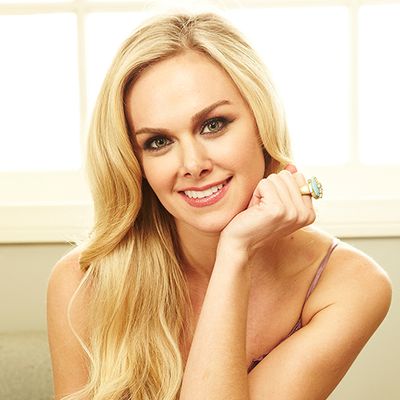
Image of Laura: Jeremy Cowart
Produced by: William J Connolly + Darren Bell
Welcome to eleven. The official theatre podcast that brings the biggest stars and creatives together in one place to discuss life in the arts. Follow eleven on social media via @elevenpodcast and via elevenpodcast.com.
Transcript
This transcript was automatically generated and might contain errors.
[0:01] Laura Bell Bundy: My name is Laura Bell Bundy, and you're listening to Eleven, the Official Theatre Podcast.
[0:16] William J Connolly: Hello and welcome to Eleven, the official theatre podcast that brings the biggest stars and creatives together in one place to discuss life in the arts.
[0:24] William J Connolly: She's an actor, songwriter, and recording artist, director, producer and Tony nominee that's originated some of the finest roles for women on Broadway, including Tina in Ruthless as a young star, bagging herself a Drama Desk nomination, Amber Von Tussle in the original Broadway cast of Hairspray, and the OG Blonde Bombshell herself, Elle Woods, in the first ever stage adaptation of Legally Blonde the Musical, winning her a Tony nomination for her best performance by an actress in a leading role in a musical back in 2007. She was also the original Glinda Standby to Kristen Chenoweth in the Broadway production of Wicked, alongside Eden Espinoza, and appeared in the Netflix hit AJ and the Queen most recently with RuPaul himself.
With a host of other television shows under her belt, she also released her own music, including her album Aching and Shaking, which debuted on Billboard's top five country music chart. And with a production company also to her name, it's the wonder she's even had time to step back into the studio with her brand new album. But she has, and it's perfectly titled Women of Tomorrow, taking on the expectations of women and why they fucking rock. So strap in, as we talk about bringing a touch of camp to Broadway with Legally Blonde and Hairspray, being a child star alongside a certain famous music star in Britney Spears, how she wouldn't have had her career today without the love and influence of the LGBTQ community, and why it's the responsibility of Broadway to represent everybody. And we get an insight into her rather exciting new album. So here we go. It's snaps for the one and only Laura Bell Bundy on this, the next episode of Eleven, the official theatre podcast.
[1:58] William J Connolly: Just to let you know, due to the COVID-19 global pandemic, Laura and I connected digitally. So please forgive any brief moments while we wait for the internet to catch up. Enjoy.
[2:12] William J Connolly: You asked, you asked again. And so here I shall deliver. Please help me welcome to the next episode of Eleven. It's the Tony nominated Broadway star and Billboard Top 5 recording artist, one of my favourite people. I'm so looking forward to this. It's Laura Bell Bundy. Hi Laura.
[2:26] Laura Bell Bundy: Hi.
[2:27] William J Connolly: How are you doing?
[2:29] Laura Bell Bundy: I'm doing well. Thanks for having me.
[2:31] William J Connolly: Of course. Thank you so much for your time today. I'm really looking forward to this. And I was telling you just a second ago that all jokes aside, you are the one person that every time I ask my friends, people that listen to this podcast, they always say, Laura Bell Bundy. Talk to Laura, talk to Laura. And I was like, what's this Laura got that everyone else hasn't got? I was like, okay. So today, to all of my lovely friends and thousands of followers, here we go. Let's do it. Let's get into it and let's celebrate the fact that we've got new music and an amazing career to talk about. Just a few of the things because the CV is long, and then we can see what happens.
[3:02] William J Connolly: So, first of all, thank you so much for your time today. And I was saying, I absolutely love this top. Like, this is like really fierce. I put this shirt on feeling all smart, and you've just come in this sort of cash number. I love it.
[3:14] Laura Bell Bundy: Well, I'm just keeping warm in my turtleneck.
[3:18] Laura Bell Bundy: It's definitely it's a very Elle Woods. I'm thinking that's why I sort of like it. I'm like, it's signature Laura. I'm like, okay, I like this.
[3:24] Laura Bell Bundy: Yeah, it's like Beetlejuice meets Elle Woods.
[3:27] William J Connolly: Oh my god, can you imagine the crossover we never knew we needed, but we need.
[3:31] Laura Bell Bundy: I know. Well, I was joking just a minute ago just about the weather there and the weather here, and the fact that I think there is slowly things starting to go back to normal in the best possible way. I feel like we're moving forward a little bit, which is so exciting slowly but surely and I know that obviously you spoke last year about having COVID. You spoke about obviously releasing new music which we'll come to in a second but it must be nice for you to get the opportunity after all of the weirdness craziness and horrificness of the last year to be creative again. It must just be the best feeling.
[4:00] Laura Bell Bundy: Yeah, I mean I don't think that I could have survived to be honest this last year if I didn't have the creative outlet that was putting the album out and a couple of different things like I wrote a song for a film and stuff like that. Like if I hadn't have had those things I had to do, I think I might have gone into just, you know, a black hole of mommyhood and Netflix after he slept, you know it's been kind of crazy. And you do need a sense of expression you know shooting music videos and singing has been a really great use of some pent up energy that I've had like just being in my house. I had been working on the album since the beginning of 2019 and was just putting it out in 2020 and then had to pull the plug on pulling it out.
So everything I've done I would have had to do anyway right except for the just the creative ways of filming videos. But I have not been able to perform any of the music live since the quarantine and that's also a way to promote music and that's been kind of hard and all the press that I've done has been from my house, but in a way that's kind of been nice. And so I guess you know I think it's saved me in that I didn't, you know, I didn't have a period of time where I was like, I don't know what to do with my time because I had a plan. I just had to change the plan. I still had something to do, I just had to do it differently. And that was a blessing.
[5:43] Laura Bell Bundy: I'll tell you though, there's a music video, it hasn't come out yet, and it's for one of the songs called Sick of Sing and Sorry, and in it, like I'm dancing, and there's all this. I've came up with this like elaborate concept with me against a green screen with words will be flying at you while I'm tap dancing, and when I was doing it, I was like, oh, this is who I am. I haven't been this person for six months. There she is. And there was like a total release that happened that we also shot the same day the girls just wanna have fun video that came out in November, and that was like an interesting exercise because I had a camera strapped to me and I was going through this little choreography, and all of that was just so good for my soul.
I drove home, I was so happy, and it was a reminder of like, oh, this is what it feels like to be me normally, and I'm definitely longing for that again. And it's more about it's okay to create alone and or with just one other person on Zoom, but it's simply not the same as the organic experience of being around a bunch of people in a creative process. It's just so different, and something about that is really where I thrive. You know, I think the ADD in me gets really distracted when I'm on the computer and I'm like, oh God, you know what? I need to buy a coverlet for that duvet. You know, I get totally sidetracked. And oh, I really need some more horse to go around the house. Wayfair, you know.
I get totally distracted. And when I'm in the room rehearsing or filming something, I'm completely focused. I am completely present. The most present I ever am in my life is in those moments at the recording studio, filming something on set or on stage. It's almost like a meditation for me. I get out there and I am fully in that moment where I have to listen. I have to be paying attention to what's currently going on in the now moment. And if I think about what I'm having for dinner or whatever else, I'll miss something and I'll slip out of it. And so it's a meditation for me. So I haven't really gotten to really, really meditate, but a couple times this year. I mean, but when that moment comes when you can do it like you mentioned, live.
I mean I'll be losing my mind. I'll be so happy. I'll literally probably burst into tears and not be, I'll be I'll start sobbing. I think also I'm going to go through a bit of um. I think this is the longest I've ever gone not being on a stage, honest to God. And the longest I've gone, well, I wouldn't say I've been on a set because I shot these music videos, but you know, shooting like a TV show or something. It's been a really long time since I've been this, you know, over a year. I think I might experience a little stage fright. I think I might feel like, oh God, I hope I still know how to do this. You know, and I know I do, but you know, I even teach, I'm teaching classes. That's the weird thing about all of us performers right now.
We've all got a workshop we're teaching. But I'm teaching, so of course I know what my process is, but I think there's just gonna be something really interesting about getting back up there and be like, oh, voice don't fail me now. I think I'm gonna have to retrain because it's been I'm gonna have to retrain my body, retrain like everything for dancing and flexibility, my voice, everything and get that muscle going again.
[9:34] Laura Bell Bundy: Yeah. I started thinking about that the other day. I have a little virtual concert I'm doing next week, and I'm like, well, last virtual concert I did was beginning of December. I better start vocalizing. Can you imagine what it'd be like though if you did that concert but with like two and a half thousand people that in front of you?
[9:49] William J Connolly: I mean, I it's a very it would be a very weird experience for me now. I think it would be a weird experience for anybody to just see two thousand people in front of them. Like if I were to go to a even go to a concert. I thought about I was listening to some music, you know, with my husband. We were driving down the road in our we just moved in our new neighborhood, which is so cool. It's like full of trees. We live in the country. And we were listening to this music and this artist I liked. And I said to my husband, you know, someone asked me the other day, when was the last what was the last concert I saw? And I was trying to remember, and I like, I don't even know what I would do if I went to see a concert.
I think again, I think I'd burst into tears to see live music and to experience that and see a person on stage. I do say, I will say, being a new mom, there have been benefits to the quarantine in that when I was working and busy all the time, I was constantly gone and away from my son.
[11:01] William J Connolly: And some of that was just the travel time. For God, for audiences as well. It's gonna be such an emotive experience. I mean, as much as I'm like, oh my god, I can't wait, I'm also slightly scared of it because I mean, I was listening the other day to Bernadette Peters singing being alive, and I was like, I think I'm gonna cry and I'm on a run. I can't cry and run. Like, what's going on?
[11:19] Laura Bell Bundy: No, I seriously, I think I've done the same thing. I've just imagined sitting in the theater and you hear the overture begin, and I would just start weeping. And I think everyone around you would weep too. I think we're all gonna have that experience. I get emotional just thinking about it.
[11:34] William J Connolly: We've spoken about the past, we've spoken about the future. So let's talk about now and the fact that we are getting new fixes of Laura Bell Bundy with this, not just this album, but you mentioned the music videos as well. And the music video, I was like, okay, she is serving some looks. I was like, this is really, really impressive. Like, apart from the fact that every single look, I was like, I'd look good like that. I'd look good like that. I'd look good at that. I was like, because it's and obviously because you merge, like for example, I think there's one scene, um, it's in sort of a lounger where there's three of you, and I was like, this is too much robbery for me to be able to take. But it's it, and it's such a good song, and obviously there are lots of messages behind it.
It's a very political message as well, but it also allowed us to see a different side to you, I think. I was like, oh, this was incredibly fresh for you. What was it like firstly, in terms of why you wanted to sing a song like this and release a song like this for now, and then we'll talk about the video in a second.
[12:25] Laura Bell Bundy: Well, so the upcoming project that I have, that the album is gonna be released probably in May or early June, called Women of Tomorrow. And they all deal with different issues that women are facing today, whether that be equal pay or over-apologizing or unattainable beauty standards or obsessions with social media and being quote unquote liked, or the specific for American girl is just the expectations put upon women to be desirable.
[12:57] Laura Bell Bundy: And to have all of these things, like the American dream is to almost hoard, have the best shoes and all the Botox you can get and what that woman has and the ring on your finger and the kids in the perfect life. And it seems that there's so many things on that list that happiness, which is what you're promised when you have all those things, then becomes out of reach. And so that's what the song is about. And I think you know, the whole album, the reason that I wanted to do this album is we had a massive women's movement, the biggest since the 1970s in the US. Post the 2016 election where Donald Trump was elected president. I think you really had a lot of women freaking out, going, Oh my god, are we going back in time?
We fought so hard for these rights that we currently have that we didn't always have, and you know, by God, we're gonna hit the streets and we're gonna stand up and fight for them, and also we're just not okay with having a leader who can get away with doing and saying these sexist things and these homophobic things and these racist things. The album is almost a companion piece to the women's movement, it's a soundtrack to the women's movement, and we delve into those different issues, but we do it with music and we do it personally.
[14:35] Laura Bell Bundy: So it's from my point of view, of course, which I'm trying to keep other women's point of views in mind as I am saying this and representing all of us. Of course, I can only view the experience of being a woman through my own lens. When you take an issue like equal pay and you make it personal, or you take an issue like the expectations on women or consumerism, and you make it personal, then people can begin to understand it. And it's so much easier to hear the truth when it's housed by melody and poetry. It's so much easier. So that's what the album is, and I think I was just really passionate about these subjects. I became passionate about women's issues and women's rights and women's history, and all of this just in the last four years, and that's all that was on my mind.
I wanted to write about it, and then becoming a mom, even you know, even becoming a bride that put has sort of sent me on a really interesting detour in terms of what it means to be a woman, and you know, planning your wedding and all and the amount of money that goes into this ridiculous party that's celebrating you selling yourself to someone else. And I was like, what's happening here? And then I got pregnant, and I'm like, oh my God, this is so cool. I'm literally making a man inside of my body. You know, and then I'm gonna birth it, and then I'm gonna feed it. And the only thing that this human being is gonna have ever eaten is what I produced from my body, which is the craziest thing in the world.
And so when, you know, and I had birth, I had birth naturally with no drugs, like the way they did it back in the day when the women used to squat behind the tree, but except for I did in the hospital, and I had this whole like epiphany around how powerful we are. Oh my God. We are able to do all of this just innately with our bodies. This is an incredible innate power that no one has to give us. No, it's no title, it's not a title that we earn. Um, it's not a gift. It is a gift, but you know, no one gives us this. Yeah, it is innate within us, and it is our innate power, and I think often women we forget that we have the ability to do this, which is what makes us so strong and powerful. And you know, I thought I was a feminist before I had a child, and then I had one, and I was like, holy crap, there ain't no such this is not the weaker sex right here, you know.
This is the intimidating one, and so now when I I've also, you know, I wrote half the album while I was pregnant before I had my son, and then I wrote the rest of it after. So it's two kind of interesting perspectives, and there's a lot of mom imagery going on in the back half, because I had just had a child and I had the mental load of motherhood, and I was currently nursing. I'd be like pumping one of the songs is literally the rhythm of a breast pump. Okay. And it's you know, it's just all these things that we have to do. I just was amazed. There's a lot of things on our list, and women have a harder time, I think, just being we do a lot. We're very, very busy bees. We have we're constantly doing, and I sometimes just wish William for a moment of peace where I don't have to do anything.
[18:29] William J Connolly: I don't see that coming anytime soon. You've mentioned that you started writing the music in 2019, or of course in 2021 now. Do you think there are changes that you've noticed in that period of time that would perhaps if you went to write some of this again would be different? Or do you think that we are pretty much in the same sort of place? I guess what do you think are the differences, if any?
[18:50] Laura Bell Bundy: Well, the one difference for us in the US is that we now have a female VP and woman of color in that office, so we've had a major ceiling break. I also think that in our country we had quite a bit of uprising around our former leadership. And people getting out and voting is showing you that yeah, may it might not be a huge sea change, but that we definitely had one, and people were motivated. More people, more people voted in general in this election than ever before. Now it wasn't exactly, you know, 60, 40 percent, but it was pretty, you know, people got their voices out. So I think that makes a difference to know that we see things moving in our direction, and you also see more women than in history in the US were running for public office and we're elected.
So it's a national public, and so that's a very, very exciting thing because you do see that, you do see things gradually coming around to a place of equality, and it's not just about the specifics of the laws and the rights, it's about the collective consciousness, it's about our ideas about expectations of gender adjusting, and I see that. You know, you see that with specific groups of people more, like tribes of people, younger generations. You see, that's really changing. You see that changing when you fill out a form, and it says female, male, transgender rather not say I'm sorry, that's the this year's the first year I've seen it ever. And so to know that we're even acknowledging that is like wow, we are, we are.
I mean, they're baby steps, but there's steps nonetheless, and that the thing that you do have to remember about when the baby steps are being taken on a bureaucratic or a political level, it means that there are people and masses out there that are taking major steps to try to make those baby steps happen. So you do see a change. Um, you know, I remember the whole big thing about being, you know, like gay marriage. Um, you know, that being on the ticket and it really being a polarizing issue. Now I think in the US, even though that was such a big issue, when you say like 14 years ago, everybody's like, yeah, of course, gay people can get married. Like, yeah, even in these smaller towns, they're like, Yeah, of course, it's a given, it's past, it's moving on, we're we'll never go back again.
But I think there obviously there's a sense of if you are gay and married in this country or gay and in love and would like to get married, you still have fears around that being taken away from you. And if you're a woman in this country and you want the freedom of choice to decide what you do with your body, that fear is always there that it will be taken away from you, or some of the rights you know, that you have as women. It's such a fascinating conversation.
[22:13] William J Connolly: I love one of the quotes that I read on your website that just said, um, they may not change your mind, but they will make you think. And I was like, isn't that the fundamental point of art? Isn't that the point of why we do all this? That there has to be, I think anyway, a message, a greater meaning, a reason why we say something, a reason why we do something. And you put it so eloquently there with regards to having greater representation for women, for gay people, for people that perhaps have disabilities, so it's sort of ableism. There are so many steps forward. The fact that you are choosing to use your platform to uplift not just yourself but other people as well, is a great credit to you. So I know on behalf of lots of people, thank you so much for using your platform to do that because it does make a difference, and this is how I think using the arts that we make real change. I really do.
[23:01] Laura Bell Bundy: I definitely think art makes change. I think the most fundamental quote by any person that has motivated and inspired me for this project is from Nina Simone, who said, An artist's duty is to reflect the times. And when we look at the world in which we live now and we speak about it in musical and poetic terms, those people who are interested in music and poetry suddenly realize they've become interested in politics. Just because that's how they entered the thinking of it, is through listening to the album. And you think about all the plays that we've gone to see, whether it be Hairspray, where we're talking about segregation and integration and these big issues, and you don't realize it because you're like bebopping in your seat.
I really do think that art is the way that minds are changed. And it's interesting you mentioned that because I feel like there are so many different parts of your career, and you have this ability to be able to touch so many different genres in terms of music, in terms of theater, in terms of roles that you've played. But there is one major theme apart from you that I did notice, and that is queerness and camp and the LGBTQ community. And I think I now can officially say that Laura Bell Bundy is a gay icon, so we're putting that on record. Because, and hear me out. Not that I you need much explanation, but you've worked with some amazing people, you've told some amazing stories, and you've also been able to portray some of you know the finest gay icons we have in the world of Broadway musicals.
I mean, it's literally like the wish list. If you start from the top and work your way down, you'd be like, Yep, there she is again, there she's there, she is again. And one person you did work with who's very much sort of the queen of the hour, and I think sort of the leader of the LGBTQ community is Rue Paul. You worked on AJ and the Queen, which is a fantastic show anyway. And I saw your amazing Instagram post where you were like, seriously, watch this. I'm on it. It is amazing. What was it like getting to work with somebody like Rue who literally breaks down barriers on every possible way? I mean, how do you describe that experience?
[25:06] Laura Bell Bundy: First of all, he is well, he's an icon. Our whole episode was about icons, you know. Ironically, we have to give him so much credit for normalizing queer and normalizing the drag community and like putting that on a pedestal so that like my stepsisters in Kentucky binge watch and record that show and love it and follow all of those drag queens. When I was 10 years old and I did my first gay pride parade in New York City, it was not a usual, it was not a normal thing, you know, especially for a 10-year-old. But it was just not a normal thing to go and participate in a gay pride parade and be around, you know, a copious amount of drag queens. It was normal for me, but it wasn't normal for the general public.
Now Rue has really normalized that. And I just I love him for that and for just putting his mind to whatever. You know, he's put his mind to these things and he's accomplished these things, whether it be a music career. I mean, we can't forget work. We can't forget that. It's a song, but I was like, I when I was young, I'd be like, work, work it go, you know, like on the turning, doing my little fashion show. Don't you say when you're a girl, you still do that now. Don't try and put it on the game. Definitely, yeah. But I mean, you know, I think I was like eight doing that. There was a little bit of like, I can't believe this is happening when I was working with him, but also is just the most fun on set, the most fun person.
We had so much fun together, and he loves to play charades and funny dirty charades and fun games. And we had such a great time, and I did his podcast as well. And that was sort of funny. I was like still, he I got this call that was like, hey, Rue wants to know if you're still on wanted me to come and check to see if you were still in your trailer. Can you come over to his dressing room and do his podcast right now? And I was like, really? Like right now, hold on, let me see if I can. And I man, I went over it. It was like such a last minute thing, and it was like the most fun ever. He's just amazing. I loved that show. I thought it was really smart, and it didn't really fit into a box, you know.
It was like a show about a young girl who was like nine years old, and then a show about the journey of this drag queen and all of his friends, and it was kind of like where does this fit? It's so good. It's for my personality, I'll tell you right. I was like, you know, I look like a what a beauty queen as a child. In fact, I was. I won a pageant when I was five in a new car. I love camp. I will I love it. I don't know what's really drawn me to it and understanding it and creating it, but I remember being eight years old and eating my little TV dinner in New York City because I used to go to New York City in the summers and model and stuff, and we would rent out some bleties' different apartments.
And this one was called The Rat Hole, because there was always mice everywhere, like eating the little like eating little box of hot chocolate. You just see little like teeth marks in it, and you know, it was just wild. But I would sit there eating my little TV dinner in front of the little TD TV, and it was playing Hairspray or Crybaby, which were John Waters movies, which is the epitome of camp. And I love them. And then when I was like 10 years old, I did a show called Ruthless, which was very, very campy.
[29:00] Laura Bell Bundy: Yes, and very gay. And it was written by the this guy, Joel Paley, who also directed it, and Marvin Laird, who composed it, and as a team, they I believe they truly spoon fed me comedic timing, but also camp. I think I really really grasped it there, and it wasn't even like I just didn't I didn't know how to differentiate between camp and anything else. I just thought it was funny.
[29:33] William J Connolly: Yeah, so as I become older, that's I've started to diff be able to differentiate because did you say that you'd be without the LGBTQ community, you'd be unemployed, bored, and homeless.
[29:46] Laura Bell Bundy: Definitely. That makes complete sense. Like looking at your CV and getting to know you in this brief amount of time, it's like, well, yeah, duh.
[29:52] William J Connolly: Oh yeah.
[29:53] Laura Bell Bundy: I mean, I wouldn't have I wouldn't have a career. I wouldn't have any money, and I wouldn't have anything pretty. And I think you know, most women, if they actually turn around and look at their closet, they wouldn't have any of their gloves either. But yeah, I mean, my whole career really in New York, my musical theater career was guided, shaped by the gay community, and also my mentors have been gay men mostly in that community, whether it was Joel Paley and Marvin or a guy named John McMahon who played piano, Gene McLaughlin, who was my vocal teacher, who unfortunately passed from AIDS when I was 12. And then Jerry Mitchell, and it goes on, and all my best friends, I wouldn't have any friends either. It'd be very boring and very lonely.
[31:02] William J Connolly: It's interesting you mentioned Bruce this because I don't know if you saw on Instagram there was a photograph going round in the last couple of days celebrating you. I think you might know what I'm talking about, where you had I think probably the most famous understudy of all time.
[31:15] Laura Bell Bundy: Yes. Well, I've seen the thing going around where Britney Spears said she wanted Natalie Portman to play her inner life story. And what's ironic about that is that Britney Spears was my first understudy in Ruthless, and when she left, Natalie Portman was cast. And I'm not sure she realizes that because it's not like they were there at the same time.
[31:39] William J Connolly: Yeah.
[31:40] Laura Bell Bundy: So yeah, I just thought that was pretty ironic. I saw that yesterday. I love the idea of Britney Spears being an understudy. That's sort of you know the trajectory of someone's life when you look back in sort of hindsight, you think how does that happen? But obviously, she was always gonna be a star, but it's interesting how things play out.
[31:57] William J Connolly: I'm always curious as to because there's all the always that meme of like Liza Minnelli being an understudy on Broadway, and you're like, it's Liza Minnelli, she's the star, and it's like, oh okay, I get it now. It's just the way things are at the time, and it's fascinating.
[32:08] Laura Bell Bundy: Right, yeah, you know, and Goldie Hawn, I believe was and I and Shirley MacLaine too. I covered, I was a standby for Kristin Chenoweth in Wicked. I actually think it's a really important if you're in theater to have been an understudy or a standby at a certain moment because there's no harder job that you will have in this in the theater than that being an understudy or a standby.
[32:40] William J Connolly: Because you said that about your time in Wicked, and I thought it was really interesting that of all the roles that you've played, you said in terms of what it taught you as an individual, as a performer, one of the greatest challenges you had was being a standby in Wicked, which I thought was really interesting. I guess was there a specific part of it that you found challenging, or I guess was it just the general experience of something that was original?
[32:59] Laura Bell Bundy: Yeah, I think I had just come from originating the role of Amber Von Tussle, and most of the shows that I've done, I originated the characters that I played in Ruthless and then in Hairspray. I mean, I had done some revivals, but I was still in the rehearsal room. I had never taken over a covered. So one of the challenges was learning this new character and knowing that I did not have the opportunity to shape that blocking in any way whatsoever. I had to hit exactly the same mark that was that Kristin had created. And thank God she's brilliant, because the mark was probably the best mark, right? But um, but you there's no real room for that creativity to create what works for you. And so there was that as the challenge.
You really do have to, you really do have to be the puzzle piece. And so how much room for your creativity is only within your delivery of your lines or your songs or your emoting. That's as much creativity as you're gonna have when you take over a role for a show that's already set, or you are an understudy and standby, and even less for an understudy and standby because if you're taking over a role, there might be some room to make adjustments for you, but not when you're covering.
[34:37] William J Connolly: And I think that was that wasn't necessarily the most challenging part. The most challenging part was I had never done a show and gone to work and not performed and not experienced the love from the audience post-the work. So there was a lot of work in terms of during the day and learning this part, and you know, and then it was just sitting around. And for me, of course, I was always creating something in my dressing room with Eden Espinosa because we shared a dressing room. But that was a struggle. And then when you go on, it's like holy crap. You you um you're rusty every time, unless you've been doing it for like you know, you're going on for a full week or full two weeks or something, and then you get the groove, but you're like, oh, ooh, it's been a while. Oh, these costumes are weird, these lights are so bright.
[35:33] Laura Bell Bundy: And I believe the first time I ever went on, the right before the show started, they put me in the bubble to just see what that would feel like. But that was the very first time. Like I didn't get to tech in that thing, I didn't get to have the dress on while I was also in that thing. There was a lot of elements where the first time you're doing something as an understudy is during the performance. And it is the craziest, most out-of-body, terrifying experience. I remember coming down in the bubble, and you know, we're supposed to say, let us be glad, let us be grateful, all this stuff. I am not thinking about that at all. I am not in my character. No, no. I'm like, holy shit, it's high up here. This bubble was made for someone half a foot shorter. I'm bending my knees, I'm afraid I'm gonna fall down. The lights are so bright, I can't even see. The other actors literally have to guide me off.
[36:33] William J Connolly: And would and the other thing about when you're covering someone and you finally go on, is no matter how many understudy rehearsals you've had, and you're staying and you and you know the market, you're supposed to be standing on two, and then you're gonna cross to six or whatever. When you really get out there and you go to stand on two and slightly, you're just slightly in the wrong place. So you're constantly feeling when you're going on, just the lower back touch from your fellow actors just gently gliding you to the right, just gently guiding you to the right place. My God, they were so sweet to me. Really, really, really, really sweet to me.
[37:14] Laura Bell Bundy: But it's a it it's uh it it was a hard job. It was a really hard job. And it's more of a hard job on your ego, I think, than it is anything. I was talking to Eden Espinosa on the podcast probably less than two months ago, and she explained that obviously this is one of the first times that this mega new musical with these two stars and all these awards and everything like that, that people were like, you know, this is the shit, go see Wicked. And then obviously for whatever health reasons or whatever, Idina and Kristin can't go on. You and Eden are then obviously people are wanting to see somebody else, but then also you're the people that have to prove the show works outside of them as well.
So it's I mean, we talk about pressure, but like pressure, like it's sort of a bit like okay, if it doesn't work with Laura, perhaps it's not gonna work with without Kristin. So did you feel that element of pressure, or did you sort of succumb to it and think I can only really deliver what I can deliver and we have to go on that journey together?
[38:07] Laura Bell Bundy: So we all know that when the understudy is going on, that there's a collective from the audience. And so you have to, it's not only do you have to give them the show they were expecting to get, you have to exceed their expectations in order to make them feel as if they got their money's worth because that ticket is not cheap.
[38:30] William J Connolly: Here's the thing though.
[38:32] Laura Bell Bundy: If you're like a real theater lover and you happen to be lucky enough to see the understudy, you just saw someone who is going to be a star before they were a star. So congratulations.
[38:44] William J Connolly: Exactly.
[38:45] Laura Bell Bundy: Exactly. You know, and so I mean, at least you see that all the time. Like you have Annaleigh Ashford. You know, she covered me in Legally Blonde. If you were lucky enough to see Annaleigh Ashford do Elle Woods, lucky you, you got to see it for a night or two. You know, so it's it's uh Andy Carl covered Christian Borle. Totally different kind of end. You were lucky enough to see Andy Carl before he became Andy Carl. So it's just kind of cool sometimes. But the general public does a collective and we have to really show them that I swear to God you're gonna get your money's worth.
[39:27] William J Connolly: And I'm probably not sure when I start the show if you are, but I hope Laura Bell Bundy's gonna turn it out.
[39:34] Laura Bell Bundy: Don't even pretend just like, and here we go. There she there's the Tony nominee, there she is. So when you have noticed you've got a little bit of a following with the LGBTQ community, you've obviously got a name for yourself being in Wicked, also with Ruthless and with Hairspray as well. When someone comes to you and says Elle Woods, do you go fuck no?
[39:54] Laura Bell Bundy: I was into it. You know, I there was another Broadway show at the time that I would have been starring in I was developing, and I remember talking to this good friend of mine named Robert Horn, who wrote the book for Tootsie and won a Tony for that. And this was before that, this was a thousand years ago, and he said, I heard Legally Blonde is being made into a musical. And I was like, Oh, really? And he was like, he was like, if you got to choose between this one you're developing and this other, I was like, I think I'd do the one I'm developing. He's like, no, you would not. You have to be Elle Woods.
[40:32] Laura Bell Bundy: Now they wasn't even, it wasn't even on it. There, you know, there was no casting. This was just he and I hypothesizing, you know, we were just sort of having a chat. And I was like, You think? And he was like, you just, it's iconic, you gotta do it. If it happens, this would be your role. You are her, you're positive. So he's just saying this to me. And I actually sent Jerry Mitchell a note when I found out that he was the one that was gonna direct it. And he had choreographed Hairspray. And he had also come to see me in Wicked, which I thought that was interesting. And I said, Hey, congratulations. I hear that you're directing Legally Blonde. This is amazing, you deserve it. And I know someone who'd be really great for Elle Woods, wink wink.
And he responded, and he was like, Honey, why do you think that I came to see you in Wicked? I wanted to see if you could carry a show, and of course, I still had he said, I'll bring you in front of the creative team, so still I had to audition for the creative team.
[41:40] William J Connolly: What's interesting is, and I think even I did it, it's like oh Legally Blonde, really, that's gonna be like dumb.
[41:51] Laura Bell Bundy: Which is what everybody always did. Everybody did that to Elle in the show. Oh, Elle Woods, oh, Legally Blonde the musical, dumb. And then they go see it and or get to know Elle, and they realize that there is real substance there, and they're always surprised by how much substance that show has and how brilliant that it actually is written, just like they're surprised that Elle Woods has substance, which I think just as surprised as people are that I have substance. So I can really relate.
[42:25] William J Connolly: I was gonna say that Orfe mentioned to me on the podcast when we were recording about the success of the show. And she said exactly that, which was actually she thinks that Legally Blonde is bigger, more popular, would be more commercially successful now than when it was back then because people did exactly that, which was they went, hmm, Legally Blonde, no thank you. And then they sit down, you know, 10 years later watching the MTV recording going, yeah, fucked up here. Should have gone and seen that.
[42:50] Laura Bell Bundy: And that's like hello. It's like literally the show that gets mentioned in terms of a revival. There's even T-shirts printed in a hashtag. It's like people love this show. And do you feel that love now?
[43:00] Laura Bell Bundy: Oh absolutely. It was it's incredible that there are people who were not even born when I did the show who are obsessed with the show and send me notes or want to take my class or whatever because of Legally Blonde. And at the time when we found out it was being filmed for MTV, it was like oh my God, they never do that.
[43:28] Laura Bell Bundy: Like I don't know if that's a good idea to film a musical and will that uh take away from our ticket sales because we're gonna be and so it was like just a general discussion you know around the cast members and the people around the theater community that they were doing this.
[43:44] Laura Bell Bundy: And I actually thought it was a really great idea because here's an opportunity to have all of these people that are probably not even going to get to Broadway come see the show.
[43:54] Laura Bell Bundy: So there was 20 million people who viewed that live taping.
[44:00] Laura Bell Bundy: Over six days, they they played that, and there were 20 million. That's why they they did the reality show to find my replacement when I gave my notice.
[44:29] Laura Bell Bundy: Because they could see it.
[44:30] Laura Bell Bundy: Yeah.
[44:30] Laura Bell Bundy: Because they were like, oh yeah, I know what to do because I can watch this.
[44:35] Laura Bell Bundy: I know how to do this show. And um, and so what I just found from then all of these people became a fan of the show, and then especially during a time like the pandemic when you can't see any musicals, you're like, I'm gonna sit down and watch Legally Blonde because I can watch it on YouTube.
[44:51] Laura Bell Bundy: And they have all these, they've had all these rules about not taping musicals, and um, and I know this year, you know, there's always the Lincoln Center taping, which is always far away and hard to see, and ours was this incredibly well produced close-ups, wide shots, side shots, two shots, moving cameras.
[45:14] Laura Bell Bundy: It was just like we filmed it over a few days. I don't know if you know that. We did it, um, we did the performance, I think twice on camera, one without an audience there and one with an audience there, but we also did pickups, so there were specific shots.
[45:31] Laura Bell Bundy: They wanted to have a camera coming at us that they shot those things, so then they edited all of that together, and that's why that looks so good.
[45:41] Laura Bell Bundy: And it really does look good. I mean, I know obviously the obviously comparison is to Hamilton, but if you look at the legally blonde recording, I mean, literally, what it must be, is it 10 years? It must be more than 10 years now, in terms of when the recording was from then to now.
[45:55] Laura Bell Bundy: It's like it's still as good. And I think that just shows the quality of the material is the fact it stood the test of time. The fact that the West End production was like enormous.
[46:05] Laura Bell Bundy: Sheridan Smith, who obviously played Elle as you did, won the Olivier Award for it. The show won so many awards. And uh even here in the UK, obviously I appreciate that the show didn't originate here and it's not the UK production, but people love it.
[46:18] Laura Bell Bundy: And I think that's a testament not just to the material, Laura, but also to your performance because it's a wonderful portrayal, as I I joked at the start with my question, but of a character that is and means a hell of a lot to a lot of people.
[46:30] Laura Bell Bundy: She is a beloved individual that really does represent the underdog, and I think very much a testament to your performance. It's it's one for the ages. It's it's fantastic.
[46:40] Laura Bell Bundy: Thank you. I appreciate it. It's definitely my go-to running album, by the way. You try and run to the legally blonde ballad and see how you get along, you'll be surprised how far you get.
[46:51] William J Connolly: So I'm just gonna ask you one final quick question and then I'm gonna let you go back to being an amazing mum. But I guess we've spoken so much about the LGBTQ community, about the influences from your youth on your choice of performances, the way in which you approach the world, your wonderful level of acceptance, the fact you've played these amazing iconic roles, and as much as I laugh and joke, they really are amazing. You've also spoken about being a woman in 2021. It's obviously replicated in your music, it's what you speak to. What do you hope happens next? Is there anything within the foreseeable future or within the next sort of time period of five years that you've really got your focus on that you think I want that to either turn into reality or I want to see that change happen, I guess. What's on the horizon?
[47:36] Laura Bell Bundy: Well, I gotta tell you, I hope that as we go through time that we have more representation in all fields for all people, definitely for women, since we are, we make up over 50%. I think we're 51%, 52% of the population. So we should have jobs in that equal measure. We should have power in that equal measure. Women make up 80% of the consumer decisions around the world. And when you look at the CEOs on the Fortune 500 list, they're only made up of women by 8%. 8%. So 92% of the CEOs of Fortune 500 companies are married, and they're probably white, and they're probably straight. I think what I just really want to see is that there's more representation of different genders and socioeconomic backgrounds and races that that just represents the patchwork that we are in the world.
[48:45] Laura Bell Bundy: I focus on this in American Girl in the song American Girl and a little bit in the video. Is the collective consciousness of society basically says that a woman's duty is still to have and raise and nurse the babies, and also do most of the cooking and most of the housework. And we see that that is true because of this thing called the second shift. So women, even they'll have their jobs and then they'll come home and they'll do 80% of the household activities, which is a lot of work. And also women spend two full work weeks a year. So Monday through Friday, nine to five, twice in a year they spend beautifying themselves. All of that time to make themselves look beautiful and desirable because a woman's value has been in being desirable so that she can then get a mate so that she can then get a child and/or get power through that man. And that old way of thinking does not serve us.
[50:45] Laura Bell Bundy: So I don't know if I'd ever know this in five years, but I certainly hope that more women everywhere believe that they are worthy and they are loved and they are valuable and they can just be. They don't have to prove that by buying a bunch of things and going in debt to afford those shoes and that stuff. And you know, that's what I hope. I don't know if I'll I'll ever really know that that happened. But I if I keep watching on Instagram, I'm certainly gonna be disheartened.
[51:25] William J Connolly: But are you hopeful?
[51:27] Laura Bell Bundy: I am. I'm hopeful because what I notice is this younger generation um is really starting to reevaluate their priorities. And I actually think that this pandemic has made us reevaluate our priorities and the way that we think about things, it's definitely made it quite glaring. Um the inequalities on a on a socioeconomic level. And I think it's made us quite aware that women are still doing a lot of those household things, and when you're stuck in a house and all you're doing is household things all the time, those start to build up. Um, the caregiving elements, um, all of those things that I think kind of naturally fall to women have become like more in a pressure cooker this year, and we're definitely noticing that stuff, and we're definitely going, okay, yeah, we gotta make some adjustments here on this, and or we need to comp and compensate women for doing it.
This is not, we're not this is not free labor. We can't, we can't continue to do this. Um because it's what I think it is it's like it's unpaid, you know, and it's also unappreciated. Uh, but I'm I'm hopeful because I think people are noticing, and uh, and then you know, um uh hopefully people download my album and they really can, you know, they really understand it.
[52:54] Laura Bell Bundy: Oh, you know what else I want to see happen in the next five years? I really want women's history to be told in the classroom because history is written by the people who win the history, which tends to be straight white people, men. And so you really don't see in terms of history women represented. And so when on our podcast, we talk about women's history uh as it pertains to the subject, and then we invite a guest on who um is dealing with that particular subject matter today, and they give advice for moving forward. So it's like a holistic view of the subject. Um, but it's it's uh it's important to me to make sure that young people are educated about women's history because it's really easy to um not get that, that it's not in your classroom.
[53:51] Laura Bell Bundy: And the other thing that's really interesting is how history about famous female rulers has been told over time is that almost always female rulers, once they are no longer ruling, become villainized figures. Yeah, they're called witches or devils, or and everything, all of their accomplishments get like swept under the rug. And you and you see this, it's crazy. Throughout history, you see this thousands of years in different countries, it happens all the time. It's only when you have these conversations that you realize you realize that that things happen. And that probably sounds like the stupidest thing in the world to say, but I think it's only when people use conversations like this and the art form of music and the arts that people understand that one, they can be educated, but also there's a sense of understanding that they can take on board and the that very act in itself means that we hopefully won't replicate some of the perhaps the mistakes of the past and the hope for the future.
[54:54] William J Connolly: And I think the one thing that you said just a second ago that really connected there was about just being authentic and being original and being true to yourself and not having to succumb to the social economic sort of stereotypes and beliefs that apparently we all have to adhere to, which so many people feel obliged to do. But actually, I'm hopeful that with voices like yours, they won't. So thank you so much for being incredibly authentic in your space today. I really appreciate it. And Laura's podcast is available at LauraBalbondi.com. Please go listen to it because not only does it have the musical accompaniment to the album, but it's also an incredible conversation as well. That I think, like me, you'll fall completely in love with. So, Laura, best of luck with the album and thank you so much for your time today.
[55:37] Laura Bell Bundy: I'm hopeful that all the people that have been going on and on and on at me about wanting to hear us have a conversation that hopefully you're very happy right now because I certainly am. So thank you so much.
[55:44] William J Connolly: Well, you are great at having conversations. It's been my pleasure, truly. Thank you so much. Most importantly, please stay safe during these rather crazy times. And when you are—
[55:51] Laura Bell Bundy: Too late.
[55:56] William J Connolly: I was gonna say, when you are able to come to the UK, please be safe, but please do come here because we would love to see you. We I haven't had the pleasure of seeing you in person since you came to see Sheridan illegally blonde in the QA, which actually feels like about five lifetimes ago. So you owe us a date, please. You need to come here.
[56:10] Laura Bell Bundy: I would love it. I would love an excuse to come there. I would love to work there. Um I love the UK. The last time I was there I performed I did a concert or I opened for the Rascal Flats for two nights.
[56:28] Laura Bell Bundy: And I don't remember what theater I was at. Oh that's awful um but yeah I loved it. I love being there. I can't wait. So yes I'll let you know. That's a promise because once you've said it on here I'm gonna tell everyone so I'm gonna I'm gonna hold you to your word.
[56:42] William J Connolly: So post pandemic you're on.
[56:44] Laura Bell Bundy: Yeah it's post pandemic if you guys want to figure it out I'll come back and do a concert just for you.
[56:48] William J Connolly: Okay deal and we can can we just do Laura Bell Bundy the gay icons I've lived or something like that.
[56:53] Laura Bell Bundy: We can find a way yeah whatever we'll just get it we'll like we'll like get our own little piano bar and it's just you and your crew and your listeners and we'll just we'll just pack us into like a nice fun dark cabaret room and we'll do I'll tell you my life story through song how's that you're teasing me now this is this better happen.
[57:12] William J Connolly: I'm gonna be absolutely heartbreak I'm gonna go from loving you to hating you if this doesn't happen.
[57:16] Laura Bell Bundy: Okay.
[57:17] William J Connolly: Well you have to keep in touch and remind me.
[57:19] Laura Bell Bundy: So okay I promise I've I've got your email so I'll be on that but Laura thank you so much. Enjoy the rest of your day um best of luck with your amazing baby and I look forward to seeing you very soon.
[57:28] Laura Bell Bundy: Okay.
[57:28] Laura Bell Bundy: Bye Jane bye bye you've been listening to Eleven the official theatre podcast find out more about 11 at elevenpodcast.com or via our official social channels.
© Broadway Podcast Network, All Rights Reserved