

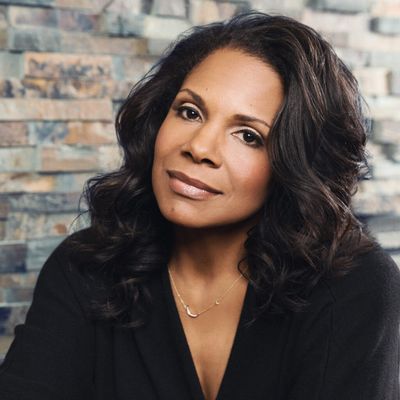
The Emmy, Grammy and six-time Tony winner on her record-breaking career, the power of representation for Black women in theatre and why she’s proudly, perfectly flawed. Plus, the unexpected impact of her Tony speeches, living with ADD/ADHD and headlining at the London Palladium this September... Read More
From the show: eleven
Guests
Featured Shows


About
The Emmy, Grammy and six-time Tony winner on her record-breaking career, the power of representation for Black women in theatre and why she’s proudly, perfectly flawed. Plus, the unexpected impact of her Tony speeches, living with ADD/ADHD and headlining at the London Palladium this September. And we remember her late friend and collaborator, Stephen Sondheim.
Host: William J Connolly
Produced by: William J Connolly/Darren Bell
fw-live.com
Welcome to eleven. The official theatre podcast that brings the biggest stars and creatives together in one place to discuss life in the arts. Follow eleven on social media via @elevenpodcast and via elevenpodcast.com.
Transcript
This transcript was automatically generated and might contain errors.
[0:01] Audra McDonald: My name is Audra McDonald, and you're listening to Eleven, the Official Theatre Podcast.
[0:17] William J Connolly: Hello and welcome to Eleven, the official theatre podcast that brings the biggest stars and creatives together in one place to discuss life in the arts. She's the Emmy, Grammy, and six-time Tony Award-winning powerhouse that's officially the most decorated star in Broadway history. A Juilliard trained soprano, she was inducted into the American Theatre Hall of Fame in 2017, has performed at the White House, and in 2016, she was awarded the National Medal of the Arts by President Obama with Ragtime, Lady Day at Emerson's Bar and Grill, Porgy and Bess, alongside The Good Wife, Beauty and the Beast, and The Sound of Music on Screen, alongside many, many more. She really has been there, done that, and probably won a Tony Award for it too.
And this September plays the London Palladium as she brings a solo show all of her own featuring the joys of the great American songbook. She is, by all possible descriptions, one of the finest that's ever walked onto a Broadway stage. So here, in an exclusive conversation direct from her home in the United States, we discuss bringing a touch of Broadway magic to London as she headlines at the London Palladium in her very own solo show. How she's fought against expectations to find her true and own voice and style, and why she regularly fails and isn't cast, even with six Tony Awards to her name. But that's okay. It's life, and more people should know the truth about both the successes and challenges of the performing arts world.
What it was like performing that Dreamgirls cast album and how Beyoncé ended up listening to it. And why, no matter where she goes in the world, there's always two songs she just can't escape fans wanting to hear. She is the Queen of Broadway. It's icon Audra McDonald, here now on this, the next episode of Eleven, the official theatre podcast. To ensure the safety of all involved in this episode of Eleven, Audra and I connected for this conversation digitally. So please forgive any brief moments while we wait for the internet to catch up. Enjoy.
[2:22] William J Connolly: Please help me welcome to this, the next episode of Eleven. She's the Emmy, Grammy, and six-time Tony Award-winning powerhouse that's heading to British shores to raise the roof off the world-famous London Palladium stage with her correct role title new today. Hello, Dame Audra McDonald. How are you?
[2:41] Audra McDonald: Oh my goodness. I'm fine. I'm better now than for being called that.
[2:44] William J Connolly: So you approve of your new title where I'm okay to call you Dame Audra for now, right?
[2:48] Audra McDonald: Uh yeah, I I've got I've got no problem with it. Maybe you can get my family to call me that. I'd be like, I have a new title, I'd really respect it if you used it. Now thank you, family. Love you.
[2:56] William J Connolly: Yes, exactly. See how long that lasts. Because you've worked just on the dame thing with Emma Thompson, right? Do you call her Dame Emma when you speak to her?
[3:03] Audra McDonald: Sure. Uh hell no. No, sorry. I don't call her a dame. I call her Em.
[3:09] William J Connolly: That feels a lot more professional and a lot more friendly as well. So maybe we'll go that. I don't feel like we know each other well enough yet for me to call you A, so maybe I'll call you just Dame Audra and we'll work with that.
[3:19] Audra McDonald: Call me whatever you'd like. Thank you so much for agreeing to do this. And I should say that as you can probably tell from the excitement in my voice, this is really, really special for us here in the UK because we're getting you back on British shores, which I know it's been a little bit of a while. It's the London Palladium. It's basically, I think, one of, if not the most famous theatre in the world. It's literally had every superstar in the entire world. And I know that London audiences have been incredibly kind to you. Right now, we're roughly about a month out from you coming to British shores. How are you feeling?
[3:47] Audra McDonald: I'm so excited to come back to London and to perform there. It's just one of my favorite cities in the entire world. And anytime I get a chance to come and visit or perform, I'm just always thrilled. Actually, I the last time I was in London was um in February because my daughter did a semester abroad there. So I went and visited her there. And we walked by the Palladium late one night and took pictures and, you know, was like, I'll be here soon. But um, so any chance I get to come for whatever reason, I'm there. So the fact that I get to come and be with an orchestra and sing some of my favorite songs, and you know, this place that I mean the people that have performed there, my goodness. I mean, for me, any stage that I get to step on that, you know, that Judy Garland was on, I'm happy to be here.
[4:40] William J Connolly: And it doesn't matter regardless of how successful you become in your career, how many awards you get, roles you've had, to get the opportunity to play on a stage like the London Palladium, like that will never become normal, right?
[4:52] Audra McDonald: No, no, no, no. I mean, I feel the same way there that I do about, you know, when I get to perform at Carnegie Hall, you know, it's just one of those iconic places. And for some reason, and maybe I'll eat my words, I find that I get very, very nervous leading up to when I walk out on the stage. And then the moment I walk out on the stage, the nerves go away because there's something about the fact that that, like Carnegie Hall, it was built for music, it's built for what you're doing there. So something about it's as soon as you walk on the stage at Carnegie, anyway, I just feel like, oh, this is what you're supposed to be doing here, and it also becomes almost sacred in a way. And so I'm hoping that I'll have that same experience in the Palladium and just sort of feel the ghosts of all the people who have performed before me and get out there and do my thing, you know, and pay homage to, you know, Lena Horne was there. I love Fitzgerald's performed there, you know. I mean, just everybody. So I'm just thrilled.
[5:50] William J Connolly: And also you're performing on Sunday, the 25th of September, which is a Sunday night, and Sunday night at the London Palladium is like famous for us Brits. Like it's such a monumental evening. So it's sort of I feel like you've basically got everything in your favor to go out there and just absolutely kill it.
[6:04] Audra McDonald: Well, for me, you know, I don't ever think of it in terms of like I'm gonna go out there and I'm gonna knock them dead or I'm gonna, I'm gonna kill it. For me, I think I'm gonna go out there and I'm gonna try and make that space as intimate and as possible and turn it into just sort of like a communion, you know. I'm not a super religious person, I probably sound like it because I've said sacred once and now I'm saying communion. I was raised religious, you know, Episcopalian, but I'm not that anymore. But I do sort of appreciate what live performance, what sort of spirituality kind of comes out of live performance. There's a sharing of a human condition, there's a sharing of emotions that happens, you know, when you're all united in a space like that.
As I think Bill Braun said, he was one of the great Broadway orchestrators. He passed away some years ago, but he orchestrated the revival of Carousel that I did. He also orchestrated Ragtime, but many, many, many, many Broadway shows. And he said, you know, when people come into the theater, they check their brains with their hats, but they keep their hearts. And I love that. I don't want to kill it, I just want to like all of us to go out feeling like we really know each other in a spiritual way. Okay, I'll stop talking now. You talk now.
[7:11] William J Connolly: Less killing, more like teasing and loving, right?
[7:14] Audra McDonald: Like something fun.
[7:15] William J Connolly: Playful.
[7:16] Audra McDonald: Yes.
[7:17] William J Connolly: Maybe that was my fault in using the word killing, but you know, just like what do the kids say is like slay or something?
[7:21] Audra McDonald: Like, yeah, you're just gonna go out there and or just gonna slay.
[7:23] William J Connolly: How about that?
[7:24] Audra McDonald: Oh, yeah, I guess so. You know, I can't keep up. I've got a 21-year-old, I've got two 21-year-olds, an 18-year-old and a five-year-old. And between all those generations there, I can't keep up with any of the sayings, but maybe slay, I don't know.
[7:38] William J Connolly: But I feel like that's even passe now to say.
[7:40] Audra McDonald: I don't know. I love the fact that we're teaching each other very strange words to absolutely just go out and do your job and love life. Like slay. It's a strange world. Anyway, talk to me about what happens when somebody brings an opportunity to perform on the London Palladium to you. And of course, the excitement happens and you go, yes, absolutely, I'd love to come to the UK again. What about when you actually have to build the show? Is there a specific thing that you want to explore? Is this something that we perhaps we've not heard from you? I guess what does an Audra McDonald at the Palladium show sound, look and feel like?
[8:09] Audra McDonald: Well, this one I think is going to, you know, I perform all over the place, and I most of my concerts, you know, from time to time I do orchestral concerts in larger cities in the US. And I've done some in London, you know, at the proms and whatnot, but I perform mostly with a trio. And so that is, you know, we although I do some of the same similar repertoire, that experience is more of um it feels smaller in scale. So the fact that I'm gonna have this orchestra to sort of literally play with. Um it just we wanted to, you know, look back at an era that, you know, just were big orchestras and you know, like the golden age of singers, you know, like people I've mentioned, Judy Garland, Lena Horne, Ella Fitzgerald, you know, Sammy Davis Jr., all those people.
So I um so it's given me an opportunity to do perhaps some more classic songs from the, you know, the Broadway repertoire um in really good big old fashioned, large, largely orchestrated numbers. So I'm leaning a little bit toward more toward that just because I'm having this opportunity to have this great large group of musicians to work with.
[9:25] William J Connolly: Um, so there's going to be, you know, a lot of Sondheim, there's gonna be a lot of Irving Berlin, there's gonna be um, man, you know, there's gonna be Johnny Mercer and Mancini, there's gonna be Kander and Ebb, there's gonna be Condon and Green, Rogers and Hammerstein, I mean, Gershwin, we're really, you know, going there in that end. But at the same time, there's also gonna be a few surprises as well, which I don't want to give away, but there will be a few surprises, numbers that no one's ever heard me sing before, including myself.
[9:59] William J Connolly: I mean, I will have sung them once or twice before Sunday night.
[10:03] Audra McDonald: Oh, good. I was gonna say, what a stage to try something new out.
[10:05] Audra McDonald: Yeah, which is just that's just typical of me. Let me just find the biggest possible places to possibly fall flat on my face.
[10:13] William J Connolly: But that's what makes it exciting, right?
[10:14] Audra McDonald: Absolutely. Are you the sort of person that does try and test yourself even in those big venues? Are we the sort of person that relies on the fact that you want to feel comfortable? How does it usually play out creatively?
[10:24] Audra McDonald: Um, I do try and test myself and at the same time wanna I want to feel comfortable. But I think again, that has to do with just like my personality because I used to pass out a lot on stages when I was performing earlier in my career, literally mid-performance, I would pass out. So for me, it's always sort of now every time I step on stage, there's always that in the back of my head is like, am I gonna be am I gonna be conscious by the end of this concert? Gosh, I hope so. I that's my plan. Let me not do things that are gonna scare me into passing out, but at the same time, I kind of get a thrill out of that. So it's like people who skydive, I guess. For me, skydiving is, you know, getting out there and seeing if I can do it.
But I also don't want to miss this opportunity too. So for me, it's like, yeah, I want to try these, some of these pieces that I'm gonna be doing with this big orchestra, and I don't want to miss this opportunity. And so, you know, how do you practice with a big orchestra until you have a big orchestra to, you know, perform with? You just wait until you can. And so yeah, there's gonna be a little bit of um, there'll be a couple of numbers that'll feel like tightrope walking for me. But if I succeed, it'll be thrilling. And the other, you know, the other kind of scary part always seems to be when you're doing classics that people know super well and have a really specific idea of how they're supposed to be performed.
And so there's always the added sort of pressure of that and wanting to make something your own and yet honor the piece as well. And um, I enjoyed that challenge. Because what I've learned in all my thousands of years of performing now is that you can't you can't try and sound like other people. And I know that's that's old advice and it's and it's stage advice, and it's it's cliche for a reason. It's absolutely true. And so a lot of these, some of these classic pieces that I'm gonna be doing, some of the most iconic singers of this era have sung them.
[12:14] Audra McDonald: And I admire and revere their performances, but I have to make it my own in order to sort of succeed at singing these songs, and so that's the challenge.
[12:29] William J Connolly: Do you think by doing that in making sure that you're celebrating and paying homage and tribute to some of the very many people that you just mentioned has been one of the successful points of your career that's allowed you to take truth yourself because you wanted to do your version of it as opposed to trying to be there, which I think is a trap that a lot of people either accidentally or in some cases deliberately fall down when trying to find their place in the industry? Do you think that individuality has served you well?
[12:56] Audra McDonald: I think so. And I think it's, you know, because you learn too. I did try and sound like all of those people early on in my career. Absolutely did. And it didn't work. And it was only when I really started to trust and really, you know, started to see that that's where my success lay in being truer to my own voice and my own sound and my own interpretation of these pieces and whatnot, that's where I found success. And so I trust that now. Yeah, I trust it.
[13:31] William J Connolly: Does coming to different locations outside of the US open you up to fans' thoughts on certain things that they love the most about you? Roles and perhaps songs that you sing. Are you always intrigued by what someone says? I love it when you sing this, and you think, oh, I've not heard anybody mention that in a while. Is that always quite fun?
[13:48] Audra McDonald: Yes, and also I think for me, you know, because I'm traveling outside of the country and because most of what I do, you know, especially when I do Broadway shows, you know, you do them here in New York, and seldom do I get the opportunity to travel outside and do concerts and whatnot outside of the country. So I'm always, I guess I'm always sort of stunned that I have fans outside of the United States. I was like, oh, you know that? Do you know that? And maybe some of the work tends to be more stuff that's been, you know, been televised or stuff that's, you know, on filming, like even every once in a while, someone's like, why don't you sing something from Beauty and the Beast? I oh right. I get, yeah, I guess I could and think about that, you know.
[14:33] William J Connolly: Are there regular things that fans do mention a lot? You know, do they mention Ragtime a lot? Do they mention Stars on the Moon? Are there sort of patterns that you notice?
[14:40] Audra McDonald: Yes, absolutely. Stars and the Moon is always one. I do get a lot of Ragtime. I get a lot of The Sound of Music because of that live production, yeah. Those are the main ones I get that are pretty common. I remember being in Madrid doing a concert in Madrid and was stunned at how many people in the audience knew the words to all the songs that I was singing and my versions of them. So that was also very stunning for me to the point where I was able to have them sing it, you know, with me. And I was like, wow, this is great. So that's always such a pleasant and beautiful surprise for me.
[15:25] William J Connolly: So when you're putting together a show for the Palladium, do you try and include them or do you want to do something new? I guess how does the balancing act work?
[15:32] Audra McDonald: It is a balance, you know. My music director Andy Einhorn and I really, we really, it's like a menu in a really great restaurant. That's what we're trying to put together. You know, you want to have a really good appetizer, you want a amuse-bouche, you want a good first, second, third course, you want that main course to be amazing, you want the palate cleansers, you want the dessert to be really something. And then, you know, we really try and build a journey, an oral journey, A-U-R-A-L journey. It's painstaking, it's very deliberate. The song placement is very deliberate. Not only for what's happening emotionally, what type of song, whether it's a ballad, up tempo, whether it's comedic, also where it sits vocally within my range.
Like if I'm doing a bunch of really, really, really, really high stuff, I can't, the next song can't be a really, really low song because it takes a minute for me to get my voice kind of back down. You know what I mean? So everything is, it may sort of seem like, hey, now we're gonna do this number. And what are you thinking about this number? It's all very specifically and carefully thought out.
[16:50] Audra McDonald: I mentioned songs, but I guess the beauty of doing stuff in person, particularly as you mentioned, when you go around the globe, is that you get to find out how the music has changed people. And I think it's almost the other side of the performing arts world, but I think it's equally as important is how does this art form in this industry change, enhance, and hopefully improve people's lives. And I know so many people reference your Tony Award-winning speeches, and I think it was used with Ariana this year on the opening. I'm sure you've seen that. But do people talk to you about some of the things that you've said in the speeches? And do they talk about your work and how it's impacted their lives?
[17:25] Audra McDonald: Yes, absolutely. You know, because I've been very honest about, you know, my life and my struggles and you know, my triumphs. I've been, I've not, you know, sort of tried to hide anything. I've been very honest about, you know, my suicide attempt that I had when I was back in at Juilliard. I've talked, I've been very honest about the fact that I have ADD and ADHD, and that's something that I've had since I was a child, and how that affected me in, you know, positive way, honestly, just to let people know that, you know, I'm a fully formed, complicated individual. And to be honest about that, I think makes other people feel seen. Like, and that I think people can look at my career and say, oh, well, everything's gone right for her in her life.
Well, look at that. I mean, she's just, you know, it's that's not me. It's like, no, no, no, actually, this, this, this, this. And through lots of luck and lots of opportunity and really hard work, I was able to achieve. But because I was able to achieve, you can too. And I think also representation is so important. So especially for young Black women that see me, you know, see someone that looks like them up there and who's, you know, gone through what I've gone through, you know, get to that place in their life where they can have the success. I think seeing examples of that is inspirational. And so I'm, yes, so I guess that's a long way of answering your question that many times when people come up and speak to me or talk about my Tony speeches or just the type of songs that I've chosen, or the fact that I am, you know, a Black female soprano and that I've let my voice be my voice and not been pressured into making it sound like something that might be considered, well, you're a Black woman, you should be able to like, you know, just give me all the sassy stuff.
You know what I mean? All that. I've been able to forge my own path. I think that's important. And that is something especially, especially a lot of young Black women and girls have said to me. And then other people have spoken to me about thank you for speaking out for LGBTQIA, that community, and you know, and just for the work I try and do with homeless, you know. So I think all of that kind of comes back when I'm, you know, I'm meeting fans and stuff, and that's very moving to me. That's very moving to me. Makes me feel, you know, it makes me feel good.
[20:01] William J Connolly: Is perception quite difficult to manage then with the success and the opportunities, but also the challenges that you've had? Do people, do you often hear people say, well, of course she got the role, she's got six Tony Awards, of course she's had this success because I know knowing people like you in the industry that they might think something, but the reality really isn't the same.
[20:19] Audra McDonald: Absolutely not. And the thing I think people don't realize is they don't see all the stuff we don't get. I mean, how many people, I mean, maybe you hear it in interviews and stuff, and I'm honest about that too. But how many times, you know, does someone say, oh, guess what role I didn't get today? Or they post on Instagram, today I'm not cast in, but I had six auditions for, you know, I mean, that still goes on. That still goes on to this day. I mean, for me in my career, and so I try and be honest about that stuff as well. And also the fact that it's, you don't just start, you know, you don't just make it and then it's all of a sudden, well, I don't have to do voice lessons anymore and I don't have to work hard at it anymore.
It just all comes to me. No, it's all still a grind. It's all still a grind, but we do it because we love it, you know, and I'm lucky enough to have had success in what I've been doing. But it's not like it's just I just sit back and eat bonbons and it comes to me. It's still absolutely a grind and it's still a hustle.
[21:17] William J Connolly: The reason why I ask is because I think that the industry doesn't always lean into that level of honesty that you present first. And I think it's incredibly vulnerable to speak so honestly, but I feel like we as a collective are getting better at doing this. But I think we still need to keep doing it because it's important that people don't think that you get one thing, you get everything. You know, you've got to keep working and being a better person at your job, being better generally, and also being a team player. That's also important, right?
[21:43] Audra McDonald: Absolutely. And I also think that work begets work, and by that, and I tell a lot of young people that are wanting to go into the business, and you know, how do I start? And well, how do I just sort of do exactly what you did? And it's like, well, everybody has their own path. But I tell a lot of people one must, you know, don't turn your nose up at, you know, opportunities that may not feel like, well, this isn't Broadway, so I'm not gonna do it. It's like, yeah, but it's a chance for you to, you know, have practical application of your craft on that stage. It's for you to actually have that interaction between the audience and yourself. I mean, I did, and I then I explained a lot of the stuff that I did when I was starting out.
I sang with Seth Rudetsky on Thursday nights in AIDS prison AIDS wards in hospitals where prisoners were too ill to be with AIDS were too ill to be in the hospital in the prison system. So they had to be transferred to a high security spot in a regular New York hospital, and they were all dying. And this was in the late 80s, early 90s, and I would go in and perform with Seth Rudetsky. We would perform for them. And first of all, they were some of the best audiences I've ever had. And it was a chance for me to work on my audition material. Do you know what I mean?
[23:00] Audra McDonald: Yeah. I was sitting there singing. And these, and then they were these were brutally honest audience members. They had nothing to lose, nothing to, you know, nothing to gain, nothing. They had nothing, you know. And they would say things like, you're not, you don't feel you don't seem like you're comfortable singing that one. Or, oh yeah, but when you sang like that, yeah, you were smiling and it seemed like you were happy, or that one brutally honest, brutally honest. And I evolved, I evolved because of that, you know. And can you imagine if I turn my nose up at that experience? Do you know what I mean? And so I always tell them, you know, take any experience if it's children's theater, if it's singing in retirement homes, if it's going into children's hospitals or going into AIDS wards or whatever, take all of that because all of that experience will help you to evolve as an artist.
[23:46] William J Connolly: Do you think you still learn from that experience and those ones you just referenced even today?
[23:50] Audra McDonald: Absolutely. Absolutely. I mean, I say this all the time. Every day I'm trying to evolve. And I take everything from every experience, and all of it feeds me and all of it informs me, and all of it educates me. Every bit of it. And that's the good is the bad. I think Maria Callas talked about the fact that when she was studying with one of her early teachers, she would come and come to her teacher's studio and she would listen to all of the students.
[24:21] Audra McDonald: And she said, and I learned just as much from the bad students as I did from the good ones. She, you know, she took that education everywhere she could get it. And I feel the same way. I do just want to very quickly mention the Actors' Fund because I know that you've worked with them alongside a host of many charities because you give so much of your time outside of performing. And I want to mention the Dream Girls cast album because it's interesting how I can imagine an experience that you went in wanting to support the Actors' Fund. But actually, I can imagine is quite an important, a crucial part of your career because that's a show benefit and an album that people listen to all the time. It's certainly one of my favorites. Was it as an extraordinary experience as it seems from the outside?
[25:00] William J Connolly: Oh, it was. And given that it happened, what, nine, ten days after 9-11 when we actually did that. I mean, none of us were expecting 9-11 to happen, and the fact that we've decided the show must go on, and not only is the show going to go on, but we're going to make sure that we have all the first responders that we can in the audience to honor them, to give them a moment to not think about what's just happened, or to, you know, to at least sort of experience something else other than, you know, digging through the rubble day after day, or the, you know, dealing with the PTSD. So, yes, it was as electric and it almost was like a, you know, time had no concept. There was no time in that, I guess, two and a half hours that we did that show that night.
There was no time, it was just we were suspended in this magical place. I don't know, it felt like Xanadu or something in terms of just like I don't even, we're all suspended in time here, and every emotion that was being experienced and every sort of moment, musical or, you know, just like every moment that was happening on that stage was electrifying, and everybody was feeling the same thing at the same time for every single minute of that two hours and 30 minutes or whatever it was. Audience and performers, it's a piece of history, it really is a piece of history for many reasons. And the first time that the whole entire show was recorded. That's the other thing. Not many people knew all of Dream Girls.
I mean, it's an opera basically, and not many people knew all of it because the cast album, the original Broadway cast album, cut out so much of it. And I don't think, I think Michael Bennett was not happy about that. I'm pretty sure he was not happy about that. But so what we were able to do was set down the entire show, you know, to be recorded. And that was, I know, I mean, I heard rumors, I know that Beyoncé listened a lot to our album to prepare for the film that they did, you know, because it's one of the only sort of recordings of the entire show. Beyoncé listening to a voice, that's to me sounds like a very strange experience. Like, what? How does that happen? But it's extraordinary.
And I'm so glad that I got the opportunity to mention it to you because it genuinely, I know we're not allowed favorites, I know that's not allowed to happen, but I think it might be one of my favorite things that you've ever done. It's so good.
[27:22] Audra McDonald: Thank you so much. Thank you. And I just had it had a baby. I think my daughter, my 21-year-old was eight months old at the time, nine months old, something like that. So it was a wild time. It really was. Now I joked at the start about us not knowing or whatever the kid's saying of Yasis or, you know, killing it or slaying or whatever it was at the start. But did you know when you did the Ladies Who Launch viral? Did you know that you were going to become a viral moment? Did you know you were gonna trend?
[27:53] William J Connolly: No, we thought we were not gonna have careers the next day. And I am not even kidding you, Chris. I told, I think Christina's talked about this. She wrote us and she said, Well, my darlings, either things will go well tomorrow when they air this, or that's the end of our careers as we know it. But oh well. Yeah, we, you know, when Christine came up with this idea, you know, we were at, you know, Meryl and I were like, okay, yeah, sure, that'd be great. Yeah, let's do it. And then we started working on it and we were both, we were all getting so frustrated, like, oh, this is, I'm on take like 96, it's still not working. I don't feel good about it. What do you think of this take? I mean, it was, in the end, we were like, oh, I don't know if this is gonna be any good. We were very insecure about it. So we were all very stunned that it became what it became.
[28:41] Audra McDonald: Were the bathrobes your idea, or was that Meryl's fault?
[28:44] William J Connolly: That was who came up with that idea. I'm sure it was Christine or Meryl. They're the brains of that operation. And I just said, okay, I'll do whatever you guys say. But, um, yeah, it might maybe it was Christine's idea. But the whole, you know, the whole idea we, we have to not look, we have to just look like we're stuck at home and, you know, we can't, you know, no one can go out, we're stuck, we're drinking. And so, you know, because we all recorded it separately on our own time, and then, you know, we were all showing each other each other's tapes. I was like, you guys, because we were supposed to look kind of messy, and so I went for the messy look. I'm like, Christine's got lipstick on. I felt like I didn't get the same memo they did, but that's all right. It all turned out well. You've literally given TikTok and drag queens content for the rest of their lives doing that video. You do know that, right?
[29:38] Audra McDonald: Well, then I feel blessed for that. There's just a couple of very quick final questions because you've been incredibly kind with your time. I wanted to save it towards the end because I wanted to make sure that we did it justice because I would love to talk about Stephen Sondheim just very briefly because he is the most extraordinary talent, and it still feels like a very bizarre conversation to be having about him no longer being with us. I know that companies just closed on Broadway and had the most remarkable success in London. And I know that he's been such a fundamental part of your career with a little bit of time since his passing, and just getting the opportunity, I imagine, to go down memory lane and think about the way in which he impacted your career. What are your lasting memories of him?
[30:16] Audra McDonald: You know, it's still not real to me that he's gone, you know. It's still, I still get really emotional thinking about the fact that he's gone. My lasting memories of him are vast because there's so many, and we had a relationship, you know, for so many years as I think just basically as he always felt like a teacher to me. Um, and I guess I could call him a colleague, but I don't feel that that's right. It's always more, he always felt like he was in teacher mode with me. So, um, and he was so supportive. And I'd, but a teacher nonetheless, you know, because obviously there was the very public time where it seemed that he was not very supportive when he wrote the letter to the New York Times about our article and our production of Corey DM Bess.
But, um, he saw everything I did and wrote to me constantly. Um, I was able to, he offered me suggestions about not only just songs of his to sing, other songs that I should look at. Um, when I was doing something of his, you know, when I did all those shows at Ravinia, we did that whole Stephen Sondheim over the course of four or five years. Uh, me, Patti LuPone, and Michael Cerveris doing a lot of his shows there. He was very involved with all of that. I mean, I, this is, I'm not being very eloquent at all. Um, you know, I could, I always connected with him on his birthday. I always wished him a happy birthday. I sent him videos or sang to him, or I, you know, have my kids sing to him. And it was a deep special relationship.
And my guess is there's a lot of people that can say that. Um, there's a lot of people in the business that had that kind of a relationship. And I'm just glad that I was one of the people to have that. And when he loved something you did, he was, there was no one more effusive than Steve. And so I have almost like, I mean, just I have in my possession a lot of beautiful, rapturous, almost like love letters, uh, not to me, you know, as a person, but of, you know, what he had seen me do, or how moved he was by some of my work or something like that, or even sometimes things of his that I sang, you know. So, and when I needed to work on stuff, I've got letters that allude to that as well. So, um, it's a big loss. It's a big loss. What a life to have lived to have been lucky enough to have him part of it. That feels special.
[32:48] William J Connolly: Yeah, yeah. I was very, very lucky, very, very lucky. I think Christine Baranski said it best when she said after we found out that he died, she wrote and she said, Well, we're orphans now, aren't we?
[33:00] Audra McDonald: Wow, what a way with words he always has. But that feels particularly true. And to have lived with him in our industry and in our lives feels very special. So I definitely share the love that you just gave for him. Thank you so much for giving me so much of your time today. I have one final question about coming to London, and I'm gonna let you go. Continue your life as Dame Audra in the real world away from me. But just to say thank you so much once again. And we've spoken through this entire conversation about so many hurdles, so many challenges, but also so many success stories that you've had in the varying different art forms that you've managed to be able to work in, if it's acting, singing on stage, on screen, so on and so forth.
When we think back to the advice that you were just saying that you gave, you give to younger people about how perhaps they could put their best foot forward and to lead with their authenticity. When you think back to all the successes you've had, being inducted into the Musical Theatre Hall of Fame, meeting President Obama, the Emmys, Grammys, Tony Awards, et cetera. What do you think all of this would have meant to that young girl that so much wanted to be in this industry and to have just a small bit of the success that you've had? What would all this have meant to her?
[34:07] Audra McDonald: I just, I just, I think I don't, I don't know what she would have done if she had known that, you know, I think if I could go back and talk to her, I'd say dream even bigger, because it's going to be bigger than you ever imagined. Um, and trust that you are on, you are on the right path and who you are and all the crazy emotions you feel, all of that, um, and the way that you feel alive when you sing, trust all of that, because that's going to serve you. And maybe, you know, trust that, trust that, and dream as big as you possibly can.
[34:40] William J Connolly: The perfect way to end. Audra McDonald, this has been such a pleasure. Thank you so, so, so much for your time. Most importantly, good luck. The 25th of September, the world-famous London Palladium. I am so freaking excited. I hope you are too. And just thank you so much for your time again. It's such an honor and a privilege. And just thank you, thank you, thank you.
[34:58] Audra McDonald: My pleasure. Thank you so much, William.
[35:00] William J Connolly: Amazing. I will see you in hopefully some rather fabulous dresses in London very soon.
[35:04] Audra McDonald: Yes, darling, God, I hope so.
[35:09] William J Connolly: You've been listening to Eleven, the official theatre podcast. Find out more about Eleven at elevenpodcast.com or via the Broadway Podcast Network.
[35:57] Audra McDonald: She's the Emmy, Grammy and six-time Tony Award-winning powerhouse that's officially the most decorated star in Broadway history.
[36:06] Audra McDonald: She's the Emmy, Grammy, and six-time Tony Award-winning powerhouse that's officially the most decorated star in Broadway history.
[36:15] Audra McDonald: With more performance wins than any other actor, and is the only person to win all four acting categories.
© Broadway Podcast Network, All Rights Reserved