

The Broadway powerhouse on embracing the crazy to play the "most challenging" job she's ever tackled as Celine f**king Dion in the New York production of Titanique, her seven-year record-breaking and life-changing journey of triumph and tribulation as Elphaba in Wicked and the joy of getting to play Star and Lady in The Cher Show on Broadway... Read More
From the show: eleven
Guests
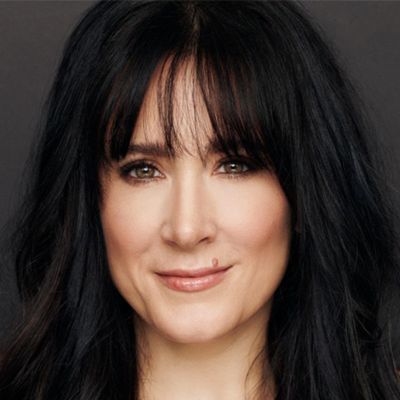
Featured Shows
About
The Broadway powerhouse on embracing the crazy to play the "most challenging" job she's ever tackled as Celine f**king Dion in the New York production of Titanique, her seven-year record-breaking and life-changing journey of triumph and tribulation as Elphaba in Wicked and the joy of getting to play Star and Lady in The Cher Show on Broadway. #BeltingAndCrying
Host: William J Connolly
Produced by: William J Connolly/Darren Bell
titaniquemusical.com
Welcome to eleven. The official theatre podcast that brings the biggest stars and creatives together in one place to discuss life in the arts. Follow eleven on social media via @elevenpodcast and via elevenpodcast.com.
Transcript
This transcript was automatically generated and might contain errors.
[0:20] William J Connolly: Hello and welcome to Eleven, the official theatre podcast that brings the biggest stars and creatives together in one place to discuss life in the arts. Known to many for her record-breaking seven-year run as Elphaba in the smash hit show Wicked, she's played and led productions of the show on Broadway, in Chicago, San Francisco, and on the first national tour, making her one of the longest-running Green Girls in the world. And she was most recently seen alongside a couple of her fellow Wicked Witches in the official stage telling of The Cher Show, where she played both Star and Lady. Plus, she's also taken on playing Fruma Sarah in the 2015 revival of Fiddler on the Roof and on the original cast recording of John Kander's musical Kid Victory.
And now she's boarded one of the most famous ships in the world, as she leads the New York production of Titanique as Celine f**king Dion herself. Her words, not mine. So here, in an exclusive conversation direct from her home, we talk the shipper dreams, how she brought together her own version of Celine for the now global stage musical, and why landing a comedy role like this is all about living in a life of ultimate lols. Plus, we talk a life-changing journey in Wicked, making her professional stage debut, and she recalls rather honestly how she came to love the beautiful nuances of her rather outstanding voice, but why it wasn't always like this. Plus, we reflect on the journey so far. So to quote a famous lady from a certain ship, shall we go for it with the fabulous Dee Roscioli here now on this, the next episode of Eleven, the official theatre podcast.
To ensure the safety of all involved in this episode of Eleven, Dee and I connected for this conversation digitally. So please forgive any brief moments while we wait for the internet to catch up. Enjoy.
[1:44] William J Connolly: Please let me welcome to this, the next episode of Eleven. She's the Broadway leading lady that's currently setting sail on the most famous ship of all time as she takes on playing the legendary icon, that is Celine f**king Dion. Fist pumps and the chest already. Shall we go for it, Dee Roscioli?
[2:33] Dee Roscioli: We shall go for it.
[2:31] William J Connolly: I feel like being Celine Dion must be the best job in the whole wide world.
[2:37] Dee Roscioli: Hands down, boots, there are no exceptions.
[2:39] William J Connolly: Am I right?
[2:40] Dee Roscioli: You are correct. It's unlike anything that I've ever done before in my life. And it's simultaneously the most fun I've ever had and also the most challenging thing I've ever done. You know, because everybody's like, oh, how does it compare to like Elphaba? And maybe I get ahead of myself here, but like it's a completely different thing. It's a completely different thing. And I actually I have to say, like each role I've ever played is a completely different challenge than the one before. Because I used to think, well, I played Elphaba, but nothing will ever be that hard. And wow, I was fooled.
[3:08] William J Connolly: We should say, like, for the two people in the world that don't know, you're of course playing the legendary Celine Dion in the extraordinary show that is Titanique, which is currently playing off-Broadway and is about to come to the West End.
[3:17] Dee Roscioli: That's like genuinely officially a thing.
[3:19] William J Connolly: It's definitely happening. And also Australia with the best press launch on a ship in the middle of... I mean, just genius. It matches the show. It's extraordinary. I joked about it at the beginning, but like even you putting on Celine's voice is funny. Everything that she does has comedy. So are you just living in this world of lols right now? Like being Celine is just one big lol.
[3:35] Dee Roscioli: Yeah, pretty much. I mean, I feel like the show is a love letter to her, you know, and it's like she, you know, she has not seen the show herself, or people have, and they love it. But you know, I think if she came, she'd be like, Yeah, I get it. It's like she's so fun and quirky and goofy, and you get to kind of like step in those shoes for a little while.
[3:57] William J Connolly: So does that mean therefore that you have to have Dee and Celine, or are you noticing that Dee is becoming Celine? Is there any separation between the two?
[4:05] Dee Roscioli: You know, I well, yeah, there's definitely separation. I mean, I love Celine Dion and the more I get compared to Celine Dion, the happier I'm gonna be because I just think she's just Queen Mother. But yeah, the what's funny is that I feel like sometimes when I hear myself talking, I can hear little tiny things slip in here and there. And it's not like, uh, it's not like shall we go for it, but it's just like a harder, a little bit of a, uh, like a harder R or my accent gets a little crossed in. And I already have a weird Pennsylvania weird accent anyway.
[4:38] William J Connolly: So embracing the accents is a good thing, though. Trust me, as a Brit, you love it. Like the second there's an accent to click onto, we're like, Yeah, here we go.
[4:46] Dee Roscioli: Yeah, but babe, your accent's charming. Have you ever heard of Pennsylvania, like a Philadelphia accent?
[4:47] William J Connolly: Philadelphia.
[4:47] Dee Roscioli: Have you ever heard that accent? It's not cute.
[4:56] William J Connolly: This is obviously the OG production off-Broadway is where it all began. And so joining a machine, is that something that you enter into go, yeah, absolutely. Of course, I want to play one of the greatest singers of all time on stage in a comedy musical, playing it and following in the footsteps of my friend? Or are you like, yeah, uh-uh, give me five minutes to think?
[5:14] Dee Roscioli: It's an absolutely 100%. Of course, I want to do that. The I would say what the thing was in my brain was can I do that? Originally, how it all happened is that my manager who happens to be my best friend, Kyle Lucer, he saw the show. He saw the show like four times, and he's like, You have to see this show. It is so effing funny. You have to see it, and you'll be Celine Dion. And I was like, wait, what are you talking about? And then I saw the show and I was like, wow, okay, yeah, I'm gonna have to step it up if I really am gonna play that part someday. Uh, but okay, if you think I could do it, okay. And that's kind of how it took off on it.
[5:50] William J Connolly: But what was the thing that you initially were like, or that could be the hurdle for me? Was it vocally or was it the character or the comedy?
[5:56] Dee Roscioli: Well, I want to say, well, I would say D all above, and it was like, because I haven't really ever been seen in that way. Usually I'm like belting and crying in a role. Like that's what people like to see from me, apparently. I do it. What is ironic is that the comedy part of it is more of who I am, like silly and kind of lighthearted and fun and not serious. But I would say the thing that kind of I went, oh, okay, I really have to think about this was the improv section.
[6:26] William J Connolly: Yeah.
[6:27] Dee Roscioli: That's the thing that I was like, okay, that's something I don't I haven't taken an improv class, I haven't been in improv, I don't know improv. So that was the thing that I was like, oh, okay, can I do that? And I should say for the people that are currently being introduced to Titanique in the varying different places, there is on my fourth visit, I learned there is this incredible, totally, totally made up on the spot thing that you do in the show, which is where Celine kind of directs Jack and Rose in a very specific type of comedy, which is that it's situationally funny, right? It's funny in the moment, but it's also relevant to popular culture and the news, which means you kind of have to be very present, you have to be kind of firing on all cylinders.
[7:02] William J Connolly: Oh, and you've also got to be funny as well.
[7:03] Dee Roscioli: So, how did you sort of get over that hurdle of realizing that you absolutely were capable of doing it? Because I've seen the Instagram clips and you've got some serious lols. Like, you are, you're coming out firing.
[7:11] Dee Roscioli: Thank you. Um, well, first of all, I will say that I don't think of them on the spot as I'm on stage. I usually my method is that I think of them on the train ride home for the next day. And then I send them to our assistant director for her to like say, okay, that's cool, go ahead. Um, just so I'm not just saying whatever I want on stage. But Nicole Parker, who is an improv artist, she did make up a song on the spot every night, based on somebody in the front row, which is just I bow to you, I bow to you. I don't, I mean, she's trained in improv and that's her thing, but um, yeah, the improv thing is it's I will say, like when I'm writing them on the train, I try to I just try to start at the beginning, like so Rose and Jack at the clock is planned, and then we go from there.
[8:00] Dee Roscioli: So it is kind of an improv in my head. I just get it all out and then I kind of fine-tune it and then find a punchline for it. Because I feel like planning it almost puts extra pressure on it because you've got a reason to make it unfunny, right?
[8:09] William J Connolly: So, how do you do that?
[8:10] Dee Roscioli: I don't know. I don't actually know. I am a dum dum. So things that make me laugh are really just, you know, it's like I did a dumb one the other day when I was like, and I wrote this on the train and I was like, I was like, so Rose and Jack at the clock is planned. And Jack said, Do you have any great boubons? And Rose said, Ha ha ha ha, are you making fun of me for being rich? And it's like it just, but that's like that's how it came out. And I was just like, I just started going, and then she's like, I don't know, do you have any porridge? And he's like, Oh, I get it. It's an Oliver thing because I'm a poor orphan. You know what I mean? And you just, you know, I try to keep it as close to what I originally, the ridiculousness of what I originally started.
[8:51] Dee Roscioli: So it is dumb. Um, and it does feel like not super manufactured.
[8:56] William J Connolly: Well, like the couple of times that I've been, if I remember correctly, I think somebody did Jack had to do his Fiero audition and sing Dancing Through Life full out. I loved that. That was hilarious. And the other version was sniffing, they had to sniff each other's bum.
[9:10] Dee Roscioli: Oh, yeah, yeah, yeah.
[9:11] William J Connolly: And I was like, Yeah, totally normal night at the theater, really, isn't it?
[9:13] Dee Roscioli: Yeah. Well, you know what's so funny is that so when I first got the script, there's like there's a list of them. There's a list that Marla had written in the back of the book. I think their original idea was like, yeah, you're gonna do these 12 improvs, and you can exchange different little pieces as you want. But I don't know, I came in guns blazing and I had like six already written before I started. And I was like, So I just have these ideas, and it's like, you know, one Jack is a chimney sweep, the other one, he's the wacky waving inflatable tube man. You know, it's like you I do I just went off and then I kind of like blurted them all out, and they were like, um, okay, those are funny, you could do them. So then it started this whole thing of me just going off.
[10:02] William J Connolly: Which is crazy because I genuinely think that that looks like the most terrifying, but also probably the most rewarding, right?
[10:07] Dee Roscioli: Yeah, and believe me, there's ones that have not landed. There's ones where I literally want to turn to the audience, and I'm sure at some point when I get really brave, I will, but I want to turn and be like, really? Really? You're not gonna laugh at that? Okay.
[10:21] William J Connolly: So when you start the show, for people again that haven't seen it that are getting the pleasure either in New York or subsequently around the world of coming to see the show. I feel like context is important. So to set the scene, this is a period in time in the future where, or do is it set in present day, or do you think it's in the future of people looking back? Do we have an ETA on the date?
[10:42] Dee Roscioli: Okay. At some point in time, they're we're in a museum and they're looking around at artifacts from quote one of the greatest tragedies in American history, which it's not, but sure. And Celine Dion is there in her literal form. Can we say that?
[10:56] William J Connolly: She is, yeah, because they joke about her age.
[10:58] Dee Roscioli: So she's just a hundred and something years old.
[11:00] William J Connolly: Yeah, yeah, yeah.
[11:01] Dee Roscioli: She's, yeah. Well, her the whole the whole gag is that she's she comes to the museum as the guy saying, you know, and this happened, this happened. She's like, that's not how it actually happened. And he's like, but how would you know that shit? Because I was there, I know. And then he's like, um, but then you'd be 150 years old. And she's like, and I know, so what? But this idea of Celine Dion being on the Titanic is genius. It's so funny. And you're like, how has nobody thought of this ever before? Like, come on. It is a genius idea. But it's the one thing, this is what I love about it, is because, you know, I think so much, I I'm not really true. I'm not a writer, but like even in like acting, when we're reading a script, it's like, oh, what that would that happen?
[11:45] Dee Roscioli: That wouldn't happen, or you know, and it's like, this is like anything goes. Don't think too hard about it, because anything goes in this fantasy world. It is just you get on this ride and you just go. And the more you give into it and the more you realize it's ridiculous, and I you will have the most fun ever. And it's about a celebration of Celine, principally, and above anything else, it's about the fact she is just nobody I've never met anybody that doesn't like Celine Dion. And I think that's a real rarity in this world is that she's this wonderful character that is set up in a way that I think you celebrate all the craziness of her that she leads into, but you also understand that she's incredibly talented, incredibly funny, and it's soundtracked by just song after song after song after song, realizing that the musicality is this great, one of her greatest assets.
God, the music, her, her voice is just, and you know, I forget sometimes. Celine Dion was always one of my favorites. I came to the city with, you know, my 16 bars, my pop song was It's All Coming Back to Me Now. I'm like 23 years old, belting out the song in New York, you know, audition rooms, the audacity. But like it's just because I loved her that much, but her voice is just, it's inspiring. It makes you want to sing. And it's like, she just feels accessible, even though she's not, you know, because she makes it look so easy. You're like, I could do that. I was trying to break down a riff that she did the other day, and I was like, oh my God, I had to put it on slow-mo on YouTube to be like, just to be able to figure out what the hell she was doing.
So I was just like, how does she get to that? She's extraordinary. I mean, I just But also I love the fact that at the start of the show, I think within literally within five seconds of you appearing, you start in one way, she walks onto the stage, you obviously have this great dialogue, and then you go into one of her best songs, which is I'm Alive, and then you're like, right. And you say stuff like, shall we go for it, or how you doing, girlfriend, which is so full of Celine Dion like super fans, famous from the live album, famous from Paris, famous from Vegas. But only proper nerds would know that. But it's the genius of this writing, it's the genius of the characterization. And then when you are lovers of Celine, when you go along, you know that she's been taken care of because you're, you know, you're not going out sort of lampooning her in a way that's insulting.
[14:01] Dee Roscioli: Oh no. Do you feel like the second you get on and you begin I'm Alive, that's when the audience go, oh, okay. And they sort of, is that the moment where they go, right? I'm with you as Dee, being Celine.
[14:12] Dee Roscioli: Yeah, I think so. And I, you know, it's such a like our show starts in such a quirky way. Just the huh, huh? And then like the hello, welcome to the Titanic music. You're like, what's happening? And then he's like, you know, the seaman is talking about his boyfriend being there, and you're like, okay, what what's going on? And then, you know, Celine comes on in a garbage bag. So you're like, I think the audience is properly confused in the beginning because they're like, what the what am I seeing? And then it's like the genius of it is like the grand reveal. It's like, haha, here I am. I'm Celine Dion. You know what I mean? You're like, what? Oh my God, okay. And then it's like, I'm Alive. It's just it's so ridiculous.
It's so it's so childlike in in in the best way possible, in the most like creative, fun, silly, like when we played as kids, like I think that's why people really respond to it. It's because it's so innocent. And and Celine kind of is innocent. And then also you see that the film characters from the film version of Titanic are also named via the actual actors that are playing them, which is this weird mix of just like reality, history, the film, the actors, like the Kathy Bates joke and stuff where you're just like genius.
[15:25] Dee Roscioli: Yeah, yeah, yeah. Oh yeah, the Kathy Bates of Victor Garber. Yeah, yeah, yeah. That's what I mean, like that kind of like childlike anything goes. In our fantasy world, you know, this is my friend Fufu, and they're sitting right next to me. Can't you see him? Oh, you can't? Oh, well, I can. You know what I mean? It's like that's that's the world, and it's like, don't we? I I that's where I want to live.
[15:49] Dee Roscioli: But to keep it funny, is that the is that the joy for you to keep it bouncing all the time to make sure that you're you're saying, I know this is funny, but I've got to make sure it is funny because comedy can quickly not be funny, you know?
[16:00] Dee Roscioli: I I think the more invested and the more committed you are to something instead of trying to be like, oh, I know this line will get a laugh if I say it really funny. Like, I think it's like that's the trap. So I think keeping it keeping it real, because that's the other thing about Celine is that she keeps everything very real. Everything is very like she's serious. Like those are the things that can make it funny. But the second you start to like walk a walk or something, it's like it's not funny anymore. I was gonna say the same thing with like crying on stage, you know what I mean? If someone is having like a breakdown, watching someone like fight their, you know, their emotions is more interesting than watching someone just completely give in to them and just like ball all over the stage and indulge in themselves, you know.
[16:41] Dee Roscioli: And also I think as well, when you add on top of that, the fact that you've already established that obviously you are not Celine Dion, you are loving Celine Dion by trying to be her, but respectfully, and then you've got the Titanic connection. And then you also add on the fact that you've got this crazy singing on top of it, like taking chances for you is like crazy high belting. You're like, oh, it just feels like a beautiful melting pot of all of those things together. And I think that is the peak. I do think that moment there is when you go, This is genius.
[17:09] Dee Roscioli: Yeah, because we're giving you the music that you know and love in the way in which you love it, right? We're not, it's not like they're not getting shlubby singers, that's for sure. Like everybody in that show is like it's unbelievable to me that the singers that they get. I'm like, oh my god, I gotta step it up. Because they're just all of them are so good. I remember when I first came into the company and Elliot Maddox, who was playing Victor Garber, I was like, wait, what? Like his voice just he had this incredible rock tenor, and I was like, oh my God. And Brandon Contreras, who plays Cal is just like I I everybody is so incredible.
[17:41] William J Connolly: So what about when you know that it's your chance or your time to be able to sing some of those classic Celine songs, particularly like the iconic My Heart Will Go On? Is that the sort of moment where you have to? Do you have to be more present in that moment because you know people have an expectation of what they want? Like you can't fluff My Heart Will Go On, right? You gotta, it's full out or nothing.
[18:00] Dee Roscioli: Yeah, and I think at that point in the show, that part for me is I play that. Any kind of like any kind of sparkle that happens to the show, which is like, ha ha ha, wink wink wink. I know I'm not actually Celine, but I'm gonna be Celine, you know, that I remove that at that, especially for My Heart Will Go On. I treat that very seriously because then the payoff is even better. But for me, too, that song is just, and I know people love that song. I love that song. I play it with the most heartfelt sincerity.
[18:29] William J Connolly: And do you think that the sincerity is what makes do you think that's what makes this show so believable by the end that you're obviously aware that this is a this is lampooning a real story, but also there is a connection to the real Titanic as well. So it's it's a beautiful bridge, right?
[18:44] Dee Roscioli: Yeah, I do. I think that, you know, and and you know, I think the audience wants that. I think it's like we take them on this journey. It's like you're like your belly laughing at the the most ridiculous, I mean, dick jokes that we have into I've had people like, I can't believe I actually cried at My Heart Will Go On. And I'm like, yeah, because it's a beautiful song, and when we we take it seriously, it's like, you know, it there's a payoff to it. And so I think the audience really um, if they're with us, they're really with us, especially at that moment then.
[19:17] William J Connolly: There is also an unwritten rule now. I do believe that anybody that plays Celine has to have come from the Wicked world. I do believe there's like a lit your spitting coffee out as you say that. Why what happened here? Like, is there an is it like an unwritten rule that we're not aware of?
[19:30] Dee Roscioli: I yeah, I know. We'll have to see who the next if you know when there is the next Celine, if it is going to be an Elphaba. But I mean, and it's not just with Celine, because you know, Lindsay is was a um an Elphaba and she plays Rose, but I wonder if it's just the girls that play Elphaba have that built-in ability to do that super high, kind of sustained belting. So maybe that's why it's it's gone to ex-Elphabas.
[19:57] Dee Roscioli: Green and blue, very similar, kind of in shade. Yeah, the blonde wig. Yeah, we could we could we can buy some similarities. But also, of course, you replaced your very, very, very close friend in the show, which means you kicked Miss Jackie Burns out of the sea and said it's time for me to take sale of this role. What was it like when you know you have a relationship with somebody when they're officially passing the baton to you? Does she give you advice on what to do, perhaps what not to do, or is it like girl, this is yours, you've got to do this now?
[20:24] Dee Roscioli: Yeah, well, actually, technically I took over from Nicole Parker. Because Nicole came and played it for a little while in between Jackie and I. I mean, Jackie and I, I I mean, I when when Jackie was preparing for the role, I was running lines with her. You know, when it came my turn to do it, she was very helpful. Like, and we were at the time, we were doing a Linda Ronstadt tribute show in Texas together. And during the days, she was like kind of helping me with like some of the physicality, like she's really good at physicality, and I I was like, I had to find my way into it. So she was very helpful with that, and just kind of checking to make sure I was doing the accent right and like running lines with me then.
So it's like we just kind of flip-flopped. But yeah, she had a lot of insight and to offer her and Nicole both. But the key thing that they said was never ever, ever, ever, ever under any circumstances, put your microphone down. You will forget to pick it back up, and then you will go on stage without a microphone. Don't do it. I've done it. Don't do that. And I was like, okay. So it like drilled into my brain, and I literally never let that fucker go. Like the whole show. I have it in my hand or in my boobs. And like there's one time in the show when I put it on the mic stand, and then we have this this other scene that you know, somebody brings out the mic stand. And I every day, when I don't have it, I'm like, oh my god, where's oh no, okay? I put it in the mic stand. That's right. Okay. Crazy.
[21:45] William J Connolly: You referenced the physicality there. Do you think that that helps build a character for you? Do you like I guess how much impact does that have? And I'm just thinking, like, when you played Cher on Broadway, was it a similar thing where you sort of felt like that helped find does the physicality help with the voice?
[21:59] Dee Roscioli: Yeah, I think I think like it kind of you have to treat it as as it's like a holistic approach. Like you have to look at the whole thing because individually, you know, people understand what you're doing. Like, you know, if you, you know, do the toss your hair thing, like you'll like people will get that it's Cher. But like, I think when you do it all together, it's it's just you're you're building a full person, you know. And in our show in Titanic, is it's you know, I'm doing a parody, I'm not doing an impression of Celine. This is obviously not like I'm not a Celine impressionist. There are these idiosyncrasies that you have to hit vocally, accent, physically, even humor-wise, like the way she treats her humor that you have to kind of hit to create this whole entire character.
[22:41] William J Connolly: Do you think, therefore, that Cher was more of an impersonation of embodying her?
[22:45] Dee Roscioli: Yeah, well, I in the Cher show very early on, they they were they did not want an impersonation, they wanted um, they wanted a real human, so they didn't want people to go overboard with the impersonating Cher because then it can get cartoony and it's not real and then you won't feel for the characters you know I think that's a little bit of the difference like I can push the limit a little bit more on the Celine thing that I could on the Cher thing but even still it's like you you have to be careful and all and does it work the same principally with the voice I know it's slightly different but you've you do the physical the voice comes you find her in you like is there a point where the two meet and you go oh now I feel like I've found where she sits for me.
[23:27] Dee Roscioli: Yeah, I think I find I think for me I go voice first and then physicality kind of like starts to come in and then yeah then they kind of become one, you know what I mean? Like then it's like I can't like one doesn't go without the other and like for Celine, when I first got the contract, I was, you know, on this mic that I'm speaking on now, I was like in my room with the headphones going over the songs and trying to find and listen for how to kind of tap into how she interprets music and songs.
[24:00] Dee Roscioli: She has, you know, a skill set that I am aspiring to, so it's never I'm, you know, I'm not giving you pure Celine, but there are like little isms in there that are very much Celine. And you also know your voice better than anybody, which means you know the limits that you have, but also you know what is capable of you. You know you have that glorious upper register which means you know you can try and find that as close to Celine as possible. I know we are literally aiming for the greatest in the world, but you can get pretty close, right? You feel comfortable, yes, you know working with her.
[24:29] Dee Roscioli: Yeah, and the way she approaches those high notes is different than the way I approach those high notes, you know what I mean? But I've also learned like I was like, oh, actually, that's doing it like Celine, that's actually easier. So I've adopted some of her ways, like the ideas of how if it feels like the way I get to Celine, some notes are easier that way than they are if I sang them as Dee. And I was like, oh, I'm working too hard as Dee. I have to work more like Celine.
[24:56] Dee Roscioli: Why is that? What's the thing that's different? I think with Elphaba, I brought Jackie and I talk about this all the time, but like with Elphaba, there is a you are trying to get to the back of the house. You are trying to fill the space and be at the back of the room. Celine is naturally, she fills the space naturally, but it's also like the way the sound is mixed is different. I don't, I can use more of a pinginess than a heaviness, I guess. It's hard to explain. But like Elphaba is a little bit like rounder and heavier, and or at least how I did it at the time. And Celine is more pingy and focused, and less, I don't know, it's just not as heavy.
[25:38] Dee Roscioli: So I found kind of a different way of singing. Because I suppose also there's one Celine beyond, right? And there's a sound that is around what she sounds like. But I guess with Elphaba, to define that, because there are so many different people that have played it, I've become so recognizable for it, you have to not only find your own space, but you also have to be within touching distance of what people are expecting with a legacy piece, right? There is an expectation, so that, but I don't know, maybe I feel like that would be harder to be Elphaba in a way.
[26:05] Dee Roscioli: Sure, yeah, because the work is already done for you with Celine. There's the way to do it, and then Elphaba, you're like, how do I do this? Yeah, but you know, it's funny because now if I mean if I was playing Celine and then I went to Elphaba, it would be a completely different show for me. Okay. And I'm glad that I was a younger woman when I was playing Elphaba because I got away with a lot of things that I probably shouldn't have gotten away with vocally, you know what I mean? Like the way I would push myself and the way I sang. And by the grace of God, I escaped without any vocal damage or any kind of vocal issues or any changes in voice that would prevent me from doing anything else.
[26:44] Dee Roscioli: But yeah, I would definitely do things a lot different now. And you know, I don't know. And I think a lot of it is definitely sound design. Wicked is sound designed as a theater show, and it looks like that sound is coming out of their mouth. We like it to fill the theater, and that trend has changed, but like then it was like it should look like it's coming from their mouth. And so, and it did, and it was just that feeling of like trying to get to the back of the house is hard. Now I don't have to work as hard, and it's everywhere because the sound is just mixed like a concert.
[27:17] Dee Roscioli: And I think there's an interesting conversation. I've had the pleasure of having so many women who have played Elphaba on the podcast, and they always talk about the fact that the expectation is always the voice. It doesn't matter what else you do anywhere else. The expectation of, you know, do you sound like Idina Menzel and are you belting as high as she was? And if you're not, that's not what people want. And that sometimes the expectation is actually not as high as sometimes people think it is in their brain, but it's an interesting way in which that role has just become the biggest, the loudest, and the best. And that's almost unaspirational. Nobody can actually reach what they think.
[27:47] Dee Roscioli: And actually, a lot of people have told me is what goes on in their head as opposed to what people think. And sometimes, you know, the nerves are made off stage actually rather than on. Once they get on, they can do it. And I think it's such an interesting thing of how factors that you wouldn't even expect of a sound design making you feel like you've got a different part of your voice than where you did elsewhere. Like I think it's very fascinating to understand that there are, it's not just about you singing, right? There's so many other things.
[28:10] Dee Roscioli: Yeah, I mean, I have to say, like when I was in Chicago, I'll be very transparent. The person that was mixing sound there mixed really conservatively. And if I'd say, hey, I'm not feeling well, can I get a little more help with the mic, they wouldn't give me more, like it wouldn't be a bigger sound. He would pull the orchestra back. So it wasn't really actually helpful. And for a long time, I just thought that I just didn't have a big voice.
[28:40] Dee Roscioli: Okay. I was like, I guess I just don't have as big of a voice as I thought I did. And that wasn't the case, but the way the sound was mixed made me feel that way. It made me feel like I had to work harder, which is then pushing, which is then getting tired. And like I said, I was actually one of the lucky ones. I was able to do a sing like that, do my eight, get through, you know, seven years of this in that manner, which is just crazy that I was able to kind of get through that. But for me, it was less of like being worried about the big notes. For me, I was always worried, and I still, this is always my insecurity. I'll bear my whole soul here, is that I'm worried that I'm boring.
[29:22] Dee Roscioli: Like I'm worried that people, because I'm not doing the crazy Shoshana and Eden riffs, that people are like, oh, she's boring. She just does, she sings the ink, you know. And it's like, I think there's a lot to offer from singing the ink. I think that it's a balance. Like I have learned that, you know, stretching creatively, musically, creative, oh my God, being creative within the music is something that I hadn't always naturally gone toward. It was for me, it was more story-driven. But now lately I've been exploring that, like just stretching myself away from what's on the page.
[30:01] Dee Roscioli: But back then it was a really big insecurity for me of like I'm not doing the crazy riffs, and it's not that I don't have the range or the notes. It's just like I don't understand, I didn't quite understand how to get to them. It didn't like pop into my ear to go do that. So how long into your run did you realize that actually the thing that you were probably most insecure about at the time actually became one of the things that, you know, the Wicked fans online, if you just take Principally, that actually completely fell in love with you for that this became one of your greatest assets was the fact that you're doing this so solidly and so beautifully and classically, and actually that's something that if you look at the industry now, people are very much encouraged to do. Stop with that, let's work on what you were doing. How long did that come around?
[30:43] Dee Roscioli: Um, I don't know if it ever did. Okay. I think I was too stuck in my head and worried to ever, especially less now, but then I was like, oh God, I'm boring, they're gonna, they hate me. I better think of a riff. And you know, it's um, yeah, I don't think that in the entirety of my Wicked run, I don't think that that ever went away. I knew I was solid, I knew I was consistent, I was proud of what that offering that. I just I always, you know, felt like I needed, I wanted to give more and I just didn't know how.
[31:17] William J Connolly: Which was the first company that you joined?
[31:18] Dee Roscioli: Chicago sit down.
[31:20] William J Connolly: And was that as an Elphaba?
[31:22] Dee Roscioli: That was yes. I started as a standby for Christy Cates, who was an original company member that went to Chicago and Christy was the original standby in Chicago, and then she moved into the role, and then I came and took over for Christy as standby and then was standing by for her. But she had only, like after about three months, her doctor was like she can only do six. So she was only doing six shows, and so I was getting two shows a week. I was getting the matinees. So I was essentially an alternate. And so I was getting a lot of performances and, you know, like cutting my teeth and learning how, I mean because honestly, I was a waitress and then I was, and then I got this Elphaba job. So everything came from Wicked.
My equity card, my Broadway debut, everything came from Wicked. So it was like I was just a babe. I had no idea what to expect. I did go to a musical theater school, I was like all of a sudden I was in a big giant show, and I was like, and I mean part of that, thank God I had that ignorance because I think maybe if I knew I would have messed it up, you know, but because I didn't, I was like, oh, okay. And then it's like, you know, then you know, you make the mistake of reading the message boards and you're like, oh, okay, crap. I'm not gonna, first of all, I'm not gonna read those anymore.
[32:34] William J Connolly: No, I was gonna say, I found the problem.
[32:37] William J Connolly: But how long after being, you know, standby and unofficial alternate, did you then become principal D playing Elphaba? How long was that?
[32:43] Dee Roscioli: Um, about 10 months.
[32:46] William J Connolly: So doing 10 months and then it becomes your baby. I find it wild as the human mind works that you could be given all those opportunities, you know, coming from, as you said, as a waitress to not having that training, to doing that, to being trusted with it and then be giving it. And you still feel like that? I find that wild. I think that the way in which we, as we almost limit ourselves. I find that crazy. I think it's a challenge. I don't know. I feel like I'm a very, I'm learning that I am like really a super sensitive person, and I put on a really good front, but I'm really, I don't, I don't naturally crave the spotlight. I miss it when it's gone, but I don't like, it's not like when I get there, I'm not like finally.
I'm always like, oh fuck, I hope I don't fuck it up. You know, that's more of what's happening, especially in the beginning. As I get comfortable, it gets a little better, you know. And then I'm like, okay, I'm confident, I know I can do this. But yeah, there's always the insecurities.
[33:46] William J Connolly: Did that perception change at all? I imagine when you moved to the Broadway company, and I would like to think, and I'm sure Wicked would be right in on this, that the sound design was where it needed to be.
[33:56] Dee Roscioli: It was much better. Yes. It wasn't, it wasn't what I'm used to hearing now, but it was much better. And the sound crew there really took care of their Elphabas and, you know, listened to them when they needed something and really was, and the same is true for tour as well. I feel like it was just Chicago, but unfortunately that was where I started. So I, that's why I had those thoughts in the beginning.
[34:25] Dee Roscioli: I think everybody has a moment in their career. I know I have one from early on being a journalist where I had something that I loved, I thought I loved it. I secretly didn't love it in the way that I thought I did. And then something, then something happened where it just changed and actually the great responsibility and great challenge actually now is the one thing that I think about every single day that I'm like, I'm so glad I have that now because I know never to accept that shit ever again.
[34:46] Dee Roscioli: And I feel, I felt as Kennedy with what you were saying there of actually, do you know what? If I can get through that shit, I can actually do anything.
[35:00] Dee Roscioli: I have learned now to really speak up for what I need, especially when it comes to sound. And you know, Ben, my partner has helped with that because he's a musician, so he knows. Um, my friend Morgan James, who is just like a monster, monster singer. If you don't know who she is, you need to look her up. Um, she has helped me communicating with sound people because there's a language you have to use and like to get what you need. Because it really does change, it changes how you sing and like changes how you use a voice. And like if you can't use your voice in the way that you know is best for you, then there's a whole portion of it that you're missing. Like that's what I'm saying. Like when I was doing Elphaba, there was a whole portion of my voice that I was missing out on.
There's a whole section of nuance that I feel like I have now that I didn't even know I had then, and I didn't even know how to get to it because I wasn't well. The show wasn't that kind of show, but I didn't know how to navigate where I was because I was just like, gotta get through it, gotta get through it. This is what I'm given. So this is what we do. Put your head down, tilt it in the wind, and go. And also, you have this incredible way in which you enunciate and pronunciate phrasing and wording and diction in your voice that's so stunning, but so different to some of the styles that we'd heard then. Was there an element actually of you going, I'm actually happy with the difference because it separates me from the pack, but being bold enough to do that, that's a challenge because nobody else is doing it. So, how did that play out?
[36:27] Dee Roscioli: I'm gonna adopt the way you view it. And like I'm this is you okay. I'm adopting the way you think because I never thought of it that way. I always thought I'm like, oh God, why do I sound like that? That's weird. Why am I doing that? That's so weird. Why am I so weird? No, I like that's it. I'm done. I'm done. Okay. Yes, I don't know. I just, I don't know why I have this brilliance. I guess I just do. I can't help it. I'm just great. I'm so glad everybody. I'm just really, really good. I just, just watch out. Like whatever I do, like see, ha, see like that's so good. That's great. I know it's easy to say from afar, but like genuinely, there's so, so many beautiful inflections of your voice, and I do think everything is a journey.
You know, I had the most extraordinary conversation with Julia Murney once where she was like, I wouldn't have done anything to change my voice because it just didn't sound like everyone else, and now I freaking love it. And I was like, that I please post that everywhere. Like anyone that just doesn't sound like everyone else, but we don't want ten of the same thing. So I do think it's challenging to do something that's different. But actually, I'd like to think now that you feel very comfortable with the fact that your voice is absolutely spanking and stellar and it's a gift. And I hope that you feel some sense of ownership over it and joy out of it now, right?
[37:48] Dee Roscioli: Yeah, yeah, I do. Yeah, that's what I mean. And I think also I put more work into it, and I think that feels good. And I think that exploration allows me the confidence to kind of like enjoy what I have, enjoy my gifts. But at the time it wasn't, you know, at that in that Wicked time, it was just, well, because I was just in, I didn't know. Also stay off message boards, it's never a good idea. Oh no, that happened once and I was like, and never coming back here again. Also, YouTube comments are the same. For every 500 lovely comments, there's always one dickhead that goes, She doesn't shout like a Dina Menzel shout. No, because she's not shut up. Yes, I don't. Thank God I don't sound like a Dina Menzel. Dina Menzel is a Dina Menzel, let her have her thing. Is there a particular singer when you're growing up that you actually genuinely wanted to be like? Because everybody has their person. Who was yours?
[38:30] Dee Roscioli: Um, well, I don't know if I thought about it like I want to be like them, but Celine was definitely one of those singers. Barbara Streisand was one of those singers, and Whitney Houston. I would say those are the top three. And what's funny is that I always say I always tell the story about my mom wanting me to sing Linda Ronstadt, and she was trying to turn me on to Linda's What's New album, which is like her doing all the standards, and I was like, Ugh, she's so boring. No, no. And then later in life, I was like, I started to really listen, and I was like, oh, I'm dead wrong. This woman is fire, and I love singing her music, and I love her voice, and um, so Linda is definitely one of those singers for me that I just, I feel like at home when I'm singing her music.
[39:21] William J Connolly: It's interesting you mentioned that because I did have somebody that sent in a question for you, so I wanted to play it just to see if you wanted to respond to them.
[39:28] Jackie Burns: Hi, my name is Jackie Burns, and I have a question for Miss Dee Roscioli. I was wondering if you could only pick one song from these three artists, Celine Dion, Cher, or Linda Ronstadt to sing. Which one song would you sing? Okay, thanks. I'm a huge fan.
[39:44] Dee Roscioli: Jackie, I hate you so much. Um God. Well, I'm gonna say Linda. Yeah, I'm gonna say Linda, and I'm gonna say I'm gonna say Blue Bayou. What do you think Jackie would have expected you to say to that?
[40:00] Dee Roscioli: Uh God only knows what that woman expected me to say. She probably thought I was gonna say Celine. Um that that's like I, it's actually hard because Celine is fun to sing because it kind of stretches you. Linda is fun to sing because you can, you can, it's like a blanket. You can like, it's like a comfy chair with a blanket, and you're just sitting there and it feels good. Yeah, um, Celine is like, you know, powerhouse singing. Um, I don't, I have honestly, I have no idea what that woman thinks. She is on her own journey and I can't wait to kill her when I see her.
[40:28] William J Connolly: I'm very conscious of time so I've just got a couple more questions for you because I know you've got to run. We are in a very sort of serious world, there's lots of terrible things happening, but I do feel like there's a great joy in musical theater, and I do just want to touch on how important this art form is because I feel like not only does it bring people work and jobs and the things that they love, but it also just brings great celebration of music to the theater world, to live performance in any sort of capacity. Could you just talk to me about how important not just singing but being present in a theater, viewing whatever it might be, watching, being part of how important has theater been to your life? Has it played a big part in keeping you going and keeping you sort of in a space that you feel happy in?
[40:55] Dee Roscioli: Yeah, I feel like theater, there's something so special about theater as opposed to like going to a movie because it feels, um, there's something that feels important about it because there's so many people that have to come together all at once to make something happen. There's, you know, the box office, well there's the audience first and foremost, the audience, like people in the box office to sell the tickets, the crew to set everything up, the stage managers to run everything, the actors to all come together at a specific time. We come together at a specific time in a specific place to tell this one specific story. And I think that that ritual is like really special and if we can keep that, it's just different than, you know, it's like in the good old days when we had to like, you know, when your show was on TV, like it started, it was eight o'clock on a Friday and you're like, do you want to go out with my work friends or do I want to come home and watch my show?
And you couldn't record it. So it was like you had to make the decision be like this is important. I feel like theater demands that importance still. Like it hasn't, we haven't just taped every single performance. I think we, I do like it when we tape things for like, um, for archives like for Lincoln Center archives and things like that. I think that's really cool. But no, there's something really special about it. And also I want to touch on the fact that I love that there's so many super silly things getting lifted up. It's funny how the world creates its own balance because everything is so heavy. There's horrible, horrible things happening in this world today in our own country, out of our own country, and like so many horrible things that it's just like what do you do with all this?
It's like yes we all have to be our own version of an activist, but it's also it's a yes and so we have to be that and we also have to create balance by being silly and having fun and I think that Titanique creates that silliness. Um, I don't know if you've heard about the show O'Mary that just got transferred to Broadway, it is just supreme silliness in the best most well-crafted way. I think that we're craving that right now. I think it's like it's a medicine so theater can be our medicine to heal ourselves from all of this abomination.
[43:21] William J Connolly: Absolutely. I know the majority of people that listen to this podcast are based in the States, so I feel like I'm preaching slightly to the converted, but for UK audiences, it's incredibly, incredibly rare to find something that focuses on such tragedy, such joy, lifts people up, and also finds this perfect medium of celebrating the great one of the greatest artists of all time. And I think that is the genius of the show could very quickly, as I joked about at the start, not be funny. It could very much almost lean into the offensive and it does the total opposite. And I think what we need more right now is leaning into a little bit more of happiness and actually reminding ourselves that there is actually more that brings us together than separates us. And I think the show is a great, great beacon for that. And I'm very excited on a purely selfish level for more people to get to see it, particularly here in the UK, because we need some lols in this country.
[44:05] Dee Roscioli: Yeah, yeah, yeah, yeah. Right. Yeah. Yeah.
[44:08] William J Connolly: And very finally, when you think back to the very beginning of your career, when you think back to like the first Elphaba show, let's go back to you went from the waitress to the show and you're maybe sat backstage probably with a green brush on you. Think about all the things that you've done. What we've touched on a very few of them in this conversation and the way in which you've changed your relationship with yourself. What do you think the girl that was sat back then, the Dee that was sat back then would think of the Dee that's been sat in the last sort of 45 minutes to an hour and spoke to me about being here? What would she think of this moment and all the things that you've done?
[44:39] Dee Roscioli: Oh my God, you, that um, first of all that's a really great question. And um, sorry I think she'd be in awe of her. I mean just from where I started to where I am and I have to remind myself, you know, on a regular basis because we all get in this mentality of like what we have isn't good enough or like I like this okay I got this what's next what do I now what do I have to have and like I'm guilty of that as well. But I think that if that girl that you know had eight minutes to get ready for her first show as Elphaba is truly eight minutes when I thought that that was like oh well that's nothing like that's ever going to happen to me and like to now to like having to come up with these improvs or just be this, you know, be Celine Dion on stage or even being Cher or even singing in a symphony concert or any of it, I think she'd be in awe.
I think we should remember that as we sort of move through life that actually the person that should be proudest of ourselves is ourselves. And I think we don't. And I missed that. Thank you for that question to remind me, actually.
[45:50] William J Connolly: Dee, thank you so much for your time. I appreciate it massively. Thank you so much for deep diving into so many random and obscure things. It's never a linear conversation, I promise. So thank you so much for your time. Good luck with Titanique, honestly. It's the best. I'm actually coming next month. So I'm very, well, yeah, next month. So I'm gonna be there in person to see you. So I'm very excited, but just thank you so much.
[46:10] Dee Roscioli: Oh, I can't wait. I want to give you a squeeze after the show.
[46:12] William J Connolly: Definitely, and I'm gonna be going. Shall we go for it until then? Because that's all I freaking do. So just congratulations on that. I look forward to seeing you and thank you so much for your time.
[46:19] Dee Roscioli: Thank you.
[46:22] William J Connolly: You've been listening to Eleven, the official theatre podcast. Find out more about Eleven at elevenpodcast.com or via the Broadway Podcast Network.
© Broadway Podcast Network, All Rights Reserved