

She’s the Grammy-winning music powerhouse that’s been the soundtrack to our lives for more than two decades and produced some of the most moving music offerings of all-time – few greater than her Tony-recognised musical Waitress, which took New York by storm when it first began performances back in 2016... Read More
From the show: eleven
Guests
Featured Shows
About
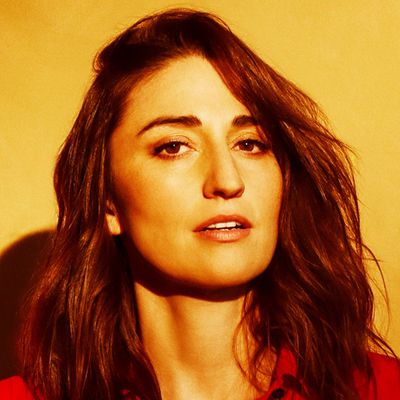
She’s the Grammy-winning music powerhouse that’s been the soundtrack to our lives for more than two decades and produced some of the most moving music offerings of all-time – few greater than her Tony-recognised musical Waitress, which took New York by storm when it first began performances back in 2016.
Now, in an exclusive conversation marking the 10th anniversary of the show’s Broadway debut — and as a thrilling new touring production moves audiences across the UK — its Tony-nominated composer reflects on the life-changing journey of writing for Jenna, the pie-maker with a heart of gold.
So direct from Stateside and taking a break from her time in the studio, we deep dive into the original creations of Waitress in this 14-year journey; including overcoming imposter syndrome while writing her first Broadway musical, writing soaring anthems like She Used to Be Mine, Soft Place To Hand and What Baking Can Do — and the honour of bringing Adrienne Shelly’s beloved story to the stage with a history-making creative team.
We also discuss the emotional impact of Jessie Mueller’s original performance, how developing the role with her gave the composer the courage to step into Jenna’s shoes herself and understanding the value of feeling uncomfortable when creating new art.
And she celebrates the power of new storytelling for her show with new faces and new audiences as Waitress tours the UK in this 10th anniversary year.
Sugar. Butter. Sara.
Host: William J Connolly
Produced by: William J Connolly/Darren Bell
waitressthemusical.co.uk
Transcript
This transcript was automatically generated and might contain errors.
[0:01] Sara Bareilles: My name is Sara Bareilles, and you're listening to Eleven, the official theatre podcast.
[0:15] William J Connolly: Hello and welcome to Eleven, the official theatre podcast that brings the biggest stars and creatives together in one place to discuss life in the arts.
[0:24] William J Connolly: She's the Grammy-winning music powerhouse that's been the soundtrack to our lives for more than two decades and produced some of the most moving musical offerings of all time. Few greater than her Tony-recognised musical, Waitress, which took New York by storm when it first began performances back in 2016.
[0:42] William J Connolly: Now, in an exclusive conversation marking the 10th anniversary of the show's Broadway debut, and as a thrilling new touring production moves audiences across the UK, its Tony-nominated composer reflects on the life-changing journey of writing for Jenna, the pie-maker with a heart of gold.
[0:59] William J Connolly: So direct from Stateside and taking a break from her time in the studio, we deep dive into the original creations of Waitress in this 14-year-long journey, including overcoming imposter syndrome while writing for her first Broadway musical, creating soaring anthems like She Used to Be Mine, Soft Place to Land, and What Baking Can Do, and the honor of bringing Adrienne Shelly’s beloved story to the stage with a history-making creative team.
[1:25] William J Connolly: We also discuss the emotional impact of Jessie Mueller’s original performance, how developing the role with her gave the composer the courage to step into Jenna’s shoes herself, the challenge of writing songs for other people to perform, and understanding the value of feeling uncomfortable when creating new art.
[1:42] William J Connolly: And with her best British accent at the ready, she celebrates the power of new storytelling for her show as she welcomes new names, new faces, and new audiences to the most famous pie show in the world as it tours across the UK in this 10th anniversary year. What's on the menu today? It's Sugar Butter Sara, as I welcome the Sara Bareilles here now on this, the next episode of Eleven, the official theatre podcast.
[2:14] William J Connolly: Please let me welcome to this, the next episode of Eleven. She's the Grammy-winning music sensation that's been the soundtrack to so much of our lives and gotten us through everything from heartbreak to happiness. And now to celebrate the 10th anniversary of her award-winning mega musical Waitress, first opening up on Broadway. She's here to tell me all about making the UK its home once again as the show tours the UK and has us all falling in love with her musical masterpiece. So I say, hello, Sara Bareilles.
[2:43] Sara Bareilles: What is on the menu today? Are we feeling a deep dish union jack pie with perhaps extra British accent sprinkles?
[2:50] William J Connolly: I love it.
[2:51] Sara Bareilles: Yes.
[2:54] Sara Bareilles: All of the above.
[2:55] Sara Bareilles: All of the above. It would be so cruel to make you do that accent all the way through, but very well done. I liked that. That was very good.
[3:01] Sara Bareilles: I yeah, I feel like I'm gonna all that will be me eating shit for a half an hour. Nobody wants that.
[3:08] William J Connolly: Do you not pick up any accents when you were here way back when you did Waitress in the West? Then if you've got isms that you think I just can't kick those British things from my vocabulary.
[3:16] Sara Bareilles: Yeah, I mean, certainly while I was there, and my god, I will slip into a British accent at any given point. But no, like those sort of the cadences of being like, you know, chuffed. You don't say that. But that's it's a perfect, it's a perfect adjective for what that means. We don't really have any, we don't have anything that like quite equates to that.
[3:40] Sara Bareilles: I had a friend, one of my best friends who did a year abroad, and he came back and he kept all of his British vocabulary. He was like, he was always wearing jumpers and you know standing in the queue and going to the loo and then he got made fun of so much. It's just like, who are you? Who are you? And he's like, I'm a I'm like an honorary Brit now.
[4:01] William J Connolly: I imagine lyrics and being a songwriter and hearing different dialects and stuff is probably incredibly exciting for someone like yourself and your genius mind because it means that things sit in different places, which for you must be incredibly exciting to be able to hear people from all over the world get to interpret your material. Obviously, it is based in a very certain place in a very certain way, but how exciting for you to be able to have a different type of dialect approach your work and different type of vocalist and performer get to tackle the brilliance of what you wrote in this 10th anniversary year.
[4:30] Sara Bareilles: I can't believe it's been 10 years since Broadway. Can you?
[4:32] Sara Bareilles: I know it is it's truly wild. It feels like it's been forever and it feels like it was yesterday. I mean, like, truly going back to those years of developing the show, it just feels like it just was not that long ago. But to your point, yes, it is so thrilling to hear what I love about hearing another new interpretation is it just reminds me that this is gonna sound woo-woo, but just that everything is infinite. You get to see things in this sort of like iterative evolution forever. A new person, a new storyteller takes the same story we've seen thousands of times and gives it something brand new. It's just a remarkable thing.
[5:18] Sara Bareilles: And I feel so lucky that 10 years into the sort of birth of this show, that people are still interested and excited to see this story and to see it told again. There's something that they are, there's something they crave that they get from this show that I certainly do, but I'm biased. So I just love seeing that there's, you know, still a huge appetite for this beautiful, beautiful story that I love so much.
[5:47] William J Connolly: If it's 10 years for us as an audience, how long has it been in the creative process from day dot to that first opening for you?
[5:53] Sara Bareilles: I think it's closer to 15 for me. Because we were, maybe 14. Yeah. We were we were kind of in development for about four years.
[6:01] William J Connolly: Which is so interesting because I feel like this is one of the only industries, sort of theatre and music, where actually something that you create such a long time ago, which it is now, which it feels like five minutes, but reality is slightly different. That there are some decisions that you will have changed and updated. But actually, you're living with a decision you made so long ago that you think, I remember when I did that.
[6:18] Sara Bareilles: Oh yeah. There's some things that are just brutal too. You know, it's like, you know, I when I live, it's listening to like an old record, and you're just like, I would never do that again. But I, you know, but that but I but it's what I love about art. It's it's a snapshot, right? Like it's a it's just a time capsule. It's like a bunch of decisions you make with a group of people, it's alchemy, it's chemistry, and then it just we take a snapshot, and that's and that's what gets interpreted over and over again.
[6:44] Sara Bareilles: And that's why I love you know the live performance space because that is so new. That's like bringing the new interpretation. But you know, that the seed is fixed. You said a second ago about seeing people's response and how much love there is coming towards you, probably an avalanche of love when this tour was announced, and people that maybe weren't lucky enough to get to see it first time around in the UK getting it brought to the town or sitting nearest to them, which is so thrilling for them, but also interesting that people are getting their first experience of Waitress in their home space with perhaps even with their own dialogue and their own friends, which doesn't happen all that much, which for you must be interesting that this is like 10 slash 14 years for you, but day one for them.
[7:25] Sara Bareilles: Yeah, it's wild. And sometimes, you know, with a show like this that's had already like a big life, now people are coming with some kind of familiarity too. Like people may have listened to the soundtrack, or they might have seen the live capture, or they may, you know, there's just a kind of familiarity, or they've heard a She Used to Be Mine cover or whatever. But um, I sort of love that piece of it too that there's um there's still something to discover, and yet there's like a flavor of familiarity to it. I just think that's beautiful.
[7:55] William J Connolly: We think back to like 2015 and that first audience that that got the opportunity in Cambridge to be able to experience these songs for the very first time. Do you remember what preview one of that period was like when actually nobody apart from the people in your creative team and cast had actually heard what you were offering for this show? Do you remember what that moment was like for you personally? And actually, what was the audience response like to some of those hits you referenced to Used to Be Mine there? But when people didn't know how much of a certified hit it was.
[8:24] Sara Bareilles: It was one of the proudest and most thrilling experiences that day. The first preview was one of the things I will never ever ever forget in my career. And I think going into making this show, you know, transitioning into being someone who was not standing on stage, who was standing in the back of the dark room watching an audience watch their work, that's not an experience I'd ever had before. And so I think I anticipated feeling conflicted about that, that there would be a part of me that would miss being in the spotlight, but I actually felt so liberated and so full and so rewarded by not just being a part of a team, which I think that was also something that was new for me, rather than being a solo artist, but like really creating in deep collaboration.
[9:16] Sara Bareilles: And then watching the mastery of interpreters, these incredible actors who bring to life something that I didn't, you know, I did not have the skill set for either. Like I just, it was it was so masterful. And then to feel when the audience would laugh, when they would get a joke, or you could hear a pin drop after a song, or you feel when something wasn't working. I mean, you just learn so much. It's the thing that I love about one of the things that I love about making theater, it's the audience is the X factor, right? Like you can't make it's the only art form besides sort of stand-up comedy that I can think of that you don't you can't make it in a vacuum. You need the audience to understand what it is that you're making. And so I just love that. They're essential. The audience is essential in the creative process, and then of course in the delivery.
[10:08] William J Connolly: How were you then in that moment where, as you say, you're so used to being the person on stage, and then so you can film it or listen to things and feel when stuff needs to be sort of tweaked and adjusted and altered, or perhaps it's right. But how were you with it with the fact that I imagine most of the notes that you had that you felt like you wanted to change or tweak something was probably a note from Sara to Sara? How are you with that moment?
[10:26] Sara Bareilles: That's fine. That's like you know, that's me and my critical brain. We're very close. She's that noisy girl, she don't go away in my brain at all, anyway. So, and I but that that's like fun to me. That's like the puzzle. It's made, you know, it's like the Jenga of making a production like this. There's always things to tweak and fix.
[10:49] Sara Bareilles: I've had the pleasure of talking to people similar to yourself that have made the crossover, and that's always the thing that everybody seems to pick up on. Is it's actually weirdly harder to criticize other people on your material and actually want to tweak it and update it, but also joyful when you get the end result because it's not relying on you, it's relying on you and them. And that's such an interesting juxtaposition of creativity.
[11:08] Sara Bareilles: Yeah, the collaboration. I mean, that was the thing that struck me so much about making theater for the first time. I can't think of an art form that is more collaborative than making musical theater or making theater in general. It's just there's so many, so many things have to line up, so many departments, so many decisions. It's just a really um, yeah, you are a part of an orchestra.
[11:34] William J Connolly: One thing I think is so beautiful about Waitress, and particularly as you reference about the people having their own connection to the show, is that now people come in it with perhaps friends, family that may have not experienced it first time, but also children. My best friend actually had Everything Changes as her birthing song, and so it goes beyond the life of the theater. And I imagine you've experienced that along the way in the various different productions that you create something for a project in good faith, and then it continues at a life almost beyond you and beyond the show, and you get the feedback which you reference about Used to Be Mine in the beautiful ways that that's touched people.
But actually, some of the other songs like Soft Place to Land has such a beautiful place in other people's lives. What's it been like getting feedback from something from that period of time that you do and then continues to touch people in as the example I gave, like the most deeply personal way?
[12:23] Sara Bareilles: I mean, I can't think of anything more beautiful than knowing that something, you know, I help sort of usher into the world gets invited into these incredibly intimate spaces for people in their lives. That I mean, I have those songs from myself that I'm like forever feel tied to a certain artist, people I've never met, will never meet, but that their music, their offering is like a part of my the tapestry of my life. I mean, I have so many people who have gotten married to You Matter to Me, or you know, like the and this this show in particular has a lot of those songs that have somehow found their way into the zeitgeist in these very independent ways of the show. But it reminds me of just like that's just what musical theater like always has done.
That it's it's great stories, you know. I didn't I didn't come up with the stories. That's Adrienne Shelly and our beautiful book writer Jessie Nelson, who have made these beautiful moments that I just help interpret in song. It's beautiful.
[13:31] Sara Bareilles: I think with musical theater you tend to get like one or two, but I think you're absolutely on the mark with the fact that this show does seem to have rather a lot of them, that people have beautiful personal connections. Not just like that's a great bop, but actually that's something that I take with me or listen to when I need some form of uplifting, or just to remember a friend or to remember someone that's no longer with us. There's so many beautiful ways. Did you think there were particular songs that might touch people more than perhaps a traditional musical theater song would? And were there any surprises in there that you thought? I never thought it'd be that one.
[13:59] Sara Bareilles: I remember being really surprised when when He Sees Me had like a TikTok sort of viral moment, and I was like, oh my god, I never would have I never would have pegged that. I mean, I love that song. I loved writing that song. I love hearing that song performed but yeah I think I was really surprised by that I mean She Used to Be Mine was such an immediate you may already know this but that was the first song that I wrote for the show and I was going through such an intense time of like personal upheaval transformation that that song felt very personal and I played it on tour and I remember being the first time the first night that I ever played it on tour I remember feeling kind of like bashful about the fact that there was the word pie in the lyric and I was like is this gonna are people gonna laugh like I it felt risky but the response to the song was so immediate and I could feel it I mean I felt the connection when I was writing it but you know again the audience the X Factor it's like you don't know really but it was really immediate so I was glad I could feel it was powerful in in the making of the show like every time we got to that moment it felt like time slowed down a little bit.
[14:13] William J Connolly: When was the moment then that it went beyond something that you've created as a singular song in a musical and actually created this astronomical life that it's had since then when was the moment where you went oh this is bigger than me and Waitress now this is this is something that belongs almost to the world this is huge um I like hearing you describe it that way that's great astronomical yes, get it, girl.
[15:47] Sara Bareilles: Um, there's a moment that's popping into my mind that I saw a YouTube video of this incredible singer named Alba, I'm gonna butcher her last name, Areshe, Alba Reche, maybe. I'm sorry, Alba, if I'm messing up your name. Um, but she sang "She Used to Be Mine" on Latin America The Voice, and it was wild, and it became a huge hit, and then they recorded it. I just remember feeling like how did she even know about this song? There was just something that felt like there's synapses at work here that I'm not aware of. There's like a network of connectivity that I'm not quite aware of that's doing its own growing of the song and the knowledge of the song and the zeitgeist. It was really exciting.
[16:45] Sara Bareilles: It's also really interesting, particularly with that song in the context of the show, and I imagine you very much felt this, probably in a very personal moment in rehearsals, was when you saw the context of that song with the book and then the direction, which is at the point in the show, not to spoil it for anyone, but it's kind of a rejection moment and a defeatist moment for the character Jenna where she says, "Well, maybe this is it, maybe I'm not allowed to have the thing that I want." And actually, when you add the brilliance of what you just described with your song and the reaction that it gets, then you add the context of the show. I feel like in that moment, I'm gonna steal a very cheap pun here, but like it's a perfect pie.
It is perfect in every instance. What was it like for you to get to experience your creativity, your genius director, your genius book writer, and then to have Jessie and all the beautiful women that have come since get to go, and here's the end product?
[17:32] Sara Bareilles: Oh my god, it was just thrilling. It was just thrilling. And especially that being my first experience in making theater, I was just so madly in love with everyone. I was just completely in rapture with the whole community, with the band, with the crew, with the way it felt inside our theater, the way I felt being there and launching this show. I felt so lucky. I could feel the kind of sparky energy and what the audience was responding to. It was really electric. And I learned so much from watching these incredible actors take on the material for the first time. There was just so much to learn. It was incredible.
[18:24] Sara Bareilles: I remember talking to you, and I had the pleasure of meeting you when you did Waitress here in London when you were actually playing Jenna, and I remember really, really laughing because I said, "Oh, which song did you enjoy, etc.?" And I said, "I love 'What Baking Can Do.' That's like my favorite song in the show." And you said something, and I'm paraphrasing it. You said, "I love the fact that you, speaking about yourself, gave you such huge songs so early on in the show," and you were like, "Damn, damn you, Sara." And I feel like there were probably points when you were doing it where you were like, "Why are these songs so hard, so belty and so loud?" So, did you forgive yourself for that?
[18:55] Sara Bareilles: I did forgive myself for that. But I definitely, like when you make a show, when I make a show now, I'm like, "Oh well, is she gonna get to pee?" Like, you're gonna put any song, you're gonna put any part of the show where she gets to leave the stage because she might have to pee. So, yeah, totally. It's like you learn. I've also had this, I fall into this same trap over and over again when I'm writing for men and women singing, and just the ranges, of course, are so different. Our voices are so different, and so we've just learned the hard way of just like I'm putting, I don't know, I have to keep working on that to remember that men's voices in general are a little lower than women's.
[19:34] Sara Bareilles: But for you, was the plan ever for you to get to actually perform the material that you were writing for, or did you like lament and think about perhaps what it could be like, or was it always respectfully that's not for me?
[19:45] Sara Bareilles: I did not consider it even a little bit. What had predated starting Waitress was a disastrous audition to be in a production of Into the Woods. I was so terrible in that audition, and I was so out of my depth and had no idea what I had no business doing what I was doing. I just didn't know. I was too naive. And then so I think I really lost a lot of confidence there, and really loved actually wearing this new hat of I am the composer and not on stage. I mean, then when Jessie finally, her contract finished and she was moving on from the show, I did feel, you know, the part of me that's like I just love this more than anything I've ever made, and it felt like a full circle moment to try to step into those shoes.
[20:39] Sara Bareilles: What was it like then at the end of that run on your final performance when you knew that you'd done the thing that felt pretty far away at the very beginning of this process? I mean, you learn so much from those experiences where you ask yourself to stretch the things that scare you. I've always, not always actually, it's something I have learned in my career, especially is like you have to go towards the things you fear you might not be able to do. That is the only place we grow. It's the only place we learn what else we're capable of. It is so essential for confidence building, it's so essential for growth, for wisdom, for experience. It's just, it is easier and more comfortable to stay safe, to stay in your lane. And I really love the thrill of feeling uncomfortable. I mean, let's, I don't love feeling uncomfortable, but I really understand the value of it.
[21:36] Sara Bareilles: And also, somebody that might have come in contact with you musically as an independent artist and never been to the theater might spend their first evening, or may have spent a first evening actually at Waitress because of you wanting to see you. And I mean, that never happens. That's very special.
[21:51] Sara Bareilles: Oh, it's incredibly special. I also feel like, I mean, for me, the first time I went to see a musical, I was like, "What is this magical kingdom that I could not have imagined existed?" I just, like for all the people that don't know that it's there or don't think it's for them, I just think it's a really magnetic place. Um, and so it is exciting to feel like there might be an invitation that's happening that new folks are coming into the theater for the first time.
[22:35] William J Connolly: Forgive me if this is a pretty simple and stupid question, but how did that affect what we saw on the stage? What ways did you think, I know we could only achieve this with this very special group of women?
[22:46] Sara Bareilles: I think what I love about the fact that we all happen to be women is that it was not a casting decision, it was like an afterthought. So to me, it represents the sort of promised land of where I hope our sort of artistic equality, creative equality actually looks like. And of course, I include, you know, diversity in that too as like the promised land of where we're trying to go is that we kind of get to put down the identity labels and that we just gather groups of artists, great artists, and remember that sometimes they're all women, sometimes they're all people of color, sometimes it's completely mixed, sometimes it's all, you know, I mean just that there's, I love that we weren't like, "This is how the girls do it." It's just a fucking incredible Tony award-winning director of, you know, an extraordinary screenwriter and like a first-time composer. We're just people giving this a go.
[24:00] Sara Bareilles: I do think that the essence of the story is essentially a feminist story. And Adrienne Shelly in writing this film, you know, she was a maverick in what she was doing. And at the time it was pretty radical to have a, you know, no Prince Charming comes and saves her in the end, that it is a single woman with her child and her friends at the end of the film. So I do think that we carried a certain kind of reverence for wanting to carry on the legacy of Adrienne's feminist work. Um, but it's not that I don't think men can carry on those. I think that's what I'm talking about. Is like the promised land is that men get to be feminist too. You know, we get to love feminist work, everyone can.
[24:52] Sara Bareilles: The friend that I referenced a second ago about "Everything Changes" being her birthing song, she put to me, and this is very much me paraphrasing from her, but she put to me that she thinks that her experience of that song through the lens of a woman and through female writers, perhaps is why she felt it so deeply. And she said that there are real-world things and experiences that speak to that in so many different ways that, as you rightfully say, doesn't exclude other people, but perhaps speaks truer to that, that connects in a way that the smaller things, as she said to me. And I felt like that was a beautiful way of connecting the dots.
[25:22] Sara Bareilles: I love that. I mean, there are certainly experiences that, you know, biological women are going to that are having birthing a child. There's only one set of people, you know, that get to have that experience, and that is a very unique experience. I've not had that experience, but so yeah, I don't know. I feel like there's something interesting in that too. Like, that's just empathy. That's just my imagination of what that might feel like to hold a newborn baby. It's not because I've had a child. I just think it's interesting to sort of remember that like the capacity to love other people's experience still exists without having had that experience exactly yourself too.
[26:05] Sara Bareilles: It also helps the fact that you are a mother and you can serve songs, so that helps too as well.
[26:08] Sara Bareilles: The fact that you're not gonna be able to do that. I do have a dog. I have a dog. I did not birth my dog, but I do feel motherly love.
[26:15] Sara Bareilles: Mother in every sense. We were talking at the very beginning about the journey of Waitress and the fact that it is this like 14-year experience for you in so many beautiful ways that has brought you as a creative into the room, also onto the stage in America, here in the UK. And obviously, you've seen Waitress grow in so many different ways, and you see how it's been celebrated, recognized, and won awards and brought extraordinary women into your world and to lead your shows with your friends as well. What do you think the Sara back in year one of this 14-year-long process? What do you think she would think of the woman that's been sat with me for the last 30 minutes in the extraordinary amount of love that your work and this show has brought to the world? What would she think of this lady sat here?
[27:00] Sara Bareilles: Oh my gosh, wow. I mean, I think she would be really proud of me. I think that we are both really humbled by the amount of love, as you say, that has been shown on this project. And I think it taps into this feeling about legacy. I feel so attached to like we got past the baton from Adrienne Shelly. And of course, a lot of things have to happen for that to happen. Our producers have to make the choice to make this a thing. You know, like there's a lot of steps, but that idea of legacy really speaks to me. I was just having this conversation yesterday about because, you know, this theme of age and becoming and who we used to be and who we become is also a theme in the interestings. And, you know, I think we carry ourselves.
We're like a set of nesting dolls, Russian nesting dolls, like where you carry, you are always every age you've ever been. So we carry ourselves forward. So it's just this idea that that woman who started the show that didn't have the amount of knowledge or expertise that I have now, that we're still the same person, and I'm someone completely different. It's just a pretty radical essence of what it means to live.
[28:28] Sara Bareilles: It's such a special show, and I'm so grateful to get the opportunity to deep dive into it and to get to talk to you about it. And the fact that you've been so kind to gift us back here to the UK. I know that the response online was pretty wild and probably rather extraordinary and special to you to get that avalanche of love. So thank you so much for your time with this, and thank you so much for allowing UK audiences to fall in love with Waitress once again. It's greatly appreciated.
[28:48] Sara Bareilles: We're so grateful. Thank you, everyone, and come see Waitress.
[28:55] William J Connolly: You've been listening to Eleven, the official theatre podcast. Find out more about Eleven at elevenpodcast.com or via the Broadway Podcast Network.
© Broadway Podcast Network, All Rights Reserved