

How can artists cultivate a multi-faceted career while staying true to their vision and values, specifically in producing? In this episode, Jennifer sits down with multi-hyphenate Marjuan Canady—writer, actress, producer, entrepreneur, and educator— shedding light on the power of independent artistry and the evolving role of producers in the entertainment industry... Read More
From the show: Empowered Artist Collective Podcast - for actors, singers, dancers, writers, creators and performers
Featured Shows

About
How can artists cultivate a multi-faceted career while staying true to their vision and values, specifically in producing? In this episode, Jennifer sits down with multi-hyphenate Marjuan Canady—writer, actress, producer, entrepreneur, and educator— shedding light on the power of independent artistry and the evolving role of producers in the entertainment industry. From independently producing her own work to stepping into the commercial producing world, Marjuan explains how producing is more than just securing funding: it’s about leadership, vision, and fostering storytelling from inception to execution with creative development to financial strategy, contracts, and team building. She emphasizes the need for artists to take ownership of their careers, find their unique voice, and expand beyond traditional industry models. Together, they also touch on the realities of balancing multiple passions, the importance of community in fostering artistic growth, and practical tips for balancing creativity with the logistical demands of producing. Whether you’re an artist looking to produce your own work, an emerging producer seeking guidance, or curious about what it means to create opportunities for yourself, this episode is for you!
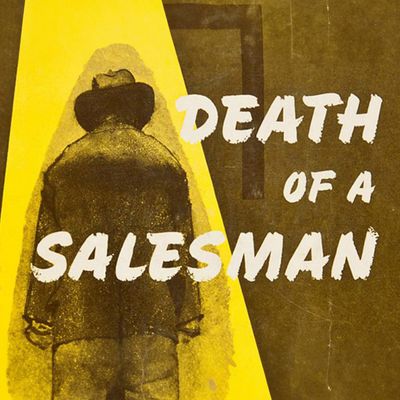
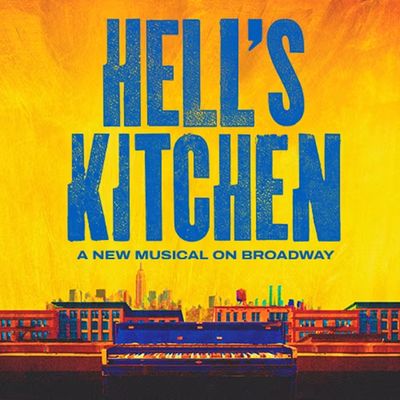
About Marjuan: Named as a 2023, Woman to Watch on Broadway, Marjuan Canady is a Tony® Nominated Broadway Producer and award-winning Caribbean-American artist, entrepreneur, educator, and literacy advocate. A DC native, her work spans theater, film, television, children’s media and literature. Marjuan is the 2023 DC Mayor’s Arts LARRY NEAL Writer’s Awardee. She is currently a Co-Producer on the National Tour / Broadway revival production of The WIZ and the Broadway production of Alicia Key’s Hell’s Kitchen. Canady made her Broadway Producing debut on the 2022 production of Death of a Salesman. She was the 2021-2022 inaugural Front Row Productions Fellow / Adjunct Research Scholar at Columbia University MFA Theatre Management and Producing Program. Her original work has been seen on Hoorae Media, Sensical TV, Sesame Street, at The John F. Kennedy Center, The Smithsonian, The Lincoln Center for Performing Arts, The National Theatre, Miami Book Fair, Ryan Seacrest Foundation and the Caribbean Cultural Center African Diaspora Institute. She is the CEO/ Author and Creative Director of the children's media brand, Callaloo Kids. Marjuan has held fellowships at The Kennedy Center, The Schomburg Center, , the Caribbean Cultural Center African Diaspora Institute, Lincoln Center, Harlem Stage, and the Anacostia Arts Center. She is a 13 time DC Commission on the Arts and Humanities Artist Fellow. She is the Founder of her production company Sepia Works and non-profit, Canady Foundation for the Arts. Canady is a graduate of Duke Ellington School of the Arts, Fordham University and NYU Tisch School of the Arts. She is a member of the Producers Guild of America, Actors Equity Association, Dramatist Guild, and the Parent Artist Advocacy League. She is the proud mom of her four year old daughter.
Marjuan's IG: @marjuancanady
Marjuan's Website: www.marjuancanady.com/
Canady Foundation: www.canadyfoundationarts.org/
Download the FREE Monologue Selection Toolkit: www.jenniferapple.net/freebie
Want to coach with Jennifer? Schedule a session here! https://appt.link/jenniferapple
Learn more about Jennifer Apple: www.jenniferapple.net
Jennifer Apple’s IG: @JenniferApple_
Monologue Sourcing Promo Link! https://empoweredartistcollective.com/podcastpromo
Learn more: https://www.empoweredartistcollective.com/podcast
EAC IG: @EmpoweredArtistCollective
EAC TikTok: @EmpowerArtistCollective
EAC Facebook: https://www.facebook.com/empoweredartistcollective/
Sign up for our newsletter! https://mailchi.mp/8e72e8dcb662/stay-in-touch
Check Out Our Merch! https://www.empoweredartistcollective.threadless.com/
Any thoughts you'd like to share? Email us at EmpoweredArtistCollective@gmail.com
Transcript
This transcript was automatically generated and might contain errors.
[0:00] Jennifer Apple: Hello. Welcome to the Empowered Artist Collective Podcast. I'm your host, Jennifer Apple, a multi-hyphenate actor, educator, acting coach, writer, dog mom, and founder of this vibrant community that champions artists as they carve out their own unique paths in this wild industry. Whether you're just starting out, in the thick of it, or seeking a bit of artistic fuel to expand your toolbox, you're in the right place. In this space, we'll have honest conversations, share actionable strategies, tips, and resources, and delve into the messy yet beautiful journey of living a sustainable, creative life. We unmask the reality of life as an artist, from navigating career highs and lows to nurturing your full human well-being.
I chat with women and non-binary guests who share their personal stories, helpful learnings, and hearts to help you unlock your artistic potential, expand your knowledge, and show up fully and fearlessly in your artistry and daily life. Before we dive into this week's conversation, don't forget to hit that subscribe button so you never miss an episode. If today's chat resonates with you, please leave us a review. It helps us reach even more incredible artists just like you. And hey, feel free to spread the love! Share this podcast with a friend or post it on your socials, making sure to tag @EmpoweredArtistCollective and @JenniferApple_ so we can chat with you there. Alright, grab a cup of something cozy, settle in, and let's get to it.
[1:23] Jennifer Apple: How can artists cultivate a multifaceted career while staying true to their vision and values, specifically in producing? In this episode, I sit down with multi-hyphenate Marjuan Canady, who sheds light on the power of independent artistry and the evolving role of producers in the entertainment industry. From independently producing her own work to stepping into the commercial producing world, Marjuan explains how producing is more than just securing funding. It's about leadership, vision, and fostering storytelling from inception to execution, with creative development to financial strategy, contracts, and team building. She emphasizes the need for artists to take ownership of their careers, find their unique voice, and expand beyond traditional industry models.
And we also touch on the realities of balancing multiple passions, the importance of community in fostering artistic growth, and practical tips for balancing creativity with the logistical demands of producing. So, whether you're an artist looking to produce your own work, an emerging producer seeking guidance, or are curious about what it means to create opportunities for yourself, this episode is for you. Enjoy! Marjuan Canady, so lovely having you in the space.
[2:25] Marjuan Canady: Thank you so much. So happy to be here, Jennifer.
[2:28] Jennifer Apple: Yeah, for anybody who does not know you, who are you today?
[2:31] Marjuan Canady: I am a DC native by way of the Caribbean, Trinidad, and Tobago. I am a writer, producer, a creative director, entrepreneur, educator, multi-hyphenated artist. I'm also a mom, a daughter, a sister, and a cultural worker and artist advocate.
[3:05] Jennifer Apple: It's like, is there anything that you don't do? Maybe, you know what I mean? I'm like, okay.
[3:10] Marjuan Canady: I do get that a lot.
[3:12] Jennifer Apple: I just, you know, we have a lot of multi-hyphenates, myself included, you know, in this space. And every single time somebody shares what they do, there's just a beauty in remembering that, like, possibility is infinite, and also if it feels in alignment, then that's all that matters, you know? And like, who's to say that one thing can't step up and can't step back, and you can't prioritize one thing or the other, and then the other part doesn't get lost. It just is, you know, on a shelf for a second, looking beautiful and smiling, and then, you know, like, but it's always there. Like, I just, I just, it's always so wonderful. But truly, your list is pretty epic. I've just—
[3:50] Marjuan Canady: Thank you.
[3:51] Jennifer Apple: Yeah. The one that is feeling currently ripe for you is, what would you say?
[3:57] Marjuan Canady: I would say writing and producing right now, as in my creative space, my artistic life, because I feel like I have, which I, we will definitely talk about, I've just put in years and years of work into the craft, where I'm starting to see the fruits of my labor and dedication to my work, my original work, the community that I've been part of for 20 plus years. I'm starting to see that work uplifted on stages and spaces across the country. So that's really, really exciting for me. And it's keeping me really activated and present in all of the communities that I'm part of right now.
[4:59] Jennifer Apple: It's awesome. I just, I'm, let's dive on in. I'm, the little version of your origin story, I think is always helpful to hear, just so that we know how you've come to be into the work that you're currently in.
[5:13] Marjuan Canady: Yeah, well, I'm a DC native. And I grew up in a really culturally rich, artistically rich community. I started off like most young people, you know, just taking dance and theater just as extracurricular. But I think the thing, the unique thing about my experience as a young person was that DC just has such a rich Black theater arts community that I grew up in. And it was, it was like second nature to me, the community that was built around me, maybe since I was five or six years old. So I just grew up exposed to seeing so many different types of art. Artists that were in my sphere were at a very young age where people like Debbie Allen, Fahisha Rashad, the community at Howard University. I went to an arts high school, Duke Ellington School of the Arts.
Our most famous alumni is Dave Chappelle. So I grew up in a community that really centered Black voices in the arts. And also instilling in me from a very early age that my voice mattered, my perspective mattered, that art could be used as a means for change in community. So I think in terms of my origins, I always have to shout out, you know, those early teachers. We call them our mamas, our theater mamas, who are still very much part of my life today, who really helped shape the type of artist and woman that I am, really. And from there, you know, I went on and started taking theater more seriously. I started off as a performer and went on to New York for college. I went to Fordham University and then NYU.
Fordham I studied acting and African studies. I'm a huge history nerd. So those, you know, even now, like the intersections of all the things that I'm doing, you know, having that foundation in college really helped. And then I went on to NYU and I studied art and public policy at NYU. So it was a combination of performance work, more along the lines of performance studies and theory. Anna D'Avery Smith was one of my professors there. So that time at NYU was so critical for me because that was the beginning of me creating my own work and finding my own voice and just not really following the system of how, or the path, I should say, that sometimes, you know, as a theater student in academia, in the university setting, there are paths that we are encouraged to follow. That was the beginning of me not doing that.
[8:35] Jennifer Apple: Yeah. That's awesome. And that led you to more on the writing side of it, more on the producing side of it, more in the, like, where did that end up leading you?
[8:47] Marjuan Canady: Yeah. So my time at NYU was a time when I really started to explore my voice as a writer. And as an activist as well, figuring out how can I use the thing that I love so much, theater, to, you know, really impact community and do work that I actually cared about. I did spend, you know, a full solid year being a struggling actor in New York City. So I know a little bit about that.
[9:20] Jennifer Apple: Yeah.
[9:20] Marjuan Canady: And I, you know, quickly realized, you know, hey, this is not how I see my life, even though it was just a year. I knew I wanted to do more. And there were so many other interests I had outside of performance. So that time at NYU, I actually started writing my very first piece, which turned into my one woman show called Girls, Girls, Girls. And that piece absolutely changed my life. It opened me up. You know, as a producer, I learned, like, grassroots style, how to essentially make things happen. From financing it, investing in the piece myself, hiring a team, and started a production company. All the same while, you know, writing, heavily focusing on writing a piece that where I play 10 characters, a satire that explores, you know, how Black and brown women are portrayed in the media, which is, you know, thinking about it now, I wrote it 14 years ago.
It's probably still so relevant, like, unfortunately. So yeah, it's still so relevant. And I actually performed a few monologues from it last year, down in North Carolina. And people thought that, you know, I had just wrote it a year ago. It's a piece that I think just speaks to, you know, continued issues that we see with women in the public eye and the struggle that, you know, especially women of color have to deal with when they're in the public space. So that piece was life changing for me. And that essentially is what got me out of New York. I moved to LA and started to expanding into a film and on the TV production side.
[11:37] Jennifer Apple: I love hearing people's origin stories. It's one of my favorite things for anybody who listens to this podcast and has started probably from the way beginning of our, you know, 90 plus episodes until now, like, I think they can start to see that that was something that I started to ask more from the guests that we had on just because for me, you know, I think if we're looking at all these folks that we've had on this podcast, and hopefully we'll continue having on this podcast, it's a sample size of thousands of artists. And the reminder that there is no one path, I think is so helpful to continue hearing and affirming for ourselves when things are hard, especially to be like, oh, right, truly, like, I could be doing this in what seems like the exact same way as this other person.
And for all these other external reasons, it's still not going to be the same. It's not like going to school and becoming a doctor or a lawyer. It's just not. And so hearing that, you know, everybody comes to where they are from all sorts of places and walks of life is a beautiful reminder of like, how we're in community and with whom we're in community, you know, and just that it's possible for us to continue growing and expanding in all sorts of ways without us being so precious about the how, you know, even though that can be really difficult. It's just a, oh, yeah, trust the process a little bit.
[12:56] Marjuan Canady: Absolutely. And I think that's exactly what I think that time that I had coming out of grad school was a very precious time where I was starting to find my own voice starting to realize that I won't say everyone, but you know, a lot of a lot of folks in the industry that I a lot of spaces I aspire to be in were not necessarily spaces that were any more valuable than, you know, a community space or my own space or building my own.
[14:01] Marjuan Canady: Thank you for having me, Jennifer. I'm really excited to be here and to talk about producing and the mindset that goes into it.
[14:21] Marjuan Canady: So, when we think about producing, it's often seen as just securing funding or getting the project off the ground. But I believe it goes much deeper than that. It's about leadership, vision, and the ability to foster storytelling from inception to execution.
[14:41] Marjuan Canady: As a producer, you're not just managing logistics; you're also involved in creative development, financial strategy, contracts, and team building. It's a multifaceted role that requires a balance of creativity and practicality.
[15:01] Marjuan Canady: One of the key aspects of being a successful producer is taking ownership of your career and your projects. You have to find your unique voice and be willing to expand beyond traditional industry models.
[15:21] Marjuan Canady: I think it's essential for artists to cultivate a multi-faceted career while staying true to their vision and values. This means being open to different opportunities and not being afraid to step into roles that may be outside of your comfort zone.
[15:41] Marjuan Canady: Community plays a significant role in this journey. Surrounding yourself with other artists and producers who share your values can foster artistic growth and provide support when you're navigating the challenges of the industry.
[16:01] Marjuan Canady: Balancing multiple passions can be tricky, but it's important to remember that each passion can inform the others. For example, my work as a writer influences my producing, and vice versa.
[16:21] Marjuan Canady: It's about finding synergy between your different interests and using them to enhance your overall artistic practice.
[16:41] Marjuan Canady: I also believe in the importance of practical tips for balancing creativity with the logistical demands of producing. Time management is crucial, as is setting clear boundaries to protect your creative time.
[17:01] Marjuan Canady: It's easy to get caught up in the day-to-day tasks of producing and lose sight of the creative vision. So, I always encourage artists to carve out time for their creative work, even amidst the chaos.
[17:21] Marjuan Canady: Ultimately, producing is about creating opportunities for yourself and others. It's about being proactive and not waiting for someone to give you permission to pursue your artistic goals.
[17:41] Marjuan Canady: I think that mindset shift is vital for artists today. We have the tools and resources to create our own paths, and we should embrace that power.
[18:01] Marjuan Canady: As we navigate this industry, it's essential to remember that we are not alone. There are communities and networks out there that can support us in our journeys.
[18:21] Marjuan Canady: So, whether you're an artist looking to produce your own work or an emerging producer seeking guidance, I hope this conversation inspires you to take ownership of your career and pursue your passions with confidence.
[18:41] Marjuan Canady: Thank you again for having me, Jennifer. I'm excited to see how we can continue to elevate our work and support one another in the process.
[19:01] Marjuan Canady: It's all about collaboration and lifting each other up, and I truly believe that's how we can create lasting change in the industry.
[19:21] Marjuan Canady: So, let's keep the conversation going and explore how we can empower ourselves and each other as artists.
[19:41] Marjuan Canady: Thank you!
[27:03] Marjuan Canady: Yes. And I think in the long run, you know, all the opportunities that exist to make the project come to life, and you don't necessarily have to perform every single night, but still, you're still a huge part of the team. And you also help shape the storytelling.
[27:18] Jennifer Apple: Yeah, that's why you're here. You know, because you are doing that in all of the different ways that you show up as an artist and creator in every facet of the long list of multi-hyphenate, you know, categories that you started with. You know, it seems like you're doing this from a place that's truly mission-driven, where it's like, you want to be somebody that people can, A, look up to, B, see representation from, C, learn from. Like, there are reasons that you're doing this besides what I think many perhaps associate with producers of just like, oh, they're just there to make a buck. And it's like, okay, that's when things are successful. But also, like, if you were to really boil down the finances of it, it's actually really hard to do so, on the theatrical side of it, at least.
Like, let's just, you know, get granular with it. But, you know, there is, again, the natural association of producer, money, whatever that means, and not including all the beautiful things that you just talked about, which is like really fostering storytelling from the beginning to its end, having, you know, your fingers touching all parts of the creation and not just being siloed into one part of it, especially for those folks who are natural leaders to really be able to, instead of just being the, say, director or the choreographer, you know, somebody with a position of known, quote-unquote, power and status, you're somebody who gets to be looked towards as somebody who can guide a ship with, you know, knowledge and insight.
I think, you know, those are other skill sets that you clearly have with everything that you do. And so, it's really exciting to know that you're in the industry and that you are a voice who is creating work and helping shape and create work. And so, I'm curious how you pick what you work on, and either how it comes and finds you or how you choose to be a part of it. And if that's, you know, your own relationships that then foster that, or it's like, oh, I know that this is in the pipeline, or I actually know this person and this would be a great project, and now I want to be the person who even suggests that this becomes a thing. Like, where are you at with the pieces?
[29:18] Marjuan Canady: Well, for me, it's all about the story. I have to be connected to the story. I mean, it's so much work that goes into producing that no one is, you know, I, you don't do it for the money, because there might not be anybody, or you may not see anybody for a long time. And long time meaning, I know producers who've had projects sitting with them for 10 plus years, you know, and so I think you do it because you're connected to the story, you believe in, you know, the creators, you want to see the story come to life. So for me, it's always a story. I love, I love stories that, you know, we've, we haven't seen before. Stories that sense that are centered around, you know, women leads, women of color leads, African diaspora history, like, I love those stories that, especially history centered, but also stories that we can find joy in and can find, you know, there is, you know, it's playing in form as well.
So I love, you know, sci-fi and magical realism. And, and I have a four-year-old daughter. So I'm also very invested in TYA and stories that young people can go see. I've always been like that. You know, even before I became a mom, but even more so now, it's like, I'm always looking for what can, you know, the whole family go to something I can enjoy, as well as, you know, my daughter. So I think for me, it's always connected to story. And I, I also just want to work with good people, you know, people that, you know, we, we can get in a room, we can get things done, I believe, like, you know, they, without me, they'll get the project done. And with me, I'll just amplify it. I'll, I'll assist whatever, you know, their vision is.
So a lot of people might come to me like thinking that I have, you know, the secret sauce or something, but actually, I mean, maybe I might have a little, but I think also, I want to feel inspired. You know, I want to feel like I'm part of the ride with, you know, the creators of the piece. So I'll say, right now, I have about five projects that I'm, I'm working on, like, currently, and then I have about four projects that are in the pipeline that, that are, I'm in communication, like with the creators, the writers, where I'm going to be attached to those projects.
[32:34] Jennifer Apple: And these came to you because you reached out to them, or they reached out to you or both?
[32:39] Marjuan Canady: It's a combination of both. And they come in different ways. I got attached to an upcoming film, I can't share anything about it. But there's a lot of people, you know, you probably know, in the film, I got attached to that project, simply from being on the red carpet at The Wiz and having a five-minute conversation with someone who knew, you know, or we were from the same, we're both from DC. And it wasn't like a pitch or anything. It was like, hey, I know this person, and they're working on this, you might be interested. So that happens. Sometimes people email me their projects and just kind of cold, cold email me and, which I love. I love people who just take initiative and just send me their, their projects and their pitches.
And then some, some of them like I've, I go to, I go and see shows, and then I'll reach out and say, Hey, I like I really love this. What are your plans? So there's a, there's a variety of and then, you know, I just will see a project, not necessarily theater, but I've gone to like museums and music concerts. And I'm like, Hey, I really love this. And I just reach out to them and say, Hey, I love this. What do you what are you thinking about trying to expand this?
[34:13] Marjuan Canady: It's amazing because what I'm hearing through all of it is just there's the level of just curiosity and that there's consistent curiosity around ideas, potential, creativity, stories, and just like by allowing you to yourself to trust your own gut around like what you're responding to, you're putting yourself in rooms with all sorts of humans who are telling all sorts of stories, but at the core of it, all of them speak to you on a visceral level. It's just the curiosity part of it.
[34:42] Jennifer Apple: Yeah, absolutely. That's exactly how I'd say it. I mean, I think I'm just, I'm very tapped into, you know, in art in general, not necessarily theater or a specific form, but a lot of times I'll see, you know, I'll read a book. I'm actually working with an author on a book that we're going to adapt to the stage, but also see it as an episodic series. So I think I just, I'm always, I'm always centering story and the platforms that it could potentially live in. So I try to just connect with whether it's the writer, creator, you know, where do you see it? And this is what I, this is how I see it. And we, if we vibe on a certain level, like we start a relationship. It's like, it's like dating.
[35:44] Marjuan Canady: Yeah. That's what it's sounding like.
[35:47] Jennifer Apple: It really is. A lot of people at once.
[35:51] Marjuan Canady: I love, yeah. Well, listen, you know, there's no judgment in any of that either.
[35:56] Jennifer Apple: Have you been using the same monologue for years? Are you gearing up to apply for BA, BFA or MFA programs and need pieces for that process? Or maybe you just have no idea where to even start with monologue hunting. I get it. And that's why I offer monologue sourcing. This is a unique process where I find monologues chosen specifically for you. So many artists pick pieces based on external labels like type or for roles rather than finding material that represents who they truly are. So here's how it works. We'll meet virtually and you'll share all about who you are, your passions, values, beliefs and everything in between. Don't worry, I will help guide you through this process. Then I'll get to work finding monologues that fit you like a glove.
With years of experience sourcing pieces for hundreds of artists, I've seen the difference it makes to have a monologue that genuinely feels like you. So if you want to feel empowered about the monologues you bring into rooms and use for auditions, I would love to help you find them. And because you're a listener of the Empowered Artist Collective podcast, I'm offering an exclusive rate. Head to EmpoweredArtistCollective.com slash podcast promo to register and claim the special offer. That's EmpoweredArtistCollective.com slash podcast promo. I cannot wait to help you find monologues you absolutely adore.
[37:15] Marjuan Canady: Maybe it's not the glamorous part of it all and like the, you know, finding the projects and sticking with it. What are some of the tangible steps that for the most part you are actually doing though for every project, no matter what it is? And is that, you know, there's like a very specific kind of paperwork that's always being done or there's a specific kind of reach out that you're always doing to, you know, have people give their funds to like, what are the tangible things that are repeatable processes that you're navigating?
[37:45] Marjuan Canady: Oh, yeah. I would say some steps that I've always been on every project. Contracts, like a lot of paperwork. I mean, I think as a producer, you know, you have to understand the business around IP and collaboration. If you're working in unions, as you start to scale up, understanding the talent that's being brought on and understanding that from a legal perspective. So you don't necessarily have to know all the legalities, but you do have to know the basics. And also, you know, have a lawyer close by to draft paperwork agreements for everybody involved. So I think a lot of times, you know, as artists, if you're juggling both, that can be challenging, which I've done and continue to do. And I love it when I can just, you know, be a producer or just be a writer.
And the times where I can just be a writer, and I see other people produce, there's a little like my producing hat is like, oh, she didn't do that, right? She's forgetting about this. Let me just remind her. So paperwork contracts is one thing. I think, you know, in traditionally in theatre, like raising the startup money, the front money, sometimes we call it to get things started. And again, it depends on what level you're at. So if you're, if it's more of a commercial production, you know, you're looking at, you know, I don't know, it could be like 500,000 just to start, depending on the scale of it. Now, if you're, if it's just like a solo show, or if it's like a two or three person show, you know, you may need some funds to start, but sometimes you don't. So I think understanding the financial side in the beginning of how much money you need, building a budget, you know, making sure you have proper business accounts in terms of tracking your money.
I guess I'll add that in of my must-haves at the end, but like, I use QuickBooks. So like, I don't have to think about anything in terms of I'm tracking receipts and expenses and all of that. So that is very important, especially in the end and reporting and if you have investors, so I think.
[40:34] Marjuan Canady: Every project, there is that financial side of just getting started and then what do you need to run. And then maybe the other part for every project is building the team and who that entails. Every project, whether it's the writer, director, actors, you will need people and how do you find the people to make the project happen. So I think those are the three key areas: paperwork, budgeting, finding the money, and hiring the team and managing the team.
[41:20] Jennifer Apple: When it comes to the money part of it, do you have a roster of humans that at this point you have a good rapport with, they trust you and they're like, yeah, when you work on this stuff, please call us and we'll give money because we trust your vision? Or is it more like as you keep building and you keep growing, you are reaching out to various contacts at various points being like, hey, I think you might be interested in this or hey, I know you are really wealthy, you could use your money. What is that?
[41:44] Marjuan Canady: Yeah, it's a little bit of both. I definitely have a roster now. But my very first Broadway show, I did not. I literally talked to everybody. And I felt, I mean, I can't even describe what I felt. And I realized in that experience, this was working on Death of a Salesman, that I needed to examine my relationship to money. And more specifically, my feeling of value and worth around my own work, and what I deemed, you know, what was considered valuable art or theater, which I don't think unless you move into fundraising or producing. A lot of times we never get to do that in this industry. So I realized, you know, from that experience working on Death of a Salesman, just how to find investors, how to pitch to them, how to talk about numbers, how to sell experiences, and how to talk to people who are very wealthy.
And for some of them, you know, it was not about making a return. Whereas some of them, yes, like they wanted to see the numbers, but they wanted to feel connected to an experience. So I think that is what I've learned the most about fundraising, that there's an emotional element to it. There is a connection. You have to be connected to the project, no matter what it is, no matter what, you know, whether it's music, theater, film. If someone is going to give you money, they have to be connected to you or the project in some way, just on a human level. So I think at this point, yes, I have built a roster of folks who some are very wealthy, and then some, you know, have some disposable income that they want to, you know, play with.
But then there, I'm also constantly meeting people, and just building connections with people. And I think the thing just going back to, you know, my journey of 10 years of making things, there's also a level of trust that has to be had. Yeah, you know, it's not necessarily like, The Wiz is my project, and I'm dealing with the day-to-day operations and the financing of it. But your investors have to be able to trust that you know what you're doing, you're going to follow up, you're not going to run off with, you know, even if it's $5, they have to be able to trust that, you know, you're a professional, you are saying what you're going to do, and you're going to do it at the base level. So I think even if you get, you know, someone to give you $25 for your project, like, it made me think, you know, when I started getting bigger investors for the Broadway shows, like, hey, like, even if somebody gave me $50, that's still someone making the conscious decision, like, I'm going to invest in you, no matter what it is, no matter what the level is.
So if you can get someone to give you $20 for your project, you can get them to give you $200,000. You might not be talking to the right person to give you that. But, but it's possible. Yeah. So I think every project that I've worked on, and thinking about the projects that are to come, I operate now from a more of a mental space of abundance than scarcity. Whereas I think, as I was creating my own work, for you know, those that 10 year time period, I never asked, I never had investors, outside of maybe like friends and family, and not even more than $1,000. So it was always me investing in my own work. But there was also a fear of, you know, I don't know how to ask for money, or I don't know, like, what does it mean if I don't give them the money back?
So I think once I became a little bit more comfortable, like around the business side, and understanding this is how it works, especially in the commercial space, in the Hollywood space, the Broadway space, there are people writing checks for $1,000,000. And that's just what it is on a Thursday.
[47:02] Jennifer Apple: Yeah. And so when you're making these asks of these people, are you knowing where they're starting from? Or is it usually just like, from you, like a personal thing from you of like, this is why this means so much to me. I would love to have you a part of it for X, Y, and Z reasons, because you bring this, or I would love to have you as a part of this, because I know that you love these kinds of things. And it would mean a lot like, what tends to is it? Do you cater it? Or is there like a certain theme for all of your asks?
[47:30] Marjuan Canady: Oh, yeah, well, there's definitely strategy. Whenever you're talking to potential investors, there's always a strategy and, you know, always moving from an authentic space. And but I think I can pick up and most producers, especially seasoned producers can pick up what a potential investor is looking for, within the first, you know, minute, or maybe, you know, 30 seconds of talking to them. So obviously, like knowing what an investor's capacity is, is important, because most of the time, if you're talking to like an artist, yeah, they might, they probably wouldn't be able to write you a $10,000 check. But if you're talking to somebody like in the tech space, or someone that's more in, I don't know, the medical or science spaces, and they may have some extra funds to play with, you know, being aware of that is important.
And, you know, coming in and being strong about it in a sense of like, hey, this is my project. This is what we need. This is where it's going to go to, and you will be part of like this exciting team, you know, so I think always leaning in that you are a part of this, this is not just you writing me a check, and then you never hear from me again. But this is what you get, you get to, you know, maybe you can, they can come to rehearsals, maybe they can see an early, you know, an early run of the show, or they'll be invited to opening night, like these are all you have to remember that, especially investors, they're not part of this world, a lot of them for the first time, first time investors, especially, they may not be part of this world.
So to come to an opening night or a closing party, that's a big deal. Yeah, that's a big deal for us. It's like, this is what we do all the time, red carpet events. But for those who are not in the industry who want to be part of it, they are part of our team. And I mean, we could have a much go into a different conversation of how theater is changing, especially the nonprofit model, or maybe how it needs to change. But for the most part, I think looking at always having a strategy when you talk to investors, whether they're friends, family, or complete strangers is important. But also maintaining, you know, a sense of real personhood, you know, and acknowledging like, hey, I'm gonna get this project done, regardless.
[50:21] Jennifer Apple: Yeah, with or without you, and you should be along for the ride. Yeah, I love that. Thank you for sharing. Because I, you know, obviously, we're not getting into like the very specific of the weeds of like breaking it down by bracket and who you know, and whatever. But I just I think it's helpful to name, all of the things that go into the work of it, and that it doesn't necessarily just come easy. And that, you know, it is a lot of putting yourself out there. But that doesn't mean at your expense, you know, I think there's sometimes feels like it might be a cost to be like, Oh, but like, like, let me keep putting myself but it's like, no, you're coming from a place of alignment of this is something I really believe in.
And we will do this with or without you. And I want you to be along for the ride. It's an offering, as opposed to the scarcity mindset and switching that up so that it's not operating from scarcity. And it's operating from abundance is a whole different way of approaching money for sure. But certainly this industry in which we're taught to stay small and that things are only available for so many and that, you know, there's only so much to go around. But like,
[51:24] Marjuan Canady: Oh, well, there's so much to go around for sure.
[51:26] Jennifer Apple: Yeah, you know, and there's also like, there's so much money. Like, you just have to know how to ask for it and with whom to ask and and showing up in a space that feels genuine because it is not because it's, you know, like, I think just naming those things is really important for people to hear. And so it's really exciting to hear that you've grown so much in this process for yourself to as you've, you know, reflected and done work and like, you know, and gotten to a place that now it doesn't feel perhaps as laborious in the way that it maybe emotionally felt when you were first starting because you've taken ownership of all that you are in that that's like such a beautiful growth moment. So just want to name that to hear that.
[52:12] Marjuan Canady: Yeah, when you and I had talked a little bit before this about this idea of like stepping away for a moment and then deciding to come back. I'd love if you were comfy to talk about that for a sec.
[52:22] Marjuan Canady: Oh, yeah. And I love that you brought that up. Yeah. I think with the stepping away. That happened. It happened, I think a couple times in my career. When I graduated from NYU. I think I was already like working in this non-traditional space anyway. Because I didn't I didn't really buy the Hey, I'm I identify as a performer as an actor. But I don't buy this system of I'm going to go on 100 auditions a week to maybe book one non-union opportunity. I didn't buy that. And my one woman show was the thing that like when I say it saved me it opened my mind up to all the possibilities of being a writer, a performer, an educator, creating my own work, setting my own rate. And that's really what saved, saved me and allowed me to leave New York. So when I say I left, I left the traditional New York theater space I physically left. But I also from that experience working on my first play. I never I had no desire. I had always desired to.
[54:06] Marjuan Canady: So, you know, as being a young person, and I studied musical theater in high school, my dream was just to be a Broadway performer. So I think also going to school in New York and just being in the beast of it, my dreams changed. And I quickly realized like, hey, I can be part of a show for, you know, six months, or a tour. And then it's all over. And I'm back to square one. That didn't feel right for me. There's nothing wrong with it. But I knew that, you know, there was something else out there for me. So stepping away physically, and then also starting to find my voice as a creator at this time when actors were not necessarily encouraged to be writers and do multiple, just identify as a multi-hyphenate.
I think I felt so much more empowered. I definitely like experienced, you know, deep depression and a lot of, a lot of, you know, just anxiety. And, you know, that a lot of a lot of what a lot of artists face just not knowing how they're going to pay their bills and take multiple jobs and chronic, chronically tired. And not for like, the reasons of pouring into yourself and pouring into your own work. I think now like I'm tired for a different reason. But when I moved to LA, I kind of went into another beast of being part of the LA industry, in terms of film and trying to quote unquote, make it in that system. And after two years of being in LA, I realized, hey, this is not for me again. And it took me coming back home to DC and refocusing on my own work and my own path, and physically not being in those environments to really center to think like, what are the projects that I want to be doing?
What wakes me up and gets me excited every morning? And again, I think, you know, there's nothing wrong with wanting to be an actor or to work in the larger industries. But I knew as, you know, a woman of color, at the time, you know, in my 20s, I necessarily didn't have a lot of power in these spaces. I had agency and I had my own power. But to be in those rooms that were already curated and crafted with the people and the stories they wanted to be told, I was just, I was just invited to be part of their stories. And I felt when I stepped away from being specifically in New York and LA, I got, I came into my own space to play and to create my own lane, my own table to bring the artists and my colleagues really that have been with me.
We've been all collaborating with for years to make our own art and tell it our way. And I don't know, I think maybe I just, I've just been doing it so long. People are like, hey, she's not going away. Give her the theater.
[57:52] Jennifer Apple: Yeah, yeah. I appreciate you sharing that, you know, because I think so many of us are taught and told that like, the only way to quote unquote, make it is if you have to move to these cities, you know, and I think there's obviously been a huge shift with the pandemic around self tapes and arguably, you know, being accessible kind of from wherever you are, that's allowed for so many people to not have to make those drastic life choices of moving if that isn't fully in alignment. But even when it is, I think you're naming something beautiful and that like, just because you started on this one path, and this is what your dream was at one point doesn't mean that it can't a change or be adapt or shift, you know, like, it might, and that's okay.
Arguably, it's, that's what it means to grow and to learn and to expand and to give yourself permission of letting go of something that is no longer serving you. And or give yourself permission to go seek the thing that actually feels more in alignment or more fulfilling or more fruitful. You know, I I'm, I think I'm on a mission to like, reclaim that being an artist is always being an artist. And that's not in your relationship to your quote unquote, successes, or what you book or, you know, the work that you're doing. It's like the way that you will show up in every room is an artistic way. And that you finding how you do that in all different parts of your life is still in the pursuit of being an artist.
And you finding that for yourself in physically different locations or in different kinds of expression. It's not, you know, like, if you're finding yourself in these different kinds of rooms, that doesn't take away from everything that you've done. And it certainly doesn't, you know, just take away from anything that you will do. And so I think that's just such a beautiful reminder that you giving yourself those permissions to like, come back to yourself, and the things that fill you with joy, and where you're finding fulfillment, and you're finding expression has allowed you to become who you are. And then you get to look back on these times that you've lived through, and that you get to like own your choices in a way that helps define you in like, and, and inspire you and also is like just another part of your journey towards, you know, your artistic life. It's great.
[1:00:16] Marjuan Canady: Absolutely. And I would just, you know, ask artists who are listening to this to think about why do you do what you do? Yeah. You know, if you're doing, if you're an actor, just for you just doing it for applause, or, you know, for the next, you know, that high you feel when you, you know, finish a show, or you finish a project, and you're being celebrated, that at some point will run out. Yeah. You know, and, and it's funny now, because I'm also like circling back to acting, you know, I had a, I had a mentor tell me, you know, you can act until, you know, your 90s. I mean, look at like someone like Cicely Tyson. You know, so I'm actually doing more like voiceover acting now, motion capture acting.
And that is so exciting to me, because it's a totally different, especially motion capture, just a totally different space for me. But, you know, it kind of goes back to my roots of, you know, I started off as a dancer, definitely more of a physical actor. So I'm excited to, you know, use, you know, the training and the experience in a different way. But I think also, especially for actors, you know, my experience as a performer, I use it every day. Yeah. As, as a producer, as, as a teacher, you know, your ability to stand in front of audiences and tell a story and, and your public speaking skills, like don't think of it just as one way to communicate in one, one area. I think there's so many different industries that, you know, if you have a, if you have a tiny interest to explore another field, there's so many industries that need the skills that theatre professionals have.
And they spend a lot of money to try to learn the things that we, that we already know, whether, you know, you trained or not. So I think, you know, coming again, shifting your mindset of, this is what I have. These are the resources I have. These are, you know, the colleagues in my community. I love like Issa Rae, you know, I think in some conference, she said, you know, network across, you know, network with the people who are sitting right next to you. That's how I built all of my own projects, just from my colleagues from college, high school, just all different walks of life. I never went to any, you know, Broadway producer or anyone to tell, like, give me a handout or, you know, to take my piece, you know, now I'm kind of at the level where like, people are coming to me thinking I can make their project, but it really is about you and what you are willing to do.
And getting it to a level where, you know, whether it's someone like me, or, you know, a producer who is working in these, these spaces that, you know, bigger commercial spaces, you know, when you're ready to take your project at that level, it's a totally different ballgame. So I think even sometimes we may want things as artists that are celebrated and idolized, but it's, it might not be the right time for you or the right space for you. Every project doesn't have to be on Broadway. Every project is not meant, you know, to have, you know, a huge studio backing them. They can live in the appropriate spaces that need to be. And when the time is right, especially when you as the creator, the artist, the timing is right for you, the piece will bloom.
So I think becoming more comfortable with that, and I've definitely grown into that, like, and I tell everybody I work with, like, hey, where do you see this? And then, again, center the story and say, hey, you know, I think this audience, you know, why don't we, you know, think internationally? Think about all of the audiences that this could potentially serve, not just the traditional, the traditional pathways. So I think that's, that's what excites me the most about being a storyteller, being a producer. You get to think out of the box. You get to reach people, connect with people that you may never have even thought about.
[1:05:16] Jennifer Apple: Yeah, it's awesome. You're so cool. For anybody who wants to reach out to you, who wants to work with you, who wants you to produce stuff, who is a, you know, investor and somebody with a lot of money, like any of these people, where are the best way for people to reach you within your boundaries?
[1:05:34] Marjuan Canady: Yeah, well, definitely, you can find me on all the social medias, at Marjuan Kennedy. It's just my name. I'm on all the platforms except TikTok. I have not gotten into that. But definitely, I'm on Instagram, Facebook. Also, my website, again, it's just my name, www.marjuankennedy.com. And you can also email me info at marjuankennedy.com.
[1:06:01] Jennifer Apple: Amazing. Thank you so much for being so open and vulnerable and sharing in this way. I'm super grateful. And I also am just so excited for all of these projects you have in the pipeline, just knowing that they're coming from such a value mission driven space within you. And it's just only going to create more incredible art in this wild industry that we are a part of. So thank you for all that you do. And thank you for being in the space.
[1:06:30] Marjuan Canady: Thank you. Thank you so much for having me.
[1:06:33] Jennifer Apple: That's it for today's episode. I hope you walk away with some fresh insights, feel inspired and a little more empowered to take the next step on your artistic journey. Remember, whether it's a small shift or a big breakthrough, every step forward counts. You've got this and we're here cheering you on every step of the way. If you found today's episode helpful, don't forget to hit subscribe so you'll never miss out on the discussions we have each week. And if something today really resonated with you, please leave us a review. It truly is one of the best ways to help other artists find our podcast and join in on the conversations. Plus, we feel the love too when you do. And don't keep all this goodness to yourself.
Share this episode with your people or post about it on social media. Be sure to tag @EmpoweredArtistsCollective and @JenniferApple underscore so we can see what's landing for you and keep the conversation going. As always, thank you for being here. Thank you for listening. And thank you for being a part of this incredible community. Keep creating, keep thriving, stay empowered. I'm Jennifer Apple. Until next time.
© Broadway Podcast Network, All Rights Reserved